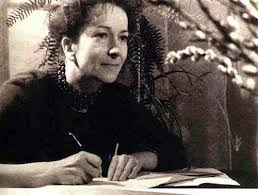
 One book of poems I have always at my bedside, for when I need to shift my thoughts, is Wislawa Szymborka’s New and Collected poems 1957 -1997, translated by Stanislaw Baranczak and Clare Cavenagh, published by Faber and Faber 1999
She lived from July 2, 1923–February 1, 2012
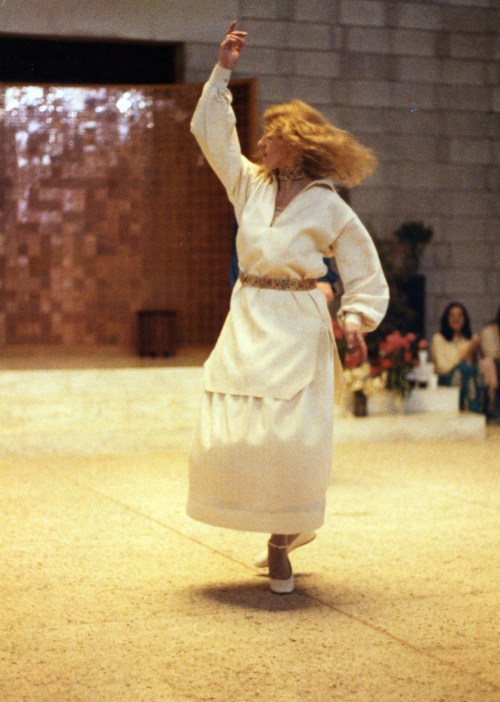
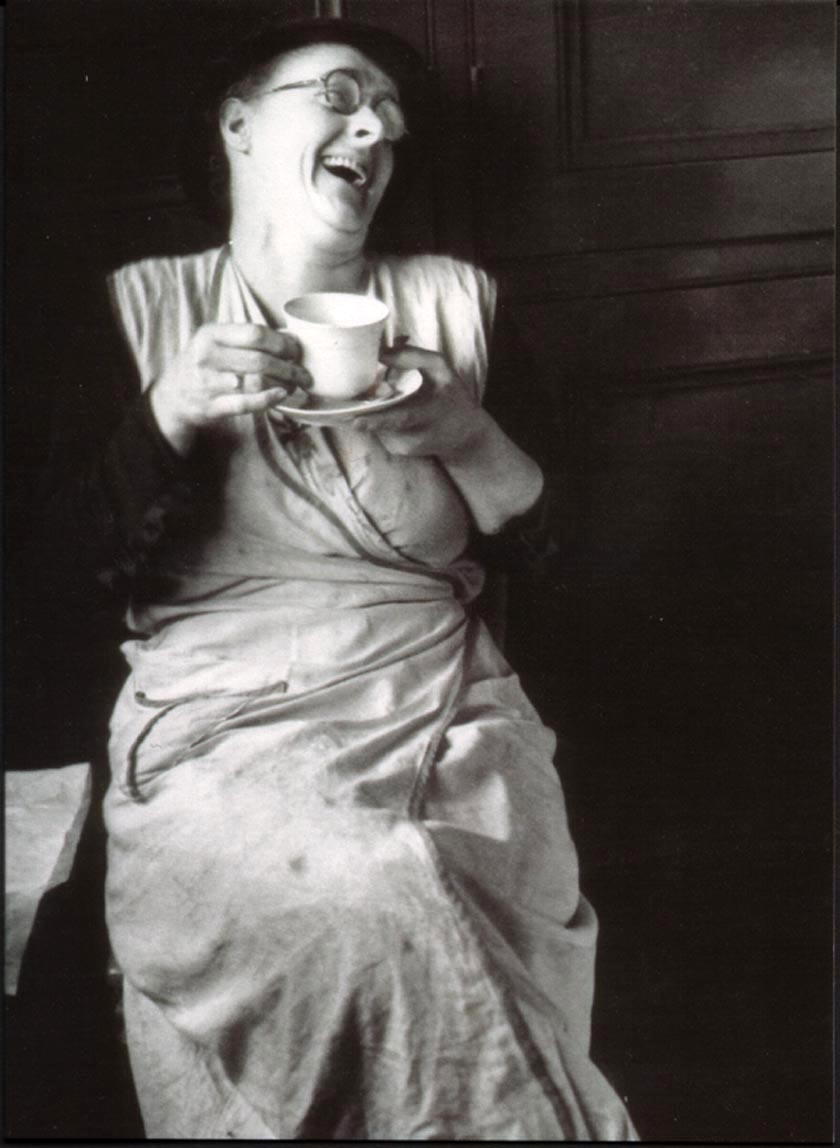
Apologies for not having the photographers’ names for the two images of her that are spanning decades.
I like the humour, the ironic style, the contradictions running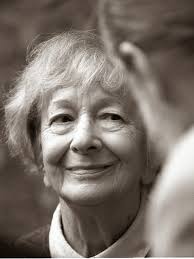 through the poems like a clear spring.
I thought I share a poem in full, since I posted a fragment on Twitter the other day. And also because I remember the protagonist in my novel, Course Mirrors,’ is in search of The Real.
THE REAL WORLD
The real world doesn’t take flight
the way dreams do.
No muffled voice, no doorbell
can dispel it,
no shriek, no crash
can cut it short.
Images in dream
are hazy and ambiguous,
and can generally be explained
in many different ways.
Reality means reality:
that’s tougher nut to crack.
Dreams have keys.
The real world opens on its own
and can’t be shut.
Report cards and stars
pour from it,
butterflies and flatiron warmers
shower down,
headless caps
and shards of clouds.
Together they form a rebus
that can’t be solved.
Without us dreams couldn’t exist.
The one on whom the real world depends
is still unknown,
and the products of his insomnia
are available to anyone
who wakes up.
Dreams aren’t crazy—
it’s the real world that’s insane,
if only in the stubbornness
with which it sticks
to the current of events.
In dreams our recently deceased
are still alive,
in perfect health, no less,
and restored to the full bloom of youth.
The real world lays the corpse
in front of us.
The real world doesn’t blink an eye.
Dreams are featherweights,
and memory can shake them off with ease.
The real world doesn’t have to fear forgetfulness.
It’s a tough customer.
It sits on our shoulders,
weighs on our hearts,
tumbles to our feet.
There’s no escaping it,
it tags along each time we flee.
And there’s no stop
along our escape route
where reality isn’t expecting us.
Wislawa Szymborska
Her Nobel Prize speech inspires … if you are shy to call yourself a poet, follow this link and soak it up.
Poets, not being profitable, get little screen-time. Wislawa Szymborska says … ‘Their work is hopelessly unphotogenic. Someone sits at a table or lies on a sofa while staring motionless at a wall or ceiling. Once in a while this person writes down seven lines only to cross out one of them fifteen minutes later, and then another hour passes, during which nothing happens … Who could stand to watch this kind of thing?’
‘I’ve mentioned inspiration. Contemporary poets answer evasively when asked what it is, and if it actually exists. It’s not that they’ve never known the blessing of this inner impulse. It’s just not easy to explain something to someone else that you don’t understand yourself.’
‘Whatever inspiration is, it’s born from a continuous “I don’t know.’
Her words bring to mind a Rumi quote: ‘Sell your cleverness and buy bewilderment.’
Follow this link to Brainpickings and find a number of write ups about Wislawa Szymborska
Brainpicking’s Bulgarian creator, Maria Popova honours language, and somehow manages to bring context and coherence to the irrational and the imagination. Her curiosity is unlimited. She writes about my favourite people in the world. Among them are poets like Wislawa Szymborska.
 let sleep do its work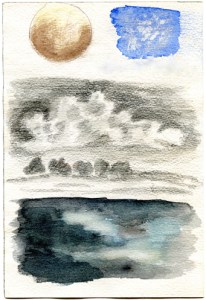
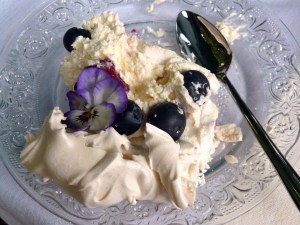 Our senses, physical and otherwise, make us feel alive, grant pleasure, and no doubt increase our hunger for taste, touch, smell, sight and sound, and more senses besides.
 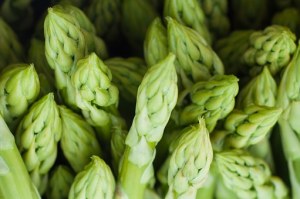 … the small, round boiled new potatoes were the sweet, starchy berries of the earth. Their light brown skins stretched enticingly over the creamy white fruit within. The asparagus, almost luminescent green, redolent of a waving forest of green marine plants viewed through the warm clear waters of a tropical island bay, fresh and tender in the soft embrace of the mouth and chewy enough for the teeth to relish their work of liberating the cacophony of nourishing juices over the vibrant, aroused tongue.
 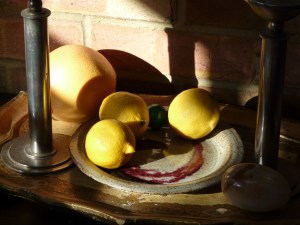 The salmon, its raw fishiness tamed by gentle heat in the company of thin slices of lime, into a piquancy which thrashed around the palette like wild seas. And, the final trigger to culinary orgasm, a tangy, herby sauce, which pulled the palette this way and that, like stretching a rubber band, taking it for moments into the realms of sublimity.
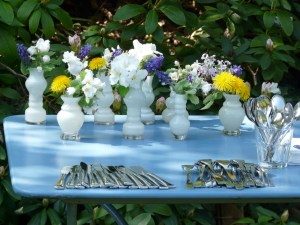 During gatherings of friends, we love sharing stories as well as food delicacies … the displays and the bouquet of flavours wafting on the air on such occasions may well attract hungry ancestors, grateful for such feasts.
 Winding the clock back to before events were recorded in writing and ordered along linear timelines, folks across the globe unified their beliefs through countless
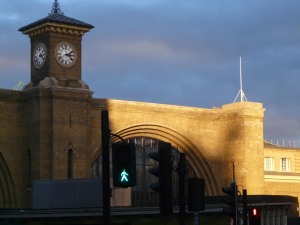 I mourn the round clock


 Course of Mirrors