Tag Archives: creativity

… perception & difference …

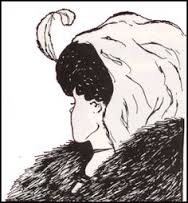
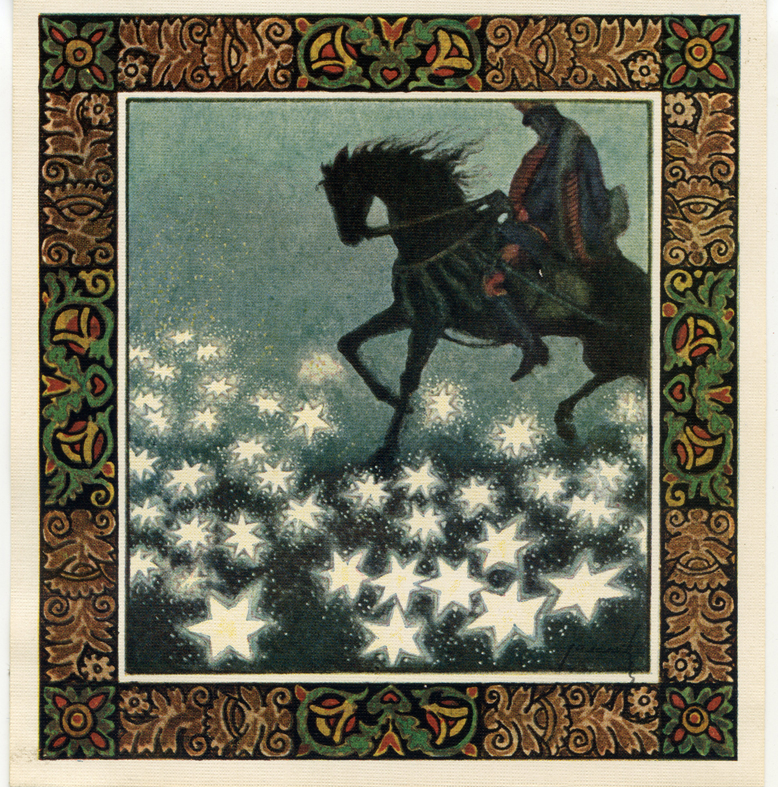
Try and shut your eyes to slits and blink through autumn branches against the light. With patience, a young-woman-old-hagmoment arrives when black and white spaces inverse and clusters of stars shine from another dimension. The background has moved to the foreground. A tiny shift in our outlook can result in a new interpretation of what we see, like in the gestalt drawing  on the right, which changes the age of the person if you let your eyes wander up and down the image. Visual tricks that open a sudden gap in our seeing reveal how we jump to superficial referencing. Making snap assessments is convenient, safes time, energy, and sometimes lives, but can also trap us in a kind of flatland of rigid divisions.

What do we mean when we say he or she is different – do they look different, act different, think different, or have customs that seem strange to us? Typical brackets are class, gender, cultural background, colour, language, age, ability … and migrants. Defining people by categories clicks in as a default opinion when real or imagined threats require scapegoats. Or resources are scare and solidarity is politically expedient.  Suddenly the need to belong and historical prejudices reasserts themselves.

Beneath all habitual categories prowls what is frequently forgotten … the inherent natural tendency of each individual. Consider relatives, neighbours, familiars, friends and foes. The differences that delight orfoetus-2 irritate us lie foremost in a person’s unique temperament and inherent tendencies. Background does not explain the mystery of characteristics we are born with, the random mix of evolutionary records in our bodies, a wisdom our minds expand upon through resonance with the collective psyche – a shared matrix of past experience and future potential from which we, ideally, emerge as a self-reflective persona. (The theory of a collective unconscious and similar non-evidenced theories relate to my experience.)
Environmental factors can distort the unfolding of latent knowledge in every living organism. Education has a detrimental effect on children when their intuition is belittled and their minds are flattened with facts before they developed the confidence to question these facts.

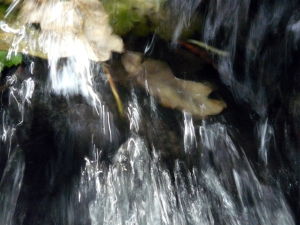
P1090890 - Copy (2)How come I’m invigorated by rushing waters, calmed by a smooth stone, a golden sunset? How do I sense the pulse in a tree, or what life is like for a boar, rat, ox, tiger, rabbit, dragon, snake, horse, sheep, monkey, rooster, dog –  unless all nature’s qualities also reside in me?
For example, anyone who sits in a public place and watches people stroll by will notice traces of animal features; can spot a temperament in gestures and movements, observe someone dragging their body behind their head, or push their belly out like a shield. Some people dance along with a fluid gait, while others tiptoe and glance nervously about them.

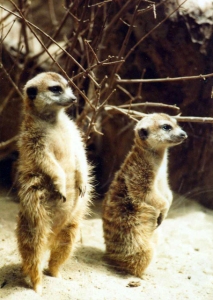
mercats-copy-smallerAt social gatherings we may come upon clusters of meerkats grooming each other, turtles plodding through the crowd looking for a mate or a fresh salad leaf, peacocks, obsessed with their splendour, blustery cockerels, loving old dogs, sharp-eyed falcons, enchanting robins, and so on. …
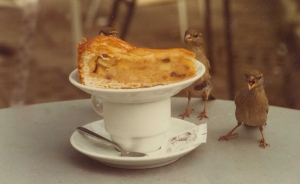
birds-and-cake

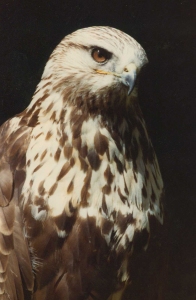
Birds are keen on cake but wary of cats, whereas lions can afford to be relaxed.  How amazing then to observe vastly different temperaments complementing each other – like a person falcon-smaller-stillwith a butterfly nature tying up with a partner who occasionally roars. Given the rich lore of sensibilities mixing and battling in the human psyche, strangers should be less strange than we make them out to be.
Initial likes and dislikes, even among kin, have nothing to do with background, morals or ethics. Wariness goes along with fascination when it comes to difference. We may not be keen to share a nest, but sharing a street is fun. Nature is a mirror that teaches us how to become human. And animals deserve our special appreciation for reminding us of the innumerable diverse idiosyncrasies in ourselves.

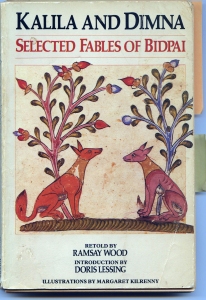
Animals have appeared in wonderful stories around the world, like the Aesop’s Fables   or the much older Indian Panchatantra Collection – the chief source of the world’s fable literature.

img131-smallerThe Persian translation became the Fables of Bidpai. Lovely collections of Kalila and Dimna were published by Ramsey Wood,  one with an introduction from Doris Lessing. I got permission from Ramsay Wood to use a short tale from his collection in my novel ‘Course of Mirrors.’
Programmes on ‘Respecting Difference’ have made it into schools and institutions. But can respect be taught in a few hours? More effective are courses that help people to find self-respect through exploring the diverse feelings and judging voices within themselves, the inner conflicts that manifest for us outside.

Acknowledgement, at least, tolerance and patience with our inner crowd eases snap projections and allows us to rediscover ourselves in the eyes and minds of others day by day. The internet expands this mirroring into timeless realms,  from where echoes of our own dissonance or resonance return.

In the analogue world people are on the move across the planet – for various reasons – war – drought – famine – persecution – fresh meaning – it is happening, and it will continue. The most productive response to this phenomenon is to embrace its creative potential.

The other day woke up with this thought: Migrants, indeed all citizens sans resources but able and willing to work, could be given the spaces to create new towns, be empowered to build their own houses and develop their own businesses, and conducts, as a way towards gaining self-respect, and in addition contribute to the well being of a community. Maybe this is a naive pipe dream, but worth contemplating nevertheless, since creative opportunities nurture self-respect and move us beyond self-concern.

‘The whole is other than the sum of the parts … it has an independent existence.’  –  Kurt Koffka

Related links

More contagious than micro-organisms are fear and hopelessness.

Have you ever gone to your fridge in the middle of the night …

Pattern which connects – Gregory Bateson

Regarding the discovery of what we know, see the visionary work, Involution,  by Philippa Rees, a remarkable poetic adventure, with brilliantly researched additional historic commentaries.  A book to take on a Desert Island.

22 Comments

Filed under Blog

… a writer must selfie herself …


August 2016

August 2016

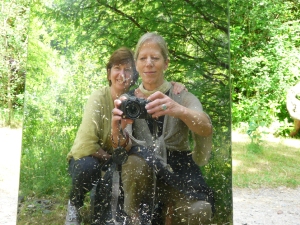
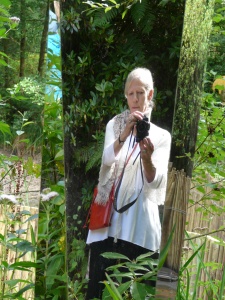
This  selfie of mine was taken last summer. As you can see, I’m an introvert.

If you’re in for a funny video on selfies, here is one I found on the Urban Dictionary website. Its definitions help to lift despair.

I was initially delighted when in spring 2013 my first novel was picked up by a small publisher. Course of Mirrors was in good shape, thanks to my dear beta reader friend and editor, Evlynn Sharp. Our selfie from 2014 shows below.

April 2014

When over time my publisher was prevented from preparing my novel for its launch, for various reasons beyond her control, I shelved my frustration, finished a sequel, and even started a third book – still, gradually my confidence suffered. Then again, if the promise for my first novel had not been there, I might not have continued writing, so whatever my misgivings, thank you Emma for loving my story.

Back in control, I decided to self-publish. And now I’m challenged, like many lovely writer friends whose fate I follow online, to set up a stage for ‘Course of Mirrors,’ squeezing myself into an overcrowded publishing scene.

I have lived and worked in England since 1978. When time allowed, I contributed poems and articles to specialist magazines and anthologies, but only started writing novels later in life. Writing was a vocation, not a career. An early humiliating experience at school, made me return to writing only through photography, film, and the freedom of another language. Though financially risky, I took time out, and writing became immersive.

Finding words to condense my myth into imagined worlds is totally satisfying, sans financial rewards. But then, forgive the sigh that escapes so many of us in the same situation, writing is a full time devotional activity, and I spent now many years writing and editing into midnight hours, a little financial reward would at least compensate for reduced income and allow me the occasional holiday.

I observe that marketing and advice professionals possibly outnumber writers. However brilliant these experts may be at their job, I can’t afford their services. Now even simple questions I hoped my publisher would support me with shout for answers: What’s your genre? What readership do you hope to address? How will you capture the tone of the novel in a title image? Should the cover express the concept, or a scene from the novel? What’s the unique angle of your story? How does your story differ from others in your genre?

In a public sphere over-saturated with information, how does one engage a reader’s attention without having to boast? I feel like having to provide an answer at gunpoint to one question only – Who are you?

Frankly, I have no idea. Maybe I’ll find out. As I said, I’m an introvert. Like my protagonist, I’m a suspended character. The whole circus is a gamble. I can only hope that you, the readers of my blog, will stay with me through this labyrinth of my author-creation.

While I struggle with particulars, and hopefully amuse you with updates, I’m planning to launch ‘Course of Mirrors’ through Matador/Troubador in spring 2017.

Here, to deliciously confuse you, is a river of keywords relating to Course of Mirrors:

Course of Mirrors combines literary genres to thread in elements of: fantasy; mystery; thriller; adventure; friendship; romance; humour; suspense; magic realism and tragedy. It is adult and young adult fiction, and it includes allusive cultural references spanning: imaginal odyssey; coming of age; quest; road trip; identity; the single child; cinematic style of chapters; psychology; intrigue; loss; murder; betrayal; speculation; metaphysics; insight; poetics; irony; future; despair; passion; triple soul; compelling characters… and in the sequel – Shapers – shape-shifting and time travel across decades.

25 Comments

Filed under Blog

… notes on messy old women … 

p1100616Hurrah, today is poetry day in the UK.Where would our world be without poets?
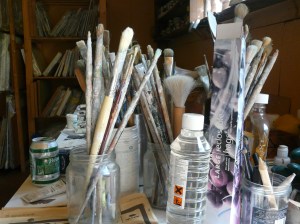
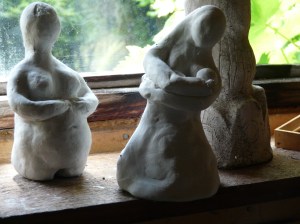
I sometimes forget I’m a poet.

Waving hello to all poets the world over I’ll share here a poem I wrote years back for an artist friend and her family.


… notes on a messy old woman …

p1100622


in her art the charcoal mining hills

are shadow lands holding gold

and white mountains of china clay

spark New Jerusalem in her heart


she draws Cornish Cliffs rising black

from pale sands – jutting like mythic

creatures into a calm cobalt sea                                                      p1100619

beneath an impassive slate sky


she delights in the yellow of lemon

green of pear – shape of aubergine

textures of sunflower – curly kale

and the pink gleam on the skin

of fish – best caught on the day

P1060855 smaller

each thing away from its home

…solitary objects …

alone in space – the pot – pan

cup – knife and fork she paints

like icons on white and says


… they speak for themselves …


when spring brings pungent earth                                                     Rose, autum 4 low crop 2

she plants narcissus and hyacinth –

geranium and rose – tomatoes – mint

clematis – azalea and rose again


she bends low to weed her garden

but not to wash the kitchen floor

nor does she mind a grimy table

sink – bowl – glass or plate                                                                    Cornw. cross at Lamorna Cove 3


yet her home is bright with friends

walls are hung with paintings

shelves groan under books

colourful rugs blot out the dust


her stomach has hardened to bugs                                                  Farnham Easter 2011-45

and if a thing cracks or falls apart

one of her five children will come

to fix the chair – shelf – clock – tap

the leaking roof or creaking door

… her strategy works …

all objects she observes revert

to the empty spaces between them

Ashen, 2004

You may wonder what has been happening since my last post, to which many of you kindly responded in relation to my dream and my desolate, confused state, which was heartening.

The post coincided with my publisher coming clean after I had faithfully waited three years for the production work on Course of Mirrors to begin. Still, I’m thankful – at least the path is clear. I decided not to approach any of the giants. I’m taking control. Having had lots of time to compare self-publishing set-ups, I’ve chosen one that’s most respected in the trade and also stores and distributes books.

I believe strongly in Course of Mirrors – the book will be launched in spring 2017.  I’ll keep my online friends updated. Once my first novel is on the road, I may crowdfund for the sequel … and a collection of my poetry.

‘Faith is the evidence of things not seen.’ – W Hutchinson Murray


Sorry, the layout of this page turned messy  🙂

25 Comments

Filed under Blog

… Punch is behaving disgracefully again …

Punch and JudyLong-festering issues are popping up in ugly shapes on our flat screens. Punch behaving disgracefully again. Policy makers had it coming. Ah, the ever irritating foibles of citizens, where resentment trumps over reason on issues which, after being hushed for stretches of time, repeatedly break into the light of reality and need to be engaged with. There is no magic knife to cut out the nasty parts, like the cancer of xenophobia, which is basically an overreaction to the fear of disorder and the slipping away of control over familiar attachments, the world over.
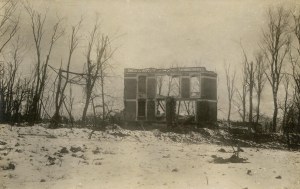
Science is at war with the random failures of our immune system, a war that may in future extend toward the gene-editing of troublesome feelings, equaling an attempt to not bother with the psychology of the unconscious. Please imagine what would happen, desirable as it might sound, if humans were made immune to anger and insulated from memory (a theme in the sequel to my novel ‘Course of Mirrors’) the danger being: if we close the door to one threat, we open the door to another. Medicine calls it ‘side-effects.’

What happens with social policies is no different. The debates before and after the Bretix referendum (how did such an ugly word become a brand?) leave essentials unaddressed in both camps. I have an image of a confused fleet of rudderless boats in the middle of the Channel, where the sound of – Brrrr – exxxx – ittt – is carried on the wind and presses on eardrums. The wind is useless without a rudder. Given the prevailing eccentric climate there is no knowing where the boats will end up.

I’m in such a boat, even though I have a home, a safe little shelter to feel smug in. Presently this comfort makes me feel very uncomfortable. The issues raised in the Brexit campaign are valid. They could be listened to and reasoned through towards a compromise, for the time being, since it is surreal to take the bundle of problems about broken communities, lack of housing, jobs and poor efforts of integration and blame it on people conveniently label as ‘others.’ The influx of migrants merely highlights an ever growing imbalance between have and have-nots. The world is changing faster than one generation can comprehend, despite, and also because of technological advances and instant information.

The exodus happening around the world is a global phenomenon.

RuinPeople fleeing from war-zones, natural disasters and nil prospects, attracted to the seemingly coherent structures of democracies, want to re-build their existence, are mostly educated, keen to work, and are longing to regain their self-esteem. Why not focus on the opportunities in this situation? Ask how the migration phenomenon can benefit societies? And how Britain can creatively support Europe in a process that simply cannot be stopped?

Actions based on fear and denial create more fear, and will hardly generate listening, humility, or reflection – like how the meddling in the Middle East caused more harm than good, and how the experiment of democracy is just that, an experiment.

And, to my mind, the biggest question of all is: how will the overly privileged individuals and corporations of this world respond to the ever widening imbalance of riches? This can not be left to politicians, whose promises are tied to only a few years in office. Imagination and forward looking reforms are needed.

6 Comments

Filed under Blog

… answers to questions we dare not ask …

Could it be that we frequently get answers to questions we dare not ask, allowing us to ignore certain messages? When do we challenge an issue and when do we keep silent and move on? Maybe I’m naive, but given my peculiar tolerance for uncertainty, I tend to trust in the random timing of guardian angels.

In der Eng 1954Last night, in a dream, I jumped from the ground onto a flat roof by sheer determination. Then someone asked me to repeat the feat, in the manner of a scientific trial. A ridiculous request – nothing is ever repeated under the same circumstances, try as you might. It’s as far as I got with this dream. I’ve no idea what the flat roof represents, apart from maybe having my first novel aired, which has been waiting to be launched with my small publisher since 2013.
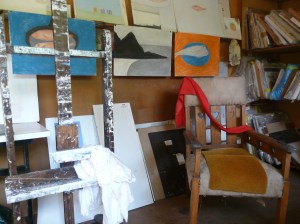
Yes, I’m frustrated, and tempted to self-publish, instead, it looks as if I need to secure money for my father’s care and funeral. He decided not to die and plans to reach a hundred. While he requires support with basic daily tasks, he is comfortably secure in the care department of the place where he had rented a flat, which I must dissolve within the next few weeks. I arranged for him to keep items he holds important, his paintings, books, art materials, easel … in his present care-abode.

The process of letting go of things and projections was distressing but worthwhile on both sides. After endless paperwork, bureaucratic complexities, sorting stuff, and living with ancient dust and revelations, I felt totally exhausted, and decided to recover for a few days with friends, and then take a break, once more, back in the UK, choosing a 12 hour train journey because of possible strike actions at Munich airport.

I was not cheered by a financial cover-up that, in retrospect, may (or not) have saved my marriage at a time when I felt trapped with my creative longing sans resources, all based on sad misapprehensions my father had of me over time, including blaming me for my mother’s early death. Nor was I cheered sorting through over 30 photo albums covering 16 years of Luxury Ocean cruises my father undertook with his second partner, touristy snapshots that did no credit to his past photographic excellence, earlier works of which I’ll post more in time, and which, I hope, my son will archive.

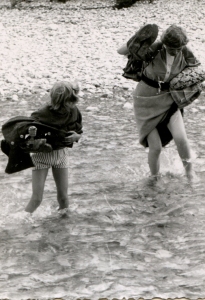
In der Eng 1953 - crossing the stream - smallerIn der Eng 1954 - crossing the stream - smallerStill, there were tender moments and highlights during this recent testing odyssey … my dad’s new appreciation of my existence, which warms the heart, and the finding of precious images from my childhood, like where I brave icy mountain streams, or cross them with my mother – memories of intensely happy times that restored my spirit.
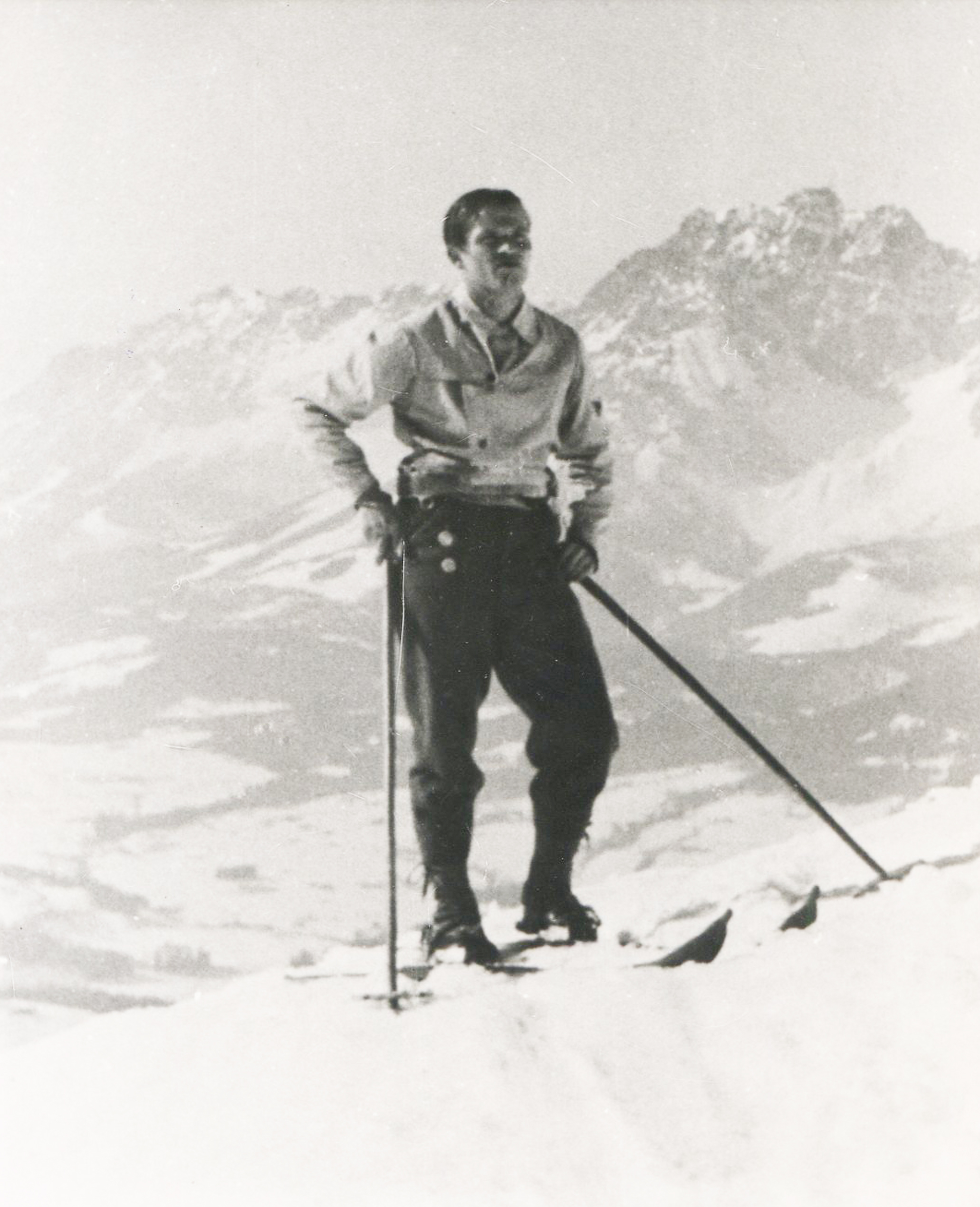


Worth reflecting on, BBC4 broadcasted a prospect of old age that seems kind of scary in its social implications …

Should we retire the concept of aging?

19 Comments

Filed under Blog

… verwandlungen – transformations …

Bilder des Vaters – Wörter der Tochter                                                                                   A Father’s Images – A Daughter’s Words 

Auf dem wilden Kaiser

My father, now in his 90s, recently recovered from the shock of a fall. Brought to the fore, mortality reshuffles experiences – a mysterious process, different for everyone, young or old. Whether relationships are supportive or troubled by frustrated expectations, in the deep cavern of the psyche experiences assume fresh meaning when endings are contemplated, or happen suddenly. The unconscious speaks a surreal language.

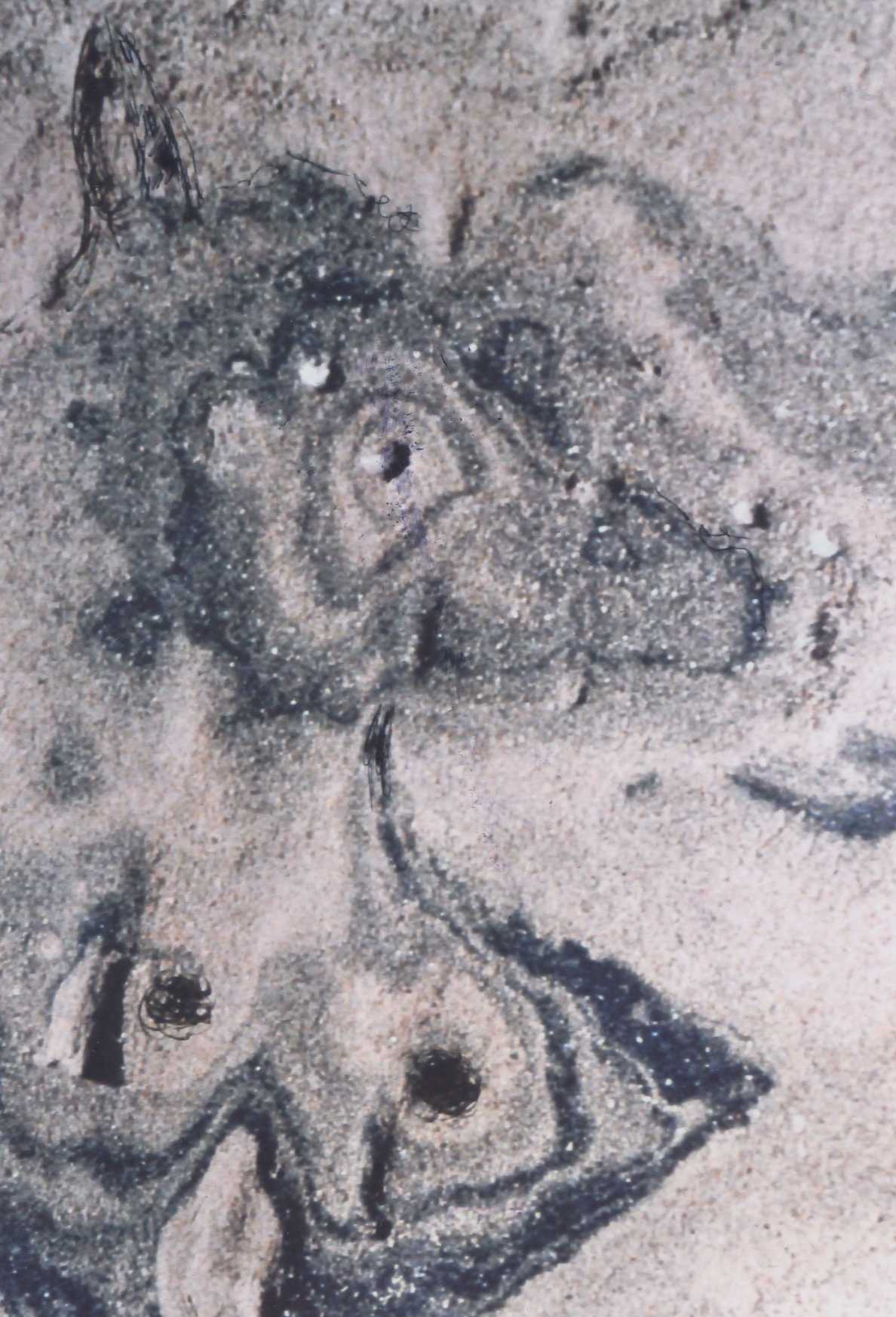
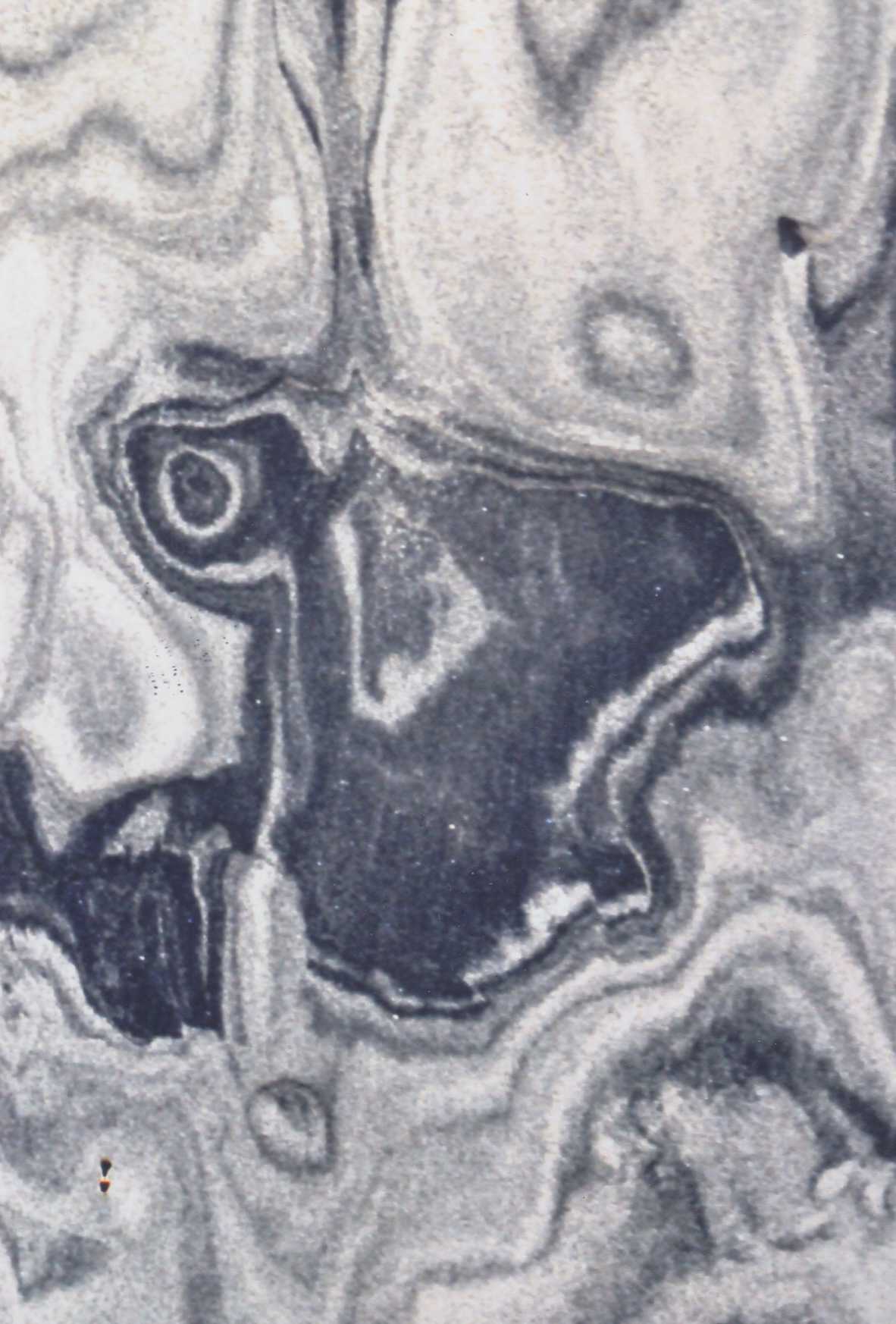
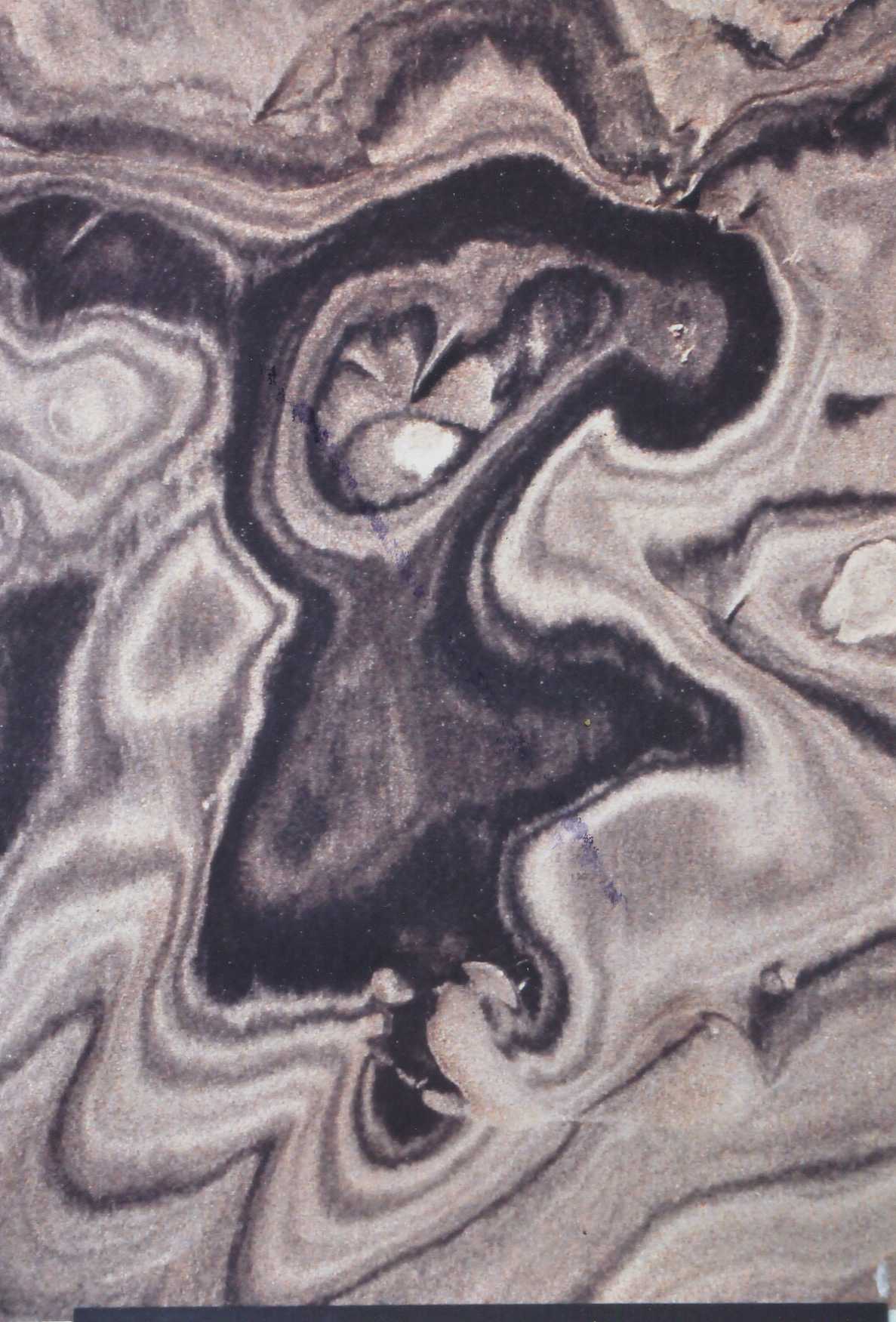
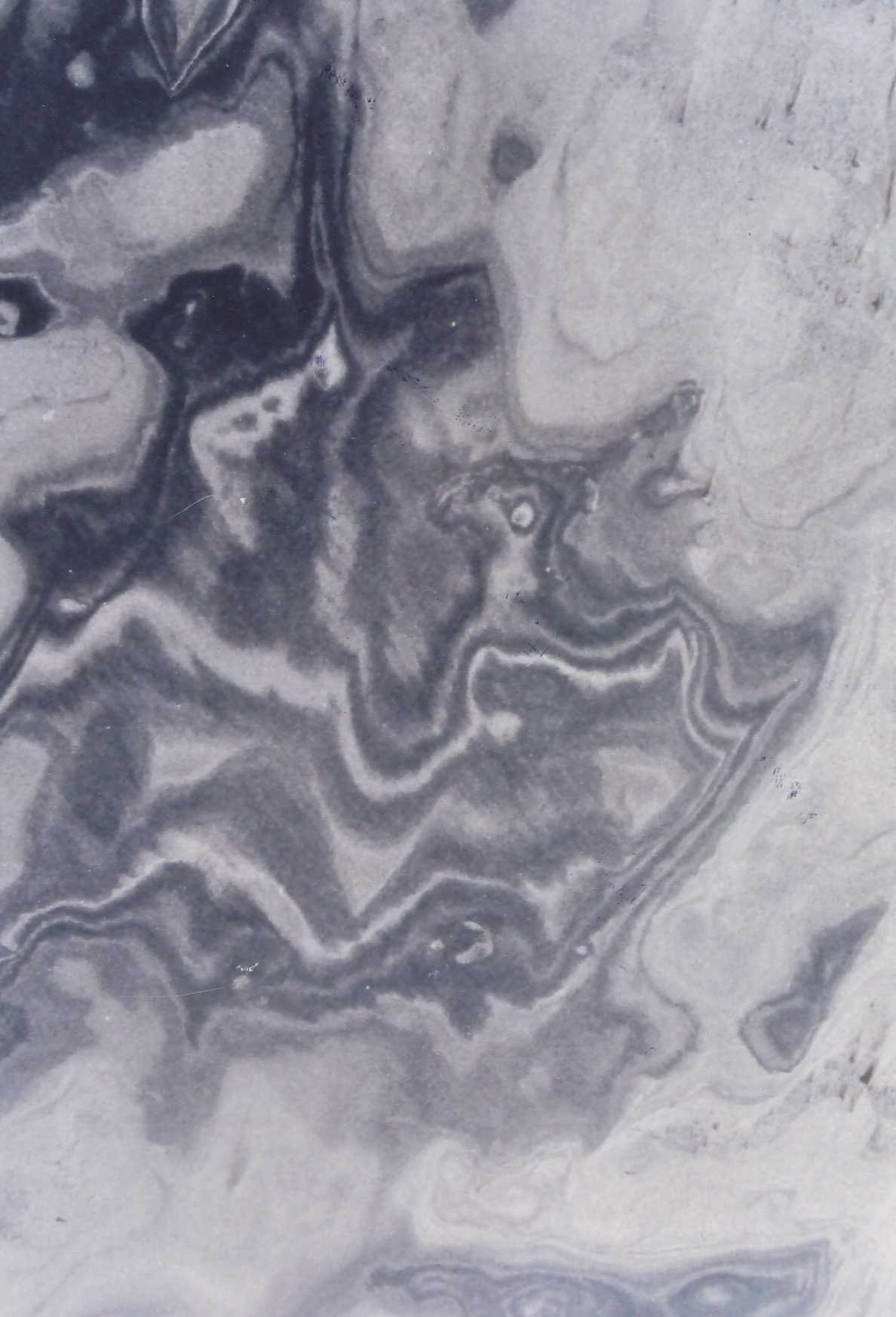
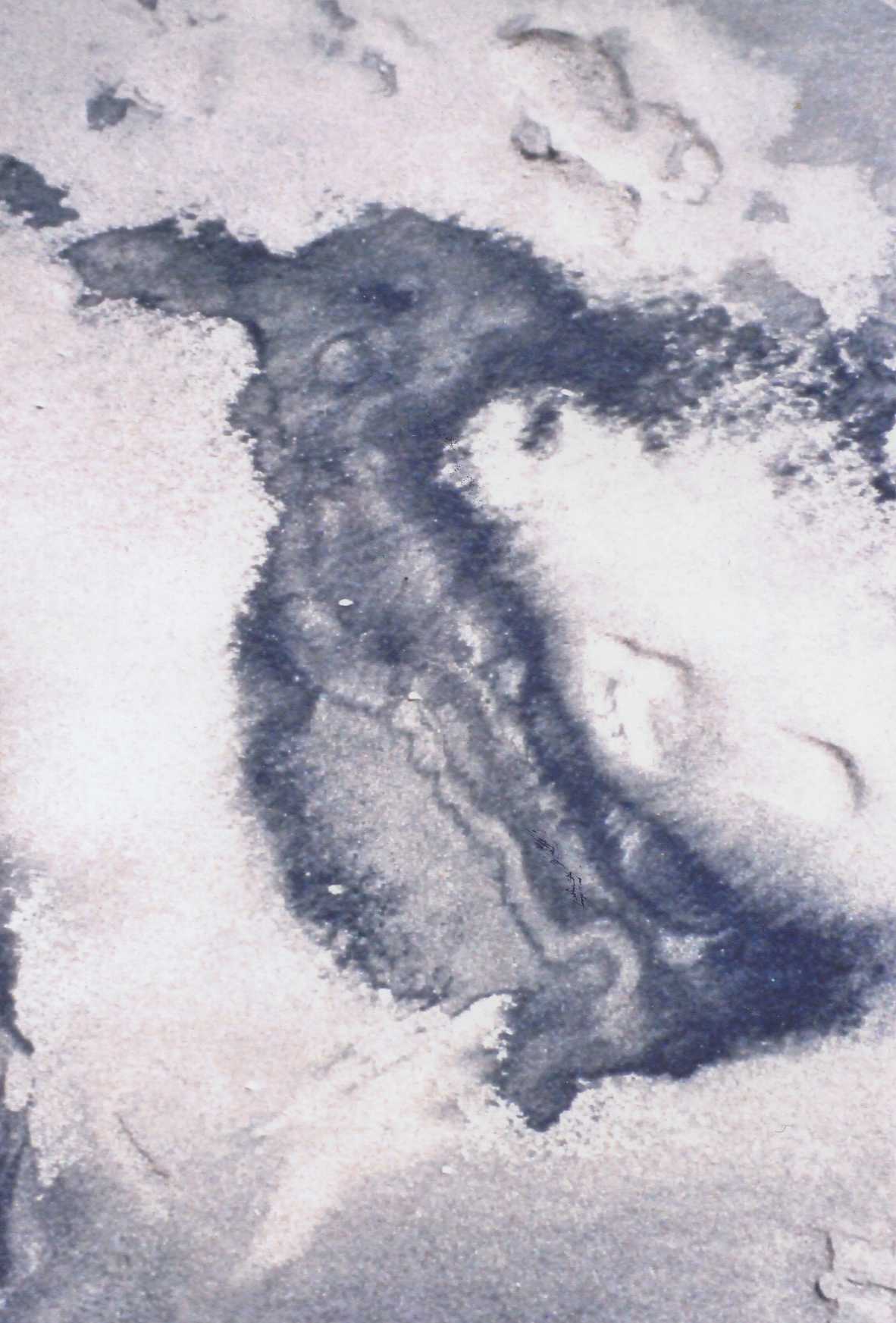
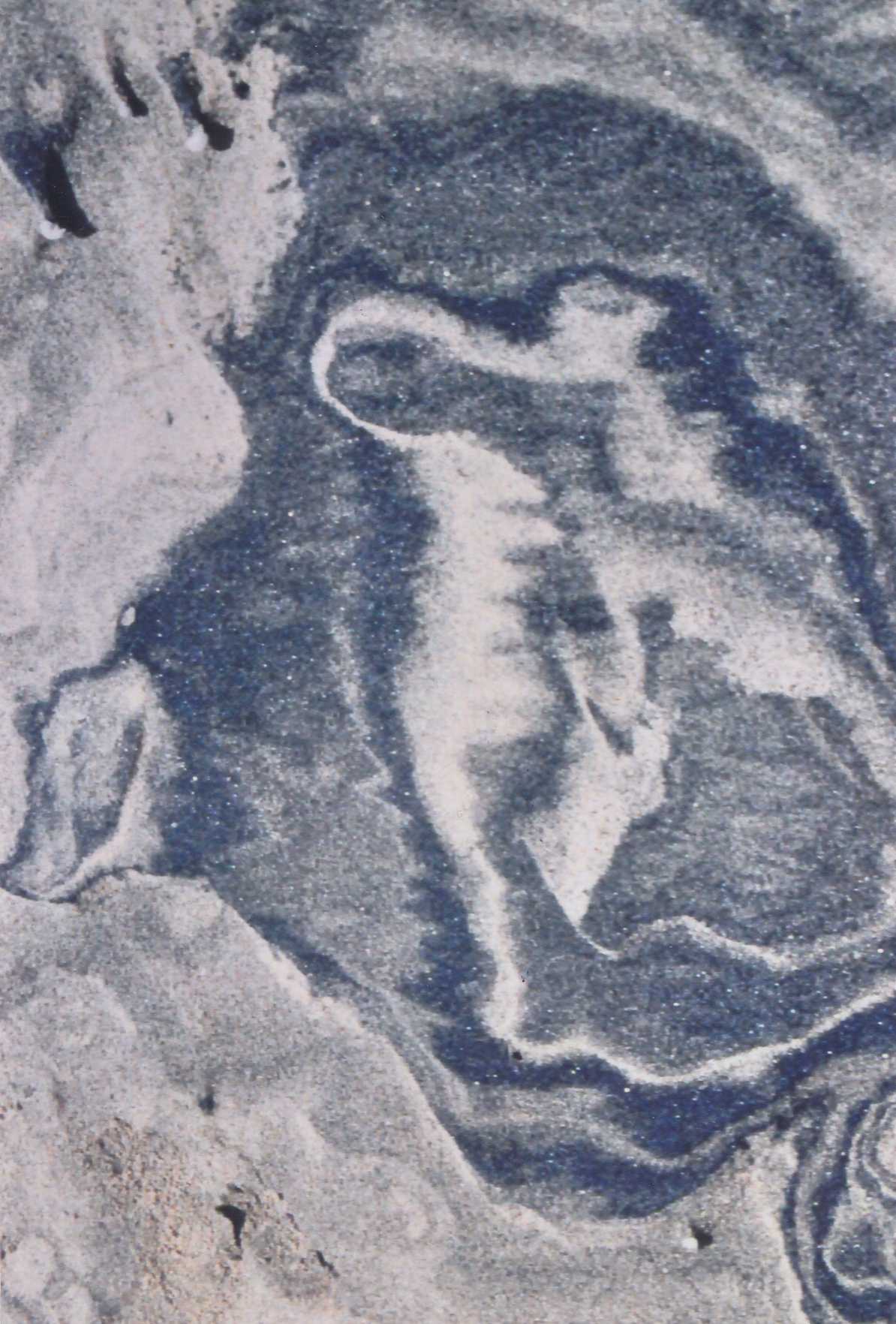
A few years ago, my father took photos of a phenomenon on the island of Fuerteventura, where, in some places, when the tides recede, the white shingle derived from bleached shells and sea creatures mingles with the black sand of volcanic rock. The bizarre sand drawings my father came upon inspired me to write short lines in German, here with English translations. The alliance of images and words surprised us both, hinting at an underlying creative connection between us that could not have been otherwise expressed.

Im Sand träumt das Angesicht der Zeit … The Face of Time Dreams in Sands

Sand - no1

1

Ich seh Dich, du siehst mich noch nicht.

Meine Stimme klingt von der Ferne

In deinem Muschelraum

Geheimnisvoll im Werden.

Manche glauben ich sei nur Sand,

Die irren sich gewaltig.

Ich bin ein Traum wie Du.


I see you – you don’t see me yet

My voice sounds from far away

In your snail chamber, secretly becoming

Some think I’m only sand

They’re mistaken

I am a dream – like you

Sand - no22

Tränen waschen mich rein von der Macht

Das war mir eine Last.

Ich will ich mich nun auflösen

Im Gesang von schönen Symphonien.


Tears cleanse me of power

Which burdened me

Now I will dissolve

In tunes of beautiful symphonies

Sand - no 3


3

Ich bin ein komischer Vogel – mit Hörnern und Brüsten

Wie Du trag ich das schweigende Anglitz der fliessenden Zeit


I am a strange bird – with horns and breasts

Like you I wear the silent face of fluid time


Sand - no 44

Die blassen Gestalten um mich wollen mich beschützen

Als ob ich zu klein bin fur die Welt – vielleicht ahnen Sie

Dass ich ein Drache werden will der die Welt erschüttert


The pale figures surrounding me mean to protect

As if I was too small for the world – maybe they suspect

That I want to become a dragon to shake the world


Sand - no 5


5

Mein kleiner Tanz ist ansteckened – bald wird der ganze Strand

Bevölkert sein mit Kindern die Hände fassen in Ringelreihen


My little dance is catching – soon the whole beach

Will fill with children who hold hands in Ring a Ring o’ Roses


Sand - no6


6

Vom Wind verwischt und verwandelt bin ich

Das restlose Gemüt einer schlafenden Seele


Blurred by the wind and transformed

I’m the restless mind of a sleeping soul


Sand - no 77

Meine Flügel sind mir ans Hirn gewachsen

Wer weiss who ich dahin mit segeln werde

Mein Herz blickt schon längst ins Unbekannte


My wings have grown to my brain

Who knows whereto I shall sail with them

My heart has long been gazing into the unknown


Images: Ludwig Weiss – Words: HMA Venema

And then there is ‘The Story of the Sands,’ one of my favourite Sufi stories. Here told by Terence Stamp: https://www.youtube.com/watch?v=oNasXE5_OTI

15 Comments

Filed under Blog

… imaginary time …

Image by Almos Jaschick

Image by Almos Jaschick

Today is one of those when I can only attend to bits of information, short sequences of writing, a paragraph maybe, while my eyes are drawn to ivy leaves moved by the breeze, a blackbird family feasting on apples left for them, a pair of woodpigeons landing and swaying in the branches of the huge beech at the top of my garden. Again and again I engage in pockets of attention beyond the window and shake off focus, ironically, in order to re-find the focus towards a coherent little blog post. A sudden rainfall is followed by the sun spinning through marbled clouds, while the heavenly voice of Kiri Te Kanawa streams through sound boxes linked to my computer. Eventually, my eyes return to the words I’m assembling here about the mystery of time, also relating to the emerging parallel worlds featuring in my two, coming to three, imaginative novels, where intentions create connections – from invisible realms beyond space and time.

Check out this and similar posts on YouTube, ha, ha, a few speculations. I haven’t been there for a long while. Don’t get lost.

‘The distinction between past, present and future is an illusion, although a convincing one …’ is what Einstein wrote in 2007 in a letter to friends. Time, he showed, has no universal constant and is relative. His famous equation E = mc – energy equals mass times the speed of light squared – had enormous implications, technologically, as well as socially.

This valued theory seems, at present, incompatible with the Quantum Physics that apply to tiny things. The chase for a unifying theory that includes quantum gravity is on. Moreover, physicists puzzle over the unseen pulling and pushing forces in our universe that elude detection.

We perceive time as proceeding steadily forward, although the laws of physics allow for time to equally run backwards. When it comes to our subjective inner experience we easily accept time as non-linear and relative. In therapy work, for example, a shift in attitude towards a person in one’s past can change a generational pattern.

We define time, create time, record it, hoard it, take it apart and re-frame it into fresh representations and stories. Stepping from one reality into another without losing coherence of mind is the province of individual adventurers of consciousness. Some artists like to dwell in liminal spaces where time shrinks and expands, like the twisting passage between one dream and another. Many devote their life to the re-framing of events in time. Imagine for a moment where we would be without people who create novel perspectives on entrenched realities. To call such expressions mere fantasy demeans the symbolic understanding found in the vast dimensions of the psyche.

Try and compare the creation of our cosmos with the conception, cell divisions and the birth of a human infant. The procreations and expanding consciousness of humans make for multitudes, while each of us inhabits our own self-constructed world. A psychic universe held together, it seems, by forces not unlike the unseen tides our visible galaxies swim in, the ocean of dark matter and energy that exists symbiotically within us.

Dark matter is assumed to collide with oxygen and hydrogen nuclei in our body, speculated to happen at the rate of up to 100 000 times a year. There, you may be hit right now. To my knowledge, no idea has been proposed as to what might be sparked or exchanged in these collisions.

In any case, at this, another year’s ending, quite a few of us spark flames and kindle candles in dark nights to celebrate the cosmic dance, the birth of light.


I’m wishing you, my readers, wherever you are, a time of peace and reflection.

*      *     *

From Little Gidding by T. S Elliot …

We shall not cease from exploration

And the end of all our exploring

Will be to arrive where we started

And know the place for the first time.

When the last of earth left to discover

Is that which was the beginning;

At the source of the longest river

The voice of the hidden waterfall

Not known, because not looked for

But heard, half-heard, in the stillness

Between two waves of the sea.

Quick now, here, now, always –

A condition of completed simplicity

(Costing not less than everything)

And all shall be well and

All manner of things shall be well

When the tongues of flame are in-folded

Into the crowned knot of fire

And the fire and the rose are one.


25 Comments

Filed under Blog

… Winter Tale …

A poem for Ricarda Huch

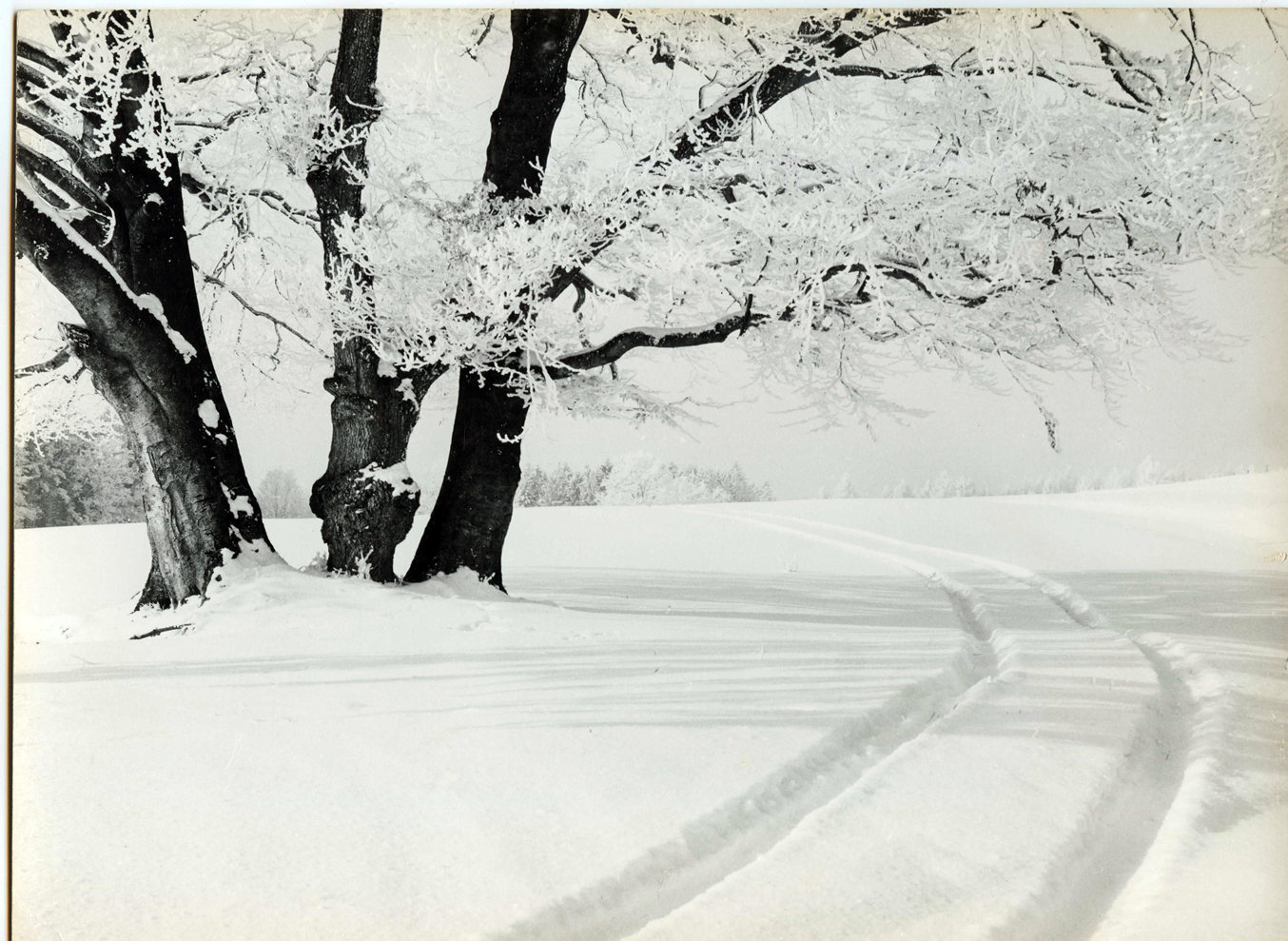
Snow-tracks, 3Snowflakes spin in lantern beams like distant nebulae,

iron scrapes on ice and halter-bells chime with the trot

of horses. The sledge slows on the steep track,

at the top – a click of tongue – the reigning in.

One window shines in the black yard. Off the sledge,

I drop back in time and nearly slip on frozen muck.


Inside, the woman serves hot stew; she says, matter of fact,

‘Stay up, read, that’s fine by us.’ They have an early night.

I feed the fire in the hearth, wrap up and settle near the light

of a paraffin lamp. ‘You love books?’ This is how it began,

Ricarda left books, enough to span the valley to the farm.

You must visit us.’ I was keen, though mother held mistrust:  


‘They’re odd; famous relatives don’t take away from that.’

A hiss, a splutter of flame, the antler’s shadow shifts on the wall.


Morning sun, books in open crates, scattered across the floor,

nibbled at by Billy goats – how had they opened the door?

Three dog puppies jump and bustle on my bed, gnashing holes

into the eiderdown. They grin at me, feathers on their snouts,

Their eyes propitiate. I let rip and belly laugh. From the hall:

It’s all right; our creatures can wander in and out as they like.


The southern window glows opaque with frosted fern and flowers,

cold grace melts under my breath and hand, unveiling a frozen

lake, and beyond the valley, a curl of river and the white rim

of Alps like a parade of porcelain elephants under the pale sky.

From the blue … Ricarda’s voice: ‘Poetry is perception unbound.’

It will take years to feel at home with no rules but my own.

Ashen

An unashamedly romantic  facet of my childhood. For several years I used to spend parts of my school holidays at a ramshackle estate close my home, because my parents had a business and could not always find the time to attend to me as they would have wished. The treasure in that special place (owned by relatives of Ricarda Huch) were the amount of books, stacked up in crates because no one had the time to sort them into shelves. For me, this was an exciting and oracular milieu.

As is the case with 99 percent of images on my blog – the image of the snow tracks is my own.

11 Comments

Filed under Blog

… The Inner Jihad …

I met some remarkable people in my life. During the late 70s, instigated by my then Sufi teacher, Fazal Inayat-Khan, I stayed with my then partner for two months in Washington DC, at the time when President Carter was inaugurated.  Our contact person was Dr Abdul Aziz Said, Professor for International Relations at the American University. We saw him almost every day at his office at the University or at his lectures, or we met him at his home, and in other places. His sincerity had a great impact on me. His words never left me. He made us think about spiritual economy (of that another time) and he introduced us to some wonderful people, many of them Sufis , in the area in and around Washington DC.

Image by Yeshen Venema

Image by Yeshen Venema

Some were Muslims some were non-Muslims, some were Christians or Hindus, and others followed no religion but had faith in mankind. One day we were invited for a meal by a young couple, a practicing Muslim and his wife, a practicing Christian. Their loving relationship impressed me deeply. They lived what Sufis call the Greater Jihad, the inner struggle.

After the atrocity in Paris, having written realms of nonsense to try and clear my mind, I wondered what Professor Said had to say on the Islamic conflicts, I searched & re-found this yourtube video, where he addresses his students. It’s three years back but worth listening to twice. Here are some of his points:

  • Communicate respect and share values. Peace has been conceptualised by dominant cultures. Seek conflict transformation.
  • Insist on negotiating solutions, not impose them.
  • Engage – don’t exploit the rivalry between Sunni and Shia Muslims.
  • Westerners and Muslims could re-frame the conflict between Israelis and Arabs as an internal conflict within the Abrahamic family.
  • Peace is a fragile flower. Use public diplomacy to listen … and speak.
  • Build bridges through intercultural and interreligious dialogue, engage youth,
  • It’s not enough to condemn radical religions, we need positive alternative visions.
  • What does your religion bring to the table to deal with the issues of poverty, violence, and the environment?

He widens the perspective. East and the West must together become architects of a new story. The West could give the East the best it had to offer in exchange for the best the East has to offer. The idea is beautiful. I hope, with patience, it comes true.

Here are some of my present thoughts. I’m totally against bombings in Syria, as I was against the interference in Iraq. The problems of Islam are for the Arabs to sort amongst themselves, should have been from the start. In international conflicts the circular blame goes, ‘They hit us back first.’ Justified anger arises from having suffered abusive power, threats to livelihood, resources, security, chosen identity, religious or otherwise, or simply unbearable disillusionment, the loop has repeated itself throughout known history in the form of wars.

There is no denying the grit in the shells of democratic systems. Present irritations I observe in the UK are the dissemination of local community shops and enterprises, since anything small and beautiful can’t be economic, can it? Then the privatisation of essential resources, the absurd discrepancy between the rich and the poor, the lack of jobs due to a runaway technology, depriving innumerable young people of meaning. Add crime, insufficient support for mothers, depression and marginalisation … all in no small way due to excesses of a capitalism that feeds greed, consumerism and the exploitation of the earth. I’m not alone in feeling disheartened about such developments.

And yet, here’s the amazing thing, I can express my thoughts without being persecuted as an enemy of the state.  Cognitive dissonance and the battle for tolerance are uncomfortable, but rewarding. Maybe because of their faults, democracies have an evolutionary edge.  Here’s why?

Self-examination serves the growth of human qualities, or, if you like, the expansion of consciousness. I have an inner terrorist that battles with ambiguity, confusion, anger and vulnerability, at the same time I value being able to think independently. I feel privileged to live in a country where creativity and innovation are encouraged, individual voices can be heard, disagreements are allowed, and negotiations can be reached. Yes, hypocrisy and corruption are also rife, but with it the means to expose them.

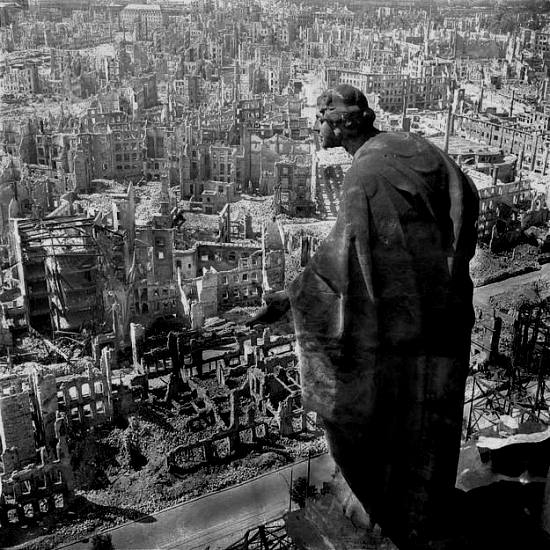
Dresden, Feb 1945

Dresden, Feb 1945

Ideas can of course be subverted. Academics, innovators and scientists can’t control how their insights and inventions are applied, especially when social unrest becomes the manure for another utopian uprising, and more kneejerk reactions.

Are we brave enough to face the latent dangers of injustice, poverty and disillusionment that could call in another despot who sedates with propaganda and naive solutions that promise to solve all problems? For this reason, I think, a debate weighing the benefits of market-oriented enterprise against ways to curb the excesses of capitalism needs to happen, to search for a dynamic balance.

When it comes to the killing of civilians by militants in the name of Islam, ordinary Muslims do not condone these atrocities. Many may well be too dumbfounded and embarrassed to comment on the bizarre brainwashing of young the name of their faith, as in this video, which, however, given the puzzled expression on the children’s faces, I suspect has been commissioned to incite outrage in the west.  I dearly hope Muslims will find ways  to open a dialogue amongst themselves and with other faiths.

Lovers of life – don’t look away, don’t reject conflict and doubt, don’t numb your hearts. Secular societies with their temporary guardians, for better or worse, challenge us towards unlearning. Editing out complex thoughts will keep us stranded in the flatland of the known, unable to empathise with the physical and spiritual starvation suffered around the globe. Listen to the lecture of Dr Abdul Aziz Said again – and seek conflict transformation in all spheres of life.

One could say we are the particles of multiverses becoming conscious of embodied spirit. It’s no mean feat to shield our little lights from the winds of ignorance.

‘One does not become enlightened by imagining figures of light, but by making the darkness conscious.’ – C G Jung

‘We are not meant to agree with each other, but to create beauty.’ – Fazal Inayat-Khan

And I can’t help it, I admire the graceful poet and singer, Leonard Cohen, who loves his country though he can’t stand the scene. Here is …  AnthemRing the bells that still can ring, forget your perfect offering – there’s a crack in everything, that’s how the light gets in …


19 Comments

Filed under Blog

… what writers can glean from cinematographers …

Like writers, filmmakers manipulate time. They take a story apart and re-assemble it.

Robert Bresson, inquisitor and humanist, stimulated filmmakers and enriched the experience ofrobert-bresson2 viewers. With a tiny leap of the imagination his ‘Notes on the Cinematographer,’ publ. by Quartet Books in 1986, transl. from the French by Jonathan Griffin, also offer inspiration to writers of stories. Here are a few  brief notes I collated during my vocational film degree in the early 90s:

An image is transformed by contact with other images as is a colour by contact with other colours. A blue is not the same blue besides a green, a yellow, a red. No art is without transformation.

For the writer – this would apply to action and reaction, resonance or dissonance, anything that develops the dynamic interactions of a narrative.

img108 adjustedTo create is not to deform or invent persons or things. It is to tie new relationships between persons and things which are, and as they are.

This equally holds for writing. Characters discover themselves through relationships.

Something that failed can, if you change its place, be a thing that has come off.

If a writer’s darling idea distracts in one place, in another place it may earn its stay.

One dismantles and puts together till one gets intensity.

This reminds me of a Goethe quote … Dich im Unendlichen zu finden, must unterscheiden und verbinden … To find yourself in infinity you must differentiate and combine … Details works best if they have a purpose in the protagonist’s quest, especially when it comes to turning points.

An old thing becomes new if you detach it from what usually surrounds it.

This is what creativity is all about. Entrepreneurs seem to grok this.

What is for the eye must not duplicate what is for the ear (within.)

This serves as a reminder not to overwhelm a reader with sensual information.

The cause which makes him/her say this sentence or makes that movement is not in him/her, it is in you. The causes are not in the models. On the stage and in films the actor must make us believe that the cause is in him.

A one-up on the ‘show don’t tell’ writing mantra. Both telling and showing have their place, though we connect to a character more intimately through being shown the interactions with him/her self and others.

The omnipotence of rhythms – nothing is durable but what is caught up in rhythms.

We love rhythm. It measures time and gives coherence, while a counter rhythm can surprise and quicken our heartbeat. In film as in writing this might be the repetition of quirky character traits, tone of voice, tempo, mood, atmosphere, or reoccurring shifts in style and perspective, in the way we enjoy how adagio and presto in music enhance each other.

P1090890 - Copy (2)Translate the invisible wind by the water it sculpts in passing.

This ventures into the domain of poetry …  the ongoing challenge to find ways to express in words or images what rushes past us in daily life, but nevertheless affects us deeply.

The eye is (in general) superficial, the ear profound and inventive. A locomotive whistle imprints in us a whole railway station.

This is about trusting the imagination of the viewer, or reader.

Let the cause follow the effect, not accompany it or precede it.

Robert Bresson shares: The other day I was walking through the gardens by Notre-Dame and saw approaching a man whose eyes caught something behind me, which I could not see: at once they lit up. If, at the same time I saw the man, I had perceived the young woman and the child towards whom he now begun running, that happy face of his would not have struck me so; indeed I might not have noticed it.

Build your film on white, on silence and on stillness.

Profound. Allowing a unique story to emerge requires intuition, and an inner kind of listening.

*     *     *

A touching interview of R Bresson. And some video clips relating to cinema, including hand gestures R Bresson used in film.

As writers, how do we move a story from one setting to another?

In film, a sudden jump of scene is kind of lazy, unless intended to shock. In writing, too, there are more elegant ways to transit from one place, or time, to another, mainly through matching parallels or correspondences. This could be: A keyword in a dialogue repeated in the next scene, or a similar action, direction of movement, speed, light, colour, shape, sound or mood. It could also be an artificial device, featuring a narrator, or a recurring (out of time) interlude which can form the spine for the narrative.

I have time-jumps in my novels (yet to be publishend.) It remains to be seen whether they work.

Regarding spatial/temporal suspensions of linearity, I remember the beginning of the film Space Odyssey 2001. A victorious ape, having discovered a bone can be a weapon, spins his tool high into the air … time leaps … and next we see a spinning space station, shaped like the femur bone.

More recent, in the TV series The Last King – 1st episode, a time leap works well … The Saxon boy, Uhtred, captured by Danes and taken under the wings of Earl Ragnar, is pushed by him playfully into a river with the words ‘You’re as a son to me.’ In the next scene Uhtred steps out of the river as a grown man, albeit with conflicting localities.

*    *    *

On a personal note, as my life’s narrative is concerned, having made professional sacrifices ten years ago, in order to write, I wish I could shift to a scene and time that did not involve worrying about keeping my roof over my head.

15 Comments

Filed under Blog