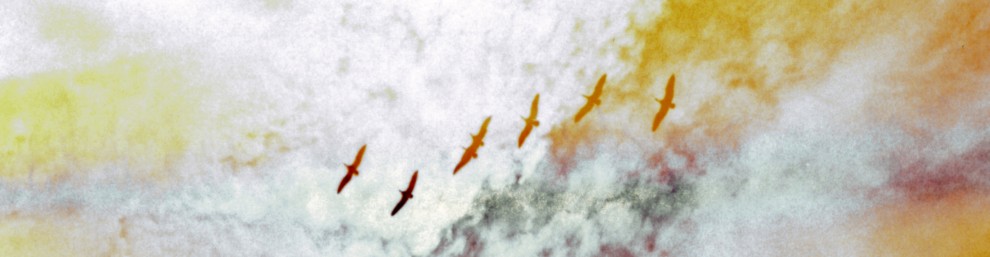
This autumn is drunk with colours and fruit. Red-blushed, in their own sweet time, apples have been falling with soft thuds onto the dewy lawn for weeks. Each morning they blink at me, and shout – help, pick me up, the slugs are coming. They’re good for something, but did you know that slugs and snails are hermaphrodite, and lay up to 500 eggs a season? Re: fruit, after last year’s poor crop, this year’s harvest is a tad overwhelming. The scale by which nature balances excesses evades rational comprehension.
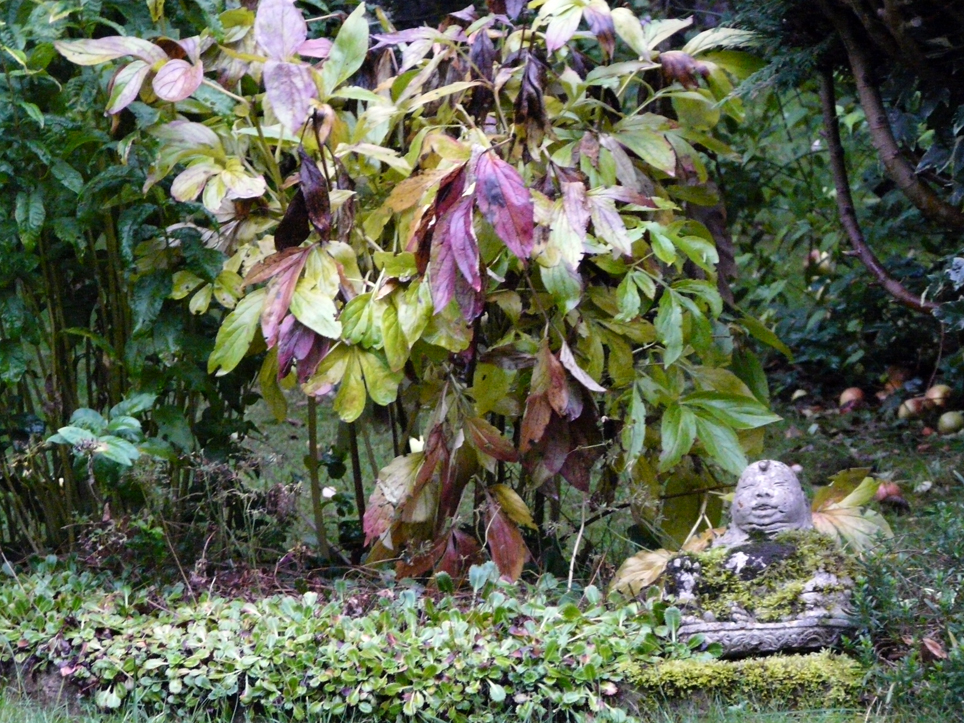
autumn colours
Too much of a good thing brings obligations. Eaters taste best when fresh, so I’m urged to act fast. Slug-nibbled and bruised fruit lands on the compost heap. The bulk of apples, several kilos a day, I wash, dry, box and put out on the road for passers-by, mainly kids on their way home from school. This time-consuming and noble deed has left me exhausted, and with numerous bumps on my head. Here’s the apple saint, drop now. For lack of a resident family to boss into cider-making, I’m left with ‘waste not’ ringing in my ears. If you remember scarcity, you’ll co-suffer the enforced hypocrisy of a twenty-first-century system that thrives on waste.
I could blame the nagging ‘waste-not‘ guilt for frustrating the flow of my writing. I could blame three early morning trips to London on crowded trains, or alien dust settling on my skin … whatever … my body succumbed to the annual purge of flu. So a week ago I sneezed and coughed through fever and chills. Sweaty nights occasioned surreal dreams and visions, and there were days when I lost faith in my invulnerability, reminded that I need to clarify some matters in my Will. I survived – with tons of lemons. You’ve guessed by now that I’m shy of conventional medics, a story I won’t regale you with. The last official need for a doctor’s visit to my home was benign, and over three decades ago, after I’d given birth to a healthy baby in deepest rural Somerset.
So last Sunday, following a week of altered states, I ventured out to put petrol in my car. I support small enterprises for their human idiosyncrasies. The cashier gazed absent-mindedly over the forecourt and across the street towards a line of taxies, while automatically debiting my Visa and, at my want, pressing another button to produce a tax receipt. Sensing a process at work, I said, ‘You’re bored.’
His head moved independently from his neck. You may remember the craze of bubble-head mascots: http://en.wikipedia.org/wiki/Bobblehead that’s exactly how his head moved while his eyes rolled in their sockets to take note of my witnessing. His mouth then rounded and huffed before emitting a speech he must have rehearsed all morning. Slow, precise thoughts poured out, including snippets of existential dialogues he had had with taxi drivers from across the road. Written down, it could have edged itself towards some literary prize. His exposition ended with : ‘Nothing to be done. I’m bored stiff.’ Reminiscent of Beckett. Promises, waiting … in tune with my dull-witted flu-states. Missing most words, I was captivated by the man’s brilliant and spooky slaying of meaning. Another customer entered the cubicle. On leaving, some wise-crack in me I’ve no control over, said, ‘You’re reading …’ thinking, you’re observing life from a distance, co-creating its absurdities and joys. It’s what writers do.
‘Boredom is the dream bird that hatches the egg of experience. A rustling in the leaves drives him away.’ – Walter Benjamin.
* * *
This post was meant to be short and about my son and his partner, to brag a little.
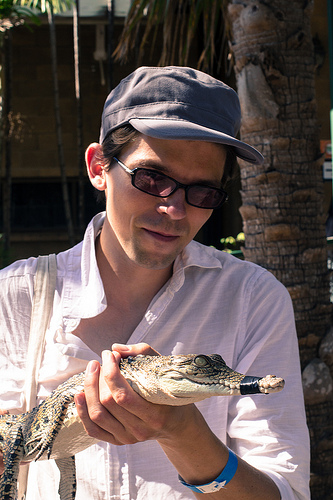
Yeshen with baby croc – there’s a story
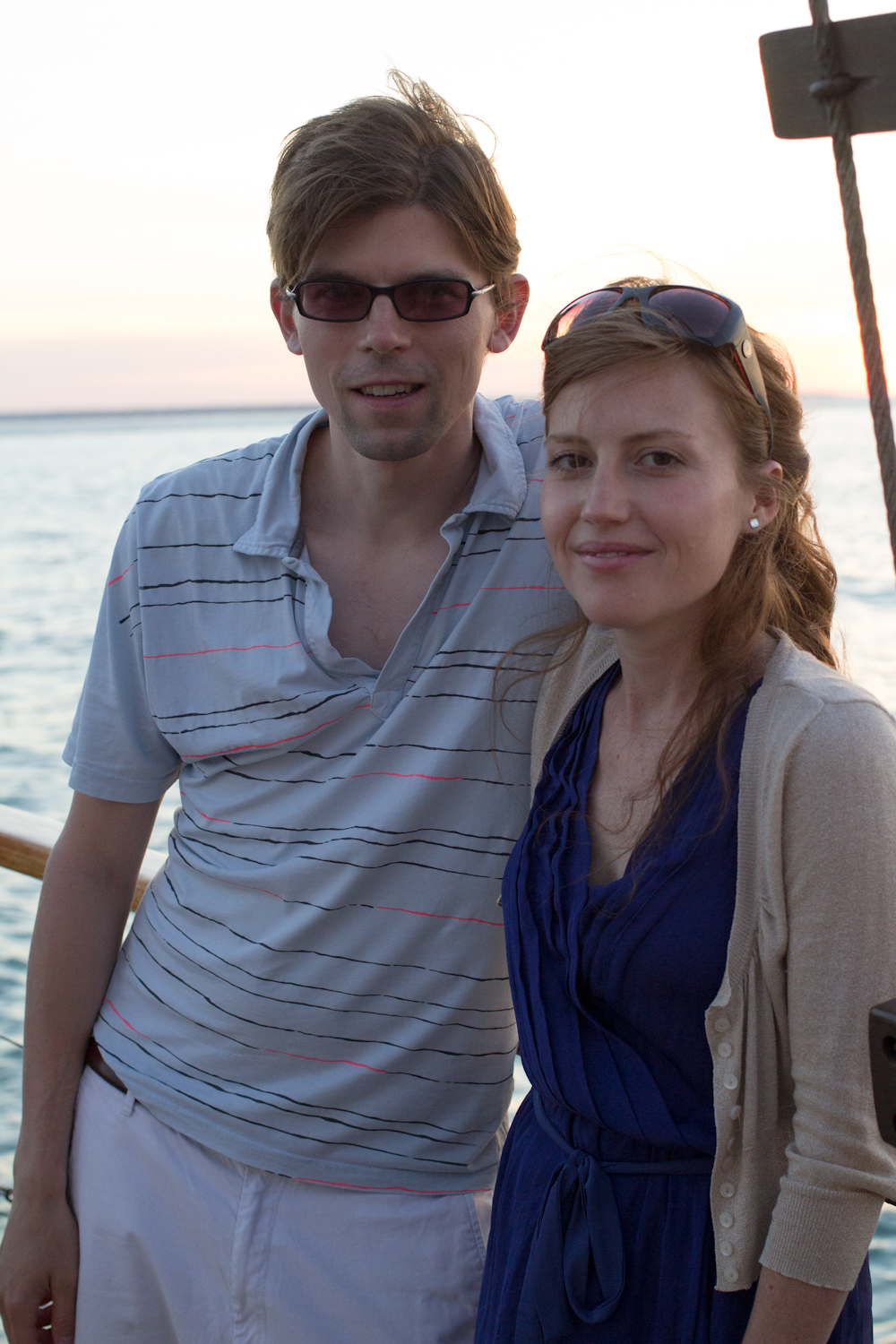
Yeshen and Natasha
They were engaged this year and their August journey to Australia had been a reconnaissance for their wedding plans next July, organised by Natasha’s family, who live in Darwin and Perth.
I asked if I could share a few images from their trip. Yesh and Tash have featured on my blog before, indirectly. You’ll find them, for example, under ‘Inspiration’ or ‘Story of an Animation.’ They’re self-employed and work extremely hard, like many young people in super-expensive London, to make a living. They’re lucky being able to do creative and fulfilling work.
I’ve not been to Australia, and am now looking forward to this journey – you can see why.
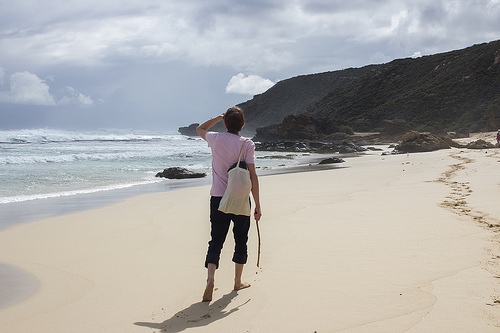
Australia’s west coast
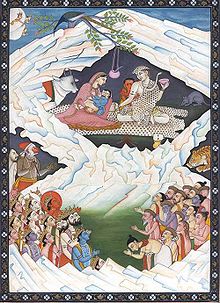
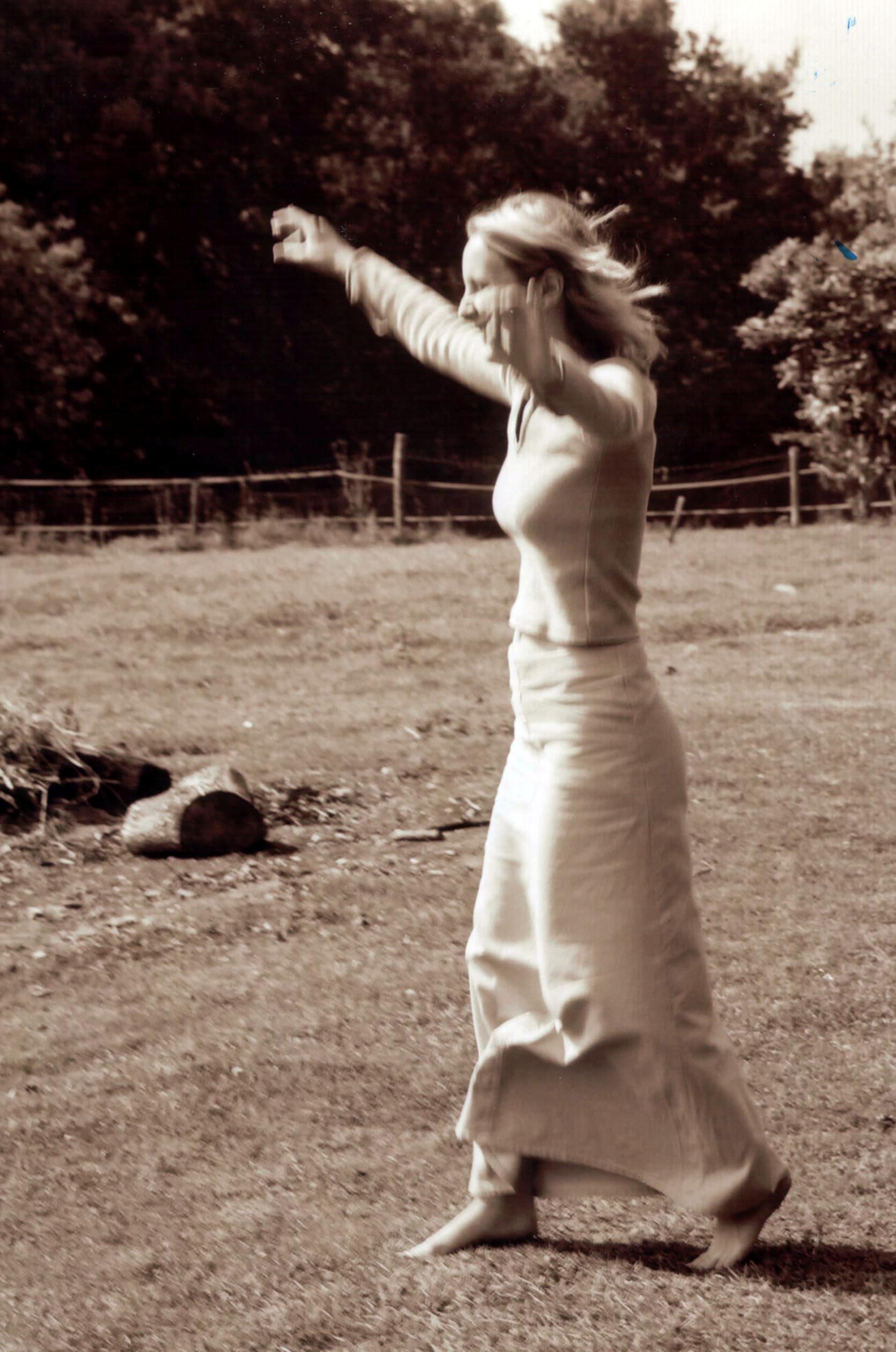
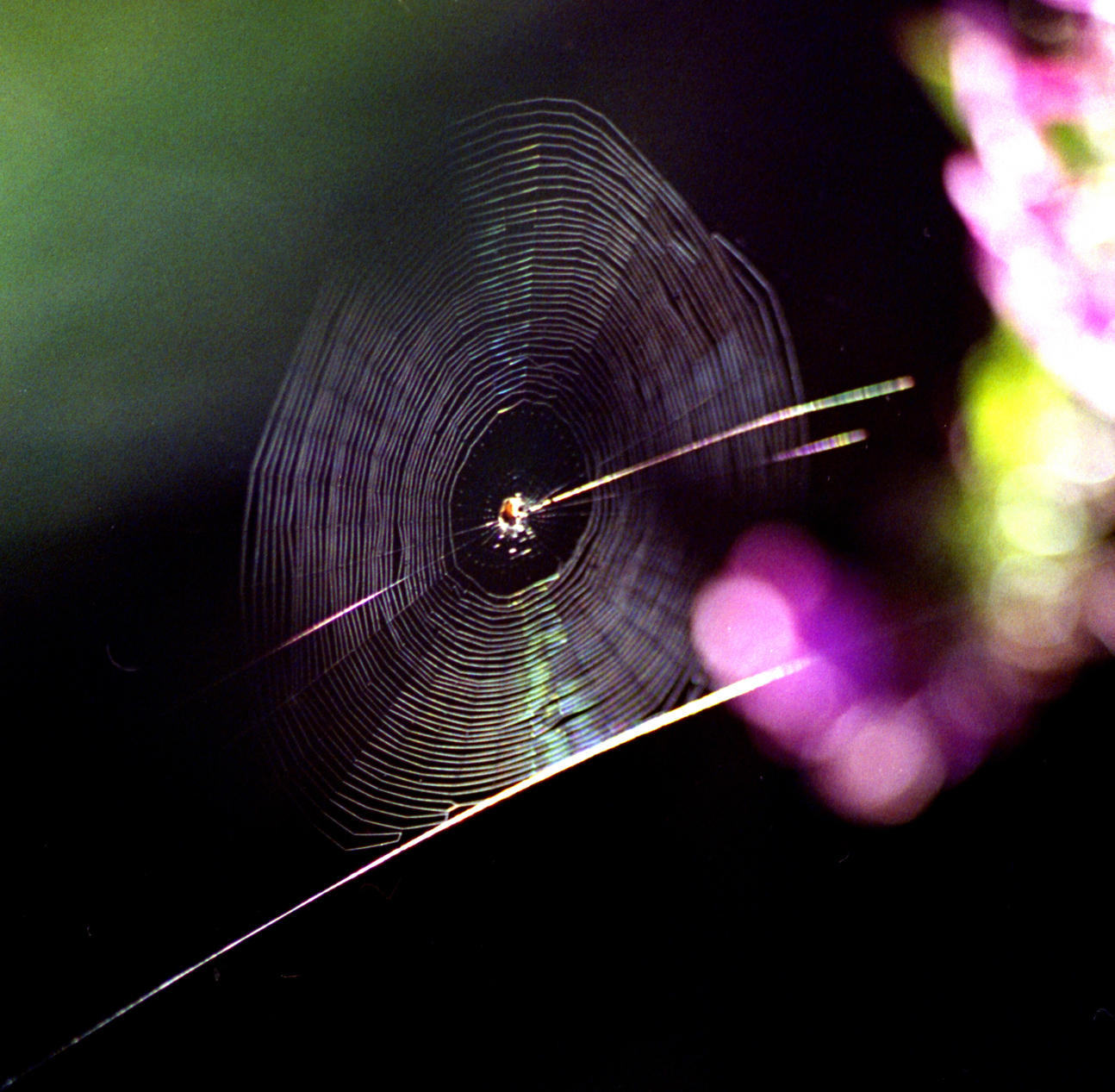
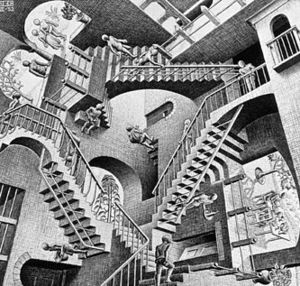
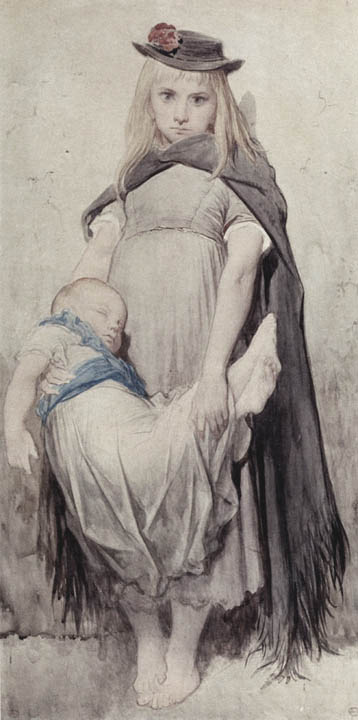
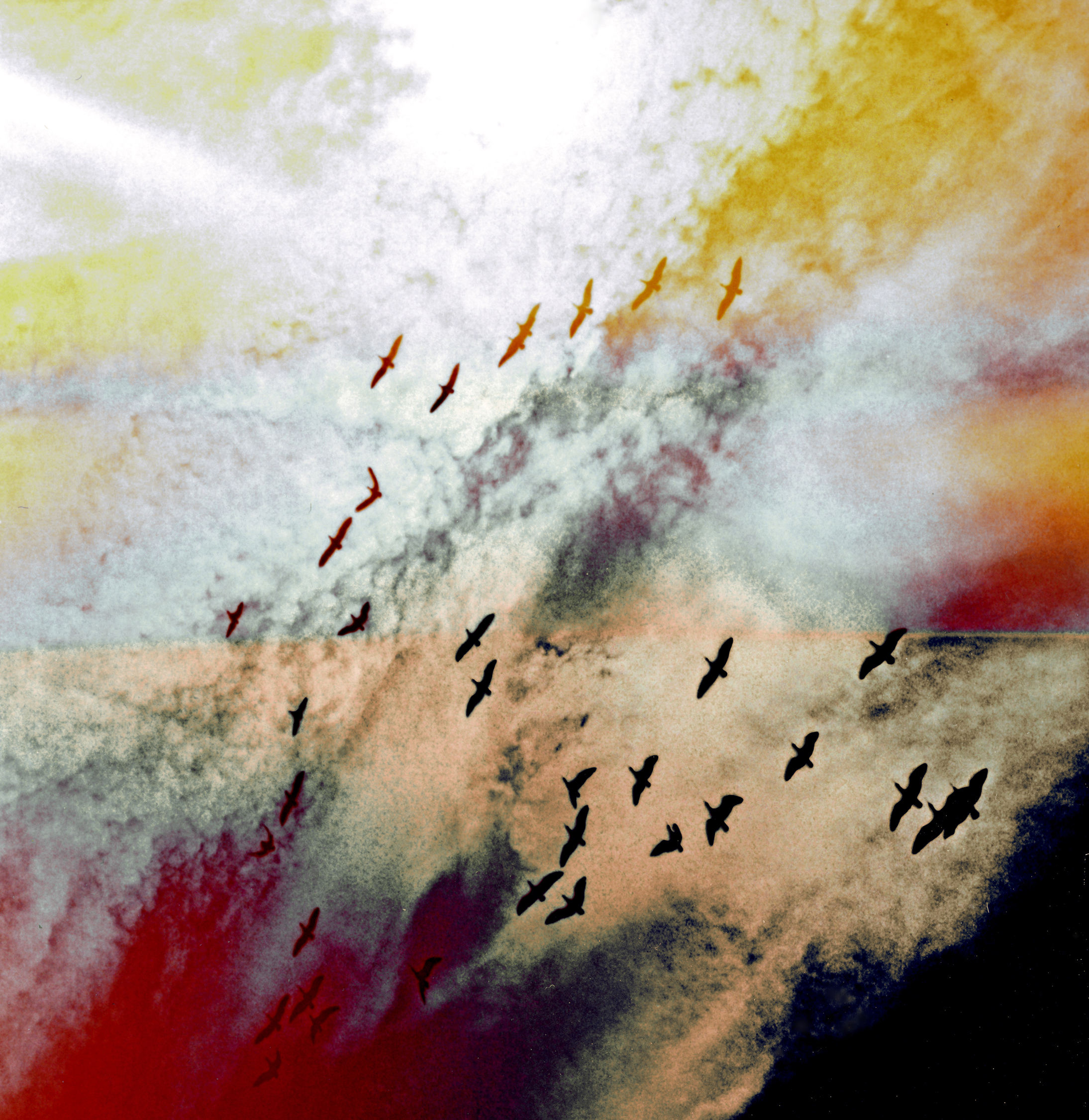
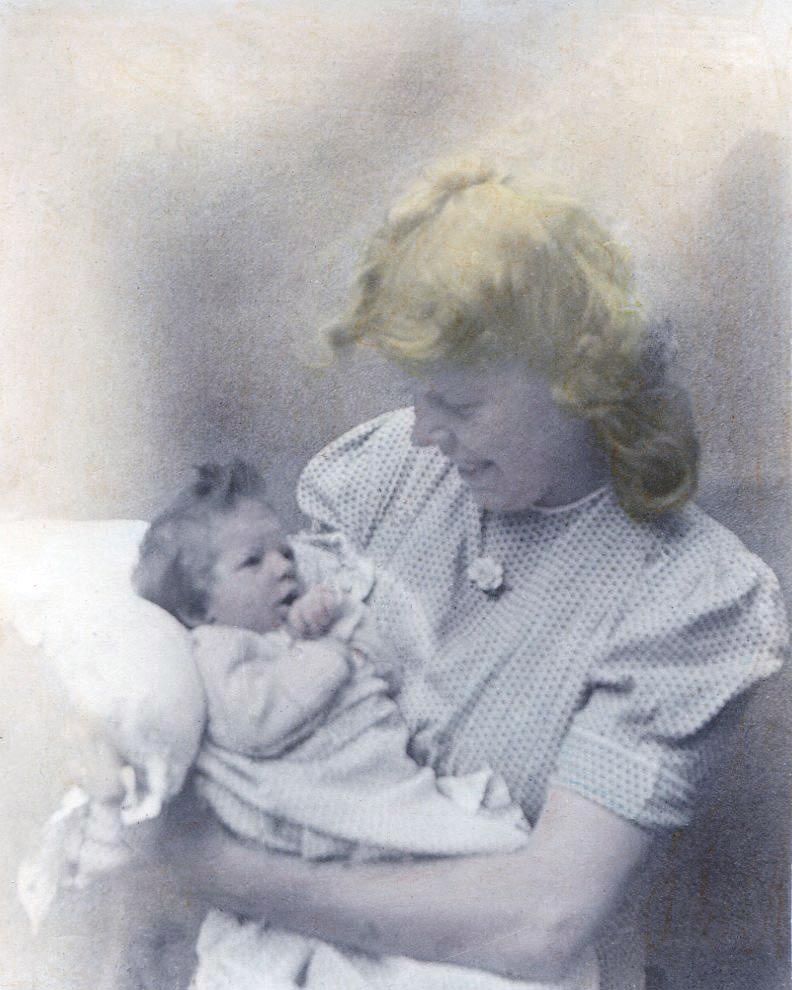
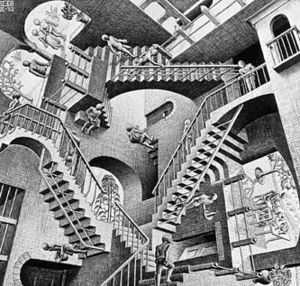
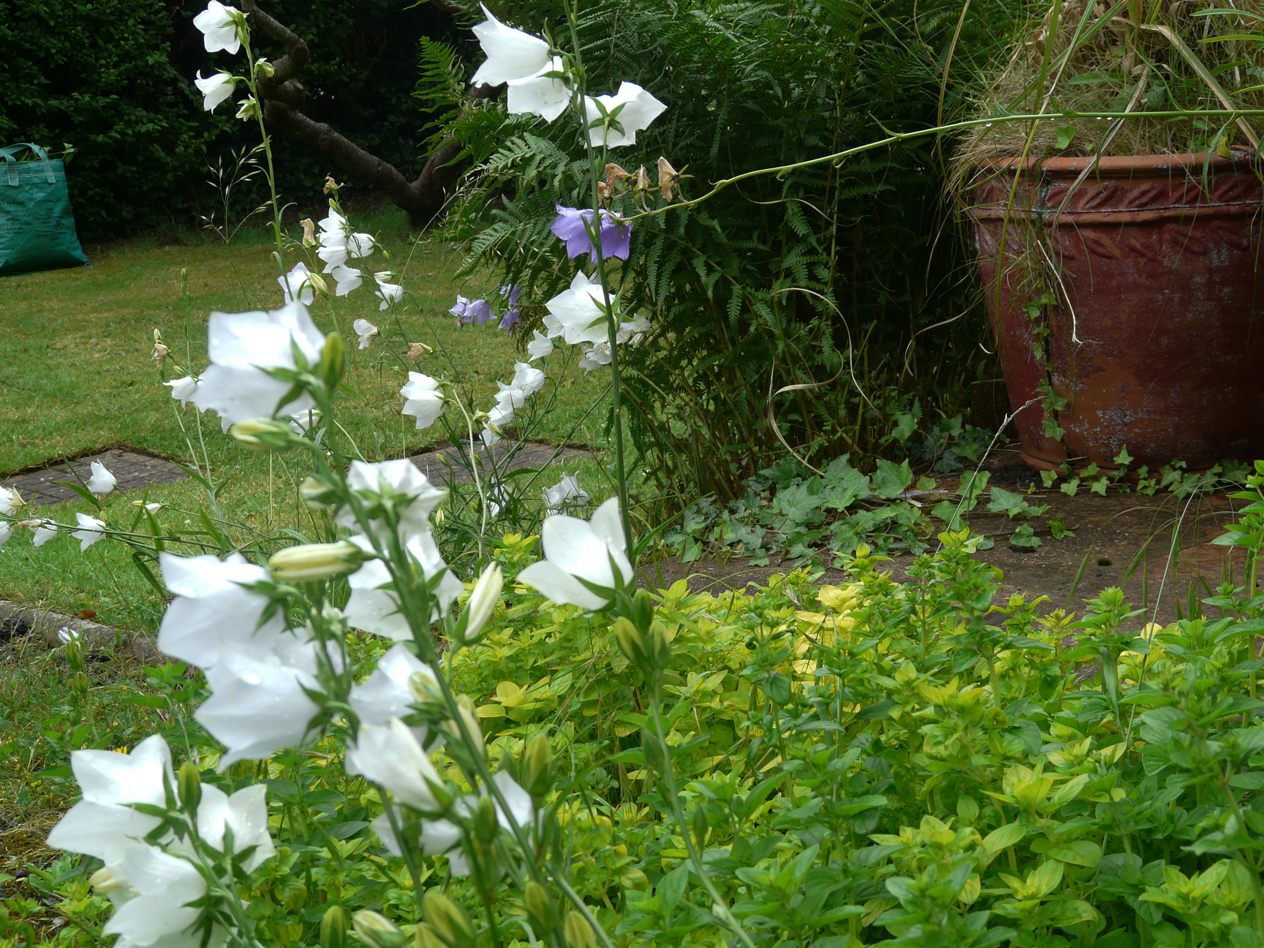
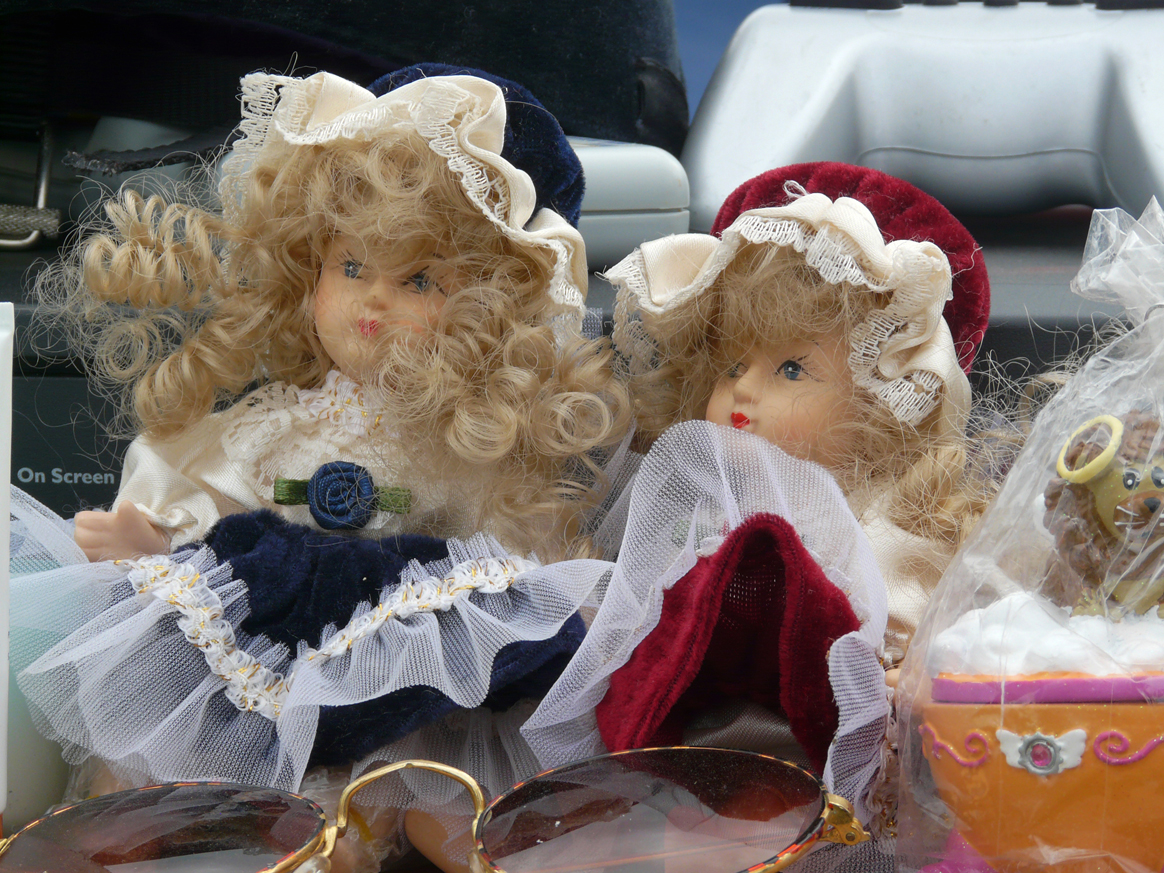
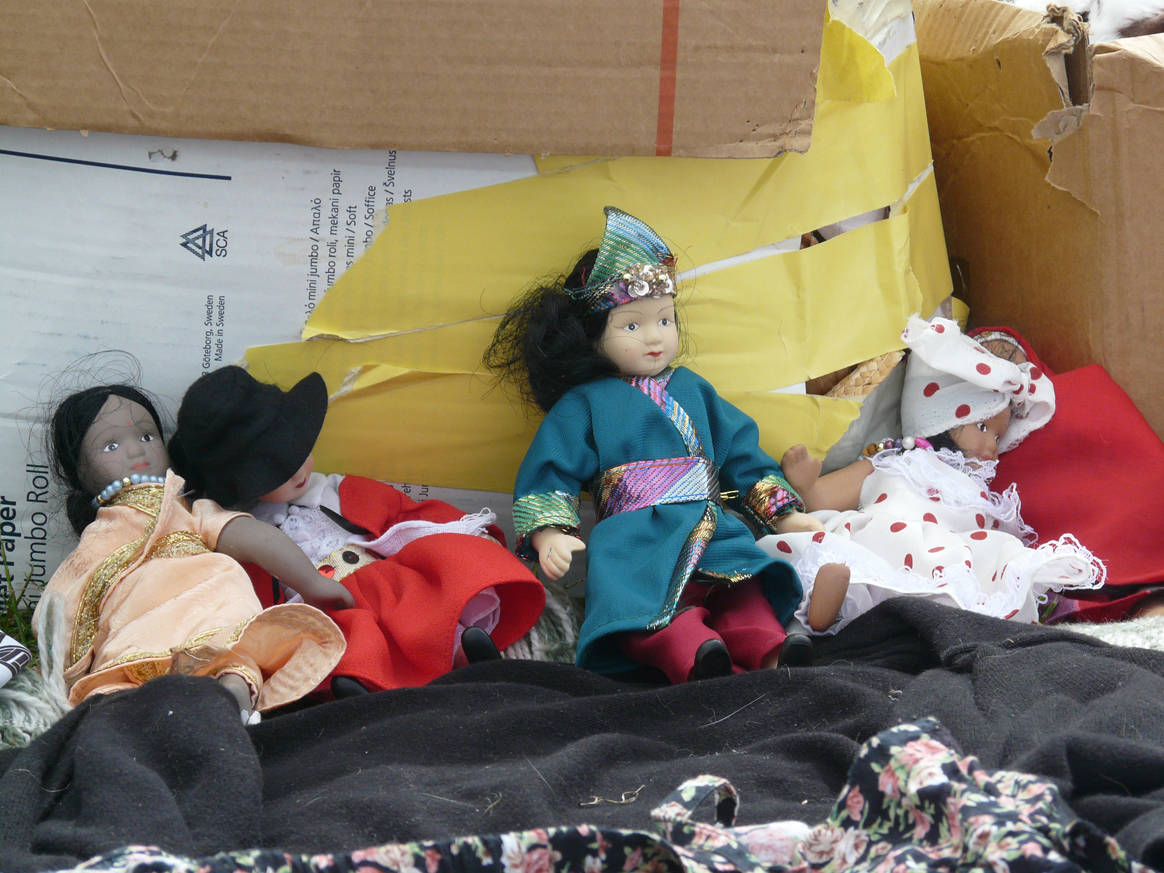
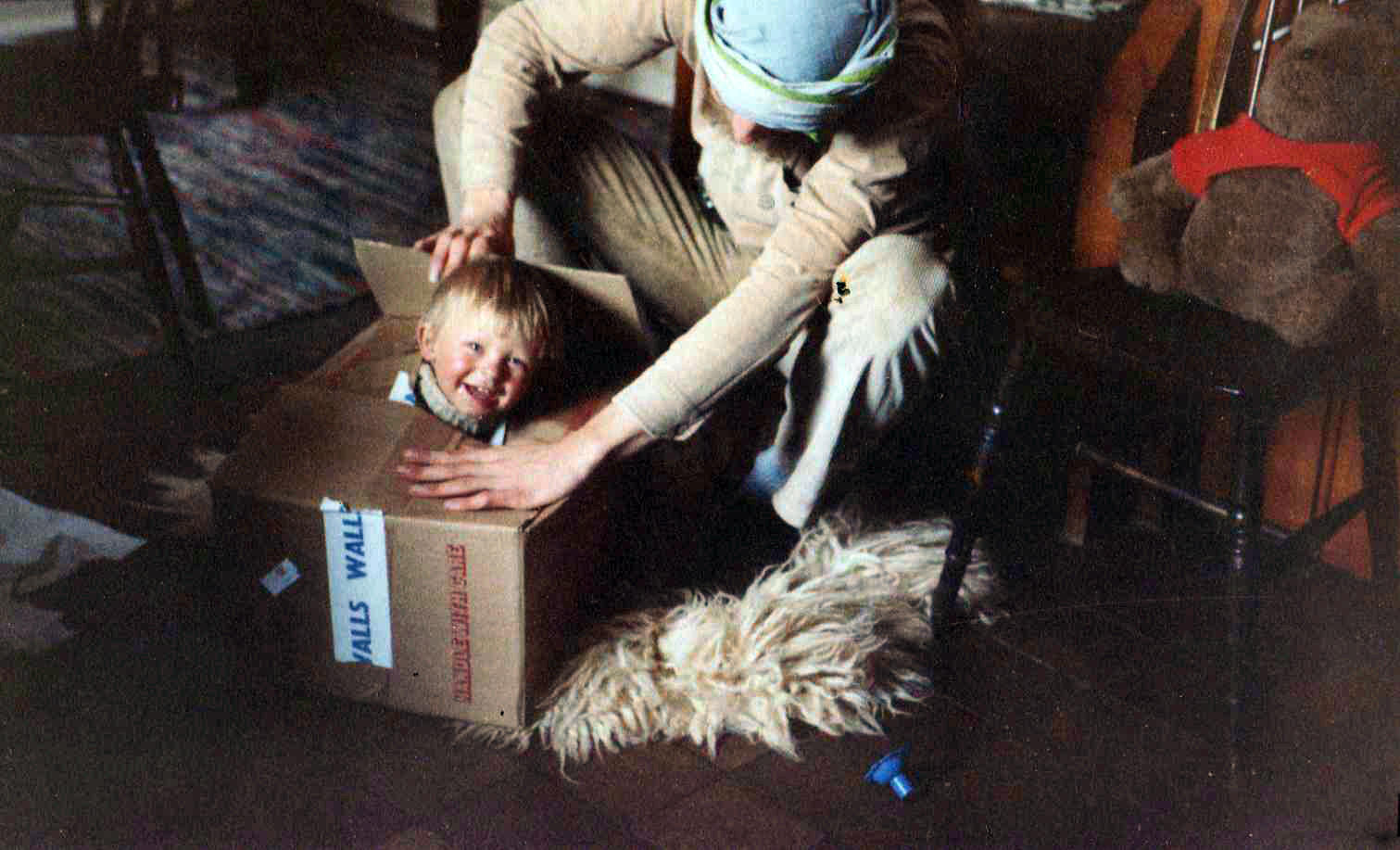
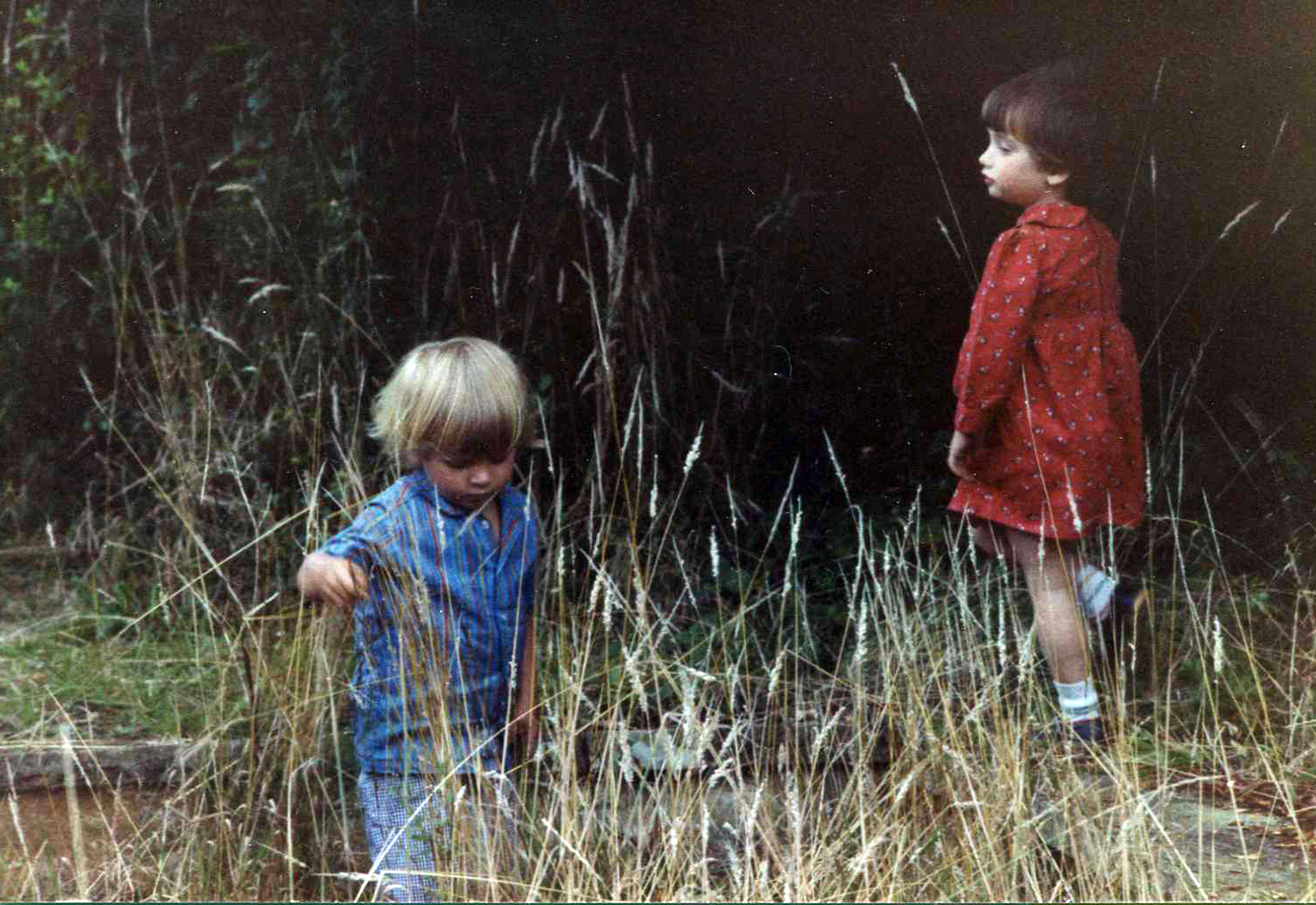
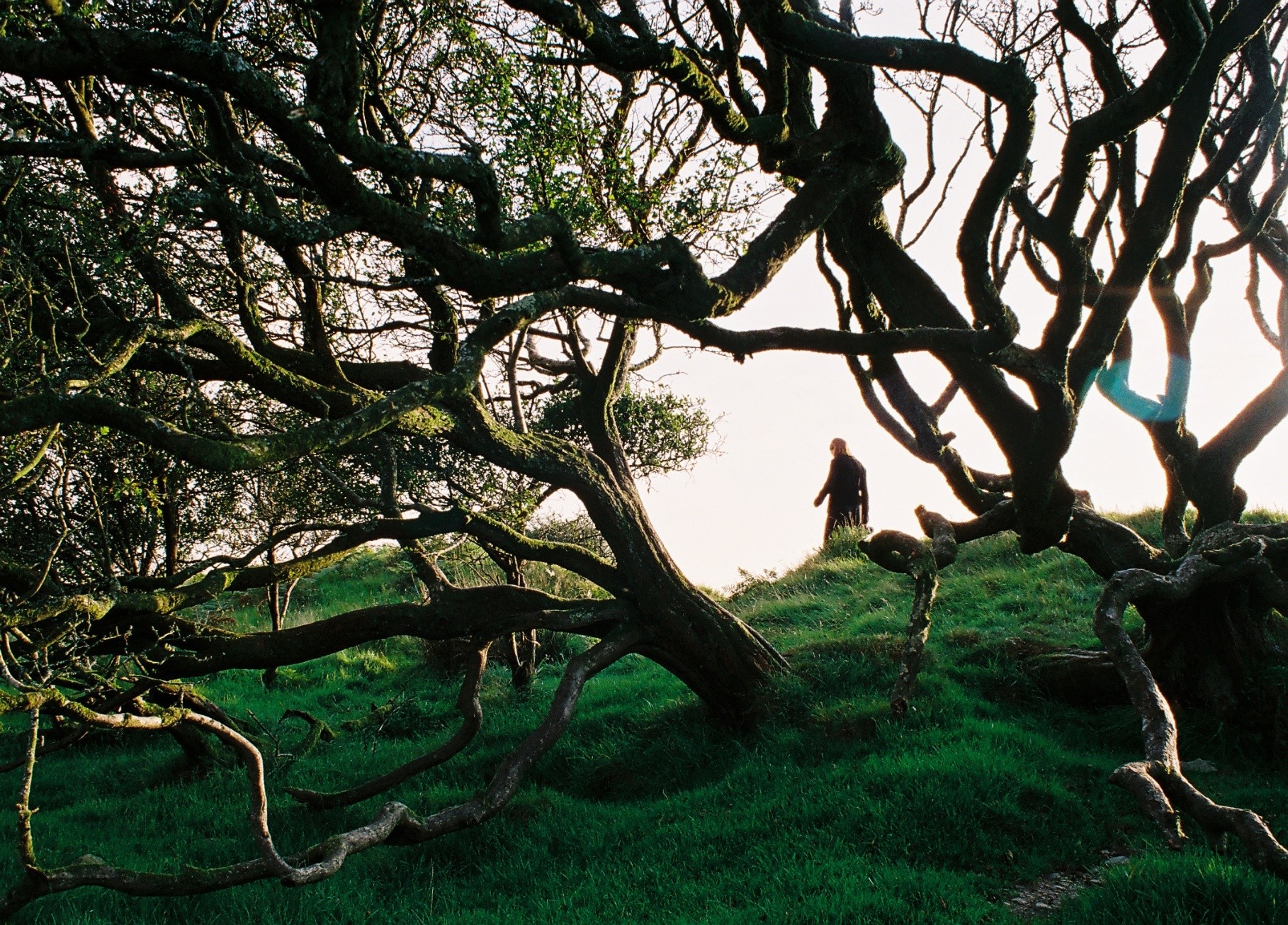


 Course of Mirrors
… the wonderful visit …
I loathe most talk of angels since they became best-selling brands, but the synchronicity of Annie Lennox wearing wings and singing to an angel at the Queen’s Diamond Jubilee, and the discovery of a rare book among my shelves, brought angels up close.
H G Wells (1866-1946) has been referred to as the Father of Science Fiction. A neglected story, The Wonderful Visit, published shortly after The Time Machine, was regarded as a mocking reflection on attitudes, beliefs and the social structure of a typical English village in Victorian times. I read the social commentary as ornamentation, the comical human attempt to stay the same, round a more essential theme, the conflict that can accompany awakening.
The edition below is from 1922 and has an illustration by Conrad Heighton Leigh. The line under it is from chapter 5 – ‘He fired out of pure surprise and habit.’
A strange bird was sighted.
Ornithology being a passion of the Vicar of Siddermorton, Rev. K. Hilyer, he was going to outdo his rivals and hunt the strange bird. So it came to be that on the 4th of August 1895 he shot down an angel.
… He saw what it was, his heart was in his mouth, and he fired out of pure surprise and habit. There was a scream of superhuman agony, the wings beat the air twice, and the victim came slanting swiftly downward and struck the ground – a struggling heap of writhing body, broken wing and flying blood-stained plumes … the Vicar stood aghast, with his smoking gun in his hand. It was no bird at all, but a youth with an extremely beautiful face, clad in a robe of saffron and with iridescent wings … never had the Vicar seen such gorgeous floods of colour …
‘A man,’ said the Angel, clasping his forehead … ‘then I was not deceived, I am indeed in the Land of Dreams.’ The vicar tells him that men are real and angels are myth … ‘It almost makes one think that in some odd way there must be two worlds as it were …’
‘At least two,’ said the Vicar, and goes on pondering … he loved geometrical speculations, ‘there may be any number of three dimensional universes packed side by side, and all dimly aware of each other.’
They met half way, where reality is loosely defined, and truth has no hold. And they shared the nature of their worlds. Eat, pain, and die were among the new terms the strange visitor had to come to grips with.
‘Pain is the warp and the waft of this life,’ said the Vicar. Riddled with remorse over having maimed the Angel’s wing he decides to looks after him. But to adjust to the Vicar’s world, the Angel must eat and accept pain, and learn all manner of things very fast indeed … Starting to read, during a phase of now legendary sunshine, I settled in my garden with a glass of red, and consequently spilled the wine on my wild strawberry blossoms due to sudden bursts of laughter.
‘What a strange life!’ said the Angel.
‘Yes,’ said the Vicar. ‘What a strange life! But the thing that makes it strange to me is new. I had taken it as a matter of course until you came into my life.’
Mr Angel is nothing like the pure and white angel of popular belief, more like the angel of Italian art, polychromatic, a musical genius with the violin. Listening … the Vicar lost all sense of duration, all sense of necessity … The reactions of the villagers oscillate across a hair-thin-divide between comedy and tragedy, while the bone of the story is psychological, and spiritual. Indirectly, the Vicar encounters his anima (his inner female) through the Angel’s love for Delia, the maid servant of the house. There is no escape. Things get intense. The Angel, over the span of a short week, is tainted by the wickedness of the world, and it crushes him. And the Vicar’s awakening from his narrow prison brings him into tragic conflict with his community.
* * *
Not much has changed. The world is crowded with wounded angels seeking compassion, and since our daily vocabulary offers little more than clichés for other realities, awakening rarely convinces, unless it is embodied and conveyed through atmosphere. Look out for the artist… the musician, painter, writer, animator, filmmaker … and the children.
‘If the doors of perception were cleansed every thing would appear to man as it is, Infinite. For man has closed himself up, till he sees all things thro’ narrow chinks of his cavern.’
― William Blake, The Marriage of Heaven and Hell
The painting heading this post is by the Finnish symbolist painter Hugo Simberg.
Share this:
18 Comments
Filed under Blog
Tagged as 19th century, Angels, Anima, Annie Lennox, artists, awakening, beliefs, books, children, circular and linear time, comedy, communication, Conrad Heighton Leigh, English, fallen angel, father of science fiction, H G Wells, heaven, Hugo Bimberg, illustration, imagination, inner conflict, inspiration, lover, Marriage of Heaven and Hell, men, metaphors, morals, musical genius, other realities, pain, painting, perception, preconceptions, Queen, reality, relationship, religion, remorse, Siddermorton, social commentary, spirituality, symbolic understanding, The Queen's Diamond Jubilee, The Time Machine, The Wonderful Visit, tragedy, unique moments, Vicar, village, violin, William Blake, wisdom, wounded angels, writing