
I wrote the above essay in 1997, inspired by my readings during a vocational film degree, which helped me to catch up on cultural history. The file was idling away in a Clarisworks format on an old floppy disk. A friend (thank you Ian) managed to transfer the text into a Word document. Cleaning the formatting distortions suffered in the process took a while, but was worth the effort, since I wanted to share this theme of exploring Human Identity in the Digital Age with my readers in a PDF file. A short overview of this essay can be found in my archived posts, listed under January 2018. But here is the full work, including its bibliography. The chapters are headed: Vanishing Time, Vanishing Space, Vanishing Body, Eyes that would Fix and Control us as Objects, Seeing through the Simulacra, and, A Palace of Mirrors. Throughout, I evoke scenes from the SF film Bladerunner.
I’m interested to know your thoughts on the yet unfolding theme of identity in our age.
The title of the essay was inspired by a wonderful Walt Whitman poem called ‘Sing the Body Electric.’
A poem by a former Sufi teacher and friend, Fazal Inayat-Khan, conveys a similar vibrant spirit:
A QALANDAR … a human being in the making …
Adam/man, Minerva/woman – a human being in the making – functioning in the world on the stage of life – playing the script of destiny with the delight of indifference and the carelessness of full satisfaction. A being knowing all there is to be known by it, yet ever learning; ready to feel all there is to be sensed by it, yet ever discovering new depth of emotions; capable of expressing its deepest and truest inspirations, yet ever expanding its consciousness; sensitive enough to give and receive love in all its forms and levels of becoming.
The full poem is printed in ‘Heart of a Sufi,’ a book I co-edited with two friends (see my book page.)
Here the last paragraph of QALANDAR …
A Qalandar is simple as a child, wise as an old woman, unfathomable as an old man. He belongs to the moment, she responds to every need. He speaks all languages; she performs all roles. They are one …
Fazal Inayat-Khan, 18th of June 1972

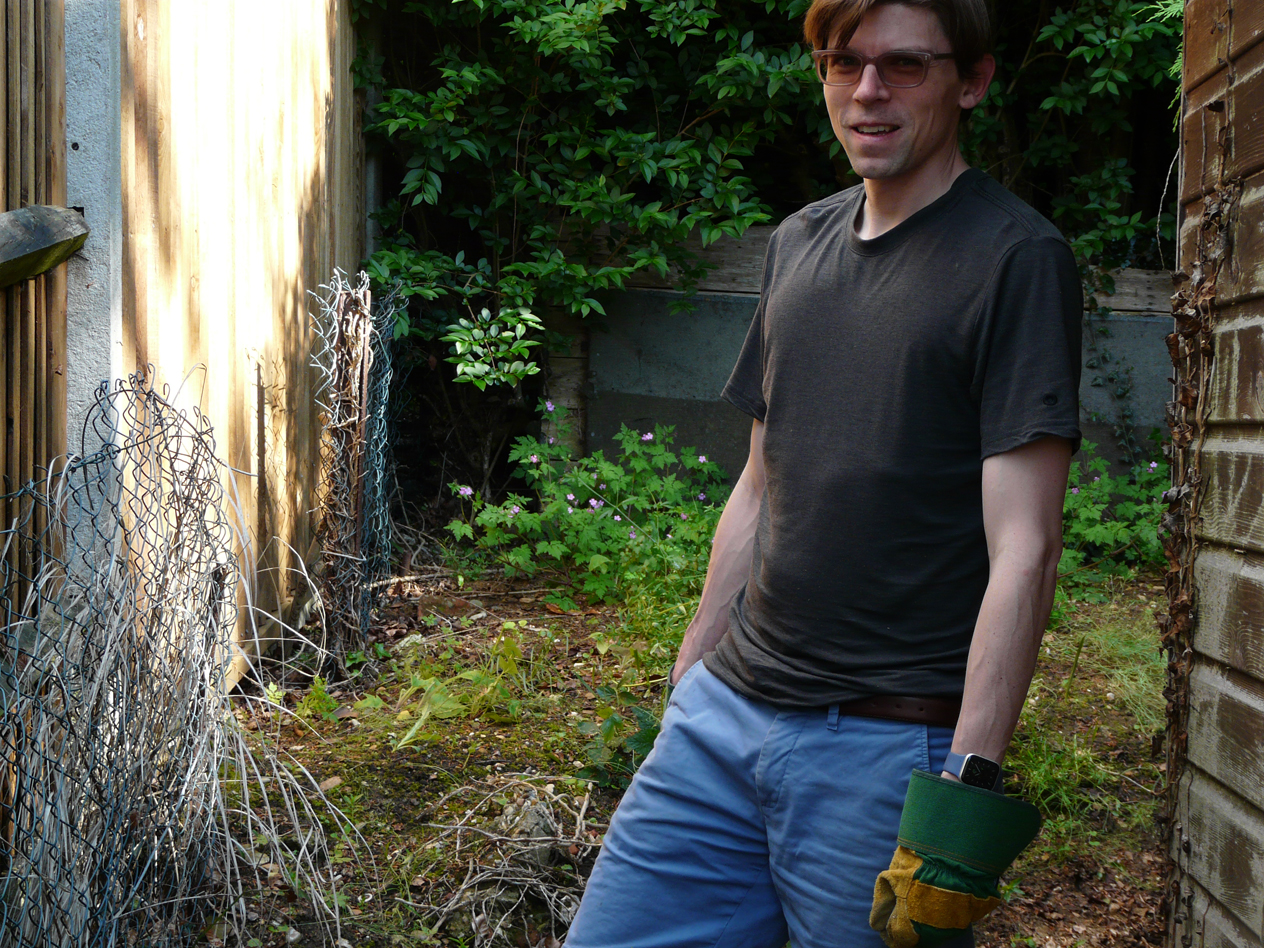
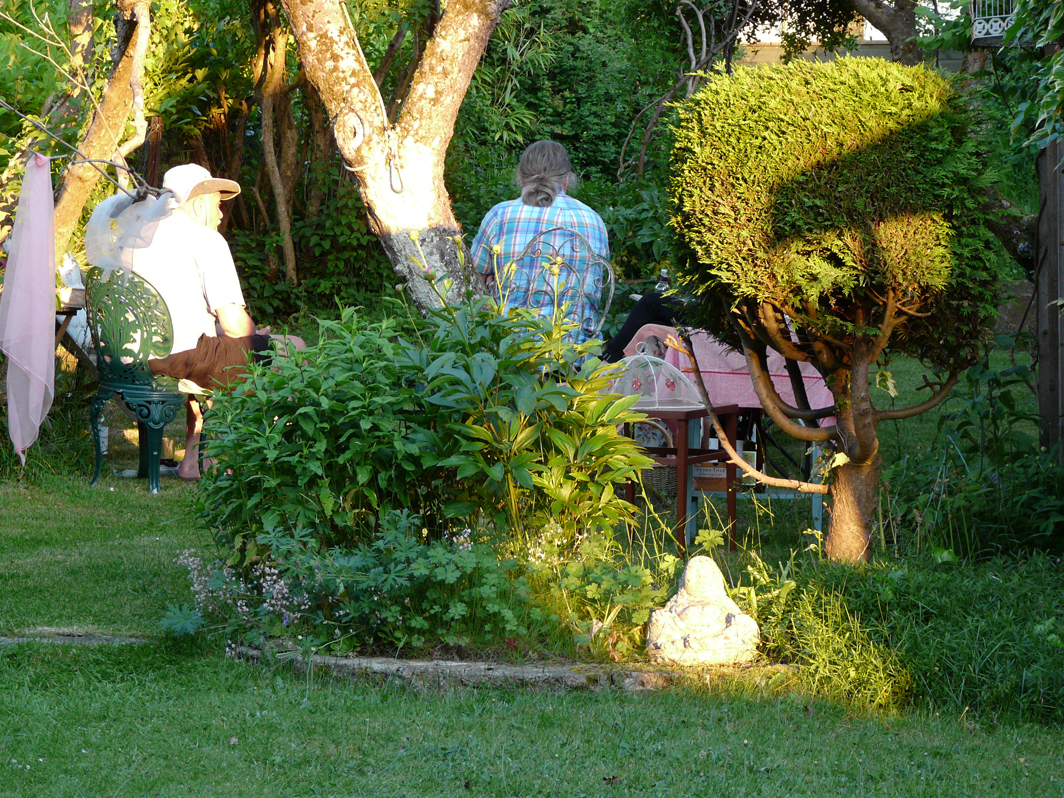


 To fill in the distorted or simply incomplete gestalt gathered from early caregivers, we find ourselves during our lifetime in families of various constellations … in groupings of friends, educational settings, teams working towards a project, callings, interest groups, animal care, subcultures, political, vocational and spiritual clusters. In these groups we slot into roles we project, or are projected onto us with qualities others are drawn to engage with, for whatever reason, often to explore a hidden part inside, mother, father, sister, brother, child, lover, hidden in the light or hidden in the dark. Much of this search now happens virtually, through screens, though it can’t replace the actual physical resonance a gestalt needs.
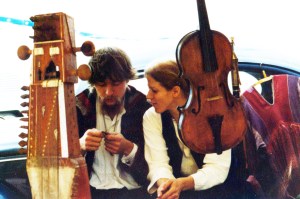 Family can also mean a collection of symbolically meaningful objects, toys, letters, books, art, tools, stones. I collect stones and endow them with memories. My ex-husband extended his loving father role to string instruments. (I wrote about his loss in my previous post.)
 At stages in our life we fit, or are fitted, into a network of psychological potential. These are intense phases. Yet irrespective of time gone since people parted ways, families dispersed, places were lost … when a former close friend dies, insight descends, rises, arrives from the past, from the future and from spheres unknown. Memories will shift their meaning. Slowly our sense of self is re-aligned. We capture a condensation of what was symbolically exchanged, essence is revealed.
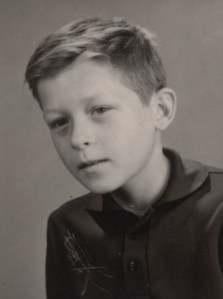 This life was a strange dream with others who wer seekin und hiding.
 Yu know em by somthing in the eyes. Afar away up or down look. A longin.
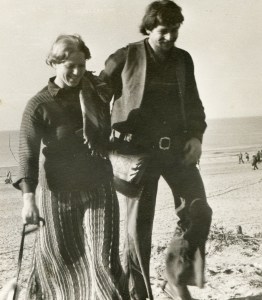 junctions we hold hands and travel together for a while, deeply connected, but lightly bonded.
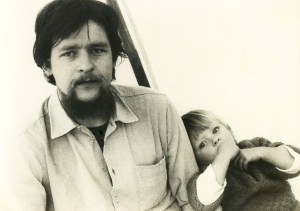 with his joy. Witnessing my child grow fanned some scary heat in the heart.
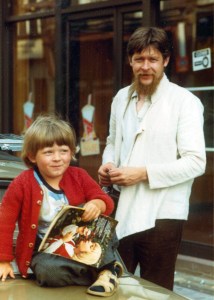 which annoyed and upset her. Then again, we both sensed each other’s truth from that dark realm where wishes are embodied, where deep connections attract each other into nets of meaning, though I was never tempted by meaning and order. It seemed a little dull to me.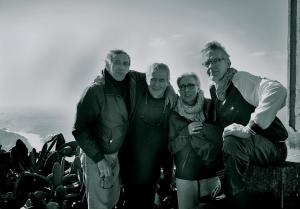
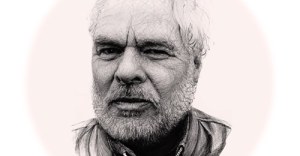 Now I’m hailed as an expert about string instruments, and considered as some kind of genius. An image in the Dutch Parool shows I developed a tower above my brow. That’s where half cooked wisdom lingered and intrigued, deep sounds too, dear and familiar sounds, best shareable through sound alone. Long sensitive fingers help.
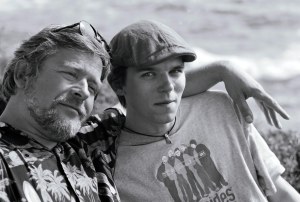 Well, that’s company for my son now.


