Category Archives: Blog

… sharing a heart-warming present …

A few years ago I decided to value my writing enough to make sacrifices.  I’ve since devoted every spare moment to this solitary word-sculpting activity, with no idea where it will lead, and therefore feel tremendous joy whenever my compositions arouse curiosity, and especially when someone groks the universal myth I struggle to filter through my individual imagination, my psyche.  Why do writers, and artists, share the facets stirring in the depth of their soul without the promise of a resonanating  audience? … It’s a mystery.

Image by Cynthia Holt JPEG riverside8

Cynthia Holt, living on the other side of this planet, created this painting for me, inspired by two of my poems, Riverhead, and Sleeping Sun … It struck me that the image relates, in essence, equally to the constellation of my novels, yet to be published.

Thank you, Cynthia, for your spontaneous offering. It speaks to how, through interconnections, face to face, or in the realm of the virtual web, we stimulate each other’s creativity.

The image can remind us of the two worlds, indispensable to each other, which we bridge – and how against the canvas of pregnant darkness, the spirit’s eternal light defines our unique myths towards consciousness.

A peaceful Christmas time, and abundant Blessings for the New Year to all …

I’m looking forward to spending a few days in Amsterdam with friends and family.

Since I posted this, Cindy has done a most beautiful post on her mermaid tavern site, including a poem by T S Eliot, a song, and a chart of the Hero’s Journey.

http://mermaidtavern.net/1/post/2015/01/the-law-of-three-artistspoets-and-quantum-physics.html

15 Comments

Filed under Blog

… mood swings …

A strong spirit can be dampened, sometimes at birth, sometimes through a later trauma, but with care, it can also be nurtured and strengthened. And like an effective immune system, it helps us to adjust imbalances in mind and body. The link between spirit and the immune system tends to be ignored when resources go into fighting the seeming culprit, historically blamed for imbalances, the intruder. True listening and welcoming a dialogues with the enemy are rare.

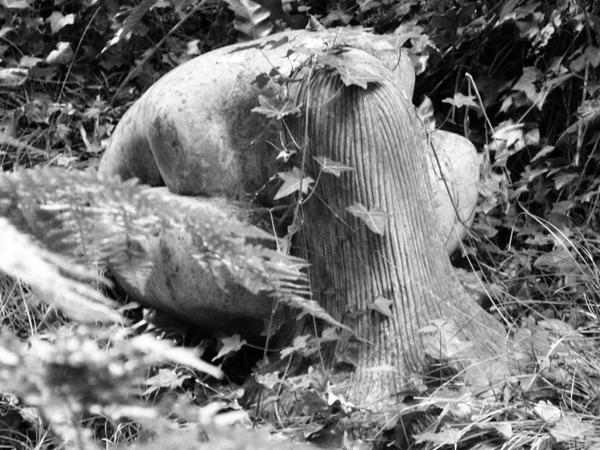
Churt Sculptor Park

Churt Sculptor Park

A recent Health Survey reports that nearly half of England’s population is on prescription drugs. And today’s news highlight once more that super bugs are on the rise. Factors that dent the spirit are not taken into the equation. When one observes how some of the dehumanising complexities of our systems wear down the dignity of people, it’s easy to come to the conclusion that depression is a sane reaction when there seems to be no light ahead.

Medicine is often the only immediate way a severe depression can be eased. It should however concern everyone that depression is on the increase, a development which, in my view, genetic markers acknowledged, expresses the collective state of our society and, again in my view, how the most sensitive people carry the imbalances of the system for the rest of us.

I’m a rebel, and while severe depression evades me, I experience mood swings. Once in a while I’m struck by a state of futility – about hyped-up news selling fake realities, the lunacy of ignoring the gulf between the rich and poor in the world, the exploitation of planetary resources, the abuse of personal data, cold callings, small businesses and communities disappearing, and the shopping mania in supermarkets. Add to this a personal loss, or simply an accumulation of irritants, and you have potential triggers for depression.

When something feels wrong in my heart, I bolt. Yet integrity is costly when security, health, loyalties, disillusionment and emotional dependencies are involved, then ‘NO’ carries risks. Stories told in many counselling practices focus on pressure at work, incessant changes of procedures , bullying and subtle manipulation. Complaints backfire because managers are themselves under stress. There follow negative loops of thoughts, the inability to relax, lingering anxieties, and also bursts of anger. Underlying these stories is a sense of powerlessness that brings about psychological regression, which can be an opportunity to find a gentle ‘yes’ for oneself, were one able to bear the consequences. Young or old, alone or in relationship, there is often a sense of feeling trapped, despair, a flattening of vitality, joy and compassion for oneself and others.

P1060863 smallerDepression seems to mark our time and is in dire need of acknowledgement. Besides medication and therapies, an honest assessment is vital – of how simple human needs for creativity, and expectations for love and appreciation are frustrated. I’m lucky in that I sleep and dream well, and generally recover from my mood swings. Apart from smoking rollups and drinking wine to relax, in moderation, I also have a default mode, where the world turns not so much unreal, but surreal.

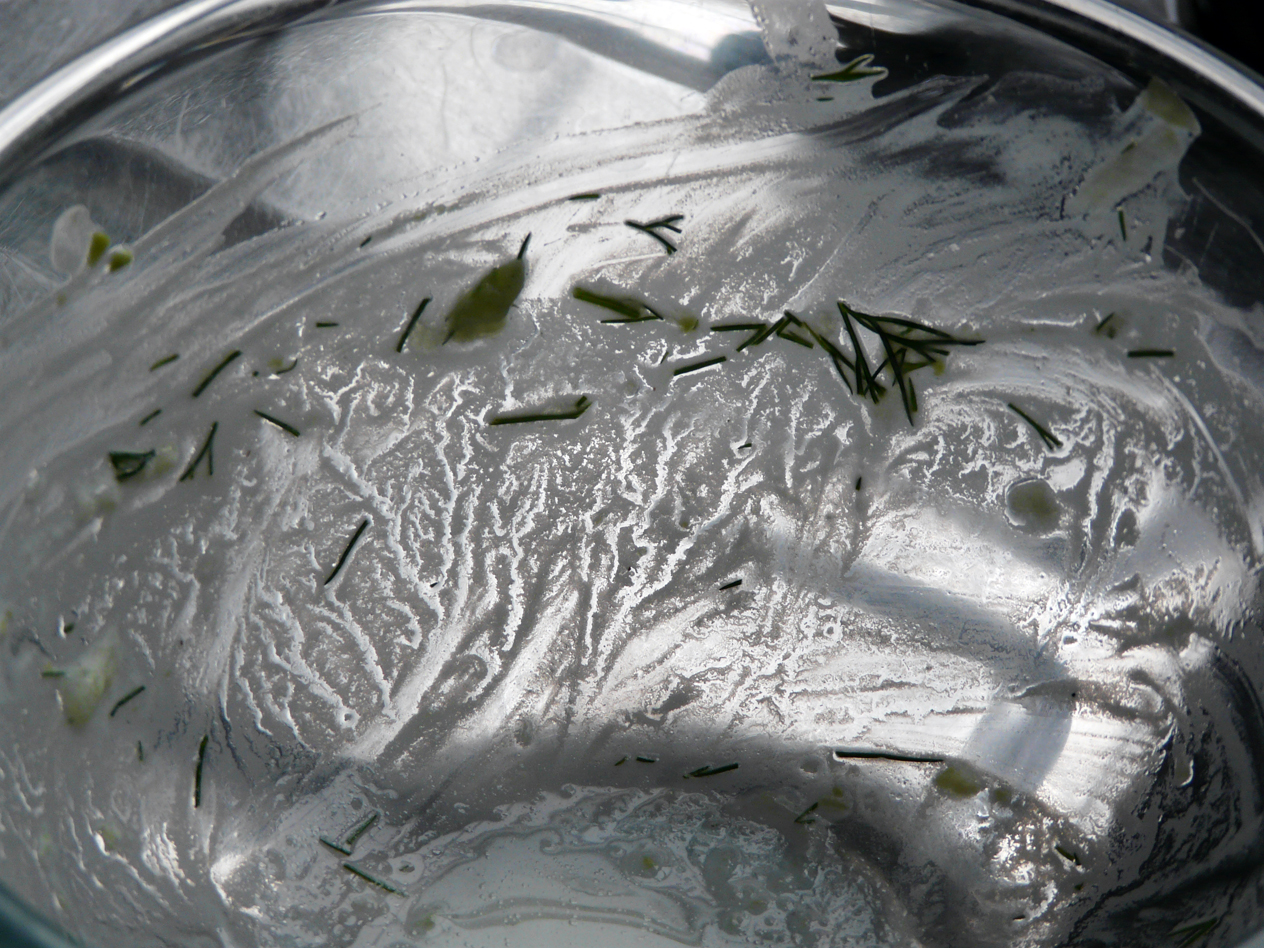
P1060866 smallerMy spirit of independence refuses to be intimidated by the collective idea of what is real. I find beauty in small things and unique moments that give me pleasure. For example, I see the shadow of socks on the washing line and candles waving to each other, or the cucumber salad dressing resembling a river delta, or ancient trees … that’s the drift …

I switch to patterns in other than economy sponsored realities. I dream up stuff.

Being curious, I’d like to know about your ways of dealing with mood swings, or depression, or anxieties instilled by the media. How do you manage the rapids of sensational information? Do you have secrets of becoming? Do you swim against the established order or do the unexpected? Do you have moments of pleasure? Do you have gifts of resilience to share?

‘All we see is a false capture of being: a time grid.’ Fazal Inayat-Khan.

Based on statistics, I predict that the sun will rise tomorrow.

http://aeon.co/magazine/health/is-preventive-medicine-its-own-health-risk/

29 Comments

Filed under Blog

… it’s possible to swim against the stream …

Just saying …

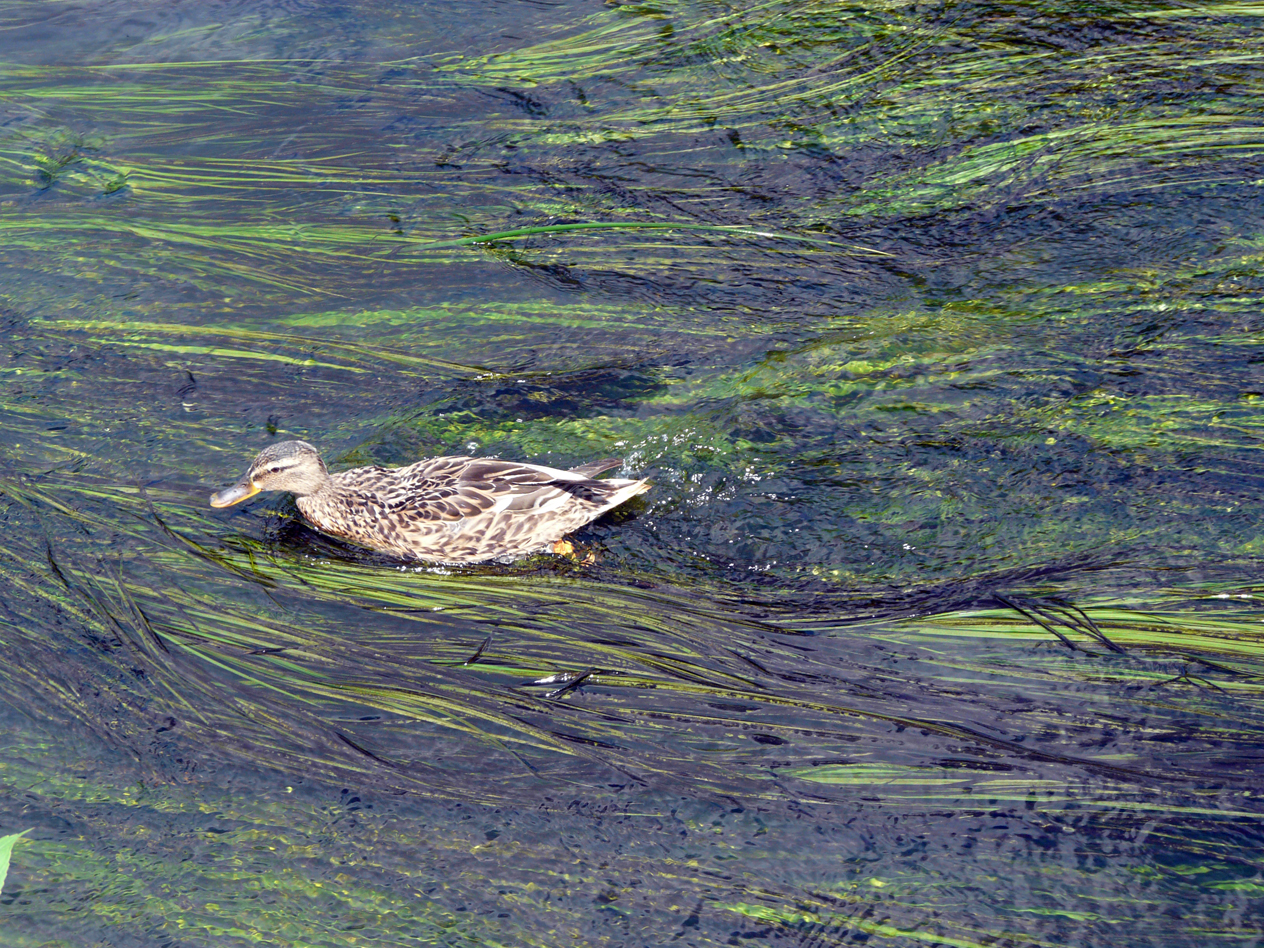
P1060176 - smaller

13 Comments

Filed under Blog

… silent blessings …

I’m sure I’m not alone in practising daily silent blessings. What, you may ask, does she mean by blessings?

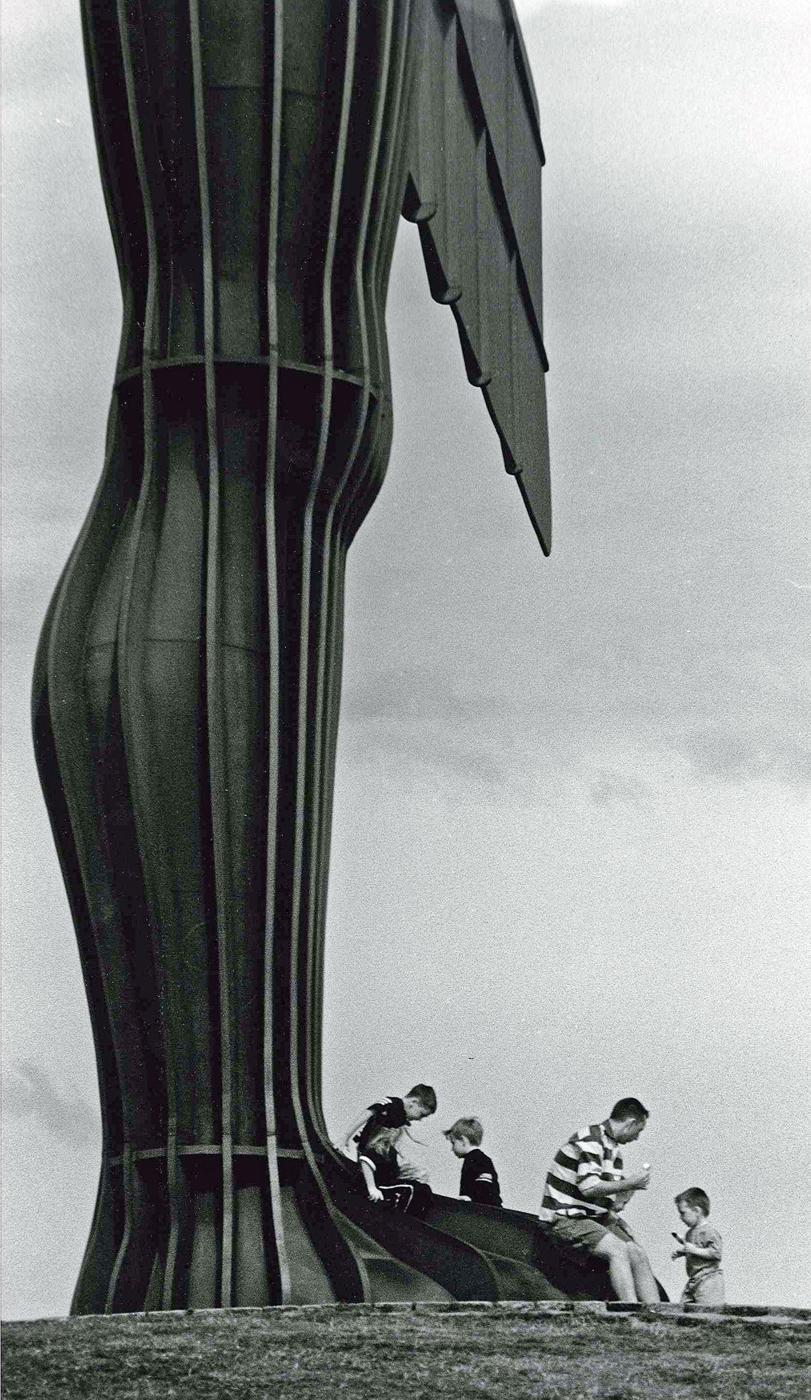
Sylvia Selzer’s photo of the Angel of the North is the most poignant image of an angel I’ve come across.

 ‘The Angel of the North’ – photo by Sylvia Selzer

In my small world, ever since I can remember, I felt guided.  As a child I had a lucid vision of an angel, possibly an aspect of me – or us – existing in another dimension. My upbringing was not religious, but I developed a deep appreciation for beauty – of movement, sound, rhythm, light, colour, form – as well as a healthy disrespect for hypocrisy.

Then, during the 1980s I was ordained as a Cherag  – the Sufi term for someone who performs worships and conducts ceremonies. I questioned the honour. Performing is not my strength. The response of my Sufi teacher – Fazal Inayat-Khan – was heartening: ‘You’re a light-bringer (which is what Cherag means,) and whether or not you formally worship is irrelevant. You have the capacity to bless. Go and bless the world.’

It works like a pebble thrown into a still pond, along with a loving desire, which then ripples outwards.

To bless can become a habit.

You may ask – who’s she to dish out blessings? And anyway, what can it possibly achieve other than making her feel good? Precisely, it makes me feel good.  I don’t seek evidence – measure, weigh or put value on the practice. Being no saint, I also have plenty of less generous habits. But as regards blessings – think about it, what’s there to lose?

It is not the road ahead that wears you out – it is the grain of sand in your shoe.’     Proverb

The Angel of the North is a contemporary sculpture, designed by Antony Gromley, located in Geteshead, Tyne and Wear, England. Sylvia Selzer’s photo of ‘The Angel of the North’ is the most poignant image of an angel I’ve come across.

18 Comments

Filed under Blog

… not now – later …

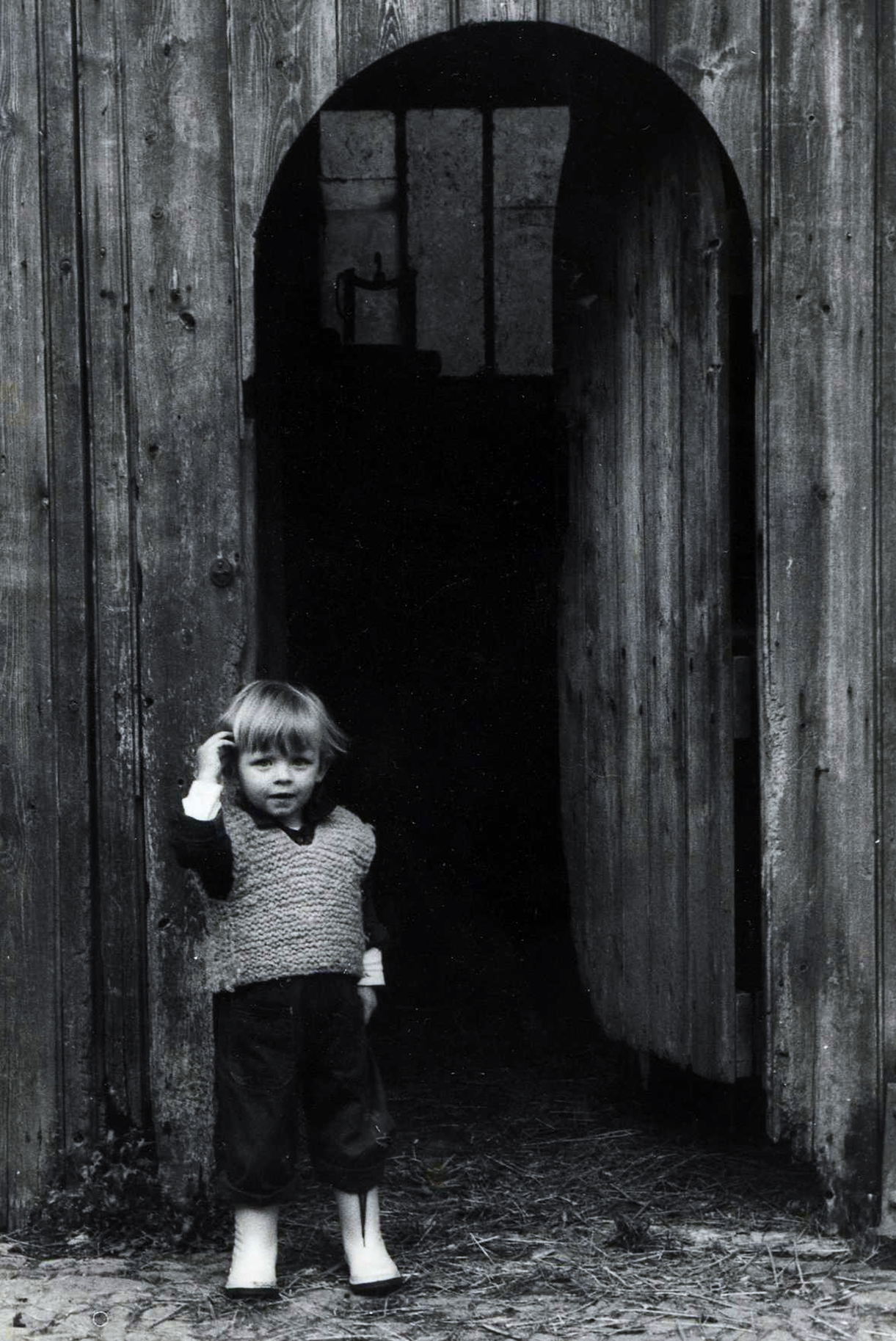
my little hero

my little hero

Each new generation tends to be smarter. While living in rural Somerset, I observed our four-year old son’s play-acting in the garden from the kitchen window while washing pots. He explored his sharp-shooting skills with wooden blocks, building, destroying, building, destroying, building; and so on … it was his new idea of fun. His aiming was good.

Pots done, I attended to the next task, fetching the milk from the street-hatch, left there by Hope, our farming neighbour. She had poured three pints of milk into a bowl and covered it with a cloth. The cream had risen to the top, ready to be skimmed off, which led on to the next task, preparing the dessert for a birthday meal. At this point my son came rushing into the kitchen, wanting me to witness and applause his new sharp-shooting skill. My brain cells were committed to preparing walnut ice-cream.

I said, ‘Not now, later!’

This trick normally worked for a while, but that day he stood his place, watching me with a quizzing look.

‘When does now end?’ he asked.

Casting my eyes to the ceiling for help, I said, ‘Actually, now never ends,’ realising instantly I was in trouble. The child’s superior grasp of logic would demand, at least, a meaningful explanation, and I could loop myself into philosophical twists. My son had no need to query my shrewd answer, he went one better.

‘So when does later start?’

Time to admit defeat. Drying my hands, I said, ‘Now.’

*    *    *

The memory of the incident inspired me to draft a poem … NOW

by Daphne Joe Grant

Illustration by Daphne Joe Grant

Now is the in-breath

Now is the elusive arc

Now is the outbreath


Over and over

Out of nowhere pops the now

Or so we presume


When will we find you?

Why not tell us your purpose?

Where are you hiding?


Now is a trickster

Not taken in by mind-games

Now laughs inside us


Our time must be round

Or turn through a dark tunnel

Orbiting the now


Waste now and lose her

Weft now to now and she’ll dance

Wed now and be her


Now has no answer

Now is what is truly known

Now breathe her and bow

https://www.youtube.com/watch?v=xjwBWE64fG0 Interesting talk by Rupert Spira on perception.

A focussed mind helps us to achieve stuff, but is also easily hijacked by the rat-race, the relentless rush towards meeting deadlines in competitive environments, where no children interrupt and make us pause.

Apparently 10.4 million days are lost annually to work-related stress in the UK alone. And it costs businesses in the US $300bn (£187bn; €237bn) a year. No wonder the ‘Here and Now’ theme is in vogue again, even with hi-tech status. Take a biosensor device, called Pip :) … http://www.bbc.co.uk/news/business-29742908

There is another kind of stress, less talked about, affecting those who work hard for a living, as well as those who lost jobs, or get by on little, or anyone reflecting on human qualities, while witnessing a growing social polarity … as poignantly shown in this image …

http://gerryco23.wordpress.com/2014/10/24/the-fence-between-a-world-of-need-and-a-world-of-excess/

16 Comments

Filed under Blog

… Which is Witch? …

‘Which is Witch?’ is the title I coined for a documentary I helped produce for a colleague during our film degree course twenty years back. For my younger colleague the course was the start of a successful career as cameraman, for me it was a three year sabbatical creatively refreshing my existing work.

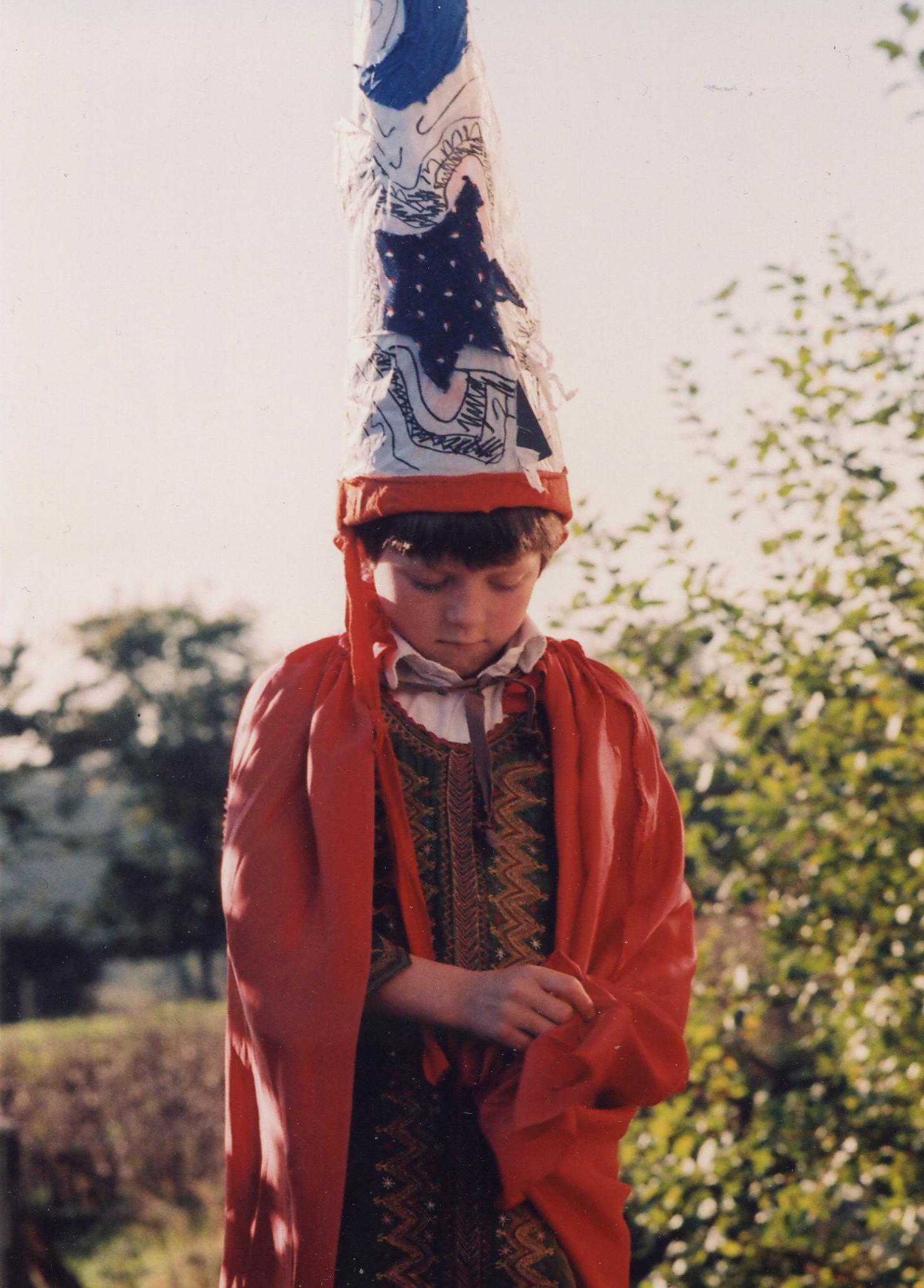
I’m all for make-believe, having grown up with Grimm Brothers’ tales taught me a few things. The other day I came upon this 80s photo of my son and recalled an incident when his favourite primary school teacher must have become a little too identified with the character of her Halloween Witch role.

Yesh img113His grandma dressing

As Santa Claus was cool fun

Yet his headmistress

Becoming a cackling witch

Stirred his first nightmare


Halloween offers a rare occasion when the dropping of one’s regular mask in exchange for another, like the archetypal witch, permits the normally hidden to push up from the shadow world, causing surprise, awe, delicious scares, and even nightmares.


There are good reasons to get acquainted with the hidden 90 or so percent of our psyche, the personal and the collective unconscious. This seems a good opportunity to re-share one of my first posts on this site, from March 2011 – well worth reading.


A Letter to my Shadow

https://courseofmirrors.wordpress.com/2011/03/25/139/

Without the Shadow I’d only be fluff on the coat of real human beings.

9 Comments

Filed under Blog

… hands …

Allow one hand to caress the other, feel the fine sensations through the skin of your fingertips, their manual perfection, capacity to reach out, touch and sense the rough and smooth, warmth and cold. The power of hands to hold, give, heal, remember, receive, express feelings and ideas, inner states – hands that trace shapes and yield to shapes, strong hands that build and destroy, and skilful hands that wield the tool, the brush and pen …

Käthe Kollwitz,  'Zertretene' 1900

Käthe Kollwitz, ‘Zertretene’ 1900

Käthe Kollwitz - Mütter, Krieg, 1919

Käthe Kollwitz – Mütter, Krieg, 1919


The two drawings by Käthe Kollwitz (July 1867 – April 1945) show the incredibly gentle hands that protect – from a collection of her work in a ‘Die Blauen Bücher’ series, discovered by a friend in a second-hand bookshop in St Just, Cornwall. She posted the book to me this week. I was reminded of the plight of mothers in situations where disease and violence are, once again, out of control. And – how so often, dogmatic politics, religious or otherwise, have programmed generations to de-value the body – its wisdom, beauty and need for expression.

And there remains the question, what is being taken out of our hands? Here a wonderful video I found at the National Film Board Canada site: Faces of the Hand

And the lines from two poets whose tool of passion was the pen.

From ‘Leaves of Grass’ by Walt Whitman

… I am the poet of the Body and I am the poet of the Soul,
The pleasures of heaven are with me and the pains of hell are with me,
The first I graft and increase upon myself, the latter I translate into new tongue ….

From ‘The Marriage between Heaven and Hell’ by William Blake

… The road of excess leads to the palace of wisdom …

17 Comments

Filed under Blog

… the sorcerers apprentice …

Goethe in Roman Campagna (1786) by J H W Tischbein

Goethe in Roman Campagna (1786) by J H W Tischbein

Science arose from poetry … when times change the two can meet again on a higher level as friends …   J W von Goethe

The Sorcerer’s Apprentice

It’s my day – since for once

The old one has gone

So now the spirits shall live

And do exactly as I say

I took note of the words

The custom – the spells

So with strong resolve

I’ll work miracles as well.

Rise up and surge

Across the gap

To the end that

Water may flow

And in rich effusion

Fill the tub for my bath

Come old broom,

Take those tattered rags

Slave you’ve been for aeons

Now let my will be your task!

On two legs stand

With a head atop

Get on with it – hurry

With the water pot!

Rise up and surge

Across the gap

To the end that

Water may flow

And in rich effusion

Fill the tub for my bath

Look – he’s running to the shore

Indeed has reached the river

And with lightning speed

Returns to pour once more

A second time already!

How the pool is brimming!

How each new pail

With water fills!

Stand still!

You’ve done your lot

Richly measured

Were your favours!

Stop! Stop! Oh woe!

The word – I forgot

Oh – the word that in the end

Will make him what he’s been!

There he runs and nimbly drags!

Would you be the broom of old!

More floods he rapidly relays

In quick succession

A hundred rivers

Rush at me

No! I can’t allow

This any longer

I’ll seize him!

This is malice!

I’m growing fearful now

What mien! What scowl!

Oh you hellish brainchild

Shall the whole house drown?

Over every sill I see

Floods of water surging

What a hideous broom!

That will not listen!

Rod that you’ve been

Stand but still again!

So you won’t quit?

I’ll catch and grab you

And with a sharp axe

I’ll swiftly split

The parched wood

Neatly down the middle!

Look – dragging he returns!

I’ll throw myself at you – sprite

Promptly you’re down

Crushing sinks the smooth blade

Bravely aimed indeed!

Look – in two he’s broken!

Now I can hope

My breath is freed!

Oh woe! Oh woe!

Both parts

Stand up in haste

As slaves

Complete and ready!

Help me – oh mighty powers!

And they’re racing on! Awash

Are hall and staircase

What an abysmal span of water

All the wise – hear my plight!

Oh – the old one comes – at last!

Great is the need!

The spirits I have called upon

I cannot now release.

‘Into the corner

With you Brooms!

Be no more!

Since as spirits

For their purpose

Only the wise call you forth.’

*    *    *

‘Der Zauberlehrling’ by Johann Wolfgang von Goethe.                                                                                                      Translation: Ashen Venema, November 2006

*    *    *

I grew up with Goethe’s work and it still inspires. Occasionally I attempt free translations of German poems. I work on them forever, never satisfied. Those who know other translations of ‘Der Zauberlehrling’ may enjoy the subtleties. The poem is timeless. There are two kinds of ‘Will’ – the personal and the universal, to harmonise them is a lifelong task.

http://en.wikipedia.org/wiki/Johann_Wolfgang_von_Goethe

17 Comments

Filed under Blog

… moans from an unruly writer …

Installation by Frederick Franck

Installation by Frederick Franck

While I write, wrestle with style, query words battling for attention and set out sequences to string ideas together, anyone watching me might assume I’m a nervous wreck. My body, perfectly able to string an arrow to a bow and hit a target, has a wild notion of focus when it comes to writing. It shifts and wriggles, gets up pretending I need a coffee, ends up cleaning the sink, checks the porch for post and so on, all the while allowing my word sculpting to continue until, bingo …. I rely on intuition, which slips into little silences, opens a crack in the surface of things and reveals a hidden layer, and, occasionally offers a glimpse into the infinity of now. A tiny glimpse is all it takes to relax, sharpen senses and spark a creative dialogue between my inner voices that often quarrel and fool around like the average family.

I respect moderate conflict, it stirs up mud but clears the air, and even when the inner crowd gets fed-up with listening – grace, solitude, or a good night’s sleep bring additional insights, bridge divides and re-establish a tolerable rhythm of chaos and peace.

Am I fooling myself? Is my knack for intuition just guesswork. Is it inborn? Does it evolve with experience, as a kind of deeper listening skill humanity moves towards? Can it be learned? Is it worth defending? Or is it the relic of a go-with-the-flow philosophy that avoids closer analysis of my thought processes and behaviour? I seem to struggle with two kinds of temperaments, one looking for the particle and the other for the wave, stretched between rational and irrational numbers. The two temperaments compete but need each other.

Pilgrim Fool by Celcil Collins

Pilgrim Fool by Celcil Collins

Scientists and statisticians tend to approach the unknown rationally, and seem set to eradicate human incompetence and messiness. Some frenzied rational prophets go as far as knocking anything that can’t be quantified and evidenced. I value logic, what annoys me is the attitude that scoffs at people who hold hands with the fool.

There are more reliable methods than the vagaries of intuition, shown in a New York Times piece by Gary Wolf ‘The Data Driven Life’ from April 2010,  a long but brilliant article that received many pages of diverse comments. Not everyone is keen on the Quantified Self.

I resist being monitored and quantified by data, fixed as particle, ticked off for my risk-taking folly, my random cross-referencing. The geeks and outliers the article describes have fun recording their every move. And I grant that someone suffering from high blood pressure or apnoea benefits from being nudged by a gadget to take a deep breath. I remember being excited and applauding the first biofeedback devices that affirmed how thoughts affect our physiology and vice versa. When it comes to data dependency, I have a hunch it will starve emotional intelligence, which I strongly believe develops through mastery of language.

Working a few years for Social Services, we used to write narrative assessments until a computer programme with tick boxes was introduced. We hated it. Conveying observations in writing was shoved aside as time-consuming, subjective and vague, while quantitative recording was hailed as reliable, though its data hinges no less on interpretation and application.

Recently I skimmed an article suggesting future novels will be written by computers. My cynic leapt from its slumber and argued that a machine hasn’t got 100 Billion neurons and can’t be intimate with nature, is immune to changing metabolisms and moods – hour by hour, night and day. Immune to what comes on the breath, with wind, dust, rain and radio waves that travel through the cosmos, nor is a machine influenced by dreams, synchronicities, diets, layers of revolving memories, kind gestures, general anxieties, rejection, loss of control, loss of a loved one, global news … the unpredictable influx of thoughts and emotions that our mind continuously sifts, evaluates and re-interprets.

Irrational humans can’t be quantified and controlled, which may be why since ancient times there has been an ambition to create artificial beings.  Here a bit of fun from Turing and his colleague Strachey – a reasoned-out love letter, achieved through programming a 1951 computer to make sentences via algorithms, having been fed on love synonyms from a Thesaurus:

Honey Dear – My sympathetic affection beautifully attracts your affectionate enthusiasm. You are my loving adoration: my breathless adoration. My fellow feeling breathlessly hopes for your dear eagerness. My lovesick adoration cherishes your avid ardour.

Yours wistfully, M.U.C. (Manchester University Computer)

…. M. U. C. is eager, if a little verbose and breathless :)

Since then, artificial intelligence is even more breathless with numbers, but operates highly sophisticated technology that improved the quality of our lives. I admit I’m fascinated by the concept of cyborgs, but don’t want to get plucked into the human network protocol .

Our privacy is at stake. And our relationship with nature? … its record of life and the human experience, the treasure house of the collective unconscious, translated and re-membered through DNA, invisible spheres and the very light we breathe. Anything alive changes from moment to moment. And our experiences, insights and expectations have a vital part in the changing.

Nature is the book I grew up with, it taught me stuff:                                                                                                       About growing … put a seed into earth, tend to its needs and its story flowers.                                                        About resilience … a seedling lost in a dark corner will grow towards any spot of light, no matter how it must bend and curl its stalk around obstacles.                                                                                                                                       About connections … the dynamic geometry of the tiniest plants and vast galaxies are reflected in each other.

Enough samples to show the obvious – nature teaches through metaphors. My theme is resilience. I take risks and accept that struggling makes me inventive, expands my consciousness, polishes my heart and challenges me to think for myself.

My moan extends to the growing practice of enticing people to emulate machines in service of progress and economic efficiency, in jobs that dull the senses and dull the mind.

Meanwhile I cheer the unruly folk, including fools, dreamers, innovators, artists, poets and writers with an ear towards the hidden – who translate past and future newly into the present – the open-minded, who can tolerate conflict, value intuitive signals that chime in the heart, and who can occasionally endure being suspended like a leaf on a gossamer thread.

What do you, my reader, think?

26 Comments

Filed under Blog

… gossamer bridges and palaces …

I’m a terrible hypocrite. I can’t stand spiders in the house, but I adore them in my garden, where their bridges and palaces are now quivering everywhere, only visible against the sun or by the rare leaf suspended in mid-air … exquisite.

P1060844 smallerP1060855 smaller

P1060849 smaller

A leaf floating free

From stem and branch – inholding

The ever-tree myth

P1060859 smaller

Once more nature translates its lore to the soil, carrying patterns of relationships to new settings.

We do the same, daily and all year round, translating our experiences to ourselves and others … our cells, bodies and minds continuously changing, never the same, despite appearances.

I wish for grace in waiting, the hibernating towards re-membering afresh the cyclic occurring wholeness in new formations.

And I wish for the patience and good humour of my tiny Buddha.

14 Comments

Filed under Blog