Tag Archives: writing

Autsch

Autsch

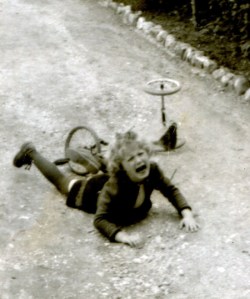
Finding this photo reminded me of how I kept bloodying my knees on the sharp stones of circumstances, and still do. My hope for a warmer communication with my father was dashed. He revived, and with it a fierce need for control. Lines by Dylan Thomas come to mind:

Do not go gentle into that good night,
Old age should burn and rave at close of day;
Rage, rage against the dying of the light …

Humans are mortal, but maybe humanity as a whole is immortal, and particularly its desire to find a meaningful answer to the circus of life.

‘Mein Freund, die Zeiten der Vergangenheit // Sind nur ein Buch mit sieben Siegeln. // Was ihr den Geist der Zeiten heißt, // Das ist im Grund der Herren eigner Geist, // In dem die Zeiten sich bespiegeln.’  –                                                                 Johann Wolfgang von Goethe, Faust (I)

Just like the human brain receives and conducts thoughts and ideas (like a radio,) so genes may receive and conduct what a psychic seedpod brings along at conception, that is – familiar patterns drawn to new constellations as through a mathematical time-grid (astrology may not be far off) – so that our realities are really mirrored from other spheres.

Via this psychic seedpod our story seem to arrive with template personality types, whose potentials and constraints determine our genes, not the other way around, at least not until the body’s biochemical traffic assumes a habitual force. With the psychic seedpod comes a pack of shadows – talents, passions, traumas, hurts or humiliation engendered by generations before us. With this pack also come tasks: to tie up loose ends, and to redeem faults not of our making.

From the start out endowment attracts projections, like a magnet, coercing us to oblige the projectors. Forget about being right, about justice. The secret of transforming energy and doing better than those before us lies in responding to situations, even when our habituated cell-traffic unconsciously demands a knee-jerk reaction. Awareness slips easily. Faith by itself does not help the evolution of human qualities. Insight, humility and patience are also needed, but often lost when buried emotions pop up.

My father’s constitutional short fuse with the world at large had over time found creative outlets, but his recent outburst hooked me into early experiences of feeling manipulated and made small by anger that belonged elsewhere. I became his nearest Blitzableiter (lightning conductor.) A personal scar opened. Autsch.

Recovering in Munich last week, the fragment of a poem prodded to be recalled. Back home, I reached for my Richard Wilhelm edition of the I Ging – Das Buch der Wandlungen. Opening a page at random, the fragment I was trying to recall showed up as a footnote. Romantic poets may have lacked irony, but they often touched on a pulse of wisdom … these lines from the last stanza of ‘Die Ideale’ by Friedrich Schiller:

… Beschäftigung, die nie ermattet,
Die langsam schafft, doch nie zerstört,
Die zu dem Bau der Ewigkeiten
Zwar Sandkorn nur für Sandkorn reicht,
Doch von der großen Schuld der Zeiten
Minuten, Tage, Jahre streicht.

The quirky translation is mine …

… Activity that never tires                                                                                                                                       Slowly creates but never wrecks                                                                                                                                      That to the houses of eternity                                                                                                                                  Only sand grain by sand grain gives                                                                                                                             Yet wipes from the great guilt of times                                                                                                                   Minutes, days, years –
P1080230 - smaller

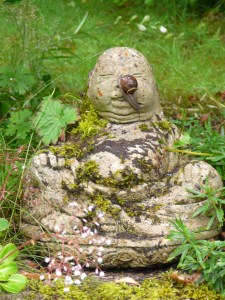
I wish I had the patience and good humour of my little Garden Buddha …

*    *    *

Even ‘Brexit’ and the realisation that the good old UK is really a Divided Kingdom leaves my Buddha smiling.

The deeper problem – a runaway capitalism all over the world, makes people angry. The solution is pretty clear to me – give every citizen a basic wage, so they won’t have to go begging from the state every time they experience hardship or are out of a job.
14 Comments

Filed under Blog

… I mourn the round clock …

P1100988I mourn the round clock

the poetic face of time

gazing into now


hands whirling round hours

much like the planets orbit

our cradle of light


pulsing in us – too

as heart hub where the Muse dwells

minding her own pace


you are the turning

– she hints – laugh and weep with me

create more beauty


from her calm domain

she may join freak storms as rain

and make deserts bloom

P1080058 - smaller

poets and children

glimpse how she weaves dream fabrics

to wrap up each now


15 Comments

Filed under Blog

… the opportune elevator pitch …

Image by Carol & Mike Werner

Image by Carol & Mike Werner

Once a hotel, now a home for senior citizens, to live independently or, when needed, access a care unit, is the place my father chose as exit platform. The building has Escher-like features. Doors along every corridor look alike. The only way to determine floor levels are the artworks of residents gracing the walls. At one end of the building is a sluggish and brainless elevator. Hardly bigger than a telephone cell, it is airtight and eerily silent. Once inside, the occupant is suspended in time, with no sense of movement, up or down.

‘Can we squeeze in?’ I ask, pushing my dad’s wheelchair into the tiny cubicle. The man is baffled. Landing at ground level was not his intention. He is the reticent carer in training that worries dad, who detects a touch of paranoia, a sentiment he himself is familiar with, plagued at times by imagined dubious intentions of people. I’m a lost case to paranoia, but I allow for paranoid people’s intelligence. They value truth.

Occasional bouts of confusion haven’t impaired my dad’s wit. He suggested we should discover what interests the uncommunicative carer  so we can butter him up. I tried, going about it the wrong way. ‘Do you like alcohol?’ I enquired, thinking of a choice bottle from my dad’s apartment, the home I must soon dissolve.

‘I’m no alcoholic,’ was the curt reply. Newcomers from Eastern Europe tend to have admirable principles.

With the three of us trapped, sans sound, at snail-pace, embarrassment has no distraction other than a mirror covering one wall.  ‘Ah Herr W, how are we today?’

‘So, so,’ my dad says, with a melancholic pout.

The mournful air compels the carer’s curiosity. ‘What things interest you?’

‘Everything,’ my dad says, ‘the whole world. ‘And he cunningly adds, ‘what interests you?’

‘Everything,’ says the carer, ‘countries, people, science, religion …’ The elevator door opens to the care unit … ‘most of all religion.’

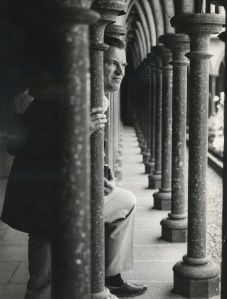
Pa at St Michael 1967

Dad at St Michael 1967

My dad shoots me a wicked smile. His library, I discovered, apart from books on art and travel, had accumulated works on ideological themes he used to rubbish with a vengeance. As a young mother in rural Somerset, insular for a while, I did an OU course on Comparative Religion, wanting to explore the key influences prophets and their early followers had on cultures throughout history. My dad’s comment at the time was, ‘Next you’ll send Jehovah preachers to my door.’ Attempts to bridge our bizarre dissonances had only ever elicited angry reactions, which I chose not to energise, enduring the grief. My dad’s cranky nature shielded a fine intellect, fed by reading and extensive travelling. His disapproval of me, I sensed, held a childlike envy of my bohemian autonomy, freedoms not available after the war. We battled with our shadows in isolation, me remaining the wayward daughter that lived abroad.

During my most recent visit, I arranged for some of my dad’s paintings, photographs, books and creative tools to be around him in his care abode. They’ll provide openings for conversation with those who now look after his daily needs.

Our war is over. It is heartening to observe how my dad’s reclusive attitude softens and, like blossoms falling this spring, gives way to new fruit.

Out Beyond Ideas

Out beyond ideas of wrongdoing and rightdoing,
there is a field.  I’ll meet you there.

When the soul lies down in that grass,
the world is too full to talk about.
Ideas, language, even the phrase each other
doesn’t make any sense

Rumi, translated by Coleman Barks

7 Comments

Filed under Blog

… answers to questions we dare not ask …

Could it be that we frequently get answers to questions we dare not ask, allowing us to ignore certain messages? When do we challenge an issue and when do we keep silent and move on? Maybe I’m naive, but given my peculiar tolerance for uncertainty, I tend to trust in the random timing of guardian angels.

In der Eng 1954Last night, in a dream, I jumped from the ground onto a flat roof by sheer determination. Then someone asked me to repeat the feat, in the manner of a scientific trial. A ridiculous request – nothing is ever repeated under the same circumstances, try as you might. It’s as far as I got with this dream. I’ve no idea what the flat roof represents, apart from maybe having my first novel aired, which has been waiting to be launched with my small publisher since 2013.
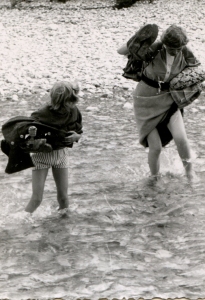
Yes, I’m frustrated, and tempted to self-publish, instead, it looks as if I need to secure money for my father’s care and funeral. He decided not to die and plans to reach a hundred. While he requires support with basic daily tasks, he is comfortably secure in the care department of the place where he had rented a flat, which I must dissolve within the next few weeks. I arranged for him to keep items he holds important, his paintings, books, art materials, easel … in his present care-abode.

The process of letting go of things and projections was distressing but worthwhile on both sides. After endless paperwork, bureaucratic complexities, sorting stuff, and living with ancient dust and revelations, I felt totally exhausted, and decided to recover for a few days with friends, and then take a break, once more, back in the UK, choosing a 12 hour train journey because of possible strike actions at Munich airport.

I was not cheered by a financial cover-up that, in retrospect, may (or not) have saved my marriage at a time when I felt trapped with my creative longing sans resources, all based on sad misapprehensions my father had of me over time, including blaming me for my mother’s early death. Nor was I cheered sorting through over 30 photo albums covering 16 years of Luxury Ocean cruises my father undertook with his second partner, touristy snapshots that did no credit to his past photographic excellence, earlier works of which I’ll post more in time, and which, I hope, my son will archive.

In der Eng 1953 - crossing the stream - smallerIn der Eng 1954 - crossing the stream - smallerStill, there were tender moments and highlights during this recent testing odyssey … my dad’s new appreciation of my existence, which warms the heart, and the finding of precious images from my childhood, like where I brave icy mountain streams, or cross them with my mother – memories of intensely happy times that restored my spirit.


Worth reflecting on, BBC4 broadcasted a prospect of old age that seems kind of scary in its social implications …

Should we retire the concept of aging?

19 Comments

Filed under Blog

… verwandlungen – transformations …

Bilder des Vaters – Wörter der Tochter                                                                                   A Father’s Images – A Daughter’s Words 

Auf dem wilden Kaiser

My father, now in his 90s, recently recovered from the shock of a fall. Brought to the fore, mortality reshuffles experiences – a mysterious process, different for everyone, young or old. Whether relationships are supportive or troubled by frustrated expectations, in the deep cavern of the psyche experiences assume fresh meaning when endings are contemplated, or happen suddenly. The unconscious speaks a surreal language.

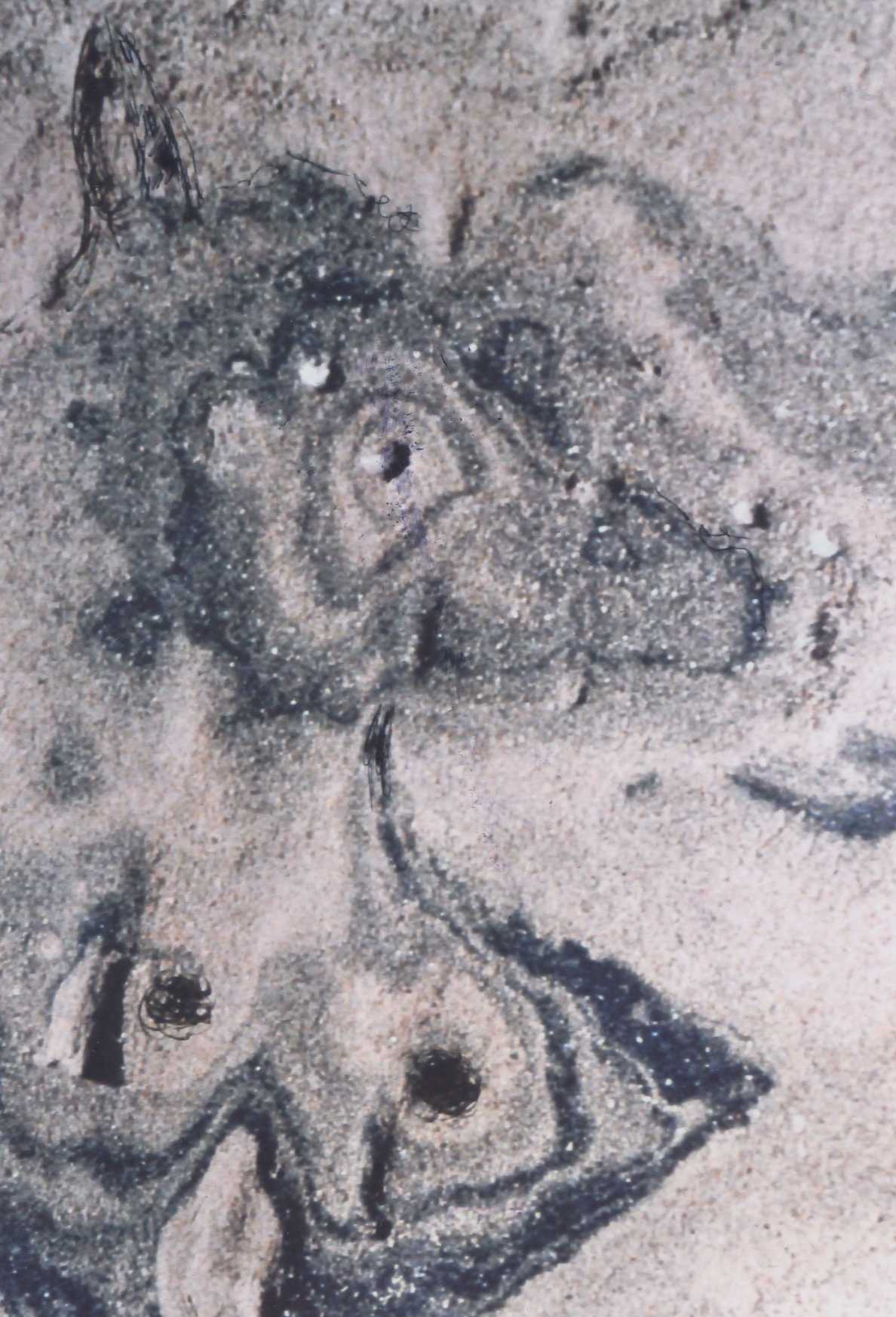
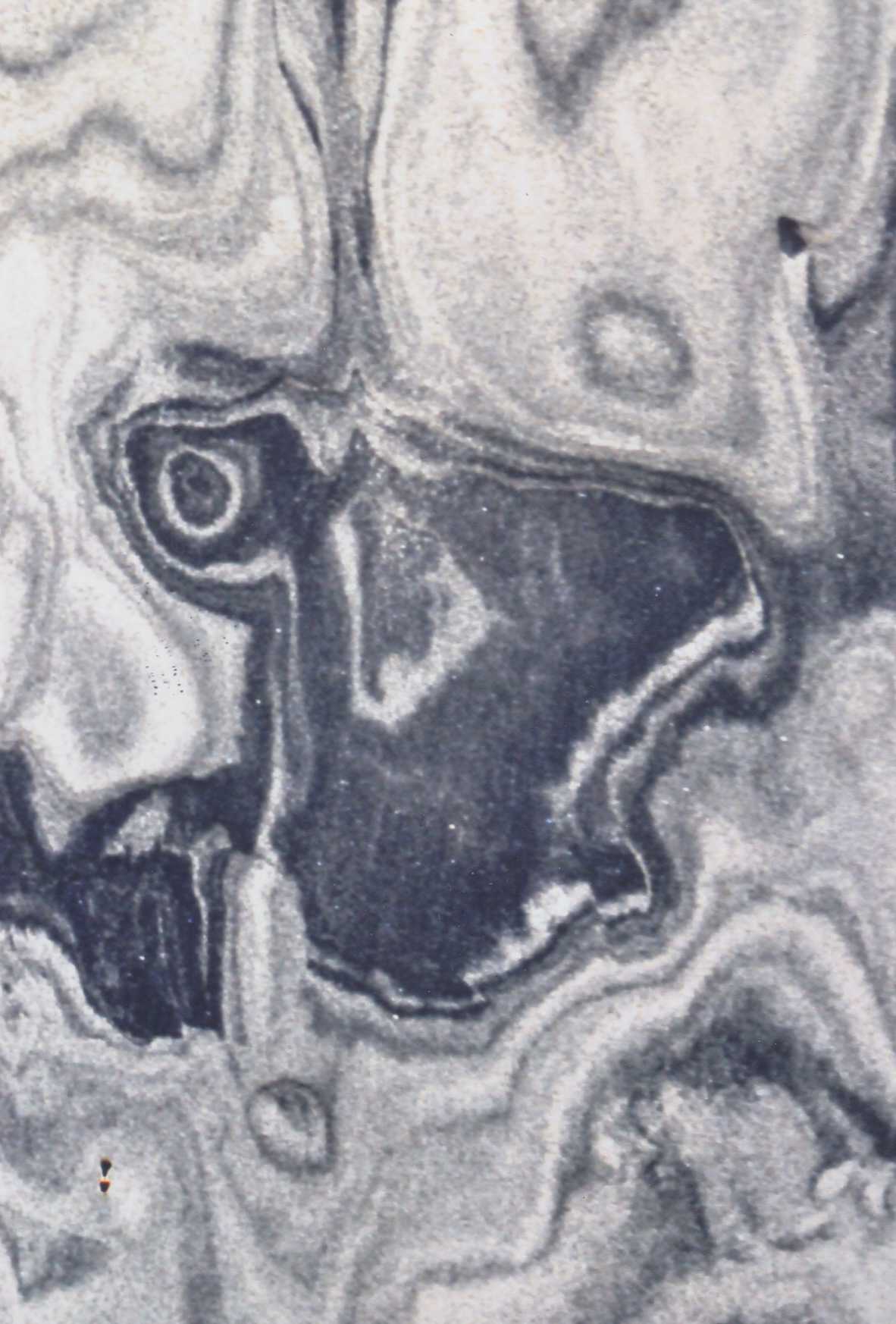
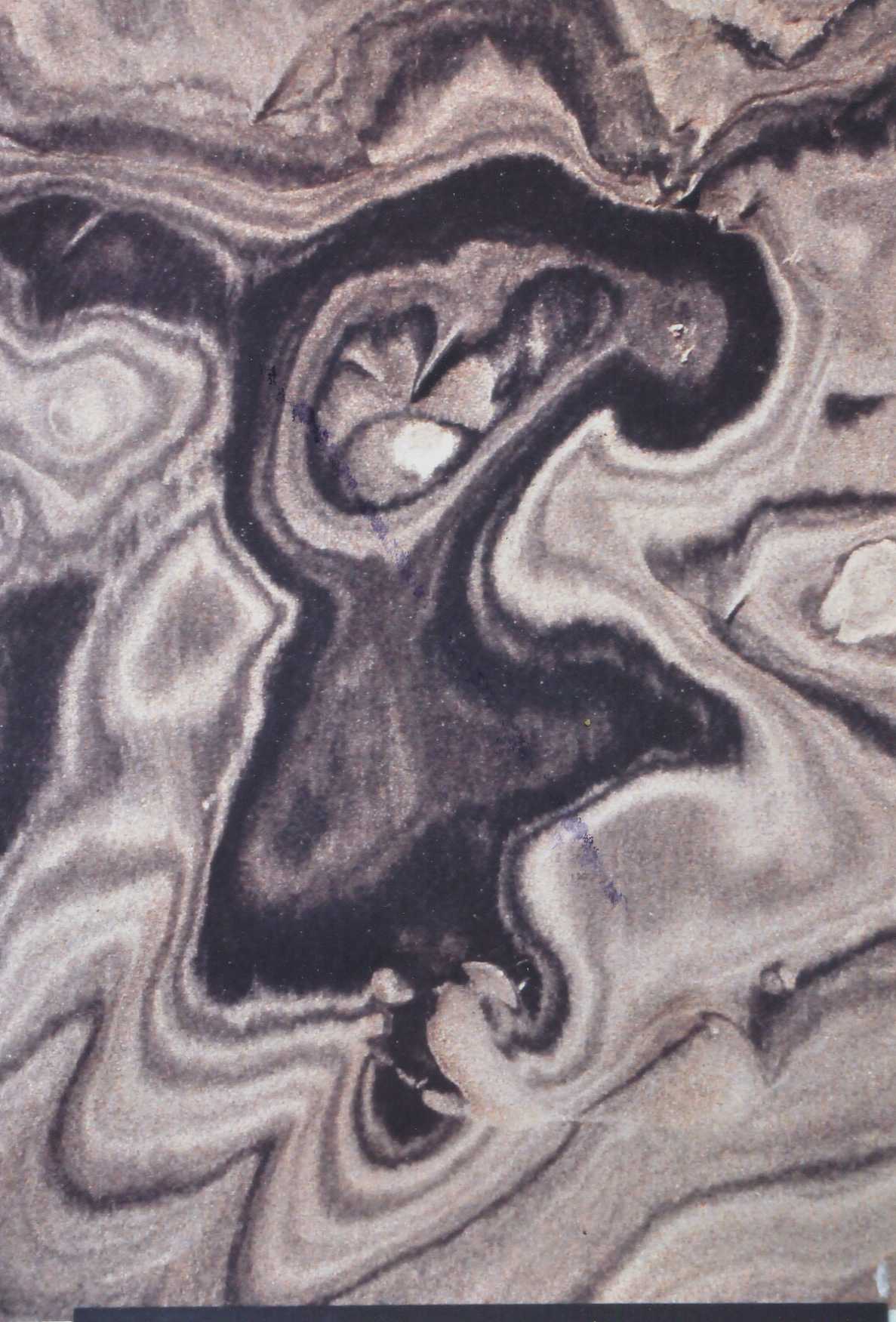
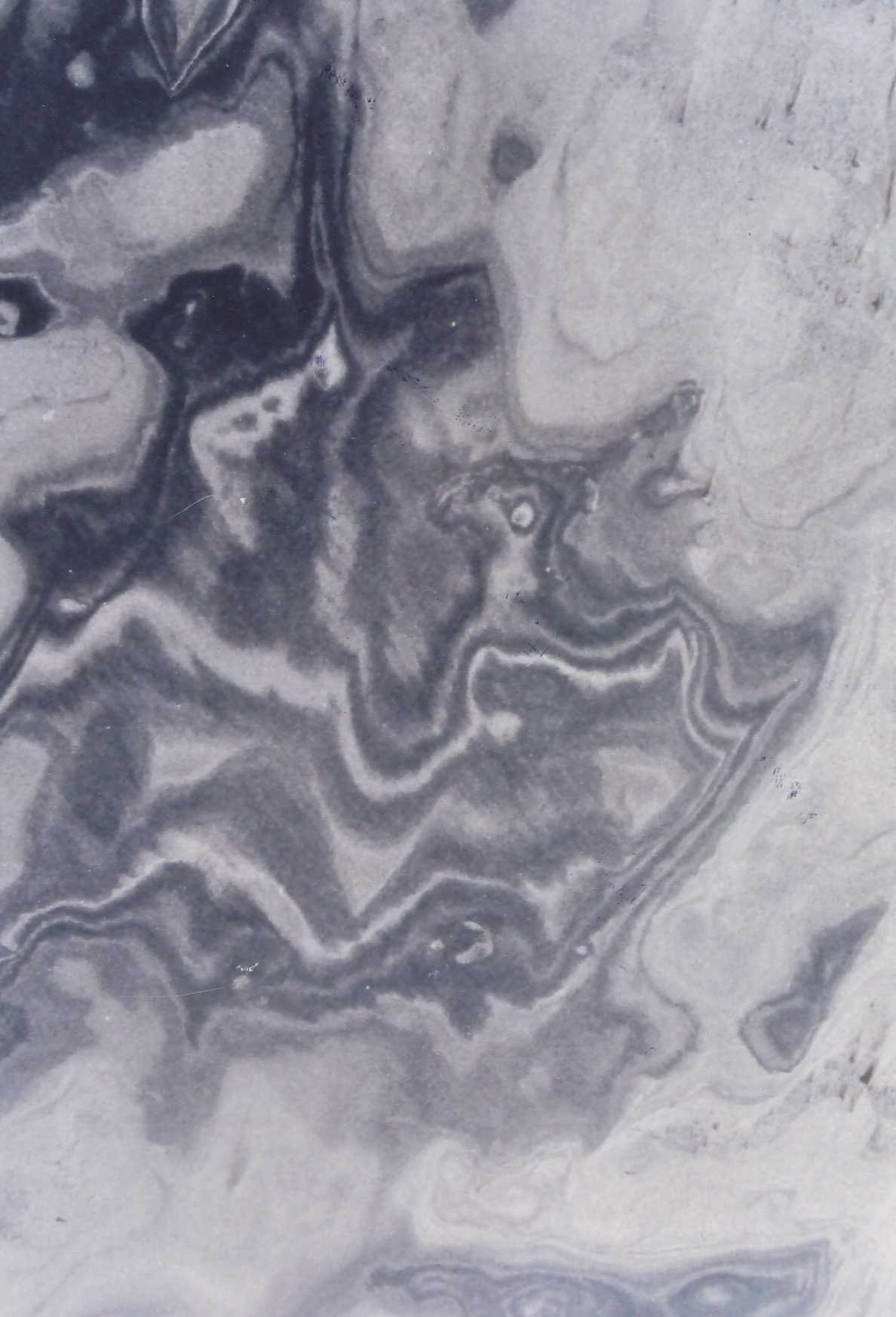
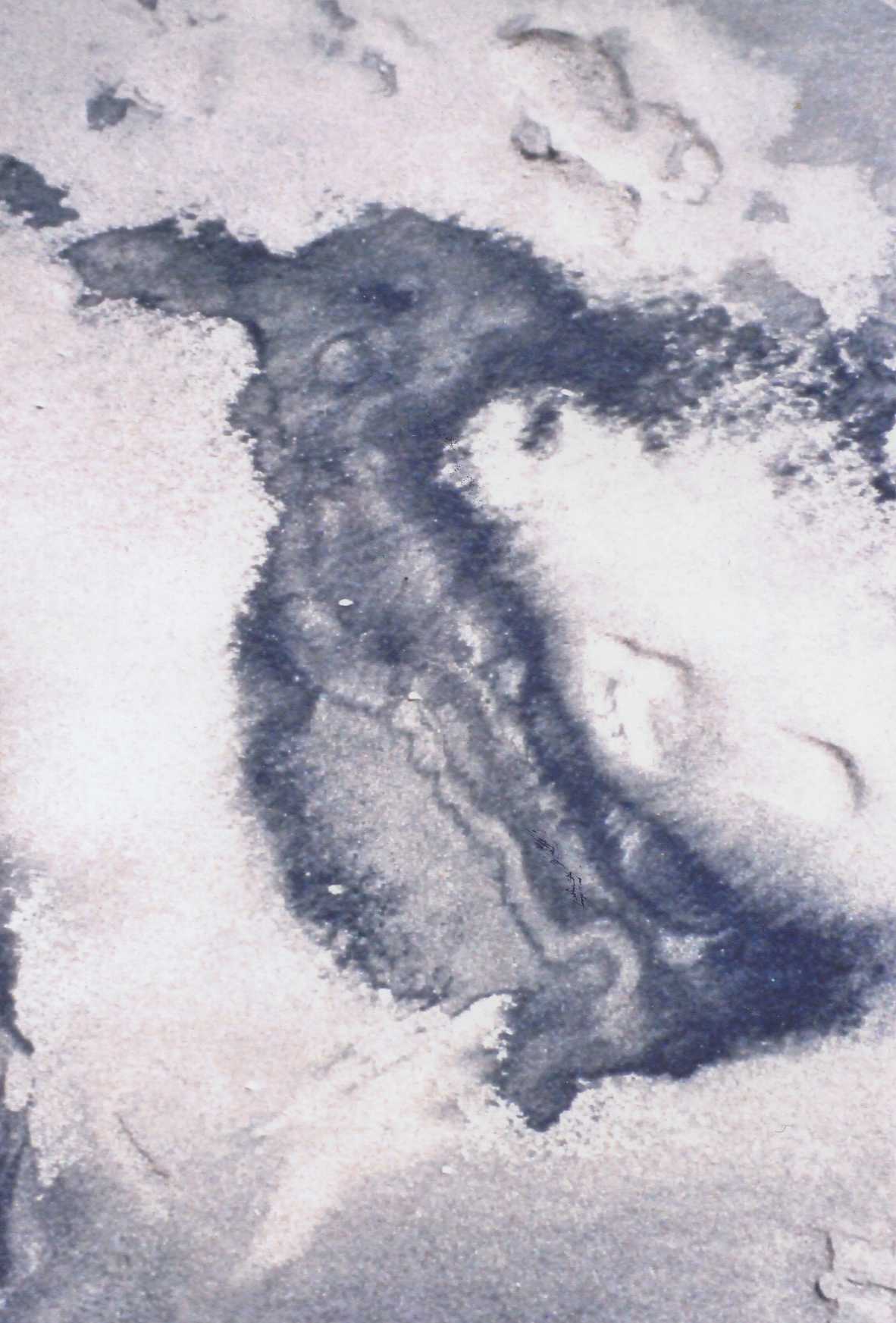
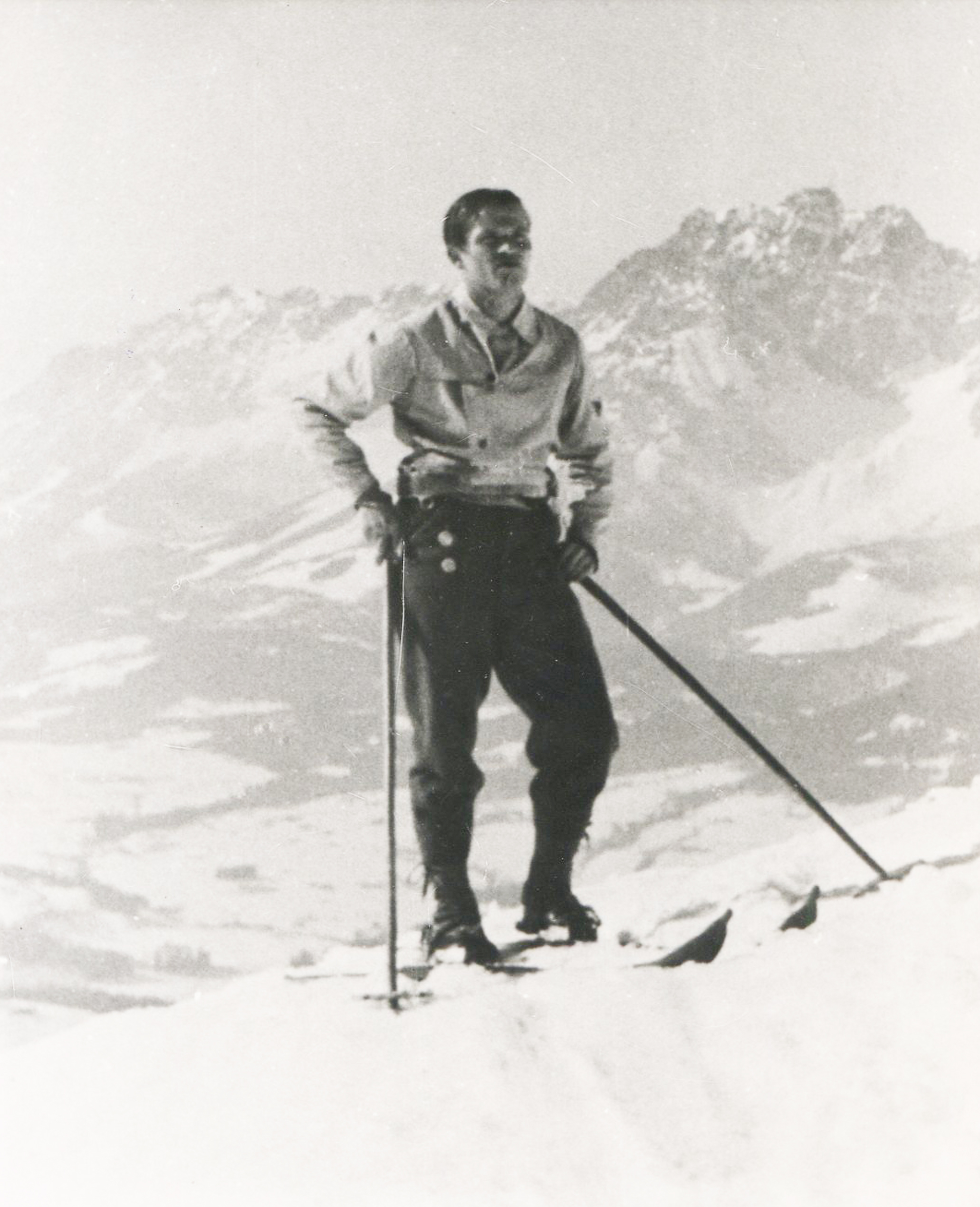
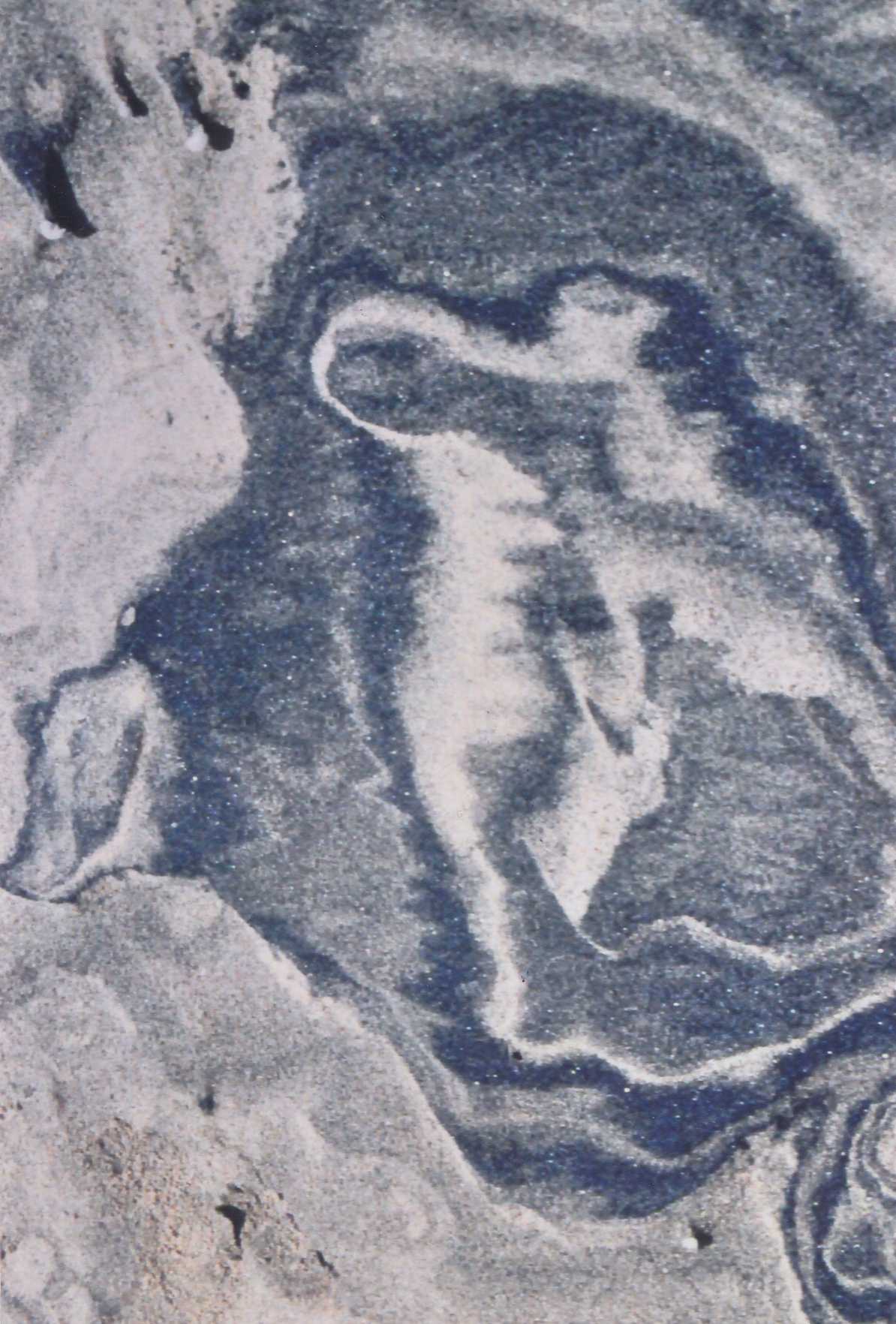
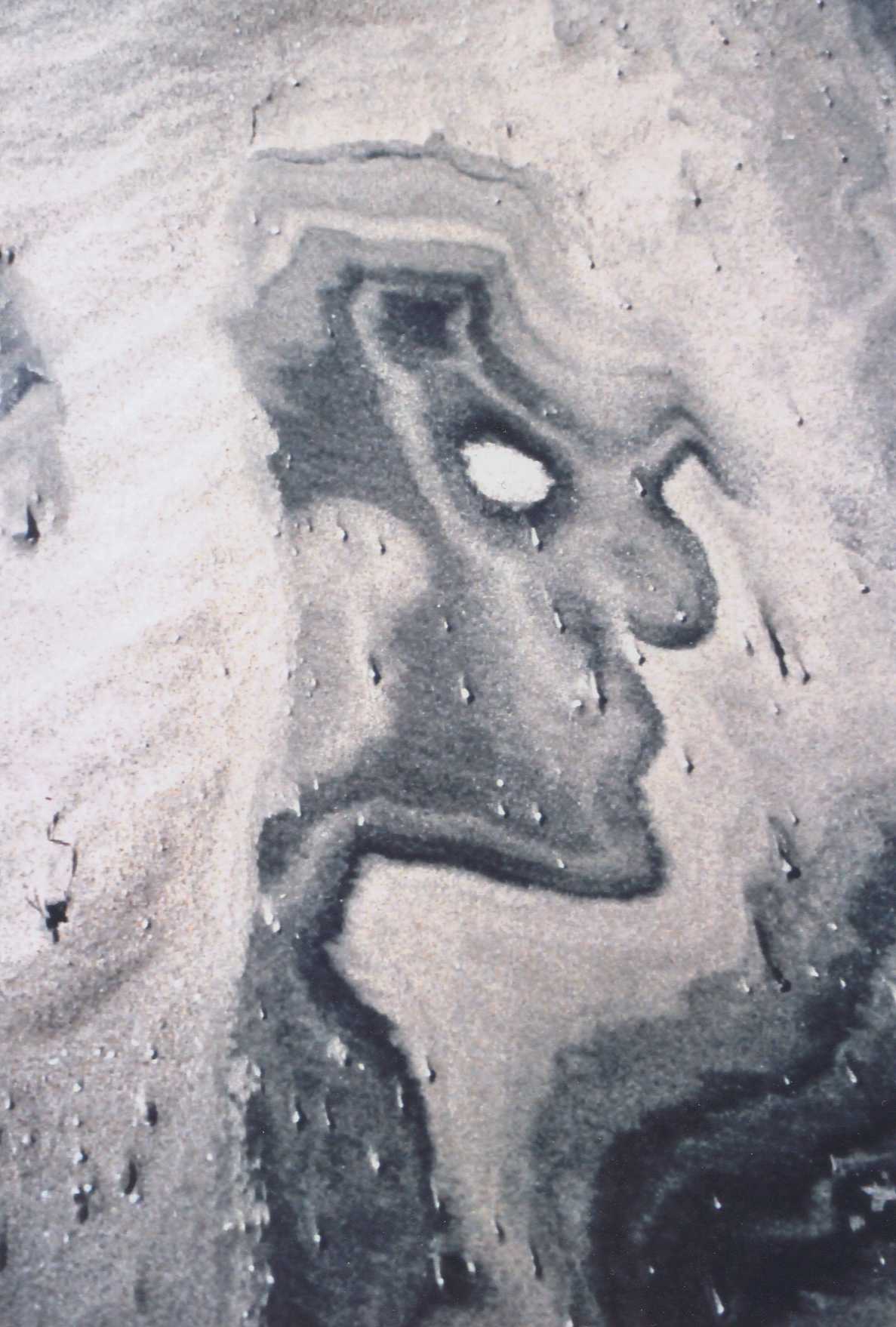
A few years ago, my father took photos of a phenomenon on the island of Fuerteventura, where, in some places, when the tides recede, the white shingle derived from bleached shells and sea creatures mingles with the black sand of volcanic rock. The bizarre sand drawings my father came upon inspired me to write short lines in German, here with English translations. The alliance of images and words surprised us both, hinting at an underlying creative connection between us that could not have been otherwise expressed.

Im Sand träumt das Angesicht der Zeit … The Face of Time Dreams in Sands

Sand - no1

1

Ich seh Dich, du siehst mich noch nicht.

Meine Stimme klingt von der Ferne

In deinem Muschelraum

Geheimnisvoll im Werden.

Manche glauben ich sei nur Sand,

Die irren sich gewaltig.

Ich bin ein Traum wie Du.


I see you – you don’t see me yet

My voice sounds from far away

In your snail chamber, secretly becoming

Some think I’m only sand

They’re mistaken

I am a dream – like you

Sand - no22

Tränen waschen mich rein von der Macht

Das war mir eine Last.

Ich will ich mich nun auflösen

Im Gesang von schönen Symphonien.


Tears cleanse me of power

Which burdened me

Now I will dissolve

In tunes of beautiful symphonies

Sand - no 3


3

Ich bin ein komischer Vogel – mit Hörnern und Brüsten

Wie Du trag ich das schweigende Anglitz der fliessenden Zeit


I am a strange bird – with horns and breasts

Like you I wear the silent face of fluid time


Sand - no 44

Die blassen Gestalten um mich wollen mich beschützen

Als ob ich zu klein bin fur die Welt – vielleicht ahnen Sie

Dass ich ein Drache werden will der die Welt erschüttert


The pale figures surrounding me mean to protect

As if I was too small for the world – maybe they suspect

That I want to become a dragon to shake the world


Sand - no 5


5

Mein kleiner Tanz ist ansteckened – bald wird der ganze Strand

Bevölkert sein mit Kindern die Hände fassen in Ringelreihen


My little dance is catching – soon the whole beach

Will fill with children who hold hands in Ring a Ring o’ Roses


Sand - no6


6

Vom Wind verwischt und verwandelt bin ich

Das restlose Gemüt einer schlafenden Seele


Blurred by the wind and transformed

I’m the restless mind of a sleeping soul


Sand - no 77

Meine Flügel sind mir ans Hirn gewachsen

Wer weiss who ich dahin mit segeln werde

Mein Herz blickt schon längst ins Unbekannte


My wings have grown to my brain

Who knows whereto I shall sail with them

My heart has long been gazing into the unknown


Images: Ludwig Weiss – Words: HMA Venema

And then there is ‘The Story of the Sands,’ one of my favourite Sufi stories. Here told by Terence Stamp: https://www.youtube.com/watch?v=oNasXE5_OTI

15 Comments

Filed under Blog

… Others – by Mulla – Allum …

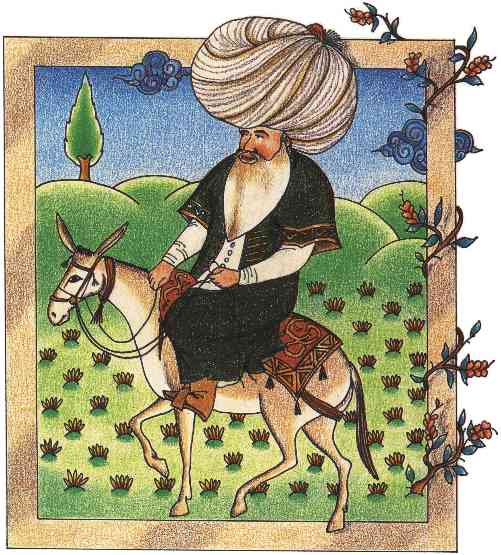
Another story of Allum, my inversion of the famous Mulla from the East – whose voice occasionally comes through the white noise surrounding our planet.

17th century miniature - Tokapi Palace

      17th cent. miniature – Tokapi Palac  

                                                      *    *    *

An aspiring novelist confesses to Allum, ‘I fear some members of our writing group withhold honest feedback. I wonder if you’re one of those who think my writing’s rubbish, and a waste of time.’

Allum ponders the question and sighs. ‘That’s complicated.’

‘I value your opinion. I really want to know.’

Allum strokes his beard. ‘Some people fantasise about what other people think of them and cause themselves no end of confusion. Some intuit correctly and dwell in purgatory. Then there are those who take other people’s opinions on the chin and apply what’s useful.’

The neighbour is not going to be side-tracked. ‘You haven’t told me if you think my writing is rubbish?’

Mulla shrugs his shoulders. ‘As I said, it’s complicated. Take your pick.’

*     *      *

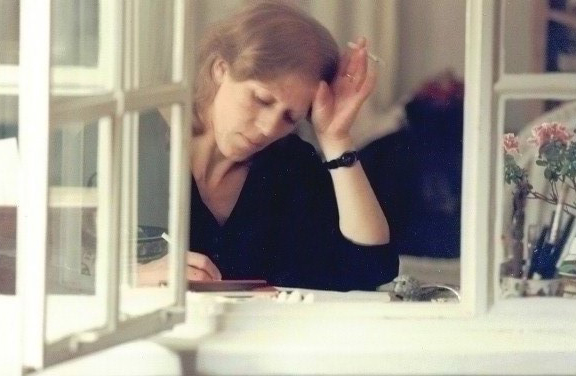
oh that serious writer

That once serious young writer …


15 Comments

Filed under Blog

… grandparents …

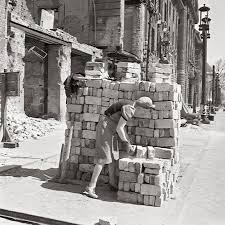
I must have been 4 or 5 years old when my mother took me to Berlin to see my maternal grandmother for the first, and, as it turned out, the last time. Due to the Soviet Berlin blockade after the war, the severe lack of resources, and the disrupted transport system, many families were kept apart for years.

We stared up a bleak wall, until Hildegard appeared. She flung her arms towards us, wanting wings, leaning precariously from the window of the hospital ward where she was kept isolated with TB.

Or so we Berlin 1955sthought. A nurse confided her doubt to my mother, and how she had urged for a second opinion, a hint my grandfather ignored. My mother insisted on a fresh blood test, but was ridiculed by the doctor in charge.

To console me, a kind neighbour rescued an old bicycle and taught me how to ride it among the rubble of ruins in the streets. He also allowed me to watch him construct a ship with sails inside a bottle, which made me think of gran being confined, not sailing anywhere. The atmosphere between my mother and her father grew tense. She insisted he should query the doctor’s diagnosis.

The crescendo happened in the kitchen, when she lifted a tray of 2 dozen eggs from the top of the fridge. He said, ‘You won’t.’ She said, ‘I will.’ He demanded, ‘You will not.’ She shouted, ‘I will.’ He shouted, ‘What can a nurse know?’

That’s what did it. Two dozen yellows and whites marbled the red-tiled floor and my mother walked out. I was thrilled. The drama mobilised my grandfather to challenge the hospital.

Sadly, my gran died within days, much too young, and not of TB. The blood test had been mixed up. What killed her were toxic medications based on a wrong diagnosis.

The message went deep. I was going to be a warrior. I learned to appreciate my intuitions and developed a useful allergy against intimidating authority.

Memories of my paternal grandparents are more serene. Oma and Opa, Erlangen145 Oma was a tall, striking woman. Despite having lived through two tragic wars she kept her back straight and held her head high into old age. When she caught me sitting crouched, she would gently push her fist into my back – ‘Free that, spine girl.’ At other times, she advised me to pull superfluous thoughts from my nose. The tricks work to this day … sometimes.

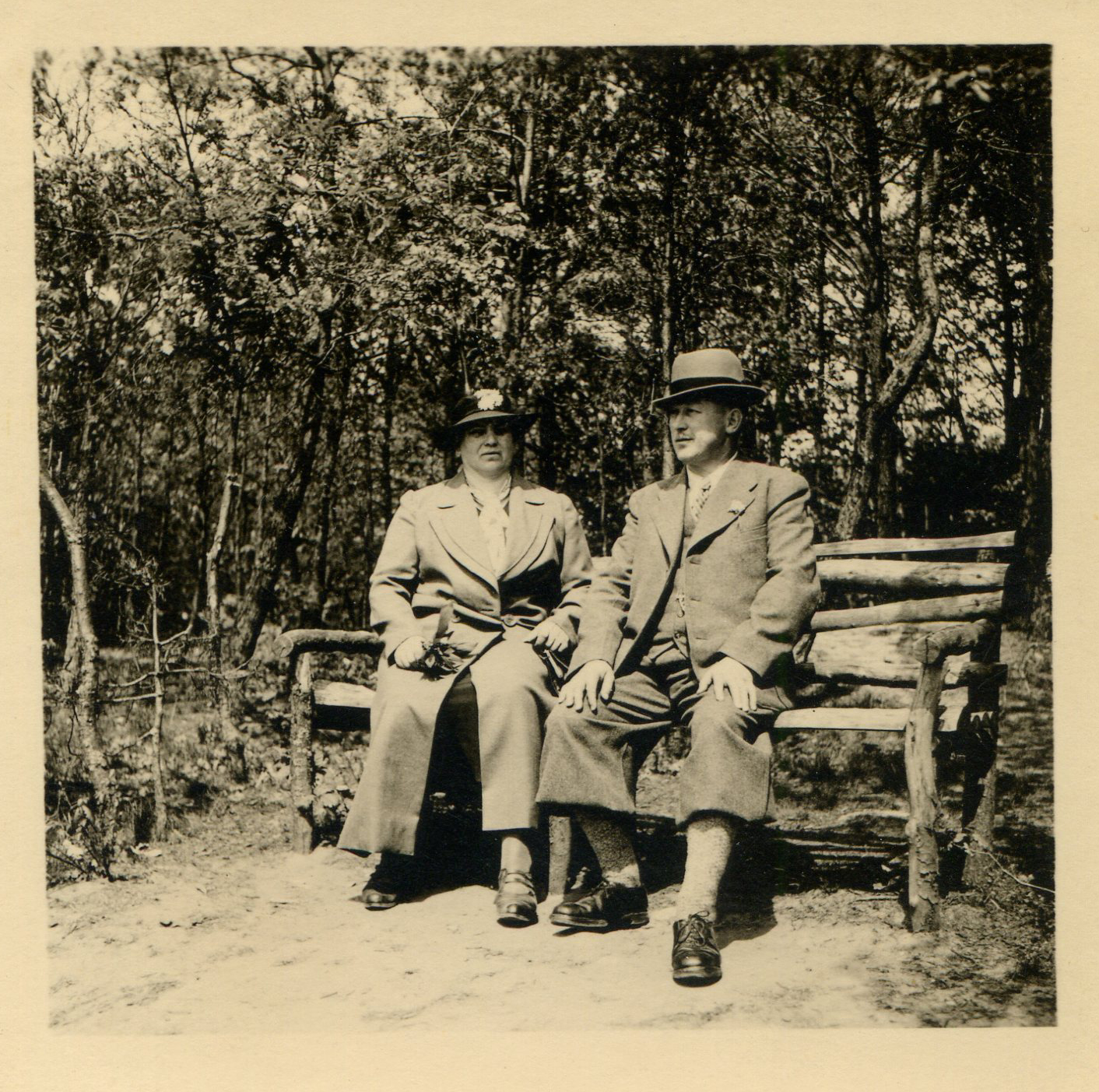
My parents had moved south towards the Alps after my birth, but we regularly visited my grandparent’s home in Erlangen. With fine weather, we would walk across the River Schwabach into the wooded hills to have a picnic. Oma would place several handkerchiefs on the moss under fir trees for us to sit on. Once we were settled, she spread out the much anticipated picnic treats from her basket, with plates, cutlery, napkins and all. My favourite treat was Gugelhupf  Marble Cake. Increasingly, my imagination was plagued by the secrets of her handbag. During one of our picnics I dared to ask why her bag was so bulky. Forthcoming, Oma explained how during the war, before I came along, when sirens frequently announced bombing alerts, they needed to drop everything and rush to the underground shelters.

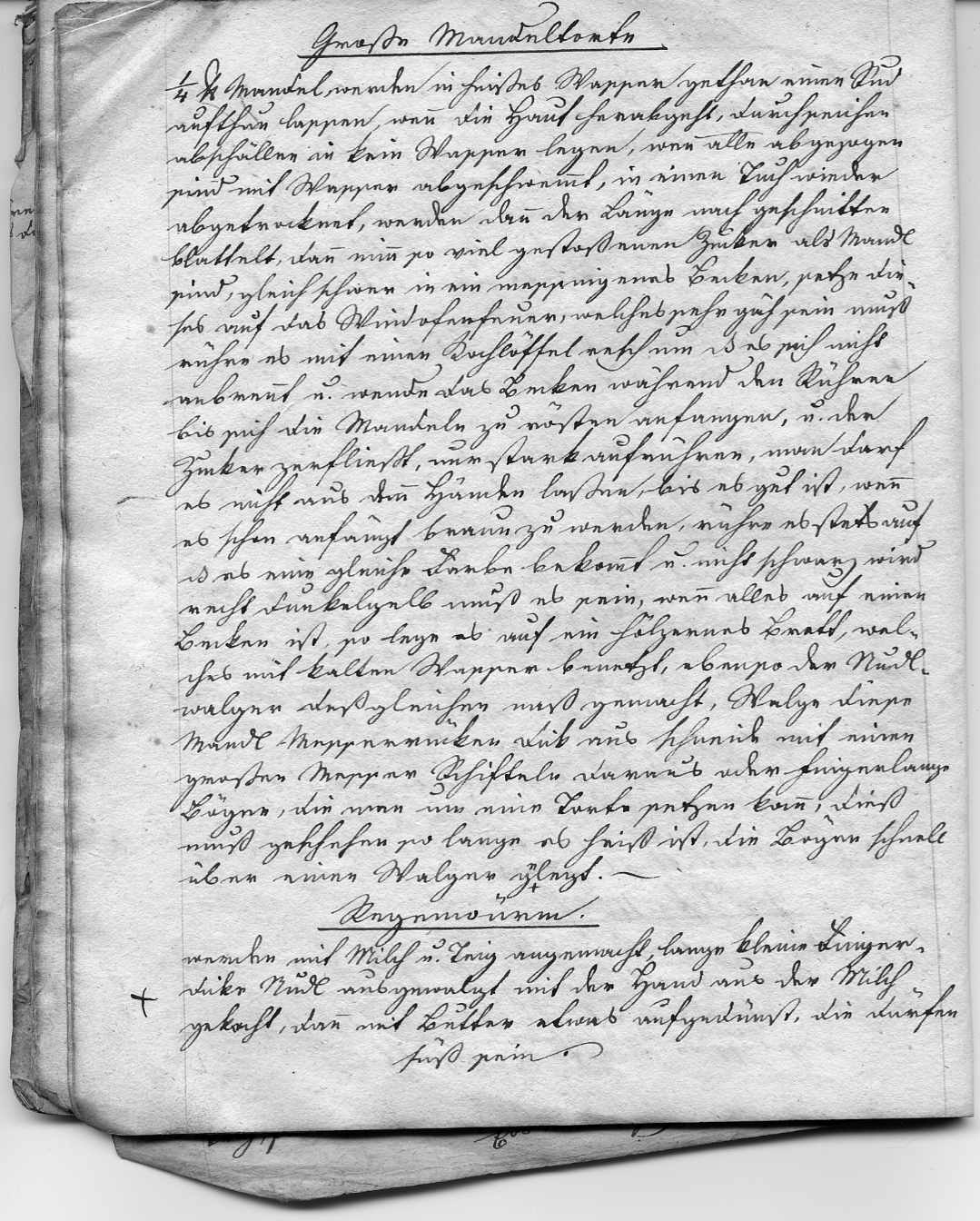
text, German cookbook‘I developed a habit of having our survival gear ready at short notice,’ she said. To my delight, she displayed her survival gear on the forest floor:

Identity papers, notebook, pens, her favourite recipes, dried fruit, a pocketknife, matches, candles, string, clothes pegs, a scissor, plaster, ointment, cotton strips, tin opener, mirror, needles and yarn, buttons, a slim book of Rilke poems, a small bottle of Brandy … and spare knickers.

To this day I never leave the house without identity papers, notebook, pen, and a slim book of poetry. Skipping knickers :) I carry a shrill-sounding whistle, visa cards, a pay-as-you-go mobile, a Barret in case it rains, and a small makeup bag. Times changed, or have they?

Opa, a dreamer like me, enticed me to create imaginary scenarios in the soft, black forest soil. We sculpted landscapes, with villages, a pond made of gran’s round mirror, churches, roads, rivers, bridges and hills, using pinecones, sticks and stones, and tiny people made of leftover food and chocolate wrappers.

I came to value the creative power of sculpting when it comes to out warding inner worlds. I encourage my therapy clients to shape sand in a tray and and to populate the landscape with world objects.

The recent post of an online friend, Katia, reminded me of my paternal grandmother, and the incident with the handbag I had in mind to share. Memory swerved and expanded. It occurred to me that whether we are grandparents, aunties, uncles or family friends with the benefit of a certain age, our influence on young ones has a timeless quality. Children may crown us with a halo of mystery. Given this kind of power, even small incidents, benevolent or troubling, can leave deep impressions and impact lives, nursing stories that travel onwards through generations.

20 Comments

Filed under Blog

… maps of meaning …

Maps, the symbolic depictions of relationships between different elements, be they objects, regions in space, or ideas in conceptual domains, serve as orientation devices. Though it’s worth remembering Korzybski’s point, ‘The Map is not the territory.’

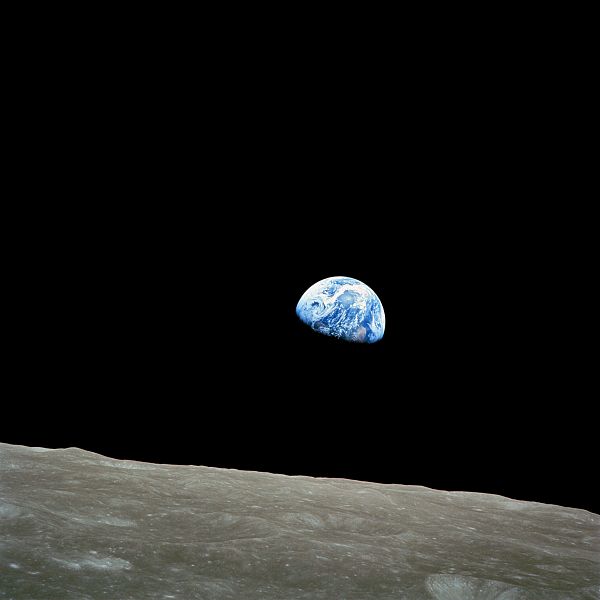
Earthrise, Dec 1968

Earthrise, Dec 1968

Given the complexity of global problems, there’s a dire need for charting the increasing expansion of specialised knowledge, diverse traditions and experiences, into a wider context. Since the poetic image of our planet rising in space did not grip the hearts of a critical mass, we need theoretical overviews to dispel confusions, and explore how all the seemingly disparate comprehensions of the world we live in can work together in a more intelligent and unified way.

Ken Wilber is a great proponent of an’ Integral Theory,’ bringing together many fields of knowledge and methodologies, scientific and spiritual, in an attempt to show how all these partial truths can be reconciled and be mutably enriching. This 1.5 hour talk  is brilliant, and eminently worth listening to.

In his AQAL  map  (You can press – 1MB free – and get a screen resolution)  Wilber integrates various developmental ideas, which may remind of Abraham Maslow and Carl Gustav Jung, to name but a few mapmakers before him.  In the above talk Wilber describes developmental tipping points in recent history, which apparently needed only a small percentage of the population, the 10 percent who could embrace the new value, to bring about a collective shift in consciousness.

He’s expecting another tipping point to emerge soon. Fresh conceptions can bring more truth and more love to our actions, more consciousness, more skill to deal with complexities, and more compassion to every dimension of human knowledge and activity.

I hope you’ll find the time to listen to Wilbers talk, and maybe further study his work.

Fazal Inayat-Khan  Photograph by Ashen

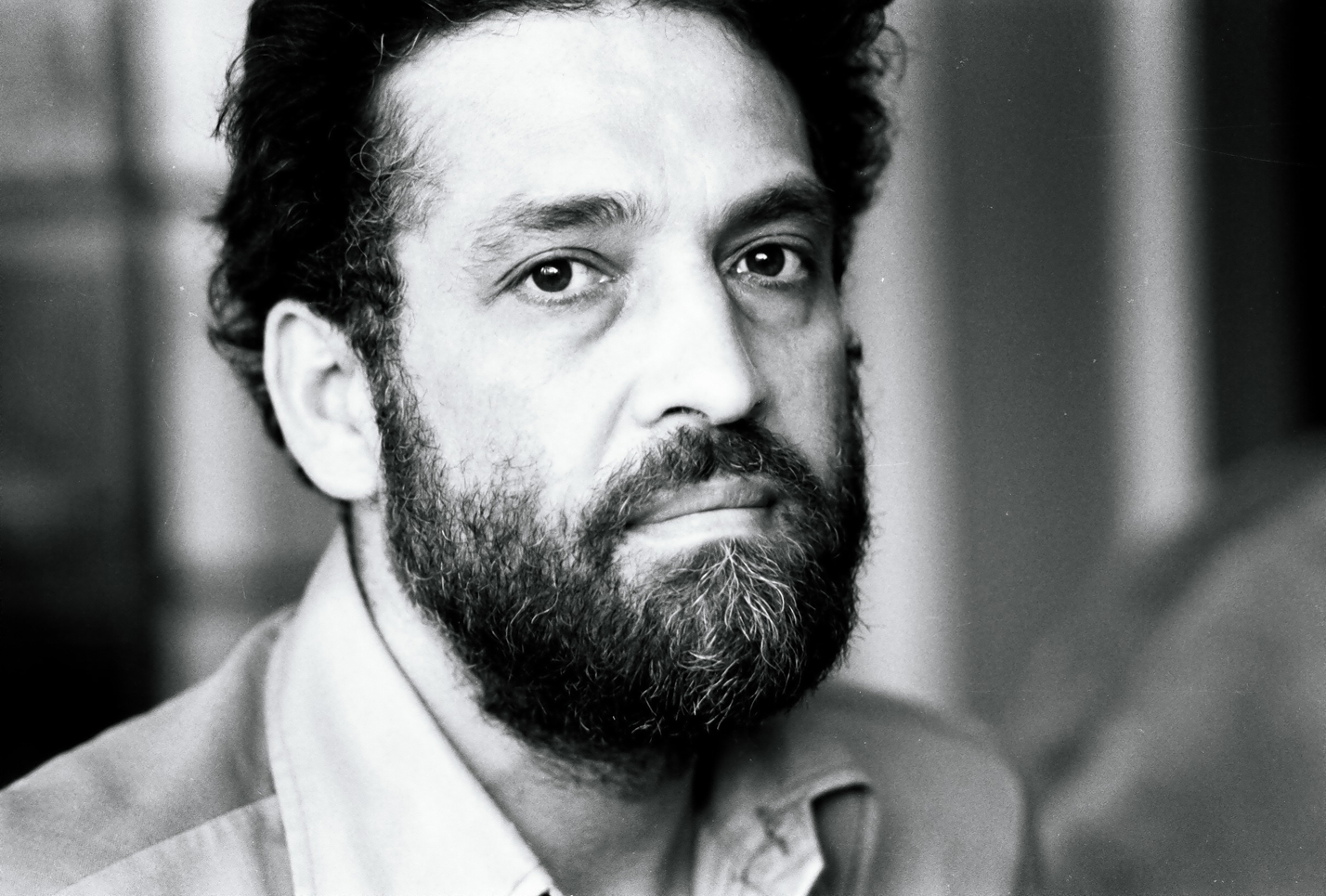
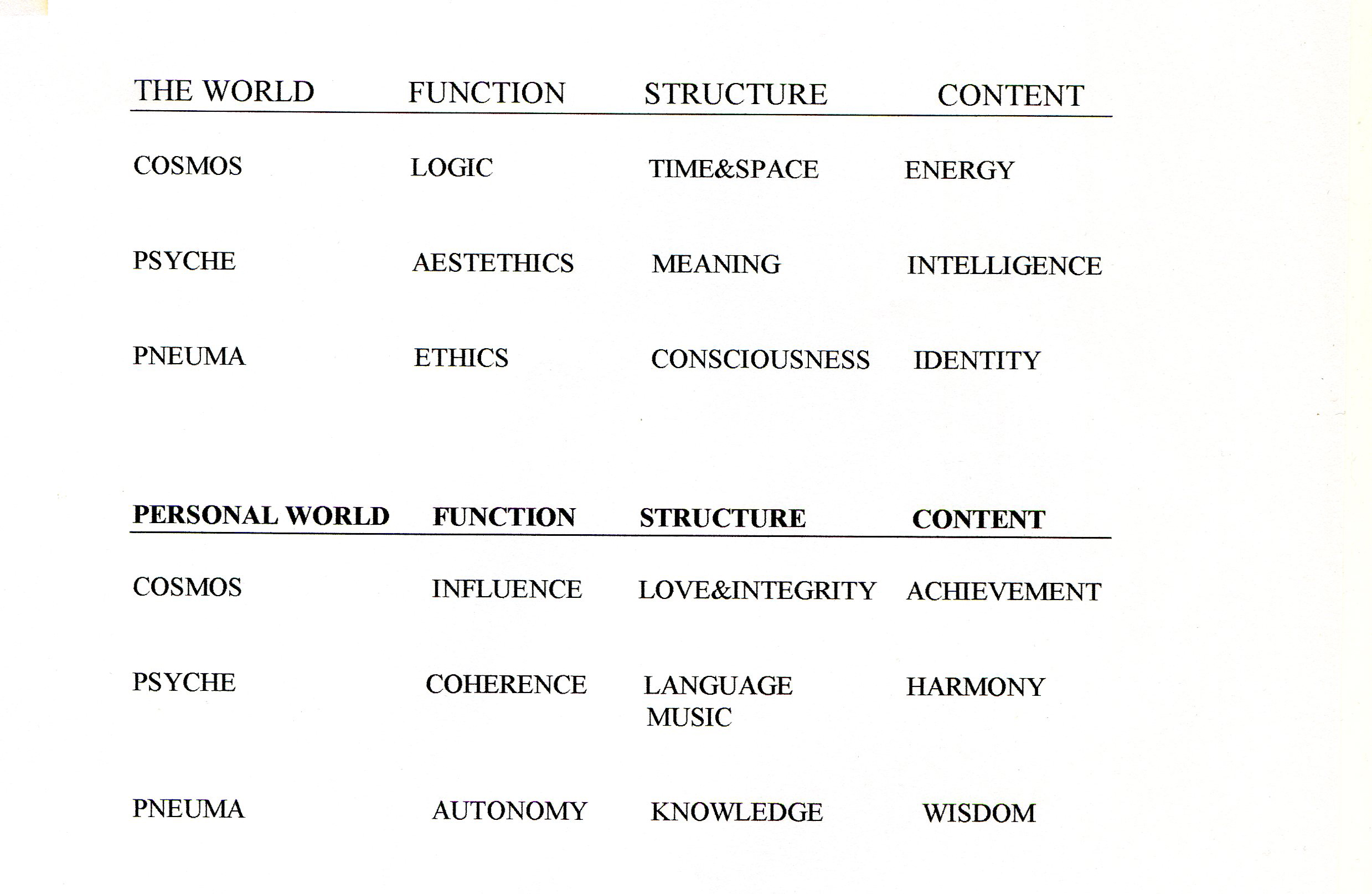
My former Sufi teacher, Fazal Inayat-Khan, (image by Ashen) also felt strongly that new conceptual maps were required. His aim was to integrate transpersonal aspect into the field of psychology. During a summer school in 1990, a few weeks before he died, he sketched the following cosmology on a flip chart and invited us to play with it.

Fazal's Cosmology

The graph depicts three worlds, the natural Cosmos, the finer Psyche, and the yet finer Pneuma (spirit,) differentiating the function, structure and content of each world.

How these three dimensions can relate to an individual is set into the same framework.

For me, this playful ordering made perfect sense, and, in a kind of epiphany, helped me to clarify the tremendous importance of the world of the imagination, and how it is held together by meaning. It also gave me new ideas about time. These days I like to call the Psyche the changing room.

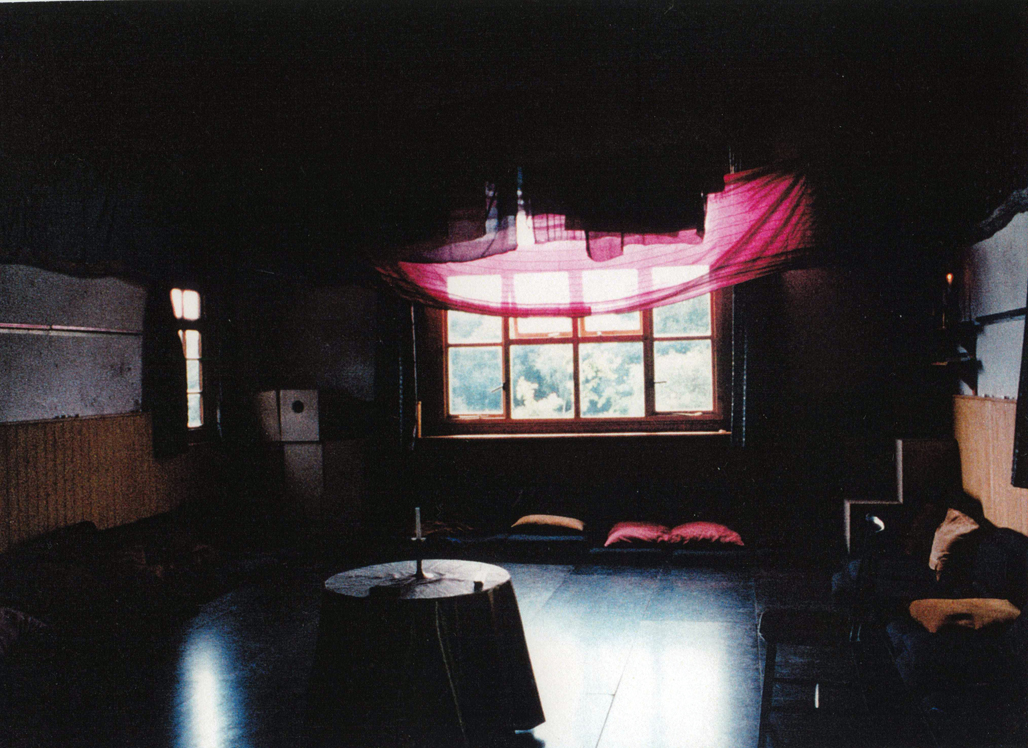
Barn, group room, smallerOur small group that day was encouraged by Fazal to replace terms and use our own words in this presentation, according to our own understanding. He was this kind of teacher. I dearly miss this wonderful friend, the community and the place.

Does this cosmology, this orientation device, corresponds in any way to your understanding and experience? And I’d be curious know if you feel inspired to change or move words around.

*       *        *

On the ‘OTHER’ page of this site (see top bar) you can find a PDF link to an article I wrote on the imaginative function based on ideas of the great Muhyi-d-Din Ibn ‘Arabi. The article is called ‘Science of the Heart.’

14 Comments

Filed under Blog

… imaginary time …

Image by Almos Jaschick

Image by Almos Jaschick

Today is one of those when I can only attend to bits of information, short sequences of writing, a paragraph maybe, while my eyes are drawn to ivy leaves moved by the breeze, a blackbird family feasting on apples left for them, a pair of woodpigeons landing and swaying in the branches of the huge beech at the top of my garden. Again and again I engage in pockets of attention beyond the window and shake off focus, ironically, in order to re-find the focus towards a coherent little blog post. A sudden rainfall is followed by the sun spinning through marbled clouds, while the heavenly voice of Kiri Te Kanawa streams through sound boxes linked to my computer. Eventually, my eyes return to the words I’m assembling here about the mystery of time, also relating to the emerging parallel worlds featuring in my two, coming to three, imaginative novels, where intentions create connections – from invisible realms beyond space and time.

Check out this and similar posts on YouTube, ha, ha, a few speculations. I haven’t been there for a long while. Don’t get lost.

‘The distinction between past, present and future is an illusion, although a convincing one …’ is what Einstein wrote in 2007 in a letter to friends. Time, he showed, has no universal constant and is relative. His famous equation E = mc – energy equals mass times the speed of light squared – had enormous implications, technologically, as well as socially.

This valued theory seems, at present, incompatible with the Quantum Physics that apply to tiny things. The chase for a unifying theory that includes quantum gravity is on. Moreover, physicists puzzle over the unseen pulling and pushing forces in our universe that elude detection.

We perceive time as proceeding steadily forward, although the laws of physics allow for time to equally run backwards. When it comes to our subjective inner experience we easily accept time as non-linear and relative. In therapy work, for example, a shift in attitude towards a person in one’s past can change a generational pattern.

We define time, create time, record it, hoard it, take it apart and re-frame it into fresh representations and stories. Stepping from one reality into another without losing coherence of mind is the province of individual adventurers of consciousness. Some artists like to dwell in liminal spaces where time shrinks and expands, like the twisting passage between one dream and another. Many devote their life to the re-framing of events in time. Imagine for a moment where we would be without people who create novel perspectives on entrenched realities. To call such expressions mere fantasy demeans the symbolic understanding found in the vast dimensions of the psyche.

Try and compare the creation of our cosmos with the conception, cell divisions and the birth of a human infant. The procreations and expanding consciousness of humans make for multitudes, while each of us inhabits our own self-constructed world. A psychic universe held together, it seems, by forces not unlike the unseen tides our visible galaxies swim in, the ocean of dark matter and energy that exists symbiotically within us.

Dark matter is assumed to collide with oxygen and hydrogen nuclei in our body, speculated to happen at the rate of up to 100 000 times a year. There, you may be hit right now. To my knowledge, no idea has been proposed as to what might be sparked or exchanged in these collisions.

In any case, at this, another year’s ending, quite a few of us spark flames and kindle candles in dark nights to celebrate the cosmic dance, the birth of light.


I’m wishing you, my readers, wherever you are, a time of peace and reflection.

*      *     *

From Little Gidding by T. S Elliot …

We shall not cease from exploration

And the end of all our exploring

Will be to arrive where we started

And know the place for the first time.

When the last of earth left to discover

Is that which was the beginning;

At the source of the longest river

The voice of the hidden waterfall

Not known, because not looked for

But heard, half-heard, in the stillness

Between two waves of the sea.

Quick now, here, now, always –

A condition of completed simplicity

(Costing not less than everything)

And all shall be well and

All manner of things shall be well

When the tongues of flame are in-folded

Into the crowned knot of fire

And the fire and the rose are one.


25 Comments

Filed under Blog

… Winter Tale …

A poem for Ricarda Huch

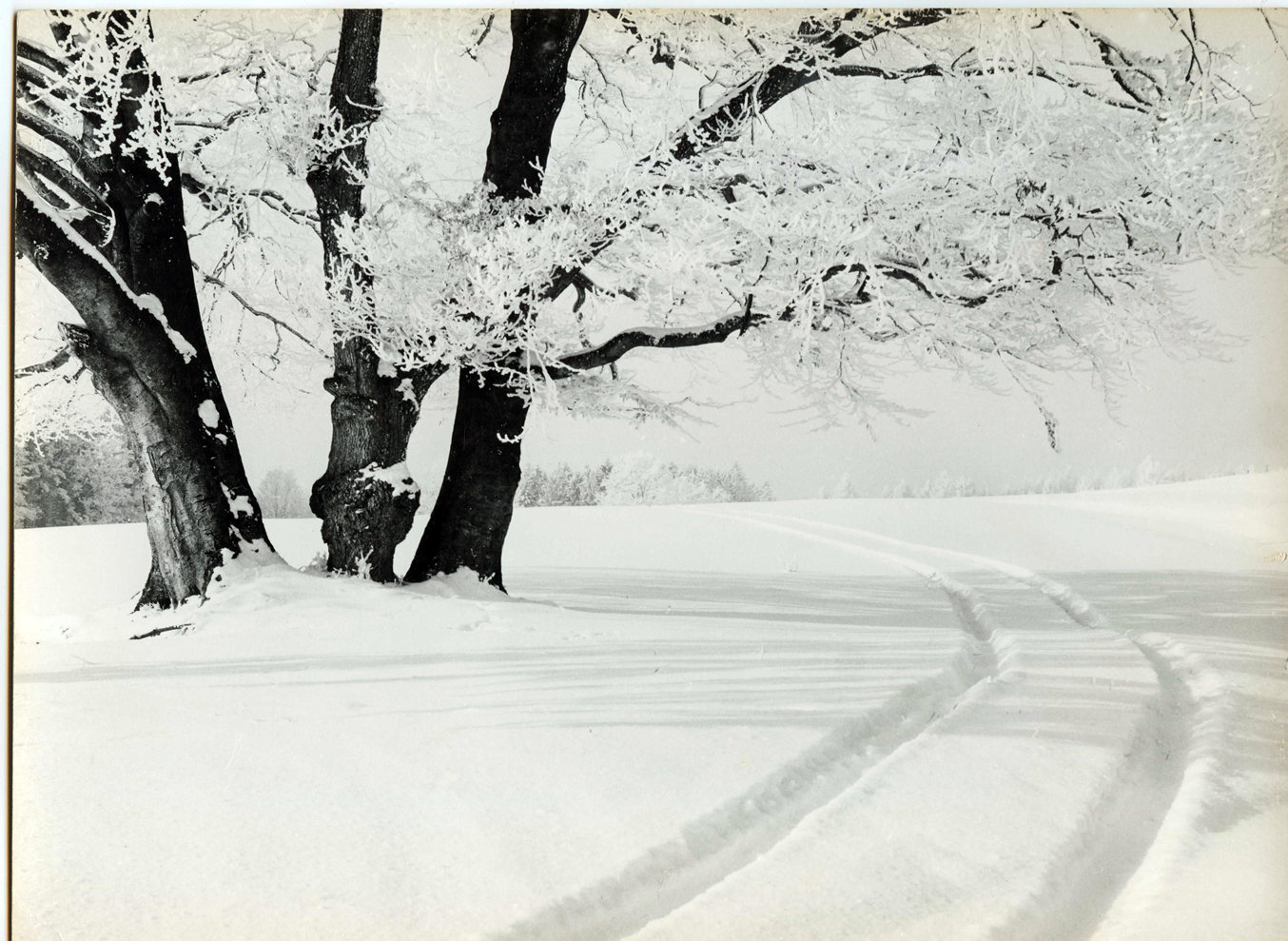
Snow-tracks, 3Snowflakes spin in lantern beams like distant nebulae,

iron scrapes on ice and halter-bells chime with the trot

of horses. The sledge slows on the steep track,

at the top – a click of tongue – the reigning in.

One window shines in the black yard. Off the sledge,

I drop back in time and nearly slip on frozen muck.


Inside, the woman serves hot stew; she says, matter of fact,

‘Stay up, read, that’s fine by us.’ They have an early night.

I feed the fire in the hearth, wrap up and settle near the light

of a paraffin lamp. ‘You love books?’ This is how it began,

Ricarda left books, enough to span the valley to the farm.

You must visit us.’ I was keen, though mother held mistrust:  


‘They’re odd; famous relatives don’t take away from that.’

A hiss, a splutter of flame, the antler’s shadow shifts on the wall.


Morning sun, books in open crates, scattered across the floor,

nibbled at by Billy goats – how had they opened the door?

Three dog puppies jump and bustle on my bed, gnashing holes

into the eiderdown. They grin at me, feathers on their snouts,

Their eyes propitiate. I let rip and belly laugh. From the hall:

It’s all right; our creatures can wander in and out as they like.


The southern window glows opaque with frosted fern and flowers,

cold grace melts under my breath and hand, unveiling a frozen

lake, and beyond the valley, a curl of river and the white rim

of Alps like a parade of porcelain elephants under the pale sky.

From the blue … Ricarda’s voice: ‘Poetry is perception unbound.’

It will take years to feel at home with no rules but my own.

Ashen

An unashamedly romantic  facet of my childhood. For several years I used to spend parts of my school holidays at a ramshackle estate close my home, because my parents had a business and could not always find the time to attend to me as they would have wished. The treasure in that special place (owned by relatives of Ricarda Huch) were the amount of books, stacked up in crates because no one had the time to sort them into shelves. For me, this was an exciting and oracular milieu.

As is the case with 99 percent of images on my blog – the image of the snow tracks is my own.

11 Comments

Filed under Blog