Tag Archives: writing

… Others – by Mulla – Allum …

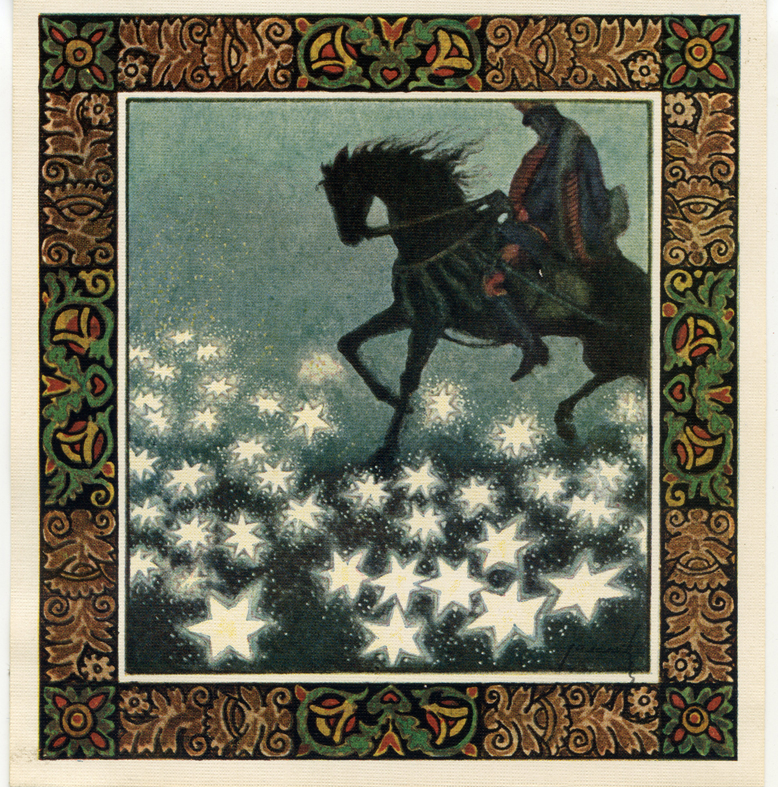
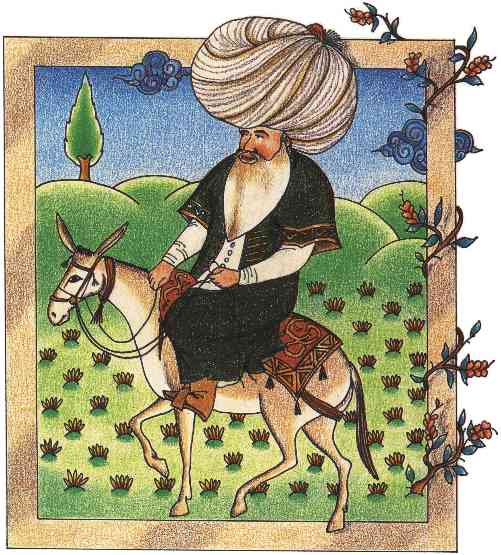
Another story of Allum, my inversion of the famous Mulla from the East – whose voice occasionally comes through the white noise surrounding our planet.

17th century miniature - Tokapi Palace

      17th cent. miniature – Tokapi Palac  

                                                      *    *    *

An aspiring novelist confesses to Allum, ‘I fear some members of our writing group withhold honest feedback. I wonder if you’re one of those who think my writing’s rubbish, and a waste of time.’

Allum ponders the question and sighs. ‘That’s complicated.’

‘I value your opinion. I really want to know.’

Allum strokes his beard. ‘Some people fantasise about what other people think of them and cause themselves no end of confusion. Some intuit correctly and dwell in purgatory. Then there are those who take other people’s opinions on the chin and apply what’s useful.’

The neighbour is not going to be side-tracked. ‘You haven’t told me if you think my writing is rubbish?’

Mulla shrugs his shoulders. ‘As I said, it’s complicated. Take your pick.’

*     *      *

oh that serious writer

That once serious young writer …


15 Comments

Filed under Blog

… grandparents …

I must have been 4 or 5 years old when my mother took me to Berlin to see my maternal grandmother for the first, and, as it turned out, the last time. Due to the Soviet Berlin blockade after the war, the severe lack of resources, and the disrupted transport system, many families were kept apart for years.

We stared up a bleak wall, until Hildegard appeared. She flung her arms towards us, wanting wings, leaning precariously from the window of the hospital ward where she was kept isolated with TB.

Or so we Berlin 1955sthought. A nurse confided her doubt to my mother, and how she had urged for a second opinion, a hint my grandfather ignored. My mother insisted on a fresh blood test, but was ridiculed by the doctor in charge.

To console me, a kind neighbour rescued an old bicycle and taught me how to ride it among the rubble of ruins in the streets. He also allowed me to watch him construct a ship with sails inside a bottle, which made me think of gran being confined, not sailing anywhere. The atmosphere between my mother and her father grew tense. She insisted he should query the doctor’s diagnosis.

The crescendo happened in the kitchen, when she lifted a tray of 2 dozen eggs from the top of the fridge. He said, ‘You won’t.’ She said, ‘I will.’ He demanded, ‘You will not.’ She shouted, ‘I will.’ He shouted, ‘What can a nurse know?’

That’s what did it. Two dozen yellows and whites marbled the red-tiled floor and my mother walked out. I was thrilled. The drama mobilised my grandfather to challenge the hospital.

Sadly, my gran died within days, much too young, and not of TB. The blood test had been mixed up. What killed her were toxic medications based on a wrong diagnosis.

The message went deep. I was going to be a warrior. I learned to appreciate my intuitions and developed a useful allergy against intimidating authority.

Memories of my paternal grandparents are more serene. Oma and Opa, Erlangen145 Oma was a tall, striking woman. Despite having lived through two tragic wars she kept her back straight and held her head high into old age. When she caught me sitting crouched, she would gently push her fist into my back – ‘Free that, spine girl.’ At other times, she advised me to pull superfluous thoughts from my nose. The tricks work to this day … sometimes.

My parents had moved south towards the Alps after my birth, but we regularly visited my grandparent’s home in Erlangen. With fine weather, we would walk across the River Schwabach into the wooded hills to have a picnic. Oma would place several handkerchiefs on the moss under fir trees for us to sit on. Once we were settled, she spread out the much anticipated picnic treats from her basket, with plates, cutlery, napkins and all. My favourite treat was Gugelhupf  Marble Cake. Increasingly, my imagination was plagued by the secrets of her handbag. During one of our picnics I dared to ask why her bag was so bulky. Forthcoming, Oma explained how during the war, before I came along, when sirens frequently announced bombing alerts, they needed to drop everything and rush to the underground shelters.

text, German cookbook‘I developed a habit of having our survival gear ready at short notice,’ she said. To my delight, she displayed her survival gear on the forest floor:

Identity papers, notebook, pens, her favourite recipes, dried fruit, a pocketknife, matches, candles, string, clothes pegs, a scissor, plaster, ointment, cotton strips, tin opener, mirror, needles and yarn, buttons, a slim book of Rilke poems, a small bottle of Brandy … and spare knickers.

To this day I never leave the house without identity papers, notebook, pen, and a slim book of poetry. Skipping knickers :) I carry a shrill-sounding whistle, visa cards, a pay-as-you-go mobile, a Barret in case it rains, and a small makeup bag. Times changed, or have they?

Opa, a dreamer like me, enticed me to create imaginary scenarios in the soft, black forest soil. We sculpted landscapes, with villages, a pond made of gran’s round mirror, churches, roads, rivers, bridges and hills, using pinecones, sticks and stones, and tiny people made of leftover food and chocolate wrappers.

I came to value the creative power of sculpting when it comes to out warding inner worlds. I encourage my therapy clients to shape sand in a tray and and to populate the landscape with world objects.

The recent post of an online friend, Katia, reminded me of my paternal grandmother, and the incident with the handbag I had in mind to share. Memory swerved and expanded. It occurred to me that whether we are grandparents, aunties, uncles or family friends with the benefit of a certain age, our influence on young ones has a timeless quality. Children may crown us with a halo of mystery. Given this kind of power, even small incidents, benevolent or troubling, can leave deep impressions and impact lives, nursing stories that travel onwards through generations.

20 Comments

Filed under Blog

… maps of meaning …

Maps, the symbolic depictions of relationships between different elements, be they objects, regions in space, or ideas in conceptual domains, serve as orientation devices. Though it’s worth remembering Korzybski’s point, ‘The Map is not the territory.’

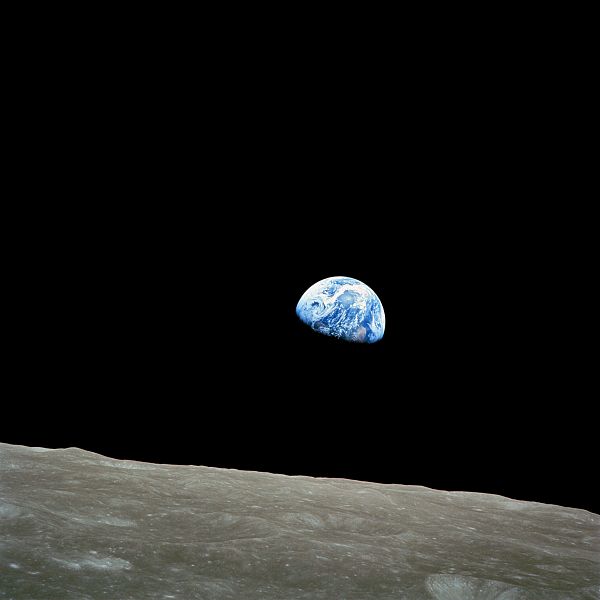
Earthrise, Dec 1968

Earthrise, Dec 1968

Given the complexity of global problems, there’s a dire need for charting the increasing expansion of specialised knowledge, diverse traditions and experiences, into a wider context. Since the poetic image of our planet rising in space did not grip the hearts of a critical mass, we need theoretical overviews to dispel confusions, and explore how all the seemingly disparate comprehensions of the world we live in can work together in a more intelligent and unified way.

Ken Wilber is a great proponent of an’ Integral Theory,’ bringing together many fields of knowledge and methodologies, scientific and spiritual, in an attempt to show how all these partial truths can be reconciled and be mutably enriching. This 1.5 hour talk  is brilliant, and eminently worth listening to.

In his AQAL  map  (You can press – 1MB free – and get a screen resolution)  Wilber integrates various developmental ideas, which may remind of Abraham Maslow and Carl Gustav Jung, to name but a few mapmakers before him.  In the above talk Wilber describes developmental tipping points in recent history, which apparently needed only a small percentage of the population, the 10 percent who could embrace the new value, to bring about a collective shift in consciousness.

He’s expecting another tipping point to emerge soon. Fresh conceptions can bring more truth and more love to our actions, more consciousness, more skill to deal with complexities, and more compassion to every dimension of human knowledge and activity.

I hope you’ll find the time to listen to Wilbers talk, and maybe further study his work.

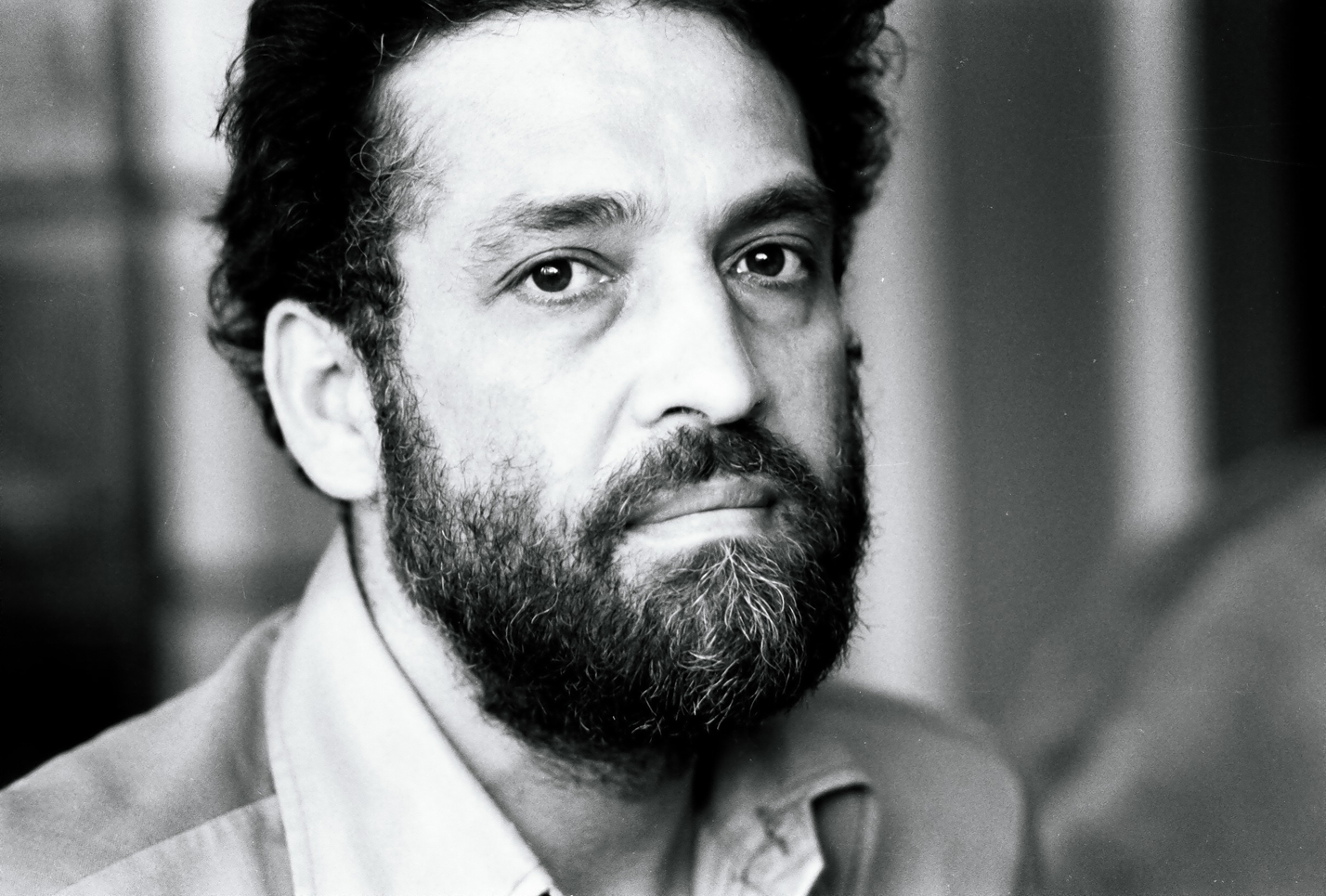
Fazal Inayat-Khan  Photograph by Ashen

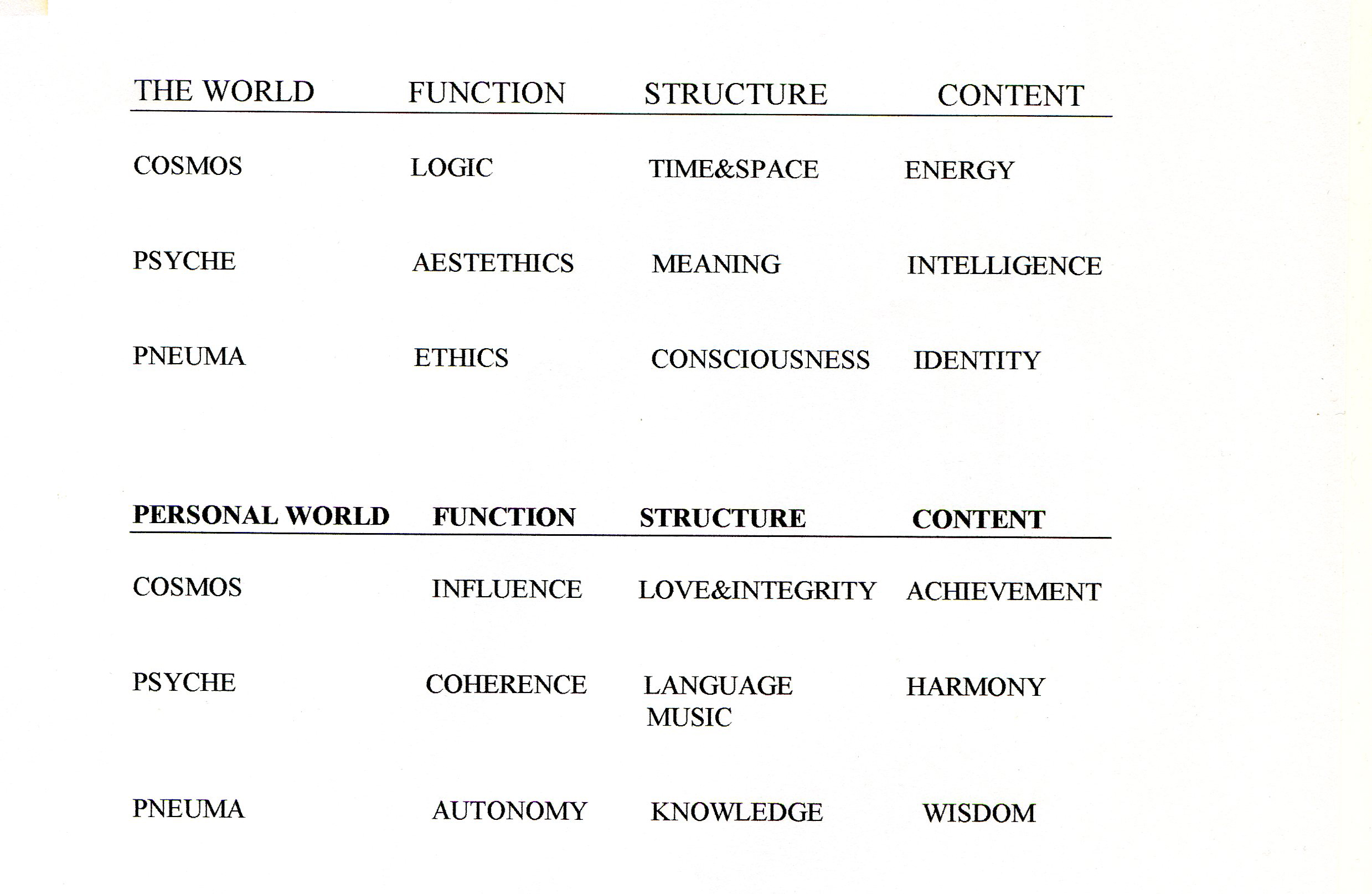
My former Sufi teacher, Fazal Inayat-Khan, (image by Ashen) also felt strongly that new conceptual maps were required. His aim was to integrate transpersonal aspect into the field of psychology. During a summer school in 1990, a few weeks before he died, he sketched the following cosmology on a flip chart and invited us to play with it.

Fazal's Cosmology

The graph depicts three worlds, the natural Cosmos, the finer Psyche, and the yet finer Pneuma (spirit,) differentiating the function, structure and content of each world.

How these three dimensions can relate to an individual is set into the same framework.

For me, this playful ordering made perfect sense, and, in a kind of epiphany, helped me to clarify the tremendous importance of the world of the imagination, and how it is held together by meaning. It also gave me new ideas about time. These days I like to call the Psyche the changing room.

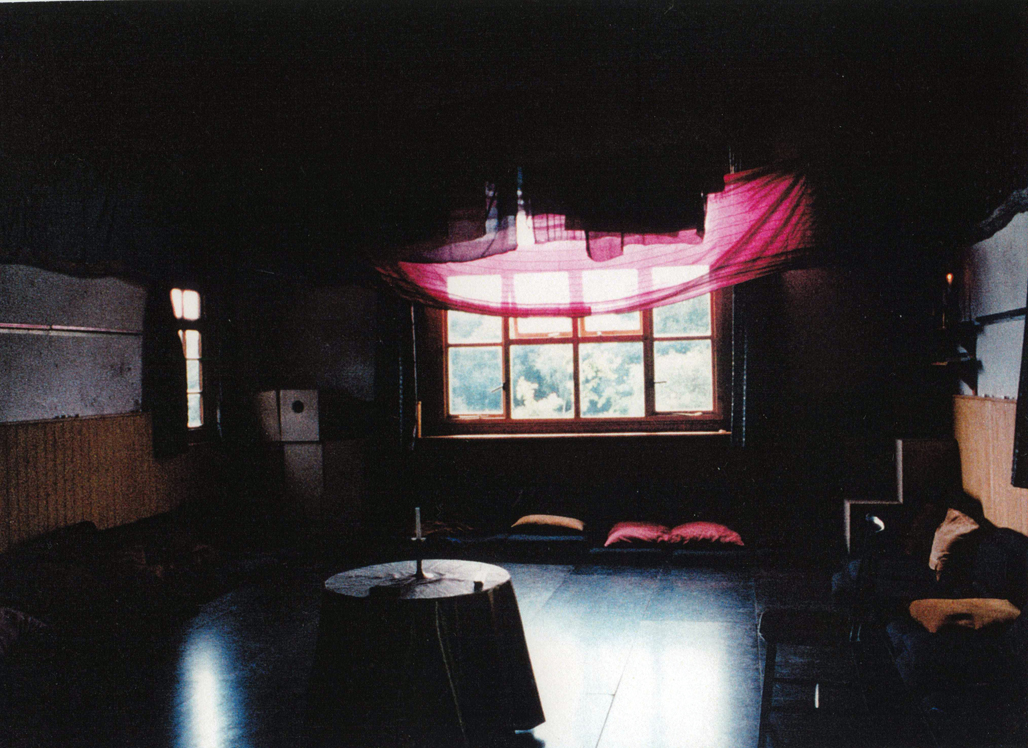
Barn, group room, smallerOur small group that day was encouraged by Fazal to replace terms and use our own words in this presentation, according to our own understanding. He was this kind of teacher. I dearly miss this wonderful friend, the community and the place.

Does this cosmology, this orientation device, corresponds in any way to your understanding and experience? And I’d be curious know if you feel inspired to change or move words around.

*       *        *

On the ‘OTHER’ page of this site (see top bar) you can find a PDF link to an article I wrote on the imaginative function based on ideas of the great Muhyi-d-Din Ibn ‘Arabi. The article is called ‘Science of the Heart.’

14 Comments

Filed under Blog

… imaginary time …

Image by Almos Jaschick

Image by Almos Jaschick

Today is one of those when I can only attend to bits of information, short sequences of writing, a paragraph maybe, while my eyes are drawn to ivy leaves moved by the breeze, a blackbird family feasting on apples left for them, a pair of woodpigeons landing and swaying in the branches of the huge beech at the top of my garden. Again and again I engage in pockets of attention beyond the window and shake off focus, ironically, in order to re-find the focus towards a coherent little blog post. A sudden rainfall is followed by the sun spinning through marbled clouds, while the heavenly voice of Kiri Te Kanawa streams through sound boxes linked to my computer. Eventually, my eyes return to the words I’m assembling here about the mystery of time, also relating to the emerging parallel worlds featuring in my two, coming to three, imaginative novels, where intentions create connections – from invisible realms beyond space and time.

Check out this and similar posts on YouTube, ha, ha, a few speculations. I haven’t been there for a long while. Don’t get lost.

‘The distinction between past, present and future is an illusion, although a convincing one …’ is what Einstein wrote in 2007 in a letter to friends. Time, he showed, has no universal constant and is relative. His famous equation E = mc2  – energy equals mass times the speed of light squared – had enormous implications, technologically, as well as socially.

This valued theory seems, at present, incompatible with the Quantum Physics that apply to tiny things. The chase for a unifying theory that includes quantum gravity is on. Moreover, physicists puzzle over the unseen pulling and pushing forces in our universe that elude detection.

We perceive time as proceeding steadily forward, although the laws of physics allow for time to equally run backwards. When it comes to our subjective inner experience we easily accept time as non-linear and relative. In therapy work, for example, a shift in attitude towards a person in one’s past can change a generational pattern.

We define time, create time, record it, hoard it, take it apart and re-frame it into fresh representations and stories. Stepping from one reality into another without losing coherence of mind is the province of individual adventurers of consciousness. Some artists like to dwell in liminal spaces where time shrinks and expands, like the twisting passage between one dream and another. Many devote their life to the re-framing of events in time. Imagine for a moment where we would be without people who create novel perspectives on entrenched realities. To call such expressions mere fantasy demeans the symbolic understanding found in the vast dimensions of the psyche.

Try and compare the creation of our cosmos with the conception, cell divisions and the birth of a human infant. The procreations and expanding consciousness of humans make for multitudes, while each of us inhabits our own self-constructed world. A psychic universe held together, it seems, by forces not unlike the unseen tides our visible galaxies swim in, the ocean of dark matter and energy that exists symbiotically within us.

Dark matter is assumed to collide with oxygen and hydrogen nuclei in our body, speculated to happen at the rate of up to 100 000 times a year. There, you may be hit right now. To my knowledge, no idea has been proposed as to what might be sparked or exchanged in these collisions.

In any case, at this, another year’s ending, quite a few of us spark flames and kindle candles in dark nights to celebrate the cosmic dance, the birth of light.


I’m wishing you, my readers, wherever you are, a time of peace and reflection.

*      *     *

From Little Gidding by T. S Elliot …

We shall not cease from exploration

And the end of all our exploring

Will be to arrive where we started

And know the place for the first time.

When the last of earth left to discover

Is that which was the beginning;

At the source of the longest river

The voice of the hidden waterfall

Not known, because not looked for

But heard, half-heard, in the stillness

Between two waves of the sea.

Quick now, here, now, always –

A condition of completed simplicity

(Costing not less than everything)

And all shall be well and

All manner of things shall be well

When the tongues of flame are in-folded

Into the crowned knot of fire

And the fire and the rose are one.


25 Comments

Filed under Blog

… Winter Tale …

A poem for Ricarda Huch

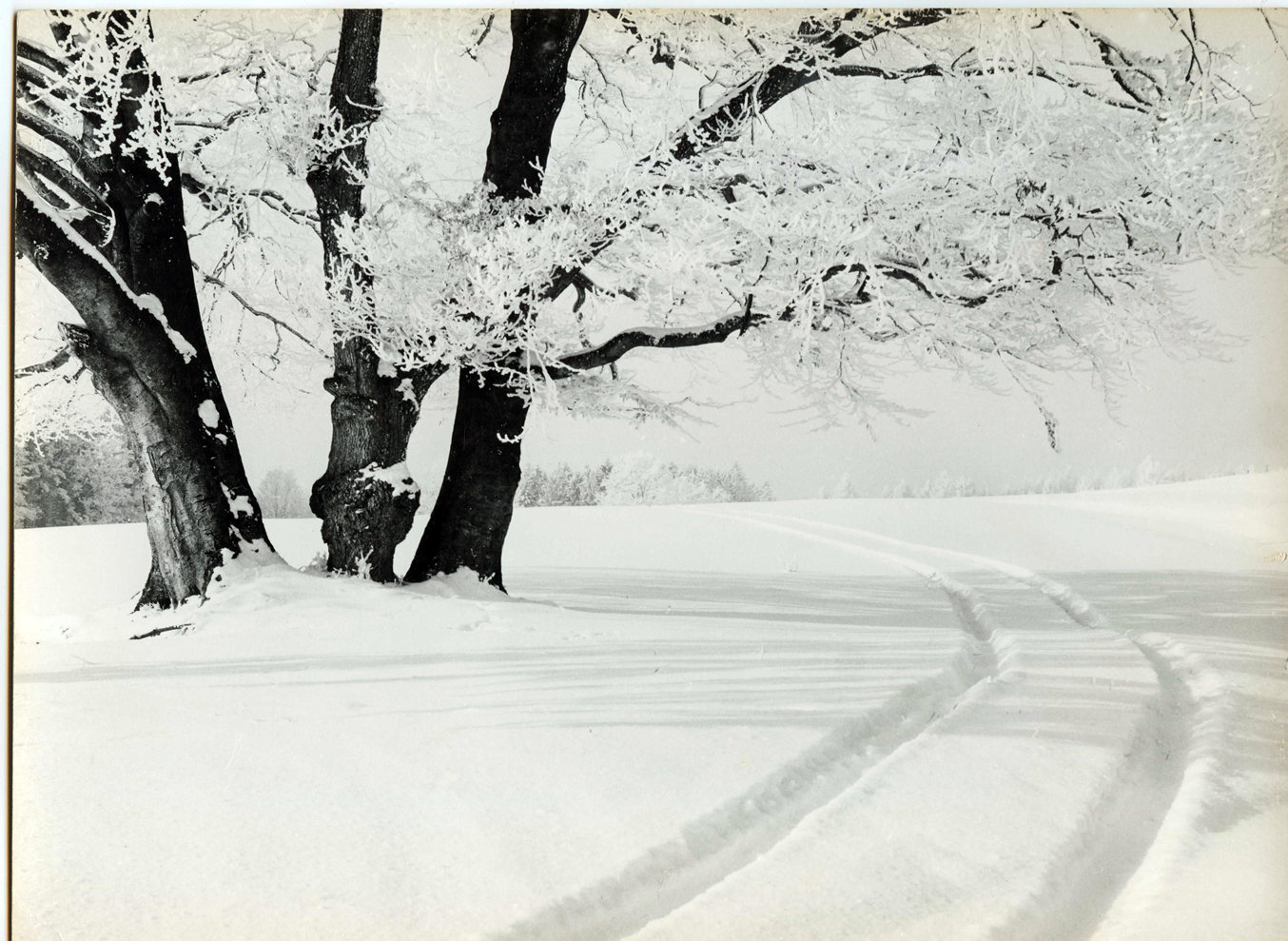
Snow-tracks, 3Snowflakes spin in lantern beams like distant nebulae,

iron scrapes on ice and halter-bells chime with the trot

of horses. The sledge slows on the steep track,

at the top – a click of tongue – the reigning in.

One window shines in the black yard. Off the sledge,

I drop back in time and nearly slip on frozen muck.


Inside, the woman serves hot stew; she says, matter of fact,

‘Stay up, read, that’s fine by us.’ They have an early night.

I feed the fire in the hearth, wrap up and settle near the light

of a paraffin lamp. ‘You love books?’ This is how it began,

‘Ricarda left books, enough to span the valley to the farm.

You must visit us.’ I was keen, though mother held mistrust:  


‘They’re odd; famous relatives don’t take away from that.’

A hiss, a splutter of flame, the antler’s shadow shifts on the wall.


Morning sun, books in open crates, scattered across the floor,

nibbled at by Billy goats – how had they opened the door?

Three dog puppies jump and bustle on my bed, gnashing holes

into the eiderdown. They grin at me, feathers on their snouts,

Their eyes propitiate. I let rip and belly laugh. From the hall:

‘It’s all right; our creatures can wander in and out as they like.’


The southern window glows opaque with frosted fern and flowers,

cold grace melts under my breath and hand, unveiling a frozen

lake, and beyond the valley, a curl of river and the white rim

of Alps like a parade of porcelain elephants under the pale sky.

From the blue … Ricarda’s voice: ‘Poetry is perception unbound.’

It will take years to feel at home with no rules but my own.

Ashen

An unashamedly romantic  facet of my childhood. For several years I used to spend parts of my school holidays at a ramshackle estate close my home, because my parents had a business and could not always find the time to attend to me as they would have wished. The treasure in that special place (owned by relatives of Ricarda Huch) were the amount of books, stacked up in crates because no one had the time to sort them into shelves. For me, this was an exciting and oracular milieu.

As is the case with 99 percent of images on my blog – the image of the snow tracks is my own.

11 Comments

Filed under Blog

… what writers can glean from cinematographers …

Like writers, filmmakers manipulate time. They take a story apart and re-assemble it.

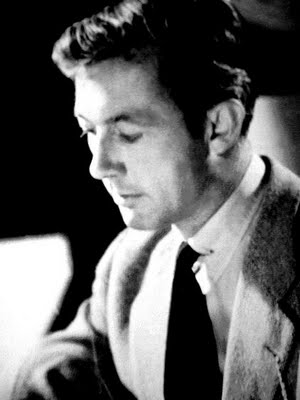
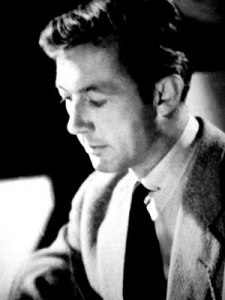
Robert Bresson, inquisitor and humanist, stimulated filmmakers and enriched the experience ofrobert-bresson2 viewers. With a tiny leap of the imagination his ‘Notes on the Cinematographer,’ publ. by Quartet Books in 1986, transl. from the French by Jonathan Griffin, also offer inspiration to writers of stories. Here are a few  brief notes I collated during my vocational film degree in the early 90s:
An image is transformed by contact with other images as is a colour by contact with other colours. A blue is not the same blue besides a green, a yellow, a red. No art is without transformation.

For the writer – this would apply to action and reaction, resonance or dissonance, anything that develops the dynamic interactions of a narrative.
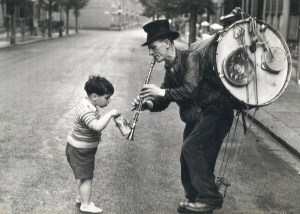
img108 adjustedTo create is not to deform or invent persons or things. It is to tie new relationships between persons and things which are, and as they are.

This equally holds for writing. Characters discover themselves through relationships.

Something that failed can, if you change its place, be a thing that has come off.

If a writer’s darling idea distracts in one place, in another place it may earn its stay.

One dismantles and puts together till one gets intensity.

This reminds me of a Goethe quote … Dich im Unendlichen zu finden, must unterscheiden und verbinden … To find yourself in infinity you must differentiate and combine … Details works best if they have a purpose in the protagonist’s quest, especially when it comes to turning points.

An old thing becomes new if you detach it from what usually surrounds it.

This is what creativity is all about. Entrepreneurs seem to grok this.

What is for the eye must not duplicate what is for the ear (within.)

This serves as a reminder not to overwhelm a reader with sensual information.

The cause which makes him/her say this sentence or makes that movement is not in him/her, it is in you. The causes are not in the models. On the stage and in films the actor must make us believe that the cause is in him.

A one-up on the ‘show don’t tell’ writing mantra. Both telling and showing have their place, though we connect to a character more intimately through being shown the interactions with him/her self and others.

The omnipotence of rhythms – nothing is durable but what is caught up in rhythms.

We love rhythm. It measures time and gives coherence, while a counter rhythm can surprise and quicken our heartbeat. In film as in writing this might be the repetition of quirky character traits, tone of voice, tempo, mood, atmosphere, or reoccurring shifts in style and perspective, in the way we enjoy how adagio and presto in music enhance each other.
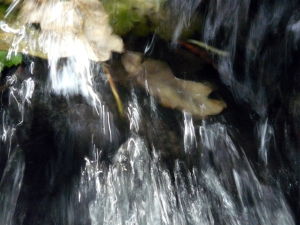
P1090890 - Copy (2)Translate the invisible wind by the water it sculpts in passing.

This ventures into the domain of poetry …  the ongoing challenge to find ways to express in words or images what rushes past us in daily life, but nevertheless affects us deeply.

The eye is (in general) superficial, the ear profound and inventive. A locomotive whistle imprints in us a whole railway station.

This is about trusting the imagination of the viewer, or reader.

Let the cause follow the effect, not accompany it or precede it.

Robert Bresson shares: The other day I was walking through the gardens by Notre-Dame and saw approaching a man whose eyes caught something behind me, which I could not see: at once they lit up. If, at the same time I saw the man, I had perceived the young woman and the child towards whom he now begun running, that happy face of his would not have struck me so; indeed I might not have noticed it.

Build your film on white, on silence and on stillness.

Profound. Allowing a unique story to emerge requires intuition, and an inner kind of listening.

*     *     *

A touching interview of R Bresson. And some video clips relating to cinema, including hand gestures R Bresson used in film.

As writers, how do we move a story from one setting to another?

In film, a sudden jump of scene is kind of lazy, unless intended to shock. In writing, too, there are more elegant ways to transit from one place, or time, to another, mainly through matching parallels or correspondences. This could be: A keyword in a dialogue repeated in the next scene, or a similar action, direction of movement, speed, light, colour, shape, sound or mood. It could also be an artificial device, featuring a narrator, or a recurring (out of time) interlude which can form the spine for the narrative.

I have time-jumps in my novels (yet to be publishend.) It remains to be seen whether they work.

Regarding spatial/temporal suspensions of linearity, I remember the beginning of the film Space Odyssey 2001. A victorious ape, having discovered a bone can be a weapon, spins his tool high into the air … time leaps … and next we see a spinning space station, shaped like the femur bone.

More recent, in the TV series The Last King – 1st episode, a time leap works well … The Saxon boy, Uhtred, captured by Danes and taken under the wings of Earl Ragnar, is pushed by him playfully into a river with the words ‘You’re as a son to me.’ In the next scene Uhtred steps out of the river as a grown man, albeit with conflicting localities.

*    *    *

On a personal note, as my life’s narrative is concerned, having made professional sacrifices ten years ago, in order to write, I wish I could shift to a scene and time that did not involve worrying about keeping my roof over my head.

15 Comments

Filed under Blog

… the system seeks advice on a faulty human …

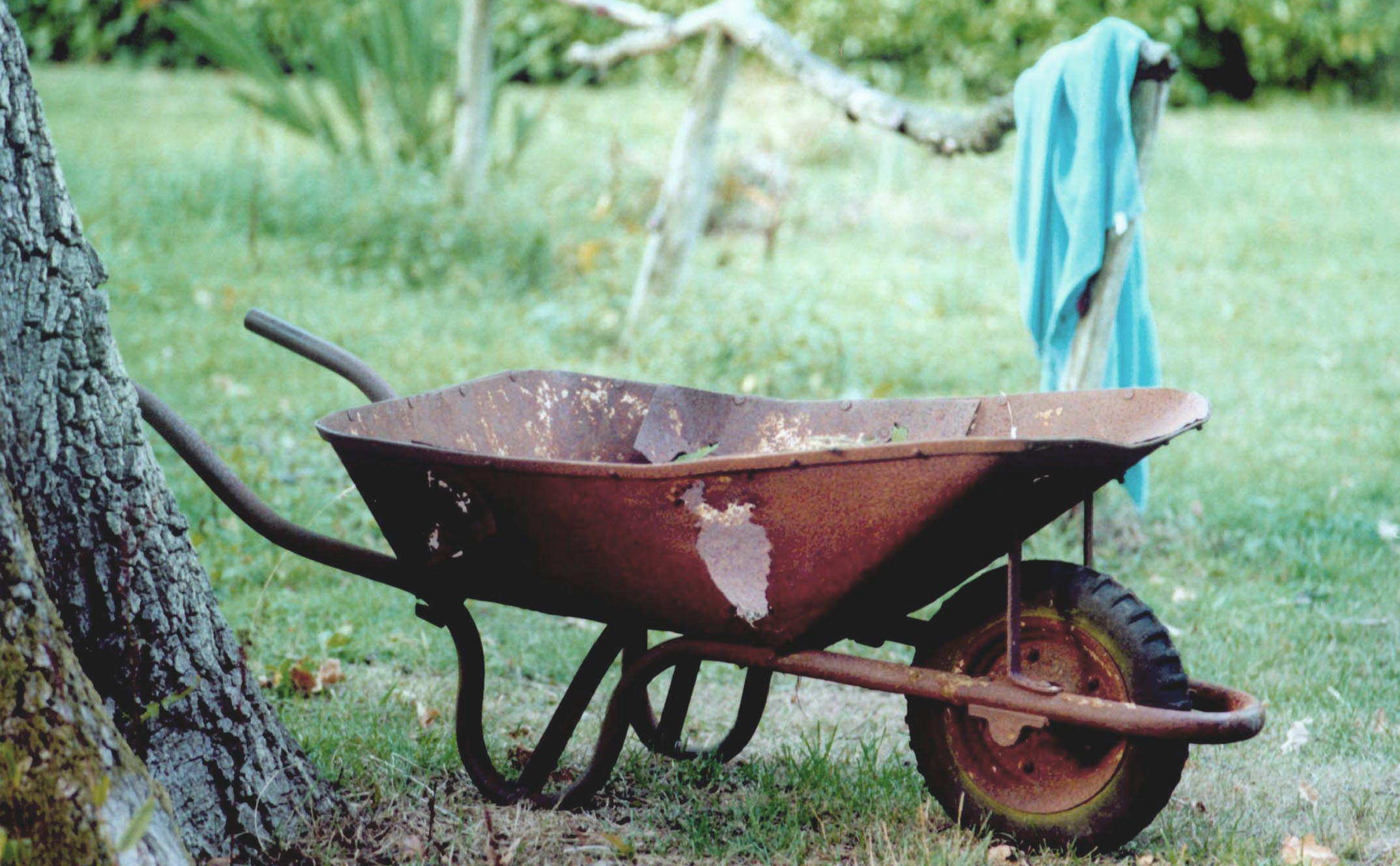
Wheelborough - Copy

A tad comical article about auto-piloted cars tickled my imagination. Billions are invested towards finding failsafe systems that will eradicate human weaknesses, for our own good, to keep us out of trouble. Given the comments under the linked BBC article, people seem to trust technology more than their fellow mortals. Besides, as things are going – obey and be insured.

I was inspired to write a quirky 180 word micro/vignette …

*    *    *

I wake from troubled dreams, having overruled my programme last night, exceeding recommended wine units. Cheating harms my insurance record. Devices linked to the microchip in my arm start talking. My toothbrush warns of reduced compensation for dental work should I skip procedures. The coffee machine burbles, adjusting caffeine to my metabolic rate. The wall screen chirps, ‘Don’t think, trust the links,’ followed by news edited for stressed nerves. My car purrs, ‘Maintenance appointment,’ then drives me off, while I sit back and endure its placid voice reminding me of deadlines, birthdays, supplies to order, lapses regarding procedures.

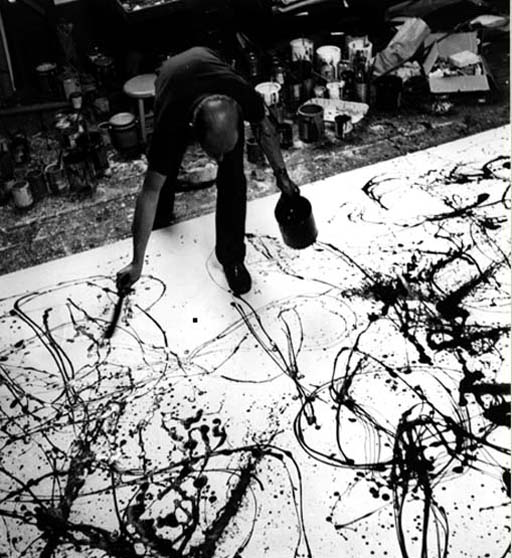
Jackson Pollock

                            Jackson Pollock

Seemingly alert to my irritation, the voice suggests mild anti-depressants, adding, ‘I detect irregularities,’ and … after a pause … resist unplugging from the system, it will wipe all your Brownie points.’

The last straw, devices are not supposed to get personal, are indeed prohibited from reading my mind. I inform the maintenance crew. ‘My car requires a full test for irregularities. No hurry. I’ll be going for a stroll.’

In my secret retreat is a mirror that brings in the sky.           *    *    *

Elba travels - lower


The system does a google search … Lost contact with a faulty human – seeking advice …

… All our lines are currently busy, please hold …


Maybe you feel inspired to write a micro something on the theme of automated systems :)

14 Comments

Filed under Blog

… cats …

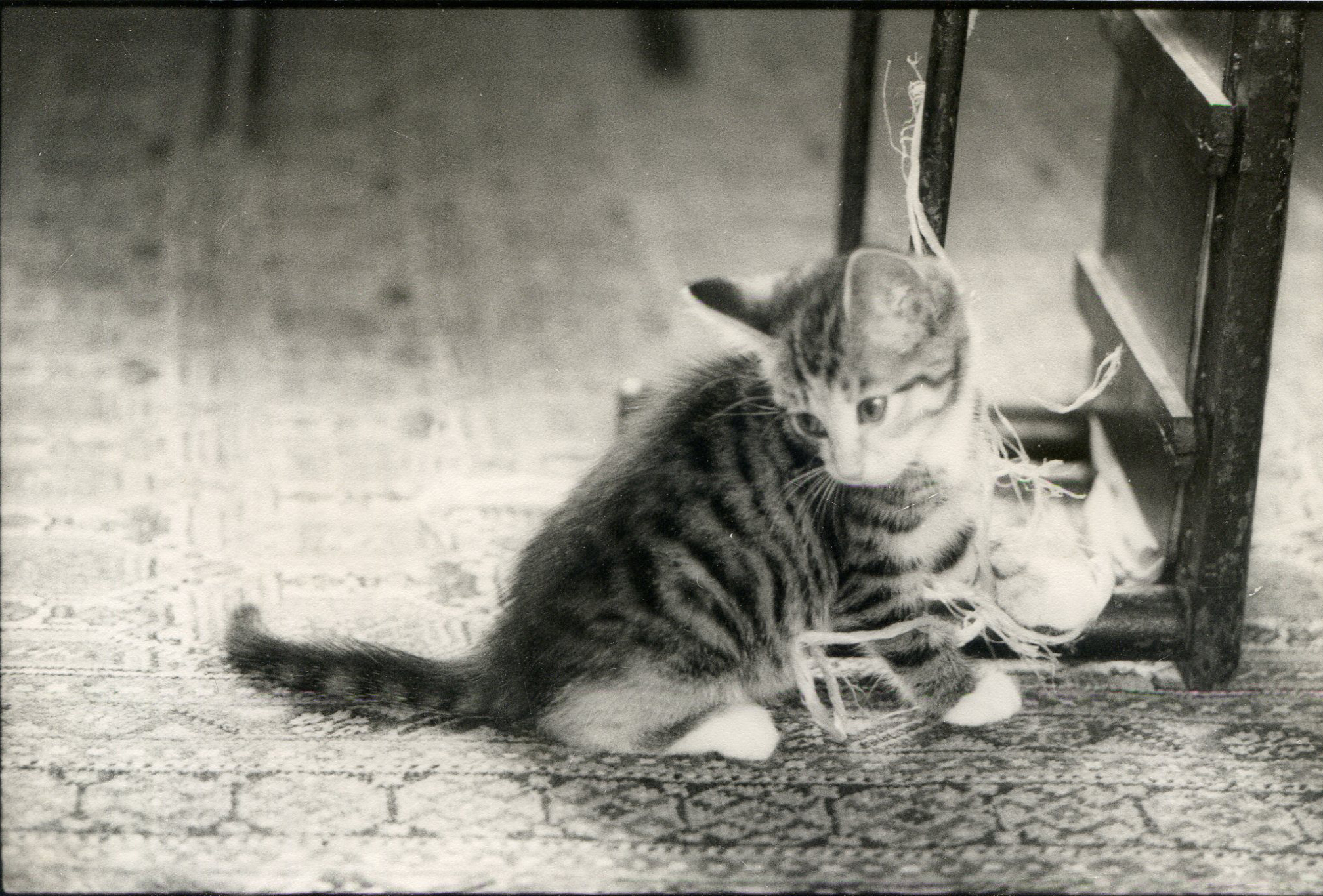
I had various pets I cared for as a child, among them talking parakeets, hedgehogs, crows, snakes, mice, and dogs – but never cats. Actually I wanted a horse, but it never happened.

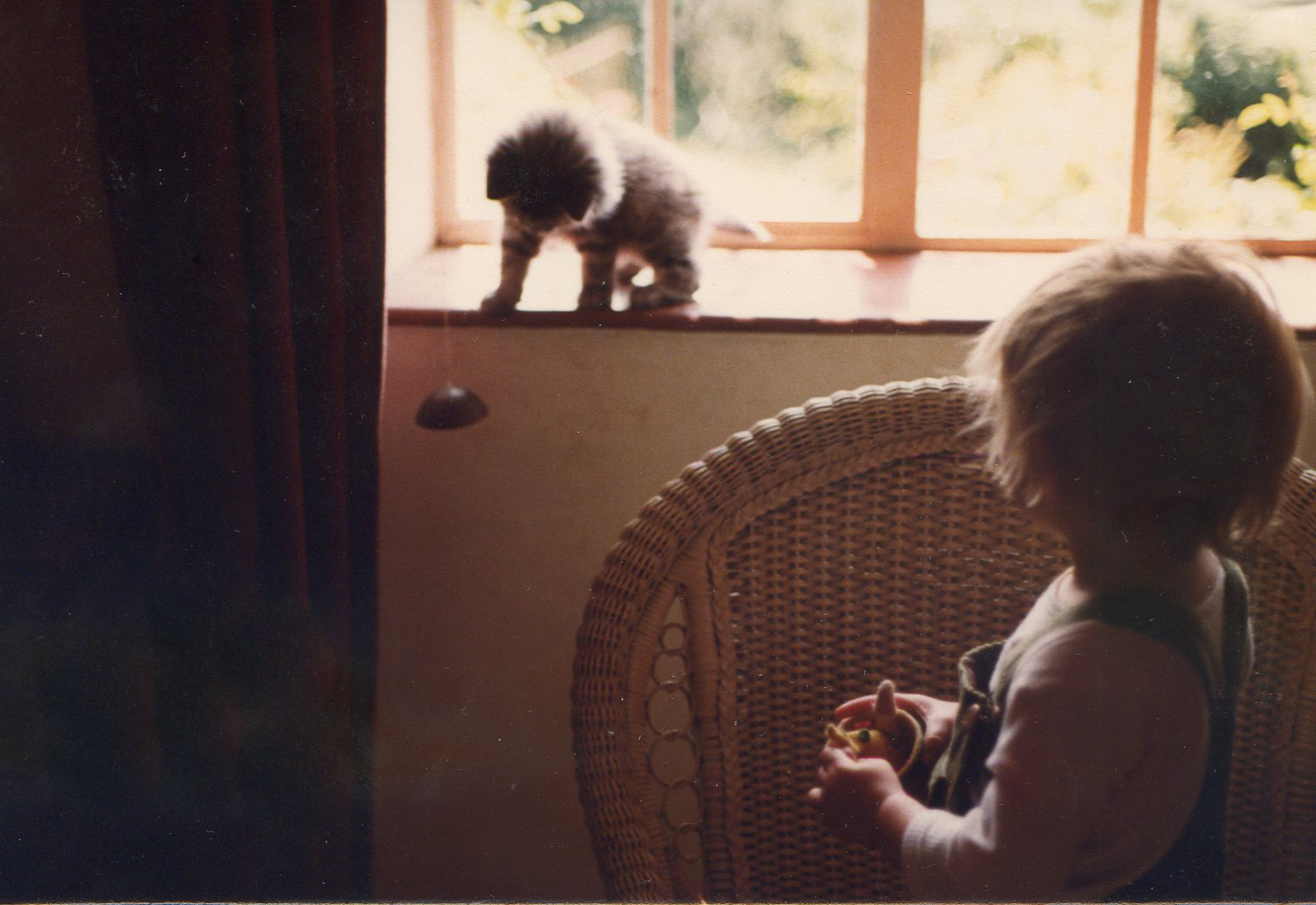
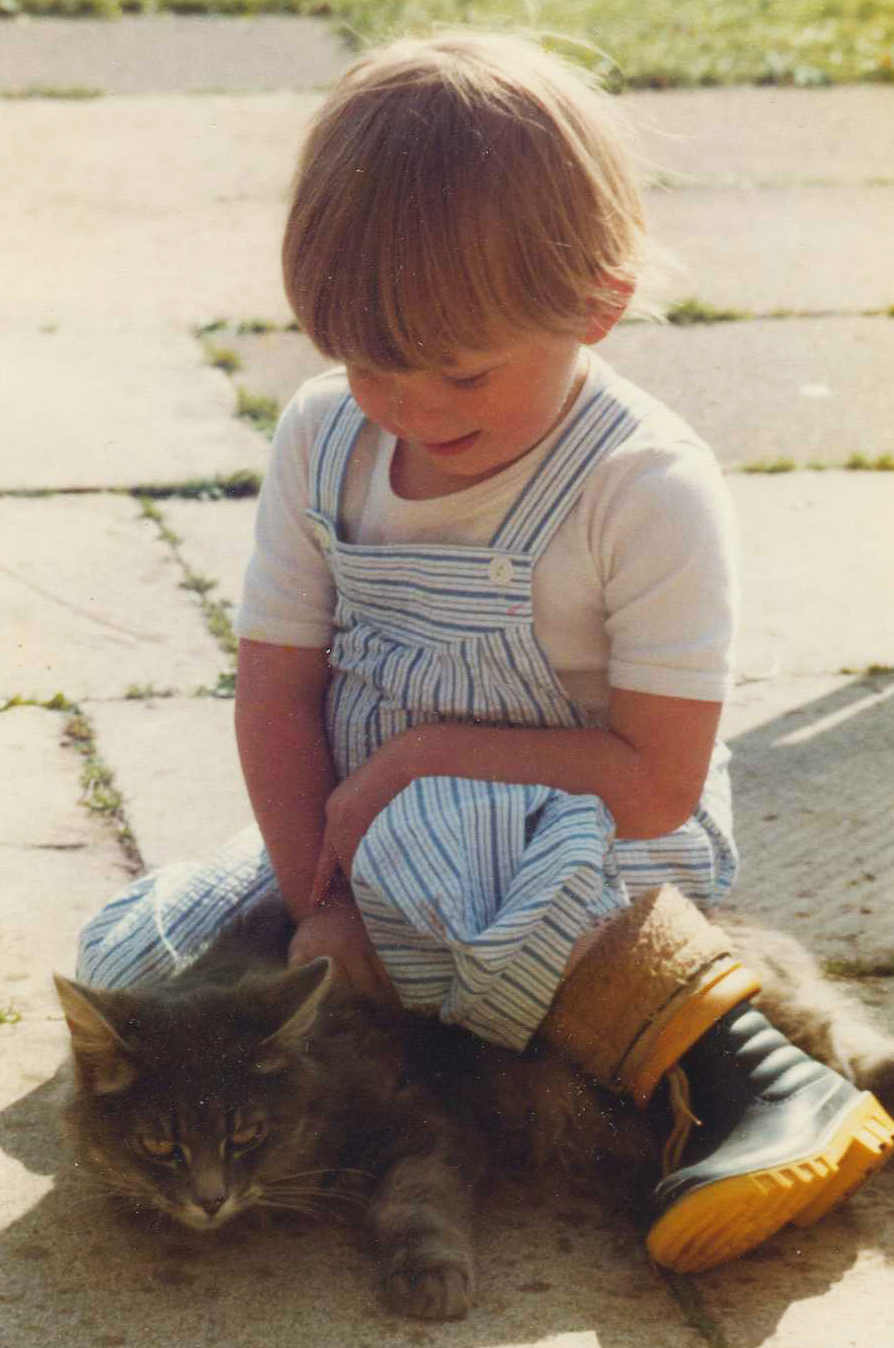
Cat, Yesh &SuzukiThen came Somerset, and I thought my young son would enjoy a cat. He did.

We called her Suzuki. I must have been into Zen … ‘Enjoy your problems’ – that kind of thing.

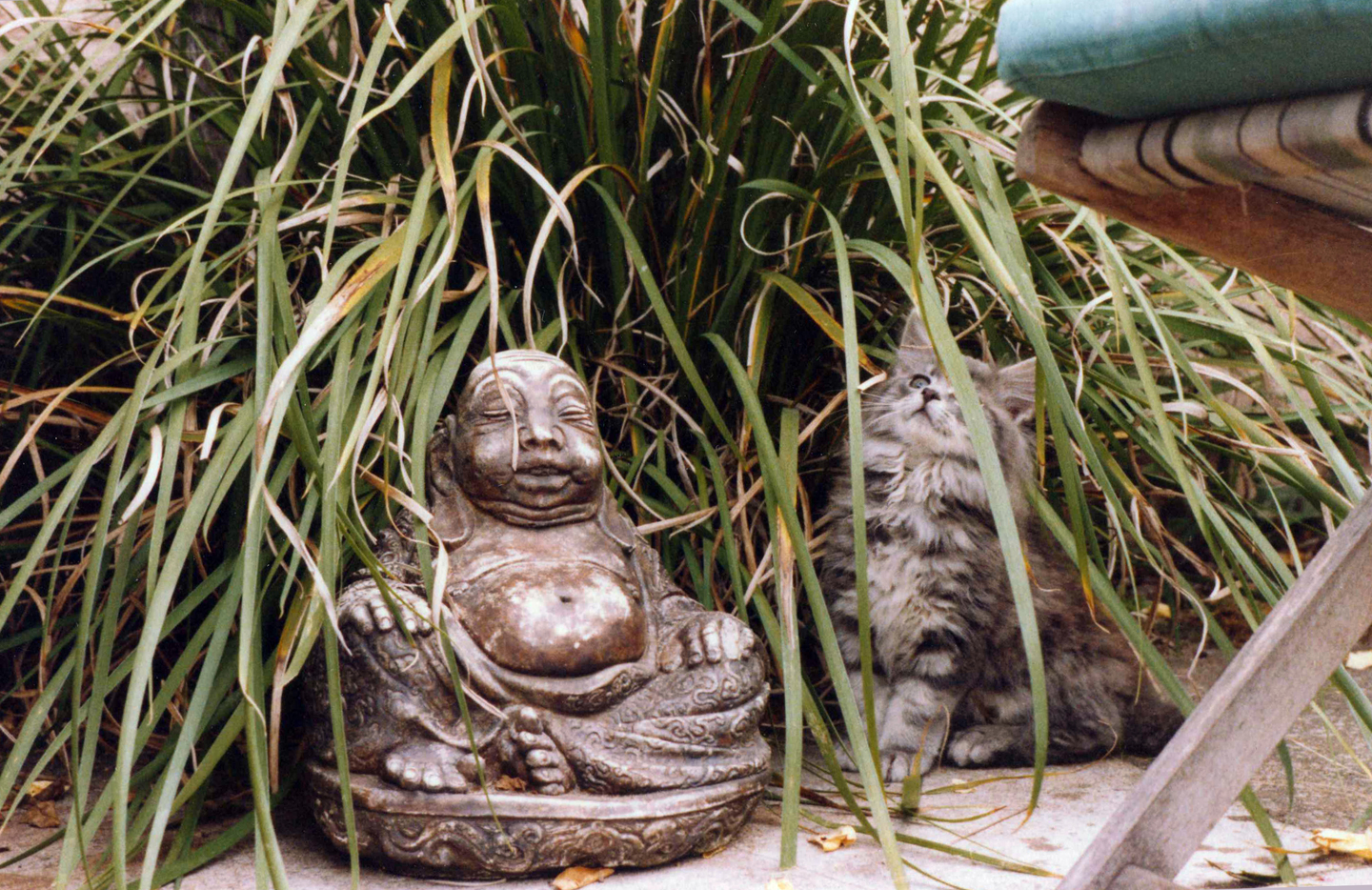
Cat, Suzuki with Buddha, bliss - Copy

As you can see, Suzuki had leanings to our stone ‘Budai,’ drawn to its lucky charm and its loving nature, easing her through tough moments … as you can also see.

Cat, Yeshen, Suzuki's lot

To catch mice in the ancient cottage we lived in was beneath her. She gifted us with other creatures. One summer, after returning from a trip, during which time our kind neighbour fed Suzuki, the wool fleece rug in our bedroom looked at first pristine and welcoming, but the moment my bare feet stepped on it my legs were jumped upon by armies of tiny, shiny armoured flees. Par chance I spotted a pack of post-it-notes on a Chester drawer and an ‘aha’ moment occured. I peeled off the pests amass from my skin with the sticky stripes, stomping about for a while, so none should be left out. I recommend sticky stuff for emergencies; it works, among other tricks I soon learned about.

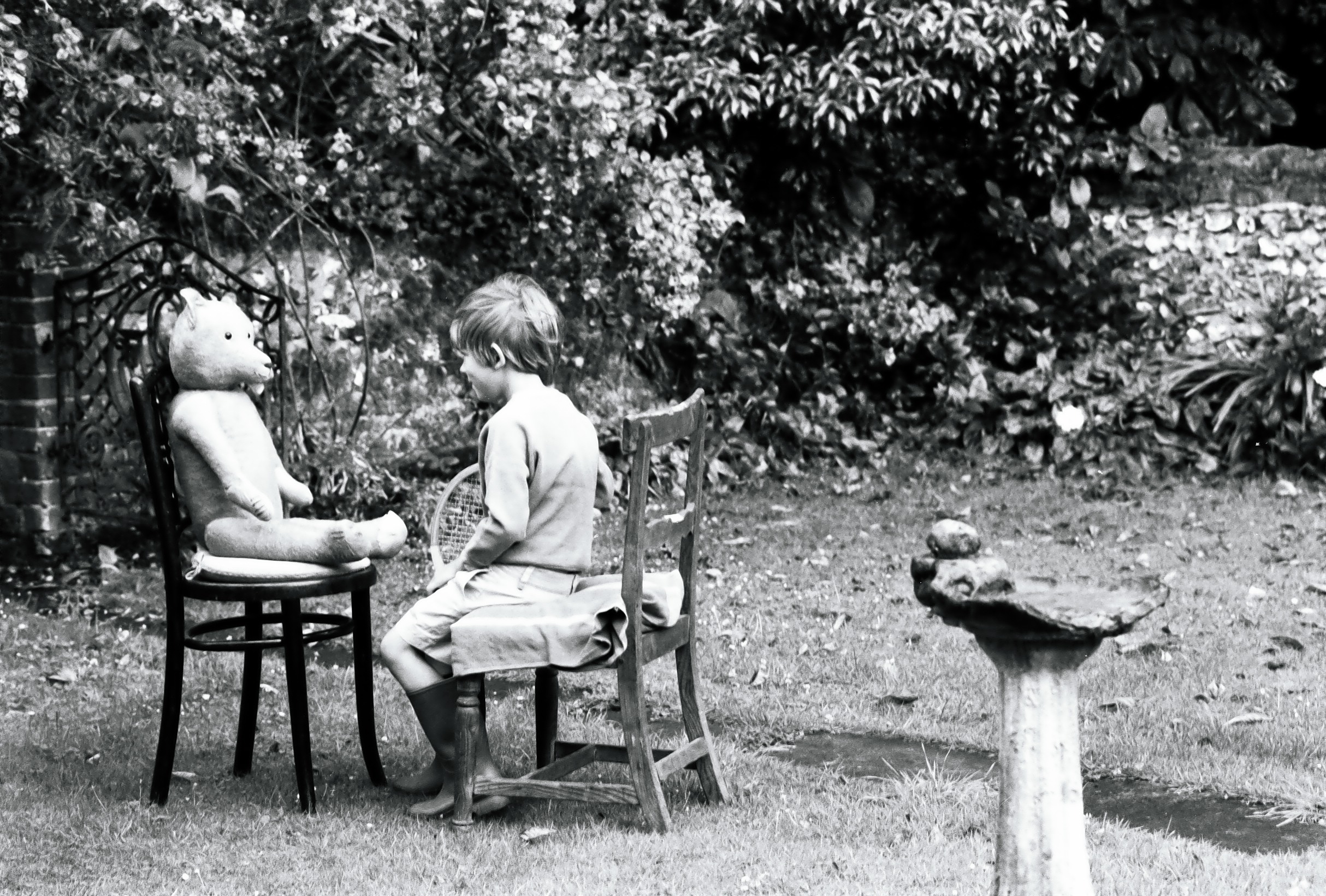
Then came a time when we moved from home to home while in transit towards Surrey. In one such charmed place Suzuki distinguished herself as baby rabbit catcher. Never a killer, she plonked the fluffy bundles on the living room floor, where they sat, stunned and motionless … there you are, a present … We freed the bunny back into the neglected orchard of the property, but it soon returned, carried gently at the scruff of its neck by Suzuki. This happened innumerable times, likely with the same bunny, over and over. I wondered whether it was born into the wrong body, and was truly a cat – or our spayed cat was truly a rabbit in want of babies. We’ll never know. Unsure where we would end up, we left beautiful Suzuki with a woman who adored her. My son was upset, and only partly reconciled by a teddy friend.

Teddy 5

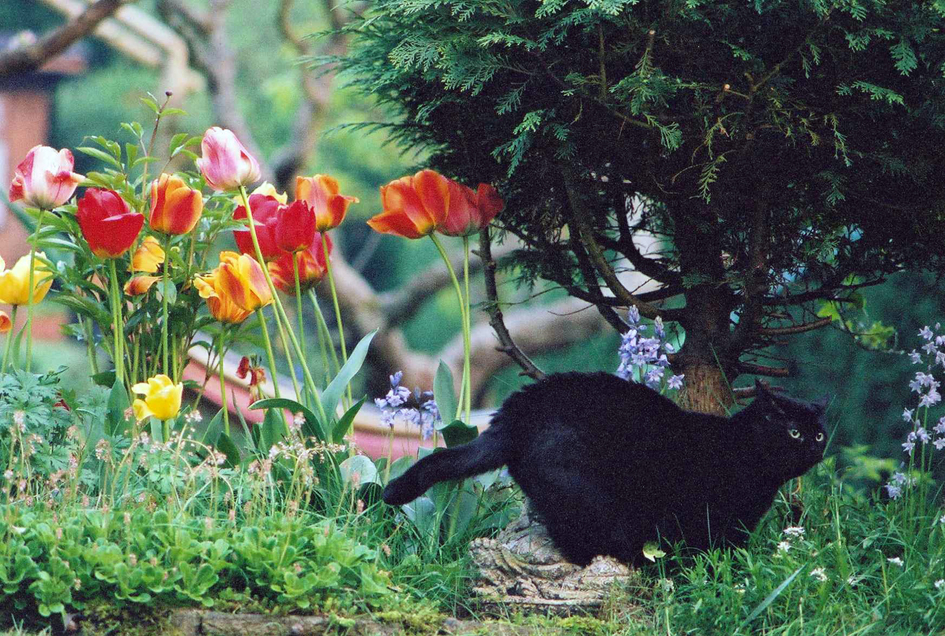
Cat, Amber136Entering a more settled phase in Surrey, we adopted a ginger rescue cat, Caspar, who appeared dour and joyless, most likely due to distressing experiences. My attempts to create rapport were unsuccessful. One day he simply disappeared, and I blame myself to this day. In due time, I searched and found Amber, a gorgeous tabby kitten. Slow in having her spayed, she produced offspring, giving birth in the living room, an unexpected and magical event, while I had friends over. The three in the litter were very different, in looks and temperament. The first and last born kittens found homes. Cat, Jetty and Tulips - lowerMy son thought it best to let the children, accompanied by their parents, choose, so we ended up with the middle born, sleek, black, and with a lovely tranquil nature. We named her Jetty. I linked with her in grief when Amber was sadly run over in the street a few years on.

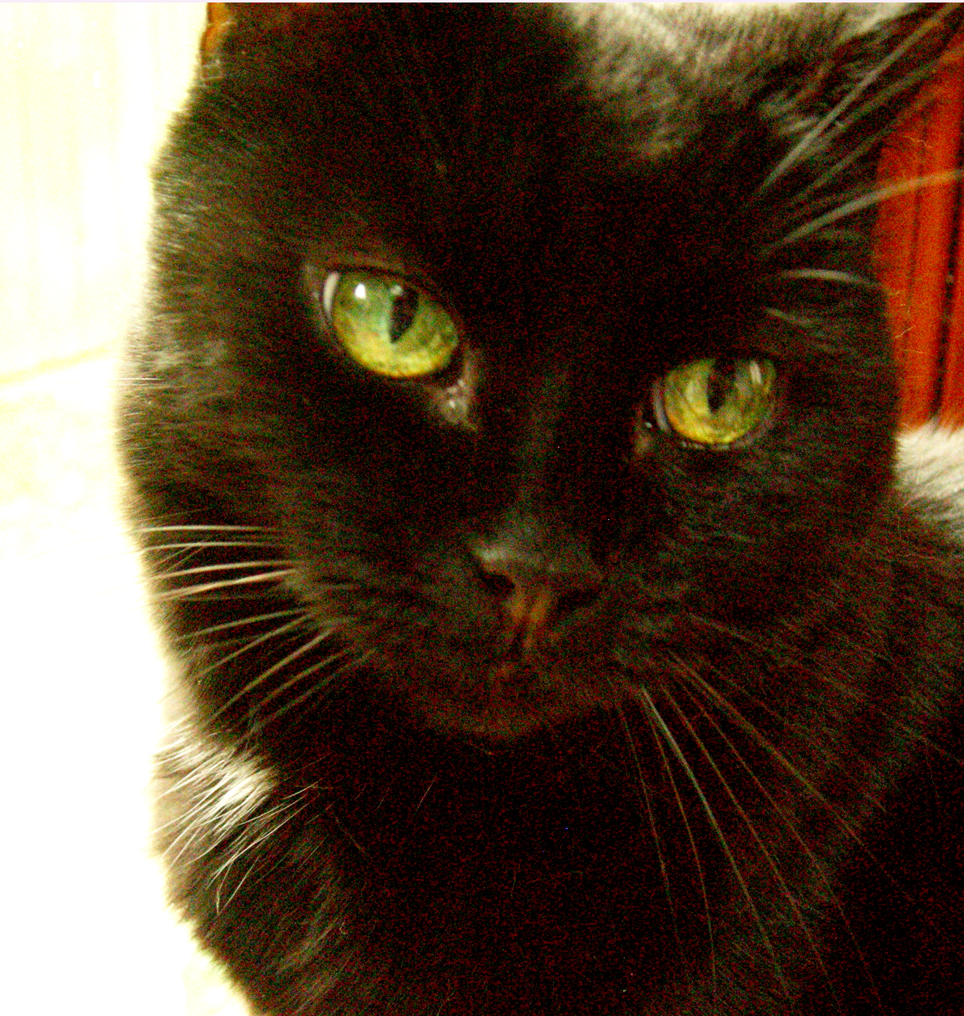
Jetty lived to be 16. She died on my birthday a few years back. When Katia, a writer friend, posted her experiences with cats  –  it saddened me to hear the story of the sudden demise of her companion. Genie reminded me of Jetty, which sparked this post, in honour of her friendship.

Cat, crop - smaller - CopyHow to describe the deep bond we can form with an animal? Is it our need for acceptance, totally reciprocated from a creature that has all its needs for shelter, food and attention met? I think that’s a flatlander’s view. All meaningful connections happen beyond rational thought, in other spheres. Animals are sensitive to vibrations beyond our clock time awareness, often knowing of events before they happen, which is why they can warn and protect us. And because their senses are wide open to fine energies, as well as vulnerable to harmful ones, we, too, are moved to protect them.

We humans are urged to be clever and become quickly absorbed in the ongoing evolution of the rational mind. Animals can teach us to stay closer to nature, the most powerful text of life. And they maintain a strong link to dimensions we frequently lose, where all experiences mingle in the ever expanding pool of universal consciousness. With all our specialness, nature is indispensable to us. An animal friend whose intelligence detects moods and intentions, cats are particlularly good at this, can show us any moment, as in a mirror, our true state of being.

*      *      *

“That’s the great secret of creativity. You treat ideas like cats: you make them follow you.” – Ray Bradbury – Zen in the Art of Writing

“I love cats because I enjoy my home; and little by little, they become its visible soul.” – Jean Cocteau

21 Comments

Filed under Blog

… dreams …

Photos by Ashen

Photos by Ashen

I used to host regular dream groups. We did not so much set out to analyse our dreams, but we played with them by engaging with their images, characters and objects. Sometimes we enacted scenes to widen associations and deepen our insights. While there is some excellent literature on working with dreams, a lot of it is boring, misleading and superficial. For me, the main purpose of valuing dreams lies in befriending the unconscious and the bringing to light what is timely and meaningful.

When we have no obvious explanation for events, dreams may bring subtle messages, offering glimpses of dynamics usually hidden from our awareness. A staggering 90 percent of personal and collective psychic dynamics trigger and compel our actions in life, and for good reason. The self-regulating psyche protects us from too much awareness. When encouraged, respected, and left to do its work, much like the immune system, the psyche can encapsulate runaway viruses of the mind by blanking out anxieties and obsessive thoughts, unless a trauma results in an ongoing inner storm. The processing of traumatic experiences is vital for the health of the individual, the family, the tribe, and our collective psyche. Something equally important to consider is that as adults our natural childlike curiosity about life may have become flattened by engrained habits and obsessive needs for security and control, both diminishing the meaning of our lives.

Note: Each embedded link here will not lead you away from this post but bring up a fresh page.

In an earlier blog post Joe Linker’s comment led me to an article by Oliver Sacks on altered states in The New Yorker  where Sacks pointed out a long tradition of ceremonial drug-use to stimulate the brain. Drugs certainly relax jaded attitudes by activating the senses and bringing insights and fresh perception. Sacks, and many like him, were admiringly fearless and creative, before there was a clamp down on drugs and they became illegal.Dreamseries 2

In dreams as in trance, induced or not, the mind can kick up imaginal representations of feelings, and metaphors. We shift to another realm, escape the logical structure of time and also tap into the collective psyche. We may hit a T junction, one path leading to an illuminating visionary state and the other to a schizophrenic state of confusion, which is why science sticks with rationality and is generally not keen on the imagination. The question as to what pulls us towards Heaven or Hell has no easy answer, yet all inner state, when approached with respect, patience, and most of all, wisdom, can have a healing and effect on our personality, and, in instances, as we know, result in significant works of art.

Dreamseries 3

Freud’s iceberg metaphor illustrates that our individual psyche swims like a mountain of ice in a vast sea, only to reverse into its fluid state once its coherence dissolves back into the sea. As a simple and more intelligent map of various unconscious states I prefer the egg diagram by Alberto Assagioli, the founder of Psychosynthesis.

Active imagination is a gentle way to befriend the unconscious and build bridges towards consciousness and daily life, and a way to explore dreams without messing with the dreamer’s unique meaning. I share here some practical tips:

Remembering dreams:

You can ask for a dream, especially when you feel stuck and ponder a question. You might even write the question on a slip of paper and put it under your pillow.

Try not to move your head after noticing a dream. Place holds memory.

Have a notepad and a soft pencil next to your bed, maybe a microlight, so you can scribble down a memory facet before fully crossing the threshold into waking. Even a single image, phrase, number, colour or feeling can act as a key for recalling a dream later on.

To catch a dream – try disrupting your sleeping pattern with an early alarm clock setting.

Experiment with your head position while sleeping – north, east, south or west.

Towards understanding dreams:

The psyche does not care about logic. The meaning of a dream may however unfold like a seed when we attend to its poetry and rhythm.

Ask yourself … how do I relate to the characters or objects of a dream? What feelings and sensations are evoked? In what context did the dream arise? How does it relate to my present situation?

Write a story or make sketches of the images. Tiny fragments can offer connections via free associations.

Give a voice to the characters and objects appearing in the dream. What do they want? Allow them to express their thoughts and feelings. Such dialogues can reveal surprising insights.

Change the script, create a different outcome, face down a fear or a shadow and follow through to what wants to happen. This approach can move a dream to a different level of understanding.

Ask yourself: Where does the energy want to go? What is emerging?

Dreamseries 4


‘Dreams express the voice of the soul; they are our contact with our deepest self, our inner substance. The mere act of recalling, experiencing and consciously honouring our dreams connects us with our real selves and awakens previously unavailable levels of creativity and vitality, even without interpretation.’

Carl G Jung

A related post on altered states.

And if the subject of dreams interests you, here are some more links:

Edward C Whitmont was a Jungian psychoanalyst, who deepened my understanding of the psyche through his exceptionally clear writing. His books may be out of print, which would explain why they’re so expensive:  Dreams – a Portal to the Source and The Symbolic Quest

Other excellent authors to look out for, apart from Jung, are Anthony Stevens, Private Myths – Dreams and Dreaming, and Marie-Louise von Franz – The Interpretation of Fairy Tales.

12 Comments

Filed under Blog

… To Witness Daisies and Earth Rise …  

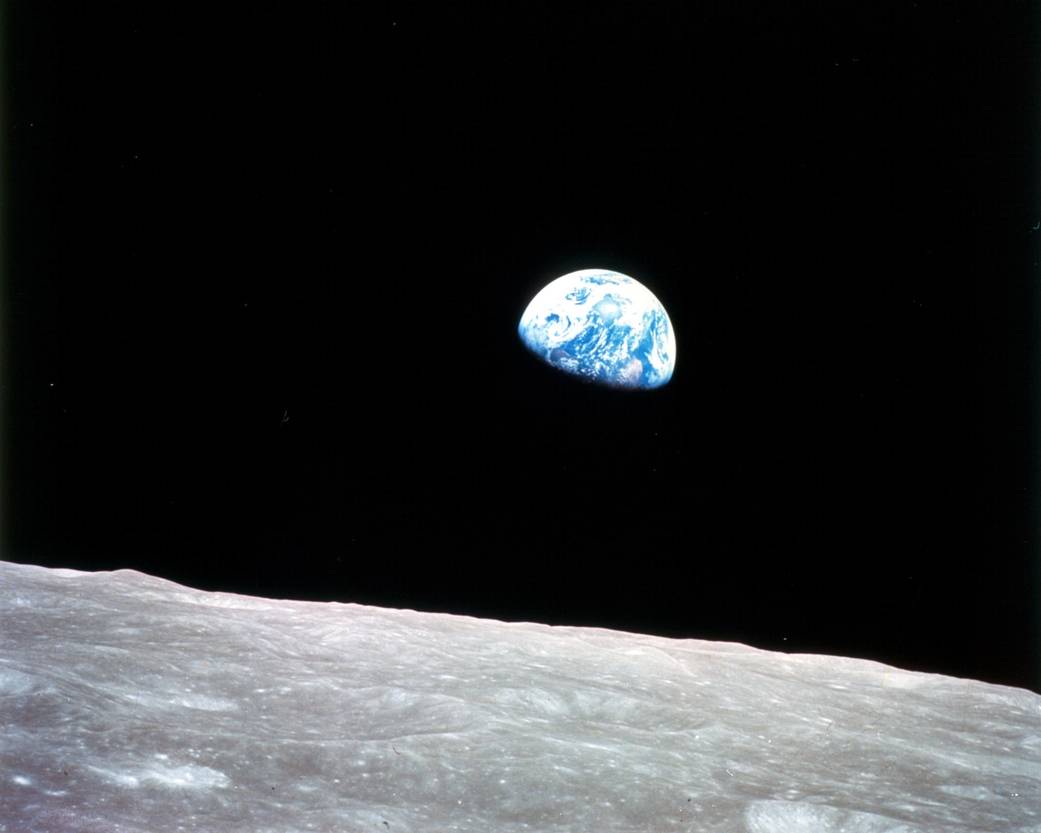
1968 Earth Rise, Apollo Mission 8

1968 Earth Rise, Apollo Mission 8

A change in collective attitudes often takes momentous events. While the moon-landing of 1969  was mildly underwhelming, the image captured in preparation for the American eagle’s landing, a year earlier, was immensely moving – revealing a vastly expanded mirror to our home that spoke then, and speaks now, directly to our physical and spiritual senses. Guiseppi Ungaretti had fitting words …

‘What are you doing earth in heaven? Tell me what are you doing silent earth?’

With hindsight we can see how major historic events are being incubated years in advance to their happenings. Artists have a knack for shocking us before a message becomes endorsed, which is why I connect the film  ‘To Witness Daisies’ (1966)   with the earth-rising image, both testing limited perceptions.  A click on the title should bring up the movie on your tube.

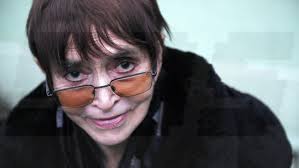
Věra Chytilová

Věra Chytilová

Not unlike the awesome view from outer space,  Věra Chytilová presented an equally powerful pointer to our poor stewardship of earth. Initially forbidden in the former Czechoslovakia, her tragic comedy was released two years before the Prague Spring, and two years before the earth-rise image promised a new respect for nature. I hoped for a greater understanding of cosmic interconnectedness, and an assessment of the fear-based need to subdue and control the wild, the primitive, the imagination, soul … all the ignorant projections on the feminine principle, which, I think, are responsible for spoiling our planet and wounding the psyche of men and women.  Film critics felt uncomfortable with Věra Chytilová’s controversial, iconoclastic statement on the demeaning role assigned to women in our cultures. Niels Bohr expressed, ‘As long as an atom is not seen it does not exist, it is a ghost.’ To me, this implies that seeing, individually and collectively, is an active process, influencing the reality of our existence.

The Daisies

The Daisies

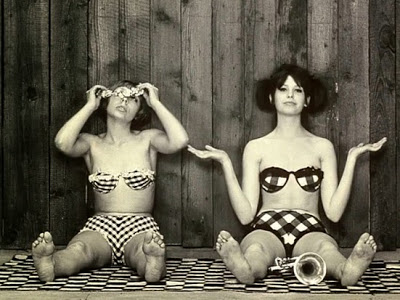
Watching ‘To Witness Daisies’ for the first time in 1994, I was struck by its theme of psychic starvation – sharply relevant today – and the insanity of societies where women are kept in an infantile state so as not to threaten male supremacy. The symbolic power of the film’s images, with their rhythmic and gradually peaking orchestration, creates a timeless sphere of magical reality, where meaning is expanded and revealed. The opening sequence of the film gives the context. A mechanical wheel turns relentlessly to the sound of regular drumming. The scene is interspaced with silent images of war, bombs exploding, mainly into the sea, symbolically representing the mother of all life on earth. Next, the frame shows a sun-deck by a pool. Filmed in black and white, the deck re-appears as a transitional stage. and one could add, a place at the edge of the personal unconscious. Here a question is voiced, ‘What next?’ The two teenage girls wear bikinis and their movements are mechanical, like the wheel. The sound indicates a lack of oil in the system, and the funfair trumpet played by one of the girls suggests a flat and mocking victory.

Posing for the Collector

Posing for the Collector

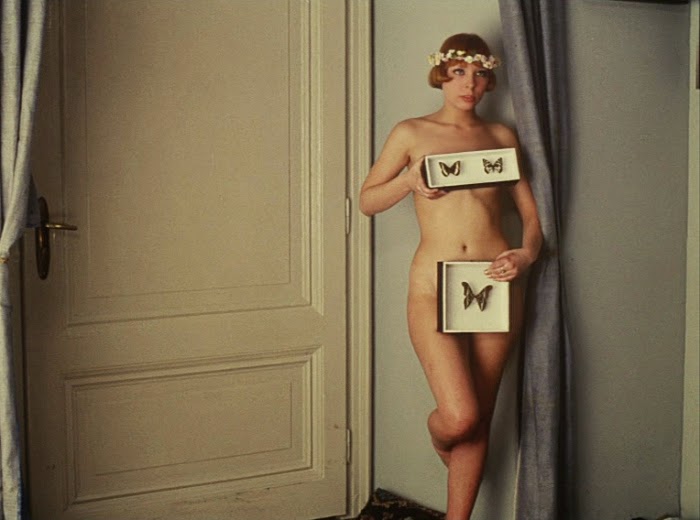
The outlook is set. ‘I’m a doll, everything is been spoiled in this world.’ And, as a way out of boredom, ‘If everything is being spoiled, we will be spoiled too.’ The decision to mirror a spoiled world is made, a death wish gains momentum. Daisy Blond wears a daisy chain and uses it at intervals as divination device. When the chain is thrown out of the frame, it lands on water and signals the next mise-en-scène, like a Garden of Eden where the girls dance, and where Daisy Blond picks the legendary fruit, affirming ‘their kind’ are products of a biblical myth with politically useful interpretation that prevail.

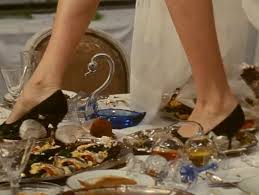
The end-feast

The end-feast

Film critics felt uncomfortable with Věra Chytilová’s controversial, iconoclastic statement about the role assigned to women in our cultures. Acted by Jitka Cerhová and Ivana Karbanová, the Daisies have various names throughout the film. I call them Daisy Black and Daisy Blond, though they are one and the same, since their communication resembles an internal dialogue trying to deal unsuccessfully with a moral conflict that offers no bridge between good and bad. To Daisy Black nothing matters, she has a timeless distance to things, everything is a game. For Daisy Blond, the extrovert, hunger makes food a central theme of the film – hunger in the sense of wanting to fill her sense of emptiness with substance. I won’t venture into psychology, but it’s easy to draw a connections to the Anorexic symptoms many young women suffer from.

During a film degree course in 1994, I wrote a long essay on ‘To Witness Daisies.’ Unable to transfer the old Mac files when switching to a PC with internet connection, many essays need re-typing, which I hope to achieve once other projects are out of the way. For now, I thought I inspire you to watch the film – and maybe share your thoughts about it.

11 Comments

Filed under Blog