Tag Archives: psyche

… the tulip – haiku moment …

A little Haiku arrived in a flash and together with its timely image struck a chord with many of my facebook and twitter friends. It’s the beautiful message of one tulip in my garden, whose eleven companion bulbs were eaten up by hungry rodents.

P1070196 - smaller

a lone tulip splays
its red mantle to the sun
there you have my heart

*    *    *

A Haiku can arrive in a flash or take its time to unfold. Here is  an article by Jane Reichhold to inspire. She shares a little history and a number of techniques.

http://www.ahapoetry.com/haiartjr.htm

9 Comments

Filed under Blog

… give the poor ego a break …

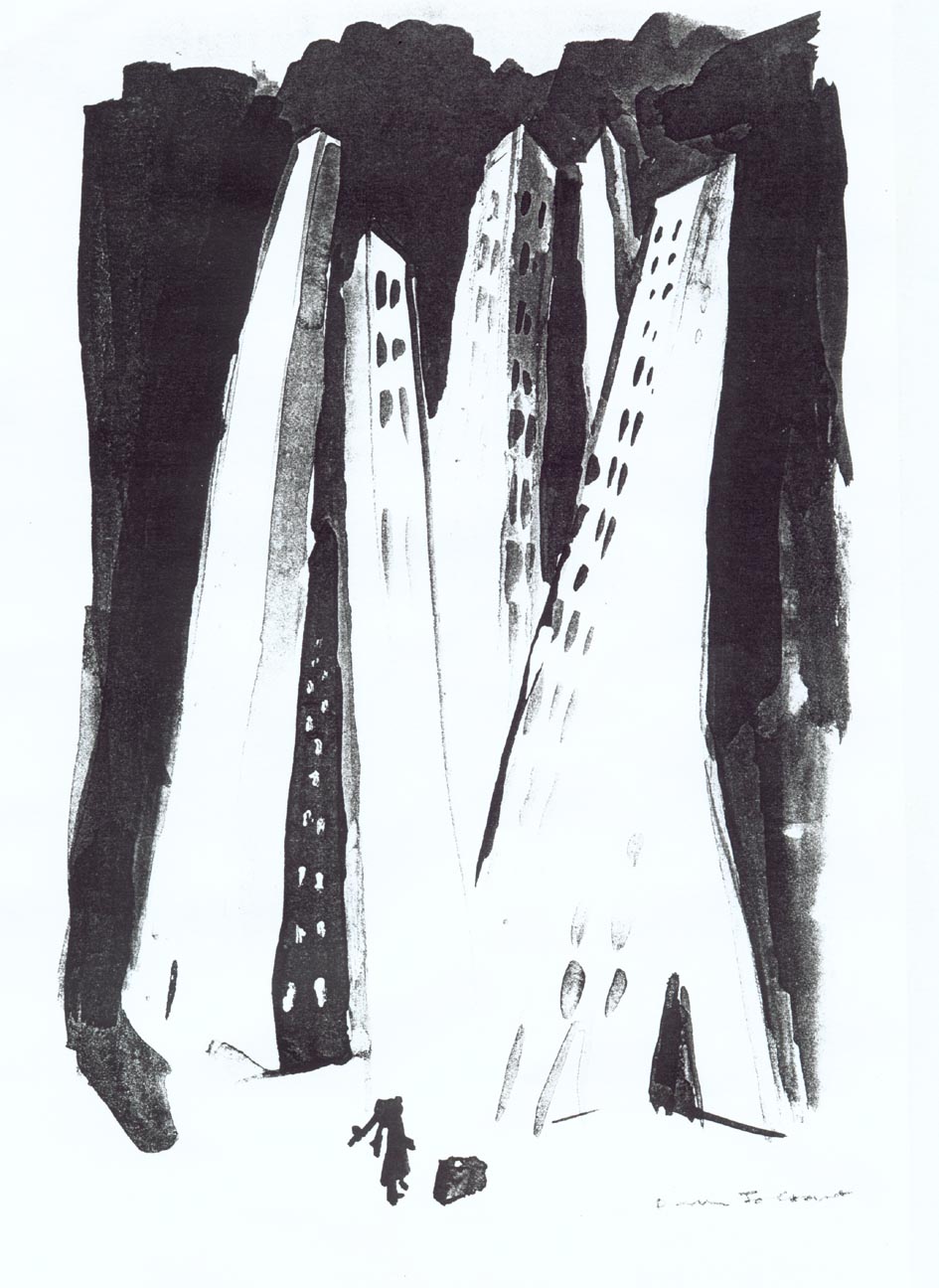
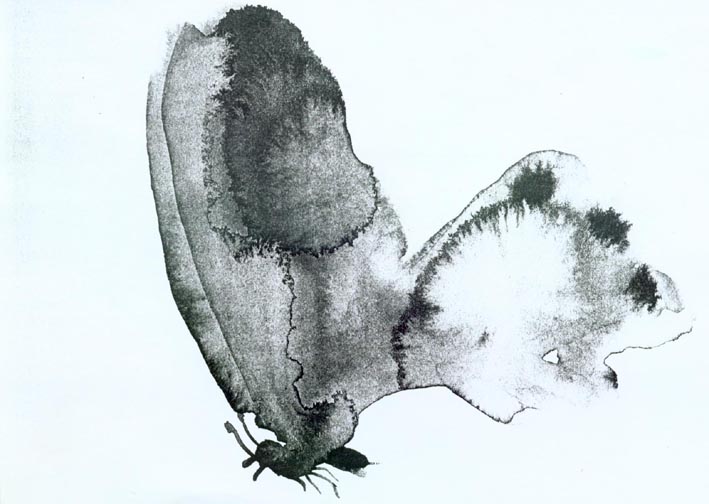
Image by Daphne Jo Grant, created for my poetry collection in 1993 -Gapsy Truth.

Image by Daphne Jo Grant, created for my poetry collection in 1993 -Gapsy Truth.

I’m all for shielding the Ego from moral experts who succumb to counter-transference. Proverbs, turned inner voices, instruct: Put yourself last, be considerate, don’t let people down, adapt, respect trade-off laws, keep promises – the inner voices more or less prescribe what’s in your best interest to feel, think and do.

Noisy commotions, muddling any sense of ‘I.’

The poor ego not only holds awareness of our multifaceted reality, but is driven to distraction by conflicting demands, assumptions, chimeras of grandeur, bouts of doubt, all drowning the whisper deep down – ‘Who or what am I really ?’

‘Part of me suspects that I’m a loser, and the other part of me thinks I’m God Almighty.’  – John Lennon

John summed up the typical seesaw compensation attempt. Adding insult to injury, self interest is blamed for our social ills. Even astute spiritual wisdom falls flat when it fails to appreciate the ego’s task – to daily create new order out of chaos, attempting a compromise with reality. No wonder people become nervous wrecks when their temporary identifications are threatened, no wonder fierce defences are constellated. The battered ego-agent screams silently – I’m only loyal to my familiars.

Some familiar rituals guarantee a  child experiencing rejection, physically, emotionally or intellectually, will self-reject for failing the expectations of its superiors. Welcoming or neglecting, early responses by adults we depend upon set foundation for our personality. Break that mirror and you’re on your own.

Maps serve us as orientation, they don’t convey territory. S. Freud’s map of the psyche is powerful. Think of the Id as a Launchpad to stars. What Freud omitted is a higher unconsciousness, our inner guidance and intuition, later introduced by C. G. Jung and A. Assagioly

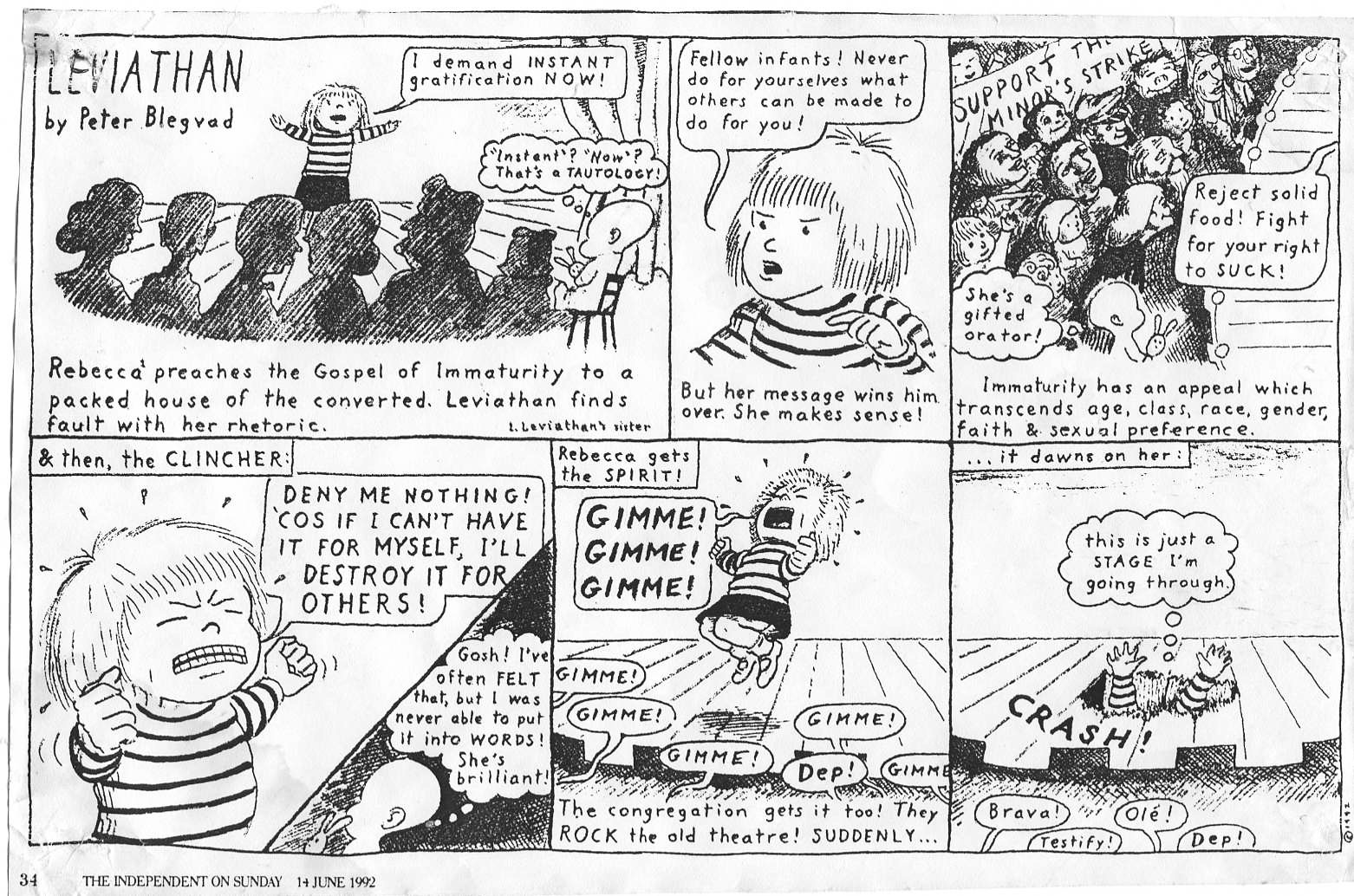
Freud’s ideas deserve studying. His terms slipped into common speech like brands and became tangled.

Leviathan

Leviathan

Take the ego construct. Sandwiched between the powerful gratification-force of the Id, in need of gentle and firm boundaries, and a cultural Super-ego, with its rules and regulations, the Ego has the unrewarding task of mediator. The Id, at worst, is a heap of misery dragged along, withholding its energy, while the Super-ego, at worst, hijacks personalities like a psycho terrorist, know–it-all, manipulator, fanatic …  having abandoned the powerless inner child with its distressing and embarrassing need for acceptance and love.

And let’s not fool ourselves, distorted ideals attach themselves to well-disguised tyrants in the collective psyche, slumbering, until the day when circumstances conspire.

Children who grow up anxious to placate, or are bent against authority, invent ingenious strategies for survival. Fragile or strong, balanced or torn by extremes, developing a personality is an art form, assembled from layers upon layers of impressions and accumulated memories. Only increased awareness lessens over-identification and softens defences.

‘The paradox of the arts is that they are all made up and yet they allow us to get at truths about who, and what we are or might be’. –   Seamus Heaney

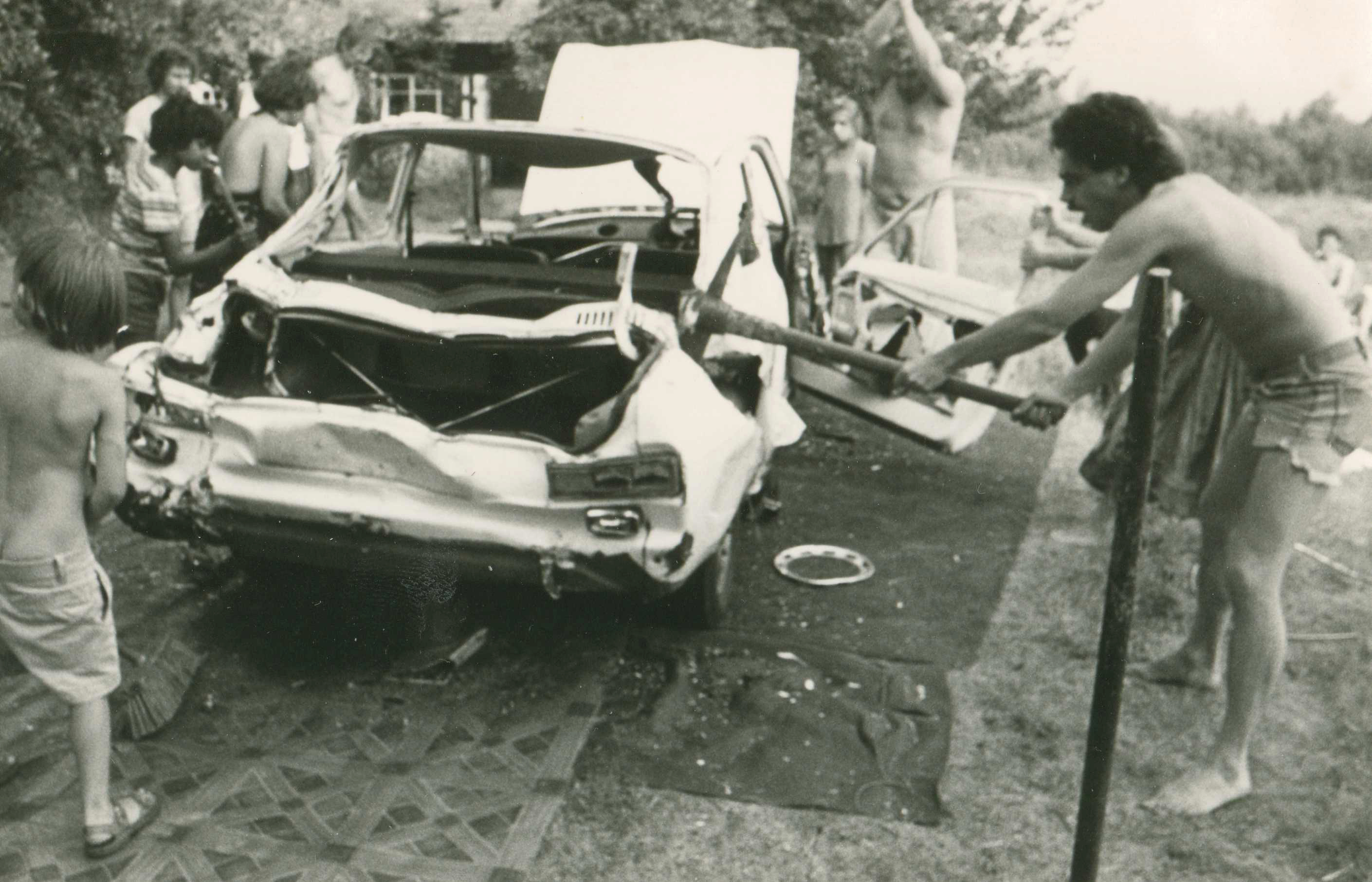
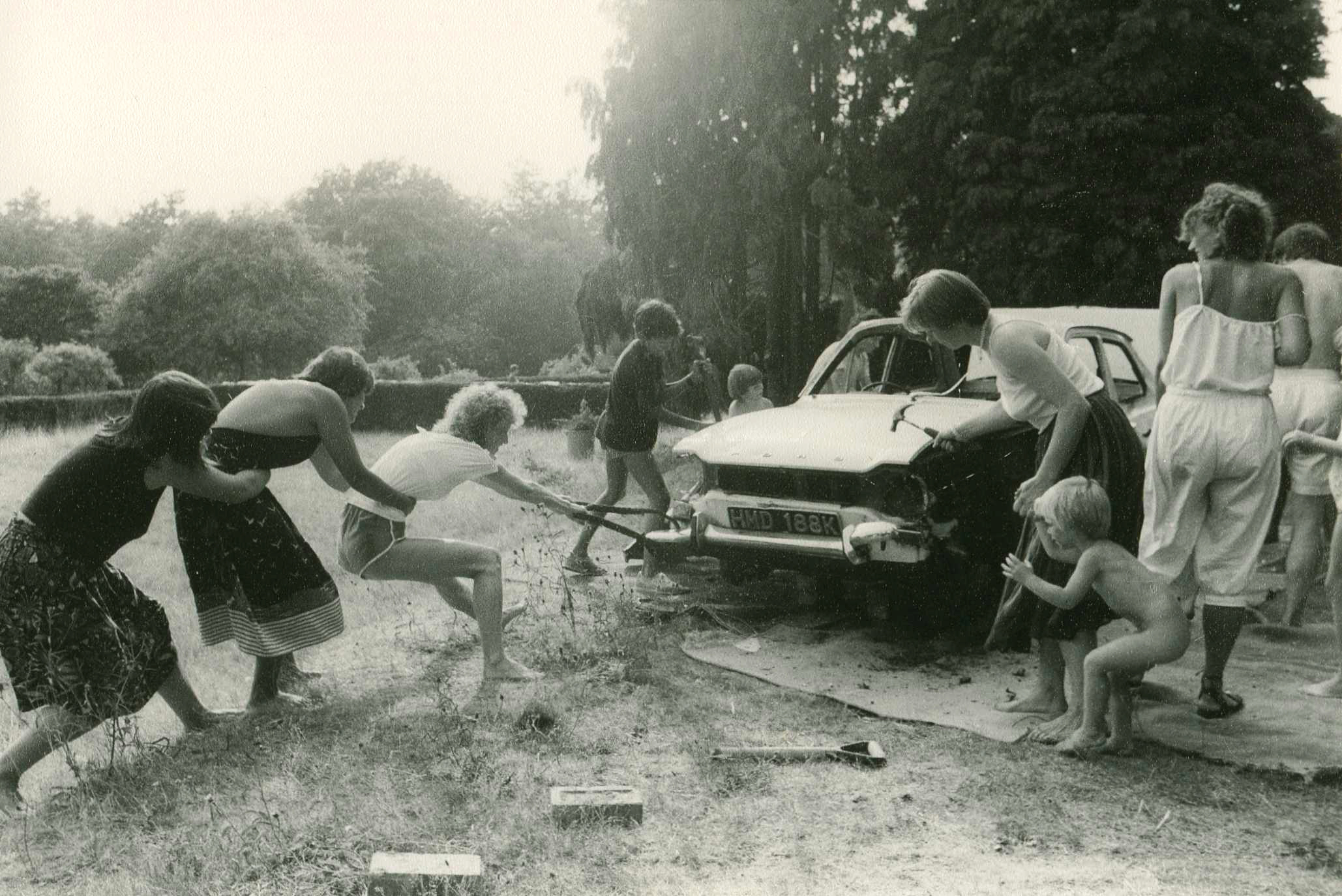
creative recycling

creative recycling

creative recycling

creative recycling

Young children need space to playact, and adolescents need safe outlets for their natural aggression, opportunities for intense experiences, and encouragement to explore their self-image. The houses of identity we create, however basic or twisted, position us in space and time. They have windows allowing a view, and doors through which to venture into a wider world and align our personal myth to a greater myth.

The problem is clearly not the personal ego, but its cultural super-edition, coloured, at least in the west, by mechanistic templates that regard nature as enemy to be conquered and controlled.

Reprimands like selfish stem from a period when inducing guilt was a convenient social formula. Today this approach is counterproductive. Educational practices must catch up with the nuclear age and the fresh metaphors for space and time. New dimensions arise in our consciousness, compelling us to re-think:

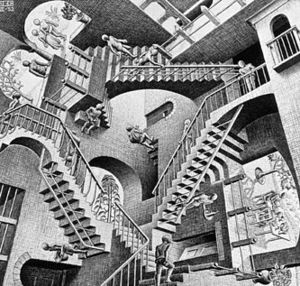
Escher's Relativity

Escher’s Relativity

Relativity theories freed perspectives and brought a climate of moral liberty. In a psychological sense, moral advice became repugnant, which explains why western minds begun to question aspects of religious dogma. A way was opened towards looking inside, and individuation, in a Jungian sense.

Quantum physics has widened our vision further, and brought deep spiritual turmoil through new speculations that suggest a symbolic reality of consciousness that over a hundred years ago would only have been imagined by a minority – mainly mystics.

The Digital revolution has upset linear time and is gradually transforming our relationship with time and space, leading us to ask, ‘What is real?’

A mould, no matter how inadequate, is necessary for any new-born. Judging behaviour without acknowledging the initial and well-meaning intentions underlying the formation of personality will only strengthens neuroses, instead of allowing the acceptance of one’s imperfect self-creation, with a nudge towards a gradual softening of defences.

‘Form is a relic of eternal potential.’ – Fazal Inayat-Khan

This post contains excerpts pulled from past articles that were never published.

10 Comments

Filed under Blog

How do I read?

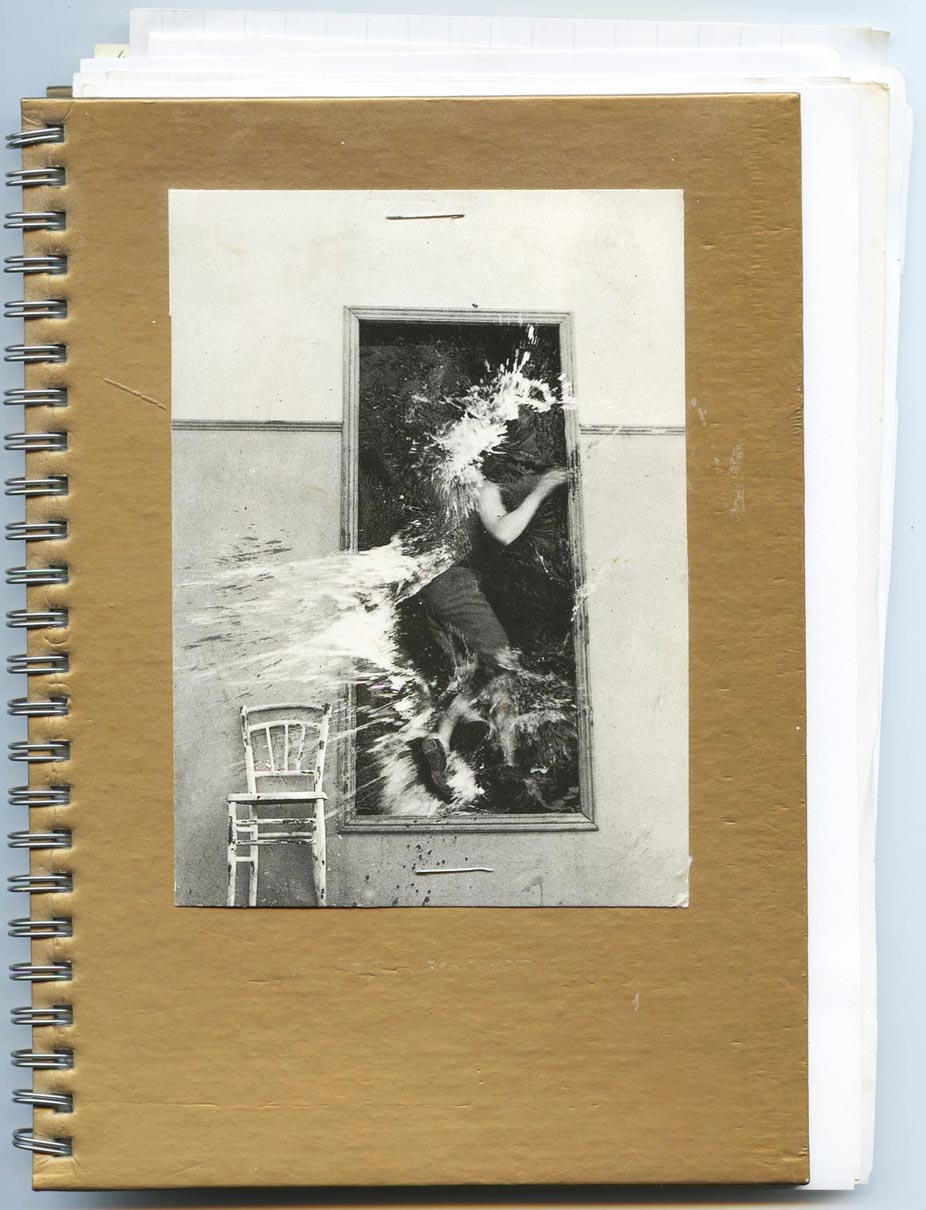
one of my notebooks

one of my notebooks

I jotted this question in my notebook a while ago. How do I read, in the widest sense? There is plenty of observation and advice on the art of writing, composing music, painting, photography, film. Less is said about on the art of reading, perceiving, interpreting, or how we reject or embrace what is expressed by others, and ourselves, even how we read our dreams.

I conclude there’s no difference between, let’s say writing, and reading, other than visibility, since any creative composition derives from an inner process of reading, the picking and shuffling of impressions into our frame of reference in relation to the larger myth of reality.

One could say the secret of being read lies in one’s talent and ability to read one’s inner psychic world, even when filtered through one’s most personal and eccentric imagination.

Long before communication was easily reproducible and reached greater audiences, people were reading the world, though only a tiny fraction of inspirations and inventions was circulated. Today’s media channels swamp us with communications. It’s confusing. We must choose.

In reading novels, I follow my intuition. The gimmick of an instant attention grabbing action scene puts me off. A proposal may be impossibly fantastic, but if I detect an authentic voice, rhythm and movement, I travel along. Invited into a mind, an atmosphere, a time, a place, I want to be absorbed in this other world and experience myself anew in a conflict between light and shadow from within the heart of another consciousness.

Whether meaning is intended or not, I read my own meaning into what has been imagined by another mind. An insight, a memory may surprise. Some books I treasure for one or two illuminating sentences, so I guess reading for me is a bit of a treasure hunt, which begs a question. What am I hunting for?

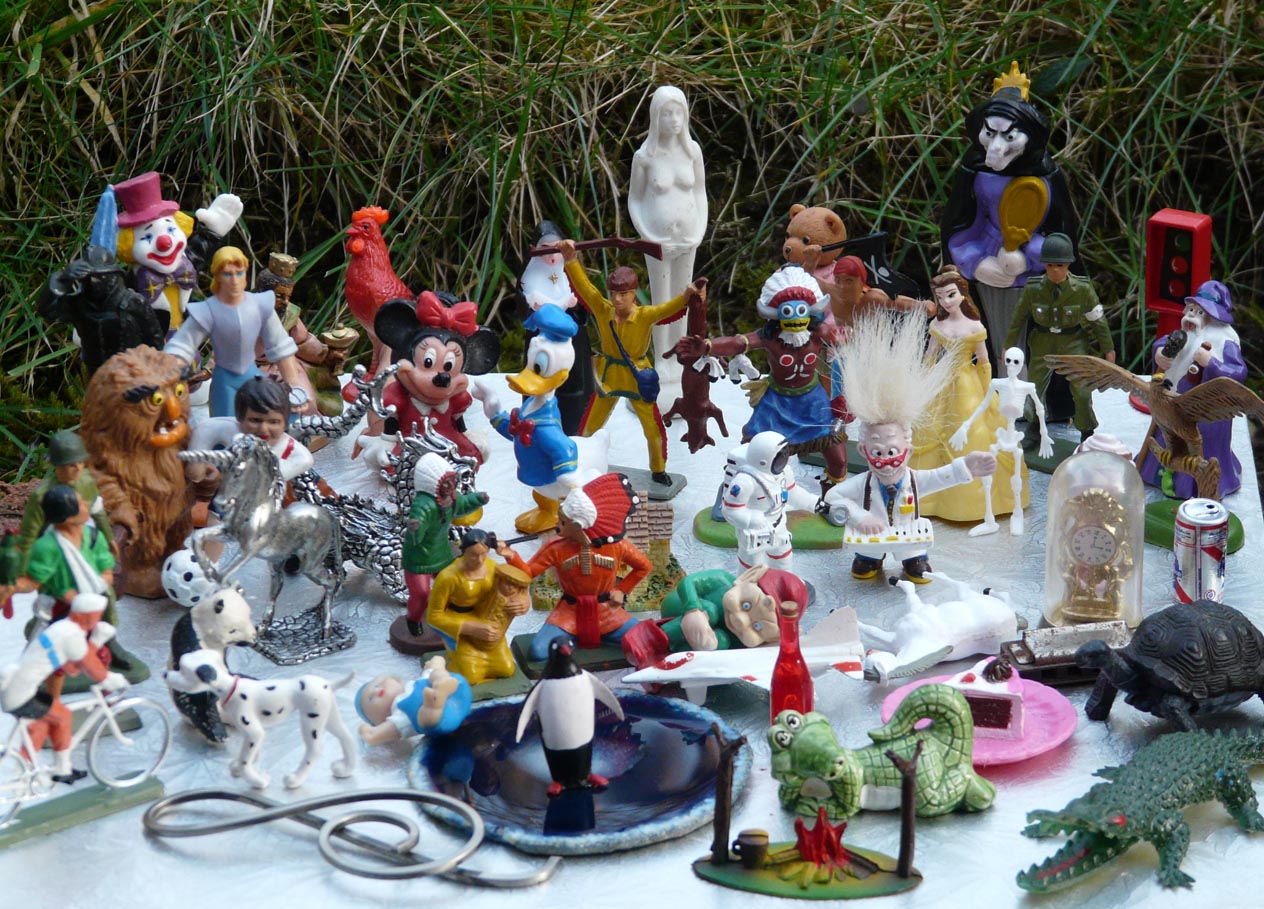
world objects for sandtray work

world objects for sandtray work

My interest is fleeting when events are contrived, plucked from the air. Characters convince me when they are embodied and grow around obstacles, reaching towards the light, while spreading roots and producing seeds (new thoughts,) even when they come from mythical creatures, kings and slaves of the past, or explorers of distant futures. As long as events happen in a believable psychological setting, I engage.

Then again, I’ve been convinced by writing that made no sense at all, until, with a little patience, I discovered a new comprehension shining through an abstract form. It’s a wonderful feeling, and important feedback for writers, who may be surprised by what is evoked in readers. Once I finished my present project, I intent to spend more time on reviewing – a most giving art of reading.

Stories for stories sake can be dull, while stories in which nothing much happens outwardly can be riveting when they resonate with the human condition, where, quite often, what seems true becomes false, and what seems false becomes true.

It is said we write the books we want to read. When writing, I search to combine words that convince intellectually and emotionally, until something true is mirrored back. Maybe what I’m hunting for in my reading and writing are fitting metaphors for the miracle of existence.

I always delight in discovering neglected writers, like Marlene Haushofer,  or the poet W S Graham, whom I wrote about here as part of a post in Sept 2013.  And beyond new works, there are innumerable old favourites, including H G Wells. The link connects to a post I did about one of his lesser known stories.

Thinking about photography, my other passionate reading, I was inspired by Henri Cartier Bresson – the link leads to my post about him.  And here the archive of the street photography of Andre Kertesz – enjoy.  I’ll leave film alone, that’s a whole other story.

What are your reflections on reading?


Some related blogposts:

Storytelling and the primary world.

Mother-tongue and other tongue.

Memory and Place.

11 Comments

Filed under Blog

… dream – a storyteller teasing my dad …

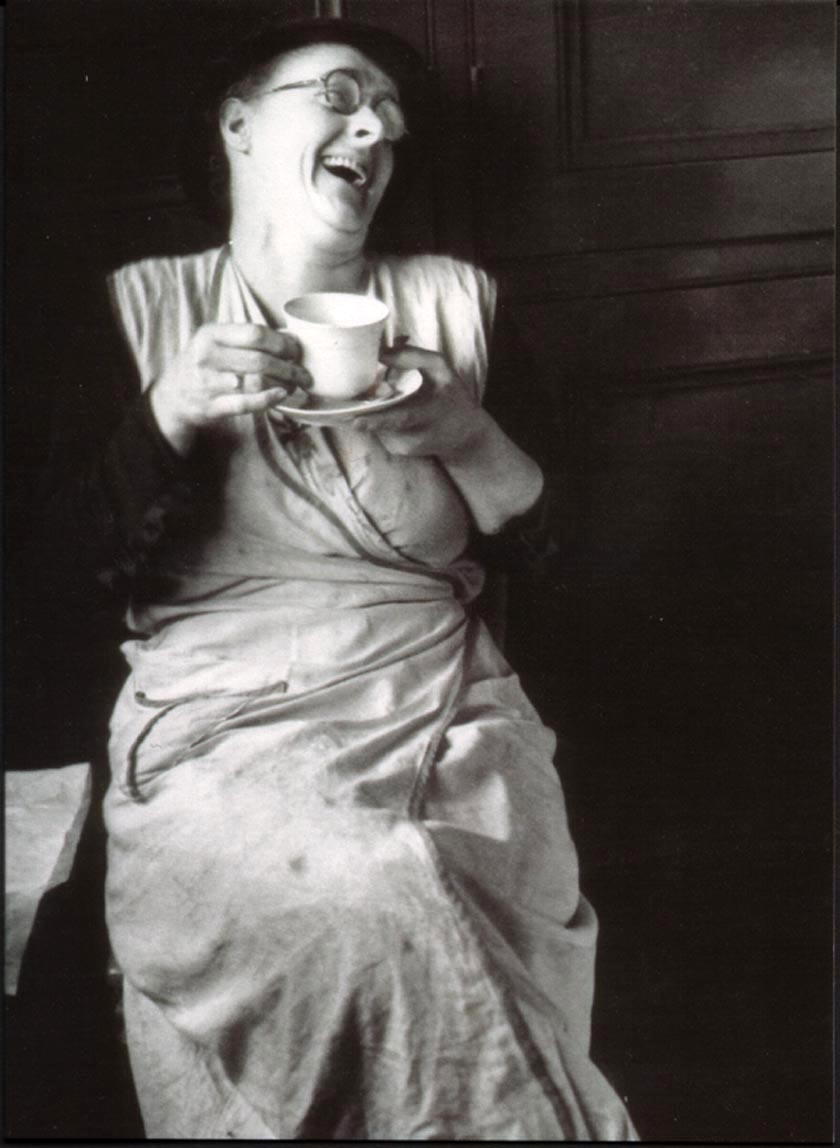
I love this image, but can't find its source,, apologies to the photographer.

I love this image, but can’t find its source,, apologies to the photographer.

Two nights ago, an enchanting storyteller appeared in my dream. She glowed from within, embodying her yarn with captivating gestures, her eyes saying – you’re loveable. Her whole being was a joyous dance. She flicked her fingers before my father’s face, touching his chin – making him laugh – his freed anima, maybe?

Ah, dreams are wonderful, unpredictable like liquid mercury, living silver flowing into shapes.

It was heart-warming to see my father laugh and absorb the affection, the irreverence, the humour. He did not retreat into silence before the piercing wit of the storyteller. The probe was softened through caring eyes … a miracle.

Alone, I could not have invoked such light-hearted banter with a father, who pulled the drawbridge to his heart ever since I dared to think independently. The dream vision lifted the cloud of my helpless woe.

After the dream, I recalled part of a poem I wrote long ago. Daughters may recognise the patriarchal fault in the lines of this poem, the discrepant realities that want bridging. It’s the same old story that could teach us, in the words of my late teacher, Fazal Inayat-Khan:

‘We are not here to agree with each other, but to create beauty.’

Truth worth seeking springs from the middle of each moment. Evolved individuals don’t see a women as inferior to men. The concept has harmed, and still harms, the psychological growth of both men and woman. Yet the deeply-etched hierarchical system keeps working its mean distortions across the globe.

He rests in stasis – cast in stone,

placed high in a niche

of this grand cathedral.

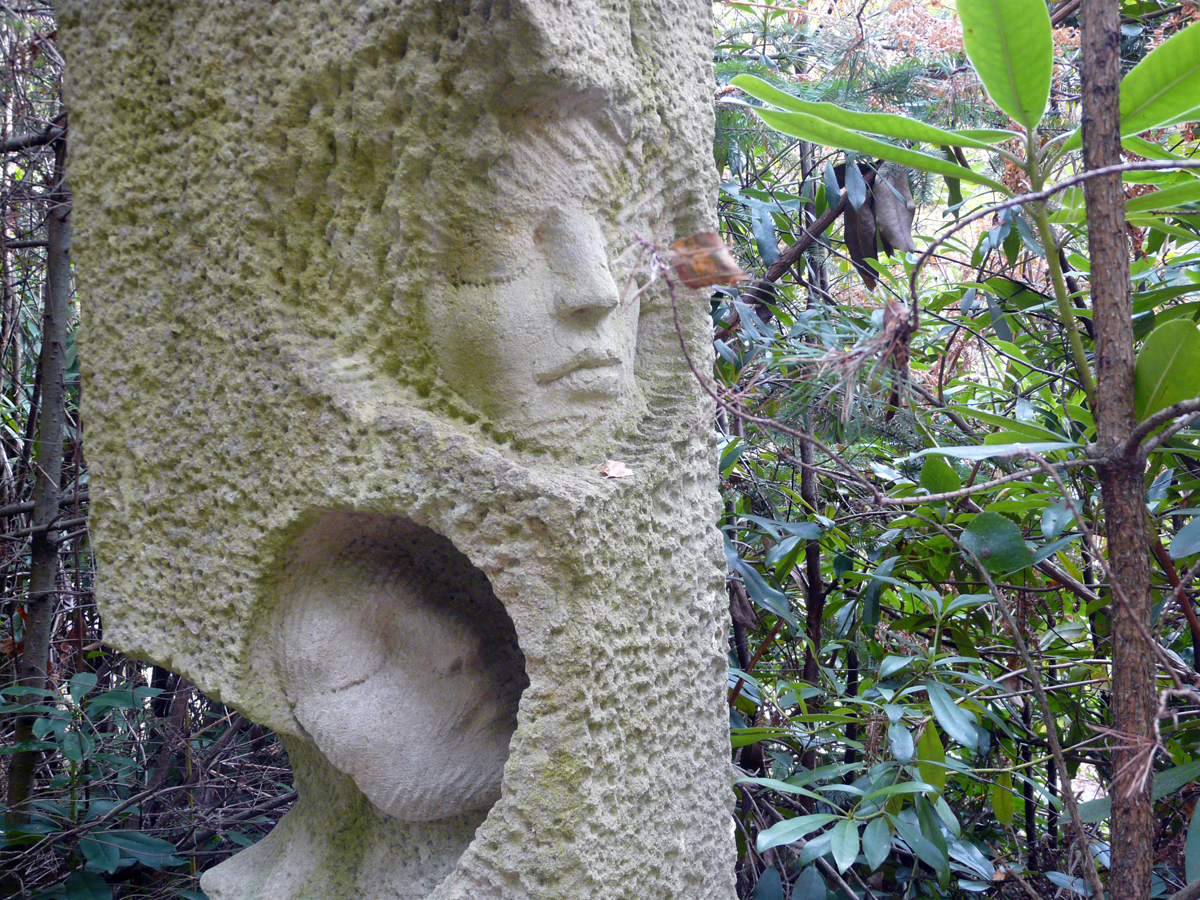
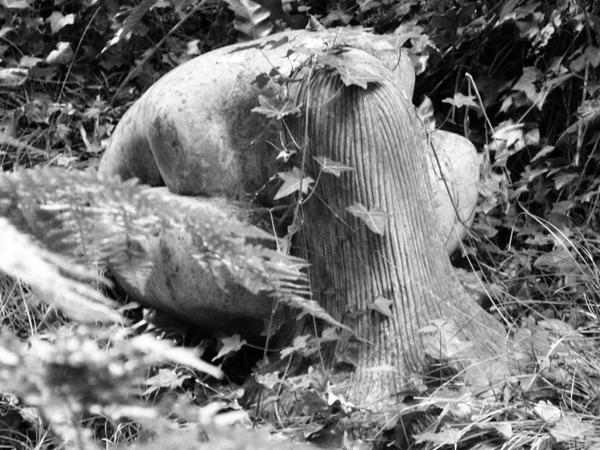
Sculpture Park, Churt, Surrey, UK

Sculpture Park, Churt, Surrey, UK

His daughters wake

and dare looking up.

What are they meant to do

with this apostolic vision

in their genes?

Someone tell them now,

tell them how the vacant room

was always theirs to own.

Here – sun streams through

rounded glass – crimson,

amber, cobalt, gold and green

play across crisp white walls.

Here – colours soften light,

a child can breathe deeply,

is free to release stale sorrows

and style fresh dreams.

Dad, we kick your ghost

out of here … no more

bargains with your fear.

What’s the cause of this stasis, so feared – like dying life, or living death? I think it’s war, each new war piled on top of other wars, and the unbearable injustices my father, many fathers, and mothers, were, and still are, subjected to. I shake my head, I nod my head, and somewhere between all contradictions I must accept the inherited traumas of humanity and seek life and joy with each new day.

14 Comments

Filed under Blog

… the gulf between writers and readers …

This post was sparked by a stimulating and taxing interview Philippa Rees conducted with the writer Vivienne Tuffnell  P1060427lower - CopyThe interview attempts to re-define the gulf between writers and readers in the way commercial algorithms define values for readers, blanking out the appearance of new green shoots.

This disrupted my sleep, in addition to lots of other stuff going on, so I tried stepping back for a wider perspective. No answers, only a few muddled reflections …

My generation, whose early years were without TV, needed to adjust to rapid periods of change, particularly the change from analogue to digital recording, – two entirely different metaphors. The true significance of this shift has not yet been absorbed by the general public.  In a dissertation during a sabbatical film degree as a mature student in the mid-nineties, I quoted Jean Baudrillard  who saw the forced silence of the masses no longer as sign of passivity or alienation, but as ironic and antagonistic. He commented on the strategy of the masses:

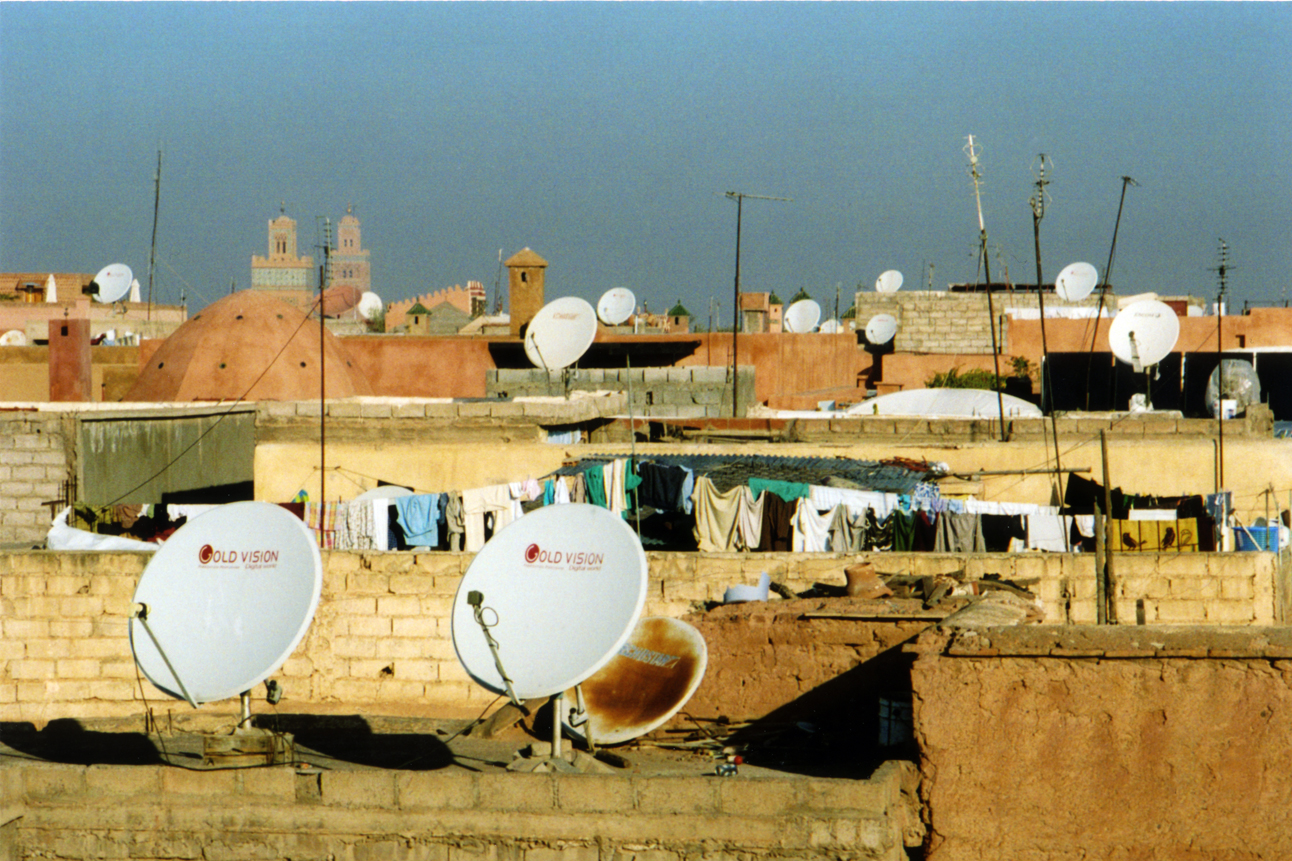
‘… refusal of meaning and refusal of speech; or of the hyper-conformist simulation of the very mechanism of the system, which is another form of refusal by over-acceptance. It is the actual strategy of the masses … it is the winning one today, because it is the most adapted to the present phase of the system.’ Moroc, Marrakech Riad roof, golden vision - low
I recognised this as the Zeitgeist  gradually reaching across the globe. My continuous studies, driven by curiosity and endless questions, prepared me, but I still find it difficult to accept a reality where, for many otherwise intelligent people, the beautiful term ‘soul’ has lost its impact. I place the word carefully in my work and in my writing to avoid bias. Marion Woodman  uses it powerfully … ‘Our very survival depends on spirit embracing soul.’  

The quote becomes poignant through experience, not theory.

Don Cupitt – a philosopher of religion who rejects authoritarianism, once said … ‘The soul, the self, has died. The self in an animal with cultural inscriptions on its surface.’ Sobering, and true, depending of course from which plane of experience one perceives.

In our present culture the commercial speed train whistles through every zone of life. Publishers are among many enterprises struggling to survive amidst overproduction. The ‘Road Closed Pending Repairs’ signs Philippa refers to in her interview grow like mushrooms. Small businesses, for example, vanish at an alarming rate, at least in my little town. Be it a supermarket or a bookshop, I’m bombarded with buy-one-get-one-free or two for three offers. Plenty of people I know look beyond the more-is-better and cheaper hype, but their numbers won’t topple the algorithm-driven logic of mass-cargo firms like Amazon (click for latest newsletter.) Their long term strategy is to please the consumer, which, now, increasingly, includes writers who self-publish … To make profit in an oversaturated market requires ever-new smart inventions.

Works not created from templates, but from inside out, which, sigh,  includes my novels, will struggle to find a position on consumer maps. Traditional meanings are collapsing.  New genres for books are proposed. The box marked cross-genre sounds like a stir fry of left overs. How, as a writer, does one shoulder the marketing speech for novels not fitting into boxes? Crime? No! Romance? No! Religious? No! Paranormal? No! Sci Fi? No! Fantasy? No!

The distillation of a life’s experience, a work of creative imagination? What’s that?

Authors of such ilk have the formidable and possibly worthwhile task of writing their own obituary. Are any of the thoughts a writer expresses original? I don’t think so. Thoughts happen to us. What’s original is their processing and linking based on personal experience, which may offer a new window of reference. I look at my bookshelves and ponder what I would have missed had the authors whose works snuggle up to each other had lost faith in their work. Few commercially produced genre books leave impressions that live on. They’ll drown in ISBN databanks. Our shelves at home hold unique books that surprised and inspired us over the years, and until we become cyborgs and can, with a mere thought, make book pages fall open on any surface of our choice, this will not change soon.

I admire self-published writers. Vivian published several novels herself,  as did Philippa, which speaks for their tenacity and belief in their work. And I admire Philippa’s poignant questions, and how Vivienne exposes herself to them …

the very uniqueness you want to write about? Could you define why that is so difficult? Is it simply too much surrounding noise? Or something else?

‘… is writing the way in which we confront out existential loneliness, and are readers who ‘get’ and share that now the substitutes for lovers?’ 

MercatsSuch questions and similar ones are worth their salt, and expose our vulnerability … do writers, any artists, want to be truly seen? Is one person’s interpretation of truth going to be interesting to others? Will the public feel preached to? Such questions haunt many of the most inspired artists, poets and writers who weave works from layers and layers of their psyche. To expect an instant resonance from crowds will bring deep disappointment.

And yet, the most deeply personal experiences, combined with some magic ingredient of presentation, can, over time, have universal appeal. Stan Brakhage, an experimental filmmaker, put it this way … ‘I had the concept of everything radiating out of me, and that the more personal and egocentric I would become the deeper I would reach and the more I would touch those universal concerns which would involve all men.’

If I’m positive about the future it comes from an understanding in tune with Walter Benjamin  … ‘Technology, instead of liberating us from myth, confronts us as a force of a second nature just as overpowering as the forces of a more elementary nature in archaic times.’

To me, this means learning and unlearning accelerates in condensed time. Think how we make ourselves visible by blogging. How brave and scary to step in front of a public mirror … Virtual or not, the psychological process of engaging with virtual friends and foes is totally real. Sherry Turkle expressed this … ‘I believe that our experience with virtual reality, with artificial life are serious play; our need for a practical philosophy of self-knowledge has never been greater.’ My self-understanding is now aided by the relationship with people I have not met face to face – I never shook hands with or exchanged a hug with Vivienne, but I emphasise with her loss of joy, and her frustration with the ironic and antagonistic attitudes of people who belittle deeper strands of truth for fear of looking inside, and the sense of being a square peg that doesn’t fit the neat round hole of genres and algorithms.

Many writers will recognise these obstacles, including Philippa, and myself. How do we attract and persuade people to sample the green growth in our plot? At the same time, I’m convinced we are co-creating artists of our continuous self-invention. Mourning a not-yet existing frame for our work  might hinder this process, which moves and dances naturally through each breath. And I’m heartened by how writers and poets influence us over time.

A poet and mystic from over 800 years back examplifies this phenomenon …

‘The minute I heard my first love story I started looking for you, not knowing how blind I was. Lovers don’t finally meet somewhere. They’re in each other all along.’ – Rumi


20 Comments

Filed under Blog

… Marlene Dumas – an Exhibition …

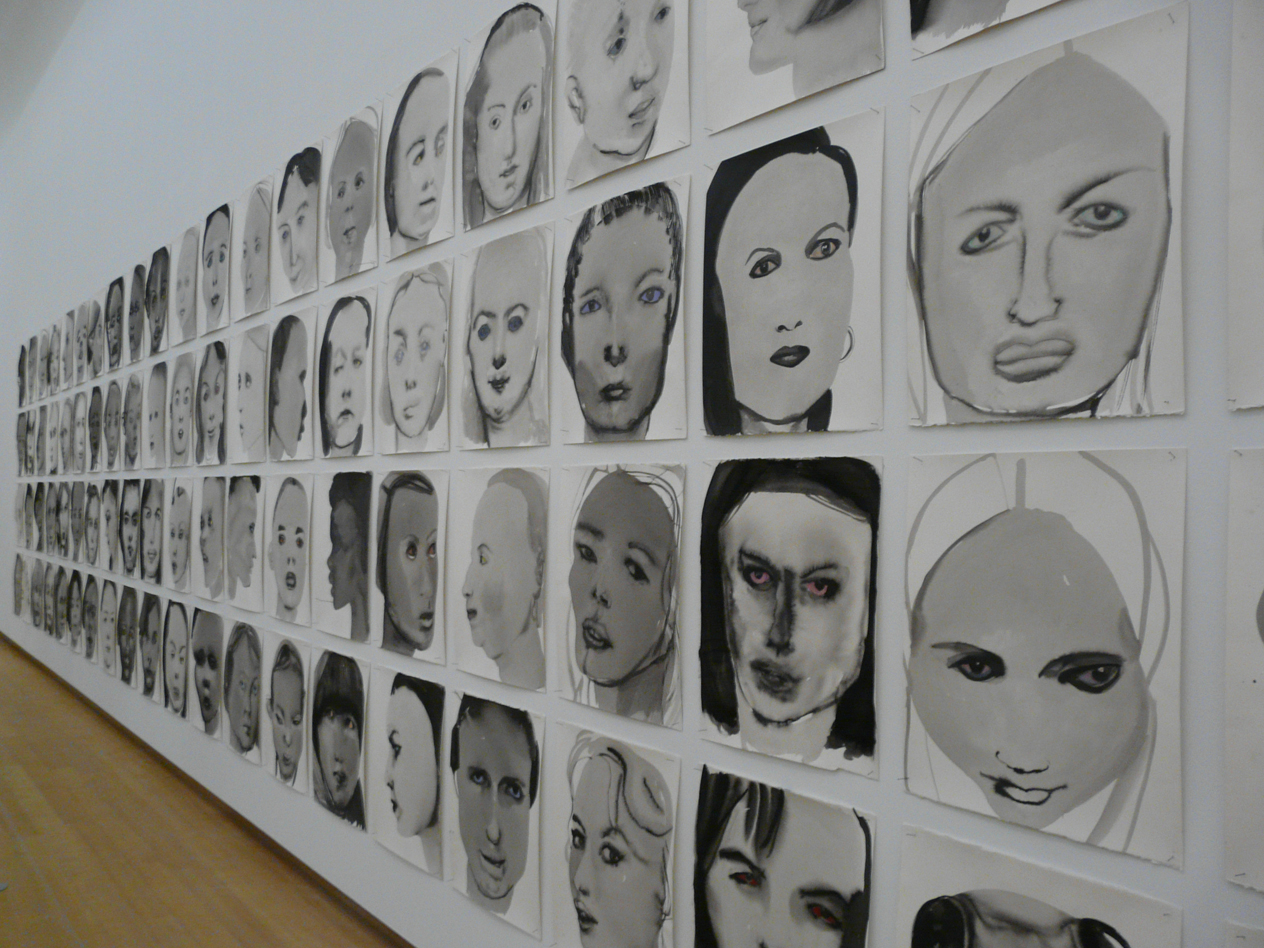
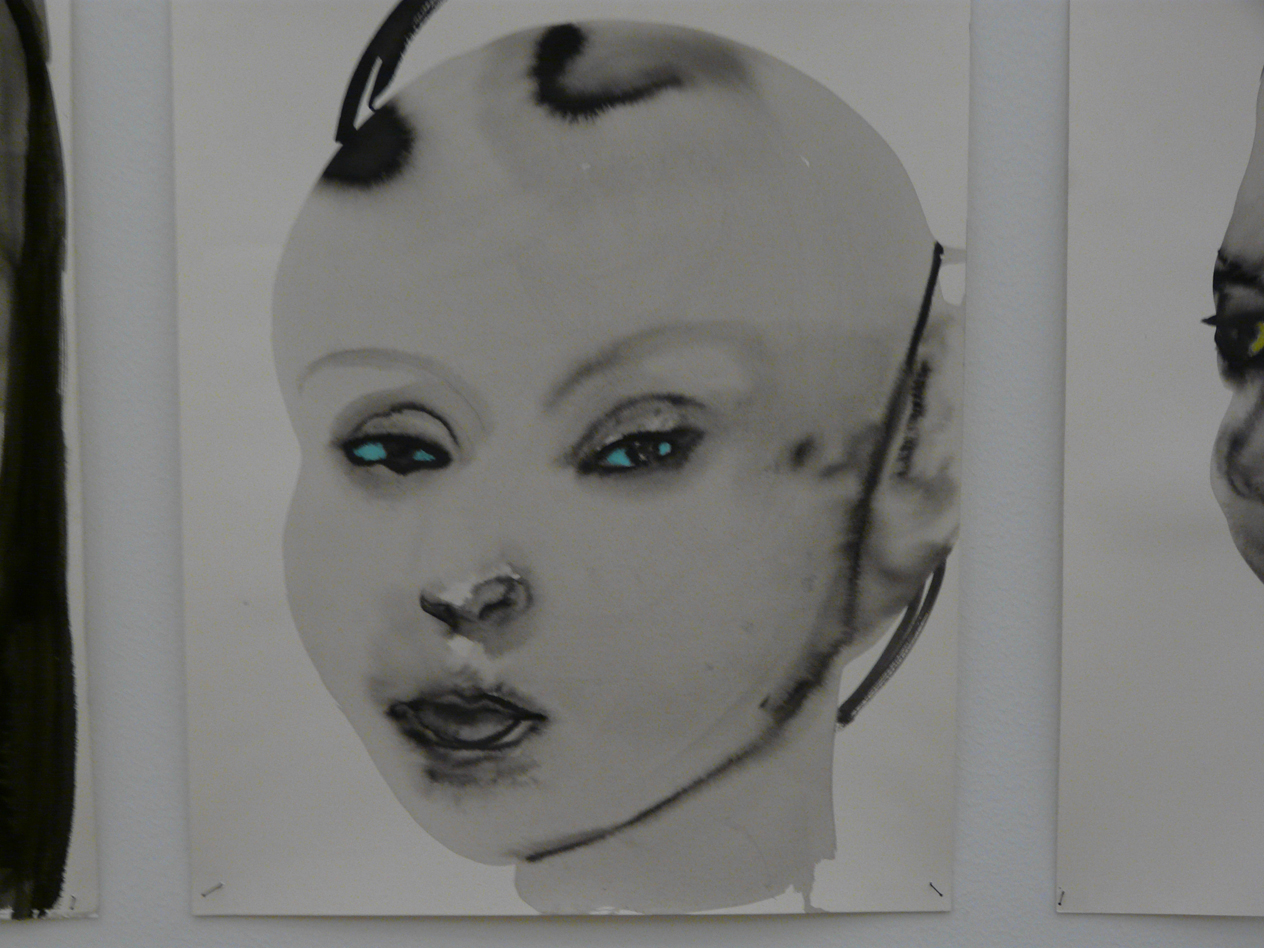
During a few days over Christmas in Amsterdam friends took me on a culture trail, including a retrospective exhibition of works by Marlene Dumas, titled – The Image as a Burden – in the Stedelijk Museum.

P1060937 - smaller

P1060938 - smaller

A wall build of faces, a collection of close-ups, done in rapid strokes of ink, dislocated in their white squares, but for the eyes that gaze and mirror the viewer, eyes that convey the familiar moods of the human situation, flawed and uncertain, known intimately inside every heart around the world.

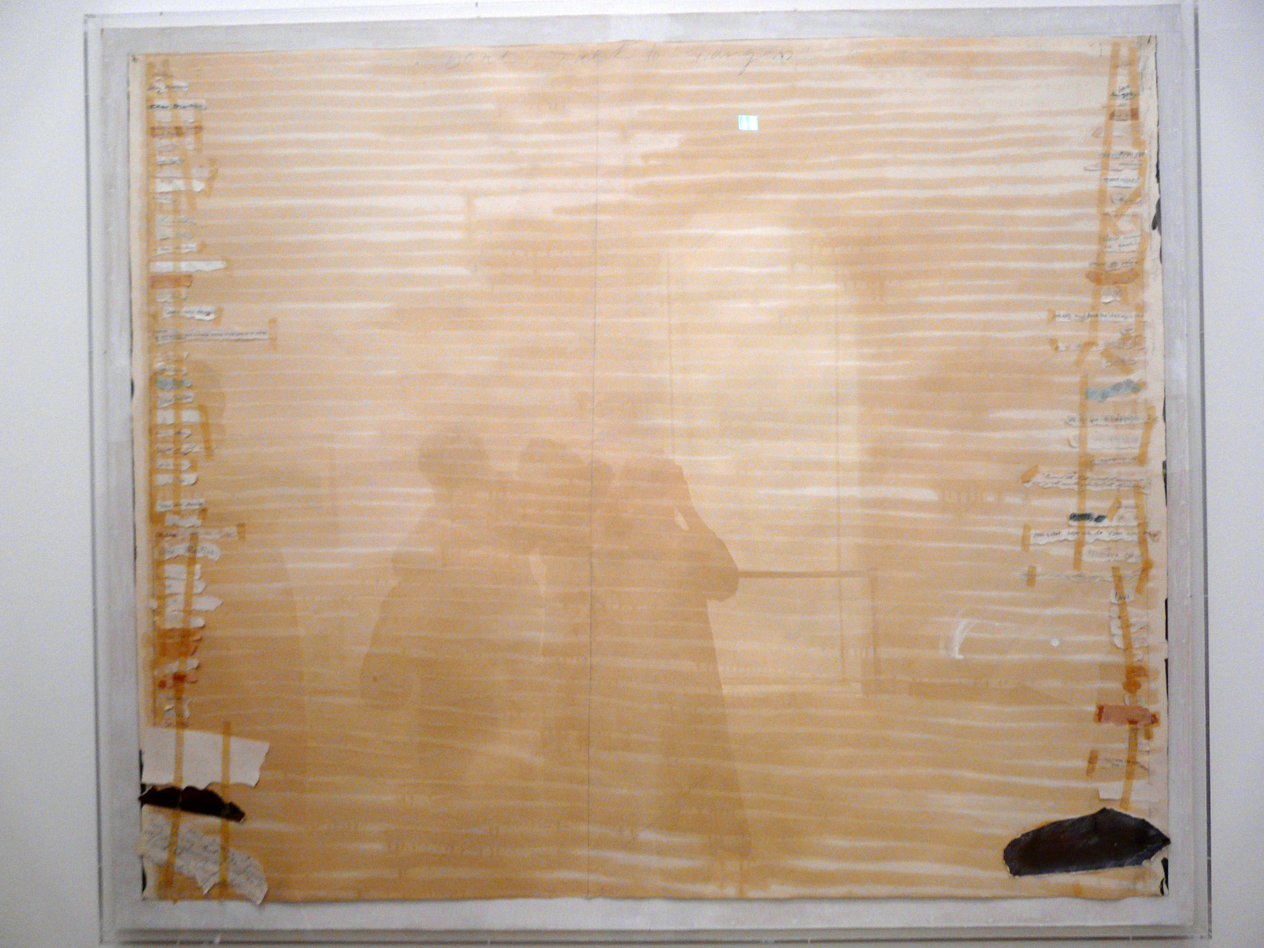
Don't talk to Strangers

Don’t talk to Strangers

A theme of dislocated, suspended identities, with seemingly no place to hide, shuffled like playing cards. And yet, their missing context conceals stories … like the wide gap between the opening and closing phrases of personal letters in this early image on the left: ‘Don’t talk to strangers.’

I pondered the title of the exhibition – The Image as a Burden – and thought how we personally relate to images. What they evoke may home or clash inside of us, or, equally, home or clash with a multitude of perceptions other people have, pushing us again and again through a psychological birth canal, ever new encounters with the beginning of life, with desire, loss, death and grief.

Dumas’ paintings seem to hover above a threshold, between extremes, confronting with the uncomfortable truth of our vulnerability. The images provoke, disturb, repel, and also deeply move. Her sources are second hand, mainly from a huge archive of photographic snapshots and prints she continuously collects from magazines and newspapers.

In her words … my paintings are closer to the world of spirits and angels, daydreams, and nightmares than that of real people on the street.

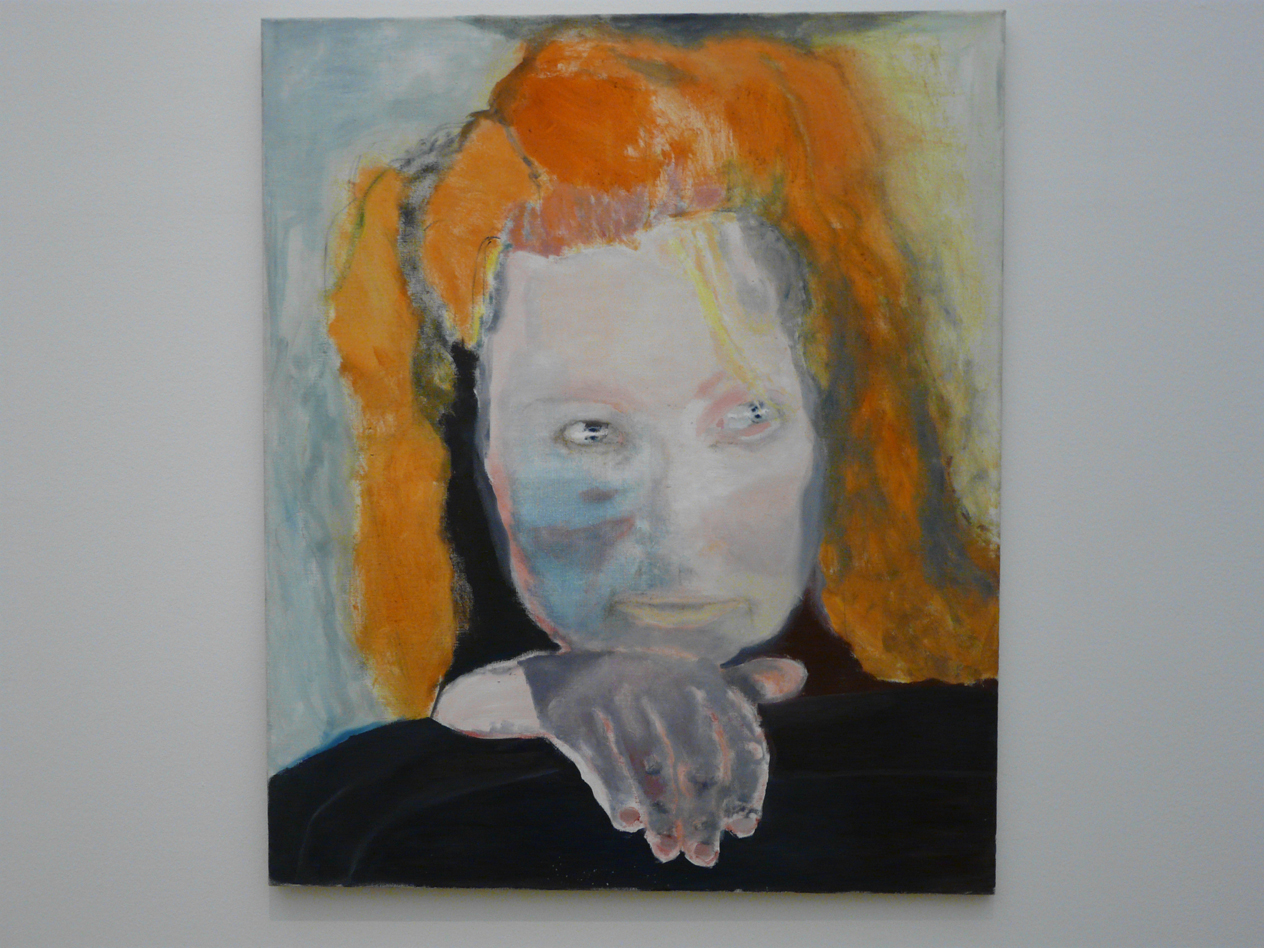
The self-portrait 'Evil Is Banal'

The self-portrait ‘Evil Is Banal’

Private collectors are said to have a strange emotional attachment to her work. Once purchased (at astronomical prices) they find it difficult to let them go. Why is that?

*    *    *

Marlene Dumas was born in 1953, in Cape Town, where she did a Fine Arts degree. In the 1970s she came to the Netherlands on a scholarship and since settled in Amsterdam.

*    *    *

The show is moving to London’s Tate Modern in January.

4 Comments

Filed under Blog

… sharing a heart-warming present …

A few years ago I decided to value my writing enough to make sacrifices.  I’ve since devoted every spare moment to this solitary word-sculpting activity, with no idea where it will lead, and therefore feel tremendous joy whenever my compositions arouse curiosity, and especially when someone groks the universal myth I struggle to filter through my individual imagination, my psyche.  Why do writers, and artists, share the facets stirring in the depth of their soul without the promise of a resonanating  audience? … It’s a mystery.

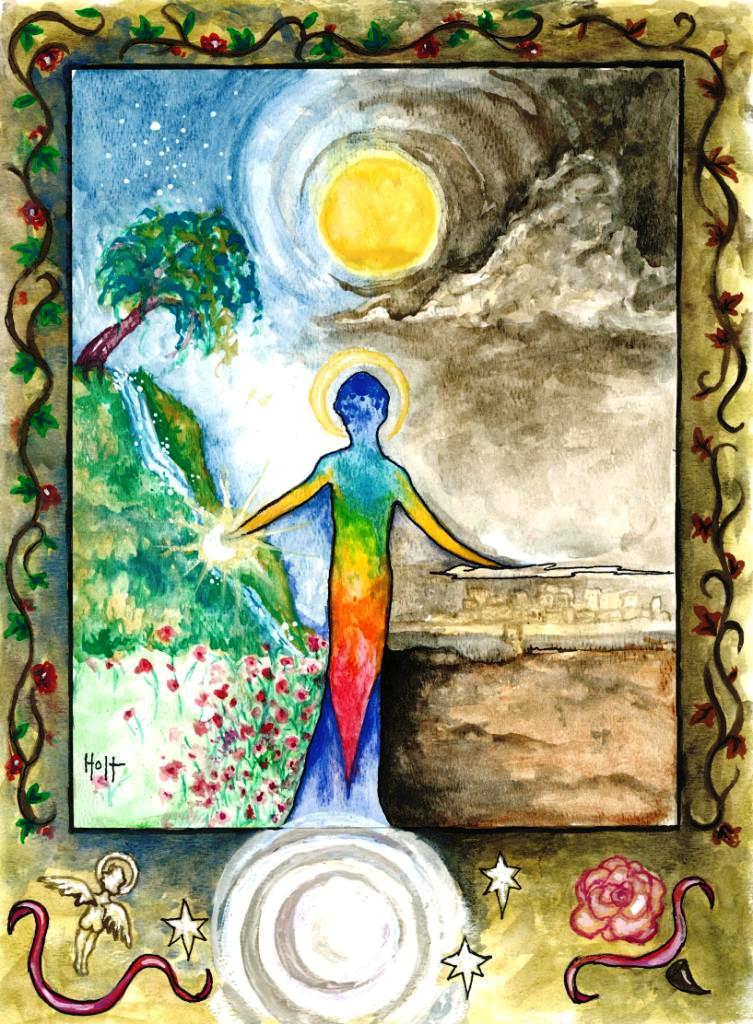
Image by Cynthia Holt JPEG riverside8

Cynthia Holt, living on the other side of this planet, created this painting for me, inspired by two of my poems, Riverhead, and Sleeping Sun … It struck me that the image relates, in essence, equally to the constellation of my novels, yet to be published.

Thank you, Cynthia, for your spontaneous offering. It speaks to how, through interconnections, face to face, or in the realm of the virtual web, we stimulate each other’s creativity.

The image can remind us of the two worlds, indispensable to each other, which we bridge – and how against the canvas of pregnant darkness, the spirit’s eternal light defines our unique myths towards consciousness.

A peaceful Christmas time, and abundant Blessings for the New Year to all …

I’m looking forward to spending a few days in Amsterdam with friends and family.

Since I posted this, Cindy has done a most beautiful post on her mermaid tavern site, including a poem by T S Eliot, a song, and a chart of the Hero’s Journey.

http://mermaidtavern.net/1/post/2015/01/the-law-of-three-artistspoets-and-quantum-physics.html

15 Comments

Filed under Blog

… mood swings …

A strong spirit can be dampened, sometimes at birth, sometimes through a later trauma, but with care, it can also be nurtured and strengthened. And like an effective immune system, it helps us to adjust imbalances in mind and body. The link between spirit and the immune system tends to be ignored when resources go into fighting the seeming culprit, historically blamed for imbalances, the intruder. True listening and welcoming a dialogues with the enemy are rare.

Churt Sculptor Park

Churt Sculptor Park

A recent Health Survey reports that nearly half of England’s population is on prescription drugs. And today’s news highlight once more that super bugs are on the rise. Factors that dent the spirit are not taken into the equation. When one observes how some of the dehumanising complexities of our systems wear down the dignity of people, it’s easy to come to the conclusion that depression is a sane reaction when there seems to be no light ahead.

Medicine is often the only immediate way a severe depression can be eased. It should however concern everyone that depression is on the increase, a development which, in my view, genetic markers acknowledged, expresses the collective state of our society and, again in my view, how the most sensitive people carry the imbalances of the system for the rest of us.

I’m a rebel, and while severe depression evades me, I experience mood swings. Once in a while I’m struck by a state of futility – about hyped-up news selling fake realities, the lunacy of ignoring the gulf between the rich and poor in the world, the exploitation of planetary resources, the abuse of personal data, cold callings, small businesses and communities disappearing, and the shopping mania in supermarkets. Add to this a personal loss, or simply an accumulation of irritants, and you have potential triggers for depression.

When something feels wrong in my heart, I bolt. Yet integrity is costly when security, health, loyalties, disillusionment and emotional dependencies are involved, then ‘NO’ carries risks. Stories told in many counselling practices focus on pressure at work, incessant changes of procedures , bullying and subtle manipulation. Complaints backfire because managers are themselves under stress. There follow negative loops of thoughts, the inability to relax, lingering anxieties, and also bursts of anger. Underlying these stories is a sense of powerlessness that brings about psychological regression, which can be an opportunity to find a gentle ‘yes’ for oneself, were one able to bear the consequences. Young or old, alone or in relationship, there is often a sense of feeling trapped, despair, a flattening of vitality, joy and compassion for oneself and others.

P1060863 smallerDepression seems to mark our time and is in dire need of acknowledgement. Besides medication and therapies, an honest assessment is vital – of how simple human needs for creativity, and expectations for love and appreciation are frustrated. I’m lucky in that I sleep and dream well, and generally recover from my mood swings. Apart from smoking rollups and drinking wine to relax, in moderation, I also have a default mode, where the world turns not so much unreal, but surreal.

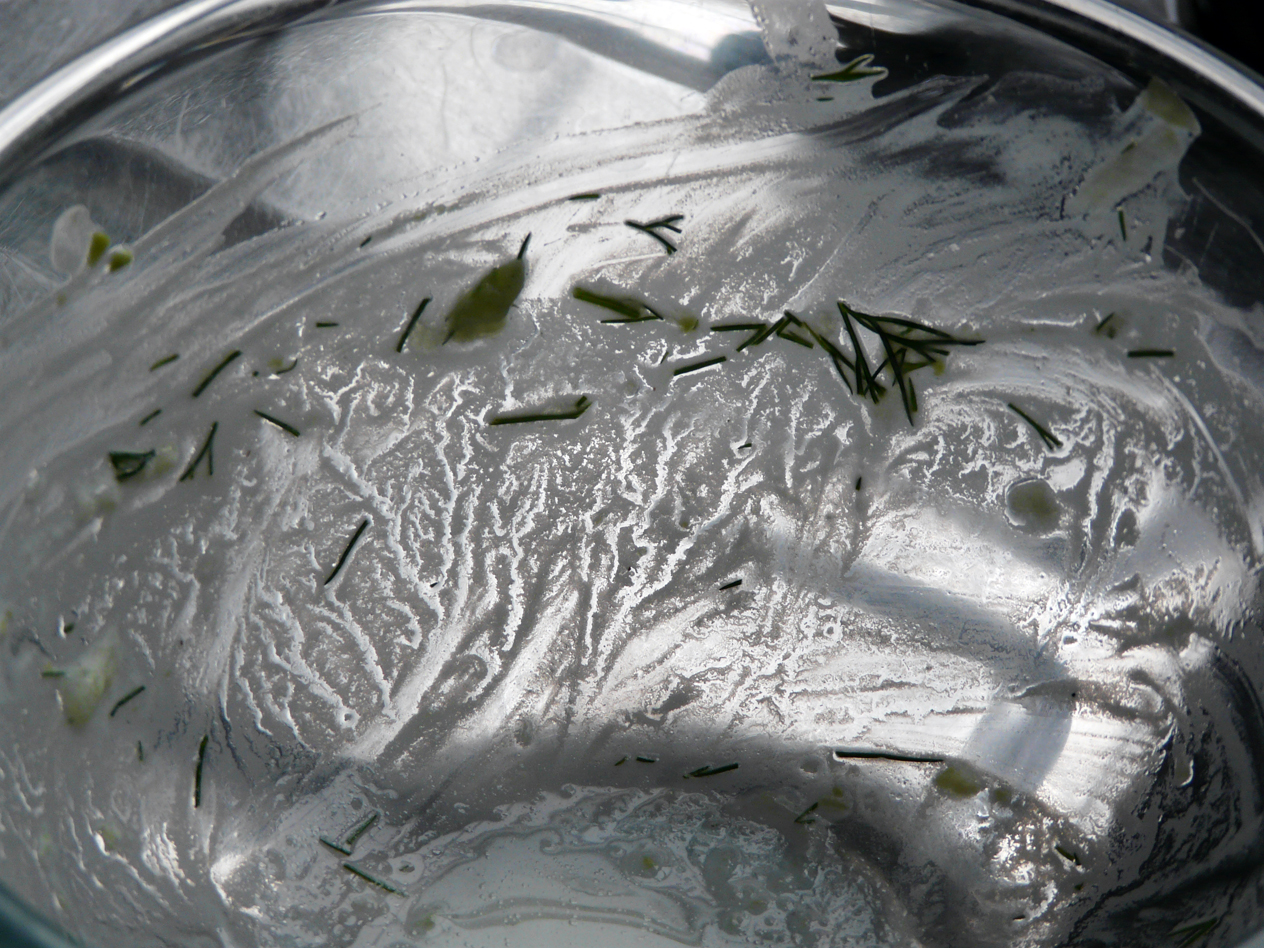
P1060866 smallerMy spirit of independence refuses to be intimidated by the collective idea of what is real. I find beauty in small things and unique moments that give me pleasure. For example, I see the shadow of socks on the washing line and candles waving to each other, or the cucumber salad dressing resembling a river delta, or ancient trees … that’s the drift …

I switch to patterns in other than economy sponsored realities. I dream up stuff.

Being curious, I’d like to know about your ways of dealing with mood swings, or depression, or anxieties instilled by the media. How do you manage the rapids of sensational information? Do you have secrets of becoming? Do you swim against the established order or do the unexpected? Do you have moments of pleasure? Do you have gifts of resilience to share?

‘All we see is a false capture of being: a time grid.’ Fazal Inayat-Khan.

Based on statistics, I predict that the sun will rise tomorrow.

http://aeon.co/magazine/health/is-preventive-medicine-its-own-health-risk/

29 Comments

Filed under Blog

… not now – later …

my little hero

my little hero

Each new generation tends to be smarter. While living in rural Somerset, I observed our four-year old son’s play-acting in the garden from the kitchen window while washing pots. He explored his sharp-shooting skills with wooden blocks, building, destroying, building, destroying, building; and so on … it was his new idea of fun. His aiming was good.

Pots done, I attended to the next task, fetching the milk from the street-hatch, left there by Hope, our farming neighbour. She had poured three pints of milk into a bowl and covered it with a cloth. The cream had risen to the top, ready to be skimmed off, which led on to the next task, preparing the dessert for a birthday meal. At this point my son came rushing into the kitchen, wanting me to witness and applause his new sharp-shooting skill. My brain cells were committed to preparing walnut ice-cream.

I said, ‘Not now, later!’

This trick normally worked for a while, but that day he stood his place, watching me with a quizzing look.

‘When does now end?’ he asked.

Casting my eyes to the ceiling for help, I said, ‘Actually, now never ends,’ realising instantly I was in trouble. The child’s superior grasp of logic would demand, at least, a meaningful explanation, and I could loop myself into philosophical twists. My son had no need to query my shrewd answer, he went one better.

‘So when does later start?’

Time to admit defeat. Drying my hands, I said, ‘Now.’

*    *    *

The memory of the incident inspired me to draft a poem … NOW

by Daphne Joe Grant

Illustration by Daphne Joe Grant

Now is the in-breath

Now is the elusive arc

Now is the outbreath


Over and over

Out of nowhere pops the now

Or so we presume


When will we find you?

Why not tell us your purpose?

Where are you hiding?


Now is a trickster

Not taken in by mind-games

Now laughs inside us


Our time must be round

Or turn through a dark tunnel

Orbiting the now


Waste now and lose her

Weft now to now and she’ll dance

Wed now and be her


Now has no answer

Now is what is truly known

Now breathe her and bow

https://www.youtube.com/watch?v=xjwBWE64fG0 Interesting talk by Rupert Spira on perception.

A focussed mind helps us to achieve stuff, but is also easily hijacked by the rat-race, the relentless rush towards meeting deadlines in competitive environments, where no children interrupt and make us pause.

Apparently 10.4 million days are lost annually to work-related stress in the UK alone. And it costs businesses in the US $300bn (£187bn; €237bn) a year. No wonder the ‘Here and Now’ theme is in vogue again, even with hi-tech status. Take a biosensor device, called Pip 🙂 … http://www.bbc.co.uk/news/business-29742908

There is another kind of stress, less talked about, affecting those who work hard for a living, as well as those who lost jobs, or get by on little, or anyone reflecting on human qualities, while witnessing a growing social polarity … as poignantly shown in this image …

http://gerryco23.wordpress.com/2014/10/24/the-fence-between-a-world-of-need-and-a-world-of-excess/

16 Comments

Filed under Blog

… Which is Witch? …

‘Which is Witch?’ is the title I coined for a documentary I helped produce for a colleague during our film degree course twenty years back. For my younger colleague the course was the start of a successful career as cameraman, for me it was a three year sabbatical creatively refreshing my existing work.

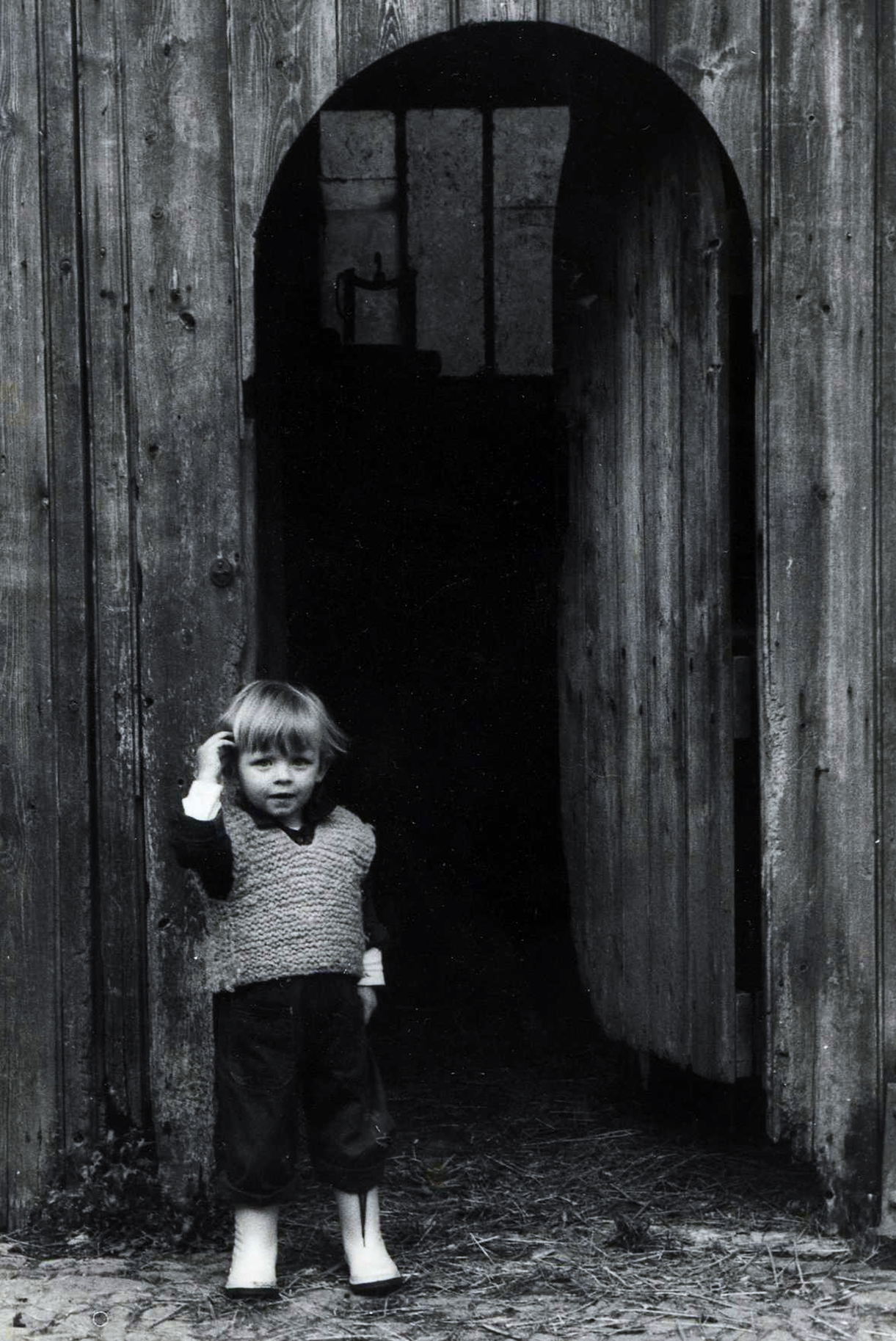
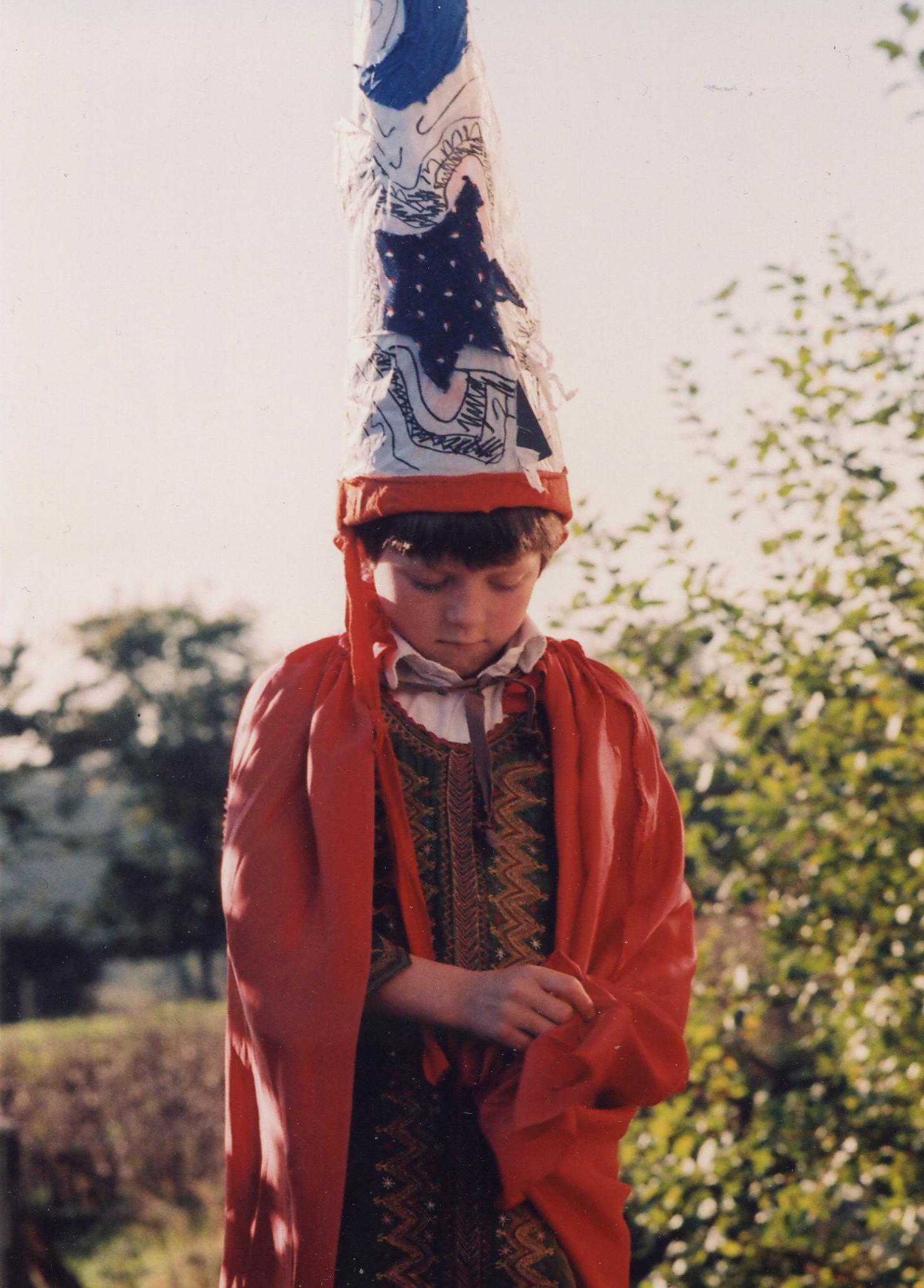
I’m all for make-believe, having grown up with Grimm Brothers’ tales taught me a few things. The other day I came upon this 80s photo of my son and recalled an incident when his favourite primary school teacher must have become a little too identified with the character of her Halloween Witch role.

Yesh img113His grandma dressing

As Santa Claus was cool fun

Yet his headmistress

Becoming a cackling witch

Stirred his first nightmare


Halloween offers a rare occasion when the dropping of one’s regular mask in exchange for another, like the archetypal witch, permits the normally hidden to push up from the shadow world, causing surprise, awe, delicious scares, and even nightmares.


There are good reasons to get acquainted with the hidden 90 or so percent of our psyche, the personal and the collective unconscious. This seems a good opportunity to re-share one of my first posts on this site, from March 2011 – well worth reading.


A Letter to my Shadow

https://courseofmirrors.wordpress.com/2011/03/25/139/

Without the Shadow I’d only be fluff on the coat of real human beings.

9 Comments

Filed under Blog