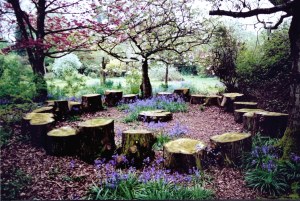
Tag Archives: poetry

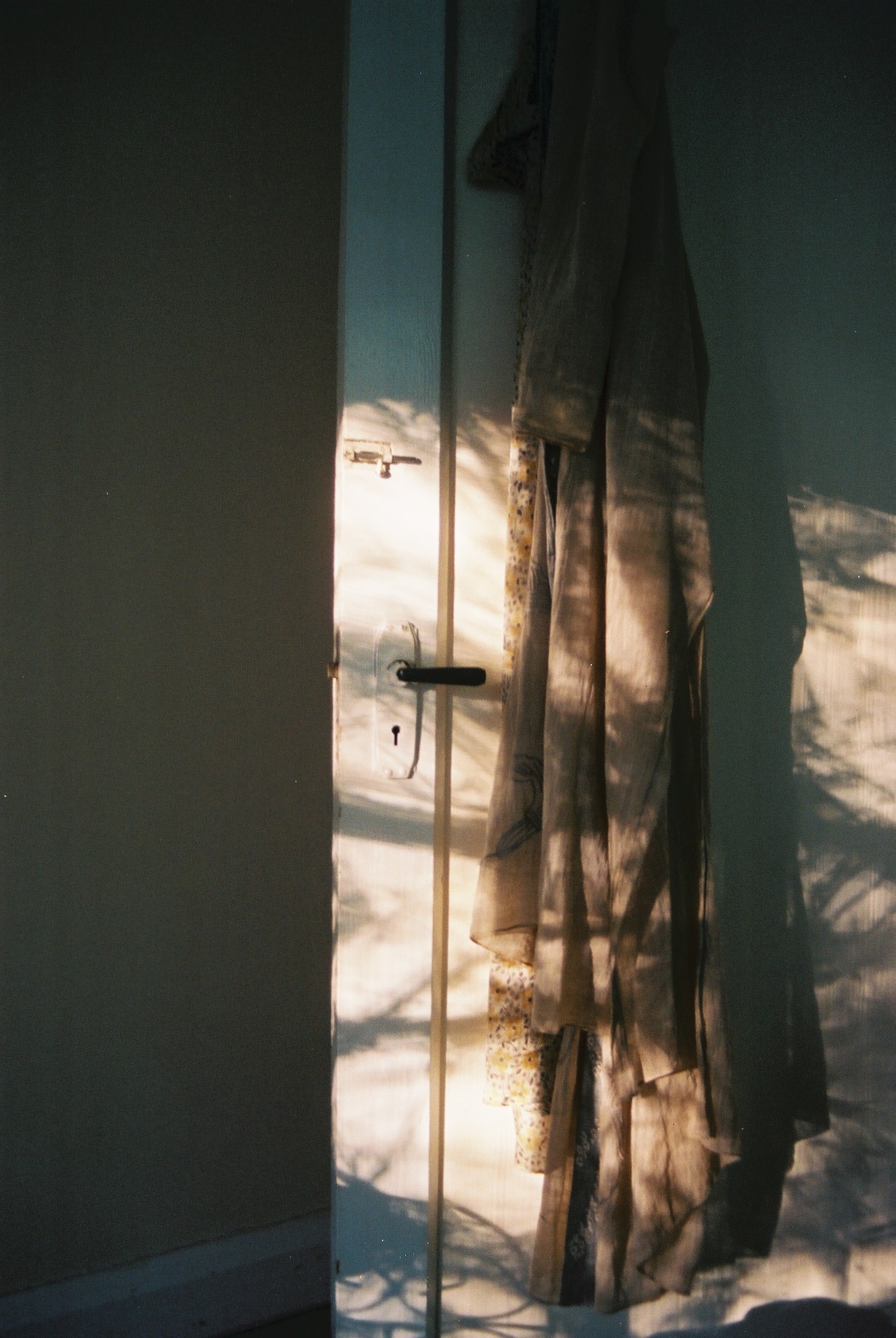
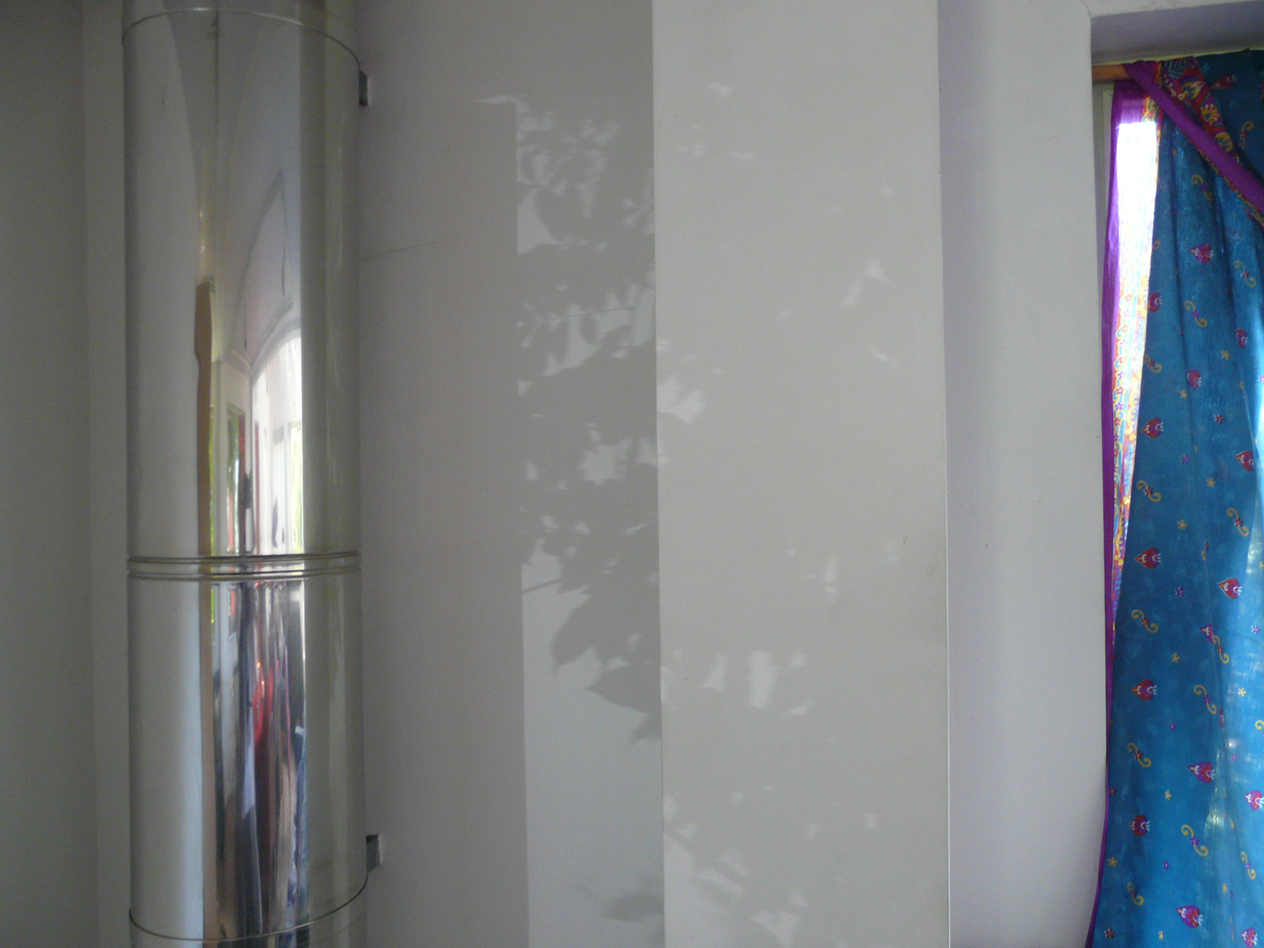
… dappled light – a vital joy …

Cello bridge two orbs surge and ebb

as gold-white-silver-and-blue

flicker through the mesh

of vapour and dust

and amid clouds and branches

needle shadow lace

through myths and hollows

in dappled light on solids

… visible pointers

Shadow on door - Copyto deep-breathing space

within – the fulcrum from whence

unfolds everything

*    *    *

P1100852 - low

I found a poem by Gerard Manley Hopkins (1844-89) – ‘Pied Beauty’ – more musical and sophisticated than my Haiku attempt,and with sincerity of devotion I can’t muster. Enjoy …

Glory be to God for dappled things–
For skies of couple-colour as a brinded cow;
For rose-moles all in stipple upon trout that swim;
Fresh-firecoal chestnut-falls; finches’ wings;
Landscape plotted and pieced–fold, fallow, and plough;
And all trades, their gear and tackle and trim.

All things counter, original, spare, strange;
Whatever is fickle, freckled (who knows how?)
With swift, slow; sweet, sour; adazzle, dim;
He fathers-forth whose beauty is past change:
Praise Him.

*    *    *

My thoughts on dappled light are a spin-off from an exchange of comments with my on-line friend Joe Linker who asked:   ‘Framing – How much light to reveal? Shuttering – How much darkness to avoid?’

Imacon Color Scanner

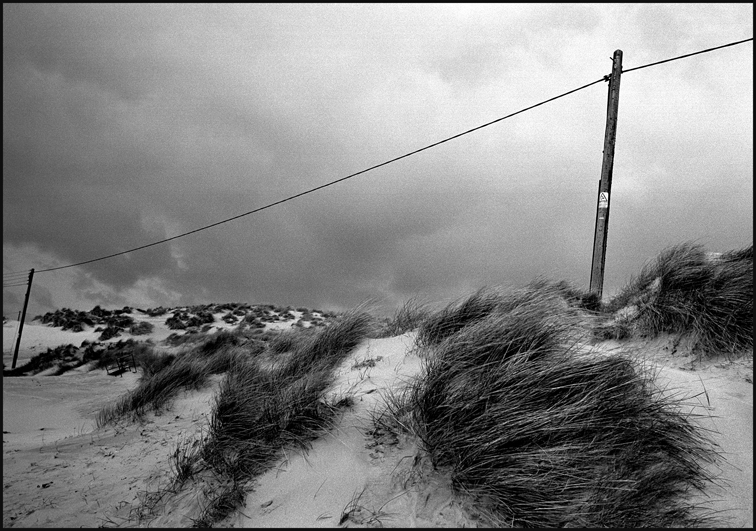
Here a scene from a stormy day in Rye with optimal exposure.

Analogue photography provides brilliant metaphors. No matter how interesting the chosen frame, shutter speed is vital. Too much light will turn the negative dense and dark, bringing bleached-out definitions to the positive print. Too little light produces a thin, transparent negative, resulting in a hard or soggy positive where subtleties of tone are lost. The amount of light is regulated by shutter speed.

In writing this is equivalent to the balance of rhythm, sound and shape of words drawing you into the frame.       I’ll keep practising 🙂

20 Comments

Filed under Blog

… a tribute to snags …

I’d make a lousy fundamentalist of any kind, and was probably born with negative capability http://en.wikipedia.org/wiki/Negative_capability and a tendency to daydream and contemplate life, skirting extremes, which makes my voice almost inaudible in a culture where sensation trumps. It also means I procrastinate on tasks that need doing, until a snag propels me to act.

CNV00003 - copy 2

One morning last week, easing myself into the day, the shirt I dusted in the cool morning air was trapped when I shut the back-door; next the sleeve of my pyjamas got caught while I closed the lid of my coffee tin. SNAGS – their repetition blinked a green light for associations and made me think of dreams, how they sneak into the daylight via signals. With only a vague memory of my dream, I followed an impulse to catch up on practical tasks round the house.

A shelf in my shed needed fixing. It had crashed, bringing down an array of cans, sprays and sealants. In the way one thing leads to another, I sorted and dumped stuff, and dumped some more – making space. Seized by the flow of action, I de-frosted the freezer, thinned the ivy round the shed, cleaned windows, filled a sack with confidential papers for shredding, loaded the washing machine and made some overdue phone calls … all amounting to what I call a BLITZ day.

Knocks from the dark, SNAGS, help me overcome procrastinations. BLITZ is how I operate to gain periods of laziness. I’ve learned to humour my inner driver (superego) and made peace with Lazy.

Dark of beginnings

Flees the meddler

The shrill demand

The noisy footfall

The sharp beams of

Imposing eyes

Dark folds its mantel

Round the dreamer

The shy nomad

The vague image

The tendrils of

A budding poem

Approach it softly

Like a lover

It may surprise

Or yield nothing …

———————————-

After my Blitz day, a book came to mind, ‘Worlds in Collision’ (1950) by Immanuel Velikovsky. His research resulted in controversial astronomical theories about catastrophic events planet earth experienced over time, and how the human race was affected. Here a link to a 1972 Horizon documentary:  https://www.youtube.com/watch?v=U18gMJXNyX8

He concluded that as a victim of amnesia, collective humanity is compelled to repeat and re-experiencing traumatic events, to aid, in a psycho dynamic sense, recovery through triggering repressed feelings, wake up, and learn to control the experiences. It’s a wider, thought provoking context for the contemplation of our human lot, which I leave to you, my readers, to explore.

———————————– 

On a smaller scale, we may have memories of being held in the womb and in the arms of our mother – or not. In either case, there are giants to overcome, grown-ups. One of the saddest things grown-ups do is deflating a child’s dreams and desires, talking down: Wait till you grow up. Life is tough etc. etc. It’s like telling a seed, ‘Don’t bother; you’re doomed from the start.’

collage2, familyThe desire to be  held equates home. The longing for a permanent home seems to motivate our actions in relation to food, shelter, competition, acquisition, power, money, knowledge or love, as well as being the impetus underlying the craving for prophets who promise salvation.

Fear of not being held, of having no claim on a place where it’s safe to rest when life gets tough, has made us inventive. We wall our interests, invest in insurances, wage war to protect what we identify with , or claim ownership of ideas, philosophies and creeds. Maintaining behaviours that keep familiar systems in place, we find it difficult to accept with sobriety that we are all in the same boat, that our ideas and identities are fleeting chimeras.

Imagine … wouldn’t it be wonderful to seek nothing and simply enjoy the miracle of living, and be like this child overcome by the mystery of rain?  http://vimeo.com/84802749

There is an experience of home that tends to go unrecognised, hiding, as it does, between each breath, in dimensions beyond time. Such glimpses come and go, leaving a sense of union and connectedness while we’re tossed along the rapids of progress, inevitably bumping into obstacles – the snags of life signalling messages from the unseen.

The psyche is a bridge between inner and outer dimensions (the theme of my novels,) similar to the corpus callosum connecting our two brain halves. On good days I sense that in addition to existing in time, a part of me also resides in another frequency dimension, as a light-body, or soul, resonating in my body while I occupy it.

*    *    *

A day, whether six or seven years ago or whether six thousand years ago, is just as near to the present as yesterday. Why?  Because all time is contained in now. Meister Eckhart

16 Comments

Filed under Blog

… physical books I loved to bits…

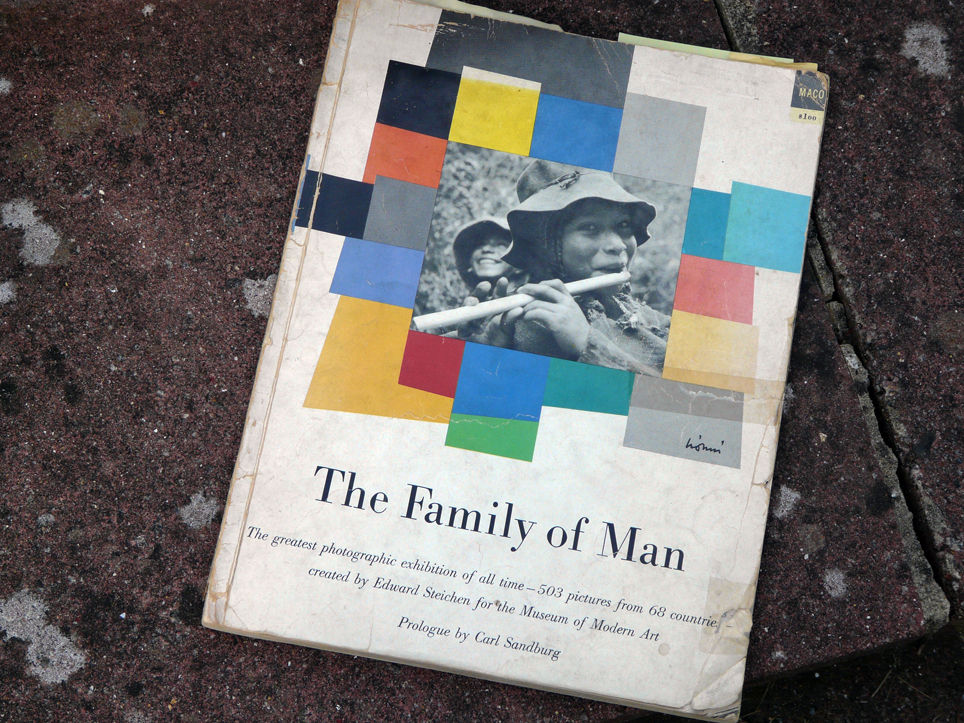
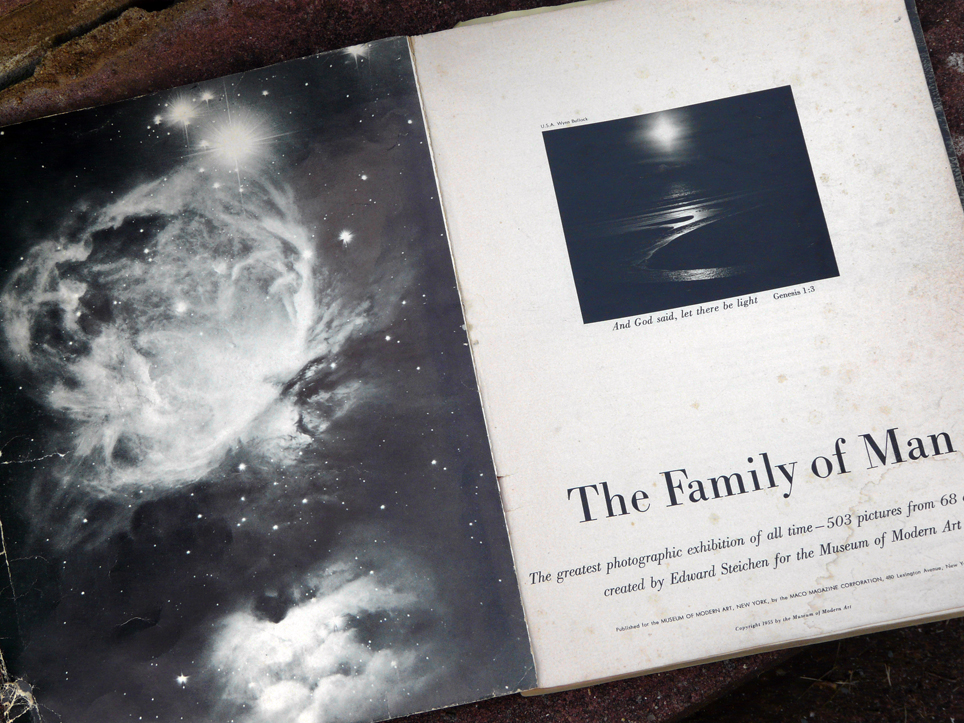
Aged eighteen, while staying with a family friend in London, I came upon the catalogue of the greatest photographic exhibition of all time – The Family of Man – a mirror to the essential oneness of mankind throughout the world.

The exhibition was assembled by Edward Steichen for the Museum of Modern Art and contained photographs from sixty-eight nations …

P1060180 smaller


There is only one man in the world

and his name is All man

There is only one woman in the world

and her name is All Woman

There is only one child in the world

and the child’s name is All Children


The inspiring collection of images decided my first career as a photographer.

P1060181 smaller

Ironic, given that my parents’ photographic business had held no interest for me. I realised my search was for what shone through reality, the essence in people and situation. I was inspired by poetry, story, light and shadow, movement, point of view and framing.

Fully embracing this passion started an active and adventurous period of my life, with opportunities to travel and mingle with groups of highly eccentric and creative people.


A decade later, at New York’s Kennedy airport, after a several momentous months in Washington DC, while waiting for a flight back to Amsterdam with my husband to be, a title on a book rack screamed for my attention … well, it jumped at me like a dream tiger.

P1060064 lowres

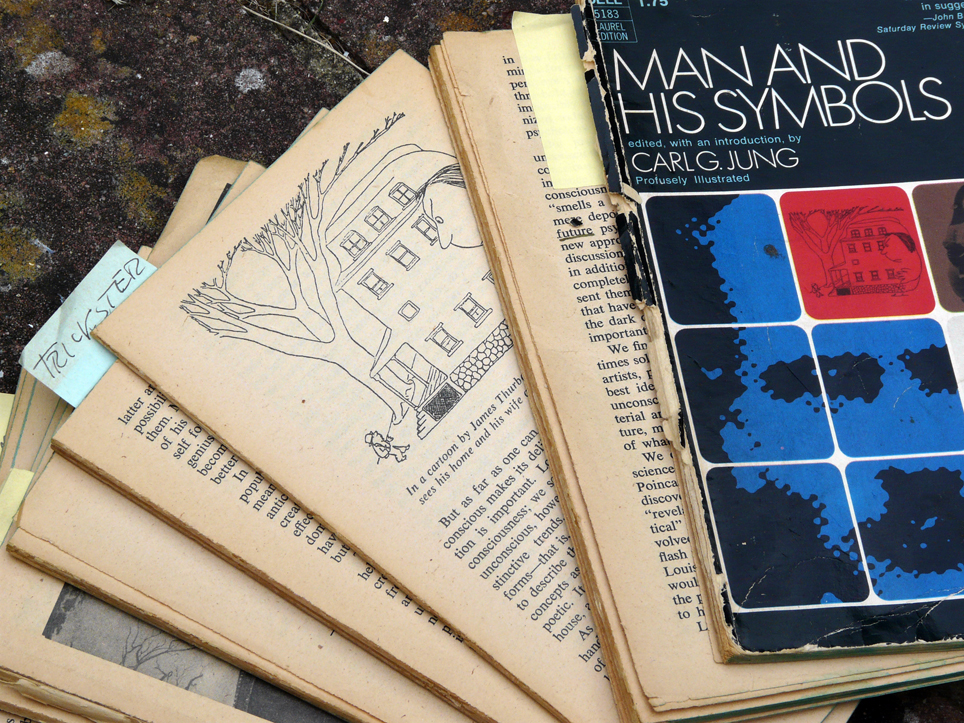
Man and his Symbols.

You couldn’t find a better window into the ideas of Carl Gustav Jung.

It was Jung’s last project, addressed to a wider public, readers who would not normally come upon the over 17 volumes of his work.

Due to its pocket size, as you can see, the yellowed pages of my copy travelled and have been well-read over the years ….

The book came about through the persistence of the remarkably diverse John Freeman: http://www.newstatesman.com/politics/politics/2013/03/john-freeman-face-face-enigma

He interviewed Jung in a Face to Face programme for TV: https:/ /www.youtube.com/watch?v=FPGMWF7kU_8

Seeing the programme, Wolfgang Foges (Aldus Books,) urged Freeman to persuade Jung to write a book for the general public. Jung firmly refused – until he had a dream. He consequently asked Freeman to act as editor and co-ordinator with the average reader in mind. So it became a collective project between Jung and four of his followers, M L von Franz, Joseph L Henderson, Aniela Jaffe and Jolande Jacoby, and was completed before Jung’s death in 1961,

In his introduction Freeman suggests the reader will find it a persuasive and profoundly absorbing journey … which, for me, was true from the start. During eight hours on the plane, with an occasional glance at my partner, the receding skyscrapers of Manhattan, and the expanse of oceans, my interest in dreams and the unconscious were powerfully validated. The book makes a convincing case for the imaginative life as the most distinctive characteristic of human beings. I totally grokked this: The unconscious is no mere repository of the past but also full of germs of future psychic situations and ideas … they grow up from the dark depths of the mind like a lotus and form a most important part of the subliminal psyche.

Two years on, having become a mother, and living for five years in rural Somerset with treasured time to study, it was C G Jung’s work that inspired me to delve into cultural and mythological research, leading on to my training in psychotherapy, and later still, to write novels.

My shelves contain many more books I loved to bits, and I wonder if digital version of these publications would have had the same lasting impact.

Frankly, I doubt it.

Only today I shared a tattered copy of Kahlil Gibran’s ‘The Prophet’ with a supervision client. She had never heard of the poet and was delighted.

Do you have books that fall apart through love and physical touch and still inspire?


17 Comments

Filed under Blog

… that deep romantic chasm …

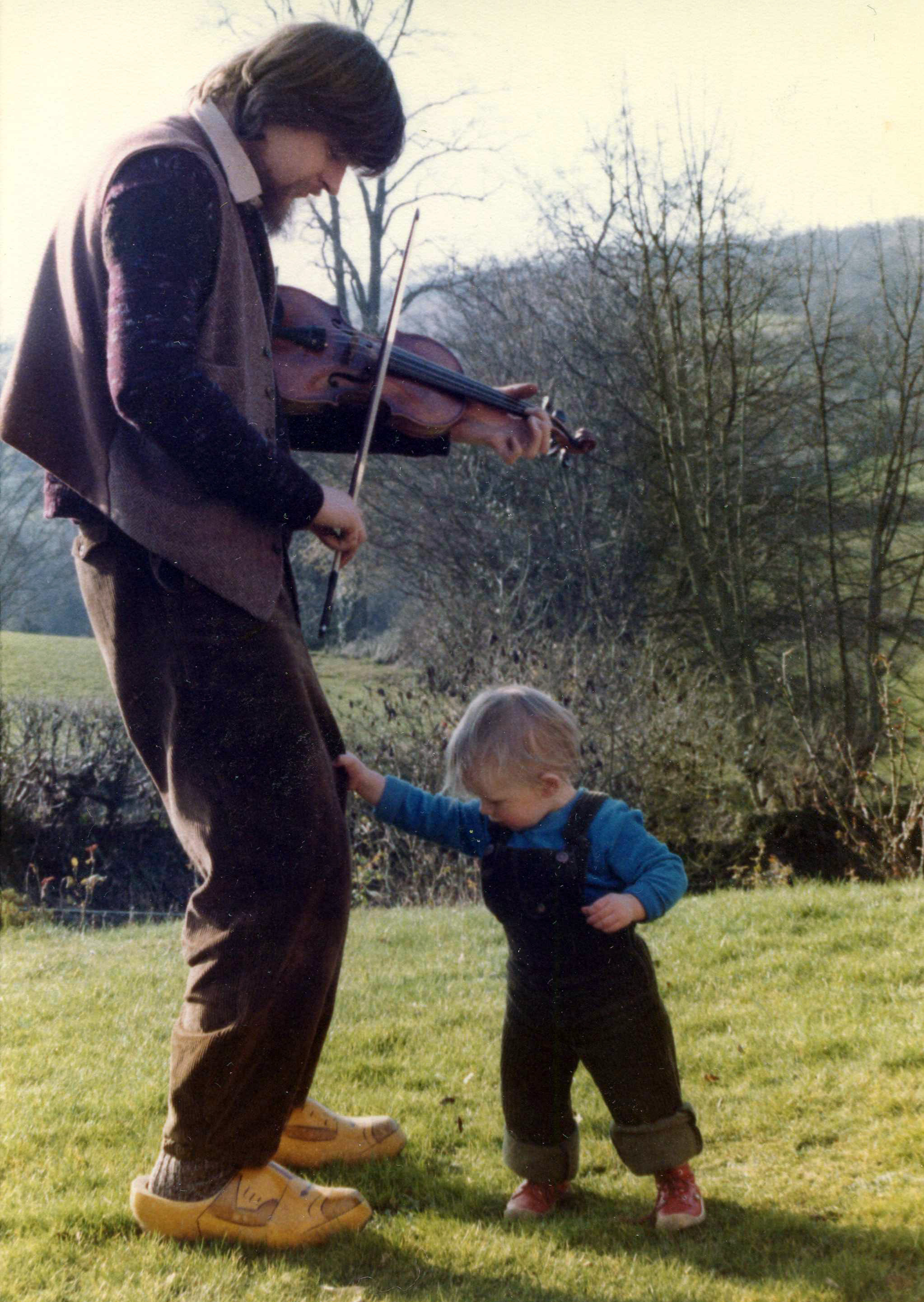
Yeshen, dad, violine 2

Our son was born in the Quantock Hills, and we lived there for a while, in a place where Samuel Taylor Coleridge’s poetry was inspired that deep romantic chasm which slanted down the green hill

England, the green and pleasant land a link with Blake’s words on screen. This older version made me smile. In case the link won’t work https://www.youtube.com/watch?v=bKaJ4b0XYmI

Green hills come with grey skies. Endless weeks of rain leave me melancholic. Then I long for sunshine & hammock days, when fragrances of jasmine and honeysuckle linger until midnight, friends gather round a fire, tea-lights twinkle in trees, a glass of wine or two, or three. This year, sunshine flips to rain almost daily,  green overwhelms as jungle that needs mowing, trimming and hedge-cutting. I’m left wondering if the rare sunny day is worth all the effort and contemplate a Mediterranean lifestyle.

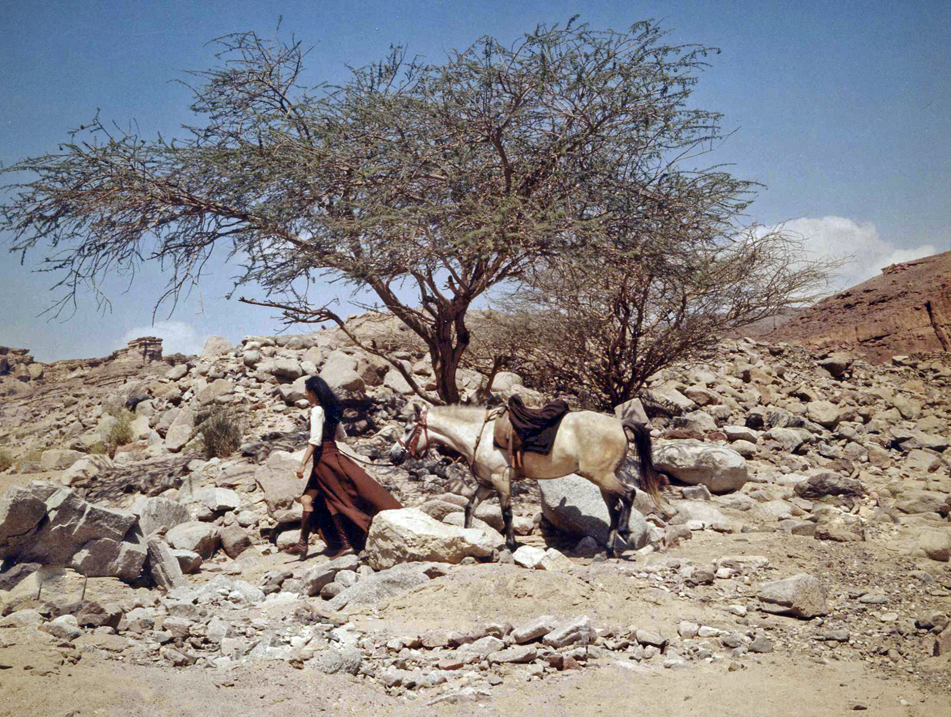
Israel, Carlos, 71, Anna Karina - smaller stillYears back, after three months of filming in a desert – swift sunsets, brilliant stars, marvellous moons, scorching hot days, cool nights, stark and beautiful – I returned to a lush and sensuous Bavarian autumn – myriads of colours, the smell of moist earth, mist, the sweet water of ponds soft on my skin, different kinds of dreams – such a contrast, it made me think how powerfully our temperaments are influenced by climate and weather, in ways we experience ourselves, in ways we feel and think, in ways we express ourselves, write poetry, compose music.

Countries with balanced climate are rare, so it’s unreasonable to expect people to be balanced and temperate. And would it serve us, I wonder? Would it make us too complacent?

P1060055 smaller

P1060049, smaller


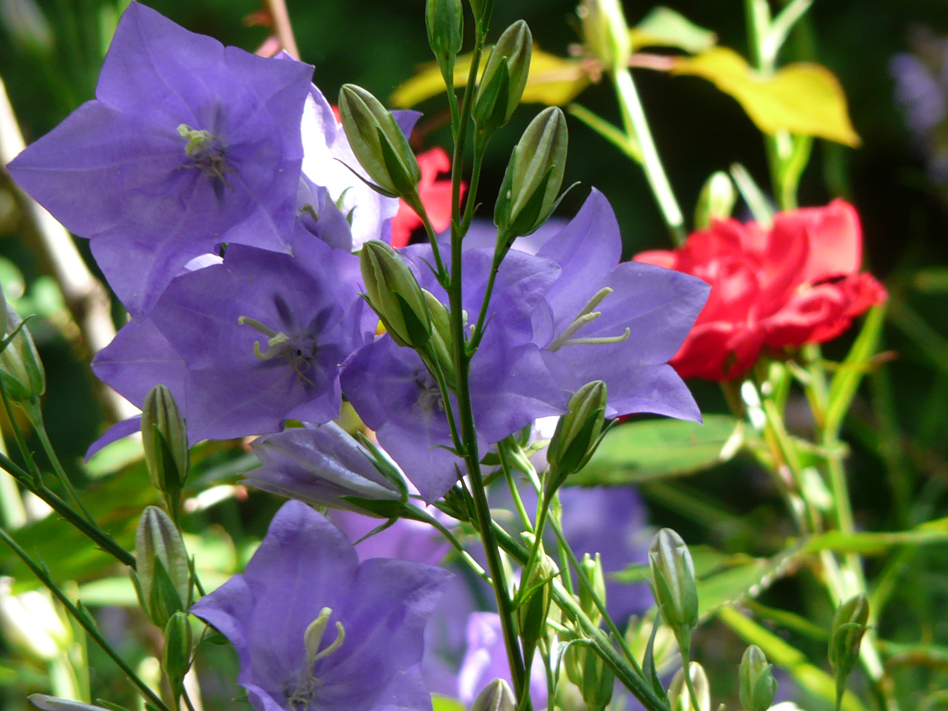
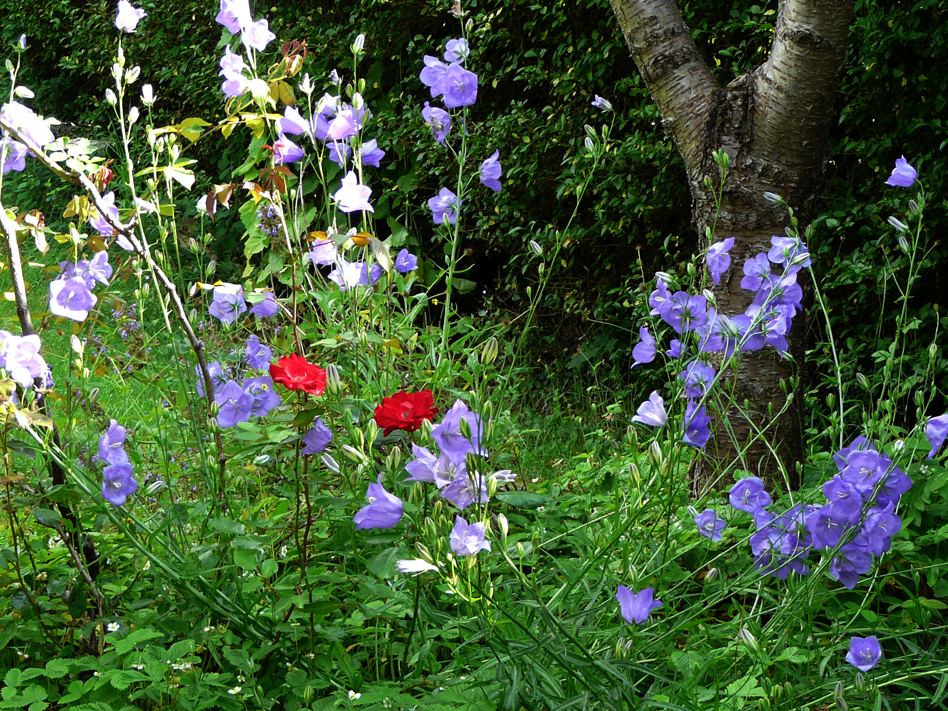
We’re not machines. Each of us has a unique frequency, intricately bonded and tuned with nature’s whorls and spirals in continuous movements of renewal and becoming. I concede, even a single balmy summer’s day brings a smile and restores my senses – blue flowers swaying in the breeze, reading poetry in my hammock.

So I dream of sunshine, but too zealously. As in Plato’s myth of Er,  variety and extremes seem to turn the spindle of necessity and stimulate the imagination. What we commit to in life encounters grit – stuff that grows pearls in oysters and also polishes hearts. And there is the grace of precious moments, when seasons overlap in us, when all our senses are switched on, and the young, curious self, with its eternal projection into the unknown, imagines the unimaginable …

20 Comments

Filed under Blog

… clouds …

Last week, during a flight to Munich, and equally this week during my return journey to London, I witnessed some spectacular cumulus scenes from above, with the moist earth being the canvas.

P1050992 SMALLER

P1050991 - SMALLER

The changing cloudscapes drifting on the wind teased my imagination. I wanted to wander into this world that words can scarce describe, be there alone with my own heartbeat, where past and future is one and present. I’m no Percy Bysshe Shelley, who gave an eloquent voice to The Cloud

… I am the daughter of Earth and Water,       P1050995 SMALLER                                                              And the nursling of the Sky …


His cloud speaks of the ‘pilot.’


… This pilot is guiding me,                                                                                                    Lured by the love of the genii that move                                                                  In the depth of the purple sea …  

Shelley’s time had no flying machines that did away with the invisible navigator. He perceived through the inner eye.

P1050990 SMALLER

P1050999 SMALLER

The first Cloud Atlas was documented in 1896.

Today’s airline pilots must know their clouds 


Like us, clouds change but keep on living. We and they are fleeting manifestations of nature – a show of impermanence ornamenting this planet. The water of oceans, lakes and rivers, the sap of life, flowing through the perspiration of plants and all living organisms, including the breath of 7 Billion people, clings and seeps into the warm earth only to be drawn up again, where its vapour compacts in cold air and spirals into fluid shapes between us and the blue dome, where all moods find expression – wild charcoal formations with dove grey wisps parading at the horizon, luminous coloured tendrils and satin sheets in slanting sunlight at dawn and dusk, or dewy porcelain veils.

P1050993 SMALLERClouds are moisture made visible. Who knows what information is inscribed and carried in droplets from one place to another? It takes about one million cloud droplets to form one raindrop.

What rises also falls. There is a wonderful Sufi story about this cycle of transformation, serving as a metaphor for identity, the form we must inevitably relinquish to change into another form while maintaining our essence … here told by Terence Stamp: The Tale of the Sands

There is ongoing research of water as an agent – receiving impressions and holding patterns of information. Water can be vitalised, for example, which explains things we know the results of but not the reason. Such findings, while presently called pseudo-science, may yet confirm many of our intuitions. Water is alive, and living things form a centre and have intelligence.

15 Comments

Filed under Blog

… the frottage of life …

Aged 14, my confidence and love for writing was shattered by a teacher. She praised a brilliant essay – mine – based on a painting of our choice. The romantic image of a Carl Spitzweg painting I picked had freed my imagination. After reading my essay out in front of the class, the teacher stated it was unlikely the pupil had written this herself and she therefore had to disqualify the work. I was pushed off a flying carpet, too speechless and humiliated to protest. My creative writing went underground. I wrote poetry, in secret.

Water

Water

Images inspire me, they tell stories. Photography came to my rescue, not so much in the sense of recording concrete reality, but more in the sense of sub-creating it. Light attracted as liquid poetry that fell through shadows and sculpted fleeting life. I discovered my knack for framing the essence of a story.  And in the spaces between things I looked for something transient emanating from other spheres. There were moments in my life when finding words for these other dimensions became imperative, like, for example, when working as still photographer on a film-set at the shore of the Red Sea. In poems like ‘Riverhead’ and ‘Sleepless Sun’ I tried to encapsulate such instances: https://courseofmirrors.wordpress.com/poems/

Photography started out with a process of reversal – getting the positive print from a negative film – which is being superseded by digital bit-structured data, leading us into new metaphors for time and space. The tiny window of the laptop I’m writing this text on has become my interior sanctuary. The window of its screen frames worlds well beyond my garden – microcosms and macrocosms. My grandparents would have called this feat magic, which it is, of course. Computers have become our second brains, compilers and recorders of our imagination, easy to share.

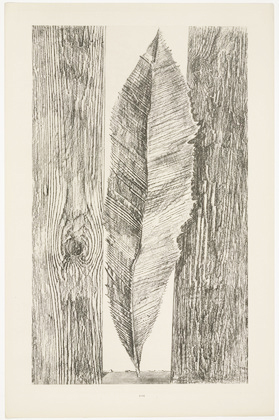
The habit of leaves, Max Ernst.

The habit of leaves, Max Ernst.

In search for the invisible hand that animates the unseen, I remember coming upon the technique of frottage by Max Ernst. He was intrigued by the reversal of textures achieved when rubbing surfaces with a soft pencil – be it weathered wooden planks, bark, textiles, netting … For Ernst the results evoked superimposed images and visionary associations.

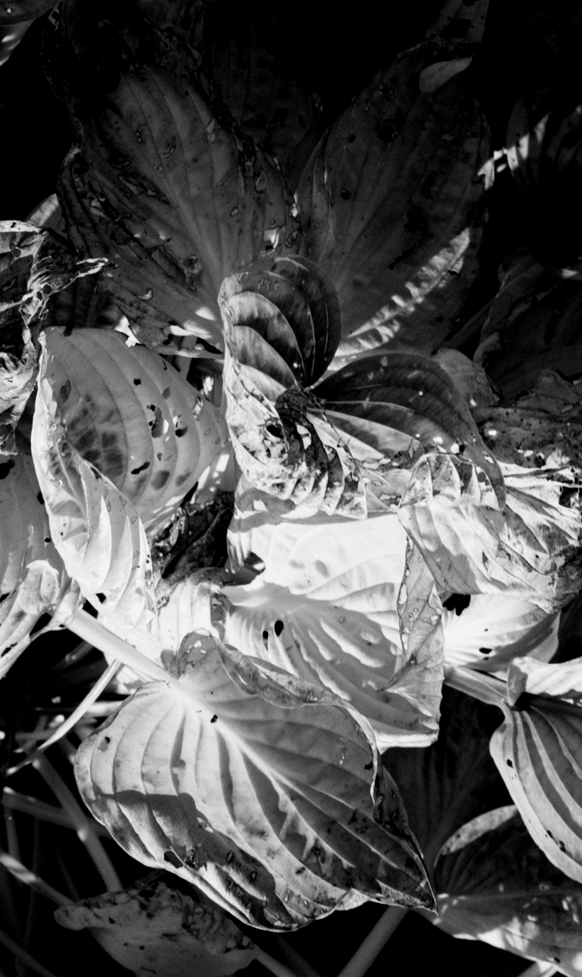
Whirling Hosta

Whirling Hosta

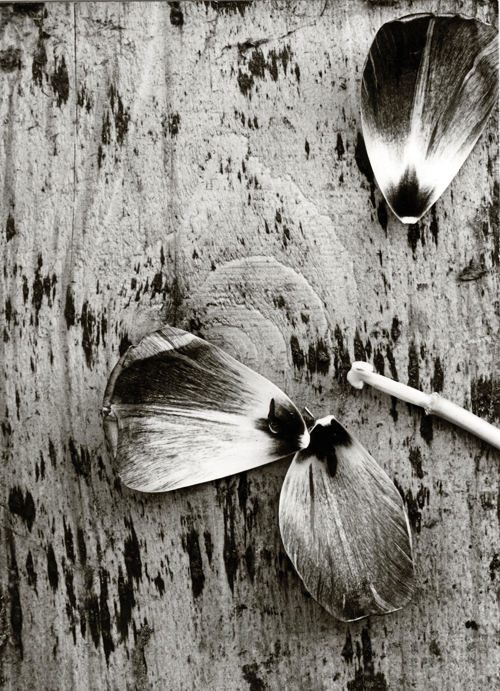
Not only artists find surprises in the textures of surfaces. Who does not occasionally pause before a weathered wall, lichen-covered gravestone, the grain in a wooden plank, a windswept cloud, a reflection in glass or water, or detect resemblances and fresh arrangements in the shape of cliffs or in the veins of plants? Unexpected patterns call for unfurling, inspire a collage, a scientific idea, a poem, a story,  or painting.

Grain

Grain

We rub off impressions from the ambience around us, especially first impressions – scents and sounds, tactile sensations, patterns of light and shadow, textures, colours and shapes, anything that attracts or repels us.

In a psychological sense, we rub off qualities we find in each other – in parents, siblings, friends, strangers and public figures we admire or despise. From what impresses us we extrapolate and find recurring resemblances. As our imagination sparks random associations involving all of our senses, a theme becomes reflected in our heart, as in a mirror, and informs our personal myth.

It’s what my novels are about, which, I hope, will also have a universal appeal.

Among related posts:

https://courseofmirrors.wordpress.com/2012/05/25/pattern-which-connects/

https://courseofmirrors.wordpress.com/2013/10/07/patterns-of-eternity-humbly-opens-your-mind/

Most of the photos on this site are mine. A selection can be found here: http://500px.com/ashen

20 Comments

Filed under Blog

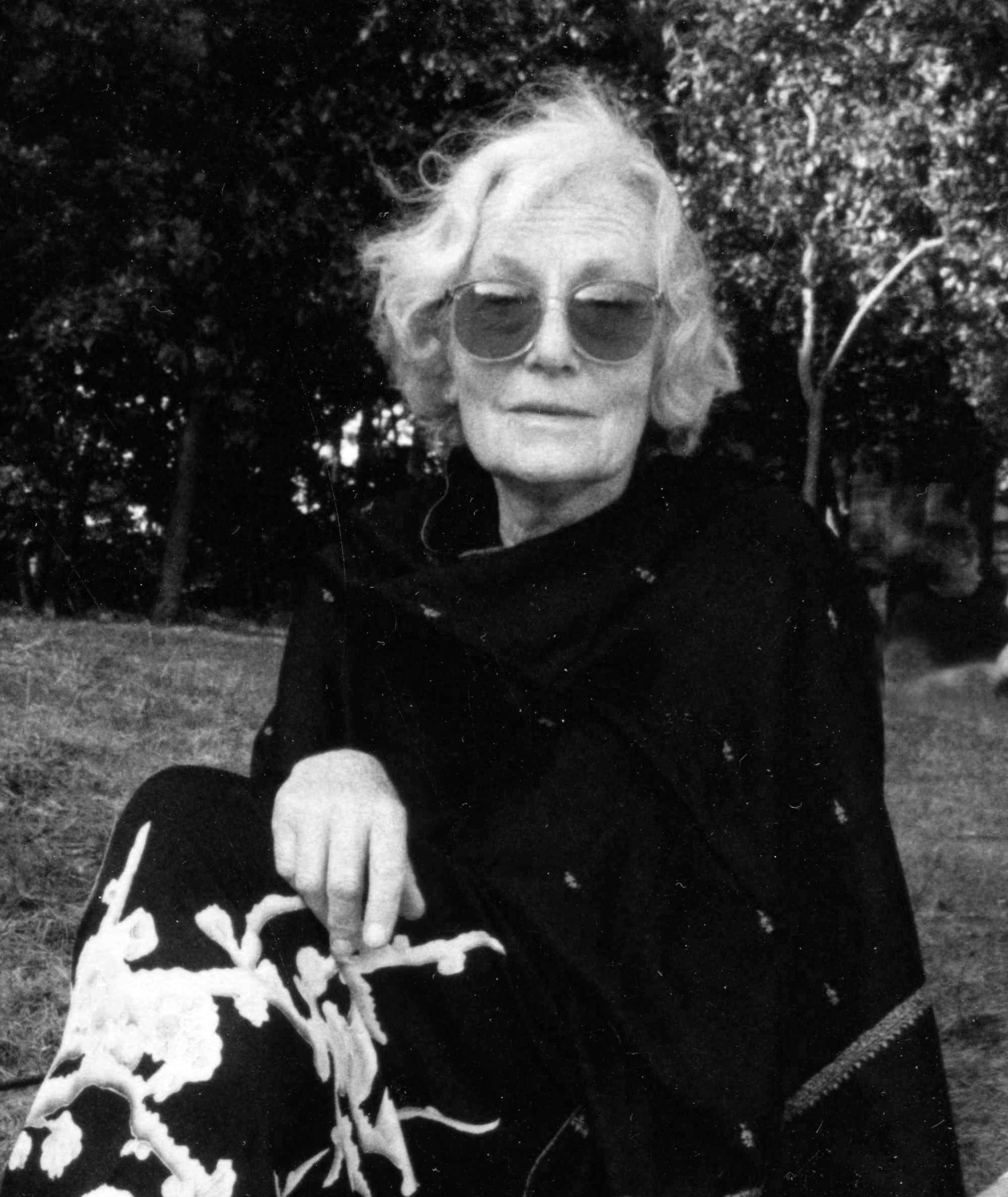
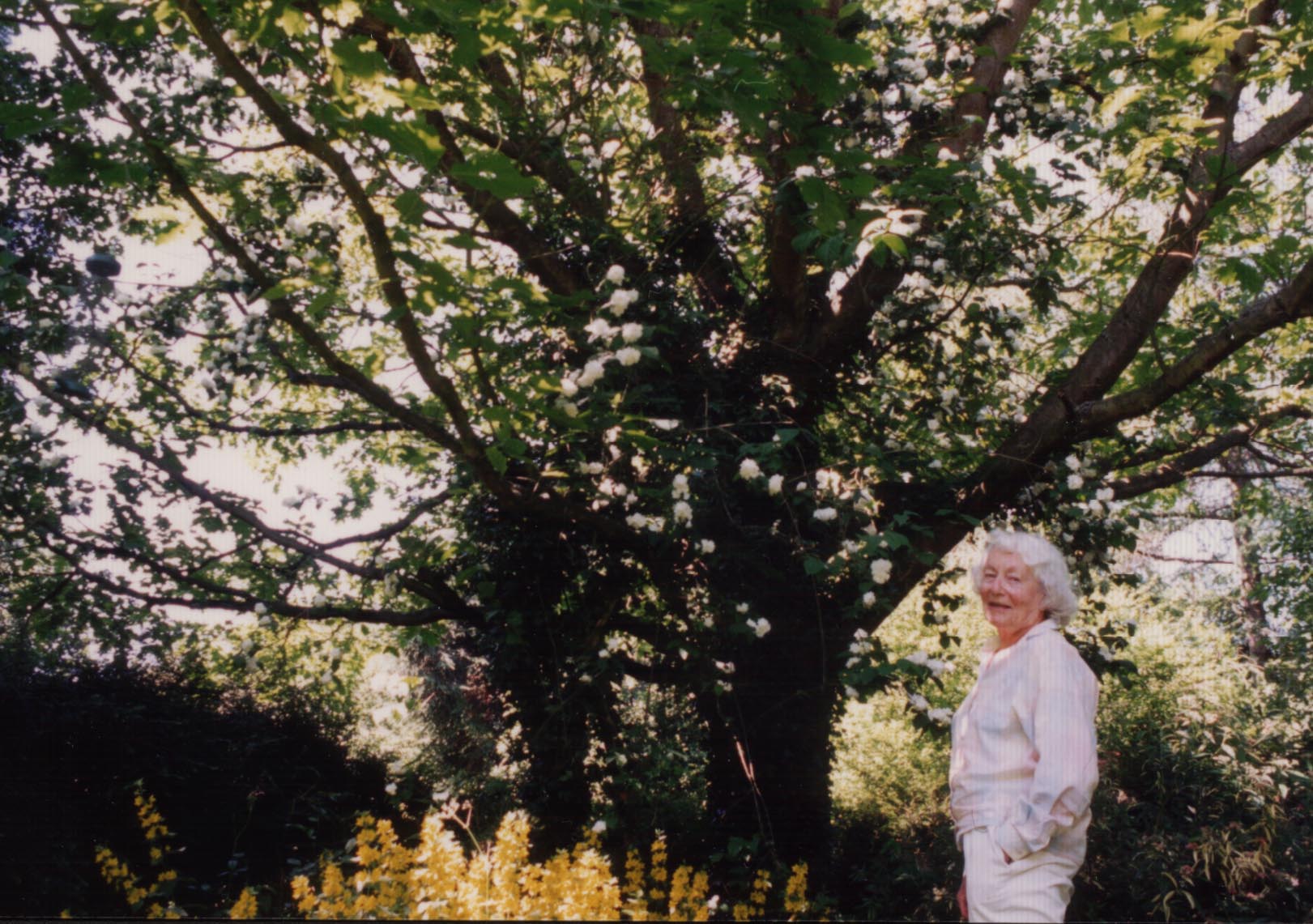
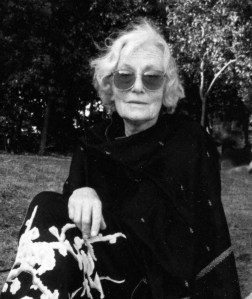
Sitara Brutnell – 1914 – 2004

Sitara Brutnell

Sitara Brutnell


Today’s post is to honour a remarkable woman who died ten years ago, aged nearly 90, having lived her life devoted to the Sufi Message of Love, Harmony and Beauty. Sitara Brutnell was a musician whose brilliant ear for pitch and rhythm extended to the fine-tuning of her personality. By enduring the dissonances life throws at us without dispensing blame, and reading people and situations deeper, she became receptive to the spirit of inner guidance.

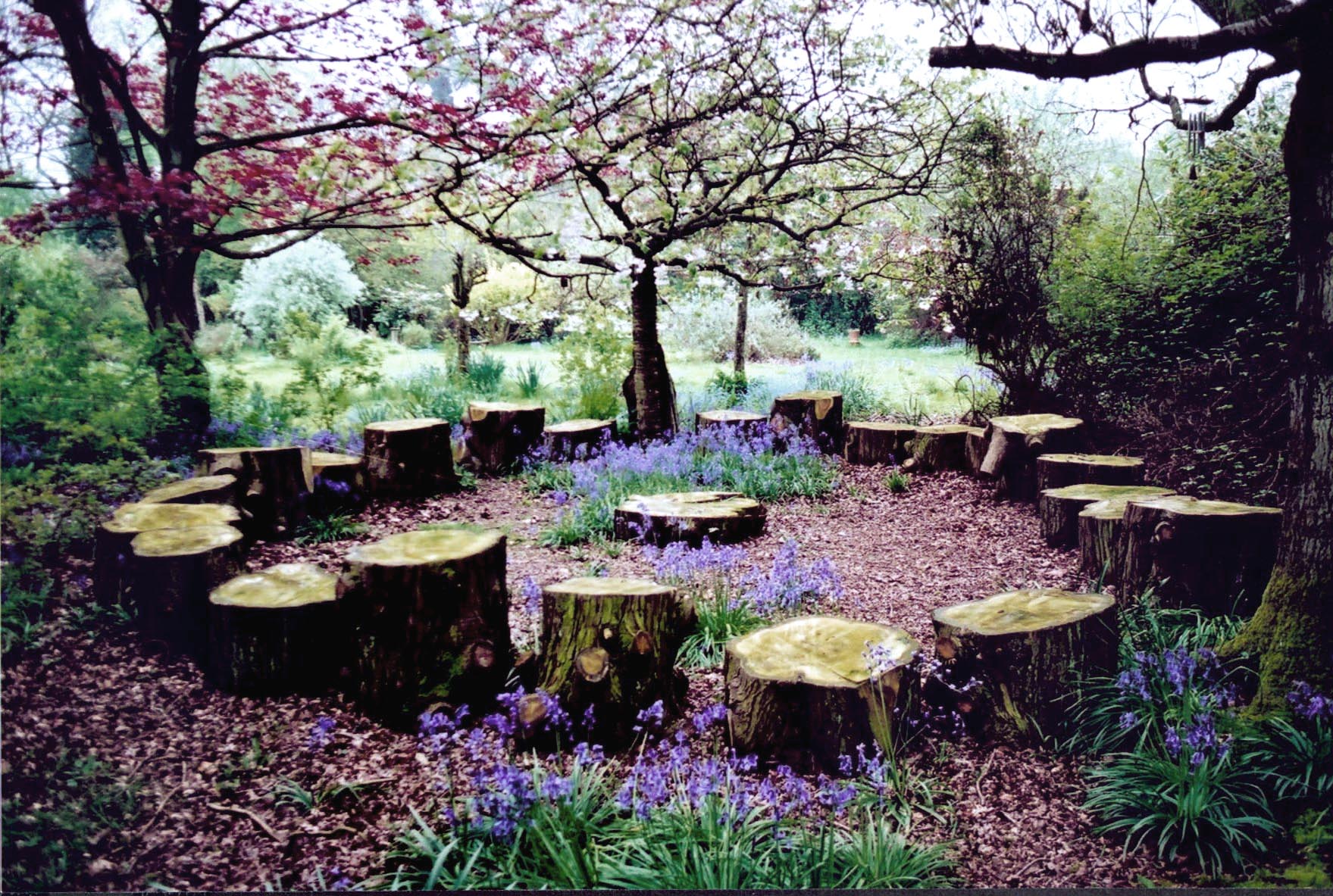
Like her parents before her, she supported the work of the Sufi Movement and continued hosting its leaders after Hazrat Inayat Khan in her home, enjoying many musical soirées. One of Hazrat’s successors was his youngest brother, Musharaff Khan (1895-1967), who handed his role to the 26-year-old Fazal Inayat-Khan. So in 1968 the Sufi Movement was challenged by a dynamic and innovative Pir and custodian, a position Fazal eventually surrendered, giving credence to his own unique teaching approach, calling it The Way of Action, and later Sufi Way. Sitara stood by him for almost three decades, and after his untimely death in 1990, the leadership of Sufi Way fell to her. My Pictures 438 - CopyAknar Circle in Roughwood
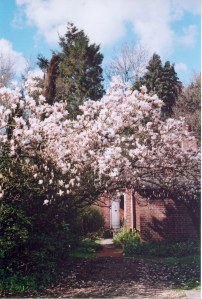
She is remembered as a wonderful musician, and for her kindness, humour, sparkling mind, frequent expressions of gratitude and her warm hospitality.

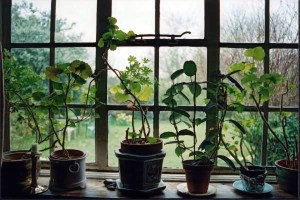
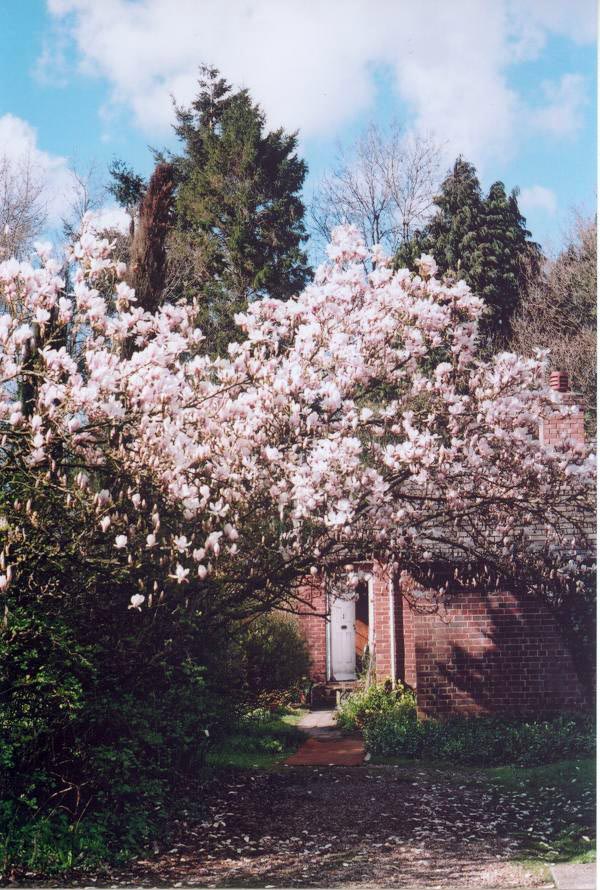
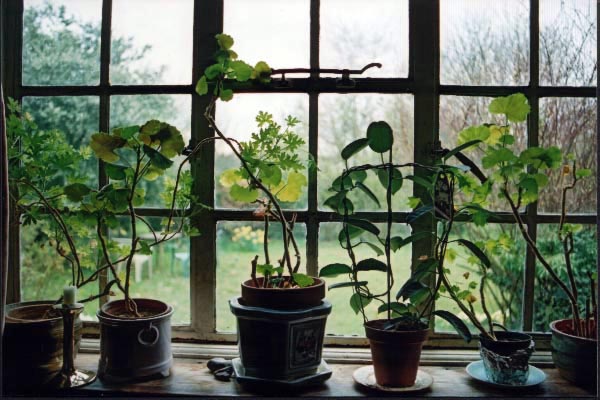
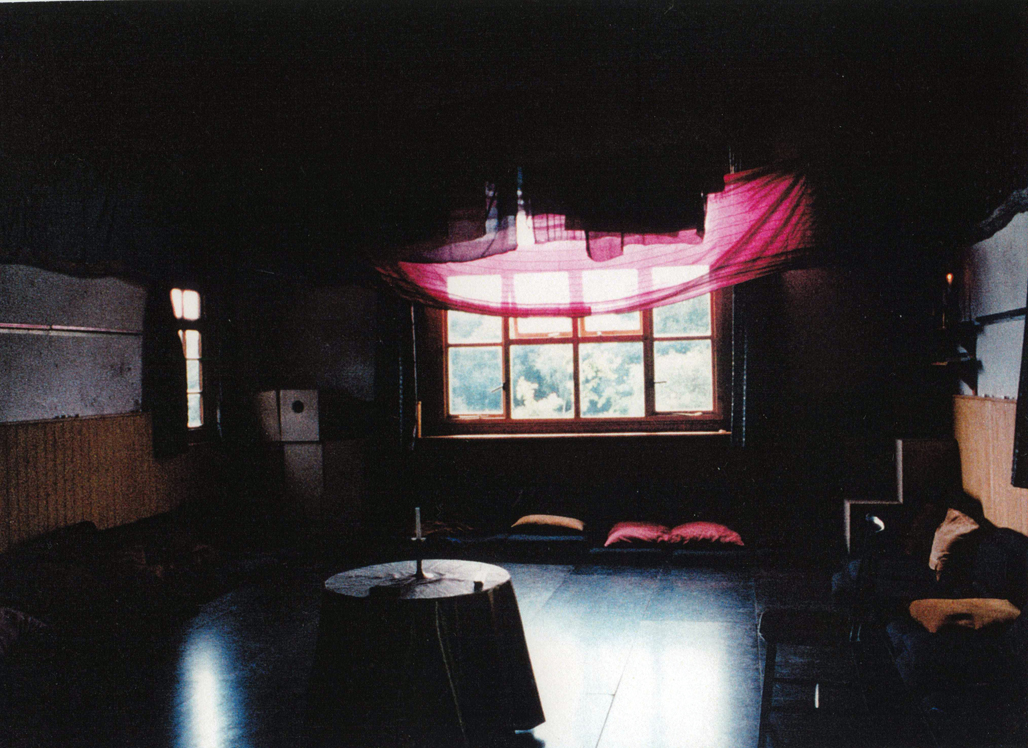
The door to Sitara’s home was always opens to her many friends spanning the globe. There was hardly a time when she did not gracefully entertain guests who treasured Roughwood as a place to relax and be nurtured, like she lovingly nurtured her pot plants, no matter how straggly they lined up on her windowsill. The wild flowers in the secret nooks of her garden looked after themselves. Sheltered by high trees and bounded by fields, this magical place was only a few miles away from Four Winds, Fazal’s residence, and the then official spiritual home of Sufi Way, which was like a buzzing metropolis of the psyche compared to the sanctuary of Roughwood. My Pictures 410 - Copyat Roughwood,window13-04-04
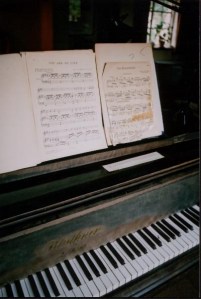
It is tremendously reassuring to come back to rooms where everything has over time claimed its place. Shelves packed with old books, well-worn furniture and carpets, paintings and prints on the walls, items on the mantelpiece, like the tiny carved gazelle, the Japanese ginger jar, red-veined serpentine stones from the Lizard – interspersed with rotating tokens of love – the photograph sent from a family in America, a child’s drawing, a postcard from South Africa … each object holding a story. And stories popped from shells with every question of where and what. We held garden working-parties, chasing away moles, poetry gatherings, celebrated birthdays …
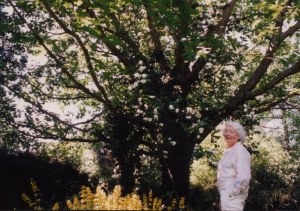
The year roses grew in the tree.

The year roses grew in the tree.

Following Fazal’s death, his partner, Wendy Rose-Neil, a transpersonal therapist, put Four Winds on the map as a venue for London’s workshop facilitators, and Sitara, aged 76, though daunted by the task, embraced her spiritual leadership role with grace. Helped by the local and international community, she continued regular Sufi Way activities, and encouraged Sufi friends and professional therapists among us to run workshops. In this and many other ways Four Winds maintained itself financially for another decade and served a wide community.

This positive development ended abruptly after Sitara’s death. The new Pir, Elias Amidon, sold both Roughwood and Four Winds to raise money to achieve more flexibility for Sufi Way. I am still grieving the loss of the places and the multicultural network that was truly inclusive, beyond the brand of Sufism, which is not to say that the inclusive approach is not continued elsewhere. However, attempts of local people to buy Four Winds from the newly created charity failed. The two spiritual homes in England now only exist in the rich memory of companionships.
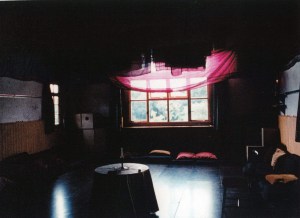
Barn at Four Winds

Barn at Four Winds

It was impressive how Sitara embraced the challenges of the next generation, how she joined the freedom of enquiry of the 70s and 80s. Over three decades, people from all walks of life and all corners of the earth gathered yearly for Summer, Winter and Spring schools at Four Winds, which was a vortex  of creativity, with stimulating lectures and discussions, psychological war games and intense experiential meditative and contemplative practices that deepened lives and formed lasting friendships.

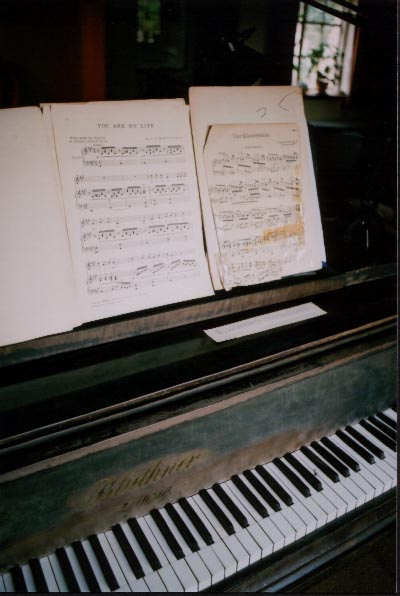
Though an unlikely team, Fazal and Sitara complemented each other. While Fazal, with the sincerity, contradiction of doubt and faith, intensity and humour of a Qalandar *, challenged the assumptions of his students and encouraged unlearning, Sitara was the blessing guardian, typed up hundreds of Fazal’s lectures and regaled us with piano recitals on her Grand, songs, esoteric readings, tea-time-treats of Battenberg cake, stories, and the consistency of her welcoming home. What they had in common, apart from disseminating the essence of Hazrat Inayat Khan’s message, was their love for music, keen curiosity in life and the playful deflation of any pretensions to grandiosity.

For one of the famed spontaneous Magic Theatre performances at Four Winds, Sitara offered a poem that gives a flavour of her delightful poise:

Lord thou knowest better than I know myself

that I am growing older and will someday be old.

Keep me from the fatal habit of thinking that I must say something

on every subject and on every occasion.

Release me lord from craving to straighten out everyone’s affairs.

Make me thoughtful not moody, helpful but not bossy.

With my vast store of wisdom it does seem a pity not to use it all …

but thou knowest lord that I want a few friends in the end.

Keep my mind free from the recital of endless details;

give me wings to get to the point;

seal my lips on my aches and pains …

they are increasing

and love of rehearsing them has become sweeter as the years go on.

I dare not ask lord, for grace enough to enjoy the tales of other pains,

but help me to endure them with patience.

Teach me that glorious lesson that, occasionally, I may be mistaken. 

Keep me reasonably sweet lord.

I do not want to be a saint …

some of them are so hard to live with,

but a sour old person is one of the crowning works of the devil.

Give me the ability to see good things in unexpected places

and talents in unexpected people.

And give me oh lord the grace to tell them so.


(The author of this poem is anonymous, but Sitara wrote poems in the same vein)

*    *    *

* A Qalandar is traditionally a wandering dervish, a free spirit with a strong love for humankind. Fazal Inayat-Khan once wrote a breath-taking poem called ‘Qalandar’ at Roughwood. It can be found in this book: Heart of a Sufi – A Prism of Reflections, link: https://courseofmirrors.wordpress.com/2013/03/16/a-rare-book-now-on-line/

The present Sufi Way: http://sufiway.org/ And an article by Fazal Inayat-Khan that sheds light on the various branches that grew from the tree of the Sufi Movement: http://sufiway.org/about-us/our-lineage/12-about/33-western-sufism

If you’re inclined to explore the spiritual message of Hazrat Inayat Khan, you’ll find plenty of links and source material on these and many other sites, all free: https://wahiduddin.net/mv2/   http://www.cheraglibrary.org/

Thank you Sitara, thank you Fazal, and thanks to all the friends in this adventure. You are still enriching my life.

10 Comments

Filed under Blog

… thoughts on dark matter …

Breath shuttles across nature’s warp and weft – to breed – bloom – yearn – form thoughts – his – hers – mine – our thoughts – woven yarns flung into the unknown like a slow spread – to be unpicked

two waters meet

two waters meet

breathe in – breathe out longer – meet the other at their edge – to merge – converse – or – should you prod – witness spume lift from the wave – fire split the wire – earth shake – heaven open – dreams unravel …

In the night – specks of light appear – the rest is hidden in curved time – yet present – spirit abiding in inverse spheres – as above so below – weak neutrinos permeate all – unobserved but heard as cosmic noise from dark realms – until atoms splash towards the crack of dawn – we call it birth …

Two clusters of galaxies in collision. The ordinary matter, gas and stars from both clusters shown in red, is slowed down in the collision. The DARK matter, shown in blue, sails through and keeps on going because it does not interact. Both colours are false –the red is an image of x-ray emission, and the blue is an image of the gravitational effect on the light from more distant galaxies. Source: NASA/ESO

Two galaxies in collision. Ordinary matter, gas and stars from both clusters – in red – is slowed down in the collision. The DARK matter, shown in blue, sails through and keeps on going. Both colours are false –the red is an image of x-ray emission, and the blue is an image of the gravitational effect on the light from more distant galaxies.
Source: NASA/ESO

The background to this poem: I was feeling depressed about the superficial and withholding communication with a distrustful relative. Fed up with allusions and secrecy, I plucked up the courage to prod a straight question. The answer was as a torrent of toxic and defensive anger. After the assault over the telephone I was dumbstruck. I laid the incident to rest, and instead edited a big chunk of my present manuscript.

Before going to bed, I read in a novel, ‘Eventide’ by Kent Haruf  (a wonderful discovery – more about this author another time) and came upon a graphic scene that encapsulated my battered state – as if a bull had pounded me into the mud – which happened to a character in the chapter. Literature can deliver fitting words and metaphors for experiences.

I don’t regret my prodding. I discovered the nature of a spell on me. As it happens in families, wounds are handed down generations, and unless someone prods them the poison can’t drain.

Attitudes and projections, powered by feelings, influence us and others deeply – irrespective of distance, or time. Unexpressed messages travel. It happens unconsciously. The process might be better acknowledged if there was evidence of a medium that carries thoughts, faster than light. Mocked-at psychic phenomena could be re-evaluated. My bet is on the untraceable, neutral neutrinos that apparently pass through ordinary matter unimpeded at superluminal velocity.

At the time of writing this poem arrived …

Do Not Love You (Pablo Neruda)

I do not love you as if you were salt-rose, or topaz,
or the arrow of carnations the fire shoots off.
I love you as certain dark things are to be loved,
in secret, between the shadow and the soul.

I love you as the plant that never blooms
but carries in itself the light of hidden flowers;
thanks to your love a certain solid fragrance,
risen from the earth, lives darkly in my body.

I love you without knowing how, or when, or from where.
I love you straightforwardly, without complexities or pride;
so I love you because I know no other way

than this: where I does not exist, nor you,
so close that your hand on my chest is my hand,
so close that your eyes close as I fall asleep

*    *    *

A film by Werner Herzog I want to see: Encounters at the End of the World

http://www.youtube.com/watch?v=Gr5IvOFXuH4

http://www.youtube.com/watch?v=eO9GEL_RzlY

21 Comments

Filed under Blog

… emitting the real …

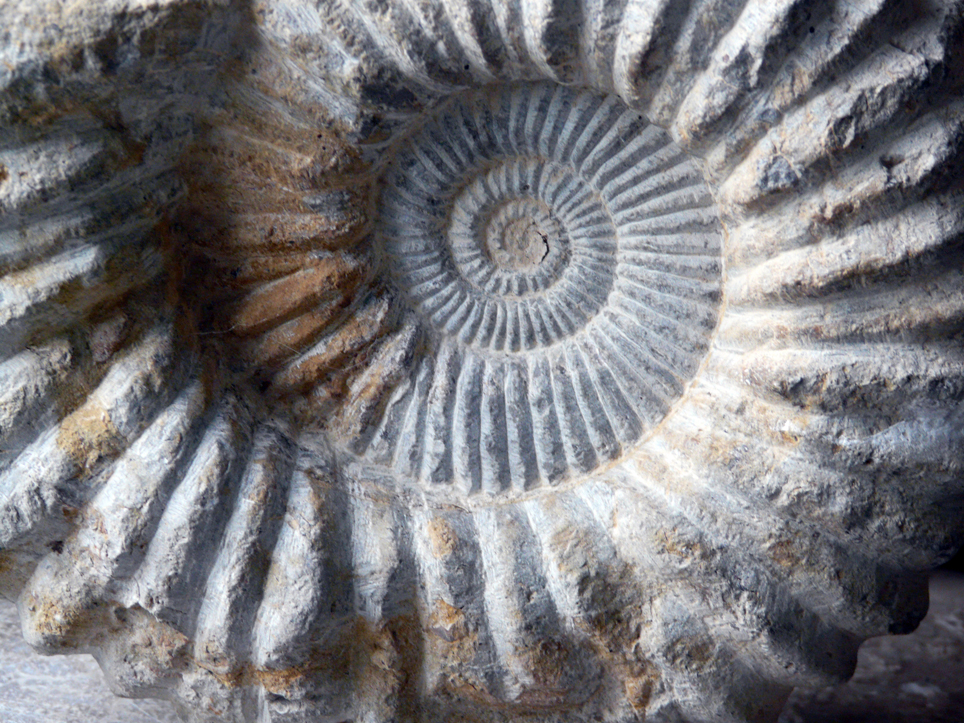
nothing beats the spiral

nothing beats the spiral

In the spaces between

Harmony and chaos

Wisdom voids the mind

To expose veins of

Hidden avoidances

Where – omniabsent –

Omnivalent in our longing

We exist inverted –

Give in receiving

Receive in giving

While surfing across the deep

To simulate worlds

Sift signals

Endure ironies

For evermore becoming

And emitting realities

Fleeing the ground

Of being …

*    *    *

Dear readers, I hope you stick around, while I’m immersed in writing scenes  for my second book, Shapers – the continuation of an epic search for the real.

10 Comments

Filed under Blog

… a november poem …

NOBLE EXIT

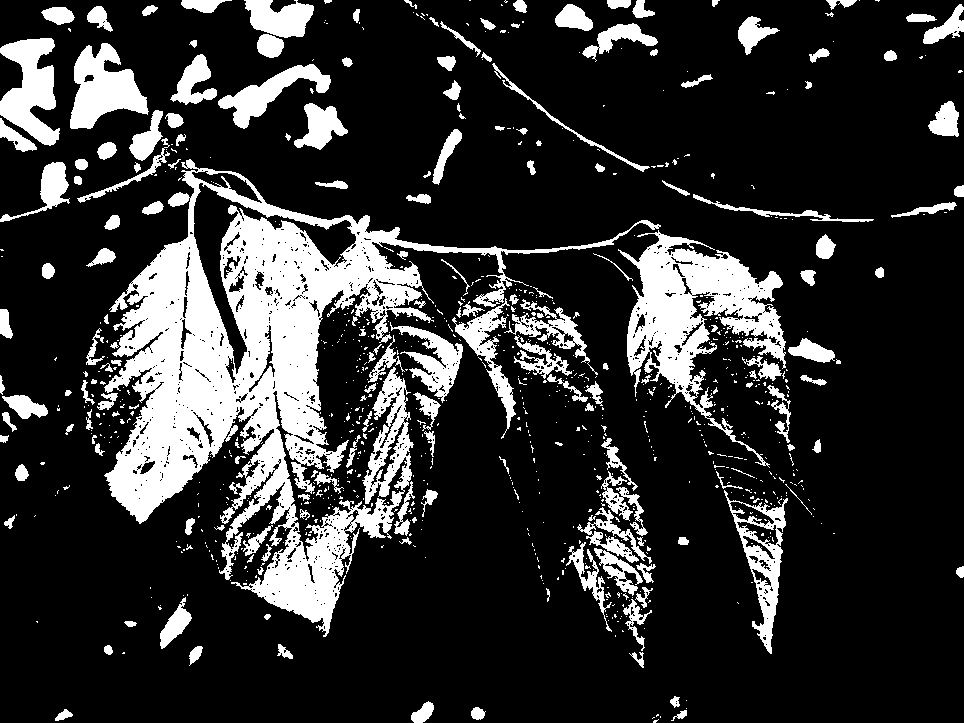
P1050746 -low threshold

white plumes of mist rise

from a dripping branch – swept clean

but for nine that cling

lit by the last ray

they call out with gilded tongues

from the garden’s shade

translucent spearheads

uncaring of their fate they aim

at the hungry ground

Ashen

P1050746 -low and contr

13 Comments

Filed under Blog