
Any momentous public outpouring of grief tends to compound our experiences of personal bereavements, and, of course, reminds us of our mortality. This event, however, is about more than the loss of a beloved Queen who used her privilege and symbolic power through seven decades to serve as best as she could. Her loss rocks the solid traditional constitution she represented. While the centuries’ old tradition of this monarchy sits uncomfortable within modern society, it is nostalgically clung to and treasured.
The queues of people eager to pay tribute to the Queen’s lying in state in Westminster Hall have been, and continue to be many miles long, presently with a wait of 24 hour during a chilly night. All recorded: https://www.bbc.co.uk/news/live/uk-629217 And there’s a queue tracker on You Tube https://www.youtube.com/watch?v=cJxDwDzAwEs
Within the crazy weaving of my mind I was searching for a thread to make sense of the unfolding pattern of unavoidable changes that loom to endanger the old order, which always calls for transitional objects that sooth the loss and helps to honour both the familiar old and the unknown new potential of the future. What can serve here as a transitional object, something to hug for comfort, equivalent to a Linus blanket?
I was reminded of a theme my former Sufi friend and teacher, Fazal Inayat- Khan, often explored. In the prologue to a book, Old Thinking, New Thinking, containing a handful of his lectures he reluctantly agreed to have published during the 1970’s, long out of print, Fazal gave credit to both, the old ways (formal and reliable) and the new ways that seek essence.
‘Old thinking is a claim and new thinking is an aim.’
Could there be an equal validation of form and essence for the UK monarchy?
When my mind floats in a vague space, I tend to express my ambivalent thoughts through Haiku:
a pendulum swings
left right ahead back
circling by the gravity
of hidden forces
dryness is conservative
until it overheats
moisture conducts the traffic
of novel ideas
until rain floods the bedrock
Kings or Queens were historically regarded as divinities. The afterglow of such divine aura still glimmers around the mantle of monarchies in our world, and a yearning for the divine remains, with the need for an ideal, something whole to give meaning to our lives. But can a monarchy still serve as such an ideal?
Ultimately, the Kingdom to come is of course the Kingdom within, where archetypal qualities can spark a force that steers and rules our destiny.
As familiar faces of relatives and friends leave an imprint in our psyche, so do faces of people in public life. The media showers us with faces of celebrities, providing icons and avatars that embody qualities we aspire to, or despise.
Dissidents against England’s monarchy highlight the extravagant financial privileges of royalty, and the historic trail of devastating exploitation during its colonial past. Apologies and reparations must surely be ongoing. And then there is the Commonwealth, which some proclaim to be a post-colonial club: https://www.bbc.co.uk/news/uk-43715079
I’m a dreamer, without allegiance to a crown or state. I’m wary of crowds and any hive mind, totally unsuited to get embroiled in arguments about the monarchy. My gripes are with the unpleasant character assassinations of individuals, found on popular internet platforms.
Character assassination resembles kleptomania, an irresistible urge to steal someone’s glamour.
What further is there to be said right now? Do my readers here envisage a Kingdom within?
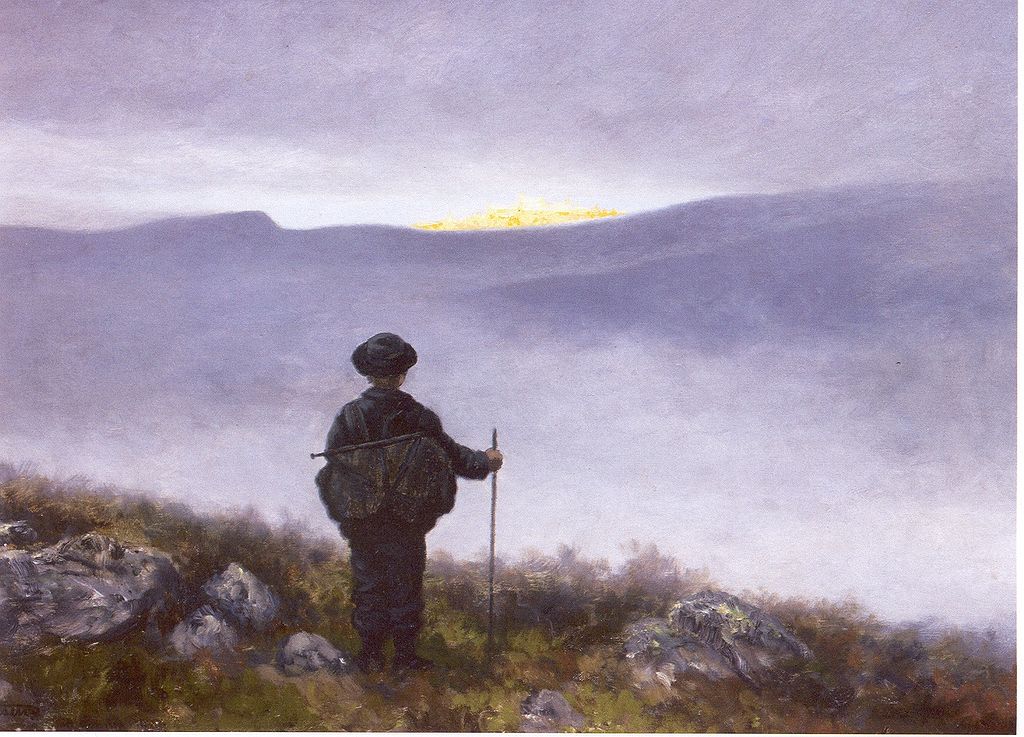
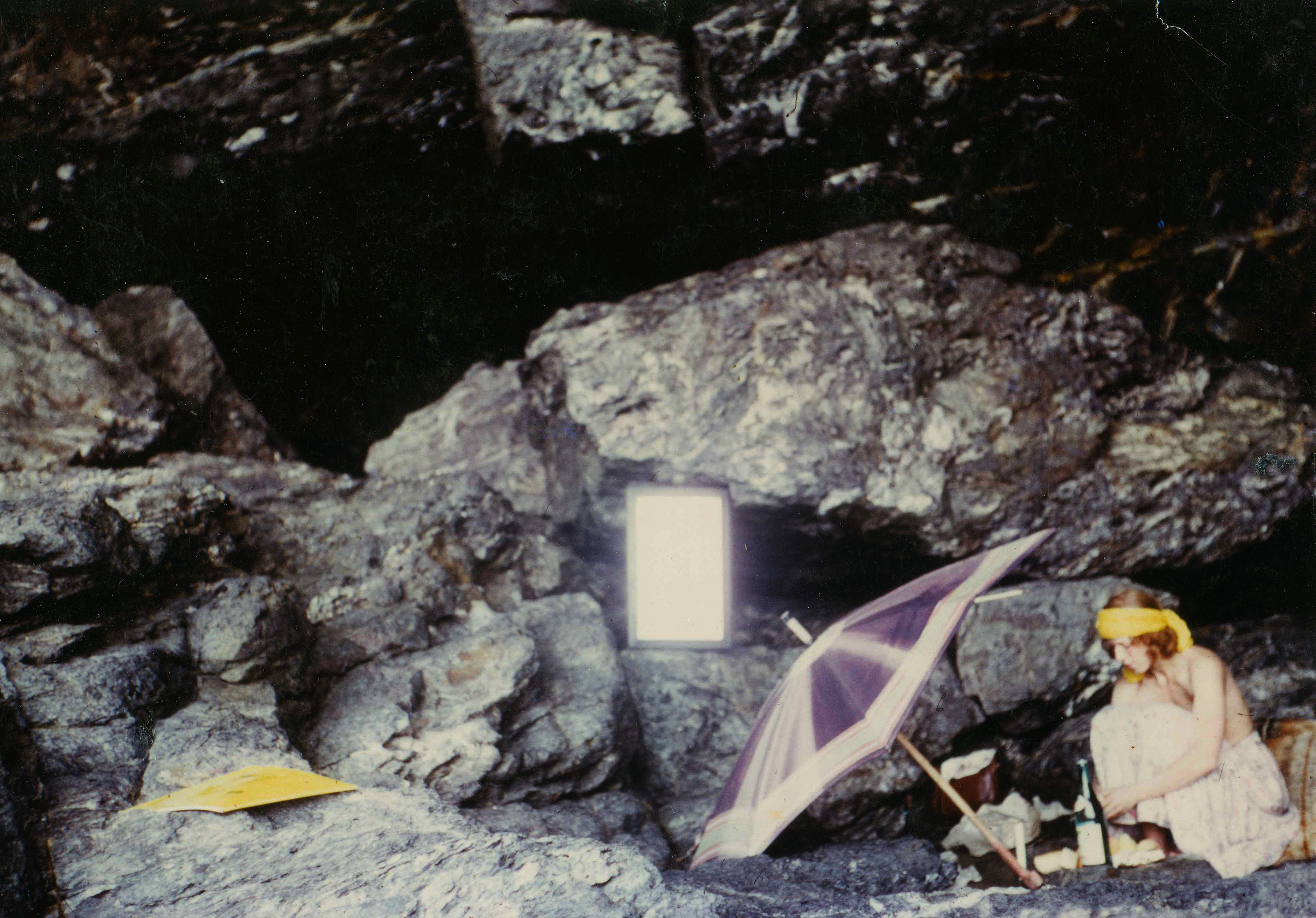

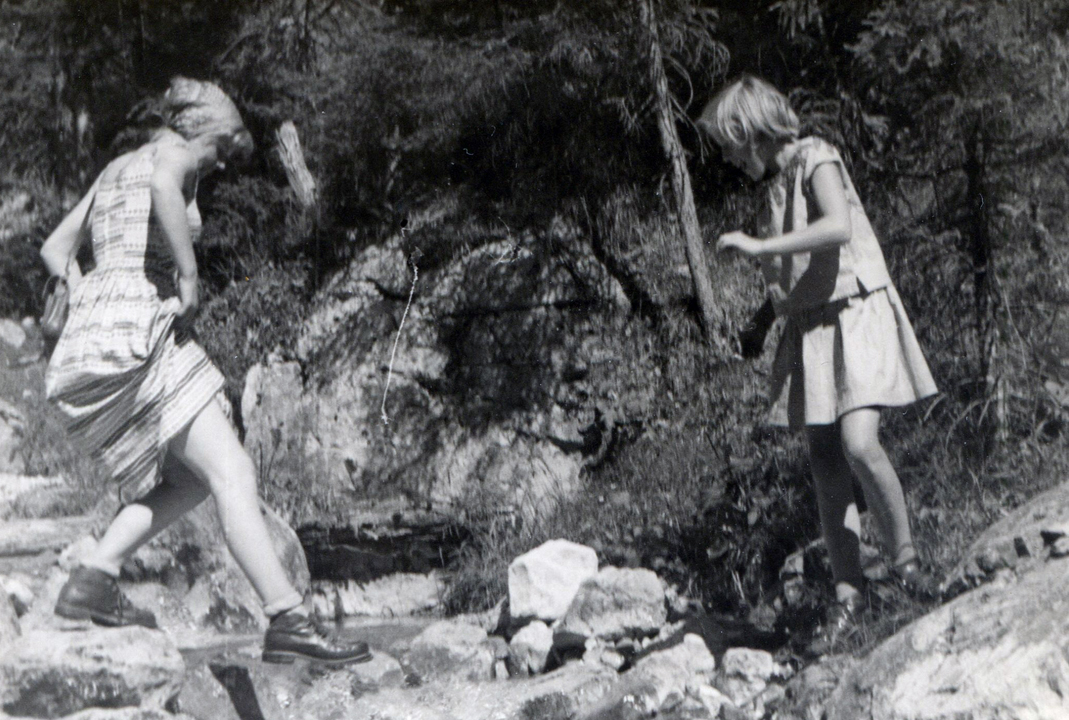
 To fill in the distorted or simply incomplete gestalt gathered from early caregivers, we find ourselves during our lifetime in families of various constellations … in groupings of friends, educational settings, teams working towards a project, callings, interest groups, animal care, subcultures, political, vocational and spiritual clusters. In these groups we slot into roles we project, or are projected onto us with qualities others are drawn to engage with, for whatever reason, often to explore a hidden part inside, mother, father, sister, brother, child, lover, hidden in the light or hidden in the dark. Much of this search now happens virtually, through screens, though it can’t replace the actual physical resonance a gestalt needs.
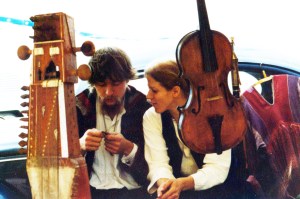 Family can also mean a collection of symbolically meaningful objects, toys, letters, books, art, tools, stones. I collect stones and endow them with memories. My ex-husband extended his loving father role to string instruments. (I wrote about his loss in my previous post.)
 At stages in our life we fit, or are fitted, into a network of psychological potential. These are intense phases. Yet irrespective of time gone since people parted ways, families dispersed, places were lost … when a former close friend dies, insight descends, rises, arrives from the past, from the future and from spheres unknown. Memories will shift their meaning. Slowly our sense of self is re-aligned. We capture a condensation of what was symbolically exchanged, essence is revealed.
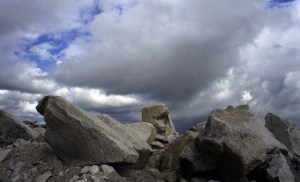
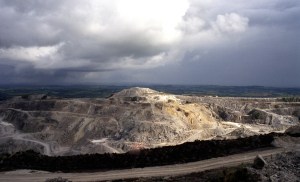 Some call it a lunar landscape. Wrongly. For lack of atmosphere, as mentioned in my recent post, the moon has no blue dome with cloud beings.
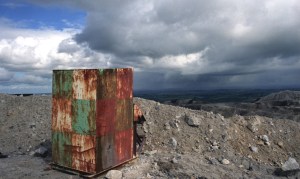 horizon, the then white hills left a deep impression, bringing to her mind a city of temples, namely Ezekiel’s prophetic vision of a New Jerusalem.
 In uniquely attuned spiritual warriors mode we conducted many seminars and workshops together, on dreams and archetypes and the imagination.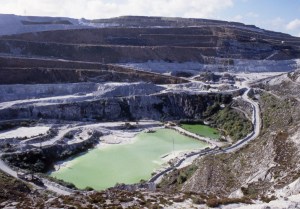
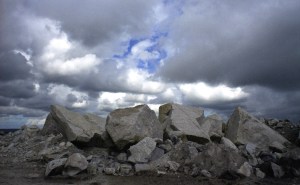 Human industry values the hidden treasures under the earth, black stuff, white stuff and golden stuff … Cornwall supplies white gold, the clay prized for porcelain, paper, paint and rubber.
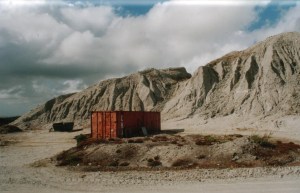 pumped to the surface for processing.
 The museum is planning a celebratory exhibition this summer …
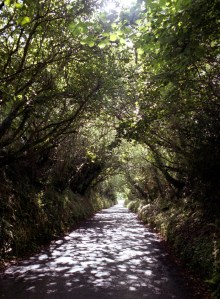 Later that day, Rahima and I travelled along narrow, sun-speckled Cornish lanes towards Lamorna Bay at the coast.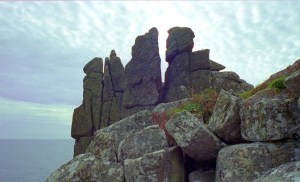
 How to reconcile moments of pure beauty and light our restless world offers, with the heavy darkness of human ignorance? How is it the guiding spirit that is shining through everything so often escapes the unseeing eye? Is it our wounded hearts, or our anxious busy thoughts that prevent spontaneous being? Many of us like twilight, the dawn, the dusk, mist, where darkness and light do not negate but enhance each other. They mingle. As friends do, or lovers. Twilight is poetry in motion.
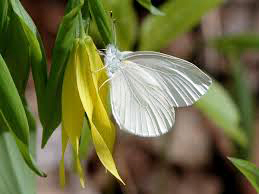 like tiny cherubs
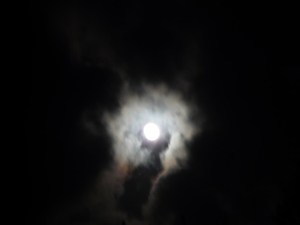 When there is no other near to share such paradoxical quickening with, I may call on those who enriched my life but are no longer present. I adore the moon, the ancient chunk of earth, reflecting and making tolerable the blinding beams of the sun, granting us poetry and symbolic language.
 We must see things fresh, not through tired ideas our establishments bank on, that destroy nature’s homeostasis and spill imbalances into cultures too poor to afford resistance. I say – let our children and young people decide what’s worth living for?
 Once upon a time Khidr, the Teacher of Moses, called upon mankind with a warning. At a certain date, he said, all the water in the world which had not been specially hoarded would disappear. It would then be renewed, with different water, which would drive men mad.
 When he saw, from his security, the waterfalls again beginning to flow, this man descended among the other sons of men. He found that they were thinking and talking in an entirely different way from before; yet they had no memory of what had happened, nor of having been warned. When he tried to talk to them, he realized that they thought that he was mad, and they showed hostility or compassion, not understanding.
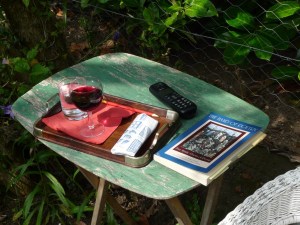 This time of year I like reading in the garden. Last week I forgot to take a book inside – ‘The Hand of Poetry,’ collected poems from Sanai, Attar, Rumi, Saadi and Hafiz, translated by Coleman/Barks, with introductions taken from talks by Inayat Khan. During a short but heavy shower that night, the book greedily feasted on rain. I found it blown up, like a balloon, to double its size.
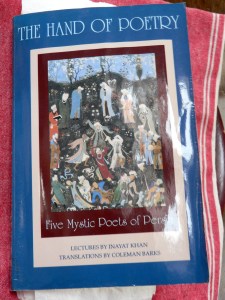 and three times over. On the third day I hung the book by its spine on the washing line. Once dry, I managed to press the volume with a heavy vintage iron into reasonable shape again. The ordeal required my undivided attention. The re-read pages during those hours lodged themselves with refreshed presence in my heart.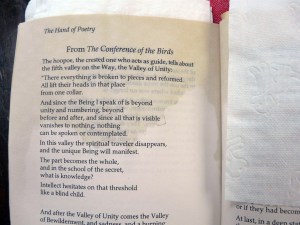
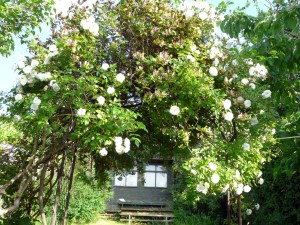 Meanwhile I enjoy some treasures close by …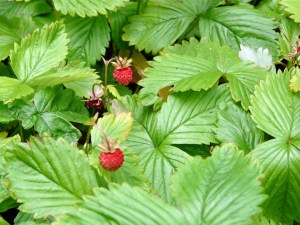
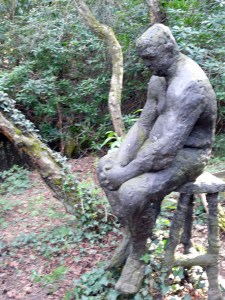
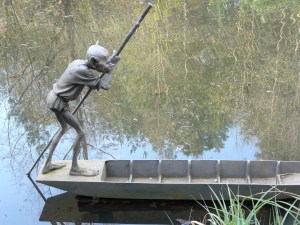
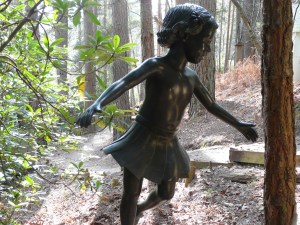
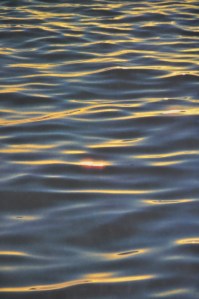 Having succumbed to waves of nostalgia, I’m unsure what will emerge next, which is fine for now. My father’s death at 99, while sad, is also a relief. During the last two years I’ve been on tender hooks, waiting for the telephone call, and the prospect of sorting and processing a left-behind-part of my life. As anticipated, the reality of it was exhausting. There’s no financial reward, since what’s left of my father’s estate will just about cover the bills. His furniture was too damaged to be accepted at auctions, and anything else of value he had given away to people whose support he appreciated. He resented me for not living up to his ideas, and I resented him for his total lack of support. He had fun, spending a fortune on years of luxury cruises around the world with his second partner. While often justified, resentment is entirely useless. I tried my best, so I’ll drop my misgivings and wish my dad’s soul a good journey onwards. It frees up my life.
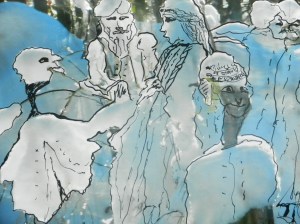 It’s ironic, because my Dad had artistic leanings resembled my own. We only occasionally clicked, for a short while, especially when he needed me, after which he retreated into his controlling paranoid mode. He may have been jealous of the self determining freedom available to my generation. I should add that his psyche was injured by the last horrific war.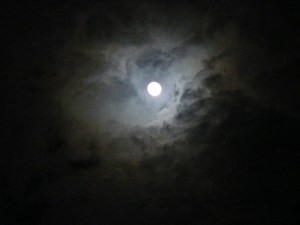


 Course of Mirrors