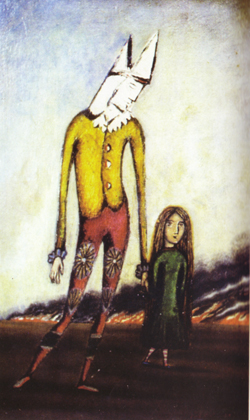
Cartoon de Salvo
Stay home – the resounding advice to stem a globally spreading virus, made me think of what home actually means, to me, to you, to us. Is it a sheltering porch or a railway bridge providing the roof under which one can curl up and sleep? Is it a room, a flat, a house, a village, a town, a metropolis, a country, a nation? The present urgent injunction to stay home obviously refers to a space surrounded by walls.
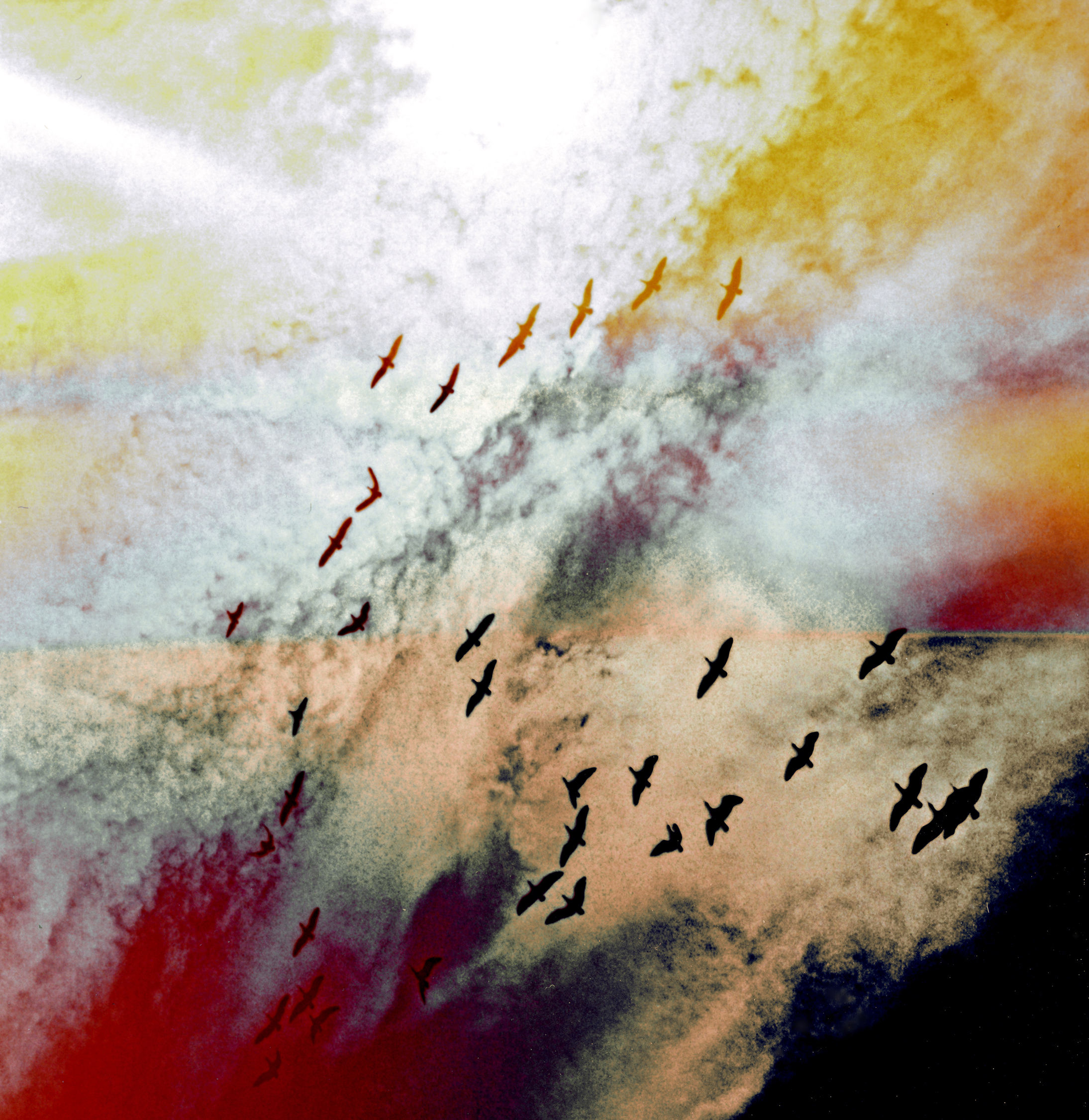
Is home an extension of us? Is it a place to get away from habits and rituals, or a place to return to and feel safe? Is it a place that keeps others out, or a place that invites others in? Does home offer solitude? Is it place where we are cared for and care for others, or a place where we feel controlled, as in a prison, an inhibiting place, a crowded place, a dark place, a place of chaos, where we find rejection instead of intimacy? Is it an imagined place in the sky, where wisps of cloud move this way and that way, carried by the flow of air?
We shape places, ideal places, inside or outside, through the imagination.
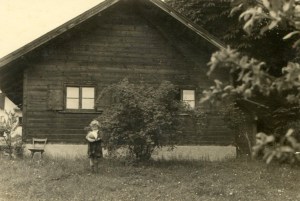
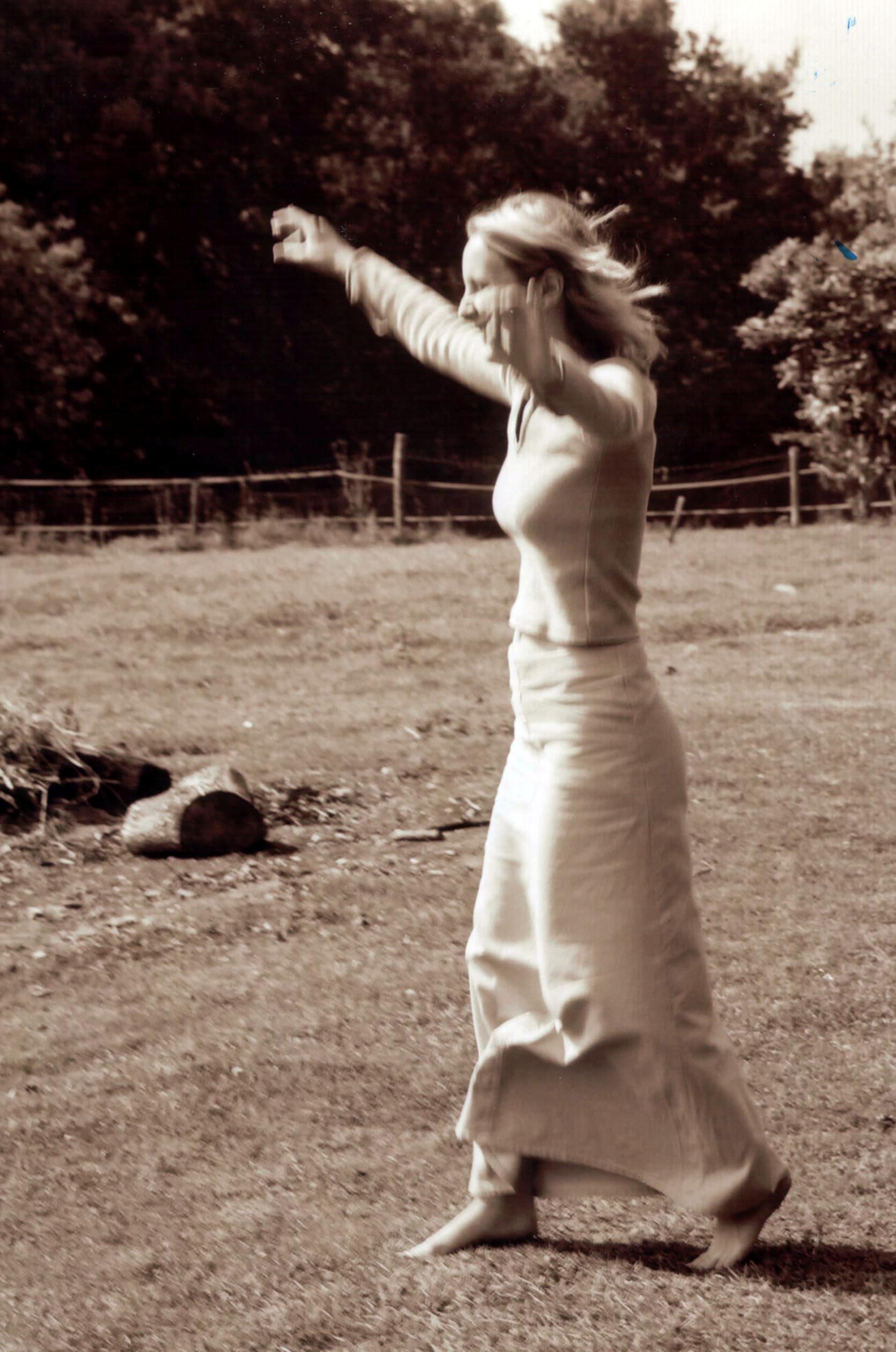
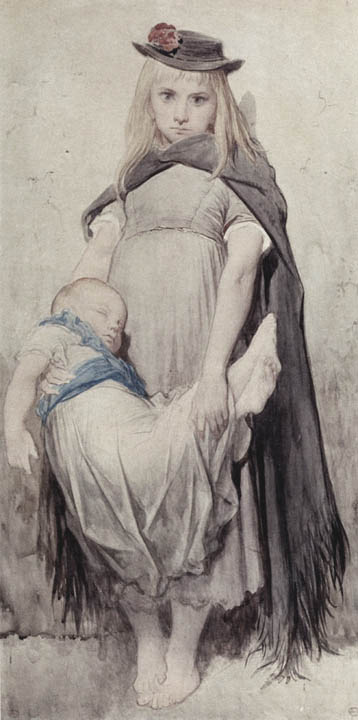
me aged five or six
Each place I lived in I made into a temporary home, a bit of colour here and there, a few cherished objects. I have no trouble to sensually recall their ambiance … Four homes within the village I grew up in. A tiny student accommodation in Munich, followed by varies flats, rural communities, and a VW van in which I travelled through Europe. Two places in Amsterdam I remember, one horrid and surreal, the other blissful, where my son was conceived. Then a cottage in Somerset, various flats near London, a spiritual home in Surrey, and a small semi I acquired. Memories were anchored in each place.
From stories shared in my therapy practice over the years, I understand impression of our very first home wield a repetitive power throughout our life that’s difficult to shake off. Yet the experiences we share have no walls, instead, imagination has a powerful role in our ideal vision of ‘home,’ even if rarely achieved. Personal and collective memories lend us the styles, the architecture and environment we envision, we sense we had once, or will have again. Many of us are alienated from such ideal, just like the Ugly Duckling, where inner and outer worlds don’t chime. But the call is there. And the call creates a most poignant contradiction, a creative tension resulting in great works of art that link and weave vastly different scales (physically and spiritually) together and inspire new dimension of experience in all of us.
And yet we witness the heartbreak of people uprooted from lands that provided their basic needs, compelled into the unknown by famine or war. Displaced people must persevere as best they can. They carry their only remaining home with them – their body.
The body we inhabit is indeed the only physical home we absolutely own, for better or worse, which only death can take. But how many are at odds with their own bodies. And how many are at odds with nature, and the very planet we live on
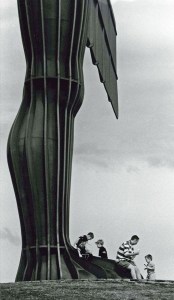
Angel of the North – image by Sylvia Selzer
And here I’d first like to share the deeply fascinating process of an artist, Antony Gromley.
Don’t miss this documentary by the amazing Alan Yentob, click on the link and a new page will open: Antony Gromley – Imagine
He shares his childhood experience, and how he started out by making casts of his own body, to explore what it means to inhabit a body, a human life.
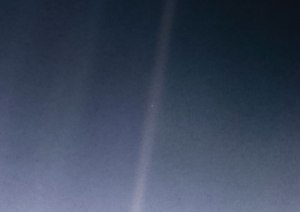 And then consider Carl Sagan’s tender reflections on the pale blue dot, the Mote of Dust, as in a sunbeam, the home we all have in common, a selfie, seen from afar. “Where everyone’s love, everyone you know, everyone you ever heard of, every human being who ever was, lived out their lives.”
“That’s here. That’s home. That’s us.”
 The thought brought on a Haiku last week …
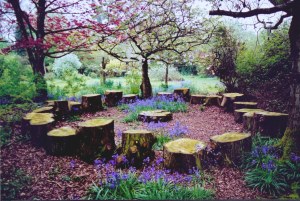 singing a phrase for an hour, or longer, with short intervals when the organ’s tune breaks into musical improvisations, only to return to the melody and phrase. In the end the sound slows and fades, leaving the echo of your voice as an indispensable part of all voices.
 To remain grounded and prevent the fate of Icarus, I tolerate the company of my little devils.
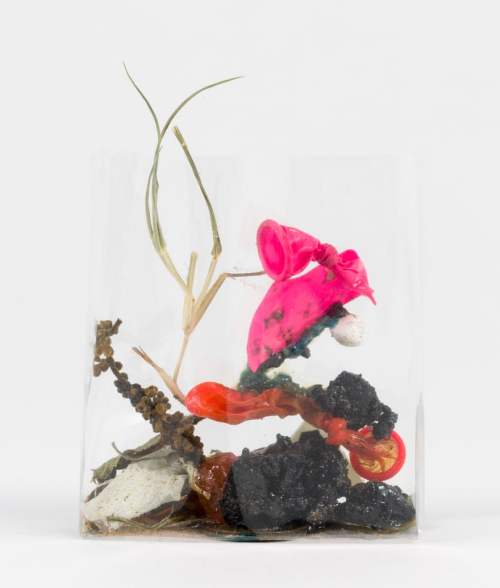 The eye-catching miniatures created by Yuji Agematsu pulled me back to my student phase in Munich during the 1970ies, when a group of friends looked out for small items like roots, twigs, leaves, seeds, grasses, feathers, stones, shells, dried or fresh flowers, the occasional bottle top or bits of shiny sweet wrappers, and sampled such bits into cellophane bags. We then handed these tiny poetry worlds to pedestrians or people sitting outside cafes in the then student district of Munich, Schwabing. It gave us thrill when recipients expressed a shock of surprise.
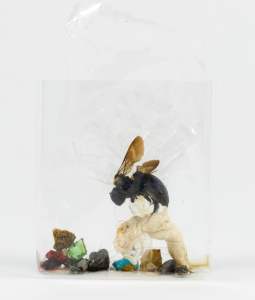 In this
 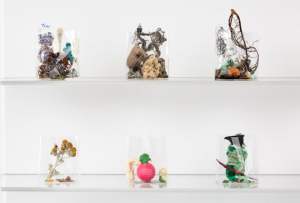 Yuji’s search for trash treasures developed into a language that emotionally embraces urban archaeology. He attracts bits of litter we may regard with a smirk, mostly ignore or simply not notice. While his miniature installations are scaled down to finger size sculptures, the mind-expanding and transformative effect equals grand scale installations. My experience, apart from the cognitive surprise, was being left with a bodily sensation, a deep feeling connection with these miniatures.
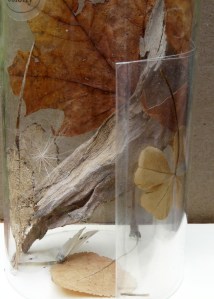 I have miniature installation in my home, on windowsills … unable to resist picking up feathers, seeds, leaves, driftwood, pebbles and so on, which often hold the story of an eternal moment in time.
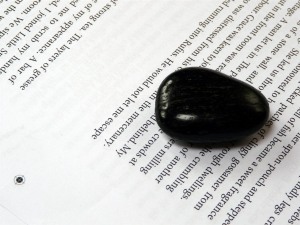 A small black stone, for example, features prominently as a protagonist in my novel,

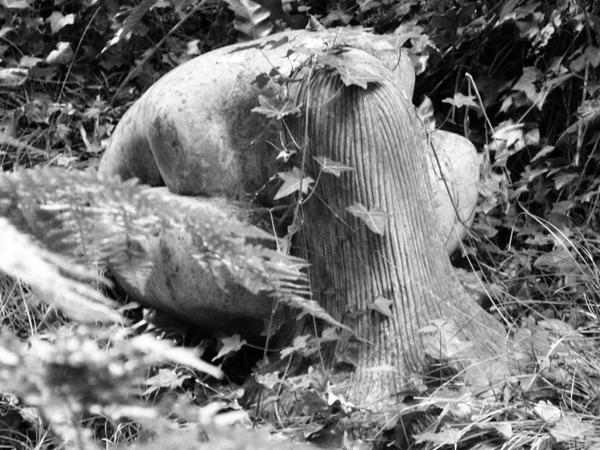
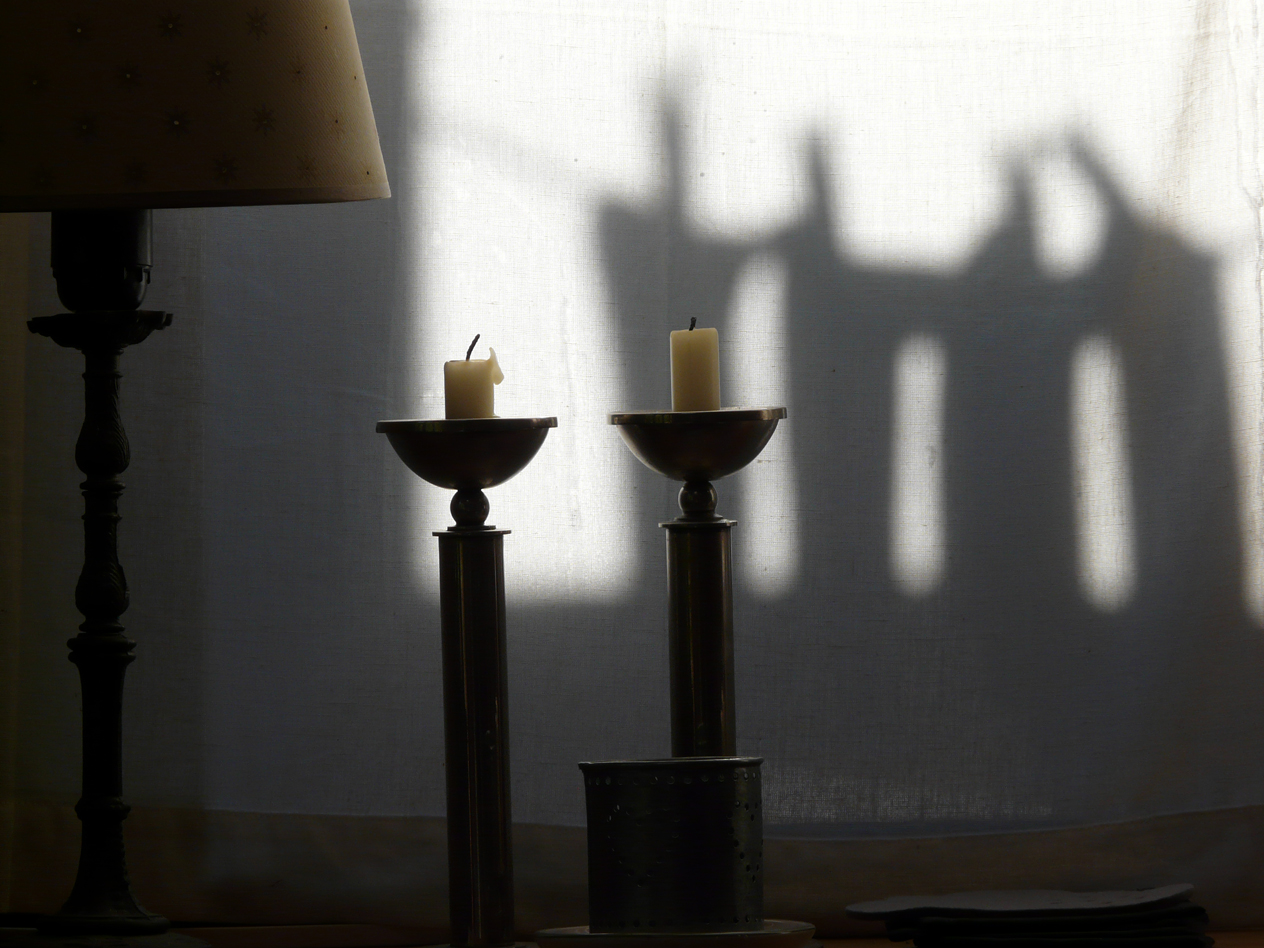


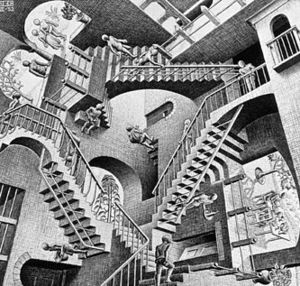


 Course of Mirrors