… beautifully lost – revision of a poem …

Many of my poems linger in files, unfinished. I’m never sure of anything for long. Quite often the poet and the philosopher existing in my solitude are at odds with each other, or the pair gangs up against the certainty of experts our western culture values. I favour dynamic approaches to life, where faith and doubt are equally valued in the process of becoming human. The words of Hazrat Inayat Khan would apply:

‘The ideal is the means; its breaking is the goal.’

When making something audible and visible from the inside out, a topic I touched upon in my last post, only time may tell its worth. Once we shared our art, there is the waiting … the vulnerable span after exposure. Does our wave of inspiration chime in other minds, offer fresh perspectives,  frustrate with surprise?

I hope you, my readers, can offer a reflection on the little poem I obsessed with revising over the last week, and maybe even share thoughts on your own revisions.

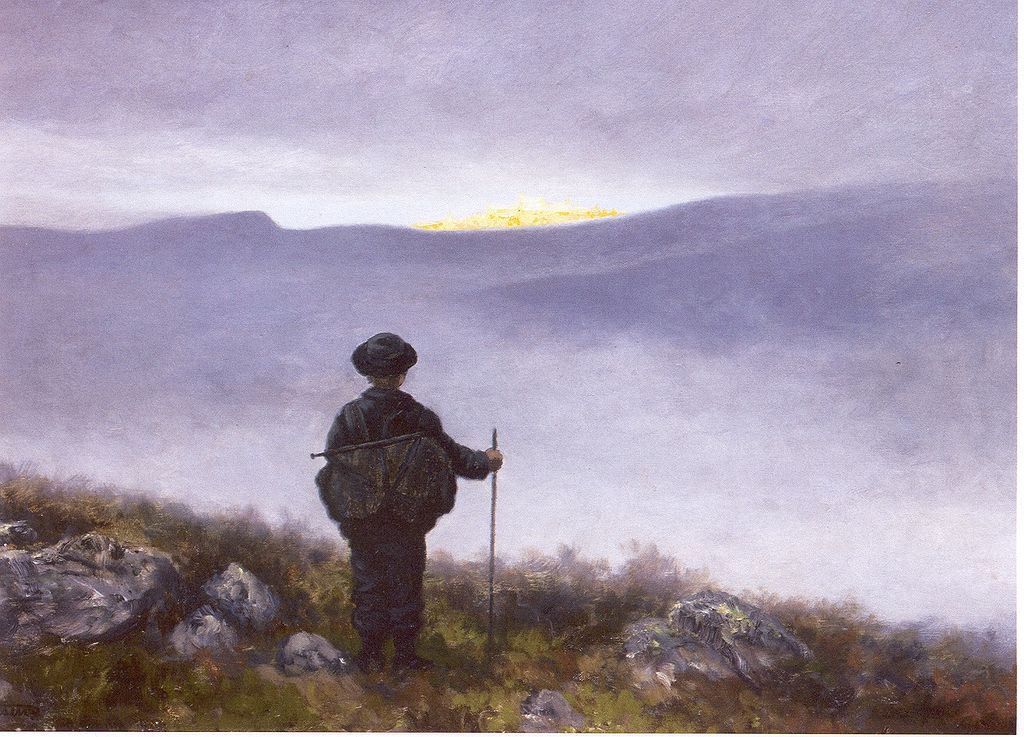
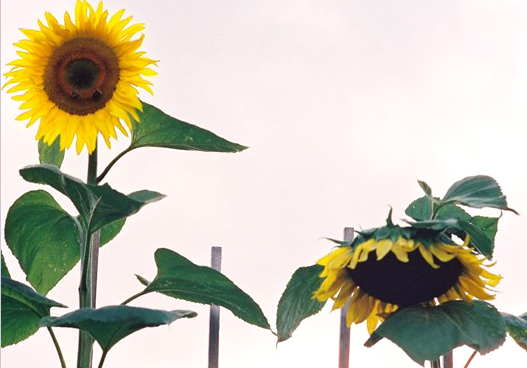
Sunflower 6I first wrote ‘beautifully lost’ in 2005 and put it to sleep. Other versions exist. The latest attempt turned into a Haiku sequence. I’m not at all sure it’s an improvement compared to my first attempt.

The theme is cycles of experience, when after a period of loss and unknowing; a renewal of meaning happens that keeps me young at heart, connecting me back to the middle of each moment.


Beautifully Lost – 2005 version

At times no deed rhymes,

nothing I say is heard,

each word drops to silence,

and my best yarns slip

from the loom, waltzing

in endless loops,

suspended.

On solid earth swords cut,

and chalices swallow us,

but once every full moon

King and Queen align their myths,

And I– beautifully lost –

dreams undone – whirl

at the gateway to an inner sun.

 –  Ashen, 9th Nov 2005


beautifully lost –  2015 version

when deeds miss their rhyme

and words fall flat on their face

I chase your fragments

in the wayward yarns

that fall off the loom and loop

on my breath – dazed

drifting without aim

they will chance the blade that cuts

or a gulping maw

until a full moon

weds the light of King and Queen

and my best yarns yearn

beautifully lost

heart-whirling at the gateway

to an inner sun

  Ashen, Jan 2015


And here a song …

http://www.eyeneer.com/video/countryfolk/pete-seeger-judy-collins/turn-turn-turn

30 Comments

Filed under Blog

… the gulf between writers and readers …

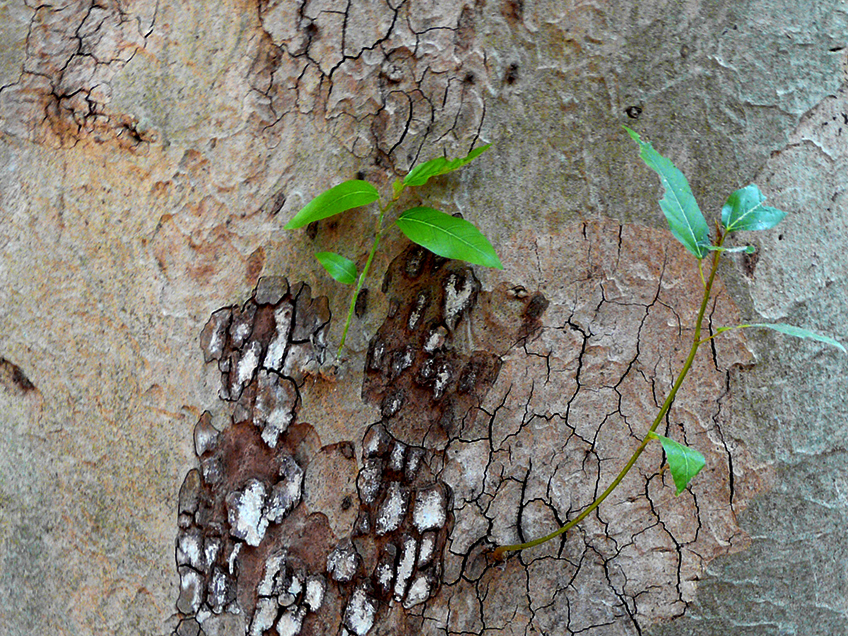
This post was sparked by a stimulating and taxing interview Philippa Rees conducted with the writer Vivienne Tuffnell  P1060427lower - CopyThe interview attempts to re-define the gulf between writers and readers in the way commercial algorithms define values for readers, blanking out the appearance of new green shoots.

This disrupted my sleep, in addition to lots of other stuff going on, so I tried stepping back for a wider perspective. No answers, only a few muddled reflections …

My generation, whose early years were without TV, needed to adjust to rapid periods of change, particularly the change from analogue to digital recording, – two entirely different metaphors. The true significance of this shift has not yet been absorbed by the general public.  In a dissertation during a sabbatical film degree as a mature student in the mid-nineties, I quoted Jean Baudrillard  who saw the forced silence of the masses no longer as sign of passivity or alienation, but as ironic and antagonistic. He commented on the strategy of the masses:

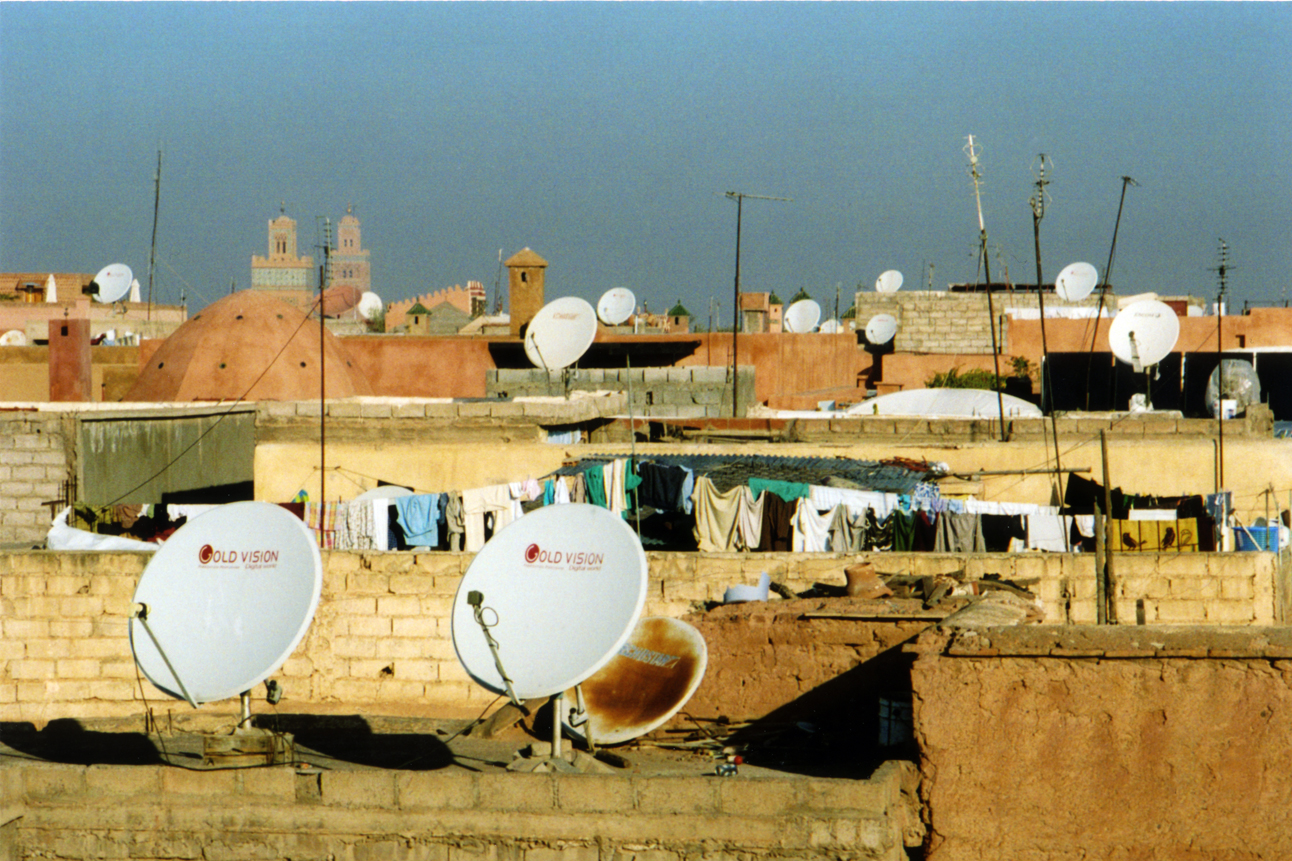
‘… refusal of meaning and refusal of speech; or of the hyper-conformist simulation of the very mechanism of the system, which is another form of refusal by over-acceptance. It is the actual strategy of the masses … it is the winning one today, because it is the most adapted to the present phase of the system.’ Moroc, Marrakech Riad roof, golden vision - low

I recognised this as the Zeitgeist  gradually reaching across the globe. My continuous studies, driven by curiosity and endless questions, prepared me, but I still find it difficult to accept a reality where, for many otherwise intelligent people, the beautiful term ‘soul’ has lost its impact. I place the word carefully in my work and in my writing to avoid bias. Marion Woodman  uses it powerfully … ‘Our very survival depends on spirit embracing soul.’  

The quote becomes poignant through experience, not theory.

Don Cupitt – a philosopher of religion who rejects authoritarianism, once said … ‘The soul, the self, has died. The self in an animal with cultural inscriptions on its surface.’ Sobering, and true, depending of course from which plane of experience one perceives.

In our present culture the commercial speed train whistles through every zone of life. Publishers are among many enterprises struggling to survive amidst overproduction. The ‘Road Closed Pending Repairs’ signs Philippa refers to in her interview grow like mushrooms. Small businesses, for example, vanish at an alarming rate, at least in my little town. Be it a supermarket or a bookshop, I’m bombarded with buy-one-get-one-free or two for three offers. Plenty of people I know look beyond the more-is-better and cheaper hype, but their numbers won’t topple the algorithm-driven logic of mass-cargo firms like Amazon (click for latest newsletter.) Their long term strategy is to please the consumer, which, now, increasingly, includes writers who self-publish … To make profit in an oversaturated market requires ever-new smart inventions.

Works not created from templates, but from inside out, which, sigh,  includes my novels, will struggle to find a position on consumer maps. Traditional meanings are collapsing.  New genres for books are proposed. The box marked cross-genre sounds like a stir fry of left overs. How, as a writer, does one shoulder the marketing speech for novels not fitting into boxes? Crime? No! Romance? No! Religious? No! Paranormal? No! Sci Fi? No! Fantasy? No!

The distillation of a life’s experience, a work of creative imagination? What’s that?

Authors of such ilk have the formidable and possibly worthwhile task of writing their own obituary. Are any of the thoughts a writer expresses original? I don’t think so. Thoughts happen to us. What’s original is their processing and linking based on personal experience, which may offer a new window of reference. I look at my bookshelves and ponder what I would have missed had the authors whose works snuggle up to each other had lost faith in their work. Few commercially produced genre books leave impressions that live on. They’ll drown in ISBN databanks. Our shelves at home hold unique books that surprised and inspired us over the years, and until we become cyborgs and can, with a mere thought, make book pages fall open on any surface of our choice, this will not change soon.

I admire self-published writers. Vivian published several novels herself,  as did Philippa, which speaks for their tenacity and belief in their work. And I admire Philippa’s poignant questions, and how Vivienne exposes herself to them …

the very uniqueness you want to write about? Could you define why that is so difficult? Is it simply too much surrounding noise? Or something else?

‘… is writing the way in which we confront out existential loneliness, and are readers who ‘get’ and share that now the substitutes for lovers?’ 

MercatsSuch questions and similar ones are worth their salt, and expose our vulnerability … do writers, any artists, want to be truly seen? Is one person’s interpretation of truth going to be interesting to others? Will the public feel preached to? Such questions haunt many of the most inspired artists, poets and writers who weave works from layers and layers of their psyche. To expect an instant resonance from crowds will bring deep disappointment.

And yet, the most deeply personal experiences, combined with some magic ingredient of presentation, can, over time, have universal appeal. Stan Brakhage, an experimental filmmaker, put it this way … ‘I had the concept of everything radiating out of me, and that the more personal and egocentric I would become the deeper I would reach and the more I would touch those universal concerns which would involve all men.’

If I’m positive about the future it comes from an understanding in tune with Walter Benjamin  … ‘Technology, instead of liberating us from myth, confronts us as a force of a second nature just as overpowering as the forces of a more elementary nature in archaic times.’

To me, this means learning and unlearning accelerates in condensed time. Think how we make ourselves visible by blogging. How brave and scary to step in front of a public mirror … Virtual or not, the psychological process of engaging with virtual friends and foes is totally real. Sherry Turkle expressed this … ‘I believe that our experience with virtual reality, with artificial life are serious play; our need for a practical philosophy of self-knowledge has never been greater.’ My self-understanding is now aided by the relationship with people I have not met face to face – I never shook hands with or exchanged a hug with Vivienne, but I emphasise with her loss of joy, and her frustration with the ironic and antagonistic attitudes of people who belittle deeper strands of truth for fear of looking inside, and the sense of being a square peg that doesn’t fit the neat round hole of genres and algorithms.

Many writers will recognise these obstacles, including Philippa, and myself. How do we attract and persuade people to sample the green growth in our plot? At the same time, I’m convinced we are co-creating artists of our continuous self-invention. Mourning a not-yet existing frame for our work  might hinder this process, which moves and dances naturally through each breath. And I’m heartened by how writers and poets influence us over time.

A poet and mystic from over 800 years back examplifies this phenomenon …

‘The minute I heard my first love story I started looking for you, not knowing how blind I was. Lovers don’t finally meet somewhere. They’re in each other all along.’ – Rumi

20 Comments

Filed under Blog

… time to appreciate my work …

Yesterday a friend called my home a little palace. The semi has a lot going for it – road & off-road parking, a lovely back garden which opens additional living-space in summer, provided there is enough of a sunny summer. Over the years I had my share of annoyances coming through the adjoining walls – the TV of an old man who didn’t believe in hearing aids, a couple who screamed at each other every other night, and recently a developer who put up an extension and is now gutting the house to create an open-living space …

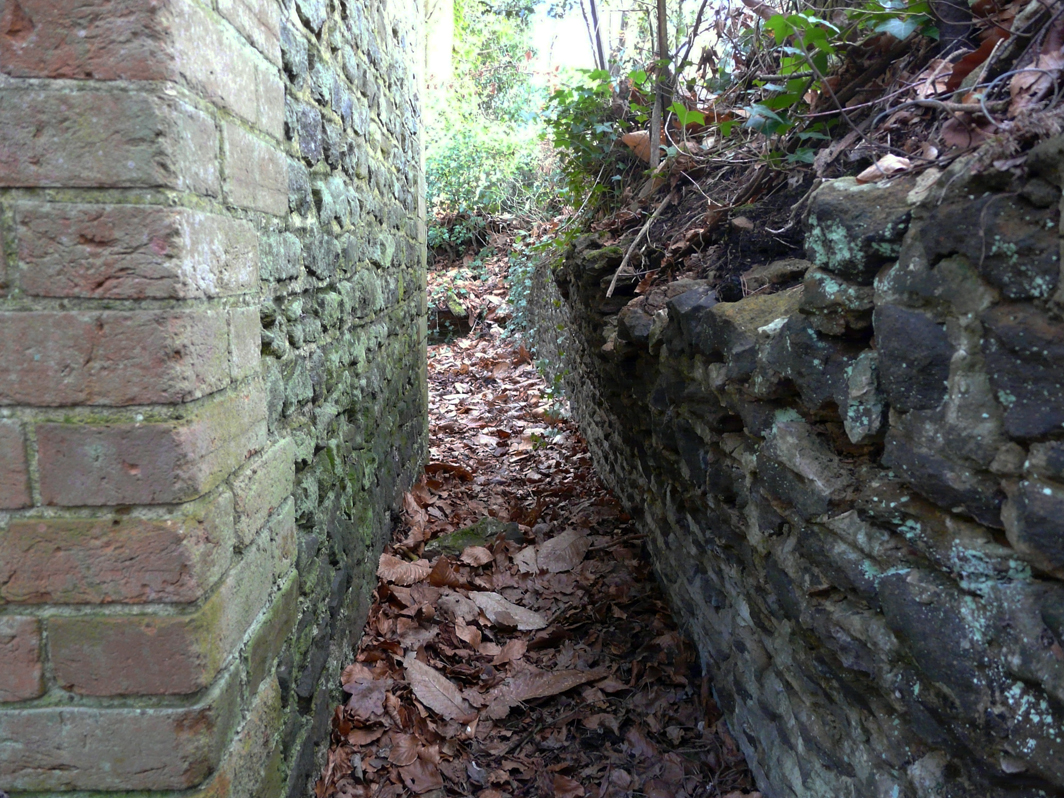
P1070069 - smallerSo when I saw the ad for a Chapel not far from where I live, my imagination soared – I envisaged part-ceilings with upstairs galleries and features of functional beauty – a little palace without adjoining walls, right?

That was until I popped over to look at the place. I guess the Parish cashed in on the adjoining land before they sold the Chapel as bargain to someone with a dream, who, unable to realise it, let a few years go by and is now hoping for profit – from another dreamer.

While the green roof enchants, the boundaries of the plot permit only a shoulder-hunched walk around the building. There is no room to park a car, let alone a builder’s van, without blocking a footpath or the narrow lane.

P1070068 - smaller

P1070070 - smaller


My sudden surge of energy, I understand, is in line with spring and, to come to the point, my need to overcome an obstruction that is pervading all else in my life, namely the dwindling hope that a publishing contract I signed nearly two years ago is going to result in the launch of my novels. The chapel with its constricting plot inhibiting development reflects precisely my deflated spirit and the state of mind I trapped myself in.

Given the nature we are, spring urges in us for scope and inspiration to move forward in different ways. For me – it’s time to appreciate my creative work and count my blessings. It would be marvellous to be in Chuang-Tzu’s position, but unlike him, most of us must summon an inner Kingship that keeps patient faith with our art.

A LITTLE STORY ABOUT TIME

Among Chuang-Tzu’s many skills, he was an expert draftsman. The King asked him to draw a crab. Chuang-Tzu replied that he needed five years, a country house, and twelve servants. Five years later the drawing was still not begun. ’I need another five years,’ said Chuang-Tzu. The King granted them. At the end of these ten years, Chuang-Tzu took up his brush and, in an instant, with a single stroke he drew a crab, the most perfect crab ever seen.

20 Comments

Filed under Blog

… musings re: photography, art, secret hoards …

When I take a photograph I stop time, from where I stand, from where I walk, from where I look. The image becomes inner, a pregnant, eternal moment. Artists who engage with the intimate reality mirrored in their surroundings might admit, or not, the erotic dynamics at play in this search for a glimpse of the beloved, an essence shining through the cracks from beneath fleeting surfaces. It’s not only artists who frame flashes of significance, everyone selects, does the stop-motion of perceiving, it’s how stories are made.

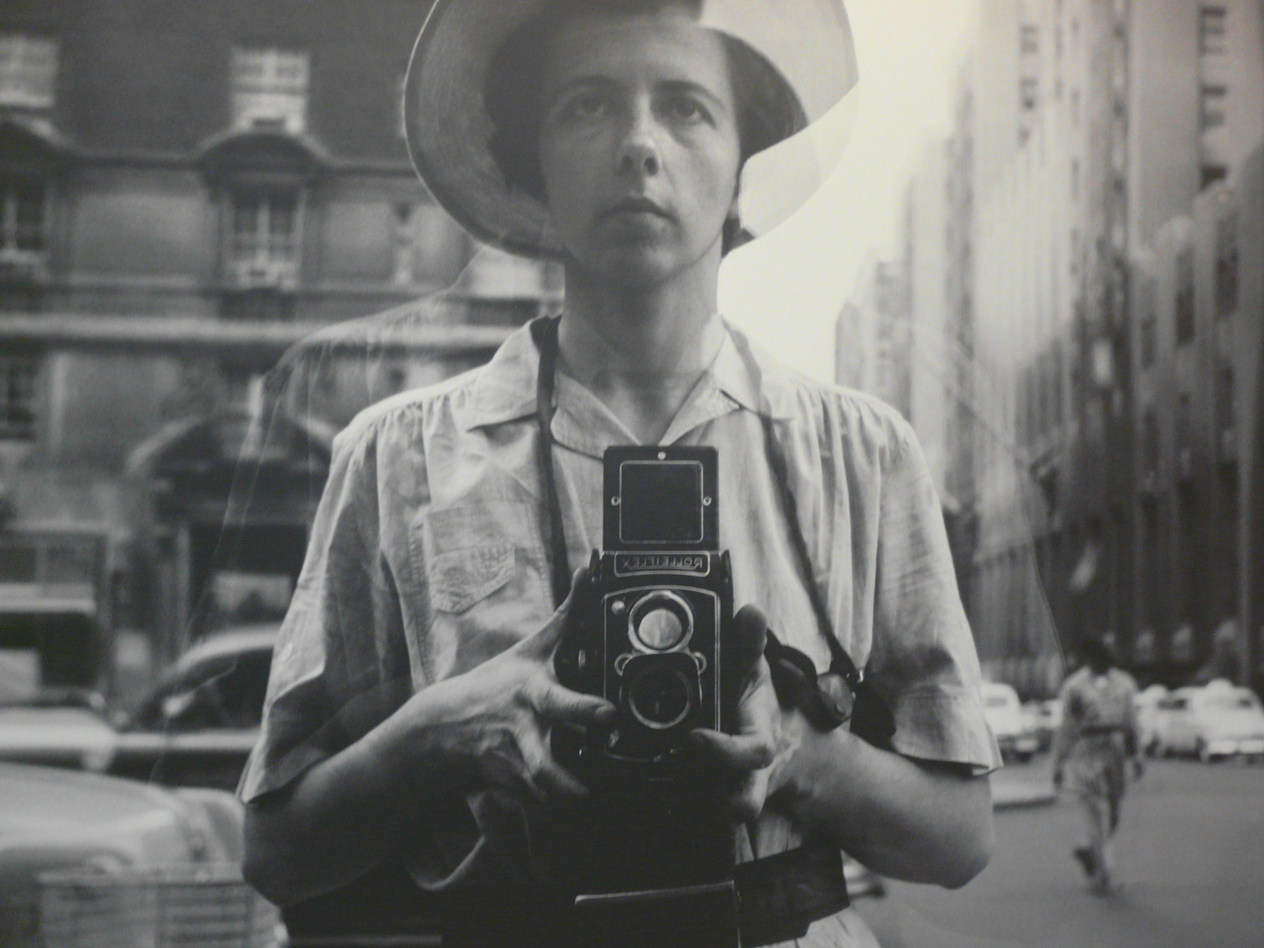
A self-portrait of Vivian Maier

A self-portrait of Vivian Maier

In 2007 a photographic archive was auctioned off to recover debts for storage rent. Most of her life Vivian Maier (1926 – 2009) worked as a nanny. In her free time she recorded what caught her eye, predominantly in the streets of New York and Chicago. She captured poignant moments, like soul mirrors, in brief encounters. Read the tale of how her archive was discovered and the puzzle of her life was assembled HERE

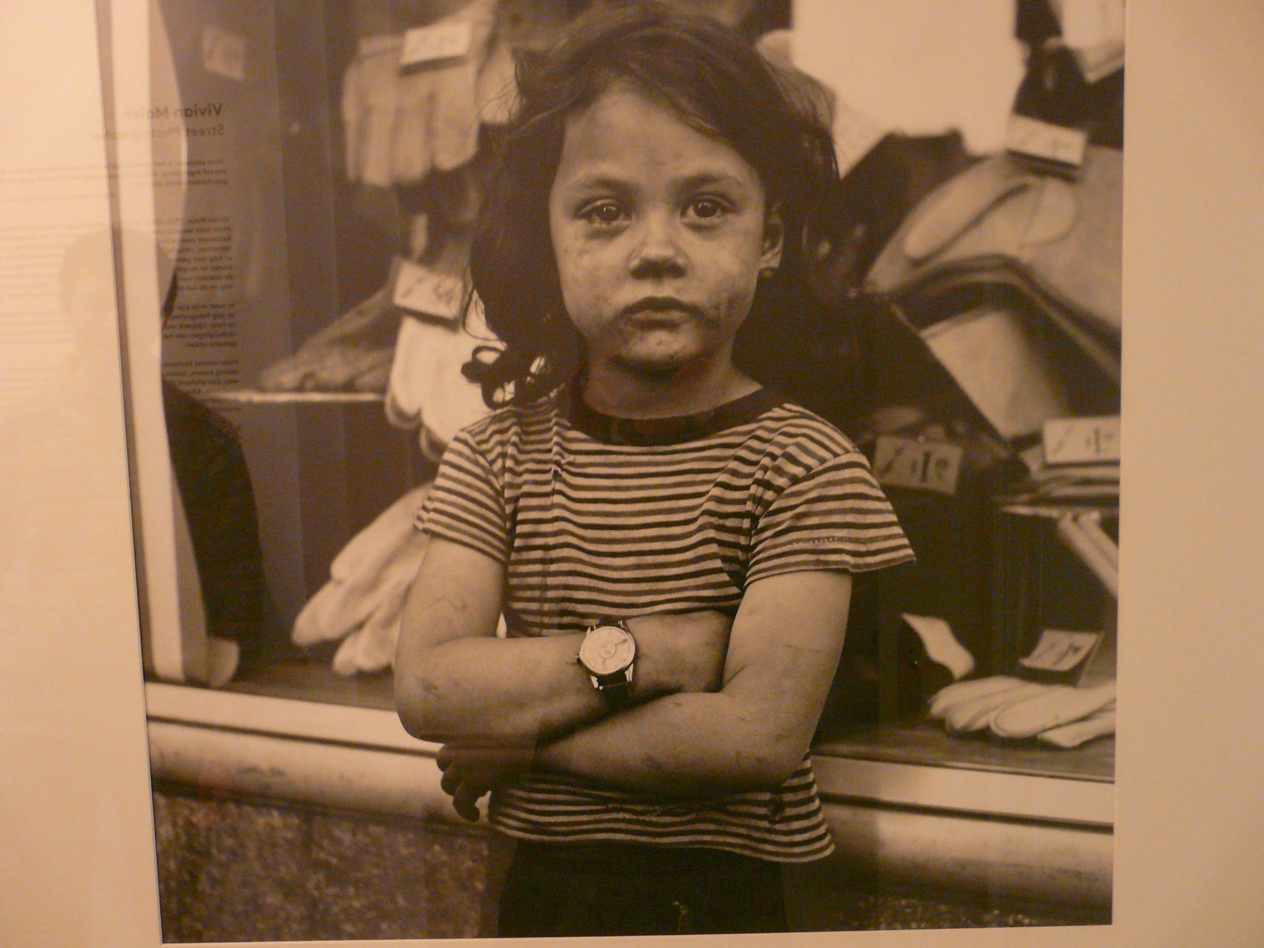
During my stay in Amsterdam I visited a retrospective of her work from 1950s to 1980s at Foam Gallery

It is my guess that, while she was without means to have innumerable film rolls printed, Vivian Maier distinctly memorised each unpredictable encounter she captured. What makes me think so?

Photo by Vivian Maier

Photo by Vivian Maier

The memory of defining and framing something on the move is powerful, with or without camera, though a creative record helps structuring and symbolising our perceptions. During the 70s, when I worked as photo-journalist, using analogue cameras, a Rolleiflex, like Vivian, but also Nikons, and a Hasselblad, I never wasted film. Each image was taken by choice.

Certain frames live on in my memory as iconic elements, and I recall the exact instant when I pressed the shutter, encapsulating something of essence.

A number of years ago I lost three 35 mm film-rolls on a plane from Berlin to London. I thought they were secure in my make-up bag, but the bag slipped unnoticed down the seat and I never recovered it. I mourned. It was the first time I re-visited Berlin, my mother’s city, since I was 7 years old.  Yet the images I took in Berlin and of the friends I travelled with are still crystal clear in my mind.

I recall the massive amount of negatives and prints I burned at an earlier point in my life, not to be burdened with storage, not to sit on my laurels, and for other reasons – profound stupitity, I know,  a self-destructive streak haunted me at the time. The vanished portfolio is now a secret hoard lingering in my memory. It is also a scene in my mythic poetic novel, still awaiting publication.

The story of the discovery of Vivian Maier’s secret archive grips the imagination. Why? Maybe because we all yearn to evidence our existence. Even if only one person holds up a mirror of approval, can GROG us, we are affirmed.

With the cornucopia of individual creativity unleashed through the new technologies of recent decades, the chance of public recognition is fickle, sponsors look for novelty, notoriety, eccentricity, looks, hard elbows …  A good deal depends on timing, and luck.

Yet no individual perspective is alike. The passions we pursue in communion with what we encounter inside, outside, our search, our uniqueness, is forever in need of expression. We want to be witnessed for the coherence and ingenuity of our individual world, our deeply felt values, skills and insights. And yet – I heard it said – if Einstein’s equation of relativity had never been published, it would still have influenced and shifted the collective consciousness.

I deduct that since we all benefit from the inspirations and inventions of individuals who may never have received credit for their genius, their life’s work, and since nothing is ever truly lost (I believe,) there can be solace in our giving, be it acknowledged or not, while we keep on the lookout and ready ourselve for a glimpse of the beloved’s curl.

And of course, nothing prevents me, or you, from expecting miracles 🙂

15 Comments

Filed under Blog

… Marlene Dumas – an Exhibition …

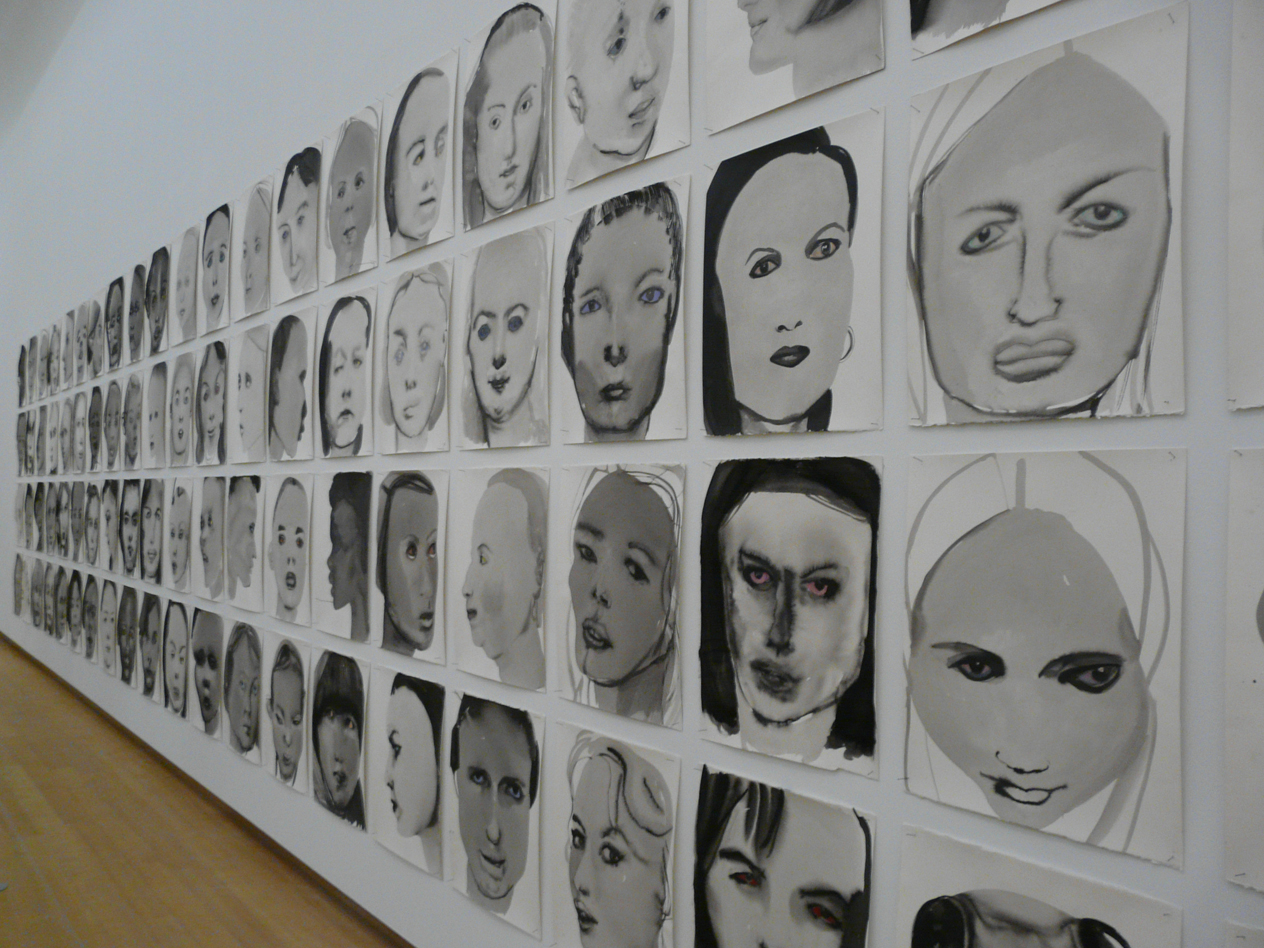
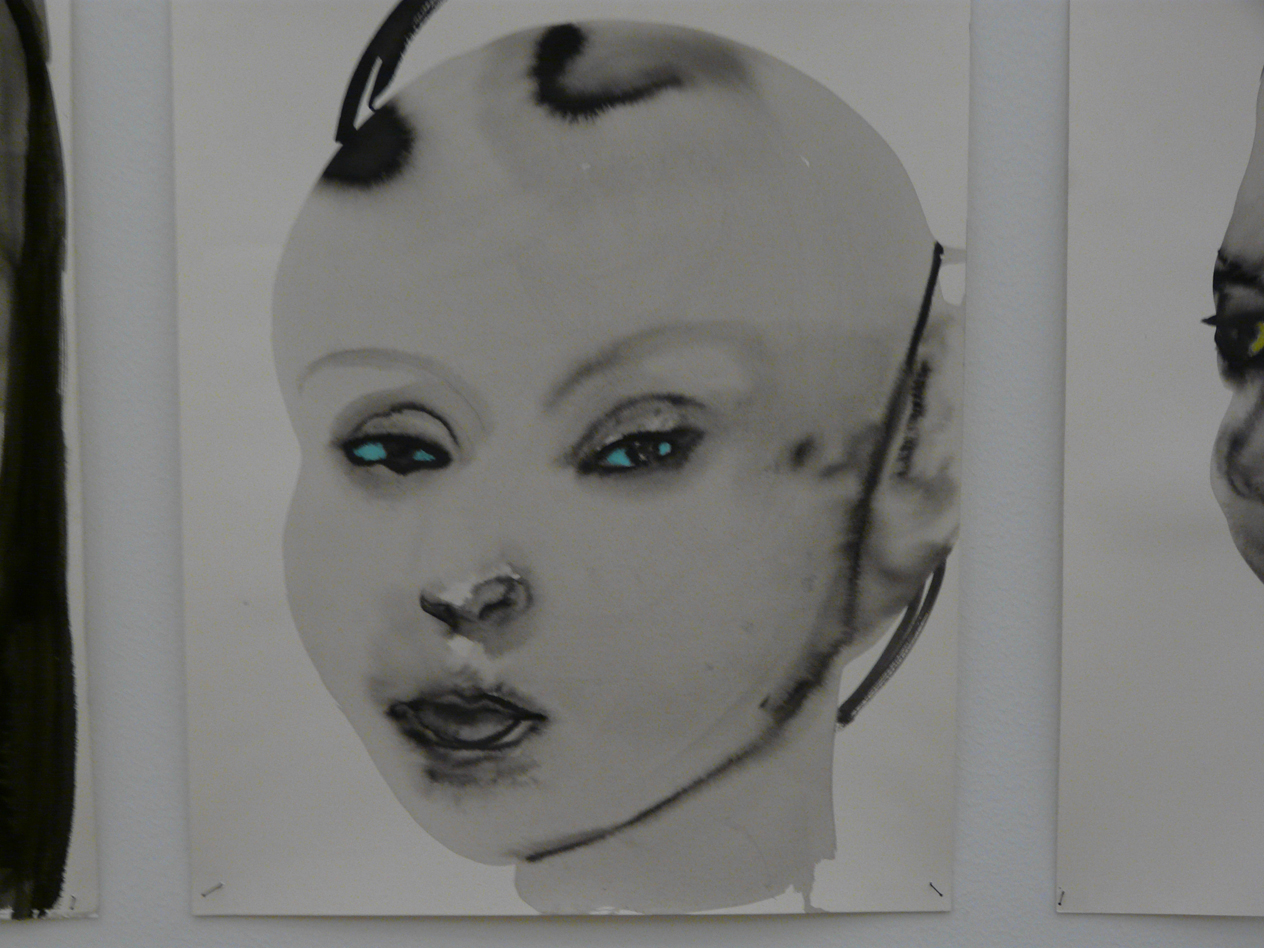
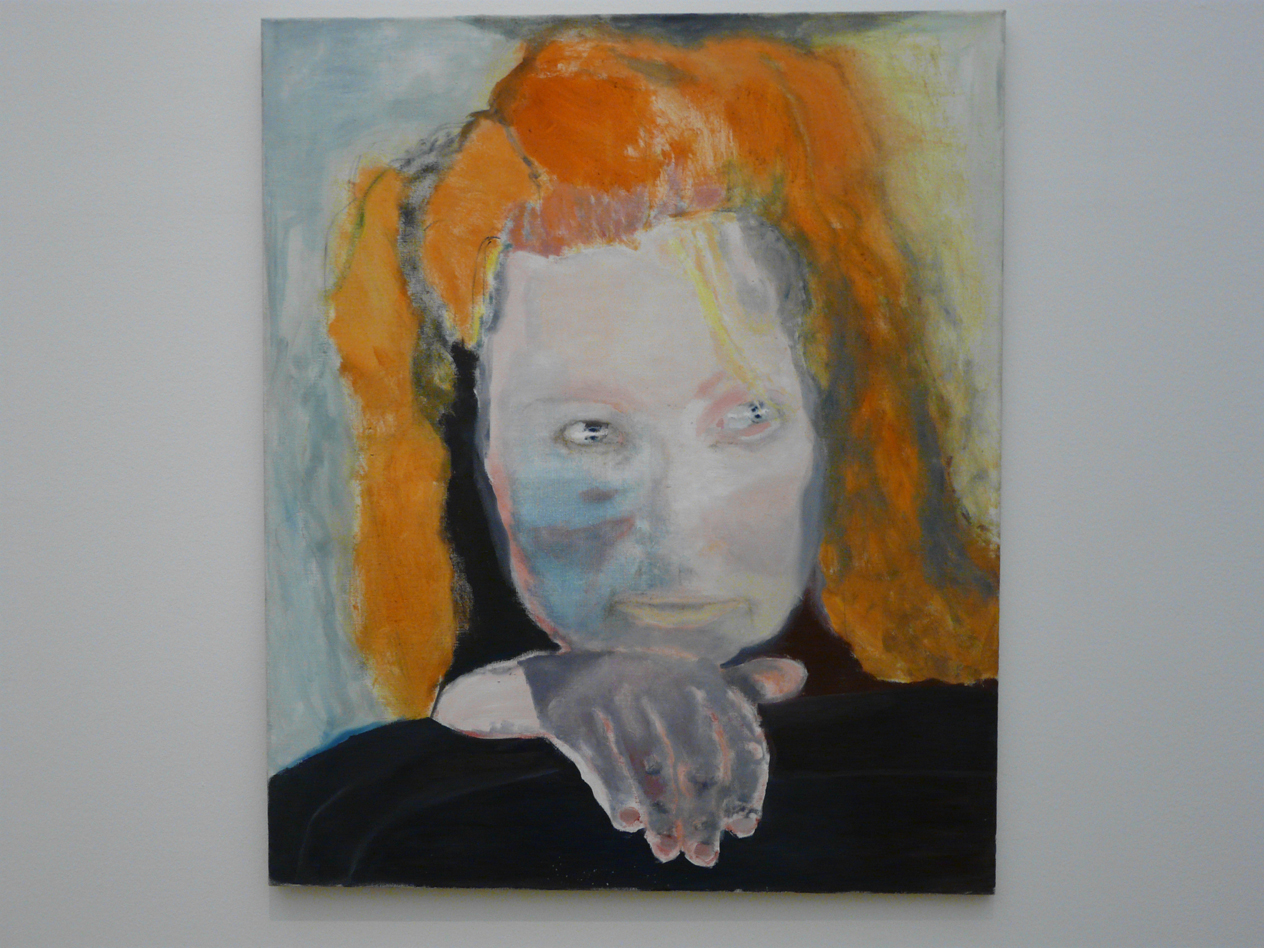
During a few days over Christmas in Amsterdam friends took me on a culture trail, including a retrospective exhibition of works by Marlene Dumas, titled – The Image as a Burden – in the Stedelijk Museum.

P1060937 - smaller

P1060938 - smaller

A wall build of faces, a collection of close-ups, done in rapid strokes of ink, dislocated in their white squares, but for the eyes that gaze and mirror the viewer, eyes that convey the familiar moods of the human situation, flawed and uncertain, known intimately inside every heart around the world.

Don't talk to Strangers

Don’t talk to Strangers

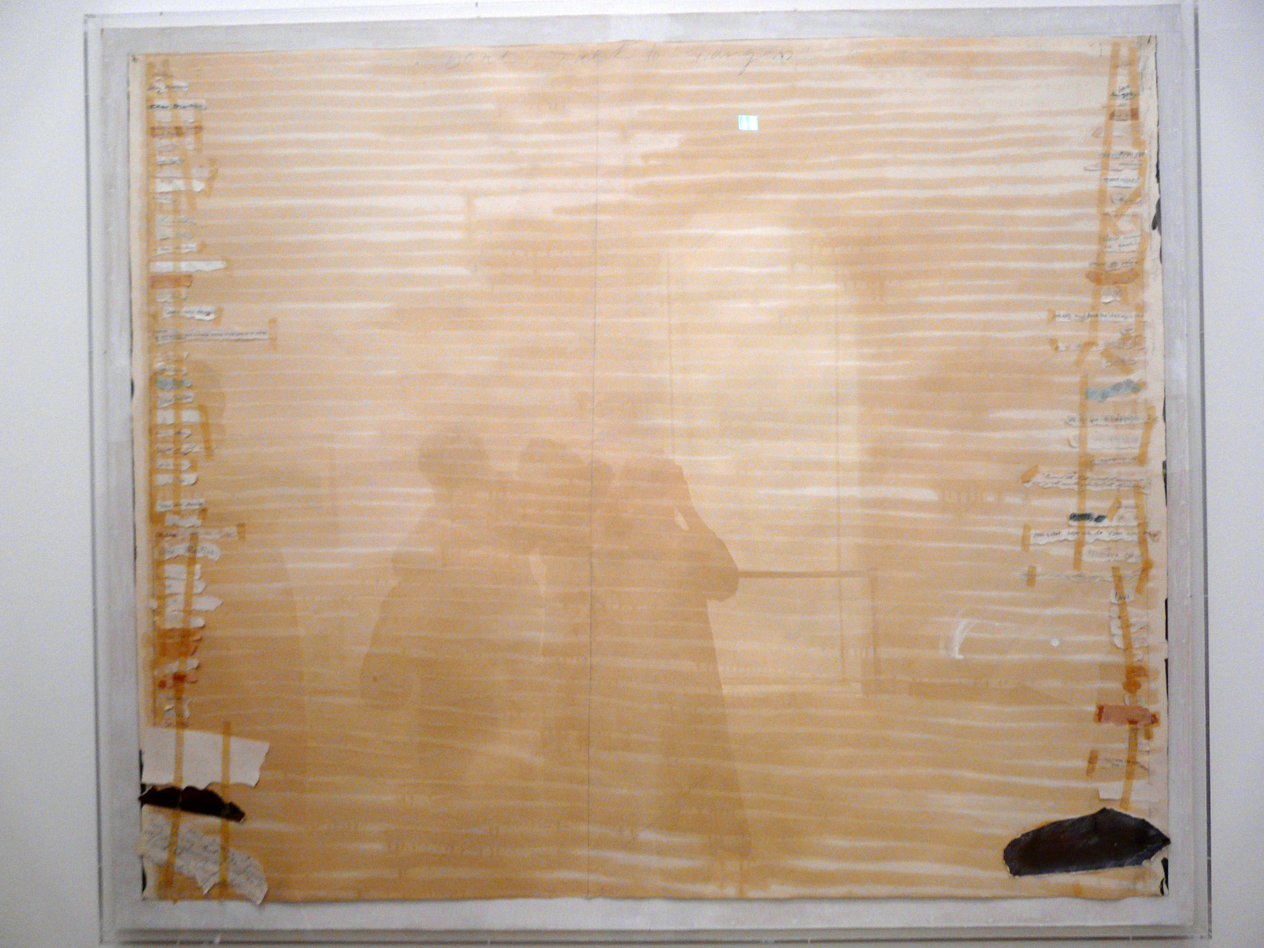
A theme of dislocated, suspended identities, with seemingly no place to hide, shuffled like playing cards. And yet, their missing context conceals stories … like the wide gap between the opening and closing phrases of personal letters in this early image on the left: ‘Don’t talk to strangers.’

I pondered the title of the exhibition – The Image as a Burden – and thought how we personally relate to images. What they evoke may home or clash inside of us, or, equally, home or clash with a multitude of perceptions other people have, pushing us again and again through a psychological birth canal, ever new encounters with the beginning of life, with desire, loss, death and grief.

Dumas’ paintings seem to hover above a threshold, between extremes, confronting with the uncomfortable truth of our vulnerability. The images provoke, disturb, repel, and also deeply move. Her sources are second hand, mainly from a huge archive of photographic snapshots and prints she continuously collects from magazines and newspapers.

In her words … my paintings are closer to the world of spirits and angels, daydreams, and nightmares than that of real people on the street.

The self-portrait 'Evil Is Banal'

The self-portrait ‘Evil Is Banal’

Private collectors are said to have a strange emotional attachment to her work. Once purchased (at astronomical prices) they find it difficult to let them go. Why is that?

*    *    *

Marlene Dumas was born in 1953, in Cape Town, where she did a Fine Arts degree. In the 1970s she came to the Netherlands on a scholarship and since settled in Amsterdam.

*    *    *

The show is moving to London’s Tate Modern in January.

4 Comments

Filed under Blog

… sharing a heart-warming present …

A few years ago I decided to value my writing enough to make sacrifices.  I’ve since devoted every spare moment to this solitary word-sculpting activity, with no idea where it will lead, and therefore feel tremendous joy whenever my compositions arouse curiosity, and especially when someone groks the universal myth I struggle to filter through my individual imagination, my psyche.  Why do writers, and artists, share the facets stirring in the depth of their soul without the promise of a resonanating  audience? … It’s a mystery.

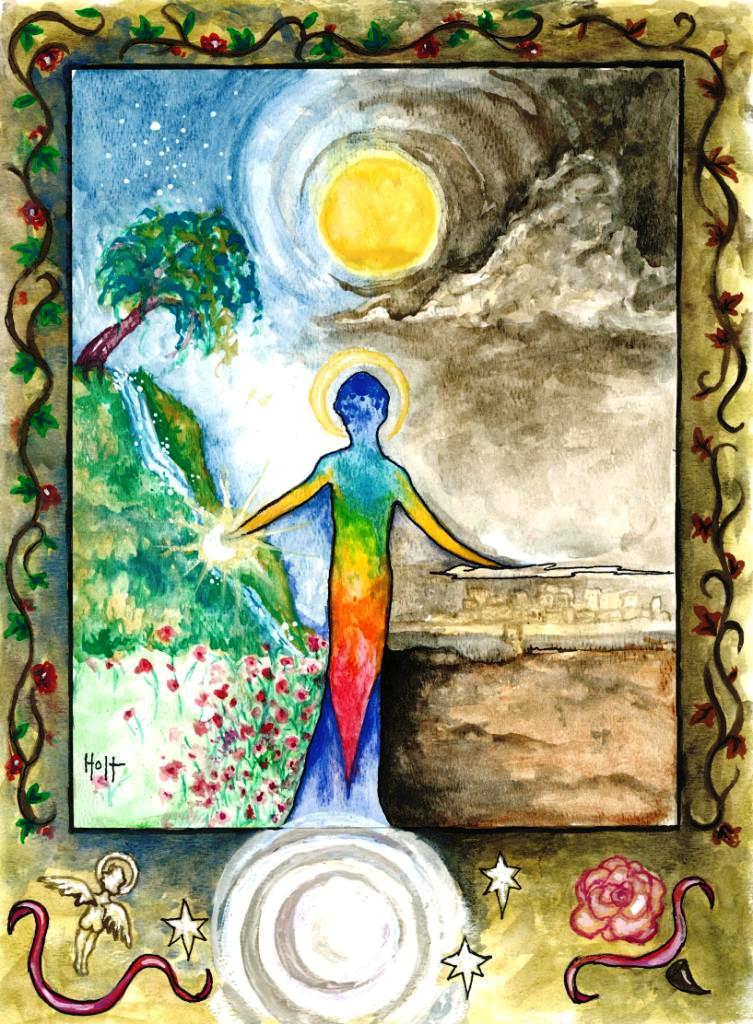
Image by Cynthia Holt JPEG riverside8

Cynthia Holt, living on the other side of this planet, created this painting for me, inspired by two of my poems, Riverhead, and Sleeping Sun … It struck me that the image relates, in essence, equally to the constellation of my novels, yet to be published.

Thank you, Cynthia, for your spontaneous offering. It speaks to how, through interconnections, face to face, or in the realm of the virtual web, we stimulate each other’s creativity.

The image can remind us of the two worlds, indispensable to each other, which we bridge – and how against the canvas of pregnant darkness, the spirit’s eternal light defines our unique myths towards consciousness.

A peaceful Christmas time, and abundant Blessings for the New Year to all …

I’m looking forward to spending a few days in Amsterdam with friends and family.

Since I posted this, Cindy has done a most beautiful post on her mermaid tavern site, including a poem by T S Eliot, a song, and a chart of the Hero’s Journey.

http://mermaidtavern.net/1/post/2015/01/the-law-of-three-artistspoets-and-quantum-physics.html

15 Comments

Filed under Blog

… mood swings …

A strong spirit can be dampened, sometimes at birth, sometimes through a later trauma, but with care, it can also be nurtured and strengthened. And like an effective immune system, it helps us to adjust imbalances in mind and body. The link between spirit and the immune system tends to be ignored when resources go into fighting the seeming culprit, historically blamed for imbalances, the intruder. True listening and welcoming a dialogues with the enemy are rare.

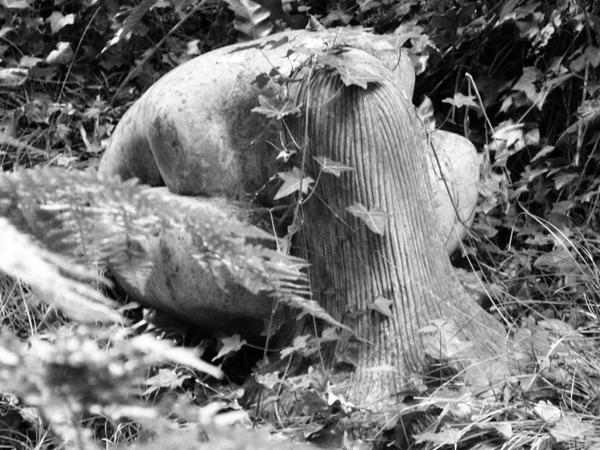
Churt Sculptor Park

Churt Sculptor Park

A recent Health Survey reports that nearly half of England’s population is on prescription drugs. And today’s news highlight once more that super bugs are on the rise. Factors that dent the spirit are not taken into the equation. When one observes how some of the dehumanising complexities of our systems wear down the dignity of people, it’s easy to come to the conclusion that depression is a sane reaction when there seems to be no light ahead.

Medicine is often the only immediate way a severe depression can be eased. It should however concern everyone that depression is on the increase, a development which, in my view, genetic markers acknowledged, expresses the collective state of our society and, again in my view, how the most sensitive people carry the imbalances of the system for the rest of us.

I’m a rebel, and while severe depression evades me, I experience mood swings. Once in a while I’m struck by a state of futility – about hyped-up news selling fake realities, the lunacy of ignoring the gulf between the rich and poor in the world, the exploitation of planetary resources, the abuse of personal data, cold callings, small businesses and communities disappearing, and the shopping mania in supermarkets. Add to this a personal loss, or simply an accumulation of irritants, and you have potential triggers for depression.

When something feels wrong in my heart, I bolt. Yet integrity is costly when security, health, loyalties, disillusionment and emotional dependencies are involved, then ‘NO’ carries risks. Stories told in many counselling practices focus on pressure at work, incessant changes of procedures , bullying and subtle manipulation. Complaints backfire because managers are themselves under stress. There follow negative loops of thoughts, the inability to relax, lingering anxieties, and also bursts of anger. Underlying these stories is a sense of powerlessness that brings about psychological regression, which can be an opportunity to find a gentle ‘yes’ for oneself, were one able to bear the consequences. Young or old, alone or in relationship, there is often a sense of feeling trapped, despair, a flattening of vitality, joy and compassion for oneself and others.

P1060863 smallerDepression seems to mark our time and is in dire need of acknowledgement. Besides medication and therapies, an honest assessment is vital – of how simple human needs for creativity, and expectations for love and appreciation are frustrated. I’m lucky in that I sleep and dream well, and generally recover from my mood swings. Apart from smoking rollups and drinking wine to relax, in moderation, I also have a default mode, where the world turns not so much unreal, but surreal.

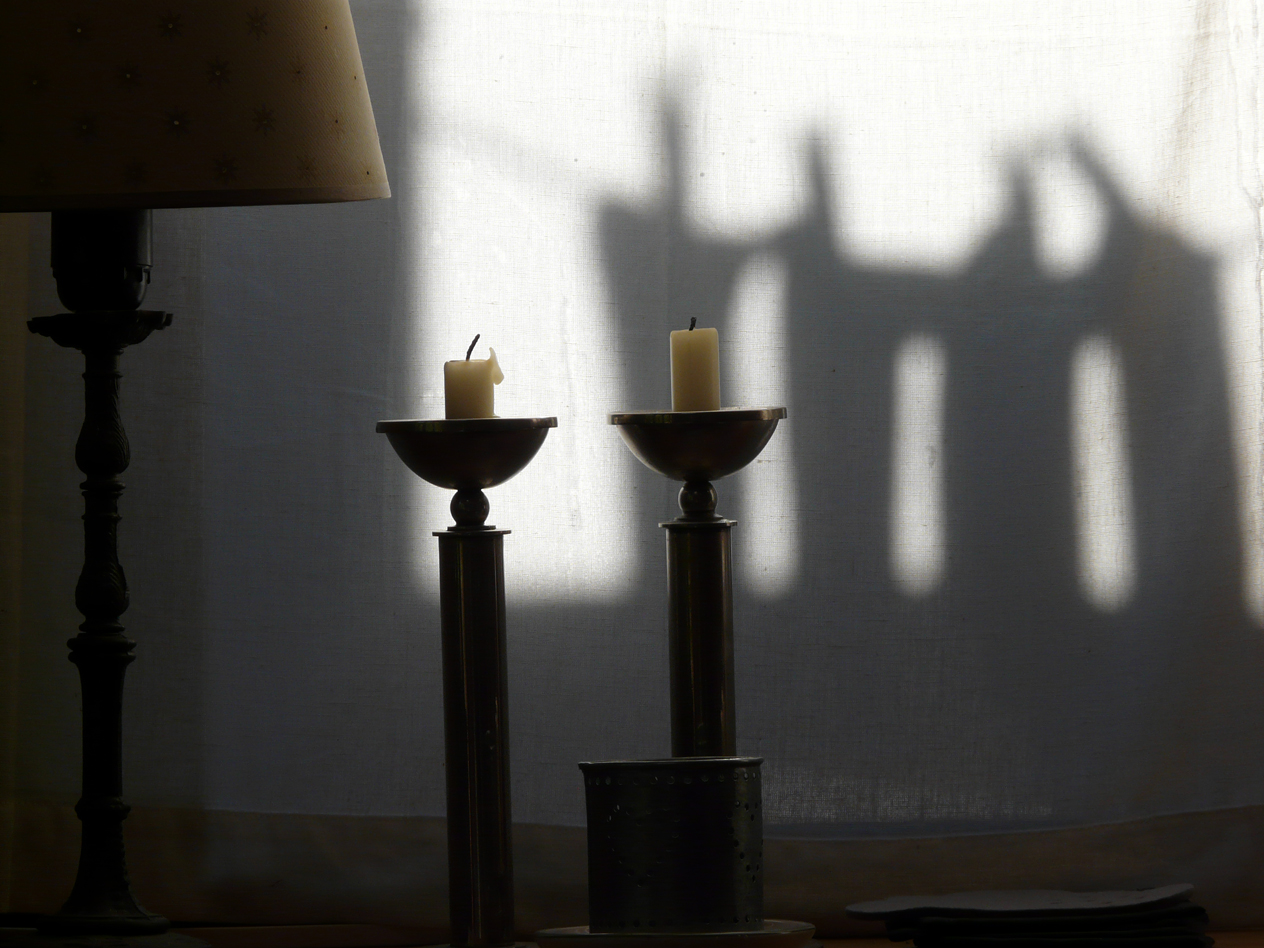
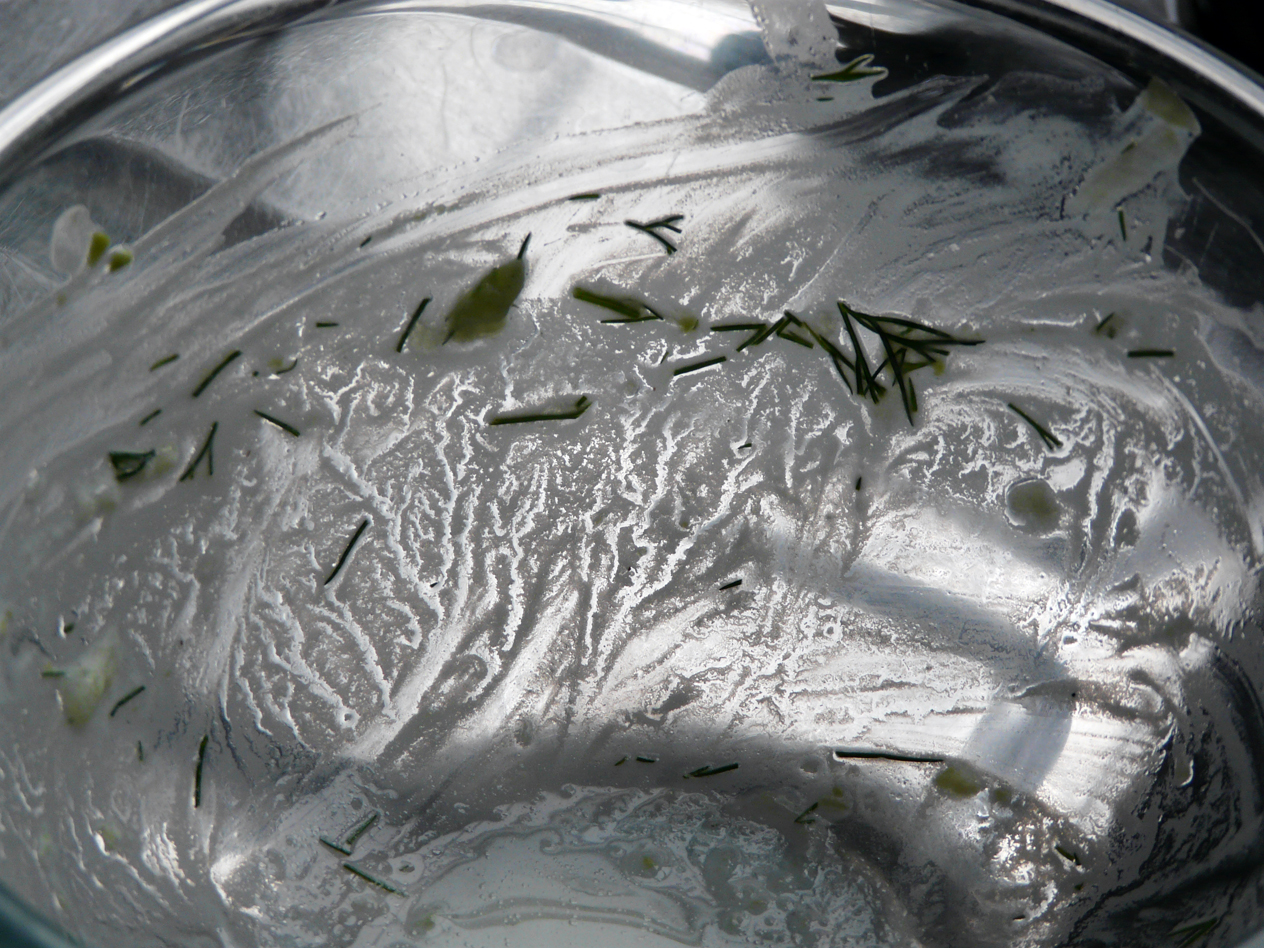
P1060866 smallerMy spirit of independence refuses to be intimidated by the collective idea of what is real. I find beauty in small things and unique moments that give me pleasure. For example, I see the shadow of socks on the washing line and candles waving to each other, or the cucumber salad dressing resembling a river delta, or ancient trees … that’s the drift …

I switch to patterns in other than economy sponsored realities. I dream up stuff.

Being curious, I’d like to know about your ways of dealing with mood swings, or depression, or anxieties instilled by the media. How do you manage the rapids of sensational information? Do you have secrets of becoming? Do you swim against the established order or do the unexpected? Do you have moments of pleasure? Do you have gifts of resilience to share?

‘All we see is a false capture of being: a time grid.’ Fazal Inayat-Khan.

Based on statistics, I predict that the sun will rise tomorrow.

http://aeon.co/magazine/health/is-preventive-medicine-its-own-health-risk/

29 Comments

Filed under Blog

… it’s possible to swim against the stream …

Just saying …

P1060176 - smaller

13 Comments

Filed under Blog

… silent blessings …

I’m sure I’m not alone in practising daily silent blessings. What, you may ask, does she mean by blessings?

Sylvia Selzer’s photo of the Angel of the North is the most poignant image of an angel I’ve come across.

 ‘The Angel of the North’ – photo by Sylvia Selzer

In my small world, ever since I can remember, I felt guided.  As a child I had a lucid vision of an angel, possibly an aspect of me – or us – existing in another dimension. My upbringing was not religious, but I developed a deep appreciation for beauty – of movement, sound, rhythm, light, colour, form – as well as a healthy disrespect for hypocrisy.

Then, during the 1980s I was ordained as a Cherag  – the Sufi term for someone who performs worships and conducts ceremonies. I questioned the honour. Performing is not my strength. The response of my Sufi teacher – Fazal Inayat-Khan – was heartening: ‘You’re a light-bringer (which is what Cherag means,) and whether or not you formally worship is irrelevant. You have the capacity to bless. Go and bless the world.’

It works like a pebble thrown into a still pond, along with a loving desire, which then ripples outwards.

To bless can become a habit.

You may ask – who’s she to dish out blessings? And anyway, what can it possibly achieve other than making her feel good? Precisely, it makes me feel good.  I don’t seek evidence – measure, weigh or put value on the practice. Being no saint, I also have plenty of less generous habits. But as regards blessings – think about it, what’s there to lose?

It is not the road ahead that wears you out – it is the grain of sand in your shoe.’     Proverb

The Angel of the North is a contemporary sculpture, designed by Antony Gromley, located in Geteshead, Tyne and Wear, England. Sylvia Selzer’s photo of ‘The Angel of the North’ is the most poignant image of an angel I’ve come across.

18 Comments

Filed under Blog

… not now – later …

my little hero

my little hero

Each new generation tends to be smarter. While living in rural Somerset, I observed our four-year old son’s play-acting in the garden from the kitchen window while washing pots. He explored his sharp-shooting skills with wooden blocks, building, destroying, building, destroying, building; and so on … it was his new idea of fun. His aiming was good.

Pots done, I attended to the next task, fetching the milk from the street-hatch, left there by Hope, our farming neighbour. She had poured three pints of milk into a bowl and covered it with a cloth. The cream had risen to the top, ready to be skimmed off, which led on to the next task, preparing the dessert for a birthday meal. At this point my son came rushing into the kitchen, wanting me to witness and applause his new sharp-shooting skill. My brain cells were committed to preparing walnut ice-cream.

I said, ‘Not now, later!’

This trick normally worked for a while, but that day he stood his place, watching me with a quizzing look.

‘When does now end?’ he asked.

Casting my eyes to the ceiling for help, I said, ‘Actually, now never ends,’ realising instantly I was in trouble. The child’s superior grasp of logic would demand, at least, a meaningful explanation, and I could loop myself into philosophical twists. My son had no need to query my shrewd answer, he went one better.

‘So when does later start?’

Time to admit defeat. Drying my hands, I said, ‘Now.’

*    *    *

The memory of the incident inspired me to draft a poem … NOW

by Daphne Joe Grant

Illustration by Daphne Joe Grant

Now is the in-breath

Now is the elusive arc

Now is the outbreath


Over and over

Out of nowhere pops the now

Or so we presume


When will we find you?

Why not tell us your purpose?

Where are you hiding?


Now is a trickster

Not taken in by mind-games

Now laughs inside us


Our time must be round

Or turn through a dark tunnel

Orbiting the now


Waste now and lose her

Weft now to now and she’ll dance

Wed now and be her


Now has no answer

Now is what is truly known

Now breathe her and bow

https://www.youtube.com/watch?v=xjwBWE64fG0 Interesting talk by Rupert Spira on perception.

A focussed mind helps us to achieve stuff, but is also easily hijacked by the rat-race, the relentless rush towards meeting deadlines in competitive environments, where no children interrupt and make us pause.

Apparently 10.4 million days are lost annually to work-related stress in the UK alone. And it costs businesses in the US $300bn (£187bn; €237bn) a year. No wonder the ‘Here and Now’ theme is in vogue again, even with hi-tech status. Take a biosensor device, called Pip 🙂 … http://www.bbc.co.uk/news/business-29742908

There is another kind of stress, less talked about, affecting those who work hard for a living, as well as those who lost jobs, or get by on little, or anyone reflecting on human qualities, while witnessing a growing social polarity … as poignantly shown in this image …

http://gerryco23.wordpress.com/2014/10/24/the-fence-between-a-world-of-need-and-a-world-of-excess/

16 Comments

Filed under Blog