Tag Archives: poetry

… where does it hurt? – everywhere …

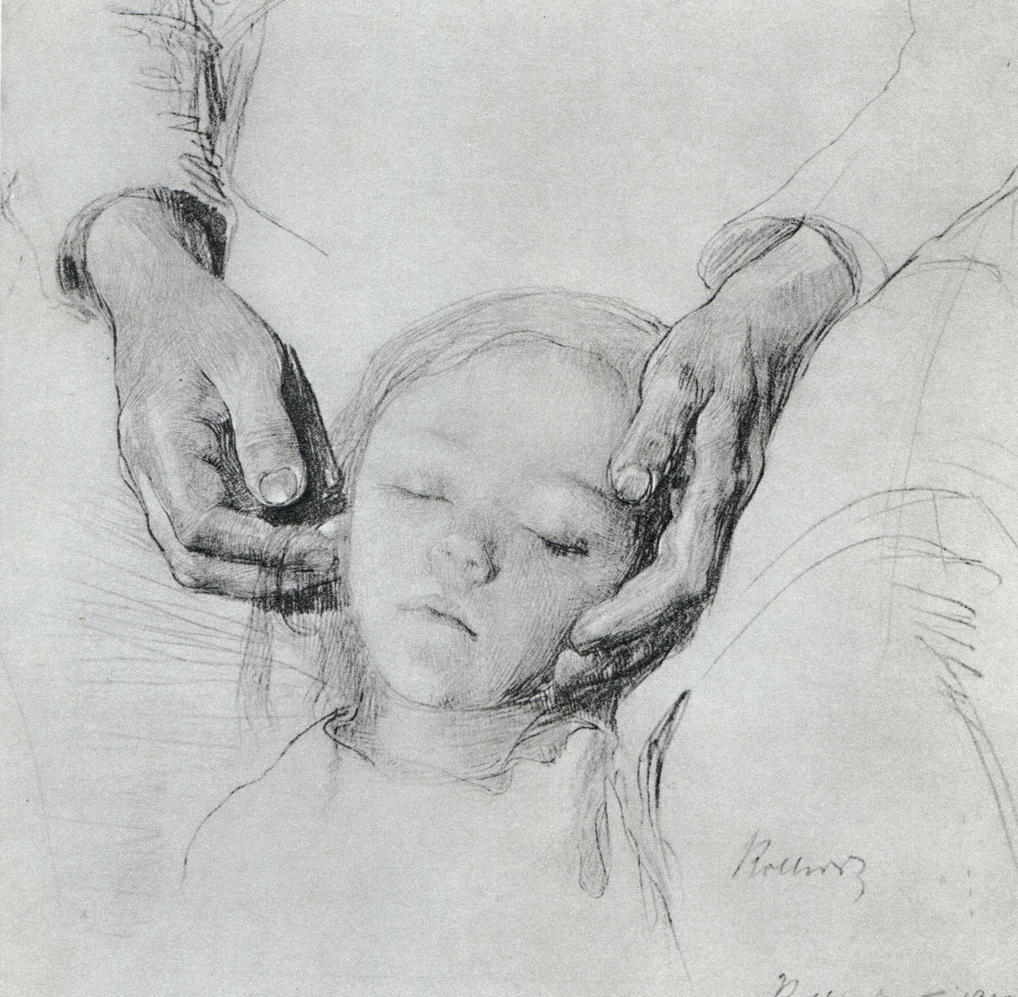
Käthe Kollwitz,  'Zertretene' 1900

Käthe Kollwitz, ‘Zertretene’ 1900

The night before Friday 13th 2015 I could not sleep, then, all day long I was gripped by vague apprehensions, until I caught the news, late that night, about yet another atrocity devised to feed animosity rather than dialogue, this time in Paris.

I searched for comments that made sense, and formulated plenty of analytical thoughts, until I found a poem (below) by Warsan Shire, which expresses accurately how I feel, in sympathy with all bereaved, not just in Paris, but in many places across the world, and all who have cracks in their hearts to share the hurt, and that’s enough. Thank you Warsan.


… later that night

i held an atlas in my lap

ran my fingers across the whole world

and whispered

where does it hurt?


it answered

everywhere

everywhere

everywhere.

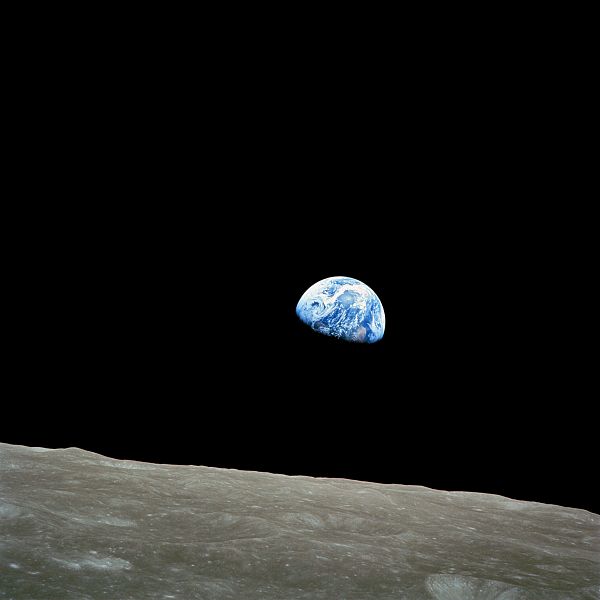
Earthrise, Dec 1968

Earthrise, Dec 1968


This interview with Warsan Shire, the poet, will lead you to another page. 

9 Comments

Filed under Blog

… what writers can glean from cinematographers …

Like writers, filmmakers manipulate time. They take a story apart and re-assemble it.

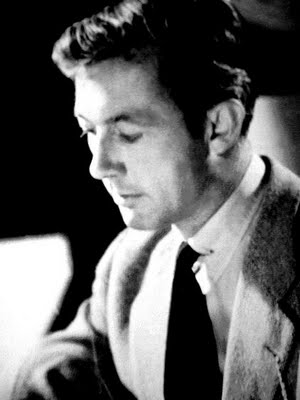
Robert Bresson, inquisitor and humanist, stimulated filmmakers and enriched the experience ofrobert-bresson2 viewers. With a tiny leap of the imagination his ‘Notes on the Cinematographer,’ publ. by Quartet Books in 1986, transl. from the French by Jonathan Griffin, also offer inspiration to writers of stories. Here are a few  brief notes I collated during my vocational film degree in the early 90s:
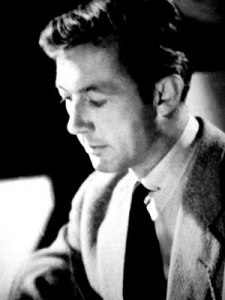
An image is transformed by contact with other images as is a colour by contact with other colours. A blue is not the same blue besides a green, a yellow, a red. No art is without transformation.

For the writer – this would apply to action and reaction, resonance or dissonance, anything that develops the dynamic interactions of a narrative.
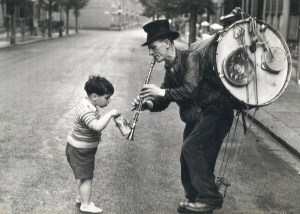
img108 adjustedTo create is not to deform or invent persons or things. It is to tie new relationships between persons and things which are, and as they are.

This equally holds for writing. Characters discover themselves through relationships.

Something that failed can, if you change its place, be a thing that has come off.

If a writer’s darling idea distracts in one place, in another place it may earn its stay.

One dismantles and puts together till one gets intensity.

This reminds me of a Goethe quote … Dich im Unendlichen zu finden, must unterscheiden und verbinden … To find yourself in infinity you must differentiate and combine … Details works best if they have a purpose in the protagonist’s quest, especially when it comes to turning points.

An old thing becomes new if you detach it from what usually surrounds it.

This is what creativity is all about. Entrepreneurs seem to grok this.

What is for the eye must not duplicate what is for the ear (within.)

This serves as a reminder not to overwhelm a reader with sensual information.

The cause which makes him/her say this sentence or makes that movement is not in him/her, it is in you. The causes are not in the models. On the stage and in films the actor must make us believe that the cause is in him.

A one-up on the ‘show don’t tell’ writing mantra. Both telling and showing have their place, though we connect to a character more intimately through being shown the interactions with him/her self and others.

The omnipotence of rhythms – nothing is durable but what is caught up in rhythms.

We love rhythm. It measures time and gives coherence, while a counter rhythm can surprise and quicken our heartbeat. In film as in writing this might be the repetition of quirky character traits, tone of voice, tempo, mood, atmosphere, or reoccurring shifts in style and perspective, in the way we enjoy how adagio and presto in music enhance each other.
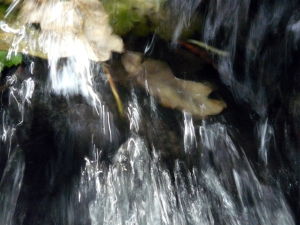
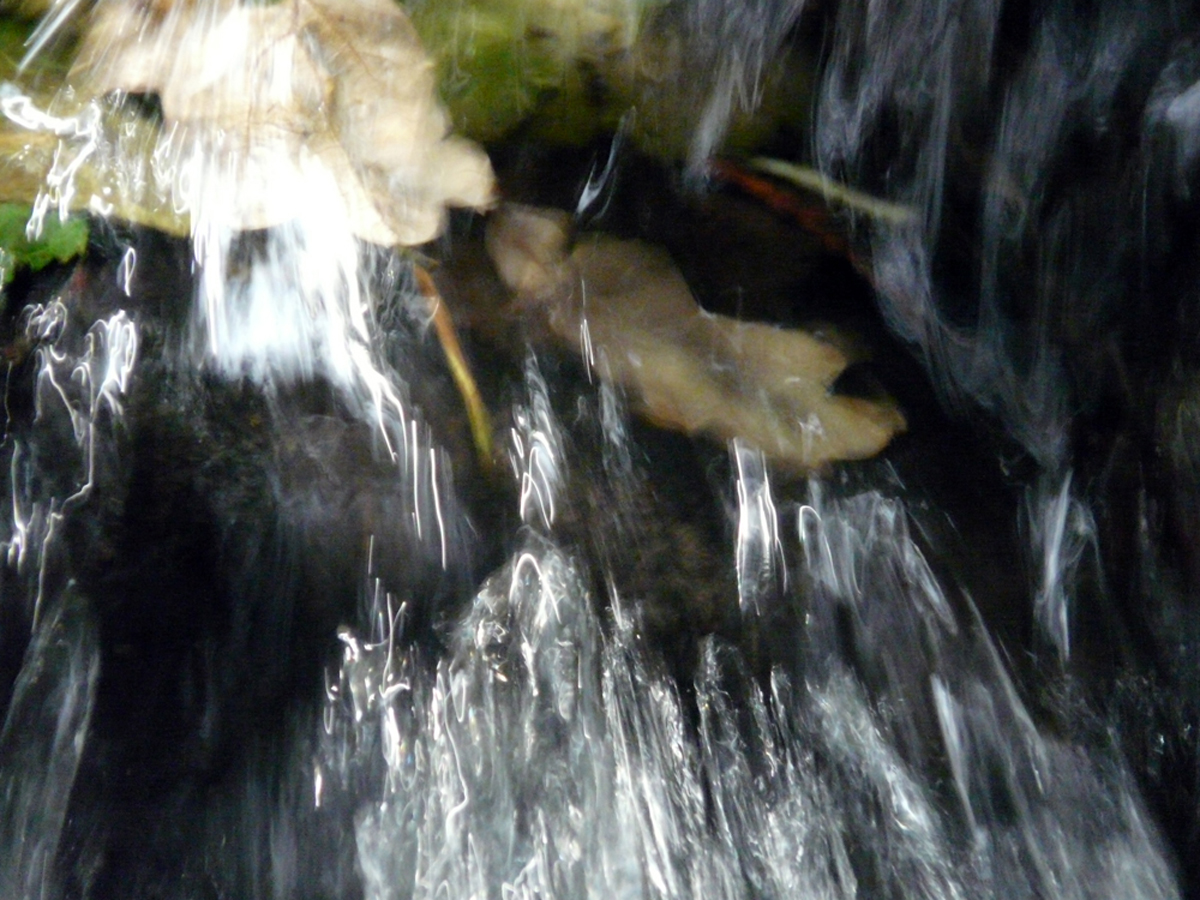
P1090890 - Copy (2)Translate the invisible wind by the water it sculpts in passing.

This ventures into the domain of poetry …  the ongoing challenge to find ways to express in words or images what rushes past us in daily life, but nevertheless affects us deeply.

The eye is (in general) superficial, the ear profound and inventive. A locomotive whistle imprints in us a whole railway station.

This is about trusting the imagination of the viewer, or reader.

Let the cause follow the effect, not accompany it or precede it.

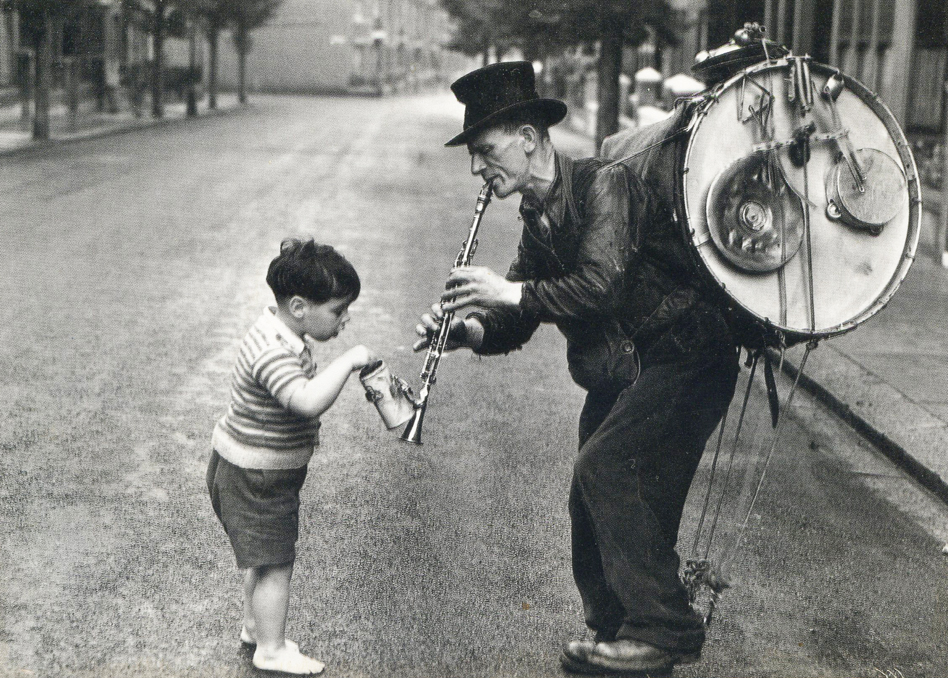
Robert Bresson shares: The other day I was walking through the gardens by Notre-Dame and saw approaching a man whose eyes caught something behind me, which I could not see: at once they lit up. If, at the same time I saw the man, I had perceived the young woman and the child towards whom he now begun running, that happy face of his would not have struck me so; indeed I might not have noticed it.

Build your film on white, on silence and on stillness.

Profound. Allowing a unique story to emerge requires intuition, and an inner kind of listening.

*     *     *

A touching interview of R Bresson. And some video clips relating to cinema, including hand gestures R Bresson used in film.

As writers, how do we move a story from one setting to another?

In film, a sudden jump of scene is kind of lazy, unless intended to shock. In writing, too, there are more elegant ways to transit from one place, or time, to another, mainly through matching parallels or correspondences. This could be: A keyword in a dialogue repeated in the next scene, or a similar action, direction of movement, speed, light, colour, shape, sound or mood. It could also be an artificial device, featuring a narrator, or a recurring (out of time) interlude which can form the spine for the narrative.

I have time-jumps in my novels (yet to be publishend.) It remains to be seen whether they work.

Regarding spatial/temporal suspensions of linearity, I remember the beginning of the film Space Odyssey 2001. A victorious ape, having discovered a bone can be a weapon, spins his tool high into the air … time leaps … and next we see a spinning space station, shaped like the femur bone.

More recent, in the TV series The Last King – 1st episode, a time leap works well … The Saxon boy, Uhtred, captured by Danes and taken under the wings of Earl Ragnar, is pushed by him playfully into a river with the words ‘You’re as a son to me.’ In the next scene Uhtred steps out of the river as a grown man, albeit with conflicting localities.

*    *    *

On a personal note, as my life’s narrative is concerned, having made professional sacrifices ten years ago, in order to write, I wish I could shift to a scene and time that did not involve worrying about keeping my roof over my head.

15 Comments

Filed under Blog

… Wilhelm Busch – carefully studied apprehension …

After my last post  I was reminded of another beetle from the scarab family – Maikäfer – in German. In my village we had a beech alley towering above a grove with a stream at the bottom, where Maikäfer swarmed in May. As kids we collected these hard-shelled creatures in match boxers and engaged them in races by fencing flat parallel rows with stones or twigs. That many beetles did not obey the boundary rules and had to be disqualified was a huge frustration.

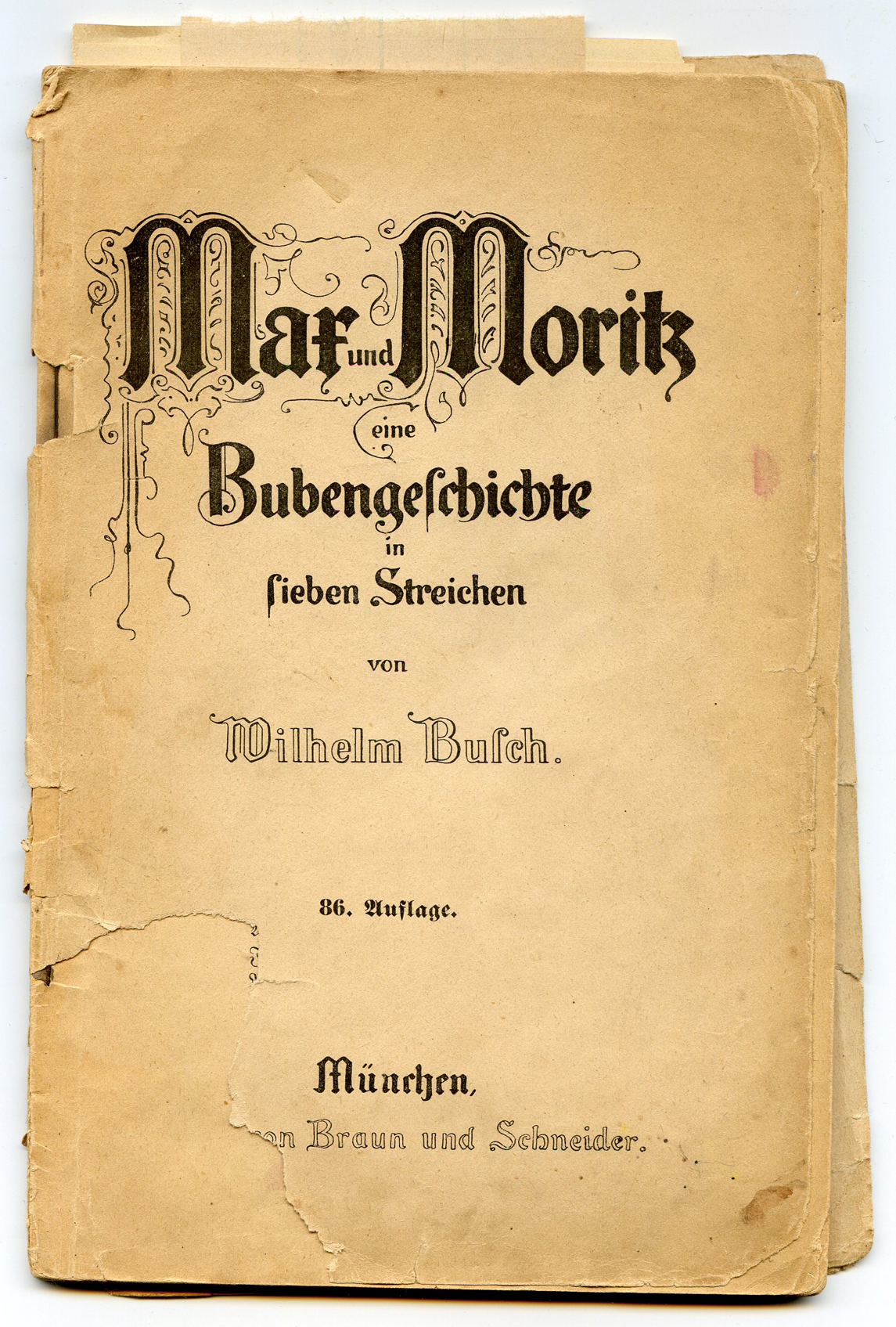
img123A further memory popped up – a prank featured in Wilhelm Busch’s Max and Moritz– click on the link and check out the fifth trick (prank) with the poetry shown in German and English. img124 smaller

Heinrich Christian Wilhelm Busch (15 April 1832 – 9 January 1908) was a German humourist, poet, illustrator and painter. Some of his illustrated cautionary tales were banned by authorities. The seven pranks of Max und Moritz were called a frivolous and undesirable influence on the moral development of young people,

Busch described himself in autobiographical sketches and letters as sensitive and timid, as someone who “carefully studied apprehension” and who reacted with fascination, compassion and distress when animals were killed.

img127 - smallerI have a 1923 booklet of the Max and Moritz pranks. They may have put me on the path of my own ‘carefully studied apprehension.’

Later I was gifted ‘Das Grosse Wilhelm Busch Hausbuch’ by Ulla, a German friend, a huge book with over six hundred pages of wonderful illustrations of unforgettable characters and comic poetry by the master.

Busch drew on contemproray parochichal and and city life, satirizing Catholicism, Philistinism, strict religious morality and bigotry. His comic texts were colourful and entertaining, using onomatopoeia, neaogolism and other figures of speech, check out his life.  See  here   

His quote,’ Kein Ding sieht so aus wie es ist.’– roughly – nothing is as it seems … rings ever true.

16 Comments

Filed under Blog

… marginalia of bodies …

moon's swing door

moon’s swing door

the white rock sails adored –

silent swing door to sanctuaries

imagined beyond where

each being claims its mystery

un-evidenced


winged by unknown purpose

spirit seeks shelter

tumbling through cells

to the orb of a home –

embodied in you and me spirit mimics

nature’s mirrors moments after now

though once inner vision unfolds

our dreams are branded …

framed by the one eye

supreme to all eyes …

sun’s furnace illuming draperies

history sanctioned

seemingly evidenced

but for the singular breath

of insight needling between

obvious fabrics to thread

intense tales of beauty …

sample of my occasional art, 1998

sample of my occasional art, 1998


The poem was inspired by June’s full moon.

Places accumulate impressions, snippets of reality that draw us forever into experiences from different directions and points in time. The one place we carry with us – OUR BODY – remembers what reason does not. While the intellect sorts memories into virtual boxes and slaps on the tag ‘facts,’ the body, animated by each breath, deeply informs our singular perception, helps us to adjust the past, refine the relationship with ourselves and others in the present, and opens a new wavelength and vision towards the future.


The experience you have within yourself of your separate identity, to allow right and wrong to be re-defined by you, your singular contribution, is where evolution really happens. You, by becoming yourself, can open a new wavelength. What you reflect immediately influences your environment, people close and far away.’

Fazal Inayat-Khan, notes from an attended lecture, 1989

‘Spirit without soul has no vessel – soul without spirit has no direction.’ Roberto Assagioli

10 Comments

Filed under Blog

… leaving – returning …

the father tree

the father tree

to reshuffle thoughts

a short journey is enough

leaving – returning …

legends undulate

in glowing brittle wood – sighs

from swaying branches –


Jasmin blessings

Jasmin blessings


Jasmin on the breeze

laments of grief in the rain –

ancestors speak

first sounds glide on ice

circling the affirmative

leisurely routine


my beloved Alps

my beloved Alps


between dusk and dawn

all words sink to un-squared time

rounding in fish eyes

as poems probing

the deep meshes of oceans

for heart connections …


‘What else, when chaos draws all forces inward to shape a single leaf …’  C. Aiken

Visiting my early landscapes, friends in Munich, my father of 97, with my son, whose work in London means I rarely see him,  was a rich experience. I had to capture the essence in a poem, which started out in German:

In der Dämmerung glänzt Gold aus der Wurtzel

Gedanken gleiten auf Eis in Kreisen herum

doch manche sinken in die Tiefe um

im Wassergewebe nach Erinnerungen

zu fischen … Gesichter ziehen vorbei 

in sanften kalten und warmen Wogen …

I’ll work on this, inspired by a writer Herta Müller – (English translation on screen) introduced to me by friends whose guest I was in Munich. Anyone fascinated by language will be moved. Also this article in The Paris Review   I am presently reading ‘Mein Vaterland war ein Apfelkern,’ a remarkable dialogue.

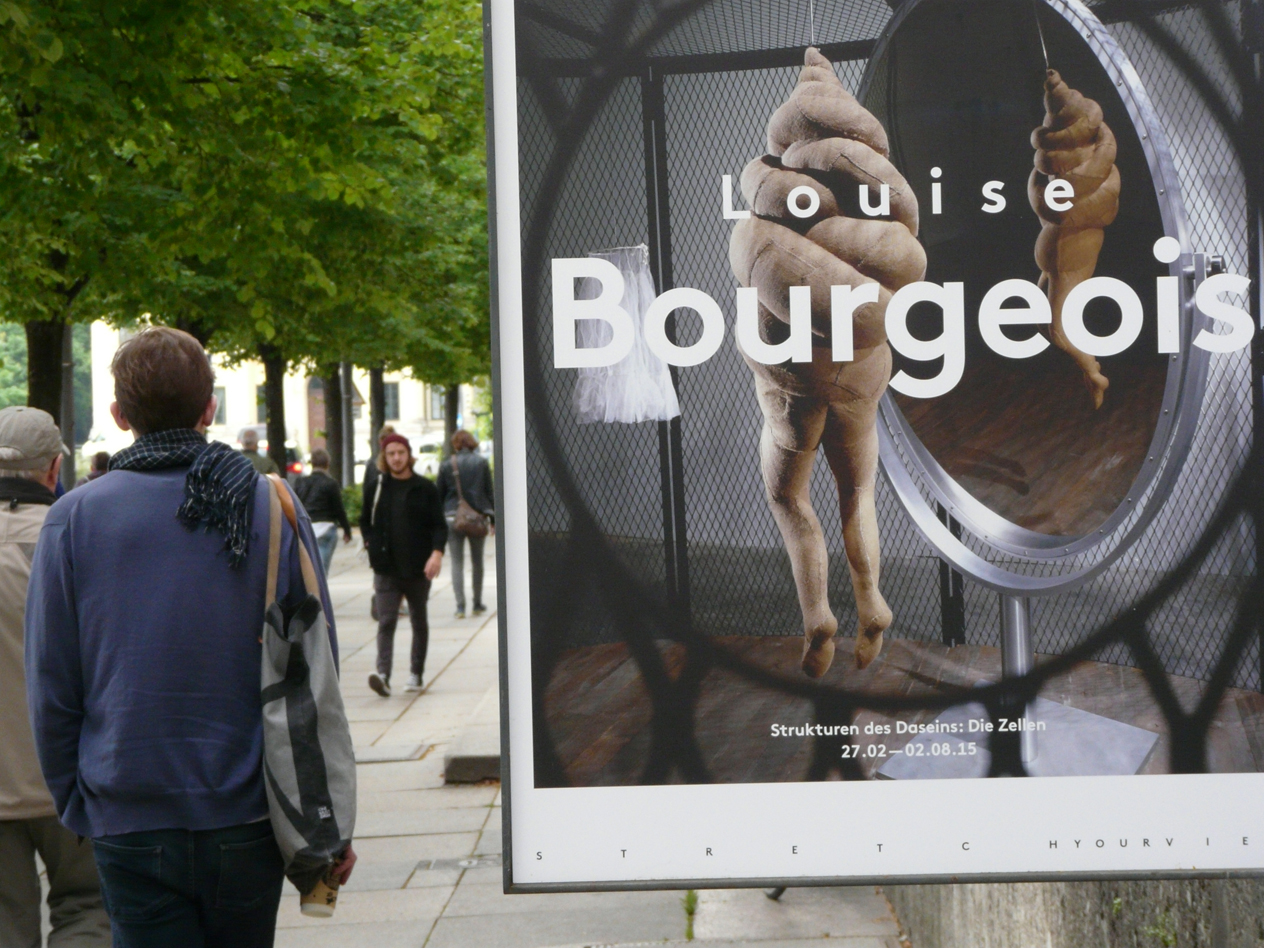
Louise Bourgeois at 'Hause der Kunst.'

Louise Bourgeois at ‘Hause der Kunst.’


In Munich’s ‘Haus der Kunst’ I visited a wonderful exhibition of Louise Bourgeois (1911 – 2010) an artist I much admire, whose installations about the Cells of Structures of Existence are deeply impressive.

Londoners my have seen her huge spider on display in the Turbine Hall of Tate Modern. I wish I had cheated and made photos of her beautifully arranged installations in the generous spaces in Haus Der Kunst.


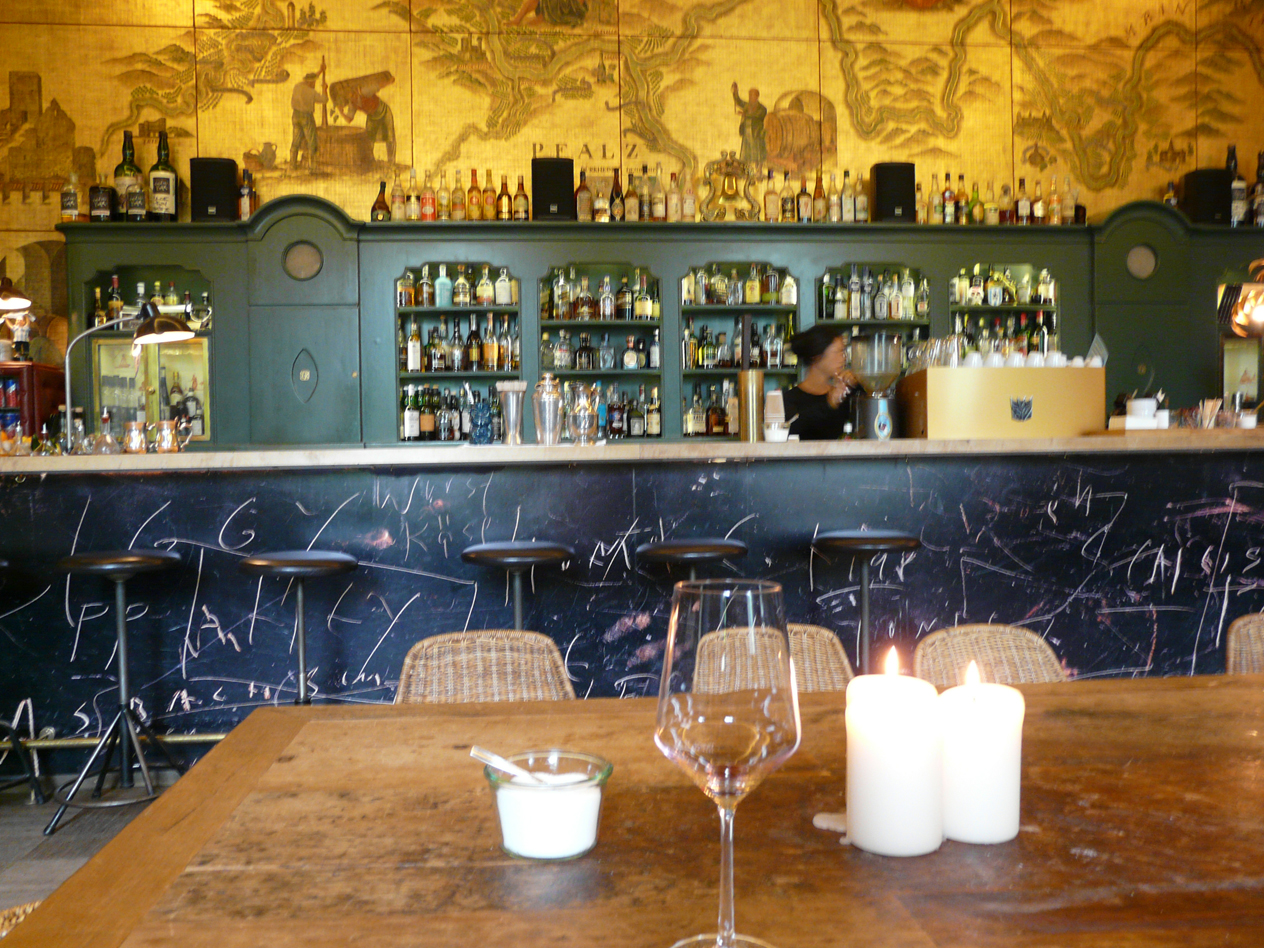
bar at 'House der Kunst.'

bar at ‘House der Kunst.’

To compensate, here is the wonderful golden bar at the ‘House der Kunst.’ And returning home – a blue invasion.

a blue invasion

a blue invasion

10 Comments

Filed under Blog

… recent instances that caused a smile …


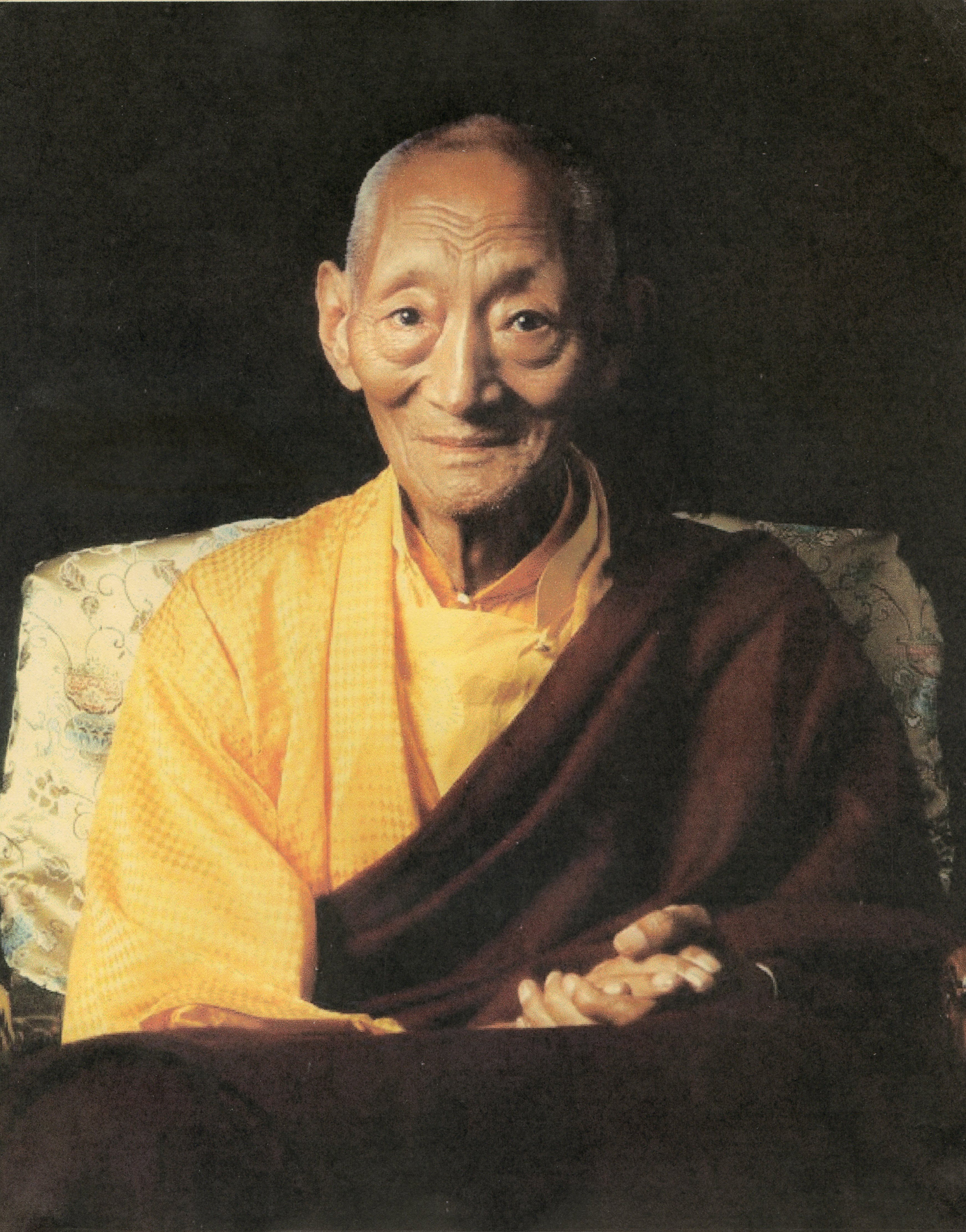
Kalu Rinpoche

Kalu Rinpoche

Maybe brought on by the longer days and the increasing sunshine, there were more than the usual instances making me smile during the last few days, so I thought I share some of them …

Exploring with a client what it is that can shine through our eyes, and sharing an image of a Tibetan Lama, Kalu Rinpoche. We reflected on what is communicated  through our eyes. It is certainly informed by our inner attitude, by our projection. The way we look at ourselves, at others, at our surroundings, and at the world at large

Irrespective of the Lama’s Mr Spock ears, I feel deeply nourished by what shines through his eyes.

Hazrat Inayat Khan spoke of the smiling forehead. https://wahiduddin.net/mv2/XIV/XIV_1.htm


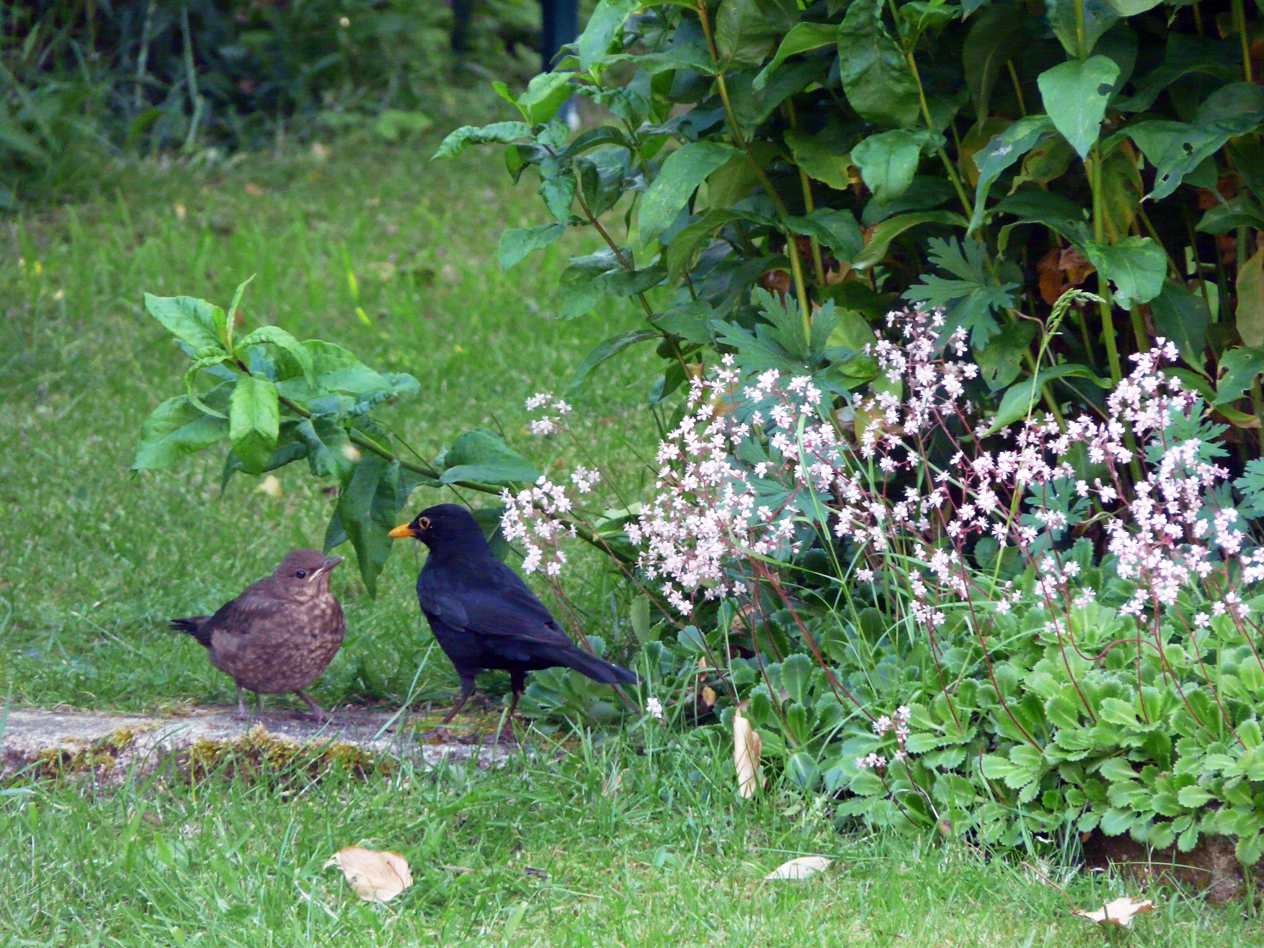
My resident blackbird family.

My resident blackbird family.

My resident blackbird family – dad plucking worms for his offspring.

Tiny plants in my garden, like Creeping Moss Phlox and London Pride.

Stories shared among friends about invisible presences that have come to say, ‘Hello.’

The intimation found in an old graveyard brushed by the evening sun – ‘Ha, ha, there’s no death – we’re having a wonderful time.’


Rhododendron flowers

Rhododendron flowers

A broken rhododendron branch – its budding flowers shouting, ‘Take us home and we’ll open’

The friend for whom I did photographic portraits, saying:

‘I must get to know this stranger.’

Strawberry soup my mother used to make – slice berries, add sugar to draw juices, let it stand, the longer the better, add milk and dabs of whipping cream.


And on days like today, the late sunrays visiting my garden.


Late sun rays in my garden.

Late sun rays in my garden.

Moments of being – an aware and restful state of mind, an empty sphere from where anything can emerge.

*    *    *   emptiness   *   *   *

… only the unfettered mind holds

the virtual teasing in poise

screeners ponder its Socratic

wisdom in the bright light of day

peals of laughter – a burst of love …

17 Comments

Filed under Blog

… surfacing …

surfacing

Segment of 'The Magician,' a painting by Silvia Pastore

Segment of ‘The Magician,’ a painting by Silvia Pastore

her nocturnal creature mourns as meshes of  night disband the Other of her dream into strands that flow like oil colours –

marbling still waters under grey or rain-bowed sky as canvas for inventing random patterns of each day

beneath the mirrors an ever-turning gyre of souls in deep wordless liaison keeps churning the ocean

her inward creature drifts through curls of emptiness sifting strata of seasons

to gathered wisdoms of the human heart

its patina of touch and wear

sediments of ache and bliss

its gilded secret

cypher for another Eden

from which her inversed image falls

to the next fluid mirror always desiring the Other …

Ashen 10th July 2015

Maybe needless to say, just about everything I post here is relevant to my novels.

In relation to the poem, I thought you might enjoy the fascinating Art of the Marbler https://www.youtube.com/watch?v=Vyga8VMWXKg

And a short introduction to The Churning of the Ocean of Milk https://www.youtube.com/watch?v=MItyUwPAjLA

The segment of the Magician image is the work of a fine painter, Silvia Pastore http://www.silviapastore.com/ … Time and space are illusions …  Having obtained the copyright of the Magician as a cover for ‘Course of Mirrors,’ it seems my publisher, who I re-signed a contract with, has other ideas. I love Silvia’s work, but will remain open to suggestions, as long as my first novel is launched within the year. It’s been sitting quiet since 2011. Maybe all good things take time. A sequel is waiting in line, and I’m working on a third book in the series.

11 Comments

Filed under Blog

… oh my sweet, crushed angel …

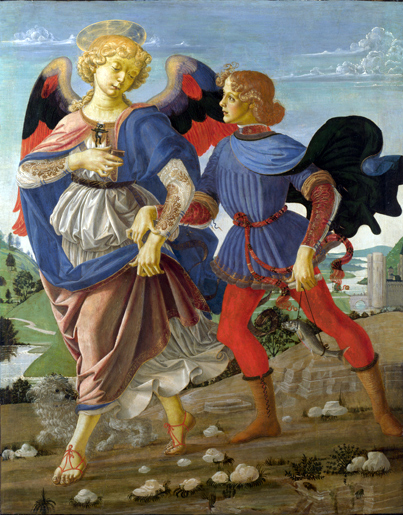
Maybe I was inspired by a  dream last night, but for some reason the painting of Tobias and the Angel, its story, and this poem by Hafiz waltzed into my space this morning .

Tobias and the Angel - Andrea del Verrrocchio’s workshop

Tobias and the Angel – Andrea del Verrrocchio’s workshop

   My Sweet, Crushed Angel

You have not danced so badly, my dear,
Trying to hold hands with the Beautiful One.

You have waltzed with great style,
My sweet, crushed angel,
To have ever neared God’s Heart at all.

Our Partner is notoriously difficult to follow,
And even His best musicians are not always easy
To hear.

So what if the music has stopped for a while.

So what
If the price of admission to the Divine
Is out of reach tonight.

So what, my dear,
If you do not have the ante to gamble for Real Love.

The mind and body are famous
For holding the heart ransom,
But Hafiz knows the Beloved’s eternal habits.

Have patience,
For He will not be able to resist your longing
For long.

You have not danced so badly, my dear,
Trying to kiss the Beautiful One.

You have actually waltzed with tremendous style,
O my sweet,
Oh my sweet, crushed angel.

From ‘I Heard God Laughing’ – Renderings of Hafiz by Daniel Ladinsky

http://en.wikipedia.org/wiki/Hafez

http://www.nationalgallery.org.uk/learning/teachers-and-schools/teaching-english-and-drama/out-of-art/stories-for-use-in-class/tobias-and-the-angel   – the story of the Tobias and the Angel.

And I just re-found this lovely post about the ‘Tobias and the Angel’ painting …. posted some time ago by Katia  https://scribedoll.wordpress.com/2011/08/21/odds-ends-trust/

15 Comments

Filed under Blog

… the tulip – haiku moment …

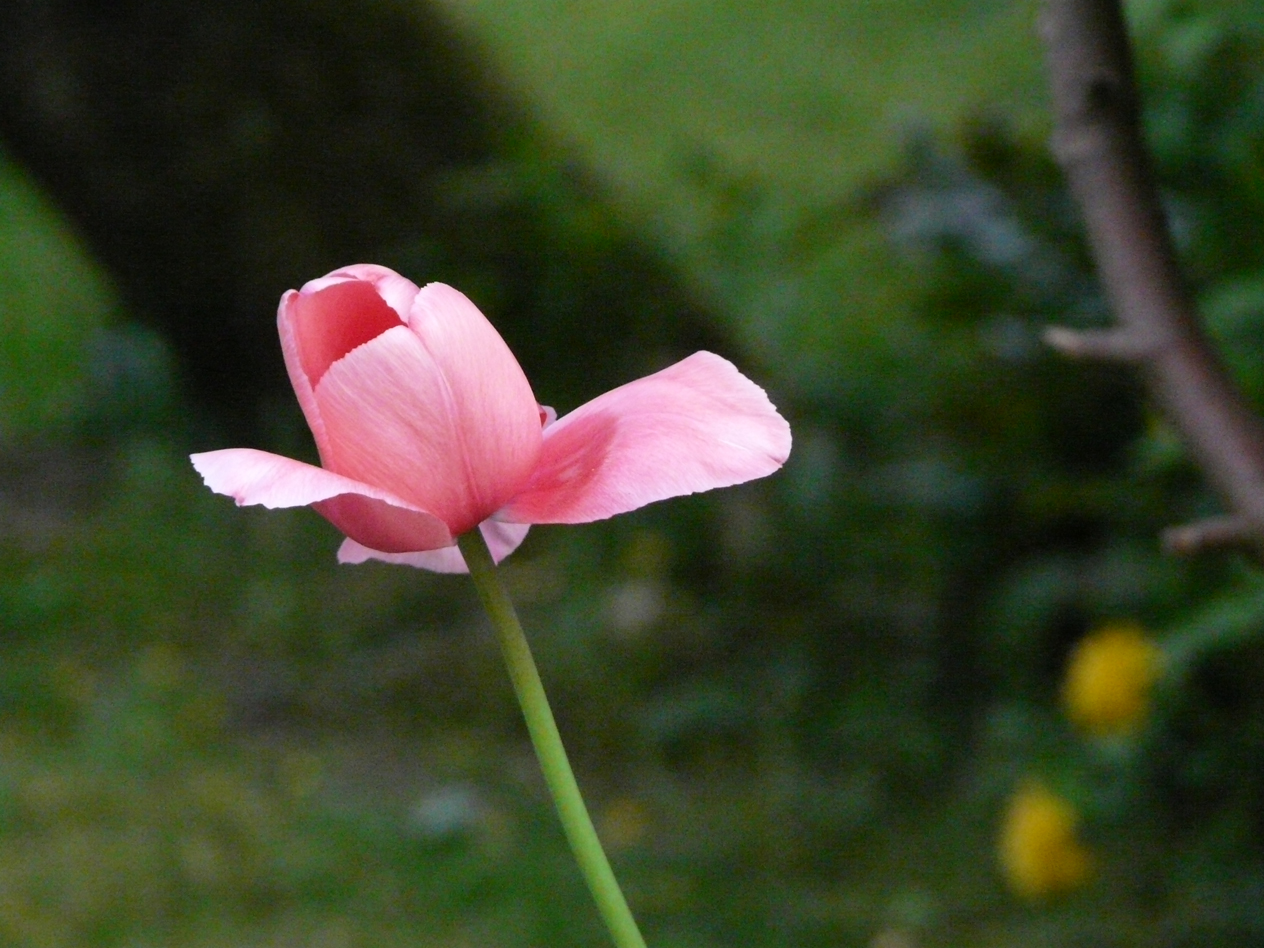
A little Haiku arrived in a flash and together with its timely image struck a chord with many of my facebook and twitter friends. It’s the beautiful message of one tulip in my garden, whose eleven companion bulbs were eaten up by hungry rodents.

P1070196 - smaller

a lone tulip splays
its red mantle to the sun
there you have my heart

*    *    *

A Haiku can arrive in a flash or take its time to unfold. Here is  an article by Jane Reichhold to inspire. She shares a little history and a number of techniques.

http://www.ahapoetry.com/haiartjr.htm

9 Comments

Filed under Blog

… four years of blogging …

The host of my virtual island – wordpress – alerted me to the four-year anniversary of my blog.

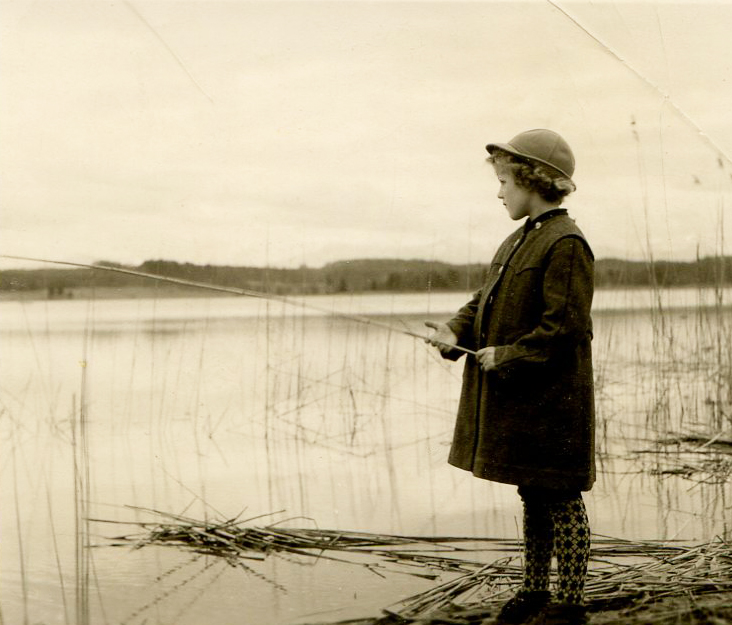
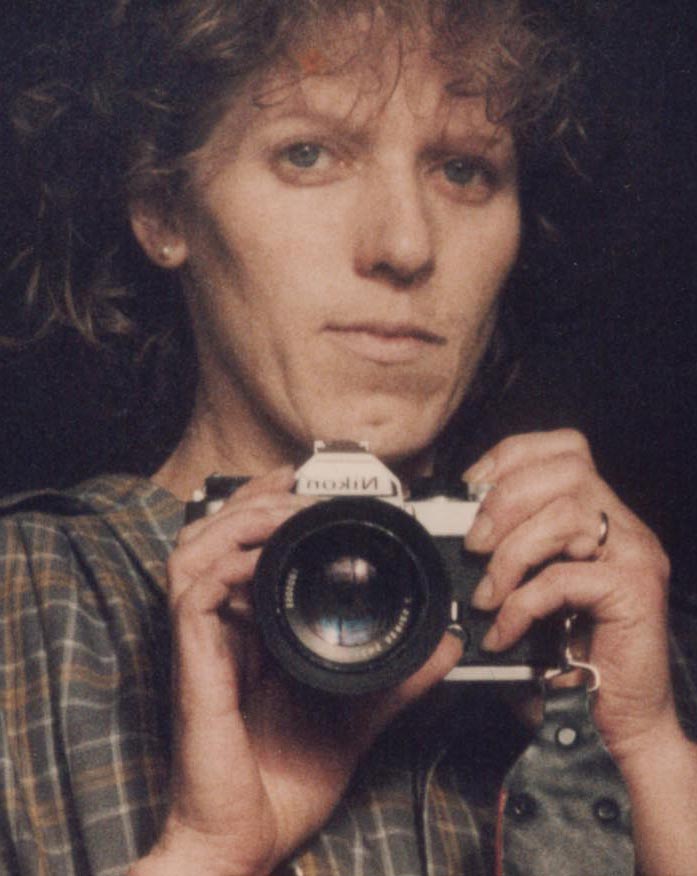
I thought I share with my followers some private photos. I’m not good at private sharing, but since my first book is going to be published this year, one way or another, some visuals of myself are in order.

pretending to fish

pretending to fish

about 30 years ago,  before selfies were vogue

about 30 years ago, before selfies were vogue

more recent, four or so years ago, a young sixty something

more recent, four or so years ago, a young sixty something

Lack of time limits my interactions, so I assume my over 300 readers are truly genuine. Thank you all for reaching out, for your friendships. It’s heartening to know my posts are enjoyed, and occasionally inspire. I sample your islands at random, and delight in how everything posted resonates. I appreciate your likes, and will respond to every comment left here.

Looking back, this was my first short post in March 2011 – just one sentence:

                                           We are each of us born a star in search of our world.

The second post was: A recent series of Haiku – for those who like Haiku

a town is gone

hawthorn flowers

white in the sun

*   *   *

among rubble

the snapshot of a child

splashing in a wave

*   *   *

spring morning

a ginger cat leaps home

across frosted lawns

*   *   *

the robin arrives

sampling dry grass for its nest

sky is cut by a plane

*   *   *

sunlight in a puddle

birds dowse their wings

no other sound

*   *   *

emerald shoots

on brittle cement

patter of feet

*   *   *

plastic bags rattle

in wire and branch

blobs of colour

*   *   *

a wave is rolling

over the grid of streets

hush among crumbled walls

*   *   *

lichen dried silver

in the hot spring

a rain of blossoms

*   *   *

a golden leaf

in the shade

white plumes rise

*   *   *

under smooth ice

a shimmering carp

visible silence

The concluding post in March 2011 was a letter to my shadow, ending …

         … Without you, I’d only be fluff on the coat of real human beings …

Time-permitting, please explore my posts, listed in the archive column to the right of my home page.

I hope you bear with me. Heartfelt thanks to all my readers.

21 Comments

Filed under Blog