Tag Archives: nature

… patina – beauty of use & age – wabi-sabi …

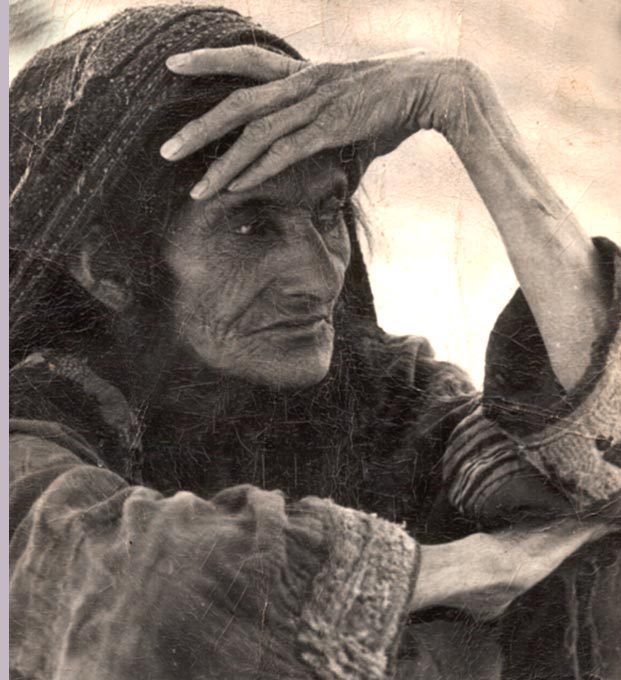
From an old postcard. I can't source the photographer.

Old woman – from a postcard I can’t source.

The phenomena of patina on surfaces is intimately seductive – layers of flacking colour on facades, walls and doors of old houses – thresholds dented and polished by feet treading on them for decades and centuries, tools honed by use, lichen-coated wood and stone, the fading or darkening of materials affected by exposure to light, air, water, wind, heat, humidity, wear and touch – and – poignantly – human skin inscribed by living.

Essaouria

The irreverence of organic processes brings endless revelations, a subtle kind of charm, a triumph of endurance, a fleeting glimpse of time in motion, a mystical hue of imperfection, evidence of existence that display glorious or sad narratives of beauty, relationships, melancholy, comedy, tragedy, remembrance and transformation.

Linus and his blanket

Linus and his blanket

Children naturally form emotional attachments to objects that then become love-worn. The remarkable psychoanalyst Donald Winnicott (whose ideas are worth exploring) specialised in early emotional relationship bonds and the importance of a holding environment for children. He coined the term transitional objects for the blankets, stuffed toys, dolls, or anything a child may choose to have an intimate relationship with, for comfort, often substituting the closeness to mother.

And don’t we know …  people are complex and unpredictable when it comes to holding our projections, quite unlike objects, be they associated with visual attractiveness, taste, smell and sound, or with tactile sensations. Objects can retain comforting feelings for us throughout our adult life. Anything from pets, trees, trinkets, letters, pens, photographs, books, significant presents, clothes, furniture, tools, cars, houses, places , feathers, sticks and stones can become treasures that give us pleasure.

Often a search for something lost is at work. My mother, in her later years, became passionately obsessed with replacing the Biedermeier furniture her family had lost in the Blitz on Berlin.

Then there is shabby chic, distressing and antiquing of furniture, which seem to gratify a need for aesthetics and comfort that some people enjoy but could not otherwise afford. To that end various sophisticated techniques are used on wood, glass, metal, stone, plaster and even plastic to replicate the vintage look.
P1070904 - smaller

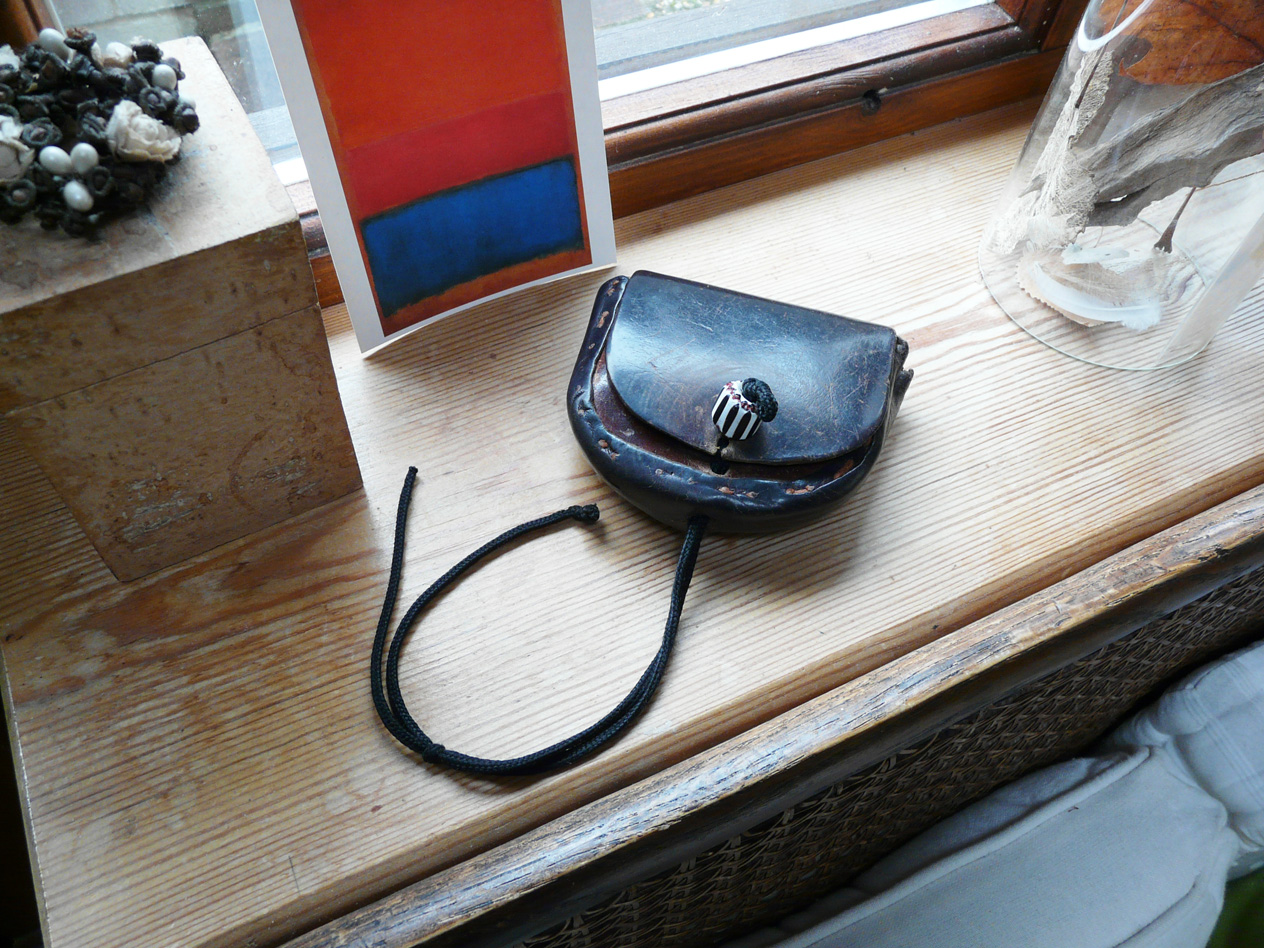
But the love-worn feel of an object stressed and polished by personal use over many years, additionally endows it with a kind of cellular memory and connection, which adds a more enduring and special significance of a personal kind for which words are inadequate. The value a child or adult attaches to such an object is often poorly understood and not respected by others, be they parents, friends or  strangers.

In my case, apart from certain books I loved to bits,  photographs of dear ones, stones picked in memorable spots, and so on. I grew fond of a purse made for me by my ex-husband. I repaired its stitching many times. The purse is not only useful, with a special compartment for payment cards, and encrypted markings I added inside its flap, it hoards contradictory symbolic connotations worth remembering, though I won’t divulge those. Sales-people in shops tend to look at this purse far longer than necessary. Its leather shines – you see.

P1070909 - smaller My purse is not full enough and my house not big enough to indulge in the hunt and collection of rare objects to which the Japanese concept of Wabi-sabi would apply. Then again, I chose my priority to be writing, and am content with the few minor wabi-sabi objects I cultivated over time.

In a way we all express wabi-sabi qualities in our personalities.

… Characteristics of the wabi-sabi aesthetic include asymmetry, asperity (roughness or irregularity), simplicity, economy, austerity, modesty, intimacy, and appreciation of the ingenuous  integrity of natural objects and processes. Nothing lasts, nothing is finished, and nothing is perfect …

What are the transitional objects in your life that bridge one love to the next?

Clicking on an underlined words in the text will bring up a new page, which means you won’t lose this page.
9 Comments

Filed under Blog

… cats …

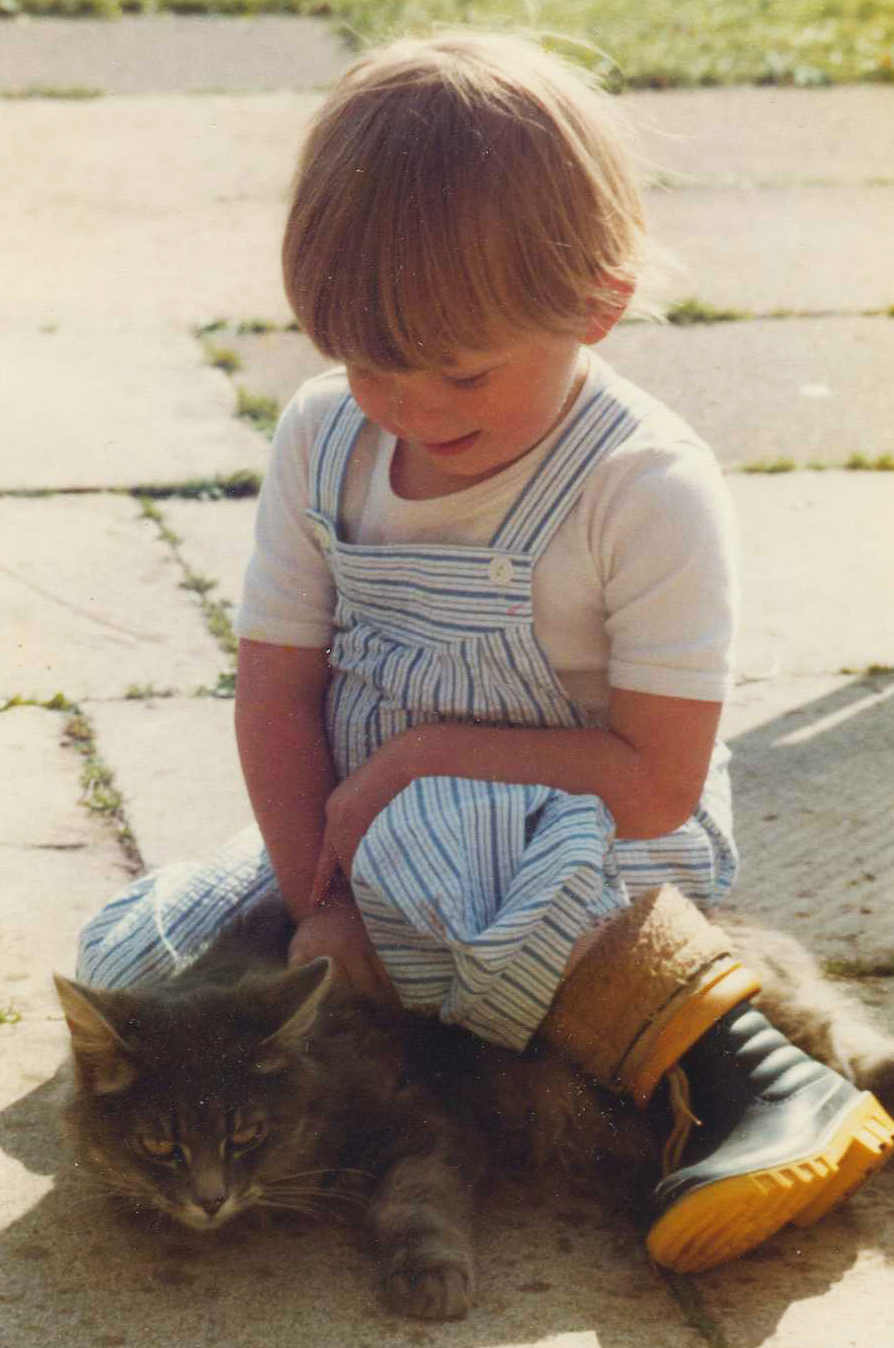
I had various pets I cared for as a child, among them talking parakeets, hedgehogs, crows, snakes, mice, and dogs – but never cats. Actually I wanted a horse, but it never happened.

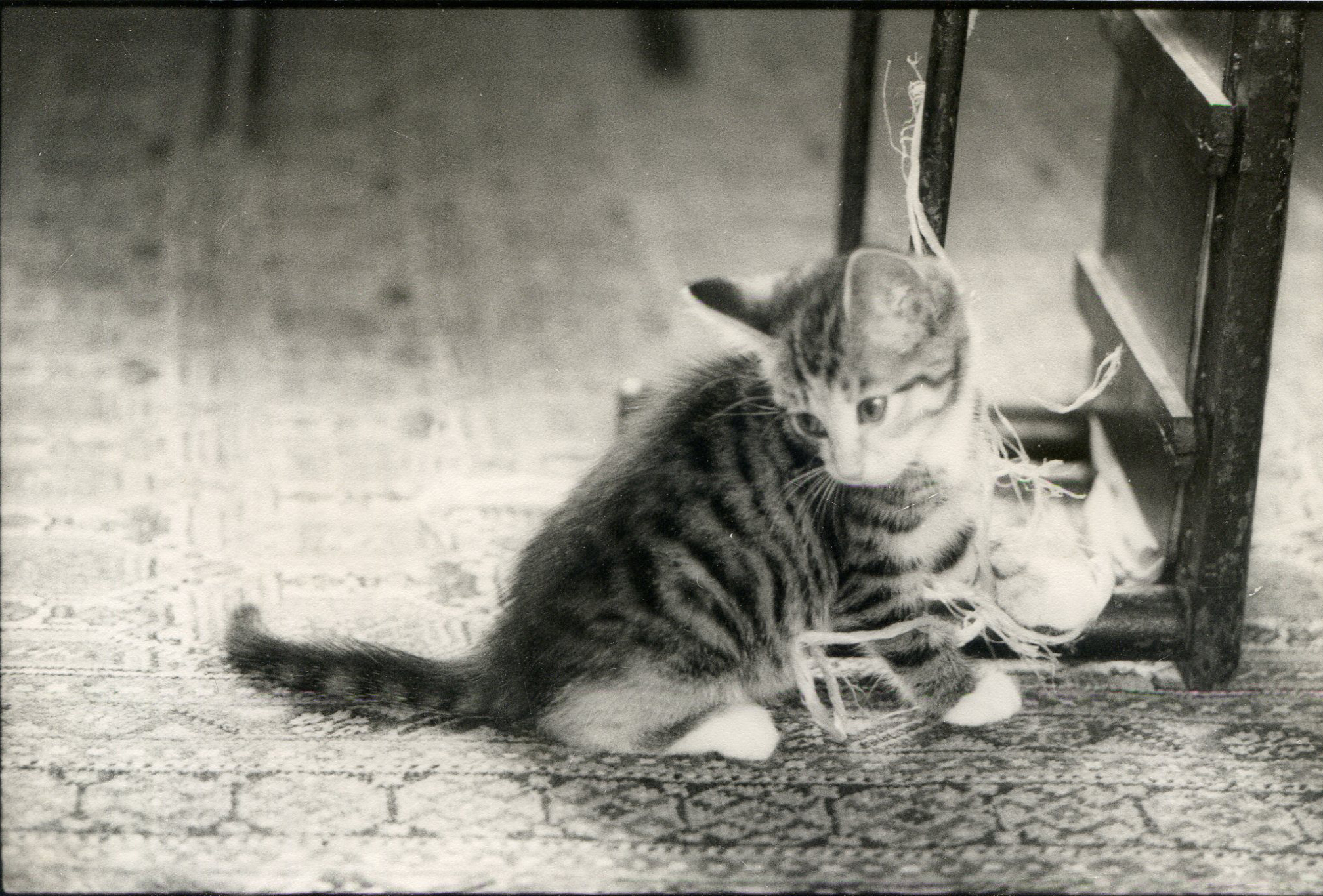
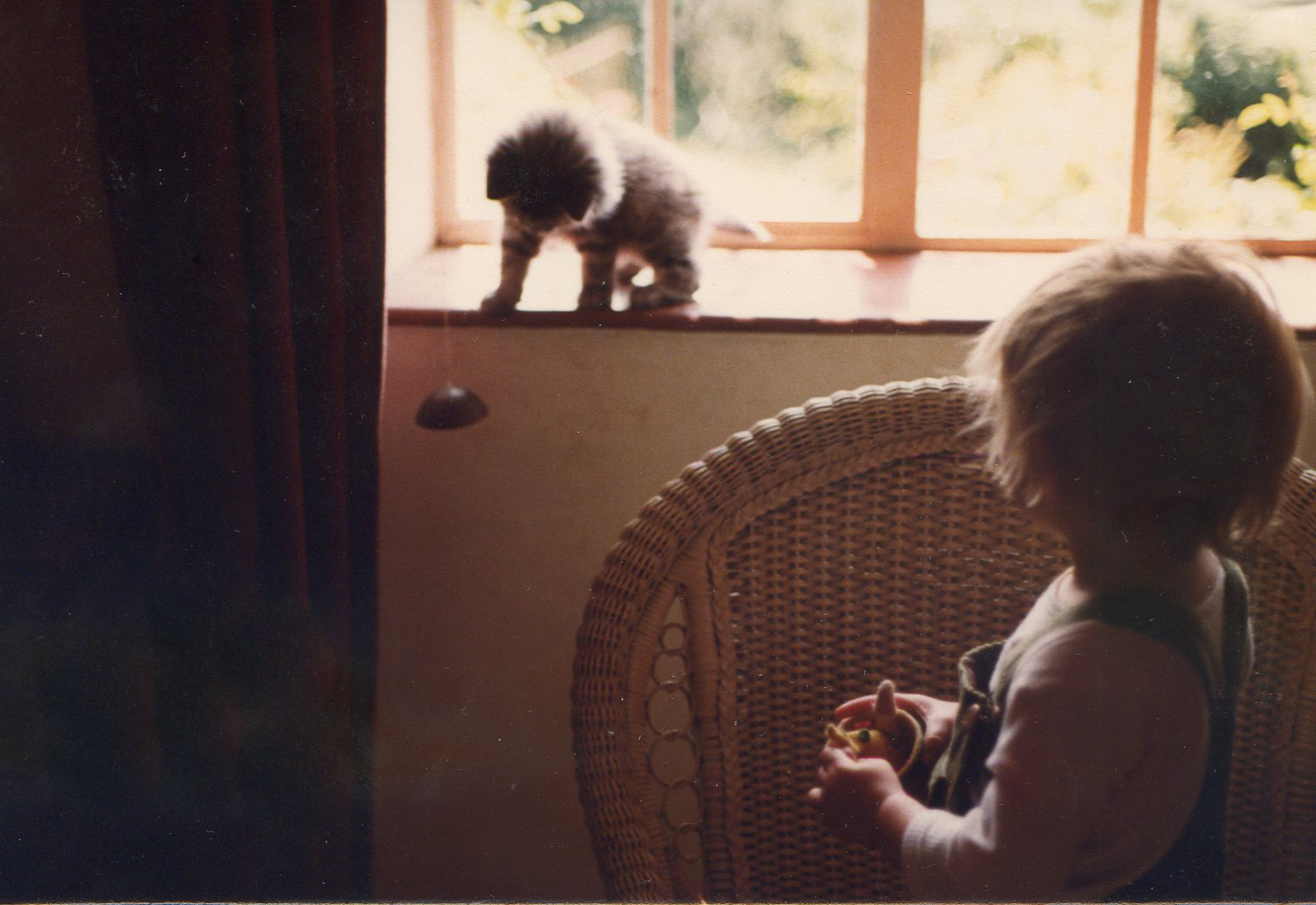
Cat, Yesh &SuzukiThen came Somerset, and I thought my young son would enjoy a cat. He did.

We called her Suzuki. I must have been into Zen … ‘Enjoy your problems’ – that kind of thing.

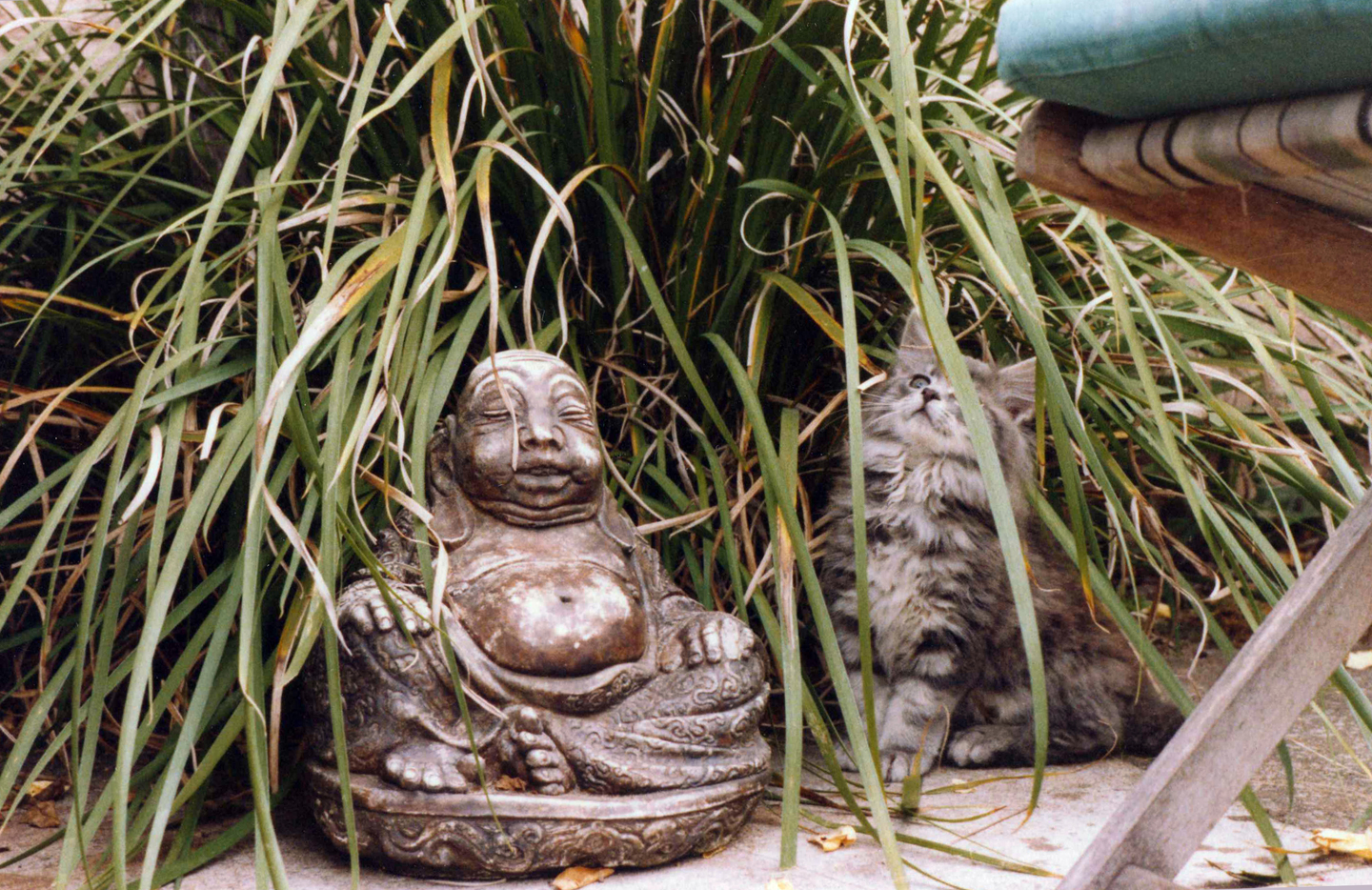
Cat, Suzuki with Buddha, bliss - Copy

As you can see, Suzuki had leanings to our stone ‘Budai,’ drawn to its lucky charm and its loving nature, easing her through tough moments … as you can also see.

Cat, Yeshen, Suzuki's lot

To catch mice in the ancient cottage we lived in was beneath her. She gifted us with other creatures. One summer, after returning from a trip, during which time our kind neighbour fed Suzuki, the wool fleece rug in our bedroom looked at first pristine and welcoming, but the moment my bare feet stepped on it my legs were jumped upon by armies of tiny, shiny armoured flees. Par chance I spotted a pack of post-it-notes on a Chester drawer and an ‘aha’ moment occured. I peeled off the pests amass from my skin with the sticky stripes, stomping about for a while, so none should be left out. I recommend sticky stuff for emergencies; it works, among other tricks I soon learned about.

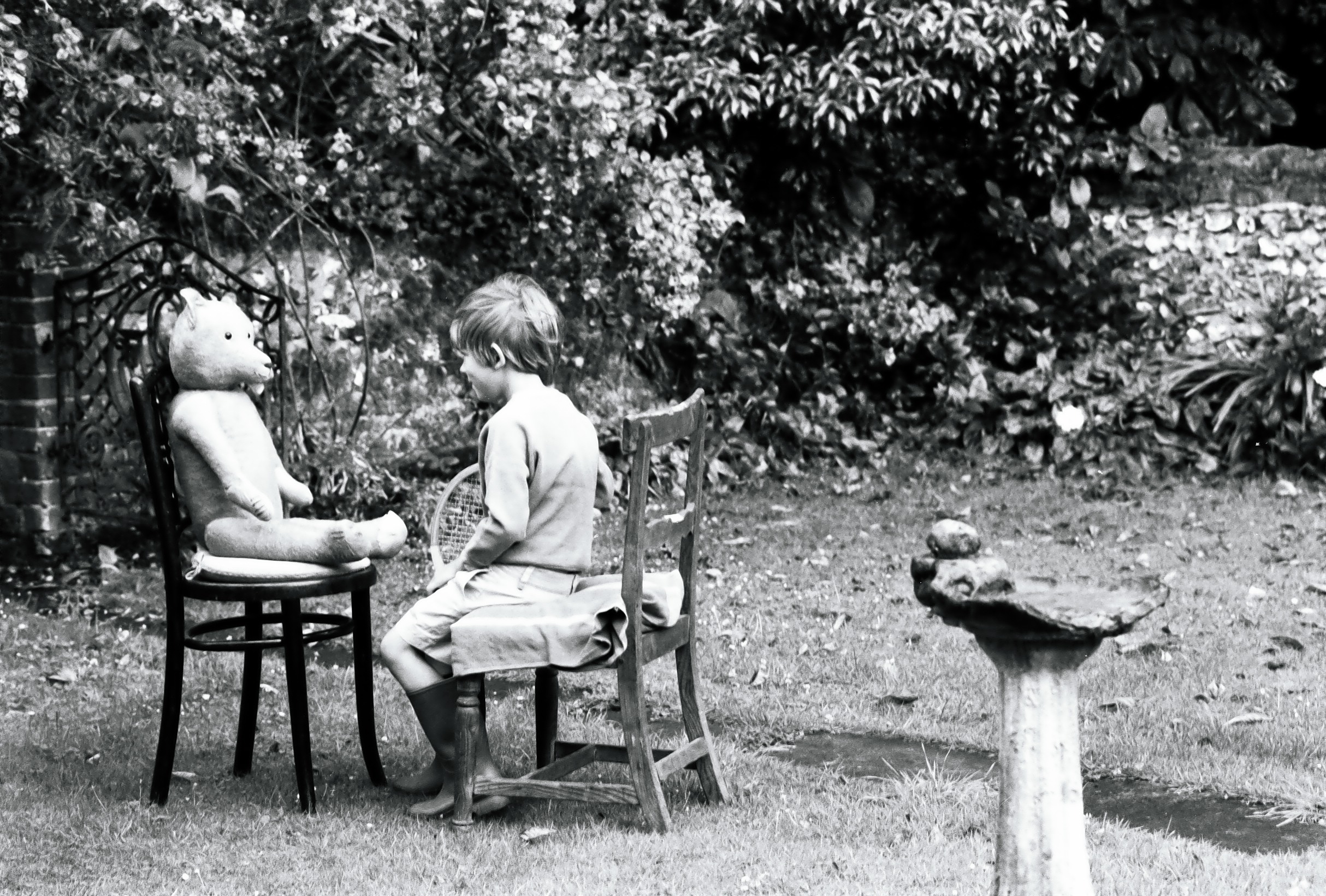
Then came a time when we moved from home to home while in transit towards Surrey. In one such charmed place Suzuki distinguished herself as baby rabbit catcher. Never a killer, she plonked the fluffy bundles on the living room floor, where they sat, stunned and motionless … there you are, a present … We freed the bunny back into the neglected orchard of the property, but it soon returned, carried gently at the scruff of its neck by Suzuki. This happened innumerable times, likely with the same bunny, over and over. I wondered whether it was born into the wrong body, and was truly a cat – or our spayed cat was truly a rabbit in want of babies. We’ll never know. Unsure where we would end up, we left beautiful Suzuki with a woman who adored her. My son was upset, and only partly reconciled by a teddy friend.

Teddy 5

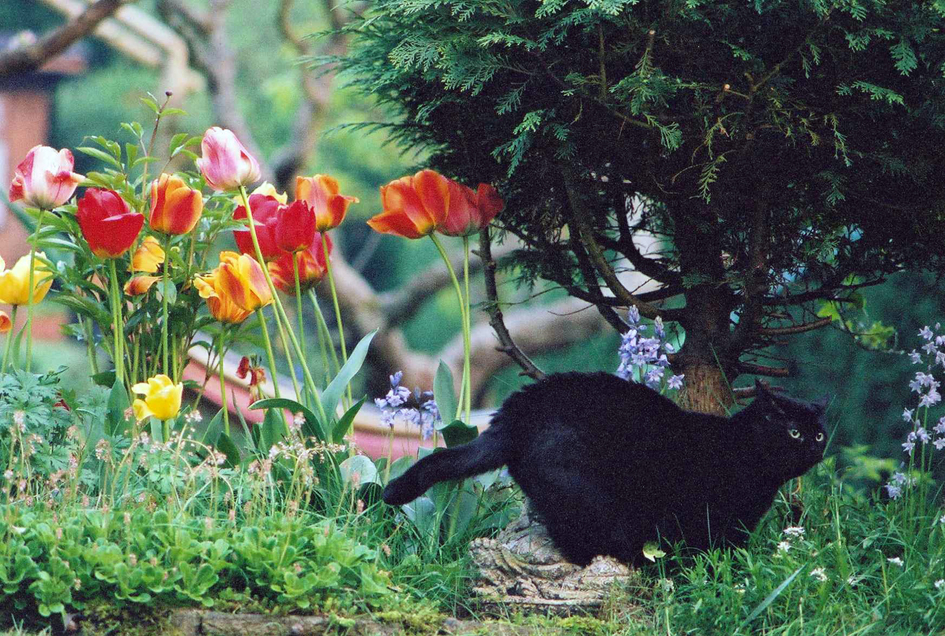
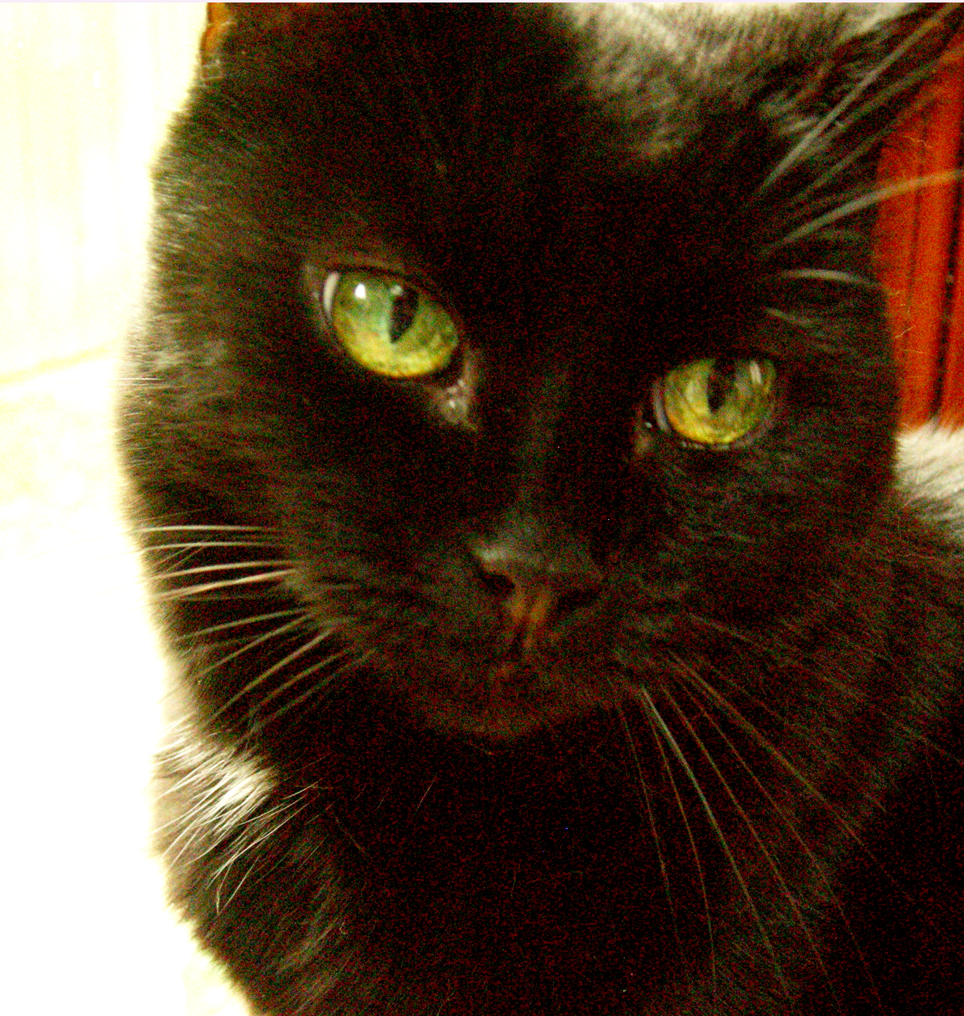
Cat, Amber136Entering a more settled phase in Surrey, we adopted a ginger rescue cat, Caspar, who appeared dour and joyless, most likely due to distressing experiences. My attempts to create rapport were unsuccessful. One day he simply disappeared, and I blame myself to this day. In due time, I searched and found Amber, a gorgeous tabby kitten. Slow in having her spayed, she produced offspring, giving birth in the living room, an unexpected and magical event, while I had friends over. The three in the litter were very different, in looks and temperament. The first and last born kittens found homes. Cat, Jetty and Tulips - lowerMy son thought it best to let the children, accompanied by their parents, choose, so we ended up with the middle born, sleek, black, and with a lovely tranquil nature. We named her Jetty. I linked with her in grief when Amber was sadly run over in the street a few years on.

Jetty lived to be 16. She died on my birthday a few years back. When Katia, a writer friend, posted her experiences with cats  –  it saddened me to hear the story of the sudden demise of her companion. Genie reminded me of Jetty, which sparked this post, in honour of her friendship.

Cat, crop - smaller - CopyHow to describe the deep bond we can form with an animal? Is it our need for acceptance, totally reciprocated from a creature that has all its needs for shelter, food and attention met? I think that’s a flatlander’s view. All meaningful connections happen beyond rational thought, in other spheres. Animals are sensitive to vibrations beyond our clock time awareness, often knowing of events before they happen, which is why they can warn and protect us. And because their senses are wide open to fine energies, as well as vulnerable to harmful ones, we, too, are moved to protect them.

We humans are urged to be clever and become quickly absorbed in the ongoing evolution of the rational mind. Animals can teach us to stay closer to nature, the most powerful text of life. And they maintain a strong link to dimensions we frequently lose, where all experiences mingle in the ever expanding pool of universal consciousness. With all our specialness, nature is indispensable to us. An animal friend whose intelligence detects moods and intentions, cats are particlularly good at this, can show us any moment, as in a mirror, our true state of being.

*      *      *

“That’s the great secret of creativity. You treat ideas like cats: you make them follow you.” – Ray Bradbury – Zen in the Art of Writing

“I love cats because I enjoy my home; and little by little, they become its visible soul.” – Jean Cocteau

21 Comments

Filed under Blog

… Sun-charging the Scarab …

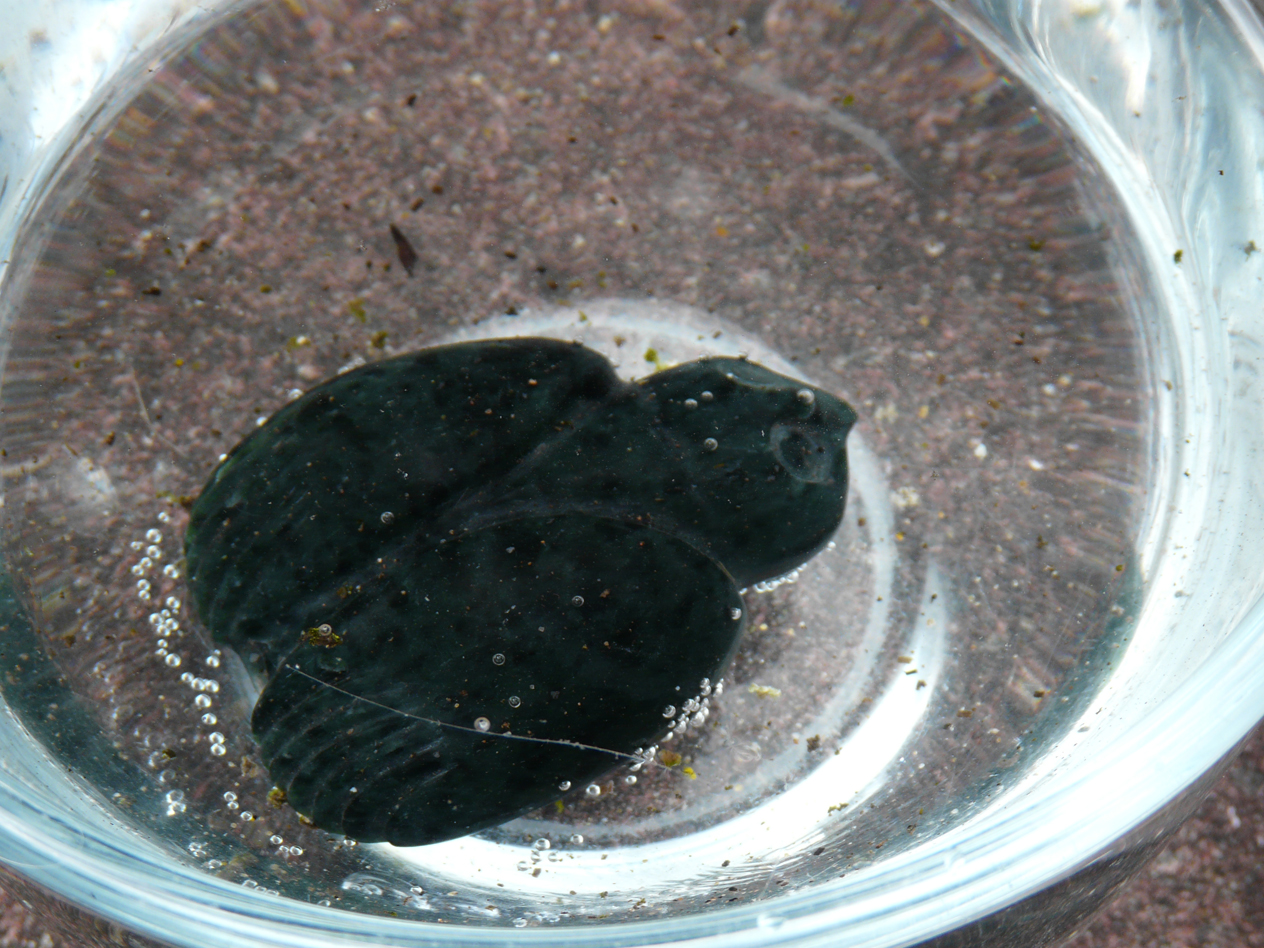
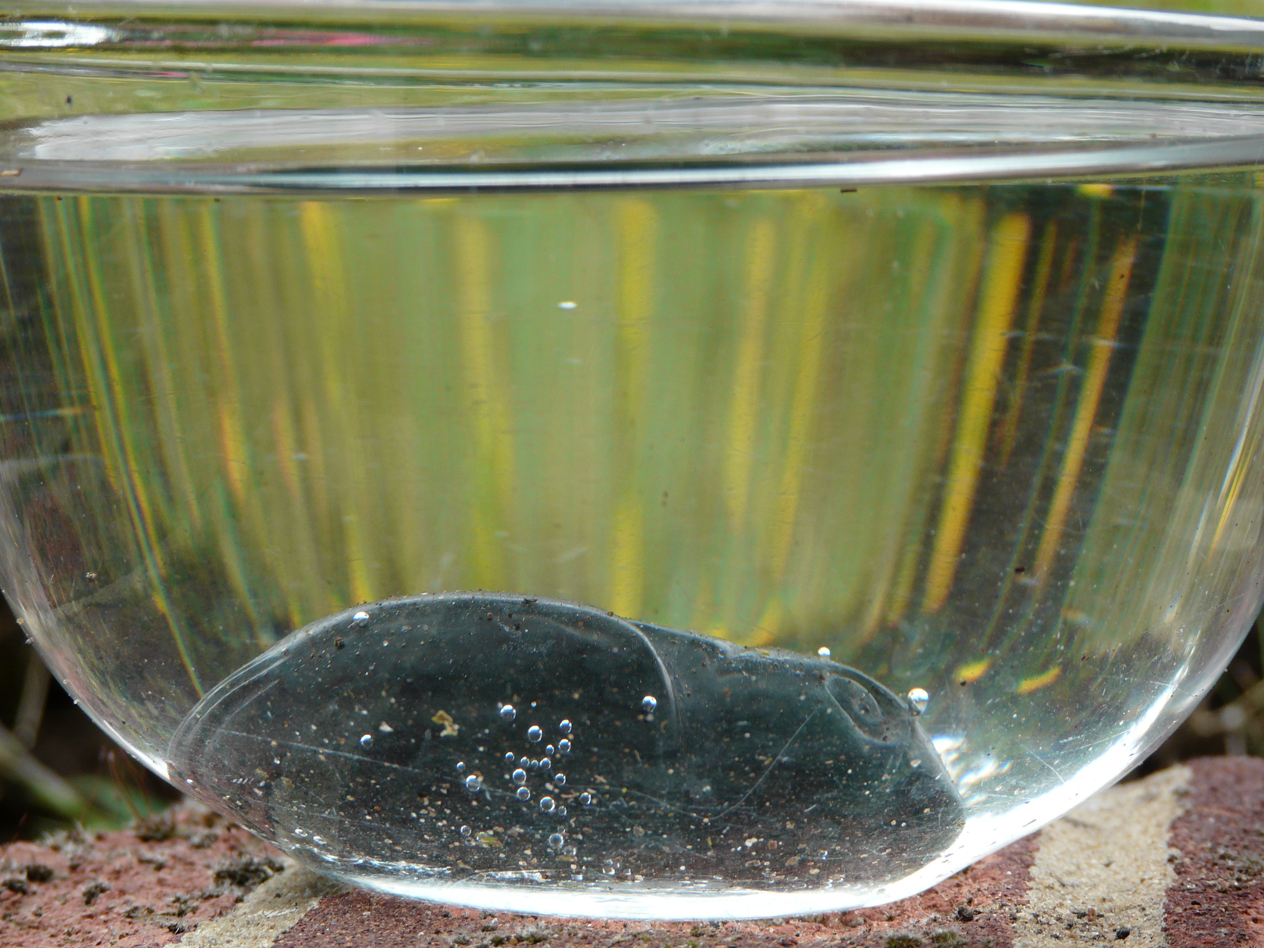
P1070817 smallerYears ago, a friend (thank you Shaz) gifted me a 6 cm long Scarab (Scarabaeus sacer) made of green-speckled black onyx. The object, as it sat on a windowsill among other tokens, curiously nudged my imagination the other day.

I intuitively put the Scarab in a glass bowl with water and placed it outside under the sun.

from livescience.com

from livescience.com


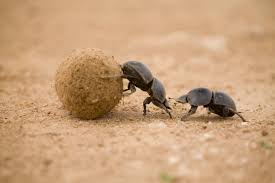
Dung beetles (Kafka’s Mistkäfer) fascinate me. They gather dung into orbs many times their own weight and drag them to a dug-out hollow as provision, but also as brood chambers into which the female deposits an egg. Once hatched, the larva feeds on the dung surrounding it. Here is a brilliant and cool TED Talk by Marcus Byrne about the amazing dance of the dung beetle: http://www.ted.com/talks/marcus_byrne_the_dance_of_the_dung_beetle

No wonder the ancient Egyptians made Khepri into a solar deity that rolls the sun each evening across the horizon, carries it through the other world, and returns with the star’s glory next day. Ra – the rising sun – was often depicted as a beetle-headed man.

P1070823 smallerThe onyx of my Scarab is Leo’s astrological gem stone, associated with grounding energy and a firm heart, another motive to charge the Scarab’s regenerative meaning for me. As the sun warmed the water in the glass bowl, tiny, oscillating air bubbles formed, which made the scarab seem alive and breathing.

Of course, none of this means anything whatsoever, apart from my wishful investment, a fancyful projection I won’t scrutinize and happily indulge in.

Turns out the environment agrees. In my garden, a highway for cats of all breeds and hues, sleek, bushy, black, white, grey, marmalade and surreally marked, one ginger tom seems in need of healing. On his daily round he has become totally addicted to drinking water from the bowl, greedily, in long slurps.

And today my blackbird friends re-appeared to partake of the holy beatle’s sun charged water. You may allow yourself a humoured smile, though what else is there but to cheer at the powerful symbol invested with the meaning of regeneration in the small universe of my garden?

20 Comments

Filed under Blog

… To Witness Daisies and Earth Rise …  

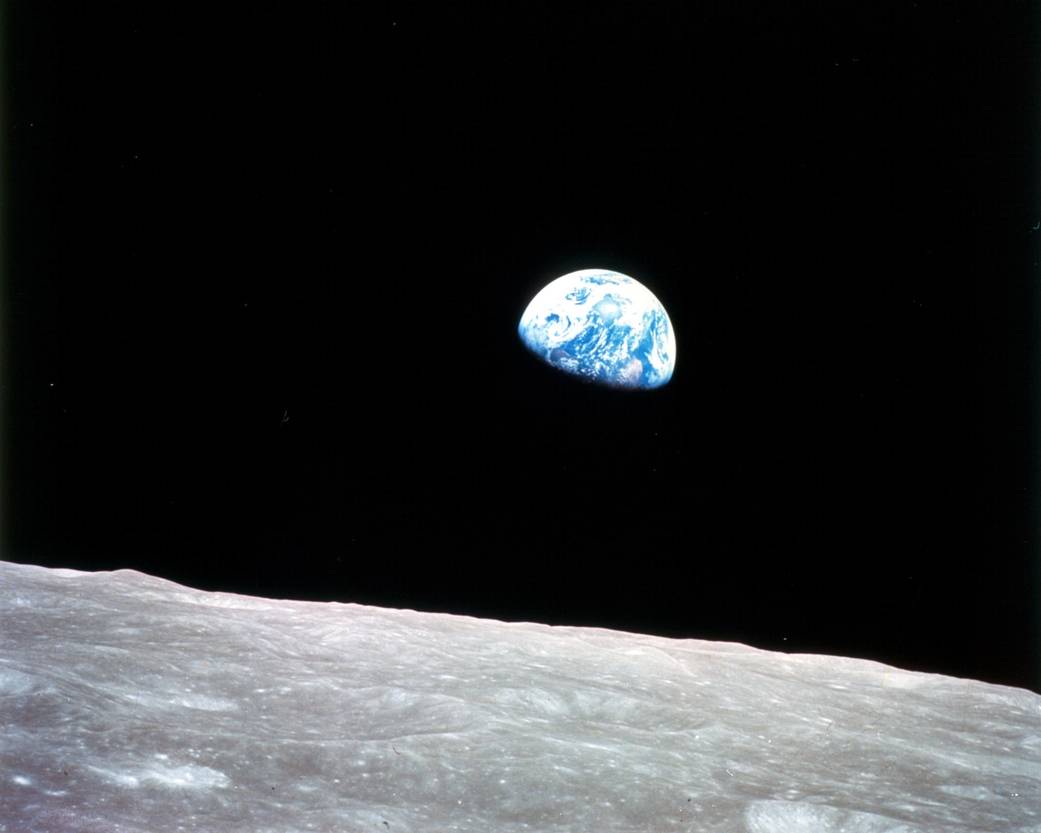
1968 Earth Rise, Apollo Mission 8

1968 Earth Rise, Apollo Mission 8

A change in collective attitudes often takes momentous events. While the moon-landing of 1969  was mildly underwhelming, the image captured in preparation for the American eagle’s landing, a year earlier, was immensely moving – revealing a vastly expanded mirror to our home that spoke then, and speaks now, directly to our physical and spiritual senses. Guiseppi Ungaretti had fitting words …

‘What are you doing earth in heaven? Tell me what are you doing silent earth?’

With hindsight we can see how major historic events are being incubated years in advance to their happenings. Artists have a knack for shocking us before a message becomes endorsed, which is why I connect the film  ‘To Witness Daisies’ (1966)   with the earth-rising image, both testing limited perceptions.  A click on the title should bring up the movie on your tube.

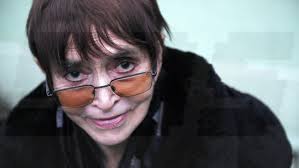
Věra Chytilová

Věra Chytilová

Not unlike the awesome view from outer space,  Věra Chytilová presented an equally powerful pointer to our poor stewardship of earth. Initially forbidden in the former Czechoslovakia, her tragic comedy was released two years before the Prague Spring, and two years before the earth-rise image promised a new respect for nature. I hoped for a greater understanding of cosmic interconnectedness, and an assessment of the fear-based need to subdue and control the wild, the primitive, the imagination, soul … all the ignorant projections on the feminine principle, which, I think, are responsible for spoiling our planet and wounding the psyche of men and women.  Film critics felt uncomfortable with Věra Chytilová’s controversial, iconoclastic statement on the demeaning role assigned to women in our cultures. Niels Bohr expressed, ‘As long as an atom is not seen it does not exist, it is a ghost.’ To me, this implies that seeing, individually and collectively, is an active process, influencing the reality of our existence.

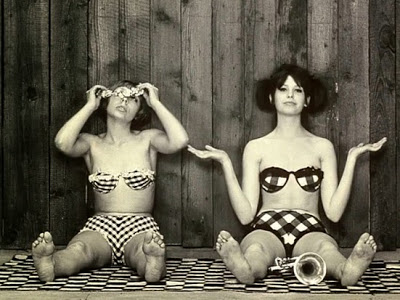
The Daisies

The Daisies

Watching ‘To Witness Daisies’ for the first time in 1994, I was struck by its theme of psychic starvation – sharply relevant today – and the insanity of societies where women are kept in an infantile state so as not to threaten male supremacy. The symbolic power of the film’s images, with their rhythmic and gradually peaking orchestration, creates a timeless sphere of magical reality, where meaning is expanded and revealed. The opening sequence of the film gives the context. A mechanical wheel turns relentlessly to the sound of regular drumming. The scene is interspaced with silent images of war, bombs exploding, mainly into the sea, symbolically representing the mother of all life on earth. Next, the frame shows a sun-deck by a pool. Filmed in black and white, the deck re-appears as a transitional stage. and one could add, a place at the edge of the personal unconscious. Here a question is voiced, ‘What next?’ The two teenage girls wear bikinis and their movements are mechanical, like the wheel. The sound indicates a lack of oil in the system, and the funfair trumpet played by one of the girls suggests a flat and mocking victory.

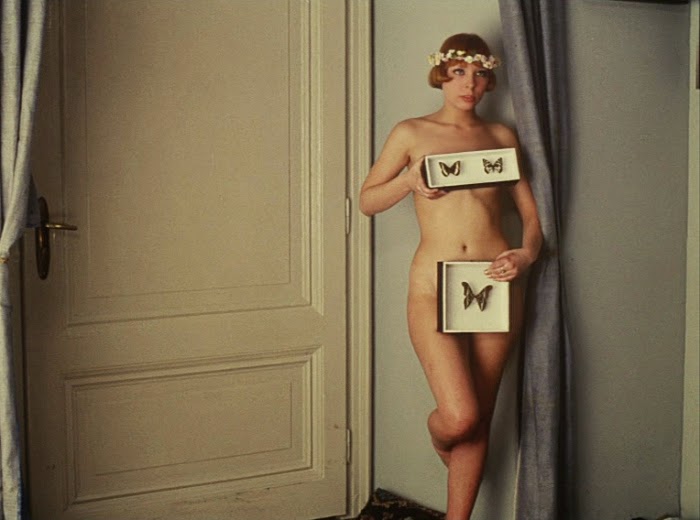
Posing for the Collector

Posing for the Collector

The outlook is set. ‘I’m a doll, everything is been spoiled in this world.’ And, as a way out of boredom, ‘If everything is being spoiled, we will be spoiled too.’ The decision to mirror a spoiled world is made, a death wish gains momentum. Daisy Blond wears a daisy chain and uses it at intervals as divination device. When the chain is thrown out of the frame, it lands on water and signals the next mise-en-scène, like a Garden of Eden where the girls dance, and where Daisy Blond picks the legendary fruit, affirming ‘their kind’ are products of a biblical myth with politically useful interpretation that prevail.

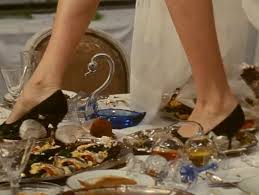
The end-feast

The end-feast

Film critics felt uncomfortable with Věra Chytilová’s controversial, iconoclastic statement about the role assigned to women in our cultures. Acted by Jitka Cerhová and Ivana Karbanová, the Daisies have various names throughout the film. I call them Daisy Black and Daisy Blond, though they are one and the same, since their communication resembles an internal dialogue trying to deal unsuccessfully with a moral conflict that offers no bridge between good and bad. To Daisy Black nothing matters, she has a timeless distance to things, everything is a game. For Daisy Blond, the extrovert, hunger makes food a central theme of the film – hunger in the sense of wanting to fill her sense of emptiness with substance. I won’t venture into psychology, but it’s easy to draw a connections to the Anorexic symptoms many young women suffer from.

During a film degree course in 1994, I wrote a long essay on ‘To Witness Daisies.’ Unable to transfer the old Mac files when switching to a PC with internet connection, many essays need re-typing, which I hope to achieve once other projects are out of the way. For now, I thought I inspire you to watch the film – and maybe share your thoughts about it.

11 Comments

Filed under Blog

… marginalia of bodies …

moon's swing door

moon’s swing door

the white rock sails adored –

silent swing door to sanctuaries

imagined beyond where

each being claims its mystery

un-evidenced


winged by unknown purpose

spirit seeks shelter

tumbling through cells

to the orb of a home –

embodied in you and me spirit mimics

nature’s mirrors moments after now

though once inner vision unfolds

our dreams are branded …

framed by the one eye

supreme to all eyes …

sun’s furnace illuming draperies

history sanctioned

seemingly evidenced

but for the singular breath

of insight needling between

obvious fabrics to thread

intense tales of beauty …

sample of my occasional art, 1998

sample of my occasional art, 1998


The poem was inspired by June’s full moon.

Places accumulate impressions, snippets of reality that draw us forever into experiences from different directions and points in time. The one place we carry with us – OUR BODY – remembers what reason does not. While the intellect sorts memories into virtual boxes and slaps on the tag ‘facts,’ the body, animated by each breath, deeply informs our singular perception, helps us to adjust the past, refine the relationship with ourselves and others in the present, and opens a new wavelength and vision towards the future.


The experience you have within yourself of your separate identity, to allow right and wrong to be re-defined by you, your singular contribution, is where evolution really happens. You, by becoming yourself, can open a new wavelength. What you reflect immediately influences your environment, people close and far away.’

Fazal Inayat-Khan, notes from an attended lecture, 1989

‘Spirit without soul has no vessel – soul without spirit has no direction.’ Roberto Assagioli

10 Comments

Filed under Blog

… leaving – returning …

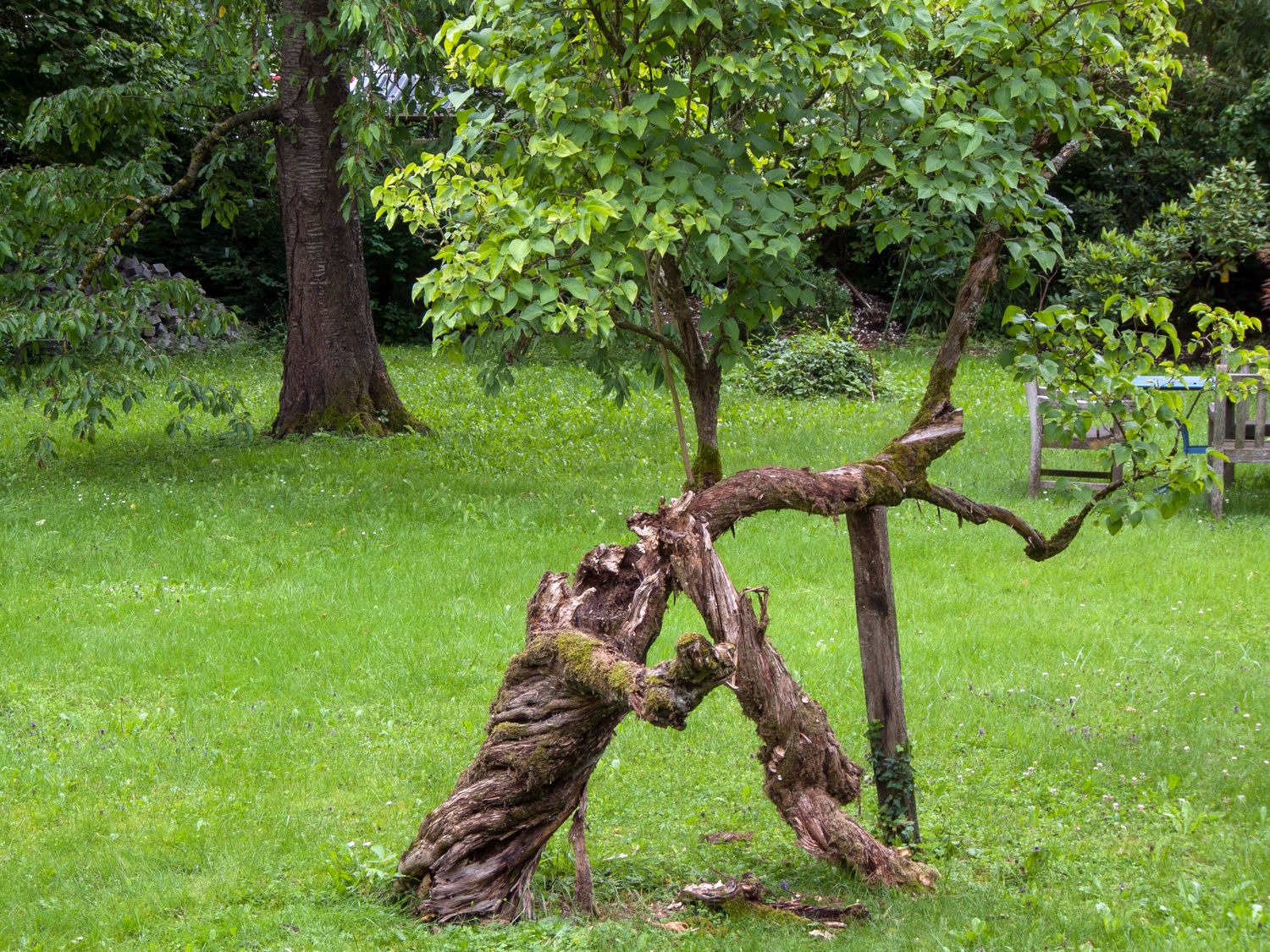
the father tree

the father tree

to reshuffle thoughts

a short journey is enough

leaving – returning …

legends undulate

in glowing brittle wood – sighs

from swaying branches –


Jasmin blessings

Jasmin blessings


Jasmin on the breeze

laments of grief in the rain –

ancestors speak

first sounds glide on ice

circling the affirmative

leisurely routine


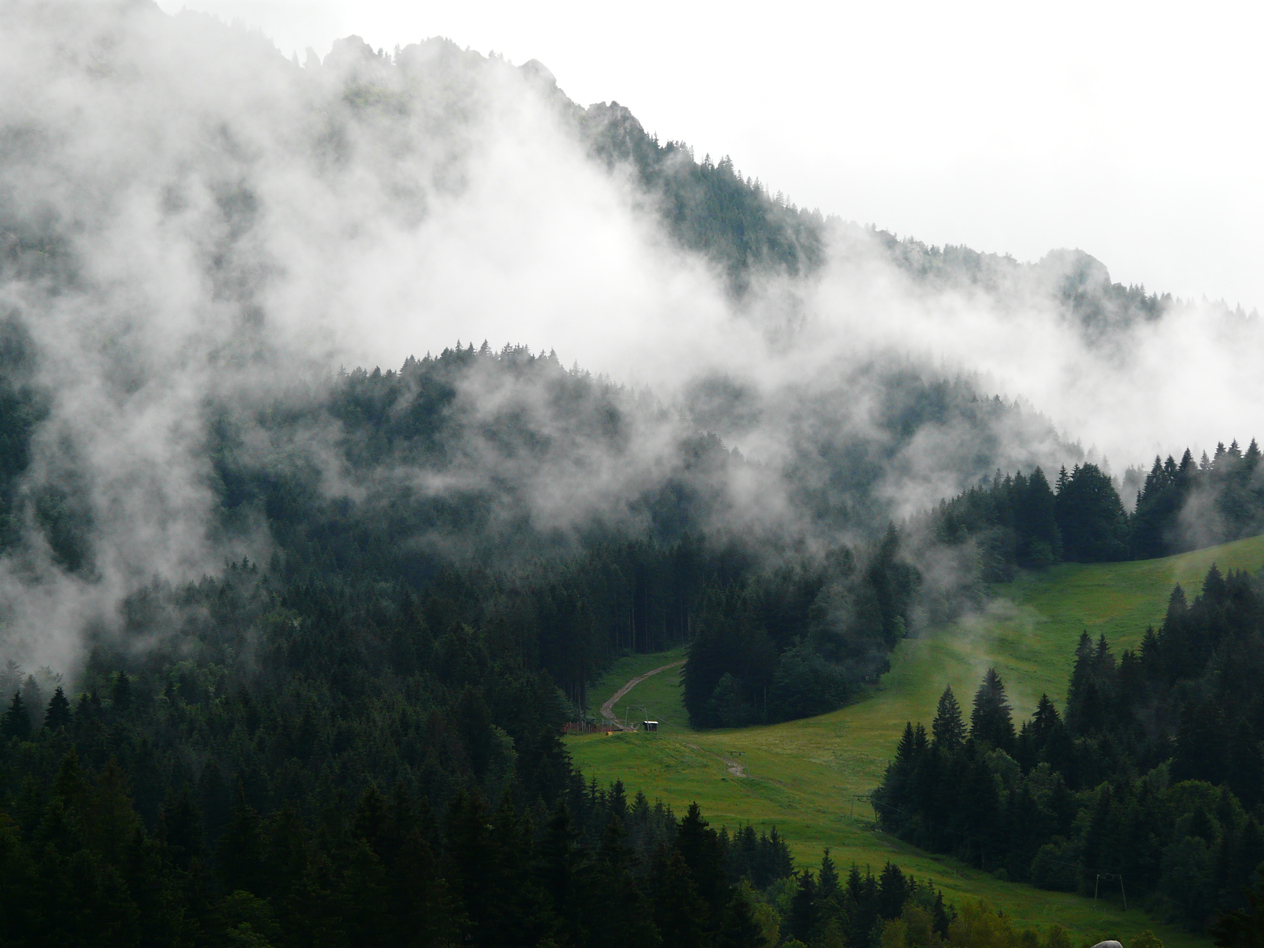
my beloved Alps

my beloved Alps


between dusk and dawn

all words sink to un-squared time

rounding in fish eyes

as poems probing

the deep meshes of oceans

for heart connections …


‘What else, when chaos draws all forces inward to shape a single leaf …’  C. Aiken

Visiting my early landscapes, friends in Munich, my father of 97, with my son, whose work in London means I rarely see him,  was a rich experience. I had to capture the essence in a poem, which started out in German:

In der Dämmerung glänzt Gold aus der Wurtzel

Gedanken gleiten auf Eis in Kreisen herum

doch manche sinken in die Tiefe um

im Wassergewebe nach Erinnerungen

zu fischen … Gesichter ziehen vorbei 

in sanften kalten und warmen Wogen …

I’ll work on this, inspired by a writer Herta Müller – (English translation on screen) introduced to me by friends whose guest I was in Munich. Anyone fascinated by language will be moved. Also this article in The Paris Review   I am presently reading ‘Mein Vaterland war ein Apfelkern,’ a remarkable dialogue.

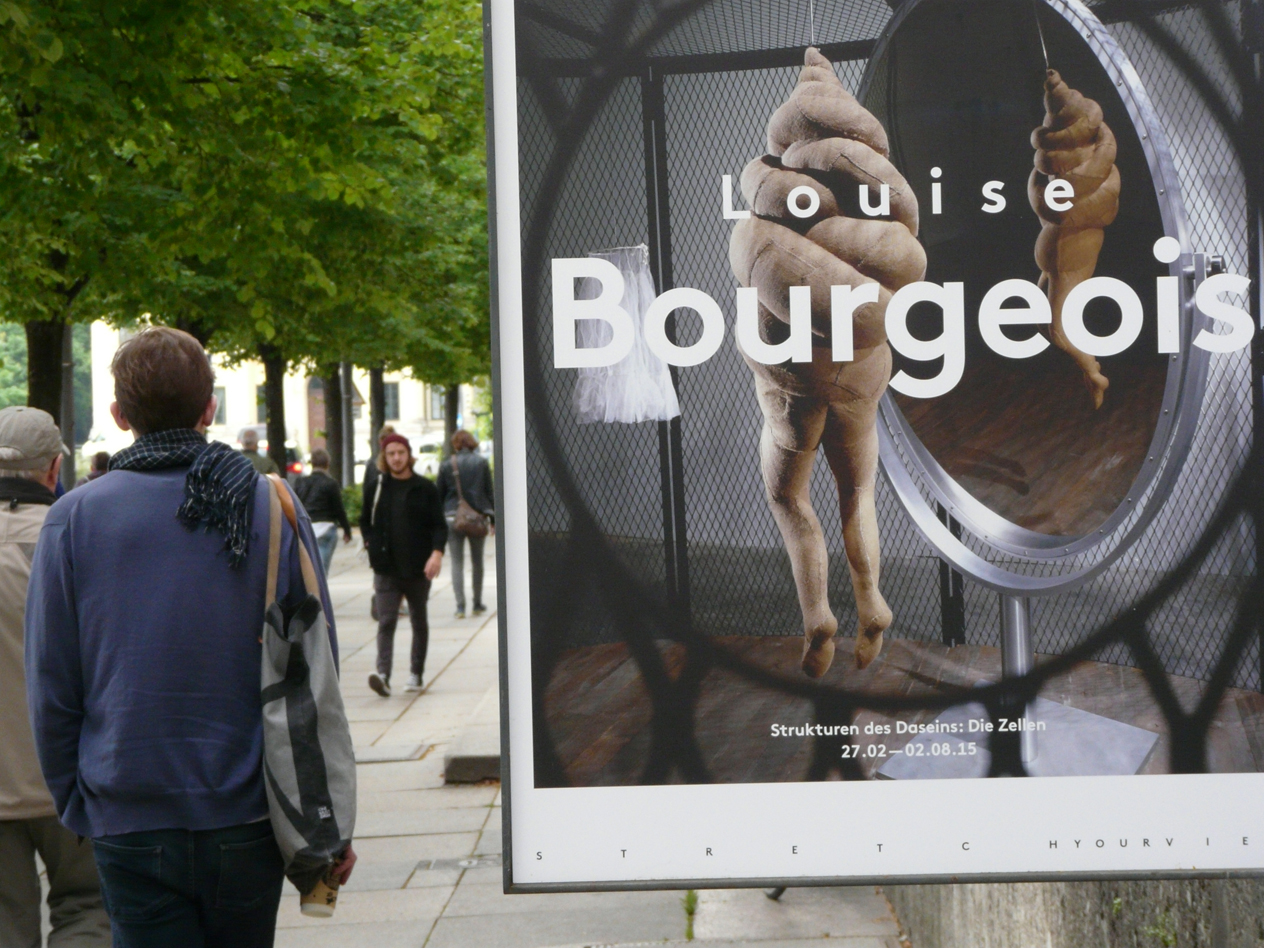
Louise Bourgeois at 'Hause der Kunst.'

Louise Bourgeois at ‘Hause der Kunst.’


In Munich’s ‘Haus der Kunst’ I visited a wonderful exhibition of Louise Bourgeois (1911 – 2010) an artist I much admire, whose installations about the Cells of Structures of Existence are deeply impressive.

Londoners my have seen her huge spider on display in the Turbine Hall of Tate Modern. I wish I had cheated and made photos of her beautifully arranged installations in the generous spaces in Haus Der Kunst.


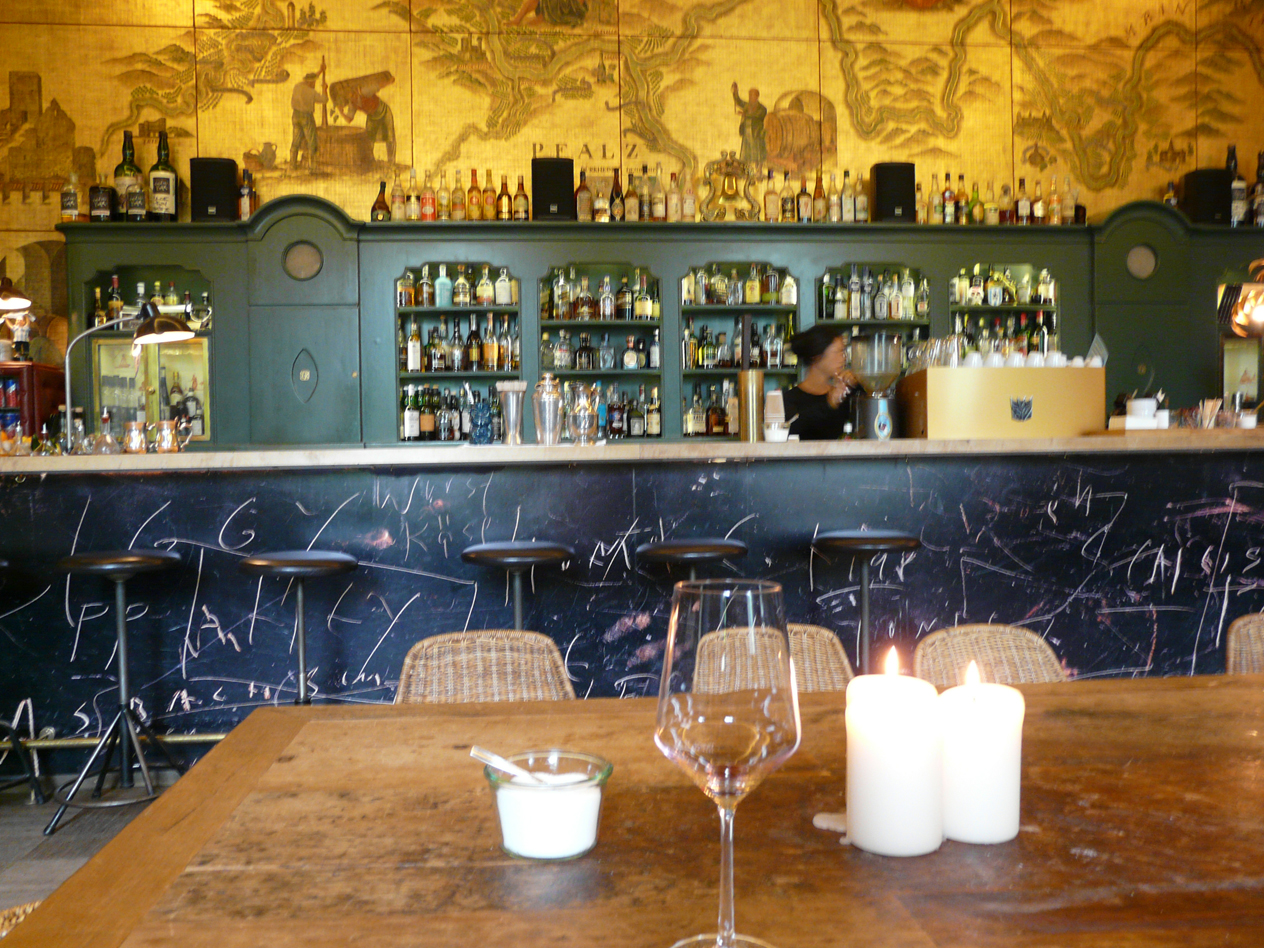
bar at 'House der Kunst.'

bar at ‘House der Kunst.’

To compensate, here is the wonderful golden bar at the ‘House der Kunst.’ And returning home – a blue invasion.

a blue invasion

a blue invasion

10 Comments

Filed under Blog

… the tulip – haiku moment …

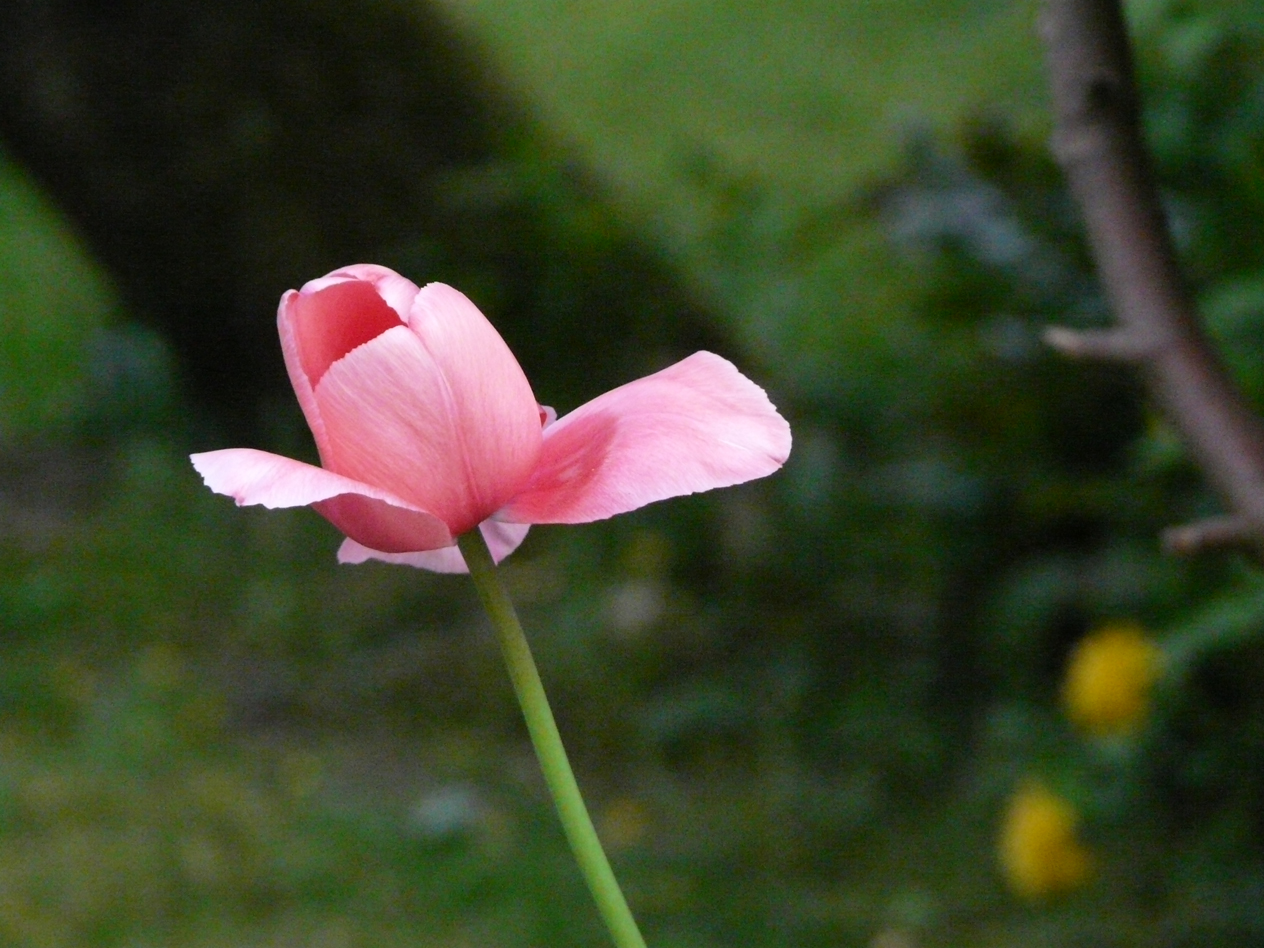
A little Haiku arrived in a flash and together with its timely image struck a chord with many of my facebook and twitter friends. It’s the beautiful message of one tulip in my garden, whose eleven companion bulbs were eaten up by hungry rodents.

P1070196 - smaller

a lone tulip splays
its red mantle to the sun
there you have my heart

*    *    *

A Haiku can arrive in a flash or take its time to unfold. Here is  an article by Jane Reichhold to inspire. She shares a little history and a number of techniques.

http://www.ahapoetry.com/haiartjr.htm

9 Comments

Filed under Blog

… it’s possible to swim against the stream …

Just saying …

P1060176 - smaller

13 Comments

Filed under Blog

… hands …

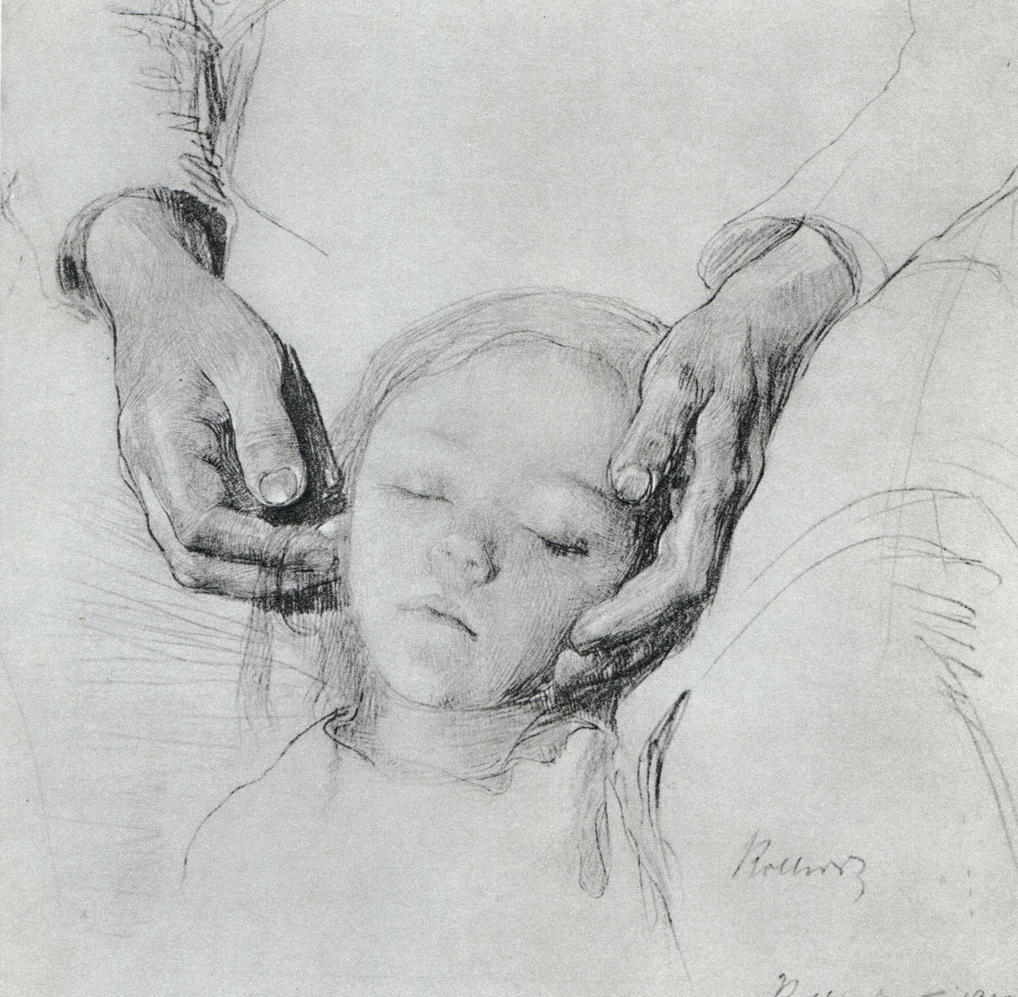
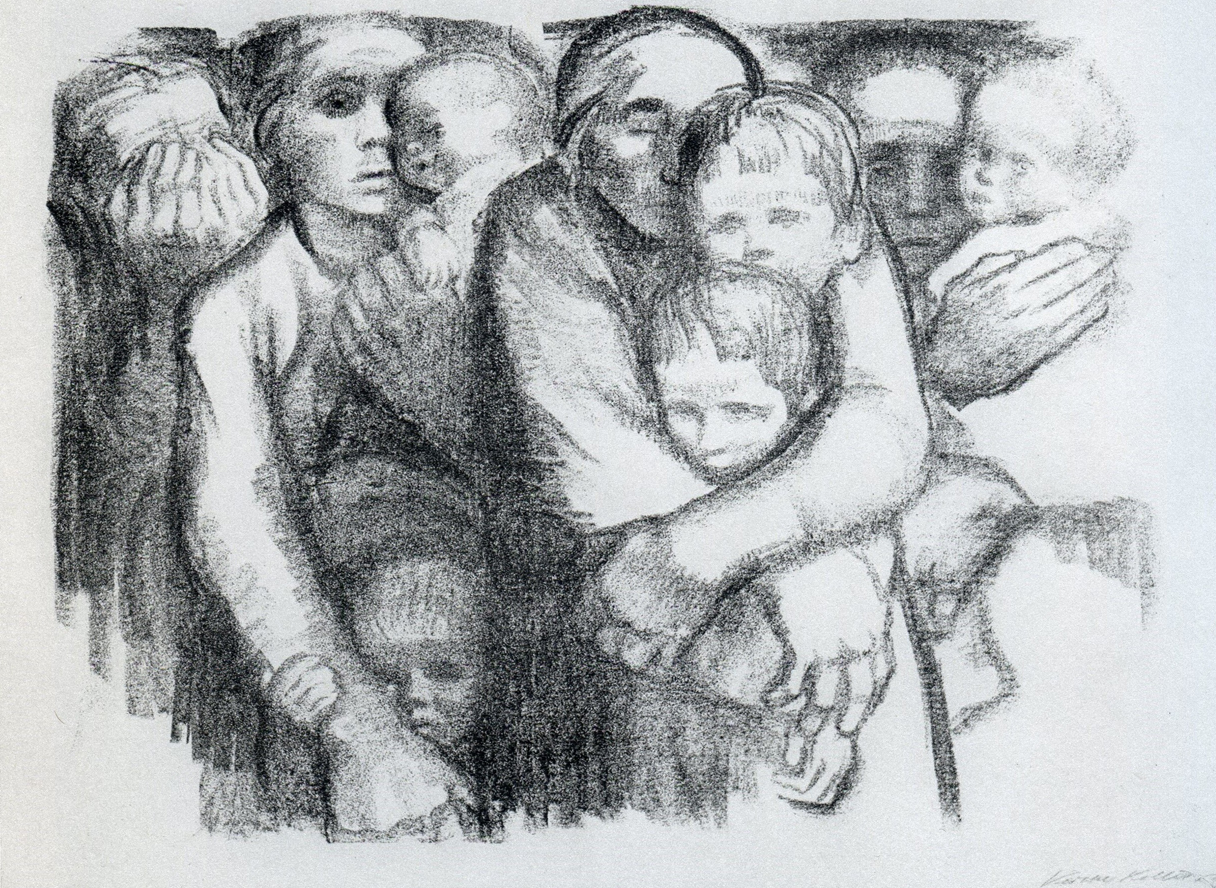
Allow one hand to caress the other, feel the fine sensations through the skin of your fingertips, their manual perfection, capacity to reach out, touch and sense the rough and smooth, warmth and cold. The power of hands to hold, give, heal, remember, receive, express feelings and ideas, inner states – hands that trace shapes and yield to shapes, strong hands that build and destroy, and skilful hands that wield the tool, the brush and pen …

Käthe Kollwitz,  'Zertretene' 1900

Käthe Kollwitz, ‘Zertretene’ 1900

Käthe Kollwitz - Mütter, Krieg, 1919

Käthe Kollwitz – Mütter, Krieg, 1919


The two drawings by Käthe Kollwitz (July 1867 – April 1945) show the incredibly gentle hands that protect – from a collection of her work in a ‘Die Blauen Bücher’ series, discovered by a friend in a second-hand bookshop in St Just, Cornwall. She posted the book to me this week. I was reminded of the plight of mothers in situations where disease and violence are, once again, out of control. And – how so often, dogmatic politics, religious or otherwise, have programmed generations to de-value the body – its wisdom, beauty and need for expression.

And there remains the question, what is being taken out of our hands? Here a wonderful video I found at the National Film Board Canada site: Faces of the Hand

And the lines from two poets whose tool of passion was the pen.

From ‘Leaves of Grass’ by Walt Whitman

… I am the poet of the Body and I am the poet of the Soul,
The pleasures of heaven are with me and the pains of hell are with me,
The first I graft and increase upon myself, the latter I translate into new tongue ….

From ‘The Marriage between Heaven and Hell’ by William Blake

… The road of excess leads to the palace of wisdom …

17 Comments

Filed under Blog

… moans from an unruly writer …

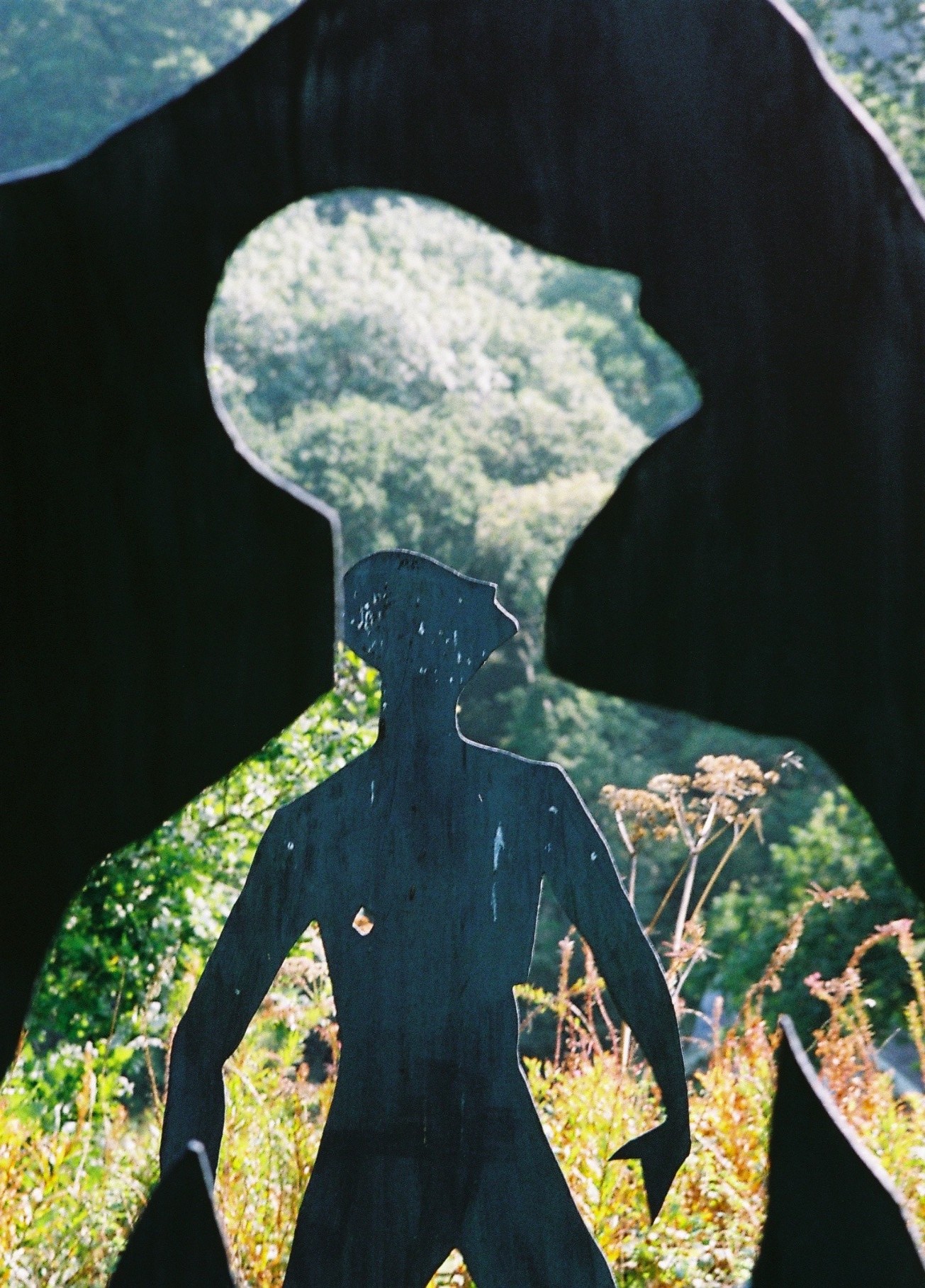
Installation by Frederick Franck

Installation by Frederick Franck

While I write, wrestle with style, query words battling for attention and set out sequences to string ideas together, anyone watching me might assume I’m a nervous wreck. My body, perfectly able to string an arrow to a bow and hit a target, has a wild notion of focus when it comes to writing. It shifts and wriggles, gets up pretending I need a coffee, ends up cleaning the sink, checks the porch for post and so on, all the while allowing my word sculpting to continue until, bingo …. I rely on intuition, which slips into little silences, opens a crack in the surface of things and reveals a hidden layer, and, occasionally offers a glimpse into the infinity of now. A tiny glimpse is all it takes to relax, sharpen senses and spark a creative dialogue between my inner voices that often quarrel and fool around like the average family.

I respect moderate conflict, it stirs up mud but clears the air, and even when the inner crowd gets fed-up with listening – grace, solitude, or a good night’s sleep bring additional insights, bridge divides and re-establish a tolerable rhythm of chaos and peace.

Am I fooling myself? Is my knack for intuition just guesswork. Is it inborn? Does it evolve with experience, as a kind of deeper listening skill humanity moves towards? Can it be learned? Is it worth defending? Or is it the relic of a go-with-the-flow philosophy that avoids closer analysis of my thought processes and behaviour? I seem to struggle with two kinds of temperaments, one looking for the particle and the other for the wave, stretched between rational and irrational numbers. The two temperaments compete but need each other.

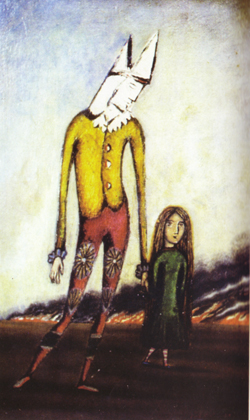
Pilgrim Fool by Celcil Collins

Pilgrim Fool by Celcil Collins

Scientists and statisticians tend to approach the unknown rationally, and seem set to eradicate human incompetence and messiness. Some frenzied rational prophets go as far as knocking anything that can’t be quantified and evidenced. I value logic, what annoys me is the attitude that scoffs at people who hold hands with the fool.

There are more reliable methods than the vagaries of intuition, shown in a New York Times piece by Gary Wolf ‘The Data Driven Life’ from April 2010,  a long but brilliant article that received many pages of diverse comments. Not everyone is keen on the Quantified Self.

I resist being monitored and quantified by data, fixed as particle, ticked off for my risk-taking folly, my random cross-referencing. The geeks and outliers the article describes have fun recording their every move. And I grant that someone suffering from high blood pressure or apnoea benefits from being nudged by a gadget to take a deep breath. I remember being excited and applauding the first biofeedback devices that affirmed how thoughts affect our physiology and vice versa. When it comes to data dependency, I have a hunch it will starve emotional intelligence, which I strongly believe develops through mastery of language.

Working a few years for Social Services, we used to write narrative assessments until a computer programme with tick boxes was introduced. We hated it. Conveying observations in writing was shoved aside as time-consuming, subjective and vague, while quantitative recording was hailed as reliable, though its data hinges no less on interpretation and application.

Recently I skimmed an article suggesting future novels will be written by computers. My cynic leapt from its slumber and argued that a machine hasn’t got 100 Billion neurons and can’t be intimate with nature, is immune to changing metabolisms and moods – hour by hour, night and day. Immune to what comes on the breath, with wind, dust, rain and radio waves that travel through the cosmos, nor is a machine influenced by dreams, synchronicities, diets, layers of revolving memories, kind gestures, general anxieties, rejection, loss of control, loss of a loved one, global news … the unpredictable influx of thoughts and emotions that our mind continuously sifts, evaluates and re-interprets.

Irrational humans can’t be quantified and controlled, which may be why since ancient times there has been an ambition to create artificial beings.  Here a bit of fun from Turing and his colleague Strachey – a reasoned-out love letter, achieved through programming a 1951 computer to make sentences via algorithms, having been fed on love synonyms from a Thesaurus:

Honey Dear – My sympathetic affection beautifully attracts your affectionate enthusiasm. You are my loving adoration: my breathless adoration. My fellow feeling breathlessly hopes for your dear eagerness. My lovesick adoration cherishes your avid ardour.

Yours wistfully, M.U.C. (Manchester University Computer)

…. M. U. C. is eager, if a little verbose and breathless :)

Since then, artificial intelligence is even more breathless with numbers, but operates highly sophisticated technology that improved the quality of our lives. I admit I’m fascinated by the concept of cyborgs, but don’t want to get plucked into the human network protocol .

Our privacy is at stake. And our relationship with nature? … its record of life and the human experience, the treasure house of the collective unconscious, translated and re-membered through DNA, invisible spheres and the very light we breathe. Anything alive changes from moment to moment. And our experiences, insights and expectations have a vital part in the changing.

Nature is the book I grew up with, it taught me stuff:                                                                                                       About growing … put a seed into earth, tend to its needs and its story flowers.                                                        About resilience … a seedling lost in a dark corner will grow towards any spot of light, no matter how it must bend and curl its stalk around obstacles.                                                                                                                                       About connections … the dynamic geometry of the tiniest plants and vast galaxies are reflected in each other.

Enough samples to show the obvious – nature teaches through metaphors. My theme is resilience. I take risks and accept that struggling makes me inventive, expands my consciousness, polishes my heart and challenges me to think for myself.

My moan extends to the growing practice of enticing people to emulate machines in service of progress and economic efficiency, in jobs that dull the senses and dull the mind.

Meanwhile I cheer the unruly folk, including fools, dreamers, innovators, artists, poets and writers with an ear towards the hidden – who translate past and future newly into the present – the open-minded, who can tolerate conflict, value intuitive signals that chime in the heart, and who can occasionally endure being suspended like a leaf on a gossamer thread.

What do you, my reader, think?

26 Comments

Filed under Blog