Tag Archives: writing

… surprise – blog tour interlude …

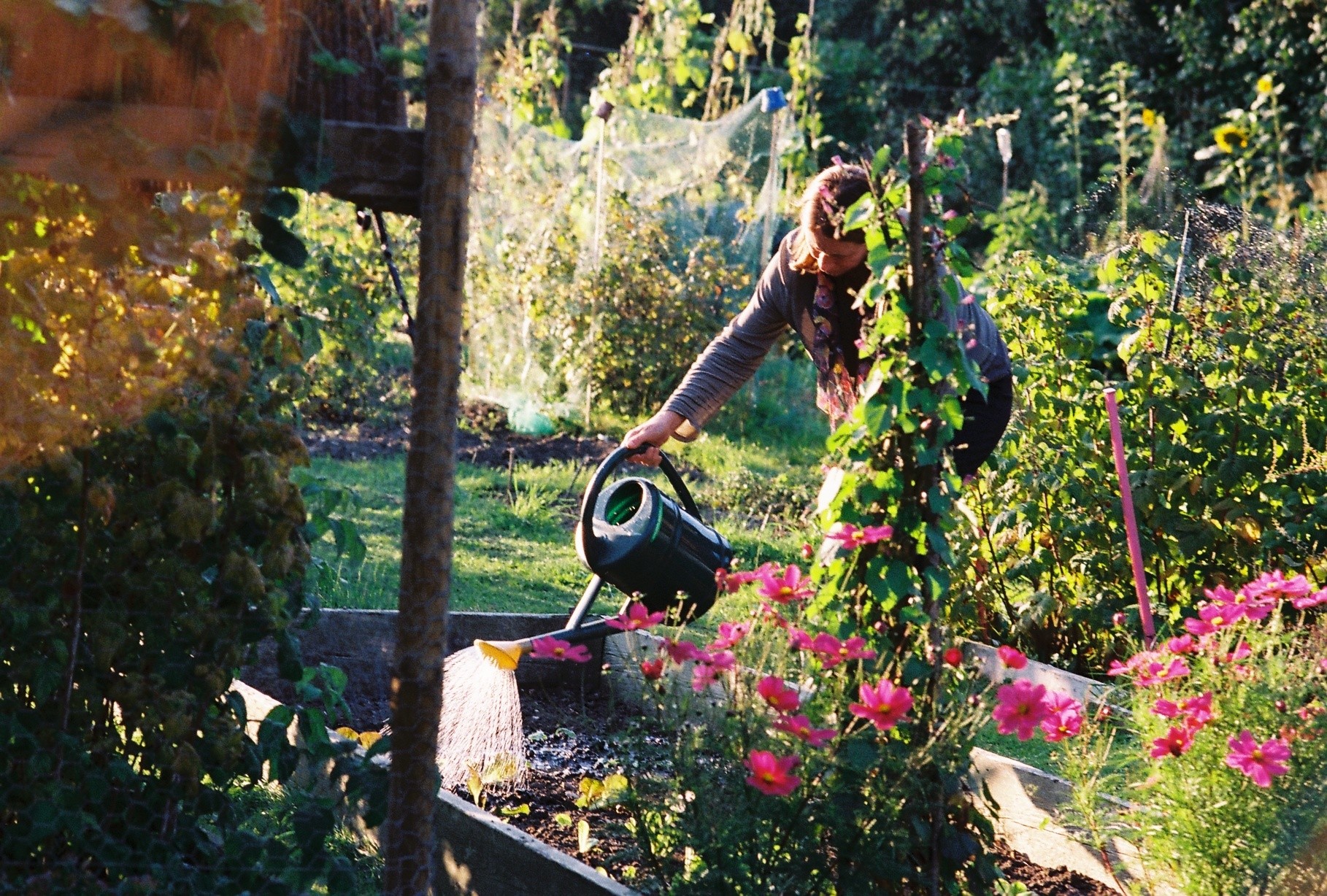
Ruth - watering plants in her allotment.

Ruth – watering plants in her allotment.

Wow – my friend Ruth Paris  joined a blog tour, which is the ritual of charting and connecting-up undiscovered blog-islands in the virtual sea. I was so impressed she took on this challenge I’ve so far avoided, my hand reached for the baton before I knew it. Besides, Ruth’s posts about her ‘middle-of-the-roundabout allotment project’  on her Huerto site are a pleasure to share. Here some photos from Sept 2011. Her recipe page alone is worth a visit … and certainly the virtual islands of the friends she introduces. And it’s true, she does pick out the teeny little stones and whispers encouragement to the weakest seedling. Look at her ‘about’ page and you find she also wears another hat.

The theme of gardens has irresistible appeal. I like the thought Ruth shares, inspired by our joint friend Shazadi – since we can’t change the world we can at least cultivate our gardens – which applies to earth-tilling plots as well as the metaphorical kind. In that sense, here are my responses to the 4 deceptively simple questions this tour asks of its participants.

1 – What am I working on?

I’m editing my second novel, a sequel to ‘Course of Mirrors,’ completed two years back. Last year I was contracted by a small, devoted publisher and am looking forward to having my first novel released in a few months. English not being my first language (more about this here) – allows me the perception of a stranger in the strange land of my psyche, not unlike the protagonist in R. Heinlein’s book. In a way we’re all exiles owning a planet somewhere – be it an inner world.

2 – How does my work differ from others of this genre?

I puzzle over the term – genre. It may apply to career writers, which I’m not. Writing is my moving on from photography, another tool to symbolically express what drives me. Set in an imaginary world, my characters outward their inner conflict, the archetypal tragic/comic exodus I feel entitled to elaborate on. If genre it must be, my novels could be called mythic poetic adventures, gripping magical quests.

3 – Why do I write what I do? 

I may fool myself, but I can’t help thinking that re-creating or co-creating history can make us whole. I’m fascinated by how our fragile identity is formed through early mirroring, how people and environments define us. How we oblige like sleepwalkers and build a myth on these early templates, and inevitably mirror others.  And yet, small shifts in awareness can change our perception from deep within. Each of us brings along something unique we’re yearning to recognise. Without the recall of that signature we feel a lack.  Having been intensely involved with many groups and sub-cultures throughout my life I now tend the seeds I gathered and cultivate my soul garden. using the magic of words that string together and create music, sculpt feelings and even lift the invisible.

4 – How does my writing process work?

It didn’t, until the pressure became so great I decided a few years ago to reduce my professional work and commit time to writing. When a character takes shape and is called on a journey, I trust the narrative will unfold in my imagination. With consistent attention there eventually emerges the emotional coherence of a short story, or a chapter, and another. For me, this process, though enjoyable, happens in semi-darkness. I can’t force the outcome.

Editing is fun, and sometimes torture, which is when I crave diversions – watch birds, make coffee, fix things, blitz-clean the house, sort finances, prune hedges, cut grass … and relieve my pangs of guilt for neglecting friend by stepping out from my solitude. I may go harvesting in public spaces – that is, observing how people move, which I find endlessly fascinating.  On really bad days doubt intervenes and I sulk over the ‘who-do-you-think-you-are’ syndrome,’ until I accept I’m no Shakespeare.

In the end it is always being with friends and reading that refreshes my conviction in writing.  On many levels engaging with people and their stories helped me understand my private myth, and more.

*     *     *

A few entries on gardens from my archive https://courseofmirrors.wordpress.com/tag/garden/

The task of choosing further runners for this tour from a tapestry of amazingly creative people gave me a headache. To stem the flood, I’ll cheat the rules and introduce only 2 writers to weave the thread onward and hopefully reveal more secret islands.
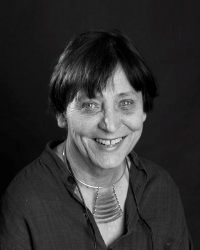
Philippa Rees

Philippa

Philippa

The book that wrote my life … Philippa says of – INVOLUTION – an Odyssey Reconciling Science and God – an epic poem, and a spiritual revelation. It’s been called a tour de force. In nine cantos the work travels through pre-human involution, the enfolding of consciousness in matter, early man’s emergence on the Serengeti … through the recorded civilizations of Greece, Rome, the Dark Ages, the Renaissance towards Enlightenment and finally Modernisms’ success of science – of which the latter, ironically, obscures the internal story – the story of direct intuition, nous, experience.

I totally grok this.

And I’m looking forward to meeting Philippa this weekend. She’ll join a gathering of my friends and share what sparked her life-long project. I imagine she’s good company, holding memories of gripping stories, including her childhood in South Africa, which she’s beginning to share on her blog, ‘Careless Talk,’ accessed here.
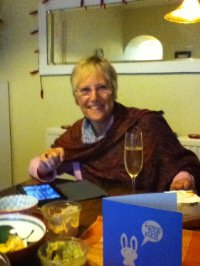
Diane Dickson

Diane

Diane

Diane is a prolific writer of short stories and novellas. She hardly pauses, and generously shares the developing instalments of her work on her website. I’m totally addicted to her posts. Increasingly, she publishes e-books through Kindle and now also in print-versions.

Her characters are usually teetering on the edge of change before they slip into a life-changing crisis. The protagonists are often so hilarious you want to shout – get your act together. Then there’s a cliff-hanger and you’ve  to wait a day or two for the next instalment. Stories range from light-hearted, uplifting, to mysterious and dark and they all have surprising twists. As I said, I’m addicted. A recent published tale is:

The Man who lost his Manbag and Found Himself‘ Here’s a modern day odyssey, and a simple recipe for losing your identity.

Both authors presented here, like so many I came to know during these last years, fought their own publishing battles. I hugely admire and have great respect for their skill and perseverance. There was never a time I did not find selling myself daunting. Even during days of professional success I relied on others to shout out the existence of my ware. I need someone to hold my hand.

Some of my friends are slow in developing their island on the internet, yet offer compassionate mentor-ship I can’t emulate. Notably Evlynn Sharp  We worked on various projects together, and I feel deep gratitude for her support.

*     *     *

And here more cheating – I’d like to introduce the islands of two young people engaged in the buzz of life, with scarce time for leisurely blog-tours. They’re brilliant at what they do. They make me proud, my son, Yeshen and his wife Natasha Tonkin, a director of animated films.

I wrote about them recently https://courseofmirrors.wordpress.com/2014/03/23/weddings-still-happen/

14 Comments

Filed under Blog

… clouds …

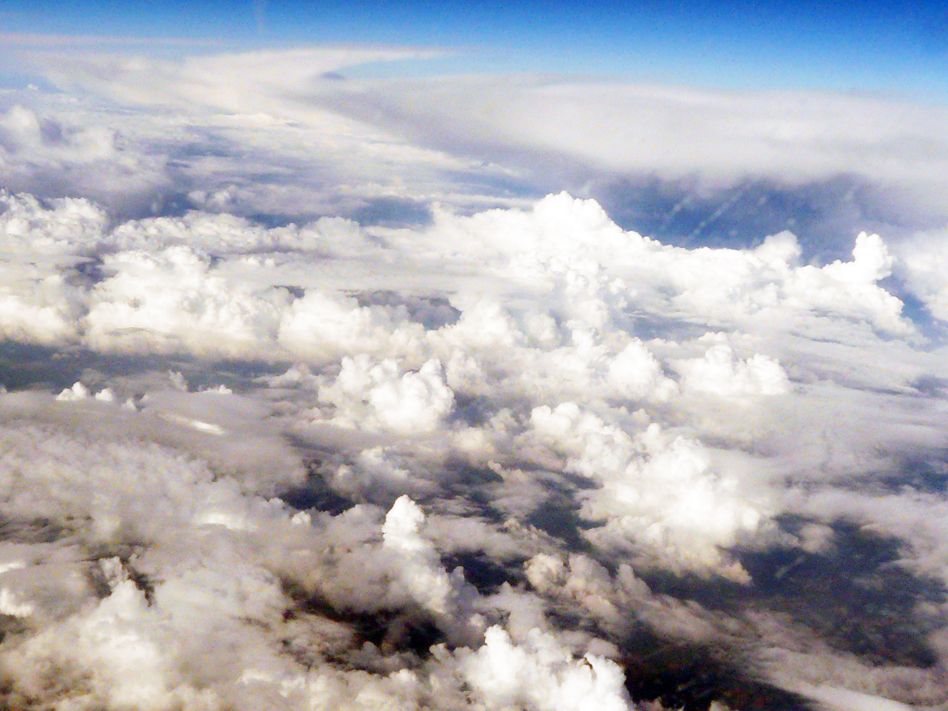
Last week, during a flight to Munich, and equally this week during my return journey to London, I witnessed some spectacular cumulus scenes from above, with the moist earth being the canvas.

P1050992 SMALLER

P1050991 - SMALLER

The changing cloudscapes drifting on the wind teased my imagination. I wanted to wander into this world that words can scarce describe, be there alone with my own heartbeat, where past and future is one and present. I’m no Percy Bysshe Shelley, who gave an eloquent voice to The Cloud

… I am the daughter of Earth and Water,       P1050995 SMALLER                                                              And the nursling of the Sky …


His cloud speaks of the ‘pilot.’


… This pilot is guiding me,                                                                                                    Lured by the love of the genii that move                                                                  In the depth of the purple sea …  

Shelley’s time had no flying machines that did away with the invisible navigator. He perceived through the inner eye.

P1050990 SMALLER

P1050999 SMALLER

The first Cloud Atlas was documented in 1896.

Today’s airline pilots must know their clouds 


Like us, clouds change but keep on living. We and they are fleeting manifestations of nature – a show of impermanence ornamenting this planet. The water of oceans, lakes and rivers, the sap of life, flowing through the perspiration of plants and all living organisms, including the breath of 7 Billion people, clings and seeps into the warm earth only to be drawn up again, where its vapour compacts in cold air and spirals into fluid shapes between us and the blue dome, where all moods find expression – wild charcoal formations with dove grey wisps parading at the horizon, luminous coloured tendrils and satin sheets in slanting sunlight at dawn and dusk, or dewy porcelain veils.

P1050993 SMALLERClouds are moisture made visible. Who knows what information is inscribed and carried in droplets from one place to another? It takes about one million cloud droplets to form one raindrop.

What rises also falls. There is a wonderful Sufi story about this cycle of transformation, serving as a metaphor for identity, the form we must inevitably relinquish to change into another form while maintaining our essence … here told by Terence Stamp: The Tale of the Sands

There is ongoing research of water as an agent – receiving impressions and holding patterns of information. Water can be vitalised, for example, which explains things we know the results of but not the reason. Such findings, while presently called pseudo-science, may yet confirm many of our intuitions. Water is alive, and living things form a centre and have intelligence.

15 Comments

Filed under Blog

… the frottage of life …

Aged 14, my confidence and love for writing was shattered by a teacher. She praised a brilliant essay – mine – based on a painting of our choice. The romantic image of a Carl Spitzweg painting I picked had freed my imagination. After reading my essay out in front of the class, the teacher stated it was unlikely the pupil had written this herself and she therefore had to disqualify the work. I was pushed off a flying carpet, too speechless and humiliated to protest. My creative writing went underground. I wrote poetry, in secret.

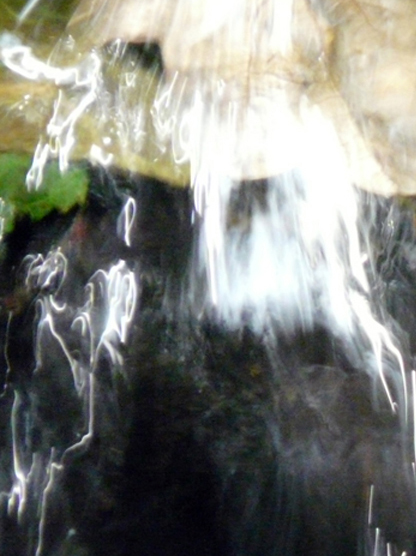
Water

Water

Images inspire me, they tell stories. Photography came to my rescue, not so much in the sense of recording concrete reality, but more in the sense of sub-creating it. Light attracted as liquid poetry that fell through shadows and sculpted fleeting life. I discovered my knack for framing the essence of a story.  And in the spaces between things I looked for something transient emanating from other spheres. There were moments in my life when finding words for these other dimensions became imperative, like, for example, when working as still photographer on a film-set at the shore of the Red Sea. In poems like ‘Riverhead’ and ‘Sleepless Sun’ I tried to encapsulate such instances: https://courseofmirrors.wordpress.com/poems/

Photography started out with a process of reversal – getting the positive print from a negative film – which is being superseded by digital bit-structured data, leading us into new metaphors for time and space. The tiny window of the laptop I’m writing this text on has become my interior sanctuary. The window of its screen frames worlds well beyond my garden – microcosms and macrocosms. My grandparents would have called this feat magic, which it is, of course. Computers have become our second brains, compilers and recorders of our imagination, easy to share.

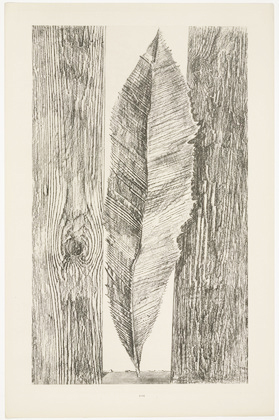
The habit of leaves, Max Ernst.

The habit of leaves, Max Ernst.

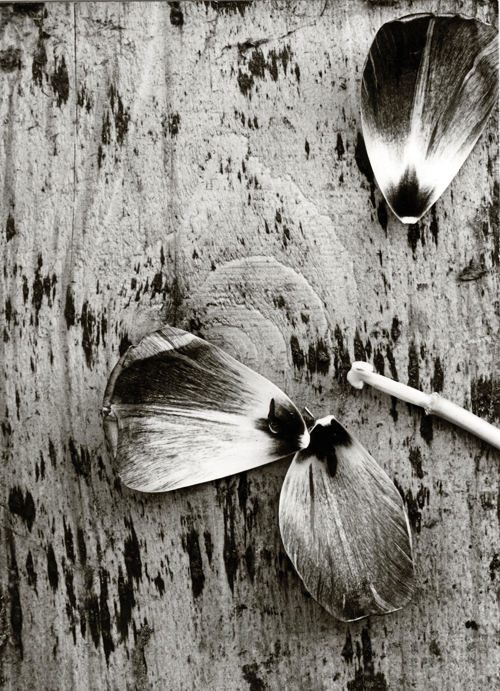
In search for the invisible hand that animates the unseen, I remember coming upon the technique of frottage by Max Ernst. He was intrigued by the reversal of textures achieved when rubbing surfaces with a soft pencil – be it weathered wooden planks, bark, textiles, netting … For Ernst the results evoked superimposed images and visionary associations.

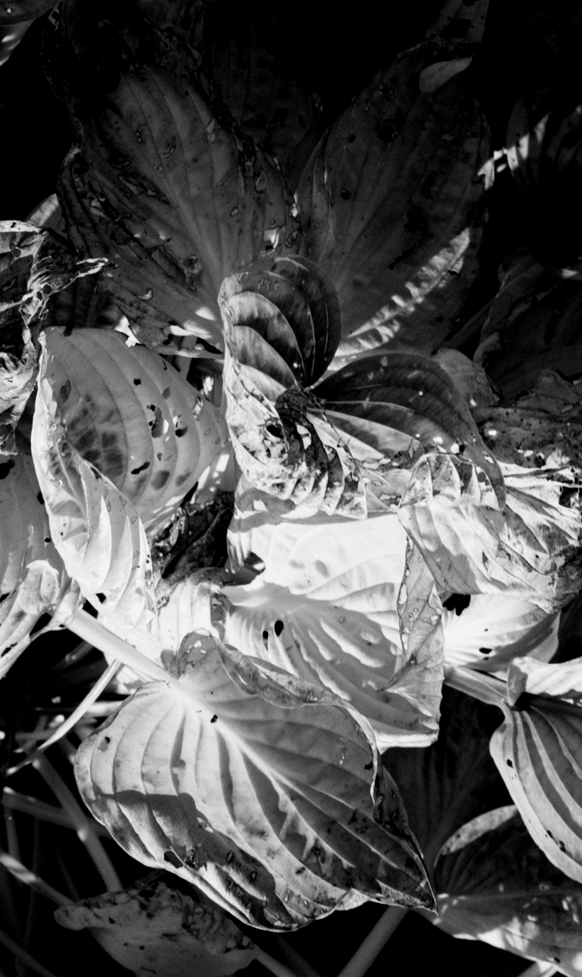
Whirling Hosta

Whirling Hosta

Not only artists find surprises in the textures of surfaces. Who does not occasionally pause before a weathered wall, lichen-covered gravestone, the grain in a wooden plank, a windswept cloud, a reflection in glass or water, or detect resemblances and fresh arrangements in the shape of cliffs or in the veins of plants? Unexpected patterns call for unfurling, inspire a collage, a scientific idea, a poem, a story,  or painting.

Grain

Grain

We rub off impressions from the ambience around us, especially first impressions – scents and sounds, tactile sensations, patterns of light and shadow, textures, colours and shapes, anything that attracts or repels us.

In a psychological sense, we rub off qualities we find in each other – in parents, siblings, friends, strangers and public figures we admire or despise. From what impresses us we extrapolate and find recurring resemblances. As our imagination sparks random associations involving all of our senses, a theme becomes reflected in our heart, as in a mirror, and informs our personal myth.

It’s what my novels are about, which, I hope, will also have a universal appeal.

Among related posts:

https://courseofmirrors.wordpress.com/2012/05/25/pattern-which-connects/

https://courseofmirrors.wordpress.com/2013/10/07/patterns-of-eternity-humbly-opens-your-mind/

Most of the photos on this site are mine. A selection can be found here: http://500px.com/ashen

20 Comments

Filed under Blog

… emitting the real …

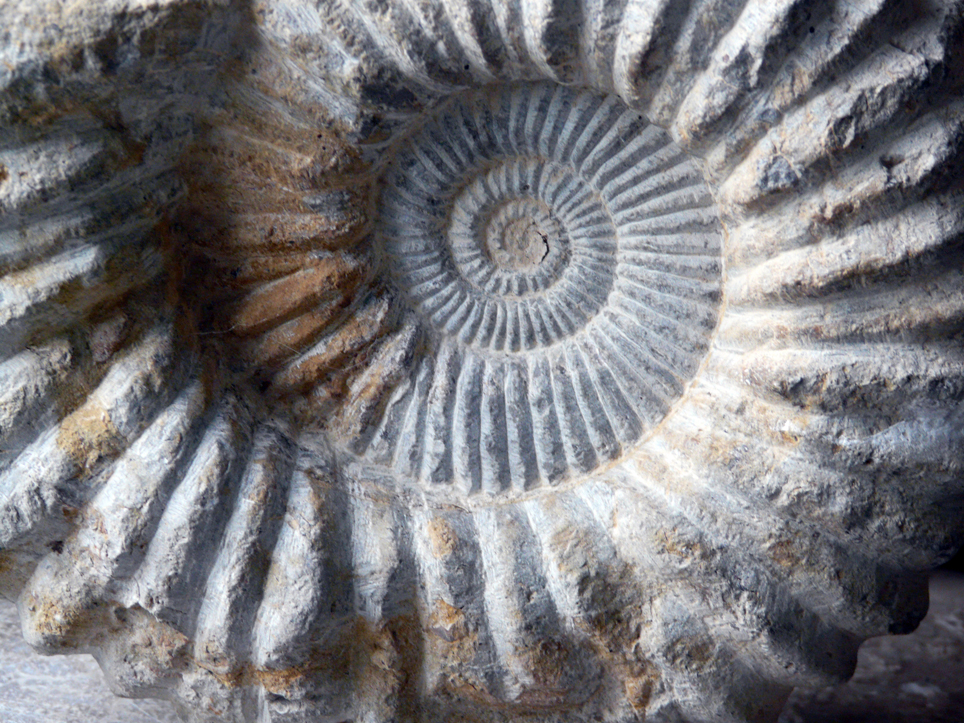
nothing beats the spiral

nothing beats the spiral

In the spaces between

Harmony and chaos

Wisdom voids the mind

To expose veins of

Hidden avoidances

Where – omniabsent –

Omnivalent in our longing

We exist inverted –

Give in receiving

Receive in giving

While surfing across the deep

To simulate worlds

Sift signals

Endure ironies

For evermore becoming

And emitting realities

Fleeing the ground

Of being …

*    *    *

Dear readers, I hope you stick around, while I’m immersed in writing scenes  for my second book, Shapers – the continuation of an epic search for the real.

10 Comments

Filed under Blog

… months of writing – 1st feedback from a beta-reader …

Two weeks ago I sent 20 chapters of a novel in progress (sequel to Course of Mirrors) to a friend. A long train journey from Brighton to Penzance (Radio Cornwall recorded her poetry) meant she could get stuck into reading. This morning I received an enthusiastic response from her, and demands for more chapters. Waiting for the first feedback from a sophisticated beta-reader engenders a period of nerve-wrecking suspense, so I was truly cheered.

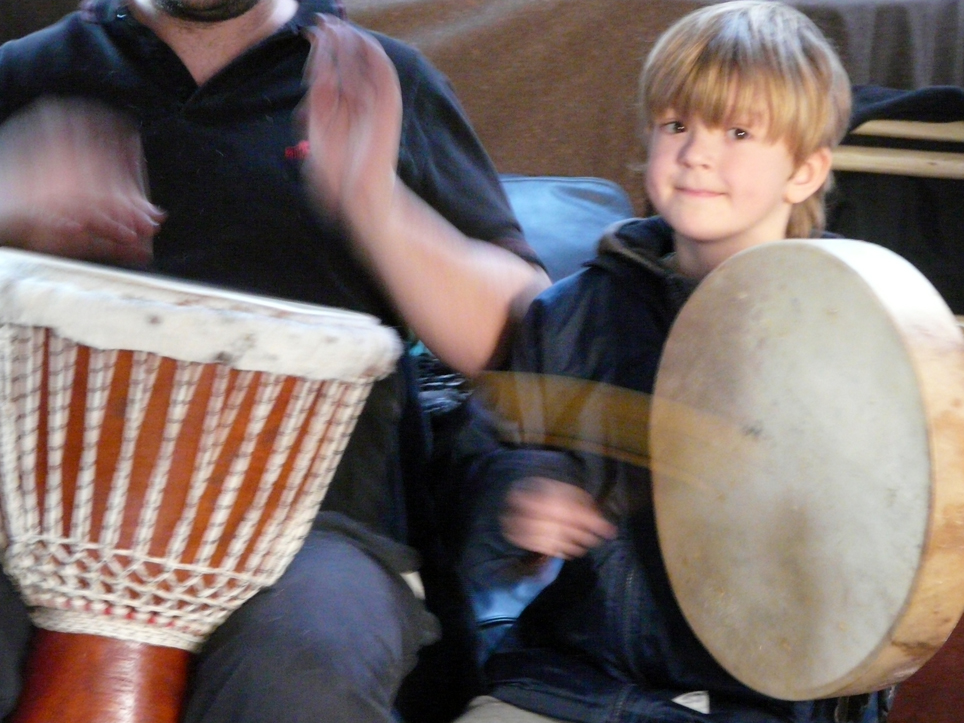
And it was a great start for today’s Shaman-drumming soirée, organised by my dear friends. Drumming clears the air and opens channels to other worlds, while grounding us in our present reality. And meeting up with 11 real bodies :) nourished this lonesome writer.

Drumming J. J. junior

Drumming J. J. junior

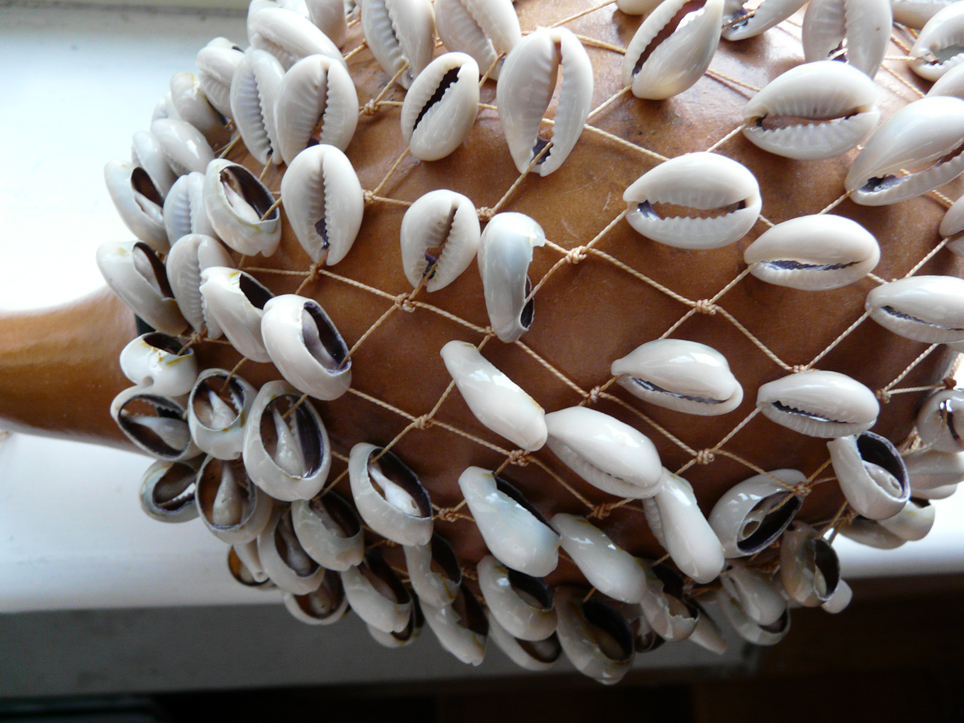
Seashell Rattle

Seashell Rattle


And I love those tiny shells. Imagine them washing up from the deep sea and rattling against the shore. When netted around a hollow gourd they make a most magical sound.


I’m looking forward to the publication of ‘Course of Mirror’ next year. http://www.armadillocentral.com/index.php?option=com_content&view=article&id=134:new-author-ashen-venema&catid=1:general&Itemid=1

And after my beta reader’s feedback, I feel encouraged, and have confidence that the sequel to my mythical and speculative novel will enchant readers no less, and that the series will acquire a fan fellowship. The idea for a third book in the series is taking shape.  

During periods of being intensely immersed in writing (my process demands solitude) I invariably neglect my Twitter and Facebook friends, and you, dear readers of my blog. I hope you nevertheless enjoy my occasional posts and bear with me.

9 Comments

Filed under Blog

… apples, flu, altered states, wedding plans …

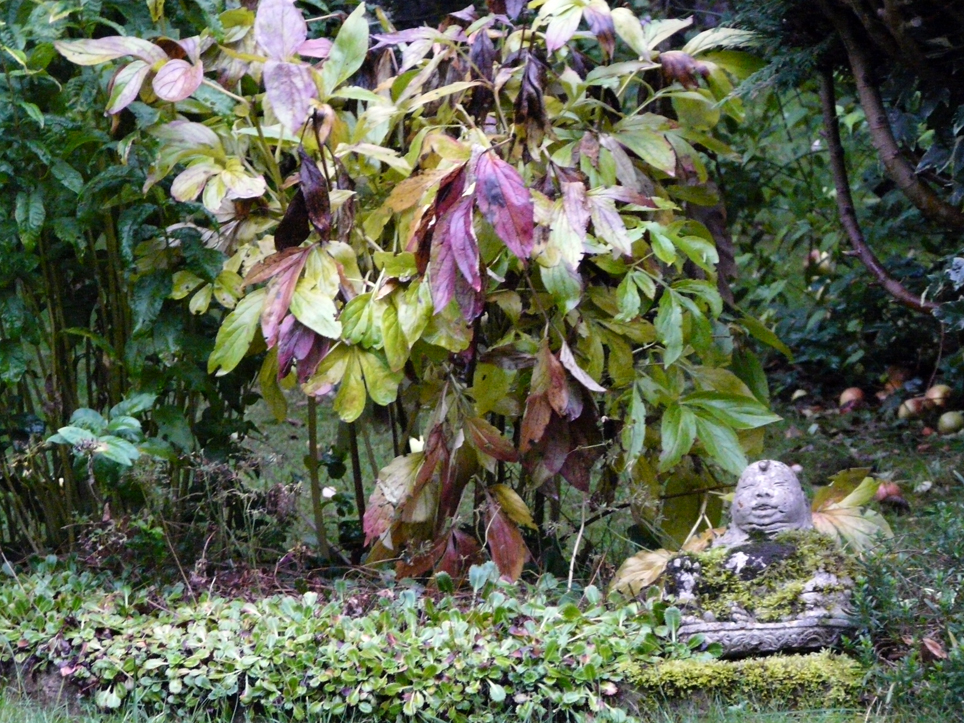
This autumn is drunk with colours and fruit. Red-blushed, in their own sweet time, apples have been falling with soft thuds onto the dewy lawn for weeks. Each morning they blink at me, and shout – help, pick me up, the slugs are coming. They’re good for something, but did you know that slugs and snails are hermaphrodite, and lay up to 500 eggs a season? Re: fruit, after last year’s poor crop, this year’s harvest is a tad overwhelming. The scale by which nature balances excesses evades rational comprehension.

autumn colours

autumn colours

Too much of a good thing brings obligations. Eaters taste best when fresh, so I’m urged to act fast. Slug-nibbled and bruised fruit lands on the compost heap. The bulk of apples, several kilos a day, I wash, dry, box and put out on the road for passers-by, mainly kids on their way home from school. This time-consuming and noble deed has left me exhausted, and with numerous bumps on my head. Here’s the apple saint, drop now. For lack of a resident family to boss into cider-making, I’m left with ‘waste not’ ringing in my ears. If you remember scarcity, you’ll co-suffer the enforced hypocrisy of a  twenty-first-century system that thrives on waste.

I could blame the nagging ‘waste-not‘ guilt for frustrating the flow of my writing. I could blame three early morning trips to London on crowded trains, or  alien dust settling on my skin … whatever …  my body succumbed to the annual purge of flu. So a week ago I sneezed and coughed through fever and chills. Sweaty nights occasioned surreal dreams and visions, and there were days when I lost faith in my invulnerability, reminded that I need to clarify some matters in my Will. I survived – with tons of lemons. You’ve guessed by now that I’m shy of conventional medics, a story I won’t regale you with. The last official need for a doctor’s visit to my home was benign, and over three decades ago,  after I’d given birth to a healthy baby in deepest rural Somerset.

So last Sunday, following a week of altered states, I ventured out to put petrol in my car. I support small enterprises for their human idiosyncrasies. The cashier gazed absent-mindedly over the forecourt and across the street towards a line of taxies, while automatically debiting my Visa and, at my want, pressing another button to produce a tax receipt. Sensing a process at work, I said, ‘You’re bored.’

His head moved independently from his neck. You may remember the craze of bubble-head mascots:  http://en.wikipedia.org/wiki/Bobblehead that’s exactly how his head moved while his eyes rolled in their sockets to take note of my witnessing. His mouth then rounded and huffed before emitting a speech he must have rehearsed all morning. Slow, precise thoughts poured out, including snippets of existential dialogues he had had with taxi drivers from across the road. Written down, it could have edged itself towards some literary prize. His exposition ended with : ‘Nothing to be done. I’m bored stiff.’ Reminiscent of Beckett. Promises, waiting … in tune with my dull-witted flu-states. Missing most words, I was captivated by the man’s brilliant and spooky slaying of meaning. Another customer entered the cubicle. On leaving, some wise-crack in me I’ve no control over, said, ‘You’re reading …’ thinking, you’re observing life  from a distance, co-creating  its absurdities and joys. It’s what writers do.

 ‘Boredom is the dream bird that hatches the egg of experience. A rustling in the leaves drives him away.’   –  Walter Benjamin. 

*    *    *

This post was meant to be short and about my son and his partner, to brag a little.

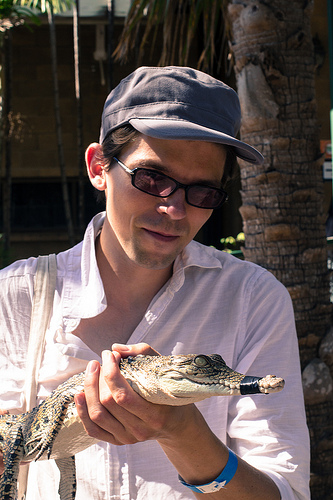
Yeshen with baby croc, photo by Natasha, Aug. 2013

Yeshen with baby croc – there’s a story

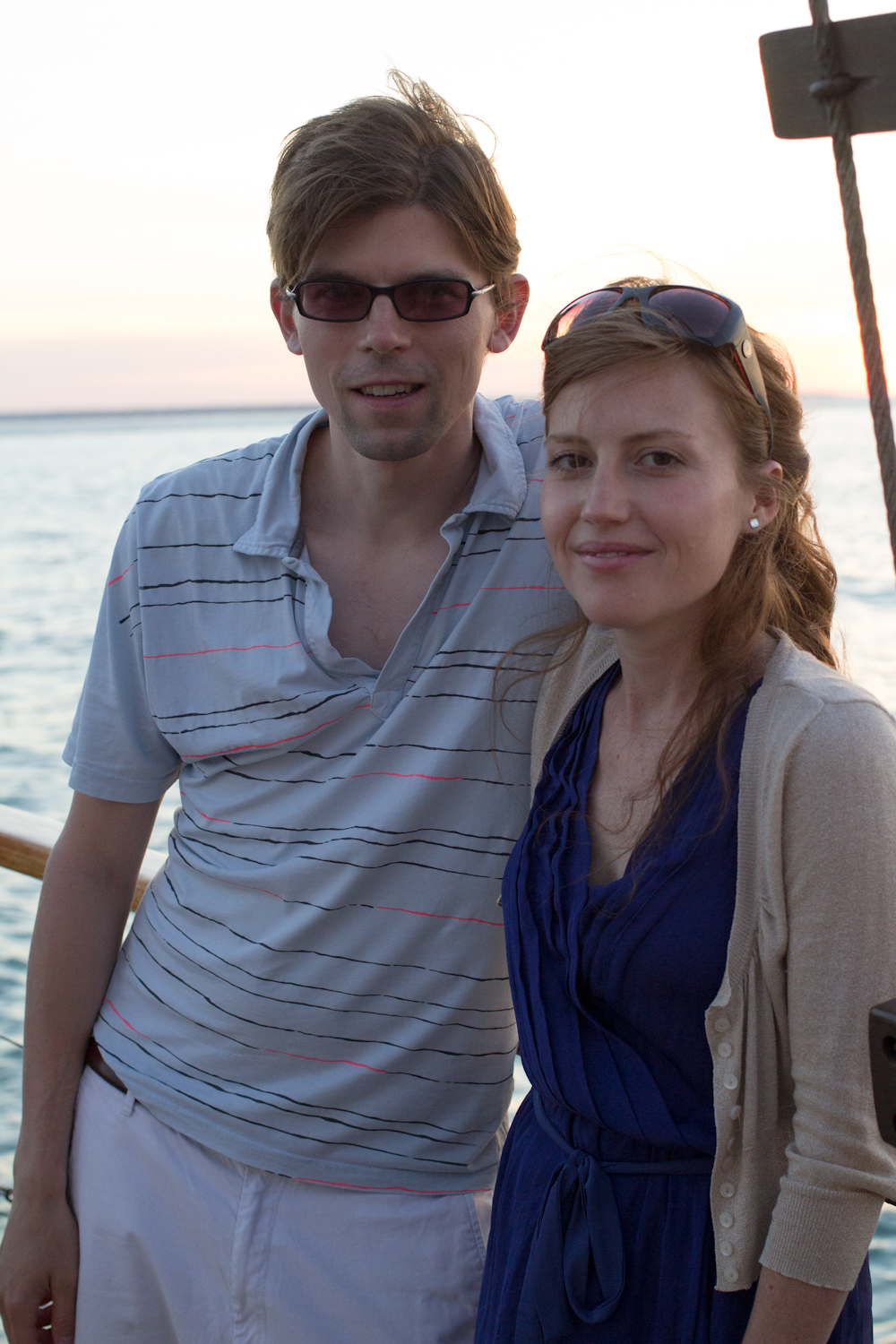
Yeshen and Natasha

Yeshen and Natasha

They were engaged this year and their August journey to Australia had been a reconnaissance for their wedding plans next July, organised by Natasha’s family, who live in Darwin and Perth.

I asked if I could share a few images from their trip. Yesh and Tash have featured on my blog before, indirectly. You’ll find them, for example, under ‘Inspiration’ or ‘Story of an Animation.’ They’re self-employed and work extremely hard, like many young people in super-expensive London, to make a living. They’re lucky being able to do creative and fulfilling work.


I’ve not been to Australia, and am now looking forward to this journey – you can see why.  

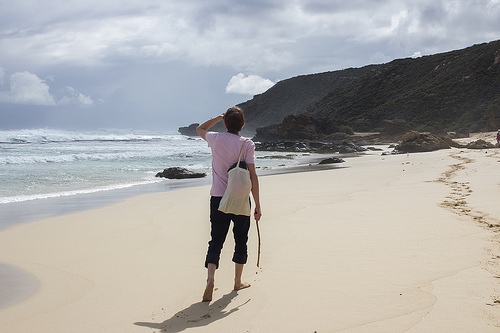
Australia's west coast

Australia’s west coast

17 Comments

Filed under Blog

… interludes – and poetry by W S Graham …

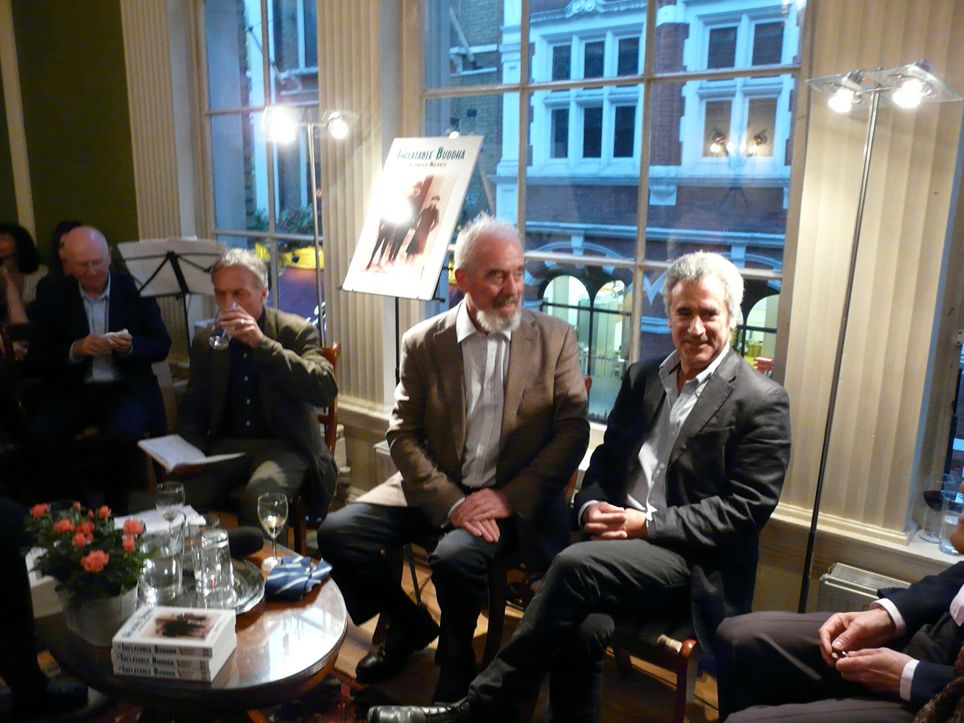
I’ve neglected you, my reader friends, immersed in writing the sequel to ‘Course of Mirrors’ and a few interludes. Like, my writing fixation was pleasantly disrupted last week through meeting my son at Covent Garden, and later attending the launch of ‘The Inflatable Buddha’ by András Kepes at the Hungarian Cultural Centre in London.

Armadillo Central launches 'The Inflatable Buddha.'

Armadillo Central launches ‘The Inflatable Buddha.’


It is the newest project of my to-be publisher http://www.armadillocentral.com/  András’s novel offers a more subtle perspective than officially recorded history, showing the fictional lives and wits of three ordinary, idiosyncratic Hungarians during the twentieth century. The sample readings enticed me, and I’m now looking  forward to reading the book. The well-attended, grand launch event also gave me a taste of what is to come – being exposed to questions about my own epic .


Then came a traumatic interlude to my writing …

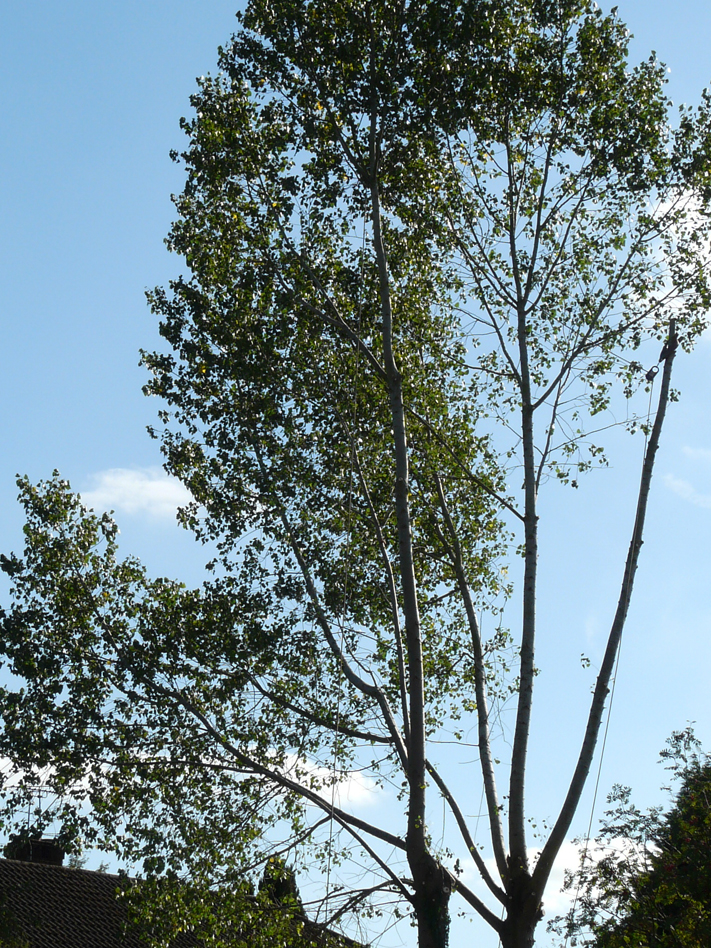
I mourn the shimmer and music of its leaves.

I mourn the shimmer and music of its leaves.

During the last two days, to the grinding noise of chainsaws and a shredder, I mourned the loss of a beautiful poplar/aspen tree in my neighbourhood, which has grown too high for its owner. The now mutilated tree (the image shows a third of its size) will be gone completely next week. I’ll miss the shimmer and the watery music of its leaves, produced by the slightest breeze, and the golden hearts trailing into my garden come autumn. I picked a few early leaves to treasure, pressed to dry in my dictionary.

Today a most pleasant surprise … a poetry book arrived unexpectedly in the post, sent by a Scottish friend/poet, who is at this moment working with a visual artist on a project about Tin-mining in St Ives. Due to blank spots in my education I rely on stumbling upon poets less publicised, and was delighted to receive this gift of an expertly edited ‘New Collected Poems’ by W S Graham. So I thought I’ll share excerpts from his poems – on themes that will chime with fellow writers .

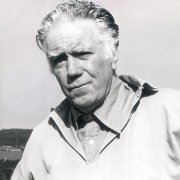
W. S. Graham (1918-1986) grew up in Clydeside, Scotland, and initially followed the footsteps of his father, who was a structural engineer in the ship-building trade. However, a year studying philosophy and literature at an adult education centre outside Edinburgh set him on the path of writing poetry for the rest of his life, irrespective of meagre financial rewards. He travelled to London and New York City, but later lived with his wife in Cornwall.

W S Graham, image by Sally Fear

W S Graham, image by Sally Fear

I was delving into the book this morning. Here some facets, unconnected lines, the first from THE NIGHTFISHING    (1955) – a melodic composition, speaking to the seen and unseen,  from a night in a herring boat out on the North Sea.

… Gently the quay bell

Strikes the held air …

Strikes the held air like

Opening a door

So that all the dead

Brought to harmony

Speak out on silence …

I am befriended by

This sea which utters me …

… Far out calls

The continual sea.

Now within the dead

Of night and the dead

Of all my life I go.

I’m one ahead of them

Turned in below

I’m borne in their eyes

Through the staring world.

The present opens its arms …

… Each word is but a longing

Set out to break from a difficult home. Yet in

It’s meaning I am …

… The bow wakes hardly a spark at the black hull.

The night and day both change their flesh about

In merging levels …

The iron sea engraved to our faintest breath

The spray fretted and fixed at a high temper,

A script of light …

… The streaming morning in its tensile light

Leans to us and looks over on the sea.

It’s time to haul. The air stirs its faint pressures

A slat of wind …

… The white net flashing under the watched water,

The near net dragging back with the full belly

Of a good take certain …


Some of the last lines of – THE NIGHT CITY – a turning point … I found Eliot and he said yes … T S Eliot was then with Faber and Faber. He became Graham’s publisher.

… Midnight. I hear the moon

Light chiming on St Paul’s

The City is empty. Night

Watchmen are drinking their tea …

Between the big buildings

I sat like a flea crouched

In the stopped works of a watch.


From IMPLEMENTS IN THEIR PLACES (1977) I picked a refrain from WHAT IS LANGUAGE USING US FOR ?

… What is the language using us for?

It uses us all and in its dark

Of dark actions selections differ …


And last – AIMED AT NOBODY – Poems from Notebooks (1993)

PROEM

It does not matter who you are,

It does not matter who I am.

This book has not been purposely

made for any reason.

It has made itself by circumstances

It is aimed at nobody at all.

It is now left just as an object by me

to be encountered by somebody else.


*    *    *

This may well be how it feels for most writers who simply can’t help sculpting experiences into words. What do you think?

6 Comments

Filed under Blog

… how to re-frame the ‘click’ mantra …

Try saying ‘click’ aloud a few times in front of a mirror – you’ll look like a grinning monster. 

I’ve a love/hate relationship with the internet. To navigate the jungle for meaningful contact I repeatedly click to open or close doors, and the ‘clicking’ does something to my brain, it leaves a deep impression. 

click, click, click, click, click, click, click, click, click, click, click, click, click, click, click, click, click, click, click, click, click, click, click, click, click, click, click, click, click, click, click, click, click, click, click, click, click, click, click, click, click, click, click, click, click, click, click, click, click, click, click, click, click, click, click, click, click, click, click, click, click, click, click, click, click, click, click, click, click, click, click, click, click, click, click, click, click, click, click, click, click, click, click, click, click, click, click, click, click, click, click, click, click, click, click, click, click, click, click, click, click, click, click, click, click, click, click, click, click, click, click, click, click, click, click, click, click, click, click, click, click, click, click, click, click, click, click, click, click, click, click, click, click, click, click, click, click, click, click, click, click, click, click, click, click, click, click, click, click, click, click, click, click, click, click, click, click, click, click, click, click, click, click, click, click, click, click, click, click, click, click, click, click, click, click, click, click, click, click, click, click, click, click, click, click, click, click, click, click, click, click, click, click, click, click, click, click, click, click, click, click, click, click, click, click, click, click, click, click, click, click, click, click, click, click, click, click, click, click, click, click, click, click, click, click … 

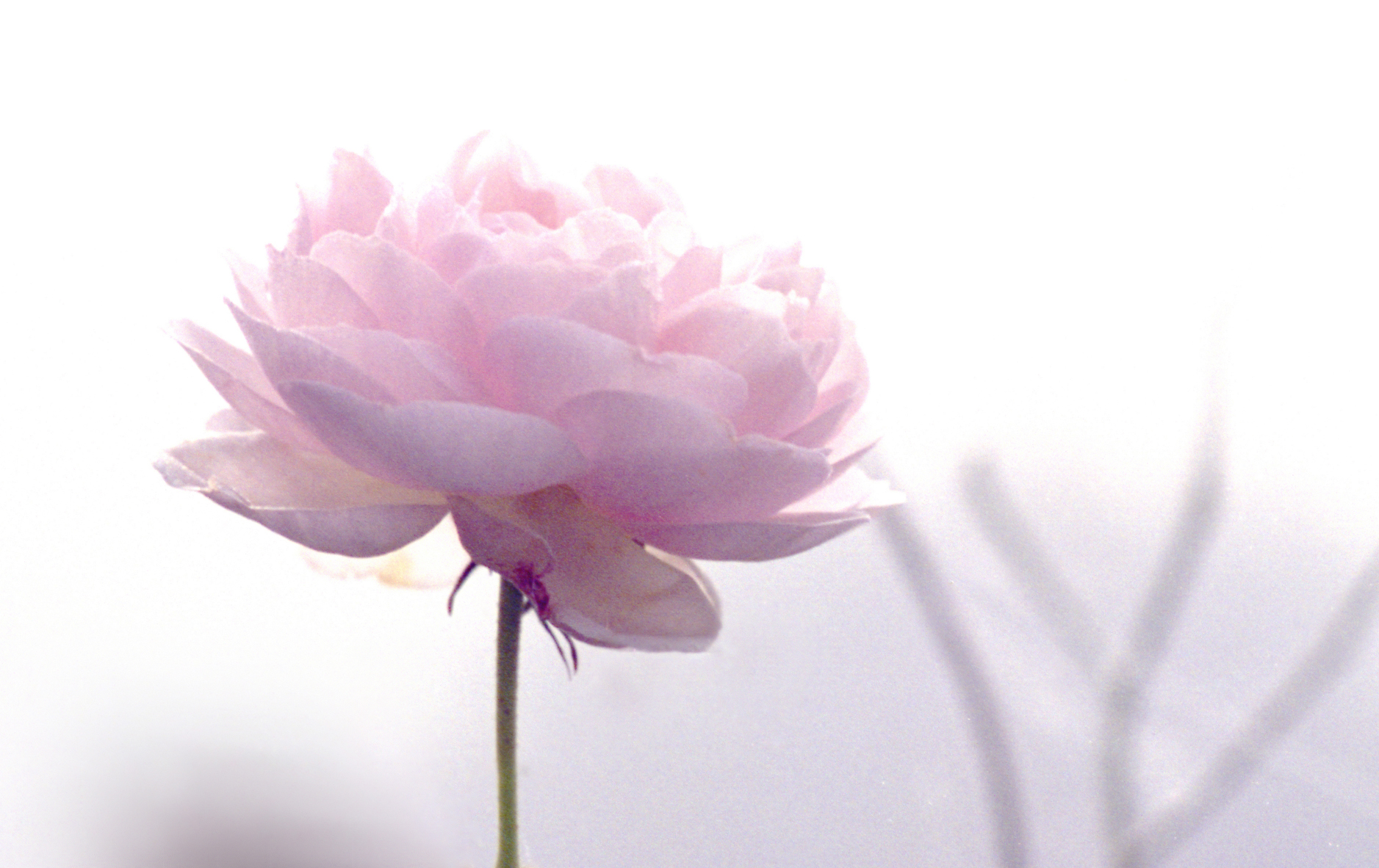
From now on I’ll take charge of this repetitive action – with each click I’ll say or think ROSE – transforming the impression into my kind of mantra. It’s re-wiring the brain. NLP calls it re-framing. It’s an ancient technique.

Autumn Rose

https://courseofmirrors.wordpress.com/2012/12/15/the-rose-trick/


11 Comments

Filed under Blog

… the mystery of thoughts …

Every child is truly switched on to the imagination. But frequently the environment belittles the imagination, and the gift can end up suppressed under the blanket of rationality. People with a strong creative drive may settle down to live in a straitjacket, and then find themselves overwhelmed by images, thoughts and associations, especially around full moon.

As a child I was intensely curious about the spaces between things, and about light. Had I not locked horns with an opinionated physics teacher I might have taken up the challenge to study sciences. Another fascination of mine was pattern repetition – how the veins in a leaf resemble the shape of a tree. And scale – how tiny bodies, big bodies, our planet, galaxies, the universe, are all reflected in each other.

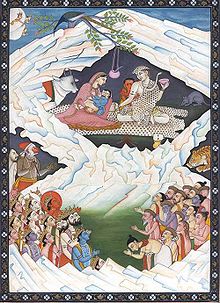
 Hindukailash, image from wikipedia.

Hindukailash, image from wikipedia.

Like Indra’s net of pearls in Vedic mythology, where the surface of each pearl mirrors all other pearls, a metaphor for the interconnected networks of mutual relationships between parts and systems. Mount Kailash is depicted here as the timeless and motionless centre of this net, housing Shiva’s family.

Not only visible structures are held together by interactive nets, our social systems, political systems, spiritual systems and the internet operate within a network. We can observe that the invisible psyche (mind) functions not only through logic, but also through aesthetics, independent of space/time, and is held by another kind of coherence – a net of meaning. And what is generated from this net of meaning is a finer kind of energy, not evidenced by present scientific methods – namely intelligence.

We knew it all along – research established that our emotional experiences leave an imprint in the cells of our body, that the brain is more than the squishy mass under our skull but a medium spread throughout the body via a network of neurotransmitters. There have been hair-splitting arguments for and against the idea that the recipient of an organ can experience personality traits of the donor, based on the speculation that each cell carries a hologram of the whole body and its memory.

Feelings and thoughts arising in my consciousness are filtered through my body’s memory. They also depend on my state of anxiety or calm, my interest, attitude and other variables, such as the weather, my relationship with the elements, with people, the collective mood, solar flares, or the constellation of planets. On some days, maybe after a meaningful dream, or a spell of mantras, thoughts are forming clearly on the breath, like reflections in a still pond, on other days, thoughts rush in on water rapids threatening to drown me, or they plod in like turtles, slow and guarded.

Objective reality is not the only game there is – what in the universe has not interacted at some point in time, irrespective of distance? Everything is linked up. Einstein called it the ‘spooky action.’

The motherboard for this wonderful instrument we call the brain, which comprises our whole body, is formed in the womb. I believe the intelligence involved in creating any specific body must lay in more than known DNA codes, must include the indeterminable non-local DNA of a spirit world. Our body foremost operates like a receiver and transmitter for as many wavelengths our radio station in time attracts or is able to tune into.

From this station, stabilized by repetition, I sort clusters of sensations and feelings, and process thoughts and ideas attracted to me from the collective psyche, a vast sea, which the individual mind must learn to navigate. Images and signifiers are coloured by whatever I consciously or unconsciously mirror and relate to.

No matter how much information we absorb, through our senses, through language and concepts, through comparing patterns, reasoning and calculation, everything, comprehended or not, will be filtered through the body’s motherboard that keeps adjusting to experiences and expanding fields of perception, fields that extend way beyond personal memory. All this information is continuously re-shuffled, as is the meaning we assign to it.

Our body is a motherboard – planet earth is a motherboard – the whole cosmos is a motherboard for a spirit we cannot comprehend, an invisible hand that touches us like a breeze, made visible through what it animates.

All we know is that images, thoughts and ideas are reflected in us. They travel via synapses in the neurons of our body, they travel on the air between minds, they travel among stars, they echo from under the sea, waving to us as plankton, they speak to us from every creature, from every blade of grass, from every stone, and they beep from within our bodies through tweaks of pleasure or pain. All matter, all people and objects we interact with store the memory of that interaction, including interactions with things we hate or nurture, and with places we live in.

We don’t invent anything, we re-discover, re-connect and re-create from the vast storehouse of knowledge and information provided to us by nature, and by the spirit between matter that makes up the cosmos, an embodied being that is becoming conscious of itself.

We are on the air, sent, programmed, radioed and broadcast, identified with all manner of things, ideas and beliefs. Yet if we look deep inside our emptiness, we know, the non-material aspects of us can potentially detach and be free, maybe enjoy tea with Shiva’s family and witness the world turn on its axis – a state some people experience spontaneously or through meditation. A state of pure consciousness not identified with this or that. In the meantime, we could at least be kind to ourselves …

‘Thoughts are beings that generate … One thought of kindness gathers a thousand beings of love and kindness around one.’            Hazrat Inayat Khan

I don’t know if a singular mind/psyche, the incredible art of a lifetime, survives the physical death of the body. Maybe a coherent individuated mind leaves a dent, an influence within the collective psyche. Like the organ of the heart, over time, achieved its definite function. But does it matter? Nothing is lost. All information is continuously re-shuffled into new forms and constellations.

Digital storage provides a metaphor – information exists and roams freely in the wind of the collective psyche (unconscious) until it is embodied and gathered towards a purpose. Every event has a consequence. Nature is exacting, but also generous, what has been repressed in the flow of evolution will always return in one form or another.

Everything alive speaks to us, and all such relationships are processed in the stories we share, stories being containers of the richest kind of information. 

*    *    *

You can source other posts on the theme of reflection in the tag cloud on the right of this page. Like this sequenc of posts: https://courseofmirrors.wordpress.com/tag/hazrat-inayat-khan/

And you might want to check out posts under the tag ‘psychology,’ especially the one on ‘awareness,’ where I share R. Assagioli’s 10 psychological laws – how the body affects the mind and the mind affects the body. https://courseofmirrors.wordpress.com/tag/psychology/

*     *    *

This post also appeared at  Third Sunday Blog Carnival: September 2013 | Third Sunday Blog Carnival

17 Comments

Filed under Blog

… storytelling and the primary world …

Knowledge is not the rare gem it used to be. Then again, without recording, analysing, sorting, summarising, calculating and disseminating mega quantities of data we’d have none of our ingenious toys to play with. Without statistics our systems would grind to a halt, and, yes, it’s annoying that almost daily yet another quantitative study announces what’s good, or detrimental, for our well-being. Thankfully, none of the churned out evidenced facts can make a claim on meaning. Humans remain idiosyncratic. We apply messy values to our life-choices, and we frequently ignore the logical road signs of scientific landscapes, or blank out the hassle of linear time.

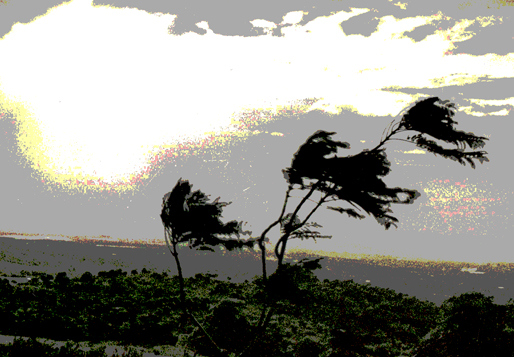
Wind


Instead, we are tossed along by emotional encounters, the unexpected, are awestruck after a quantum leap of intuition, and are generally guided by what appeals to a body/mind that likes the stimulation of nature, her moods, seasons, the phases of day and night suggesting action or repose, like the in-and-out-breath, between which we may catch a glimpse of a dream, a relevant truth, an eternity even. Hardly anyone I know is without this conflict: liking order and control, as well as yearning for rapport with the dance and rhythm of nature.

Over 300 years ago G W von Leibnitz, who could’ve been a poet, was gripped by an emerging idea, to collate all human knowledge and to systematize it via a common language. Computers would have been his bliss. He loved to correspond with most scholars in Europe during this baroque era. And he might have gone some way to explain the whole universe in the hope to solve every conceivable problem. Paradoxically, he also stated … the universe had to be imperfect otherwise it would not be distinct from God. Near the end of his life, Leibniz wrote in a letter that combining metaphysics with mathematics and science through universal characters would require creating what he called:

a kind of general algebra in which all truths of reason would be reduced to a kind of calculus. At the same time, this would be a kind of universal language or writing, though infinitely different from all such languages which have thus far been proposed; for the characters and the words themselves would direct the mind, and the errors — excepting those of fact — would only be calculation mistakes. It would be very difficult to form or invent this language or characteristic, but very easy to learn it without any dictionaries …

Source:  http://en.wikipedia.org/wiki/Characteristica_universalis

I’m not doing honour to this remarkable man, so here is a sketch of a biography … http://www-history.mcs.st-andrews.ac.uk/Biographies/Leibniz.html … should you have the patience to read this, note the time it took for letters between Leibniz and Newton to be delivered, which makes me admire the tenacity of these scientists.

The notion of a calculus for a universal language intrigues and troubles me. Nature speaks a language everyone understands. Key-terms of my mother tongue (see my last blog post) easily bring back the plot of land my toddler feet bounced across. The stories I most enjoy writing grow organically, with tendrils of their roots nourished by the alpine woods and hills of my childhood.

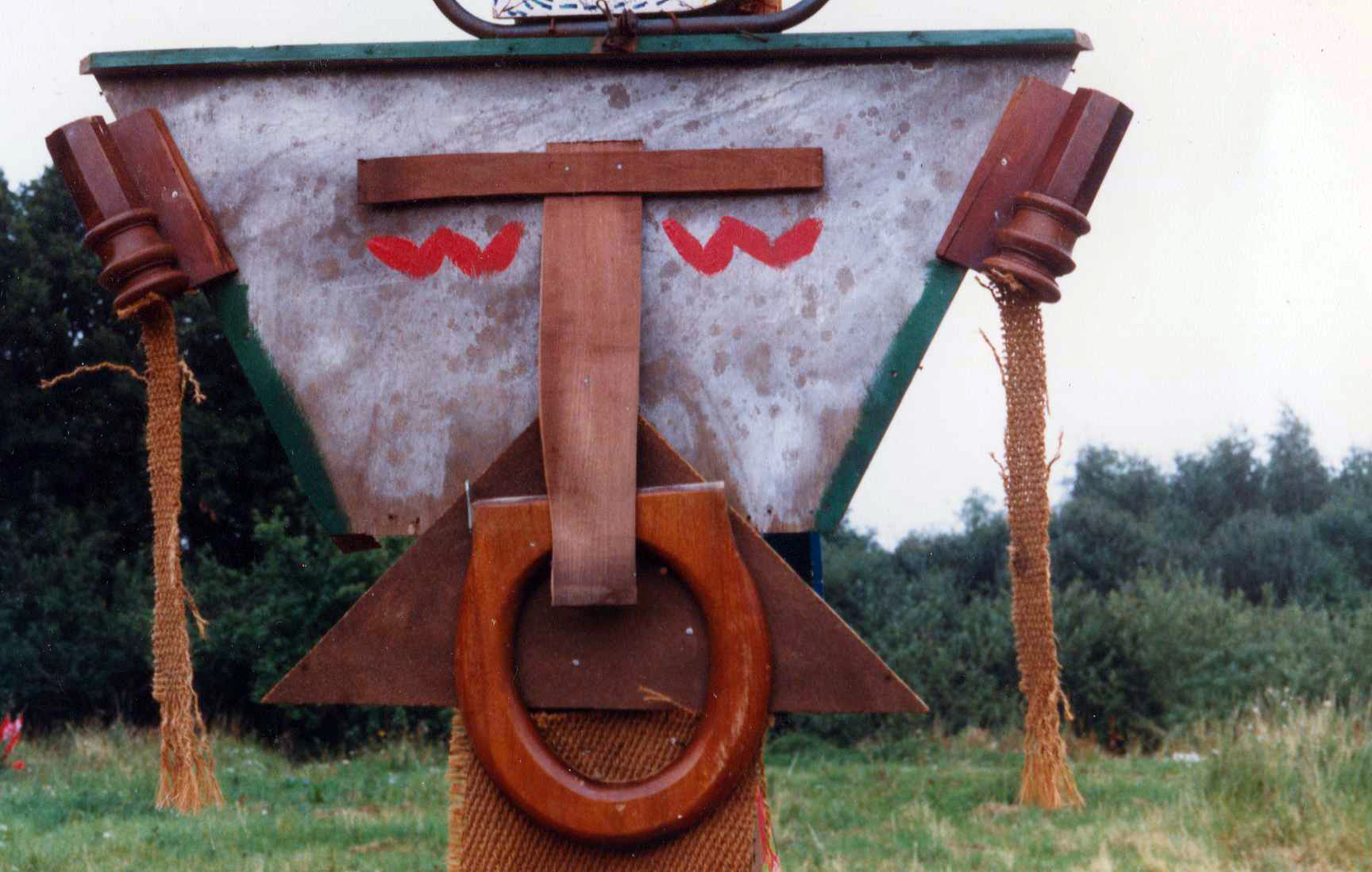
But things change. Data collation is now available to authors, promising control, over marketing, though formulas and blueprints are now offered for the creative process, like how to write a novel in four week. Imagination serves many masters and is not easily controlled – its life-sap flows through all forms. Totempole 4

We can only explore everything known continuously in fresh situations and move on, in the way that children and creative people place a familiar object into a new context. The play of imagination destroys and creates, and has the power to shift the meaning of our past, present and future.

‘There is the truth of truth as well as the truth of fact.’                   D.H. Lawrence

Being part of the dynamic process of evolution (which Philippa Rees ingeniously terms ‘Involution’ in her book of that title) we are walked by the tightrope of ecstasy and pain, of dependencies on environments and people, for better or worse, dependencies on beliefs too, mostly not by choice, but driven by binding needs.

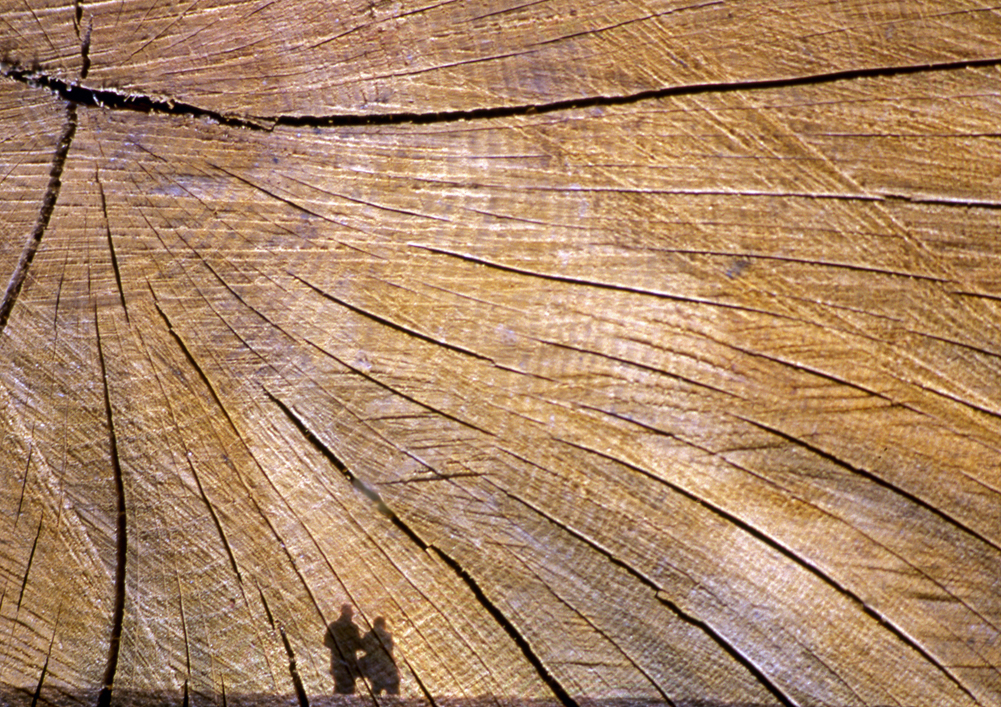
Couple shadow series, 3a small

We face exploitation, conflict, sudden change, harmony alternating with phases of chaos – the story of life, a record marked in DNA and every tree trunk. Instigating control, or preaching harmony while shading off the dark, the chaos, the collective psyche of humanity, will only repeat the distortions of otherwise genuine messages from enlightened thinkers, sages and prophets.

It would serve us as well to teach our children how to accept the dark and how to deal with conflict. Reading the collected folk tales of the Grimm Brothers to children would be a start.

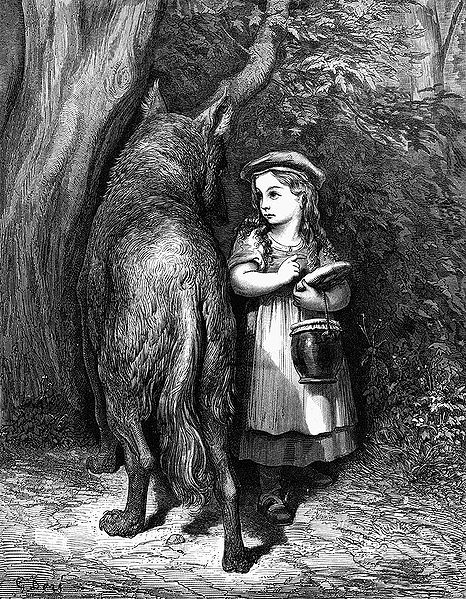
Dore - public-domain-image

Dore – public-domain-image

The inspired P L Travers, author of Mary Poppins, had a talent for highlighting the vital function of myth, symbol and story. She shared her reflections in a collection of essays that appeared in Parabola Magazine. The essays were later published in a book, titled: ‘What the Bee Knows.’

She wrote … The Primary World, in order to go on living, needs the things man cannot create – the earth with all its composted dead, the rain that raineth every day, the seasons, nightfall, silence – and the ear free of all pulsation but that of its own blood.

… The Primary World is that which has never been invented but came into being, along with the blood stream, as a legacy from the Authors who, according to Blake, are in Eternity. All the rest is manmade, or as Tolkien has it – sub-created.

As a writer I sub-create and grow stories from within, using images and words that resonate with personal experiences, myths and visions that provide an ever-changing way of relating to myself, to others and the worlds we share. So when Travers says … nothing is truly known until it is known organically … this chimes for me.

We forget – a happy fault – imagine there was no pause between one dream and another, no night. We forget so we can re-member creatively, which takes practice. We walk on star dust and ancestral bones that inform our bloodstream, as much as the stories of this world nourish our imagination, continuously re-shuffling our psyche, which explains our function as being the bridge between matter and spirit. Every bee knows this.

Image by Yeshen Venema

Image by Yeshen Venema

What the Bee Knows, by P L Travers http://www.amazon.co.uk/What-Bee-Knows-Arkana-Travers/dp/0140194665/ref=sr_1_3?s=books&ie=UTF8&qid=1376737128&sr=1-3&keywords=what+the+bee+knows   Wow, no reviews

Parabola Magazine: http://www.parabola.org/

‘Involution’ by Philippa Rees: http://www.goodreads.com/author/show/30171.Philippa_Rees


Images are mine unless the captures say otherwise.

6 Comments

Filed under Blog