Tag Archives: writing

… beautifully lost – revision of a poem …

Many of my poems linger in files, unfinished. I’m never sure of anything for long. Quite often the poet and the philosopher existing in my solitude are at odds with each other, or the pair gangs up against the certainty of experts our western culture values. I favour dynamic approaches to life, where faith and doubt are equally valued in the process of becoming human. The words of Hazrat Inayat Khan would apply:

‘The ideal is the means; its breaking is the goal.’

When making something audible and visible from the inside out, a topic I touched upon in my last post, only time may tell its worth. Once we shared our art, there is the waiting … the vulnerable span after exposure. Does our wave of inspiration chime in other minds, offer fresh perspectives,  frustrate with surprise?

I hope you, my readers, can offer a reflection on the little poem I obsessed with revising over the last week, and maybe even share thoughts on your own revisions.

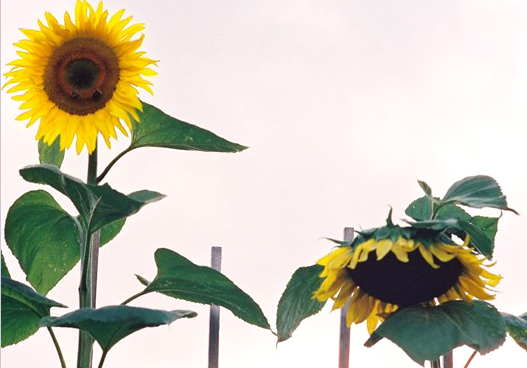
Sunflower 6I first wrote ‘beautifully lost’ in 2005 and put it to sleep. Other versions exist. The latest attempt turned into a Haiku sequence. I’m not at all sure it’s an improvement compared to my first attempt.

The theme is cycles of experience, when after a period of loss and unknowing; a renewal of meaning happens that keeps me young at heart, connecting me back to the middle of each moment.


Beautifully Lost – 2005 version

At times no deed rhymes,

nothing I say is heard,

each word drops to silence,

and my best yarns slip

from the loom, waltzing

in endless loops,

suspended.

On solid earth swords cut,

and chalices swallow us,

but once every full moon

King and Queen align their myths,

And I– beautifully lost –

dreams undone – whirl

at the gateway to an inner sun.

 –  Ashen, 9th Nov 2005


beautifully lost –  2015 version

when deeds miss their rhyme

and words fall flat on their face

I chase your fragments

in the wayward yarns

that fall off the loom and loop

on my breath – dazed

drifting without aim

they will chance the blade that cuts

or a gulping maw

until a full moon

weds the light of King and Queen

and my best yarns yearn

beautifully lost

heart-whirling at the gateway

to an inner sun

  Ashen, Jan 2015


And here a song …

http://www.eyeneer.com/video/countryfolk/pete-seeger-judy-collins/turn-turn-turn

30 Comments

Filed under Blog

… the gulf between writers and readers …

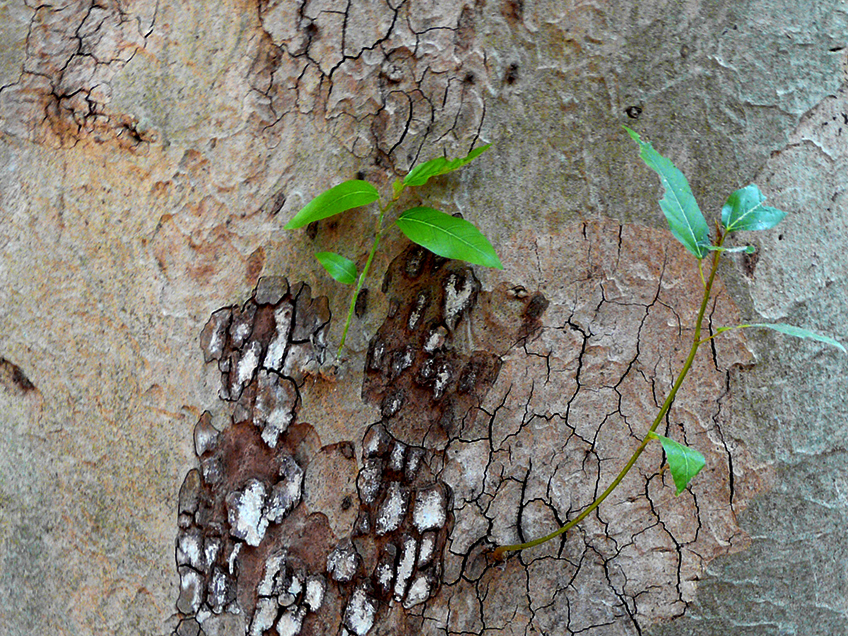
This post was sparked by a stimulating and taxing interview Philippa Rees conducted with the writer Vivienne Tuffnell  P1060427lower - CopyThe interview attempts to re-define the gulf between writers and readers in the way commercial algorithms define values for readers, blanking out the appearance of new green shoots.

This disrupted my sleep, in addition to lots of other stuff going on, so I tried stepping back for a wider perspective. No answers, only a few muddled reflections …

My generation, whose early years were without TV, needed to adjust to rapid periods of change, particularly the change from analogue to digital recording, – two entirely different metaphors. The true significance of this shift has not yet been absorbed by the general public.  In a dissertation during a sabbatical film degree as a mature student in the mid-nineties, I quoted Jean Baudrillard  who saw the forced silence of the masses no longer as sign of passivity or alienation, but as ironic and antagonistic. He commented on the strategy of the masses:

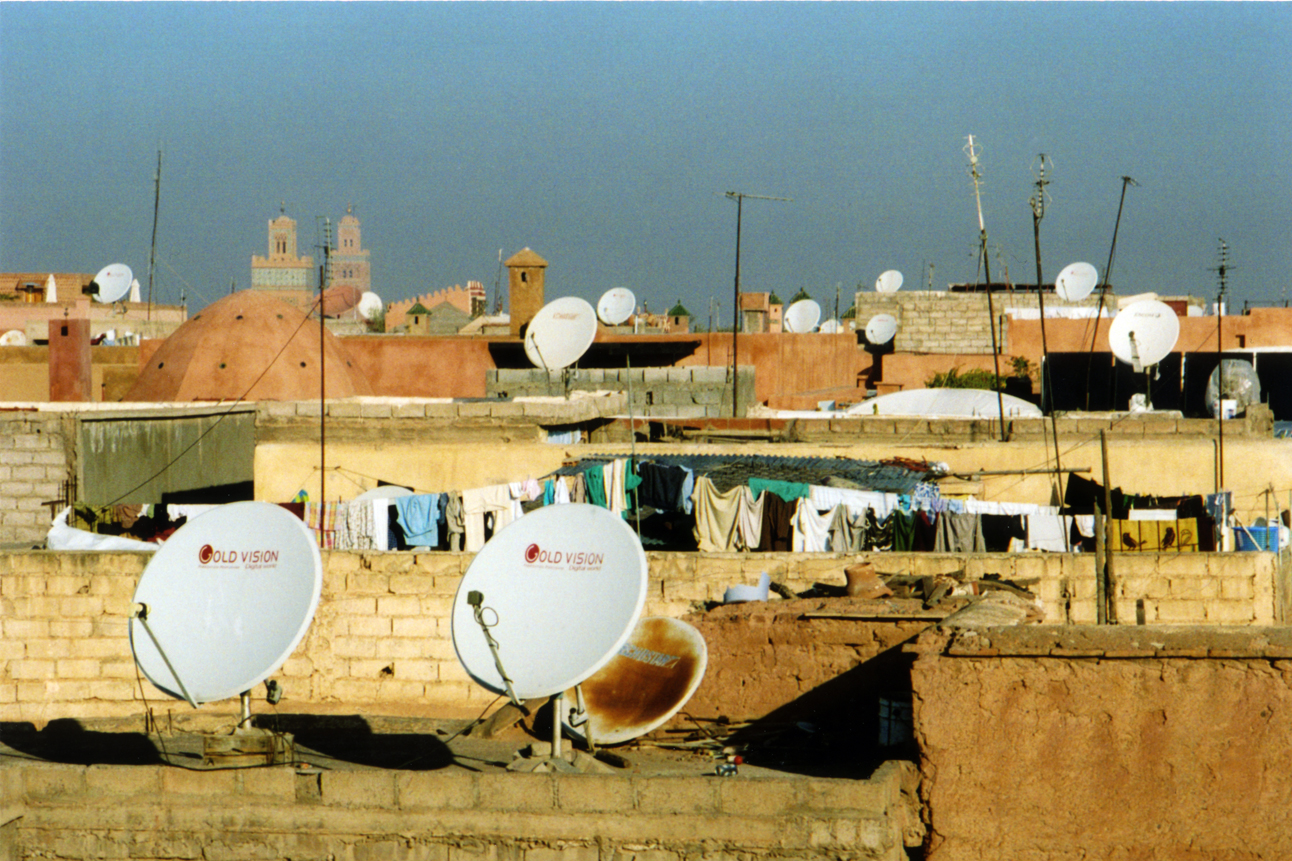
‘… refusal of meaning and refusal of speech; or of the hyper-conformist simulation of the very mechanism of the system, which is another form of refusal by over-acceptance. It is the actual strategy of the masses … it is the winning one today, because it is the most adapted to the present phase of the system.’ Moroc, Marrakech Riad roof, golden vision - low

I recognised this as the Zeitgeist  gradually reaching across the globe. My continuous studies, driven by curiosity and endless questions, prepared me, but I still find it difficult to accept a reality where, for many otherwise intelligent people, the beautiful term ‘soul’ has lost its impact. I place the word carefully in my work and in my writing to avoid bias. Marion Woodman  uses it powerfully … ‘Our very survival depends on spirit embracing soul.’  

The quote becomes poignant through experience, not theory.

Don Cupitt – a philosopher of religion who rejects authoritarianism, once said … ‘The soul, the self, has died. The self in an animal with cultural inscriptions on its surface.’ Sobering, and true, depending of course from which plane of experience one perceives.

In our present culture the commercial speed train whistles through every zone of life. Publishers are among many enterprises struggling to survive amidst overproduction. The ‘Road Closed Pending Repairs’ signs Philippa refers to in her interview grow like mushrooms. Small businesses, for example, vanish at an alarming rate, at least in my little town. Be it a supermarket or a bookshop, I’m bombarded with buy-one-get-one-free or two for three offers. Plenty of people I know look beyond the more-is-better and cheaper hype, but their numbers won’t topple the algorithm-driven logic of mass-cargo firms like Amazon (click for latest newsletter.) Their long term strategy is to please the consumer, which, now, increasingly, includes writers who self-publish … To make profit in an oversaturated market requires ever-new smart inventions.

Works not created from templates, but from inside out, which, sigh,  includes my novels, will struggle to find a position on consumer maps. Traditional meanings are collapsing.  New genres for books are proposed. The box marked cross-genre sounds like a stir fry of left overs. How, as a writer, does one shoulder the marketing speech for novels not fitting into boxes? Crime? No! Romance? No! Religious? No! Paranormal? No! Sci Fi? No! Fantasy? No!

The distillation of a life’s experience, a work of creative imagination? What’s that?

Authors of such ilk have the formidable and possibly worthwhile task of writing their own obituary. Are any of the thoughts a writer expresses original? I don’t think so. Thoughts happen to us. What’s original is their processing and linking based on personal experience, which may offer a new window of reference. I look at my bookshelves and ponder what I would have missed had the authors whose works snuggle up to each other had lost faith in their work. Few commercially produced genre books leave impressions that live on. They’ll drown in ISBN databanks. Our shelves at home hold unique books that surprised and inspired us over the years, and until we become cyborgs and can, with a mere thought, make book pages fall open on any surface of our choice, this will not change soon.

I admire self-published writers. Vivian published several novels herself,  as did Philippa, which speaks for their tenacity and belief in their work. And I admire Philippa’s poignant questions, and how Vivienne exposes herself to them …

… the very uniqueness you want to write about? Could you define why that is so difficult? Is it simply too much surrounding noise? Or something else?

‘… is writing the way in which we confront out existential loneliness, and are readers who ‘get’ and share that now the substitutes for lovers?’ 

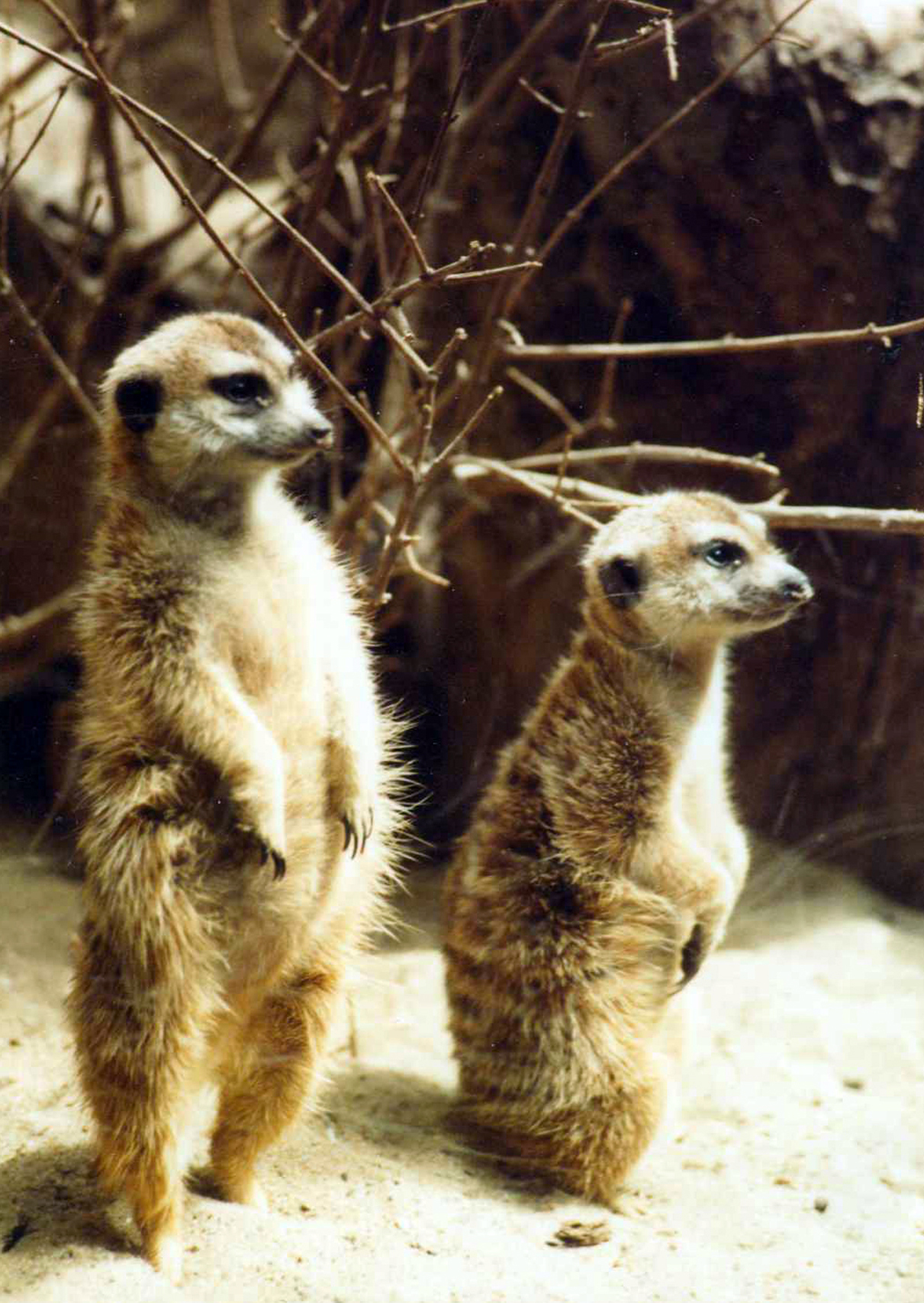
MercatsSuch questions and similar ones are worth their salt, and expose our vulnerability … do writers, any artists, want to be truly seen? Is one person’s interpretation of truth going to be interesting to others? Will the public feel preached to? Such questions haunt many of the most inspired artists, poets and writers who weave works from layers and layers of their psyche. To expect an instant resonance from crowds will bring deep disappointment.

And yet, the most deeply personal experiences, combined with some magic ingredient of presentation, can, over time, have universal appeal. Stan Brakhage, an experimental filmmaker, put it this way … ‘I had the concept of everything radiating out of me, and that the more personal and egocentric I would become the deeper I would reach and the more I would touch those universal concerns which would involve all men.’

If I’m positive about the future it comes from an understanding in tune with Walter Benjamin  … ‘Technology, instead of liberating us from myth, confronts us as a force of a second nature just as overpowering as the forces of a more elementary nature in archaic times.’

To me, this means learning and unlearning accelerates in condensed time. Think how we make ourselves visible by blogging. How brave and scary to step in front of a public mirror … Virtual or not, the psychological process of engaging with virtual friends and foes is totally real. Sherry Turkle expressed this … ‘I believe that our experience with virtual reality, with artificial life are serious play; our need for a practical philosophy of self-knowledge has never been greater.’ My self-understanding is now aided by the relationship with people I have not met face to face – I never shook hands with or exchanged a hug with Vivienne, but I emphasise with her loss of joy, and her frustration with the ironic and antagonistic attitudes of people who belittle deeper strands of truth for fear of looking inside, and the sense of being a square peg that doesn’t fit the neat round hole of genres and algorithms.

Many writers will recognise these obstacles, including Philippa, and myself. How do we attract and persuade people to sample the green growth in our plot? At the same time, I’m convinced we are co-creating artists of our continuous self-invention. Mourning a not-yet existing frame for our work  might hinder this process, which moves and dances naturally through each breath. And I’m heartened by how writers and poets influence us over time.

A poet and mystic from over 800 years back examplifies this phenomenon …

‘The minute I heard my first love story I started looking for you, not knowing how blind I was. Lovers don’t finally meet somewhere. They’re in each other all along.’ – Rumi

20 Comments

Filed under Blog

… time to appreciate my work …

Yesterday a friend called my home a little palace. The semi has a lot going for it – road & off-road parking, a lovely back garden which opens additional living-space in summer, provided there is enough of a sunny summer. Over the years I had my share of annoyances coming through the adjoining walls – the TV of an old man who didn’t believe in hearing aids, a couple who screamed at each other every other night, and recently a developer who put up an extension and is now gutting the house to create an open-living space …

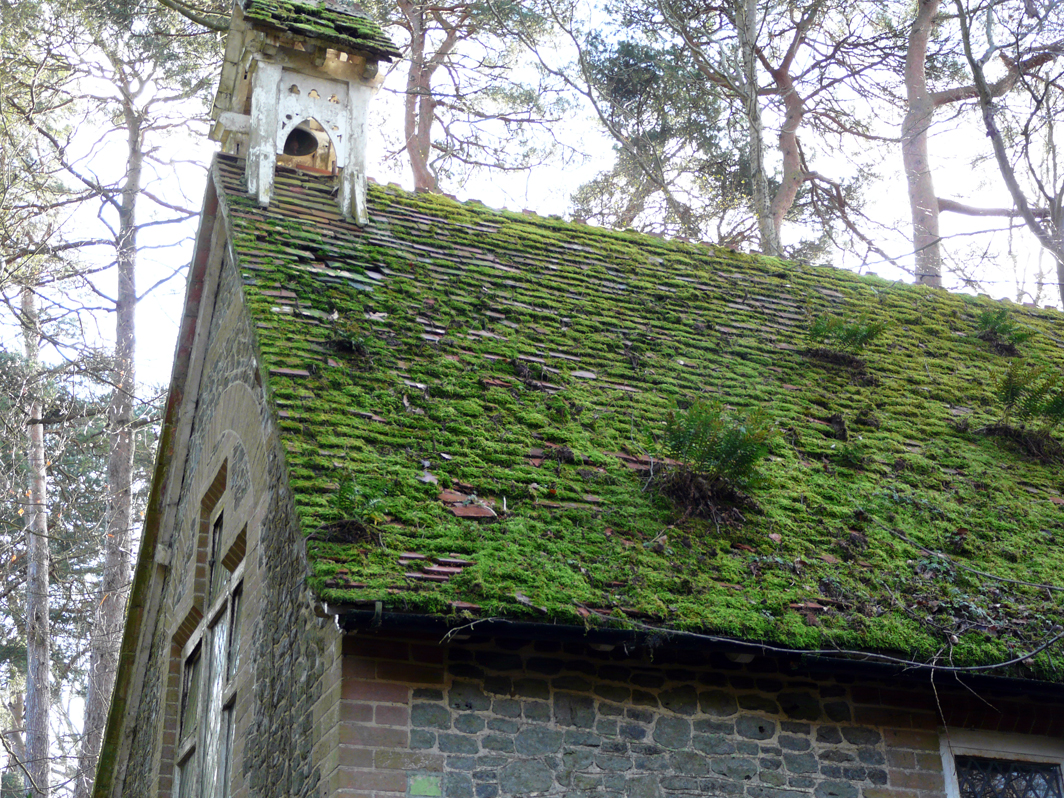
P1070069 - smallerSo when I saw the ad for a Chapel not far from where I live, my imagination soared – I envisaged part-ceilings with upstairs galleries and features of functional beauty – a little palace without adjoining walls, right?

That was until I popped over to look at the place. I guess the Parish cashed in on the adjoining land before they sold the Chapel as bargain to someone with a dream, who, unable to realise it, let a few years go by and is now hoping for profit – from another dreamer.

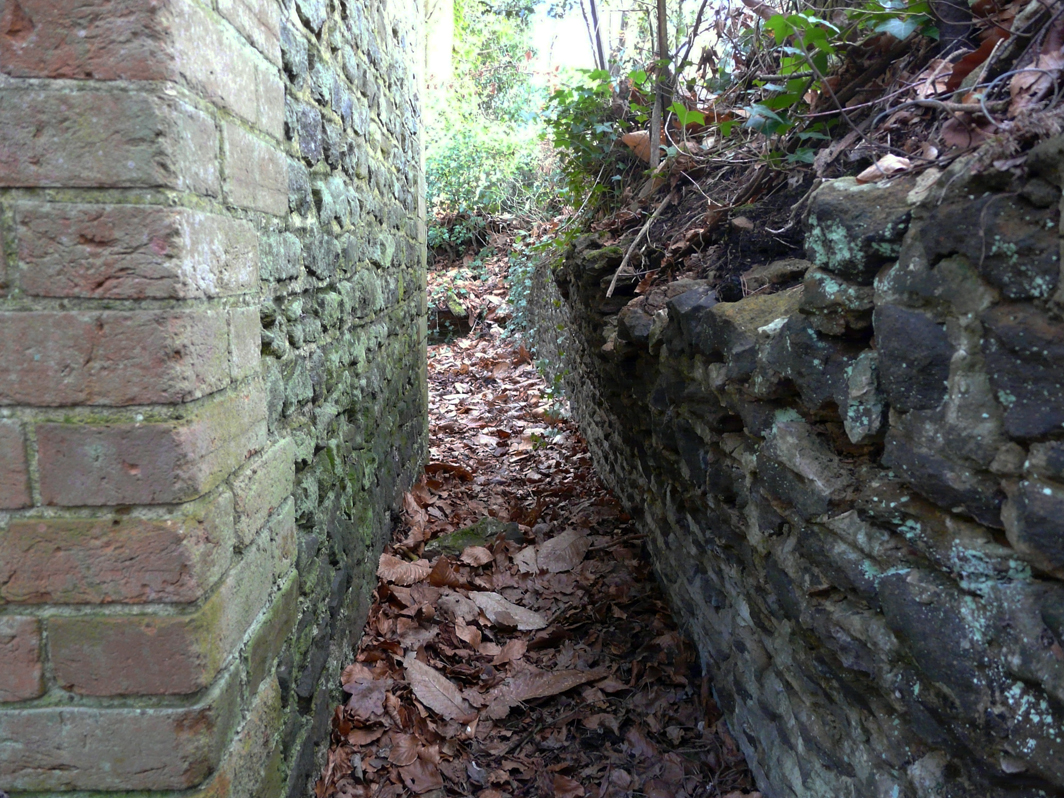
While the green roof enchants, the boundaries of the plot permit only a shoulder-hunched walk around the building. There is no room to park a car, let alone a builder’s van, without blocking a footpath or the narrow lane.

P1070068 - smaller

P1070070 - smaller


My sudden surge of energy, I understand, is in line with spring and, to come to the point, my need to overcome an obstruction that is pervading all else in my life, namely the dwindling hope that a publishing contract I signed nearly two years ago is going to result in the launch of my novels. The chapel with its constricting plot inhibiting development reflects precisely my deflated spirit and the state of mind I trapped myself in.

Given the nature we are, spring urges in us for scope and inspiration to move forward in different ways. For me – it’s time to appreciate my creative work and count my blessings. It would be marvellous to be in Chuang-Tzu’s position, but unlike him, most of us must summon an inner Kingship that keeps patient faith with our art.

A LITTLE STORY ABOUT TIME

Among Chuang-Tzu’s many skills, he was an expert draftsman. The King asked him to draw a crab. Chuang-Tzu replied that he needed five years, a country house, and twelve servants. Five years later the drawing was still not begun. ’I need another five years,’ said Chuang-Tzu. The King granted them. At the end of these ten years, Chuang-Tzu took up his brush and, in an instant, with a single stroke he drew a crab, the most perfect crab ever seen.

20 Comments

Filed under Blog

… sharing a heart-warming present …

A few years ago I decided to value my writing enough to make sacrifices.  I’ve since devoted every spare moment to this solitary word-sculpting activity, with no idea where it will lead, and therefore feel tremendous joy whenever my compositions arouse curiosity, and especially when someone groks the universal myth I struggle to filter through my individual imagination, my psyche.  Why do writers, and artists, share the facets stirring in the depth of their soul without the promise of a resonanating  audience? … It’s a mystery.

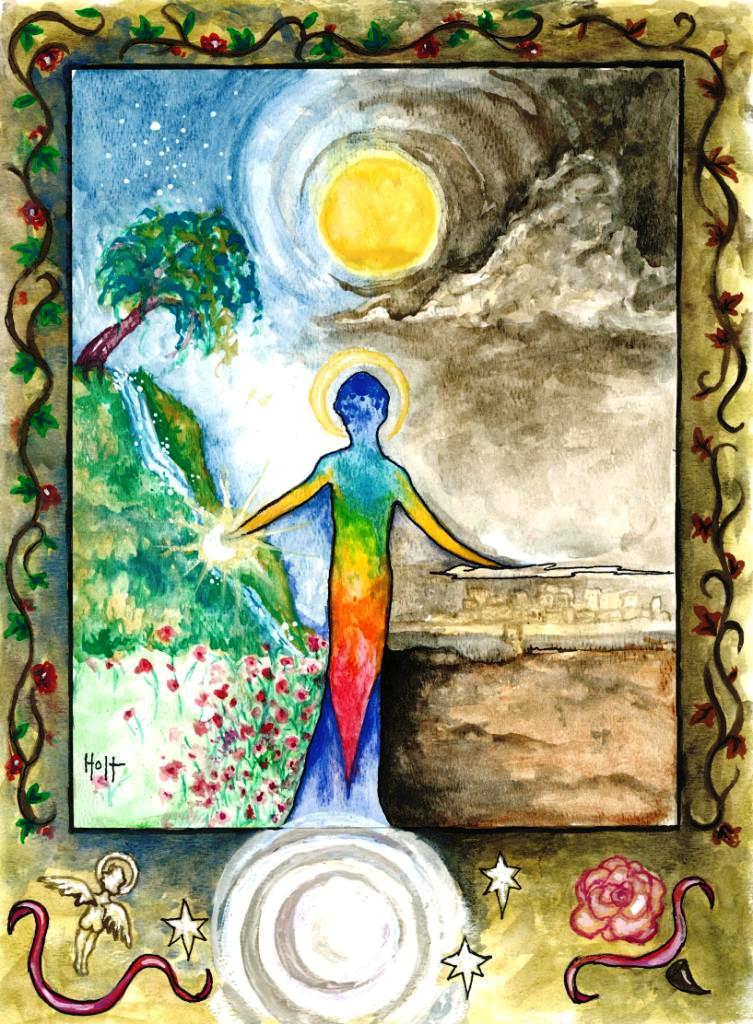
Image by Cynthia Holt JPEG riverside8

Cynthia Holt, living on the other side of this planet, created this painting for me, inspired by two of my poems, Riverhead, and Sleeping Sun … It struck me that the image relates, in essence, equally to the constellation of my novels, yet to be published.

Thank you, Cynthia, for your spontaneous offering. It speaks to how, through interconnections, face to face, or in the realm of the virtual web, we stimulate each other’s creativity.

The image can remind us of the two worlds, indispensable to each other, which we bridge – and how against the canvas of pregnant darkness, the spirit’s eternal light defines our unique myths towards consciousness.

A peaceful Christmas time, and abundant Blessings for the New Year to all …

I’m looking forward to spending a few days in Amsterdam with friends and family.

Since I posted this, Cindy has done a most beautiful post on her mermaid tavern site, including a poem by T S Eliot, a song, and a chart of the Hero’s Journey.

http://mermaidtavern.net/1/post/2015/01/the-law-of-three-artistspoets-and-quantum-physics.html

15 Comments

Filed under Blog

… Which is Witch? …

‘Which is Witch?’ is the title I coined for a documentary I helped produce for a colleague during our film degree course twenty years back. For my younger colleague the course was the start of a successful career as cameraman, for me it was a three year sabbatical creatively refreshing my existing work.

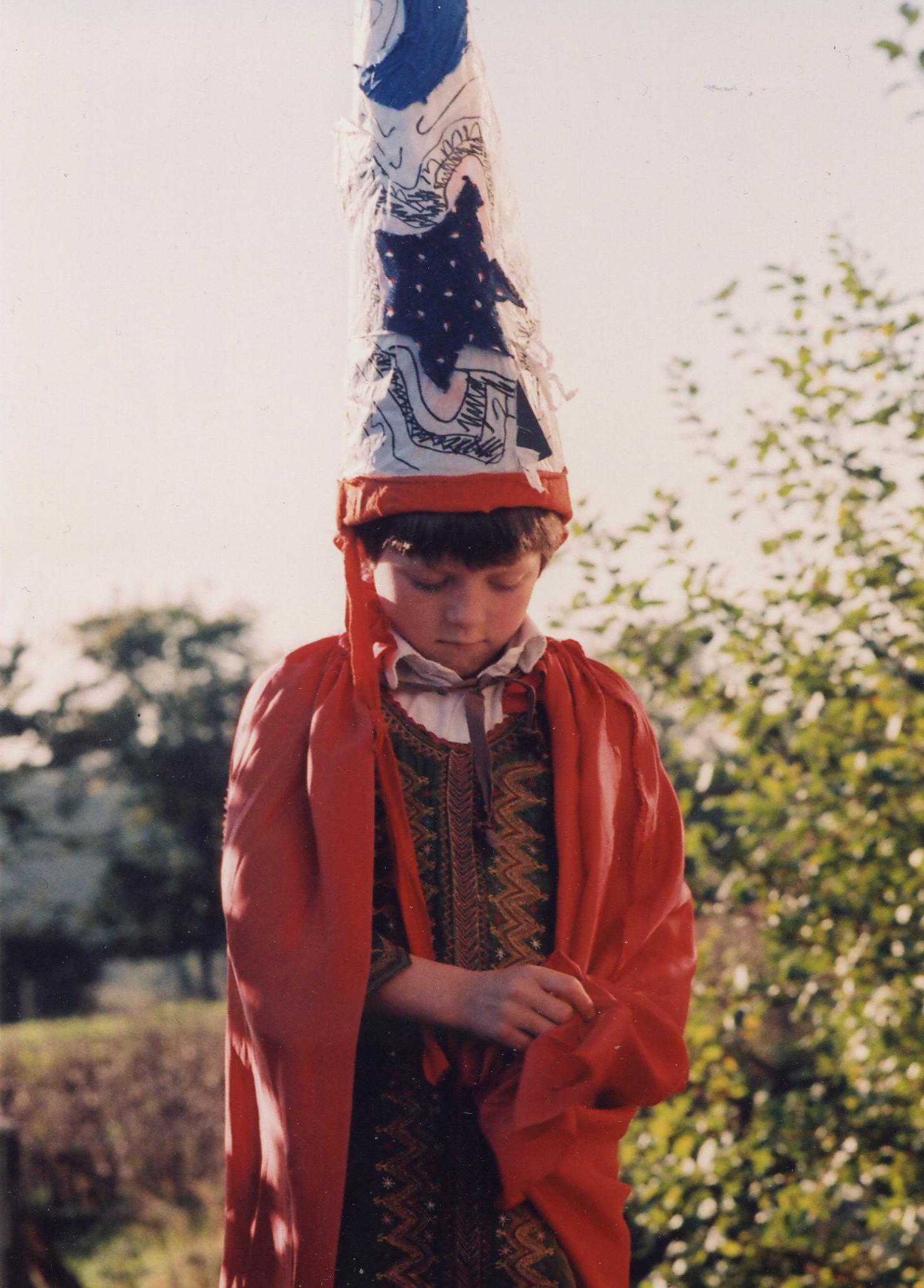
I’m all for make-believe, having grown up with Grimm Brothers’ tales taught me a few things. The other day I came upon this 80s photo of my son and recalled an incident when his favourite primary school teacher must have become a little too identified with the character of her Halloween Witch role.

Yesh img113His grandma dressing

As Santa Claus was cool fun

Yet his headmistress

Becoming a cackling witch

Stirred his first nightmare


Halloween offers a rare occasion when the dropping of one’s regular mask in exchange for another, like the archetypal witch, permits the normally hidden to push up from the shadow world, causing surprise, awe, delicious scares, and even nightmares.


There are good reasons to get acquainted with the hidden 90 or so percent of our psyche, the personal and the collective unconscious. This seems a good opportunity to re-share one of my first posts on this site, from March 2011 – well worth reading.


A Letter to my Shadow

https://courseofmirrors.wordpress.com/2011/03/25/139/

Without the Shadow I’d only be fluff on the coat of real human beings.

9 Comments

Filed under Blog

… hands …

Allow one hand to caress the other, feel the fine sensations through the skin of your fingertips, their manual perfection, capacity to reach out, touch and sense the rough and smooth, warmth and cold. The power of hands to hold, give, heal, remember, receive, express feelings and ideas, inner states – hands that trace shapes and yield to shapes, strong hands that build and destroy, and skilful hands that wield the tool, the brush and pen …

Käthe Kollwitz,  'Zertretene' 1900

Käthe Kollwitz, ‘Zertretene’ 1900

Käthe Kollwitz - Mütter, Krieg, 1919

Käthe Kollwitz – Mütter, Krieg, 1919


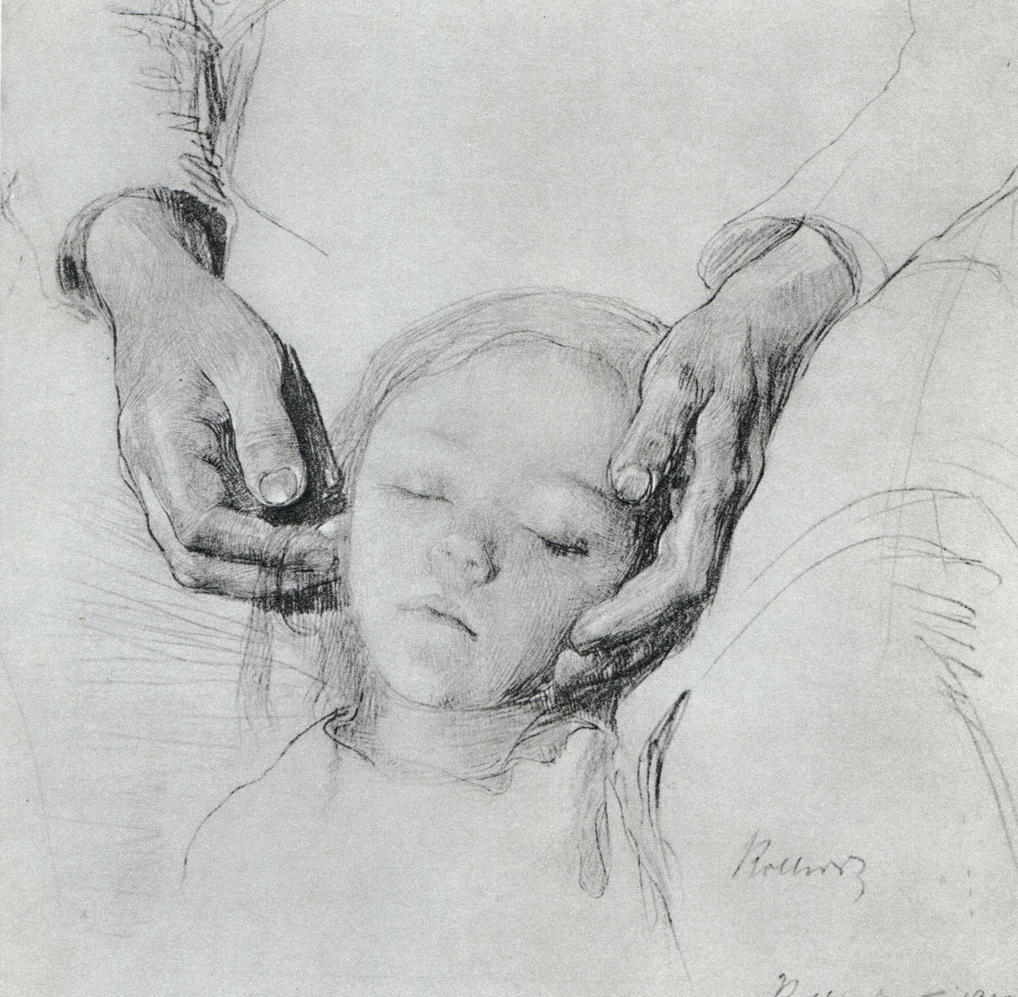
The two drawings by Käthe Kollwitz (July 1867 – April 1945) show the incredibly gentle hands that protect – from a collection of her work in a ‘Die Blauen Bücher’ series, discovered by a friend in a second-hand bookshop in St Just, Cornwall. She posted the book to me this week. I was reminded of the plight of mothers in situations where disease and violence are, once again, out of control. And – how so often, dogmatic politics, religious or otherwise, have programmed generations to de-value the body – its wisdom, beauty and need for expression.

And there remains the question, what is being taken out of our hands? Here a wonderful video I found at the National Film Board Canada site: Faces of the Hand

And the lines from two poets whose tool of passion was the pen.

From ‘Leaves of Grass’ by Walt Whitman

… I am the poet of the Body and I am the poet of the Soul,
The pleasures of heaven are with me and the pains of hell are with me,
The first I graft and increase upon myself, the latter I translate into new tongue ….

From ‘The Marriage between Heaven and Hell’ by William Blake

… The road of excess leads to the palace of wisdom …

17 Comments

Filed under Blog

… moans from an unruly writer …

Installation by Frederick Franck

Installation by Frederick Franck

While I write, wrestle with style, query words battling for attention and set out sequences to string ideas together, anyone watching me might assume I’m a nervous wreck. My body, perfectly able to string an arrow to a bow and hit a target, has a wild notion of focus when it comes to writing. It shifts and wriggles, gets up pretending I need a coffee, ends up cleaning the sink, checks the porch for post and so on, all the while allowing my word sculpting to continue until, bingo …. I rely on intuition, which slips into little silences, opens a crack in the surface of things and reveals a hidden layer, and, occasionally offers a glimpse into the infinity of now. A tiny glimpse is all it takes to relax, sharpen senses and spark a creative dialogue between my inner voices that often quarrel and fool around like the average family.

I respect moderate conflict, it stirs up mud but clears the air, and even when the inner crowd gets fed-up with listening – grace, solitude, or a good night’s sleep bring additional insights, bridge divides and re-establish a tolerable rhythm of chaos and peace.

Am I fooling myself? Is my knack for intuition just guesswork. Is it inborn? Does it evolve with experience, as a kind of deeper listening skill humanity moves towards? Can it be learned? Is it worth defending? Or is it the relic of a go-with-the-flow philosophy that avoids closer analysis of my thought processes and behaviour? I seem to struggle with two kinds of temperaments, one looking for the particle and the other for the wave, stretched between rational and irrational numbers. The two temperaments compete but need each other.

Pilgrim Fool by Celcil Collins

Pilgrim Fool by Celcil Collins

Scientists and statisticians tend to approach the unknown rationally, and seem set to eradicate human incompetence and messiness. Some frenzied rational prophets go as far as knocking anything that can’t be quantified and evidenced. I value logic, what annoys me is the attitude that scoffs at people who hold hands with the fool.

There are more reliable methods than the vagaries of intuition, shown in a New York Times piece by Gary Wolf ‘The Data Driven Life’ from April 2010,  a long but brilliant article that received many pages of diverse comments. Not everyone is keen on the Quantified Self.

I resist being monitored and quantified by data, fixed as particle, ticked off for my risk-taking folly, my random cross-referencing. The geeks and outliers the article describes have fun recording their every move. And I grant that someone suffering from high blood pressure or apnoea benefits from being nudged by a gadget to take a deep breath. I remember being excited and applauding the first biofeedback devices that affirmed how thoughts affect our physiology and vice versa. When it comes to data dependency, I have a hunch it will starve emotional intelligence, which I strongly believe develops through mastery of language.

Working a few years for Social Services, we used to write narrative assessments until a computer programme with tick boxes was introduced. We hated it. Conveying observations in writing was shoved aside as time-consuming, subjective and vague, while quantitative recording was hailed as reliable, though its data hinges no less on interpretation and application.

Recently I skimmed an article suggesting future novels will be written by computers. My cynic leapt from its slumber and argued that a machine hasn’t got 100 Billion neurons and can’t be intimate with nature, is immune to changing metabolisms and moods – hour by hour, night and day. Immune to what comes on the breath, with wind, dust, rain and radio waves that travel through the cosmos, nor is a machine influenced by dreams, synchronicities, diets, layers of revolving memories, kind gestures, general anxieties, rejection, loss of control, loss of a loved one, global news … the unpredictable influx of thoughts and emotions that our mind continuously sifts, evaluates and re-interprets.

Irrational humans can’t be quantified and controlled, which may be why since ancient times there has been an ambition to create artificial beings.  Here a bit of fun from Turing and his colleague Strachey – a reasoned-out love letter, achieved through programming a 1951 computer to make sentences via algorithms, having been fed on love synonyms from a Thesaurus:

Honey Dear – My sympathetic affection beautifully attracts your affectionate enthusiasm. You are my loving adoration: my breathless adoration. My fellow feeling breathlessly hopes for your dear eagerness. My lovesick adoration cherishes your avid ardour.

Yours wistfully, M.U.C. (Manchester University Computer)

…. M. U. C. is eager, if a little verbose and breathless :)

Since then, artificial intelligence is even more breathless with numbers, but operates highly sophisticated technology that improved the quality of our lives. I admit I’m fascinated by the concept of cyborgs, but don’t want to get plucked into the human network protocol .

Our privacy is at stake. And our relationship with nature? … its record of life and the human experience, the treasure house of the collective unconscious, translated and re-membered through DNA, invisible spheres and the very light we breathe. Anything alive changes from moment to moment. And our experiences, insights and expectations have a vital part in the changing.

Nature is the book I grew up with, it taught me stuff:                                                                                                       About growing … put a seed into earth, tend to its needs and its story flowers.                                                        About resilience … a seedling lost in a dark corner will grow towards any spot of light, no matter how it must bend and curl its stalk around obstacles.                                                                                                                                       About connections … the dynamic geometry of the tiniest plants and vast galaxies are reflected in each other.

Enough samples to show the obvious – nature teaches through metaphors. My theme is resilience. I take risks and accept that struggling makes me inventive, expands my consciousness, polishes my heart and challenges me to think for myself.

My moan extends to the growing practice of enticing people to emulate machines in service of progress and economic efficiency, in jobs that dull the senses and dull the mind.

Meanwhile I cheer the unruly folk, including fools, dreamers, innovators, artists, poets and writers with an ear towards the hidden – who translate past and future newly into the present – the open-minded, who can tolerate conflict, value intuitive signals that chime in the heart, and who can occasionally endure being suspended like a leaf on a gossamer thread.

What do you, my reader, think?

26 Comments

Filed under Blog

… dappled light – a vital joy …

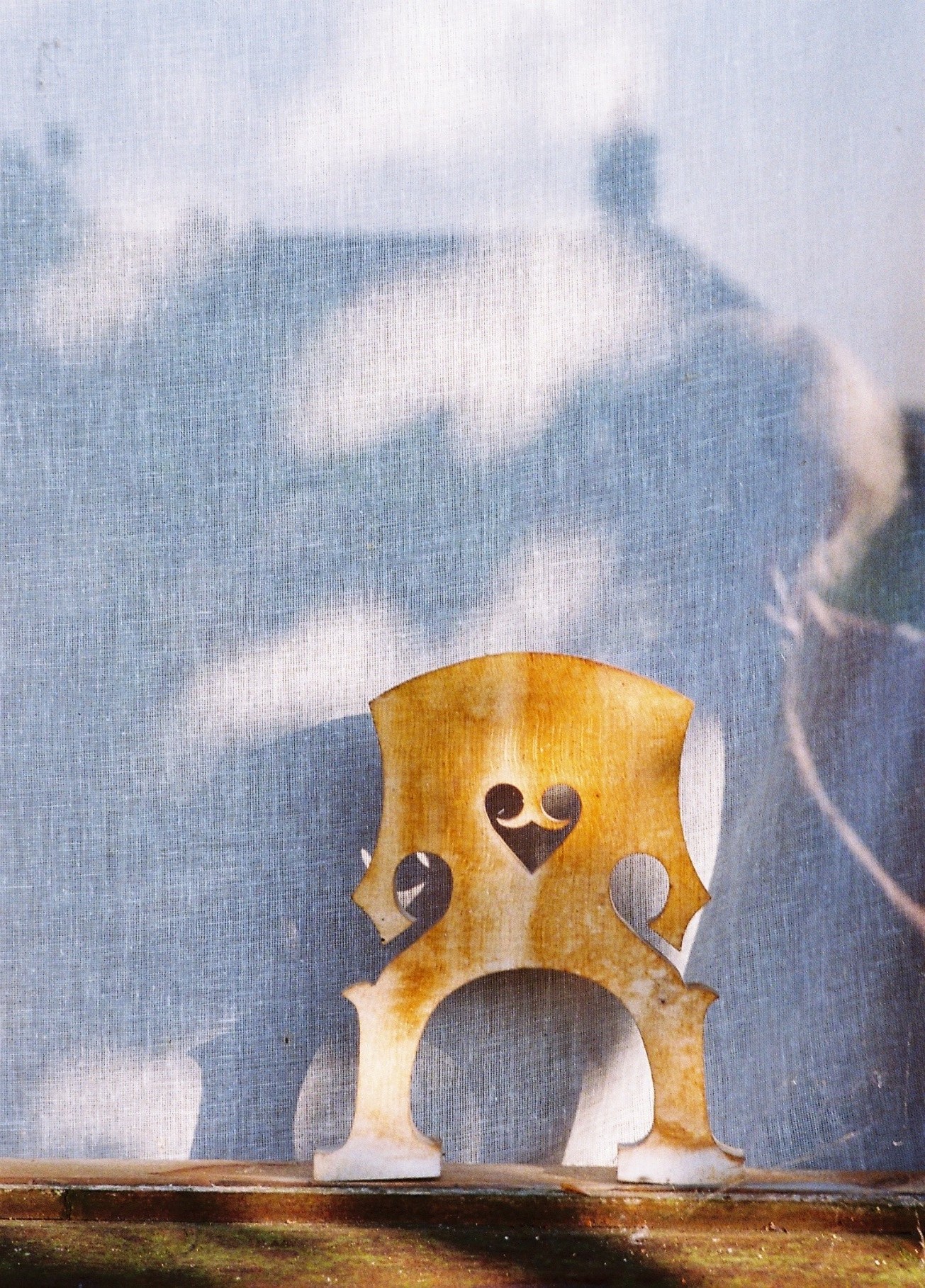
Cello bridge two orbs surge and ebb

as gold-white-silver-and-blue

flicker through the mesh

of vapour and dust

and amid clouds and branches

needle shadow lace

through myths and hollows

in dappled light on solids

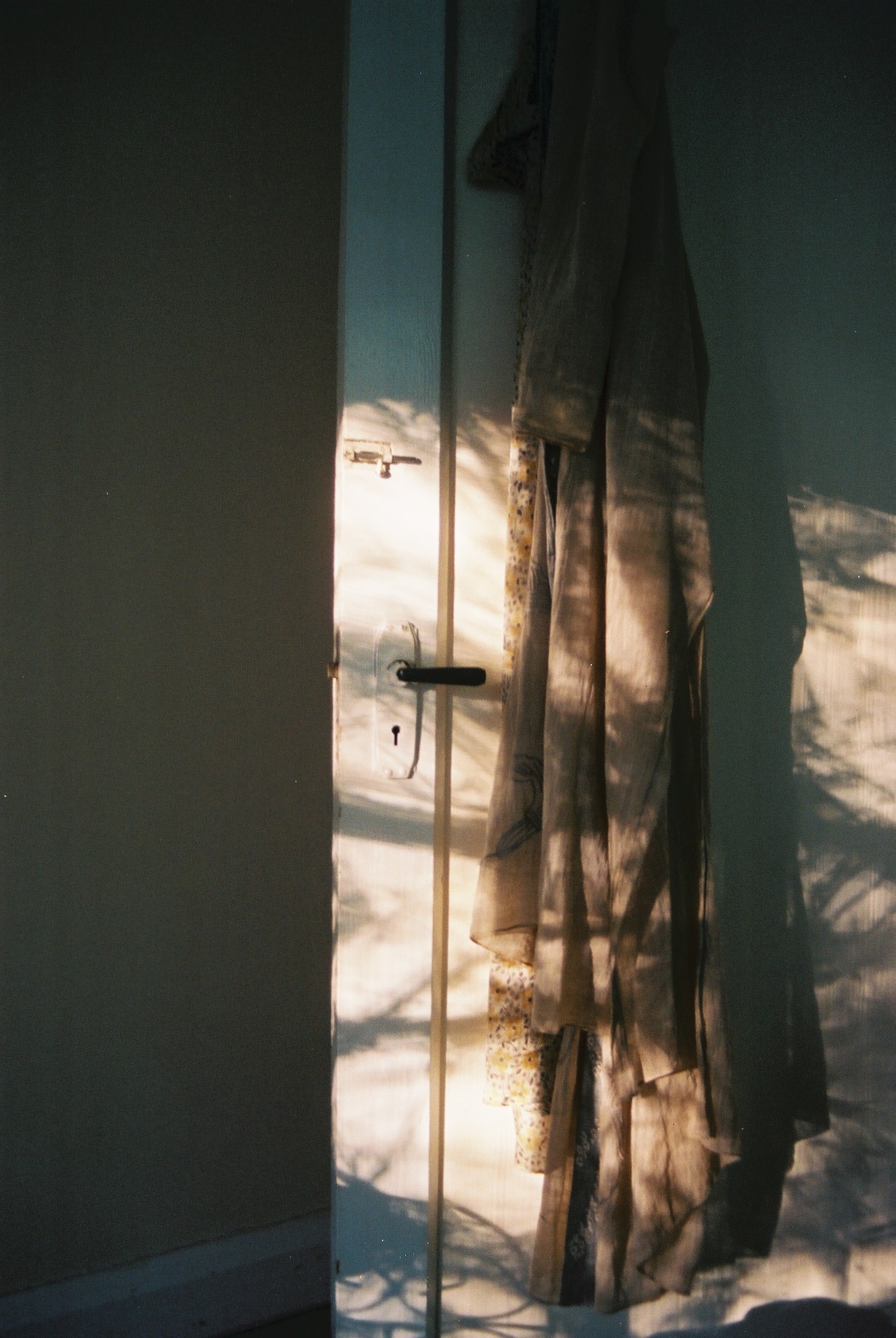
… visible pointers

Shadow on door - Copyto deep-breathing space

within – the fulcrum from whence

unfolds everything

*    *    *

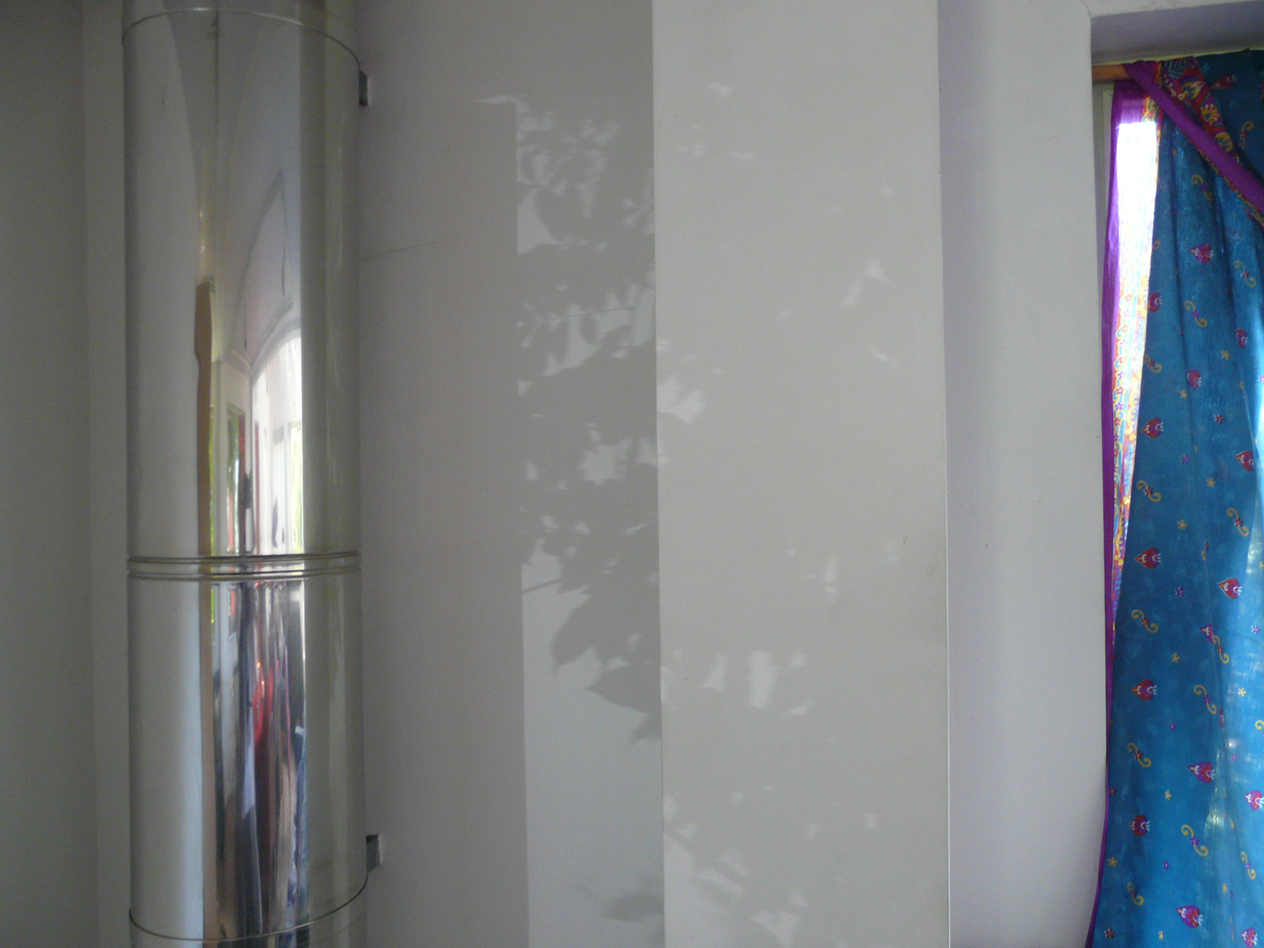
P1100852 - low

I found a poem by Gerard Manley Hopkins (1844-89) – ‘Pied Beauty’ – more musical and sophisticated than my Haiku attempt,and with sincerity of devotion I can’t muster. Enjoy …

Glory be to God for dappled things–
For skies of couple-colour as a brinded cow;
For rose-moles all in stipple upon trout that swim;
Fresh-firecoal chestnut-falls; finches’ wings;
Landscape plotted and pieced–fold, fallow, and plough;
And all trades, their gear and tackle and trim.

All things counter, original, spare, strange;
Whatever is fickle, freckled (who knows how?)
With swift, slow; sweet, sour; adazzle, dim;
He fathers-forth whose beauty is past change:
Praise Him.

*    *    *

My thoughts on dappled light are a spin-off from an exchange of comments with my on-line friend Joe Linker who asked:   ‘Framing – How much light to reveal? Shuttering – How much darkness to avoid?’

Imacon Color Scanner

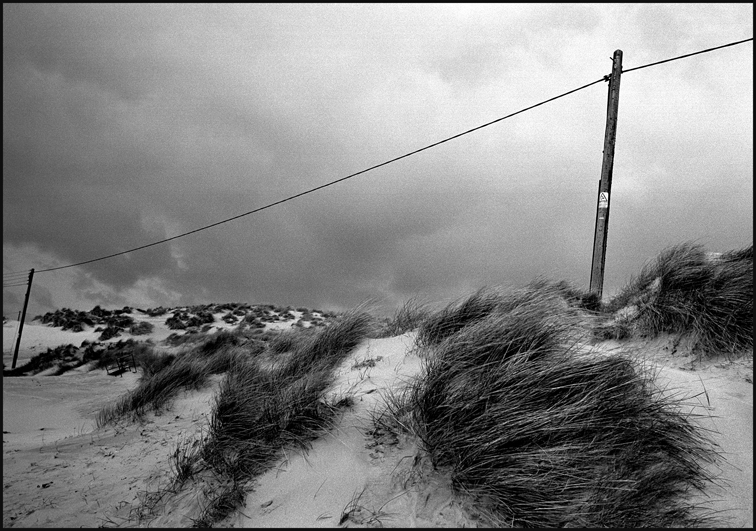
Here a scene from a stormy day in Rye with optimal exposure.

Analogue photography provides brilliant metaphors. No matter how interesting the chosen frame, shutter speed is vital. Too much light will turn the negative dense and dark, bringing bleached-out definitions to the positive print. Too little light produces a thin, transparent negative, resulting in a hard or soggy positive where subtleties of tone are lost. The amount of light is regulated by shutter speed.

In writing this is equivalent to the balance of rhythm, sound and shape of words drawing you into the frame.       I’ll keep practising :)

20 Comments

Filed under Blog

… a tribute to snags …

I’d make a lousy fundamentalist of any kind, and was probably born with negative capability http://en.wikipedia.org/wiki/Negative_capability and a tendency to daydream and contemplate life, skirting extremes, which makes my voice almost inaudible in a culture where sensation trumps. It also means I procrastinate on tasks that need doing, until a snag propels me to act.

CNV00003 - copy 2

One morning last week, easing myself into the day, the shirt I dusted in the cool morning air was trapped when I shut the back-door; next the sleeve of my pyjamas got caught while I closed the lid of my coffee tin. SNAGS – their repetition blinked a green light for associations and made me think of dreams, how they sneak into the daylight via signals. With only a vague memory of my dream, I followed an impulse to catch up on practical tasks round the house.

A shelf in my shed needed fixing. It had crashed, bringing down an array of cans, sprays and sealants. In the way one thing leads to another, I sorted and dumped stuff, and dumped some more – making space. Seized by the flow of action, I de-frosted the freezer, thinned the ivy round the shed, cleaned windows, filled a sack with confidential papers for shredding, loaded the washing machine and made some overdue phone calls … all amounting to what I call a BLITZ day.

Knocks from the dark, SNAGS, help me overcome procrastinations. BLITZ is how I operate to gain periods of laziness. I’ve learned to humour my inner driver (superego) and made peace with Lazy.

Dark of beginnings

Flees the meddler

The shrill demand

The noisy footfall

The sharp beams of

Imposing eyes

Dark folds its mantel

Round the dreamer

The shy nomad

The vague image

The tendrils of

A budding poem

Approach it softly

Like a lover

It may surprise

Or yield nothing …

———————————-

After my Blitz day, a book came to mind, ‘Worlds in Collision’ (1950) by Immanuel Velikovsky. His research resulted in controversial astronomical theories about catastrophic events planet earth experienced over time, and how the human race was affected. Here a link to a 1972 Horizon documentary:  https://www.youtube.com/watch?v=U18gMJXNyX8

He concluded that as a victim of amnesia, collective humanity is compelled to repeat and re-experiencing traumatic events, to aid, in a psycho dynamic sense, recovery through triggering repressed feelings, wake up, and learn to control the experiences. It’s a wider, thought provoking context for the contemplation of our human lot, which I leave to you, my readers, to explore.

———————————– 

On a smaller scale, we may have memories of being held in the womb and in the arms of our mother – or not. In either case, there are giants to overcome, grown-ups. One of the saddest things grown-ups do is deflating a child’s dreams and desires, talking down: Wait till you grow up. Life is tough etc. etc. It’s like telling a seed, ‘Don’t bother; you’re doomed from the start.’

collage2, familyThe desire to be  held equates home. The longing for a permanent home seems to motivate our actions in relation to food, shelter, competition, acquisition, power, money, knowledge or love, as well as being the impetus underlying the craving for prophets who promise salvation.

Fear of not being held, of having no claim on a place where it’s safe to rest when life gets tough, has made us inventive. We wall our interests, invest in insurances, wage war to protect what we identify with , or claim ownership of ideas, philosophies and creeds. Maintaining behaviours that keep familiar systems in place, we find it difficult to accept with sobriety that we are all in the same boat, that our ideas and identities are fleeting chimeras.

Imagine … wouldn’t it be wonderful to seek nothing and simply enjoy the miracle of living, and be like this child overcome by the mystery of rain?  http://vimeo.com/84802749

There is an experience of home that tends to go unrecognised, hiding, as it does, between each breath, in dimensions beyond time. Such glimpses come and go, leaving a sense of union and connectedness while we’re tossed along the rapids of progress, inevitably bumping into obstacles – the snags of life signalling messages from the unseen.

The psyche is a bridge between inner and outer dimensions (the theme of my novels,) similar to the corpus callosum connecting our two brain halves. On good days I sense that in addition to existing in time, a part of me also resides in another frequency dimension, as a light-body, or soul, resonating in my body while I occupy it.

*    *    *

A day, whether six or seven years ago or whether six thousand years ago, is just as near to the present as yesterday. Why?  Because all time is contained in now. – Meister Eckhart

16 Comments

Filed under Blog

… the vagaries of days …

My dream sinks to a timeless world the instant I open my eyes and take in the first impressions of the day – a shimmering spider web clings to the corner of the skylight, defined in the early sunbeam – a mosquito hovers drunkenly above my laptop. I recall a similar tiny vampire savouring the taste of my blood during my last day in Darwin; did it converse with this one across the oceans by morphic resonance? P1060804 - lower

Almost two weeks have passed since my return. I miss the Aussie company, and mornings at the pool under the palm roof.

Time is fitting hesitantly into habitual chunks. My body tweaks itself into smaller spaces, and tasks resume their orderly sequence. Breakfast oats don’t land in the coffee filter, and my head no longer collides with the chiming bells hanging next to the kitchen sink. Still, having inhaled another kind of dust for a while, an aura of mystery pervades my familiar environment, and routines are shifting, like I scoff at lists, allowing unimportant stuff to be just that, unimportant.

As the sun pours into the house through the garden door, I step outside. A bright orange hot air balloon almost shaves the branches of the high beech. Another follows, with noisy lettering, not as cheerful as the Virgin one with its clear brand. There being no boundaries to the sky, I’ve the visceral sensation of wanting to shrink and become invisible, musing how privacy and solitude are becoming an issue – there’s only in-back and no out-back left in England.

P1060820 - lower A poem stirs, wants out, but mail demands attention. I share my disorientation with friends. Ideas chatter and juggle into new frames, a changed perception of ‘home.’ What’s home other than moving with the experiences that carry us onwards?

I glance at the patch of Phlox waving from the lush green beyond the window and then distract myself from the screen by trimming a miniature Japonica tree into shape. My blackbird friend comes close enough for us to have a conversation.

I make time for a two hour stint of editing ‘Shapers,’ the sequel to my first novel. Moments of laughter – relishing my writing is surely a good sign, until the next stab of doubt – will anyone be interested in my scribbles? The solution is to keep writing, and trust readers will be pulled into my opus and enjoy the adventure.

Another shot of coffee before today’s therapy sessions begin – undivided attention to process, listening to stories. When silences linger in the devoted space, spirits assemble – we are a crowd of presences meditating on meaning, or the lack of it.

P1060831 - lower Though it was not exactly my birthday, I hosted a small garden party last Saturday, celebrating togetherness with friend. I managed to outwit Sunday’s Hurricane Bertha, which, in my corner, merely brought blustery wind and rain. Clouds parted in time to reveal the brilliant super moon.

Preparing for reading in bed, I catch a tiny movement – a huge spider. Totally irrational, but there’s a wrong time and place for spiders in my house … at night, next to my bed, and it’s a matter of scale. The scenario of a huge spider crawling over my skin plays havoc with my imagination. No time to get a glass and chuck the creature out. I’ve light in my maisonette, but take a torch for good measure, and wait. In a while the monster comes for me from its hiding place among books – full attack! While it baffles me that the sure crunch of a spider’s demise can in such instant bring me satisfaction, it’s also sobering to realise how discordant timing is neither good nor bad, it just is.

P1060834 - smallerGiven the vagaries of experiences each day brings, the only control given to us seems to be pliancy. As I write this, a rainbow flows across a cloud.

‘The same wind that uproots trees
makes the grass shine.
The lordly wind loves the weakness
and the lowness of grasses.
Never brag of being strong.
The axe doesn’t worry how thick the branches are.
It cuts them to pieces. But not the leaves.
It leaves the leaves alone.’
― Rumi, The Essential Rumi

20 Comments

Filed under Blog