Tag Archives: photography

… Winter Tale …

A poem for Ricarda Huch

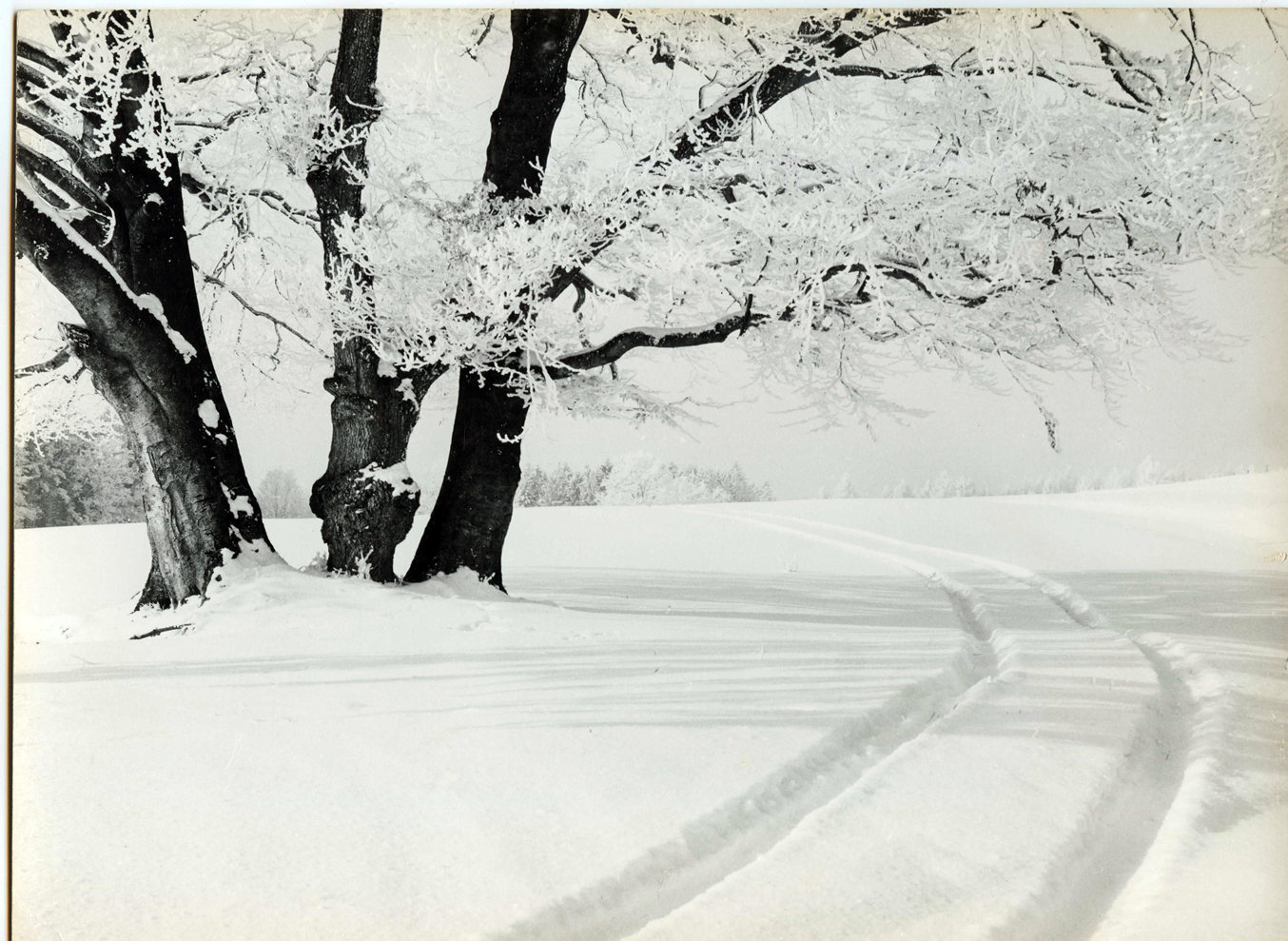
Snow-tracks, 3Snowflakes spin in lantern beams like distant nebulae,

iron scrapes on ice and halter-bells chime with the trot

of horses. The sledge slows on the steep track,

at the top – a click of tongue – the reigning in.

One window shines in the black yard. Off the sledge,

I drop back in time and nearly slip on frozen muck.


Inside, the woman serves hot stew; she says, matter of fact,

‘Stay up, read, that’s fine by us.’ They have an early night.

I feed the fire in the hearth, wrap up and settle near the light

of a paraffin lamp. ‘You love books?’ This is how it began,

Ricarda left books, enough to span the valley to the farm.

You must visit us.’ I was keen, though mother held mistrust:  


‘They’re odd; famous relatives don’t take away from that.’

A hiss, a splutter of flame, the antler’s shadow shifts on the wall.


Morning sun, books in open crates, scattered across the floor,

nibbled at by Billy goats – how had they opened the door?

Three dog puppies jump and bustle on my bed, gnashing holes

into the eiderdown. They grin at me, feathers on their snouts,

Their eyes propitiate. I let rip and belly laugh. From the hall:

It’s all right; our creatures can wander in and out as they like.


The southern window glows opaque with frosted fern and flowers,

cold grace melts under my breath and hand, unveiling a frozen

lake, and beyond the valley, a curl of river and the white rim

of Alps like a parade of porcelain elephants under the pale sky.

From the blue … Ricarda’s voice: ‘Poetry is perception unbound.’

It will take years to feel at home with no rules but my own.

Ashen

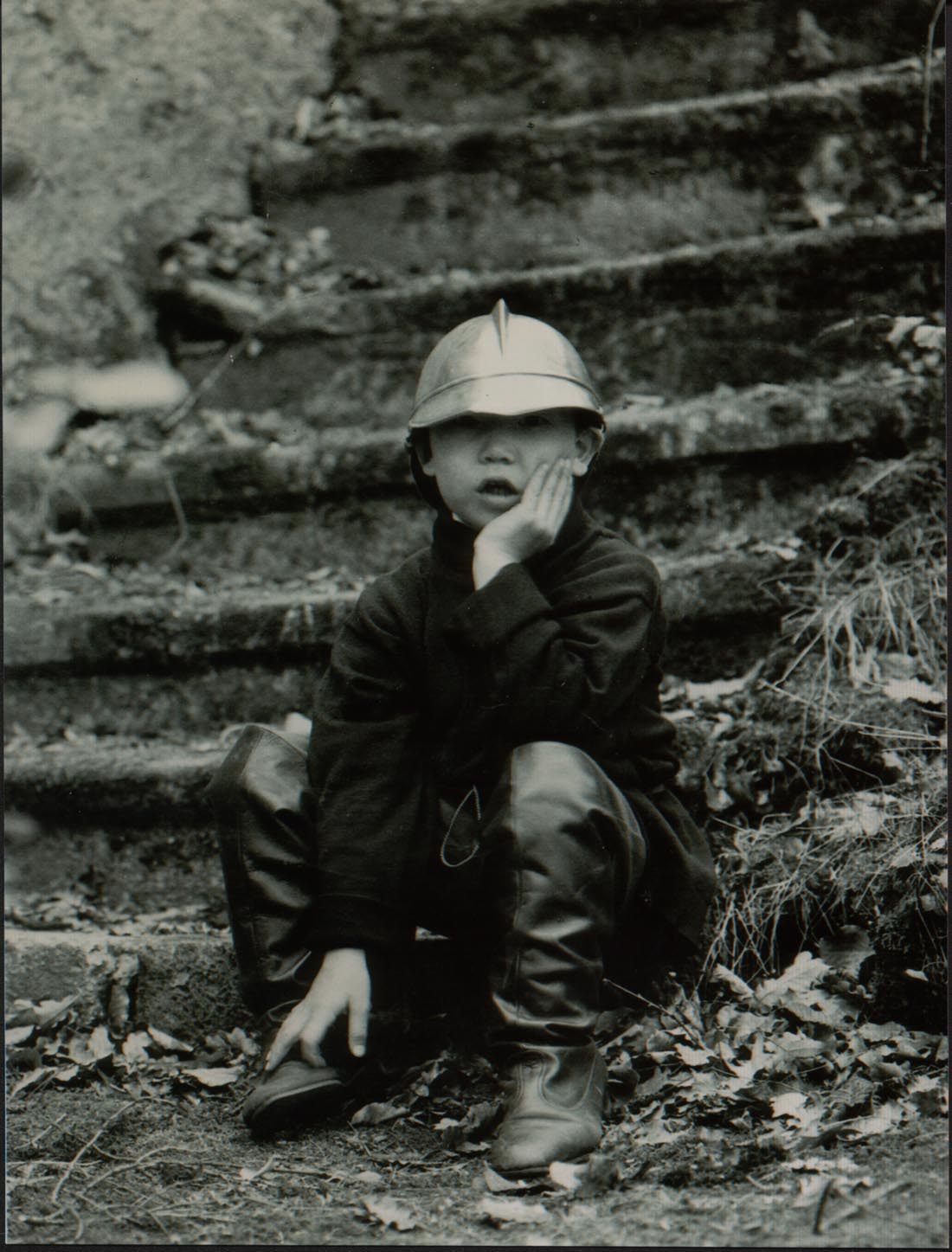
An unashamedly romantic  facet of my childhood. For several years I used to spend parts of my school holidays at a ramshackle estate close my home, because my parents had a business and could not always find the time to attend to me as they would have wished. The treasure in that special place (owned by relatives of Ricarda Huch) were the amount of books, stacked up in crates because no one had the time to sort them into shelves. For me, this was an exciting and oracular milieu.

As is the case with 99 percent of images on my blog – the image of the snow tracks is my own.

11 Comments

Filed under Blog

… patina – beauty of use & age – wabi-sabi …

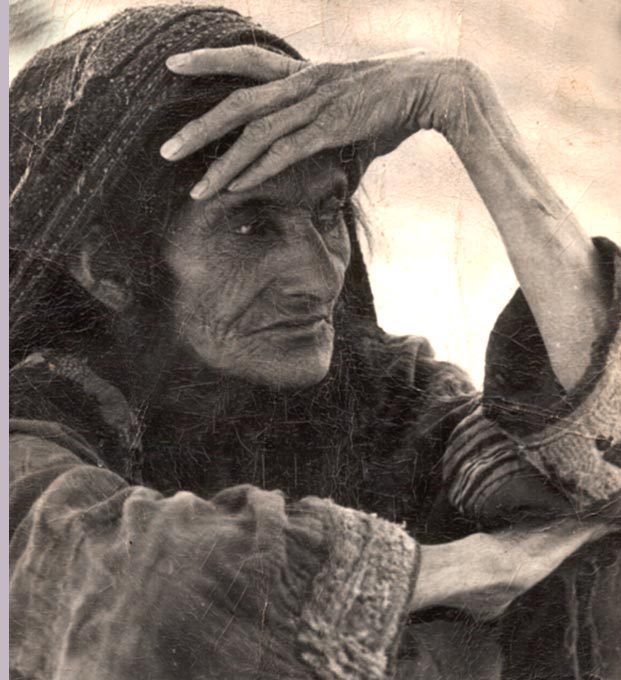
From an old postcard. I can't source the photographer.

Old woman – from a postcard I can’t source.

The phenomena of patina on surfaces is intimately seductive – layers of flacking colour on facades, walls and doors of old houses – thresholds dented and polished by feet treading on them for decades and centuries, tools honed by use, lichen-coated wood and stone, the fading or darkening of materials affected by exposure to light, air, water, wind, heat, humidity, wear and touch – and – poignantly – human skin inscribed by living.

Essaouria

The irreverence of organic processes brings endless revelations, a subtle kind of charm, a triumph of endurance, a fleeting glimpse of time in motion, a mystical hue of imperfection, evidence of existence that display glorious or sad narratives of beauty, relationships, melancholy, comedy, tragedy, remembrance and transformation.

Linus and his blanket

Linus and his blanket

Children naturally form emotional attachments to objects that then become love-worn. The remarkable psychoanalyst Donald Winnicott (whose ideas are worth exploring) specialised in early emotional relationship bonds and the importance of a holding environment for children. He coined the term transitional objects for the blankets, stuffed toys, dolls, or anything a child may choose to have an intimate relationship with, for comfort, often substituting the closeness to mother.

And don’t we know …  people are complex and unpredictable when it comes to holding our projections, quite unlike objects, be they associated with visual attractiveness, taste, smell and sound, or with tactile sensations. Objects can retain comforting feelings for us throughout our adult life. Anything from pets, trees, trinkets, letters, pens, photographs, books, significant presents, clothes, furniture, tools, cars, houses, places , feathers, sticks and stones can become treasures that give us pleasure.

Often a search for something lost is at work. My mother, in her later years, became passionately obsessed with replacing the Biedermeier furniture her family had lost in the Blitz on Berlin.

Then there is shabby chic, distressing and antiquing of furniture, which seem to gratify a need for aesthetics and comfort that some people enjoy but could not otherwise afford. To that end various sophisticated techniques are used on wood, glass, metal, stone, plaster and even plastic to replicate the vintage look.

P1070904 - smaller

But the love-worn feel of an object stressed and polished by personal use over many years, additionally endows it with a kind of cellular memory and connection, which adds a more enduring and special significance of a personal kind for which words are inadequate. The value a child or adult attaches to such an object is often poorly understood and not respected by others, be they parents, friends or  strangers.

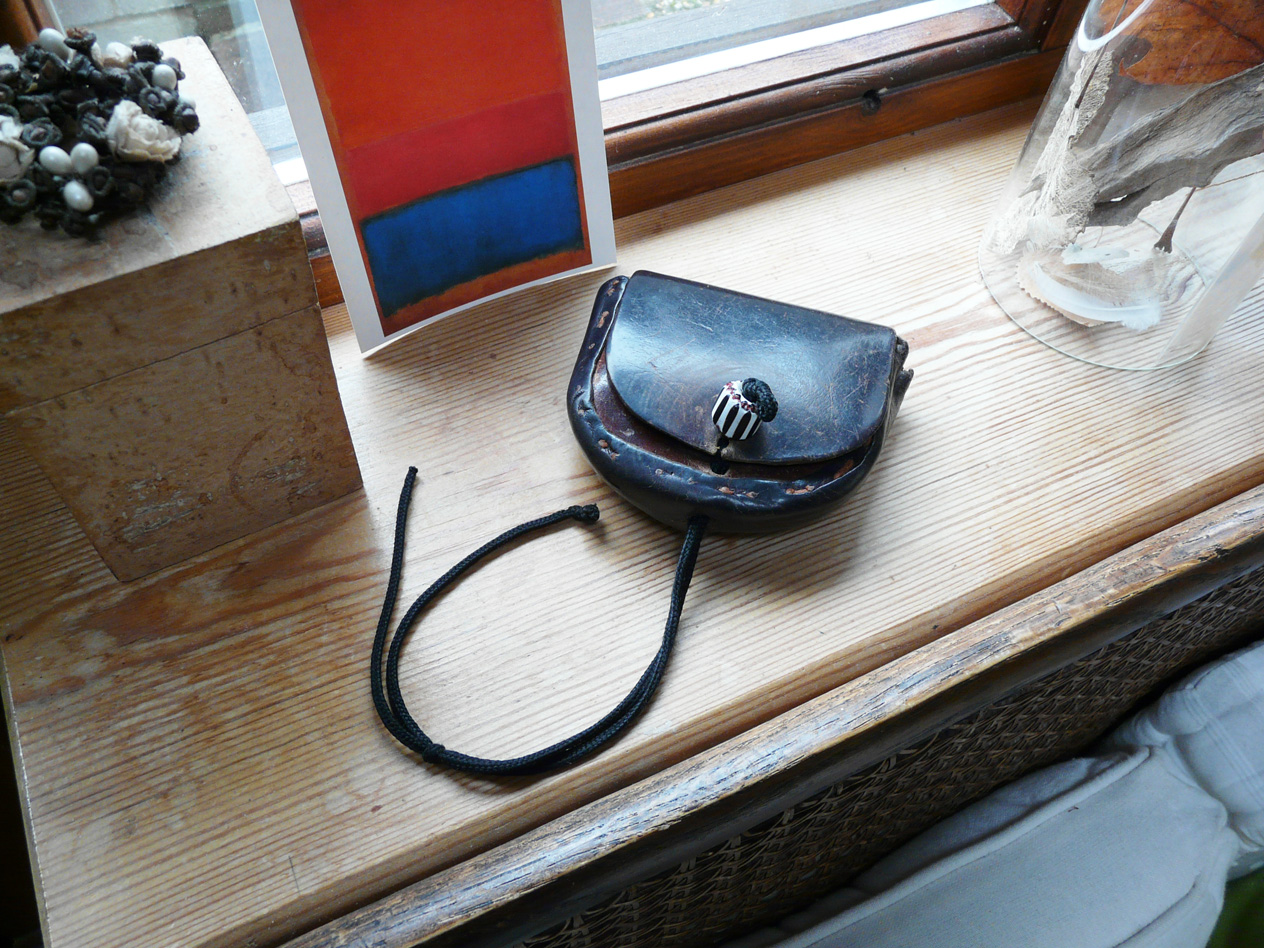
In my case, apart from certain books I loved to bits,  photographs of dear ones, stones picked in memorable spots, and so on. I grew fond of a purse made for me by my ex-husband. I repaired its stitching many times. The purse is not only useful, with a special compartment for payment cards, and encrypted markings I added inside its flap, it hoards contradictory symbolic connotations worth remembering, though I won’t divulge those. Sales-people in shops tend to look at this purse far longer than necessary. Its leather shines – you see.

P1070909 - smaller My purse is not full enough and my house not big enough to indulge in the hunt and collection of rare objects to which the Japanese concept of Wabi-sabi would apply. Then again, I chose my priority to be writing, and am content with the few minor wabi-sabi objects I cultivated over time.

In a way we all express wabi-sabi qualities in our personalities.

… Characteristics of the wabi-sabi aesthetic include asymmetry, asperity (roughness or irregularity), simplicity, economy, austerity, modesty, intimacy, and appreciation of the ingenuous  integrity of natural objects and processes. Nothing lasts, nothing is finished, and nothing is perfect …

What are the transitional objects in your life that bridge one love to the next?

Clicking on an underlined words in the text will bring up a new page, which means you won’t lose this page.

9 Comments

Filed under Blog

… dreams …

Photos by Ashen

Photos by Ashen

I used to host regular dream groups. We did not so much set out to analyse our dreams, but we played with them by engaging with their images, characters and objects. Sometimes we enacted scenes to widen associations and deepen our insights. While there is some excellent literature on working with dreams, a lot of it is boring, misleading and superficial. For me, the main purpose of valuing dreams lies in befriending the unconscious and the bringing to light what is timely and meaningful.

When we have no obvious explanation for events, dreams may bring subtle messages, offering glimpses of dynamics usually hidden from our awareness. A staggering 90 percent of personal and collective psychic dynamics trigger and compel our actions in life, and for good reason. The self-regulating psyche protects us from too much awareness. When encouraged, respected, and left to do its work, much like the immune system, the psyche can encapsulate runaway viruses of the mind by blanking out anxieties and obsessive thoughts, unless a trauma results in an ongoing inner storm. The processing of traumatic experiences is vital for the health of the individual, the family, the tribe, and our collective psyche. Something equally important to consider is that as adults our natural childlike curiosity about life may have become flattened by engrained habits and obsessive needs for security and control, both diminishing the meaning of our lives.

Note: Each embedded link here will not lead you away from this post but bring up a fresh page.

In an earlier blog post Joe Linker’s comment led me to an article by Oliver Sacks on altered states in The New Yorker  where Sacks pointed out a long tradition of ceremonial drug-use to stimulate the brain. Drugs certainly relax jaded attitudes by activating the senses and bringing insights and fresh perception. Sacks, and many like him, were admiringly fearless and creative, before there was a clamp down on drugs and they became illegal.Dreamseries 2
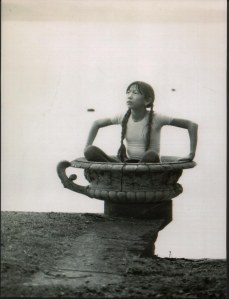
In dreams as in trance, induced or not, the mind can kick up imaginal representations of feelings, and metaphors. We shift to another realm, escape the logical structure of time and also tap into the collective psyche. We may hit a T junction, one path leading to an illuminating visionary state and the other to a schizophrenic state of confusion, which is why science sticks with rationality and is generally not keen on the imagination. The question as to what pulls us towards Heaven or Hell has no easy answer, yet all inner state, when approached with respect, patience, and most of all, wisdom, can have a healing and effect on our personality, and, in instances, as we know, result in significant works of art.
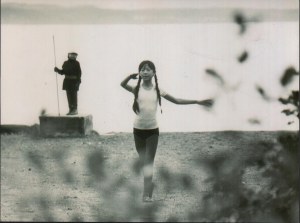
Dreamseries 3

Freud’s iceberg metaphor illustrates that our individual psyche swims like a mountain of ice in a vast sea, only to reverse into its fluid state once its coherence dissolves back into the sea. As a simple and more intelligent map of various unconscious states I prefer the egg diagram by Alberto Assagioli, the founder of Psychosynthesis.

Active imagination is a gentle way to befriend the unconscious and build bridges towards consciousness and daily life, and a way to explore dreams without messing with the dreamer’s unique meaning. I share here some practical tips:

Remembering dreams:

You can ask for a dream, especially when you feel stuck and ponder a question. You might even write the question on a slip of paper and put it under your pillow.

Try not to move your head after noticing a dream. Place holds memory.

Have a notepad and a soft pencil next to your bed, maybe a microlight, so you can scribble down a memory facet before fully crossing the threshold into waking. Even a single image, phrase, number, colour or feeling can act as a key for recalling a dream later on.

To catch a dream – try disrupting your sleeping pattern with an early alarm clock setting.

Experiment with your head position while sleeping – north, east, south or west.

Towards understanding dreams:

The psyche does not care about logic. The meaning of a dream may however unfold like a seed when we attend to its poetry and rhythm.

Ask yourself … how do I relate to the characters or objects of a dream? What feelings and sensations are evoked? In what context did the dream arise? How does it relate to my present situation?

Write a story or make sketches of the images. Tiny fragments can offer connections via free associations.

Give a voice to the characters and objects appearing in the dream. What do they want? Allow them to express their thoughts and feelings. Such dialogues can reveal surprising insights.

Change the script, create a different outcome, face down a fear or a shadow and follow through to what wants to happen. This approach can move a dream to a different level of understanding.

Ask yourself: Where does the energy want to go? What is emerging?
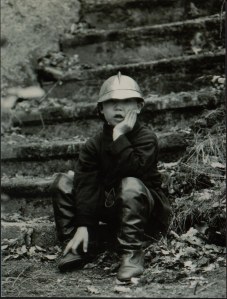
Dreamseries 4


Dreams express the voice of the soul; they are our contact with our deepest self, our inner substance. The mere act of recalling, experiencing and consciously honouring our dreams connects us with our real selves and awakens previously unavailable levels of creativity and vitality, even without interpretation.

Carl G Jung

A related post on altered states.

And if the subject of dreams interests you, here are some more links:

Edward C Whitmont was a Jungian psychoanalyst, who deepened my understanding of the psyche through his exceptionally clear writing. His books may be out of print, which would explain why they’re so expensive:  Dreams – a Portal to the Source and The Symbolic Quest

Other excellent authors to look out for, apart from Jung, are Anthony Stevens, Private Myths – Dreams and Dreaming, and Marie-Louise von Franz – The Interpretation of Fairy Tales.

12 Comments

Filed under Blog

… what is your bliss? …

My moments of bliss come out of the blue, when I glimpse something moving in a certain way, in a certain light, not ordinary light, but a mysterious light that shines through nature.

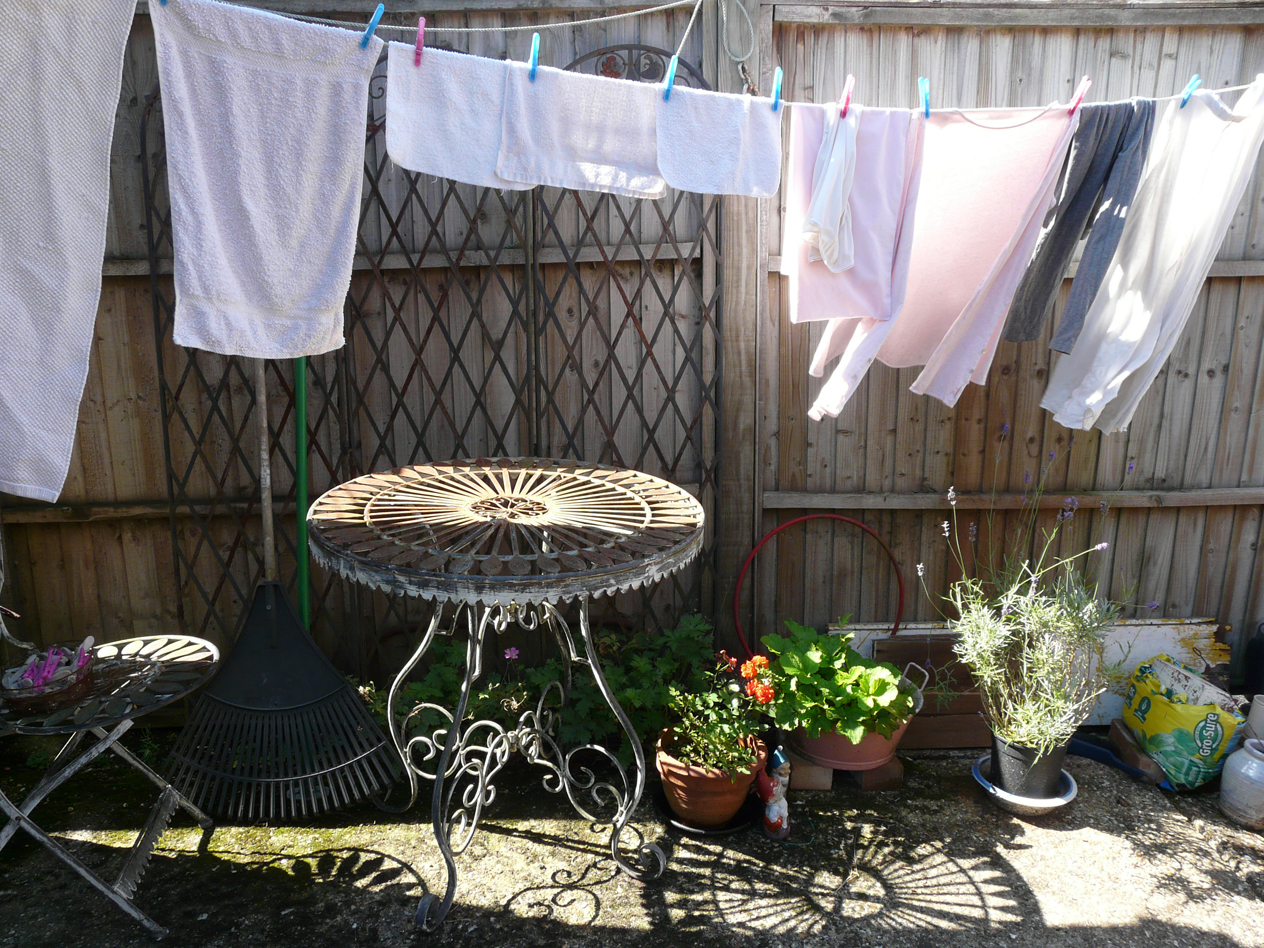
P1070862 - smallerLike the day after the sky was veiled by thick curtains of rain and next morning the sun spun its brilliance through the cleansed air, and a warm breeze played through my washing on the line. Such joy, when for an instant my whole attention is timelessly merged with a particular quality of being, transporting me beyond my senses in ways I can’t fathom.

I draw these tricks of light to me, like a collector tends to attract the objects he/she desires. When days or weeks pass without such moments, I feel deprived and nothing quite chimes.

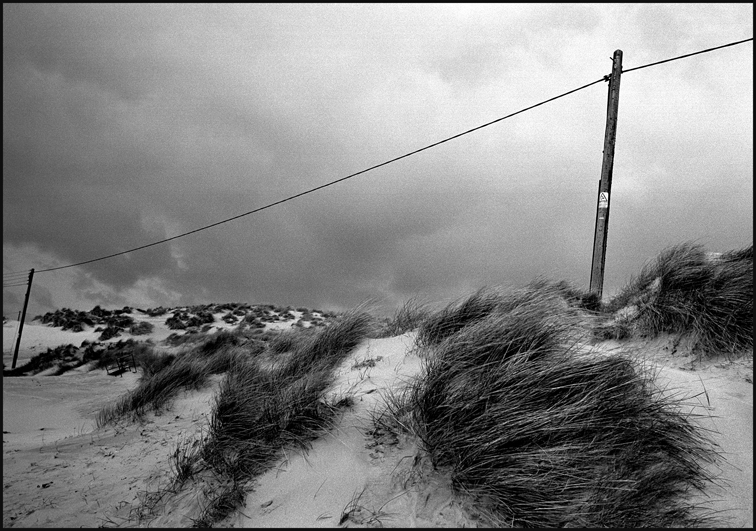
Maybe it’s a rare beauty that takes the mind by surprise and stops time. The washing line reminded me of another bliss I met on a stormy day in the sand dunes of Rye on the Sussex coast. Imacon Color ScannerTo take the photograph I balanced with difficulty on a lifeguard tower that was rocked by strong winds, leaning precariously backwards to get the frame right. The light was sombre, the stirring in the air not playful but intense, yet bliss was present.

When I lose my bliss I pray for its return, like one would call on an imagined angel to make itself known. Occasionally I find a feather on the ground and think – it came and I missed it. Then again, no instance of bliss is lost; the experience is incorruptible and lives on in the calm depth of life’s pulsing heart. Everyone has their own kind of bliss.

What is your bliss?

24 Comments

Filed under Blog

… To Witness Daisies and Earth Rise …  

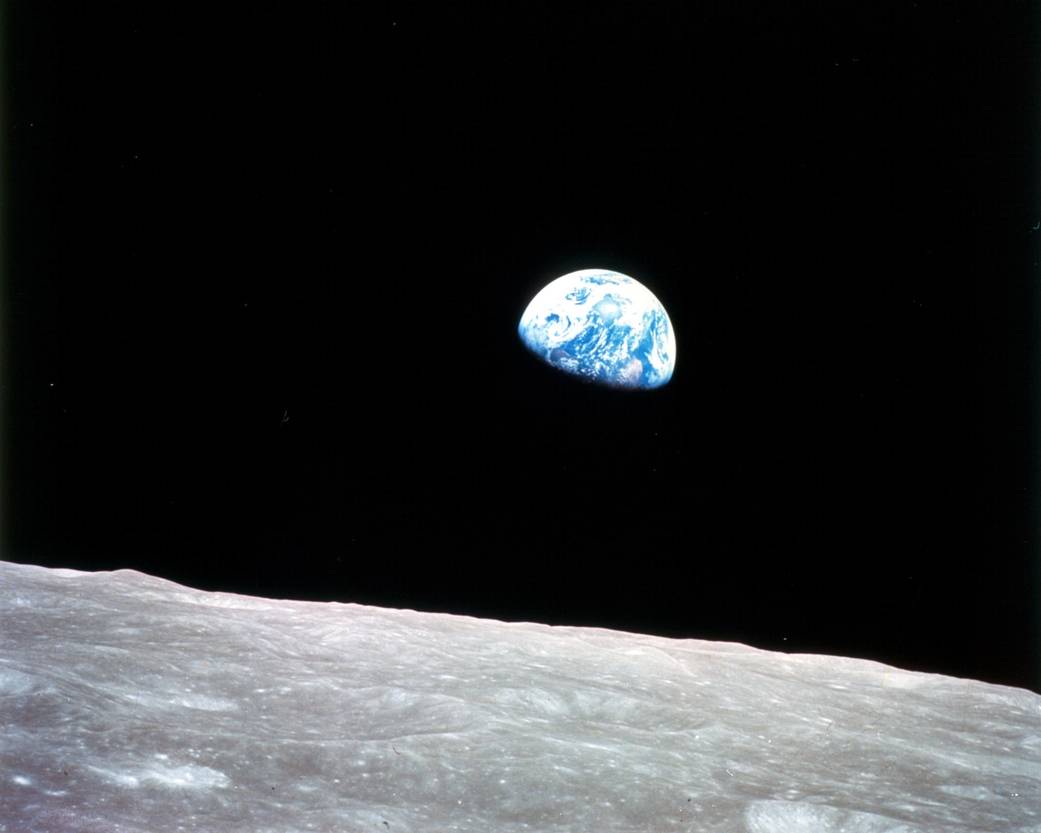
1968 Earth Rise, Apollo Mission 8

1968 Earth Rise, Apollo Mission 8

A change in collective attitudes often takes momentous events. While the moon-landing of 1969  was mildly underwhelming, the image captured in preparation for the American eagle’s landing, a year earlier, was immensely moving – revealing a vastly expanded mirror to our home that spoke then, and speaks now, directly to our physical and spiritual senses. Guiseppi Ungaretti had fitting words …

‘What are you doing earth in heaven? Tell me what are you doing silent earth?’

With hindsight we can see how major historic events are being incubated years in advance to their happenings. Artists have a knack for shocking us before a message becomes endorsed, which is why I connect the film  ‘To Witness Daisies’ (1966)   with the earth-rising image, both testing limited perceptions.  A click on the title should bring up the movie on your tube.

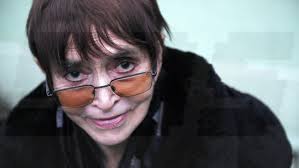
Věra Chytilová

Věra Chytilová

Not unlike the awesome view from outer space,  Věra Chytilová presented an equally powerful pointer to our poor stewardship of earth. Initially forbidden in the former Czechoslovakia, her tragic comedy was released two years before the Prague Spring, and two years before the earth-rise image promised a new respect for nature. I hoped for a greater understanding of cosmic interconnectedness, and an assessment of the fear-based need to subdue and control the wild, the primitive, the imagination, soul … all the ignorant projections on the feminine principle, which, I think, are responsible for spoiling our planet and wounding the psyche of men and women.  Film critics felt uncomfortable with Věra Chytilová’s controversial, iconoclastic statement on the demeaning role assigned to women in our cultures. Niels Bohr expressed, ‘As long as an atom is not seen it does not exist, it is a ghost.’ To me, this implies that seeing, individually and collectively, is an active process, influencing the reality of our existence.

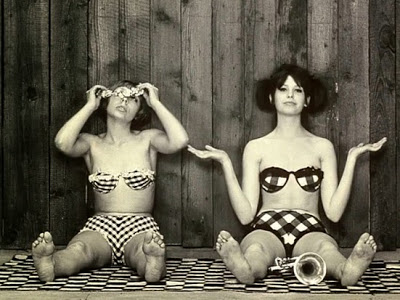
The Daisies

The Daisies

Watching ‘To Witness Daisies’ for the first time in 1994, I was struck by its theme of psychic starvation – sharply relevant today – and the insanity of societies where women are kept in an infantile state so as not to threaten male supremacy. The symbolic power of the film’s images, with their rhythmic and gradually peaking orchestration, creates a timeless sphere of magical reality, where meaning is expanded and revealed. The opening sequence of the film gives the context. A mechanical wheel turns relentlessly to the sound of regular drumming. The scene is interspaced with silent images of war, bombs exploding, mainly into the sea, symbolically representing the mother of all life on earth. Next, the frame shows a sun-deck by a pool. Filmed in black and white, the deck re-appears as a transitional stage. and one could add, a place at the edge of the personal unconscious. Here a question is voiced, ‘What next?’ The two teenage girls wear bikinis and their movements are mechanical, like the wheel. The sound indicates a lack of oil in the system, and the funfair trumpet played by one of the girls suggests a flat and mocking victory.

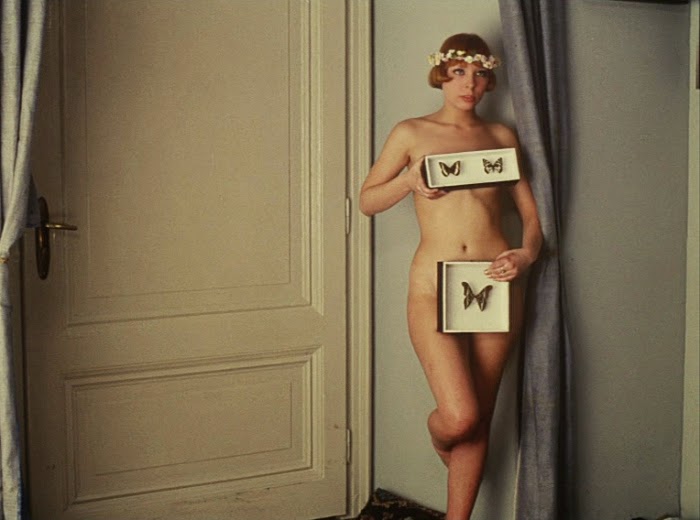
Posing for the Collector

Posing for the Collector

The outlook is set. ‘I’m a doll, everything is been spoiled in this world.’ And, as a way out of boredom, ‘If everything is being spoiled, we will be spoiled too.’ The decision to mirror a spoiled world is made, a death wish gains momentum. Daisy Blond wears a daisy chain and uses it at intervals as divination device. When the chain is thrown out of the frame, it lands on water and signals the next mise-en-scène, like a Garden of Eden where the girls dance, and where Daisy Blond picks the legendary fruit, affirming ‘their kind’ are products of a biblical myth with politically useful interpretation that prevail.

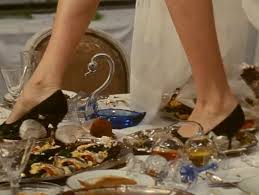
The end-feast

The end-feast

Film critics felt uncomfortable with Věra Chytilová’s controversial, iconoclastic statement about the role assigned to women in our cultures. Acted by Jitka Cerhová and Ivana Karbanová, the Daisies have various names throughout the film. I call them Daisy Black and Daisy Blond, though they are one and the same, since their communication resembles an internal dialogue trying to deal unsuccessfully with a moral conflict that offers no bridge between good and bad. To Daisy Black nothing matters, she has a timeless distance to things, everything is a game. For Daisy Blond, the extrovert, hunger makes food a central theme of the film – hunger in the sense of wanting to fill her sense of emptiness with substance. I won’t venture into psychology, but it’s easy to draw a connections to the Anorexic symptoms many young women suffer from.

During a film degree course in 1994, I wrote a long essay on ‘To Witness Daisies.’ Unable to transfer the old Mac files when switching to a PC with internet connection, many essays need re-typing, which I hope to achieve once other projects are out of the way. For now, I thought I inspire you to watch the film – and maybe share your thoughts about it.

11 Comments

Filed under Blog

… leaving – returning …

the father tree

the father tree

to reshuffle thoughts

a short journey is enough

leaving – returning …

legends undulate

in glowing brittle wood – sighs

from swaying branches –


Jasmin blessings

Jasmin blessings


Jasmin on the breeze

laments of grief in the rain –

ancestors speak

first sounds glide on ice

circling the affirmative

leisurely routine


my beloved Alps

my beloved Alps


between dusk and dawn

all words sink to un-squared time

rounding in fish eyes

as poems probing

the deep meshes of oceans

for heart connections …


‘What else, when chaos draws all forces inward to shape a single leaf …’  C. Aiken

Visiting my early landscapes, friends in Munich, my father of 97, with my son, whose work in London means I rarely see him,  was a rich experience. I had to capture the essence in a poem, which started out in German:

In der Dämmerung glänzt Gold aus der Wurtzel

Gedanken gleiten auf Eis in Kreisen herum

doch manche sinken in die Tiefe um

im Wassergewebe nach Erinnerungen

zu fischen … Gesichter ziehen vorbei 

in sanften kalten und warmen Wogen …

I’ll work on this, inspired by a writer Herta Müller – (English translation on screen) introduced to me by friends whose guest I was in Munich. Anyone fascinated by language will be moved. Also this article in The Paris Review   I am presently reading ‘Mein Vaterland war ein Apfelkern,’ a remarkable dialogue.

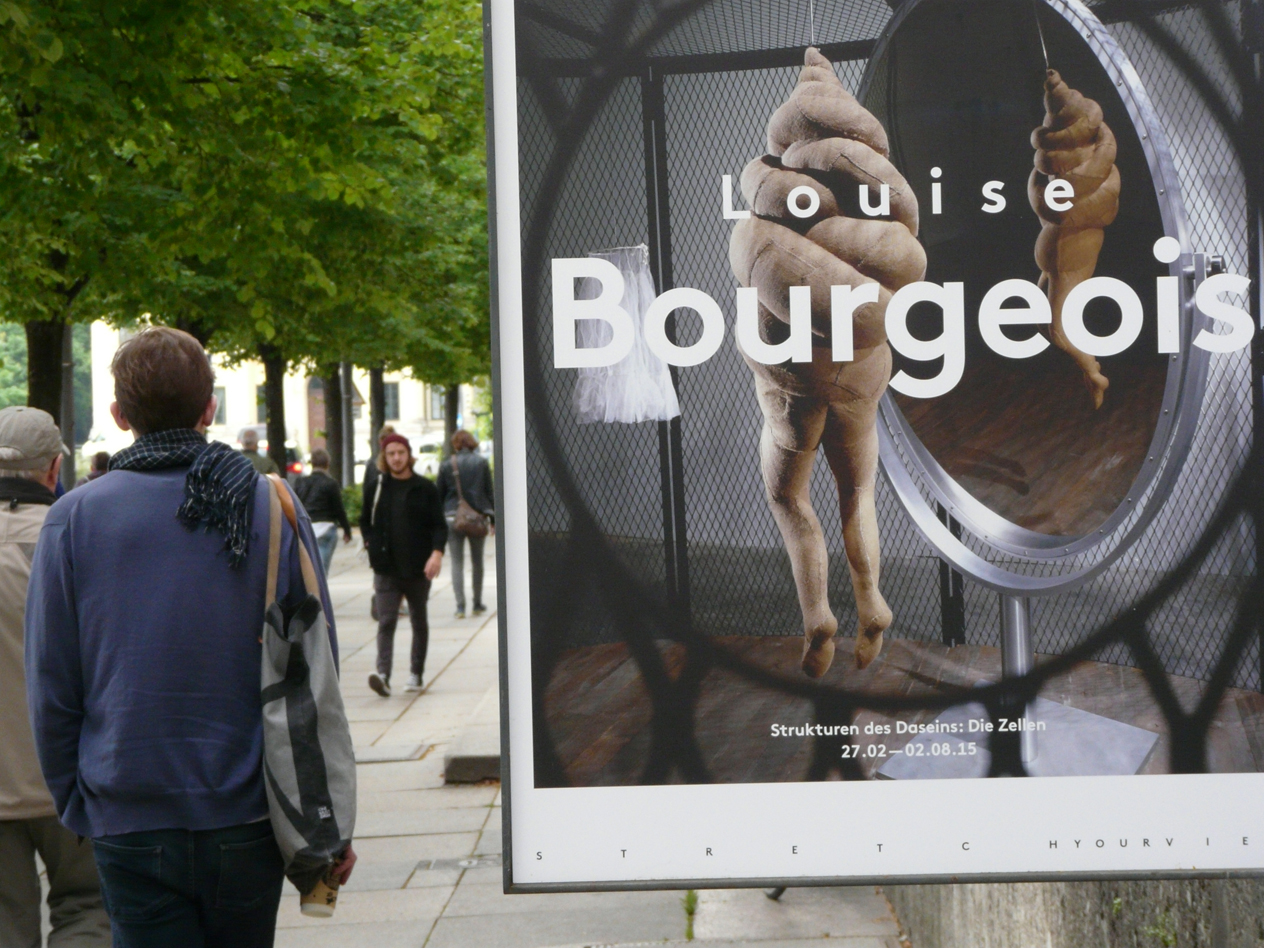
Louise Bourgeois at 'Hause der Kunst.'

Louise Bourgeois at ‘Hause der Kunst.’


In Munich’s ‘Haus der Kunst’ I visited a wonderful exhibition of Louise Bourgeois (1911 – 2010) an artist I much admire, whose installations about the Cells of Structures of Existence are deeply impressive.

Londoners my have seen her huge spider on display in the Turbine Hall of Tate Modern. I wish I had cheated and made photos of her beautifully arranged installations in the generous spaces in Haus Der Kunst.


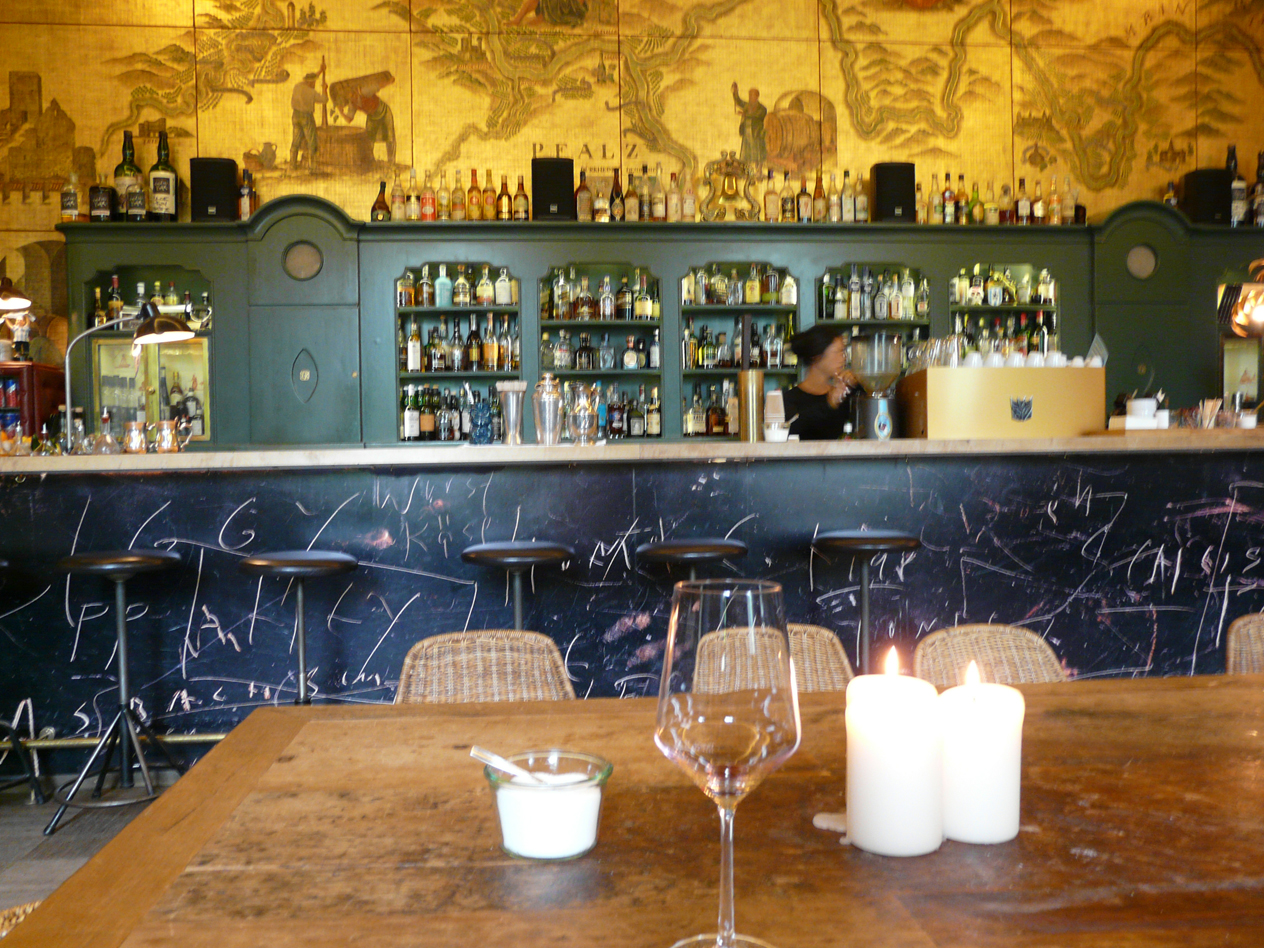
bar at 'House der Kunst.'

bar at ‘House der Kunst.’

To compensate, here is the wonderful golden bar at the ‘House der Kunst.’ And returning home – a blue invasion.

a blue invasion

a blue invasion

10 Comments

Filed under Blog

… recent instances that caused a smile …


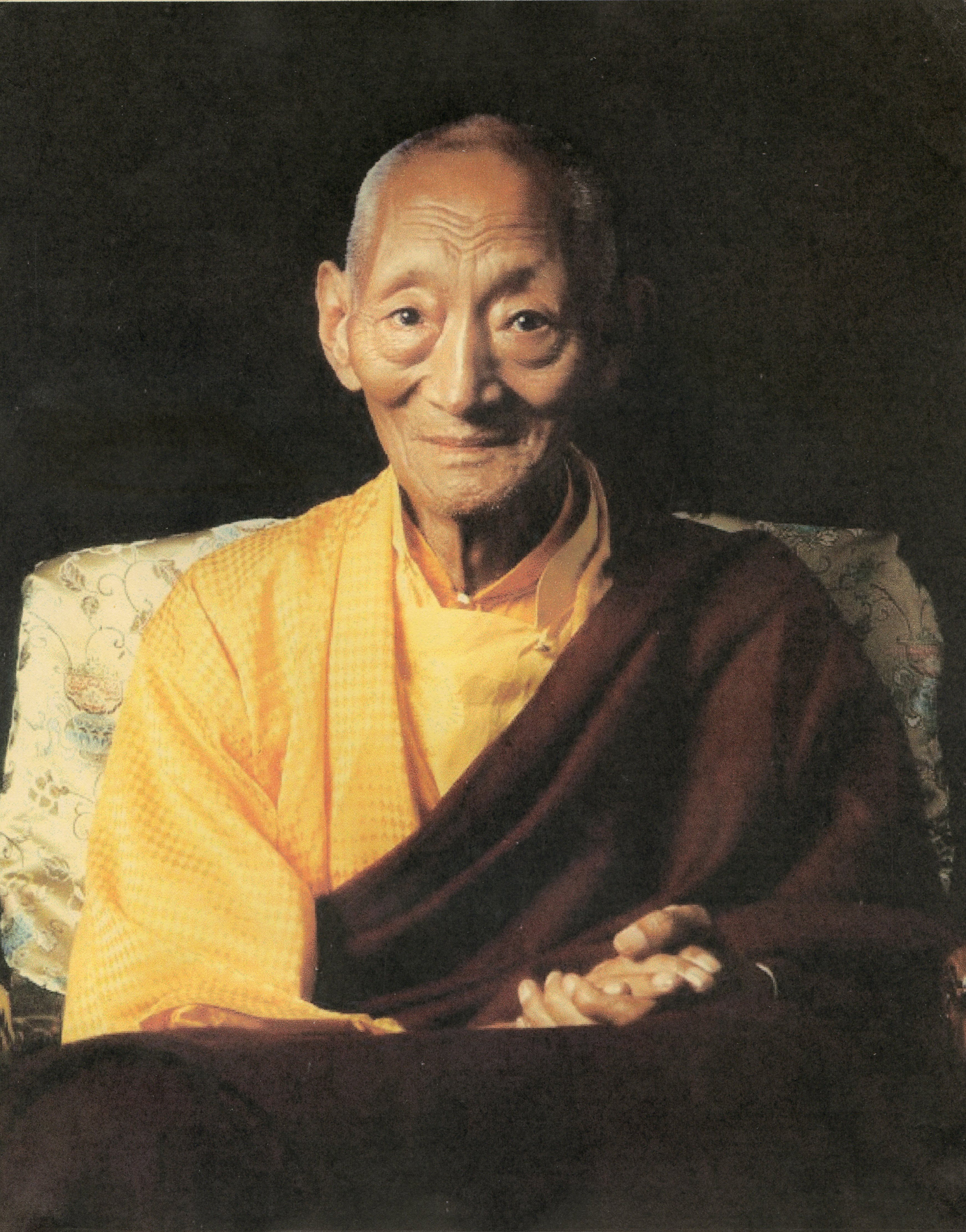
Kalu Rinpoche

Kalu Rinpoche

Maybe brought on by the longer days and the increasing sunshine, there were more than the usual instances making me smile during the last few days, so I thought I share some of them …

Exploring with a client what it is that can shine through our eyes, and sharing an image of a Tibetan Lama, Kalu Rinpoche. We reflected on what is communicated  through our eyes. It is certainly informed by our inner attitude, by our projection. The way we look at ourselves, at others, at our surroundings, and at the world at large

Irrespective of the Lama’s Mr Spock ears, I feel deeply nourished by what shines through his eyes.

Hazrat Inayat Khan spoke of the smiling forehead. https://wahiduddin.net/mv2/XIV/XIV_1.htm


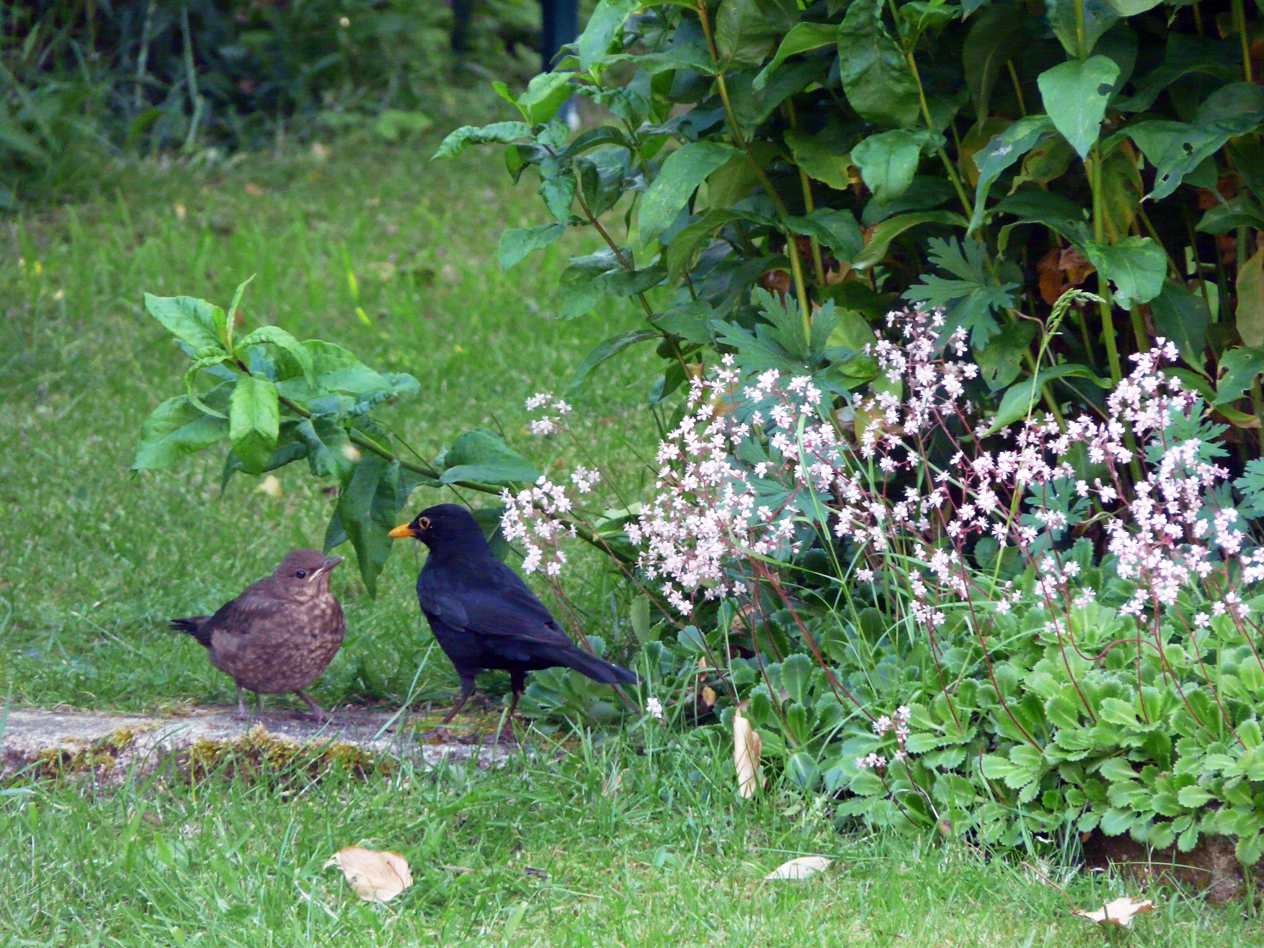
My resident blackbird family.

My resident blackbird family.

My resident blackbird family – dad plucking worms for his offspring.

Tiny plants in my garden, like Creeping Moss Phlox and London Pride.

Stories shared among friends about invisible presences that have come to say, ‘Hello.’

The intimation found in an old graveyard brushed by the evening sun – ‘Ha, ha, there’s no death – we’re having a wonderful time.’


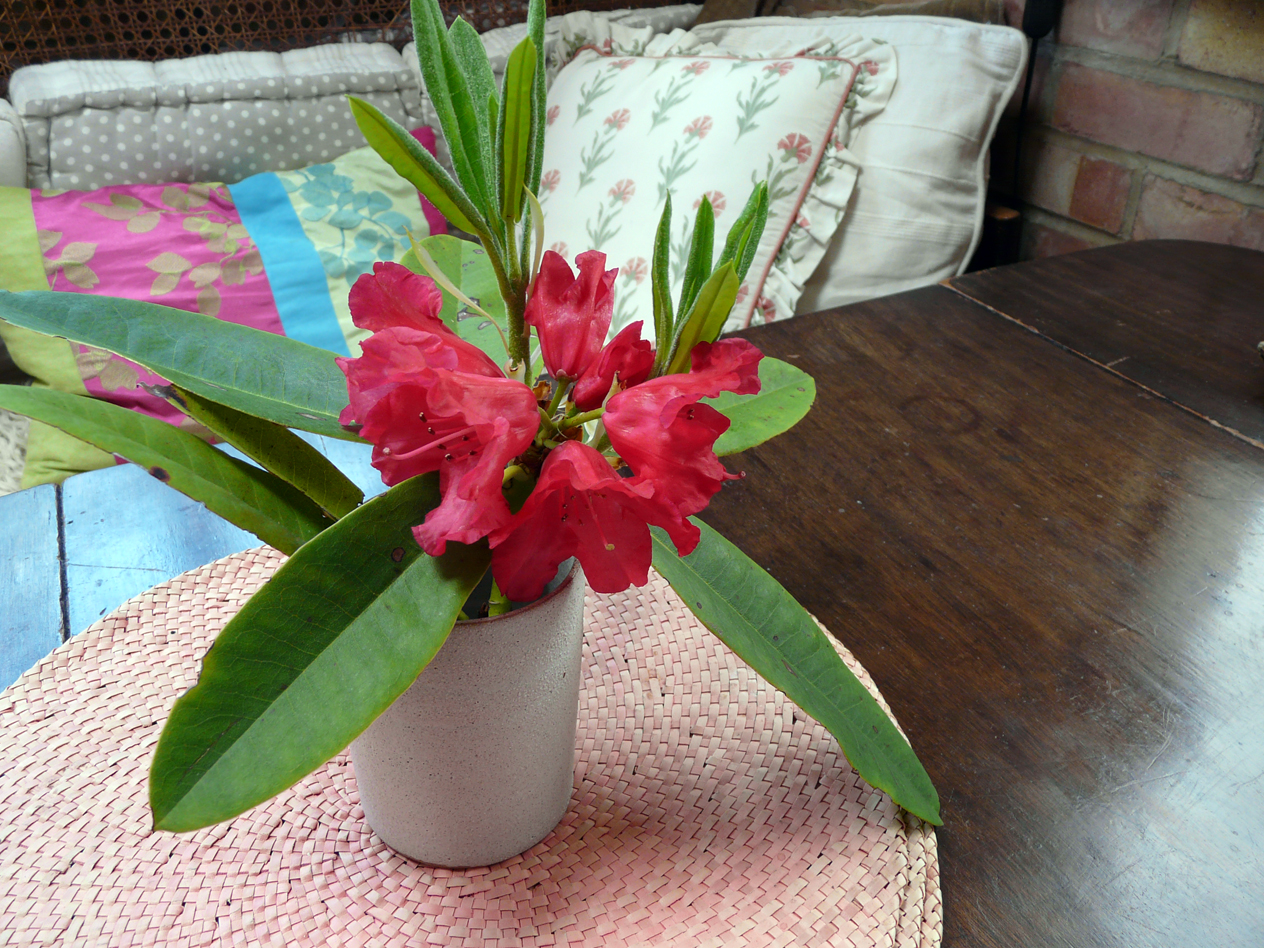
Rhododendron flowers

Rhododendron flowers

A broken rhododendron branch – its budding flowers shouting, ‘Take us home and we’ll open’

The friend for whom I did photographic portraits, saying:

‘I must get to know this stranger.’

Strawberry soup my mother used to make – slice berries, add sugar to draw juices, let it stand, the longer the better, add milk and dabs of whipping cream.


And on days like today, the late sunrays visiting my garden.


Late sun rays in my garden.

Late sun rays in my garden.

Moments of being – an aware and restful state of mind, an empty sphere from where anything can emerge.

*    *    *   emptiness   *   *   *

… only the unfettered mind holds

the virtual teasing in poise

screeners ponder its Socratic

wisdom in the bright light of day

peals of laughter – a burst of love …

17 Comments

Filed under Blog

… the tulip – haiku moment …

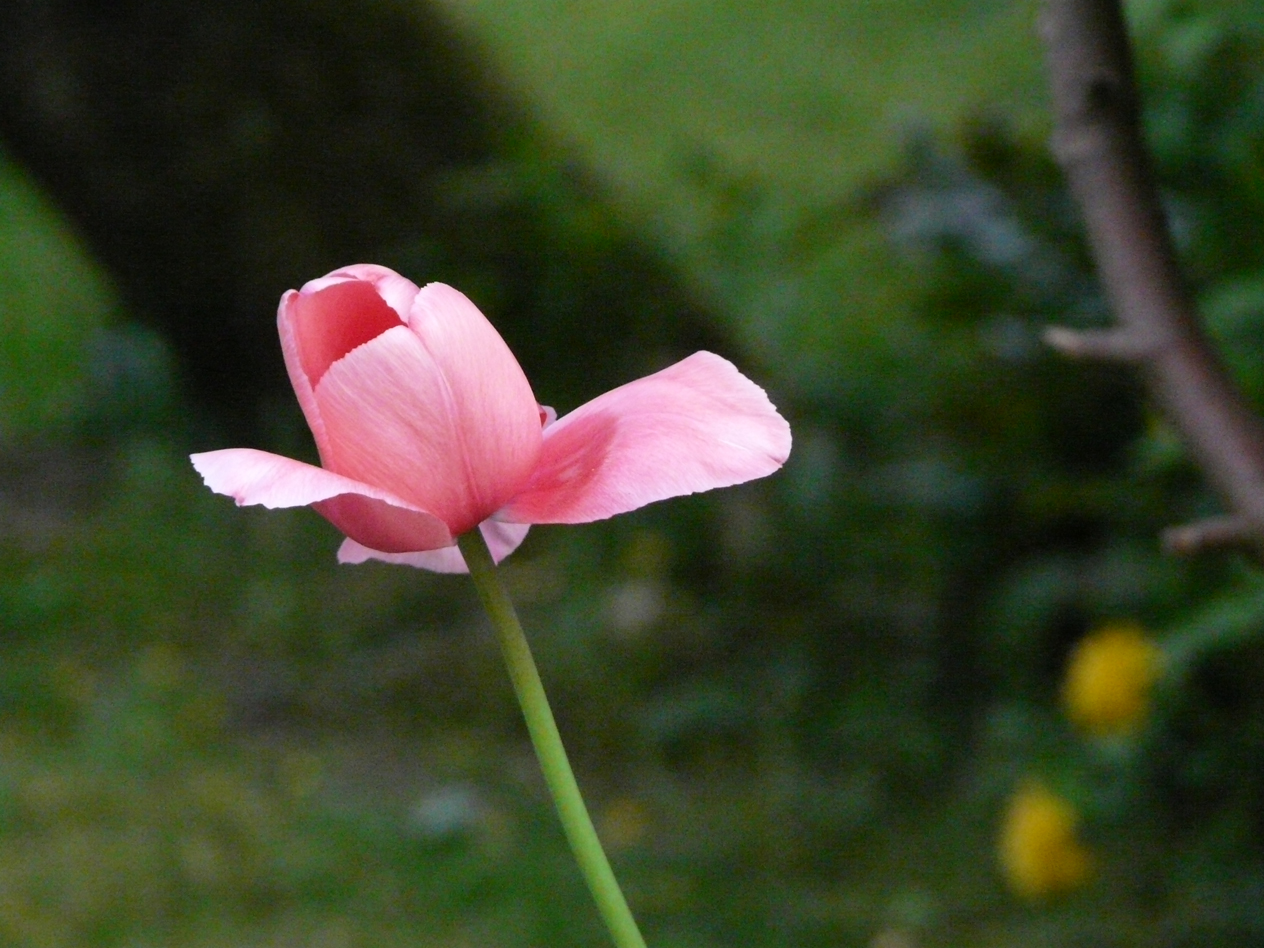
A little Haiku arrived in a flash and together with its timely image struck a chord with many of my facebook and twitter friends. It’s the beautiful message of one tulip in my garden, whose eleven companion bulbs were eaten up by hungry rodents.

P1070196 - smaller

a lone tulip splays
its red mantle to the sun
there you have my heart

*    *    *

A Haiku can arrive in a flash or take its time to unfold. Here is  an article by Jane Reichhold to inspire. She shares a little history and a number of techniques.

http://www.ahapoetry.com/haiartjr.htm

9 Comments

Filed under Blog

How do I read?

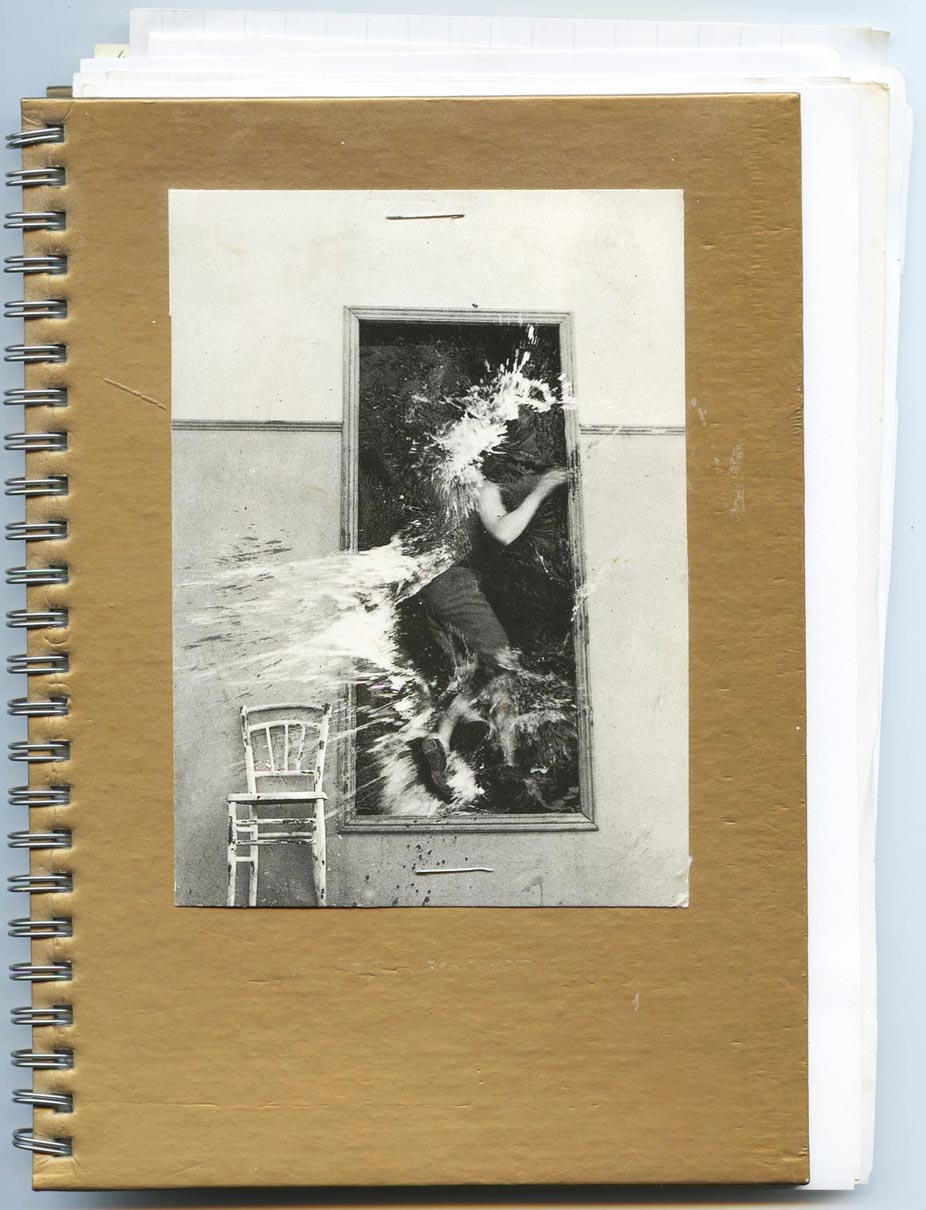
one of my notebooks

one of my notebooks

I jotted this question in my notebook a while ago. How do I read, in the widest sense? There is plenty of observation and advice on the art of writing, composing music, painting, photography, film. Less is said about on the art of reading, perceiving, interpreting, or how we reject or embrace what is expressed by others, and ourselves, even how we read our dreams.

I conclude there’s no difference between, let’s say writing, and reading, other than visibility, since any creative composition derives from an inner process of reading, the picking and shuffling of impressions into our frame of reference in relation to the larger myth of reality.

One could say the secret of being read lies in one’s talent and ability to read one’s inner psychic world, even when filtered through one’s most personal and eccentric imagination.

Long before communication was easily reproducible and reached greater audiences, people were reading the world, though only a tiny fraction of inspirations and inventions was circulated. Today’s media channels swamp us with communications. It’s confusing. We must choose.

In reading novels, I follow my intuition. The gimmick of an instant attention grabbing action scene puts me off. A proposal may be impossibly fantastic, but if I detect an authentic voice, rhythm and movement, I travel along. Invited into a mind, an atmosphere, a time, a place, I want to be absorbed in this other world and experience myself anew in a conflict between light and shadow from within the heart of another consciousness.

Whether meaning is intended or not, I read my own meaning into what has been imagined by another mind. An insight, a memory may surprise. Some books I treasure for one or two illuminating sentences, so I guess reading for me is a bit of a treasure hunt, which begs a question. What am I hunting for?

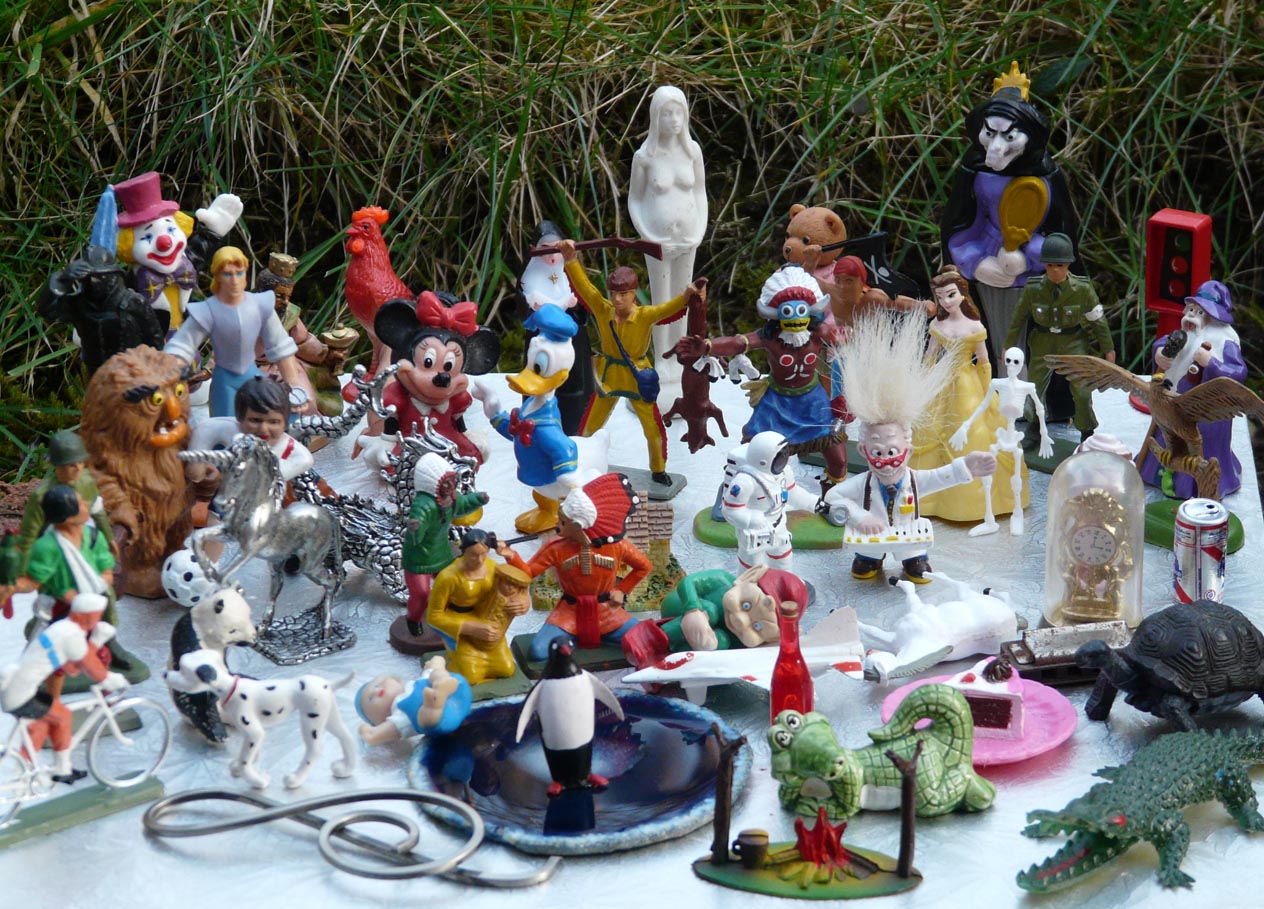
world objects for sandtray work

world objects for sandtray work

My interest is fleeting when events are contrived, plucked from the air. Characters convince me when they are embodied and grow around obstacles, reaching towards the light, while spreading roots and producing seeds (new thoughts,) even when they come from mythical creatures, kings and slaves of the past, or explorers of distant futures. As long as events happen in a believable psychological setting, I engage.

Then again, I’ve been convinced by writing that made no sense at all, until, with a little patience, I discovered a new comprehension shining through an abstract form. It’s a wonderful feeling, and important feedback for writers, who may be surprised by what is evoked in readers. Once I finished my present project, I intent to spend more time on reviewing – a most giving art of reading.

Stories for stories sake can be dull, while stories in which nothing much happens outwardly can be riveting when they resonate with the human condition, where, quite often, what seems true becomes false, and what seems false becomes true.

It is said we write the books we want to read. When writing, I search to combine words that convince intellectually and emotionally, until something true is mirrored back. Maybe what I’m hunting for in my reading and writing are fitting metaphors for the miracle of existence.

I always delight in discovering neglected writers, like Marlene Haushofer,  or the poet W S Graham, whom I wrote about here as part of a post in Sept 2013.  And beyond new works, there are innumerable old favourites, including H G Wells. The link connects to a post I did about one of his lesser known stories.

Thinking about photography, my other passionate reading, I was inspired by Henri Cartier Bresson – the link leads to my post about him.  And here the archive of the street photography of Andre Kertesz – enjoy.  I’ll leave film alone, that’s a whole other story.

What are your reflections on reading?


Some related blogposts:

Storytelling and the primary world.

Mother-tongue and other tongue.

Memory and Place.

11 Comments

Filed under Blog

… four years of blogging …

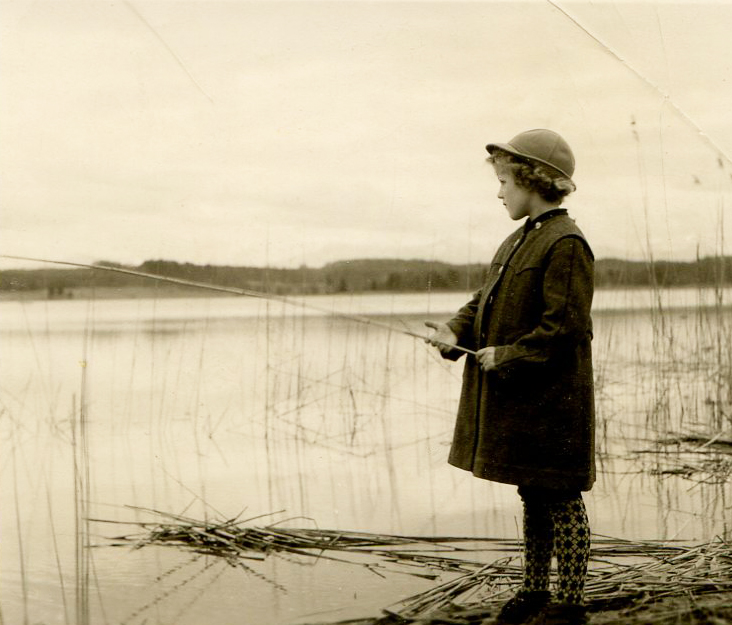
The host of my virtual island – wordpress – alerted me to the four-year anniversary of my blog.

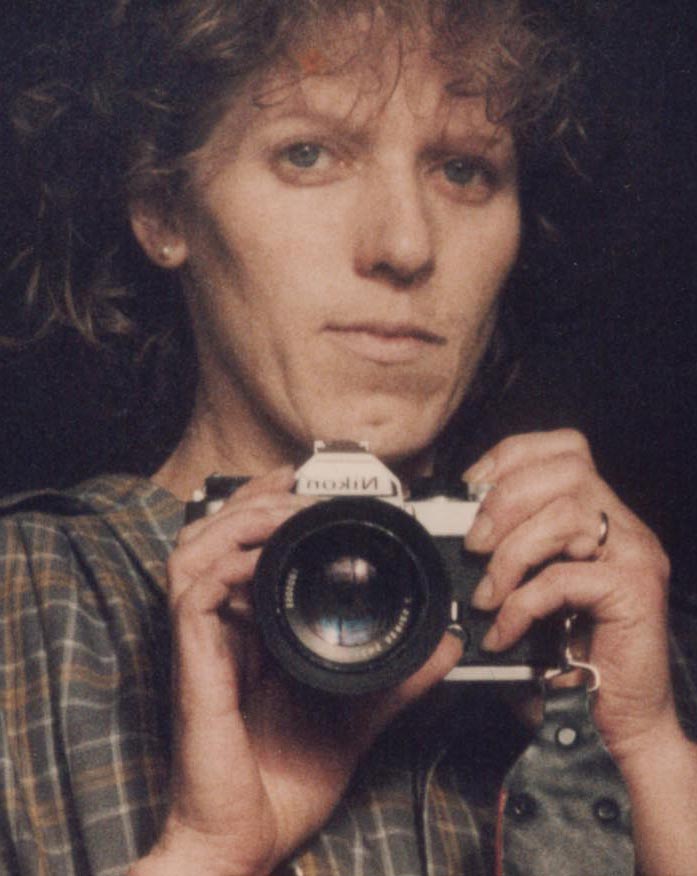
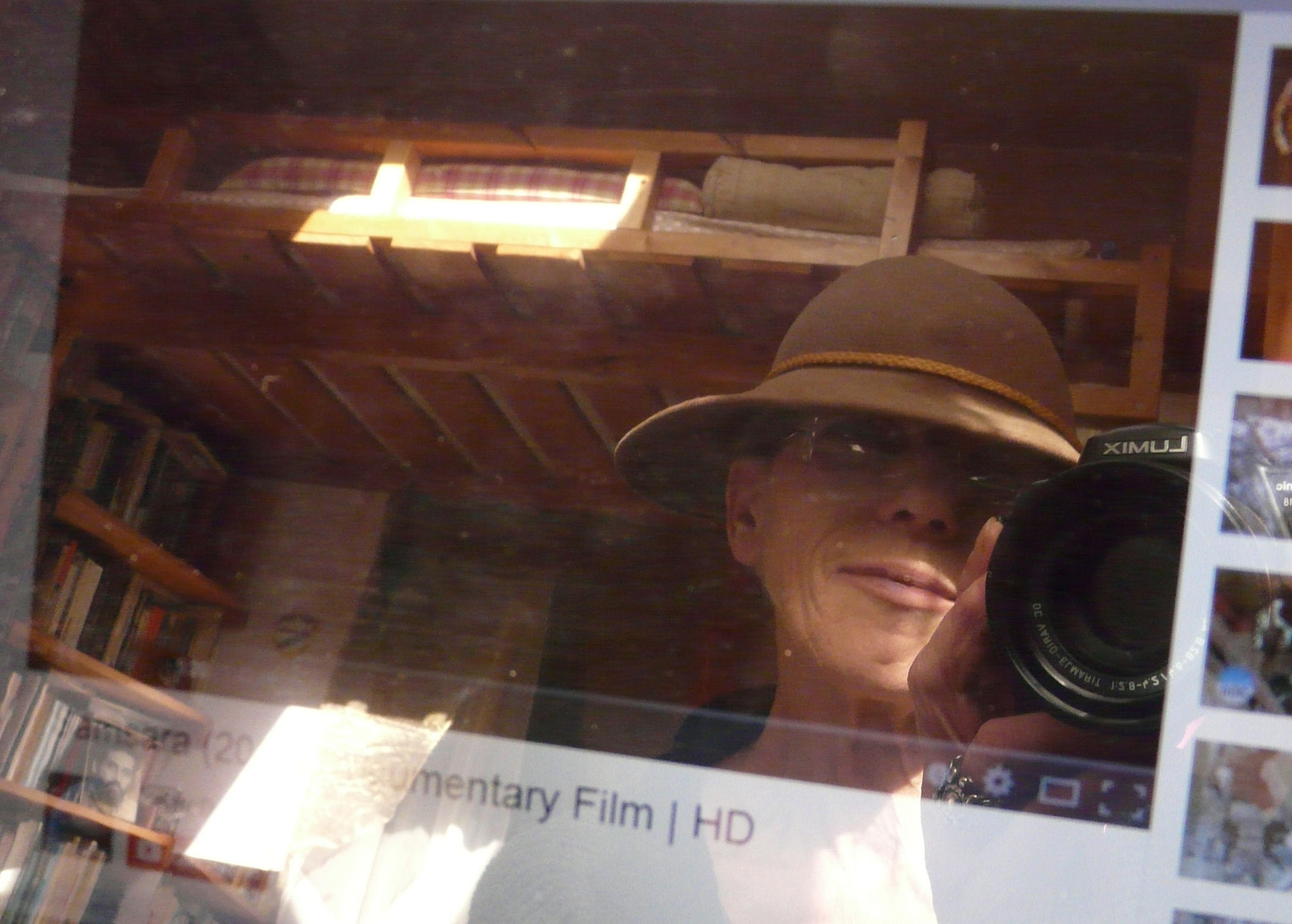
I thought I share with my followers some private photos. I’m not good at private sharing, but since my first book is going to be published this year, one way or another, some visuals of myself are in order.

pretending to fish

pretending to fish

about 30 years ago,  before selfies were vogue

about 30 years ago, before selfies were vogue

more recent, four or so years ago, a young sixty something

more recent, four or so years ago, a young sixty something

Lack of time limits my interactions, so I assume my over 300 readers are truly genuine. Thank you all for reaching out, for your friendships. It’s heartening to know my posts are enjoyed, and occasionally inspire. I sample your islands at random, and delight in how everything posted resonates. I appreciate your likes, and will respond to every comment left here.

Looking back, this was my first short post in March 2011 – just one sentence:

                                           We are each of us born a star in search of our world.

The second post was: A recent series of Haiku – for those who like Haiku

a town is gone

hawthorn flowers

white in the sun

*   *   *

among rubble

the snapshot of a child

splashing in a wave

*   *   *

spring morning

a ginger cat leaps home

across frosted lawns

*   *   *

the robin arrives

sampling dry grass for its nest

sky is cut by a plane

*   *   *

sunlight in a puddle

birds dowse their wings

no other sound

*   *   *

emerald shoots

on brittle cement

patter of feet

*   *   *

plastic bags rattle

in wire and branch

blobs of colour

*   *   *

a wave is rolling

over the grid of streets

hush among crumbled walls

*   *   *

lichen dried silver

in the hot spring

a rain of blossoms

*   *   *

a golden leaf

in the shade

white plumes rise

*   *   *

under smooth ice

a shimmering carp

visible silence

The concluding post in March 2011 was a letter to my shadow, ending …

         … Without you, I’d only be fluff on the coat of real human beings …

Time-permitting, please explore my posts, listed in the archive column to the right of my home page.

I hope you bear with me. Heartfelt thanks to all my readers.

21 Comments

Filed under Blog