
The image is of an enlarger, used to project, copy, or enlarge negative film images onto chemically sensitive paper, by moving the lens box up or down to achieve a variety of sizes, or to place filmstrips directly on the paper and press them down with a glass plate for contact sheets. The timed, light exposed paper is developed slowly in a chemical bath, and then fixed in another bath to stop the developing process. Next, the print is watered for a while and then dried on a hot press. Depending on the quality of the negative, it’s a delicate art to achieve the optimal gradation of light and shadow in a final print. The process happens in a darkroom with only a red light.
Much was destroyed during the Second World War, and my parents started out with nothing but their skills. My mother had trained as photographer at the Berlin Lette House (Academy,) where women were encouraged to acquire academic and industrial skills. My father, apart from being a talented artist, for whom there was no call, trained and worked as a fine mechanic. Together they moved south and started a photographic business. The enlarger in the image was built by my father during the early 1950 s.
I was not interested in the business (another story,) but eventually studied photography, and this enlarger served me through a decade of self-employment, based in Munich, including still photography for projects by directors of the then German New Wave Cinema. I could have continued working in the film scene, but instead became a hippy, a seeker, a psychotherapist, and a writer, in that order.
Five years ago I donated the enlarger to a local art college. They were very pleased. I’m still mourning.
Having been a big part of my life, I thought of posting something about my experience with analogue photography here, but was fretting because it’s a deeply emotional subject, for another day. So this post did not turn out as intended.
There are glimpses worth sharing. To explore and understand the shift from analogue to digital systems, I wrote an article about Human Identity in the Digital age: ‘Body Electric.’ You can read it as PDF, and find the link on the ‘Other’ page here. It is 20 pages plus notes and bibliography, but after all these years, I still think it is definitely worth reading.
A great book on photography and surrealism, L’Amour Fou, carries a quote by Roger Callois, which shines a light on the fading idea of an original:
‘It is with represented space that the drama becomes clear; for the living being, the organism, is no longer the origin of the coordinates, but is one point among others;; it is dispossessed of its privilege and, in the strongest sense of the term, no longer knows where to put itself.’
The analogue process provided rich metaphors to live by, while the oracular quality of the digital system has fragmented many assumptions and values we hold about human nature and reality. Thing is, I don’t think we have caught up yet. We are all a bit lost in space and time – which has become a theme of my two novels, (see my Books page.)
Yesterday I had a surreal dream, all about us, and others, being developed (in our mind) through our ongoing experience. In the process, it can happen that we, and others, become fixed into static existence through our attitude, and our need for permanence and certainty.
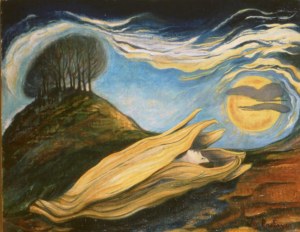
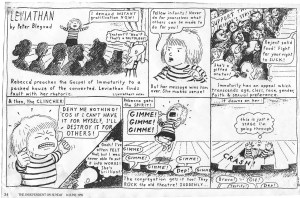
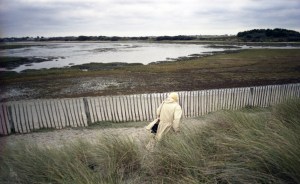 The year before the millennium, a then dear old friend of mine, Sitara Brutnell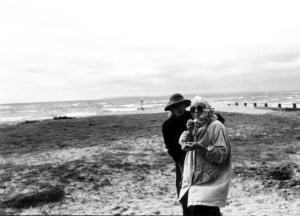
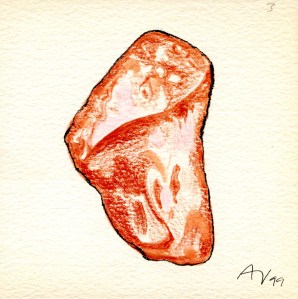
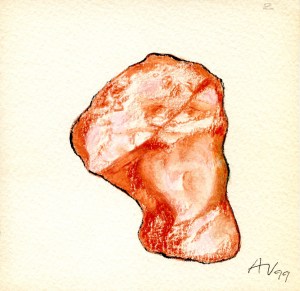
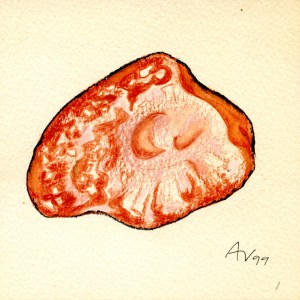
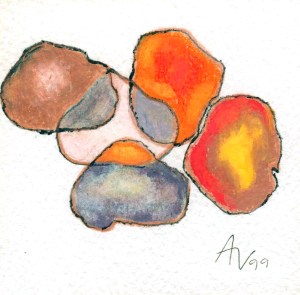
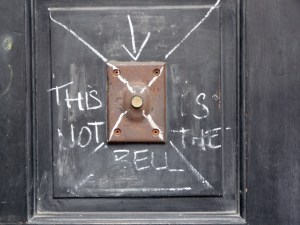 The morose question of whether to be or not to be has moved on to whether to appear or not to appear. Appearances can deceive according to context. Or as my spiritual friend, Fazal Inayat Khan used to say, ‘Form is a relic of eternal potential.’ Things that have lost their former function have joined the archive of icons, metaphors.
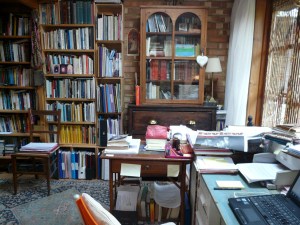 Those involved in research, students, scientist, and writes, know the challenges of filing and stacking information. My own filing mirrors the ad hoc workings of my brain. To find stuff again is a matter of focus, luck and intuition. While occasionally frustrating, I trust my larger self and the collective unconscious. It is my oracular method, circumventing any too strict measurements promoted as our new saviour, algorithms. I value rationality, just not when it discounts spontaneous human creativity, heart felt compassion, and the inspiring moods of nature.
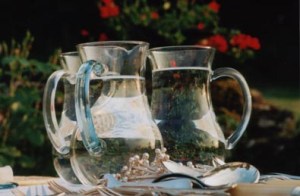 Once upon a time Khidr, the Teacher of Moses, called upon mankind with a warning. At a certain date, he said, all the water in the world which had not been specially hoarded would disappear. It would then be renewed, with different water, which would drive men mad.
 When he saw, from his security, the waterfalls again beginning to flow, this man descended among the other sons of men. He found that they were thinking and talking in an entirely different way from before; yet they had no memory of what had happened, nor of having been warned. When he tried to talk to them, he realized that they thought that he was mad, and they showed hostility or compassion, not understanding.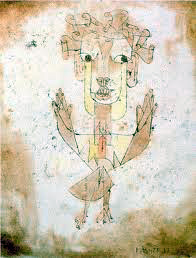
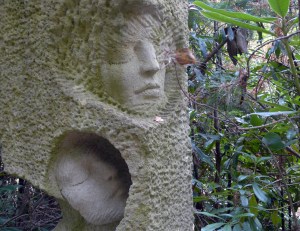 As painters or sculptors do, I frequently step back from my writing projects, searching for the core, a half imagined essence to shine through and re-animate the creative flow. Skills alone don’t do it, techniques alone don’t do it, nor style. As long as the essence of what I try to express floats in the unconscious, my efforts will baffle and tease me.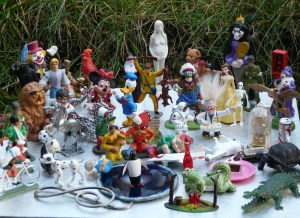

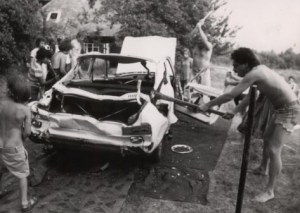
 Truly witnessing the tragedies on our planet is not the same as passive looking, witnessing expands and transforms consciousness. As an individual I feel helpless, unable to solve the overwhelming problems, but by witnessing and accepting the sad truth of what is happening, and by grieving the losses, I, each of us, in a small way, can contribute towards a necessary and crucial paradigm shift.
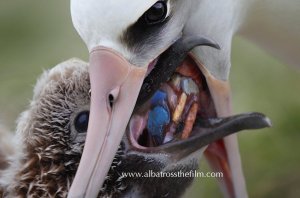 Some scenes near the end of the film bring home powerful metaphors – like what it takes to fly. Fledglings, to lighten their weight, must empty their stomachs of everything fed to them by their parents (in this instant plastic.) Mothers, forgive yourselves. We can hardly avoid dumping stuff on your offspring, be it psychic or material. Many fledglings don’t manage, but if lucky, and if the right wind comes along, their wings will carry them across the sea towards their adult adventure.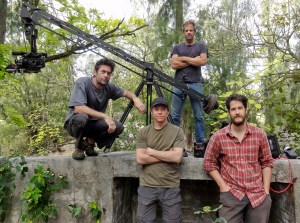
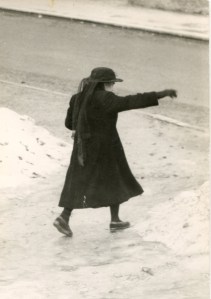 Marie was one-of-a-kind, a unicum, einzigartig. Considered a fool, she was waddling through the streets of my childhood village in search of rejected items.
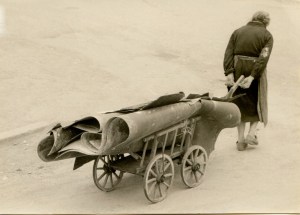 Marie found good – even in the flawed. She says:
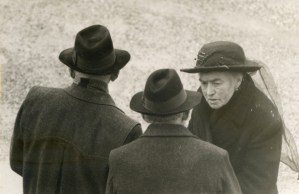 chased by hungry spirits hovering over their houses. They resent and envy my freedom. I scare them, because I remind them of the ravages of time. I’m beholden to no one, which is why they spread lies about me. I’ve sharp ears.
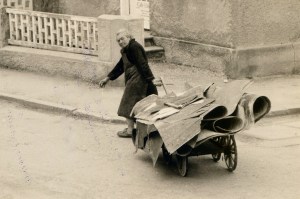 There you have it. Ask me anything and you get truth, since I’ve got nothing to lose. The absurdity of human behaviour makes rejection bearable. I learned to live with it. Consequently, my brain cells can’t help being impressed by discarded objects. It’s compulsive. When you get there one day, remember me, the woman in the street, shouting, ‘We ripe, we rot, it’s all the same. Do as you like.’


 Course of Mirrors