Tag Archives: inner conflict

… Goats are Goats … part 2

Drenched, we stepped into a steaming kitchen. A sizeable family was gathered for a meal. Men had spread their wet jumpers on chairs near the central cooker. In a nook above the table hung a plain crucifix. The matriarch served food. When she saw our bedraggled state, she dropped her ladle to fetch towels. We must have looked like scarecrows.

‘Sit down, have a bite.’ Her husband heaped roast lamb and spuds on large plates for us. A young girl gawked at our exotic outfit.  We were wedged into benches, flanked by men who, while bashful, beamed at the welcome distraction. As to goats – no luck:  ‘Ja Geissen, di hamma ghabt, aber jetzt nimmer. Dass tut mir Leid.’ The woman was genuinely disappointed for us.

Goats, we learned, were not bred anymore in the area. ‘The effort outweighed the reward,’ said an elder, though unlike the farmer earlier in the day, he did not make me feel a fool for wanting a goat. The brothers were curious and showered us with questions about the outside world, we were a novelty. Ellie kept quiet, struggling with her roast leg of lamb, out of politeness. She was undecided about eating meat. Playing the martyr, I thought. A good hour passed with stories in local dialect. I caught the gist and laughed along, while Ellie occasionally managed the ghost of a grin. When the deluge reversed to plain rain, I grasped the moment to thank our hosts.

‘You could ask the cobbler in the village. He’s privy to gossip from round here.’ The elder chuckled. ‘You’ll find him in the village, next to the church.’

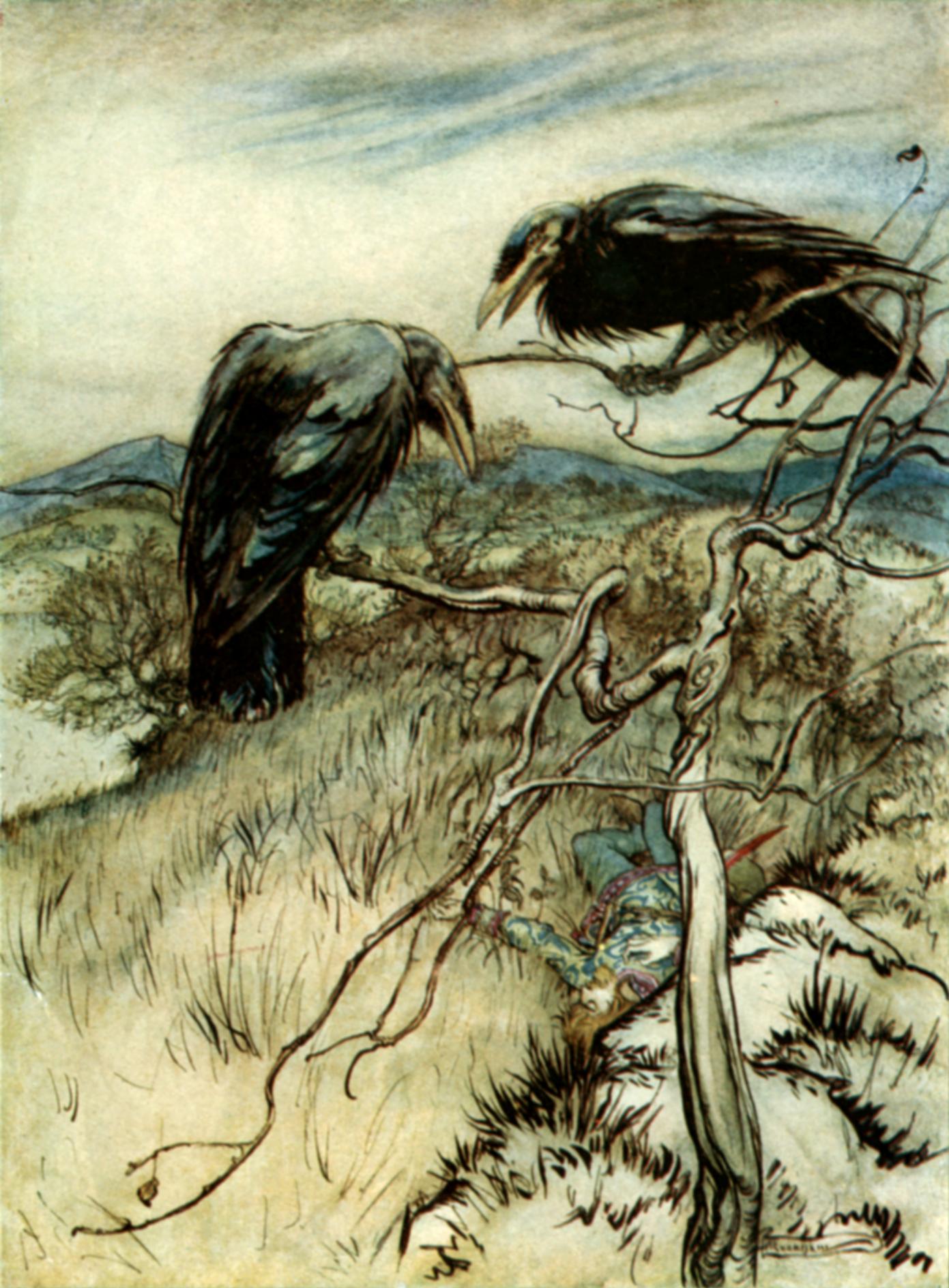
Guided by the baroque spire, I found the church and parked the car in the square. Two crows cawed, debating in a spindly tree. ‘A bad omen,’ Ellie said. 

I was gripped by a compulsion to let her hitchhike home. Her foolish superstition annoyed me. ‘All depends what you project onto crows,’ I countered.’

A lean and nifty man, the cobbler stashed not only shoes but secrets, likely for profit. There was punch behind his words, ‘Your best bet is the slaughterhouse,’ he said, ‘they might have an old goat.’

‘I don’t want to go there.’ Ellie wailed. Her moral conflict over eating meat at the farmer’s table left her feeling woozy. And the crows had put fear in her. Wet through once more, we lingered in the car and gazed at the waters dancing on the tarmac. ‘Maybe you should get a sheep,’ Ellie said.

I suffered the humiliation of defeat, while the slaughterhouse loomed as a last resort. My want for a goat prevailed. ‘I’ll enquire, you can stay put,’ I said, and firmly started the engine, heading in the direction the cobbler had indicated. Another black cloud sailed in. The torrent drummed so hard on the windshield, its wipers slowed under duress. Single drops hit the tarmac like missiles, forming a milky mist.

‘Everything’s against us,’ Ellie said. Here we go again, I thought. Yet I had to admit the dead-end. We would have to return down the mountain. The trouble was, when Ellie slipped into a low mood the air surrounding her became heavy. If I stretched my imagination I could see her succumb to a host of dark entities, hear their whispers. I regretted my decision to take Ellie along. We turned a corner, and, without warning, were faced by a stark scene. In the frame of an open industrial unit animal corpses dangled from hooks like pendulums. That instant a cow’s belly was sliced open. Blood and inner organs poured out and splashed into the drains below. Ellie shrieked and paled. Queasy myself, a vivid taste of iron in my mouth, I turned the car and stopped on the main road.

Numbed, we avoided each other’s eyes, the shocking event lingered. Part of life’s food chain, I told myself, and promptly pictured the cling-filmed bloodless meat in supermarkets.

Ellie heaved a breath. Her hands stopped trembling. She shook her head, ‘Nevermore,’ she said. The gravity in her voice, the burning determination in her eyes, hinted at a deep rage, way beyond her revulsion to meat. It seemed to me her nevermore applied to the shadowy entities that plagued her, and a no-meat pledge served to conquer her passivity.

I liked the taste of meat, but would I eat it if I had to kill the animal myself? A challenge! I reasoned with my conscience and came up with a compromise. ‘From now on, I’ll remember to honour a sacrificed life with a thank you,’ I said.

‘That’s a start.’ The sharp tone behind Ellie’s new credo brought an icy draught on the air. To escape the depressing spot, I made snail-speed through the village. The day’s span had narrowed. Overcome by failure, I gazed into the haze for answers.

… a link to part three, the last instalment is at the top of this page …

The only true wisdom is in knowing you know nothing. A wise man does not need advice and a goat won’t take it.   Anon

*      *      *

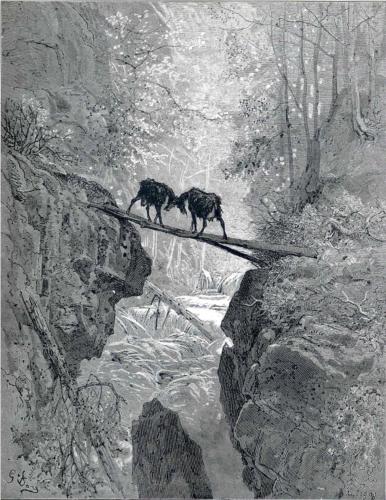
The illustrations are by Arthur Rackham and Gustave Doré

8 Comments

Filed under Blog

… the recycling of unease …

Merciless downpours – I occasionally dash between strings of rain to trim the green jungle in my garden and pick a handful of wild strawberries. Tonight, looking east, the sky is grey. And not a leaf stirs, due to the full moon. In the next room a brilliant sunset reflects in a glass-framed painting. And as I look east again, a high cloud is blushed in rose-colour. More rain announced. It is the wettest summer in my many lifetimes, of late a tumultuous time. I was indirectly affected by a trauma, not mine, not my story to tell, though I’m proud of two dear young people who dealt admirably with the fallout of having their flat in London broken in. Several flats in the same block were crashed into with crowbars within the span of two hours and in bright daylight. Picture the scenario: you leave your home for a short while and return to find your front door broken and all means of communication, including the creative tools needed for your livelihood – gone. The logistics of solving the problem are, to put it mildly, overwhelming.

I bemoan the motherly welfare state and the infantile moral consciousness it feeds. I observe signs in my relatively crime-free little town. As an illustration, the other day in a car park I observed a woman tossing an empty plastic bottle from her car- window before she drove off. Her children in the backseat looked on. What motivates careless behaviour? What jumped to my mind – probably a negative mother (state) dependency, a resentment of mother’s permissiveness, having being patronised and cheated out of meaningful relationships and been entranced by the material world.

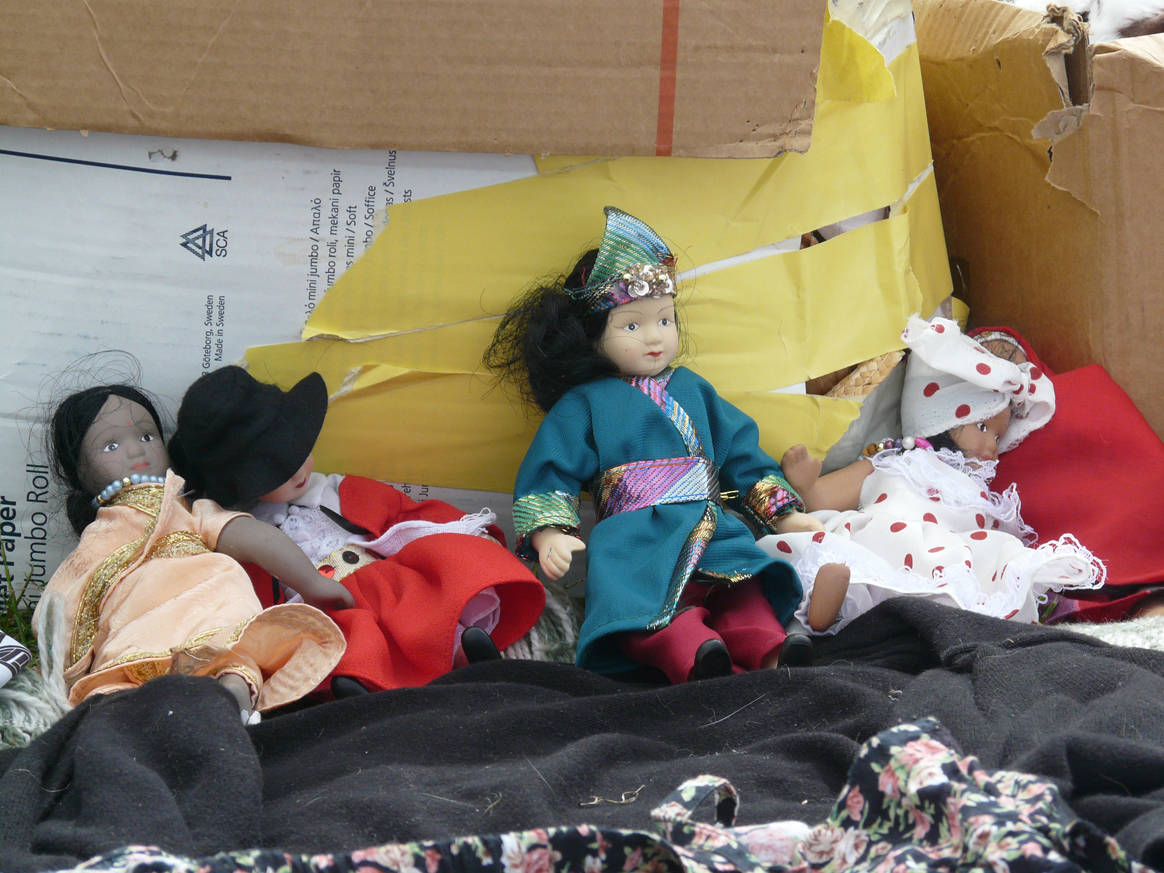
Next day I visited a car boot sale in search of world-objects for my sand tray therapy work. A young girl spilled coins from her purse over the stall while paying for a trinket. A few coins fell to the grass. A boy behind her casually covered one of the coins with his foot. He didn’t even smile at his clever trick. His face was blank. This chilled me. Without parents to model self-respect, how will children become psychologically independent individuals?

We all experience the acceleration of change. The changes in my lifetime eroded structures of meaning that carried values I held dear. Change is however the only constant. Navigating change without straining our nervous system and by implication the nervous system of our planet is a challenge that requires an attitude of self-respect and tolerance: the ability to bear contradiction and confusion.

While collisions of mythologies storm all around us, we have the elation about the Higgs particle, indicator of a Higgs field. The single-minded work of a scientific community including 20 member states is remarkable, I’d be proud to be part of it. But wait, many more billions will now be spent on search for super symmetry (SUSY).  Imagine what could be achieved if even a tiny portion of this budget would go towards exploring the autonomous postulates spouting from our collective unconscious, in other words, exploring the underlying structure of the human psyche, of which the visible particles populate our dysfunctional societies.

Light is both particle and wave, and though we can only observe one at a time it is one light.

*      *      *

What In The World IS A Higgs Boson?

http://thelede.blogs.nytimes.com/2012/07/04/what-in-the-world-is-a-higgs-boson/?src=un&feedurl=http%3A%2F%2Fjson8.nytimes.com%2Fpages%2Fscience%2Findex.jsonp

An interview with Dr Lisa Randall, from last year but more informative

http://www.nytimes.com/2011/12/12/science/physicists-anxiously-await-news-of-the-god-particle.html

Sandplay therapy

http://www.youtube.com/watch?v=GD6PPwUlgGM&feature=related    Not me

http://sandplayvideos.com/sandplay-therapy-training

6 Comments

Filed under Blog

… the wonderful visit …

I loathe most talk of angels since they became best-selling brands, but the synchronicity of Annie Lennox wearing wings and singing to an angel at the Queen’s Diamond Jubilee, and the discovery of a rare book among my shelves, brought angels up close.

H G Wells (1866-1946) has been referred to as the Father of Science Fiction. A neglected story, The Wonderful Visit, published shortly after The Time Machine, was regarded as a mocking reflection on attitudes, beliefs and the social structure of a typical English village in Victorian times. I read the social commentary as ornamentation, the comical human attempt to stay the same, round a more essential theme, the conflict that can accompany awakening.

The edition below is from 1922 and has an illustration by Conrad Heighton Leigh. The line under it is from chapter 5 – ‘He fired out of pure surprise and habit.’

A strange bird was sighted.

Ornithology being a passion of the Vicar of Siddermorton, Rev. K. Hilyer, he was going to outdo his rivals and hunt the strange bird. So it came to be that on the 4th of August 1895 he shot down an angel.

… He saw what it was, his heart was in his mouth, and he fired out of pure surprise and habit. There was a scream of superhuman agony, the wings beat the air twice, and the victim came slanting swiftly downward and struck the ground – a struggling heap of writhing body, broken wing and flying blood-stained plumes … the Vicar stood aghast, with his smoking gun in his hand. It was no bird at all, but a youth with an extremely beautiful face, clad in a robe of saffron and with iridescent wings … never had the Vicar seen such gorgeous floods of colour …

‘A man,’ said the Angel, clasping his forehead … ‘then I was not deceived, I am indeed in the Land of Dreams.’ The vicar tells him that men are real and angels are myth … ‘It almost makes one think that in some odd way there must be two worlds as it were …’

‘At least two,’ said the Vicar, and goes on ponderinghe loved geometrical speculations, ‘there may be any number of three dimensional universes packed side by side, and all dimly aware of each other.’

They met half way, where reality is loosely defined, and truth has no hold. And they shared the nature of their worlds. Eat, pain, and die were among the new terms the strange visitor had to come to grips with.

‘Pain is the warp and the waft of this life,’ said the Vicar. Riddled with remorse over having maimed the Angel’s wing he decides to looks after him. But to adjust to the Vicar’s world, the Angel must eat and accept pain, and learn all manner of things very fast indeed … Starting to read, during a phase of now legendary sunshine, I settled in my garden with a glass of red, and consequently spilled the wine on my wild strawberry blossoms due to sudden bursts of laughter.

‘What a strange life!’ said the Angel.

‘Yes,’ said the Vicar. ‘What a strange life! But the thing that makes it strange to me is new. I had taken it as a matter of course until you came into my life.’

Mr Angel is nothing like the pure and white angel of popular belief, more like the angel of Italian art, polychromatic, a musical genius with the violin. Listening … the Vicar lost all sense of duration, all sense of necessity … The reactions of the villagers oscillate across a hair-thin-divide between comedy and tragedy, while the bone of the story is psychological, and spiritual. Indirectly, the Vicar encounters his anima (his inner female) through the Angel’s love for Delia, the maid servant of the house. There is no escape. Things get intense. The Angel, over the span of a short week, is tainted by the wickedness of the world, and it crushes him. And the Vicar’s awakening from his narrow prison brings him into tragic conflict with his community.

*    *    *

Not much has changed. The world is crowded with wounded angels seeking compassion, and since our daily vocabulary offers little more than clichés for other realities, awakening rarely convinces, unless it is embodied and conveyed through atmosphere. Look out for the artist… the musician, painter, writer, animator, filmmaker … and the children.

‘If the doors of perception were cleansed every thing would appear to man as it is, Infinite. For man has closed himself up, till he sees all things thro’ narrow chinks of his cavern.’
― William BlakeThe Marriage of Heaven and Hell

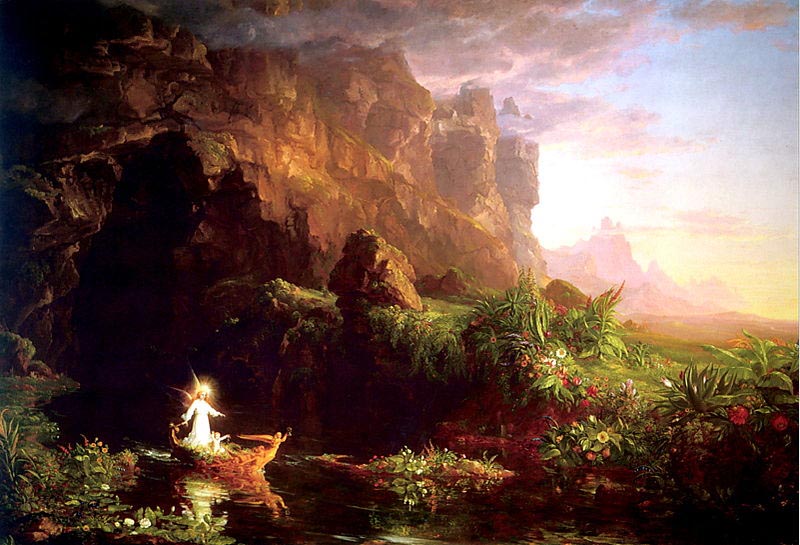
The painting heading this post is by the Finnish symbolist painter Hugo Simberg.

18 Comments

Filed under Blog

… the wild horse of the mind …

I thought I open the window a bit to what I’m immersed in, drafting the sequel to Course of Mirrors, called Shapers. Another mythic adventure, and more. The short piece below is not representative of the tense action this story has plenty of, but depicts a pivotal moment. The scenery is  Eire, where time-zones overlap. In 2550 AD the island is called Sax, where Rhonda, the super-controlling power, cast their misfits.  In the excerpt below, Tilly (Cassia in Ana’s story) has arranged for Cara and Mesa to meet in Kerry during the 1970s.

The theme touches on the creative process. Something for my writer friends. I welcome any feedback to the draft.

*    *    *

Tilly’s ruined estate on the Kerry peninsula was one among many places around the world where past and future began to cross or run parallel during the 1970s. Not all drop-outs travelling through Derrynane were aware of the phenomenon. Those open to the new wavelengths either tuned in, or received no more than garbled white noise. The going slogan was – love, don’t think – though it should have been – love and think – and stay grounded. These were turbulent times. Traditionalists abhorred the breaking free of conditioning. Leaps into the unknown frightened them.

This is Cara’s time, and these are her thoughts: Personal myth is a complex self-creation, mainly unconscious, but less so once we replace the postulates we inherited with our own, and are drawn to our psychic kin. Every night when the body rests we visit beings in other spheres. We may discount these sojourns as dreams unrelated to our daily existence. Yet bridging occurs when we value inner dynamics and re-story the associative symbols of images. Resonance momentarily fills the void between the known and the unknown, and meaning is assigned to events. Some good people trust in God, but then abnegate their creativity. Are we not the desire of a divine will? Are we not the ears, eyes, nose, hands and feet of a universal intelligence, of which we are the deed? Does not our speech derive from one sound? And is love not the creed that breathes all things and directs the movement of all spheres? I don’t understand the need to prove or disprove a universal intelligence that is within and all around us. The world I create is imperfect and suffers from on-going flux. But I can bring my small flame to its shadows.

Now that Cara’s myth caught up with her, and she was confronted with the net of postulates she had cast into the future. She found herself challenged to engage with what she animated, because she was animated by it.

Gutch spotted Tilly talking to Cara and Mesa in the hall. He was bursting with pleasure. ‘I found my clan,’ he said. ‘This place is teeming with talented actors. We’re going to do some magic theatre. Are you joining us?’

‘I need to take care of something,’ Tilly said. Can you keep an eye on Gart?’

‘That devil had some weird conversion trip and is sound asleep under the table.’

‘Excellent. Let him sleep.’

When Cara and Mesa arrived at the cottage across the atrium, Tilly had lit a fire in the hearth. A nest of chairs invited them, and the smell of fresh coffee. ‘Have some,’ she said, ‘pointing to a steaming pot, ‘and there’s chocolate cake, too.’ Mesa soaked up the atmosphere, transported to Ana’s world, reminded of Cassia’s kitchen. Tilly placed a small leather pouch in Cara’s lap. ‘Here, forged by fire, polished by the sea, a gift of remembrance.’

Cara opened and turned the pouch. A black stone fell into her hand – smooth as marble, yet radiating warmth and shining in the glow of the fire. ‘Ana’s talisman!’

‘Yes, and you might as well own it.’ Tilly paused, gazing into the flames. ‘I have a favour to ask from you, for Mesa’s benefit.’

‘What favour?’ Cara poured cups of coffee for everyone, dished out giant slices of chocolate cake and added a dollop of whipped cream to each.

‘Your future, Cara, has come to visit you. Mesa returned to assimilate what was lost to her. With Ana’s story you re-animated her soul. Certain events in history require beings to return, to right things or bring a message.  Mesa will take on her role in the odyssey of the Ypocs. And she’s going to be the narrator of your story, Cara.’

‘Huh, this takes a leap of the imagination. I haven’t even smoked the weed.’

Tilly smiled. ‘You know what it takes. Uncovering a personal myth is different from writing a Hollywood script. To help Mesa to re-connect with random creative processes, I want you to explain to her in as much detail as possible how your mind works.’

Cara heaved a breath. ‘The idea sucks every thought from my head.’

‘That’s a good start.’

‘All right, here goes a slice of random micro processing … Momentarily stuck with a paragraph, I remember to stretch my legs. In the kitchen I snatch a yogurt from the fridge. I notice a sticky shelf – mental note – clean it soon. Dark clouds gather outside, looks like rain. I run up to the bathroom and close the window. On the way down, I see dust-clouds on the stairs – mental note. Heading for the desk I stop by the fridge again because I’m now really hungry. I prepare a sandwich – mental note – put butter on shopping list. I use the loo – mental note – toilet paper is running out. Telephone rings. The answer machine kicks in. Just as well, I’ll return the call later – mental note. A letter that needs sending sits next to the phone, I put a stamp on it – mental note – post it. A fly is trapped in the window. I release the fly and study a tree out front that leans over and needs pruning. I quickly assess which branch to cut – mental note. Off to my desk. Passing a shelf I spot the book I couldn’t find earlier. What a relief! I plonk it on my research file and am reminded of an article I need to chase – mental note. The sun shines again. I open the backdoor and listen to the birds. Grass needs cutting – mental note. Finally back with my paragraph the writing flows, sheer bliss. At a natural break in the narrative I decide to go shopping. In the car I have an epiphany relating to a character in my story, to do with birds – mental note. The walker I pass reminds me to visit a certain person – mental note. I recall this person collects small antique tins. I could find him a present – mental note. I think of metaphors, how obsessions, like collecting tins, are really personalised teachings – mental note.’

Mesa had listened with rapt attention. ‘What happens to all the mental notes?’

‘Ha, ha … they’re promises. They’re torture. They heap up. They demand execution. My way to deal with accumulative pressures and gain time to focus on my writing is through procrastination. I’ve become patient with nagging voices. They’re not jailors. They’re easily humoured until the time is right for a blitz. Then I act fast and achieve a great deal in a short time, happy to have cleared the space.

‘But why give these mental notes the power of demands over you? Mesa asked.

Cara glanced at Tilly, who had taken up knitting, as if the dialogue bored her.  What was her agenda? Was this really for Mesa’s benefit? Tilly smiled and said, ‘Go on.’

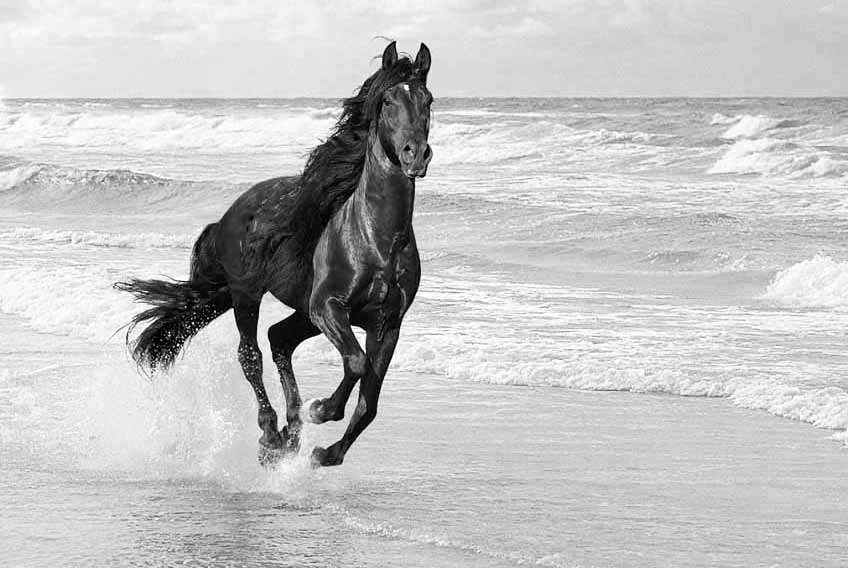
‘It started out as compulsive pattern. I was conditioned to respond to the needs of my environment, and to maintain order. There are exceptions. Some days, it could be the weather, a dream, the stars … from the moment I open my eyes everything flows effortlessly. My brain is relaxed and I attract harmonious thoughts, like I’m fine-tuned to a subtler station, beyond the busy bandwidth of neurotic naggers. The tuning can be learned. It’s like taming a wild horse. I can actually do it, when necessary. But I like letting the horse run wild. I find wild things that way.’

‘We have different conditioning,’ Mesa said. ‘From early on I was trained to tame my mind, to let it rest like a still pond, or focus thoughts like laser beams. Then free play was introduced, disrupting Rhonda’s order, and all went wrong for the Ypoc.’

‘Aha! I bet you didn’t have to juggle a deep conflict, and oppose a controlling father.’

Tilly dropped her knitting. ‘This gets interesting. It’s what Mesa came back for.’

* * *

Apologies: The origin of the image of the horse is unknown to me.  Many thanks to the photographer.

10 Comments

Filed under Blog

… here is everywhere …

Nationalism is the pathology of modern developmental history as inevitable as neurosis in the individual.   – Tom Nairn, The Break-Up of Britain

The growth dynamics of nations and those of individuals have striking parallels, especially when it comes to the forming of an identity in relation to the other, and the ongoing struggle to maintain or adjust set habits to changing circumstances. For instance, when religious authority declines, the blame for the ills of a nation can no longer be projected onto the omnipotent godhead. People find themselves challenged to reflect on how they contributed towards the ills and become accountable for their actions.   The psychological development towards spiritual independence and interdependence – for individuals or nation states – is a humbling process in that it confronts us with our failures, imperfections, and the need to learn from our experience and cultivate human qualities.
I’m German-English, my official citizenship is Dutch. Though I live in England, I have felt at home in the Arabian deserts, along the Mediterranean coast, among friends wherever they are. But is there one location from where I look out onto the world, one place that is traditionally called home? To not betray all my loves it would have to be the bridge, in a metaphorical sense. The theme of my first novel starts out with a bridge across opposites. On that bridge my protagonist has an encounter with herself where here becomes everywhere.

I feel like an ancient being torturing language to express the simplicity of experience, digging through layers of false evidence, sifting through sediments of unreliable gossip for grains of truth. Words fall from my pen like dust settling after another hole dug, showing the trifle of an image that needs a night of dreaming to cohere into a sentence, and then more sentences, resonating with a universal narrative, re-arranged in time as if the story is yet to happen.

Germany – Before print was instrumented by Luther’s Reformation, the Latin language represented the voice of divine authority – the father. A lone human hero, Martin Luther (1483-1546), Doctor of Theology, not a prophet, disputed the church’s practice of selling indulgences, which urged him to write his 95 thesis, among them: Why does the pope, whose wealth today is greater than the wealth of the richest Crassus, build the basilica of St. Peter with the money of poor believers rather than with his own money?’ When Luther’s followers printed his 95 theses and displayed them in public places, their controversial contents spread like wildfire. The papal hegemony was rattled. Convinced that salvation was not gained by merit but by the grace of God alone, Luther went into hiding and translated the bible into the most spoken vernacular. Time seemed to call for a voice like his. In some historic records he is accused of hiding under the mantle of the princes rather than siding with the folk, of not grasping the opportunity towards the forming of a German nation. Luther’s theme of grace was limited. When his efforts of converting the Jews failed, his loathsome sentiments incited their persecution. Yet he was seen as encapsulating the struggle of the German people for an identity while living under the shadow of the slain father, the Roman Empire, which compelled the German psyche to emulate its glory.

A.J.P. Taylor writes in The Course of German History: ‘Since Charlemagne founded the Reich in 800, more political energy went into maintaining German states independent of the Reich, or even hostile to it, than into the Reich itself.’ By the fifteenth century, the Holy Roman Empire of the German Nations was divided against itself. Through the intense struggle for wholeness emerged some of the world’s finest philosophers, scientists, writers, musicians and mystics, as well as the most ignorant and corrupted leaders.

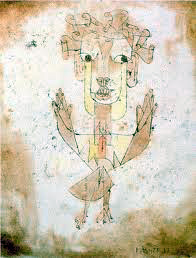
Walter Benjamin had a vision of Hope and Despair, inspired by a painting:
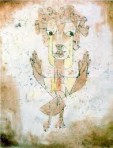
A Klee drawing named “Angelus Novus” shows an angel looking as though he is about to move away from something he is fixedly contemplating.  His eyes are staring, his mouth is open, his wings are spread.  This is how one pictures the angel of history. His face is turned toward the past. Where we perceive a chain of events, he sees one single catastrophe that keeps piling ruin upon ruin and hurls it in front of his feet.  The angel would like to stay, awaken the dead, and make whole what has been smashed.  But a storm is blowing from Paradise; it has got caught in his wings with such violence that the angel can no longer close them.  The storm irresistibly propels him into the future to which his back is turned, while the pile of debris before him grows skyward. This storm is what we call progress.    

                   – Walter Benjamin, Ninth Thesis on the Philosophy of History

The extremes of enlightened spirituality and regressive brutality happen wherever human fallibility seeks to reconcile itself with the divine ideal. A geographically hemmed in Germany was not relaxed about its identity, which was further knocked by the Versailles Peace Treaty. Debates about the effects of the treaty are ongoing. Germany was blamed for the First World War and had vindictive reparations imposed that aided hyperinflation. The crushed self-respect of its people called in a saviour, who tragically sublimated his oppressed childhood with vastly inflated ideals.

Sanity might have prevailed in the darkest hour had Germany given more value to its folk tales. They leave nothing of human nature untold. The secret mysteries of the heart are found in mythical tales all over the world, and while set in local landscapes, their themes are similarly transcending race. These coded treasures are basically the stuff of all yearning for the home or source, a human phenomenon riddled with the tensions of fixation and avoidance.
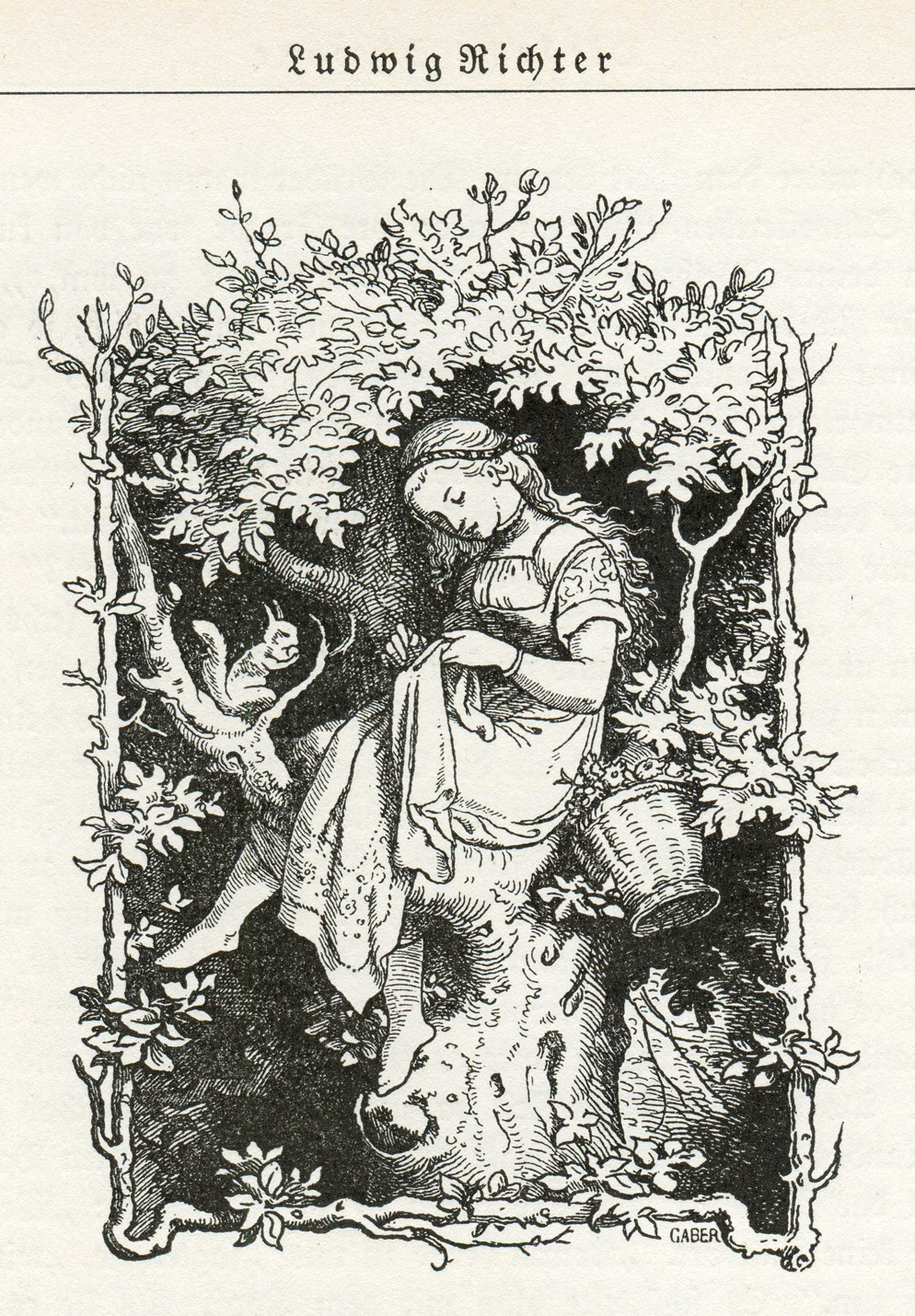
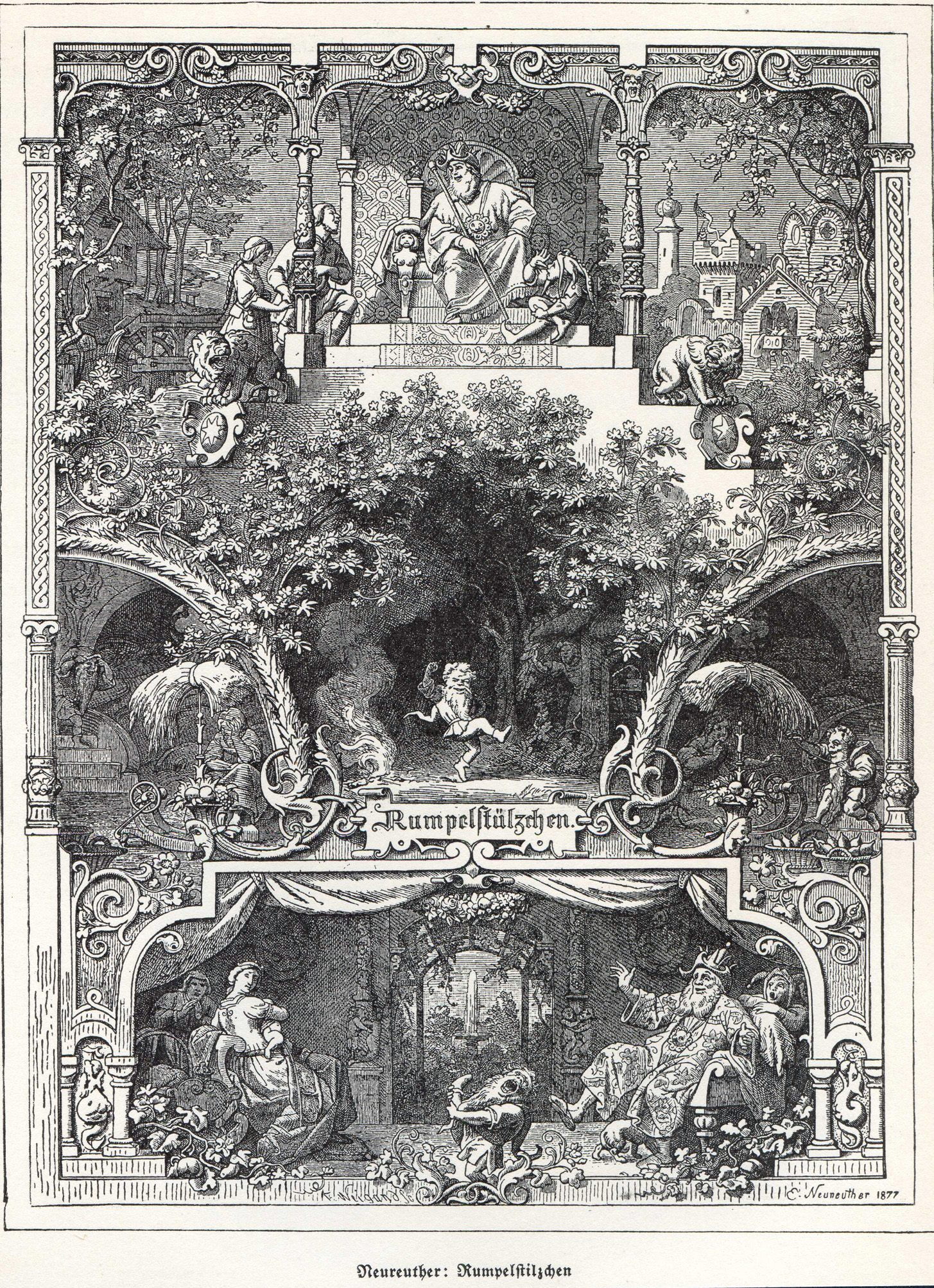
A hint of the tenacity available to the German people can be found in the tales collected by the Brothers Grimm when storytelling was still practised with the potency of embodied memory. Children growing up with the characters, animals and landscapes of these stories are absorbing timeless themes through symbols and metaphors. Censors protested, and still do, that these themes are cruel and unfit for the innocent child.
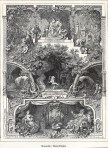
The Grimm brothers comment in the introduction to the second, updated 1819 edition of their collection: ‘The right usage discovers nothing bad is in these tales, but as a beautiful word has it – a testimony in our heart. Children point without fear into the stars while others, as popular belief has it, would insult the angels.’

Was the melancholy that gripped so many German people their nemesis or their salvation? Tales that contain symbols of mythic time need to be deciphered again and again within a temporal context. Yet because the emotive power of symbols defies rationality, the sentiments evoked are always in danger of being abused by myopic national concerns. When a nation loses balance by being overly defended or irrationally unleashed, differences of religion, race or politics are thought to explain the matter – yet we all know there is no pure race.

England, like Germany, struggled through internal conflicts but achieved a sense of unity by conquering the world. Felling forests to build boats which sailed under the banner of the Royal Navy, explorers and missionaries spreading across the waters formed a Colonial Empire that brought great wealth and influence. The Commonwealth still lingers like a halo and gives Britain a sense of sovereign pride. Cultural Imperialism, natural to nations with access to the sea, had created the other at a safe distance rather than at home. Yet spoils of victory, too, come at a cost.
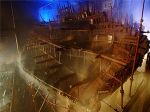
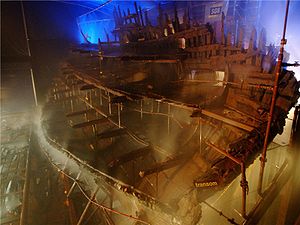
When the flagship of King Henry VIII was lifted from the depth of the Solent Estuary into the twentieth century on 11 Oct 1982, the Mary Rose flared back into view and boosted national confidence, adding a powerful impetus to Mrs Thatcher’s resolution to win back the Falklands. It worked – just. Yet now it seems conflicting images of the past, informed by freed-up information providing more and more varied perspectives, are testing every nation’s conscience.

In the twenty-first century, with migration being a global reality, nations are obliged to open their doors to the other. Given changing policies, foreign individuals are often able to acquire legal membership. Since the Schengen agreement, European borders, apart from Britain’s, can be crossed freely, though the agreement is regularly challenged by exceptional circumstances. http://www.migrationinformation.org/Feature/display.cfm?ID=859 

Migrants – who are we?  If there are tendrils resembling roots, they connect to the deep impressions left by parental figures and childhood landscapes, and to the layers of national symbolic themes, ancient, historic and contemporary. Social and ethnic codes ricochet among children in every school-playground, even between neighbours like Germany and Britain. We use icons to sum each other up. At times they move us to tears, at times to laughter, often they serve humorous self-reflection, but mostly they envelope us in a ritualistic trance:


Bratwurst with Sauerkraut, Fish & Chips, Schubert and Kurt Weil songs, God save the Queen, the first four notes of Beethoven’s 5th symphony, a blinking eye of Shakespeare in a hologram,   Goethe’s Faust, the Thatched Cottage, das Edelweiss, The Royal Jewels, der Adler, Jack and Jill, King Ludwig’s Castles, Stonehenge, Rapunzel, Big Ben, Karl Valentin, Spike Mulligan, Lorelei, or the Mary Rose:

In order to preserve them, we gave the Mary Rose Trust a chemical solution called polyethylene glycol. Once these items (such as wooden bowl and leather shoes) have been soaked in this solution, they undergo a freeze-drying process that will preserve them for posterity … ‘You can be sure of Shell.’     (Shell advertisement  1985)

Patrick Wright in his book ‘On Living in the Old Country,’ recounts the findings of a young journalist, Charles Moore. He was commissioned in 1982, after Lord Scarman’s report on the Brixton disorders, to interview the really oppressed people in the area, defined as the elderly white people of Lambeth. The findings expose a national sentiment which, in essence, could equally apply to other nations and individuals: it remembers the state of grace and laments the fall which is said to occur when ‘the blacks’ and the welfare state arrive:

In the beginning there was order, friendliness, dignity, sharing and mutual respect: ‘Everyone mucked in and was properly neighbourly.’

A betrayal of the idea of paradise – in the absence of divine certainty someone or something other needs to become bad, in order to preserve the good.

Seeking fault with the other is meant to shield paradise. An oversight – truth stagnates in the fenced gardens of eternity. Enduring human vitality flows from change and is born of vulnerability. The trance of blame sucks us into its gravitational slow time. Unawares, we perpetuate the shielding in the collective psyche, leaving it for the next generation to absolve.

Recorded history is like a rope broken in many places and knotted together again and again. In the light of new truths these knots are strained and made brittle until they snap. Tribes, nations and ideas are strung along this rope. But new concepts of time are changing our perceptions; many individuals struggle to free themselves of knotted history. The desire to make things solid is an automatic reaction to the fear of losing the familiar we nurture – people, environments, passions and beliefs we bond with, that are mirroring us and allow us to discover ourselves. The problem is not loss, but the manner in which we deal with loss, as if it is destroying our identity. Inevitably, if not death, someone or something will be the agent of change in our lives.  Something dear is wrenched from us, a way of life is gone, those around us and the rest of the world may care for a moment, but our identity, the sum of all our embodied experiences, is ours to keep or lose. The valid anger in the face of change is not lifted by words of wisdom, only plastered up. The heart has to suffer and soften before the conscious decision of an individual can unplug resentment and embrace the enduring presence that truly connects us within. Only individuals can release blame and lift the veil of ignorance.

Dich im Unendlichen zu finden, must du unterscheiden und dann verbinden.

To find yourself in the infinite, you must first distinguish then combine.

–  Johann Wolfgang von Goethe

A truly global citizenship must be composed of enough individuals brave enough to explore their own psyche, brave enough to think for themselves and realise that our collective identity unfolds beyond the existence of individual transitory lifespans. We know that, given respect, tolerance and stimulation, a child will engage with life creatively and trusts in the future. Applying this insight to how we educate our children nourishes the collective intelligence of humanity.

The German filmmaker Edgar Reitz has with great sensitivity restored a balanced meaning of the German Heimat in his TV series of the same name, spanning from 1919 to the fall of the Berlin Wall. The series follows three ordinary families and comprises 52 hours of film. The yearning to belong, so distorted by the idealism of the Third Reich, is shown in localised context and conveys the human aspects of the war story. The impetus for the creation of this document was an American Holocaust series on TV in 1978. Reitz was horrified that German intellectuals seemed to accept the sentimental spin as treatment for national guilt.

The knots in the rope of time we constructed are brittle with guilt, the burdening guilt of not loving humanity enough to fully take on its pain, the way Christ did. He said, ‘Thy will be done.’ Does such surrender of will, even if taken symbolically, really release us of using our own will to effect change?    The concept of surrender is more subtle than giving up the power to will. I see surrender as an alignment of our conscious will to the dynamic flow of change, the universal will, enabling evolution to happen and work freely through us, so that here is everywhere. In instances when this shift happens inside, we are.
*    *     *

References other than mentioned in the text:

The Angel of History: Walter Benjamin’s Vision of Hope and Despair – by Raymond Barglow, published in ‘Tikkun Magazine,’ November 1998

Recently 500 more tales, collected by a contemporary of the Grimm Brothers, were uncovered:

http://apps.facebook.com/theguardian/books/2012/mar/05/five-hundred-fairytales-discovered-germany

 

5 Comments

Filed under Blog

… the cast in the shadows …

Perhaps all the dragons of our lives
are princesses who are only waiting to
see us once, beautiful and brave.
Perhaps everything terrible is in
Its deepest being something
that needs our love.                — Rainer Maria Rilke

Last week I volunteered a short session in the context of a variety of monthly events organised by a group of friends under the umbrella of Archventures.

… the cast in the shadows …  …

We have inside us a cast of players for every imaginable scene. Occasionally banned and hidden characters pop up. Excluded from our script, they emerge inadvertently through surprise encounters, act irrational and appear cartoon-like. Unacknowledged, a wild player roams in the unconscious unconnected, until an emotional trigger hits a sensitive node. We are not amused when an unsophisticated trait breaks to the surface with behaviour that will embarrass and shame us, belying our self-image.

We learn as children to shield ourselves from rejection and injustice. Our strategies are endless and contrary …  like being compliant and withholding or defensive and angry. Think of a natural and well-meaning quality persons in your early environment disapproved of in the name of moral perfection. Your trust may have been betrayed, manipulated and taken advantage of. We adjust as best we can. Rules are needed for societies to function.

We spend our life until we’re twenty deciding what parts of ourselves to put in the bag, and we spend the rest of our lives trying to get them out again. – Bly

In relation to our genuine nature, the sacrifices we make in order to belong can be as disproportionate as the sacrifices we make to defy authority. Feelings we edit out of our lives gather a strange luminosity and succumb to an archetypal force beyond our command. Yet a closer look at the rawness and imperfections of disowned players may surprise. They invariably hold a gift, often the very essence of our creativity.

A way to re-own the locked up energy is to honour our battle scars and weaknesses. We don’t have to agree with inner and outer adversaries, only accept their existence in us. This acceptance opens the heart to tolerance, rapport, understanding, empathy – and insight.

‘Our friends show us what we can do – our enemies teach us what we must do.’ – Goethe

We make room for imperfection … 25th Feb 2012

What is uplifting about our monthly Archventures gatherings are the hugs … yup … never underestimate the invigorating power of hugs. What I also appreciate – and this applies to many groups whose core members meet regularly – is that we form a different entity each time, enriched by everyone’s fresh constellation of experience and insight. Newcomers feel welcome and at ease in this irreverent group that does not follow any one creed, ideology or person.

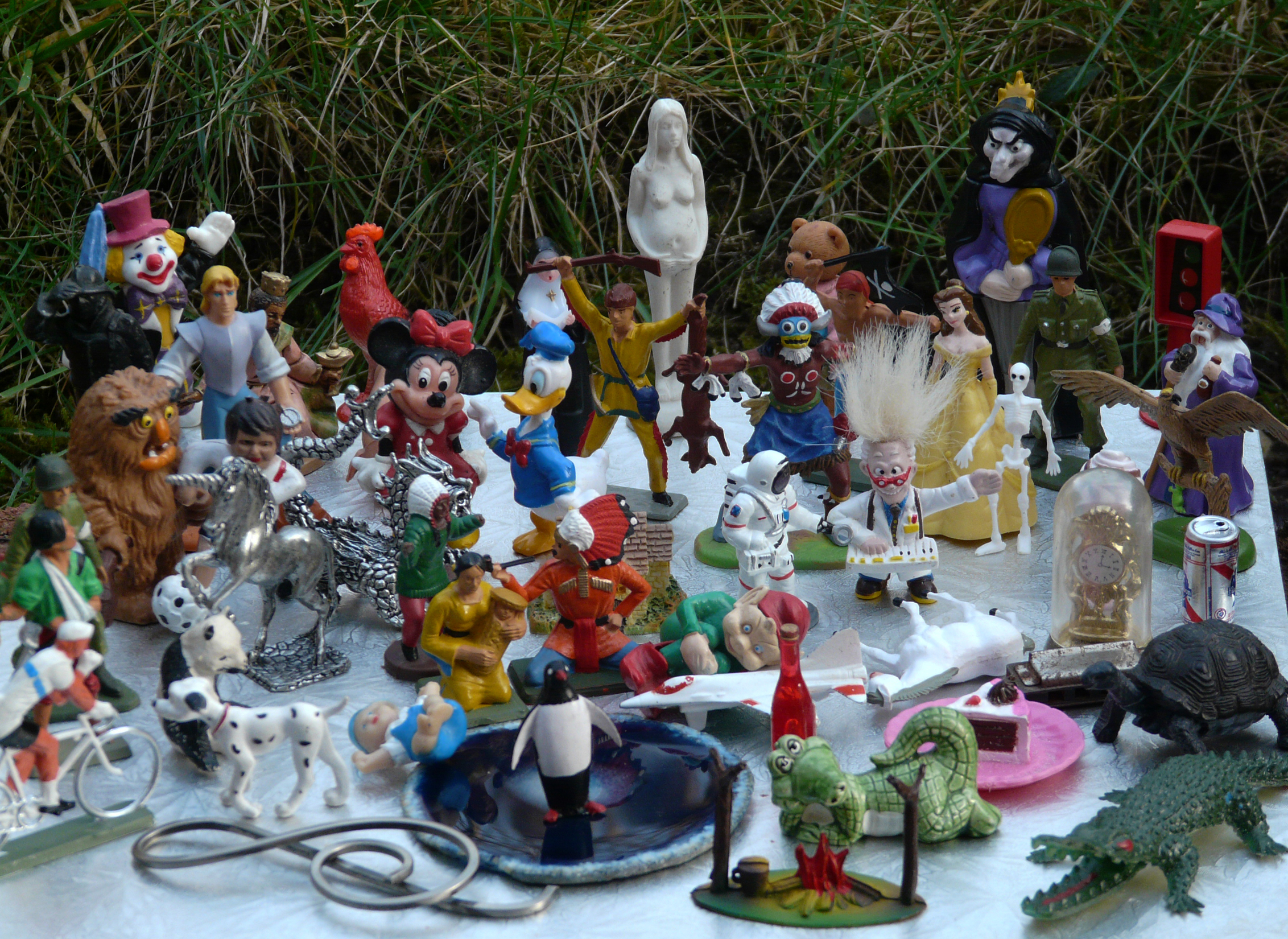
The most powerful player this afternoon was the seven-year-old son of a participant. The boy was fascinated by the boxes of miniature world-objects I had brought along.

He outplayed us all, instantly creating a legion of his world.

The young will be forever potent in their ability to play and invent …

We adults shared unique and moving stories about early misdeeds, raising questions to be explored individually. (The photo is of a  different occasion)

Some shadows we drag along are not of our own making, a dilemma that also applies to families and nations.

‘The best political, social, and spiritual work we can do is to withdraw the projection of our shadow onto others.’  ― C. G. Jung

Understanding the origins of shadow-projections softens the compelling affect they have in defining us, and our reactions to being fitted into a frame. Observing politics, it is obvious that negotiations are not enough to solve longstanding conflicts. It takes the awareness and inner work of individuals to let go of resentment, release the spark of creativity that enables lateral thinking, and the flow of compassion tied up in the entanglement of righteousness.

And there remains the unknowable, luminous black hole, and a sixth sense of something that evades us. What is mysterious, not accessible emotionally or through analysis, drives us on to dig deeper, expand our consciousness, and re-discover the link to our innermost self.

‘We are born at a given moment, in a given place, and like vintage years of wine, we have the qualities of the year and of the season in which we are born.’ ― C. G. Jung

With only three hours’ time available, the session at least inspired us to remember what is in our power to do. There remains the ever impelling potential of greater intensity and more poise between safety and risk on the tightrope of our life.

Our dear friend Rahima outlined the shadow theme as C. G. Jung defined it. If you have not heard of the term ‘shadow’ in this context you might want to investigate: http://en.wikipedia.org/wiki/Shadow_(psychology)

And in relation to the activity of writing – here a dream image in the eye of its beholder  http://www.youtube.com/watch?v=M19S89UcaKQ&feature=related

If we could read the secret history of our enemies, we should find in each man’s life sorrow and suffering enough to disarm all hostility. Henry Wadsworth Longfellow


*    *    *

4 Comments

Filed under Blog

… lap of fate … part three

Anticipated by some, here is another instalment of Lap of Fate The short story is under construction and open to changes. I am grateful, well, hungry for feedback. Thanks.

*    *    *

I recited a short prayer and pushed the wall section until the opening was big enough to step through. The staircase! … I rushed to get a candle. Bracing myself, I climbed up the spiral, shielding the wavering candle-flame with my hand. Sunlight needled through the shutters and revealed a lofty space with a further staircase leading to galleried sections under the roof.

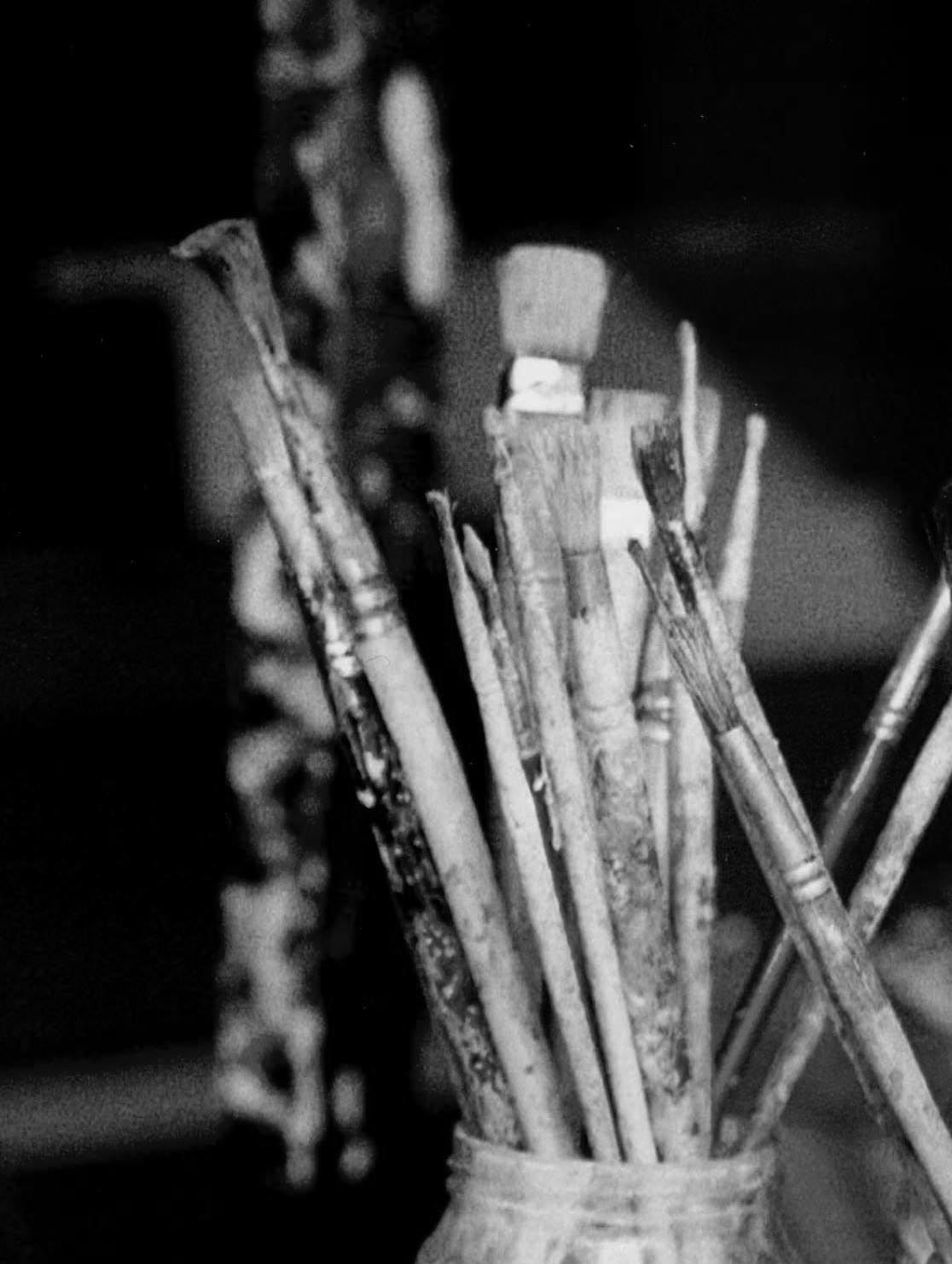
I noticed a scattering of shrivelled oil-paints tubes, brushes in jars and an array of structures. Three easels held frames shrouded by dust-sheets. I removed the first covering. An exquisite oil painting of a beautiful woman standing naked and serene, eyes closed, in a pit of snakes –  so lifelike I expected them to slip from the canvas and drop to the floor.

Absurd, how slithery creatures scare and repulse me. My feet itched to run. Instead, I warmed to the composed calm of the woman and had the sensation of a déjà vu that felt strangely like coming home.

Feeling brave, I pulled away the cloth from the second frame. Clergy never appealed to me, though this seated, scarlet-clad cardinal beguiled me with a beatific smile … until I noticed his hands caressing a snake coiled in his lap.

I drew back, not from the snake, whose singularity had a stylised quality,  but from the allusion that piety and sexuality might energise each other, and the underlying desire for unity could be seen to satisfy the same end. An idea my adopted mother might have called blasphemous. The painting would cause a scandal in this still deeply-religious country. I stretched my imagination towards a symbolic interpretation, the lore of circular time, but dismissed it as an excuse to silence lingering doubts. I began to grasp the ambiguity behind keeping this space in darkness. Yet there was a sincerity. The depiction of sexuality, intimacy, devotion and parody showed no attempt to glorify or vilify.

Contents aside, I was awed by the genius of the artist and anticipated another masterpiece, being fairly snug about my capacity for tolerance. The third painting made me flinch – the same clergyman in the same chair, rapt by the same exalted smile. His frock parted, he held a young girl to his lap. What made the image truly disturbing were the hands of the man, fine hands, bunching the girl’s lifted nightdress round her waist ….

Abu was barking outside. I had been too captivated to hear the car. ‘Oh Madre de dios … me ayude!’ A woman sounded hysterical as she dragged herself up the narrow stairway, causing the metal structure to judder with the clanging prod of her cane.

‘La senora!’ called the familiar voice of the agent, anxious for his client.

‘Su estancia alli abajo, el Sr Lopez Diaz.’ The harsh command warned him to stay out of this.

I stuck my candle to the last easel and faced the inevitable showdown. A shock of white hair surfaced from the stair-hole. Fragile, much older than I had expected, she gave the impression of a china doll, dressed with meticulous care. Her gaunt body was dominated by intense blue eyes. Like mine – a fleeting thought. She was the woman in the first painting, and the girl whose trust and dependency for love was exploited by the cardinal. I reached out – afraid she might fall, but remained rooted to the spot, petrified. The exposed paintings seemed to claim her, pull at her with invisible tentacles. Finally she gasped for breath and shuffled to a table for support. She shot me an anxious glance, weighed my reaction to the appalling image, and stepped towards it, leaning forward on her cane. I sensed a struggle, as if she tried to borrow my eyes, while hers misted, veiling infinite sadness.

Candlelight caught on the cardinal’s scarlet skull-cap, the pale legs of the girl, and the angelic face, raised adoringly towards her abuser’s smile …

Continued at … https://courseofmirrors.wordpress.com/2012/02/12/lap-of-fate-part-four/

8 Comments

Filed under Blog

…the revolt against regulations …

Our sanity is at stake if we don’t learn to bridge extremes. Below I paint two contrasting scenarios illustrating, arguably, two types of tendencies within our society. They relate roughly to left and right brain functions.  Each is a simplified, fictional abstraction and ignores the function of the corpus callosum and the complexity of individuals where many overlapping abilities, dichotomies, and all shades of grey and colour apply. Like Yin and Yang, one contains the other. In the two graphic scenarios I make the environment the crucial factor. To complicate matters, imagine being born with a predisposition into an environment that is not supportive of your natural inclination. It’s bound to mess you up for a while.

 First scenario …

Imagine you grow up in a disciplined environment where bedtimes, mealtimes, tasks in the home and considerate attitudes are encouraged, and in cases enforced, not to be digressed. As long as you toe the line you are accepted and feel supported.  Within this ordered structure, you learn to respect yourself and know your place. If this structure appeals to your temperament you will extend your expectations of order towards school life, friendships and work life. In other words, as a well-adjusted member of your community you anticipate similar coherent behaviour from others. You may feel particularly drawn to work for organisations that require a solid structure to function efficiently, the army, police, government, education, science, social services, the NHS or any large corporation. You become part of a sub-culture, a clan your feel protected by and will most likely defend. Natural forces may seem as something to be conquered. The concept of the unconscious and a free-wheeling imagination often fly in the face of rationality and seem alien. If your clan lets you down because its structure is crumbling and needs changing in order to survive, due to technological advances, financial pressured or corruption, you will have a really hard time and may feel betrayed.

What will be your challenge …?

 Second scenario:

Imagine you grow up in an intellectually and emotionally highly stimulating, or a merely disorganised home. You are frequently left to your own devices, have to think for yourself, find your own rhythm and make decisions as to your role in life. You may be lucky to find your field of action or feel lost and, or develop slowly. You certainly will experience adults as fallible beings, not semi gods. You might revolt against imposed structures and the way they inhibit your creative freedom. And if you are driven by innovative ideas you will find obstacles towards their manifestation whenever regulations are involved. You are a risk taker, but you need emotional intelligence and elbows to push through obstructions or linger in obscurity as misunderstood maverick. If you manage to find a voice, a platform and supporters, your influence could have wide-ranging consequences. Yet if you can’t find support for your wild ideas, what will be your challenge …?

The rational, first scenario, dominated our culture for centuries now. But if it hadn’t been for passionate, irrationally motivated innovators we would live in a very different world. You could apply all kinds of other dichotomies, the masculine versus feminine principle, historic versus psychic time, whatever concept you apply, it’s pretty obvious that what is called for is bridging, a facilitated traffic across 250 million or so nerve fibres of the corpus callosum that connects our two brain halves. Culturally integrating our dichotomies into some kind of functional unity seems a vital part of human evolution.

Many know a truth beyond appearances in their hearts, but truth seeks fresh expression. New maps are needed in time to make the expansion of consciousness intelligible, through science, through the arts, through sharing processes and insights, and through collaboration.

How to give expression to the implications of the enormous changes that happened during the last hundred years, the consequences of which are evident in the fragmentation of values around us? How to remain alert to the transformations in store, and find creative ways to birth ‘essence’ into the context of now? It‘s ‘playtime’ again because the rulebook we inherited has lost is meaning.

The collective is still trying to process the metaphor of Einstein’s concept of relativity, which in a psychological sense opened a climate of moral liberty and allowed us to play with perspectives, and which is why moral advice lost much of its authority. And we have hardly understood the symbolic reality of quantum physics, offering new understandings of human consciousness in relation to the universe, a spiritual liberty that a hundred years ago could have only been imagined by a very small minority – probably mystics who always knew …

Light is both particle and wave, and though we can only observe one at a time it is one light .

And now we are swept up by the digital revolution, which makes the linear metaphor and our limited concept of history redundant and transforms our relationship to time and space.

The seeming liberty of democracies is threatening to  traditionalist cultures. Too many regulations in a democracy will cause a lack of co-operation or revolt. We need new maps, different living structures for families, including families of heart and mind, and we must find ways to translate what we think we know anew, fresh, and offer each other guidance in the changing room (the psyche). This happens in as many ways as there are individuals who value psyche as the bridge and gateway connecting the sensible to the spiritual world.

‘What else, when chaos draws all forces inward to shape a single leaf …’ C. Aiken

6 Comments

Filed under Blog

… the psychic satnav …

Lives are speeding up. Add the ecstasy of virtual communication – and ponder – what happens to the quiet zone?

… technology … instead of liberating us from myth, confronts as a force of a second nature just as overwhelming as the forces of a more elementary nature in archaic times … Walter Benjamin

People tend to feel most alive when there is something to do. Ask what happens when you sit down without stimulation, your mind goes blank. And after a little thought you might say … it’s uncomfortable, I get jittery, I feel useless … Or, when you dig a little deeper … I’d feel guilty doing nothing … I’d feel lost … get depressed … I’d pick up the phone, switch on the screen … anything to engage with something other … You get the drift.

Doing and engaging makes us feel we belong, in the sense that we get carried along by the river, be it in the slow majestic flow, in the play of crosscurrents, or down the falls, but always in concord with something around us.

Until we get stuck in an oxbow, or soak up worries and sink to the bottom. What then?

Pressure mounts … to make decisions, finish things, start the next project, write the next blog … anything to be acknowledged … to feel alive and worthwhile.

So what is so threatening about the quiet zone? Well it’s not quiet, is it? Our body/mind is wound up by habit like a dynamo, try slowing down and … thoughts come, feelings come. Deeper layers of the psyche rise into awareness. And if we block or fight their content we end up confused, tired, drained, inadequate, out of touch with who we think we are, or how others know us.

The best-used concept regarding the deeper layers of the psyche is the unconscious. Freud saw the personal unconscious extending into the dark sea of the collective like a huge iceberg, well over ninety % under the surface of our day-to-day awareness. This complex and ever changing grid compels our lives. Jung added the idea of the higher unconscious, but added:

…  Filling the conscious mind with ideal conceptions is a characteristic of Western theosophy, but not the confrontation with the Shadow and the world of darkness. One does not become enlightened by imagining figures of light, but by making the darkness conscious. The latter procedure, however, is disagreeable and therefore not popular.    Collected Works 13: Alchemical Studies, p 265

The person who never felt inclined to dwell in the dark, or fears it, not having had guidance in navigating the dynamics of their unconscious, could make a start by studying maps of the psyche. They do exist. And while maps are not the territory, they help with orientation.

The satnav for the psyche has not yet been invented. But it could be understood as an analogy for the eye in the dark, the satellite floating in space from where to delineate the unknown landscape. With practice, we can develop our own satnav – a quiet zone – from where to witness the jungle and listen to the noise without panicking or rushing down the next track. It is possible to observe without reacting, and reflect on our attitudes and actions.

Greater awareness of our personal foibles and dysfunctions, and the collective ignorance around us is not only easier to tolerate when viewed from the quiet zone, it affects our perceptions, our tolerance, and with it our reality. Which is why we must take heart – every individual can contribute to the expansion of our collective consciousness by getting to know themselves better through befriending their personal unconscious. For this to work we need practice in creating a quiet zone, a satellite, a personal satnav from where to witness our inner landscape and find a meaningful geography to take position in.

I am waiting for the day when psychic maps and the practice of creating a personal satnav become part of every school curriculum.


2 Comments

Filed under Blog

… what do we expect? …

And what do we project?

It has become a trend to encourage positive thinking, like: we can achieve anything we want – we are what we think … yes … but … trouble is, we need to first accept were we actually stand in the physical world. Without analysing and accepting ‘what is’ the magic cannot take root.

Example: Russell Brand writes in the Guardian, 11th August, ‘Big Brother  isn’t watching you … dismissing rioters as mindless is futile rhetoric. However unacceptable the UK riots, we need to ask why they are happening.’

 I quote one sentence I can totally relate to:

 …  ‘If we don’t want our young people to tear apart our communities then don’t let people in power tear apart the values that hold our communities together …’’

In recent years the following happened in my immediate surrounding:  A spiritual community centre which offered inspiration and healing to hundreds of people and which I supported and worked from half my lifetime was sold. I witnessed schools selling their football fields, a great number of small shops folding up, three post offices dismantled within a radius of 10 miles, local people mortgaging their houses to buy their own community centre or their only village shop, funding cuts to charities, bus services, train-travel becoming unaffordable … and so on.

Places in my environment where people can meet, relate, share, collaborate, reciprocate services and practice values are disappearing faster than I can blink. So this is happening, and seen in this light, the scum (as the young rioters are called) are actually making a collective statement, a statement that is immature, unsavoury and mainly unconscious, but which the government cannot afford to ignore. Because it highlights a truth:

We are living in fantasy land.

Even gods don’t have the power humans have, to act as the bridge between the physical and the spiritual worlds. Why? Because we are psychological beings, we can potentially create the future from where we stand congruently, by accepting and engaging with what is.

Sadly, when fear of losing face clouds reason, any analysis of self and society, of what is really needed, becomes biased – and what is attracted across the bridge of the psyche is more fantasy.

Listening is vital, to self and others. What are the real needs I have, you have, young people have, our planet has – today? A variety of perspectives will allow the bridge to be swept clean of fantasy – and allow insight, inspiration and synchronicity across from the spiritual sphere.

If our projections into the future, personally and collectively, are grounded and embodied in actual situations, then real imagination can unfold.

*    *    *    *

Incidentally, the bridge features in my novel.

*    *    *    *

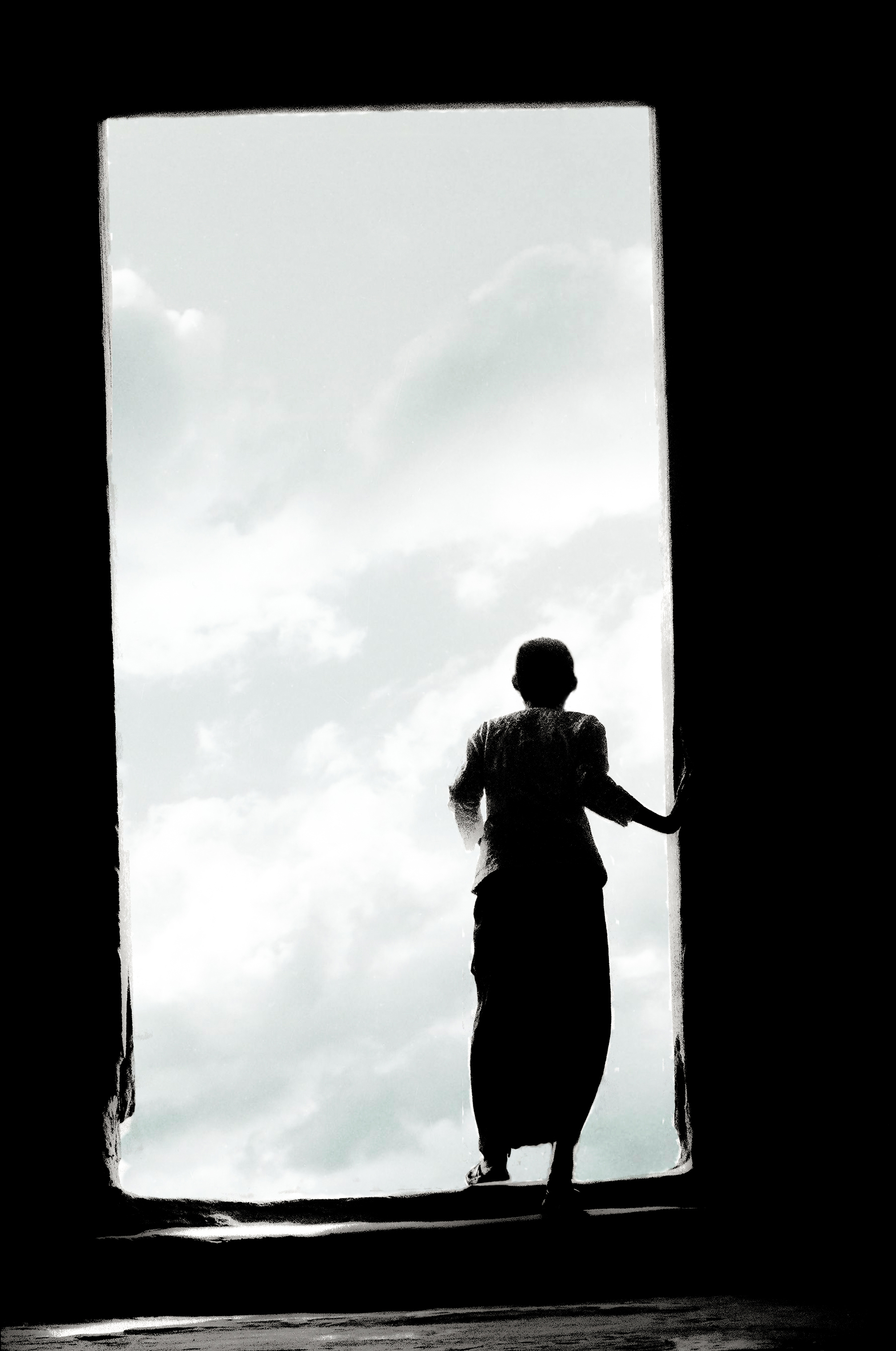
The image here was taken in Cambodia by Yeshen Venema. I supplied the clouds, taken in Rhonda, Spain.

4 Comments

Filed under Blog