Tag Archives: Fazal Inayat-Khan

… the ones who walk away …

Ursula Le Guin’s short metafiction, ‘The Ones who Walk Away from Omelas,’ first published in 1973, had its 40th anniversary last year. My first reading, when Google and book review sites were non-existent, left a deep impression. This week’s re-reading, once, twice, three times – the story deserves it – made me curious as to what other readers might have made of it. Obsessing in a web-crawl I came upon predominantly moral interpretations, which I distinctly remember resisting, though these associations are understandable. The way our systems deal with the unadjusted tends to appease the troubled conscience for the rest of us normal citizens.

For me, there were deeper complexities in this brilliant piece of writing. I decided to share my thoughts and tempt those of you who don’t know the story to read it and derive their own insights. I’ll use spoilers, so if you want to read the story first, here is a link: http://genius.com/Ursula-k-le-guin-the-ones-who-walk-away-from-omelas-annotated

… With a clamor of bells that set the swallows soaring, the Festival of Summer came to the city of Omelas, bright-towered by the sea …  
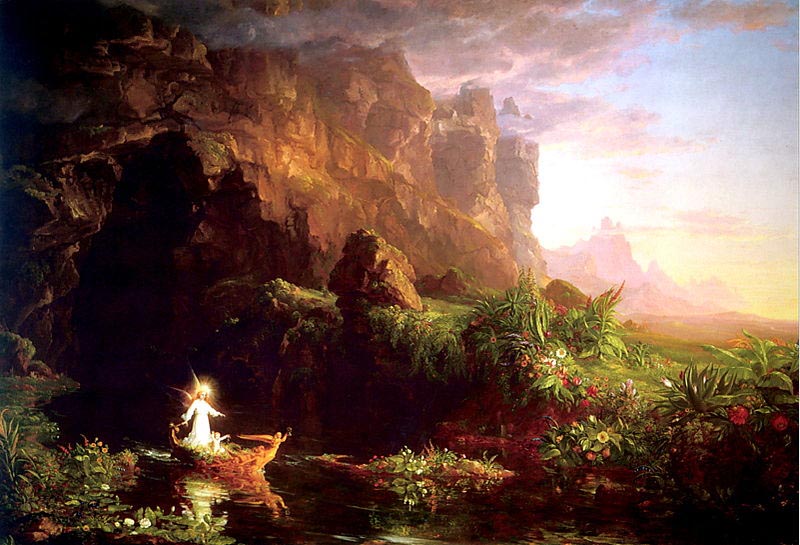
Childhood, Thomas Cole, 1842

Childhood, Thomas Cole, 1842

We are shown a charming city where order and harmony reign, a city well-protected in a bay, resembling a womb. Reality is suspended. There’s a sense of timelessness. It is a civilised place, decorous, joyful, without hierarchy. No king, no swords, no slaves … no power games. Utopia comes to mind, the idea of eternal life – the eternal innocent child.

No science has yet dispelled the vision of a haven without strive, where everyone is happy. In the wake of traumatising wars and unspeakable atrocities, there are always attempt to re-create places like Omelas, attempts to soften the reality of birth and death, the extremes of joy and pain, nature, the cosmos our life depends on and which we try to fathom. But since our spiritual lore cautions that life is an illusion – an ornament that covers ultimate truth we can’t perceive with our senses, we get anxious when life becomes too comfortable.

The narrating voice, anticipating our scepticism, invites us to fill in the sketches of this perfect democracy. We are told, ‘They were not simple folks, you see, though they were happy.’ After all, Omelas may strike some as goody-goody. Smiles, bells, parades, horses, bleh. ‘If so please add an orgy.’ More delightful pleasures are suggested – celebrating life, with one significant addition, ‘One thing I know there is none of in Omelas is guilt.’

In contrast, the voice notes the bad habit of a different place, where pedants and sophisticates consider happiness as something rather stupid. ‘Only pain is intellectual, only evil interesting … the treason of the artist: a refusal to admit the banality of evil and the terrible boredom of pain.’ The voice insists that the citizens of Omelas were mature, intelligent, passionate people whose lives were not wretched.

The Festival of Summer has begun. ‘Do you believe?’ the narrator asks. ‘Do you accept the festival, the city, the joy? NO? Then let me describe one more thing.’

And there it is, the secret lurking out of sight, a child, kept in the darkness of a tiny cellar room, with only a faint ray of hope based on a dull memory. The child is not driven out of the city, like the traditional scapegoat, but contained below ground; there to absorb everyone’s fear of reality and its cruel justice, embodying, maybe, submerged histories, rather like the depths of the iceberg below water keeps its peak afloat in the light.

… They all know it is there, all the people of Omelas. Some of them have come to see it; others are content merely to know it is there. They all know that it has to be there. Some of them understand why, and some do not, but they all understand that their happiness, the beauty of their city, the tenderness of their friendships, the health of their children, the wisdom of their scholars, the skill of their makers, even the abundance of their harvest and the kindly weathers of their skies, depend wholly on the child’s abominable misery …

Terms are clear, should this child be freed, the beauty would wither and be destroyed. The pragmatic solution seems such: One punished and suffering child is meant to redeem the rest from coming to terms with their inherited sins and traumas.

To leave this comfortable enclave of Omelas means leaving security and loved ones behind. It requires crossing mountains, stepping into the unknown, with no charm against collective guilt.

Omelas’ citizens are free to look at the unacceptable child. While reactions, those of young ones mainly, vary from disgust to outrage, most accept the necessity of this child’s sacrifice, though some fall quiet and leave Omelas in the middle of night, alone.

For me the child is there to serve cohesion, symbolizing a lid on the unconscious, primitive, wild aspects of the psyche. Isn’t dis-ease a loss of order and rhythm? If you judge this pragmatism harshly, consider the purpose of trip-switches in an electricity-wired house. Or, consider how people under social or dictatorial pressure may choose to safeguard the lives of their loved ones at the cost of betraying their knowing heart.

Le Guin does not condone staying or leaving Omelas, she provides no answers. I am one of those who walked away, many times, always at a cost, because I preferred guilt to shame. C G Jung developed the concept of individuation, hoping for it to expand collective consciousness from the inside out, through the individual, sometimes involving a precarious personal journey, going through a process of separating psychologically from parents, state, authority, to become whole. Like in the Zen story where the seeker eventually returns, better able to serve the community. While a single brain does not survive its limited life-span, the collective memory of matter, and each human experience lives on and is transmitted to every new-born life.

Each one of us carries the traumas of our histories, though not everyone has the opportunity to redeem such wounds, contribute new ideas, or explore different states of being. What drives one to walk away from the familiar – is it inner conflict, allegiance to one’s heart, fear to upset the order, the need for a wider perspective, or simply a calling? We bond to the systems we grow up in, in cases we adjust our behaviour in order to emotionally survive, along with the implicit bargain to keep quiet about the shit, our shit, others’ shit, and how we deal with all the shit.

There are those who leave a comfortable place and those who stay. Maybe a balance between conservative forces that protect structures and revolutionary forces that seek change is necessary. Not everyone, for example, can face existential pain and futility without succumbing to psychosis. There is a case for Festivals of Summer, sport, drugs, ecstasy, trance …

Was the power of the imagination born from fear of mortality? Is this why we envisage dystopias or utopias, and, ultimately, scenarios that make us feel in control of our destiny?

What we hide from ourselves and from each other often relates to our most prominent outcast, the neglected inner child, so embarrassing to the adult world. This child in Omelas seems to embody the ongoing ritual of shame for walking from Eden into the dawn of creation, a reality burdened with consciousness, and free will that frequently misses the mark, but, heck, is the very process of becoming human.

My naïve hope is that we can learn to embrace our all too human failures, show patience with our children, stop seeking blame and end scapegoating, yet also acknowledge our individual and collective need for comfortable realities … protecting us … from what?

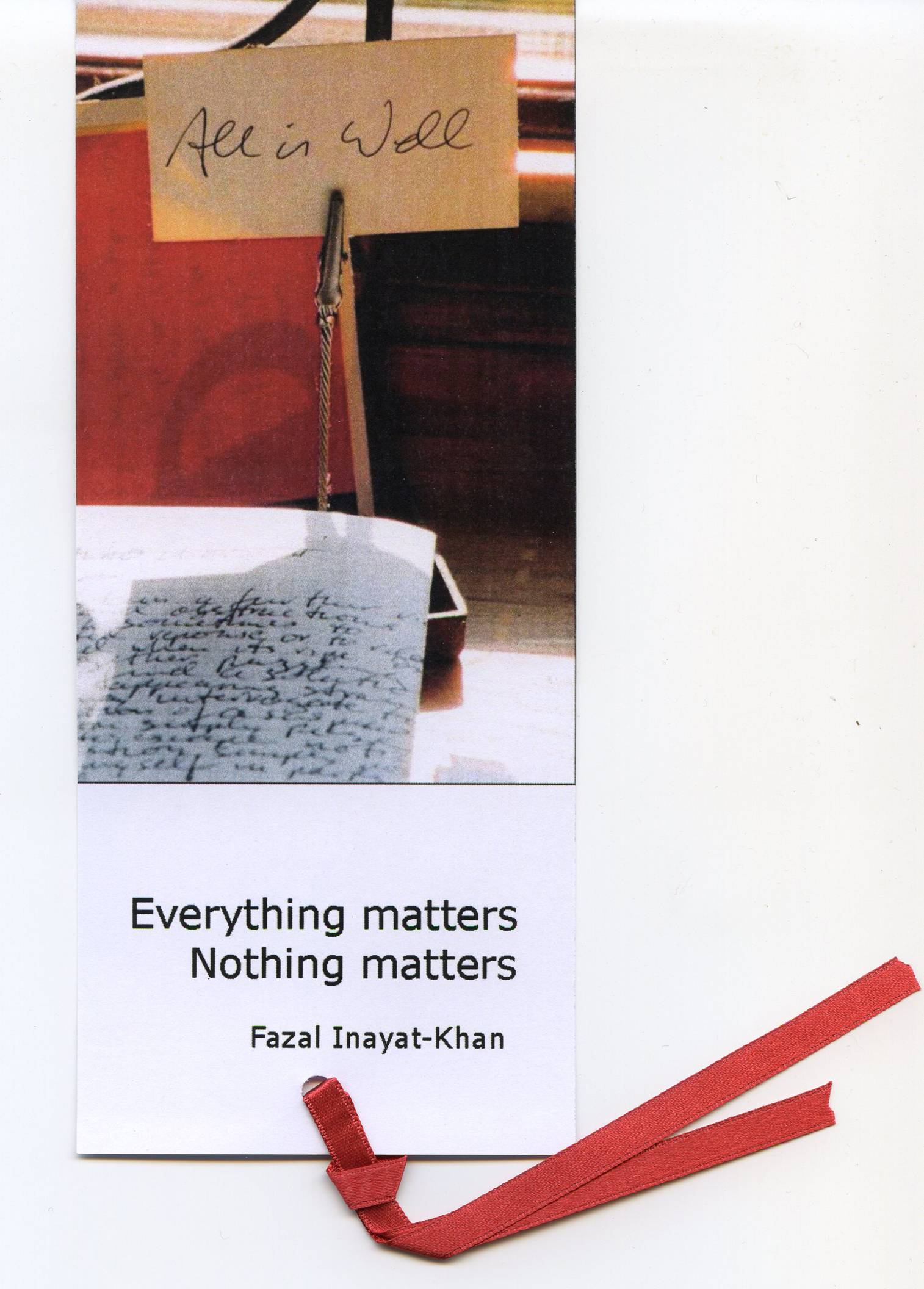
Here a quote from a former friend and teacher, Fazal Inayat-Khan … taken from a lecture on Reality:

‘For the whole collective of the human mind – outside that self-created reality there is a storm. That storm – that wind – that pressure – that influence and space is for our existence and permanency completely annihilating and destructive … our assignment outward is because of a deep decay … Reality is a veil that is spun with the finest and thinnest and strongest silk. It weighs nothing – it covers a little darker area behind – and yet the moment when you reach out with your hand to draw the veil away it will skin your hand till blood is drawn.’ 

To fill this emptiness we assign our meaning outward. Call it the human project. Sorry to trouble you, my friends, but the function of reality is worth contemplating, and, in my view, Ursula Le Guin’s story does just that.
14 Comments

Filed under Blog

… mood swings …

A strong spirit can be dampened, sometimes at birth, sometimes through a later trauma, but with care, it can also be nurtured and strengthened. And like an effective immune system, it helps us to adjust imbalances in mind and body. The link between spirit and the immune system tends to be ignored when resources go into fighting the seeming culprit, historically blamed for imbalances, the intruder. True listening and welcoming a dialogues with the enemy are rare.

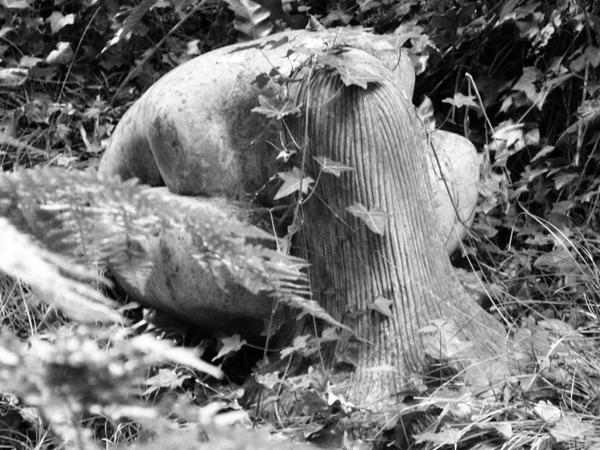
Churt Sculptor Park

Churt Sculptor Park

A recent Health Survey reports that nearly half of England’s population is on prescription drugs. And today’s news highlight once more that super bugs are on the rise. Factors that dent the spirit are not taken into the equation. When one observes how some of the dehumanising complexities of our systems wear down the dignity of people, it’s easy to come to the conclusion that depression is a sane reaction when there seems to be no light ahead.

Medicine is often the only immediate way a severe depression can be eased. It should however concern everyone that depression is on the increase, a development which, in my view, genetic markers acknowledged, expresses the collective state of our society and, again in my view, how the most sensitive people carry the imbalances of the system for the rest of us.

I’m a rebel, and while severe depression evades me, I experience mood swings. Once in a while I’m struck by a state of futility – about hyped-up news selling fake realities, the lunacy of ignoring the gulf between the rich and poor in the world, the exploitation of planetary resources, the abuse of personal data, cold callings, small businesses and communities disappearing, and the shopping mania in supermarkets. Add to this a personal loss, or simply an accumulation of irritants, and you have potential triggers for depression.

When something feels wrong in my heart, I bolt. Yet integrity is costly when security, health, loyalties, disillusionment and emotional dependencies are involved, then ‘NO’ carries risks. Stories told in many counselling practices focus on pressure at work, incessant changes of procedures , bullying and subtle manipulation. Complaints backfire because managers are themselves under stress. There follow negative loops of thoughts, the inability to relax, lingering anxieties, and also bursts of anger. Underlying these stories is a sense of powerlessness that brings about psychological regression, which can be an opportunity to find a gentle ‘yes’ for oneself, were one able to bear the consequences. Young or old, alone or in relationship, there is often a sense of feeling trapped, despair, a flattening of vitality, joy and compassion for oneself and others.

P1060863 smallerDepression seems to mark our time and is in dire need of acknowledgement. Besides medication and therapies, an honest assessment is vital – of how simple human needs for creativity, and expectations for love and appreciation are frustrated. I’m lucky in that I sleep and dream well, and generally recover from my mood swings. Apart from smoking rollups and drinking wine to relax, in moderation, I also have a default mode, where the world turns not so much unreal, but surreal.

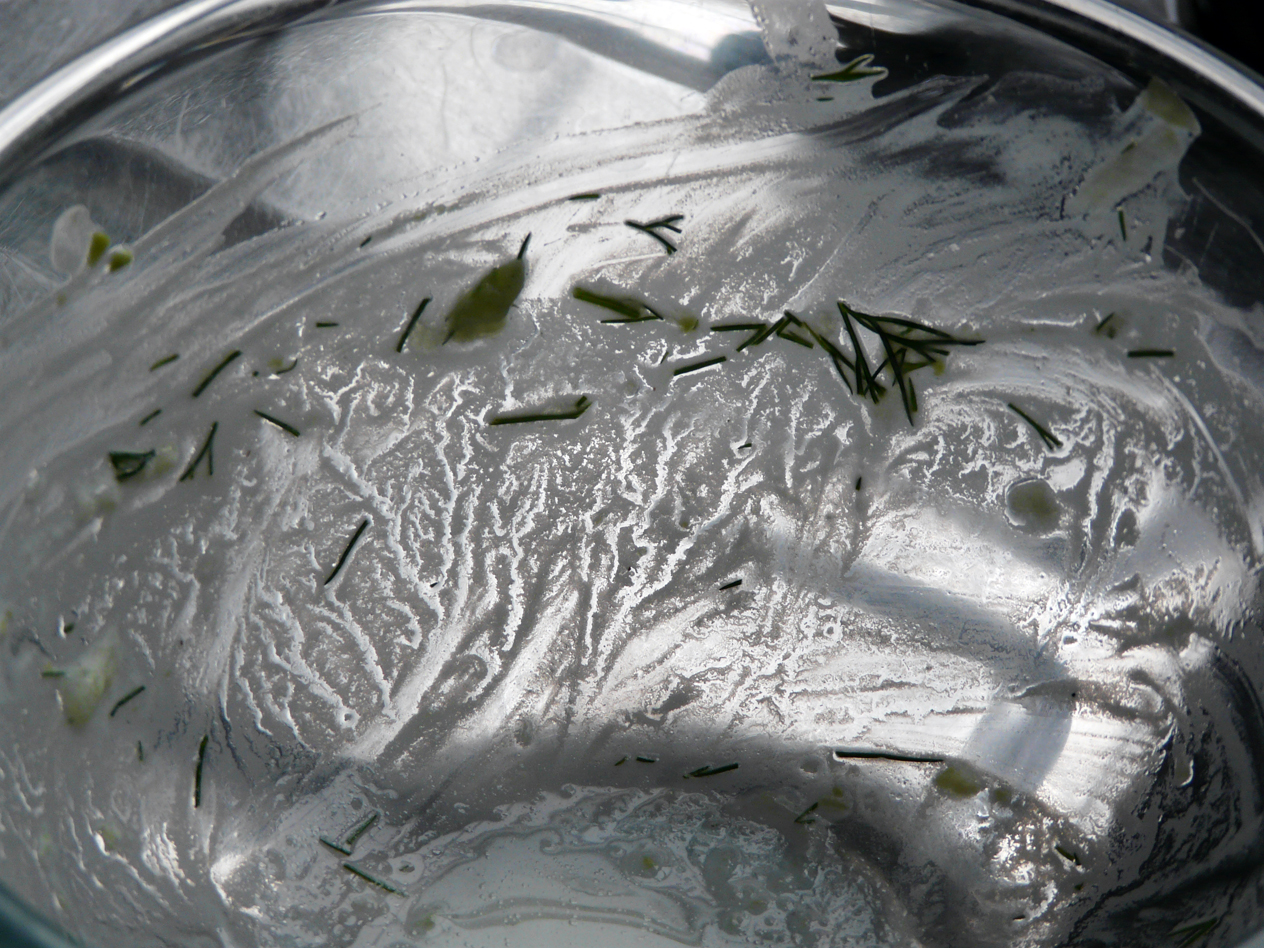
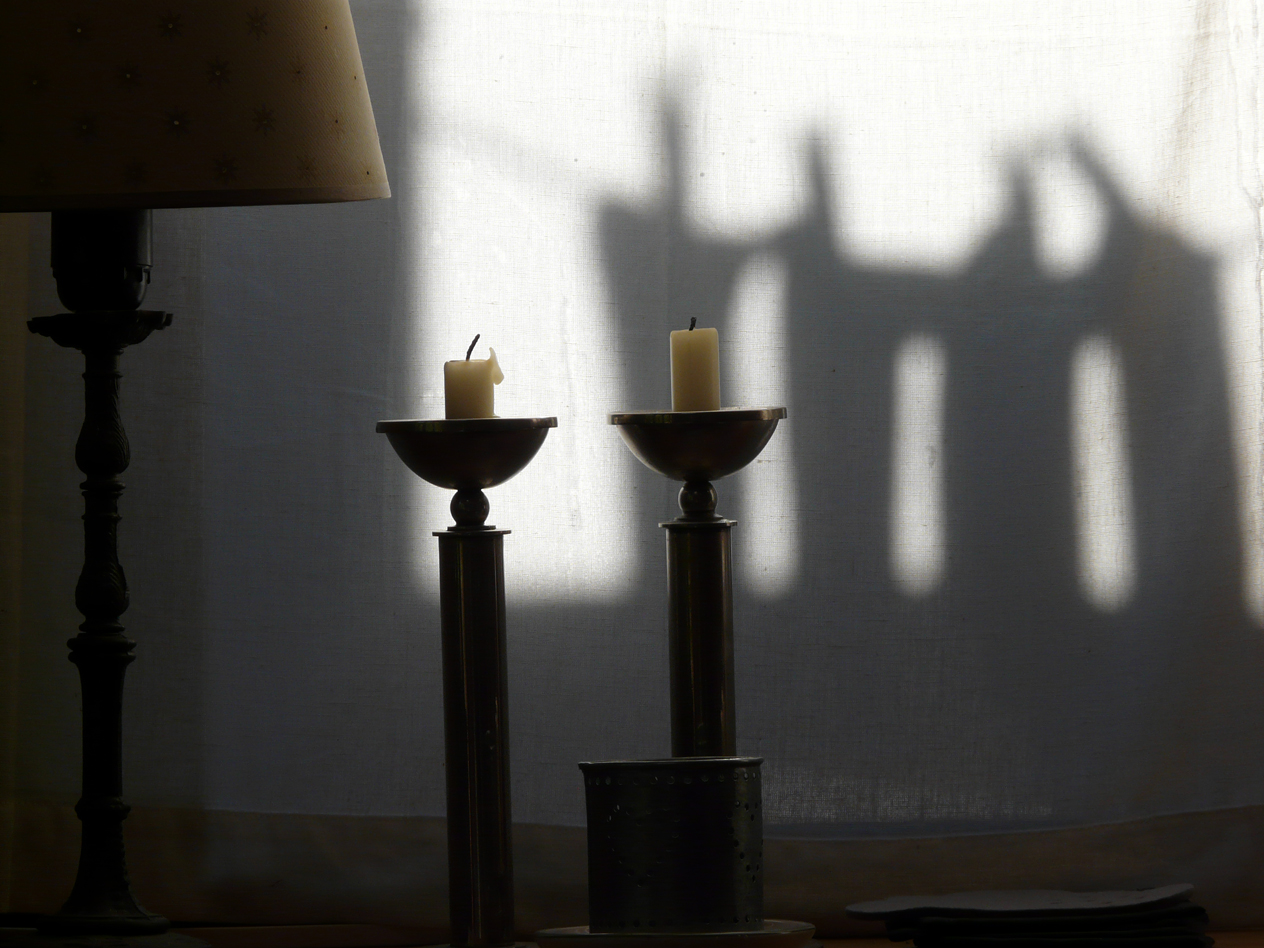
P1060866 smallerMy spirit of independence refuses to be intimidated by the collective idea of what is real. I find beauty in small things and unique moments that give me pleasure. For example, I see the shadow of socks on the washing line and candles waving to each other, or the cucumber salad dressing resembling a river delta, or ancient trees … that’s the drift …

I switch to patterns in other than economy sponsored realities. I dream up stuff.

Being curious, I’d like to know about your ways of dealing with mood swings, or depression, or anxieties instilled by the media. How do you manage the rapids of sensational information? Do you have secrets of becoming? Do you swim against the established order or do the unexpected? Do you have moments of pleasure? Do you have gifts of resilience to share?

‘All we see is a false capture of being: a time grid.’ Fazal Inayat-Khan.

Based on statistics, I predict that the sun will rise tomorrow.

http://aeon.co/magazine/health/is-preventive-medicine-its-own-health-risk/

29 Comments

Filed under Blog

… silent blessings …

I’m sure I’m not alone in practising daily silent blessings. What, you may ask, does she mean by blessings?

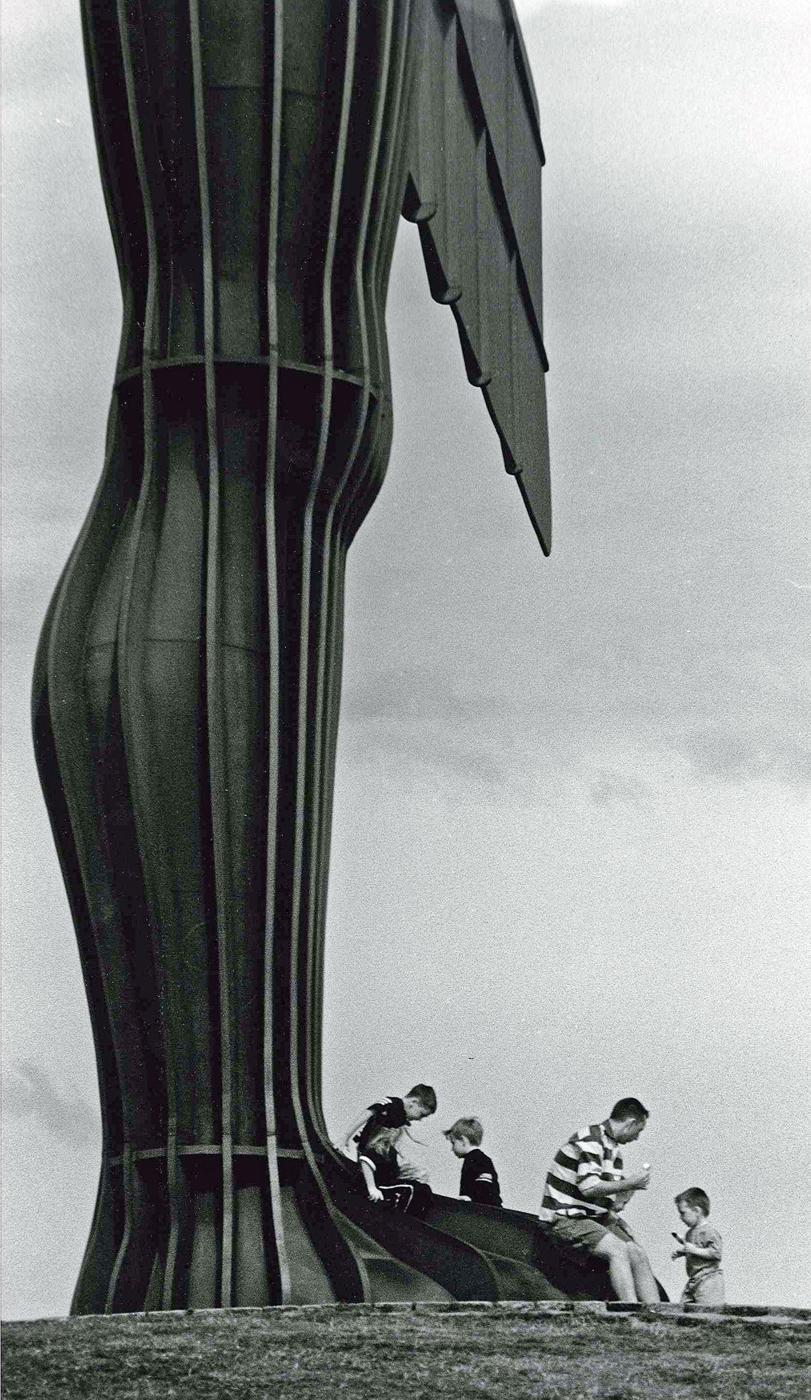
Sylvia Selzer’s photo of the Angel of the North is the most poignant image of an angel I’ve come across.

 ‘The Angel of the North’ – photo by Sylvia Selzer

In my small world, ever since I can remember, I felt guided.  As a child I had a lucid vision of an angel, possibly an aspect of me – or us – existing in another dimension. My upbringing was not religious, but I developed a deep appreciation for beauty – of movement, sound, rhythm, light, colour, form – as well as a healthy disrespect for hypocrisy.

Then, during the 1980s I was ordained as a Cherag  – the Sufi term for someone who performs worships and conducts ceremonies. I questioned the honour. Performing is not my strength. The response of my Sufi teacher – Fazal Inayat-Khan – was heartening: ‘You’re a light-bringer (which is what Cherag means,) and whether or not you formally worship is irrelevant. You have the capacity to bless. Go and bless the world.’

It works like a pebble thrown into a still pond, along with a loving desire, which then ripples outwards.

To bless can become a habit.

You may ask – who’s she to dish out blessings? And anyway, what can it possibly achieve other than making her feel good? Precisely, it makes me feel good.  I don’t seek evidence – measure, weigh or put value on the practice. Being no saint, I also have plenty of less generous habits. But as regards blessings – think about it, what’s there to lose?

It is not the road ahead that wears you out – it is the grain of sand in your shoe.’     Proverb

The Angel of the North is a contemporary sculpture, designed by Antony Gromley, located in Geteshead, Tyne and Wear, England. Sylvia Selzer’s photo of ‘The Angel of the North’ is the most poignant image of an angel I’ve come across.

18 Comments

Filed under Blog

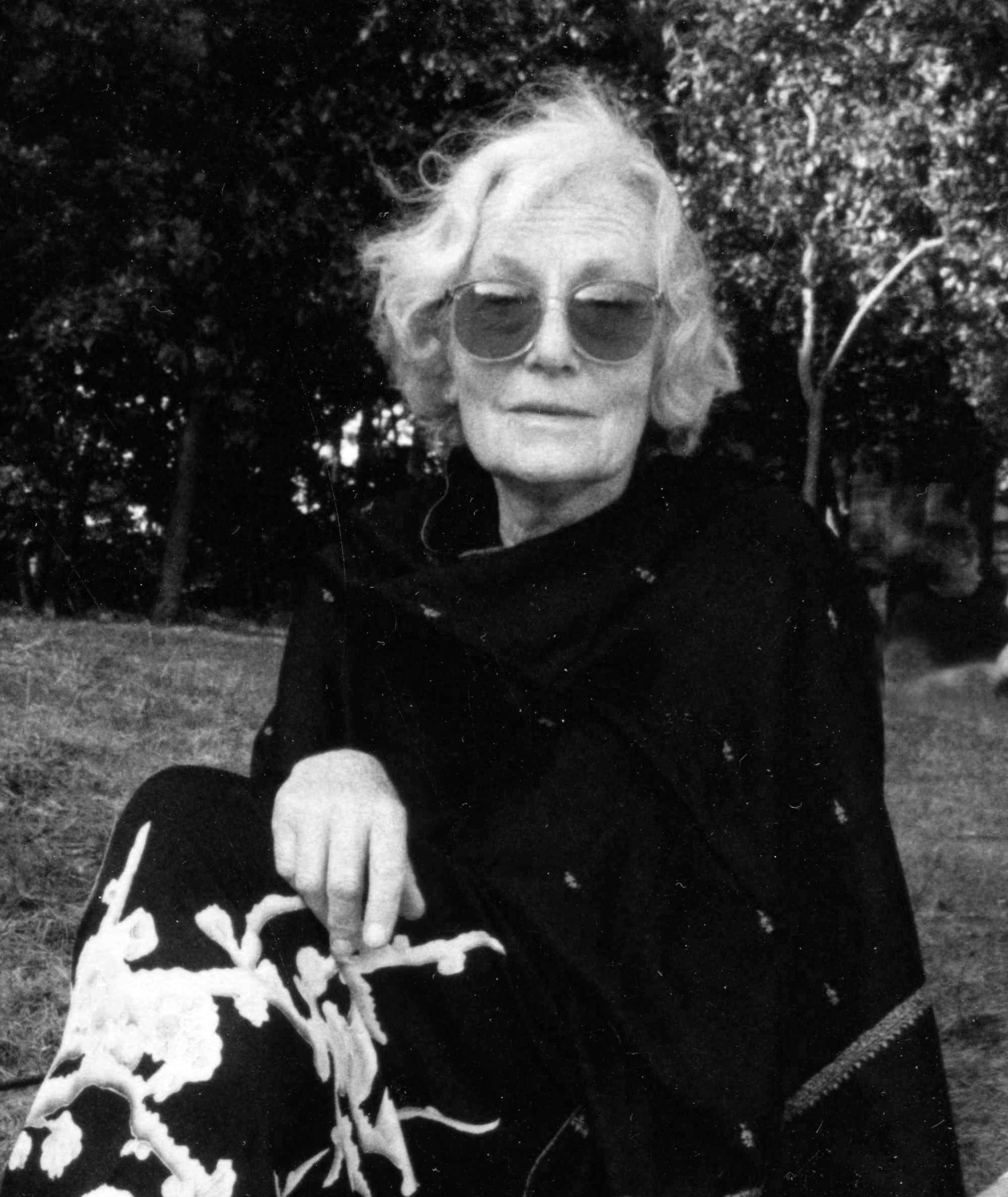
Sitara Brutnell – 1914 – 2004

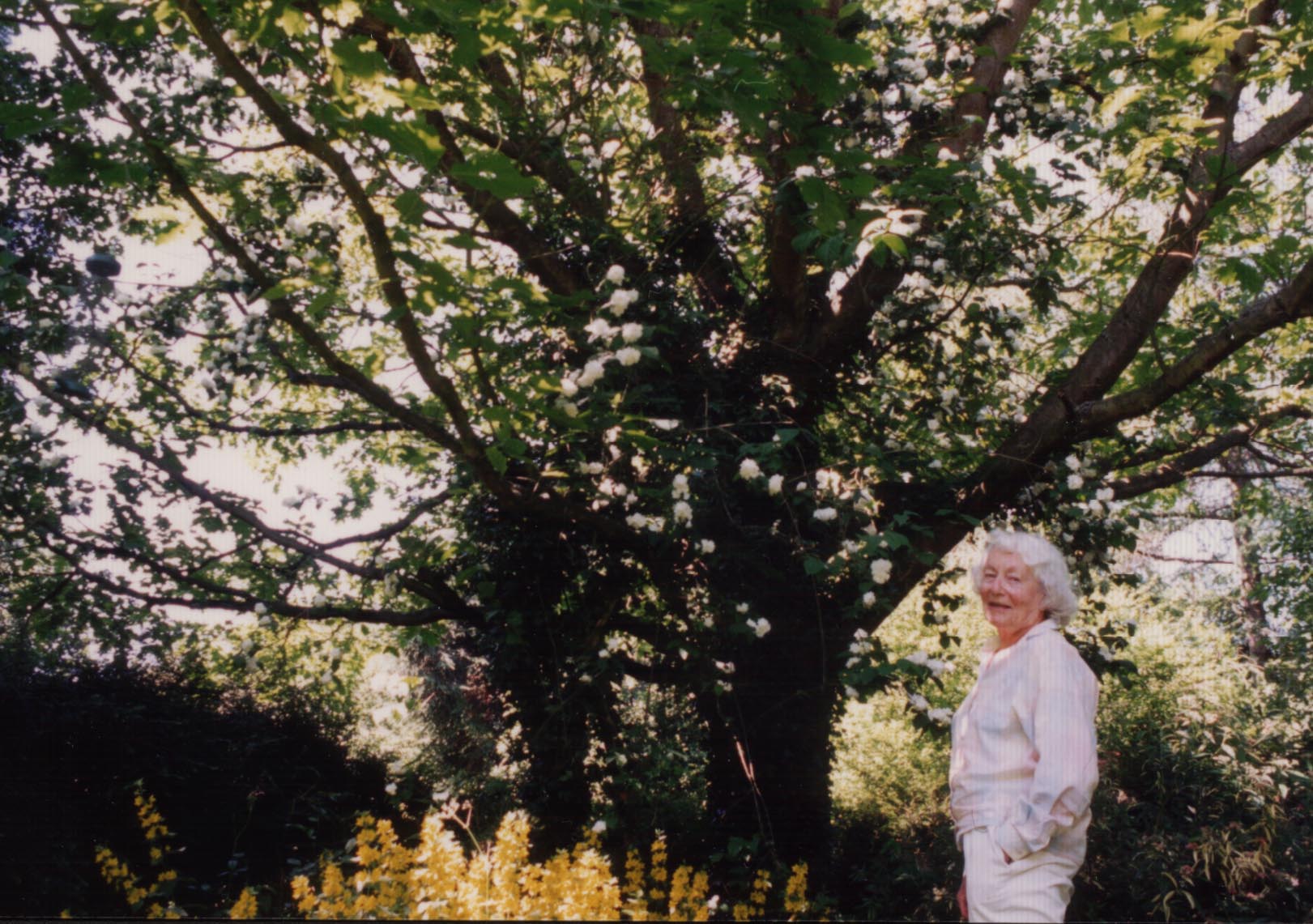
Sitara Brutnell

Sitara Brutnell


Today’s post is to honour a remarkable woman who died ten years ago, aged nearly 90, having lived her life devoted to the Sufi Message of Love, Harmony and Beauty. Sitara Brutnell was a musician whose brilliant ear for pitch and rhythm extended to the fine-tuning of her personality. By enduring the dissonances life throws at us without dispensing blame, and reading people and situations deeper, she became receptive to the spirit of inner guidance.

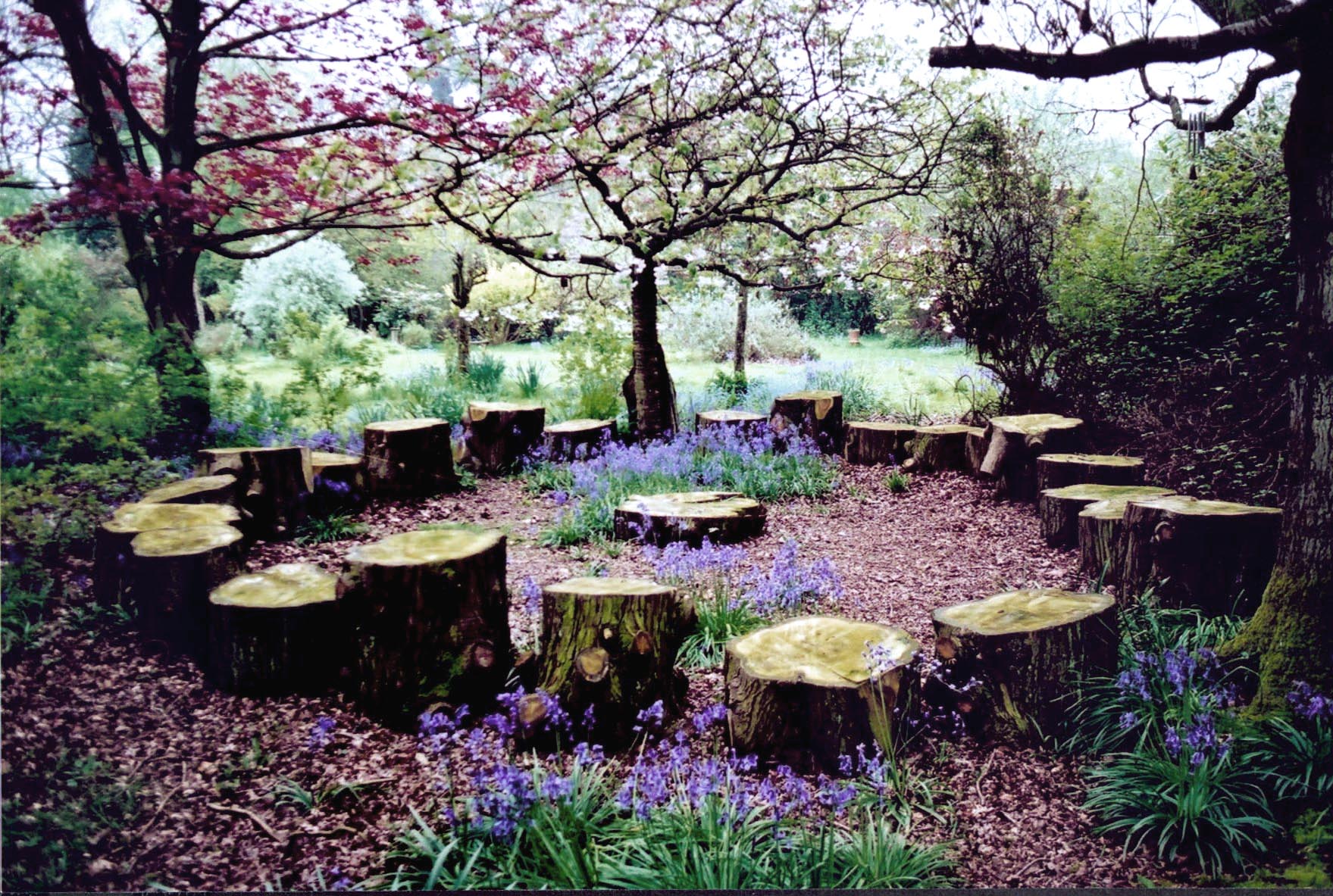
Like her parents before her, she supported the work of the Sufi Movement and continued hosting its leaders after Hazrat Inayat Khan in her home, enjoying many musical soirées. One of Hazrat’s successors was his youngest brother, Musharaff Khan (1895-1967), who handed his role to the 26-year-old Fazal Inayat-Khan. So in 1968 the Sufi Movement was challenged by a dynamic and innovative Pir and custodian, a position Fazal eventually surrendered, giving credence to his own unique teaching approach, calling it The Way of Action, and later Sufi Way. Sitara stood by him for almost three decades, and after his untimely death in 1990, the leadership of Sufi Way fell to her. My Pictures 438 - CopyAknar Circle in Roughwood

She is remembered as a wonderful musician, and for her kindness, humour, sparkling mind, frequent expressions of gratitude and her warm hospitality.

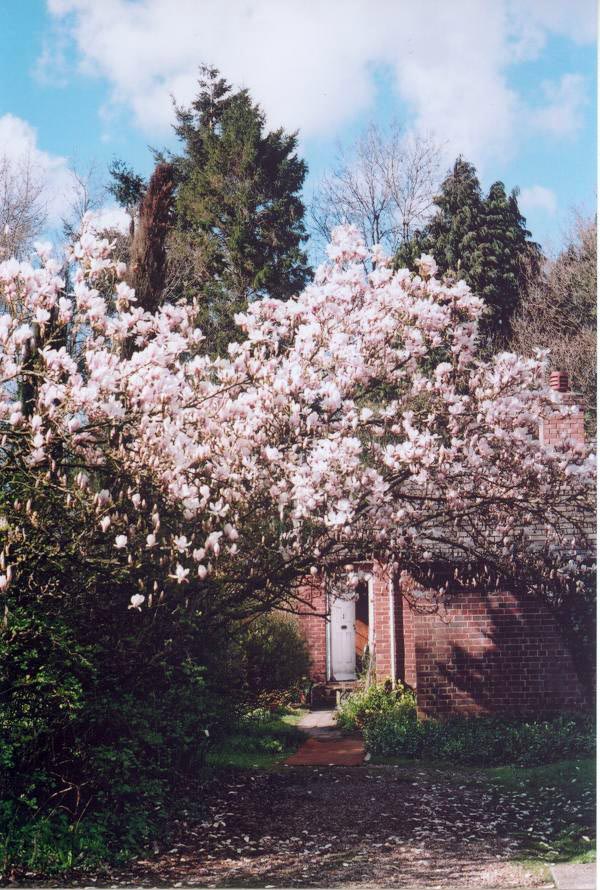
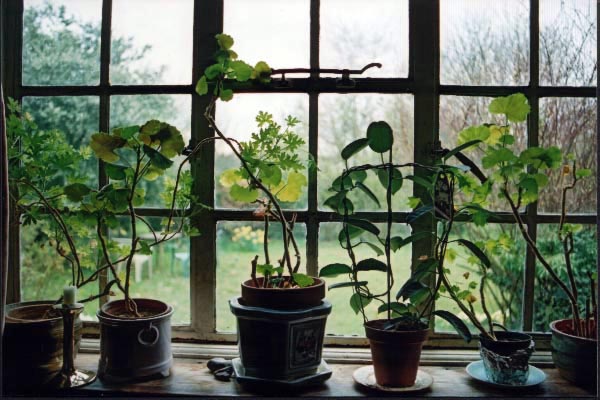
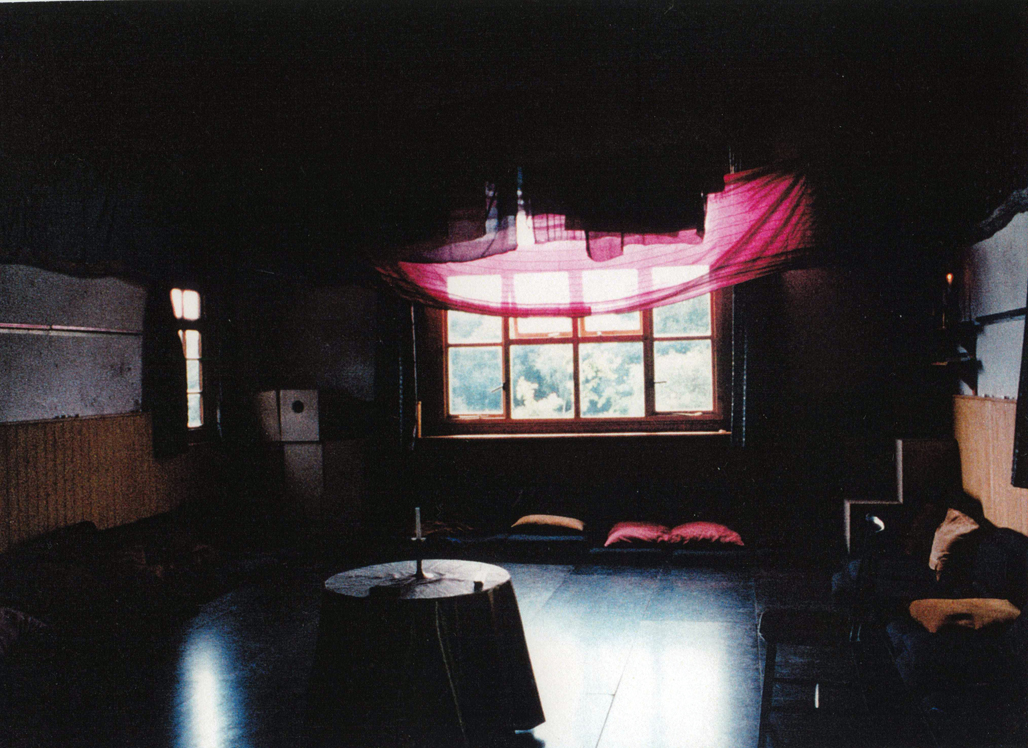
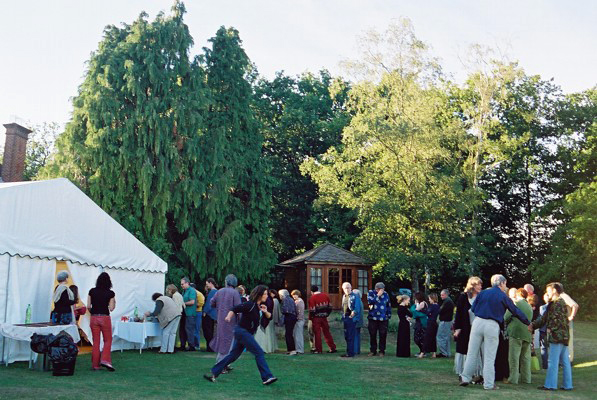
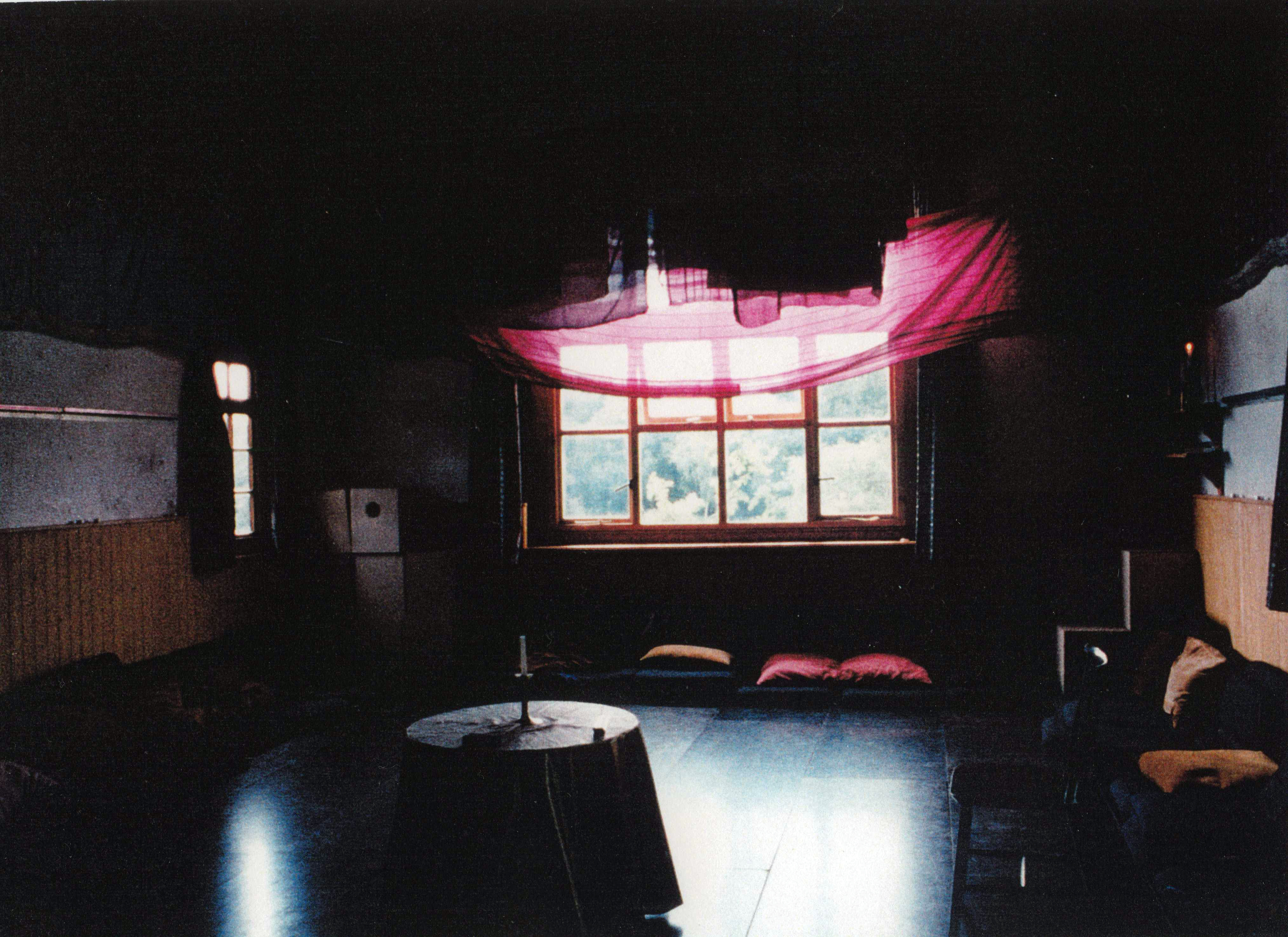
The door to Sitara’s home was always opens to her many friends spanning the globe. There was hardly a time when she did not gracefully entertain guests who treasured Roughwood as a place to relax and be nurtured, like she lovingly nurtured her pot plants, no matter how straggly they lined up on her windowsill. The wild flowers in the secret nooks of her garden looked after themselves. Sheltered by high trees and bounded by fields, this magical place was only a few miles away from Four Winds, Fazal’s residence, and the then official spiritual home of Sufi Way, which was like a buzzing metropolis of the psyche compared to the sanctuary of Roughwood. My Pictures 410 - Copyat Roughwood,window13-04-04

It is tremendously reassuring to come back to rooms where everything has over time claimed its place. Shelves packed with old books, well-worn furniture and carpets, paintings and prints on the walls, items on the mantelpiece, like the tiny carved gazelle, the Japanese ginger jar, red-veined serpentine stones from the Lizard – interspersed with rotating tokens of love – the photograph sent from a family in America, a child’s drawing, a postcard from South Africa … each object holding a story. And stories popped from shells with every question of where and what. We held garden working-parties, chasing away moles, poetry gatherings, celebrated birthdays …

The year roses grew in the tree.

The year roses grew in the tree.

Following Fazal’s death, his partner, Wendy Rose-Neil, a transpersonal therapist, put Four Winds on the map as a venue for London’s workshop facilitators, and Sitara, aged 76, though daunted by the task, embraced her spiritual leadership role with grace. Helped by the local and international community, she continued regular Sufi Way activities, and encouraged Sufi friends and professional therapists among us to run workshops. In this and many other ways Four Winds maintained itself financially for another decade and served a wide community.

This positive development ended abruptly after Sitara’s death. The new Pir, Elias Amidon, sold both Roughwood and Four Winds to raise money to achieve more flexibility for Sufi Way. I am still grieving the loss of the places and the multicultural network that was truly inclusive, beyond the brand of Sufism, which is not to say that the inclusive approach is not continued elsewhere. However, attempts of local people to buy Four Winds from the newly created charity failed. The two spiritual homes in England now only exist in the rich memory of companionships.

Barn at Four Winds

Barn at Four Winds

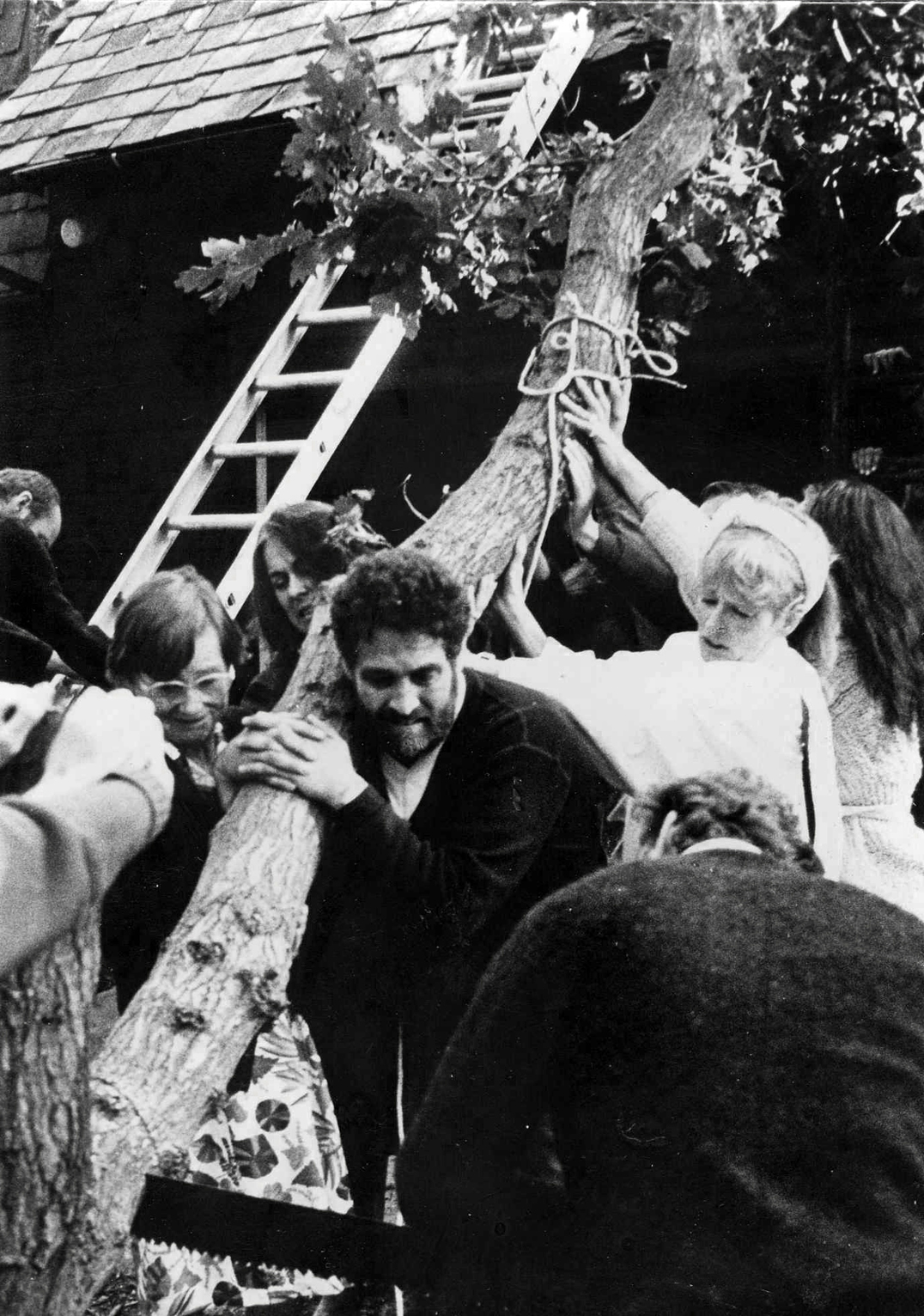
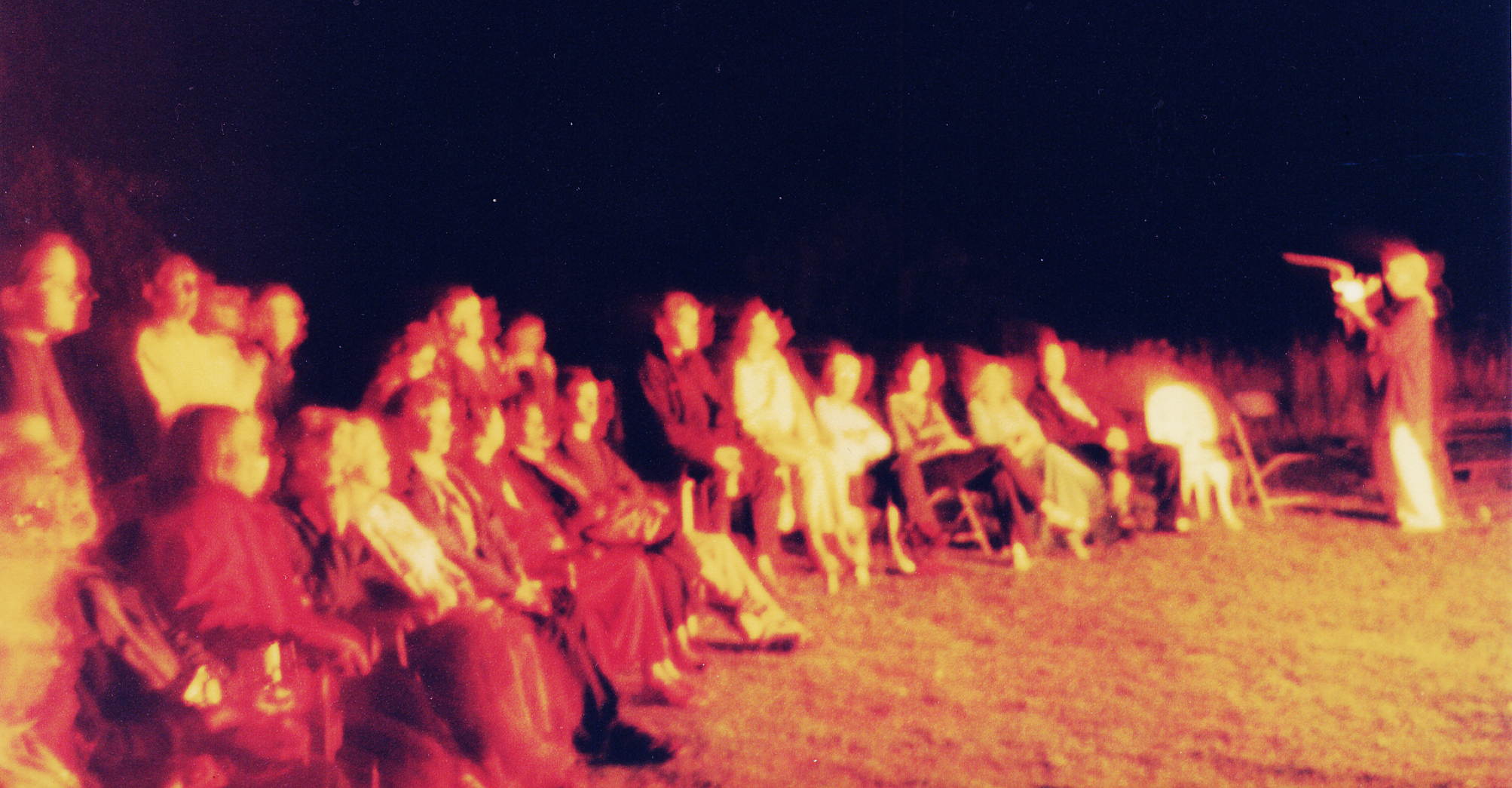
It was impressive how Sitara embraced the challenges of the next generation, how she joined the freedom of enquiry of the 70s and 80s. Over three decades, people from all walks of life and all corners of the earth gathered yearly for Summer, Winter and Spring schools at Four Winds, which was a vortex  of creativity, with stimulating lectures and discussions, psychological war games and intense experiential meditative and contemplative practices that deepened lives and formed lasting friendships.

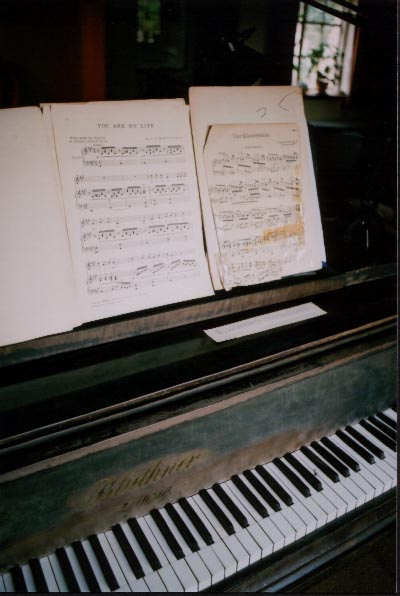
Though an unlikely team, Fazal and Sitara complemented each other. While Fazal, with the sincerity, contradiction of doubt and faith, intensity and humour of a Qalandar *, challenged the assumptions of his students and encouraged unlearning, Sitara was the blessing guardian, typed up hundreds of Fazal’s lectures and regaled us with piano recitals on her Grand, songs, esoteric readings, tea-time-treats of Battenberg cake, stories, and the consistency of her welcoming home. What they had in common, apart from disseminating the essence of Hazrat Inayat Khan’s message, was their love for music, keen curiosity in life and the playful deflation of any pretensions to grandiosity.

For one of the famed spontaneous Magic Theatre performances at Four Winds, Sitara offered a poem that gives a flavour of her delightful poise:

Lord thou knowest better than I know myself

that I am growing older and will someday be old.

Keep me from the fatal habit of thinking that I must say something

on every subject and on every occasion.

Release me lord from craving to straighten out everyone’s affairs.

Make me thoughtful not moody, helpful but not bossy.

With my vast store of wisdom it does seem a pity not to use it all …

but thou knowest lord that I want a few friends in the end.

Keep my mind free from the recital of endless details;

give me wings to get to the point;

seal my lips on my aches and pains …

they are increasing

and love of rehearsing them has become sweeter as the years go on.

I dare not ask lord, for grace enough to enjoy the tales of other pains,

but help me to endure them with patience.

Teach me that glorious lesson that, occasionally, I may be mistaken. 

Keep me reasonably sweet lord.

I do not want to be a saint …

some of them are so hard to live with,

but a sour old person is one of the crowning works of the devil.

Give me the ability to see good things in unexpected places

and talents in unexpected people.

And give me oh lord the grace to tell them so.


(The author of this poem is anonymous, but Sitara wrote poems in the same vein)

*    *    *

* A Qalandar is traditionally a wandering dervish, a free spirit with a strong love for humankind. Fazal Inayat-Khan once wrote a breath-taking poem called ‘Qalandar’ at Roughwood. It can be found in this book: Heart of a Sufi – A Prism of Reflections, link: https://courseofmirrors.wordpress.com/2013/03/16/a-rare-book-now-on-line/

The present Sufi Way: http://sufiway.org/ And an article by Fazal Inayat-Khan that sheds light on the various branches that grew from the tree of the Sufi Movement: http://sufiway.org/about-us/our-lineage/12-about/33-western-sufism

If you’re inclined to explore the spiritual message of Hazrat Inayat Khan, you’ll find plenty of links and source material on these and many other sites, all free: https://wahiduddin.net/mv2/   http://www.cheraglibrary.org/

Thank you Sitara, thank you Fazal, and thanks to all the friends in this adventure. You are still enriching my life.

10 Comments

Filed under Blog

… consciousness – the mystery …

People who engage in therapeutic work with me often ask – why dig up my past, it holds pain, why look at attachment patterns, why explore the theme (myth) of my life? What a waste of time. I only want to get rid of my symptoms.

We all, without exception, suffered injuries. The creative question to ask is – how has the injury shaped my life, and what purpose does it serve? Many years ago, during a group dialogue following the inspirational talk of my Sufi teacher, we discussed three basic kinds of injuries. I connect my own experience to the third injury.

1        Having experienced physical injury can result in fight and flight behaviour – it brings a heightened sensitivity and develops a sharpening of the senses.

2        Having experienced sexual, sensual and emotional injury can result in escape from one’s self into others, estrangement from self, lack of differentiation and boundaries – the great challenge is to accept one’s self, differentiate as an individual from the tribe and take responsibility for one’s unique potential.

3        Having experienced injury on a cognitive level accelerates individuation – the escape is into deeper realities, a search for authenticity and truth and the development of symbolic reality – universal reality.

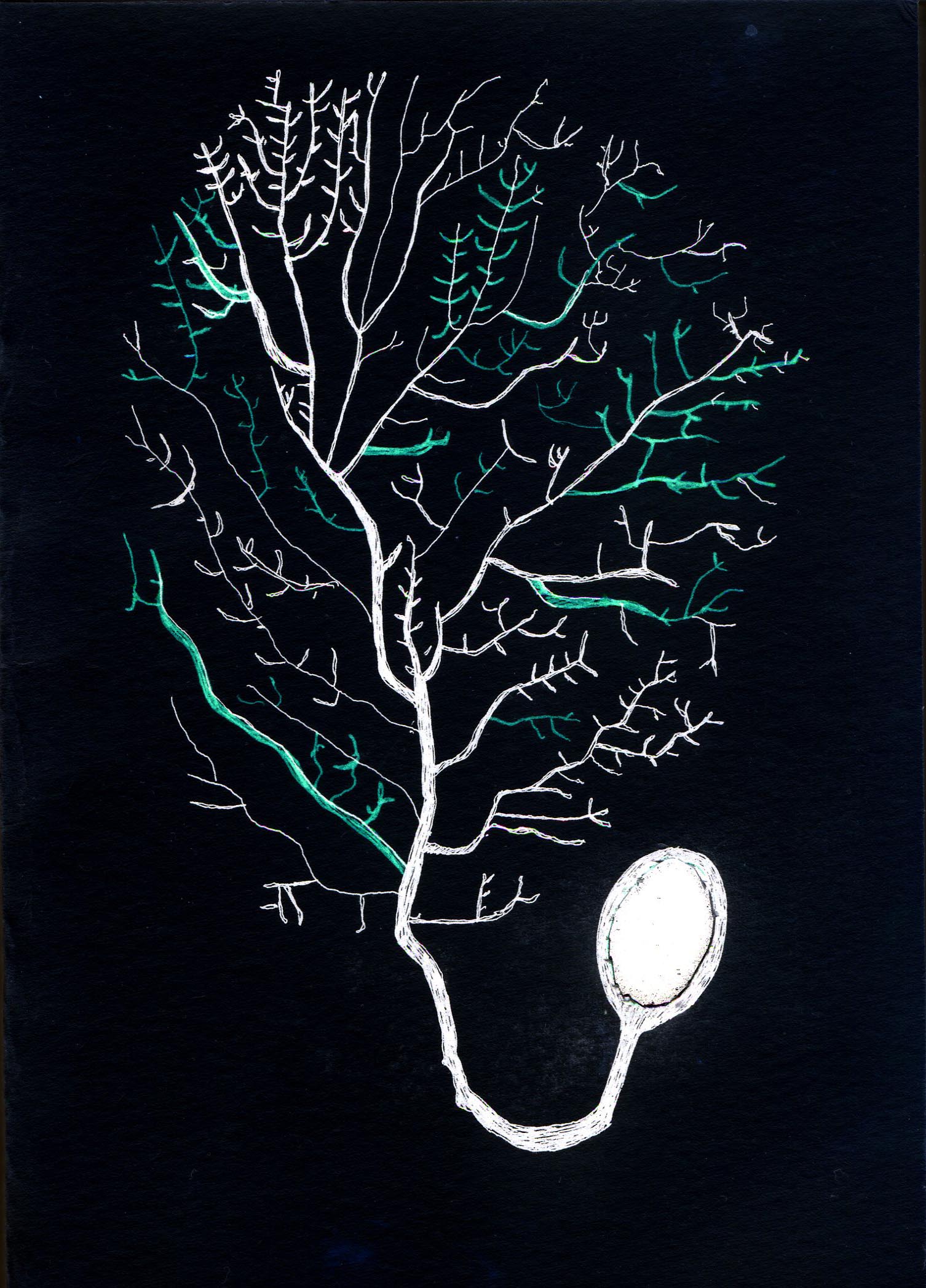
My novel, Course of Mirrors, is the fictionalised account of an aspect of my personal myth made universal – in the sense that memories of events don’t have to be real for a story to be true.

@ Natasha Tonkin

@ Natasha Tonkin

Even the most die-hard materialists among us grok that life is animated and guided by an all-pervading spirit? We are vessels, psychic switchboards for the spirit that animates and records all life.

An ungraspable phenomenon we try to name in vain.

Mental states pass through us. We call in and then process thoughts and feelings, seeking coherence, and – given we assign meaning to what happens to us – are gaining wider perspectives and deeper insights. With every new connection made and every little light brought to what is forgotten and unknown – collective consciousness grows.

Our body knows, if we care to notice, what stirs in our psyche, what wants to unfold and emerge. When energy flows freely through us our essential nature is uplifted, and our desire is aligned with the potential in us that seeks actualisation – in the way a cocoon reveals the butterfly. Our life has many cocoon and wing stages. The proverbial flutter that causes a stir in all spheres of the universe is like yet another love-transcended aspect of us emerging from yet another cocoon.

Presence, responding to situations, accepting differences and contradictions, frees energy that is ghosted and stagnant. While blocked energy creates frustrations and often painful symptoms, it is totally inevitable, since every organism evolves through condensed experiences. Life enhancing and life destroying events subject us to a pattern of repetition in time until we embrace change.

‘A truth outgrown crushes you under its weight.’   Fazal Inayat-Khan

To bring a repeating pattern to a higher level of flow requires a kind of quantum leap of consciousness. Small leaps occur frequently, especially when we befriend the unconscious and allow fresh symbols into awareness. The released light/energy brings new meaning and allows the self-actualisation of new potential.

‘It is obvious that the percolation of a timeless NOW is penetrating everything!’  –  Philippa Rees

*      *      *

The image above is by Natasha Tonkin, my son’s partner. It was done two years ago as Christmas card and gift idea towards illustrating my novel, to help bring it to life. I scanned and inversed the image for the mirror to appear light. Natasha’s animation website: http://pandahorse.com/

Link to a book I co-edited about the Sufi teacher I mentioned above, Fazal Inayat-Khan. http://www.amazon.co.uk/Heart-Sufi-Inayat-Khan-Reflections-ebook/dp/B00BFUO0T6/ref=sr_1_1?s=books&ie=UTF8&qid=1369084226&sr=1-1&keywords=heart+of+a+sufi

Link to ‘Involution,’ an exceptional book by a kindred spirit, Philippa Rees.                                         http://involution-odyssey.com/  her book will soon hit the market. Her site is being developed.

6 Comments

Filed under Blog

… a rare book – now on-line …

Following an eight-months labour of love, between my co-editors, the Archventures group, and contributing writers, a small edition of 250 beautiful copies of a book were published in 2011 – Heart of a Sufi – A prism of reflections on Fazal Inayat-Khan (1942 -1990.) As of now, the book is affordable on-line, see below.

img085

Fazal at Four Winds. 80s

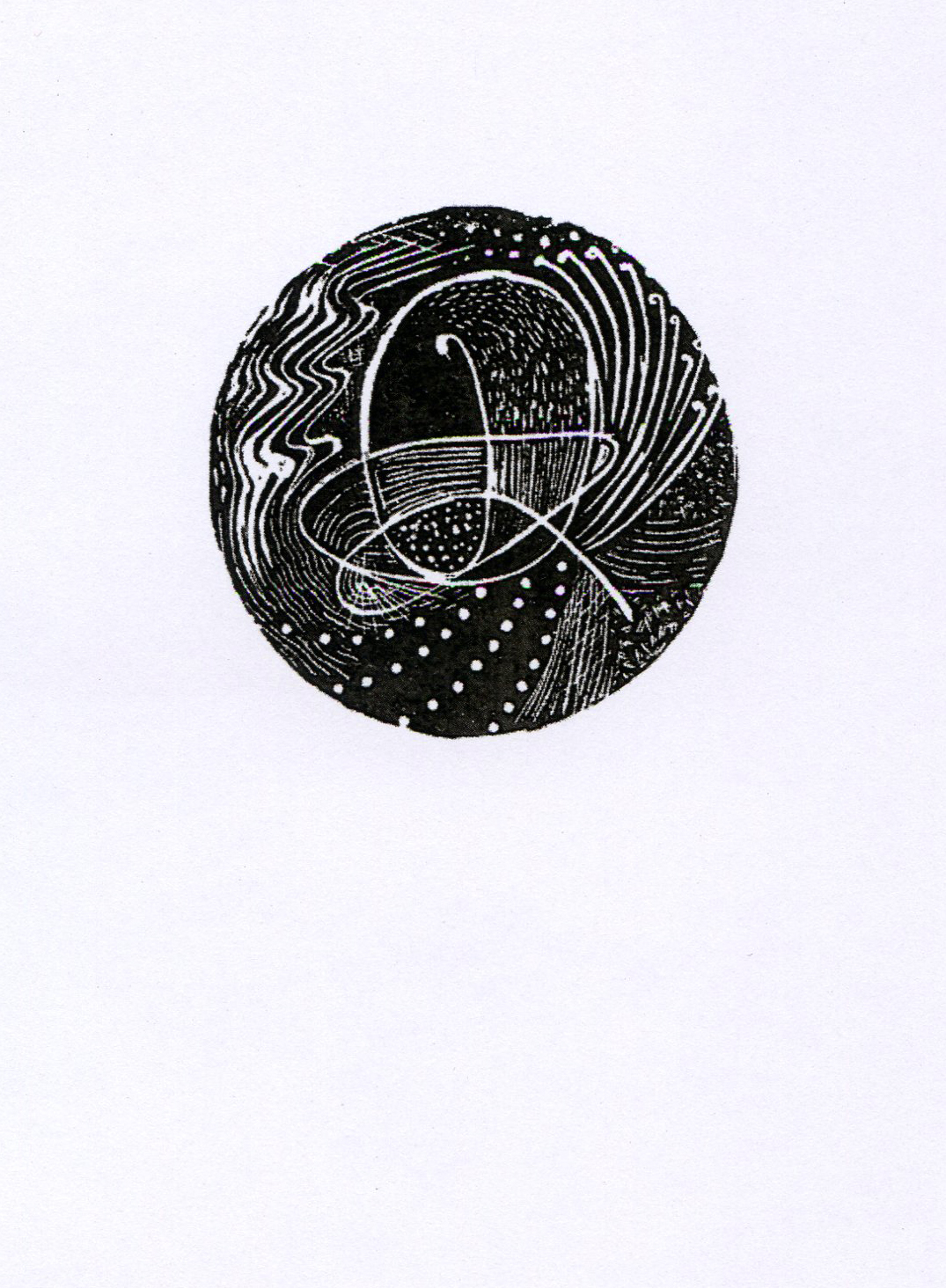
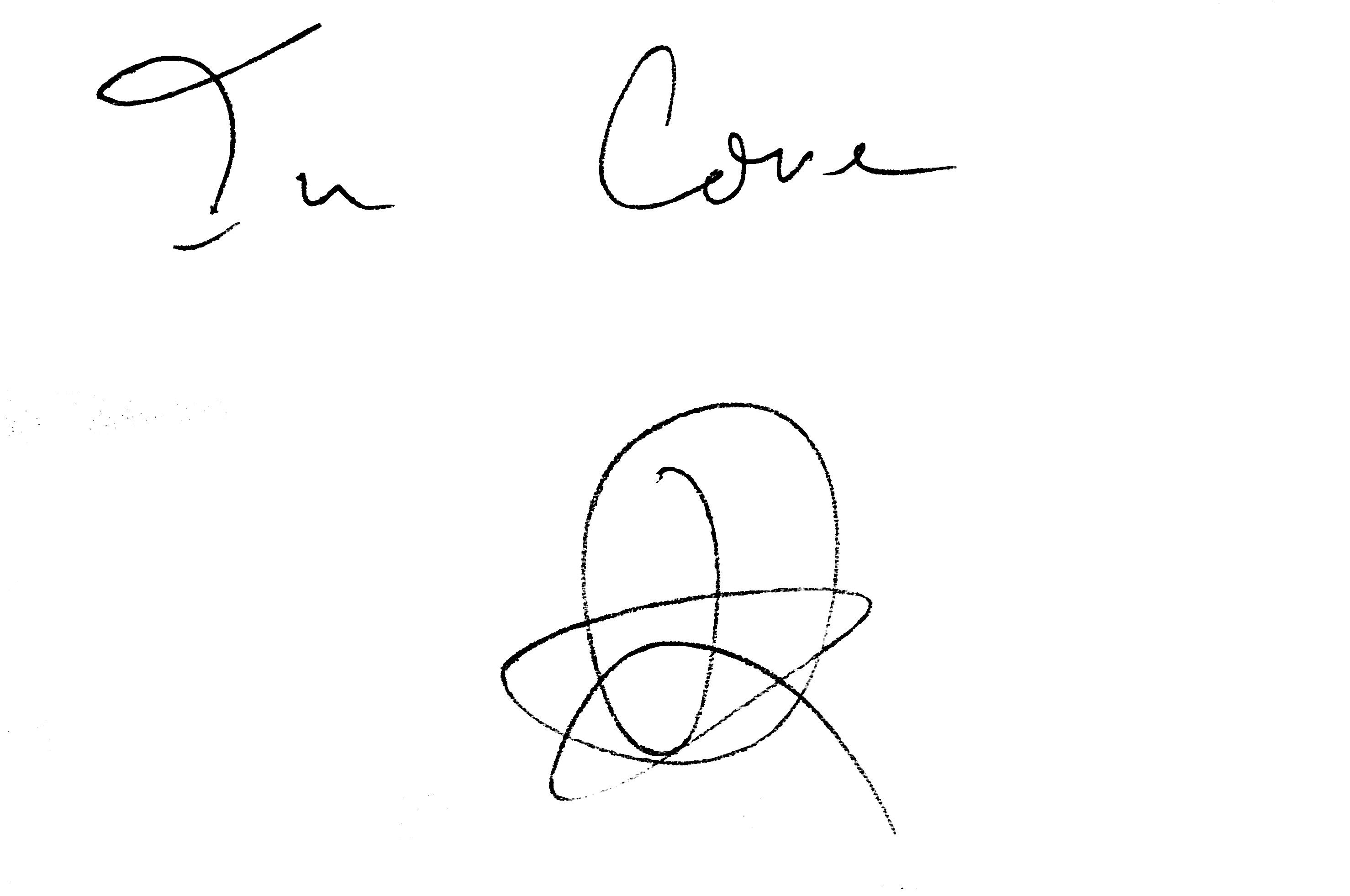
Hand printed wood engraving by Susanne Harding inspired by Fazal's signature.

Hand printed wood engraving by Susanne Harding inspired by Fazal’s signature.

The book contains stories, essays and poems written by those who were inspired by the controversial and innovative nature of Fazal’s work, or by the creative spirit that pervaded the place and people he left behind.

Kaliani, singing

Isha, Elias, Aisha, Puran - lowres


In the way mystics talk about the right time, place, and the right people, Fazal offered a timely and challenging spiritual education that embraced wit and the complexities of modern life. During the 1970s – 80s he attracted people from many backgrounds and countries who had very little in common, other than being exiles from tradition and hungry for truth. The book gives a flavour of encounters, stories charting the edge of learning and unlearning, relationships with one’s self, the groups, the world, intense experiences, affecting deep peace and change, often achieved after games of orchestrated struggle and conflict, peaking in performances on the stage of a magical theatre – live and experience first, then reflect. Debriefings after workshops were sobering, humorous and mind-blowing events. And something ineffable was transmitted in these transformative setting, through music, through silence or through a glance.

Fazal, 84 inside page for Heart of a Sufi

Signature


A short history:

In 1968, at the age of 26 Fazal Inayat-Khan became the head of the Sufi Movement founded by his grandfather, Hazrat Inayat Khan, accredited with introducing Sufism to the West. By 1982 Fazal embraced his personal style to honour his grandfather’s legacy of spiritual liberty by surrendered his leadership of the Movement and chart his own path. His approach to Sufism resembled Idris Shah’s, whose writings had perked my initial interest in Sufism as a timeless practice of wisdom pre-dating Islam, a teaching kept alive through adapting its essence to new times and people. Adaptation in many fields was called for during the 1960s – 80s. The psychological and scientific insights of that period were so radical their social assimilation has yet to happen.

Conceiving of a book that offered a window to Fazal’s work, the editors had wondered if anyone would be brave enough to come forward and share their interactions with this passionate man, the groups and the tumultuous conflicts worked out during that period. We thank again those who contributed. And there must be many more stories of regret, pain, delight, disillusionment, new found coherence, inspiration, and significant life-changes.

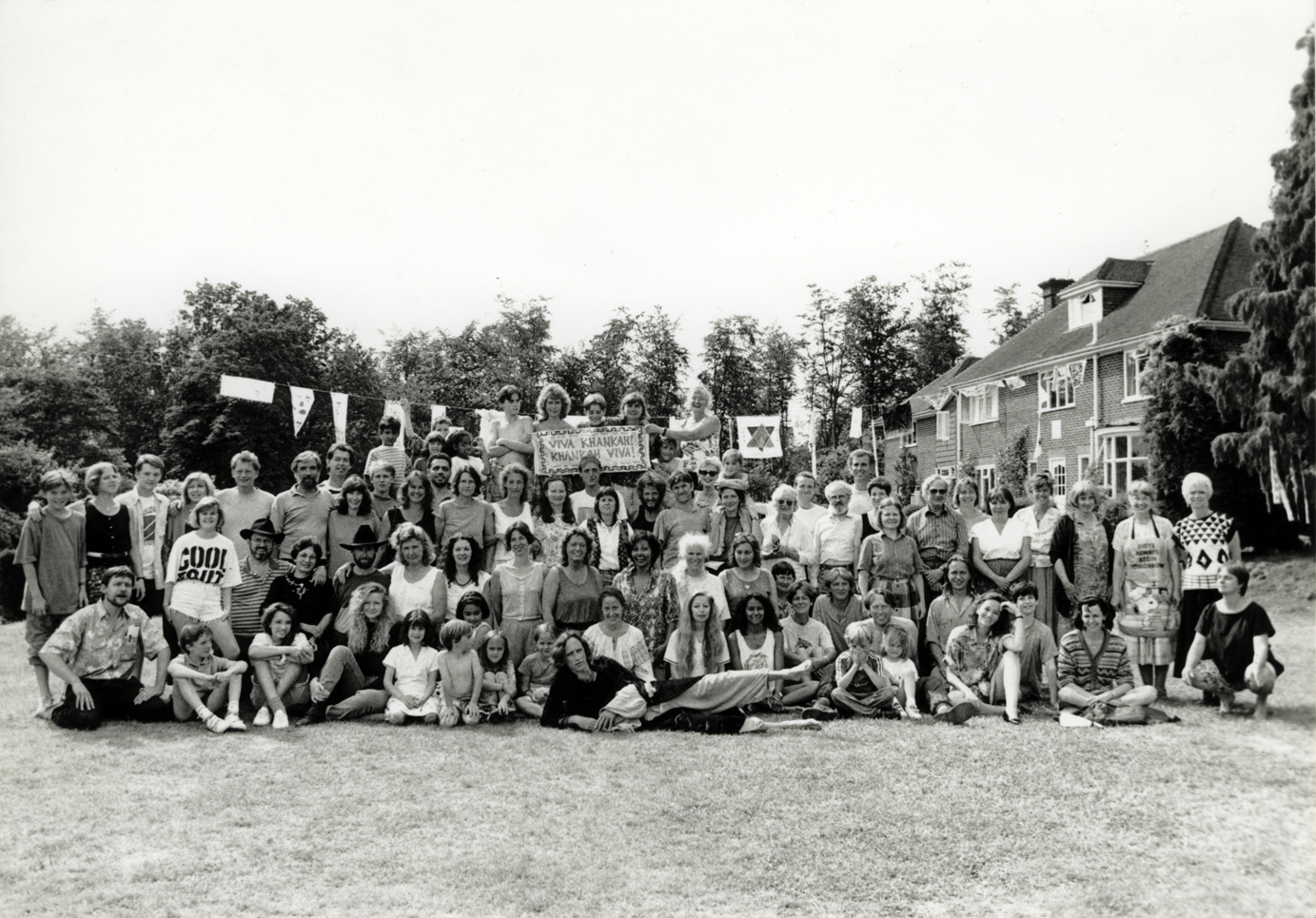
Sufi Way gathering - Four Winds 1991

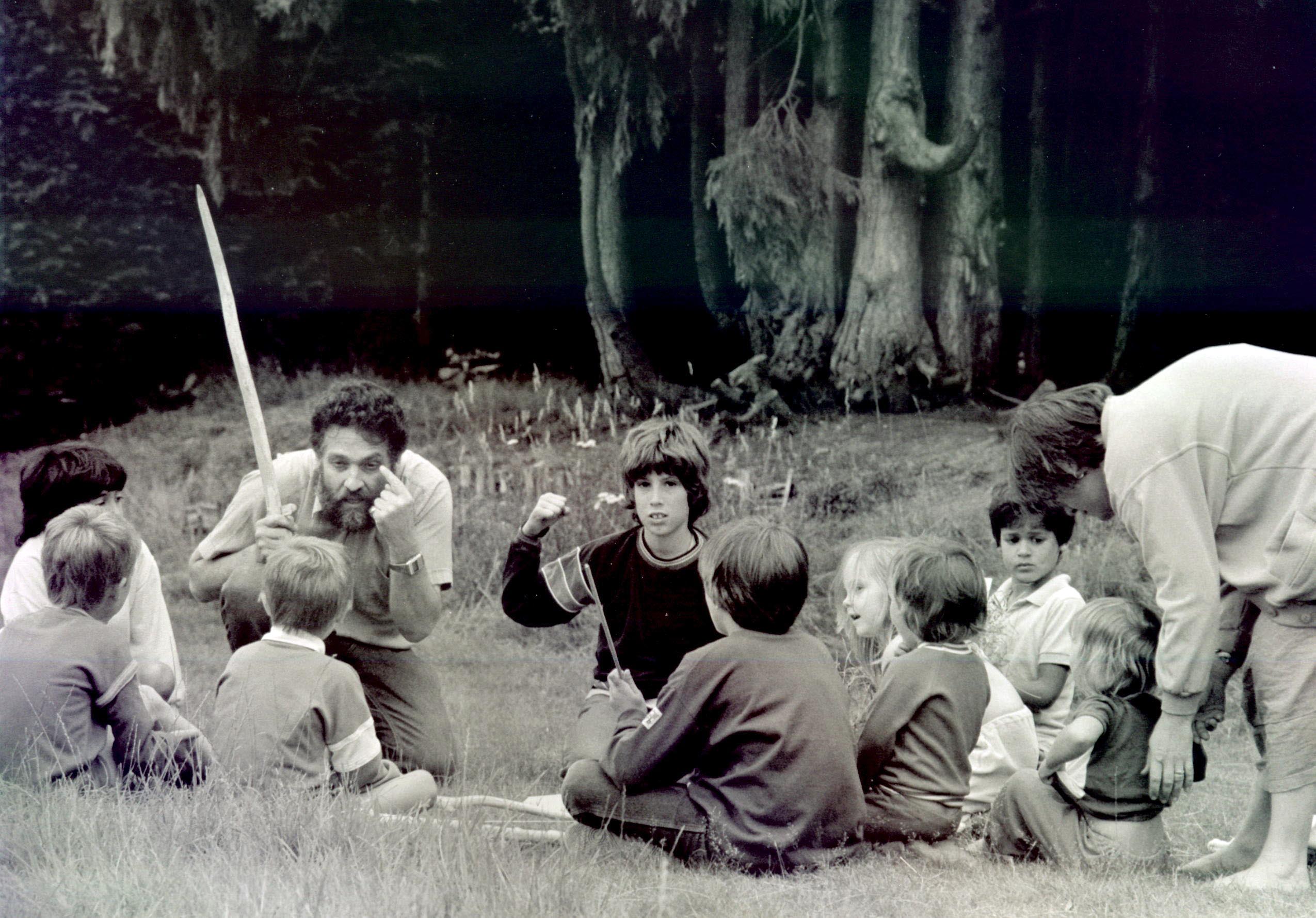
Fazal, 80s with children at Four Winds

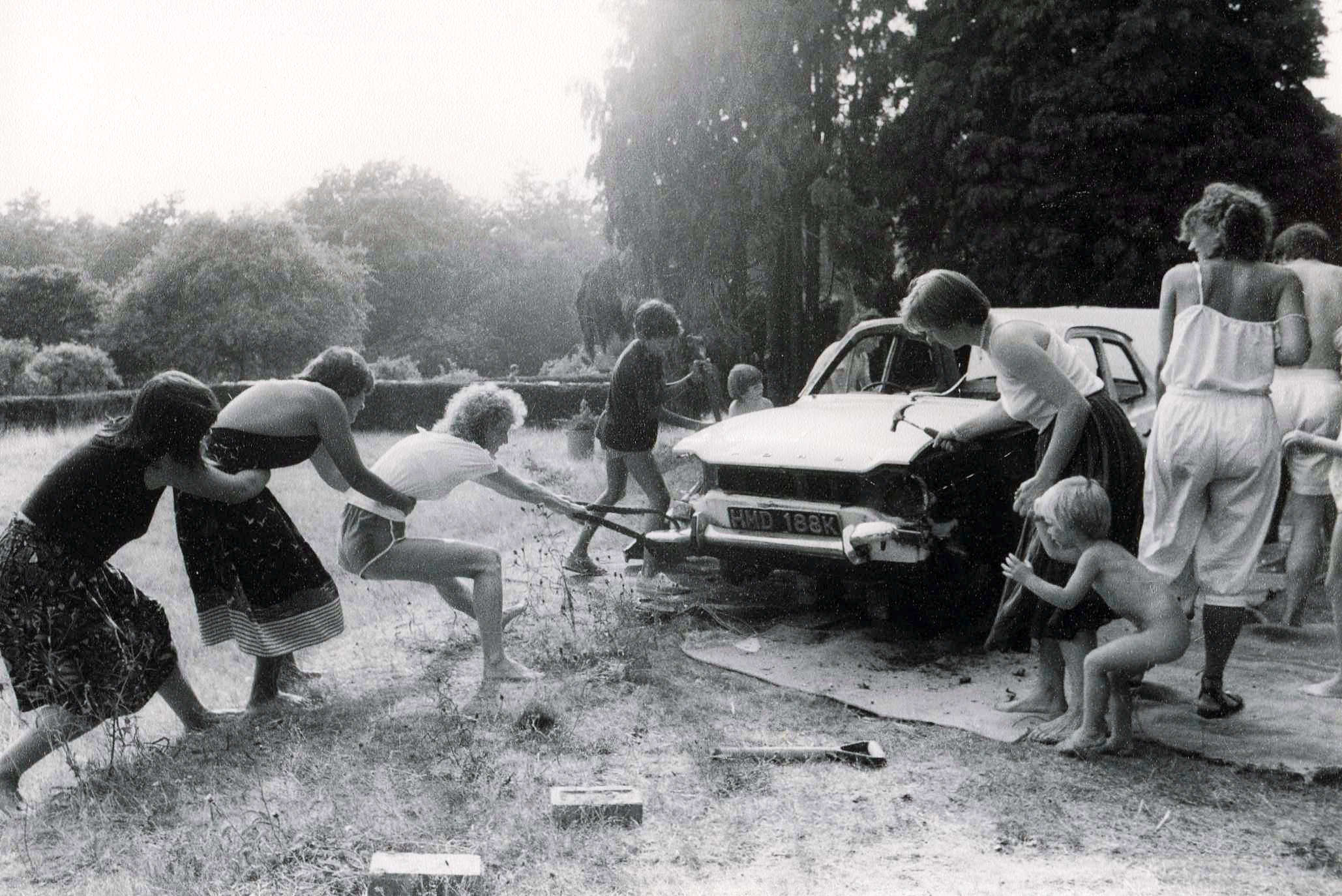
F.W. car- smashing 1


The rights for Fazal’s hundreds of talks, poetry and musical tunings rests with the present leadership of Sufi Way. Our book contains some of Fazal’s quotes and the extraordinary poem – Qalandar – but the purpose of Heart of a Sufi is to show the potent seeds of love this remarkable man placed into the hearts of people he touched, seeds now unfolding in new settings for generations to come.

the cook runs

img123179

4W2Bonfire

15n15m


Archventures are pleased to offer Heart of a Sufi as e-book, making it affordable:

http://www.troubador.co.uk/book_info.asp?bookid=2180

On amazon you can peek into some of its pages: http://www.amazon.co.uk/Heart-Sufi-InayatKhanReflectionsebook/dp/B00BFUO0T6/ref=sr_1_22?s=books&ie=UTF8&qid=1363426951&sr=1-2


*    *    *

Relevant links can be followed up from the e-book.

18 Comments

Filed under Blog

… why spin tales? …

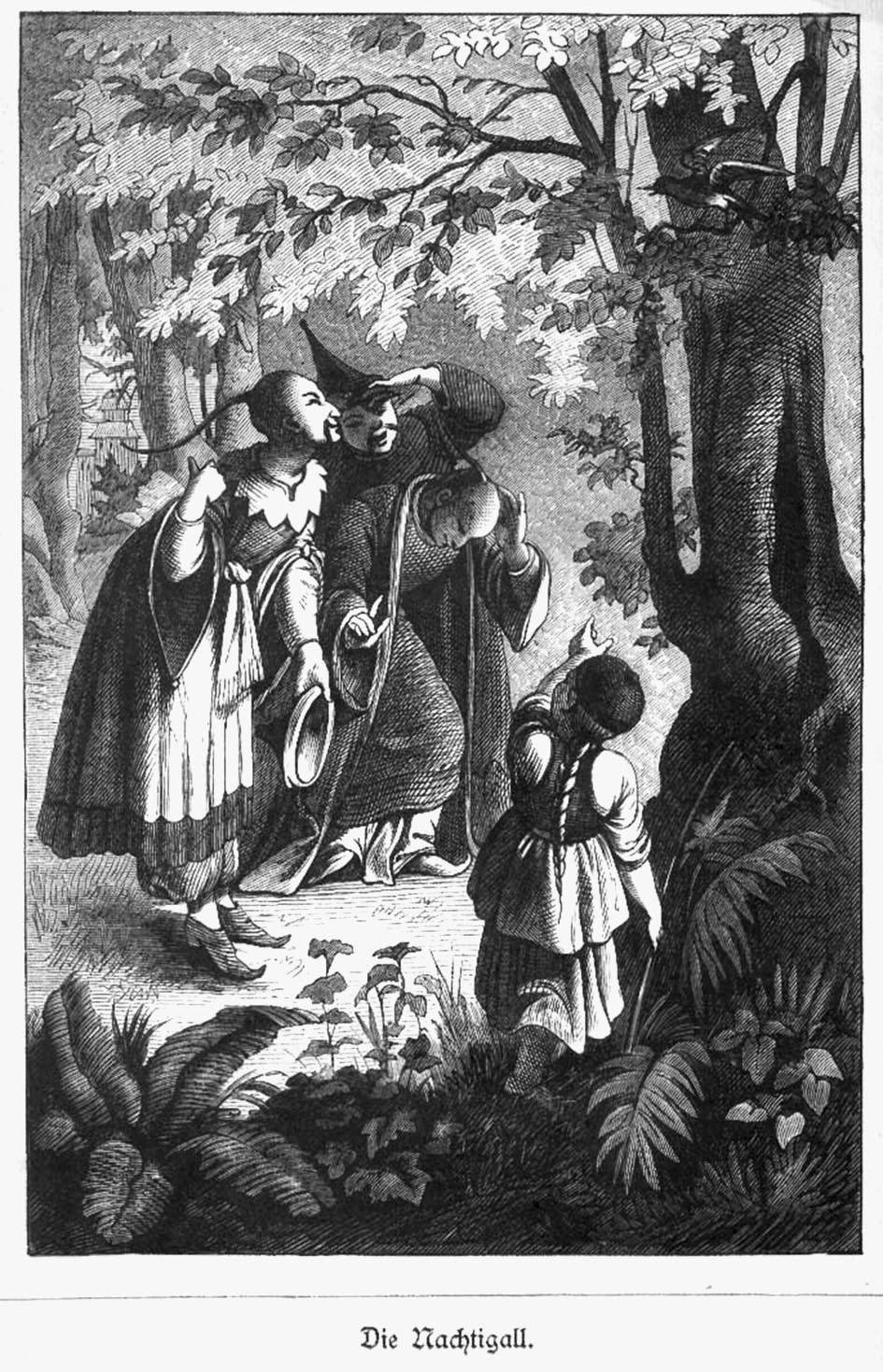
Die Nachtigall-02 Why spin tales, why listen to them, enact them on stage, dance them, ritualise them, read them, write them, re-write them?    We tell stories to ourselves and each other, to entertain, inspire, amplify events, or in search for meaning.

When it comes to stories, fact-finders tend to miss the point. Too many sequential facts can befuddle a truth that lingers in the higher or deeper layers of consciousness, from where vital symbolic insights shine through a narrative.

We owe much to Joseph Campbell, who with life-long passion explored the origins of myths and their functions throughout human history: http://en.wikipedia.org/wiki/Joseph_Campbell

And check out these fantastic documentaries: http://en.wikipedia.org/wiki/The_Power_of_Myth

A myth is a public dream – a dream is a private myth. – Joseph Campbell


In my psychotherapy practice, clients present their story in unique ways that occasionally include lucid dreams of past lives. I deeply respect the power of the imagination. In neutral mode, I listen. So it happens that a trauma set in thirteenth century Languedoc, when Cathars were branded as heretics and massacred by the Catholic Church, can deeply trouble a person’s psyche with visceral images. I travel along, and as the story is released, I may bridge the emotional resonance of a pattern to the present life of a client. In this process profound cognitions can soften a psychological complex.

Lasting examples of deeper truths are mirrored in Fairy-tales and myths, where basic patterns of our collective unconscious psyche are brought into relief. That is, if we can grasp the metaphors under the primary meaning of words. Fictional settings for heroic or anti-heroic characters are particularly suited to convey powerful emotional themes infused with archetypal elements.

… the spirit of an age is more essentially mirrored in its fairy-tales than in the most painstaking chronicle of a contemporary diarist … Raymond Chandler – Realism and Fairy-land

Some religions persist in the literal truths of their sacred texts. Scientists, too, get stuck in dogma, but I emphasize more with the frustration of the latter, since, with the courage of doubt, scientists have pushed the horizon of knowledge outwards by painstakingly reading the book of nature through the language of data, evidencing processes poets and mystics before them intuited, but physical eyes cannot perceive – like radiations other than light. I’m trying to overcome the conflict of the scientist and poet in me. They interpret the world in different but equally significant ways. There is a need to read nature in both languages, so greater understanding and tolerance can develop.

‘With faith one attains and realises peace and harmony. With doubt one destroys and gains freedom to move ontowards.’    – Fazal Inayat-Khan

Memory, objectively true, or false, affects our lives every day. Stories lodged in the heart endure in a timeless dimension of the imagination. We can however alter their interpretation by exploring our perspective, be it from a pit of fatalism, a sense of insecurity, a belief in magic, faith in divine guidance, or the certitude of natural laws. Even the simple acceptance of life’s continuous dynamic change can shift the meaning of our stories, and, of course, it helps to overcome literal mindedness and make an effort to decipher the metaphors.

‘The mystical warrior is trying to reduce the obstruction in the doorway, and the worshipper is attempting to reach the construction behind the doorway, almost out of sight. There is a gap between the two … the vague band between the known and the unknown. In that band rapture is possible.’   – Fazal Inayat-Khan

Stories are the sap of life nourishing the roots and branches of humanity. We spin stories because during the birth of this universe the symmetry between matter and antimatter was broken, kicked out of balance, which resulted in a slight predominance of matter, the stuff we bump into. It’s a poignant thought that this little quirk caused the dynamic asymmetry that evolved into the universe we live in. Without this asymmetry between matter and antimatter our world would be empty, there would be light only – sans elements, sans plants, sans animals, sans night, sans saints, fools, villains – sans consciousness – no story.

*     *     *

For those interested in nuclear physics:

http://www.slac.stanford.edu/pubs/beamline/26/1/26-1-sather.pdf


5 Comments

Filed under Blog