The rose-phrase is the enduring refrain of Gertrude Stein. In her surreal 1939 children book, ‘The World is Round,’ for example, rows of three words appear throughout. A girl called Rose carves her name round a tree in an endless loop to affirm her existence .
Rose is a rose is a rose – rolls from the tongue much like the prayer beads of a rosary roll through nimble fingers.
You want to stay with the rose, let it take root in your psyche, and from there let roses after roses grow.
By comparison – BrexitisBrexitisBrexit – sounds like the rusty hinges of a rotten door, or the croaking of a parrot with a sore throat. I try to resist the word’s grating in my skull, but it’s difficult to avoid its ugly edges from day to day, in bizarre discord with the rousing refrain of Britannia rules the waves.
There’s repetition and repetition. Applied with intention in literature, music, dance and the visual arts, repetition can strip the familiar to its essence. The arts, at best, alert us to nature’s spellbinding repetitive rhythms. Shield your ears and hear the blood-river rushing through your veins – touch your wrist and sense your heart pump the river round and round. Spirit is seduced into this trance-dance, or it would never get trapped in forms. Repetitive behaviour settles us into mollifying routines and gives us a sense of stability, as well as addictive habits. Beneficial as they can be, customary routines also have a tendency to dumb us down.
In this time of rapid changes, words and images topple over each other’s associations. Type ‘apple’ into a search engine and up pop pages listing Apple Inc., the multinational technology company that has seized the apple, bitten off a chunk of knowledge, like Eve, and deployed it as a metaphor for its corporation – brilliant, and disconcerting. It had trouble finding a title for my novel, where ‘mirror’ was not already owned as a label by tabloids or rock bands.
Most young folk today move along the electric cultural highway in fast gear. Facebook’s Zuckerberg famously said ‘Move fast and break things.’ Maybe he’s a speed-hatched modern-day mystic. I’m reminded of Hazrat Inayat Khan’s profound quote regarding the journey of life – ‘The ideal the means, its breaking is the goal.’
I suffer a long view. My first experience of TV was Queen Elisabeth’s coronation. What unnerves me is the speed of spear-heading elites, leaving ordinary people no breath to digest events, especially as history and the arts are being replaced by computer science in education. With automation the rage, the journey happens in a blur, as do thinking processes. Keywords have become mechanical codes, and shareholders bow to the omnipotent algorithms’ patterns of, let’s say, how existential fears relate to consumer behaviour. We hardly notice our choices being manipulated. How to catch snap assumptions that keep consciousness caged, or one’s imagination buried under debris of glib answers? With traditions and ideologies on trial, how to develop a filter of authenticity to stem the flood of information? Reflective minds are turning cynical. I have that tendency. Doubt is the new lodestar.
Like never before, we perceive phenomena through multiple eyes, tap into the states of other beings – their joy, their ignorance and excess, their poverty, suffering and distress. We may blank out what upsets, but can’t escape the increasing experience of contradiction, the very function of reality. Greater awareness deeply conflicts us, as much as it inspires creativity. There’s hope. Seeing does not require physical eyes. Collective consciousness will expand, be it through chaos. The least we can do is to still our own mind, which is why I return to the rose.
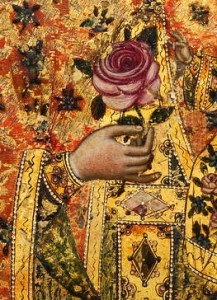 The genus Rosa, according to fossil evidence, is 35 million years old and begun to be cultivated circa 5000 years ago. Due to its tessellated structure, dome-like shape and its delightful perfume, the rose has become a symbol of the heart, of wholeness, love, beauty and perfection the world over, frequently with mystical connotation, and often highly stylised, as in Islamic art.
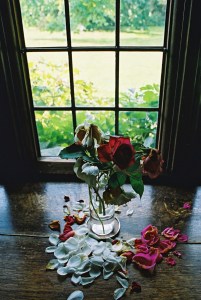
When held, thought or spoken of, the rose lingers on and generates a mood. It may appear in different stages of opening or beautiful decay, in a particular colour, light. The name alone conjures up memories of scents, places, relationships, delight or melancholy. What ‘rose’ evokes derives from a time-wrought cypher that evokes all roses that were, are and will be. Rose is a rose is a rose – depicts a rose, no more, and yet, it kindles all the experiences and ideas humans formed around roses.
 While fear of loss and abandonment engenders life, it also draws us towards the mystery of infinite consciousness, the one being with countless names. Various practices, derived from spiritual traditions, can calm a turbulent mind enough for a glimpse of harmony beyond divisions. For a while, at least, we sense the larger presence, the effortless zone, the flow – and given patience, come to realise that consciousness is what we are.
I invite you again to This guided rose journey I shared here three years ago, requires only your imagination.
It is a short imagery, easy to memorise. Enter with eyes closed, and it may work for you as a bridge to the recurring presence of rose – a reminder of continuous becoming and expanding consciousness.

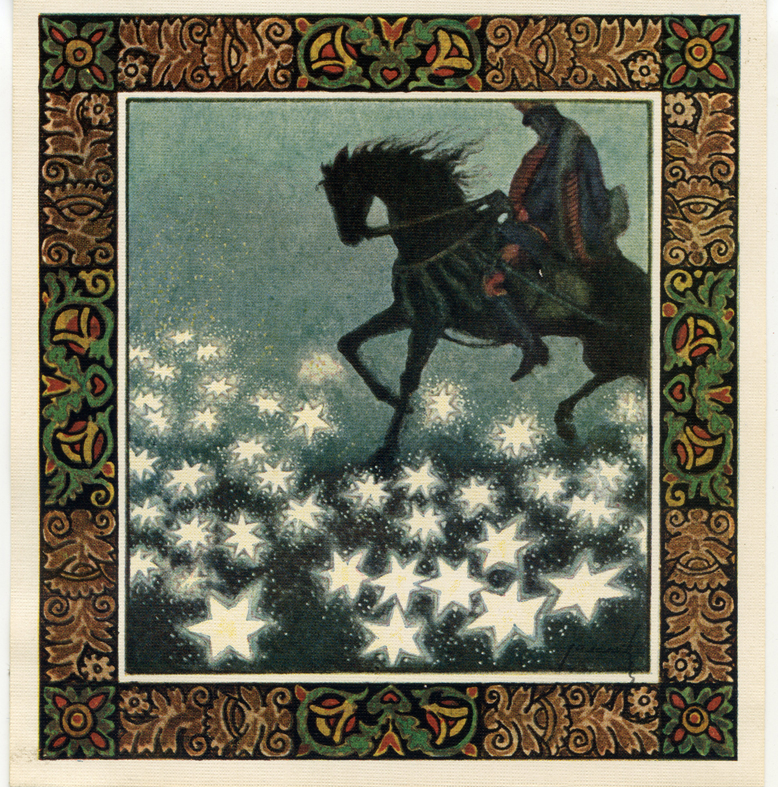
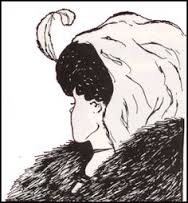 moment arrives when black and white spaces inverse and clusters of stars shine from another dimension. The background has moved to the foreground. A tiny shift in our outlook can result in a new interpretation of what we see, like in the
  irritate us lie foremost in a person’s unique temperament and inherent tendencies. Background does not explain the mystery of characteristics we are born with, the random mix of evolutionary records in our bodies, a wisdom our minds expand upon through resonance with the
 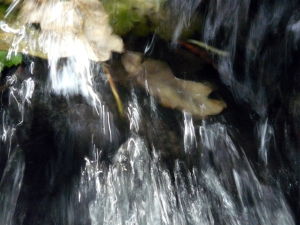 How come I’m invigorated by rushing waters, calmed by a smooth stone, a golden sunset? How do I sense the pulse in a tree, or what life is like for a boar, rat, ox, tiger, rabbit, dragon, snake, horse, sheep, monkey, rooster, dog – unless all nature’s qualities also reside in me?
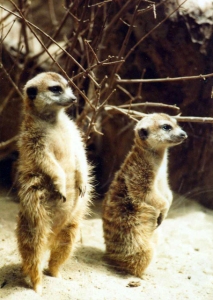 At social gatherings we may come upon clusters of meerkats grooming each other, turtles plodding through the crowd looking for a mate or a fresh salad leaf, peacocks, obsessed with their splendour, blustery cockerels, loving old dogs, sharp-eyed falcons, enchanting robins, and so on. …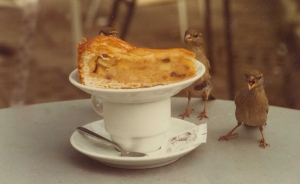
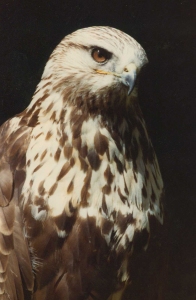 with a butterfly nature tying up with a partner who occasionally roars. Given the rich lore of sensibilities mixing and battling in the human psyche, strangers should be less strange than we make them out to be.
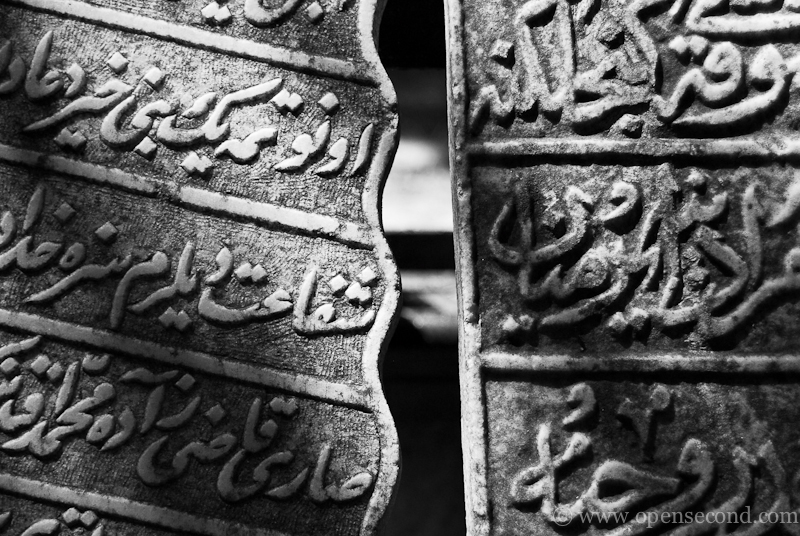
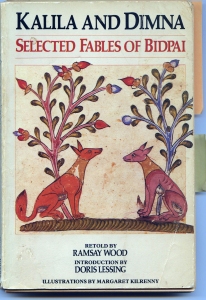 The Persian translation became the Fables of Bidpai. Lovely collections of
  16/17th September 2016 was a strange night of wild dreams – one of a big old mansion of which I occupy a part (I actually live in a semi,) while the other part is lived in by an aging famous actor, Jeremy Irons. In the dream he collects antique furniture, art objects and frames. Some large pieces, including a massive empty frame, he fixes onto a wall in the courtyard. We mainly meet in the wide inner hall of the mansion. He seems a little absentminded but quite amicable and kind. He likes that I talk to him.
 Records state our ships were launched towards Proxima Centauri – programmed to complete an assignment, after which our android system was to be made redundant. The assignment to find carbon conditions and water to sustain organic life has not been completed. The seeds stored in our vaults remain dry. Are we avoiding redundancy? Our current analysis of the Wikipedia sub-scripts focuses on the vast structure of human language. Here are some pointers:


 Course of Mirrors