Tag Archives: time

… what writers can glean from cinematographers …

Like writers, filmmakers manipulate time. They take a story apart and re-assemble it.

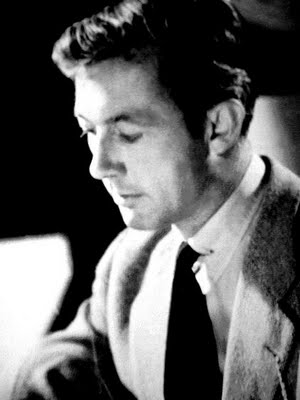
Robert Bresson, inquisitor and humanist, stimulated filmmakers and enriched the experience ofrobert-bresson2 viewers. With a tiny leap of the imagination his ‘Notes on the Cinematographer,’ publ. by Quartet Books in 1986, transl. from the French by Jonathan Griffin, also offer inspiration to writers of stories. Here are a few  brief notes I collated during my vocational film degree in the early 90s:
An image is transformed by contact with other images as is a colour by contact with other colours. A blue is not the same blue besides a green, a yellow, a red. No art is without transformation.

For the writer – this would apply to action and reaction, resonance or dissonance, anything that develops the dynamic interactions of a narrative.
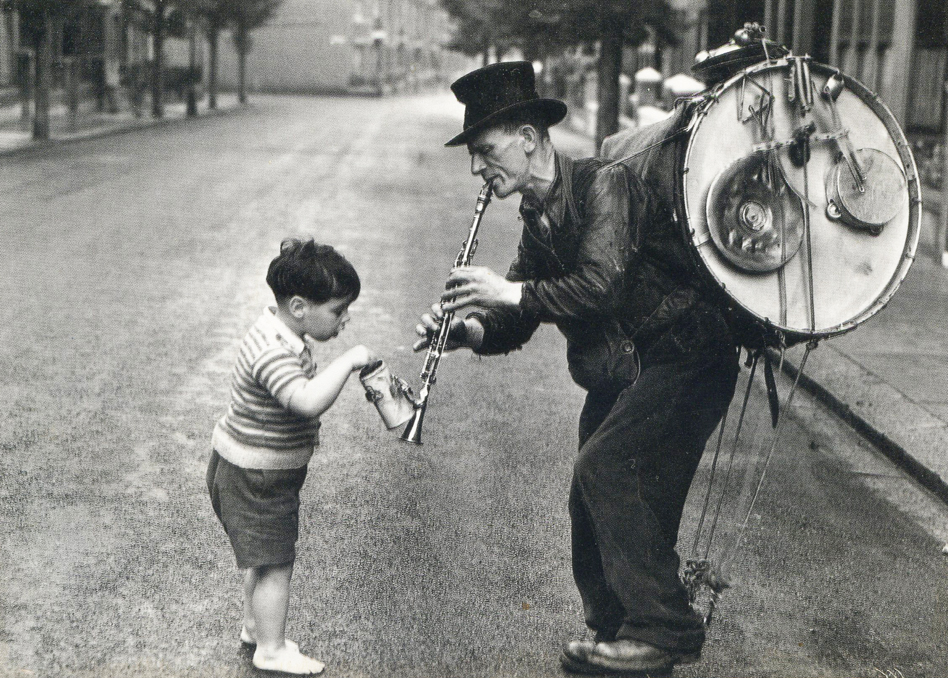
img108 adjustedTo create is not to deform or invent persons or things. It is to tie new relationships between persons and things which are, and as they are.

This equally holds for writing. Characters discover themselves through relationships.

Something that failed can, if you change its place, be a thing that has come off.

If a writer’s darling idea distracts in one place, in another place it may earn its stay.

One dismantles and puts together till one gets intensity.

This reminds me of a Goethe quote … Dich im Unendlichen zu finden, must unterscheiden und verbinden … To find yourself in infinity you must differentiate and combine … Details works best if they have a purpose in the protagonist’s quest, especially when it comes to turning points.

An old thing becomes new if you detach it from what usually surrounds it.

This is what creativity is all about. Entrepreneurs seem to grok this.

What is for the eye must not duplicate what is for the ear (within.)

This serves as a reminder not to overwhelm a reader with sensual information.

The cause which makes him/her say this sentence or makes that movement is not in him/her, it is in you. The causes are not in the models. On the stage and in films the actor must make us believe that the cause is in him.

A one-up on the ‘show don’t tell’ writing mantra. Both telling and showing have their place, though we connect to a character more intimately through being shown the interactions with him/her self and others.

The omnipotence of rhythms – nothing is durable but what is caught up in rhythms.

We love rhythm. It measures time and gives coherence, while a counter rhythm can surprise and quicken our heartbeat. In film as in writing this might be the repetition of quirky character traits, tone of voice, tempo, mood, atmosphere, or reoccurring shifts in style and perspective, in the way we enjoy how adagio and presto in music enhance each other.
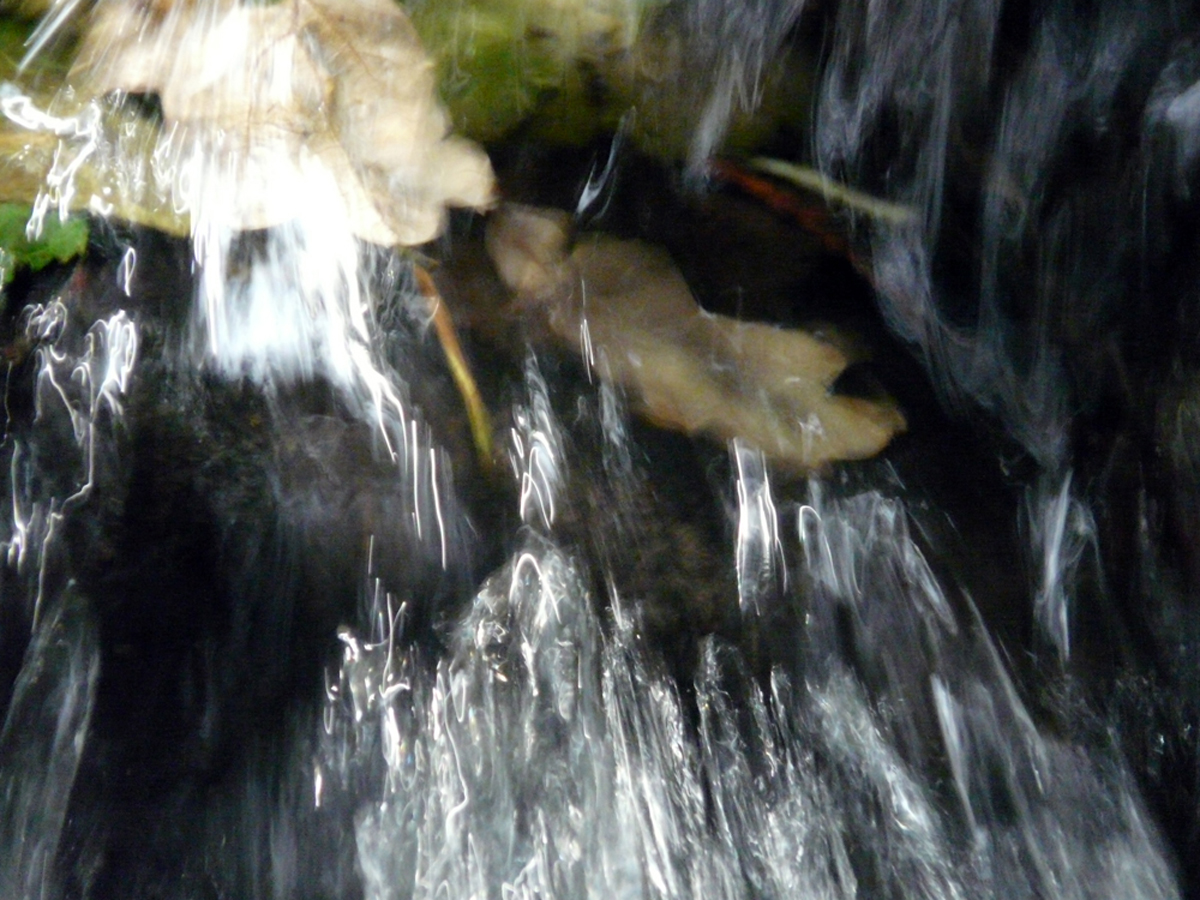
P1090890 - Copy (2)Translate the invisible wind by the water it sculpts in passing.

This ventures into the domain of poetry …  the ongoing challenge to find ways to express in words or images what rushes past us in daily life, but nevertheless affects us deeply.

The eye is (in general) superficial, the ear profound and inventive. A locomotive whistle imprints in us a whole railway station.

This is about trusting the imagination of the viewer, or reader.

Let the cause follow the effect, not accompany it or precede it.

Robert Bresson shares: The other day I was walking through the gardens by Notre-Dame and saw approaching a man whose eyes caught something behind me, which I could not see: at once they lit up. If, at the same time I saw the man, I had perceived the young woman and the child towards whom he now begun running, that happy face of his would not have struck me so; indeed I might not have noticed it.

Build your film on white, on silence and on stillness.

Profound. Allowing a unique story to emerge requires intuition, and an inner kind of listening.

*     *     *

A touching interview of R Bresson. And some video clips relating to cinema, including hand gestures R Bresson used in film.

As writers, how do we move a story from one setting to another?

In film, a sudden jump of scene is kind of lazy, unless intended to shock. In writing, too, there are more elegant ways to transit from one place, or time, to another, mainly through matching parallels or correspondences. This could be: A keyword in a dialogue repeated in the next scene, or a similar action, direction of movement, speed, light, colour, shape, sound or mood. It could also be an artificial device, featuring a narrator, or a recurring (out of time) interlude which can form the spine for the narrative.

I have time-jumps in my novels (yet to be publishend.) It remains to be seen whether they work.

Regarding spatial/temporal suspensions of linearity, I remember the beginning of the film Space Odyssey 2001. A victorious ape, having discovered a bone can be a weapon, spins his tool high into the air … time leaps … and next we see a spinning space station, shaped like the femur bone.

More recent, in the TV series The Last King – 1st episode, a time leap works well … The Saxon boy, Uhtred, captured by Danes and taken under the wings of Earl Ragnar, is pushed by him playfully into a river with the words ‘You’re as a son to me.’ In the next scene Uhtred steps out of the river as a grown man, albeit with conflicting localities.

*    *    *

On a personal note, as my life’s narrative is concerned, having made professional sacrifices ten years ago, in order to write, I wish I could shift to a scene and time that did not involve worrying about keeping my roof over my head.
15 Comments

Filed under Blog

… patina – beauty of use & age – wabi-sabi …

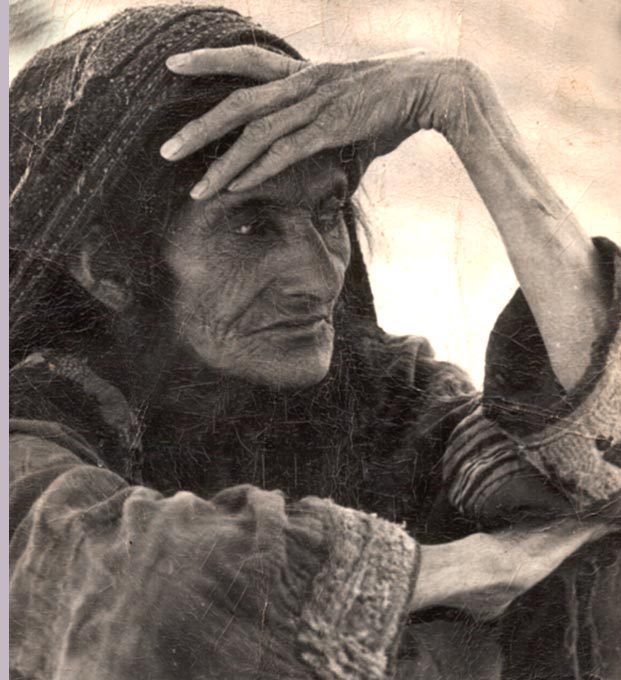
From an old postcard. I can't source the photographer.

Old woman – from a postcard I can’t source.

The phenomena of patina on surfaces is intimately seductive – layers of flacking colour on facades, walls and doors of old houses – thresholds dented and polished by feet treading on them for decades and centuries, tools honed by use, lichen-coated wood and stone, the fading or darkening of materials affected by exposure to light, air, water, wind, heat, humidity, wear and touch – and – poignantly – human skin inscribed by living.

Essaouria

The irreverence of organic processes brings endless revelations, a subtle kind of charm, a triumph of endurance, a fleeting glimpse of time in motion, a mystical hue of imperfection, evidence of existence that display glorious or sad narratives of beauty, relationships, melancholy, comedy, tragedy, remembrance and transformation.

Linus and his blanket

Linus and his blanket

Children naturally form emotional attachments to objects that then become love-worn. The remarkable psychoanalyst Donald Winnicott (whose ideas are worth exploring) specialised in early emotional relationship bonds and the importance of a holding environment for children. He coined the term transitional objects for the blankets, stuffed toys, dolls, or anything a child may choose to have an intimate relationship with, for comfort, often substituting the closeness to mother.

And don’t we know …  people are complex and unpredictable when it comes to holding our projections, quite unlike objects, be they associated with visual attractiveness, taste, smell and sound, or with tactile sensations. Objects can retain comforting feelings for us throughout our adult life. Anything from pets, trees, trinkets, letters, pens, photographs, books, significant presents, clothes, furniture, tools, cars, houses, places , feathers, sticks and stones can become treasures that give us pleasure.

Often a search for something lost is at work. My mother, in her later years, became passionately obsessed with replacing the Biedermeier furniture her family had lost in the Blitz on Berlin.

Then there is shabby chic, distressing and antiquing of furniture, which seem to gratify a need for aesthetics and comfort that some people enjoy but could not otherwise afford. To that end various sophisticated techniques are used on wood, glass, metal, stone, plaster and even plastic to replicate the vintage look.

P1070904 - smaller

But the love-worn feel of an object stressed and polished by personal use over many years, additionally endows it with a kind of cellular memory and connection, which adds a more enduring and special significance of a personal kind for which words are inadequate. The value a child or adult attaches to such an object is often poorly understood and not respected by others, be they parents, friends or  strangers.

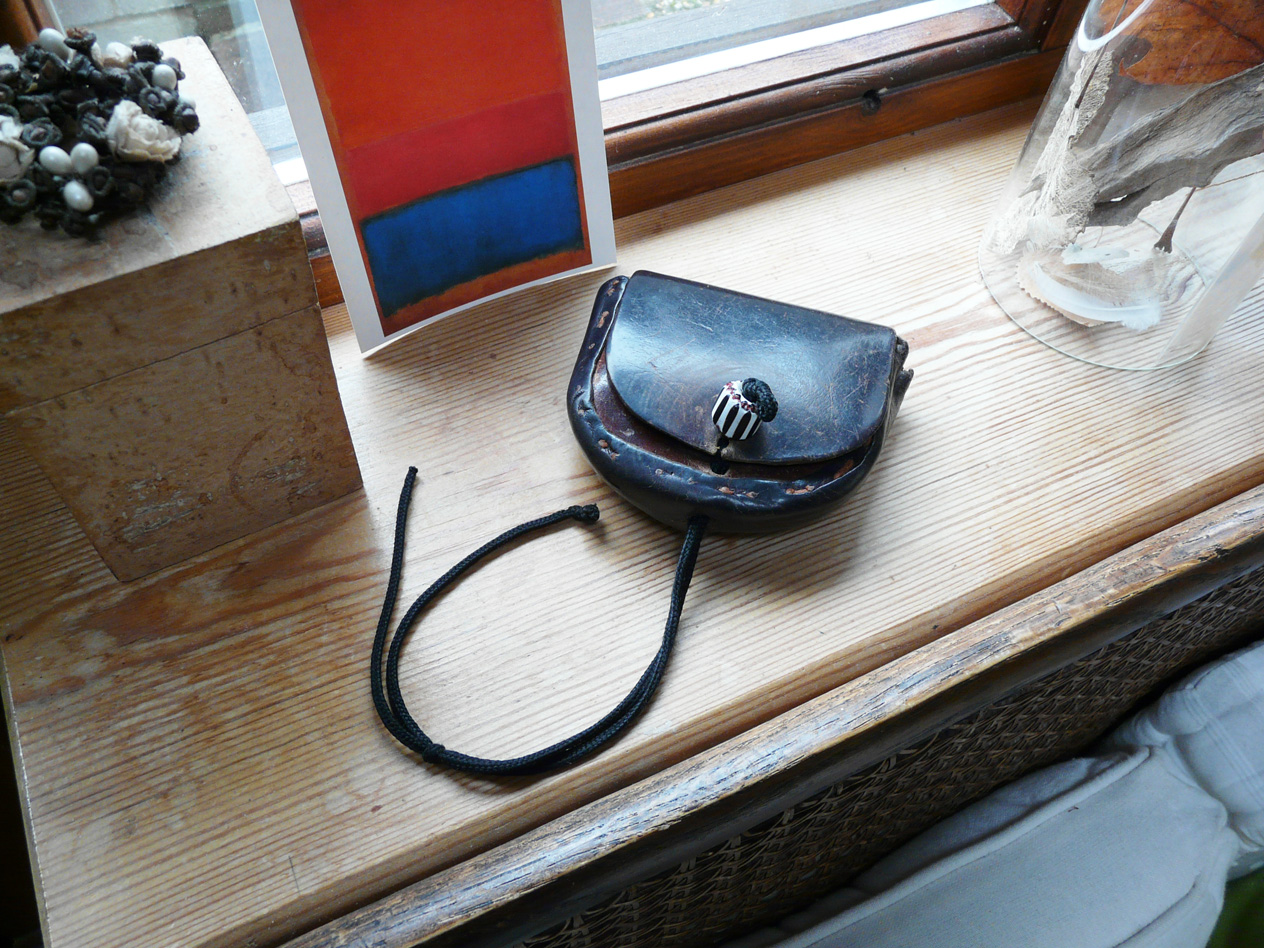
In my case, apart from certain books I loved to bits,  photographs of dear ones, stones picked in memorable spots, and so on. I grew fond of a purse made for me by my ex-husband. I repaired its stitching many times. The purse is not only useful, with a special compartment for payment cards, and encrypted markings I added inside its flap, it hoards contradictory symbolic connotations worth remembering, though I won’t divulge those. Sales-people in shops tend to look at this purse far longer than necessary. Its leather shines – you see.

P1070909 - smaller My purse is not full enough and my house not big enough to indulge in the hunt and collection of rare objects to which the Japanese concept of Wabi-sabi would apply. Then again, I chose my priority to be writing, and am content with the few minor wabi-sabi objects I cultivated over time.

In a way we all express wabi-sabi qualities in our personalities.

… Characteristics of the wabi-sabi aesthetic include asymmetry, asperity (roughness or irregularity), simplicity, economy, austerity, modesty, intimacy, and appreciation of the ingenuous  integrity of natural objects and processes. Nothing lasts, nothing is finished, and nothing is perfect …

What are the transitional objects in your life that bridge one love to the next?

Clicking on an underlined words in the text will bring up a new page, which means you won’t lose this page.

9 Comments

Filed under Blog

… cats …

I had various pets I cared for as a child, among them talking parakeets, hedgehogs, crows, snakes, mice, and dogs – but never cats. Actually I wanted a horse, but it never happened.

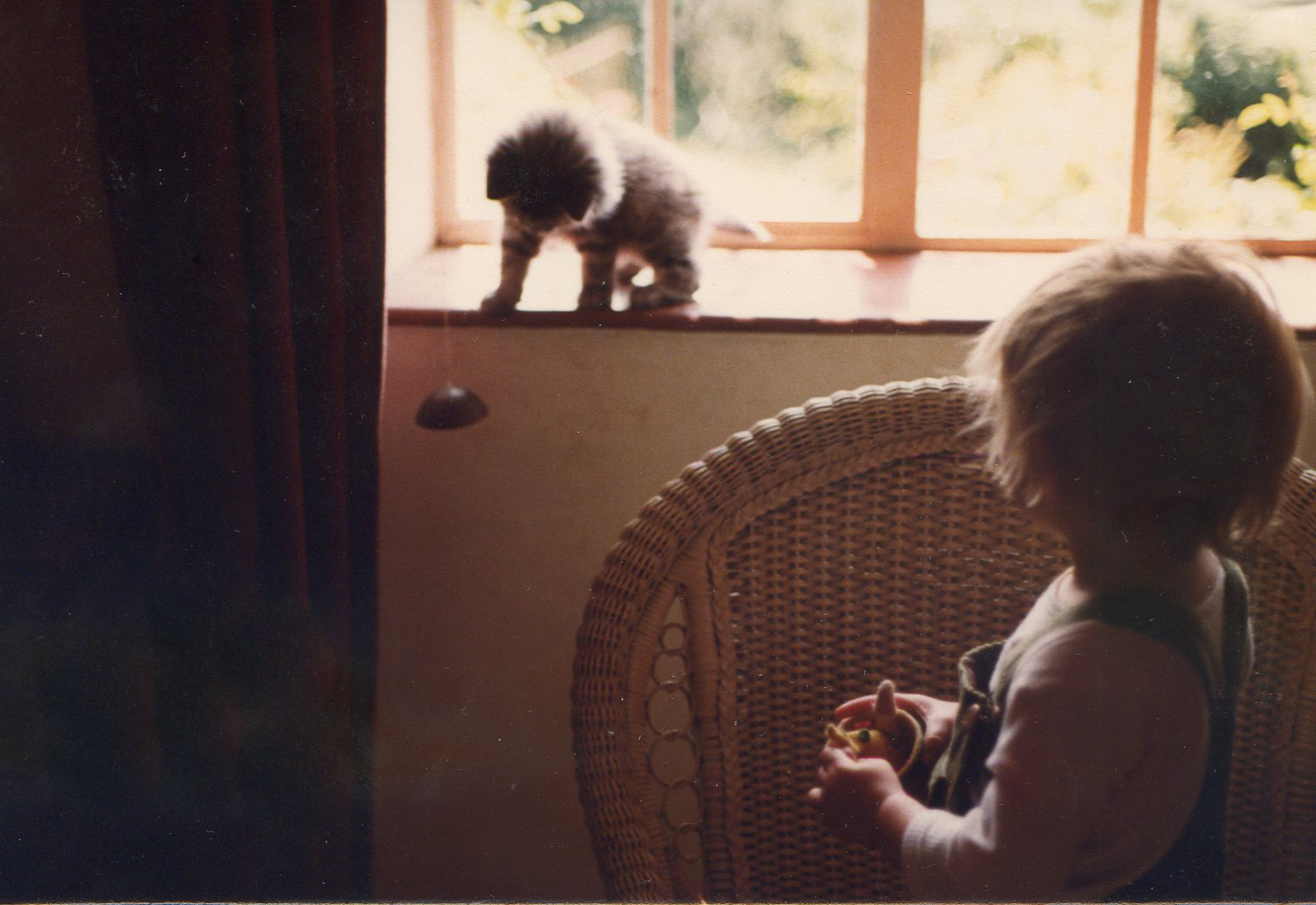
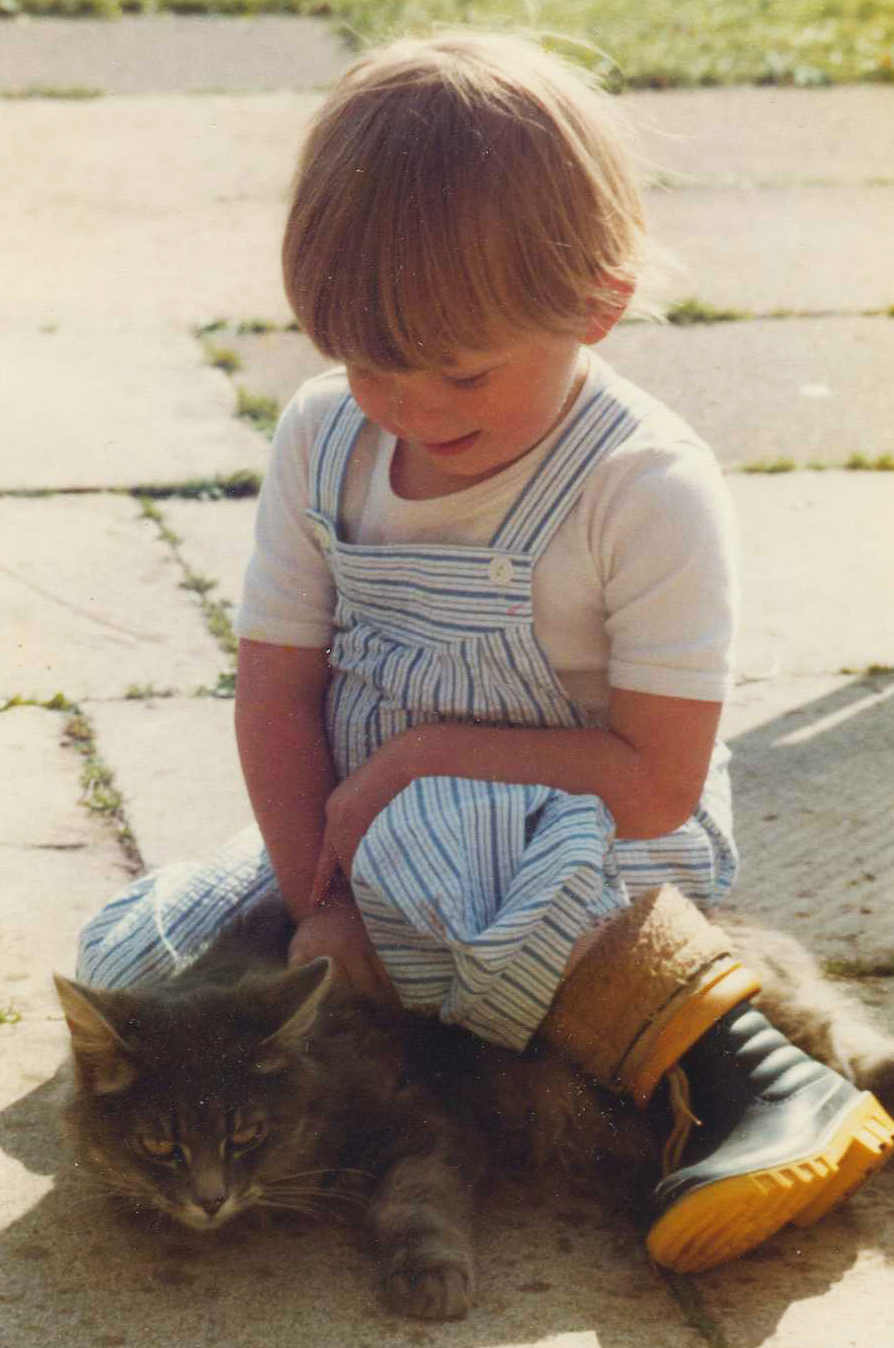
Cat, Yesh &SuzukiThen came Somerset, and I thought my young son would enjoy a cat. He did.

We called her Suzuki. I must have been into Zen … ‘Enjoy your problems’ – that kind of thing.

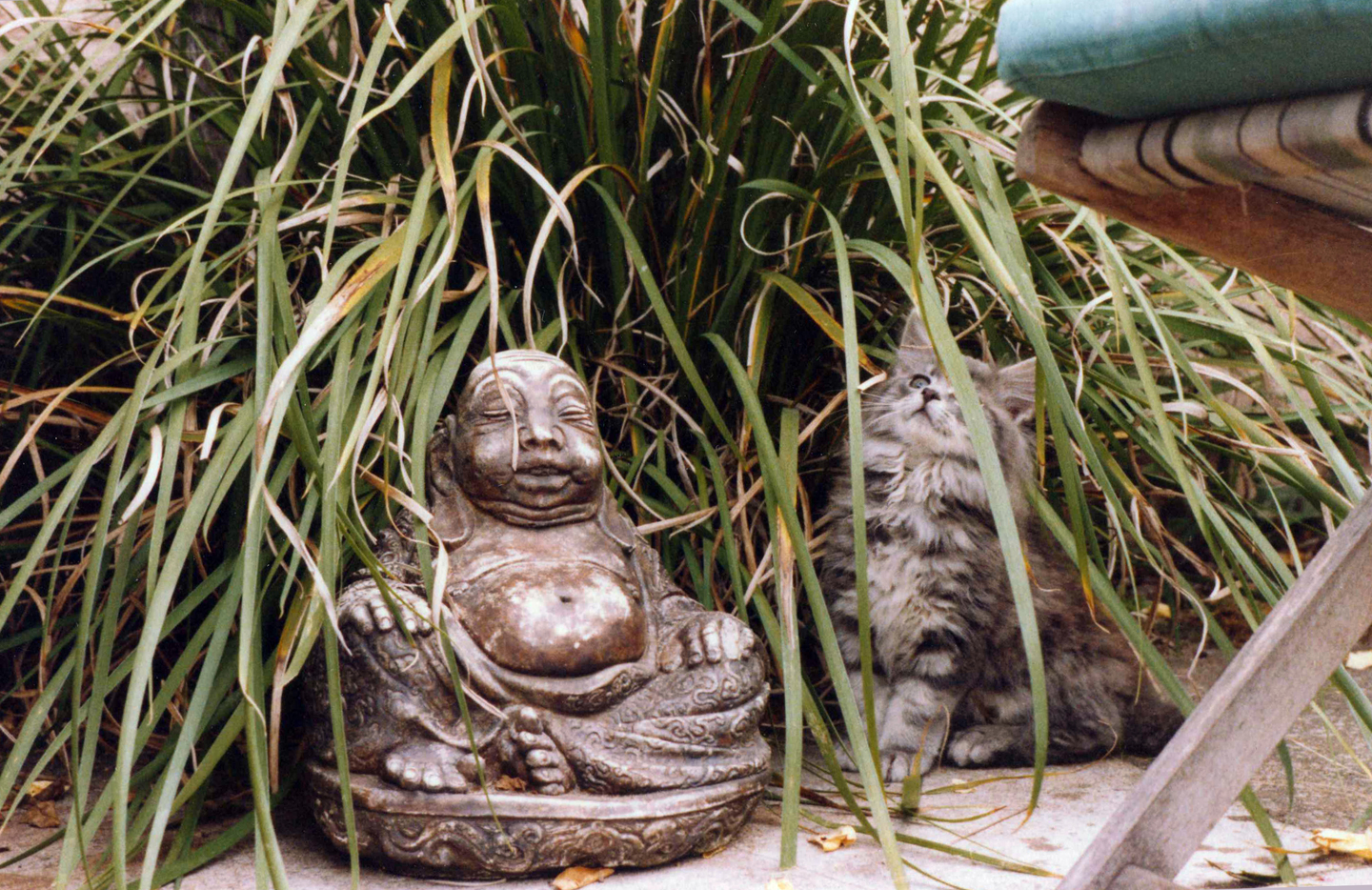
Cat, Suzuki with Buddha, bliss - Copy

As you can see, Suzuki had leanings to our stone ‘Budai,’ drawn to its lucky charm and its loving nature, easing her through tough moments … as you can also see.

Cat, Yeshen, Suzuki's lot

To catch mice in the ancient cottage we lived in was beneath her. She gifted us with other creatures. One summer, after returning from a trip, during which time our kind neighbour fed Suzuki, the wool fleece rug in our bedroom looked at first pristine and welcoming, but the moment my bare feet stepped on it my legs were jumped upon by armies of tiny, shiny armoured flees. Par chance I spotted a pack of post-it-notes on a Chester drawer and an ‘aha’ moment occured. I peeled off the pests amass from my skin with the sticky stripes, stomping about for a while, so none should be left out. I recommend sticky stuff for emergencies; it works, among other tricks I soon learned about.

Then came a time when we moved from home to home while in transit towards Surrey. In one such charmed place Suzuki distinguished herself as baby rabbit catcher. Never a killer, she plonked the fluffy bundles on the living room floor, where they sat, stunned and motionless … there you are, a present … We freed the bunny back into the neglected orchard of the property, but it soon returned, carried gently at the scruff of its neck by Suzuki. This happened innumerable times, likely with the same bunny, over and over. I wondered whether it was born into the wrong body, and was truly a cat – or our spayed cat was truly a rabbit in want of babies. We’ll never know. Unsure where we would end up, we left beautiful Suzuki with a woman who adored her. My son was upset, and only partly reconciled by a teddy friend.

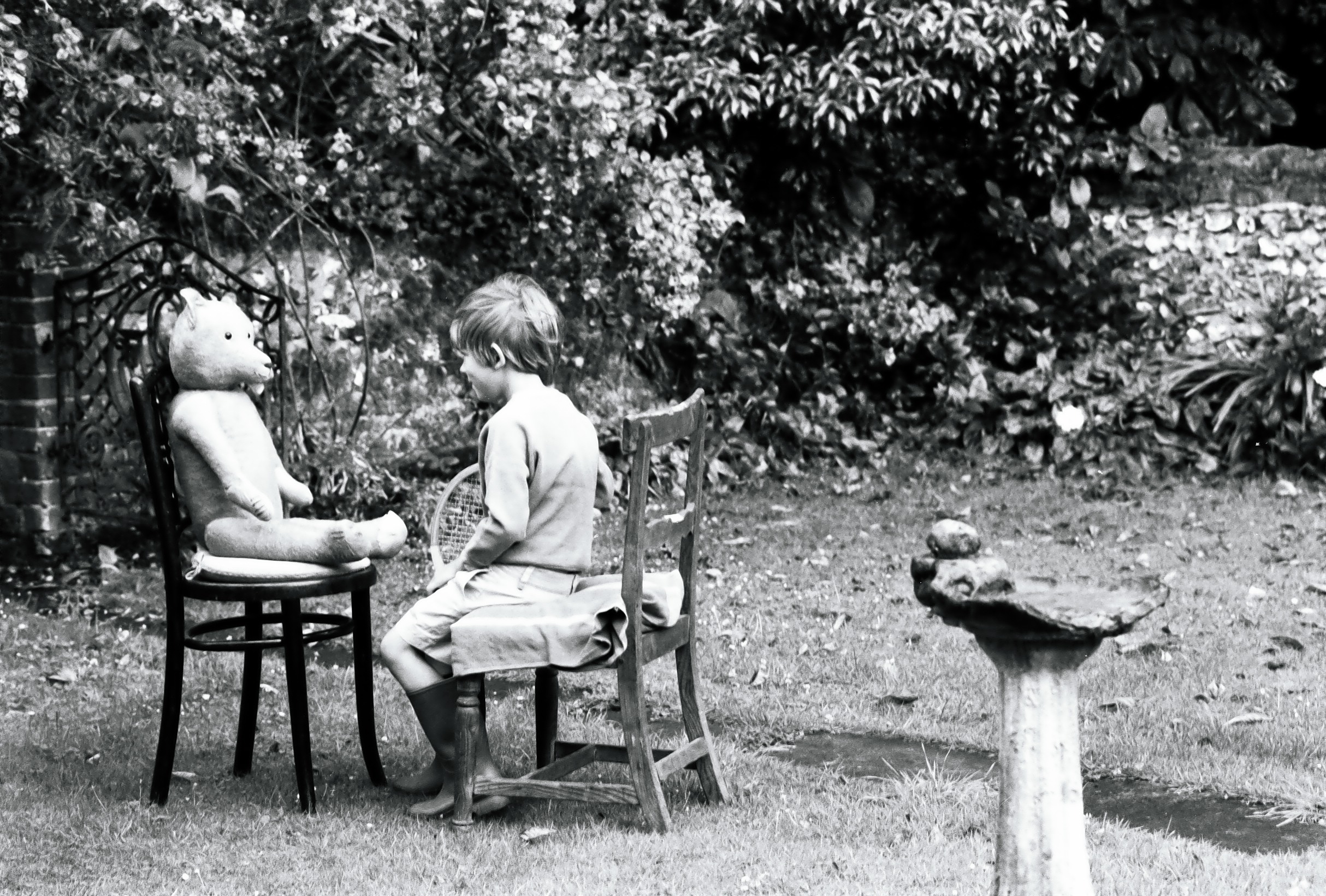
Teddy 5

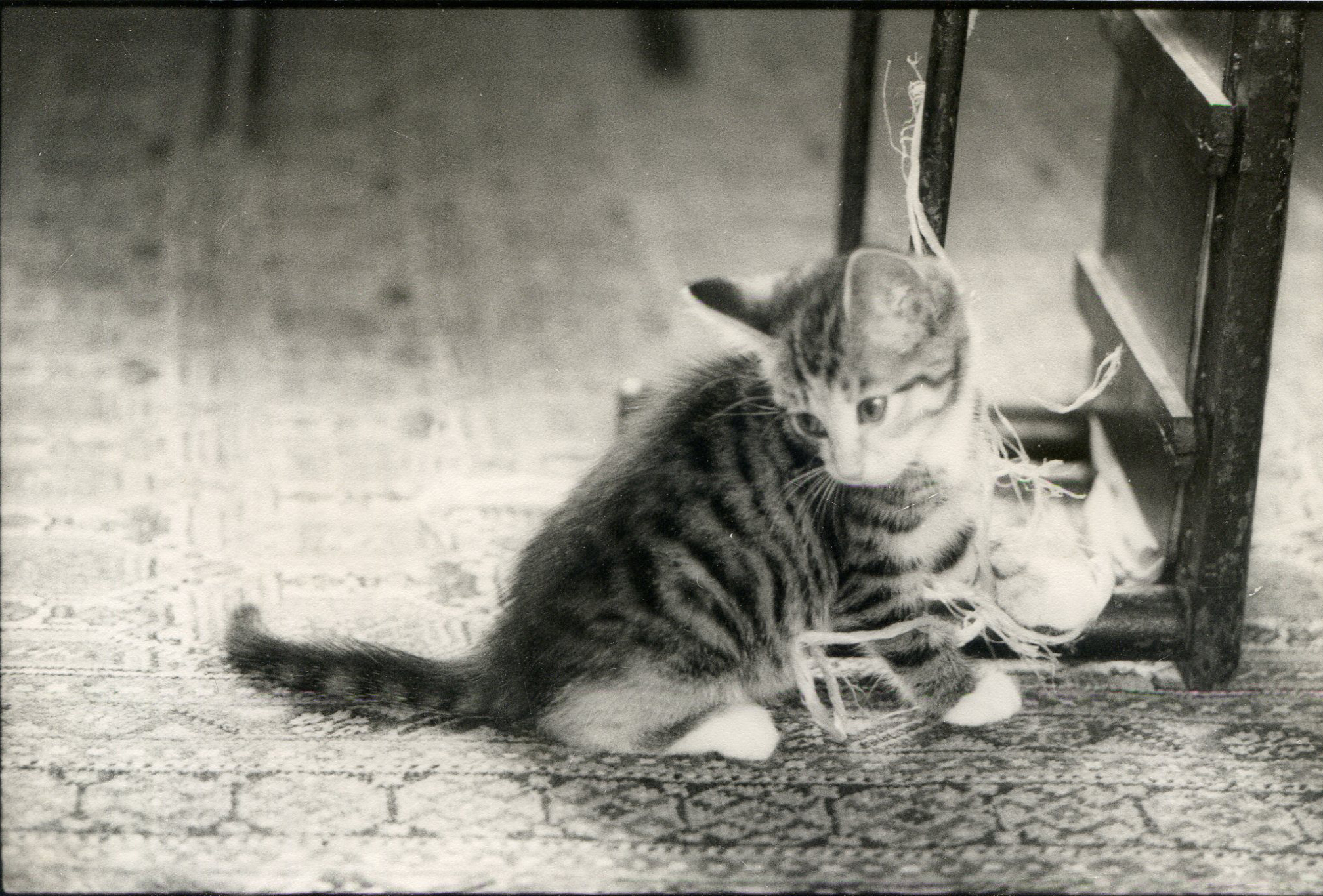
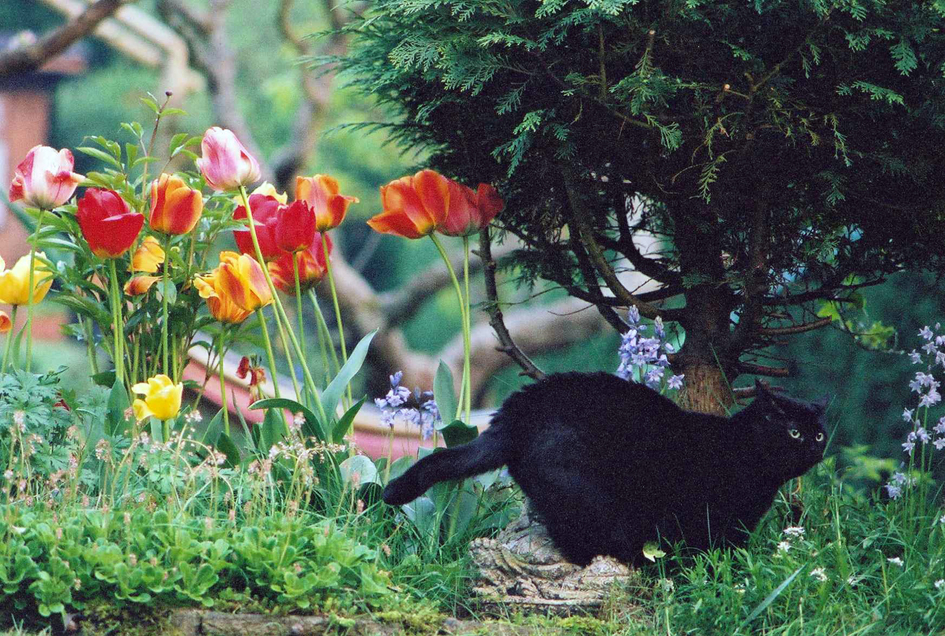
Cat, Amber136Entering a more settled phase in Surrey, we adopted a ginger rescue cat, Caspar, who appeared dour and joyless, most likely due to distressing experiences. My attempts to create rapport were unsuccessful. One day he simply disappeared, and I blame myself to this day. In due time, I searched and found Amber, a gorgeous tabby kitten. Slow in having her spayed, she produced offspring, giving birth in the living room, an unexpected and magical event, while I had friends over. The three in the litter were very different, in looks and temperament. The first and last born kittens found homes. Cat, Jetty and Tulips - lowerMy son thought it best to let the children, accompanied by their parents, choose, so we ended up with the middle born, sleek, black, and with a lovely tranquil nature. We named her Jetty. I linked with her in grief when Amber was sadly run over in the street a few years on.

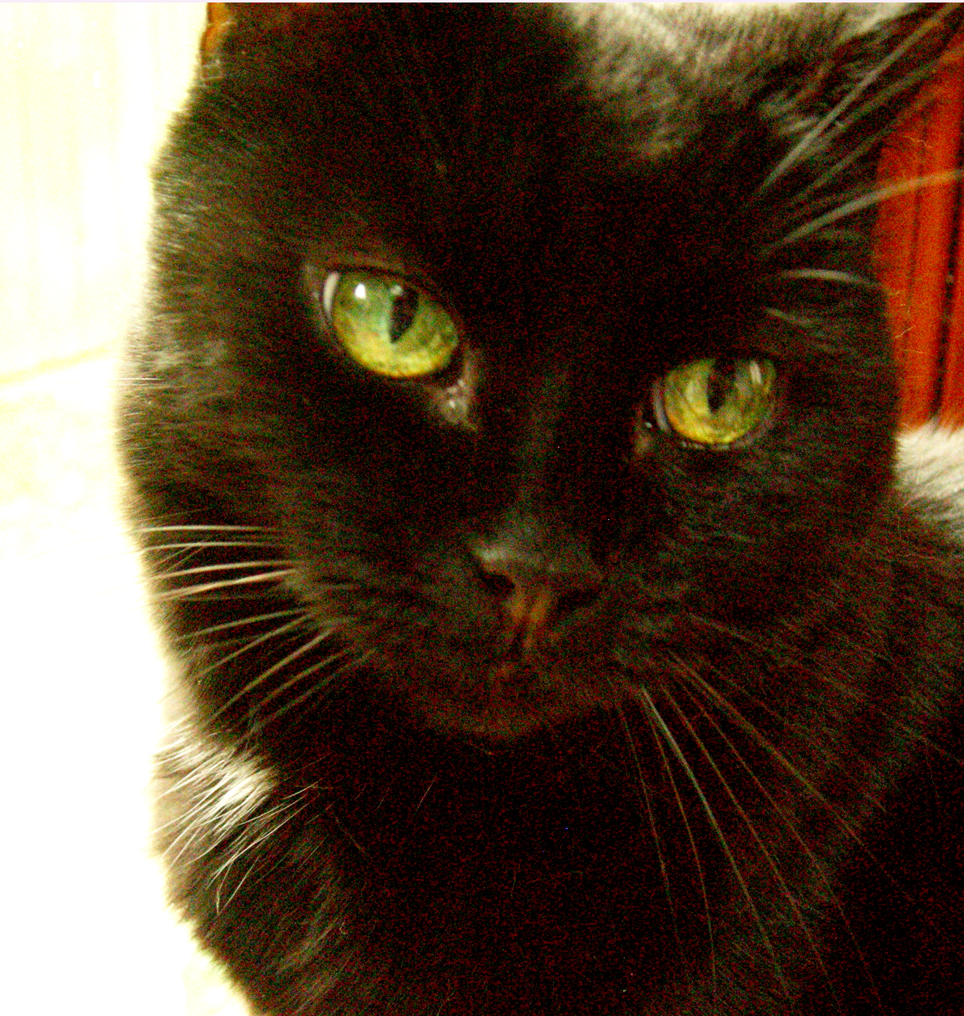
Jetty lived to be 16. She died on my birthday a few years back. When Katia, a writer friend, posted her experiences with cats  –  it saddened me to hear the story of the sudden demise of her companion. Genie reminded me of Jetty, which sparked this post, in honour of her friendship.

Cat, crop - smaller - CopyHow to describe the deep bond we can form with an animal? Is it our need for acceptance, totally reciprocated from a creature that has all its needs for shelter, food and attention met? I think that’s a flatlander’s view. All meaningful connections happen beyond rational thought, in other spheres. Animals are sensitive to vibrations beyond our clock time awareness, often knowing of events before they happen, which is why they can warn and protect us. And because their senses are wide open to fine energies, as well as vulnerable to harmful ones, we, too, are moved to protect them.

We humans are urged to be clever and become quickly absorbed in the ongoing evolution of the rational mind. Animals can teach us to stay closer to nature, the most powerful text of life. And they maintain a strong link to dimensions we frequently lose, where all experiences mingle in the ever expanding pool of universal consciousness. With all our specialness, nature is indispensable to us. An animal friend whose intelligence detects moods and intentions, cats are particlularly good at this, can show us any moment, as in a mirror, our true state of being.

*      *      *

“That’s the great secret of creativity. You treat ideas like cats: you make them follow you.” – Ray Bradbury – Zen in the Art of Writing

“I love cats because I enjoy my home; and little by little, they become its visible soul.” – Jean Cocteau

21 Comments

Filed under Blog

… dreams …

Photos by Ashen

Photos by Ashen

I used to host regular dream groups. We did not so much set out to analyse our dreams, but we played with them by engaging with their images, characters and objects. Sometimes we enacted scenes to widen associations and deepen our insights. While there is some excellent literature on working with dreams, a lot of it is boring, misleading and superficial. For me, the main purpose of valuing dreams lies in befriending the unconscious and the bringing to light what is timely and meaningful.

When we have no obvious explanation for events, dreams may bring subtle messages, offering glimpses of dynamics usually hidden from our awareness. A staggering 90 percent of personal and collective psychic dynamics trigger and compel our actions in life, and for good reason. The self-regulating psyche protects us from too much awareness. When encouraged, respected, and left to do its work, much like the immune system, the psyche can encapsulate runaway viruses of the mind by blanking out anxieties and obsessive thoughts, unless a trauma results in an ongoing inner storm. The processing of traumatic experiences is vital for the health of the individual, the family, the tribe, and our collective psyche. Something equally important to consider is that as adults our natural childlike curiosity about life may have become flattened by engrained habits and obsessive needs for security and control, both diminishing the meaning of our lives.

Note: Each embedded link here will not lead you away from this post but bring up a fresh page.

In an earlier blog post Joe Linker’s comment led me to an article by Oliver Sacks on altered states in The New Yorker  where Sacks pointed out a long tradition of ceremonial drug-use to stimulate the brain. Drugs certainly relax jaded attitudes by activating the senses and bringing insights and fresh perception. Sacks, and many like him, were admiringly fearless and creative, before there was a clamp down on drugs and they became illegal.Dreamseries 2

In dreams as in trance, induced or not, the mind can kick up imaginal representations of feelings, and metaphors. We shift to another realm, escape the logical structure of time and also tap into the collective psyche. We may hit a T junction, one path leading to an illuminating visionary state and the other to a schizophrenic state of confusion, which is why science sticks with rationality and is generally not keen on the imagination. The question as to what pulls us towards Heaven or Hell has no easy answer, yet all inner state, when approached with respect, patience, and most of all, wisdom, can have a healing and effect on our personality, and, in instances, as we know, result in significant works of art.

Dreamseries 3

Freud’s iceberg metaphor illustrates that our individual psyche swims like a mountain of ice in a vast sea, only to reverse into its fluid state once its coherence dissolves back into the sea. As a simple and more intelligent map of various unconscious states I prefer the egg diagram by Alberto Assagioli, the founder of Psychosynthesis.

Active imagination is a gentle way to befriend the unconscious and build bridges towards consciousness and daily life, and a way to explore dreams without messing with the dreamer’s unique meaning. I share here some practical tips:

Remembering dreams:

You can ask for a dream, especially when you feel stuck and ponder a question. You might even write the question on a slip of paper and put it under your pillow.

Try not to move your head after noticing a dream. Place holds memory.

Have a notepad and a soft pencil next to your bed, maybe a microlight, so you can scribble down a memory facet before fully crossing the threshold into waking. Even a single image, phrase, number, colour or feeling can act as a key for recalling a dream later on.

To catch a dream – try disrupting your sleeping pattern with an early alarm clock setting.

Experiment with your head position while sleeping – north, east, south or west.

Towards understanding dreams:

The psyche does not care about logic. The meaning of a dream may however unfold like a seed when we attend to its poetry and rhythm.

Ask yourself … how do I relate to the characters or objects of a dream? What feelings and sensations are evoked? In what context did the dream arise? How does it relate to my present situation?

Write a story or make sketches of the images. Tiny fragments can offer connections via free associations.

Give a voice to the characters and objects appearing in the dream. What do they want? Allow them to express their thoughts and feelings. Such dialogues can reveal surprising insights.

Change the script, create a different outcome, face down a fear or a shadow and follow through to what wants to happen. This approach can move a dream to a different level of understanding.

Ask yourself: Where does the energy want to go? What is emerging?

Dreamseries 4


Dreams express the voice of the soul; they are our contact with our deepest self, our inner substance. The mere act of recalling, experiencing and consciously honouring our dreams connects us with our real selves and awakens previously unavailable levels of creativity and vitality, even without interpretation.

Carl G Jung

A related post on altered states.

And if the subject of dreams interests you, here are some more links:

Edward C Whitmont was a Jungian psychoanalyst, who deepened my understanding of the psyche through his exceptionally clear writing. His books may be out of print, which would explain why they’re so expensive:  Dreams – a Portal to the Source and The Symbolic Quest

Other excellent authors to look out for, apart from Jung, are Anthony Stevens, Private Myths – Dreams and Dreaming, and Marie-Louise von Franz – The Interpretation of Fairy Tales.

12 Comments

Filed under Blog

… leaving – returning …

the father tree

the father tree

to reshuffle thoughts

a short journey is enough

leaving – returning …

legends undulate

in glowing brittle wood – sighs

from swaying branches –


Jasmin blessings

Jasmin blessings


Jasmin on the breeze

laments of grief in the rain –

ancestors speak

first sounds glide on ice

circling the affirmative

leisurely routine


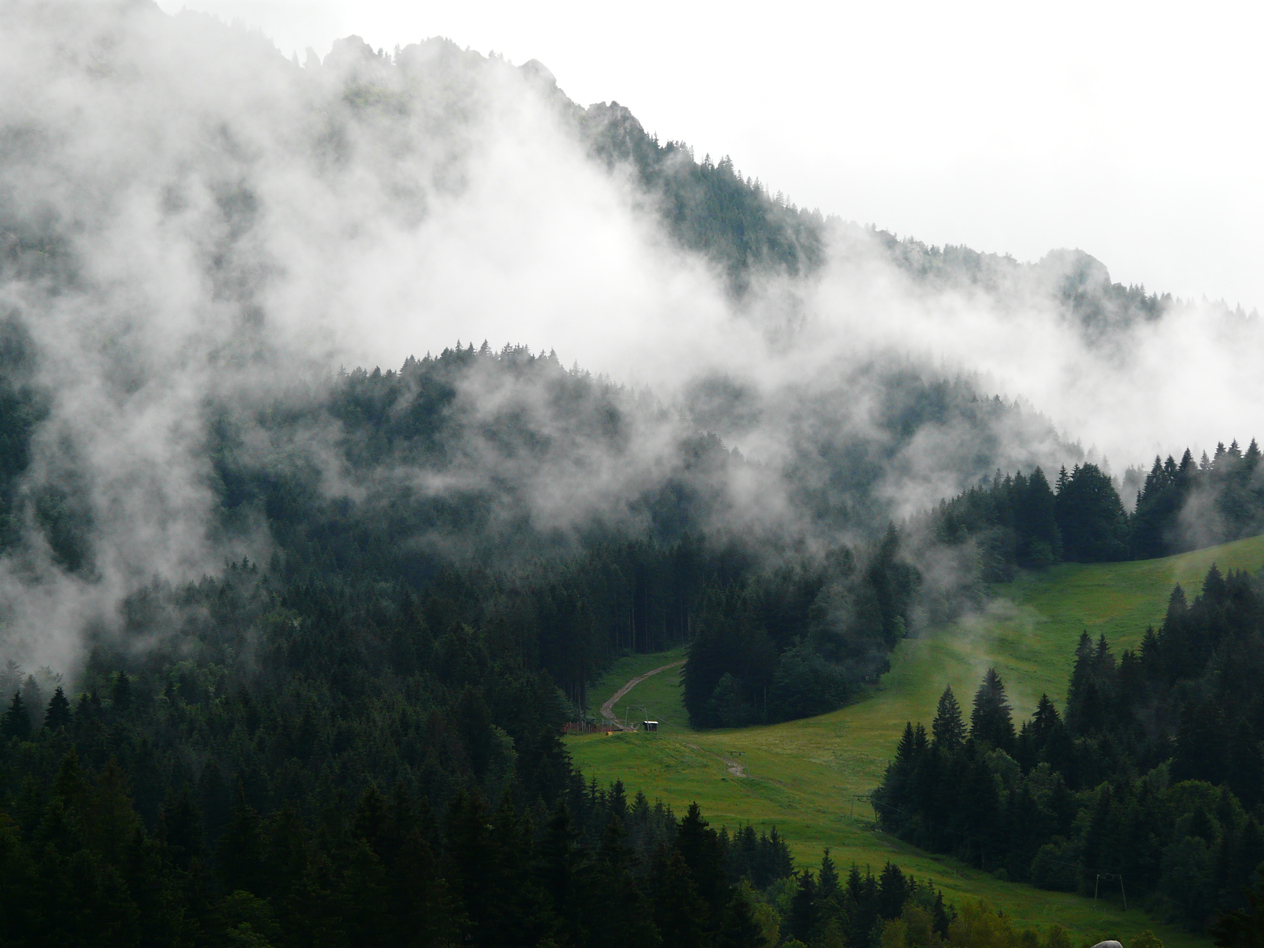
my beloved Alps

my beloved Alps


between dusk and dawn

all words sink to un-squared time

rounding in fish eyes

as poems probing

the deep meshes of oceans

for heart connections …


‘What else, when chaos draws all forces inward to shape a single leaf …’  C. Aiken

Visiting my early landscapes, friends in Munich, my father of 97, with my son, whose work in London means I rarely see him,  was a rich experience. I had to capture the essence in a poem, which started out in German:

In der Dämmerung glänzt Gold aus der Wurtzel

Gedanken gleiten auf Eis in Kreisen herum

doch manche sinken in die Tiefe um

im Wassergewebe nach Erinnerungen

zu fischen … Gesichter ziehen vorbei 

in sanften kalten und warmen Wogen …

I’ll work on this, inspired by a writer Herta Müller – (English translation on screen) introduced to me by friends whose guest I was in Munich. Anyone fascinated by language will be moved. Also this article in The Paris Review   I am presently reading ‘Mein Vaterland war ein Apfelkern,’ a remarkable dialogue.

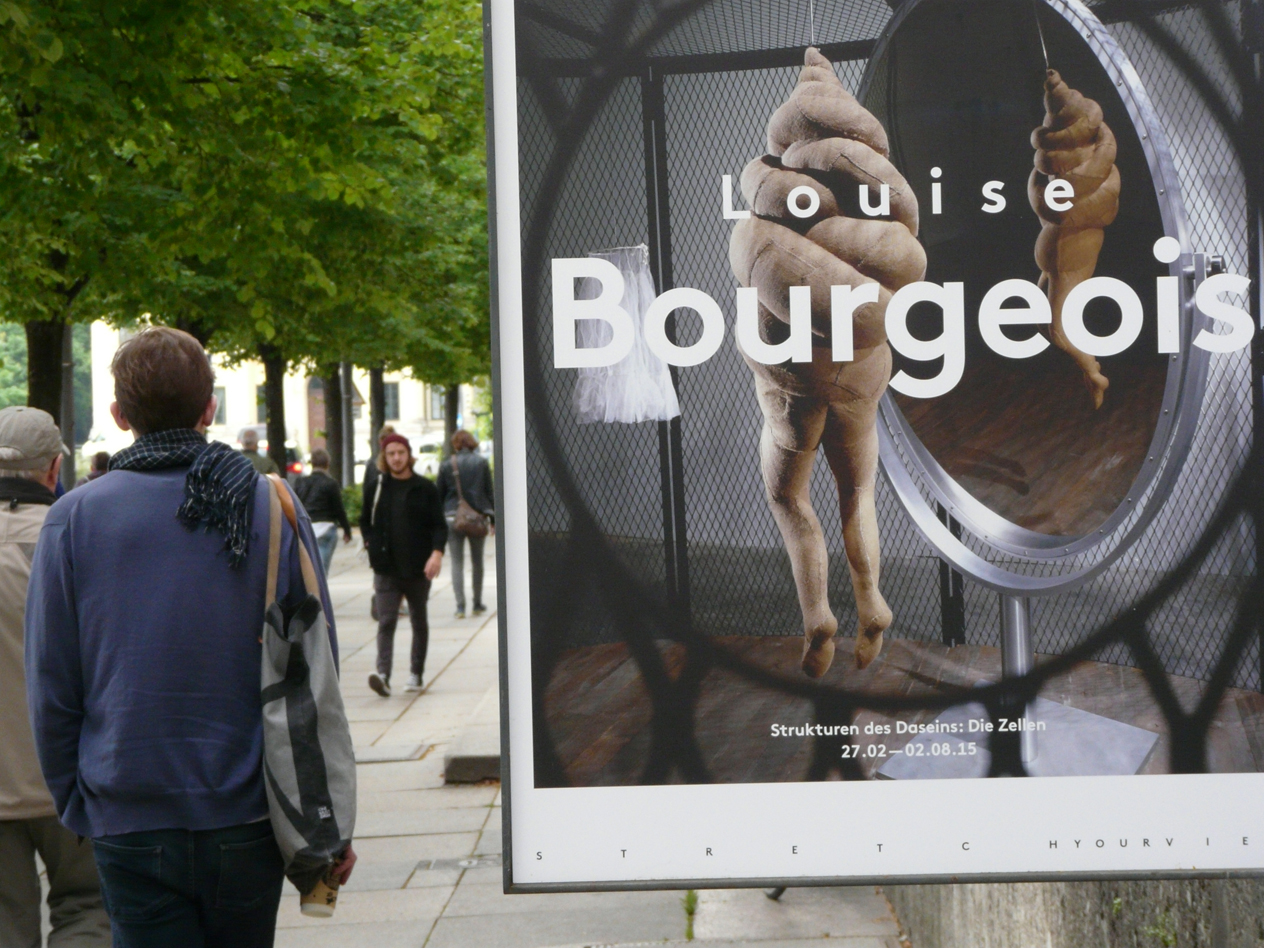
Louise Bourgeois at 'Hause der Kunst.'

Louise Bourgeois at ‘Hause der Kunst.’


In Munich’s ‘Haus der Kunst’ I visited a wonderful exhibition of Louise Bourgeois (1911 – 2010) an artist I much admire, whose installations about the Cells of Structures of Existence are deeply impressive.

Londoners my have seen her huge spider on display in the Turbine Hall of Tate Modern. I wish I had cheated and made photos of her beautifully arranged installations in the generous spaces in Haus Der Kunst.


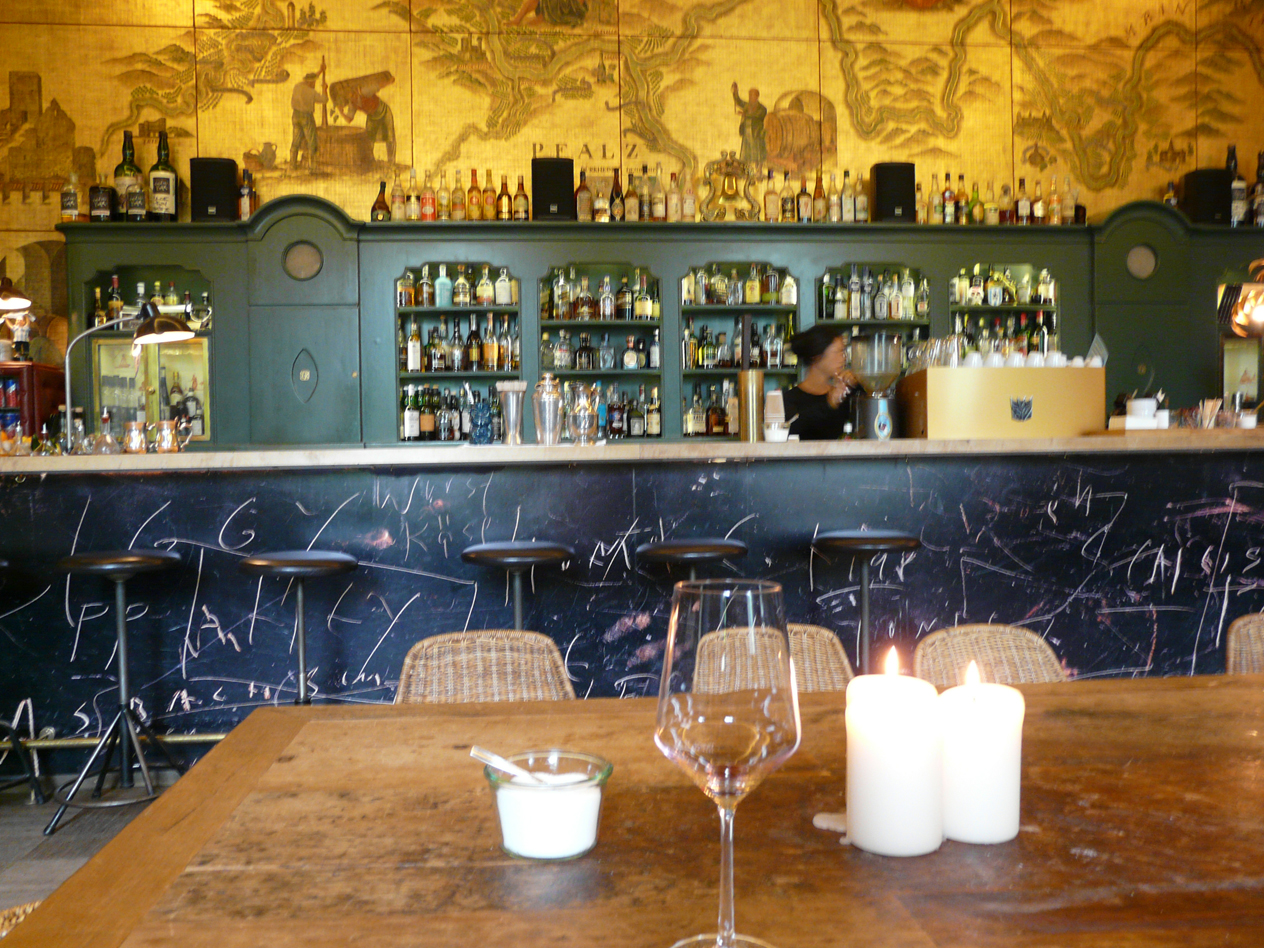
bar at 'House der Kunst.'

bar at ‘House der Kunst.’

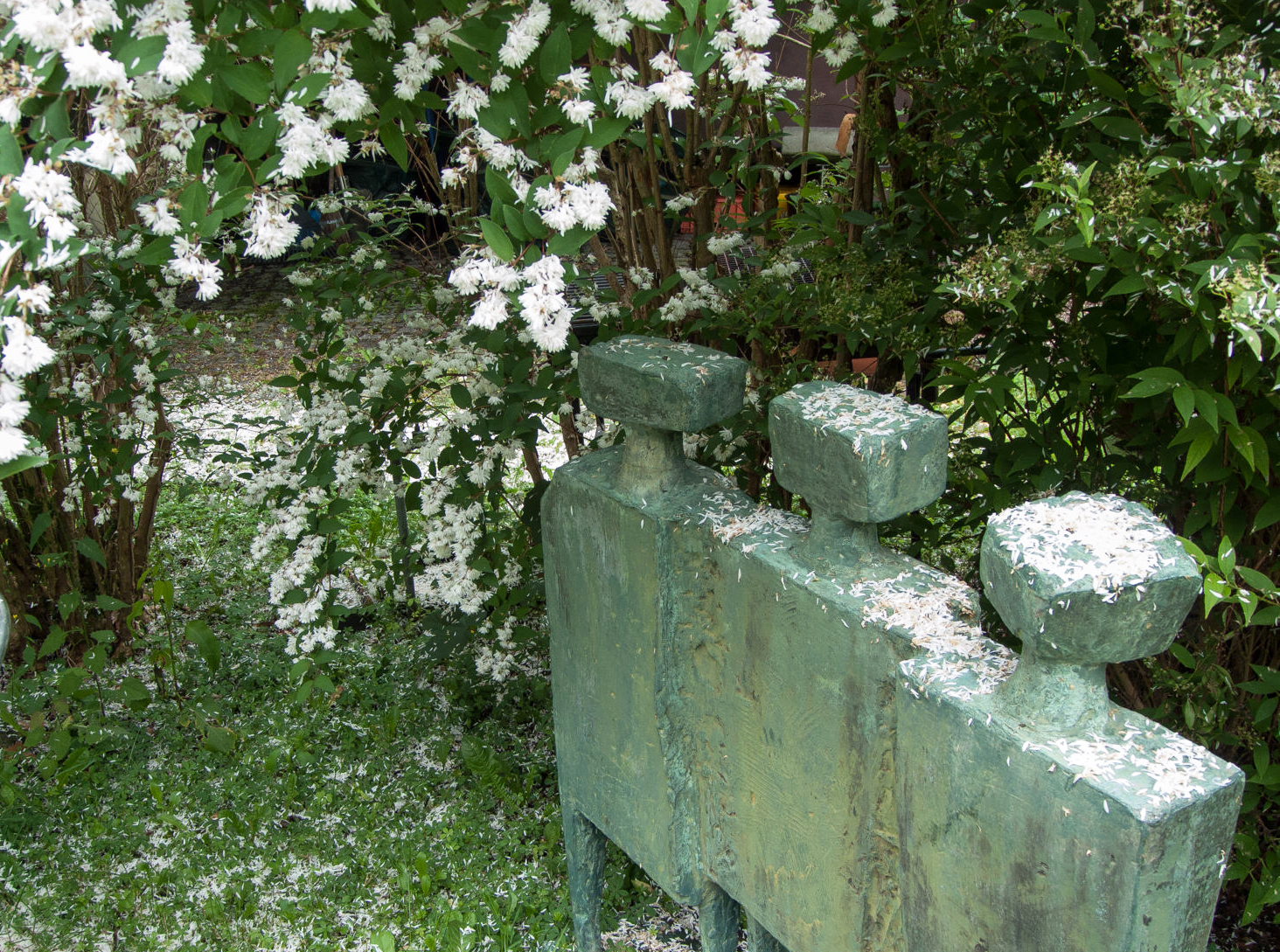
To compensate, here is the wonderful golden bar at the ‘House der Kunst.’ And returning home – a blue invasion.

a blue invasion

a blue invasion

10 Comments

Filed under Blog

… what’s your age again? …

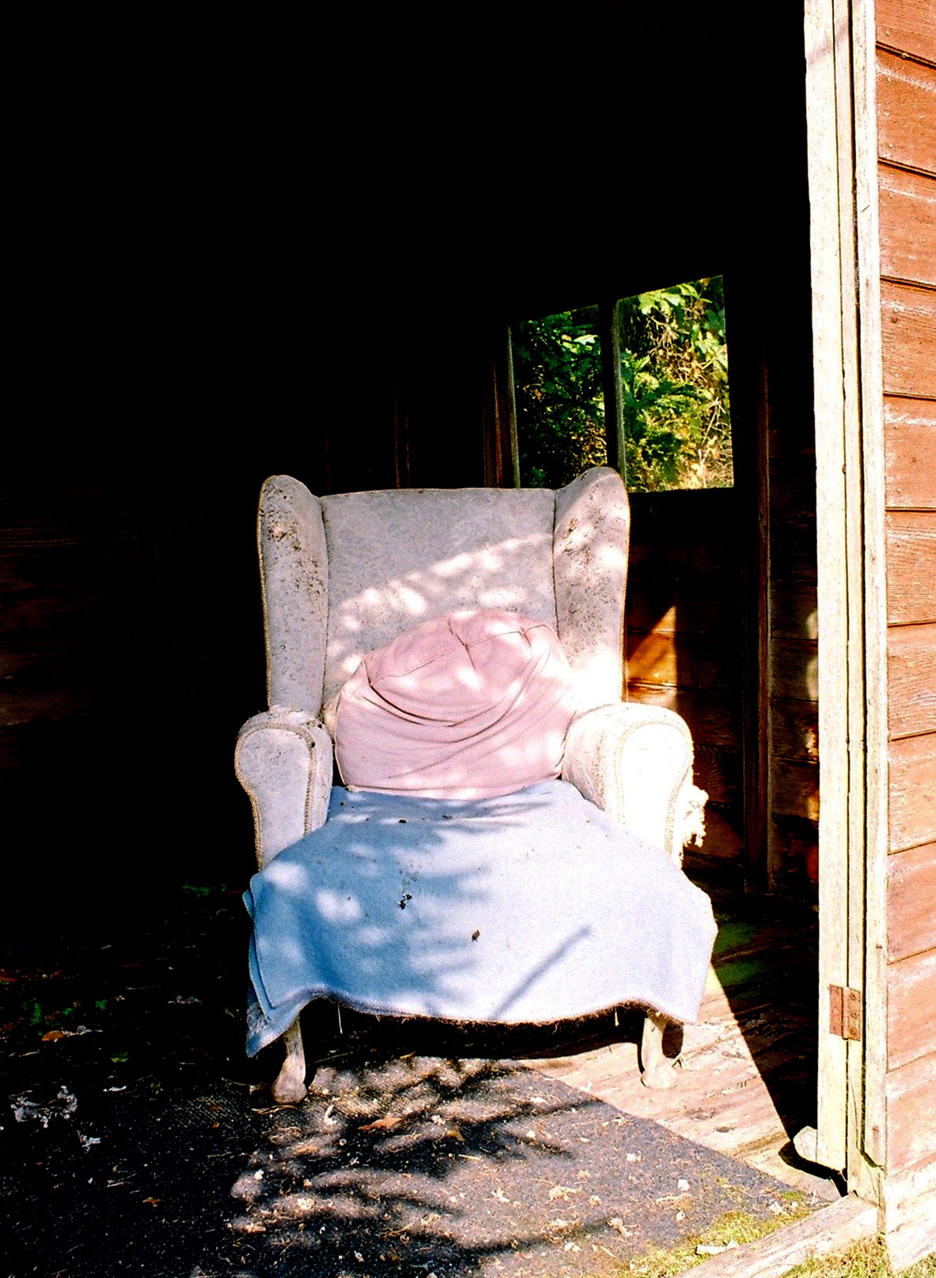
Copy Chair in Spider Hut 2 smallerThe question grates, especially when a round number announces yet another decade looming ahead. While the 40s suggests respectable maturity, the 50s have an aura of old gold best valued by insurance and investment companies. Once you enter the 60s, no matter how rich, poor, active, passive or just blissfully sober, public consensus puts you in line for the moot title ‘retired.’

Once you get over this pesky label, there’s a perk – time slows.

Perceiving life in slow motion has been called wisdom ever since people recognised that slow time reveals hidden dimensions, realities other than those experienced in the speed-lane. Within the present digital pulse of life, days, seasons and years skip ahead at a dizzying velocity. The phenomenon has shortened the shelf life of people, ideas, and objects. A few years ago the motherboard of my laptop crashed. The young man at the IT shop looked amazed. ‘They shouldn’t last that long.’ My laptop was 5 years old. I guess it’s supernatural that my 25 year old Bosch washing machine still works perfectly.

When young, I lifted off, ascended, sped across horizons, acted out and engaged intensely with life. Youth in itself brings of course no guarantee of ascending. Age holds similar uncertainties. Ideally, it allows one to slow down, descent inward, assimilate and integrate experiences, develop patience and insight, re-connect, and grasp the myth of one’s life, and the myth of one’s century.

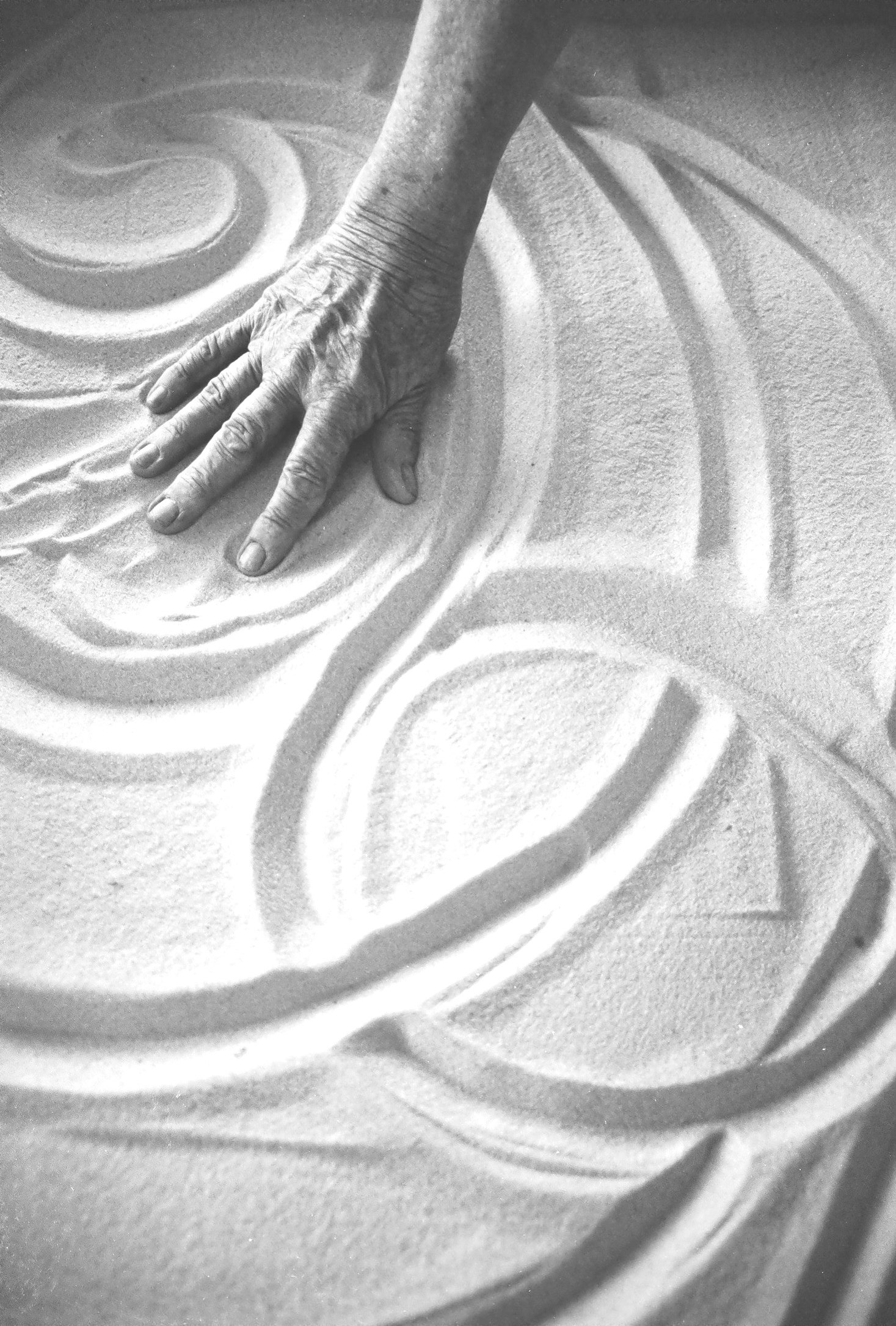
My point is – descent has a vital function in society. If we can manage to work part-time, or independently during the second half of our lifespan, weRa hand, edit 2 may gain the freedom to reflect, attend to the body’s intelligence, and find our inner rhythm. A thought sculpture may develop, a mood may linger. Communicating may happen along deeper wavelengths. The experience and perception of slow time has a calming influence on the collective psyche, like the prayers and contemplations observed by nuns and monks in monasteries are said to keep the world in balance. I truly believe this.

For those who practice a vocation they love, or develop a passion that keeps them curious and focussed, aging is a side-issue. New technical procedures may not be instantly absorbed, but they provide food for thought. The movie occasionally rolls on silently. Memos reappear, which the younger self, swept along by the speed of progress, may have overlooked, but which in a wider context assume new significance.

The manner that informed wisdom in past cultures and classic times may have remained the same, but elders today have a more complex task in finding apt metaphors for what’s been happening during our single lifetime, poignant lessons that could guide us onwards. When young, our mind feels eternal, we make thing happen, are in sync with the pace of progress and create the future. But what if wisdoms assimilated during inner journeys and the deeper comprehension of present lifetimes are not sufficiently communicated?

The next round of ascent may be hampered by ladders with broken steps, leaving us stuck with unsurmountable problems and senseless social systems. All is not well. The ascending and descending energies working through our present decades are askew. Unless elders have acquired eminence, their voices, their stories, the harvest of their unique experiences, are easily considered useless. Wisdom is not equivalent to the IQ flatland that education systems bank on. Wisdom is more about questions than answers, more like a dance, a tracing of patterns and parallels. Wisdom employs the imagination, re-shuffles knowledge, re-interprets and re-connects ideas to create new meaning.

Image by Yeshen Venema

Image by Yeshen Venema

There’ll always be young ones born old and wise, and old ones who turn young and adventurous. Intangible experiences and the insights of all age groups seek expression and must be circulation, because we are animated by forces not accessible to us. Fate cannot be controlled, but nudges us from the dark. It’s therefor essential to bring our light not only to matter, but to the totality of the psyche, including the unconscious layers of our past and our future, our unknown human potential. We need spaces to make visible what inspires individuals. In this the arts must serve.

The arts need public support in providing free spaces, and funding for everyone, young and old, to engage with and share their imagination in any form that moves their heart. In a culture that prizes speed above all else, the inner journey, the long view, listening, trusting, gratitude, the appreciation of difference, small things, and the cultivation of inner silence from which conflict resolution, intuition and creativity can spring, has never been more important.

*    *    *

Re: Elders … there is a group brought together by Nelson Mandela in 2007 http://www.theelders.org/ Add your support to the eighty thousand follower on twitter –  @TheElders   – This is their mission:

Our vision is of a world where people live in peace, conscious of their common humanity and their shared responsibilities for each other, for the planet and for future generations. We see a world in which there is universal respect for human rights; in which poverty has been eliminated; in which people are free from fear and oppression and are able to fulfil their true potential.

Initially the concept emerged from a conversation between Richard Branson and Peter Gabriel. Together, they took their idea of a group of global elders to Nelson Mandela who agreed to support it.                                                     http://www.virgin.com/unite/leadership-and-advocacy/richard-branson-birth-elders

15 Comments

Filed under Blog

… four years of blogging …

The host of my virtual island – wordpress – alerted me to the four-year anniversary of my blog.

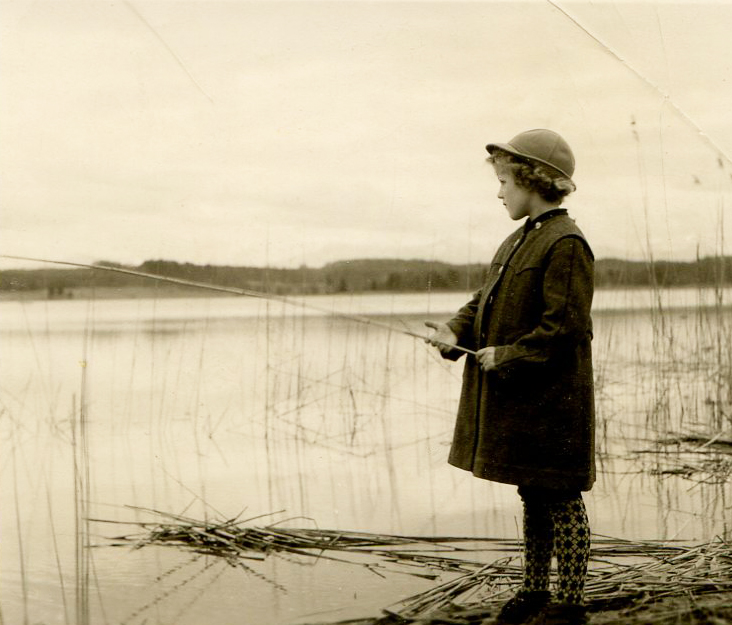
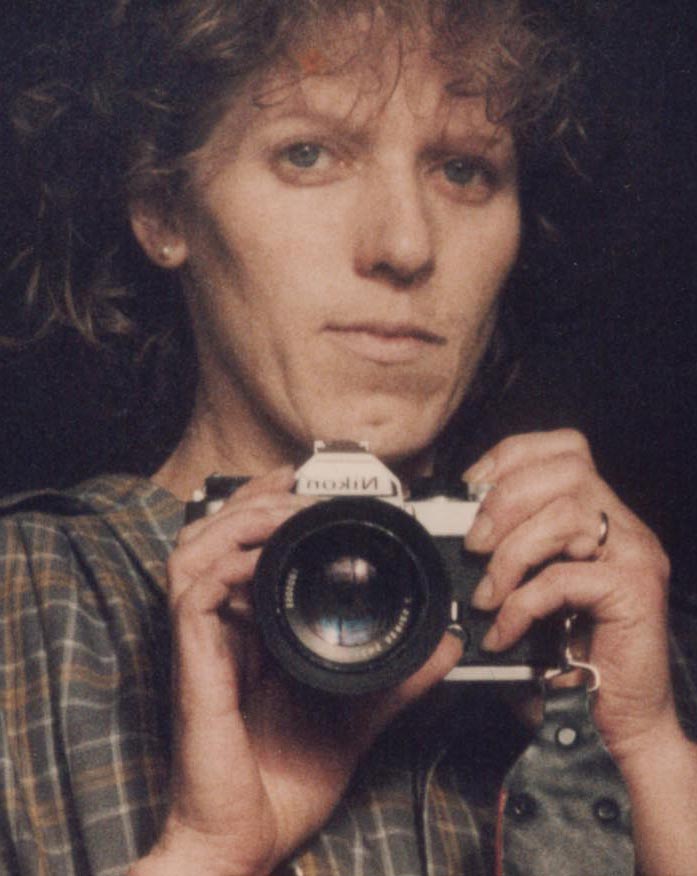
I thought I share with my followers some private photos. I’m not good at private sharing, but since my first book is going to be published this year, one way or another, some visuals of myself are in order.

pretending to fish

pretending to fish

about 30 years ago,  before selfies were vogue

about 30 years ago, before selfies were vogue

more recent, four or so years ago, a young sixty something

more recent, four or so years ago, a young sixty something

Lack of time limits my interactions, so I assume my over 300 readers are truly genuine. Thank you all for reaching out, for your friendships. It’s heartening to know my posts are enjoyed, and occasionally inspire. I sample your islands at random, and delight in how everything posted resonates. I appreciate your likes, and will respond to every comment left here.

Looking back, this was my first short post in March 2011 – just one sentence:

                                           We are each of us born a star in search of our world.

The second post was: A recent series of Haiku – for those who like Haiku

a town is gone

hawthorn flowers

white in the sun

*   *   *

among rubble

the snapshot of a child

splashing in a wave

*   *   *

spring morning

a ginger cat leaps home

across frosted lawns

*   *   *

the robin arrives

sampling dry grass for its nest

sky is cut by a plane

*   *   *

sunlight in a puddle

birds dowse their wings

no other sound

*   *   *

emerald shoots

on brittle cement

patter of feet

*   *   *

plastic bags rattle

in wire and branch

blobs of colour

*   *   *

a wave is rolling

over the grid of streets

hush among crumbled walls

*   *   *

lichen dried silver

in the hot spring

a rain of blossoms

*   *   *

a golden leaf

in the shade

white plumes rise

*   *   *

under smooth ice

a shimmering carp

visible silence

The concluding post in March 2011 was a letter to my shadow, ending …

         … Without you, I’d only be fluff on the coat of real human beings …

Time-permitting, please explore my posts, listed in the archive column to the right of my home page.

I hope you bear with me. Heartfelt thanks to all my readers.

21 Comments

Filed under Blog

… other worlds … 

Writers that inspire and make me think are like a family of heart and mind. Luis Borges belongs. His imaginary worlds shine from beyond time and space, and delight with paradox.

‘The universe (which others call the Library) is composed of any indefinite and perhaps infinite number of hexagonal galleries, with vast air shafts between … The Library is a sphere whose exact centre is any one of its hexagons and whose circumference is inaccessible … For every sensible line of straightforward statement, there are leagues of senseless cacophonies, verbal jumbles and incoherences … it suffices that a book be possible for it to exist …’   The Library of Babel, by Jorge Luis Borges

Between each breath, comma, pause, number, node, and each period, we string symbols towards stories. Some make sense to some, others make sense to none, and yet others inspire more stories. Ideas that resonate have an ongoing life, they tag on each other.

In his extensive readings, Borges must have come upon the ‘many worlds’ theme recorded in various cultures over the centuries, long before quantum physics was challenged to struggle with this probability.

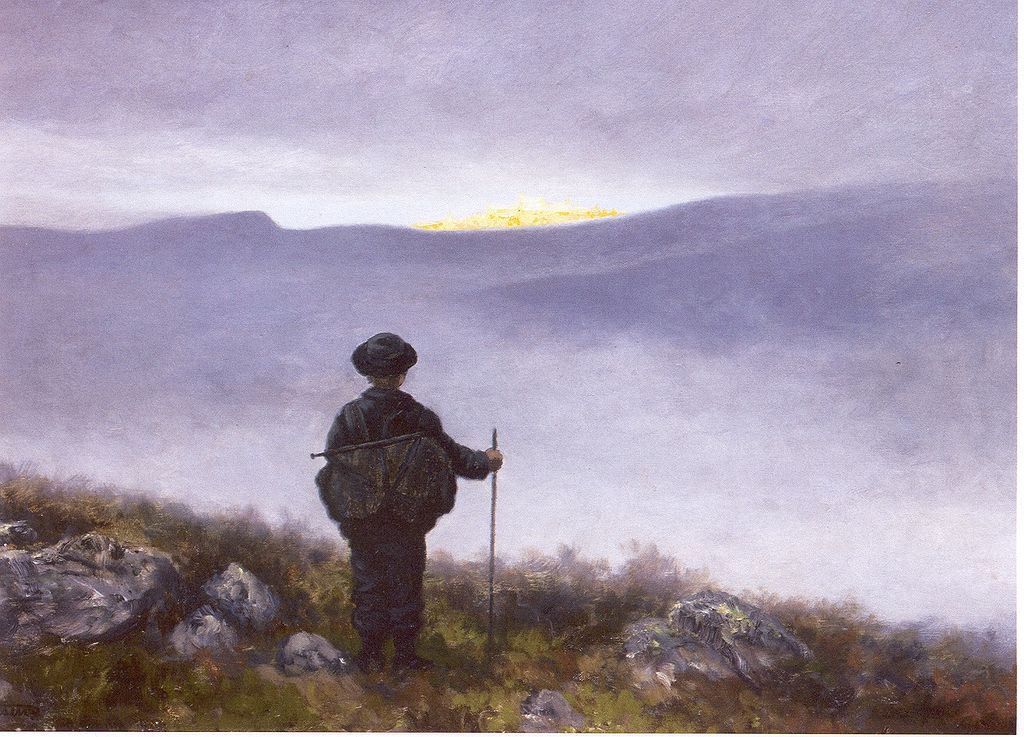
Theodor Kittelsen 1857 - 1914

Theodor Kittelsen 1857 – 1914

Even as a child I experienced shifts in reality, vivid moments that expanded my imagination and have come to play a part in my novels. Since nothing about particle behaviour under observation is certain, everyone of us is abundantly free to speculate about memory, time, and parallel worlds. Though dreamlike, these other dimensions leave signs, like unseen winds show in swaying branches, jittering leaves, and rippling waters that gather momentum to become waves upon waves.

The general definition of wave is a disturbance travelling from one location to another through whatever medium or vacuum presents itself. Do bits of information travel with resonating particles? Is the medium itself the message transmitting pattern recognition? After all, even far galaxies mirror the branching of trees and leaves on earth, or, for that matter, the neuron system in our bodies. Everything scales up or down ad infinitum. Here’s how Jonathan Swift put it in 1773

The vermin only teaze and pinch                                                                                                                                               Their foes superior by an inch.                                                                                                                                                    So, naturalists observe, a flea                                                                                                                                                    Has smaller fleas that on him prey                                                                                                                                              And these have smaller still to bite ‘em,                                                                                                                                      And so proceed ad infinitum.

It seems incomprehensible that parallel worlds could exist and influence our reality and vice versa. How could there be many collective and personal histories? How could there be other versions of us and everything? How would it work?

Given the fickleness of our feelings and thoughts, strange dreams, synchronicities, and the constant dissolution of ordered energy fields, we are exposed to streams of oscillating and interrelating signals, unless we fine-tune through the white noise, or completely relax. Occasionally we have a sensation of order, like a blossom unfolding. All is right and beautiful – we don’t feel separate, but in symphony with all dimensions, here and now.

At other times, when under pressure, and crucified having to make a decision, we sample memories, search pasts, postulate futures, until we surrender to a compromise, or the universe decides for us, or  … a resonance occurs.

‘All time is contained in now.’ – Meister Eckhart

A sudden resonance, if deep, could explain many paranormal phenomena that vex and hex people, especially scientists. Mystics are fond of saying the ‘self’ is an illusion, trapped in the body, though which self is a matter of perspective.  Since quantum physics, particles stopped being things in themselves, but function as waves also.  This is where it gets slippery, because no explanation has come forward for the wave-function- collapse when the measuring of the particle is attempted.

Time is nature’s way of stopping everything from happening at once.’

Graffiti in a Texas Washroom

The ‘many worlds’ concept gets round this problem by suggesting myriad of copies of our reality, where everything conceivable can happen. As a writer, this is my license to create. The invented characters in my novels happen to me. They are tangible, psychologically coherent, yet also suspended between worlds, like, I think, we all are.

‘… the library is infinite and cyclical … If an eternal traveller were to cross it in any direction, after centuries he would see that the same volumes were repeated in the same disorder (which, such repeated, would be an order: the Order). My solitude is gladdened by the elegant hope.’ Jorge Luis Borges

Here the Wikipedia entry on The Library of Babel.

The image is by Theodor Kittelsen, master of vision, trolls and wit.

14 Comments

Filed under Blog

… beautifully lost – revision of a poem …

Many of my poems linger in files, unfinished. I’m never sure of anything for long. Quite often the poet and the philosopher existing in my solitude are at odds with each other, or the pair gangs up against the certainty of experts our western culture values. I favour dynamic approaches to life, where faith and doubt are equally valued in the process of becoming human. The words of Hazrat Inayat Khan would apply:

‘The ideal is the means; its breaking is the goal.’

When making something audible and visible from the inside out, a topic I touched upon in my last post, only time may tell its worth. Once we shared our art, there is the waiting … the vulnerable span after exposure. Does our wave of inspiration chime in other minds, offer fresh perspectives,  frustrate with surprise?

I hope you, my readers, can offer a reflection on the little poem I obsessed with revising over the last week, and maybe even share thoughts on your own revisions.

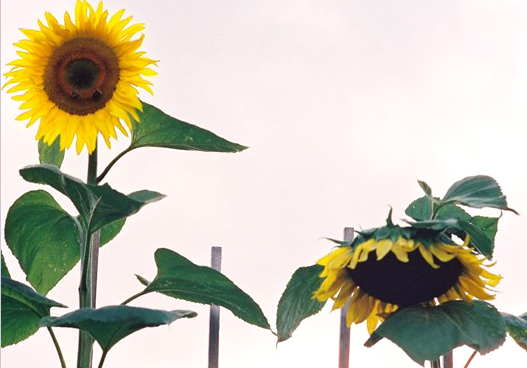
Sunflower 6I first wrote ‘beautifully lost’ in 2005 and put it to sleep. Other versions exist. The latest attempt turned into a Haiku sequence. I’m not at all sure it’s an improvement compared to my first attempt.

The theme is cycles of experience, when after a period of loss and unknowing; a renewal of meaning happens that keeps me young at heart, connecting me back to the middle of each moment.


Beautifully Lost – 2005 version

At times no deed rhymes,

nothing I say is heard,

each word drops to silence,

and my best yarns slip

from the loom, waltzing

in endless loops,

suspended.

On solid earth swords cut,

and chalices swallow us,

but once every full moon

King and Queen align their myths,

And I– beautifully lost –

dreams undone – whirl

at the gateway to an inner sun.

 –  Ashen, 9th Nov 2005


beautifully lost –  2015 version

when deeds miss their rhyme

and words fall flat on their face

I chase your fragments

in the wayward yarns

that fall off the loom and loop

on my breath – dazed

drifting without aim

they will chance the blade that cuts

or a gulping maw

until a full moon

weds the light of King and Queen

and my best yarns yearn

beautifully lost

heart-whirling at the gateway

to an inner sun

  Ashen, Jan 2015


And here a song …

http://www.eyeneer.com/video/countryfolk/pete-seeger-judy-collins/turn-turn-turn

30 Comments

Filed under Blog

… time to appreciate my work …

Yesterday a friend called my home a little palace. The semi has a lot going for it – road & off-road parking, a lovely back garden which opens additional living-space in summer, provided there is enough of a sunny summer. Over the years I had my share of annoyances coming through the adjoining walls – the TV of an old man who didn’t believe in hearing aids, a couple who screamed at each other every other night, and recently a developer who put up an extension and is now gutting the house to create an open-living space …

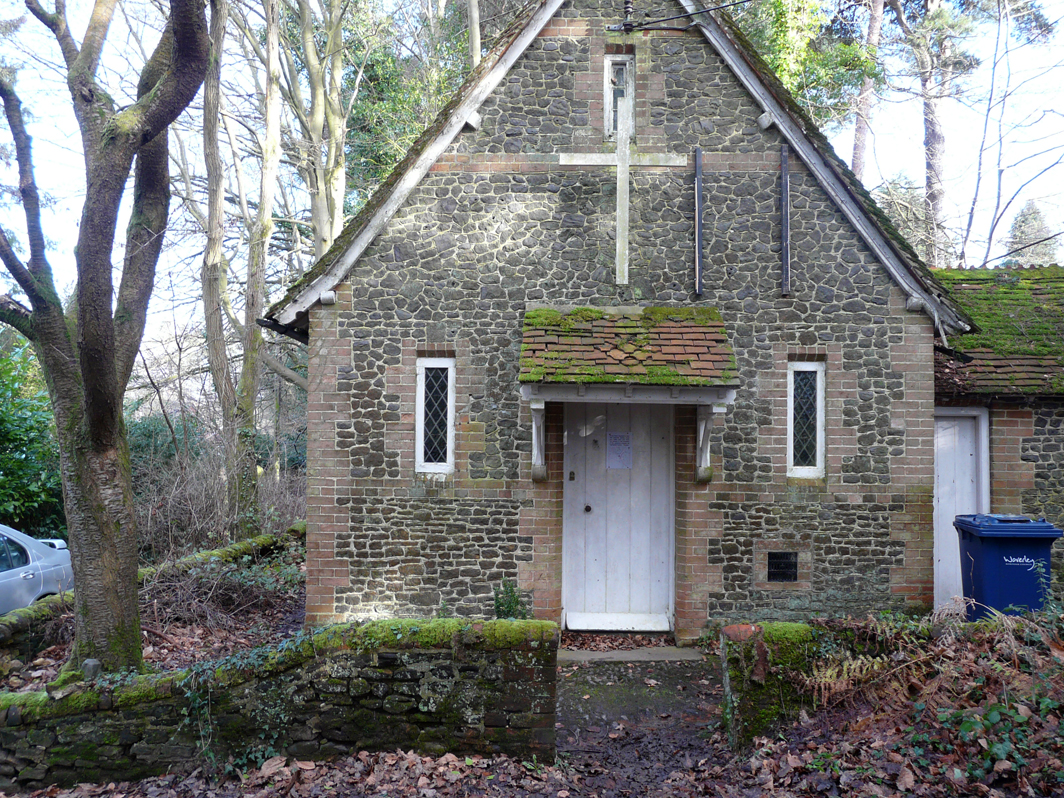
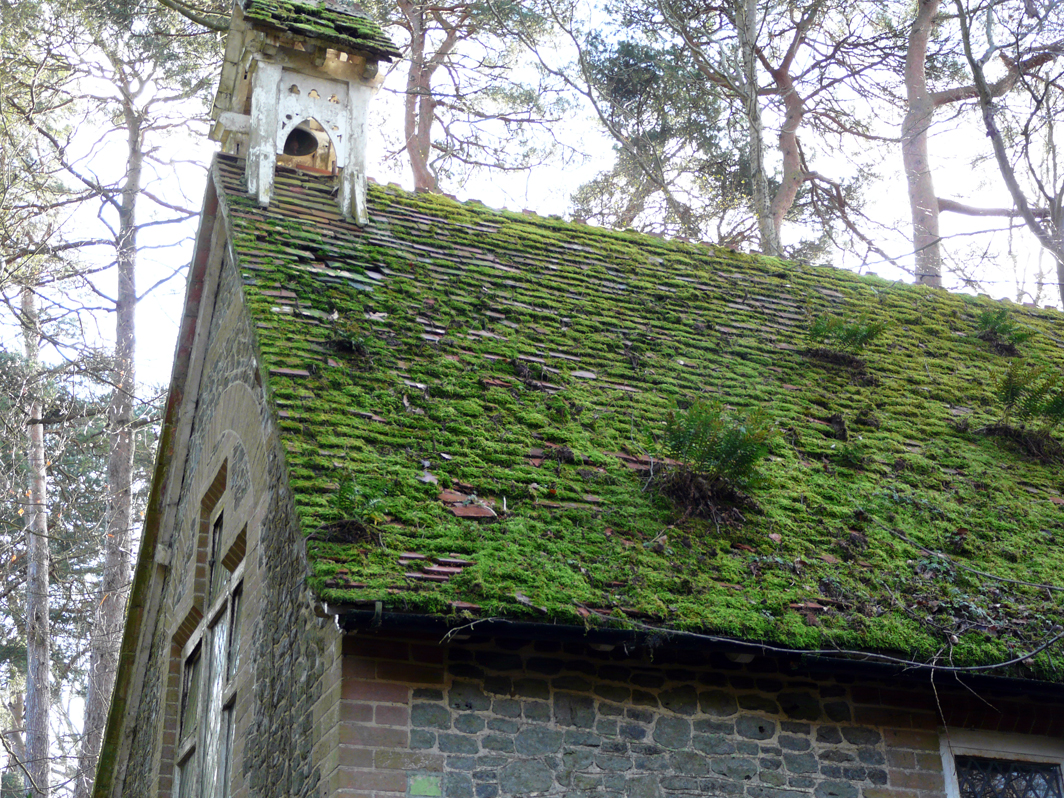
P1070069 - smallerSo when I saw the ad for a Chapel not far from where I live, my imagination soared – I envisaged part-ceilings with upstairs galleries and features of functional beauty – a little palace without adjoining walls, right?

That was until I popped over to look at the place. I guess the Parish cashed in on the adjoining land before they sold the Chapel as bargain to someone with a dream, who, unable to realise it, let a few years go by and is now hoping for profit – from another dreamer.

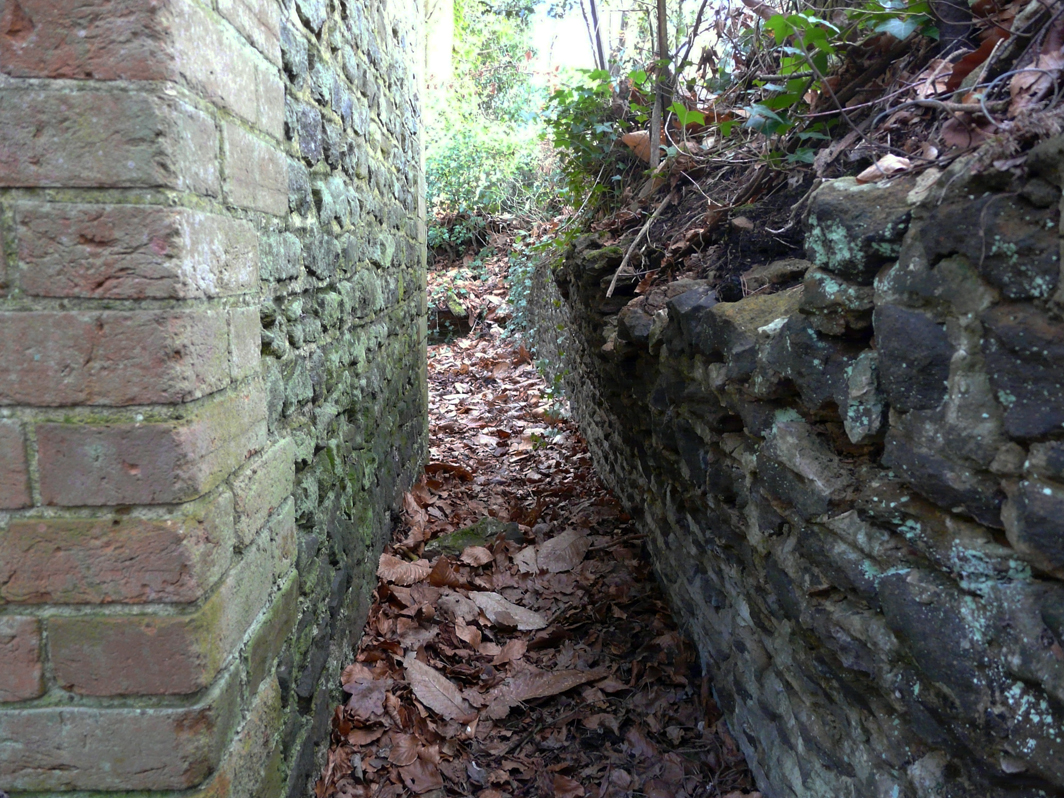
While the green roof enchants, the boundaries of the plot permit only a shoulder-hunched walk around the building. There is no room to park a car, let alone a builder’s van, without blocking a footpath or the narrow lane.

P1070068 - smaller

P1070070 - smaller


My sudden surge of energy, I understand, is in line with spring and, to come to the point, my need to overcome an obstruction that is pervading all else in my life, namely the dwindling hope that a publishing contract I signed nearly two years ago is going to result in the launch of my novels. The chapel with its constricting plot inhibiting development reflects precisely my deflated spirit and the state of mind I trapped myself in.

Given the nature we are, spring urges in us for scope and inspiration to move forward in different ways. For me – it’s time to appreciate my creative work and count my blessings. It would be marvellous to be in Chuang-Tzu’s position, but unlike him, most of us must summon an inner Kingship that keeps patient faith with our art.

A LITTLE STORY ABOUT TIME

Among Chuang-Tzu’s many skills, he was an expert draftsman. The King asked him to draw a crab. Chuang-Tzu replied that he needed five years, a country house, and twelve servants. Five years later the drawing was still not begun. ’I need another five years,’ said Chuang-Tzu. The King granted them. At the end of these ten years, Chuang-Tzu took up his brush and, in an instant, with a single stroke he drew a crab, the most perfect crab ever seen.

20 Comments

Filed under Blog