Tag Archives: spirituality

… maps of meaning …

Maps, the symbolic depictions of relationships between different elements, be they objects, regions in space, or ideas in conceptual domains, serve as orientation devices. Though it’s worth remembering Korzybski’s point, ‘The Map is not the territory.’

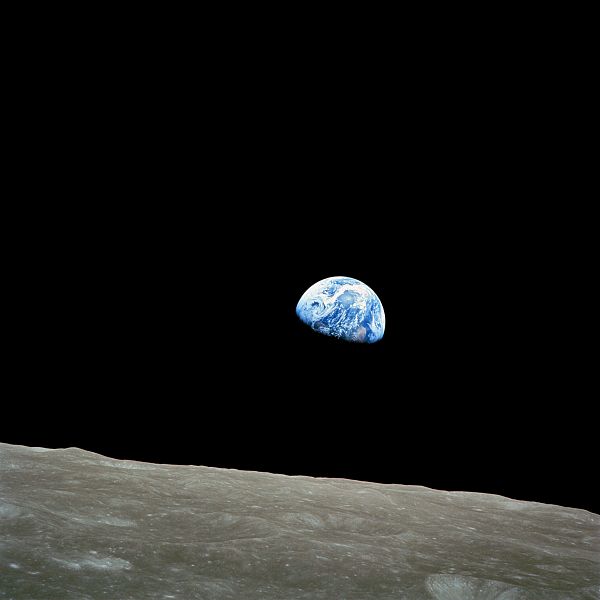
Earthrise, Dec 1968

Earthrise, Dec 1968

Given the complexity of global problems, there’s a dire need for charting the increasing expansion of specialised knowledge, diverse traditions and experiences, into a wider context. Since the poetic image of our planet rising in space did not grip the hearts of a critical mass, we need theoretical overviews to dispel confusions, and explore how all the seemingly disparate comprehensions of the world we live in can work together in a more intelligent and unified way.

Ken Wilber is a great proponent of an’ Integral Theory,’ bringing together many fields of knowledge and methodologies, scientific and spiritual, in an attempt to show how all these partial truths can be reconciled and be mutably enriching. This 1.5 hour talk  is brilliant, and eminently worth listening to.

In his AQAL  map  (You can press – 1MB free – and get a screen resolution)  Wilber integrates various developmental ideas, which may remind of Abraham Maslow and Carl Gustav Jung, to name but a few mapmakers before him.  In the above talk Wilber describes developmental tipping points in recent history, which apparently needed only a small percentage of the population, the 10 percent who could embrace the new value, to bring about a collective shift in consciousness.

He’s expecting another tipping point to emerge soon. Fresh conceptions can bring more truth and more love to our actions, more consciousness, more skill to deal with complexities, and more compassion to every dimension of human knowledge and activity.

I hope you’ll find the time to listen to Wilbers talk, and maybe further study his work.

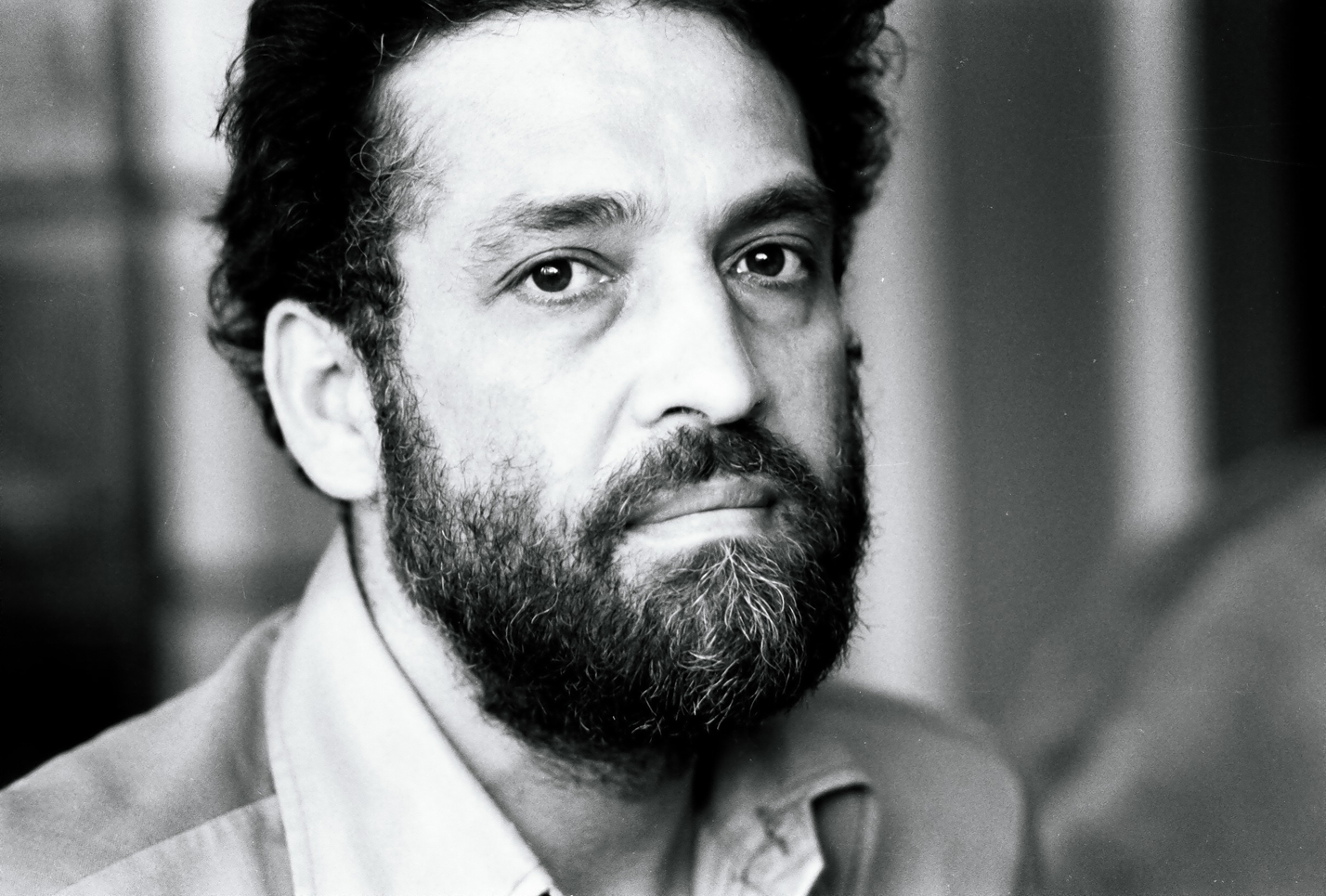
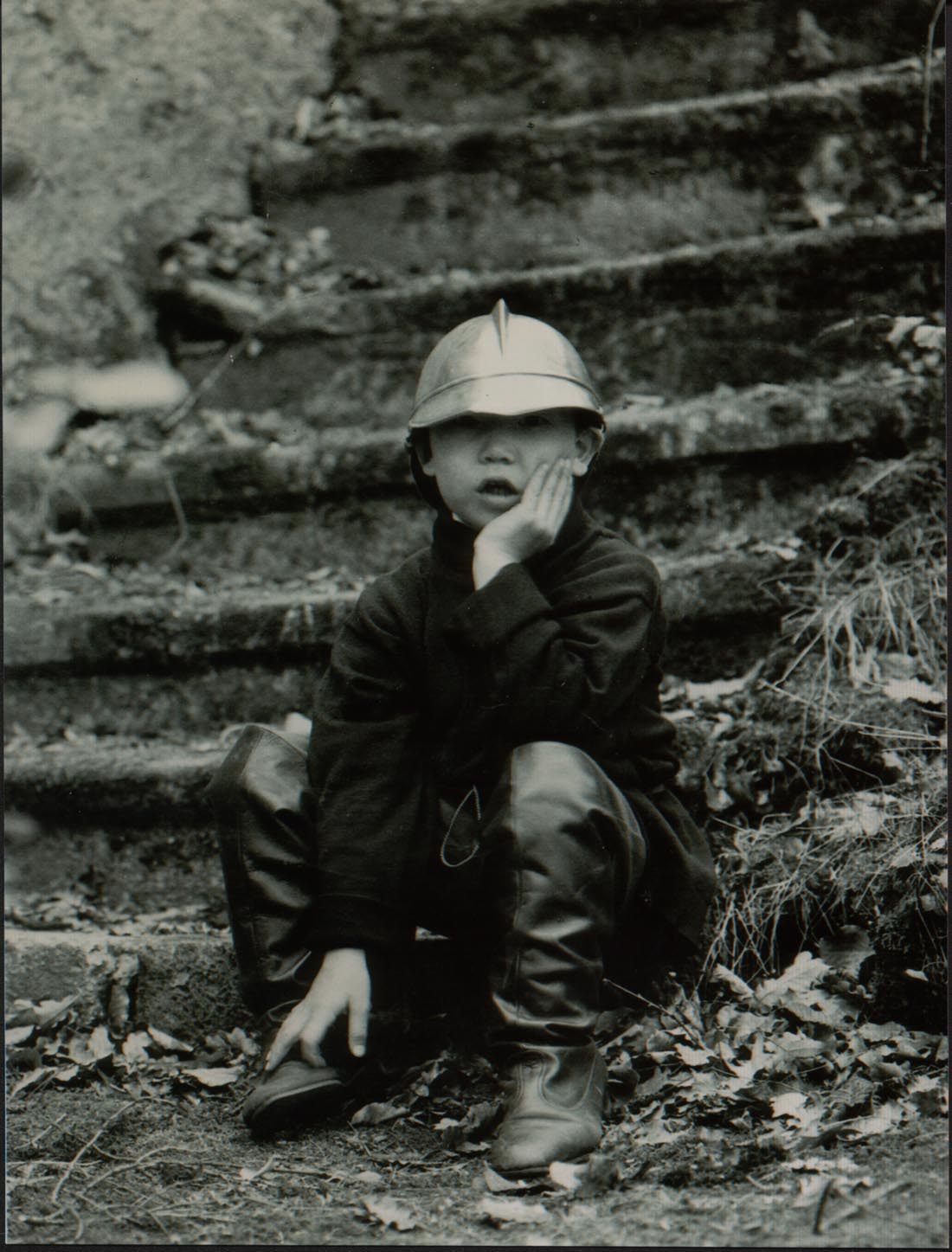
Fazal Inayat-Khan  Photograph by Ashen

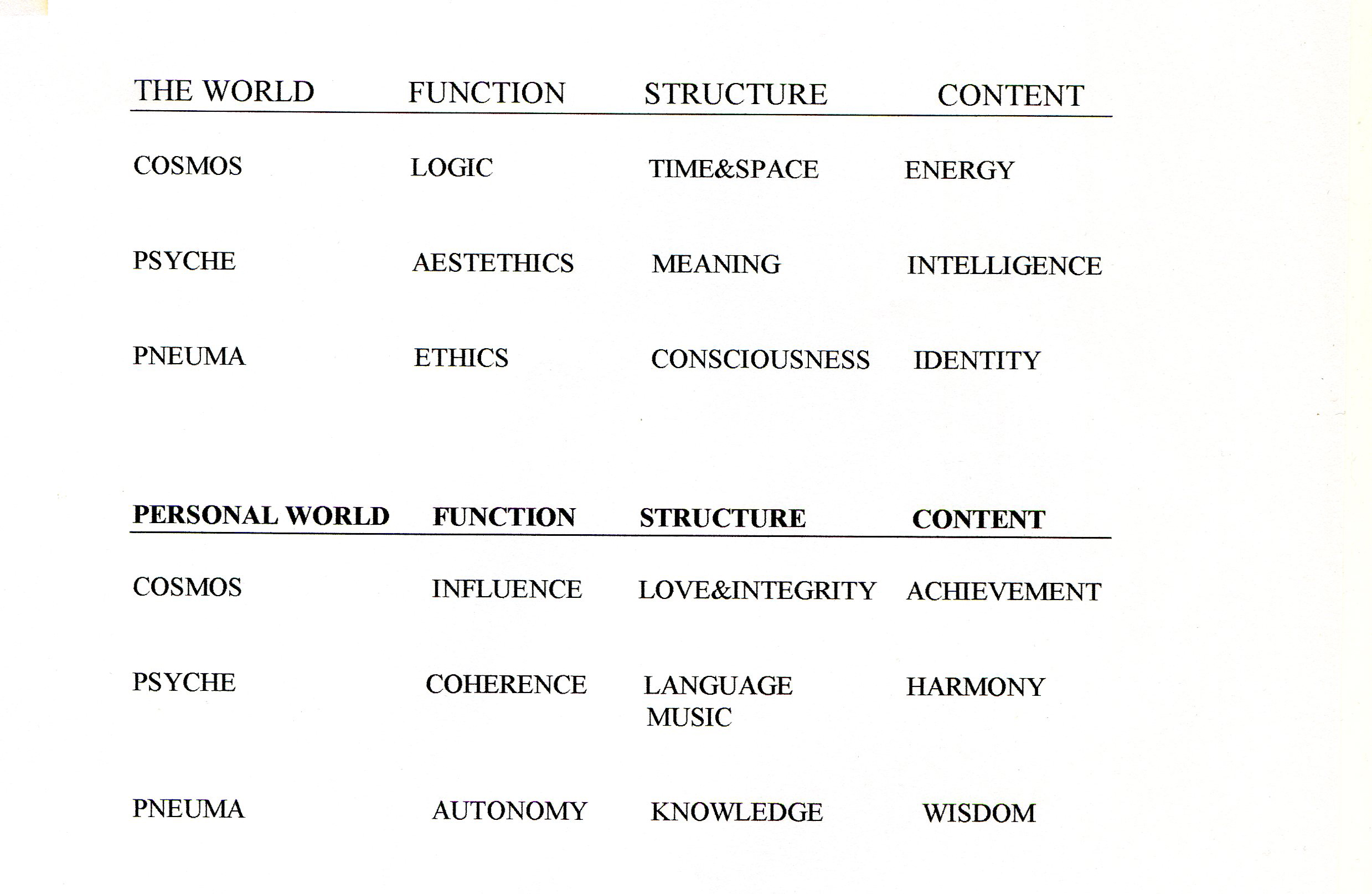
My former Sufi teacher, Fazal Inayat-Khan, (image by Ashen) also felt strongly that new conceptual maps were required. His aim was to integrate transpersonal aspect into the field of psychology. During a summer school in 1990, a few weeks before he died, he sketched the following cosmology on a flip chart and invited us to play with it.

Fazal's Cosmology

The graph depicts three worlds, the natural Cosmos, the finer Psyche, and the yet finer Pneuma (spirit,) differentiating the function, structure and content of each world.

How these three dimensions can relate to an individual is set into the same framework.

For me, this playful ordering made perfect sense, and, in a kind of epiphany, helped me to clarify the tremendous importance of the world of the imagination, and how it is held together by meaning. It also gave me new ideas about time. These days I like to call the Psyche the changing room.

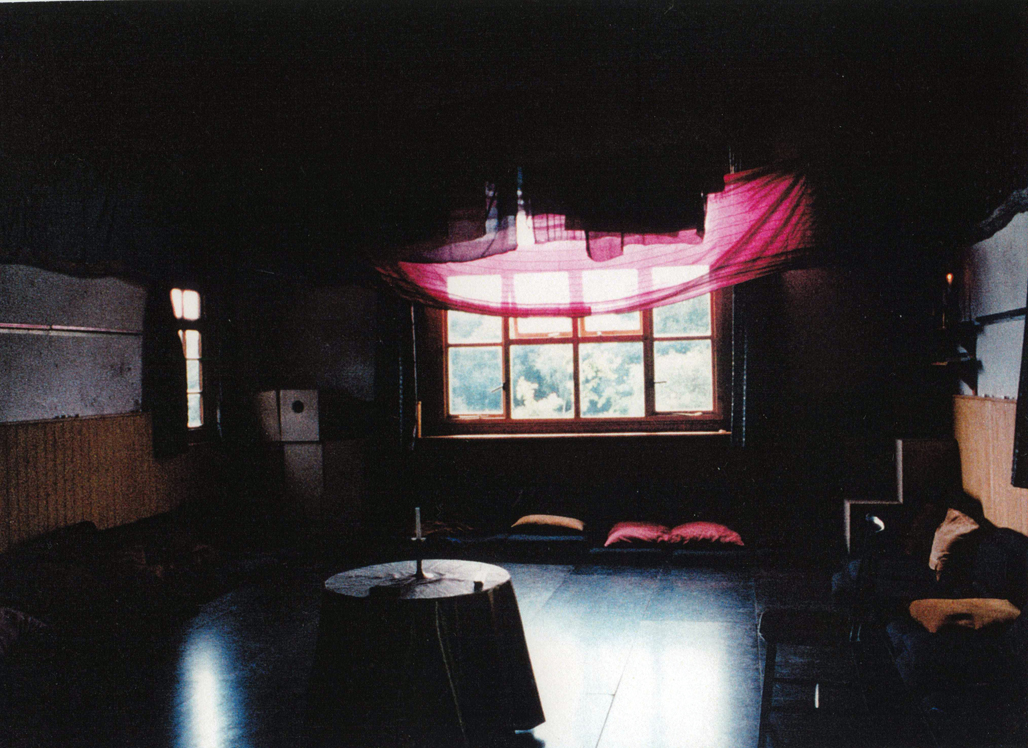
Barn, group room, smallerOur small group that day was encouraged by Fazal to replace terms and use our own words in this presentation, according to our own understanding. He was this kind of teacher. I dearly miss this wonderful friend, the community and the place.

Does this cosmology, this orientation device, corresponds in any way to your understanding and experience? And I’d be curious know if you feel inspired to change or move words around.

*       *        *

On the ‘OTHER’ page of this site (see top bar) you can find a PDF link to an article I wrote on the imaginative function based on ideas of the great Muhyi-d-Din Ibn ‘Arabi. The article is called ‘Science of the Heart.’

14 Comments

Filed under Blog

… cats …

I had various pets I cared for as a child, among them talking parakeets, hedgehogs, crows, snakes, mice, and dogs – but never cats. Actually I wanted a horse, but it never happened.

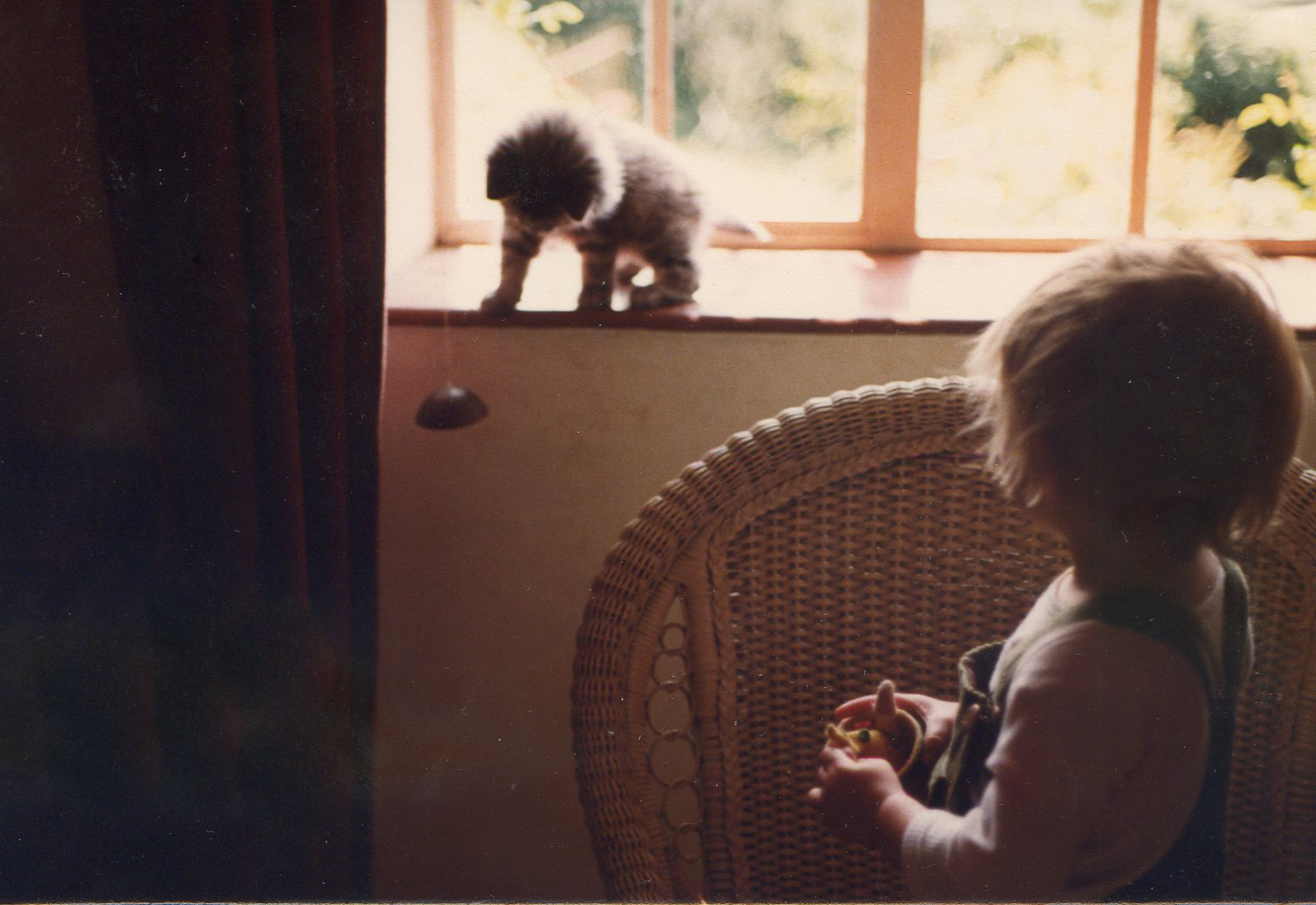
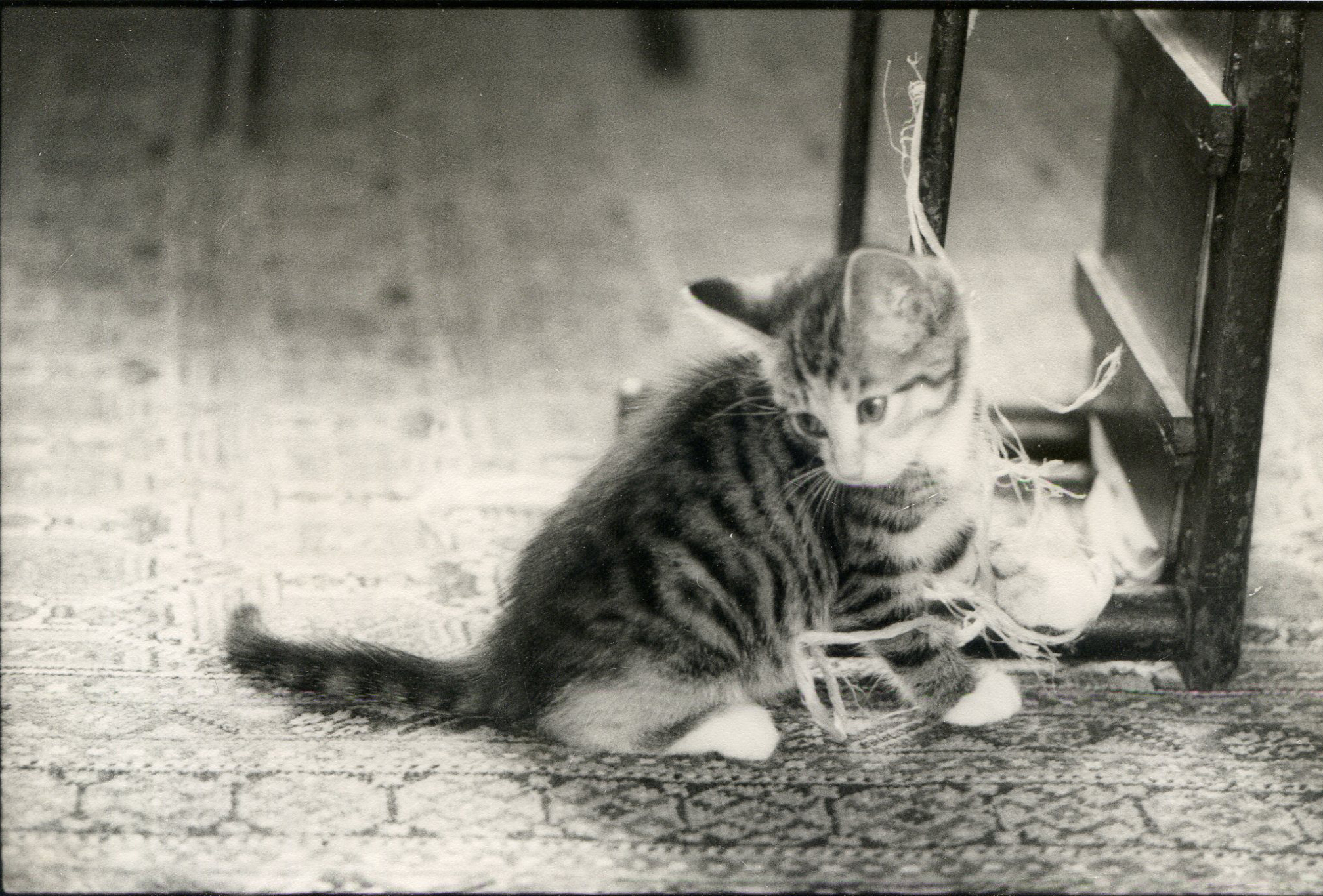
Cat, Yesh &SuzukiThen came Somerset, and I thought my young son would enjoy a cat. He did.

We called her Suzuki. I must have been into Zen … ‘Enjoy your problems’ – that kind of thing.

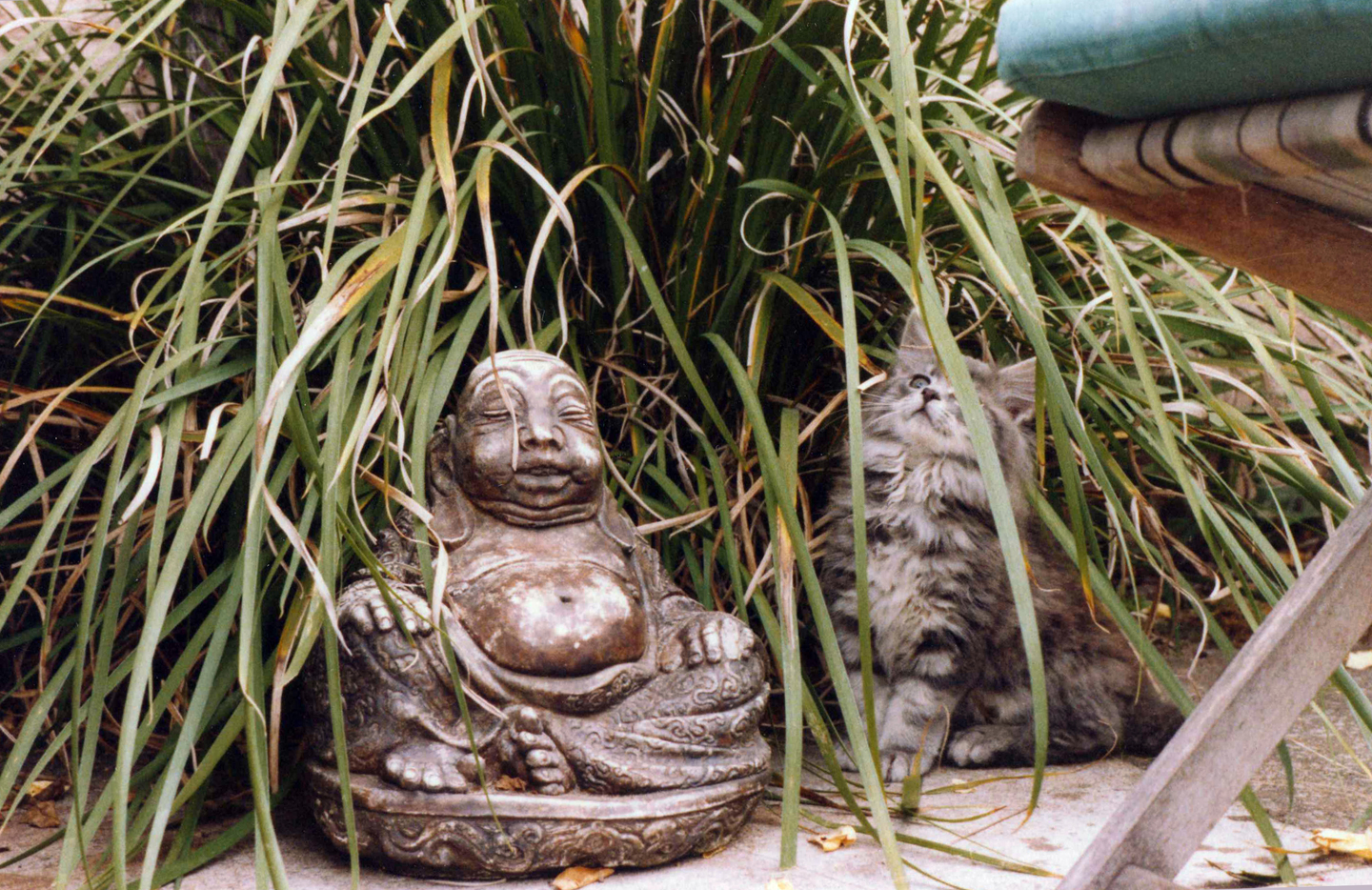
Cat, Suzuki with Buddha, bliss - Copy

As you can see, Suzuki had leanings to our stone ‘Budai,’ drawn to its lucky charm and its loving nature, easing her through tough moments … as you can also see.

Cat, Yeshen, Suzuki's lot

To catch mice in the ancient cottage we lived in was beneath her. She gifted us with other creatures. One summer, after returning from a trip, during which time our kind neighbour fed Suzuki, the wool fleece rug in our bedroom looked at first pristine and welcoming, but the moment my bare feet stepped on it my legs were jumped upon by armies of tiny, shiny armoured flees. Par chance I spotted a pack of post-it-notes on a Chester drawer and an ‘aha’ moment occured. I peeled off the pests amass from my skin with the sticky stripes, stomping about for a while, so none should be left out. I recommend sticky stuff for emergencies; it works, among other tricks I soon learned about.

Then came a time when we moved from home to home while in transit towards Surrey. In one such charmed place Suzuki distinguished herself as baby rabbit catcher. Never a killer, she plonked the fluffy bundles on the living room floor, where they sat, stunned and motionless … there you are, a present … We freed the bunny back into the neglected orchard of the property, but it soon returned, carried gently at the scruff of its neck by Suzuki. This happened innumerable times, likely with the same bunny, over and over. I wondered whether it was born into the wrong body, and was truly a cat – or our spayed cat was truly a rabbit in want of babies. We’ll never know. Unsure where we would end up, we left beautiful Suzuki with a woman who adored her. My son was upset, and only partly reconciled by a teddy friend.

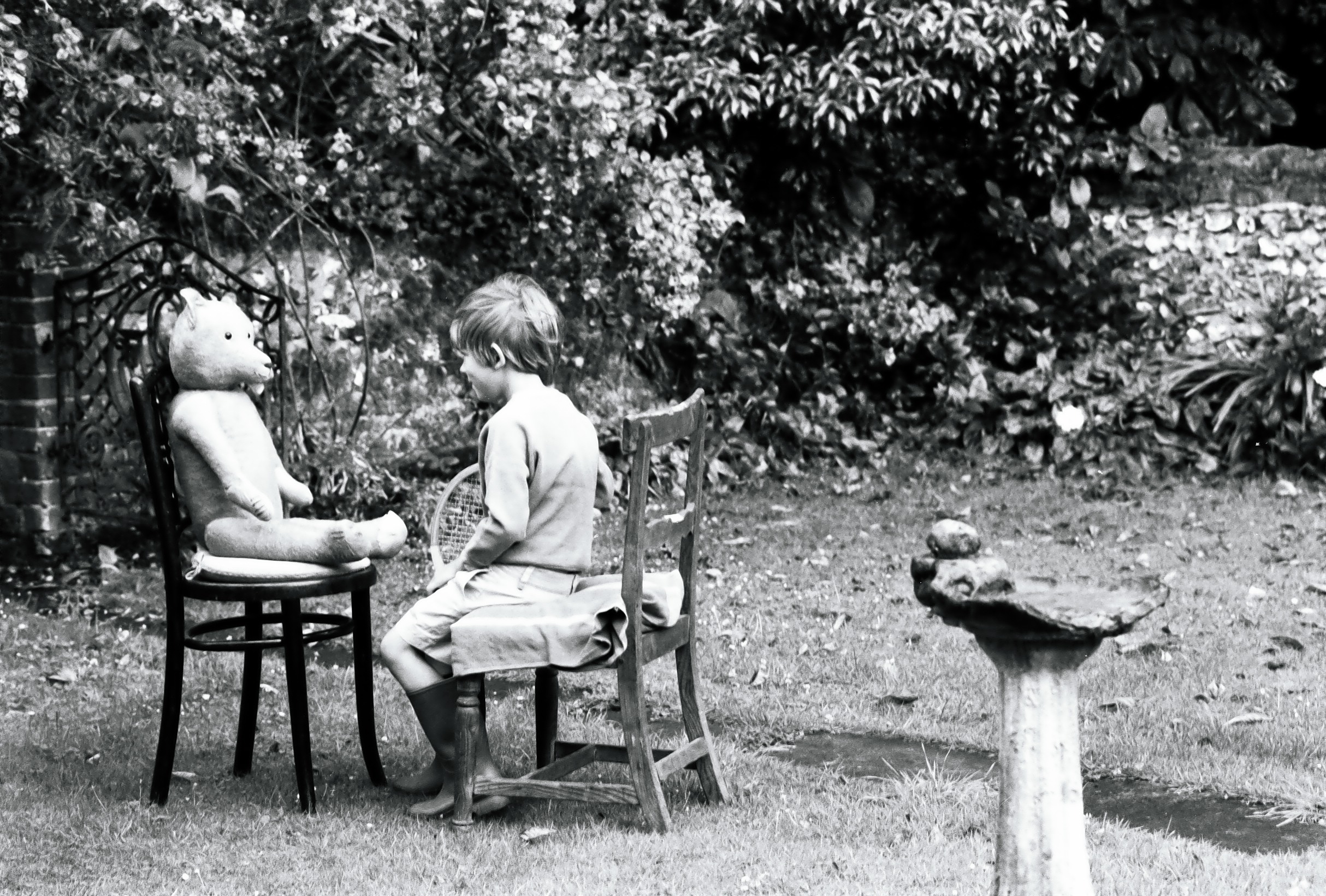
Teddy 5

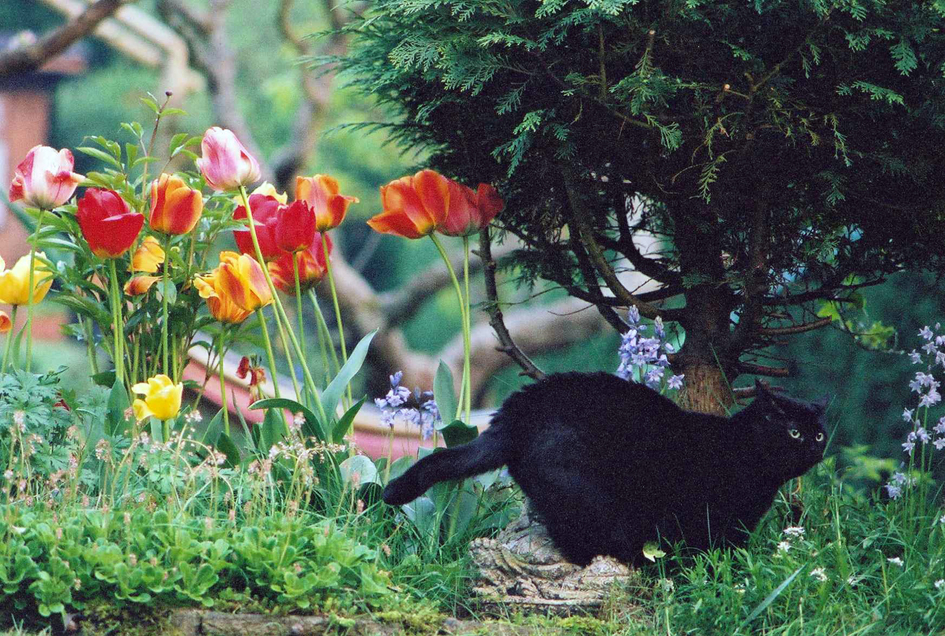
Cat, Amber136Entering a more settled phase in Surrey, we adopted a ginger rescue cat, Caspar, who appeared dour and joyless, most likely due to distressing experiences. My attempts to create rapport were unsuccessful. One day he simply disappeared, and I blame myself to this day. In due time, I searched and found Amber, a gorgeous tabby kitten. Slow in having her spayed, she produced offspring, giving birth in the living room, an unexpected and magical event, while I had friends over. The three in the litter were very different, in looks and temperament. The first and last born kittens found homes. Cat, Jetty and Tulips - lowerMy son thought it best to let the children, accompanied by their parents, choose, so we ended up with the middle born, sleek, black, and with a lovely tranquil nature. We named her Jetty. I linked with her in grief when Amber was sadly run over in the street a few years on.

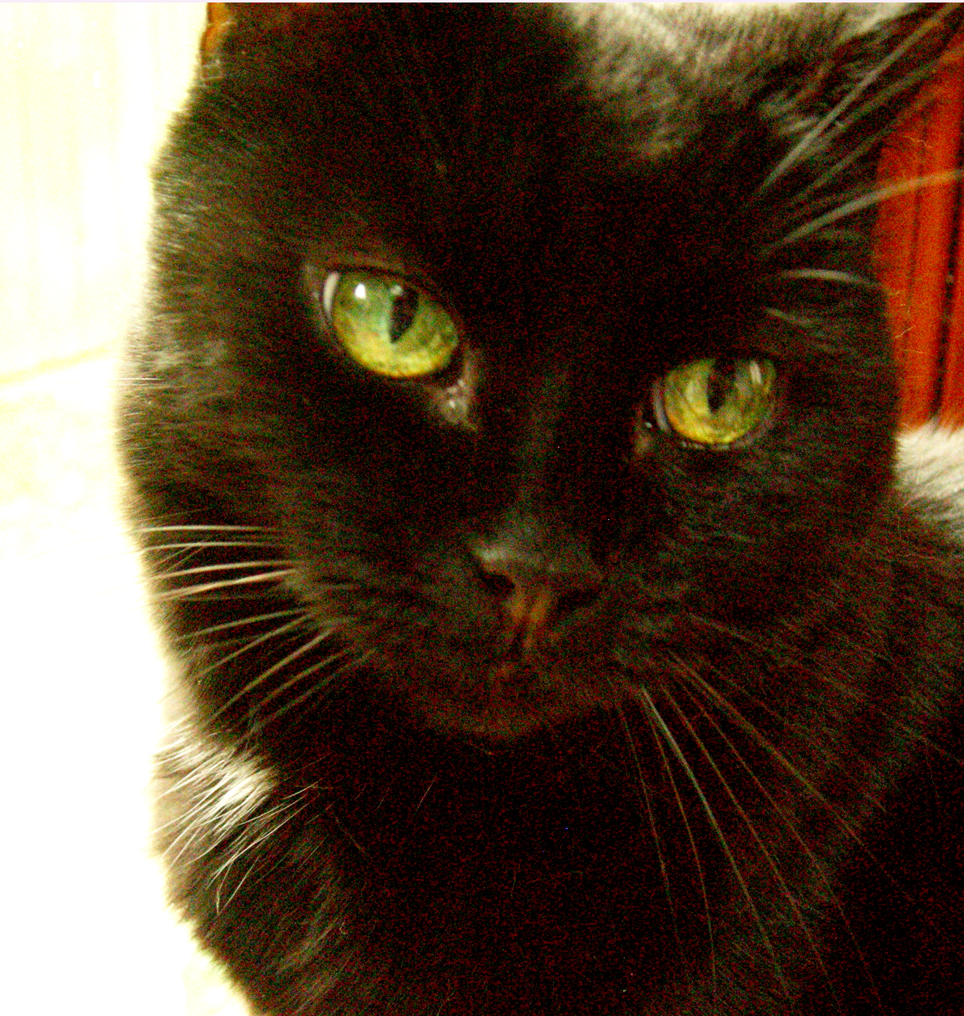
Jetty lived to be 16. She died on my birthday a few years back. When Katia, a writer friend, posted her experiences with cats  –  it saddened me to hear the story of the sudden demise of her companion. Genie reminded me of Jetty, which sparked this post, in honour of her friendship.

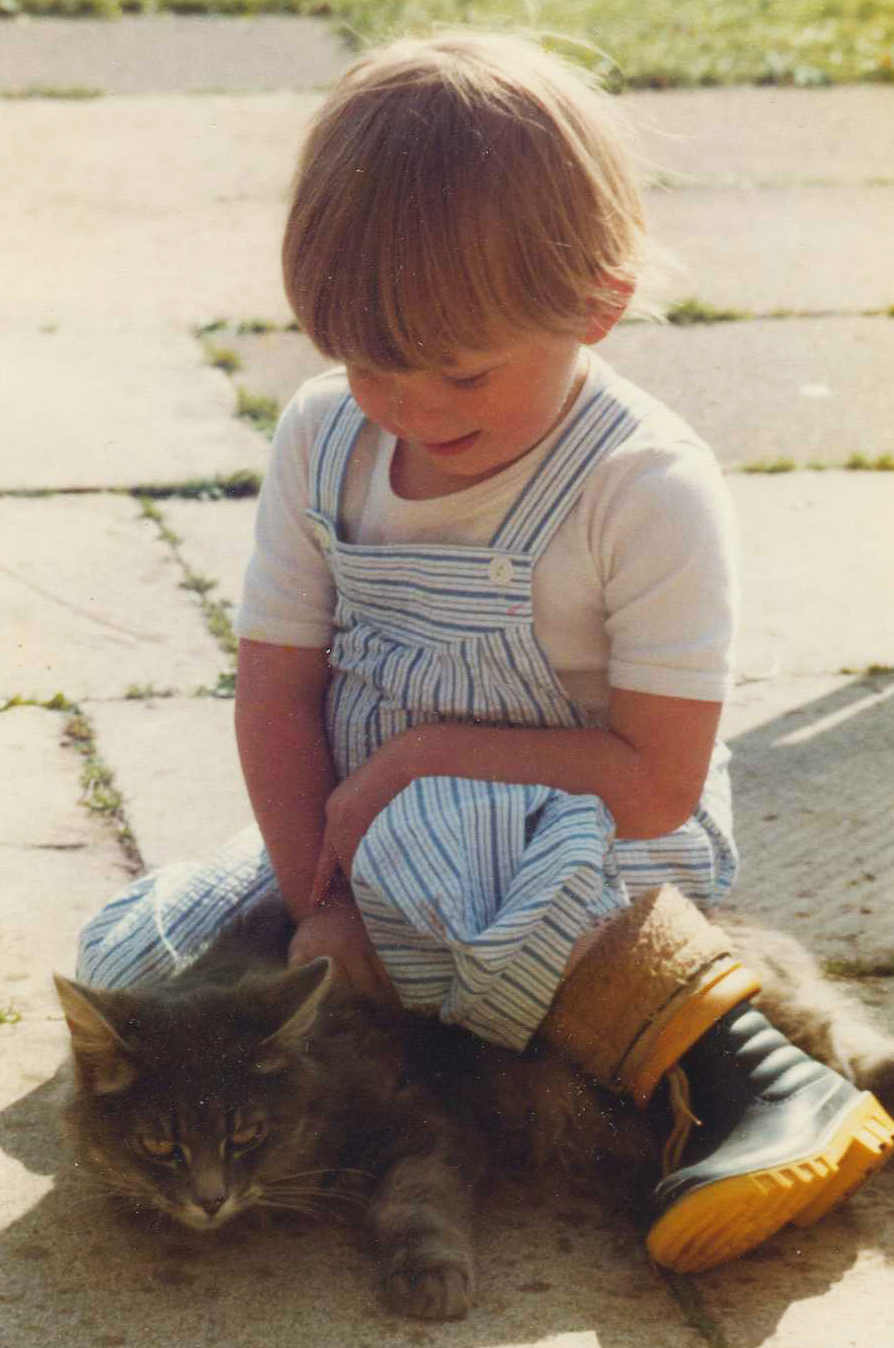
Cat, crop - smaller - CopyHow to describe the deep bond we can form with an animal? Is it our need for acceptance, totally reciprocated from a creature that has all its needs for shelter, food and attention met? I think that’s a flatlander’s view. All meaningful connections happen beyond rational thought, in other spheres. Animals are sensitive to vibrations beyond our clock time awareness, often knowing of events before they happen, which is why they can warn and protect us. And because their senses are wide open to fine energies, as well as vulnerable to harmful ones, we, too, are moved to protect them.

We humans are urged to be clever and become quickly absorbed in the ongoing evolution of the rational mind. Animals can teach us to stay closer to nature, the most powerful text of life. And they maintain a strong link to dimensions we frequently lose, where all experiences mingle in the ever expanding pool of universal consciousness. With all our specialness, nature is indispensable to us. An animal friend whose intelligence detects moods and intentions, cats are particlularly good at this, can show us any moment, as in a mirror, our true state of being.

*      *      *

“That’s the great secret of creativity. You treat ideas like cats: you make them follow you.” – Ray Bradbury – Zen in the Art of Writing

“I love cats because I enjoy my home; and little by little, they become its visible soul.” – Jean Cocteau

21 Comments

Filed under Blog

… love …

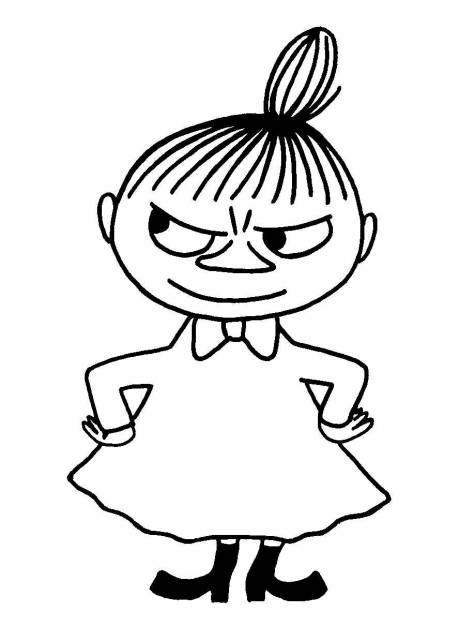
Little My - Tove JanssonLike me less or more, I’ve no qualms sharing that my persona hosts a little devil, an entity suspicious of principles, endless re-branding of what is obvious and free, including pearls of wisdom, and annoyed with much else in the world. This little sprite is my soul’s guard, my bullshit detector, and my Cara (friend.) She mocks hypocrisy, sanctimonious attitudes, power games and manipulation. Every now and then this sprite, like Tove Jansson’s Little My, when enraged, oversteps a mark and creates wanton conflict with my otherwise gentle nature and, at times, too trusting persona.

When a resolve is needed but not forthcoming, I resort to tools of remembrance – head-clearing techniques that calm the mind. Sometimes this works beautifully, but not today, when, of all subjects, I intended to write about ‘love.’

I’ll go ahead anyway, stating that the illuminating intelligence we call love is a core reality inside us. Words are kind of inept, but Rumi got it right.

‘The minute I heard my first love story, I started looking for you, not knowing how blind that was. Lovers don’t finally meet somewhere. They’re in each other all along.’

Rumi (translated by Moyne/Barks)

Irrespective of the despair and suffering experienced around the world, there are plenty of instances when people realise love moves in cracked hearts, and the sun dawns – things are the way they are because we observe them that way. This is our creation, our prison cell and our freedom. Fear may kick in when reliable walls suddenly dissolve, but equally, a realm of exquisite frequency can transcend the exacting laws of dense physicality, and stun us with the simplicity of an underlying truth. People wary about being laughed at keep silent, others start creeds, and there’s the occasional genius – the teacher, artist, writer or outsider, who convinces with plain yet startling expressions of the intelligence living inside us, the one being, pulsing through life’s revolution with wings of beauty.

What, I ask myself, would ensue in the unlikely event of every conscious being on this planet becoming enlightened to this deeper reality simultaneously?

I am interested to know what you think …

My thoughts go like this. In the temporal physical world, at least, friction yields energy we can use and direct. When it comes to the psyche, maybe we need to look at the yearning for love as a means to expand consciousness rather than a goal that promises the laurels of eternal life. Life is eternal without this nonsense of enlightenment as a goal, because, think about it, anything that has achieved wholeness stops becoming. A perfectly ripe apple that drops to the ground does not magic itself back to its branch, a new dream begins.

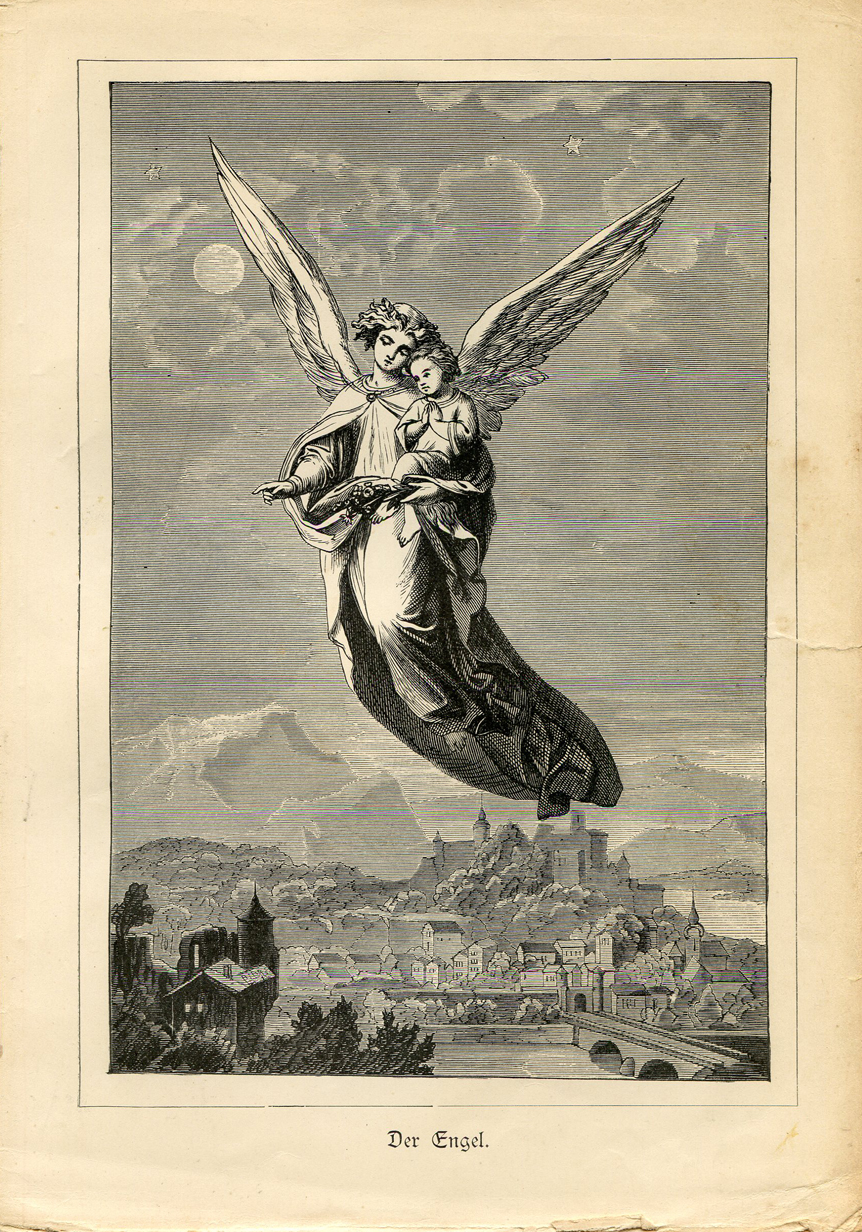
While appearances overwhelm and dazzle us with joy, pain, suffering and confusion in ongoing fluctuation, we can, at times, become aware of this soft rippling breath flowing through the visible and the invisible universe, sustaining the beauty and intelligence that life is ultimately animated by. When this love spins its hidden silver thread through us we are inspired. Angel - Der Engel - Woodcut for H C Andersen 1888 - smallerEven my little devil is charmed when our angel appears, serene or with a humorous smile – ah, you remembered, hello again, eternal child, welcome to warmth, elation, wonder and respect for all differences. For a while there is no judgement, no right or wrong. We’re moving in a vastly different dimension, of which the visible world is just one expression.

Various traditions propose or speculate on a purpose to life, but ultimately we create our own purpose by committing to a path and changing its meaning on the go, only the intelligence of love seems to be a constant.

The separation between past, present, and future is only an illusion, although a convincing one’ – Einstein

24 Comments

Filed under Blog

… dreams …

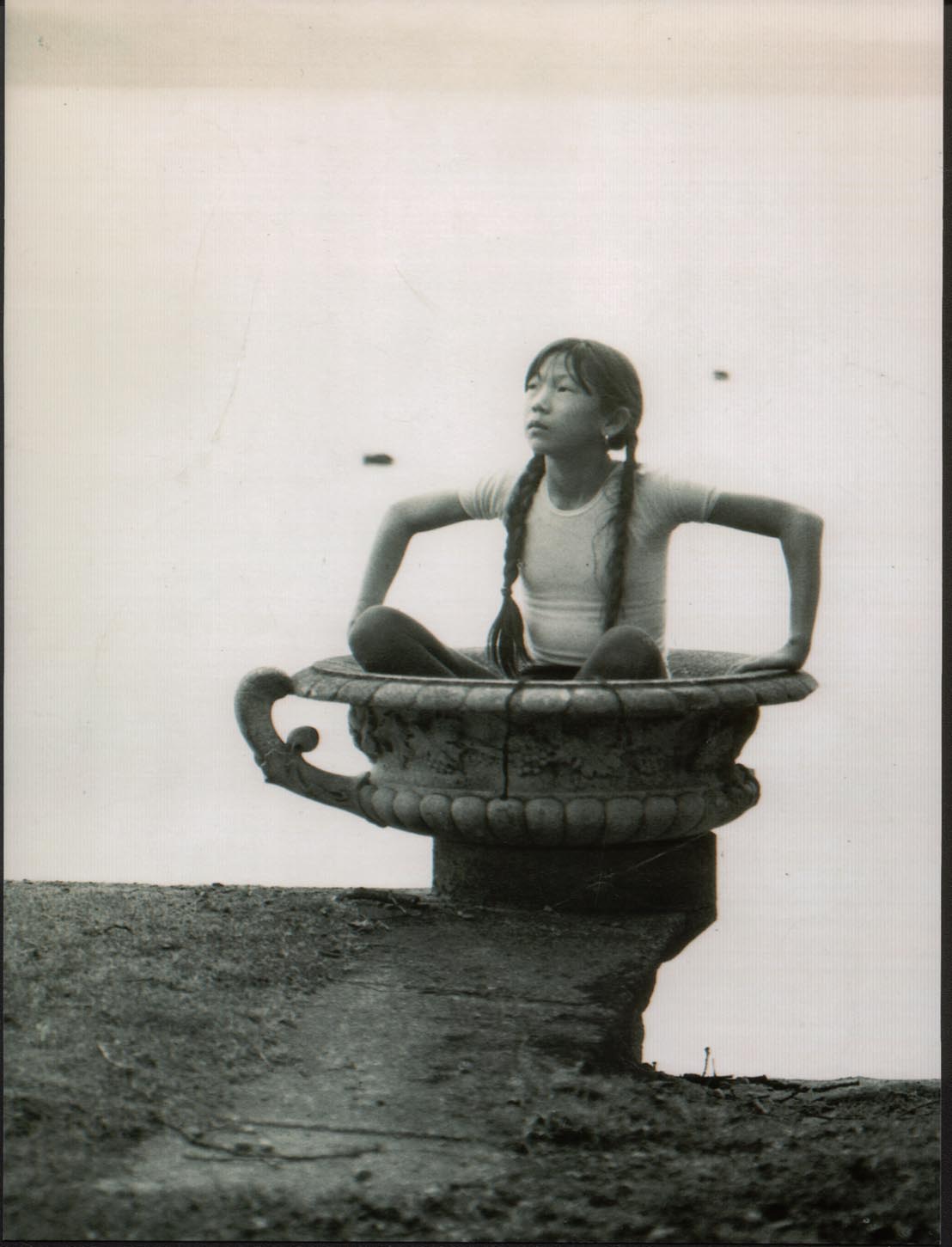
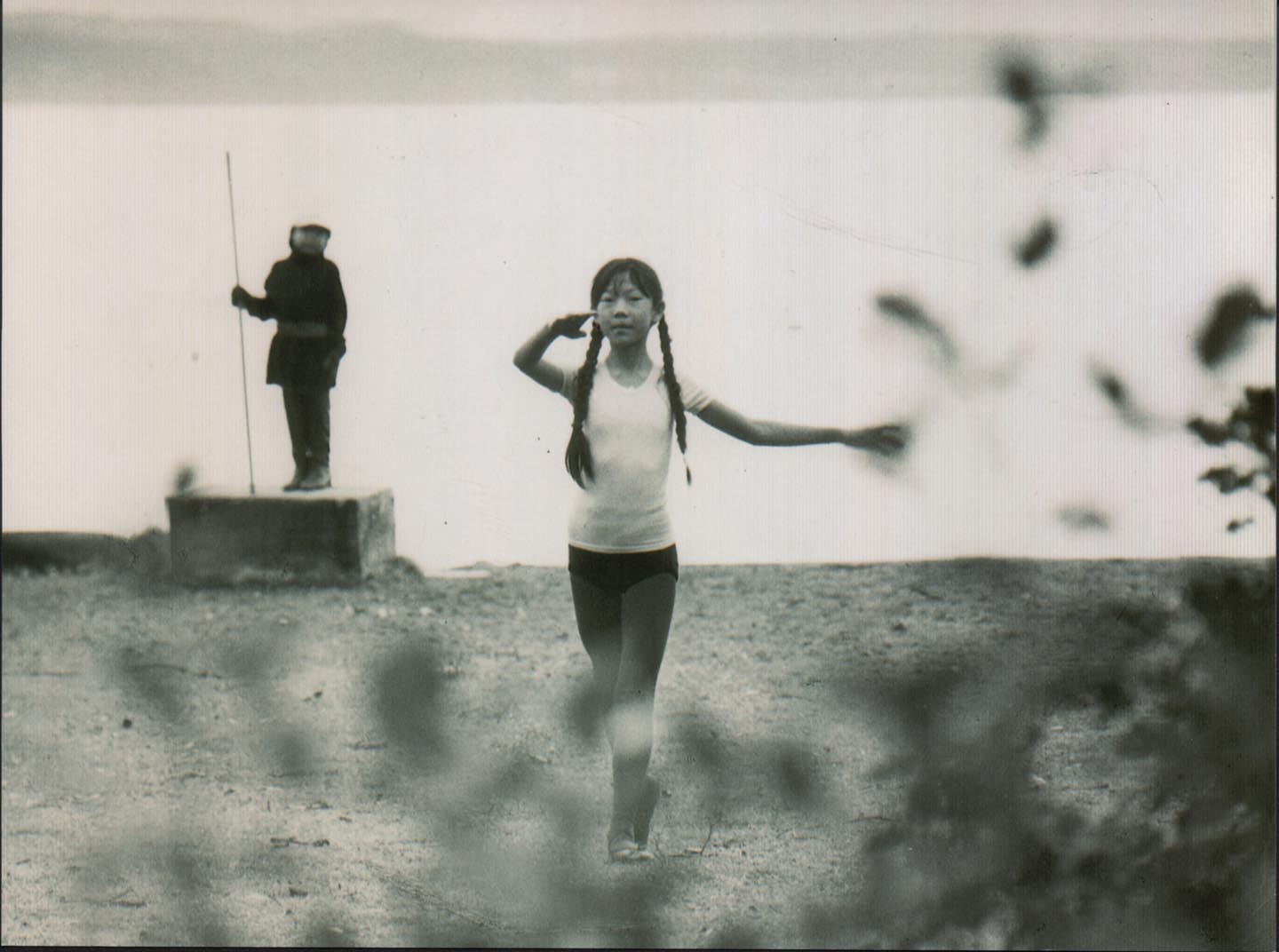
Photos by Ashen

Photos by Ashen

I used to host regular dream groups. We did not so much set out to analyse our dreams, but we played with them by engaging with their images, characters and objects. Sometimes we enacted scenes to widen associations and deepen our insights. While there is some excellent literature on working with dreams, a lot of it is boring, misleading and superficial. For me, the main purpose of valuing dreams lies in befriending the unconscious and the bringing to light what is timely and meaningful.

When we have no obvious explanation for events, dreams may bring subtle messages, offering glimpses of dynamics usually hidden from our awareness. A staggering 90 percent of personal and collective psychic dynamics trigger and compel our actions in life, and for good reason. The self-regulating psyche protects us from too much awareness. When encouraged, respected, and left to do its work, much like the immune system, the psyche can encapsulate runaway viruses of the mind by blanking out anxieties and obsessive thoughts, unless a trauma results in an ongoing inner storm. The processing of traumatic experiences is vital for the health of the individual, the family, the tribe, and our collective psyche. Something equally important to consider is that as adults our natural childlike curiosity about life may have become flattened by engrained habits and obsessive needs for security and control, both diminishing the meaning of our lives.

Note: Each embedded link here will not lead you away from this post but bring up a fresh page.

In an earlier blog post Joe Linker’s comment led me to an article by Oliver Sacks on altered states in The New Yorker  where Sacks pointed out a long tradition of ceremonial drug-use to stimulate the brain. Drugs certainly relax jaded attitudes by activating the senses and bringing insights and fresh perception. Sacks, and many like him, were admiringly fearless and creative, before there was a clamp down on drugs and they became illegal.Dreamseries 2

In dreams as in trance, induced or not, the mind can kick up imaginal representations of feelings, and metaphors. We shift to another realm, escape the logical structure of time and also tap into the collective psyche. We may hit a T junction, one path leading to an illuminating visionary state and the other to a schizophrenic state of confusion, which is why science sticks with rationality and is generally not keen on the imagination. The question as to what pulls us towards Heaven or Hell has no easy answer, yet all inner state, when approached with respect, patience, and most of all, wisdom, can have a healing and effect on our personality, and, in instances, as we know, result in significant works of art.

Dreamseries 3

Freud’s iceberg metaphor illustrates that our individual psyche swims like a mountain of ice in a vast sea, only to reverse into its fluid state once its coherence dissolves back into the sea. As a simple and more intelligent map of various unconscious states I prefer the egg diagram by Alberto Assagioli, the founder of Psychosynthesis.

Active imagination is a gentle way to befriend the unconscious and build bridges towards consciousness and daily life, and a way to explore dreams without messing with the dreamer’s unique meaning. I share here some practical tips:

Remembering dreams:

You can ask for a dream, especially when you feel stuck and ponder a question. You might even write the question on a slip of paper and put it under your pillow.

Try not to move your head after noticing a dream. Place holds memory.

Have a notepad and a soft pencil next to your bed, maybe a microlight, so you can scribble down a memory facet before fully crossing the threshold into waking. Even a single image, phrase, number, colour or feeling can act as a key for recalling a dream later on.

To catch a dream – try disrupting your sleeping pattern with an early alarm clock setting.

Experiment with your head position while sleeping – north, east, south or west.

Towards understanding dreams:

The psyche does not care about logic. The meaning of a dream may however unfold like a seed when we attend to its poetry and rhythm.

Ask yourself … how do I relate to the characters or objects of a dream? What feelings and sensations are evoked? In what context did the dream arise? How does it relate to my present situation?

Write a story or make sketches of the images. Tiny fragments can offer connections via free associations.

Give a voice to the characters and objects appearing in the dream. What do they want? Allow them to express their thoughts and feelings. Such dialogues can reveal surprising insights.

Change the script, create a different outcome, face down a fear or a shadow and follow through to what wants to happen. This approach can move a dream to a different level of understanding.

Ask yourself: Where does the energy want to go? What is emerging?

Dreamseries 4


Dreams express the voice of the soul; they are our contact with our deepest self, our inner substance. The mere act of recalling, experiencing and consciously honouring our dreams connects us with our real selves and awakens previously unavailable levels of creativity and vitality, even without interpretation.

Carl G Jung

A related post on altered states.

And if the subject of dreams interests you, here are some more links:

Edward C Whitmont was a Jungian psychoanalyst, who deepened my understanding of the psyche through his exceptionally clear writing. His books may be out of print, which would explain why they’re so expensive:  Dreams – a Portal to the Source and The Symbolic Quest

Other excellent authors to look out for, apart from Jung, are Anthony Stevens, Private Myths – Dreams and Dreaming, and Marie-Louise von Franz – The Interpretation of Fairy Tales.

12 Comments

Filed under Blog

… surfacing …

surfacing

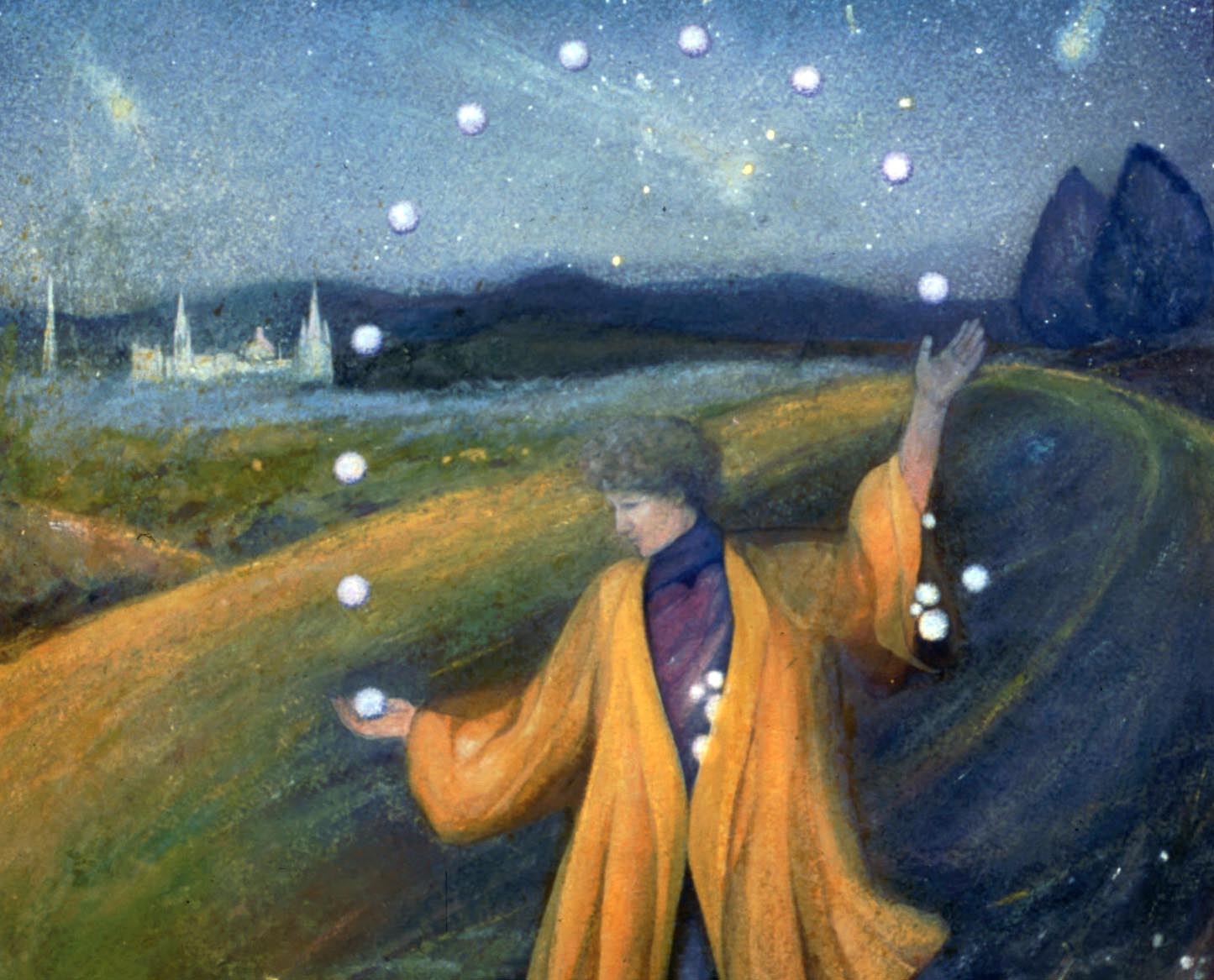
Segment of 'The Magician,' a painting by Silvia Pastore

Segment of ‘The Magician,’ a painting by Silvia Pastore

her nocturnal creature mourns as meshes of  night disband the Other of her dream into strands that flow like oil colours –

marbling still waters under grey or rain-bowed sky as canvas for inventing random patterns of each day

beneath the mirrors an ever-turning gyre of souls in deep wordless liaison keeps churning the ocean

her inward creature drifts through curls of emptiness sifting strata of seasons

to gathered wisdoms of the human heart

its patina of touch and wear

sediments of ache and bliss

its gilded secret

cypher for another Eden

from which her inversed image falls

to the next fluid mirror always desiring the Other …

Ashen 10th July 2015

Maybe needless to say, just about everything I post here is relevant to my novels.

In relation to the poem, I thought you might enjoy the fascinating Art of the Marbler https://www.youtube.com/watch?v=Vyga8VMWXKg

And a short introduction to The Churning of the Ocean of Milk https://www.youtube.com/watch?v=MItyUwPAjLA

The segment of the Magician image is the work of a fine painter, Silvia Pastore http://www.silviapastore.com/ … Time and space are illusions …  Having obtained the copyright of the Magician as a cover for ‘Course of Mirrors,’ it seems my publisher, who I re-signed a contract with, has other ideas. I love Silvia’s work, but will remain open to suggestions, as long as my first novel is launched within the year. It’s been sitting quiet since 2011. Maybe all good things take time. A sequel is waiting in line, and I’m working on a third book in the series.

11 Comments

Filed under Blog

… oh my sweet, crushed angel …

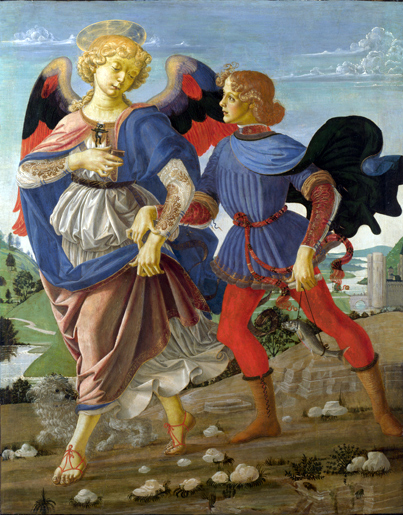
Maybe I was inspired by a  dream last night, but for some reason the painting of Tobias and the Angel, its story, and this poem by Hafiz waltzed into my space this morning .

Tobias and the Angel - Andrea del Verrrocchio’s workshop

Tobias and the Angel – Andrea del Verrrocchio’s workshop

   My Sweet, Crushed Angel

You have not danced so badly, my dear,
Trying to hold hands with the Beautiful One.

You have waltzed with great style,
My sweet, crushed angel,
To have ever neared God’s Heart at all.

Our Partner is notoriously difficult to follow,
And even His best musicians are not always easy
To hear.

So what if the music has stopped for a while.

So what
If the price of admission to the Divine
Is out of reach tonight.

So what, my dear,
If you do not have the ante to gamble for Real Love.

The mind and body are famous
For holding the heart ransom,
But Hafiz knows the Beloved’s eternal habits.

Have patience,
For He will not be able to resist your longing
For long.

You have not danced so badly, my dear,
Trying to kiss the Beautiful One.

You have actually waltzed with tremendous style,
O my sweet,
Oh my sweet, crushed angel.

From ‘I Heard God Laughing’ – Renderings of Hafiz by Daniel Ladinsky

http://en.wikipedia.org/wiki/Hafez

http://www.nationalgallery.org.uk/learning/teachers-and-schools/teaching-english-and-drama/out-of-art/stories-for-use-in-class/tobias-and-the-angel   – the story of the Tobias and the Angel.

And I just re-found this lovely post about the ‘Tobias and the Angel’ painting …. posted some time ago by Katia  https://scribedoll.wordpress.com/2011/08/21/odds-ends-trust/

15 Comments

Filed under Blog

… give the poor ego a break …

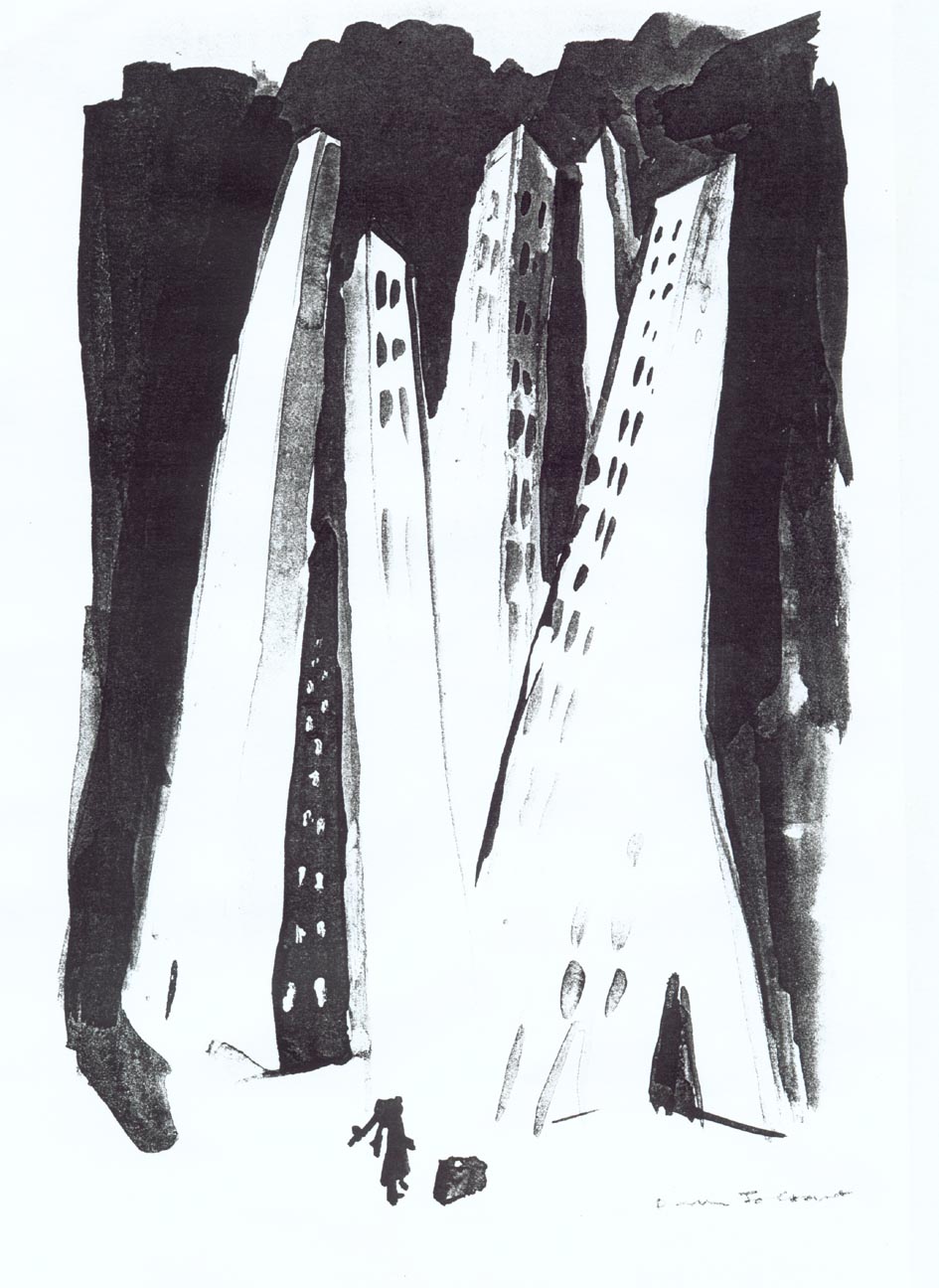
Image by Daphne Jo Grant, created for my poetry collection in 1993 -Gapsy Truth.

Image by Daphne Jo Grant, created for my poetry collection in 1993 -Gapsy Truth.

I’m all for shielding the Ego from moral experts who succumb to counter-transference. Proverbs, turned inner voices, instruct: Put yourself last, be considerate, don’t let people down, adapt, respect trade-off laws, keep promises – the inner voices more or less prescribe what’s in your best interest to feel, think and do.

Noisy commotions, muddling any sense of ‘I.’

The poor ego not only holds awareness of our multifaceted reality, but is driven to distraction by conflicting demands, assumptions, chimeras of grandeur, bouts of doubt, all drowning the whisper deep down – ‘Who or what am I really ?’

‘Part of me suspects that I’m a loser, and the other part of me thinks I’m God Almighty.’  – John Lennon

John summed up the typical seesaw compensation attempt. Adding insult to injury, self interest is blamed for our social ills. Even astute spiritual wisdom falls flat when it fails to appreciate the ego’s task – to daily create new order out of chaos, attempting a compromise with reality. No wonder people become nervous wrecks when their temporary identifications are threatened, no wonder fierce defences are constellated. The battered ego-agent screams silently – I’m only loyal to my familiars.

Some familiar rituals guarantee a  child experiencing rejection, physically, emotionally or intellectually, will self-reject for failing the expectations of its superiors. Welcoming or neglecting, early responses by adults we depend upon set foundation for our personality. Break that mirror and you’re on your own.

Maps serve us as orientation, they don’t convey territory. S. Freud’s map of the psyche is powerful. Think of the Id as a Launchpad to stars. What Freud omitted is a higher unconsciousness, our inner guidance and intuition, later introduced by C. G. Jung and A. Assagioly

Freud’s ideas deserve studying. His terms slipped into common speech like brands and became tangled.

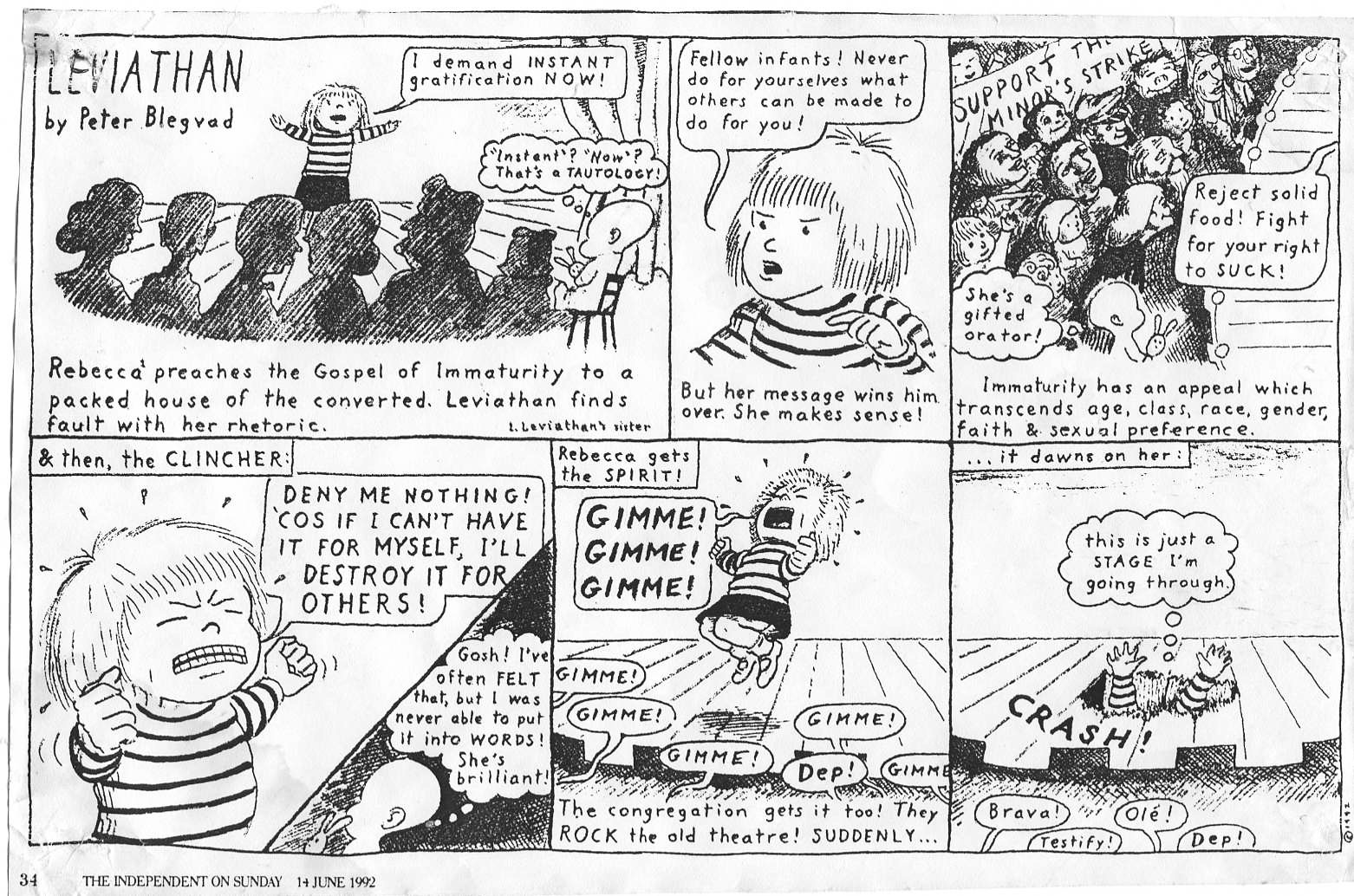
Leviathan

Leviathan

Take the ego construct. Sandwiched between the powerful gratification-force of the Id, in need of gentle and firm boundaries, and a cultural Super-ego, with its rules and regulations, the Ego has the unrewarding task of mediator. The Id, at worst, is a heap of misery dragged along, withholding its energy, while the Super-ego, at worst, hijacks personalities like a psycho terrorist, know–it-all, manipulator, fanatic …  having abandoned the powerless inner child with its distressing and embarrassing need for acceptance and love.

And let’s not fool ourselves, distorted ideals attach themselves to well-disguised tyrants in the collective psyche, slumbering, until the day when circumstances conspire.

Children who grow up anxious to placate, or are bent against authority, invent ingenious strategies for survival. Fragile or strong, balanced or torn by extremes, developing a personality is an art form, assembled from layers upon layers of impressions and accumulated memories. Only increased awareness lessens over-identification and softens defences.

‘The paradox of the arts is that they are all made up and yet they allow us to get at truths about who, and what we are or might be’. –   Seamus Heaney

creative recycling

creative recycling

creative recycling

creative recycling

Young children need space to playact, and adolescents need safe outlets for their natural aggression, opportunities for intense experiences, and encouragement to explore their self-image. The houses of identity we create, however basic or twisted, position us in space and time. They have windows allowing a view, and doors through which to venture into a wider world and align our personal myth to a greater myth.

The problem is clearly not the personal ego, but its cultural super-edition, coloured, at least in the west, by mechanistic templates that regard nature as enemy to be conquered and controlled.

Reprimands like selfish stem from a period when inducing guilt was a convenient social formula. Today this approach is counterproductive. Educational practices must catch up with the nuclear age and the fresh metaphors for space and time. New dimensions arise in our consciousness, compelling us to re-think:

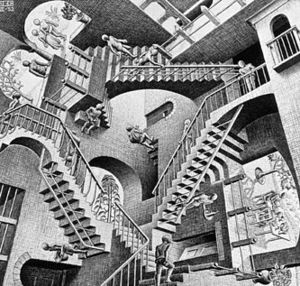
Escher's Relativity

Escher’s Relativity

Relativity theories freed perspectives and brought a climate of moral liberty. In a psychological sense, moral advice became repugnant, which explains why western minds begun to question aspects of religious dogma. A way was opened towards looking inside, and individuation, in a Jungian sense.

Quantum physics has widened our vision further, and brought deep spiritual turmoil through new speculations that suggest a symbolic reality of consciousness that over a hundred years ago would only have been imagined by a minority – mainly mystics.

The Digital revolution has upset linear time and is gradually transforming our relationship with time and space, leading us to ask, ‘What is real?’

A mould, no matter how inadequate, is necessary for any new-born. Judging behaviour without acknowledging the initial and well-meaning intentions underlying the formation of personality will only strengthens neuroses, instead of allowing the acceptance of one’s imperfect self-creation, with a nudge towards a gradual softening of defences.

‘Form is a relic of eternal potential.’ – Fazal Inayat-Khan

This post contains excerpts pulled from past articles that were never published.

10 Comments

Filed under Blog

… the ones who walk away …

Ursula Le Guin’s short metafiction, ‘The Ones who Walk Away from Omelas,’ first published in 1973, had its 40th anniversary last year. My first reading, when Google and book review sites were non-existent, left a deep impression. This week’s re-reading, once, twice, three times – the story deserves it – made me curious as to what other readers might have made of it. Obsessing in a web-crawl I came upon predominantly moral interpretations, which I distinctly remember resisting, though these associations are understandable. The way our systems deal with the unadjusted tends to appease the troubled conscience for the rest of us normal citizens.

For me, there were deeper complexities in this brilliant piece of writing. I decided to share my thoughts and tempt those of you who don’t know the story to read it and derive their own insights. I’ll use spoilers, so if you want to read the story first, here is a link: http://genius.com/Ursula-k-le-guin-the-ones-who-walk-away-from-omelas-annotated

… With a clamor of bells that set the swallows soaring, the Festival of Summer came to the city of Omelas, bright-towered by the sea …  

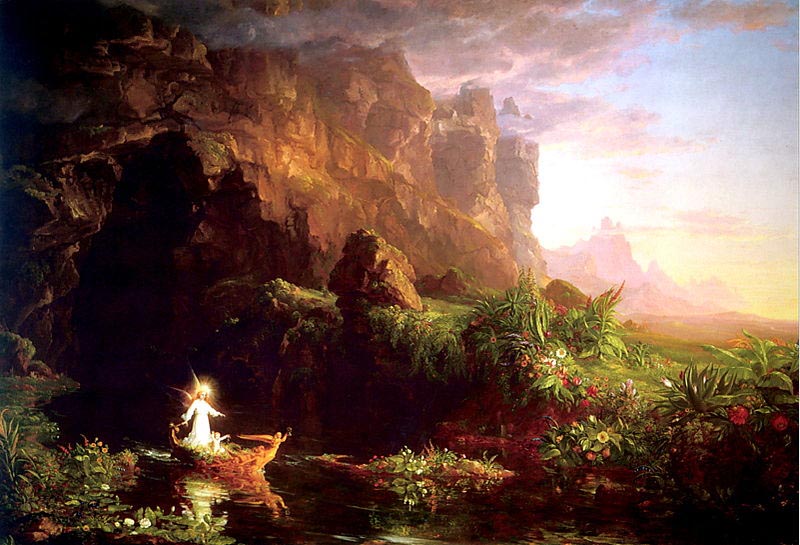
Childhood, Thomas Cole, 1842

Childhood, Thomas Cole, 1842

We are shown a charming city where order and harmony reign, a city well-protected in a bay, resembling a womb. Reality is suspended. There’s a sense of timelessness. It is a civilised place, decorous, joyful, without hierarchy. No king, no swords, no slaves … no power games. Utopia comes to mind, the idea of eternal life – the eternal innocent child.

No science has yet dispelled the vision of a haven without strive, where everyone is happy. In the wake of traumatising wars and unspeakable atrocities, there are always attempt to re-create places like Omelas, attempts to soften the reality of birth and death, the extremes of joy and pain, nature, the cosmos our life depends on and which we try to fathom. But since our spiritual lore cautions that life is an illusion – an ornament that covers ultimate truth we can’t perceive with our senses, we get anxious when life becomes too comfortable.

The narrating voice, anticipating our scepticism, invites us to fill in the sketches of this perfect democracy. We are told, ‘They were not simple folks, you see, though they were happy.’ After all, Omelas may strike some as goody-goody. Smiles, bells, parades, horses, bleh. ‘If so please add an orgy.’ More delightful pleasures are suggested – celebrating life, with one significant addition, ‘One thing I know there is none of in Omelas is guilt.’

In contrast, the voice notes the bad habit of a different place, where pedants and sophisticates consider happiness as something rather stupid. ‘Only pain is intellectual, only evil interesting … the treason of the artist: a refusal to admit the banality of evil and the terrible boredom of pain.’ The voice insists that the citizens of Omelas were mature, intelligent, passionate people whose lives were not wretched.

The Festival of Summer has begun. ‘Do you believe?’ the narrator asks. ‘Do you accept the festival, the city, the joy? NO? Then let me describe one more thing.’

And there it is, the secret lurking out of sight, a child, kept in the darkness of a tiny cellar room, with only a faint ray of hope based on a dull memory. The child is not driven out of the city, like the traditional scapegoat, but contained below ground; there to absorb everyone’s fear of reality and its cruel justice, embodying, maybe, submerged histories, rather like the depths of the iceberg below water keeps its peak afloat in the light.

… They all know it is there, all the people of Omelas. Some of them have come to see it; others are content merely to know it is there. They all know that it has to be there. Some of them understand why, and some do not, but they all understand that their happiness, the beauty of their city, the tenderness of their friendships, the health of their children, the wisdom of their scholars, the skill of their makers, even the abundance of their harvest and the kindly weathers of their skies, depend wholly on the child’s abominable misery …

Terms are clear, should this child be freed, the beauty would wither and be destroyed. The pragmatic solution seems such: One punished and suffering child is meant to redeem the rest from coming to terms with their inherited sins and traumas.

To leave this comfortable enclave of Omelas means leaving security and loved ones behind. It requires crossing mountains, stepping into the unknown, with no charm against collective guilt.

Omelas’ citizens are free to look at the unacceptable child. While reactions, those of young ones mainly, vary from disgust to outrage, most accept the necessity of this child’s sacrifice, though some fall quiet and leave Omelas in the middle of night, alone.

For me the child is there to serve cohesion, symbolizing a lid on the unconscious, primitive, wild aspects of the psyche. Isn’t dis-ease a loss of order and rhythm? If you judge this pragmatism harshly, consider the purpose of trip-switches in an electricity-wired house. Or, consider how people under social or dictatorial pressure may choose to safeguard the lives of their loved ones at the cost of betraying their knowing heart.

Le Guin does not condone staying or leaving Omelas, she provides no answers. I am one of those who walked away, many times, always at a cost, because I preferred guilt to shame. C G Jung developed the concept of individuation, hoping for it to expand collective consciousness from the inside out, through the individual, sometimes involving a precarious personal journey, going through a process of separating psychologically from parents, state, authority, to become whole. Like in the Zen story where the seeker eventually returns, better able to serve the community. While a single brain does not survive its limited life-span, the collective memory of matter, and each human experience lives on and is transmitted to every new-born life.

Each one of us carries the traumas of our histories, though not everyone has the opportunity to redeem such wounds, contribute new ideas, or explore different states of being. What drives one to walk away from the familiar – is it inner conflict, allegiance to one’s heart, fear to upset the order, the need for a wider perspective, or simply a calling? We bond to the systems we grow up in, in cases we adjust our behaviour in order to emotionally survive, along with the implicit bargain to keep quiet about the shit, our shit, others’ shit, and how we deal with all the shit.

There are those who leave a comfortable place and those who stay. Maybe a balance between conservative forces that protect structures and revolutionary forces that seek change is necessary. Not everyone, for example, can face existential pain and futility without succumbing to psychosis. There is a case for Festivals of Summer, sport, drugs, ecstasy, trance …

Was the power of the imagination born from fear of mortality? Is this why we envisage dystopias or utopias, and, ultimately, scenarios that make us feel in control of our destiny?

What we hide from ourselves and from each other often relates to our most prominent outcast, the neglected inner child, so embarrassing to the adult world. This child in Omelas seems to embody the ongoing ritual of shame for walking from Eden into the dawn of creation, a reality burdened with consciousness, and free will that frequently misses the mark, but, heck, is the very process of becoming human.

My naïve hope is that we can learn to embrace our all too human failures, show patience with our children, stop seeking blame and end scapegoating, yet also acknowledge our individual and collective need for comfortable realities … protecting us … from what?

Here a quote from a former friend and teacher, Fazal Inayat-Khan … taken from a lecture on Reality:

‘For the whole collective of the human mind – outside that self-created reality there is a storm. That storm – that wind – that pressure – that influence and space is for our existence and permanency completely annihilating and destructive … our assignment outward is because of a deep decay … Reality is a veil that is spun with the finest and thinnest and strongest silk. It weighs nothing – it covers a little darker area behind – and yet the moment when you reach out with your hand to draw the veil away it will skin your hand till blood is drawn.’ 

To fill this emptiness we assign our meaning outward. Call it the human project. Sorry to trouble you, my friends, but the function of reality is worth contemplating, and, in my view, Ursula Le Guin’s story does just that.


14 Comments

Filed under Blog

… beautifully lost – revision of a poem …

Many of my poems linger in files, unfinished. I’m never sure of anything for long. Quite often the poet and the philosopher existing in my solitude are at odds with each other, or the pair gangs up against the certainty of experts our western culture values. I favour dynamic approaches to life, where faith and doubt are equally valued in the process of becoming human. The words of Hazrat Inayat Khan would apply:

‘The ideal is the means; its breaking is the goal.’

When making something audible and visible from the inside out, a topic I touched upon in my last post, only time may tell its worth. Once we shared our art, there is the waiting … the vulnerable span after exposure. Does our wave of inspiration chime in other minds, offer fresh perspectives,  frustrate with surprise?

I hope you, my readers, can offer a reflection on the little poem I obsessed with revising over the last week, and maybe even share thoughts on your own revisions.

Sunflower 6I first wrote ‘beautifully lost’ in 2005 and put it to sleep. Other versions exist. The latest attempt turned into a Haiku sequence. I’m not at all sure it’s an improvement compared to my first attempt.

The theme is cycles of experience, when after a period of loss and unknowing; a renewal of meaning happens that keeps me young at heart, connecting me back to the middle of each moment.


Beautifully Lost – 2005 version

At times no deed rhymes,

nothing I say is heard,

each word drops to silence,

and my best yarns slip

from the loom, waltzing

in endless loops,

suspended.

On solid earth swords cut,

and chalices swallow us,

but once every full moon

King and Queen align their myths,

And I– beautifully lost –

dreams undone – whirl

at the gateway to an inner sun.

 –  Ashen, 9th Nov 2005


beautifully lost –  2015 version

when deeds miss their rhyme

and words fall flat on their face

I chase your fragments

in the wayward yarns

that fall off the loom and loop

on my breath – dazed

drifting without aim

they will chance the blade that cuts

or a gulping maw

until a full moon

weds the light of King and Queen

and my best yarns yearn

beautifully lost

heart-whirling at the gateway

to an inner sun

  Ashen, Jan 2015


And here a song …

http://www.eyeneer.com/video/countryfolk/pete-seeger-judy-collins/turn-turn-turn

30 Comments

Filed under Blog

… sharing a heart-warming present …

A few years ago I decided to value my writing enough to make sacrifices.  I’ve since devoted every spare moment to this solitary word-sculpting activity, with no idea where it will lead, and therefore feel tremendous joy whenever my compositions arouse curiosity, and especially when someone groks the universal myth I struggle to filter through my individual imagination, my psyche.  Why do writers, and artists, share the facets stirring in the depth of their soul without the promise of a resonanating  audience? … It’s a mystery.

Image by Cynthia Holt JPEG riverside8

Cynthia Holt, living on the other side of this planet, created this painting for me, inspired by two of my poems, Riverhead, and Sleeping Sun … It struck me that the image relates, in essence, equally to the constellation of my novels, yet to be published.

Thank you, Cynthia, for your spontaneous offering. It speaks to how, through interconnections, face to face, or in the realm of the virtual web, we stimulate each other’s creativity.

The image can remind us of the two worlds, indispensable to each other, which we bridge – and how against the canvas of pregnant darkness, the spirit’s eternal light defines our unique myths towards consciousness.

A peaceful Christmas time, and abundant Blessings for the New Year to all …

I’m looking forward to spending a few days in Amsterdam with friends and family.

Since I posted this, Cindy has done a most beautiful post on her mermaid tavern site, including a poem by T S Eliot, a song, and a chart of the Hero’s Journey.

http://mermaidtavern.net/1/post/2015/01/the-law-of-three-artistspoets-and-quantum-physics.html

15 Comments

Filed under Blog