 To fill in the distorted or simply incomplete gestalt gathered from early caregivers, we find ourselves during our lifetime in families of various constellations … in groupings of friends, educational settings, teams working towards a project, callings, interest groups, animal care, subcultures, political, vocational and spiritual clusters. In these groups we slot into roles we project, or are projected onto us with qualities others are drawn to engage with, for whatever reason, often to explore a hidden part inside, mother, father, sister, brother, child, lover, hidden in the light or hidden in the dark. Much of this search now happens virtually, through screens, though it can’t replace the actual physical resonance a gestalt needs.
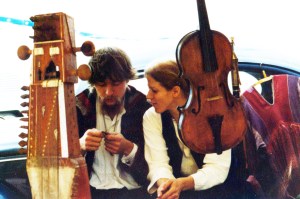 Family can also mean a collection of symbolically meaningful objects, toys, letters, books, art, tools, stones. I collect stones and endow them with memories. My ex-husband extended his loving father role to string instruments. (I wrote about his loss in my previous post.)
In the 1969 movie Alice’s Restaurant … with Arlo Guthrie, Pat Quinn & James Broderick, you can do anything you want. Alice tries to satisfy the motherly expectations of an eccentric hippie group, a powerful dream, which ends when she marries. The last image in the film shows her standing alone in front of the old church her husband plans on selling, to create a more ideal community in the countryside, though Alice’s hippie children have grown and left. In the poignant last image of the film Alice stands alone, waking from a dream, debts paid and debts made. Psychotherapy can accelerate this archetypal demand for clarity and cohesion of one’s myth, but soul-making must continue for consciousness to expand.
 At stages in our life we fit, or are fitted, into a network of psychological potential. These are intense phases. Yet irrespective of time gone since people parted ways, families dispersed, places were lost … when a former close friend dies, insight descends, rises, arrives from the past, from the future and from spheres unknown. Memories will shift their meaning. Slowly our sense of self is re-aligned. We capture a condensation of what was symbolically exchanged, essence is revealed.
In this gentle way we unravel the knots of entangled bonds. I’m wary of this advice … let it go! Grieving for a loss needs to ripen. While unripe apples fall from trees all the time, it is a sad waste to rip them from branches, we deprive our selves of what a ripe apple is for, to be eaten and digested for nourishment.
My lover, mourner and philosopher could have pulled this theme in ten different directions. I kept it short and leave associations to you.
 The thought brought on a Haiku last week …
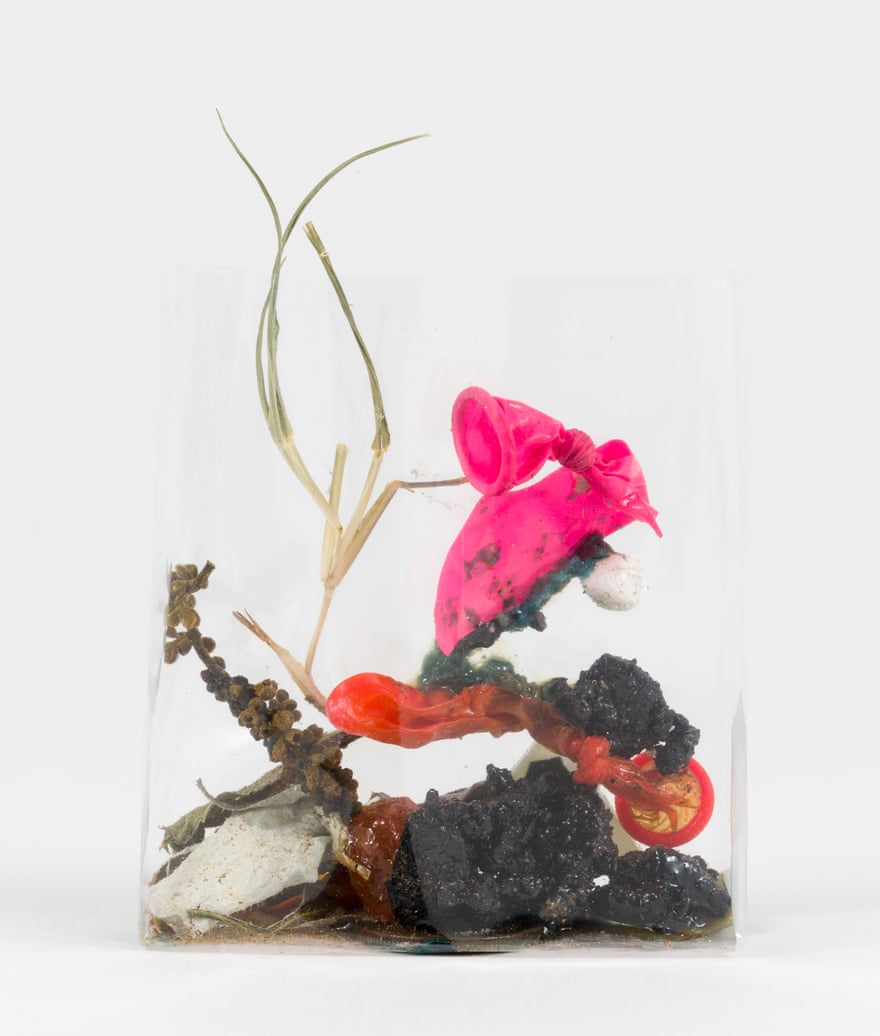 The eye-catching miniatures created by Yuji Agematsu pulled me back to my student phase in Munich during the 1970ies, when a group of friends looked out for small items like roots, twigs, leaves, seeds, grasses, feathers, stones, shells, dried or fresh flowers, the occasional bottle top or bits of shiny sweet wrappers, and sampled such bits into cellophane bags. We then handed these tiny poetry worlds to pedestrians or people sitting outside cafes in the then student district of Munich, Schwabing. It gave us thrill when recipients expressed a shock of surprise.
 In this
 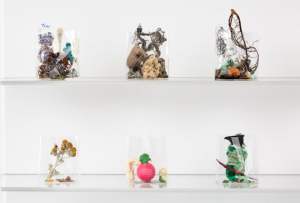 Yuji’s search for trash treasures developed into a language that emotionally embraces urban archaeology. He attracts bits of litter we may regard with a smirk, mostly ignore or simply not notice. While his miniature installations are scaled down to finger size sculptures, the mind-expanding and transformative effect equals grand scale installations. My experience, apart from the cognitive surprise, was being left with a bodily sensation, a deep feeling connection with these miniatures.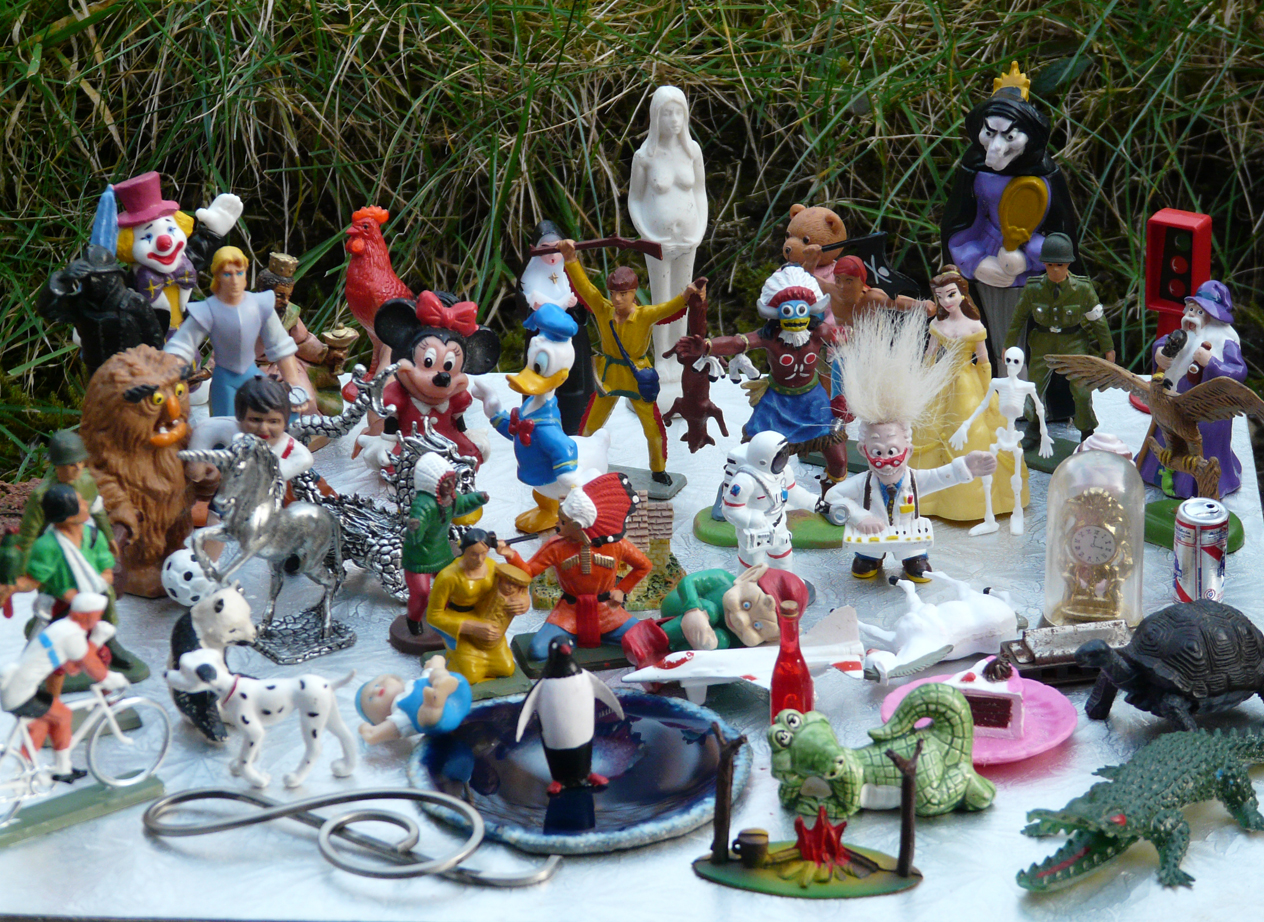
 I have miniature installation in my home, on windowsills … unable to resist picking up feathers, seeds, leaves, driftwood, pebbles and so on, which often hold the story of an eternal moment in time.
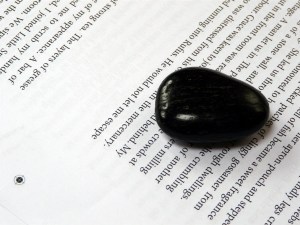 A small black stone, for example, features prominently as a protagonist in my novel,


 Course of Mirrors