Tag Archives: children

… where does it hurt? – everywhere …

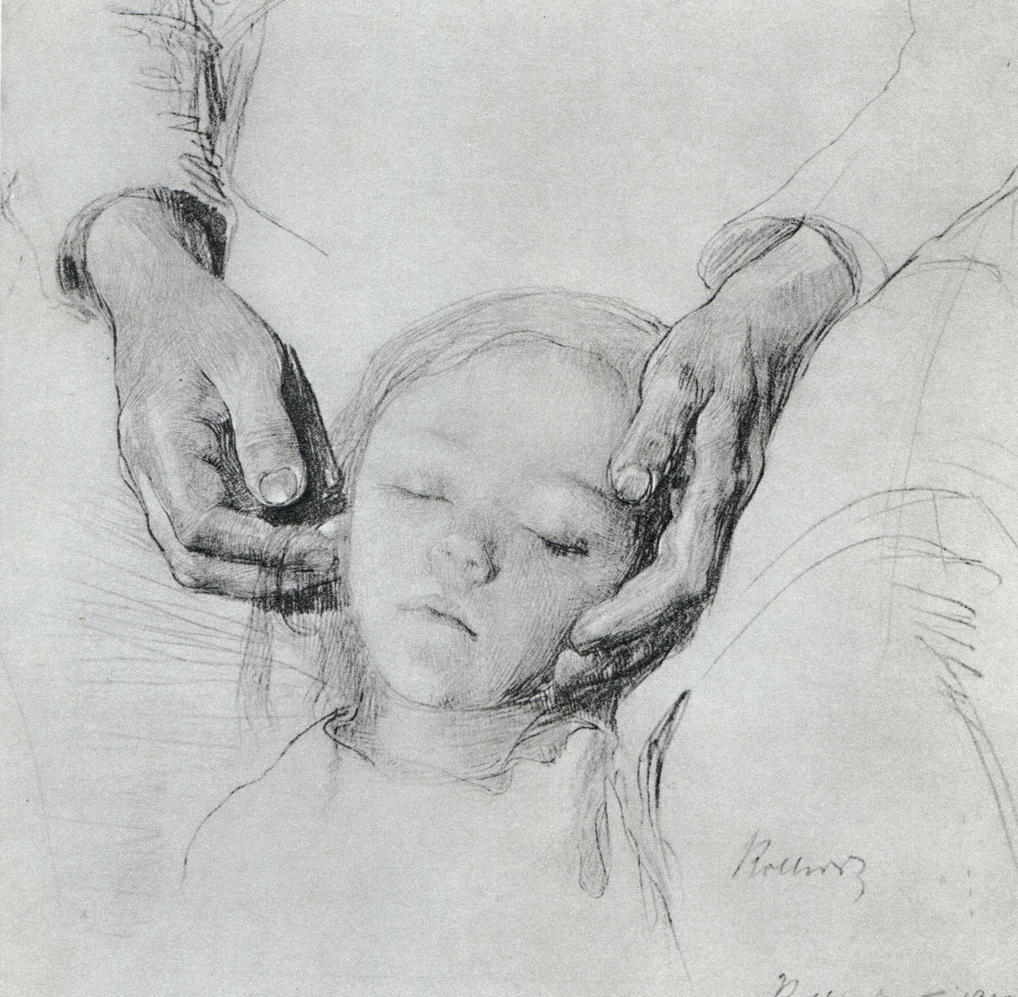
Käthe Kollwitz,  'Zertretene' 1900

Käthe Kollwitz, ‘Zertretene’ 1900

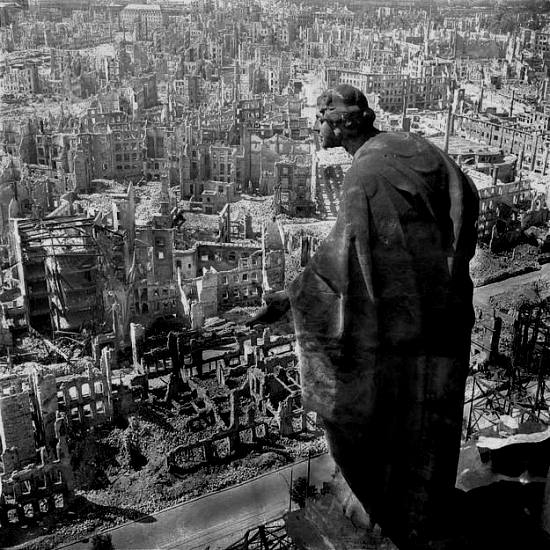
The night before Friday 13th 2015 I could not sleep, then, all day long I was gripped by vague apprehensions, until I caught the news, late that night, about yet another atrocity devised to feed animosity rather than dialogue, this time in Paris.

I searched for comments that made sense, and formulated plenty of analytical thoughts, until I found a poem (below) by Warsan Shire, which expresses accurately how I feel, in sympathy with all bereaved, not just in Paris, but in many places across the world, and all who have cracks in their hearts to share the hurt, and that’s enough. Thank you Warsan.


… later that night

i held an atlas in my lap

ran my fingers across the whole world

and whispered

where does it hurt?


it answered

everywhere

everywhere

everywhere.

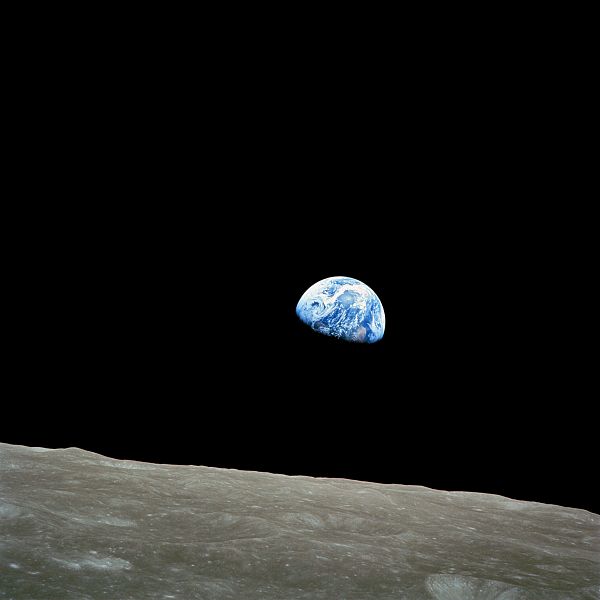
Earthrise, Dec 1968

Earthrise, Dec 1968


This interview with Warsan Shire, the poet, will lead you to another page. 

9 Comments

Filed under Blog

… patina – beauty of use & age – wabi-sabi …

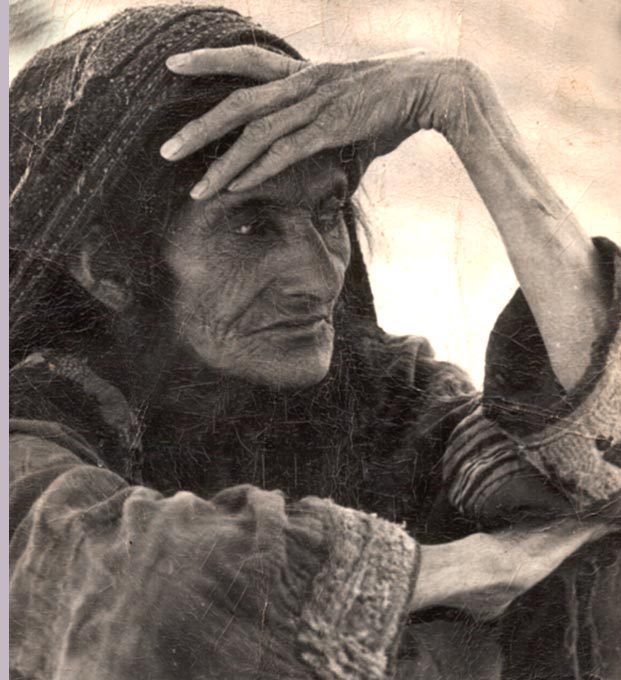
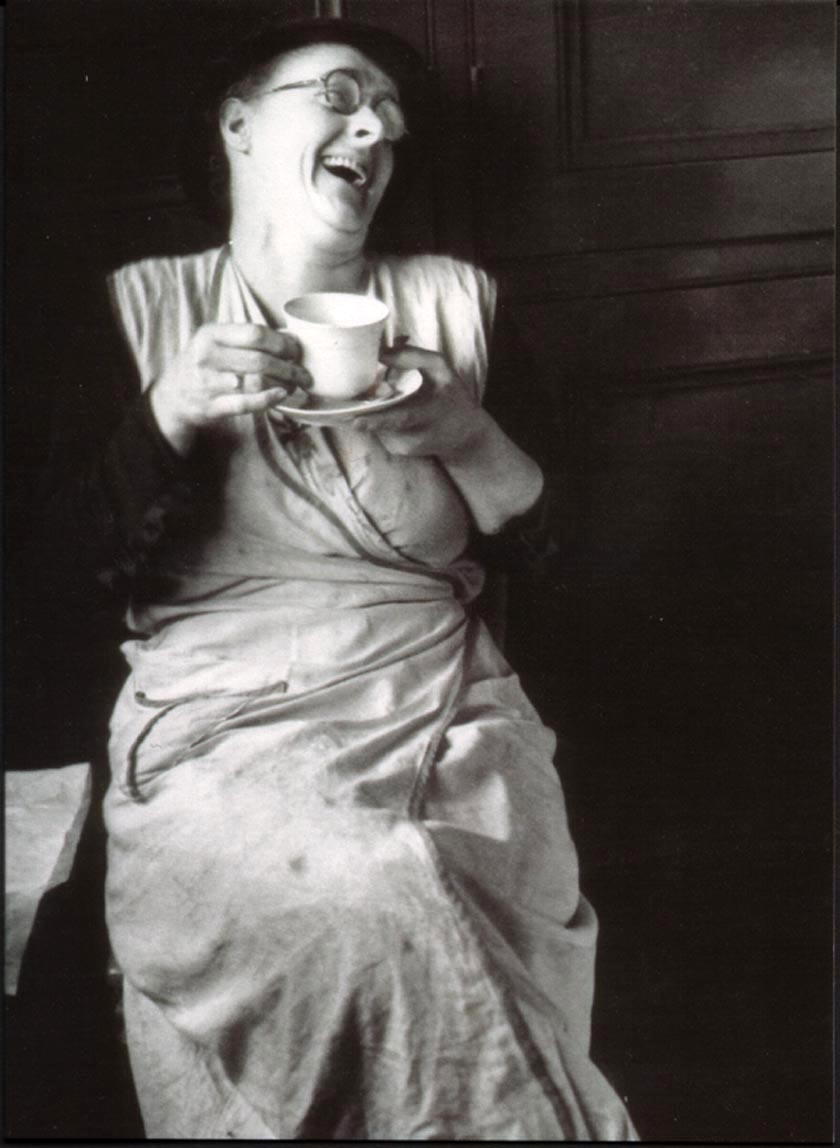
From an old postcard. I can't source the photographer.

Old woman – from a postcard I can’t source.

The phenomena of patina on surfaces is intimately seductive – layers of flacking colour on facades, walls and doors of old houses – thresholds dented and polished by feet treading on them for decades and centuries, tools honed by use, lichen-coated wood and stone, the fading or darkening of materials affected by exposure to light, air, water, wind, heat, humidity, wear and touch – and – poignantly – human skin inscribed by living.

Essaouria

The irreverence of organic processes brings endless revelations, a subtle kind of charm, a triumph of endurance, a fleeting glimpse of time in motion, a mystical hue of imperfection, evidence of existence that display glorious or sad narratives of beauty, relationships, melancholy, comedy, tragedy, remembrance and transformation.

Linus and his blanket

Linus and his blanket

Children naturally form emotional attachments to objects that then become love-worn. The remarkable psychoanalyst Donald Winnicott (whose ideas are worth exploring) specialised in early emotional relationship bonds and the importance of a holding environment for children. He coined the term transitional objects for the blankets, stuffed toys, dolls, or anything a child may choose to have an intimate relationship with, for comfort, often substituting the closeness to mother.

And don’t we know …  people are complex and unpredictable when it comes to holding our projections, quite unlike objects, be they associated with visual attractiveness, taste, smell and sound, or with tactile sensations. Objects can retain comforting feelings for us throughout our adult life. Anything from pets, trees, trinkets, letters, pens, photographs, books, significant presents, clothes, furniture, tools, cars, houses, places , feathers, sticks and stones can become treasures that give us pleasure.

Often a search for something lost is at work. My mother, in her later years, became passionately obsessed with replacing the Biedermeier furniture her family had lost in the Blitz on Berlin.

Then there is shabby chic, distressing and antiquing of furniture, which seem to gratify a need for aesthetics and comfort that some people enjoy but could not otherwise afford. To that end various sophisticated techniques are used on wood, glass, metal, stone, plaster and even plastic to replicate the vintage look.

P1070904 - smaller

But the love-worn feel of an object stressed and polished by personal use over many years, additionally endows it with a kind of cellular memory and connection, which adds a more enduring and special significance of a personal kind for which words are inadequate. The value a child or adult attaches to such an object is often poorly understood and not respected by others, be they parents, friends or  strangers.

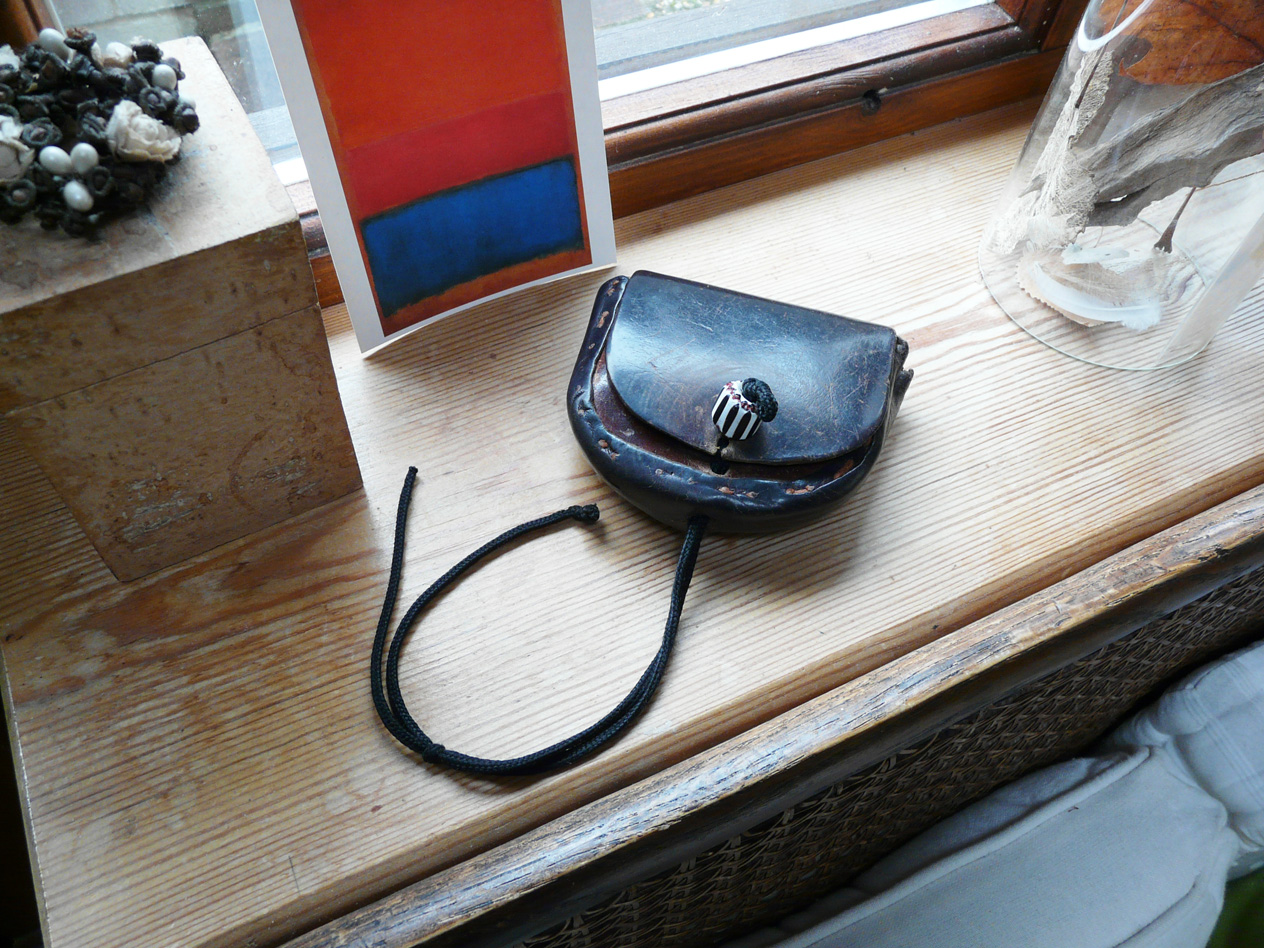
In my case, apart from certain books I loved to bits,  photographs of dear ones, stones picked in memorable spots, and so on. I grew fond of a purse made for me by my ex-husband. I repaired its stitching many times. The purse is not only useful, with a special compartment for payment cards, and encrypted markings I added inside its flap, it hoards contradictory symbolic connotations worth remembering, though I won’t divulge those. Sales-people in shops tend to look at this purse far longer than necessary. Its leather shines – you see.

P1070909 - smaller My purse is not full enough and my house not big enough to indulge in the hunt and collection of rare objects to which the Japanese concept of Wabi-sabi would apply. Then again, I chose my priority to be writing, and am content with the few minor wabi-sabi objects I cultivated over time.

In a way we all express wabi-sabi qualities in our personalities.

… Characteristics of the wabi-sabi aesthetic include asymmetry, asperity (roughness or irregularity), simplicity, economy, austerity, modesty, intimacy, and appreciation of the ingenuous  integrity of natural objects and processes. Nothing lasts, nothing is finished, and nothing is perfect …

What are the transitional objects in your life that bridge one love to the next?

Clicking on an underlined words in the text will bring up a new page, which means you won’t lose this page.

9 Comments

Filed under Blog

… cats …

I had various pets I cared for as a child, among them talking parakeets, hedgehogs, crows, snakes, mice, and dogs – but never cats. Actually I wanted a horse, but it never happened.

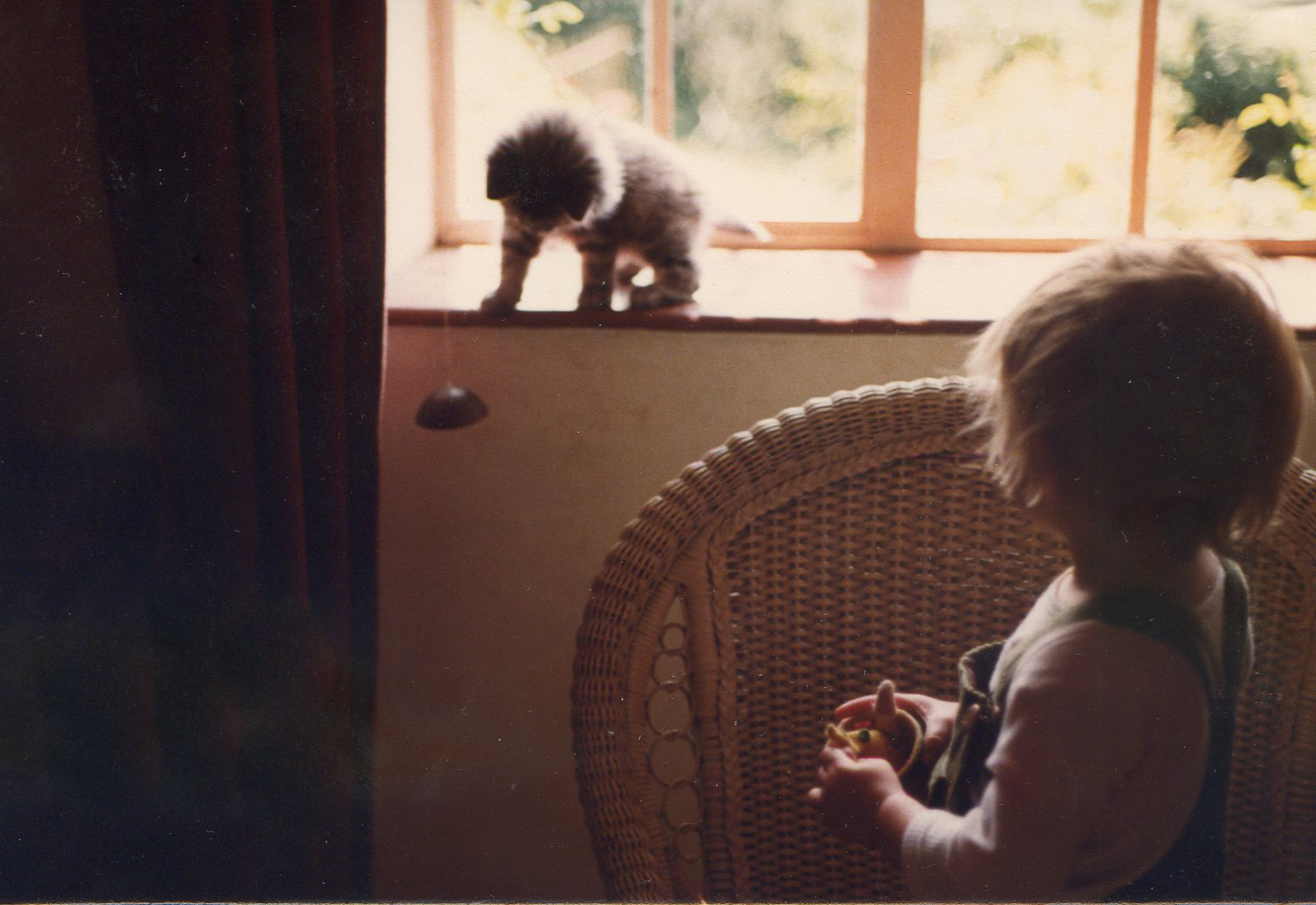
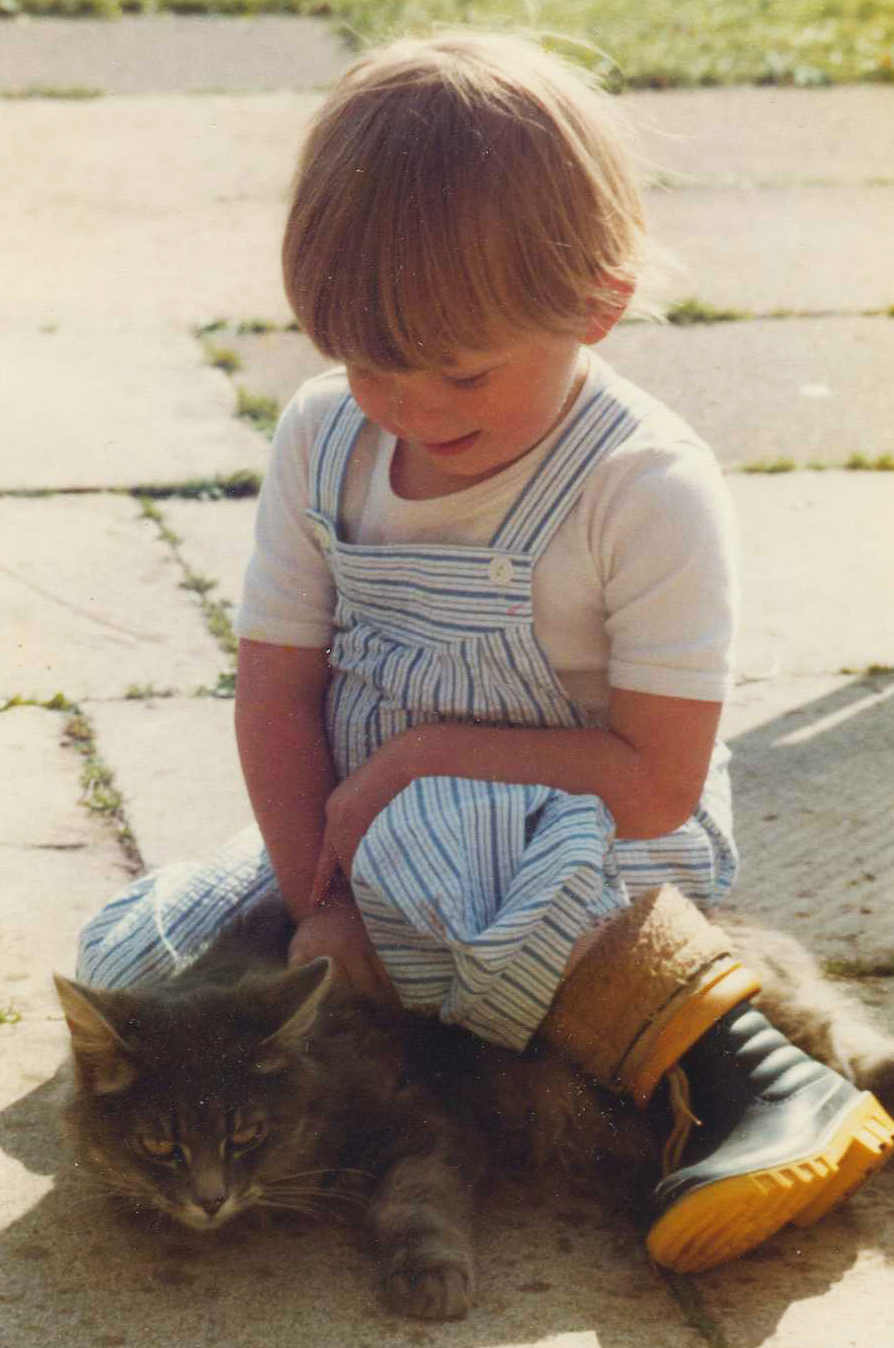
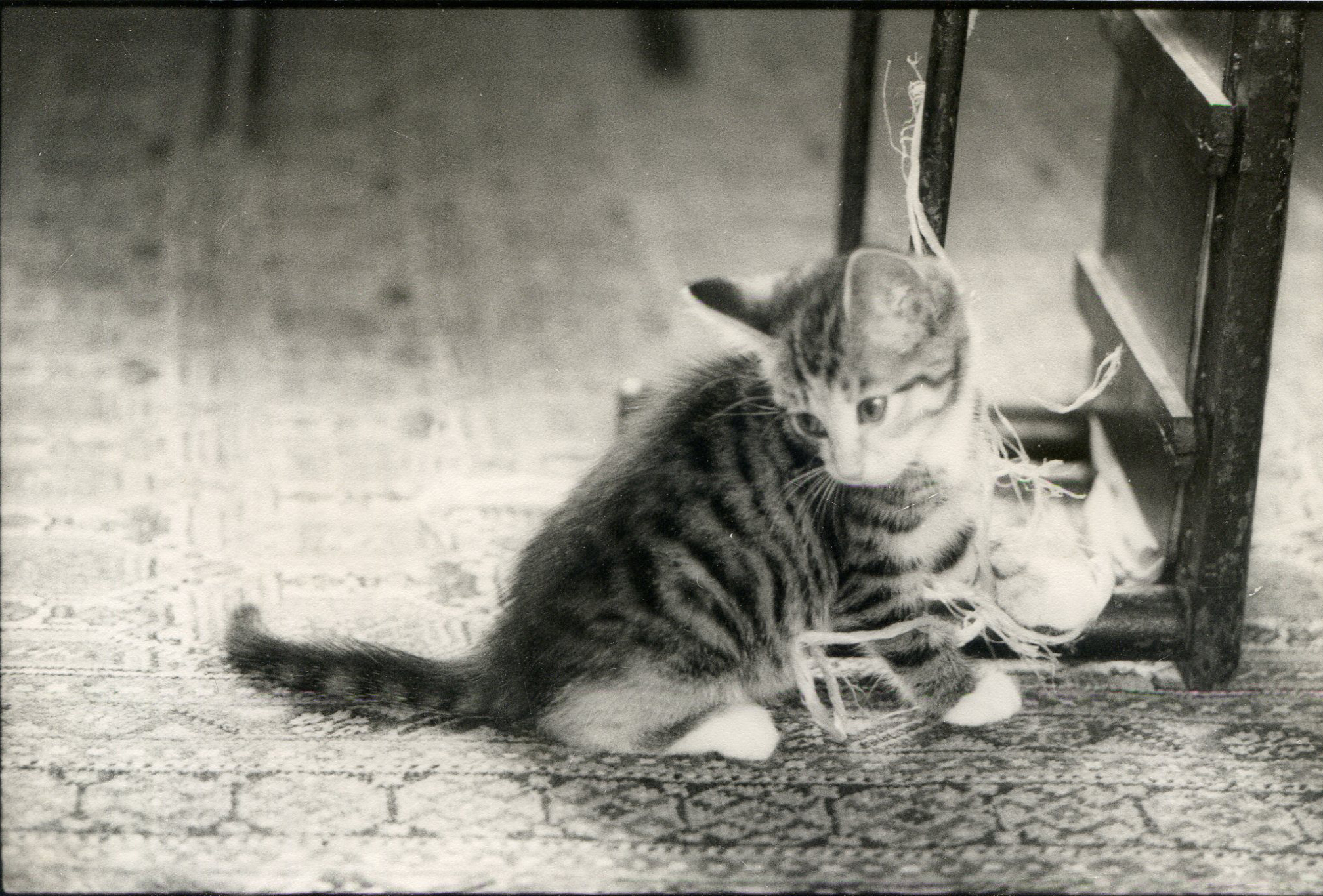
Cat, Yesh &SuzukiThen came Somerset, and I thought my young son would enjoy a cat. He did.

We called her Suzuki. I must have been into Zen … ‘Enjoy your problems’ – that kind of thing.

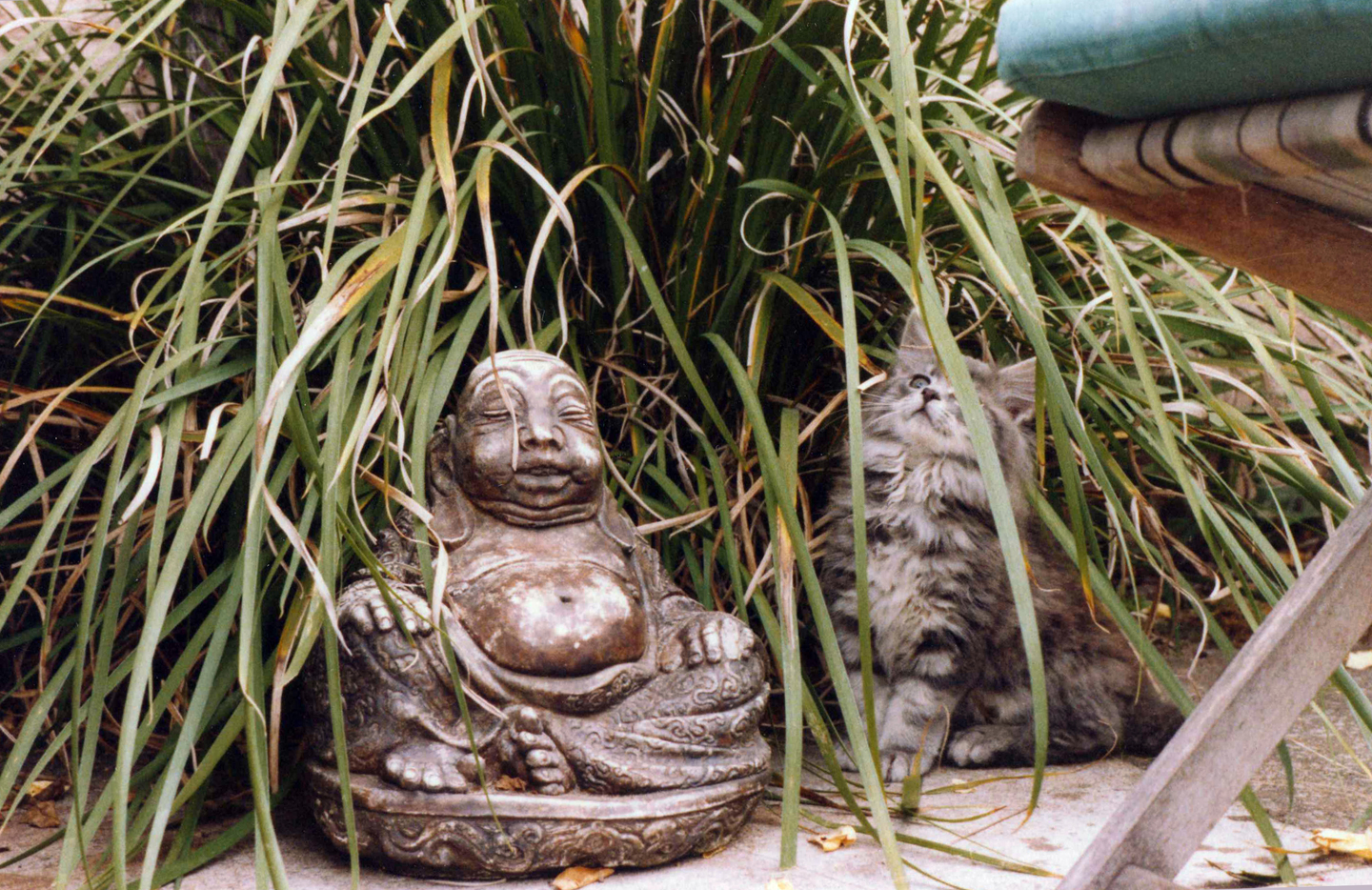
Cat, Suzuki with Buddha, bliss - Copy

As you can see, Suzuki had leanings to our stone ‘Budai,’ drawn to its lucky charm and its loving nature, easing her through tough moments … as you can also see.

Cat, Yeshen, Suzuki's lot

To catch mice in the ancient cottage we lived in was beneath her. She gifted us with other creatures. One summer, after returning from a trip, during which time our kind neighbour fed Suzuki, the wool fleece rug in our bedroom looked at first pristine and welcoming, but the moment my bare feet stepped on it my legs were jumped upon by armies of tiny, shiny armoured flees. Par chance I spotted a pack of post-it-notes on a Chester drawer and an ‘aha’ moment occured. I peeled off the pests amass from my skin with the sticky stripes, stomping about for a while, so none should be left out. I recommend sticky stuff for emergencies; it works, among other tricks I soon learned about.

Then came a time when we moved from home to home while in transit towards Surrey. In one such charmed place Suzuki distinguished herself as baby rabbit catcher. Never a killer, she plonked the fluffy bundles on the living room floor, where they sat, stunned and motionless … there you are, a present … We freed the bunny back into the neglected orchard of the property, but it soon returned, carried gently at the scruff of its neck by Suzuki. This happened innumerable times, likely with the same bunny, over and over. I wondered whether it was born into the wrong body, and was truly a cat – or our spayed cat was truly a rabbit in want of babies. We’ll never know. Unsure where we would end up, we left beautiful Suzuki with a woman who adored her. My son was upset, and only partly reconciled by a teddy friend.

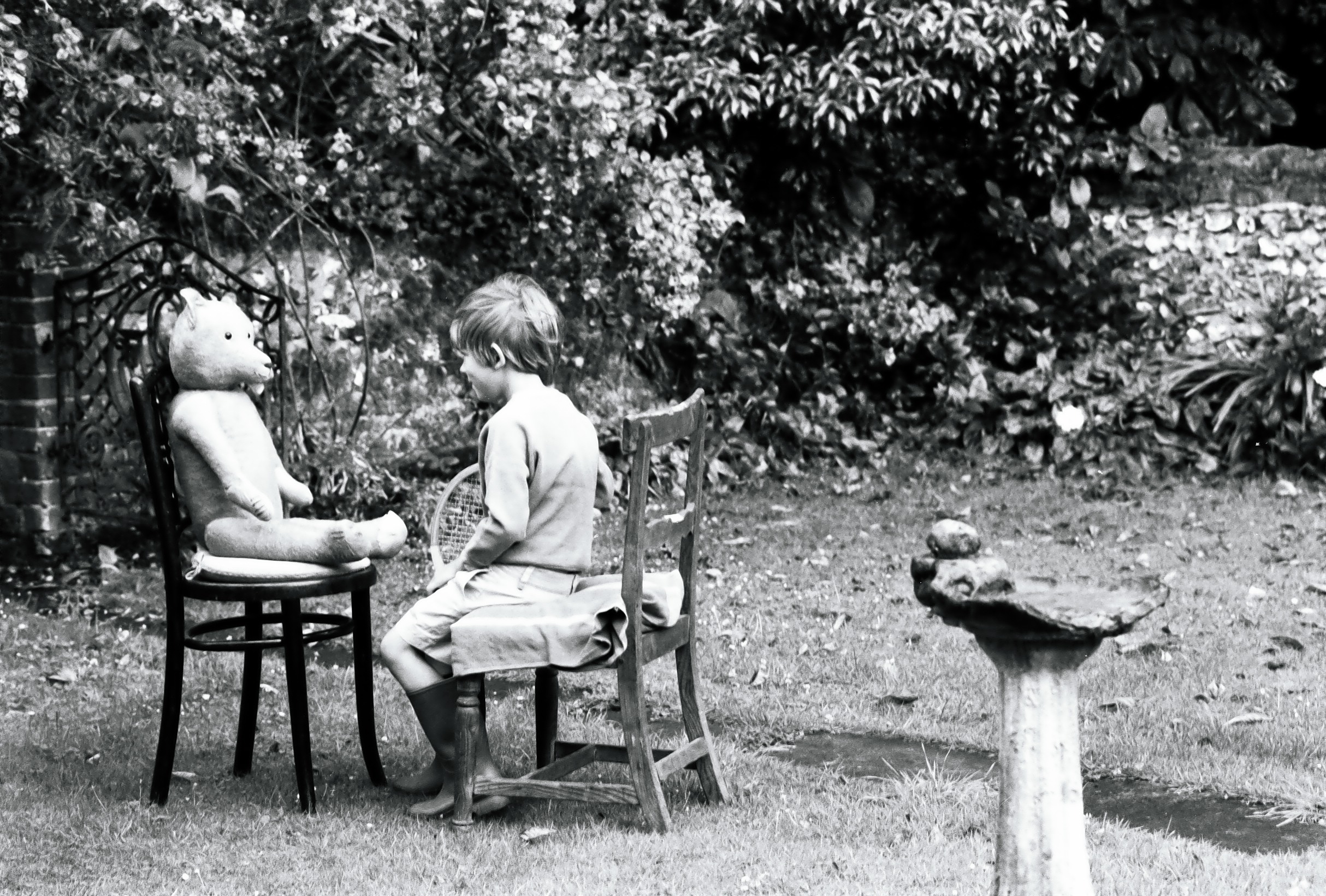
Teddy 5

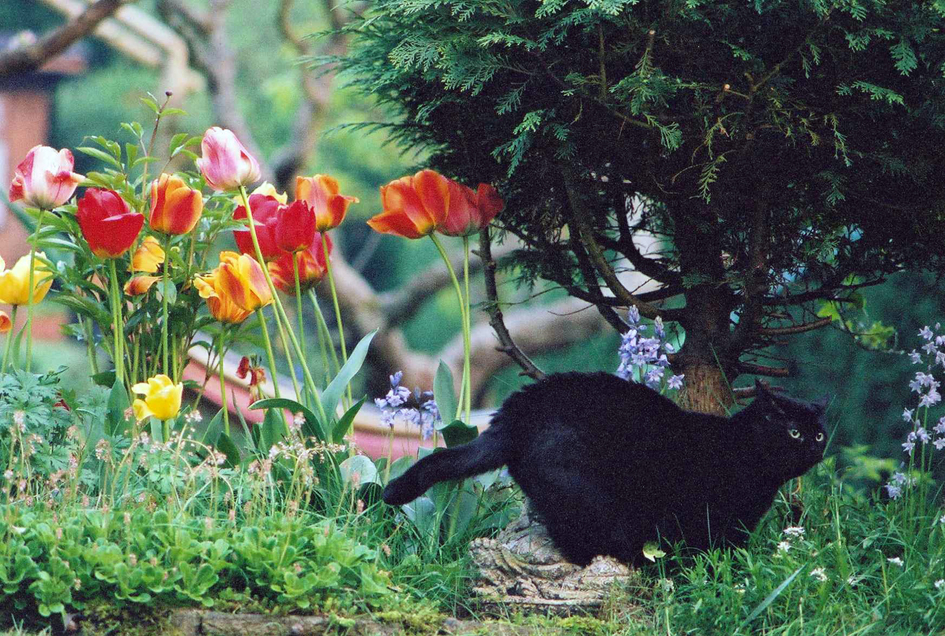
Cat, Amber136Entering a more settled phase in Surrey, we adopted a ginger rescue cat, Caspar, who appeared dour and joyless, most likely due to distressing experiences. My attempts to create rapport were unsuccessful. One day he simply disappeared, and I blame myself to this day. In due time, I searched and found Amber, a gorgeous tabby kitten. Slow in having her spayed, she produced offspring, giving birth in the living room, an unexpected and magical event, while I had friends over. The three in the litter were very different, in looks and temperament. The first and last born kittens found homes. Cat, Jetty and Tulips - lowerMy son thought it best to let the children, accompanied by their parents, choose, so we ended up with the middle born, sleek, black, and with a lovely tranquil nature. We named her Jetty. I linked with her in grief when Amber was sadly run over in the street a few years on.

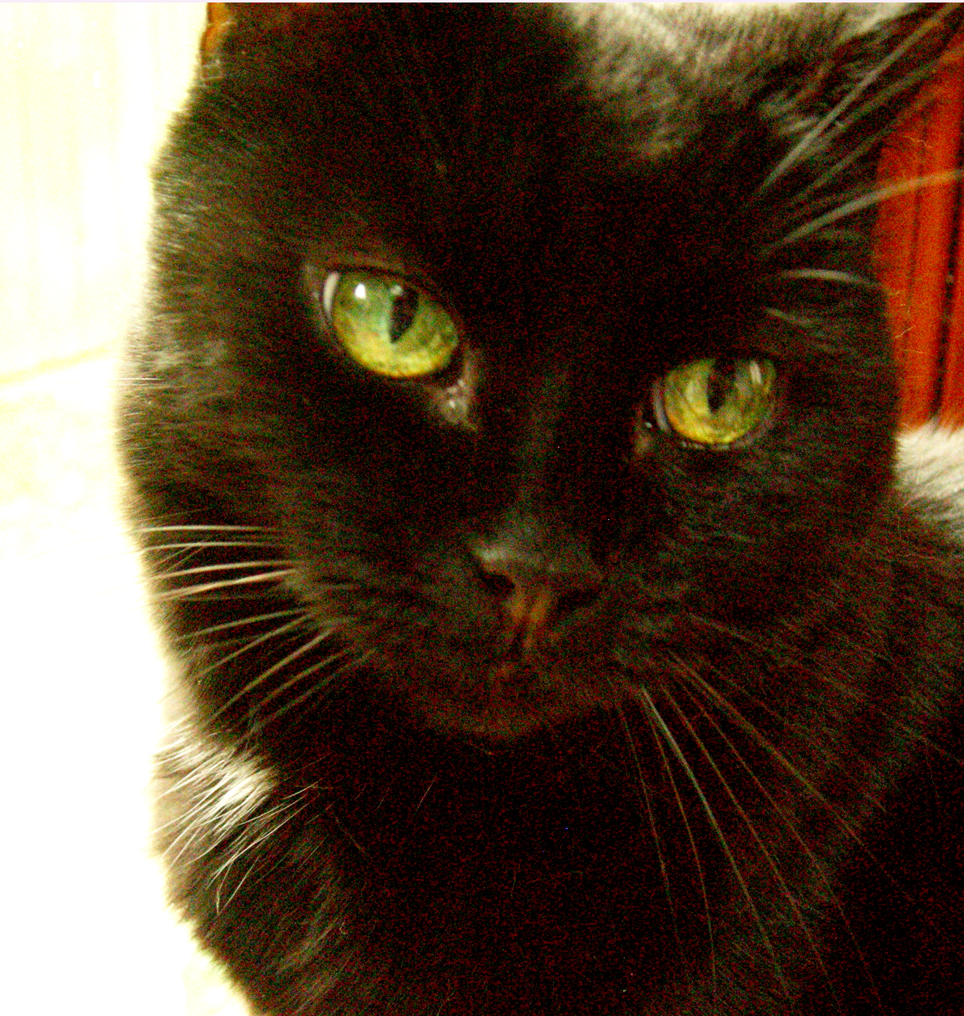
Jetty lived to be 16. She died on my birthday a few years back. When Katia, a writer friend, posted her experiences with cats  –  it saddened me to hear the story of the sudden demise of her companion. Genie reminded me of Jetty, which sparked this post, in honour of her friendship.

Cat, crop - smaller - CopyHow to describe the deep bond we can form with an animal? Is it our need for acceptance, totally reciprocated from a creature that has all its needs for shelter, food and attention met? I think that’s a flatlander’s view. All meaningful connections happen beyond rational thought, in other spheres. Animals are sensitive to vibrations beyond our clock time awareness, often knowing of events before they happen, which is why they can warn and protect us. And because their senses are wide open to fine energies, as well as vulnerable to harmful ones, we, too, are moved to protect them.

We humans are urged to be clever and become quickly absorbed in the ongoing evolution of the rational mind. Animals can teach us to stay closer to nature, the most powerful text of life. And they maintain a strong link to dimensions we frequently lose, where all experiences mingle in the ever expanding pool of universal consciousness. With all our specialness, nature is indispensable to us. An animal friend whose intelligence detects moods and intentions, cats are particlularly good at this, can show us any moment, as in a mirror, our true state of being.

*      *      *

“That’s the great secret of creativity. You treat ideas like cats: you make them follow you.” – Ray Bradbury – Zen in the Art of Writing

“I love cats because I enjoy my home; and little by little, they become its visible soul.” – Jean Cocteau

21 Comments

Filed under Blog

… leaving – returning …

the father tree

the father tree

to reshuffle thoughts

a short journey is enough

leaving – returning …

legends undulate

in glowing brittle wood – sighs

from swaying branches –


Jasmin blessings

Jasmin blessings


Jasmin on the breeze

laments of grief in the rain –

ancestors speak

first sounds glide on ice

circling the affirmative

leisurely routine


my beloved Alps

my beloved Alps


between dusk and dawn

all words sink to un-squared time

rounding in fish eyes

as poems probing

the deep meshes of oceans

for heart connections …


‘What else, when chaos draws all forces inward to shape a single leaf …’  C. Aiken

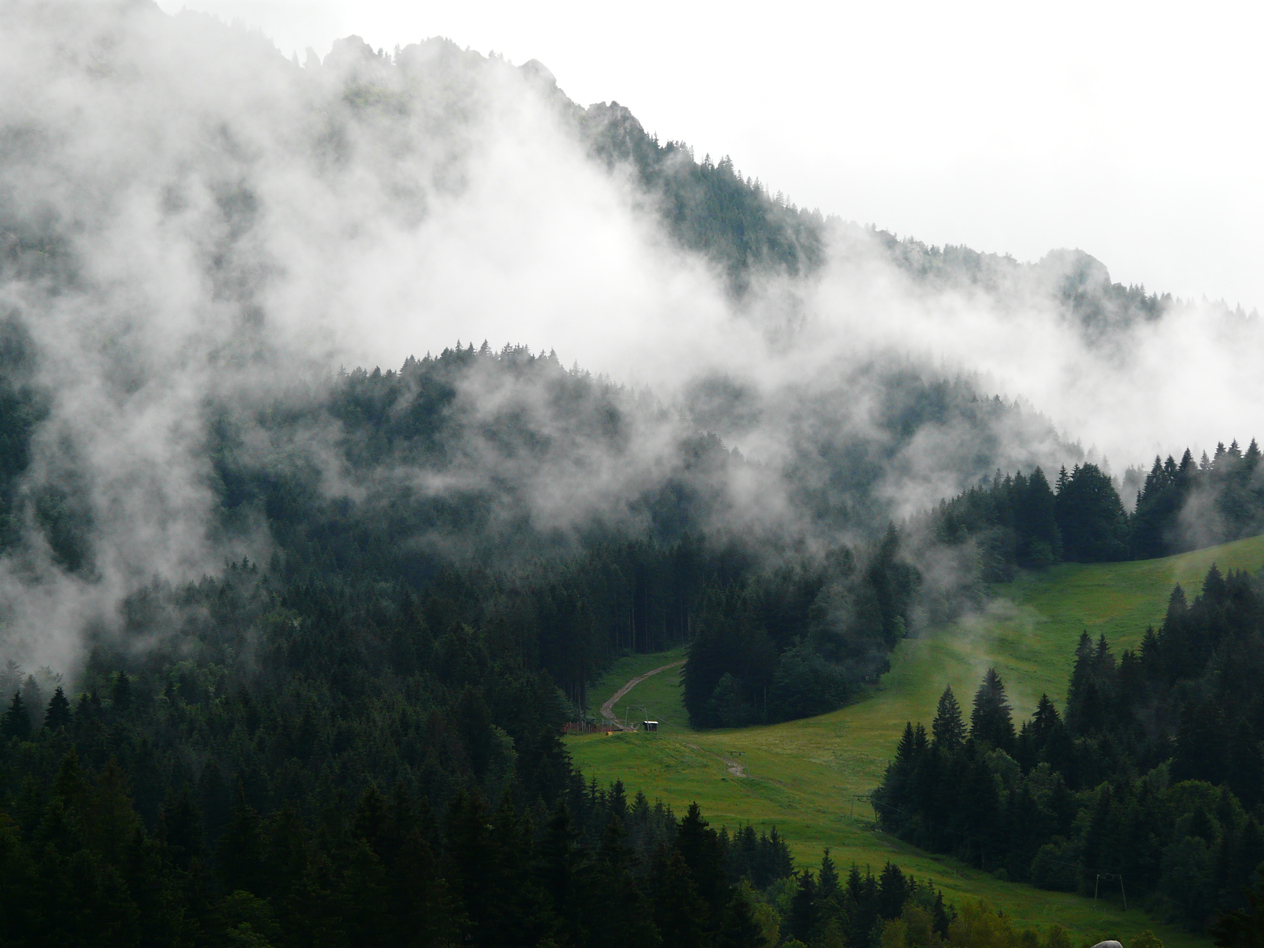
Visiting my early landscapes, friends in Munich, my father of 97, with my son, whose work in London means I rarely see him,  was a rich experience. I had to capture the essence in a poem, which started out in German:

In der Dämmerung glänzt Gold aus der Wurtzel

Gedanken gleiten auf Eis in Kreisen herum

doch manche sinken in die Tiefe um

im Wassergewebe nach Erinnerungen

zu fischen … Gesichter ziehen vorbei 

in sanften kalten und warmen Wogen …

I’ll work on this, inspired by a writer Herta Müller – (English translation on screen) introduced to me by friends whose guest I was in Munich. Anyone fascinated by language will be moved. Also this article in The Paris Review   I am presently reading ‘Mein Vaterland war ein Apfelkern,’ a remarkable dialogue.

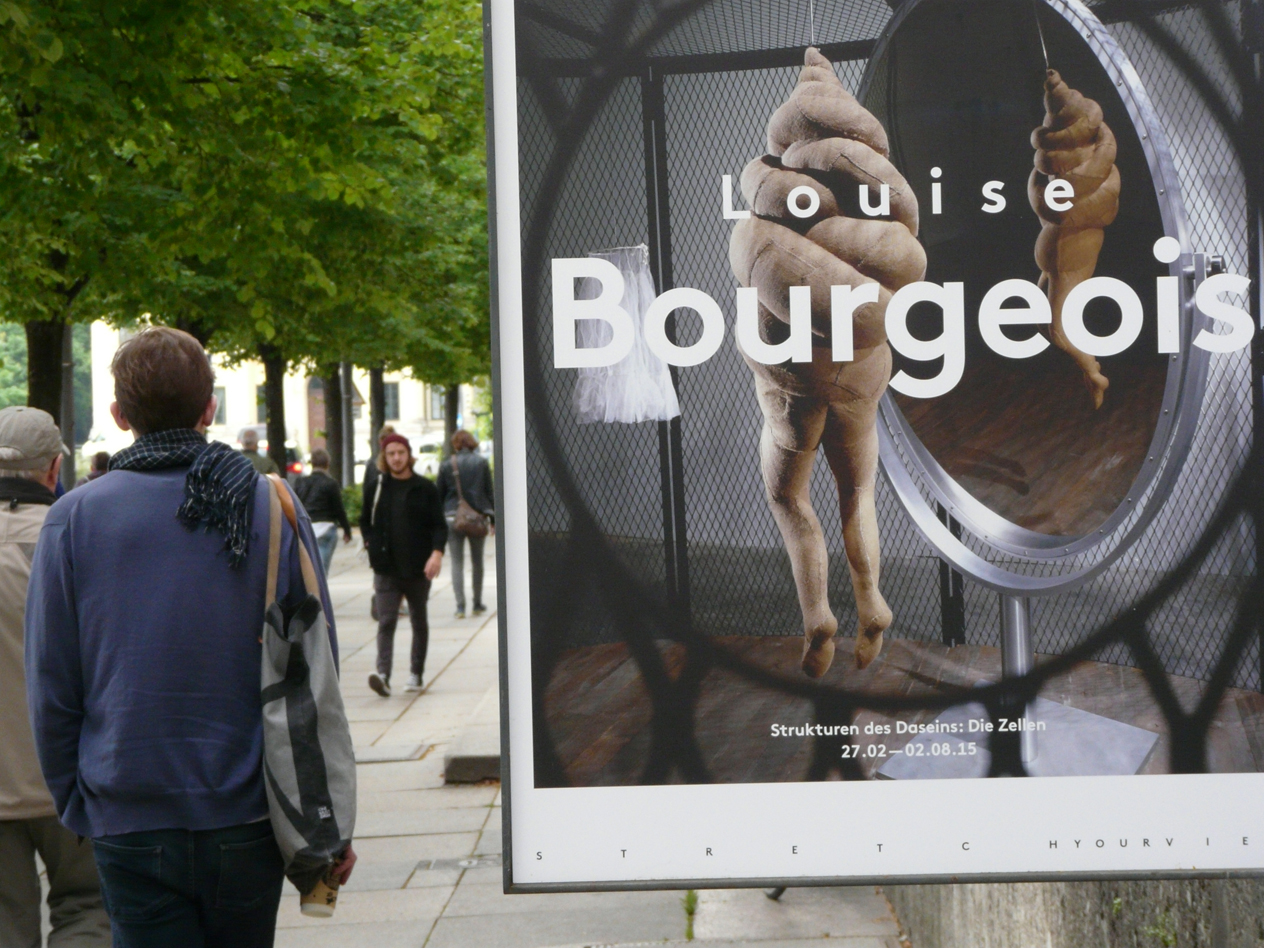
Louise Bourgeois at 'Hause der Kunst.'

Louise Bourgeois at ‘Hause der Kunst.’


In Munich’s ‘Haus der Kunst’ I visited a wonderful exhibition of Louise Bourgeois (1911 – 2010) an artist I much admire, whose installations about the Cells of Structures of Existence are deeply impressive.

Londoners my have seen her huge spider on display in the Turbine Hall of Tate Modern. I wish I had cheated and made photos of her beautifully arranged installations in the generous spaces in Haus Der Kunst.


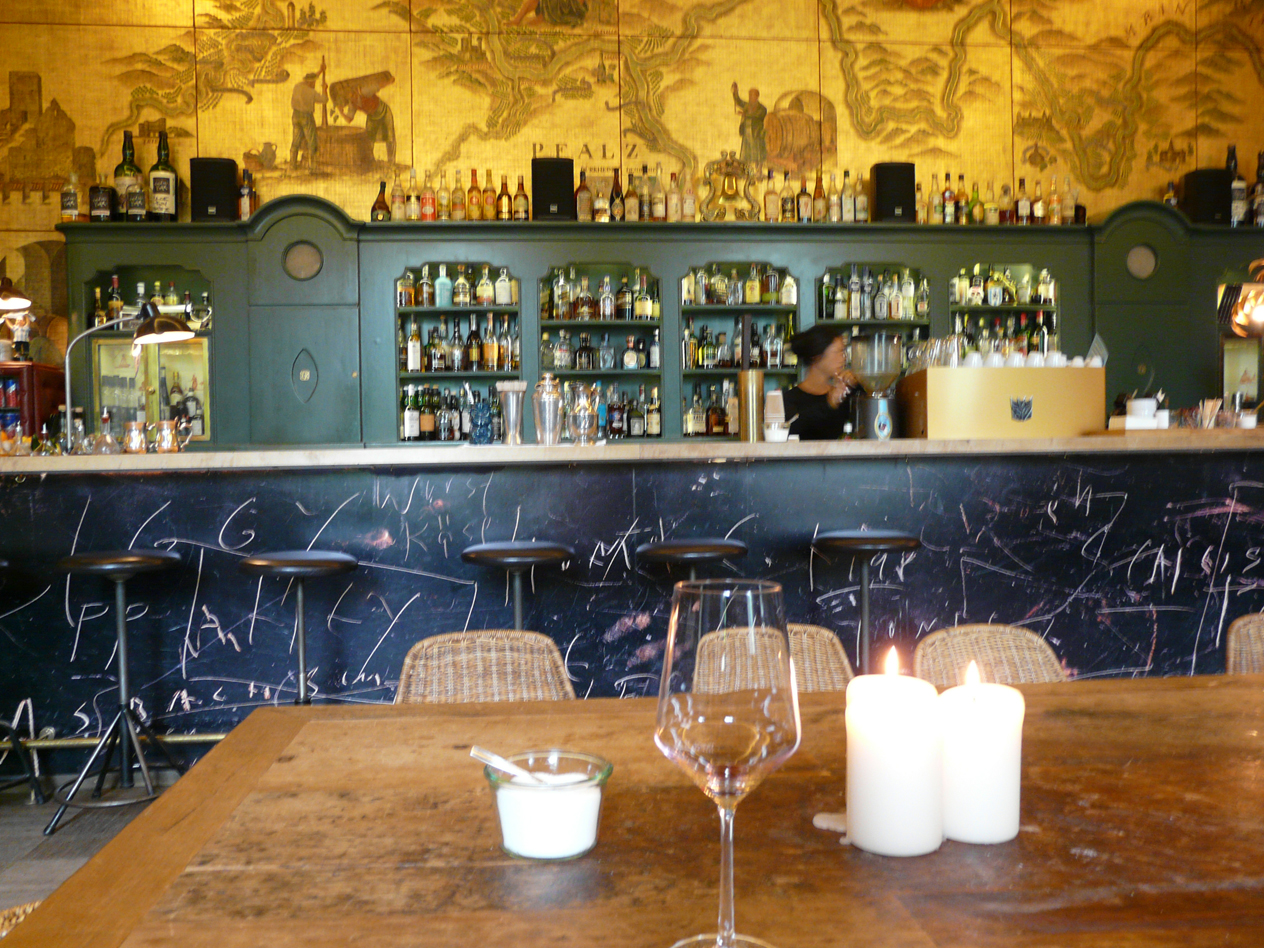
bar at 'House der Kunst.'

bar at ‘House der Kunst.’

To compensate, here is the wonderful golden bar at the ‘House der Kunst.’ And returning home – a blue invasion.

a blue invasion

a blue invasion

10 Comments

Filed under Blog

… dream – a storyteller teasing my dad …

I love this image, but can't find its source,, apologies to the photographer.

I love this image, but can’t find its source,, apologies to the photographer.

Two nights ago, an enchanting storyteller appeared in my dream. She glowed from within, embodying her yarn with captivating gestures, her eyes saying – you’re loveable. Her whole being was a joyous dance. She flicked her fingers before my father’s face, touching his chin – making him laugh – his freed anima, maybe?

Ah, dreams are wonderful, unpredictable like liquid mercury, living silver flowing into shapes.

It was heart-warming to see my father laugh and absorb the affection, the irreverence, the humour. He did not retreat into silence before the piercing wit of the storyteller. The probe was softened through caring eyes … a miracle.

Alone, I could not have invoked such light-hearted banter with a father, who pulled the drawbridge to his heart ever since I dared to think independently. The dream vision lifted the cloud of my helpless woe.

After the dream, I recalled part of a poem I wrote long ago. Daughters may recognise the patriarchal fault in the lines of this poem, the discrepant realities that want bridging. It’s the same old story that could teach us, in the words of my late teacher, Fazal Inayat-Khan:

‘We are not here to agree with each other, but to create beauty.’

Truth worth seeking springs from the middle of each moment. Evolved individuals don’t see a women as inferior to men. The concept has harmed, and still harms, the psychological growth of both men and woman. Yet the deeply-etched hierarchical system keeps working its mean distortions across the globe.

He rests in stasis – cast in stone,

placed high in a niche

of this grand cathedral.

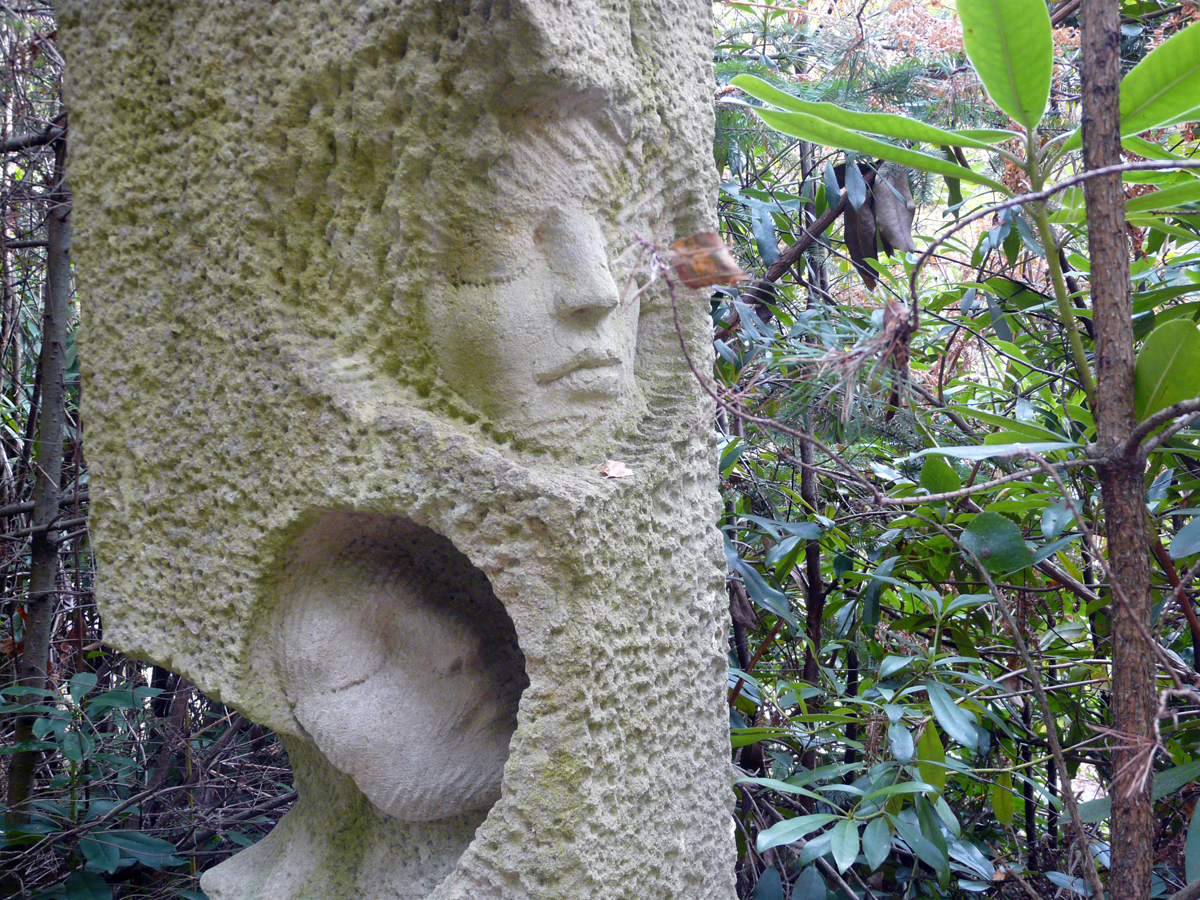
Sculpture Park, Churt, Surrey, UK

Sculpture Park, Churt, Surrey, UK

His daughters wake

and dare looking up.

What are they meant to do

with this apostolic vision

in their genes?

Someone tell them now,

tell them how the vacant room

was always theirs to own.

Here – sun streams through

rounded glass – crimson,

amber, cobalt, gold and green

play across crisp white walls.

Here – colours soften light,

a child can breathe deeply,

is free to release stale sorrows

and style fresh dreams.

Dad, we kick your ghost

out of here … no more

bargains with your fear.

What’s the cause of this stasis, so feared – like dying life, or living death? I think it’s war, each new war piled on top of other wars, and the unbearable injustices my father, many fathers, and mothers, were, and still are, subjected to. I shake my head, I nod my head, and somewhere between all contradictions I must accept the inherited traumas of humanity and seek life and joy with each new day.

14 Comments

Filed under Blog

… the ones who walk away …

Ursula Le Guin’s short metafiction, ‘The Ones who Walk Away from Omelas,’ first published in 1973, had its 40th anniversary last year. My first reading, when Google and book review sites were non-existent, left a deep impression. This week’s re-reading, once, twice, three times – the story deserves it – made me curious as to what other readers might have made of it. Obsessing in a web-crawl I came upon predominantly moral interpretations, which I distinctly remember resisting, though these associations are understandable. The way our systems deal with the unadjusted tends to appease the troubled conscience for the rest of us normal citizens.

For me, there were deeper complexities in this brilliant piece of writing. I decided to share my thoughts and tempt those of you who don’t know the story to read it and derive their own insights. I’ll use spoilers, so if you want to read the story first, here is a link: http://genius.com/Ursula-k-le-guin-the-ones-who-walk-away-from-omelas-annotated

… With a clamor of bells that set the swallows soaring, the Festival of Summer came to the city of Omelas, bright-towered by the sea …  

Childhood, Thomas Cole, 1842

Childhood, Thomas Cole, 1842

We are shown a charming city where order and harmony reign, a city well-protected in a bay, resembling a womb. Reality is suspended. There’s a sense of timelessness. It is a civilised place, decorous, joyful, without hierarchy. No king, no swords, no slaves … no power games. Utopia comes to mind, the idea of eternal life – the eternal innocent child.

No science has yet dispelled the vision of a haven without strive, where everyone is happy. In the wake of traumatising wars and unspeakable atrocities, there are always attempt to re-create places like Omelas, attempts to soften the reality of birth and death, the extremes of joy and pain, nature, the cosmos our life depends on and which we try to fathom. But since our spiritual lore cautions that life is an illusion – an ornament that covers ultimate truth we can’t perceive with our senses, we get anxious when life becomes too comfortable.

The narrating voice, anticipating our scepticism, invites us to fill in the sketches of this perfect democracy. We are told, ‘They were not simple folks, you see, though they were happy.’ After all, Omelas may strike some as goody-goody. Smiles, bells, parades, horses, bleh. ‘If so please add an orgy.’ More delightful pleasures are suggested – celebrating life, with one significant addition, ‘One thing I know there is none of in Omelas is guilt.’

In contrast, the voice notes the bad habit of a different place, where pedants and sophisticates consider happiness as something rather stupid. ‘Only pain is intellectual, only evil interesting … the treason of the artist: a refusal to admit the banality of evil and the terrible boredom of pain.’ The voice insists that the citizens of Omelas were mature, intelligent, passionate people whose lives were not wretched.

The Festival of Summer has begun. ‘Do you believe?’ the narrator asks. ‘Do you accept the festival, the city, the joy? NO? Then let me describe one more thing.’

And there it is, the secret lurking out of sight, a child, kept in the darkness of a tiny cellar room, with only a faint ray of hope based on a dull memory. The child is not driven out of the city, like the traditional scapegoat, but contained below ground; there to absorb everyone’s fear of reality and its cruel justice, embodying, maybe, submerged histories, rather like the depths of the iceberg below water keeps its peak afloat in the light.

… They all know it is there, all the people of Omelas. Some of them have come to see it; others are content merely to know it is there. They all know that it has to be there. Some of them understand why, and some do not, but they all understand that their happiness, the beauty of their city, the tenderness of their friendships, the health of their children, the wisdom of their scholars, the skill of their makers, even the abundance of their harvest and the kindly weathers of their skies, depend wholly on the child’s abominable misery …

Terms are clear, should this child be freed, the beauty would wither and be destroyed. The pragmatic solution seems such: One punished and suffering child is meant to redeem the rest from coming to terms with their inherited sins and traumas.

To leave this comfortable enclave of Omelas means leaving security and loved ones behind. It requires crossing mountains, stepping into the unknown, with no charm against collective guilt.

Omelas’ citizens are free to look at the unacceptable child. While reactions, those of young ones mainly, vary from disgust to outrage, most accept the necessity of this child’s sacrifice, though some fall quiet and leave Omelas in the middle of night, alone.

For me the child is there to serve cohesion, symbolizing a lid on the unconscious, primitive, wild aspects of the psyche. Isn’t dis-ease a loss of order and rhythm? If you judge this pragmatism harshly, consider the purpose of trip-switches in an electricity-wired house. Or, consider how people under social or dictatorial pressure may choose to safeguard the lives of their loved ones at the cost of betraying their knowing heart.

Le Guin does not condone staying or leaving Omelas, she provides no answers. I am one of those who walked away, many times, always at a cost, because I preferred guilt to shame. C G Jung developed the concept of individuation, hoping for it to expand collective consciousness from the inside out, through the individual, sometimes involving a precarious personal journey, going through a process of separating psychologically from parents, state, authority, to become whole. Like in the Zen story where the seeker eventually returns, better able to serve the community. While a single brain does not survive its limited life-span, the collective memory of matter, and each human experience lives on and is transmitted to every new-born life.

Each one of us carries the traumas of our histories, though not everyone has the opportunity to redeem such wounds, contribute new ideas, or explore different states of being. What drives one to walk away from the familiar – is it inner conflict, allegiance to one’s heart, fear to upset the order, the need for a wider perspective, or simply a calling? We bond to the systems we grow up in, in cases we adjust our behaviour in order to emotionally survive, along with the implicit bargain to keep quiet about the shit, our shit, others’ shit, and how we deal with all the shit.

There are those who leave a comfortable place and those who stay. Maybe a balance between conservative forces that protect structures and revolutionary forces that seek change is necessary. Not everyone, for example, can face existential pain and futility without succumbing to psychosis. There is a case for Festivals of Summer, sport, drugs, ecstasy, trance …

Was the power of the imagination born from fear of mortality? Is this why we envisage dystopias or utopias, and, ultimately, scenarios that make us feel in control of our destiny?

What we hide from ourselves and from each other often relates to our most prominent outcast, the neglected inner child, so embarrassing to the adult world. This child in Omelas seems to embody the ongoing ritual of shame for walking from Eden into the dawn of creation, a reality burdened with consciousness, and free will that frequently misses the mark, but, heck, is the very process of becoming human.

My naïve hope is that we can learn to embrace our all too human failures, show patience with our children, stop seeking blame and end scapegoating, yet also acknowledge our individual and collective need for comfortable realities … protecting us … from what?

Here a quote from a former friend and teacher, Fazal Inayat-Khan … taken from a lecture on Reality:

‘For the whole collective of the human mind – outside that self-created reality there is a storm. That storm – that wind – that pressure – that influence and space is for our existence and permanency completely annihilating and destructive … our assignment outward is because of a deep decay … Reality is a veil that is spun with the finest and thinnest and strongest silk. It weighs nothing – it covers a little darker area behind – and yet the moment when you reach out with your hand to draw the veil away it will skin your hand till blood is drawn.’ 

To fill this emptiness we assign our meaning outward. Call it the human project. Sorry to trouble you, my friends, but the function of reality is worth contemplating, and, in my view, Ursula Le Guin’s story does just that.

14 Comments

Filed under Blog

… Which is Witch? …

‘Which is Witch?’ is the title I coined for a documentary I helped produce for a colleague during our film degree course twenty years back. For my younger colleague the course was the start of a successful career as cameraman, for me it was a three year sabbatical creatively refreshing my existing work.

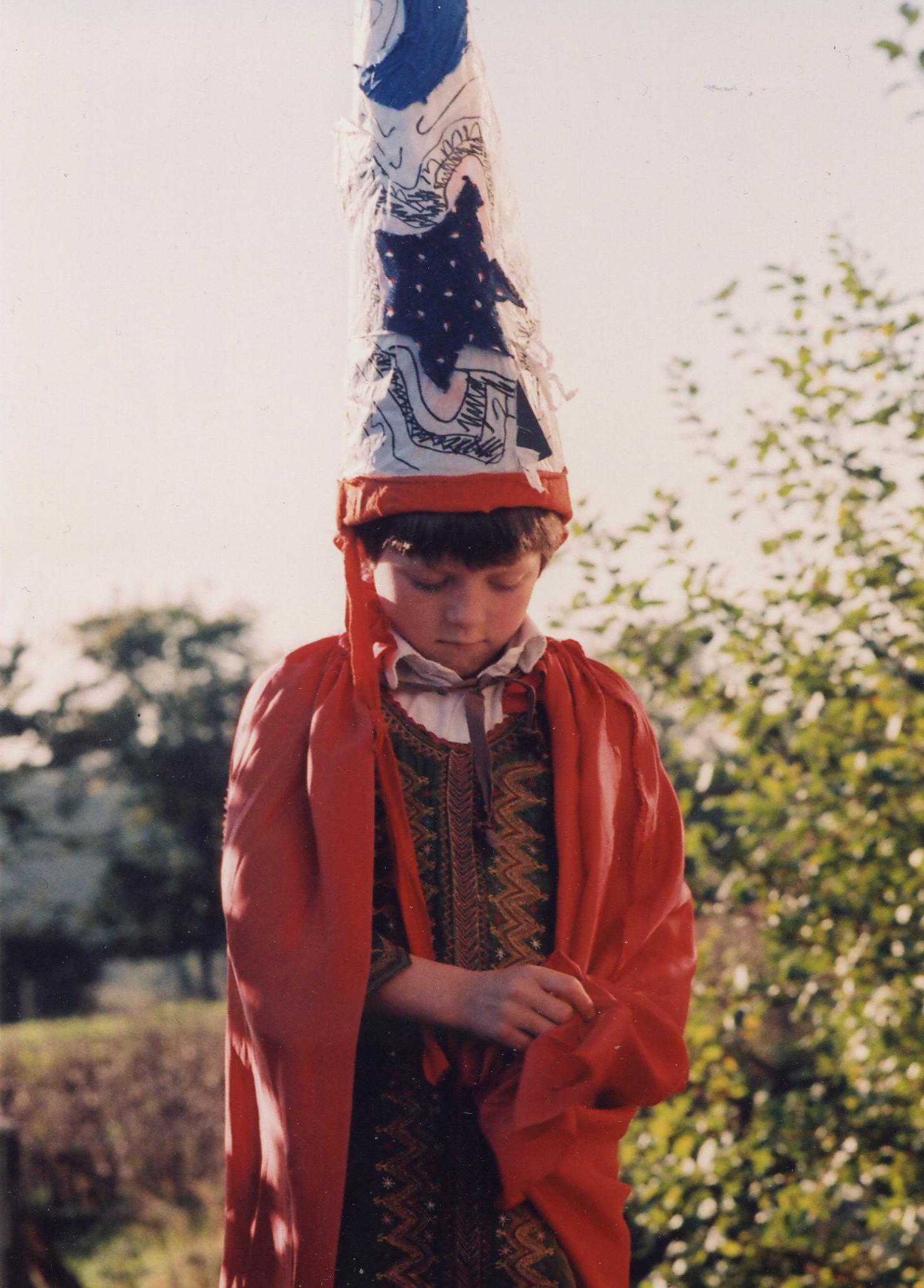
I’m all for make-believe, having grown up with Grimm Brothers’ tales taught me a few things. The other day I came upon this 80s photo of my son and recalled an incident when his favourite primary school teacher must have become a little too identified with the character of her Halloween Witch role.

Yesh img113His grandma dressing

As Santa Claus was cool fun

Yet his headmistress

Becoming a cackling witch

Stirred his first nightmare


Halloween offers a rare occasion when the dropping of one’s regular mask in exchange for another, like the archetypal witch, permits the normally hidden to push up from the shadow world, causing surprise, awe, delicious scares, and even nightmares.


There are good reasons to get acquainted with the hidden 90 or so percent of our psyche, the personal and the collective unconscious. This seems a good opportunity to re-share one of my first posts on this site, from March 2011 – well worth reading.


A Letter to my Shadow

https://courseofmirrors.wordpress.com/2011/03/25/139/

Without the Shadow I’d only be fluff on the coat of real human beings.

9 Comments

Filed under Blog

… the child in us …

Close your eyes and imagine standing on a beach … warm sand under your bare feet – a light sea breeze brushing your skin – gulls sailing above the sparkling crests of waves. Breathe a while, to the rhythm of the surf lapping at the shore – in – out – in – out – in – out – and let your eyes rest on the silver skyline.

There is nobody here but you – and a visitor – a child you invite to appear as it will.

At what distance does the little person appear?

Observe its posture, age, gender?

What do you sense about it?

Does it look at you, or not?

Is it curious, shy, withdrawn?

Notice your thoughts and feelings, don’t draw conclusions – do nothing.

Sense the realm of consciousness this little person lives in, and still your mind. If the child plays with shells do the same, remaining where you are. If the child skips along the surf, wait. If it takes one step towards you, wait. If it turns its back on you or walks away, sit down and wait. All the while communicate silently – I’m here as a friend.

Yeshen in Surf, colour - lowresHe or she may come close – or not – play with you – or not. Be patient. This little one represents your essence and must be free to approach the strange adult you’ve become as it chooses and when it’s ready. Maybe next time. Don’t over-act. Even if the child is friendly, keep in mind it may try to please your expectations. Remain calm, interested, approachable.

*    *    *

Visiting an imaginary coastline, metaphorically a boundary between the conscious and the less conscious psyche, brings insights even if no images emerge. Try and silence your usual thinking process. Enter the scene as in a daydream, or have a friend slowly read the text.

Insights change from day to day, according to mood. You could experience joy, get a glimpse of what’s important in your life, or be prompted to engage in frank reflections – a valuable process, helping us to develop empathy.

For example, if sadness or pain knock at the sight of this child, ask yourself … have guardians chided your curiosity and strong spirit, or humiliated your weakness and poor confidence? As a result your own adult may have unwittingly come to reject your child as unworthy, regarding it as ungrateful, stubborn, nagging, or awkward with the shame of buried secrets?  Consider – fear of abandonment, punishment or guilt about early fantasies may compel children to please grown ups in order to cope and emotionally survive. The legacy could be a distrust one’s own feelings. Signals received as pain, or love, might equally overwhelm.

Next time you hear a baby or toddler screams, let’s say, in a supermarket, observe what happens in your body, and watch other shoppers. It grates at our nerves at best, and can trigger physically embedded memories of helplessness, and sometimes more. Good to remember when we  judge people who shout and act irrationally. There are behavioural therapies to desensitize triggers that threaten to overwhelm people with rage. Then again, active imagination is more deeply transforming, and the symbolic expression of complex emotions (see later) frees energy and meaning, making a difference to our collective state of consciousness.

If some of these reflections ring true,  return to the imaginary shore as long as it takes to earn the trust of your child. Your adult’s task is simply to be present, reflect, and allow the younger being to initiate communication.

In daily life, begin to set aside pockets of time for that little person in you, encourage a symbolic process, without pressure, to write or draw about early joys, pains, hurts or dark thoughts, like having hated a parent, or once wished someone to drop dead. Children have such fleeting fantasies when they feel threatened and powerless. It’s normal. Holding on to self blame is the problem.

Suffering brought to consciousness lifts the spell of self blame. Despite appearances of confidence and adult bravado, the child in us is often anxious. Deep down may linger legitimate anger, and, deeper still, sadness and the longing for a precious moment of total acceptance. We call it love. It takes time to soften hearts.

Imagination serves multiple roles. It can draw us into habitual loops of negativity and self harm, or stimulate insights and enhance creativity. Artists know this. Imagination can also heal psychic wounds frequently handed down through generations. The healing aspect is especially powerful when employed consciously. Jung called it ‘Active Imagination.’

In this way, every imaginary journeys can be followed up by freeing condensed energy and meaning – symbolically – through drawing, painting, writing, movement, music or play, allowing what wants to emerge, be it forgotten wonders, or burdens, like unacknowledged anger a child had no means to express in early life.

And most significantly, nurturing a trusting relationship and rapport with our younger being invites the Beloved – our essence – and with it the light of intuition and inner guidance.

‘Lovers don’t finally meet somewhere. They’re in each other all along.’  ― Rumi –

Perhaps all the dragons of our lives
are princesses who are only waiting to
see us once, beautiful and brave.
Perhaps everything terrible is in
Its deepest being something
that needs our love.               
— Rainer Maria Rilke –


The imagery above is in continuation of my last post ‘journey into mystery.’

https://courseofmirrors.wordpress.com/2014/02/06/journey-into-mystery/

23 Comments

Filed under Blog

… delights of peek-a-boo …

In ways we project ourselves into our surroundings, as children we delight in the appearance, vanishing and re-appearance of a loved object or person.

Georgios Jakobides - 1895

Georgios Jakobides – 1895

To observe something reappear is as thrilling as green shoots returning in spring, as inexplicable as birth itself. Hide and seek or peek-a-boo are games said to adjust toddlers to ‘object permanence,’ an illusion we embrace, yet these games are also the prelude to a lifelong quest for the mystery of existence. Children, unless talked down to and belittled, ask deep questions – where do I come from, where did the candle-flame go, where has grandpa gone, how long is time, how come I see things with my eyes closed?  The same questions spurn lifelong passion in scientists.

Growing social, we slip into collective rituals of seeing, feeling, thinking and doing. We obey, ignore or defy rules meant to serve cultural cohesion, rules promising acceptance and success in life. We respond or react according to circumstance and temperament. Some of us have a need to belong, feel safe, protected, others may venture into the unknown, become spiritual warriors on a warpath with obstacles, often rituals, blocking individual potential.

I’m a warrior learning from obstacles, one of which I like to share.

You may recall commands, often subtle and inferred, by early significant persons, communicated via responses, to you, to life, based on generational ideals. These commands worm themselves into the psyche and settle around an inner critic. While well-meaning in aiding conscience and integrity, this critic can also become strident and counter-productive.

In my case – the critic periodically berates me for not keeping my own promises … stay on top of things, complete tasks,  respond to request without delay, call on friends, de-clutter, prepare accounts, fix the warped front-door, only so many roll-ups a day, only two glasses of wine … the tick-off list is … ah well … endless …

Good objectives aside – the more the opinionated critic berates my shortcomings, the more I need to release the tension by transgressing self-imposed rules – otherwise the noise of my inner battle drives away the bird of intuition, the unexpected and the wonder of each day.

I listen, but won’t bow to the critic, obey in fear and cage the bird. In my book, this sums up the making of tyrants.

More and more often I remember to soften the demands. Instead of berating I praise myself for small promises kept, for what has gone well, small steps in overcoming this stealthy ritual that does not benefit my aims. It’s my idiosyncratic strategy: no fighting, no surrendering. Try it – humour the critic into humanness and adjust your rules of engagement with the elegant phenomenon of now.

P1050813 - lowres You may ask – how does my strategy relate to hide and seek and peek-a-poo?

It’s the play with reality by the child in us – the delight in re-discovering being.

*    *    *

This little bird cheered me, it arrived flattened in a Christmas card. Instructions read: Stand me up on my feet.

Blessings to my friends for 2014 – may the bird of intuition frequently visit you.

19 Comments

Filed under Blog

… apples, flu, altered states, wedding plans …

This autumn is drunk with colours and fruit. Red-blushed, in their own sweet time, apples have been falling with soft thuds onto the dewy lawn for weeks. Each morning they blink at me, and shout – help, pick me up, the slugs are coming. They’re good for something, but did you know that slugs and snails are hermaphrodite, and lay up to 500 eggs a season? Re: fruit, after last year’s poor crop, this year’s harvest is a tad overwhelming. The scale by which nature balances excesses evades rational comprehension.

autumn colours

autumn colours

Too much of a good thing brings obligations. Eaters taste best when fresh, so I’m urged to act fast. Slug-nibbled and bruised fruit lands on the compost heap. The bulk of apples, several kilos a day, I wash, dry, box and put out on the road for passers-by, mainly kids on their way home from school. This time-consuming and noble deed has left me exhausted, and with numerous bumps on my head. Here’s the apple saint, drop now. For lack of a resident family to boss into cider-making, I’m left with ‘waste not’ ringing in my ears. If you remember scarcity, you’ll co-suffer the enforced hypocrisy of a  twenty-first-century system that thrives on waste.

I could blame the nagging ‘waste-not‘ guilt for frustrating the flow of my writing. I could blame three early morning trips to London on crowded trains, or  alien dust settling on my skin … whatever …  my body succumbed to the annual purge of flu. So a week ago I sneezed and coughed through fever and chills. Sweaty nights occasioned surreal dreams and visions, and there were days when I lost faith in my invulnerability, reminded that I need to clarify some matters in my Will. I survived – with tons of lemons. You’ve guessed by now that I’m shy of conventional medics, a story I won’t regale you with. The last official need for a doctor’s visit to my home was benign, and over three decades ago,  after I’d given birth to a healthy baby in deepest rural Somerset.

So last Sunday, following a week of altered states, I ventured out to put petrol in my car. I support small enterprises for their human idiosyncrasies. The cashier gazed absent-mindedly over the forecourt and across the street towards a line of taxies, while automatically debiting my Visa and, at my want, pressing another button to produce a tax receipt. Sensing a process at work, I said, ‘You’re bored.’

His head moved independently from his neck. You may remember the craze of bubble-head mascots:  http://en.wikipedia.org/wiki/Bobblehead that’s exactly how his head moved while his eyes rolled in their sockets to take note of my witnessing. His mouth then rounded and huffed before emitting a speech he must have rehearsed all morning. Slow, precise thoughts poured out, including snippets of existential dialogues he had had with taxi drivers from across the road. Written down, it could have edged itself towards some literary prize. His exposition ended with : ‘Nothing to be done. I’m bored stiff.’ Reminiscent of Beckett. Promises, waiting … in tune with my dull-witted flu-states. Missing most words, I was captivated by the man’s brilliant and spooky slaying of meaning. Another customer entered the cubicle. On leaving, some wise-crack in me I’ve no control over, said, ‘You’re reading …’ thinking, you’re observing life  from a distance, co-creating  its absurdities and joys. It’s what writers do.

 ‘Boredom is the dream bird that hatches the egg of experience. A rustling in the leaves drives him away.’   –  Walter Benjamin. 

*    *    *

This post was meant to be short and about my son and his partner, to brag a little.

Yeshen with baby croc, photo by Natasha, Aug. 2013

Yeshen with baby croc – there’s a story

Yeshen and Natasha

Yeshen and Natasha

They were engaged this year and their August journey to Australia had been a reconnaissance for their wedding plans next July, organised by Natasha’s family, who live in Darwin and Perth.

I asked if I could share a few images from their trip. Yesh and Tash have featured on my blog before, indirectly. You’ll find them, for example, under ‘Inspiration’ or ‘Story of an Animation.’ They’re self-employed and work extremely hard, like many young people in super-expensive London, to make a living. They’re lucky being able to do creative and fulfilling work.


I’ve not been to Australia, and am now looking forward to this journey – you can see why.  

Australia's west coast

Australia’s west coast

17 Comments

Filed under Blog