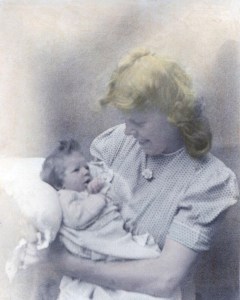
I must have been 4 or 5 years old when my mother took me to Berlin to see my maternal grandmother for the first, and, as it turned out, the last time. Due to the Soviet Berlin blockade after the war, the severe lack of resources, and the disrupted transport system, many families were kept apart for years.
We stared up a bleak wall, until Hildegard appeared. She flung her arms towards us, wanting wings, leaning precariously from the window of the hospital ward where she was kept isolated with TB.
Or so we 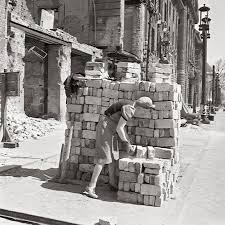 thought. A nurse confided her doubt to my mother, and how she had urged for a second opinion, a hint my grandfather ignored. My mother insisted on a fresh blood test, but was ridiculed by the doctor in charge.
To console me, a kind neighbour rescued an old bicycle and taught me how to ride it among the rubble of ruins in the streets. He also allowed me to watch him construct a ship with sails inside a bottle, which made me think of gran being confined, not sailing anywhere. The atmosphere between my mother and her father grew tense. She insisted he should query the doctor’s diagnosis.
The crescendo happened in the kitchen, when she lifted a tray of 2 dozen eggs from the top of the fridge. He said, ‘You won’t.’ She said, ‘I will.’ He demanded, ‘You will not.’ She shouted, ‘I will.’ He shouted, ‘What can a nurse know?’
That’s what did it. Two dozen yellows and whites marbled the red-tiled floor and my mother walked out. I was thrilled. The drama mobilised my grandfather to challenge the hospital.
Sadly, my gran died within days, much too young, and not of TB. The blood test had been mixed up. What killed her were toxic medications based on a wrong diagnosis.
The message went deep. I was going to be a warrior. I learned to appreciate my intuitions and developed a useful allergy against intimidating authority.
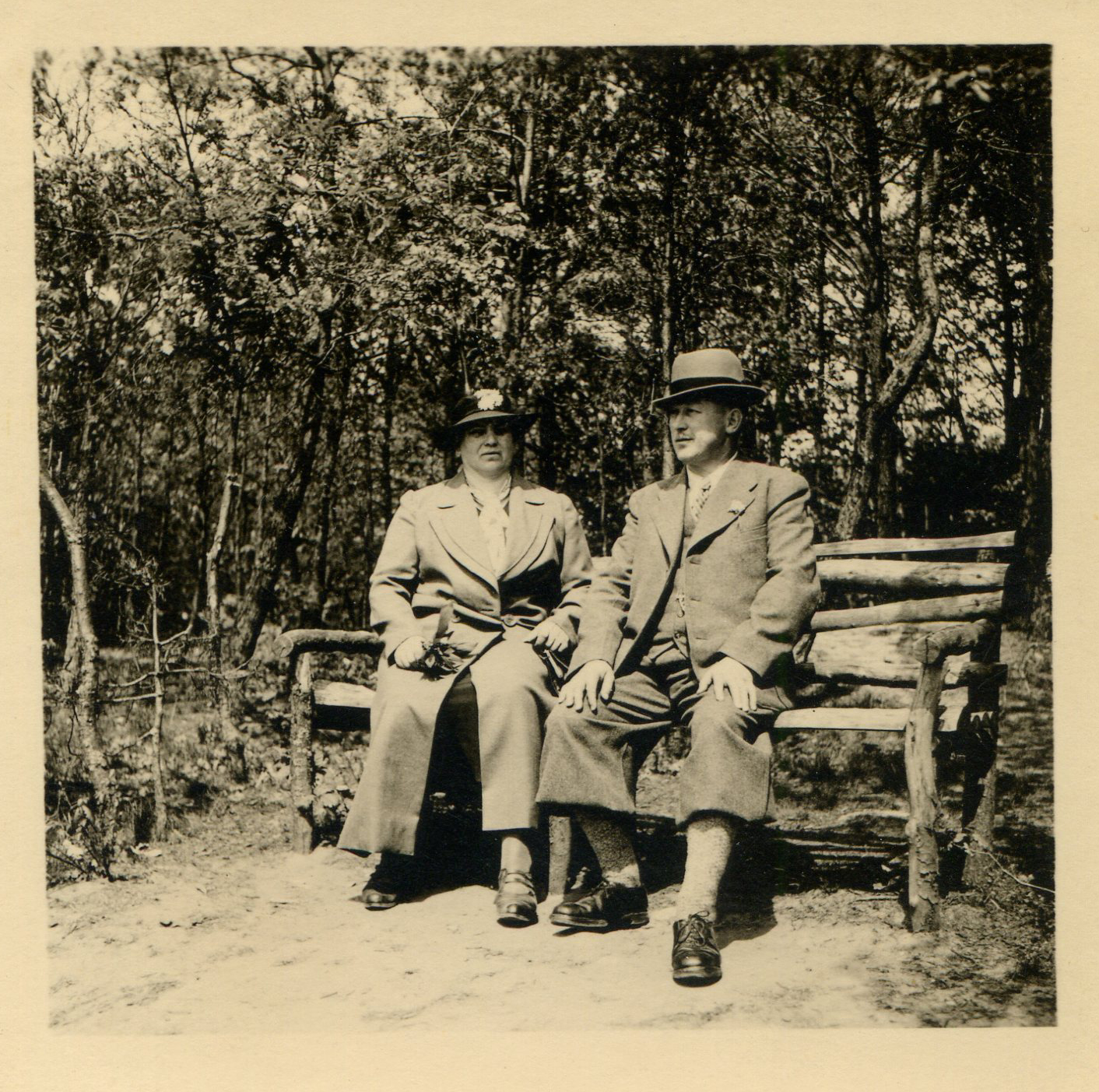
Memories of my paternal grandparents are more serene. 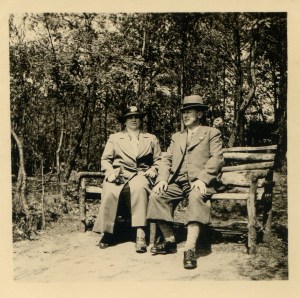 Oma was a tall, striking woman. Despite having lived through two tragic wars she kept her back straight and held her head high into old age. When she caught me sitting crouched, she would gently push her fist into my back – ‘Free that, spine girl.’ At other times, she advised me to pull superfluous thoughts from my nose. The tricks work to this day … sometimes.
My parents had moved south towards the Alps after my birth, but we regularly visited my grandparent’s home in Erlangen. With fine weather, we would walk across the River Schwabach into the wooded hills to have a picnic. Oma would place several handkerchiefs on the moss under fir trees for us to sit on. Once we were settled, she spread out the much anticipated picnic treats from her basket, with plates, cutlery, napkins and all. My favourite treat was Gugelhupf Marble Cake. Increasingly, my imagination was plagued by the secrets of her handbag. During one of our picnics I dared to ask why her bag was so bulky. Forthcoming, Oma explained how during the war, before I came along, when sirens frequently announced bombing alerts, they needed to drop everything and rush to the underground shelters.
 ‘I developed a habit of having our survival gear ready at short notice,’ she said. To my delight, she displayed her survival gear on the forest floor:
Identity papers, notebook, pens, her favourite recipes, dried fruit, a pocketknife, matches, candles, string, clothes pegs, a scissor, plaster, ointment, cotton strips, tin opener, mirror, needles and yarn, buttons, a slim book of Rilke poems, a small bottle of Brandy … and spare knickers.
To this day I never leave the house without identity papers, notebook, pen, and a slim book of poetry. Skipping knickers 🙂 I carry a shrill-sounding whistle, visa cards, a pay-as-you-go mobile, a Barret in case it rains, and a small makeup bag. Times changed, or have they?
Opa, a dreamer like me, enticed me to create imaginary scenarios in the soft, black forest soil. We sculpted landscapes, with villages, a pond made of gran’s round mirror, churches, roads, rivers, bridges and hills, using pinecones, sticks and stones, and tiny people made of leftover food and chocolate wrappers.
I came to value the creative power of sculpting when it comes to out warding inner worlds. I encourage my therapy clients to shape sand in a tray and and to populate the landscape with world objects.
The recent post of an online friend, Katia, reminded me of my paternal grandmother, and the incident with the handbag I had in mind to share. Memory swerved and expanded. It occurred to me that whether we are grandparents, aunties, uncles or family friends with the benefit of a certain age, our influence on young ones has a timeless quality. Children may crown us with a halo of mystery. Given this kind of power, even small incidents, benevolent or troubling, can leave deep impressions and impact lives, nursing stories that travel onwards through generations.

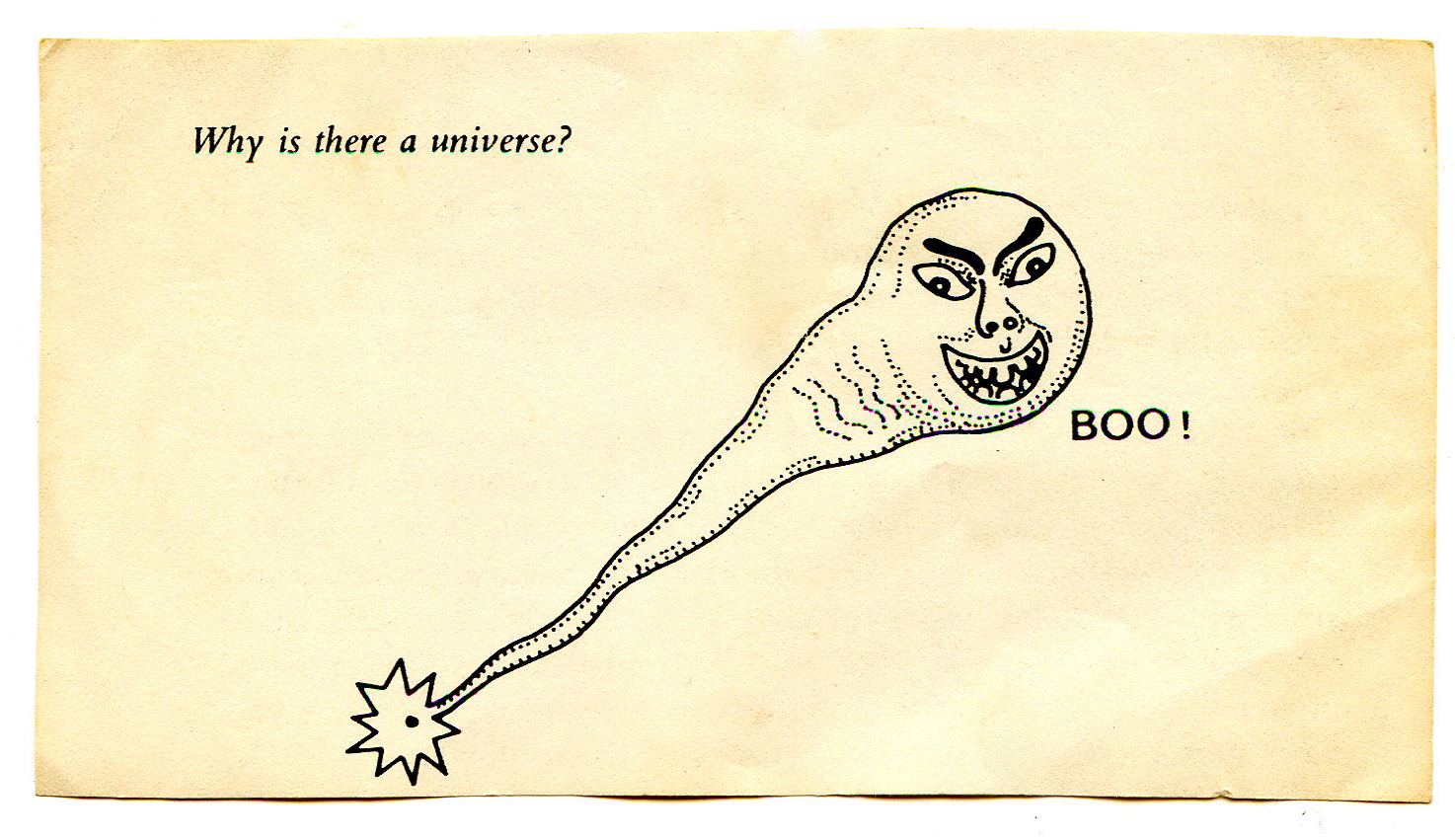
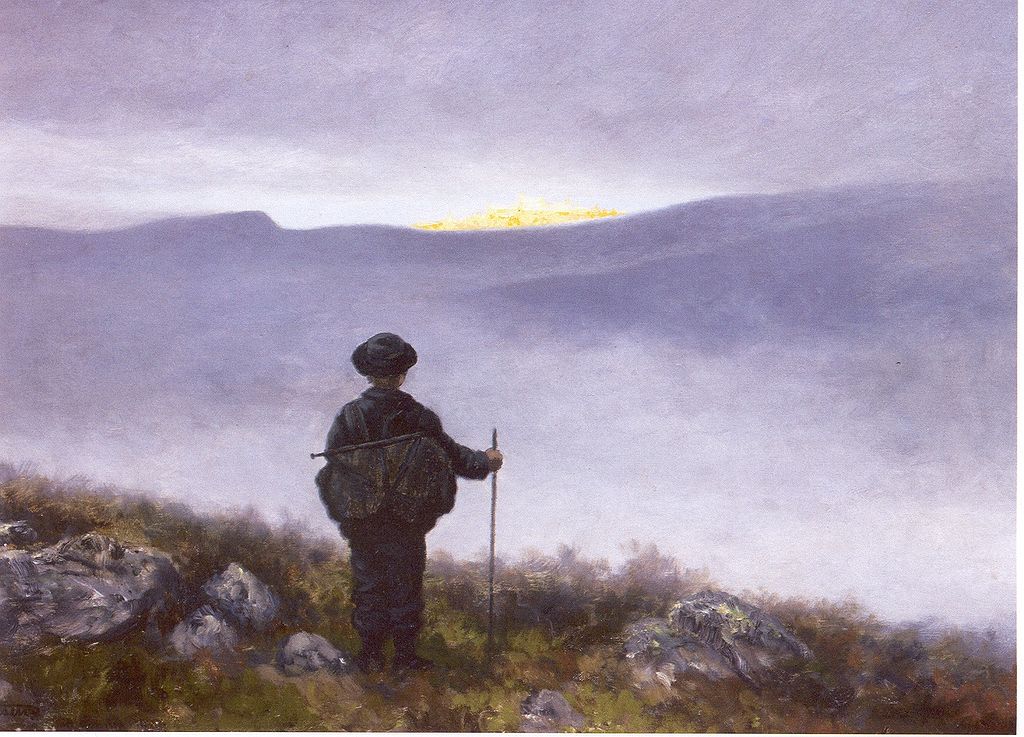
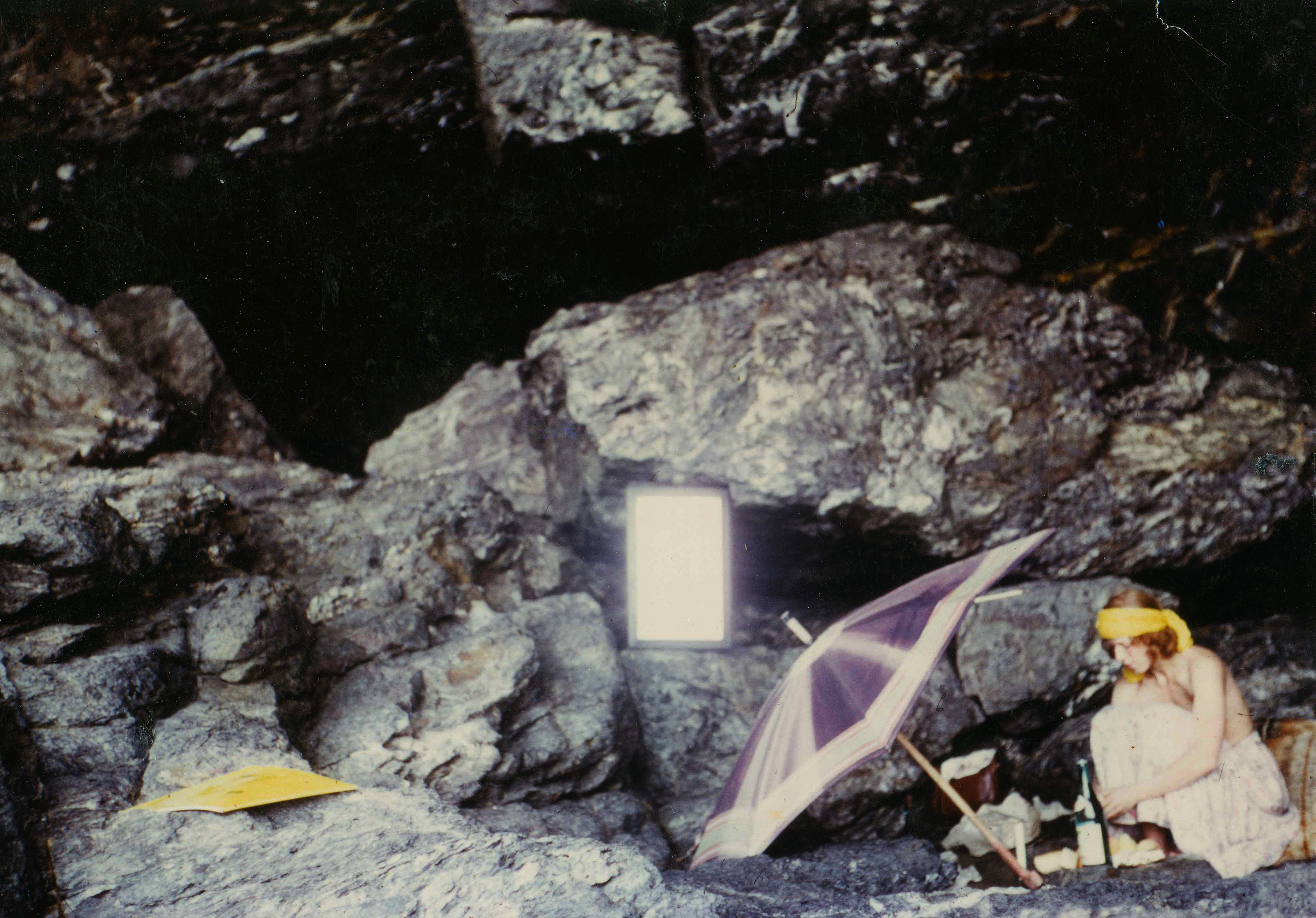
 How to reconcile moments of pure beauty and light our restless world offers, with the heavy darkness of human ignorance? How is it the guiding spirit that is shining through everything so often escapes the unseeing eye? Is it our wounded hearts, or our anxious busy thoughts that prevent spontaneous being? Many of us like twilight, the dawn, the dusk, mist, where darkness and light do not negate but enhance each other. They mingle. As friends do, or lovers. Twilight is poetry in motion.
 like tiny cherubs
 When there is no other near to share such paradoxical quickening with, I may call on those who enriched my life but are no longer present. I adore the moon, the ancient chunk of earth, reflecting and making tolerable the blinding beams of the sun, granting us poetry and symbolic language.
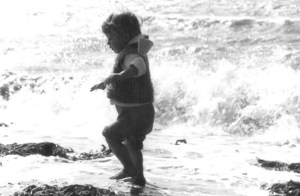 We must see things fresh, not through tired ideas our establishments bank on, that destroy nature’s homeostasis and spill imbalances into cultures too poor to afford resistance. I say – let our children and young people decide what’s worth living for?
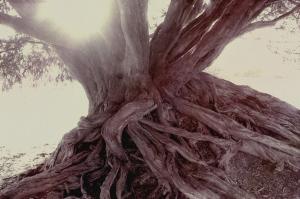 Numerous children, if not all, bring along an openness that allows them a peek through the chinks in the veils that cover ordinary reality. Sudden insights, call them special, spiritual, paranormal, transpersonal, mystical, timeless, ecstasy of oneness … dreams … experiences that make no sense to a rational adult and may evoke fear of the unconscious. Sooner or later children may learn that a vivid imagination, as it is often called, brings no rewards and is of no solid use in a world geared to material respectability and control.
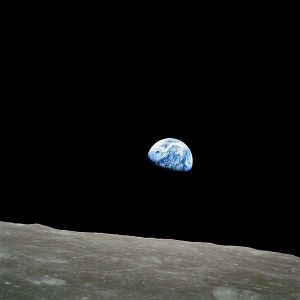
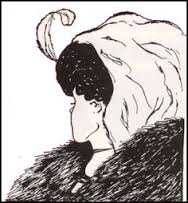 moment arrives when black and white spaces inverse and clusters of stars shine from another dimension. The background has moved to the foreground. A tiny shift in our outlook can result in a new interpretation of what we see, like in the
  irritate us lie foremost in a person’s unique temperament and inherent tendencies. Background does not explain the mystery of characteristics we are born with, the random mix of evolutionary records in our bodies, a wisdom our minds expand upon through resonance with the
  How come I’m invigorated by rushing waters, calmed by a smooth stone, a golden sunset? How do I sense the pulse in a tree, or what life is like for a boar, rat, ox, tiger, rabbit, dragon, snake, horse, sheep, monkey, rooster, dog – unless all nature’s qualities also reside in me?
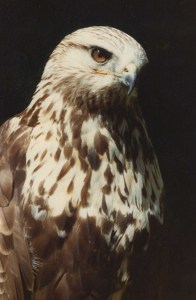
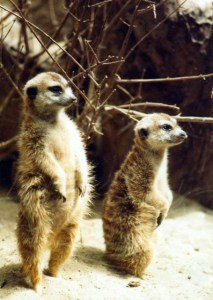 At social gatherings we may come upon clusters of meerkats grooming each other, turtles plodding through the crowd looking for a mate or a fresh salad leaf, peacocks, obsessed with their splendour, blustery cockerels, loving old dogs, sharp-eyed falcons, enchanting robins, and so on. …
 with a butterfly nature tying up with a partner who occasionally roars. Given the rich lore of sensibilities mixing and battling in the human psyche, strangers should be less strange than we make them out to be.
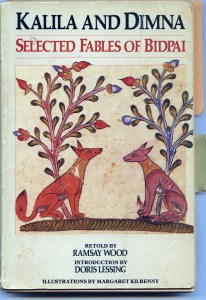 The Persian translation became the Fables of Bidpai. Lovely collections of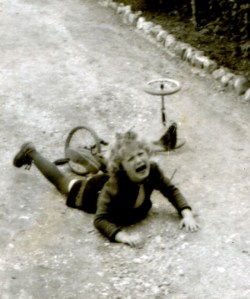
 I mourn the round clock


 Course of Mirrors