Tag Archives: art

… a cartography of the psyche …

Celestial Rose - Gustave Doré

Celestial Rose – Gustave Doré

My novels (yet to be published) are inspired by transpersonal incidents I experienced, even as a child. Learning that I was not alone with my interpretations of what happened to me during so-called non-ordinary states of consciousness was a great relief, when during the 70s and 80s I explored, in practice and theory, the major maps of psychology. Jung’s ideas especially rhymed. After training with Psychosynthesis, my interest turned sharply to innovative transpersonal approaches, myth, archetypal psychology, and contemporary science.

People who inspired me were Abraham Maslow, Gregory Bateson, David Bohm, Joseph Campbell and others, many who happened to be among the same people Stanislav Grof met and was supported by when he devoted his life to map the experiences of non-ordinary states of consciousness.

For the first ten years Grof did psychedelic research in Czechoslovakia. By the 70s he had found a family of open-minded scientists and enthusiastic supporters at the Californian Esalen Institute. Since the use of psychedelics became illegal, he developed the Holotropic Breathwork, together with his with wife, Christina.

Around this time I found my own, smaller family of mind and heart in England, where Fazal Inayat Khan saw the huge potential of what was to be the transpersonal psychology movement initiated in Esalen. Fazal involved his students in experiential approaches to self-development, an endeavour that brought him into conflict with the traditional Chisti Tariqa his grandfather Hazrat Inayat Khan had established in the west as Sufi Movement, which Fazal represented at this point. I co-edited ‘Heart of a Sufi,’ a prism of reflections on Fazal by his students. Here is a previous post https://courseofmirrors.wordpress.com/2013/03/16/a-rare-book-now-on-line/

Grof sees global consciousness evolving through an increasing number of individuals achieving inner transformation, and considers symptoms of spiritual emergence (often seen as mental illness) as part of a healing process needing to be lived through, not supressed. This totally chimed with me.

Obviously, such a project does not attract investment. Shareholders look to own a brand, a patent, a method, a franchise. Many innovations are lost, since the way ideas and things hang together is not finite, but dance in ever new combinations. Also, in areas of specialised and fast-changing knowledge practitioners can become so absorbed with new discoveries and concept that they tend to forget about lay persons who might not be able to grasp the newly coined language, or won’t take the time to look at other fields of knowledge. A major insight may be broadcasted ahead of its time and spark endless quotes but no understanding. Some messages cry for a new context, where insight, beauty and meaning can be shared through passion, combined with apt metaphors, like a fine tune can travel through the heart and make it shiver with the recognition of new connections. Often it’s a matter of waiting for an idea to fall on fertile ground.

Assuming my readers represent a fertile island in this vast internet ocean, I would be amiss not to share what inspires and influences my writing. Few people are familiar with transpersonal psychology; let alone with the work of Stanislav and Christian Grof, so here a short (promise) introduction.

Born to parents that care for us, or not, into environments that encourage or hinder our development, usually both, we learn (hopefully) to understand that our attitude towards ourselves and the world is coloured by early experiences, and fixed further by our reactions to what happens to us. The psychological maze we lay down is difficult to walk away from, because it pops up from inside wherever we go. An interest in our personal history and the willingness to explore our behaviour certainly help to make life easier.

However, there are memories we can’t access intellectually.

They are perinatal impressions, which don’t necessarily end in a triumph that promise self-confidence and later success in life. Western psychology does not take somatic imprints happening in the womb, during birth, and after birth, serious. The assumption is that the cerebral cortex of an infant lacks the myelin sheaths on neurons, so the brain can’t be sufficiently developed to record experiences, this, irrespective of the fact that memories reside in our cells and muscles.

The powerful non-ordinary states people experience during Grof’s perinatal holotropic sessions often relate to a time before, during and after birth. Participants report strong sensations and images of a mythological and archetypal nature that live in the collective psyche and significantly shape our individual myths.

From the people bringing alive perinatal imprints during Grof’s workshops, he has mapped the Birth Matrixes, which shed a bright light on symptoms medicine tends to label as psychotic and usually supresses with counterproductive drugs, whereas Grof looked at symptoms as a healing attempt of the psyche.

This fear of the imagination questioning accepted realities also explains the ambivalent attitude of our culture towards the arts, though it’s no secret that the archetypal myths populating our psyche inspire our most renowned artists.
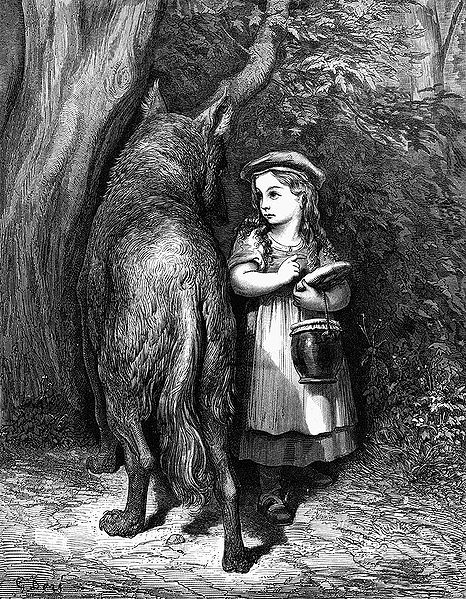
Dore - public-domain-image

Dore – public-domain-image

To guide a person through a phase of psychotic or transpersonal emergency without suppressing drugs requires a paradigm shift that has, as yet, not happened, which is why Grof’s considerable data of experiential work has been tucked away in the transpersonal section of psychotherapy, seemingly too esoteric to grapple with. Early imprints, though decidedly physical, create powerful condensed experiences that draw upon themselves alike situations. Much like self-affirming prophecies, they constellate throughout every phase of life, from infancy to adulthood. Such early imprints are the source of the psychology and psychopathology of ecstasy. Please note – the types of ecstasies I show below, are only clipped markers and in no way convey the richness of the material Grof presents, which he divides into Basic Perinatal Matrixes (BTM 1, 2, 3 and 4) that include related psychosomatic problems and periods of depression people struggle with.

  • Oceanic or Appollonian ecstasy, cosmic consciousness, symbiotic union with mother during intrauterine existence, and during nursing. Expressions of this state in the arts radiate purity and serenity.
  • Volcanic or Dionysion ecstasy, orgastic sexual energies, orgies, pain and rapture. Dangerous activities, sensual and instinctual aspects of life. Think o the surrealist freeing their imagination in ways that powefully speak to us all.
  • Illuminative, Promethean ecstasy, proceeded by agonising struggles and intense yearning for answers, followed by divine lightning that brings entirely unexpected solutions, cosmic inspiration and insight.

When feelings emerge during the remembrance of the birth process, be they nightmarish,like EdgarAlanPoe’s A Descent into the Maelstrom: http://en.wikipedia.org/wiki/A_Descent_into_the_Maelstr%C3%B6m  or blissful, like in Gustave Doré’s Celestial Rose, image above, the opportunity such symbolic images provide for deep psychological work is invaluable. 

Given the complexities around birth, why are not all babies delivered by pre-planned C-section?  http://en.wikipedia.org/wiki/Caesarean_section   A fascinating page, if you have the time to read it. Knowing people whose delivery was pre-planned as C-section, I observe a surprising feature. If in trouble, they shout for help, and usually help comes …  expectation does its magic. When being whisked from the womb before the struggle through the birth canal commences, struggle is simply not familiar, nor, of course, the potential sense of liberation. By contrast, many people have difficulties asking for help, fearing the distress of not getting help. I include myself in this category. A recent comment I left on Jane Alexander’s blog touches upon a personal experience, an early imprint that had a decisive impact on my life. As an example, I elaborate …

… I patiently endure scarcity for long stretches, until the energy switches and everything happens at once. Then I tend to surrender to the flow, or I would feel overwhelmed.

When I was pregnant, I discovered a connection to these periods of extreme scarcity and abundance in my life, leading back to an incident after my birth. Knowing I was breastfed for many months, I asked my mother on the phone to tell me about my birth. She related my birth was long and exhausting. The midwife suggested my mother needed a break. She took me to another room where I cried myself to sleep. ‘It’s good for her voice,’ she insisted. But, of course, I must have missed my mother’s heartbeat.

While listening to this story on the phone, I observed the skin around a silver ring I was wearing turning black. Heat flashed through me, of rage, for which I had no words. By way of apology my mother said it hadn’t felt right and she should have resisted the midwife. Then she went on to describe how, next morning, I was taken to her very full breasts, at first acting stupid but eventually drinking until I could drink no more. 

In later studies I learned about Stanislav Grof’s birth matrix maps, how condensed experiences draw onto themselves alike experiences, like self-affirming prophecies. Certain expectations are set up very early indeed. This made sense and helped to soften the pattern of my extreme life phases somehow. 

So there – now you know my autogenic secret. In the end, our vastly different conditioning makes us into interesting people 🙂 not mass produced and pre-packed, as it were

Bringing to awareness the unconscious somatic patterns underlying our existence offers us choices to respond rather than react to situation. As a collective, we swim together in a psychic ocean that is both threatening and benign. We regress and progress together, each of us bringing our little light towards the expansion of consciousness. Let’s not buy into the shallowness of our material age, but keep the conversation going.

Here Stanislav Grof speaks for himself – Psychology of the Future –                                  https://www.youtube.com/watch?v=rI5oG-WNqvM

If you who would like to explore the maps Stan created, and the images that illustrate the in-depth experiences of people who encountered powerful feelings during a typical re-birthing experience – which enlighten the source of our idiosyncrasies and some of the most prevailing human pathologies, I would recommend Grof’s book ‘Beyond the Brain,’ Birth, Death and Transcendence in Psychotherapy, published 1985 by State University of New York. The book does not offer a simplified and popularised version of Grof’s work but significantly challenges our global policies, and the seriously outdated neurophysiological model of the brain, showing the reach of consciousness beyond time and space.

… ultimately we cannot do anything to other people and nature without simultaneously doing it to ourselves …

A post from 2012 that maybe relevant:                               https://courseofmirrors.wordpress.com/2012/05/25/pattern-which-connects/

Incidently, yesterday I attended a talk called ‘the One who cannot die’ given by my dear friend Malcom Stewart, whom I wrote about in 2013 https://courseofmirrors.wordpress.com/2013/10/07/patterns-of-eternity-humbly-opens-your-mind /
 

22 Comments

Filed under Blog

… what’s your age again? …

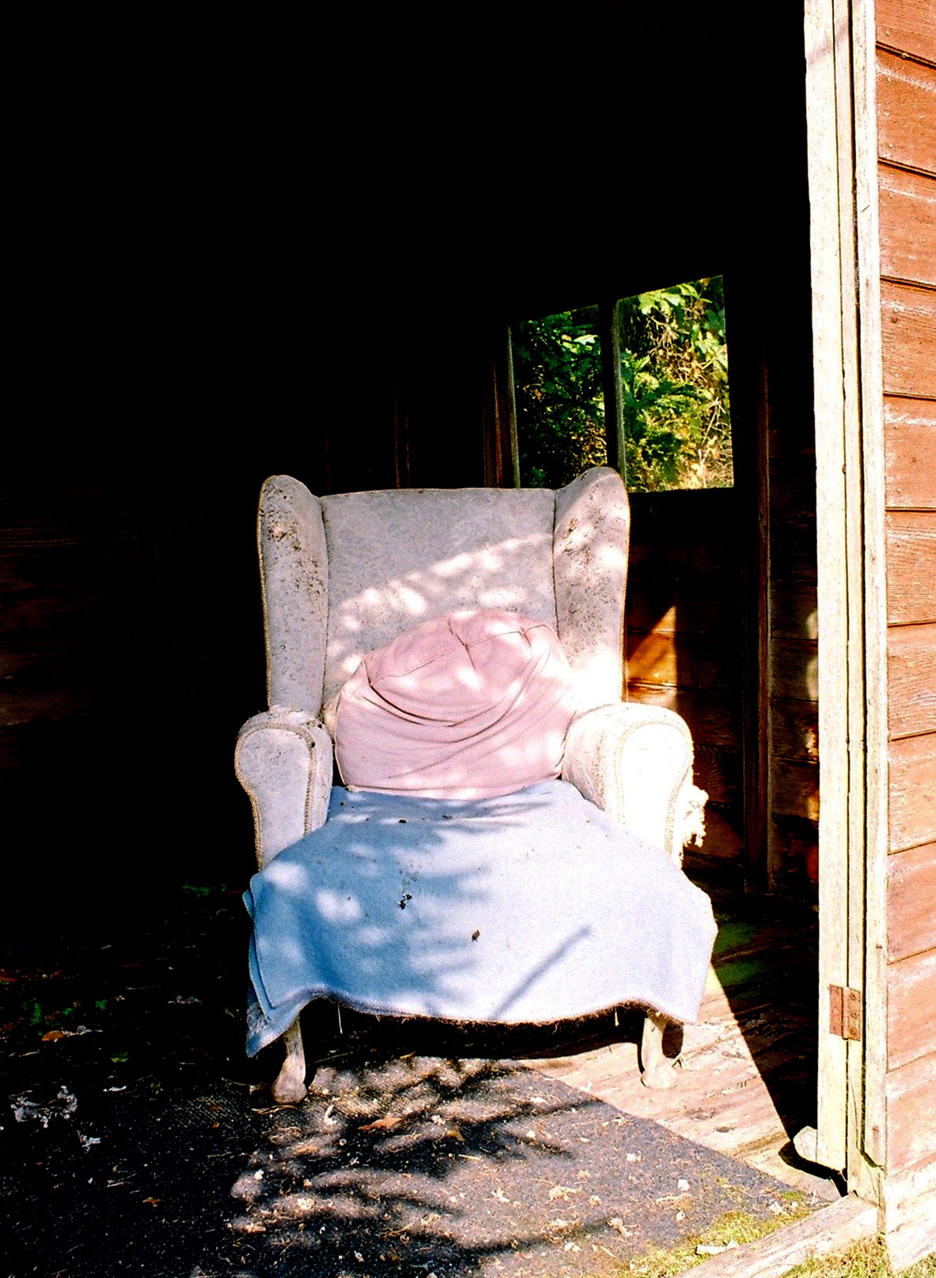
Copy Chair in Spider Hut 2 smallerThe question grates, especially when a round number announces yet another decade looming ahead. While the 40s suggests respectable maturity, the 50s have an aura of old gold best valued by insurance and investment companies. Once you enter the 60s, no matter how rich, poor, active, passive or just blissfully sober, public consensus puts you in line for the moot title ‘retired.’

Once you get over this pesky label, there’s a perk – time slows.

Perceiving life in slow motion has been called wisdom ever since people recognised that slow time reveals hidden dimensions, realities other than those experienced in the speed-lane. Within the present digital pulse of life, days, seasons and years skip ahead at a dizzying velocity. The phenomenon has shortened the shelf life of people, ideas, and objects. A few years ago the motherboard of my laptop crashed. The young man at the IT shop looked amazed. ‘They shouldn’t last that long.’ My laptop was 5 years old. I guess it’s supernatural that my 25 year old Bosch washing machine still works perfectly.

When young, I lifted off, ascended, sped across horizons, acted out and engaged intensely with life. Youth in itself brings of course no guarantee of ascending. Age holds similar uncertainties. Ideally, it allows one to slow down, descent inward, assimilate and integrate experiences, develop patience and insight, re-connect, and grasp the myth of one’s life, and the myth of one’s century.

My point is – descent has a vital function in society. If we can manage to work part-time, or independently during the second half of our lifespan, weRa hand, edit 2 may gain the freedom to reflect, attend to the body’s intelligence, and find our inner rhythm. A thought sculpture may develop, a mood may linger. Communicating may happen along deeper wavelengths. The experience and perception of slow time has a calming influence on the collective psyche, like the prayers and contemplations observed by nuns and monks in monasteries are said to keep the world in balance. I truly believe this.

For those who practice a vocation they love, or develop a passion that keeps them curious and focussed, aging is a side-issue. New technical procedures may not be instantly absorbed, but they provide food for thought. The movie occasionally rolls on silently. Memos reappear, which the younger self, swept along by the speed of progress, may have overlooked, but which in a wider context assume new significance.

The manner that informed wisdom in past cultures and classic times may have remained the same, but elders today have a more complex task in finding apt metaphors for what’s been happening during our single lifetime, poignant lessons that could guide us onwards. When young, our mind feels eternal, we make thing happen, are in sync with the pace of progress and create the future. But what if wisdoms assimilated during inner journeys and the deeper comprehension of present lifetimes are not sufficiently communicated?

The next round of ascent may be hampered by ladders with broken steps, leaving us stuck with unsurmountable problems and senseless social systems. All is not well. The ascending and descending energies working through our present decades are askew. Unless elders have acquired eminence, their voices, their stories, the harvest of their unique experiences, are easily considered useless. Wisdom is not equivalent to the IQ flatland that education systems bank on. Wisdom is more about questions than answers, more like a dance, a tracing of patterns and parallels. Wisdom employs the imagination, re-shuffles knowledge, re-interprets and re-connects ideas to create new meaning.

Image by Yeshen Venema

Image by Yeshen Venema

There’ll always be young ones born old and wise, and old ones who turn young and adventurous. Intangible experiences and the insights of all age groups seek expression and must be circulation, because we are animated by forces not accessible to us. Fate cannot be controlled, but nudges us from the dark. It’s therefor essential to bring our light not only to matter, but to the totality of the psyche, including the unconscious layers of our past and our future, our unknown human potential. We need spaces to make visible what inspires individuals. In this the arts must serve.

The arts need public support in providing free spaces, and funding for everyone, young and old, to engage with and share their imagination in any form that moves their heart. In a culture that prizes speed above all else, the inner journey, the long view, listening, trusting, gratitude, the appreciation of difference, small things, and the cultivation of inner silence from which conflict resolution, intuition and creativity can spring, has never been more important.

*    *    *

Re: Elders … there is a group brought together by Nelson Mandela in 2007 http://www.theelders.org/ Add your support to the eighty thousand follower on twitter –  @TheElders   – This is their mission:

Our vision is of a world where people live in peace, conscious of their common humanity and their shared responsibilities for each other, for the planet and for future generations. We see a world in which there is universal respect for human rights; in which poverty has been eliminated; in which people are free from fear and oppression and are able to fulfil their true potential.

Initially the concept emerged from a conversation between Richard Branson and Peter Gabriel. Together, they took their idea of a group of global elders to Nelson Mandela who agreed to support it.                                                     http://www.virgin.com/unite/leadership-and-advocacy/richard-branson-birth-elders

15 Comments

Filed under Blog

… oh my sweet, crushed angel …

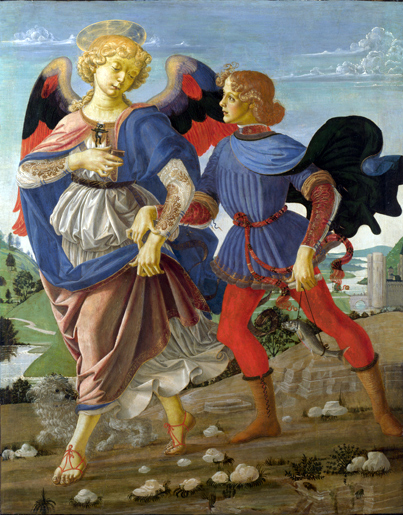
Maybe I was inspired by a  dream last night, but for some reason the painting of Tobias and the Angel, its story, and this poem by Hafiz waltzed into my space this morning .

Tobias and the Angel - Andrea del Verrrocchio’s workshop

Tobias and the Angel – Andrea del Verrrocchio’s workshop

   My Sweet, Crushed Angel

You have not danced so badly, my dear,
Trying to hold hands with the Beautiful One.

You have waltzed with great style,
My sweet, crushed angel,
To have ever neared God’s Heart at all.

Our Partner is notoriously difficult to follow,
And even His best musicians are not always easy
To hear.

So what if the music has stopped for a while.

So what
If the price of admission to the Divine
Is out of reach tonight.

So what, my dear,
If you do not have the ante to gamble for Real Love.

The mind and body are famous
For holding the heart ransom,
But Hafiz knows the Beloved’s eternal habits.

Have patience,
For He will not be able to resist your longing
For long.

You have not danced so badly, my dear,
Trying to kiss the Beautiful One.

You have actually waltzed with tremendous style,
O my sweet,
Oh my sweet, crushed angel.

From ‘I Heard God Laughing’ – Renderings of Hafiz by Daniel Ladinsky

http://en.wikipedia.org/wiki/Hafez

http://www.nationalgallery.org.uk/learning/teachers-and-schools/teaching-english-and-drama/out-of-art/stories-for-use-in-class/tobias-and-the-angel   – the story of the Tobias and the Angel.

And I just re-found this lovely post about the ‘Tobias and the Angel’ painting …. posted some time ago by Katia  https://scribedoll.wordpress.com/2011/08/21/odds-ends-trust/

15 Comments

Filed under Blog

How do I read?

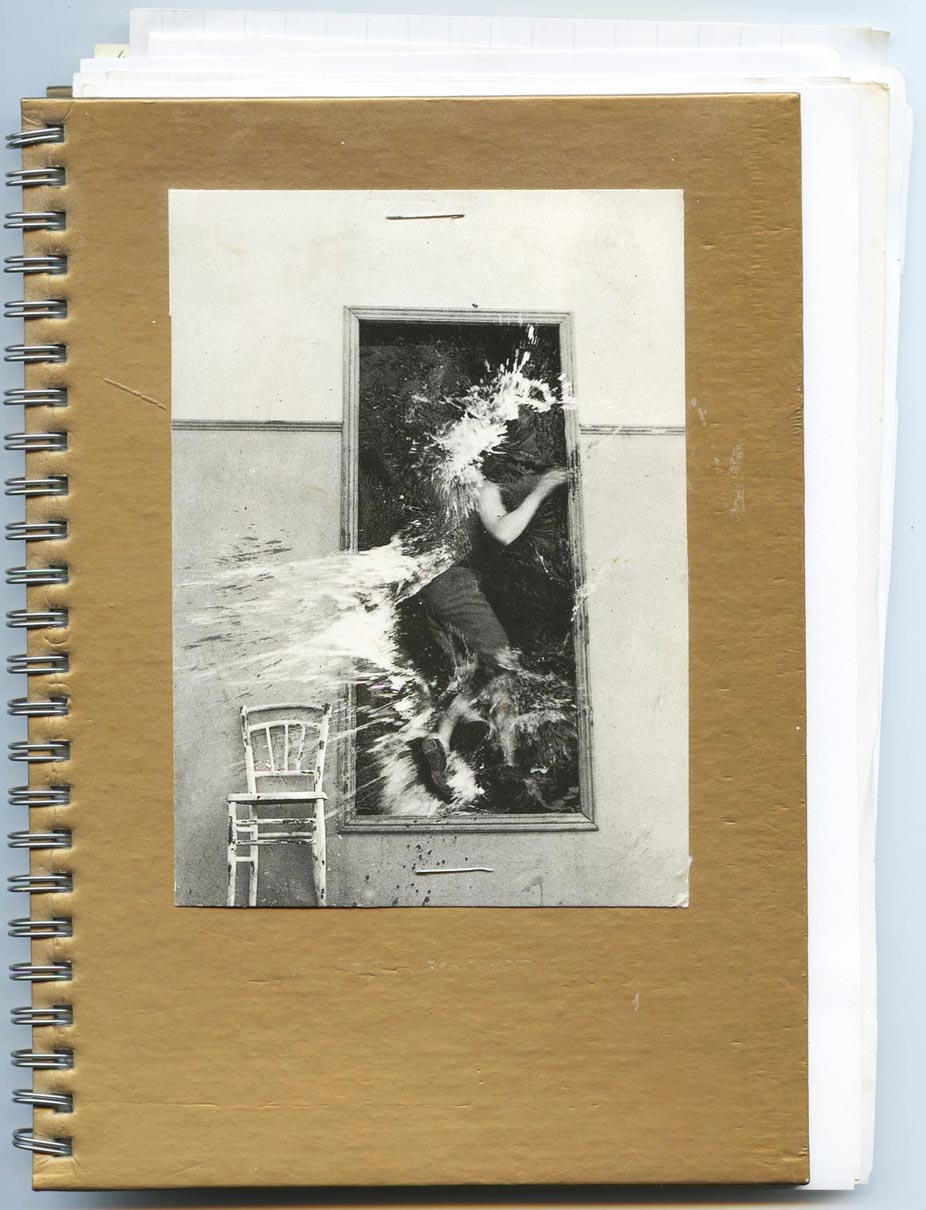
one of my notebooks

one of my notebooks

I jotted this question in my notebook a while ago. How do I read, in the widest sense? There is plenty of observation and advice on the art of writing, composing music, painting, photography, film. Less is said about on the art of reading, perceiving, interpreting, or how we reject or embrace what is expressed by others, and ourselves, even how we read our dreams.

I conclude there’s no difference between, let’s say writing, and reading, other than visibility, since any creative composition derives from an inner process of reading, the picking and shuffling of impressions into our frame of reference in relation to the larger myth of reality.

One could say the secret of being read lies in one’s talent and ability to read one’s inner psychic world, even when filtered through one’s most personal and eccentric imagination.

Long before communication was easily reproducible and reached greater audiences, people were reading the world, though only a tiny fraction of inspirations and inventions was circulated. Today’s media channels swamp us with communications. It’s confusing. We must choose.

In reading novels, I follow my intuition. The gimmick of an instant attention grabbing action scene puts me off. A proposal may be impossibly fantastic, but if I detect an authentic voice, rhythm and movement, I travel along. Invited into a mind, an atmosphere, a time, a place, I want to be absorbed in this other world and experience myself anew in a conflict between light and shadow from within the heart of another consciousness.

Whether meaning is intended or not, I read my own meaning into what has been imagined by another mind. An insight, a memory may surprise. Some books I treasure for one or two illuminating sentences, so I guess reading for me is a bit of a treasure hunt, which begs a question. What am I hunting for?

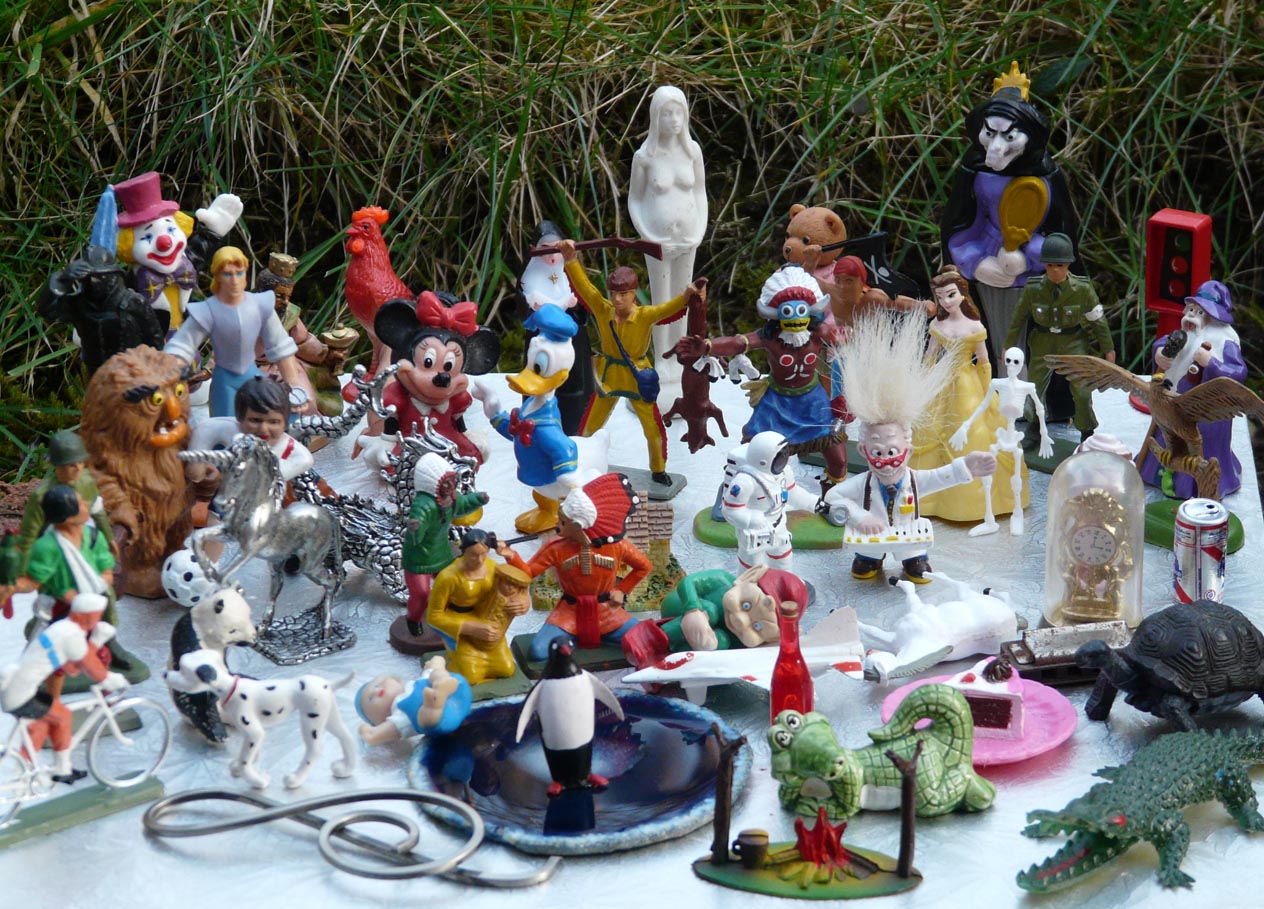
world objects for sandtray work

world objects for sandtray work

My interest is fleeting when events are contrived, plucked from the air. Characters convince me when they are embodied and grow around obstacles, reaching towards the light, while spreading roots and producing seeds (new thoughts,) even when they come from mythical creatures, kings and slaves of the past, or explorers of distant futures. As long as events happen in a believable psychological setting, I engage.

Then again, I’ve been convinced by writing that made no sense at all, until, with a little patience, I discovered a new comprehension shining through an abstract form. It’s a wonderful feeling, and important feedback for writers, who may be surprised by what is evoked in readers. Once I finished my present project, I intent to spend more time on reviewing – a most giving art of reading.

Stories for stories sake can be dull, while stories in which nothing much happens outwardly can be riveting when they resonate with the human condition, where, quite often, what seems true becomes false, and what seems false becomes true.

It is said we write the books we want to read. When writing, I search to combine words that convince intellectually and emotionally, until something true is mirrored back. Maybe what I’m hunting for in my reading and writing are fitting metaphors for the miracle of existence.

I always delight in discovering neglected writers, like Marlene Haushofer,  or the poet W S Graham, whom I wrote about here as part of a post in Sept 2013.  And beyond new works, there are innumerable old favourites, including H G Wells. The link connects to a post I did about one of his lesser known stories.

Thinking about photography, my other passionate reading, I was inspired by Henri Cartier Bresson – the link leads to my post about him.  And here the archive of the street photography of Andre Kertesz – enjoy.  I’ll leave film alone, that’s a whole other story.

What are your reflections on reading?


Some related blogposts:

Storytelling and the primary world.

Mother-tongue and other tongue.

Memory and Place.

11 Comments

Filed under Blog

… the gulf between writers and readers …

This post was sparked by a stimulating and taxing interview Philippa Rees conducted with the writer Vivienne Tuffnell  P1060427lower - CopyThe interview attempts to re-define the gulf between writers and readers in the way commercial algorithms define values for readers, blanking out the appearance of new green shoots.

This disrupted my sleep, in addition to lots of other stuff going on, so I tried stepping back for a wider perspective. No answers, only a few muddled reflections …

My generation, whose early years were without TV, needed to adjust to rapid periods of change, particularly the change from analogue to digital recording, – two entirely different metaphors. The true significance of this shift has not yet been absorbed by the general public.  In a dissertation during a sabbatical film degree as a mature student in the mid-nineties, I quoted Jean Baudrillard  who saw the forced silence of the masses no longer as sign of passivity or alienation, but as ironic and antagonistic. He commented on the strategy of the masses:

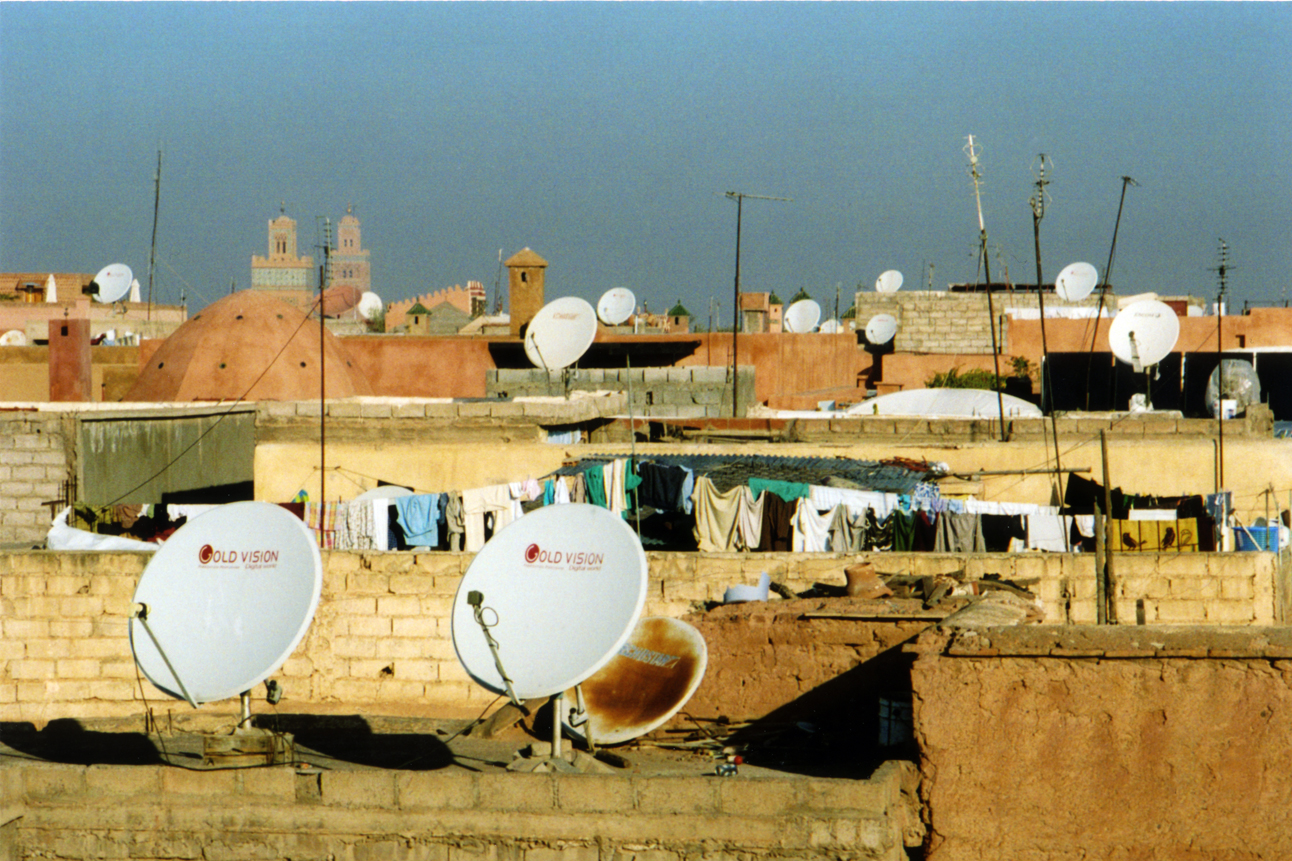
‘… refusal of meaning and refusal of speech; or of the hyper-conformist simulation of the very mechanism of the system, which is another form of refusal by over-acceptance. It is the actual strategy of the masses … it is the winning one today, because it is the most adapted to the present phase of the system.’ Moroc, Marrakech Riad roof, golden vision - low

I recognised this as the Zeitgeist  gradually reaching across the globe. My continuous studies, driven by curiosity and endless questions, prepared me, but I still find it difficult to accept a reality where, for many otherwise intelligent people, the beautiful term ‘soul’ has lost its impact. I place the word carefully in my work and in my writing to avoid bias. Marion Woodman  uses it powerfully … ‘Our very survival depends on spirit embracing soul.’  

The quote becomes poignant through experience, not theory.

Don Cupitt – a philosopher of religion who rejects authoritarianism, once said … ‘The soul, the self, has died. The self in an animal with cultural inscriptions on its surface.’ Sobering, and true, depending of course from which plane of experience one perceives.

In our present culture the commercial speed train whistles through every zone of life. Publishers are among many enterprises struggling to survive amidst overproduction. The ‘Road Closed Pending Repairs’ signs Philippa refers to in her interview grow like mushrooms. Small businesses, for example, vanish at an alarming rate, at least in my little town. Be it a supermarket or a bookshop, I’m bombarded with buy-one-get-one-free or two for three offers. Plenty of people I know look beyond the more-is-better and cheaper hype, but their numbers won’t topple the algorithm-driven logic of mass-cargo firms like Amazon (click for latest newsletter.) Their long term strategy is to please the consumer, which, now, increasingly, includes writers who self-publish … To make profit in an oversaturated market requires ever-new smart inventions.

Works not created from templates, but from inside out, which, sigh,  includes my novels, will struggle to find a position on consumer maps. Traditional meanings are collapsing.  New genres for books are proposed. The box marked cross-genre sounds like a stir fry of left overs. How, as a writer, does one shoulder the marketing speech for novels not fitting into boxes? Crime? No! Romance? No! Religious? No! Paranormal? No! Sci Fi? No! Fantasy? No!

The distillation of a life’s experience, a work of creative imagination? What’s that?

Authors of such ilk have the formidable and possibly worthwhile task of writing their own obituary. Are any of the thoughts a writer expresses original? I don’t think so. Thoughts happen to us. What’s original is their processing and linking based on personal experience, which may offer a new window of reference. I look at my bookshelves and ponder what I would have missed had the authors whose works snuggle up to each other had lost faith in their work. Few commercially produced genre books leave impressions that live on. They’ll drown in ISBN databanks. Our shelves at home hold unique books that surprised and inspired us over the years, and until we become cyborgs and can, with a mere thought, make book pages fall open on any surface of our choice, this will not change soon.

I admire self-published writers. Vivian published several novels herself,  as did Philippa, which speaks for their tenacity and belief in their work. And I admire Philippa’s poignant questions, and how Vivienne exposes herself to them …

the very uniqueness you want to write about? Could you define why that is so difficult? Is it simply too much surrounding noise? Or something else?

‘… is writing the way in which we confront out existential loneliness, and are readers who ‘get’ and share that now the substitutes for lovers?’ 

MercatsSuch questions and similar ones are worth their salt, and expose our vulnerability … do writers, any artists, want to be truly seen? Is one person’s interpretation of truth going to be interesting to others? Will the public feel preached to? Such questions haunt many of the most inspired artists, poets and writers who weave works from layers and layers of their psyche. To expect an instant resonance from crowds will bring deep disappointment.

And yet, the most deeply personal experiences, combined with some magic ingredient of presentation, can, over time, have universal appeal. Stan Brakhage, an experimental filmmaker, put it this way … ‘I had the concept of everything radiating out of me, and that the more personal and egocentric I would become the deeper I would reach and the more I would touch those universal concerns which would involve all men.’

If I’m positive about the future it comes from an understanding in tune with Walter Benjamin  … ‘Technology, instead of liberating us from myth, confronts us as a force of a second nature just as overpowering as the forces of a more elementary nature in archaic times.’

To me, this means learning and unlearning accelerates in condensed time. Think how we make ourselves visible by blogging. How brave and scary to step in front of a public mirror … Virtual or not, the psychological process of engaging with virtual friends and foes is totally real. Sherry Turkle expressed this … ‘I believe that our experience with virtual reality, with artificial life are serious play; our need for a practical philosophy of self-knowledge has never been greater.’ My self-understanding is now aided by the relationship with people I have not met face to face – I never shook hands with or exchanged a hug with Vivienne, but I emphasise with her loss of joy, and her frustration with the ironic and antagonistic attitudes of people who belittle deeper strands of truth for fear of looking inside, and the sense of being a square peg that doesn’t fit the neat round hole of genres and algorithms.

Many writers will recognise these obstacles, including Philippa, and myself. How do we attract and persuade people to sample the green growth in our plot? At the same time, I’m convinced we are co-creating artists of our continuous self-invention. Mourning a not-yet existing frame for our work  might hinder this process, which moves and dances naturally through each breath. And I’m heartened by how writers and poets influence us over time.

A poet and mystic from over 800 years back examplifies this phenomenon …

‘The minute I heard my first love story I started looking for you, not knowing how blind I was. Lovers don’t finally meet somewhere. They’re in each other all along.’ – Rumi

20 Comments

Filed under Blog

… musings re: photography, art, secret hoards …

When I take a photograph I stop time, from where I stand, from where I walk, from where I look. The image becomes inner, a pregnant, eternal moment. Artists who engage with the intimate reality mirrored in their surroundings might admit, or not, the erotic dynamics at play in this search for a glimpse of the beloved, an essence shining through the cracks from beneath fleeting surfaces. It’s not only artists who frame flashes of significance, everyone selects, does the stop-motion of perceiving, it’s how stories are made.

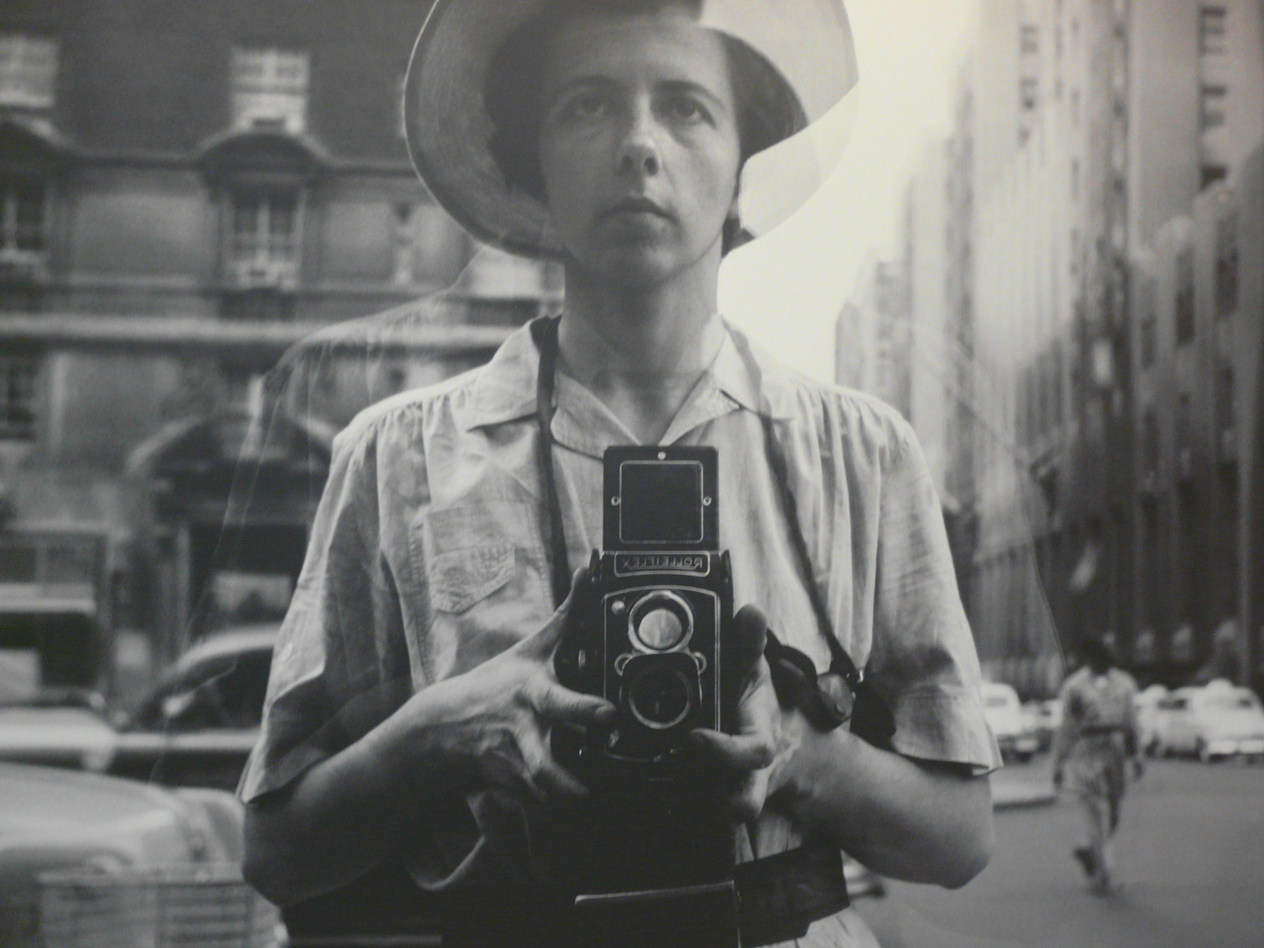
A self-portrait of Vivian Maier

A self-portrait of Vivian Maier

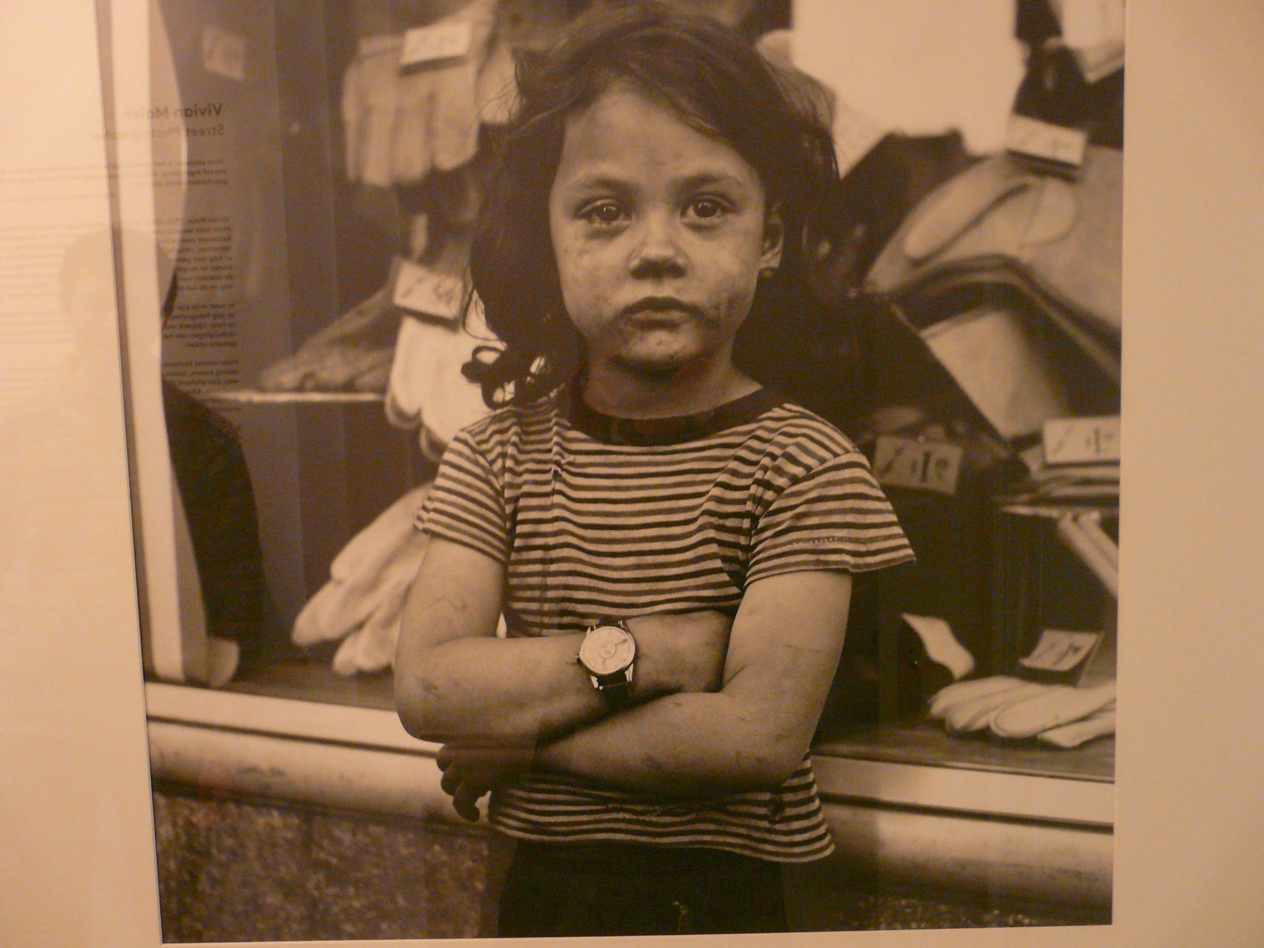
In 2007 a photographic archive was auctioned off to recover debts for storage rent. Most of her life Vivian Maier (1926 – 2009) worked as a nanny. In her free time she recorded what caught her eye, predominantly in the streets of New York and Chicago. She captured poignant moments, like soul mirrors, in brief encounters. Read the tale of how her archive was discovered and the puzzle of her life was assembled HERE

During my stay in Amsterdam I visited a retrospective of her work from 1950s to 1980s at Foam Gallery

It is my guess that, while she was without means to have innumerable film rolls printed, Vivian Maier distinctly memorised each unpredictable encounter she captured. What makes me think so?

Photo by Vivian Maier

Photo by Vivian Maier

The memory of defining and framing something on the move is powerful, with or without camera, though a creative record helps structuring and symbolising our perceptions. During the 70s, when I worked as photo-journalist, using analogue cameras, a Rolleiflex, like Vivian, but also Nikons, and a Hasselblad, I never wasted film. Each image was taken by choice.

Certain frames live on in my memory as iconic elements, and I recall the exact instant when I pressed the shutter, encapsulating something of essence.

A number of years ago I lost three 35 mm film-rolls on a plane from Berlin to London. I thought they were secure in my make-up bag, but the bag slipped unnoticed down the seat and I never recovered it. I mourned. It was the first time I re-visited Berlin, my mother’s city, since I was 7 years old.  Yet the images I took in Berlin and of the friends I travelled with are still crystal clear in my mind.

I recall the massive amount of negatives and prints I burned at an earlier point in my life, not to be burdened with storage, not to sit on my laurels, and for other reasons – profound stupitity, I know,  a self-destructive streak haunted me at the time. The vanished portfolio is now a secret hoard lingering in my memory. It is also a scene in my mythic poetic novel, still awaiting publication.

The story of the discovery of Vivian Maier’s secret archive grips the imagination. Why? Maybe because we all yearn to evidence our existence. Even if only one person holds up a mirror of approval, can GROG us, we are affirmed.

With the cornucopia of individual creativity unleashed through the new technologies of recent decades, the chance of public recognition is fickle, sponsors look for novelty, notoriety, eccentricity, looks, hard elbows …  A good deal depends on timing, and luck.

Yet no individual perspective is alike. The passions we pursue in communion with what we encounter inside, outside, our search, our uniqueness, is forever in need of expression. We want to be witnessed for the coherence and ingenuity of our individual world, our deeply felt values, skills and insights. And yet – I heard it said – if Einstein’s equation of relativity had never been published, it would still have influenced and shifted the collective consciousness.

I deduct that since we all benefit from the inspirations and inventions of individuals who may never have received credit for their genius, their life’s work, and since nothing is ever truly lost (I believe,) there can be solace in our giving, be it acknowledged or not, while we keep on the lookout and ready ourselve for a glimpse of the beloved’s curl.

And of course, nothing prevents me, or you, from expecting miracles 🙂

15 Comments

Filed under Blog

… Marlene Dumas – an Exhibition …

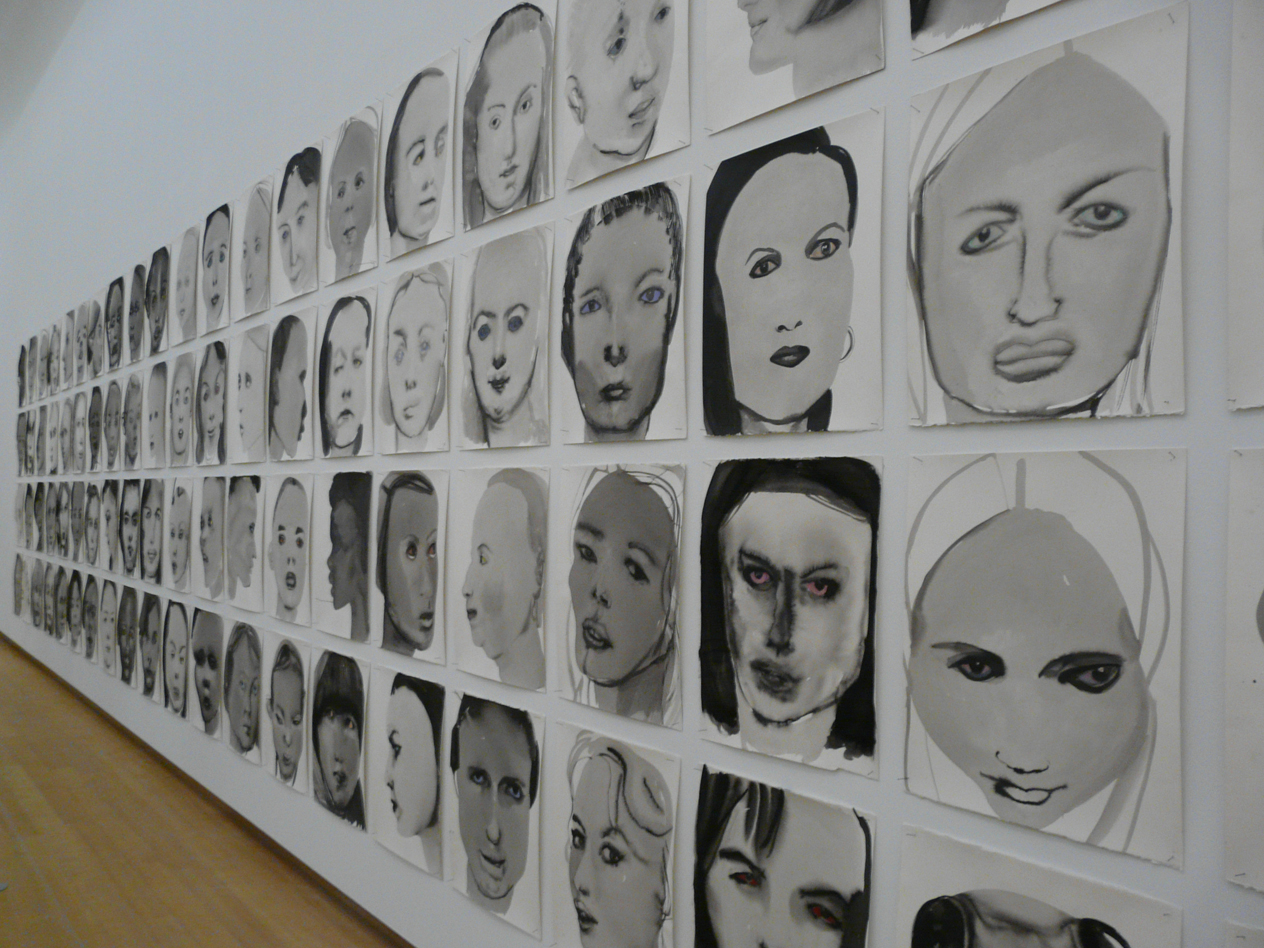
During a few days over Christmas in Amsterdam friends took me on a culture trail, including a retrospective exhibition of works by Marlene Dumas, titled – The Image as a Burden – in the Stedelijk Museum.

P1060937 - smaller

P1060938 - smaller

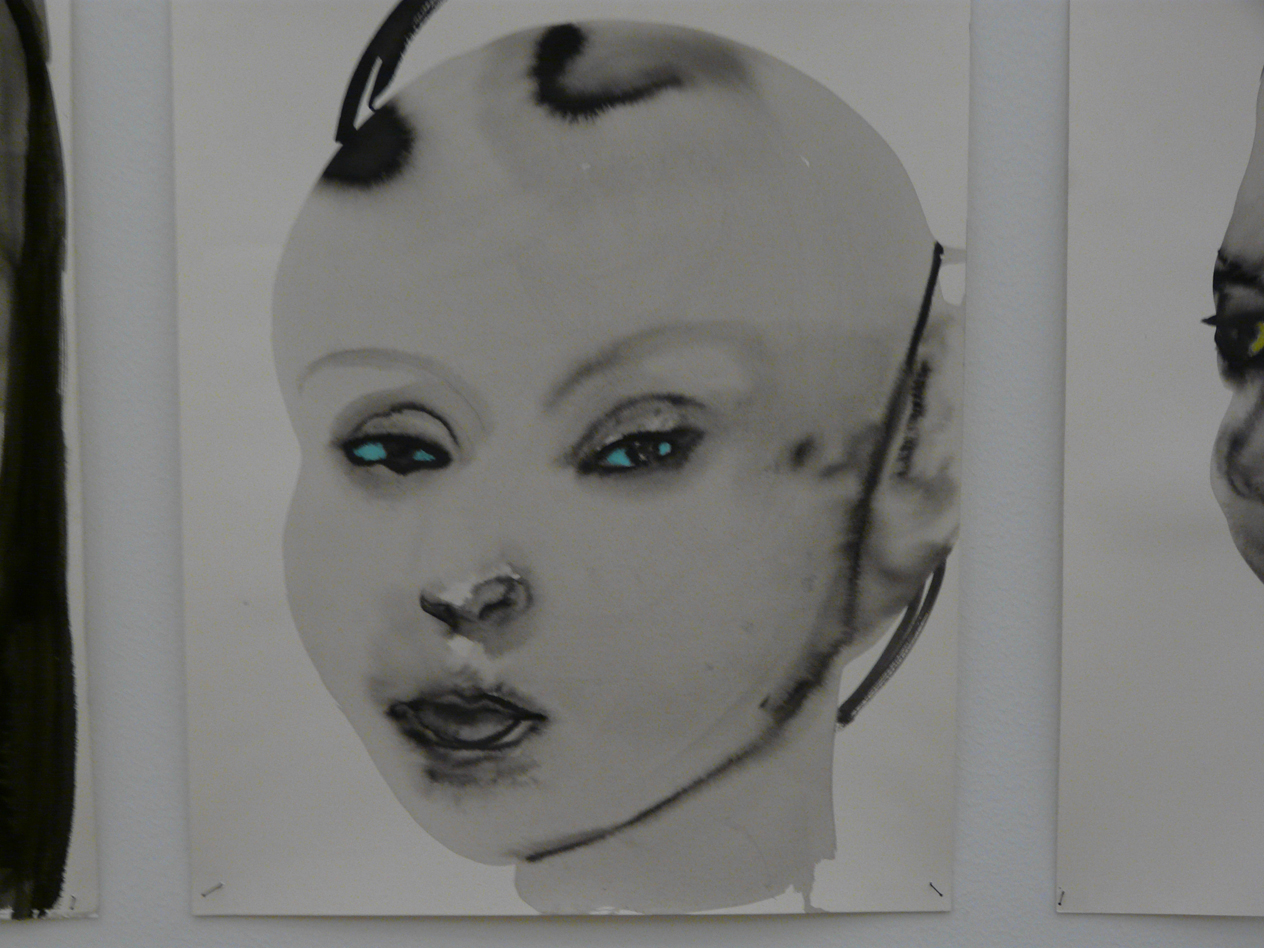
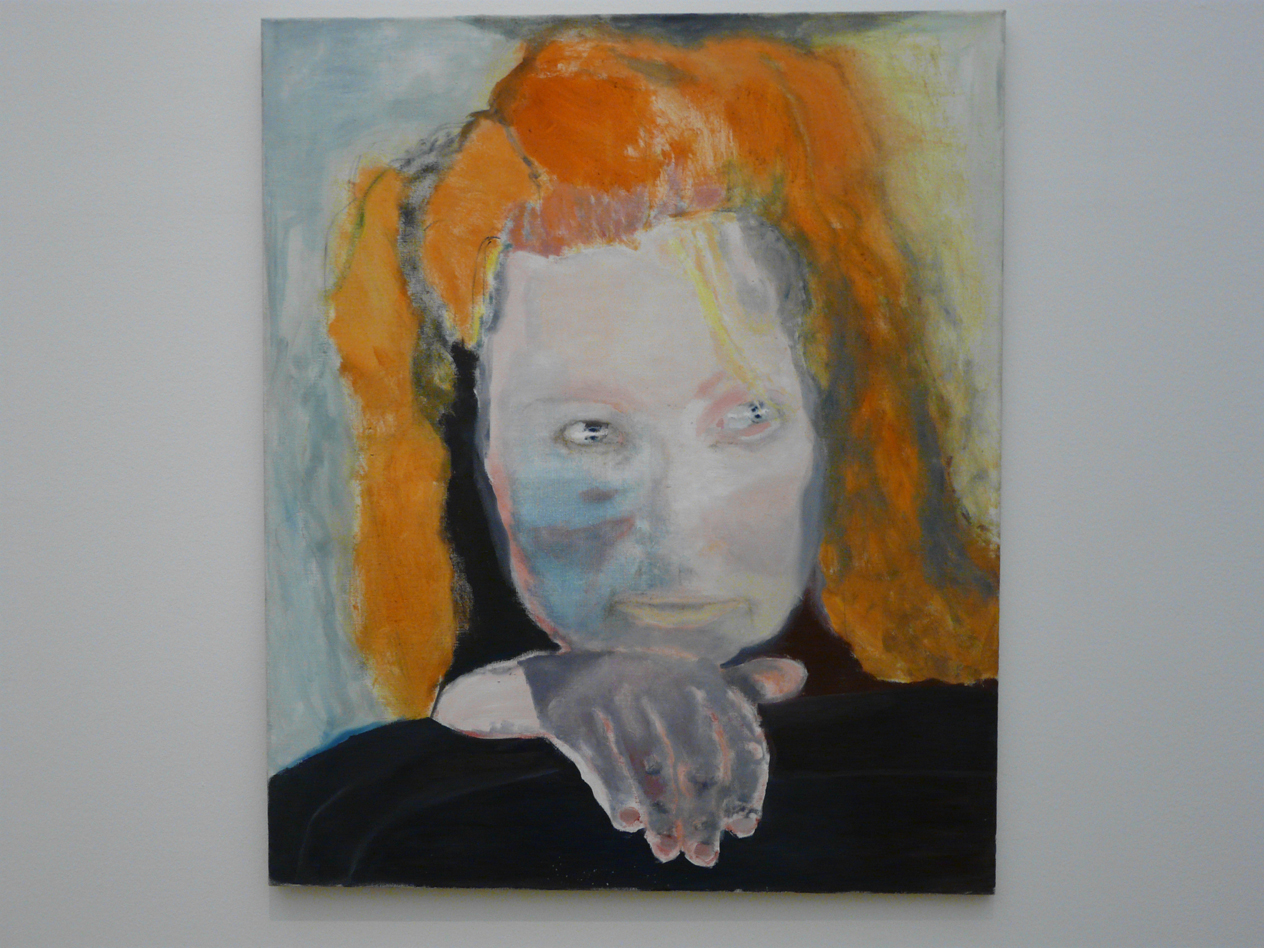
A wall build of faces, a collection of close-ups, done in rapid strokes of ink, dislocated in their white squares, but for the eyes that gaze and mirror the viewer, eyes that convey the familiar moods of the human situation, flawed and uncertain, known intimately inside every heart around the world.

Don't talk to Strangers

Don’t talk to Strangers

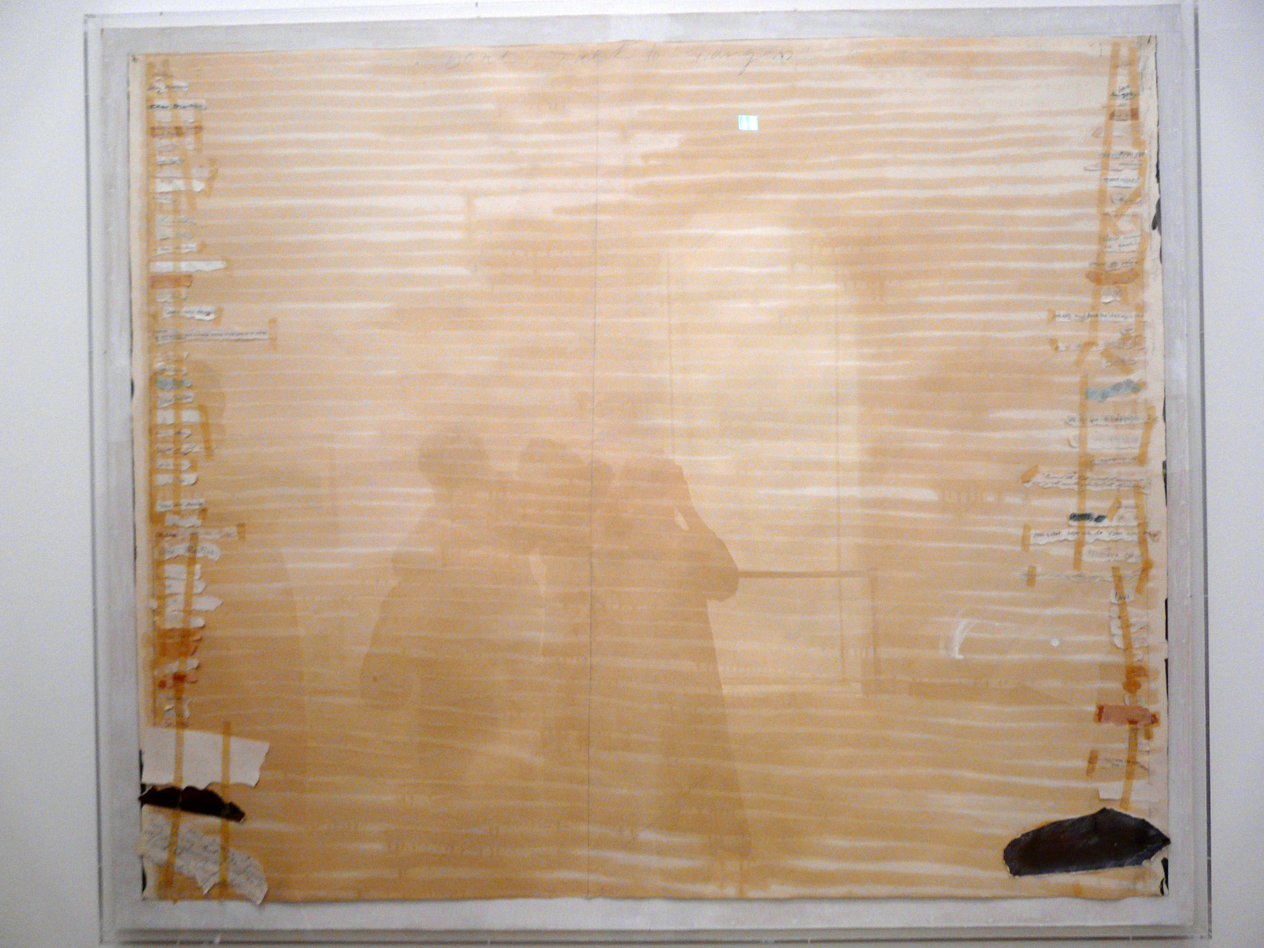
A theme of dislocated, suspended identities, with seemingly no place to hide, shuffled like playing cards. And yet, their missing context conceals stories … like the wide gap between the opening and closing phrases of personal letters in this early image on the left: ‘Don’t talk to strangers.’

I pondered the title of the exhibition – The Image as a Burden – and thought how we personally relate to images. What they evoke may home or clash inside of us, or, equally, home or clash with a multitude of perceptions other people have, pushing us again and again through a psychological birth canal, ever new encounters with the beginning of life, with desire, loss, death and grief.

Dumas’ paintings seem to hover above a threshold, between extremes, confronting with the uncomfortable truth of our vulnerability. The images provoke, disturb, repel, and also deeply move. Her sources are second hand, mainly from a huge archive of photographic snapshots and prints she continuously collects from magazines and newspapers.

In her words … my paintings are closer to the world of spirits and angels, daydreams, and nightmares than that of real people on the street.

The self-portrait 'Evil Is Banal'

The self-portrait ‘Evil Is Banal’

Private collectors are said to have a strange emotional attachment to her work. Once purchased (at astronomical prices) they find it difficult to let them go. Why is that?

*    *    *

Marlene Dumas was born in 1953, in Cape Town, where she did a Fine Arts degree. In the 1970s she came to the Netherlands on a scholarship and since settled in Amsterdam.

*    *    *

The show is moving to London’s Tate Modern in January.

4 Comments

Filed under Blog

… sharing a heart-warming present …

A few years ago I decided to value my writing enough to make sacrifices.  I’ve since devoted every spare moment to this solitary word-sculpting activity, with no idea where it will lead, and therefore feel tremendous joy whenever my compositions arouse curiosity, and especially when someone groks the universal myth I struggle to filter through my individual imagination, my psyche.  Why do writers, and artists, share the facets stirring in the depth of their soul without the promise of a resonanating  audience? … It’s a mystery.

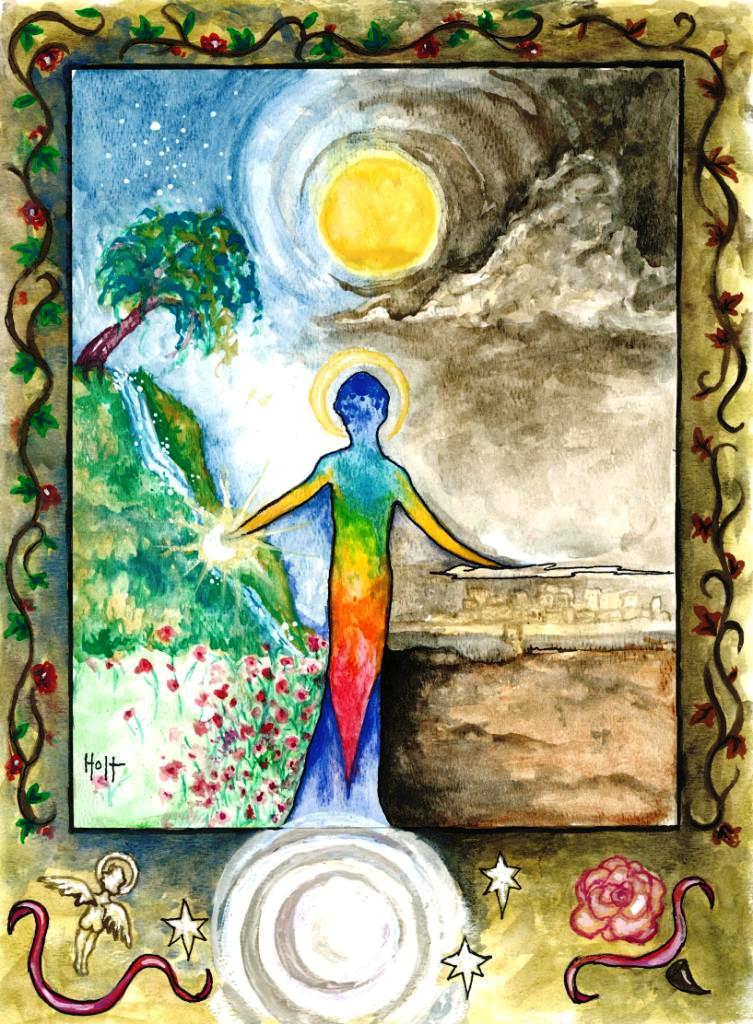
Image by Cynthia Holt JPEG riverside8

Cynthia Holt, living on the other side of this planet, created this painting for me, inspired by two of my poems, Riverhead, and Sleeping Sun … It struck me that the image relates, in essence, equally to the constellation of my novels, yet to be published.

Thank you, Cynthia, for your spontaneous offering. It speaks to how, through interconnections, face to face, or in the realm of the virtual web, we stimulate each other’s creativity.

The image can remind us of the two worlds, indispensable to each other, which we bridge – and how against the canvas of pregnant darkness, the spirit’s eternal light defines our unique myths towards consciousness.

A peaceful Christmas time, and abundant Blessings for the New Year to all …

I’m looking forward to spending a few days in Amsterdam with friends and family.

Since I posted this, Cindy has done a most beautiful post on her mermaid tavern site, including a poem by T S Eliot, a song, and a chart of the Hero’s Journey.

http://mermaidtavern.net/1/post/2015/01/the-law-of-three-artistspoets-and-quantum-physics.html

15 Comments

Filed under Blog

… hands …

Allow one hand to caress the other, feel the fine sensations through the skin of your fingertips, their manual perfection, capacity to reach out, touch and sense the rough and smooth, warmth and cold. The power of hands to hold, give, heal, remember, receive, express feelings and ideas, inner states – hands that trace shapes and yield to shapes, strong hands that build and destroy, and skilful hands that wield the tool, the brush and pen …

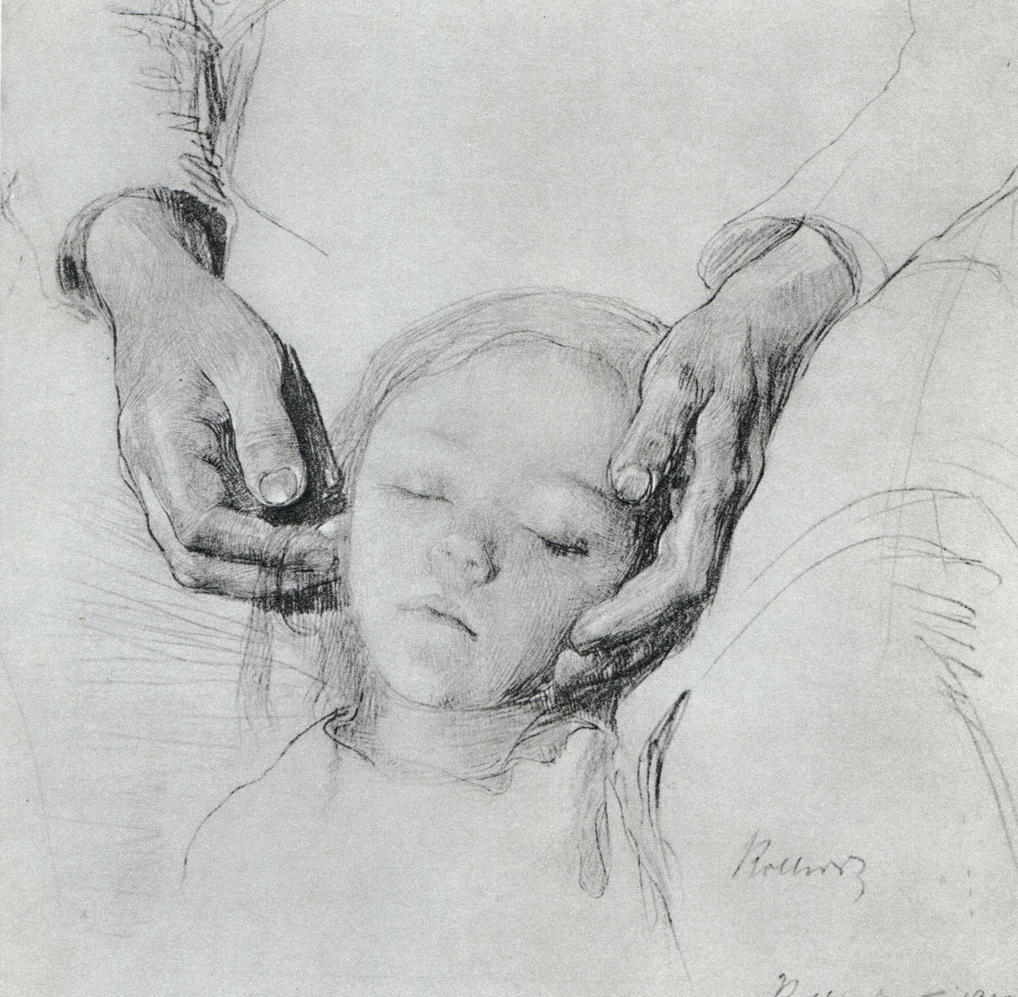
Käthe Kollwitz,  'Zertretene' 1900

Käthe Kollwitz, ‘Zertretene’ 1900

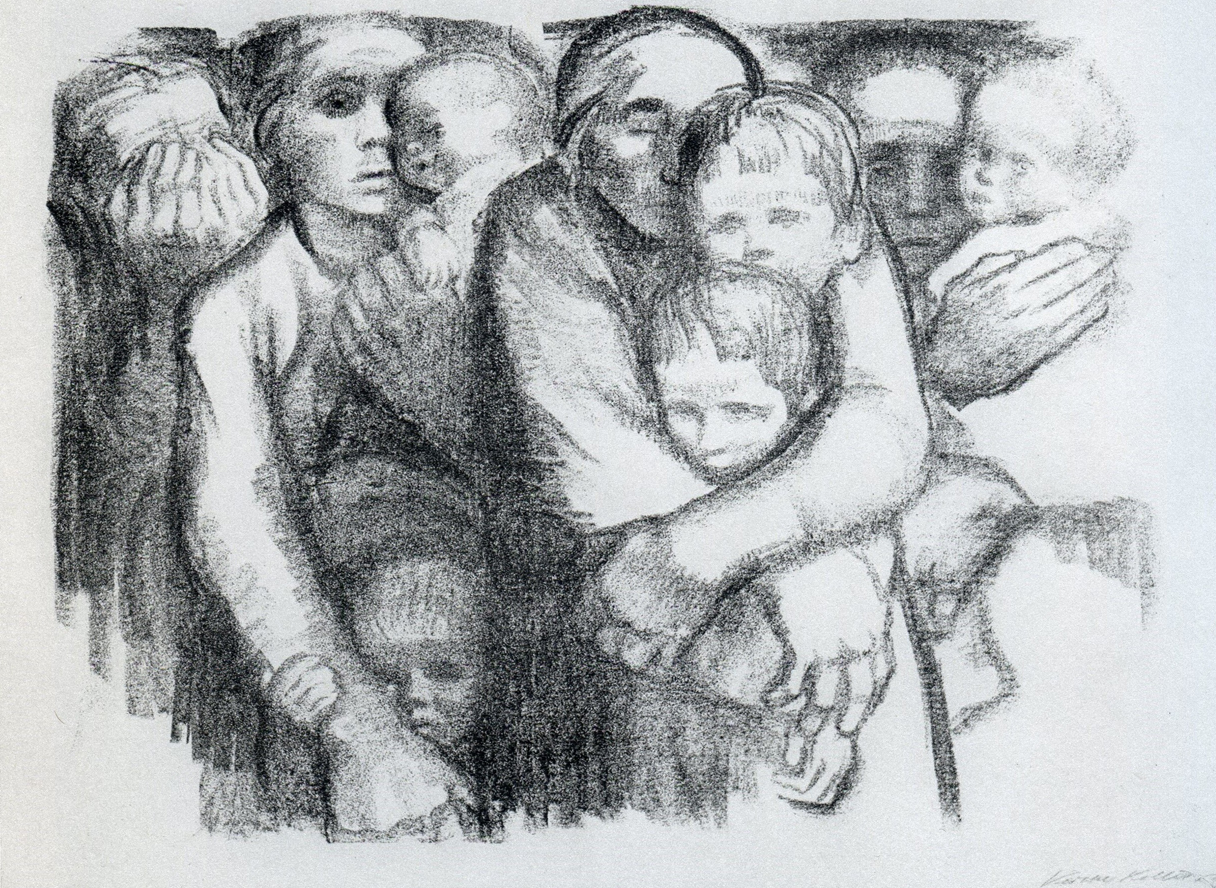
Käthe Kollwitz - Mütter, Krieg, 1919

Käthe Kollwitz – Mütter, Krieg, 1919


The two drawings by Käthe Kollwitz (July 1867 – April 1945) show the incredibly gentle hands that protect – from a collection of her work in a ‘Die Blauen Bücher’ series, discovered by a friend in a second-hand bookshop in St Just, Cornwall. She posted the book to me this week. I was reminded of the plight of mothers in situations where disease and violence are, once again, out of control. And – how so often, dogmatic politics, religious or otherwise, have programmed generations to de-value the body – its wisdom, beauty and need for expression.

And there remains the question, what is being taken out of our hands? Here a wonderful video I found at the National Film Board Canada site: Faces of the Hand

And the lines from two poets whose tool of passion was the pen.

From ‘Leaves of Grass’ by Walt Whitman

… I am the poet of the Body and I am the poet of the Soul,
The pleasures of heaven are with me and the pains of hell are with me,
The first I graft and increase upon myself, the latter I translate into new tongue ….

From ‘The Marriage between Heaven and Hell’ by William Blake

… The road of excess leads to the palace of wisdom …

17 Comments

Filed under Blog

… the child in us …

Close your eyes and imagine standing on a beach … warm sand under your bare feet – a light sea breeze brushing your skin – gulls sailing above the sparkling crests of waves. Breathe a while, to the rhythm of the surf lapping at the shore – in – out – in – out – in – out – and let your eyes rest on the silver skyline.

There is nobody here but you – and a visitor – a child you invite to appear as it will.

At what distance does the little person appear?

Observe its posture, age, gender?

What do you sense about it?

Does it look at you, or not?

Is it curious, shy, withdrawn?

Notice your thoughts and feelings, don’t draw conclusions – do nothing.

Sense the realm of consciousness this little person lives in, and still your mind. If the child plays with shells do the same, remaining where you are. If the child skips along the surf, wait. If it takes one step towards you, wait. If it turns its back on you or walks away, sit down and wait. All the while communicate silently – I’m here as a friend.

Yeshen in Surf, colour - lowresHe or she may come close – or not – play with you – or not. Be patient. This little one represents your essence and must be free to approach the strange adult you’ve become as it chooses and when it’s ready. Maybe next time. Don’t over-act. Even if the child is friendly, keep in mind it may try to please your expectations. Remain calm, interested, approachable.

*    *    *

Visiting an imaginary coastline, metaphorically a boundary between the conscious and the less conscious psyche, brings insights even if no images emerge. Try and silence your usual thinking process. Enter the scene as in a daydream, or have a friend slowly read the text.

Insights change from day to day, according to mood. You could experience joy, get a glimpse of what’s important in your life, or be prompted to engage in frank reflections – a valuable process, helping us to develop empathy.

For example, if sadness or pain knock at the sight of this child, ask yourself … have guardians chided your curiosity and strong spirit, or humiliated your weakness and poor confidence? As a result your own adult may have unwittingly come to reject your child as unworthy, regarding it as ungrateful, stubborn, nagging, or awkward with the shame of buried secrets?  Consider – fear of abandonment, punishment or guilt about early fantasies may compel children to please grown ups in order to cope and emotionally survive. The legacy could be a distrust one’s own feelings. Signals received as pain, or love, might equally overwhelm.

Next time you hear a baby or toddler screams, let’s say, in a supermarket, observe what happens in your body, and watch other shoppers. It grates at our nerves at best, and can trigger physically embedded memories of helplessness, and sometimes more. Good to remember when we  judge people who shout and act irrationally. There are behavioural therapies to desensitize triggers that threaten to overwhelm people with rage. Then again, active imagination is more deeply transforming, and the symbolic expression of complex emotions (see later) frees energy and meaning, making a difference to our collective state of consciousness.

If some of these reflections ring true,  return to the imaginary shore as long as it takes to earn the trust of your child. Your adult’s task is simply to be present, reflect, and allow the younger being to initiate communication.

In daily life, begin to set aside pockets of time for that little person in you, encourage a symbolic process, without pressure, to write or draw about early joys, pains, hurts or dark thoughts, like having hated a parent, or once wished someone to drop dead. Children have such fleeting fantasies when they feel threatened and powerless. It’s normal. Holding on to self blame is the problem.

Suffering brought to consciousness lifts the spell of self blame. Despite appearances of confidence and adult bravado, the child in us is often anxious. Deep down may linger legitimate anger, and, deeper still, sadness and the longing for a precious moment of total acceptance. We call it love. It takes time to soften hearts.

Imagination serves multiple roles. It can draw us into habitual loops of negativity and self harm, or stimulate insights and enhance creativity. Artists know this. Imagination can also heal psychic wounds frequently handed down through generations. The healing aspect is especially powerful when employed consciously. Jung called it ‘Active Imagination.’

In this way, every imaginary journeys can be followed up by freeing condensed energy and meaning – symbolically – through drawing, painting, writing, movement, music or play, allowing what wants to emerge, be it forgotten wonders, or burdens, like unacknowledged anger a child had no means to express in early life.

And most significantly, nurturing a trusting relationship and rapport with our younger being invites the Beloved – our essence – and with it the light of intuition and inner guidance.

‘Lovers don’t finally meet somewhere. They’re in each other all along.’  ― Rumi –

Perhaps all the dragons of our lives
are princesses who are only waiting to
see us once, beautiful and brave.
Perhaps everything terrible is in
Its deepest being something
that needs our love.               
— Rainer Maria Rilke –


The imagery above is in continuation of my last post ‘journey into mystery.’

https://courseofmirrors.wordpress.com/2014/02/06/journey-into-mystery/

23 Comments

Filed under Blog