… a rare book – now on-line …

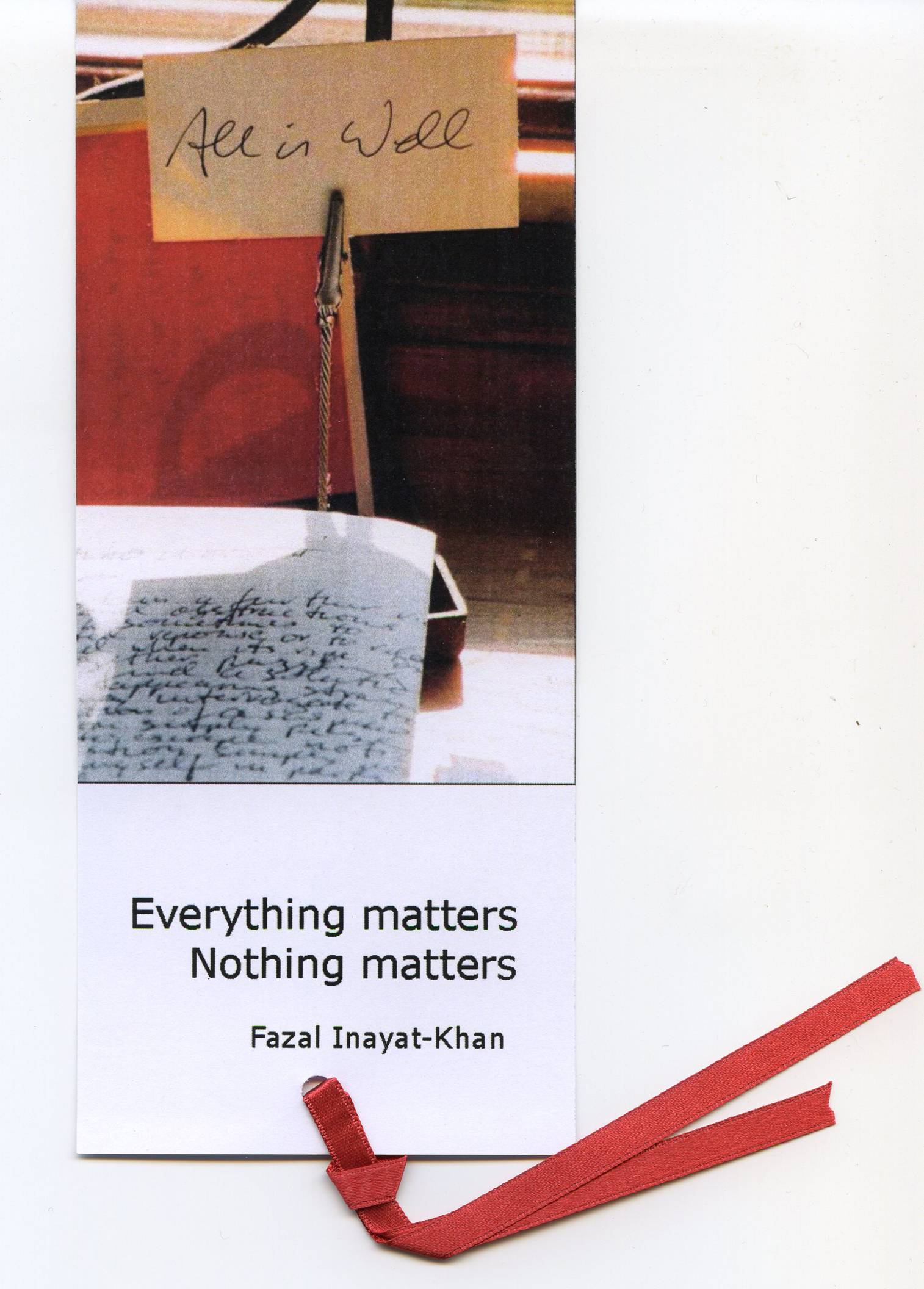
Following an eight-months labour of love, between my co-editors, the Archventures group, and contributing writers, a small edition of 250 beautiful copies of a book were published in 2011 – Heart of a Sufi – A prism of reflections on Fazal Inayat-Khan (1942 -1990.) As of now, the book is affordable on-line, see below.

img085

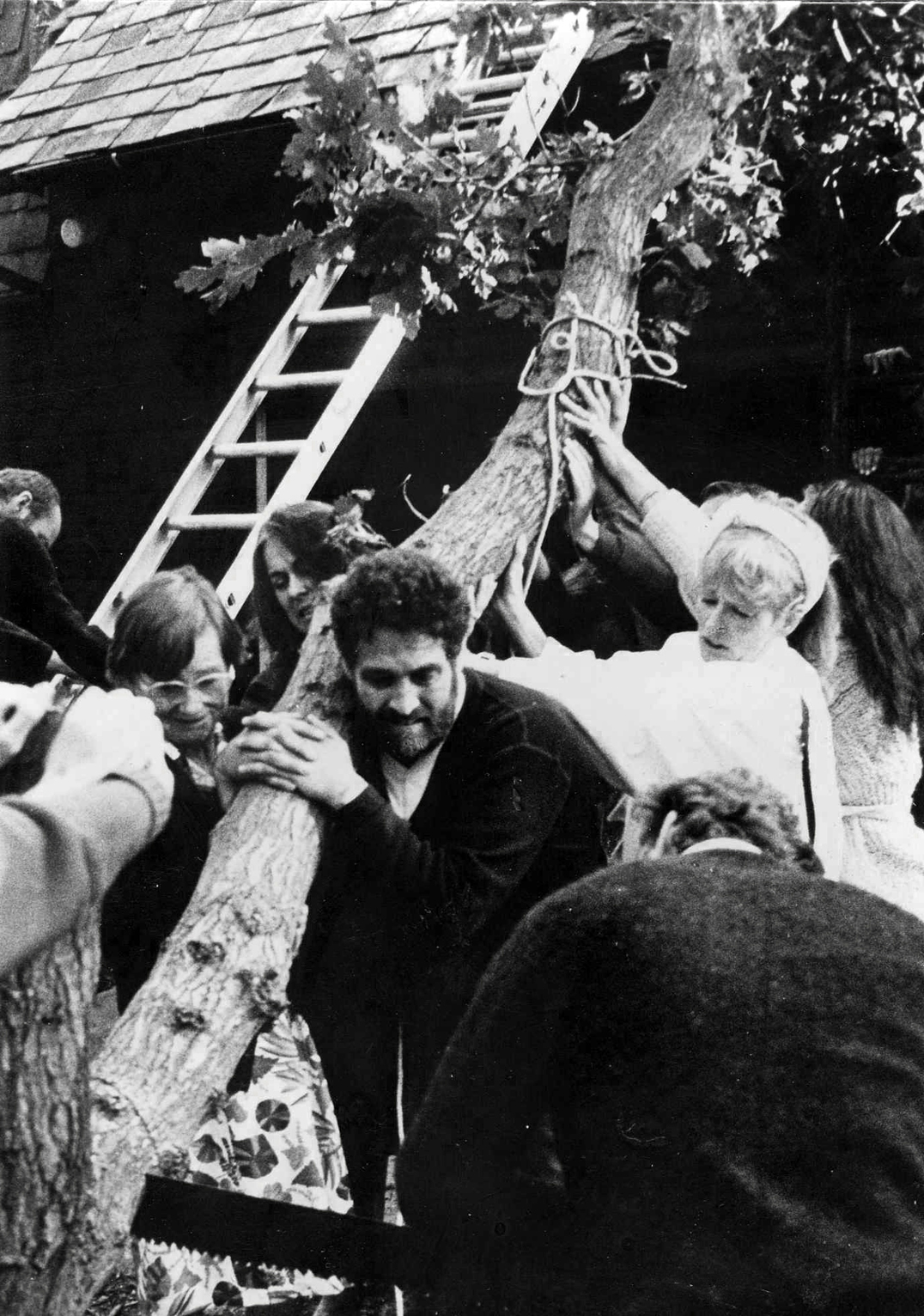
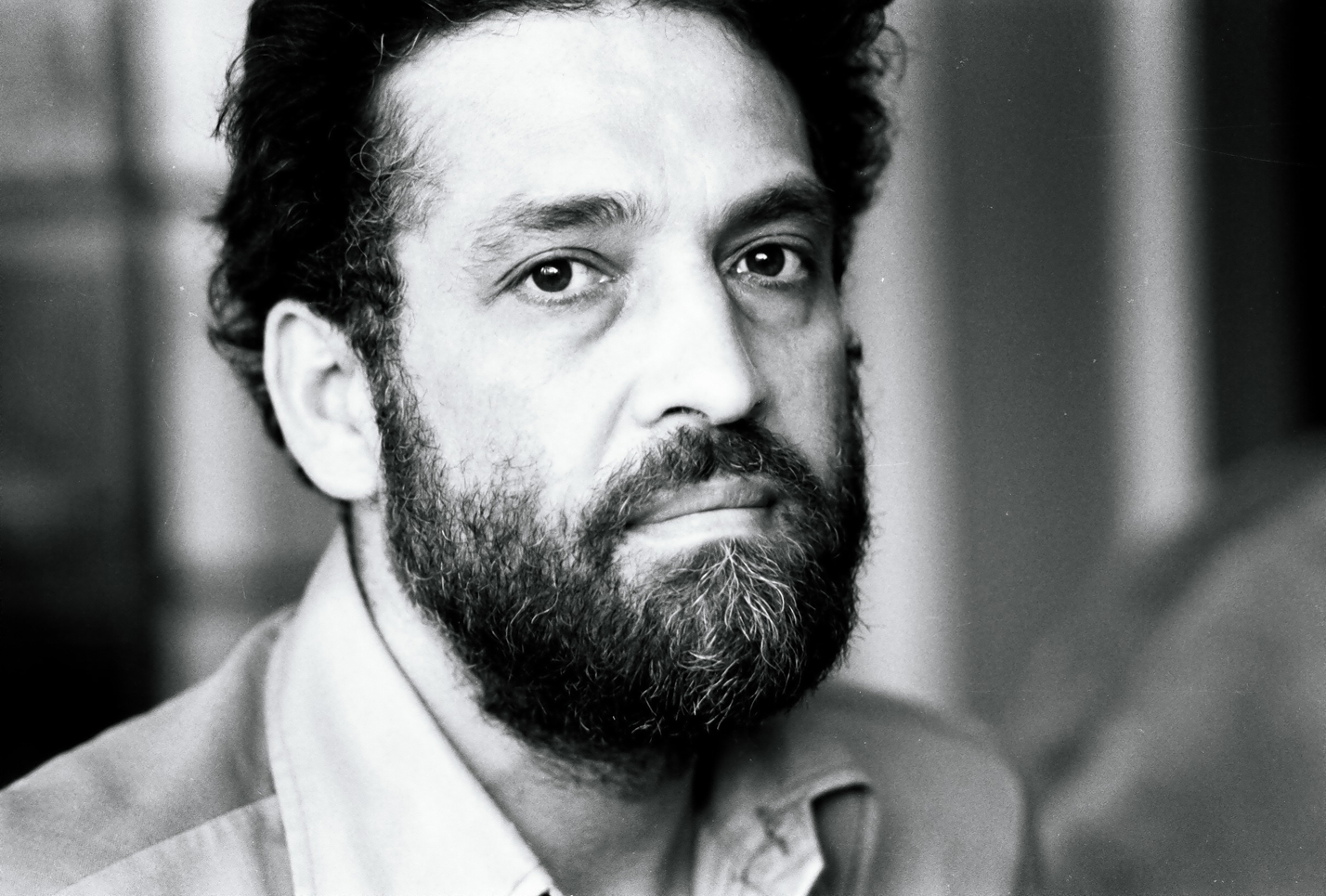
Fazal at Four Winds. 80s

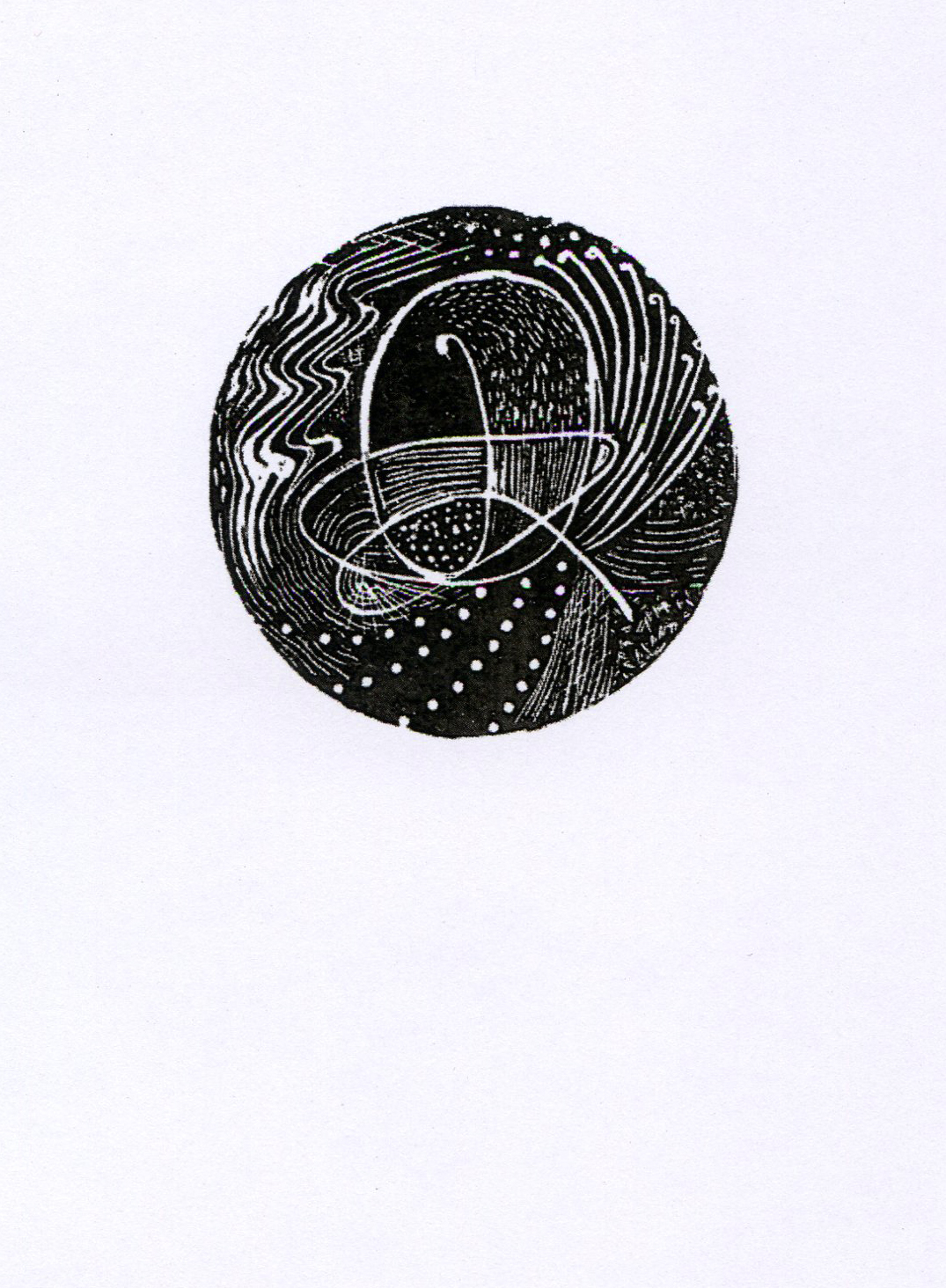
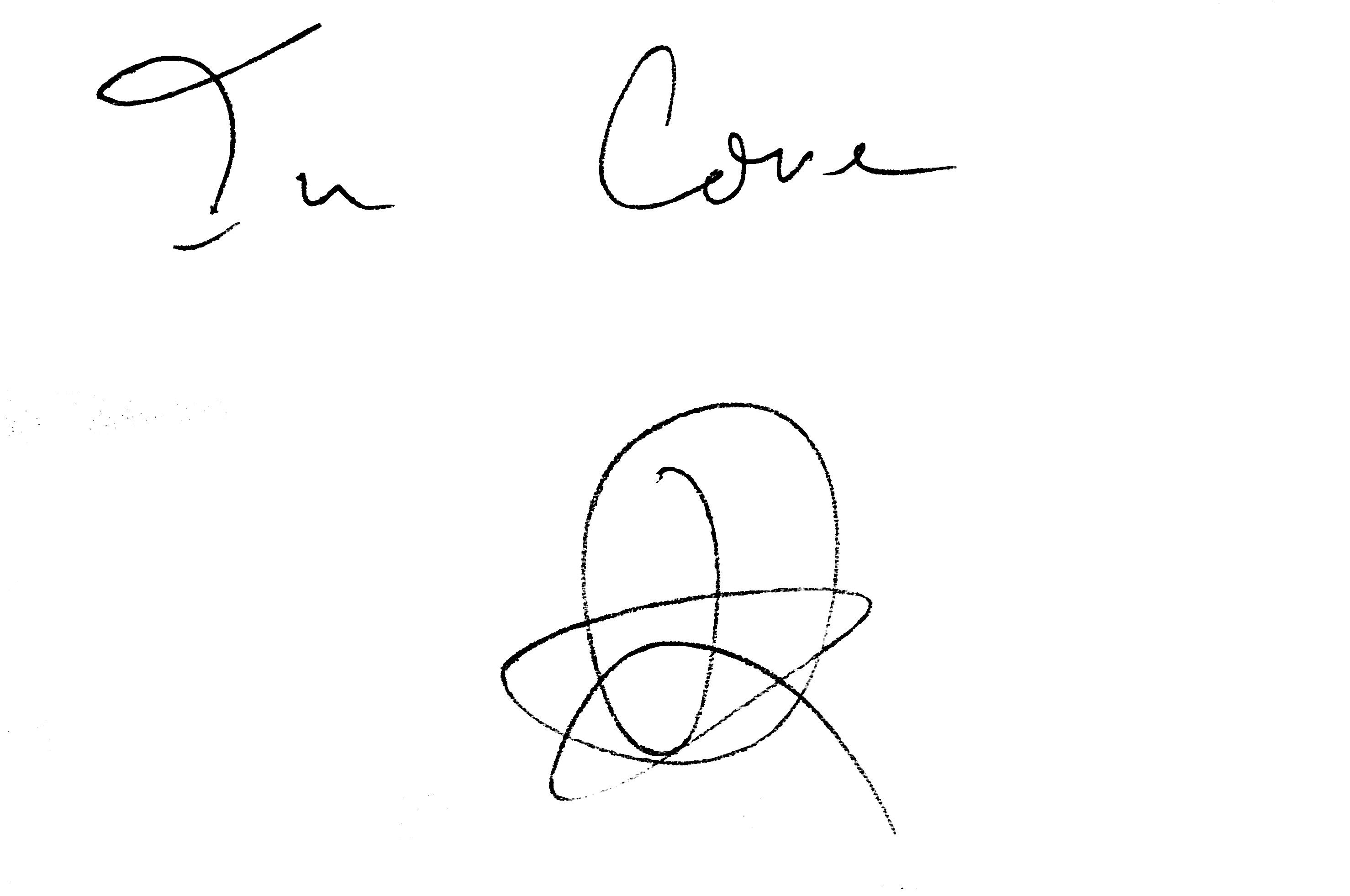
Hand printed wood engraving by Susanne Harding inspired by Fazal's signature.

Hand printed wood engraving by Susanne Harding inspired by Fazal’s signature.

The book contains stories, essays and poems written by those who were inspired by the controversial and innovative nature of Fazal’s work, or by the creative spirit that pervaded the place and people he left behind.

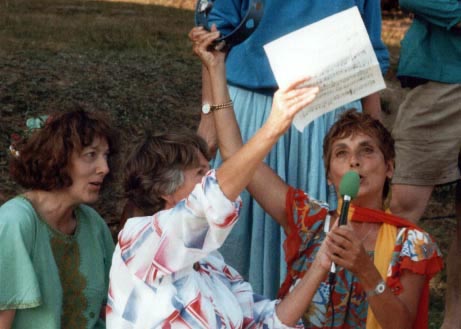
Kaliani, singing

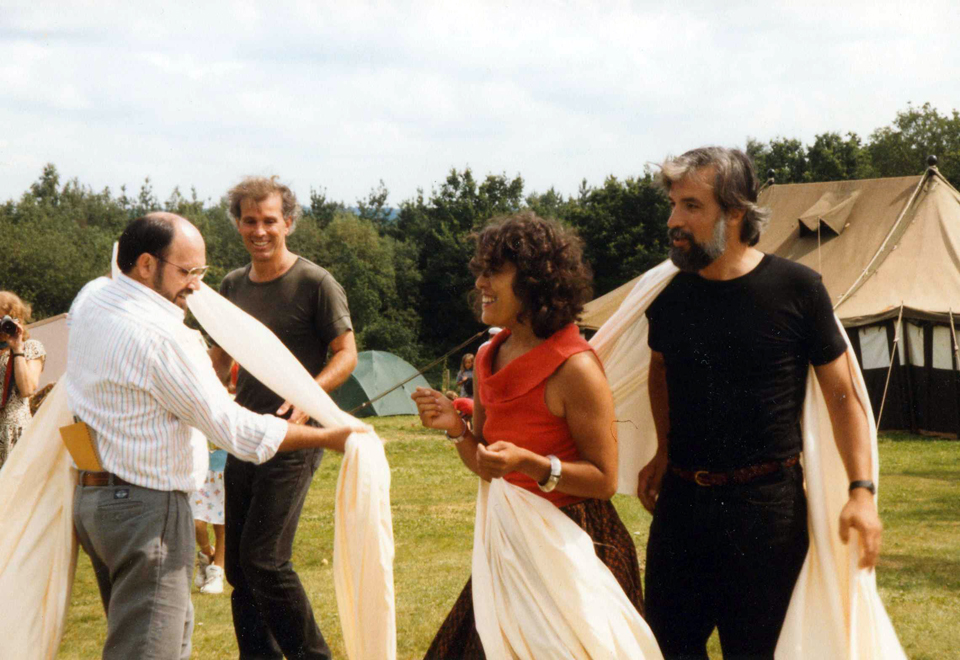
Isha, Elias, Aisha, Puran - lowres


In the way mystics talk about the right time, place, and the right people, Fazal offered a timely and challenging spiritual education that embraced wit and the complexities of modern life. During the 1970s – 80s he attracted people from many backgrounds and countries who had very little in common, other than being exiles from tradition and hungry for truth. The book gives a flavour of encounters, stories charting the edge of learning and unlearning, relationships with one’s self, the groups, the world, intense experiences, affecting deep peace and change, often achieved after games of orchestrated struggle and conflict, peaking in performances on the stage of a magical theatre – live and experience first, then reflect. Debriefings after workshops were sobering, humorous and mind-blowing events. And something ineffable was transmitted in these transformative setting, through music, through silence or through a glance.

Fazal, 84 inside page for Heart of a Sufi

Signature


A short history:

In 1968, at the age of 26 Fazal Inayat-Khan became the head of the Sufi Movement founded by his grandfather, Hazrat Inayat Khan, accredited with introducing Sufism to the West. By 1982 Fazal embraced his personal style to honour his grandfather’s legacy of spiritual liberty by surrendered his leadership of the Movement and chart his own path. His approach to Sufism resembled Idris Shah’s, whose writings had perked my initial interest in Sufism as a timeless practice of wisdom pre-dating Islam, a teaching kept alive through adapting its essence to new times and people. Adaptation in many fields was called for during the 1960s – 80s. The psychological and scientific insights of that period were so radical their social assimilation has yet to happen.

Conceiving of a book that offered a window to Fazal’s work, the editors had wondered if anyone would be brave enough to come forward and share their interactions with this passionate man, the groups and the tumultuous conflicts worked out during that period. We thank again those who contributed. And there must be many more stories of regret, pain, delight, disillusionment, new found coherence, inspiration, and significant life-changes.

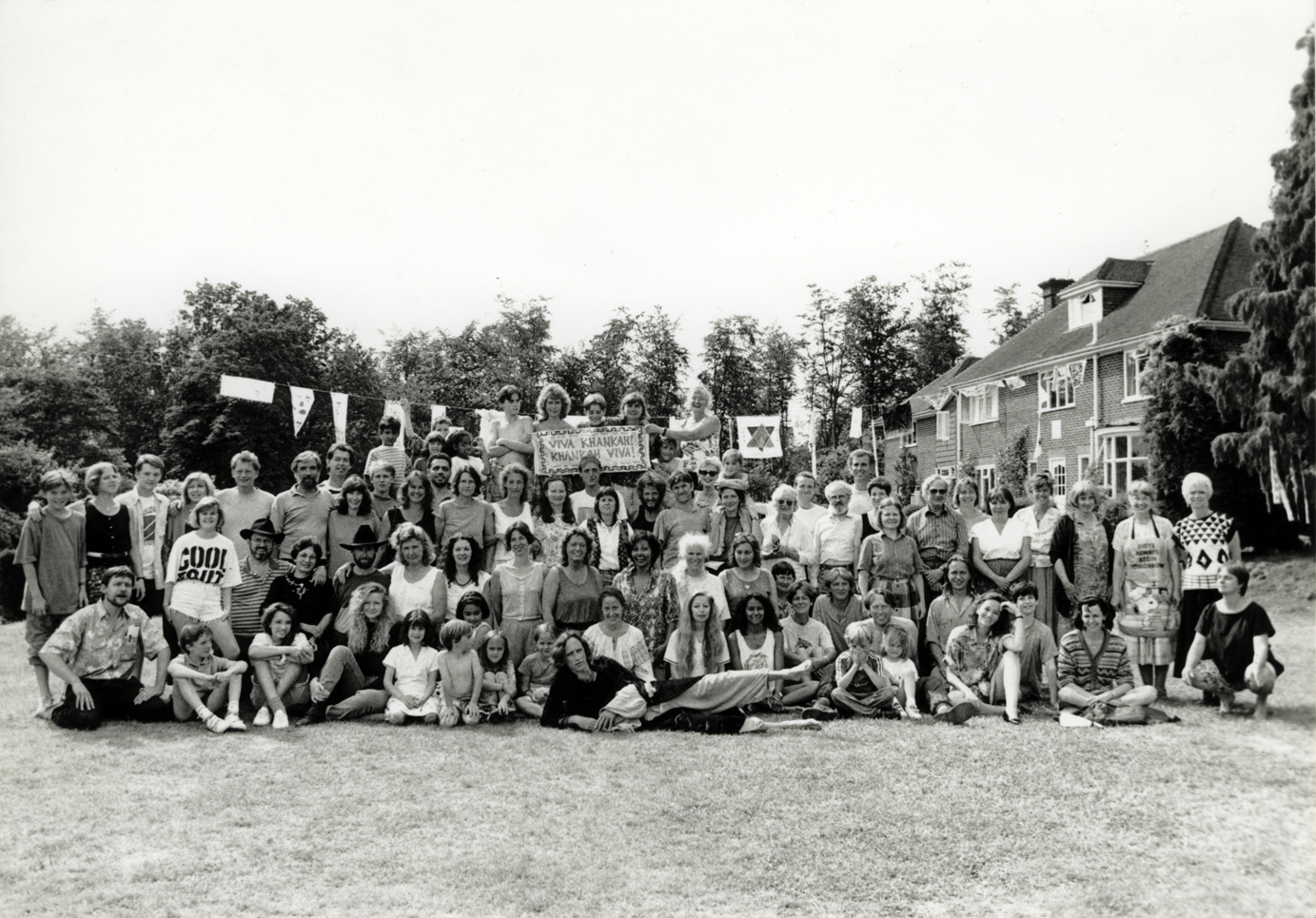
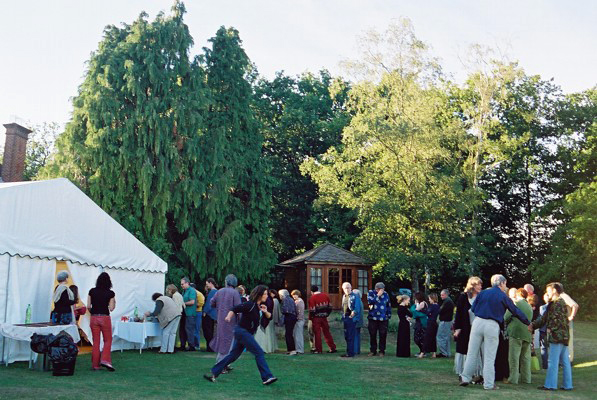
Sufi Way gathering - Four Winds 1991

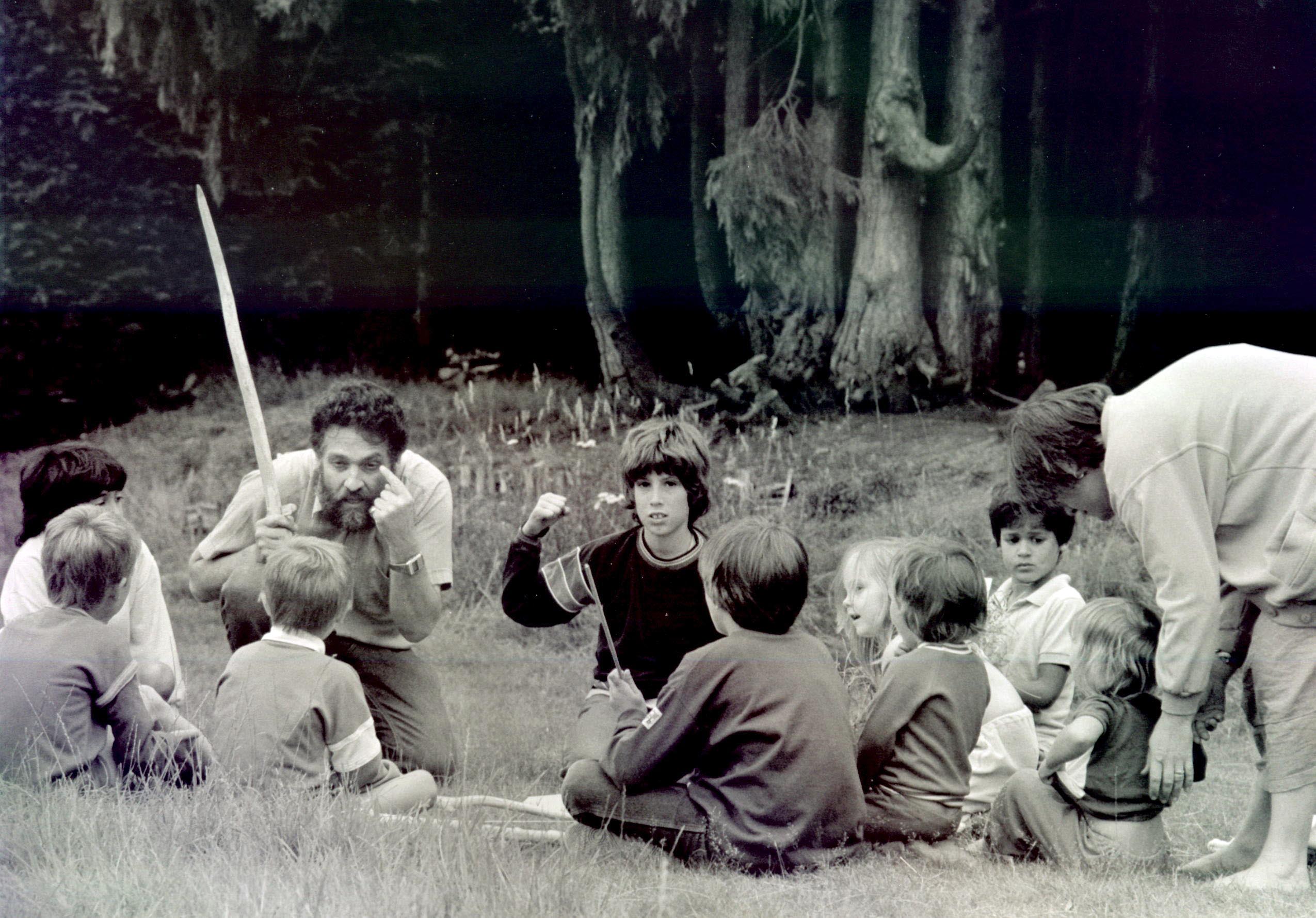
Fazal, 80s with children at Four Winds

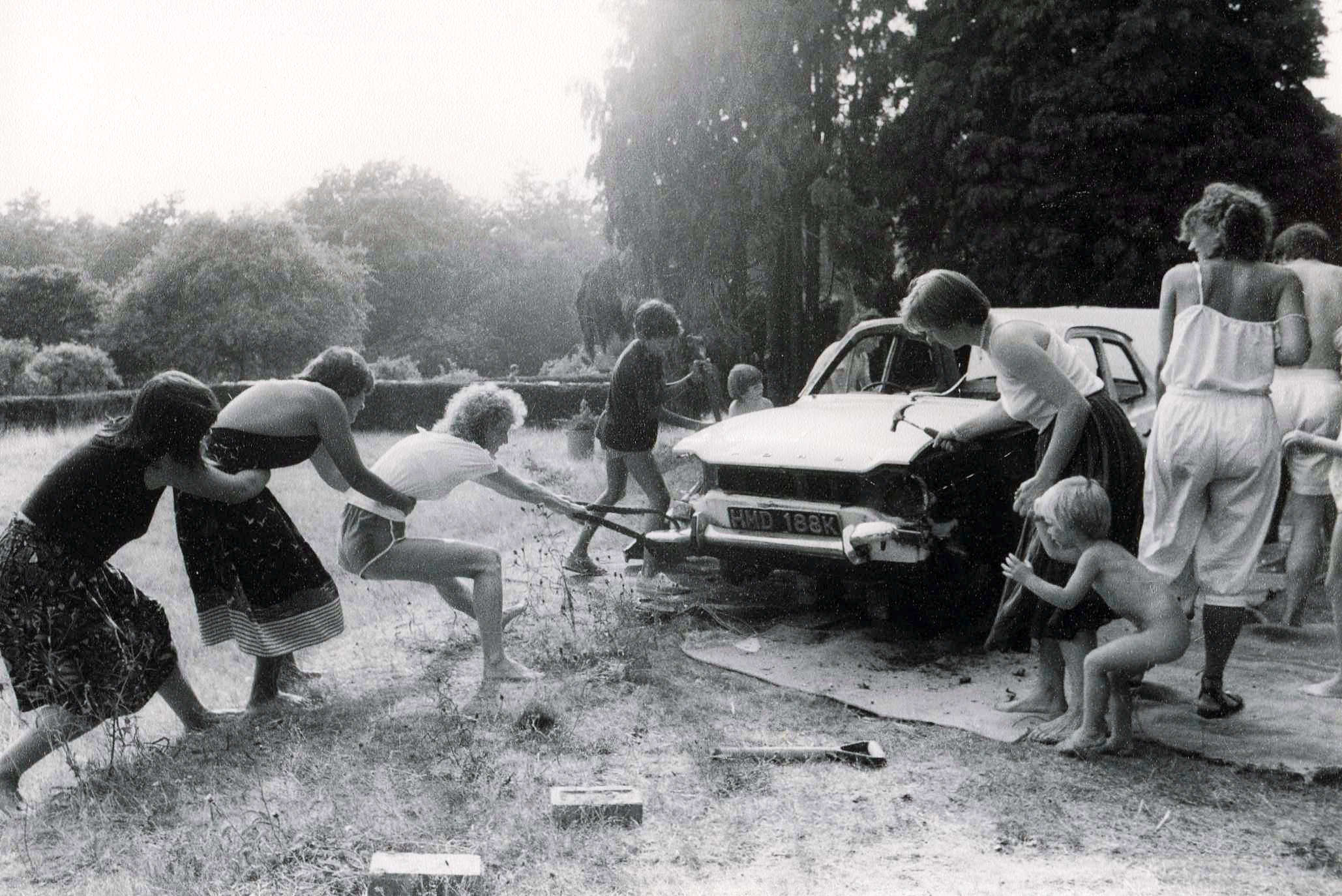
F.W. car- smashing 1


The rights for Fazal’s hundreds of talks, poetry and musical tunings rests with the present leadership of Sufi Way. Our book contains some of Fazal’s quotes and the extraordinary poem – Qalandar – but the purpose of Heart of a Sufi is to show the potent seeds of love this remarkable man placed into the hearts of people he touched, seeds now unfolding in new settings for generations to come.

the cook runs

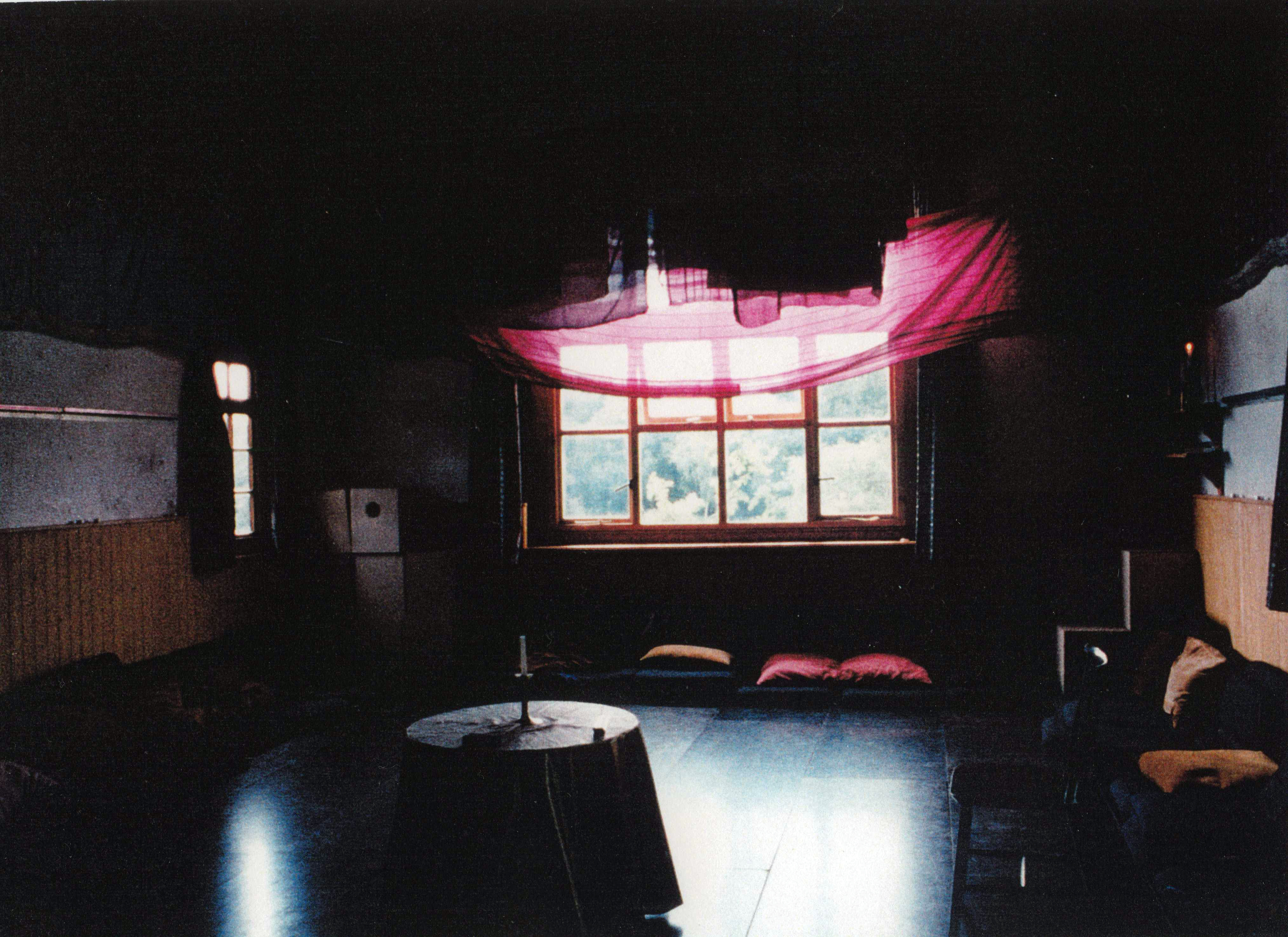
img123179

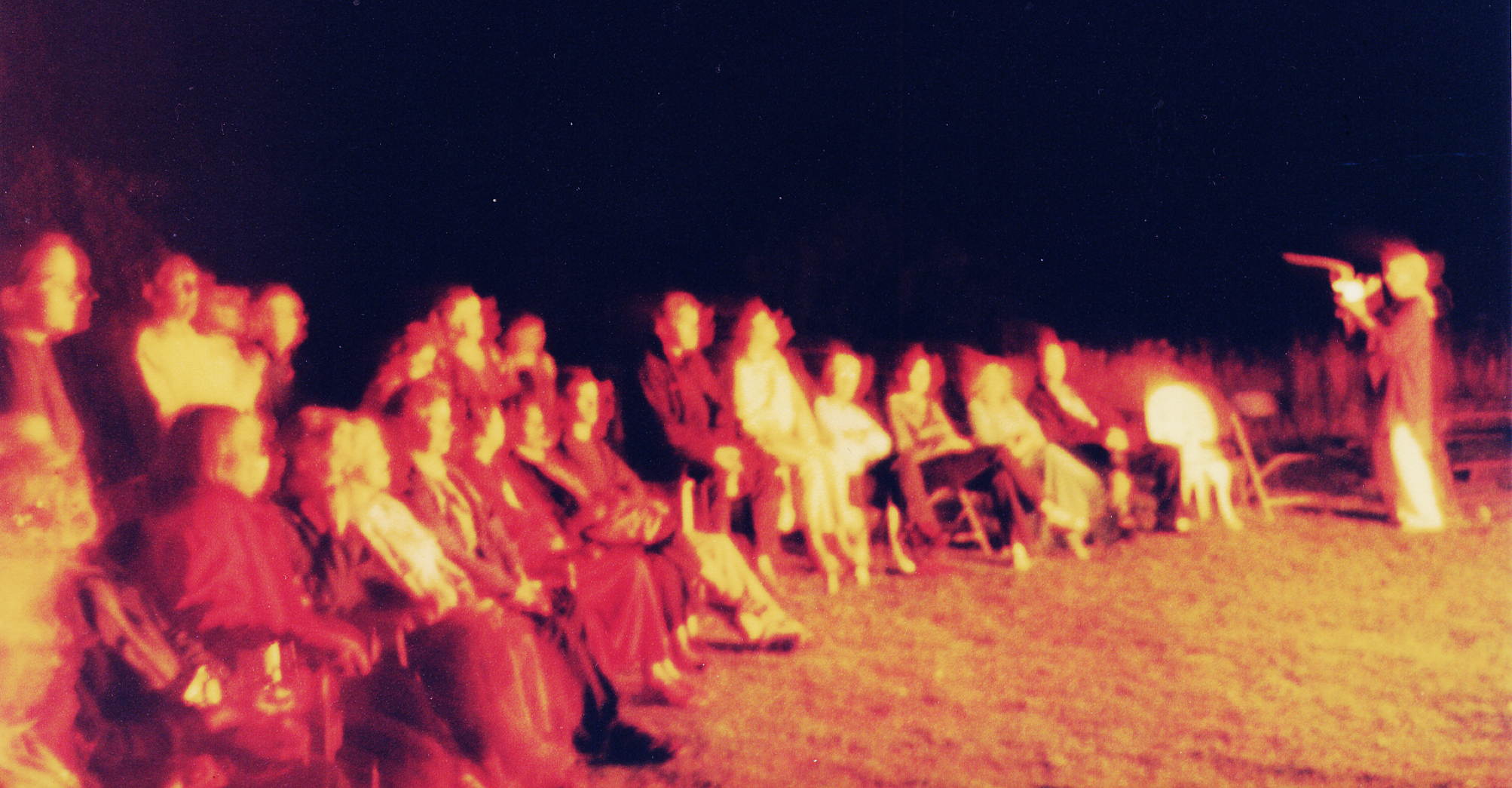
4W2Bonfire

15n15m


Archventures are pleased to offer Heart of a Sufi as e-book, making it affordable:

http://www.troubador.co.uk/book_info.asp?bookid=2180

On amazon you can peek into some of its pages: http://www.amazon.co.uk/Heart-Sufi-InayatKhanReflectionsebook/dp/B00BFUO0T6/ref=sr_1_22?s=books&ie=UTF8&qid=1363426951&sr=1-2


*    *    *

Relevant links can be followed up from the e-book.

18 Comments

Filed under Blog

… surfing the virtual waves …

I first accessed the internet while doing a sabbatical film degree as a mature student in the 1990’s.

Struggling with basics, feeling the fool among bright young computer literates, I typed surrealism into the search engine, a subject that rhymed with my passion for transpersonal psychology and fascinated me. Take yourself out of your familiar environment, lose the original context into which your identity had been projected, then gaze and ponder. I had done precisely that. During my first year on the film course I felt displaced and, like my son at a stopover, did a trawling assessment of the oracular unknown.

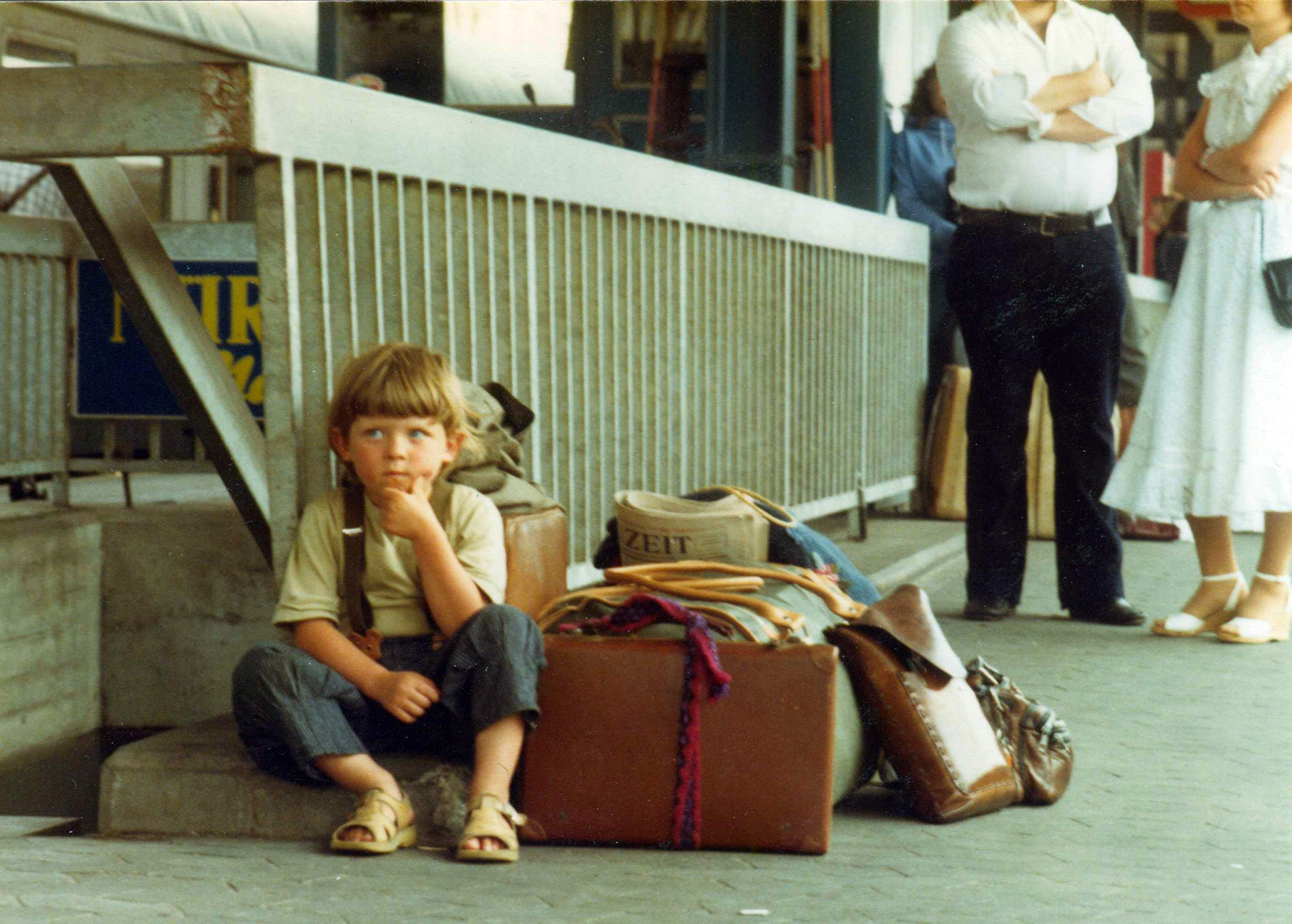
Yesh, Nurnberg station -smaller

I was going to write an essay, on how Freud’s work influenced art and film during the 20th century, a glittering subject that led me into a dreamlike maze. Each follow-up link on the screen led to another site – another artist, philosopher, writer, page after page, world after world opened until I was afloat in a sea of rich associations. Gripped by Alice in Wonderland sensations, I thought – unless I stick to the context of my essay, the web will suck me into a whirlpool. Exploring the unconscious for its potentiality and its poetic combustion via dis-identification  was of course the surrealists’ impulse, to the ends of tricking the rational mind by using trance to break out of trance – which may well be the ultimate purpose of the internet.

One of the lies would make it out that nothing

ever presents itself before us twice.

Where would we be at last if that were so?

Our very life depends on everything’s

recurring till we answer from within.

The thousandth time may prove the charm.      – From ‘Snow,’ by Robert Frost

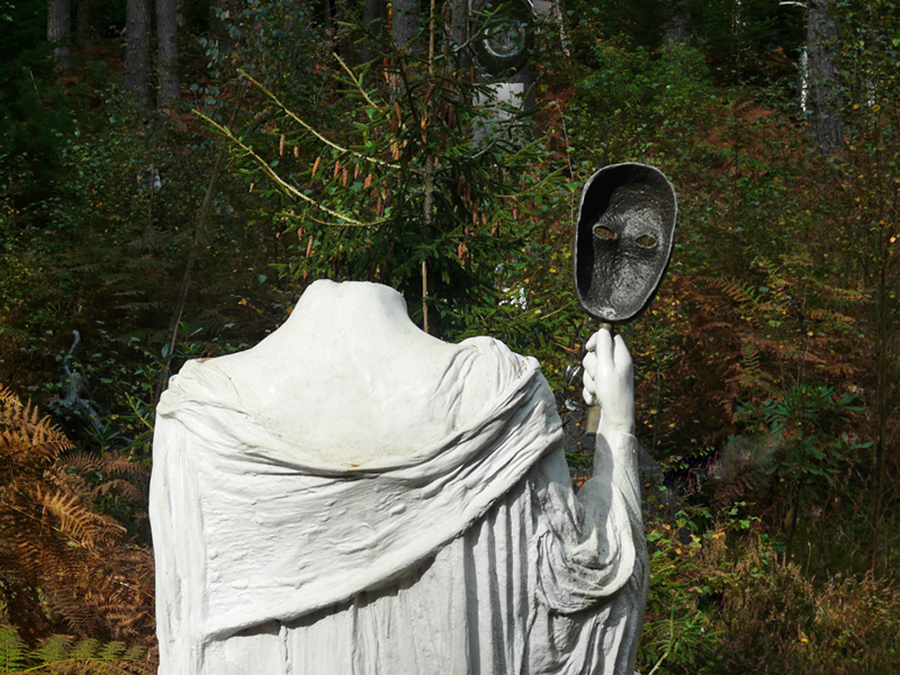
I had worked as photographer on film-sets in a former career, so I grabbed the opportunity to study the ultimate trance in its historical context, and play with it. Manipulated by high-angles, close-ups, masking, dissolves, and cross-cutting during editing, underscored by sound, images could be displaced, speeded, up, slowed down or distorted. The surrealists were among the first to love fluid images, using them to disrupt unconscious processes of identification at the same time scientists’ deconstructed particles, and time, and space in good measure. The search within, long pursued in the east, was taking hold in the west. P1090946 - Copy

Deconstruction is the prelude to creation. Having learned that we are conscious of only a tiny island of our psyche, much like we can only see the tip of an iceberg, had affirmed my lifelong desire of seeking what is behind the mirror of appearances. In that vein, I recall feeling an awesome sense of responsibility when I first held my new-born son, imagining that my every gesture, my every tone of voice, and even my very thoughts might subliminally influence his pristine being. I was quickly grounded, adapting to the routine of being present to my little one’s basic needs, and soon realised that he had brought along his own world from another sphere, and that beyond my stimulating mirror, he would shape his own destiny.

So here was a kind of baby – an essay on surrealism. To deal with the mass of on-line leads, I took capacious notes, plundered the college library, and relied on intuition to guide me through the process of writing, allowing the essay its own agenda. It was when I first acknowledged that my sixth sense made writing a pleasure. Years later, starting my first novel, responding to subtle influences became the only way I could write, trusting that the unconscious – rather like a digital binary system – condenses and displaces material that can re-emerge with the right prompts.

Spending several months co-editing a beautiful book of reminiscence about a remarkable teacher, printed as a limited edition (also available in E-PUB soon), I started my second novel, and forayed into the on-line publishing world. Armed with the intention of finding a publisher my trust deserted me. I felt suffocated by the genre jungle, the flood of how-to-does and the racing schemes offering self-publishing. I scolded myself for procrastinating, being lazy, not believing in my work, but nevertheless stubbornly held back. Having ordered a few print-on-demand publications by friends I made on a writer’s site, who had got their act together, I was disappointed by the poor presentation of most books – cheap paper, cramped layout, narrow margins and too small fonts. Is this how small publishers and self-pub schemes treat writers who spent years on composing their epic? My heart sunk. I observed my frustration, took stock and decided to relax and wait for a beacon.

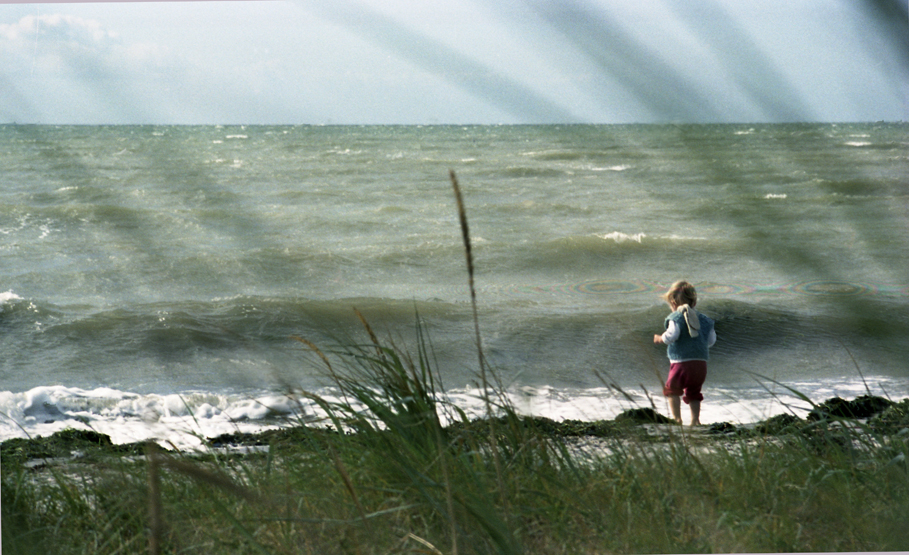
In any case, I had been fooling myself, betting on the wrong horse. Being a published author has its perks, but what truly matters to me is the actual process of writing, which is alchemy, a sculpting of feelings, a release, being other than what is familiar, uncovering myths and creating new ones, digging for treasure, a journey into the unknown that reveals horizon upon horizon.  Copy of Child at shore, colour, lowres A metaphor for my life, about the how, about the journey inside with my others, relationships woven from layers of experience into something new, each time, and time again … life writes its stories through us.

Apart from receiving vague out-of-the-blue proposals offering dubious contracts, I had two chance-encounters with publishers who welcomed a read of my MS, encounters resulting from surfing the web on the crest of my interests, often as unsubstantial as a keyword from a dream. It’s no different from how I live my live. Not exactly a structured approach, I sometimes scold myself. But for better or worse I don’t attach myself to goals, only to transitional containers, which could be an object, a character, a dream image or a place, and the rest follows. My stories emerge from kernels lying in wait, and they pursue their own agenda. I let them, and trust they will find a readership.

Like Stan Brakhage, one of the early experiential film-makers, I think of the deeply personal as universal and conceive of the real world as invisible ‘… thus in the physical or spiritual or light world all forms are beings – stones, trees, stars, streams, men, flames and turds are really facts of invisible presences. Mineral, wood, fire, water, flesh are terms of dense soulful sense.’

In this way, rather than going nuts, as I feared when first exploring the global mirror of the internet, I’ve made peace with it, relating to it as a spacious, time-freed being that interconnects all our stories and projections and offers its content according to the container I bring to it.

13 Comments

Filed under Blog

… prayer …

When I hear of colleagues and friends who are having a stressful time, I usually exit my often self-defeating stream of thoughts and clear my mind – so my well-wishes can broadcast clearly. What works for me is tuning into thankfulness and often a little prayer or song comes to mind.

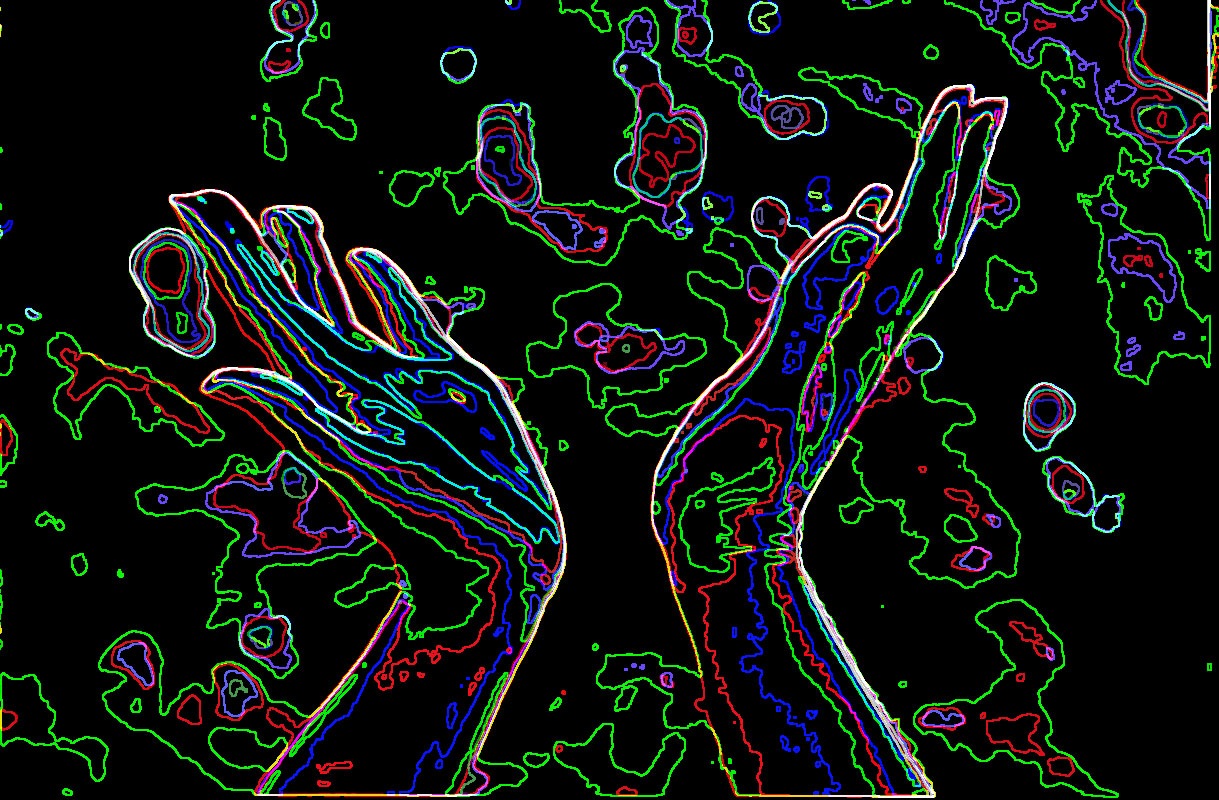
An image transformed during a rare attempt to be adventurous with photoshop.

An image transformed during a rare attempt to be adventurous with photoshop.


Who or what are my little prayers addressed to?                                                                                                                       The One in me I’m not ready to manifest and therefore bow to.


Below is a German song that came to me just now.

The text misses two dots above the ‘o’ in the word ‘schonen.’ I’d be grateful if someone could point me to a source for dots.


Dank Dir fur jeden schonen Morgen

Dank Dir fur jeden neuen Tag

Dank Dir dass ich all meine Sorgen

Auf Dich legen mag.

Very freely translated: Thank you, for every lovely morning, thank you for every novel day. Thank you, that I may leave my sorrows in your wisdom’s way.

Some time ago I shared my favourite prayer, also a song, with words by Hazrat Inayat Khan: …https://courseofmirrors.wordpress.com/2011/05/08/my-favourite-prayer/

11 Comments

Filed under Blog

… global vision & synchronicity …

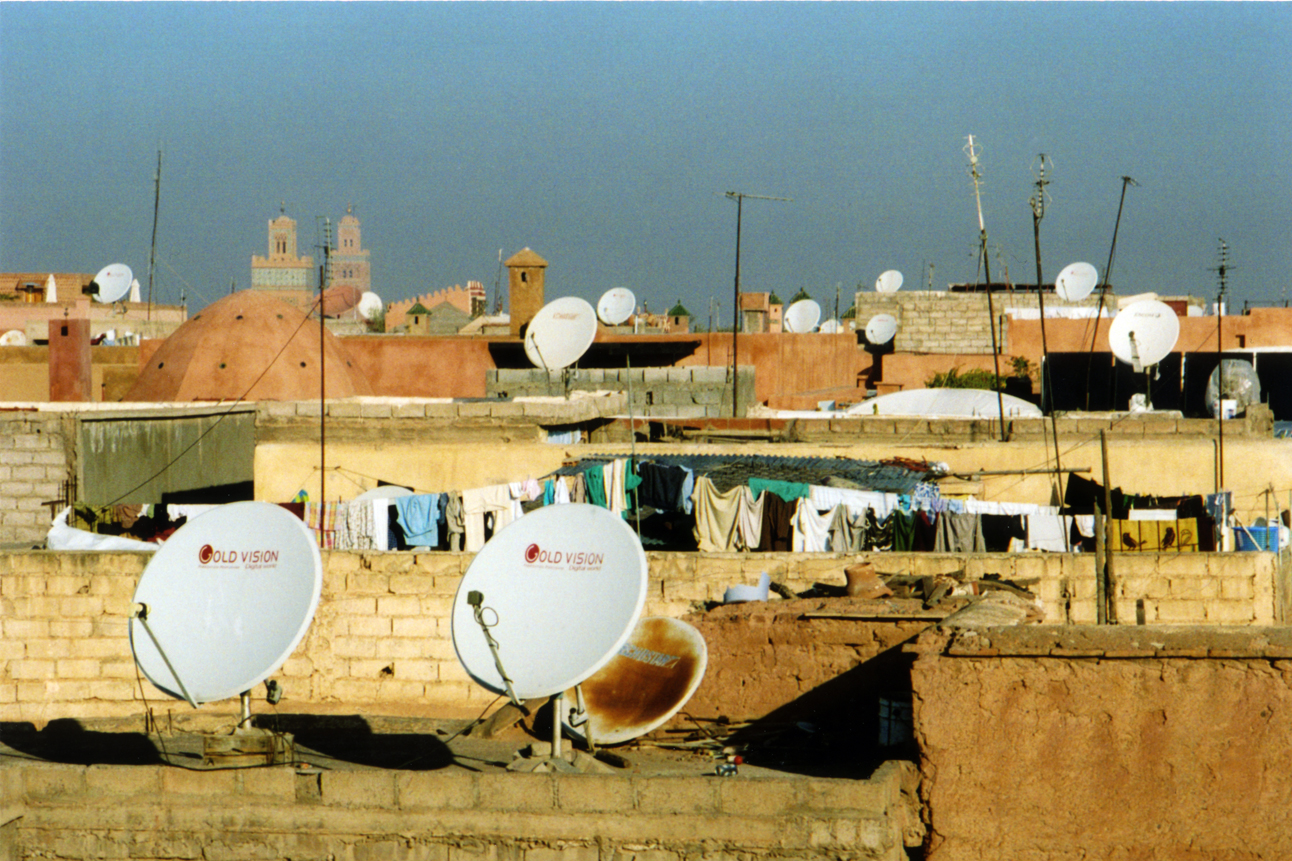
Moroc, Marrakech Riad roof, golden vision - low     Less than 80 years ago, across the world, only about 200 televisions sets were in use. Today, a simulated reality confronts us with our collective mind. A click away, we sample the zeitgeist and witness some disturbing trends, like the continuous robbery of world resources.

How do we filter the mass of information? Do we shout treason when we see the failure of economic systems that allow 1 % of the population to own 40 % of global wealth, or when we discover that certain corporations privatise water –  even rainwater  –  in underdeveloped countries? Traversing from one patch of light to another, do we make connections that apply to our scope of action? Or, lacking a meaningful context, are we hypnotised by this enlarged mega-screen, the global vision of a world that can mirror our inner fragmented states  –  a world where every viewpoint exists simultaneously, that over-exposes so-called reality and blinds us? Are we ourselves living inside the screen-myth, as extras, freed into bits, a reservoir of data?

As writers, what in-forms us, what material do we disseminate? And what is it that makes choices, switches from one networks of influence to another? What guides us through the data jungle? Are there perceptions beyond our wilful personalities that determine, agencies that operate through us from beyond time and space? I’m weary of the term God. For me this agency is a consciousness composed of past, present and future intelligences, a light-wave that echoes different signals according to the receptivity and needs of each animated vessel. Humans can be dense, but a calm mind recognises clear signals of this wave, since they chime with a joyous feeling of connectedness, a larger symphony, maybe even the sense of a destined purpose.

In my experience, this consciousness operates through synchronicity. There exist conceptual similarities between the behaviour of sub-atomic particles and archetypal images, (C G Jung and Wolfgang Pauli discussed such similarities in the context of synchronicity), a striking link between mind and matter that has been largely ignored. It implies that mind and matter connect, relate, mirror each other, and reciprocate. The process is given life in the realm of the psyche as imagination, not structured by time and space, but through layers of meaning illuminated by consciousness. Psyche is the changing room between cosmos and pneuma.

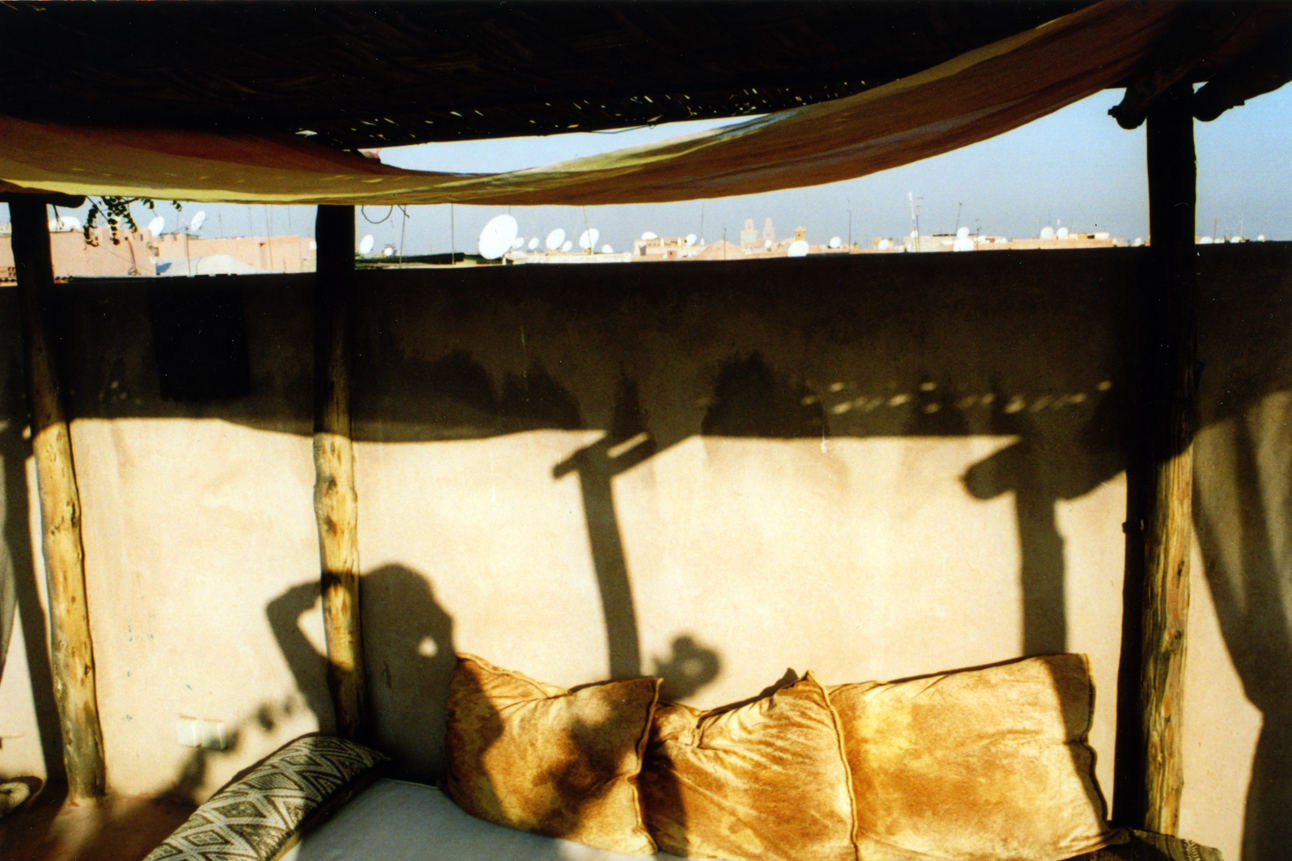
Moroc, Marrakech, Riad roof, shadow - lowJung thought of archetypes not as fixed, but as changing predispositions, universal patterns inherent in the human psyche, images that comprise our collective past and future unconscious. A pattern stirred into activity by an emotionally charged event in our lives, brings home related experiences, often through meaningful coincidences in a non-linear and a-causal way.

Such synchronicities draw on a deeper life-sap, as if an eternal intelligence were at work.

David Bohm proposed that subatomic particles remain in contact with one another regardless of the distance separating them, and that their separateness is an illusion. Here a facet of his thinking – a short first part of a 5 part series  http://www.youtube.com/watch?v=oGyDVF8GrLk                                                                                              A great and humble man I greatly admire. He has beautiful hands  🙂

A dream, for example, can attract an outer event, a meaningful coincidence, that powerfully substantiates a message from the unconscious, often accompanied by a numinous quality. In my own life, synchronistic events have challenged my narrow reasoning at certain crossroads towards seemingly irrational decisions. Exploring a hunch, while not attaching to the outcome, often clarifies a situation for me. Consequently, I respect the unconscious, and heed my intuitions.

‘The universe does not exist, out there, independent of all acts of observation. Instead, it is in some strange sense a participatory universe.’ – John Wheeler

Just as scientist are branching out from traditional imperatives that divide the world into subjects and objects, so we all, presented with a global vision, must modify some of the archetypal imperatives, images and ideas that have outlived their use, and look for symbols that carry a fresh mystery.

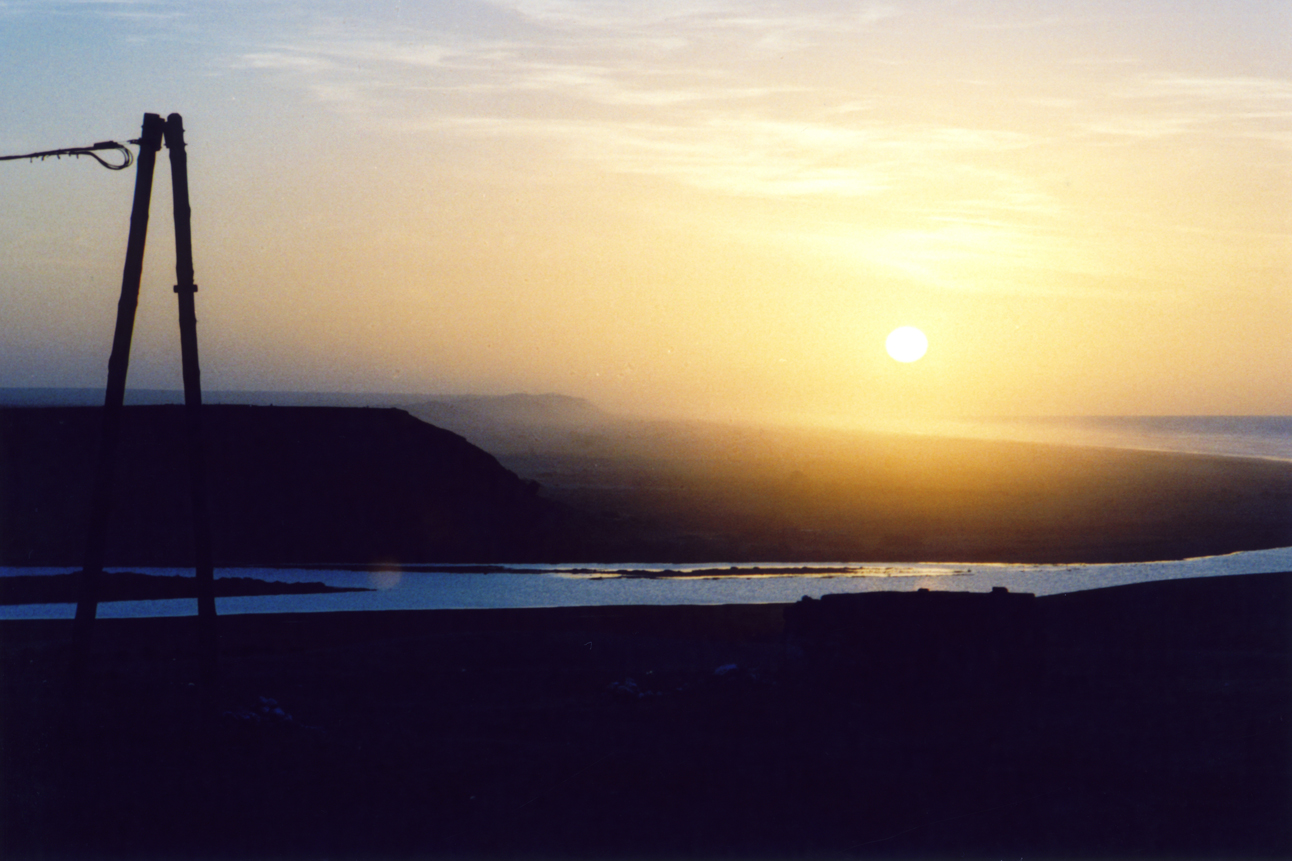
Moroc, Plage Blanche sunset - low

While sun and moon are forever formative and feed our imagination, they are no more our only lights.

With new associations from science come fresh symbols and exciting probabilities, in that we can question assumptions about time and progress, about the relationship between matter and mind, about our view of social units, and even the meaning we give to gender.

‘It’s a poor sort of memory that only works backwards’. The White Queen says to Alice.

*    *    *

Many of my posts here touch upon similar themes, but maybe pattern-which-connect in particular: https://courseofmirrors.wordpress.com/2012/05/25/pattern-which-connects/

6 Comments

Filed under Blog

… why spin tales? …

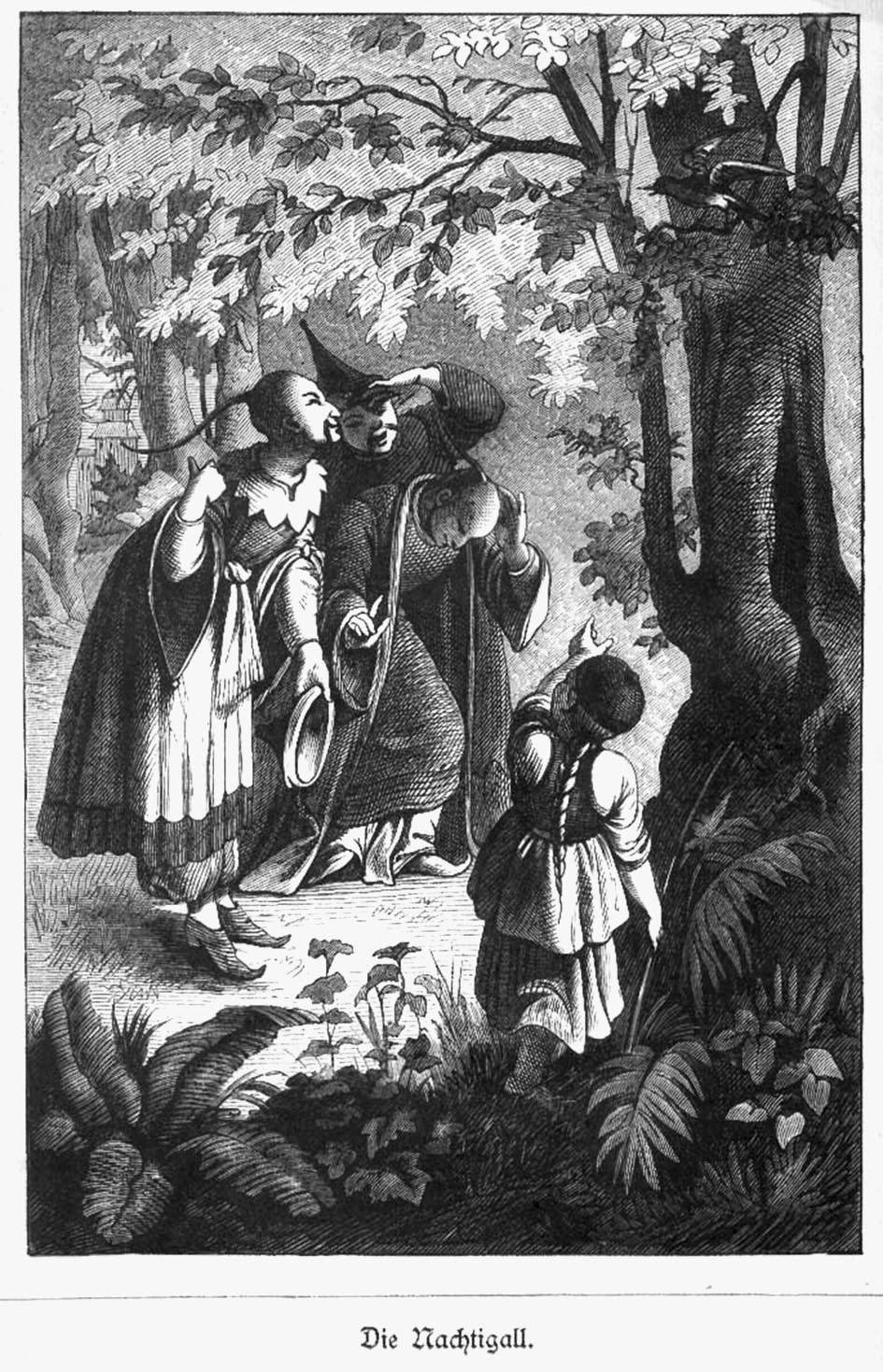
Die Nachtigall-02 Why spin tales, why listen to them, enact them on stage, dance them, ritualise them, read them, write them, re-write them?    We tell stories to ourselves and each other, to entertain, inspire, amplify events, or in search for meaning.

When it comes to stories, fact-finders tend to miss the point. Too many sequential facts can befuddle a truth that lingers in the higher or deeper layers of consciousness, from where vital symbolic insights shine through a narrative.

We owe much to Joseph Campbell, who with life-long passion explored the origins of myths and their functions throughout human history: http://en.wikipedia.org/wiki/Joseph_Campbell

And check out these fantastic documentaries: http://en.wikipedia.org/wiki/The_Power_of_Myth

A myth is a public dream – a dream is a private myth. – Joseph Campbell


In my psychotherapy practice, clients present their story in unique ways that occasionally include lucid dreams of past lives. I deeply respect the power of the imagination. In neutral mode, I listen. So it happens that a trauma set in thirteenth century Languedoc, when Cathars were branded as heretics and massacred by the Catholic Church, can deeply trouble a person’s psyche with visceral images. I travel along, and as the story is released, I may bridge the emotional resonance of a pattern to the present life of a client. In this process profound cognitions can soften a psychological complex.

Lasting examples of deeper truths are mirrored in Fairy-tales and myths, where basic patterns of our collective unconscious psyche are brought into relief. That is, if we can grasp the metaphors under the primary meaning of words. Fictional settings for heroic or anti-heroic characters are particularly suited to convey powerful emotional themes infused with archetypal elements.

… the spirit of an age is more essentially mirrored in its fairy-tales than in the most painstaking chronicle of a contemporary diarist … Raymond Chandler – Realism and Fairy-land

Some religions persist in the literal truths of their sacred texts. Scientists, too, get stuck in dogma, but I emphasize more with the frustration of the latter, since, with the courage of doubt, scientists have pushed the horizon of knowledge outwards by painstakingly reading the book of nature through the language of data, evidencing processes poets and mystics before them intuited, but physical eyes cannot perceive – like radiations other than light. I’m trying to overcome the conflict of the scientist and poet in me. They interpret the world in different but equally significant ways. There is a need to read nature in both languages, so greater understanding and tolerance can develop.

‘With faith one attains and realises peace and harmony. With doubt one destroys and gains freedom to move ontowards.’    – Fazal Inayat-Khan

Memory, objectively true, or false, affects our lives every day. Stories lodged in the heart endure in a timeless dimension of the imagination. We can however alter their interpretation by exploring our perspective, be it from a pit of fatalism, a sense of insecurity, a belief in magic, faith in divine guidance, or the certitude of natural laws. Even the simple acceptance of life’s continuous dynamic change can shift the meaning of our stories, and, of course, it helps to overcome literal mindedness and make an effort to decipher the metaphors.

‘The mystical warrior is trying to reduce the obstruction in the doorway, and the worshipper is attempting to reach the construction behind the doorway, almost out of sight. There is a gap between the two … the vague band between the known and the unknown. In that band rapture is possible.’   – Fazal Inayat-Khan

Stories are the sap of life nourishing the roots and branches of humanity. We spin stories because during the birth of this universe the symmetry between matter and antimatter was broken, kicked out of balance, which resulted in a slight predominance of matter, the stuff we bump into. It’s a poignant thought that this little quirk caused the dynamic asymmetry that evolved into the universe we live in. Without this asymmetry between matter and antimatter our world would be empty, there would be light only – sans elements, sans plants, sans animals, sans night, sans saints, fools, villains – sans consciousness – no story.

*     *     *

For those interested in nuclear physics:

http://www.slac.stanford.edu/pubs/beamline/26/1/26-1-sather.pdf


5 Comments

Filed under Blog

… awards …

Unique inspiration can be found in the blogger world. Particularly heartening are loyal teams of the kind you can steal horses with. Among them is a group of fantasy writers who first met up at Harper Collins Authonomy site, where many of us shared comments and encouragements that made us better writers. Most of this group are published authors now, like Katrina Jack with her urban fantasy Land of Midnight Days, and Sophie Tallis with White Mountain, a rolling fantasy she also illustrated. Sophie lifts the praise of other writers to epic levels. Her dragon wings are surely made of golden generosity. She nominated me for two awards, and I succumb to the honour: The Flight of Fantasy Award, and the Very Inspiring Blogger Award.

VIB1 the-flight-of-fantasy-award

Thanks for these nominations, Sophie – much love and success to you and the fantasy crowd.

http://sophieetallis.wordpress.com/2013/01/24/very-inspiring-again/

http://www.amazon.co.uk/Sophie-E.-Tallis/e/B008IVBYEO/ref=ntt_athr_dp_pel_pop_1

There are rules to these awards, which I’ll bend a little.

1   Display the award logo on your blog.

2   Link back to the person who nominated you.

3   State 7 things about yourself.

4   Nominate 15 bloggers for this award and link to them.

5   Notify those bloggers of the nomination and the award’s requirements

Here are some things about me

My first truly creative expression was an installation on my mother’s kitchen floor, consisting of swirling designs of my sweet-smelling excrements mixed with white flour from kitchen cupboards. My parents’ lack of appreciation for my art set a tone: what really matters to me may not be entirely understood. It made me want to understand myself.

I was told dreams are not real. Later I become convinced that life was a dream and reality lay elsewhere. Later still, I thought dreams can be made real for the sheer fun of it.

I believe our bodies are made of stardust and our minds are united with and guided by all the illuminated souls who ever where, are, or will be. The trouble is, I forget, and more, I doubt these illuminated ones know all, but may need embodied consciousness to expand their own. To cut it short, I value my doubts.

My best luck was working as a photojournalist, travelling and meeting some exceptionally creative and eccentric famous people. My best fun was living and working in communities. My best joy was the birth of my son. My best failing was my marriage. My best challenges were trainings as a therapist and doing a film degree as a mature student. My best fulfilments are friends, photography and writing.

I’m habitually addicted to coffee, red wine and roll-up cigarettes, though not to excess.

For decades I worked hard at empowering people. Now it’s my turn. I take time to write.

Reading and writing in my hammock is bliss. At times, when I manage to step out of my own way, a burst of energy can makes me accomplish extraordinary things almost effortlessly.

*     *     *

Omitting the already honoured, I’ll nominate a mixed bunch whose posts inspire me and may inspire you. It’s up to the nominees whether they’ll run with the award or just feel tickled 🙂

Diane        http://dianemdickson.wordpress.com/

Katia         http://scribedoll.wordpress.com/

Grisha       http://www.ryzhakov.co.uk/

Adriene     http://thirdsundaybc.com/

Yeshen      http://yeshenvenema.com/blog/

Natasha     http://pandahorse.com/blog/

Joe             http://joelinker.wordpress.com/

Jane           http://exmoorjane.blogspot.co.uk/

Elizabeth   http://elizabethjasperwriter.wordpress.com/

Oyai          http://oyiabrown.com/category/humour/jokes/

Vivienne   http://zenandtheartoftightropewalking.wordpress.com/

Roz             http://nailyournovel.wordpress.com/

14 Comments

Filed under Blog

… snow and silence …

Snow is a miracle that touches a deep silence in me, a silence I cannot speak of well – words seem wanting. And still I try, as many of us continue doing in various ways.

We may share the banter of our lives, our witty observations, our advice, our humour, our existential pain, or we may reach out with a warm hand of reconciliation. I do all these things, at times, but underlying my often competing voices, I tend to channel my experiences into the roaming eye of future becoming. If friends misread me, I like to console myself with this Ralph Waldo Emerson’s quote –

Nothing is at last sacred but the integrity of your own mind.’ 

Each one of us has unique perceptions, and there is enormous inspiration and joy in our differences.

P1110081

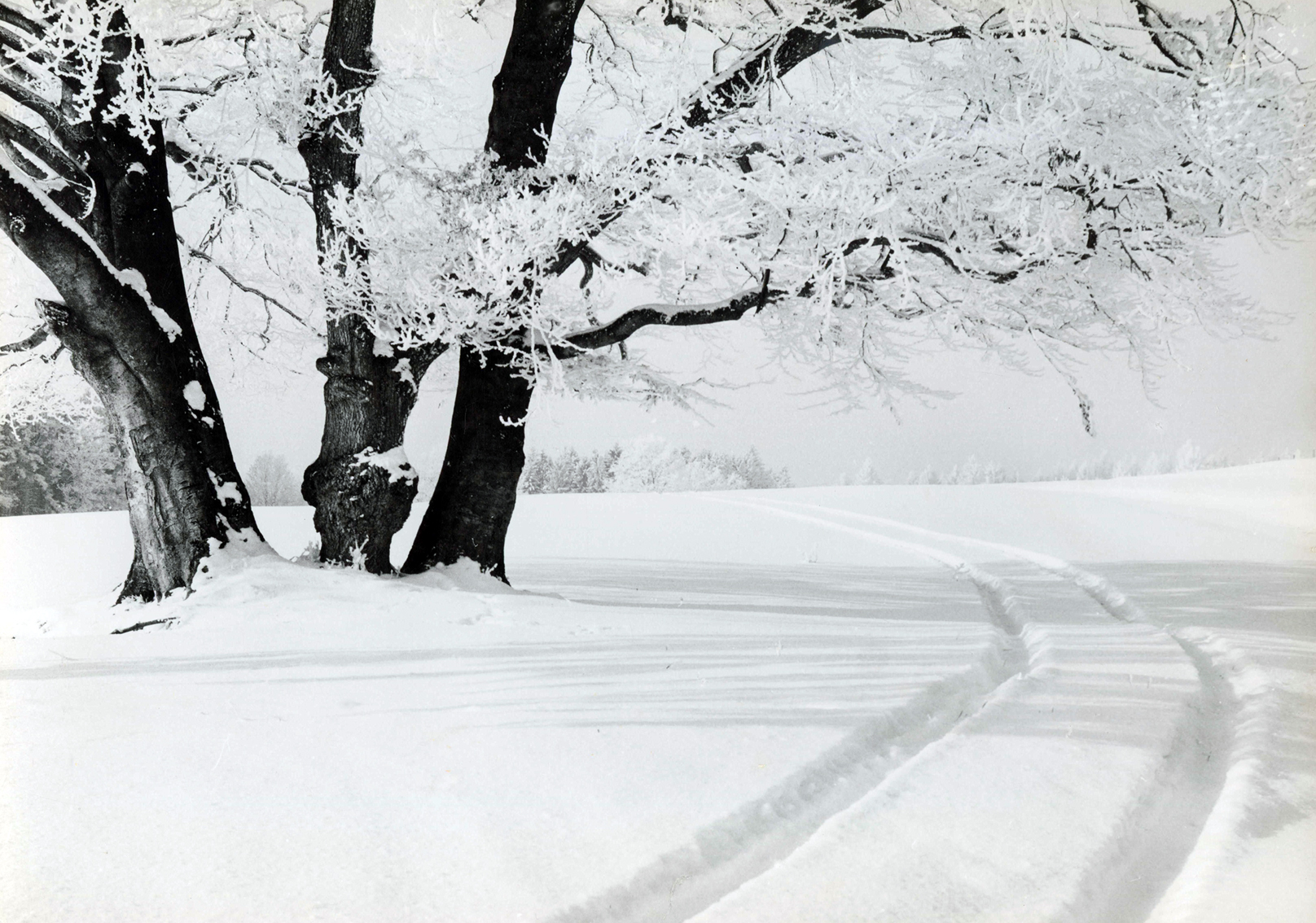
So much for the still sphere snow touches in me. The other miracle about snow is that it draws my attention to the surreal nature of reality, highly sensuous, yet stripped of  bright colours and removed from habitual seeing – to the bones of shapes, to deeper gestures and essences. For me, a snow-covered scene is a metaphor of restraint that slows down or speeds up time to alien levels of dimension. It occasions one of those time-independent spheres, where I make pattern-connections and create new meaning.

A simple poem follows my thoughts on the miracle of snow.  I tried to limit myself to  5/7/5  Haiku count, and hope it delights:

in silvery vaults

an angel ruffles her wings –

a leisurely shrug –

Grass and snow, low

the sparkle begins –

slipping from her hand as a

powdery shower

of crystalline downs –

feathery light on the silence

hidden between breaths –

fine gauze swirls and drifts

across the tired features

of a dreaming land

to drape every

plane and angular slope in

white geometry

Snow-tracks, 2 low

My appreciation for the geometry of life resonates with my love for black & white photography, see two posts back:

https://courseofmirrors.wordpress.com/2012/12/31/the-inner-silence-of-henri-cartier-bresson/

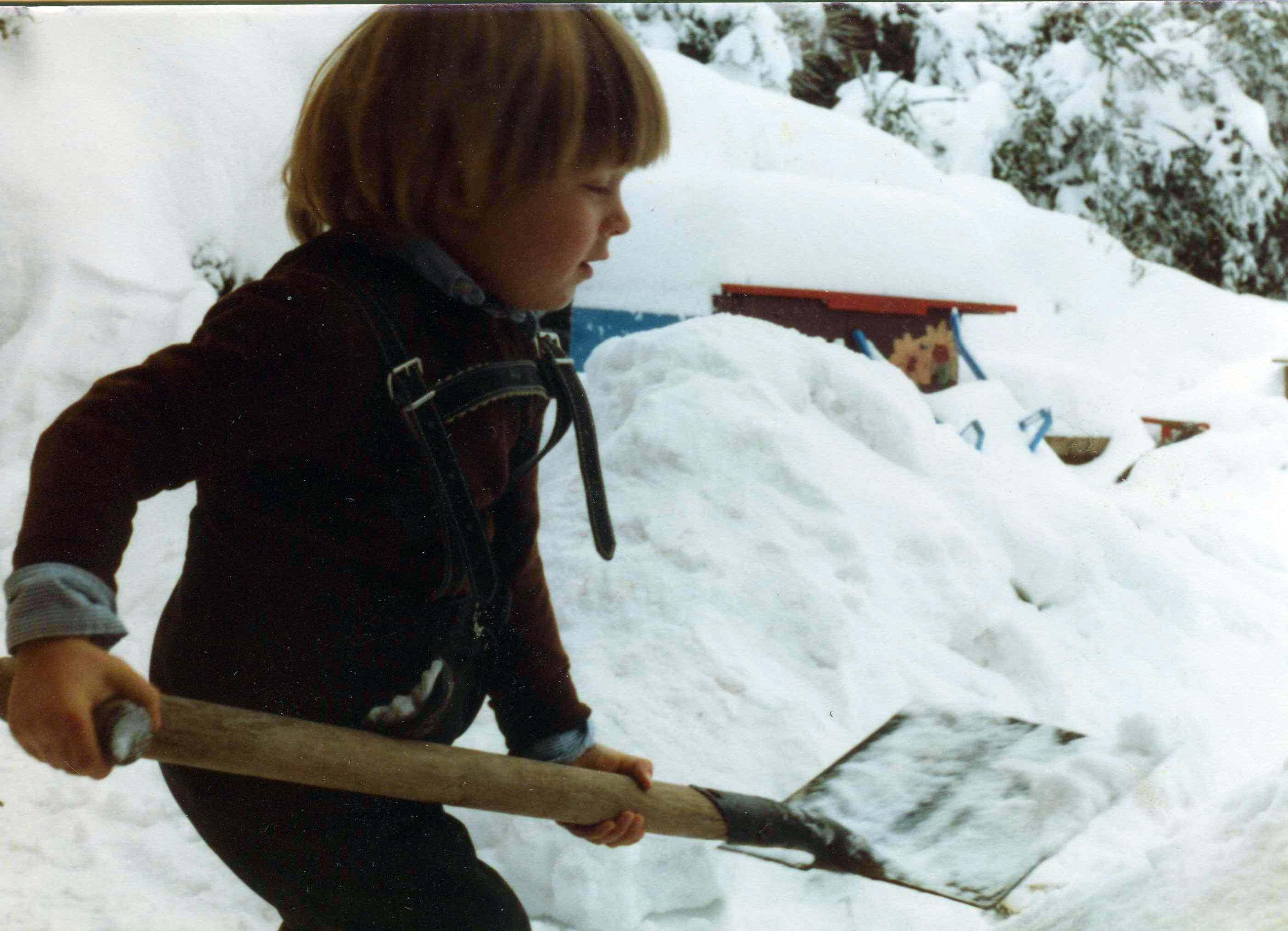
There are other pleasures to be had from snow, as my enthusiastic and capable son demonstrated in 1982 Somerset, and as the adorable puppy of a friend of mine discovered in Dorset yesterday.

Yeshen shovelling snow, 82

Susanne's puppy

16 Comments

Filed under Blog

… erotic charge of flawed characters …

Literature thrives on flawed characters. With the sinister Heathcliff in Wuthering Heights, for example, Emily Bronte tapped into the shadowy aspect of masculinity.

C G Jung calls the latent masculine within women the Animus. Both in its light and dark aspects, this archetypal blueprint can put women under a spell.

I can see Jonny play the disparate twins in my novels :)

I can see Jonny play the disparate twins in my novels 🙂

Equally, the latent feminine potential within men, the Anima, can evoke both, the guiding wisdom of Sophia or the dark erotic charge of Medusa, causing tremendous fear of nature and its awesome power.
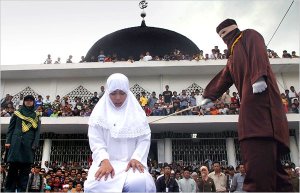
Rather than using the image of a femme fatal, I choose to show what  fear of the feminine inspires in some cultures.

Rather than using the image of a femme fatal, I choose to show what fear of the feminine inspires in some cultures.

Our irrational attractions can be sparked and coloured by the parent of the opposite sex. Like a woman with a brooding and unapproachable father may have to kiss many frogs before she discovers the prince inside, while an idealising father can trap his girl in vacuous fantasies. And the boy of a manipulative mother may develop resentment or idealisation for women, or both in a toxic mix. What we tend to project onto the opposite sex is however deeply sculpted by a collective archetypal storehouse of experiences with dual aspects. Paradoxically, this storehouse is also the source of our most powerful experiences and innovations. Whether in a life-giving shape or a dark and petrifying shape, either way, the Animus and Anima hold a numinous fascination until their autonomous grip on us emerges into awareness, becomes conscious, is redeemed, turns creative and makes us truly human.

In my first novel, Course of Mirrors, my protagonist, Ananda, is torn between two disparate men, twins. The theme continues into the sequel – Shapers – with higher stakes in another time zone. In the excerpt below, Gart is rescued from a dangerous impasse by a trickster and transported into the twentieth century, where he meets the story teller and myth-maker, Cara.

*     *     *

Short excerpt from chapter 12, Shapers

Back in Derrynane

Five hundred years back, at the Kerry peninsula, Gart pondered how he came to sit at this familiar coast, under a dull sky that matched his mood, the sea before him rolling and spitting at his soiled boots. It was the trickster’s doing, of course. He did not thank Zap for transporting him back here, where an old crone had hexed him and a group of weird artisans had made him look like a fool. Yet it was here that he first met Mesa, who he now pined for in his bones. He must get back to Rhonda and outdo Crim. And Leo must be terminated, since he had obviously gone mad, and courted disaster if he planned to control Rhonda’s army. The Governor of Guardians, ha, they despised the fat man. It was him, Gart they followed.

‘I messed up,’ Zap acknowledged, stretching on the wet sand nearby and cracking his joints. ‘Forgot, I can’t activate coordinates for the hub, and this happens to be the only other place we’ve been in together before. I had little choice. ’

‘You’re not so bright after all, are you?’ Gart grunted.

‘At least we’re not consumed by noxious fumes of our own making. Best not dwell on the past.’

‘We are in the past, eejit.’

‘Local slang, eh? You’re a fast learner. You score a point. Zap jumped up and ran a circle of cartwheels. ’Let’s go up to the estate, see who’s there.’

Derrynane estate looked deserted. ‘Nippy air on the plateau,’ Zap said, ‘you would’ve thought they’d light a fire, but not a whisk of smoke from the chimneys.’ The men slipped through the narrow gap between green-smothered walls, the two dragons, Zap recalled, though now their shape was lost under rampant ivy. The yard, empty of dogs, cats, geese or horses, had a silver car parked near the main entrance. Zap whistled, ‘Flashy design, time’s moved on since we’ve been here last.’

Gart’s heart lurched at the sight of the woman appearing in the porch.

‘Hi,’ she said, ‘do I know you? You’ve been here before, haven’t you?’

Zap, in Shaper style, put a hand to his heart. He too recognised her, though she had turned into a mature woman. ‘You’re Cara, I remember. Where’s everybody?  Saki, Anke, Mushki …’

‘Oh the troupe, goodness, that was years ago. When Gutch and Craig joined them they hit the road together. I think they operate from a place at the English coast.’

‘And that witch?’ Gart wanted to know.

Cara gave him a piercing look. ‘You mean the oracle of my mentor, Tilly. She has sent me here, for a retreat. I only just arrived. I plan to spend some time writing on my story of Mesa.’

‘I hope the story includes us,’ Zap said, we’re friends of Mesa.’ He shot a glance at Gart, whose mouth opened and shut in confusion.

‘You better come in.’ Cara’s scalp tingled. This must have been what Tilly had had in mind, to process the strange occurrences from so many years ago. ‘Zap and Gart, is it?’ Like Tilly, they hadn’t aged at all, while she herself had gained ten years. To mask her excitement she whizzed around the kitchen. She stacked kindling in the cooker, emptied her shopping into the fridge, plonked bread and cheese on the table, put a kettle on, fetched plates and cups and cutlery, all the while feeling Gart’s eyes on her. She told her guest about her life, her journeys, and studies. Zap helped with arranging the table and kept nodding, eager to hear all she had to say. Cara only tried to gain time to collect herself before she was ready to ask the questions pressing on her mind, about Sax, about Rhonda, about Mesa.

‘Shall I get logs?’ Zap asked sweetly.

‘Oh yes, please. I was planning to camp in the cottage, but we might as well get rid of the chill in the big house. The cooker is attached to a central heating.’ She watched Zap walking out with a basket, charmed by the ease of his manner.  Gart made way for Zap but did not offer any help. Rooted to one place since entering the kitchen, he resumed his position, leaning casually against the door frame  Now they were alone Cara couldn’t avoid him. Their eyes met. She blushed. He had followed her every movement with an air of aloofness. A hint of curiosity sneaked into his eyes.

‘I look like her. Is that it?’ Cara said.

‘In a way.’ Gart moved towards the table and pulled out a chair to sit on. ‘What happened to your lover, Dillon?’

‘We split, went our different ways. He had his quest.’

‘What quest?’ Gart asked. The term perked his interest since Oruba had called his underground journey a quest.

‘Not my tale to tell. He may have found whatever he was looking for.’

Zap returned, groaning under the heavy basket of wood on his shoulders. He piled logs over kindling in the cooker and neatly stacked the rest against the wall before he went to get another load. Cara lit the fire. Gart, intrigued about her remark regarding Dillon’s quest, struggled to grasp what precisely intrigued him. He scratched his ear, as if hoping for a message. He resented how confusion undermined his confidence. The kettle whistled. To snap out of his dazed state, Gart got up to pour the boiling water over the coffee in the percolator Cara had prepared. ‘Thank you,’ she said, surprised. When Zap returned they settled to a meal. It was Cara’s turn to ask questions. Intermittently Zap fed the fire and they moved from coffee to drinking wine. The story Cara was so eager to hear unfolding was punctured by heated disagreements between Zap and Gart.

‘Some names have changed, but I recognise the characters.’ Cara said, jotting down notes, pen hot in her hand. ‘I thought they’d outlawed weapons in Rhonda. Where did the laser guns come from?’

Gart said. ‘Leo must have raided the Archives. Everything from ancient pasts is stored in the pyramids surrounding the archives – and there maybe catacombs under them. I know this because Leo let it slip once. ‘The man’s a danger to Rhonda. I’ll put an end to him.’

Zap shook his head. ‘Killing Leo, and start a war! Use your imagination. He turned to Cara. ‘If you’ve a say in this story, keep this man away from Mesa. He’s murdered in the past, he can do it again. Mesa deserves better.’

Gart pushed back his chair and sent it cluttering to the tiled floor. He stormed from the kitchen. Cara felt the hurt pride under Gart’s rage. Zap crunched his fist and stared into space. Fiercely protective of Mesa, he had clean anger under his pain. ‘Please keep the fire going, Zap, there may be frost tonight. I’ll talk to Gart,’ Cara said. And she knew where to find him.

The sky had cleared towards the horizon. Beyond the yard, the autumn breeze picked up, biting through Cara’s light coat. She saw him standing at the cliff, looking towards the faint silver band that now divided sea and sky. A diaphanous layer of cloud screened the late sun, against which Gart’s lean body looked delicate, like a feather drawing. Why had she invested her story with two lovers, men who did not see eye to eye, men as different as Assisi and Caligula?  He did not turn to look at her as she stepped close to him. He did not move at all, his mind had wandered off through time’s veil, searching for Mesa, no doubt. ‘You see,’ Cara said, ‘once we have given life to something we can’t control it, we can only try to influence an outcome with truth, which is not always in tune with our wants.’

‘I don’t understand.’ Gart finally met her eyes. ‘You created this damn story. Whose side are you on?’

‘Truth is hard to discern, its meaning is held in another reality, where on-going myths are spun. You became part of my story because you walked into it, in a most brutal and controlling manner, though it wasn’t entirely your fault. Does the name Batin mean anything to you?’

Gart felt a stab of fear, but quickly shrugged it off. ‘I think I met a ghost of that name.’

‘How your path unfolds depends on your engagement with what you attract. It’s the same for me, but in addition I’m recording fates, yours, Leo’s, Zap’s, Mirre’s, Oruba’s, Mesa’s, Crim’s… ‘

He cut in. ‘Crim’s one too many.’

Cara sighed. ‘I care for all of your fates, they affect me deeply.  My feelings swing about, gyrate like a weathervane does when it storms, which should kind of answer your question. Right now, as I stand here next to you, sensing the pain you can’t quite admit, I’m on your side, but my alliance can change, from moment to moment, from day to day, from chapter to chapter, since like you, I’m compelled by this quest for truth.’

‘Truth again …’ Gart’s lips curled and broke into a devastating smile. ‘Tell me this then – why does Mesa look like you?’

Cara swallowed her shock. He had touched on her core identification, revealing her disparate affections, the turmoil she experienced between the two types of men she was enmeshed with across time, of whom one now exploited her vulnerability, took complete possession of her with his eyes. And faithful to his nature, he relished in the conquest. Cara’s heart quickened. From deep inside her body she felt his pull, as if by a rope. His seductive power made her tremble. Yet she knew he cared only about himself. And coerced by her divided nature, her concern instantly switched to Crim.

*    *    *

If you’re not familiar with the concepts of the Shadow, Animus or Anima, the Wikipedia pages can serve as introduction.

http://en.wikipedia.org/wiki/Shadow_(psychology)

http://en.wikipedia.org/wiki/Anima_and_animus

And anyone who has never heard of Joseph Campbell – this book is a must for writers.

http://www.amazon.com/Thousand-Faces-Collected-Joseph-Campbell/dp/1577315936

2 Comments

Filed under Blog

… the inner silence of Henri Cartier-Bresson …

The Mind’s Eye – writings on Photography and Photographers, by Henri Cartier-Bresson, is a lovely book I received for Christmas from a dear friend. I was reminded how H C B inspired my photographic work with its poetry and Golden Mean, and still inspires other creative areas, including my writing.

Henri Cartier-Bresson - 1972 photo of a Georgian familyFor H C B photography led on to include painting & drawing. For me photography led on to include writing, in the way H C B said: ‘The writer has time to reflect. He can accept and reject, accept again; and before committing his thoughts to paper he is able to tie the several relevant elements together. There is also a period when his brain ‘forgets,’ and his subconscious works on classifying his thoughts. But for the photographer, what has gone is gone forever.’

The impact of H C B’s images is hard to define. They exemplify what many photographers aspire to but can’t name. Not only do most of his shots surprise by capturing the essence of a fugitive moment, a magical decisive one, they are framed in a way that touches all the elements of motion in a dynamic balance.

H C B - rest‘My passion has never been for photography ‘in itself,’ but for the possibility – through forgetting yourself – of recording in a fraction of a second the emotion of the subject, and the beauty of the form; that is, a geometry awakened by what’s offered.’

‘I hope I’ll never see the day when photo shops sell little schema grills to clamp onto our viewfinder; the Golden Rule will never be found etched on our ground glass.’

Henri Cartier-Bresson, girl running


I let Henry Cartier-Bresson talk for himself:  http://www.youtube.com/watch?v=MW7I3GBdsBw

Henri Cartier-Bresson, the wallInner Silence

H C B speaks in relation to portrait-photography of looking for the silence in the person. I guess he was looking for the silence behind everything. This silence was most likely what he was attentive to. I conjure that this silence lies between each breath, from which all phenomena emerge from second to second – from that timeless soul-garden within us – which we can tune into.

henri-cartier-bresson-liverpool-1963-c2a9-henri-cartier-bresson-magnum2

What I am saying is – H C B could not have captured these decisive moments without having experienced the silence within him. From this timeless state we glimpse the joie de vivre with its awesome sense of wonder generated and re-generated from eternity that makes life worthwhile and meaningful. It’s probably this glimpse, the ethic of this silent sphere that drives all anarchist artists.

Henri Cartier-Bresson, Sur les bords de la Marne 1938Why Black and White and not Colour?

In 1952 colour film emulsion was not well developed. H C B said then: ‘I am half afraid that this complex new element may tend to prejudice the achievement of the life and movement which is often caught by black and white.’

He was concerned that  composition would suffer and be overpowered by colour. I remember when colour TV was first introduced, I intensely disliked the busy business cramped into a small frame. Colour can however be used as a language, and I am certain H C B would have cottoned on to this had he lived on.

Here a sample of my own to illustrate colour’s use.  http://500px.com/photo/6913693?from=set/266780

In 1974, together with other freelance photographers, Henri Cartier-Bresson founded Magnum Photos. See also: http://www.henricartierbresson.org/pres/home_en.htm

H C B’s second wife, the Belgian-born Martine Franck, was an inspired photographer in her own right: http://www.theworld.org/2012/08/remembering-celebrated-photographer-martine-franck/

I am wishing all my readers and visitors a wonderful creative New Year …. 

12 Comments

Filed under Blog

… the rose trick …

As white clouds sail above my garden today, and robins peck at morsels the fat turtle-doves dislodged from the feed-balls I hung into tree branches, I’m thinking of the hectic buying-frenzy in town, and what springs to mind is that it’s all about feeling loved. In that spirit – a Christmas gift for you, my readers and friends – The Rose Trick – a guided imagery from another dimension. I use this imagery in my work, though it turns out different each time. Once you have read the text, close your eyes and make it real – imagine…

A garden, your inner garden – in it grows a rose bush that carries one bud about to open. Stand still and observe – a luminous tip of colour peeks from the enfolding calyx – the sepals gradually separate and turn their green tips outward. See the rose bud stir – see its petals open in a slow and fluid movement – until the luminous rose has attained its perfect shape and exudes its delicate fragrance.

As the garden fills with radiant light, imagine the open rose growing into another dimension, expanding in size to a sphere that is inviting you in. Overcome the weight of your thoughts, walk barefoot with  feather-light steps towards the centre of the rose-orb and sit and rest there for a while …

Absorb the soothing resonance, the exquisite tenderness of the petals, and the subtle scent of the rose-sphere through every cell of your body. Be loved. Become the perfect rose.

Autumn Rose

Now rise and return to the former dimension of your garden. Look back. Watch how the rose grows small and folds back into it sepals – watch the bud floating into the palm of your hand – sense the rosebud in your hand, and how its power wishes to stay alive in your heart so you can call upon its unfolding whenever you need loving. Do it, place the rose and the whole experience of rose-becoming into your heart.

*    *    *

Do this imagery when you feel a lack of harmony, or if you lost someone dear. It will re-animate the attar of roses in your heart.

The inspiration behind this imagery, which, done with an open attitude, can be  powerfully transforming, comes from great beings like Hazrat Inayat, Khan, Fazal Inayat-Khan, Roberto Assagioli, R M Rilke, Rumi, Bette Midler, and from roses grown in many gardens …

————-

‘When one of us gets lost, is not here, he or she must be inside us.

There’s no place like that anywhere in the world.’  Rumi

————-

The following are thoughts from ‘The Mind World’ – Volume Four of Hazrat Inayat Khan’s lectures.

The Function of the Heart

The heart, in Sufi terms, is called the mirror. Whatever is reflected in the heart does not only remain a reflection but becomes a creative power productive of the phenomenon of a similar nature.

For example, a heart that is holding in itself and is reflecting the rose will find roses everywhere. Roses will be attracted to the heart and roses will be produced from it and for it. As this reflection deepens and becomes stronger it becomes creative of the phenomenon of roses and the symbolic qualities we associate with roses.

Equally, the heart that holds and reflects wounds will find wounds everywhere. It will attract wounds and it will create wounds; for that is the phenomenon of reflection. There are examples to be found in the world of people who by retaining a thought have created on the physical plane its manifestation, its phenomenon. The reason is – that the phenomenon is not only an image as produced in the mirror

but that reflection in the heart is the most powerful thing. It is life itself – and it is creative.

If the heart is calm enough to receive reflections fully and clearly, one can choose for oneself which reflection to repel and which to retain.

*    *    *

Maybe we are the particle science is chasing ...

Maybe we are the particle science is chasing ..

See also Bette Midler – The Rose: http://www.youtube.com/watch?gl=GB&hl=en-GB&v=oR6okRuOLc8

And https://courseofmirrors.wordpress.com/2012/07/14/imagination/

And …

Arvo Pärt – Alina!

http://www.youtube.com/watch?v=rmafNVimRbI

16 Comments

Filed under Blog