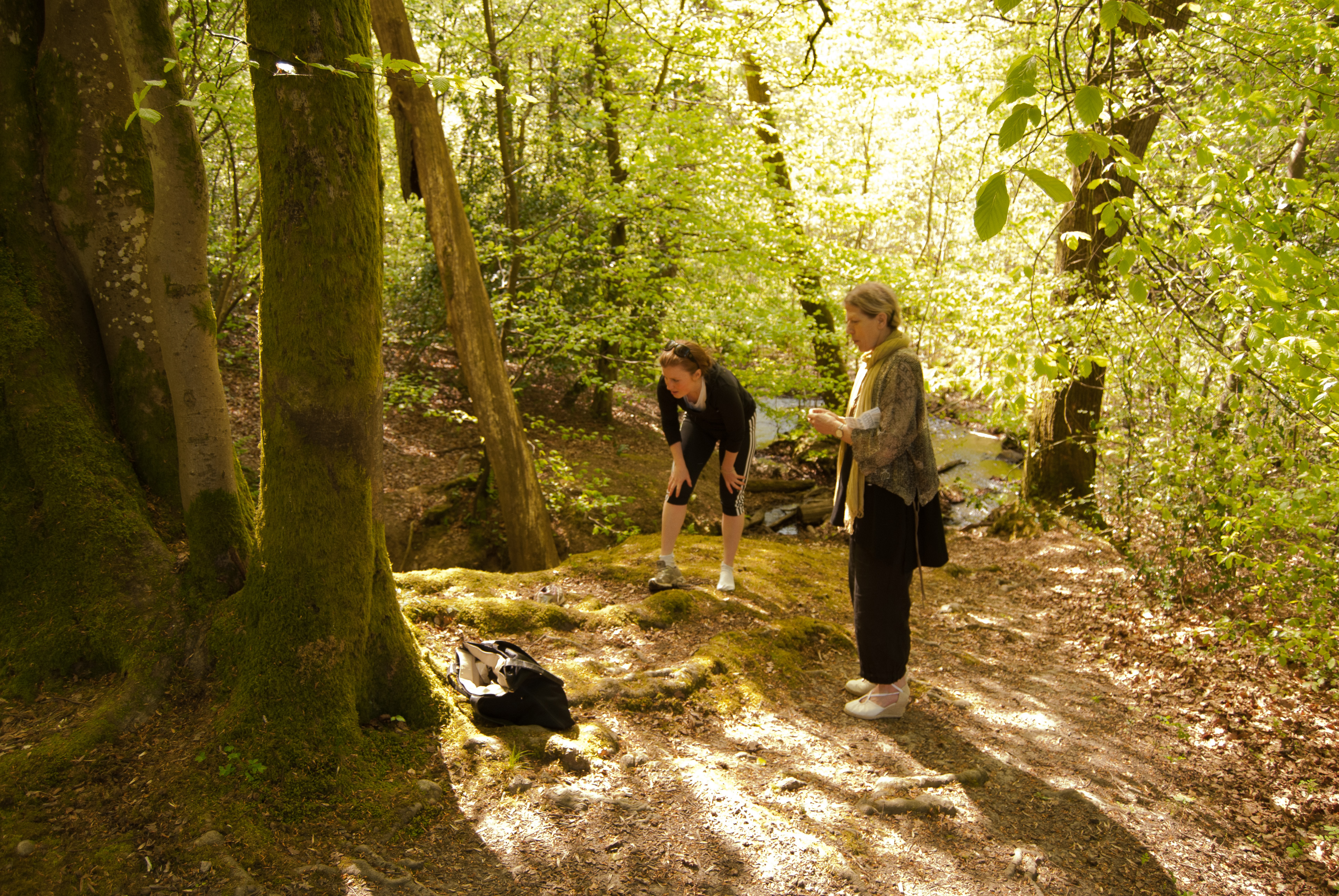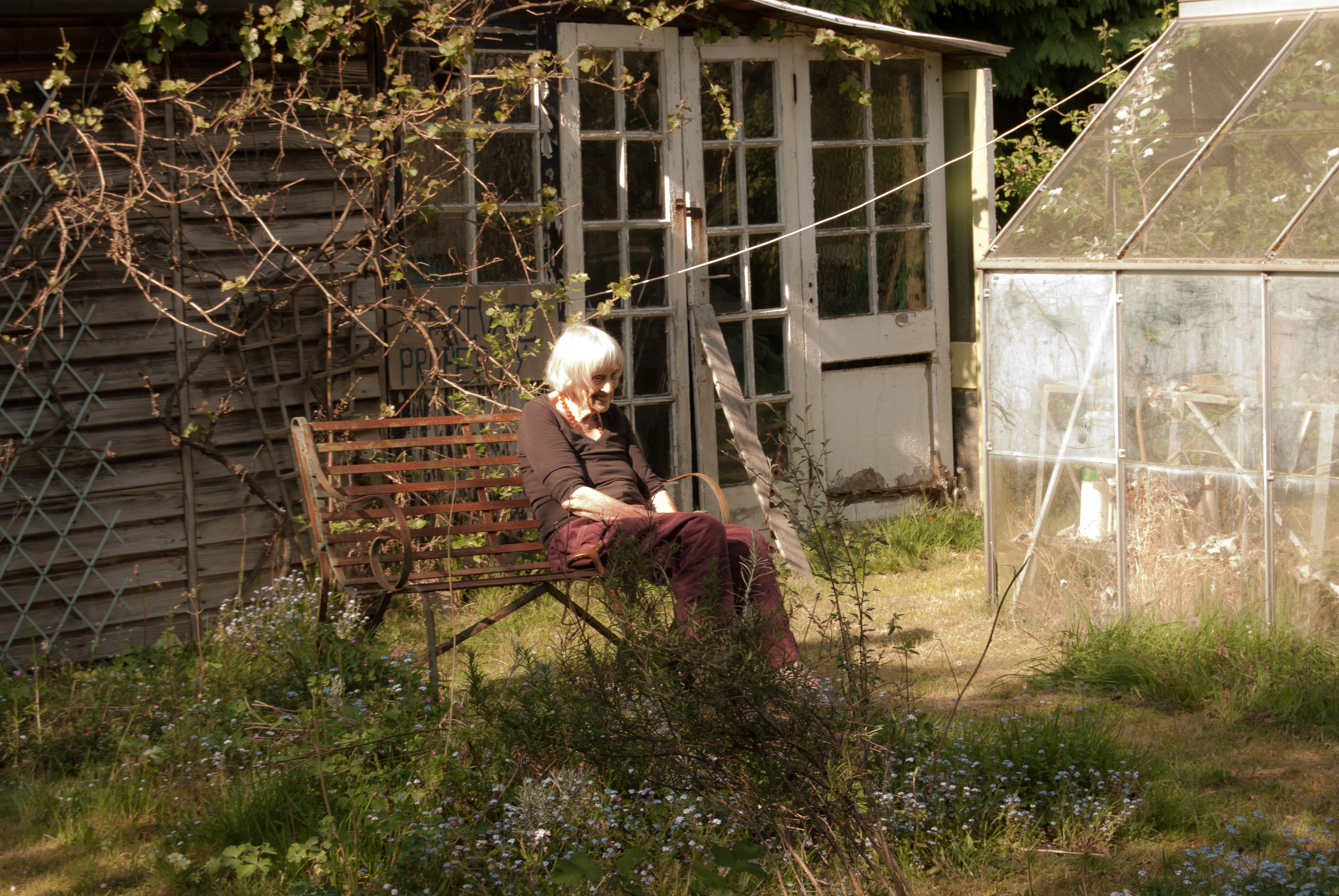
Tag Archives: photography

… pattern which connects …

For a recent book-sharing with a group of irreverent friends (archventures), I had the wish to share so many books that I instinctively reached more or less blindly into one of my shelves. Books in my home, I must add, are in a muddle. The only order to speak of is their relationship to each other through time. I picked Alice in Wonderland and Mind and Nature. During our afternoon of reading there was not enough time to do honour to the latter, Gregory Bateson’s work. So I said I’d write up something. Oh dear. After pages and pages, I finally recalled this was supposed to be a blog-post, not a novel .

I first came upon Gregory Bateson books, ‘Steps to an Ecology of Mind’ and ‘Mind and Nature,’ during the early 1980’s, after his death. The clarity of his notion that biological forms arrange themselves through relationships struck a deep chord. What totally resonated with me was his thought that the structure of nature and the structure of mind are reflections of each other.  He had a broad perspective for a Biologist, and wanted to build a bridge between the facts of life and behaviour, and what we know of the nature of pattern and order. He was active in, and connected up many different fields of study – anthropology, psychiatry, biological evolution and genetics and the new epistemology which comes out of system-theory and ecology. He challenged basic assumptions and methods of scientific investigations, pointing to the processes beneath structures. He quoted Goethe …

A stem is what bears leaves

A leaf is that which has a bud in its angle

A stem is what was once a bud in that position …

And he provoked new thinking: ‘What pattern connects the crab to the lobster and the orchid to the primrose and all four of them to me. And me to you?’ 
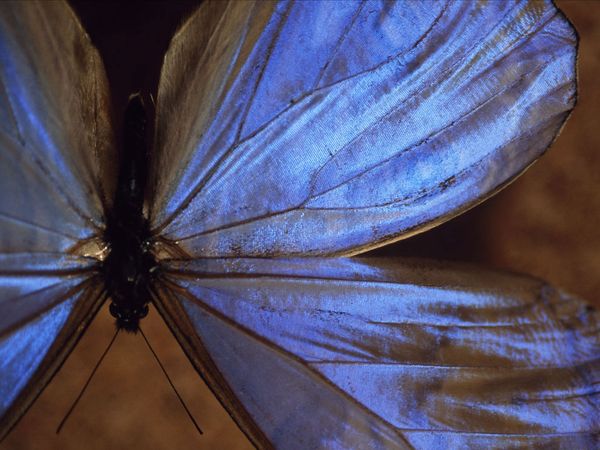
His interest in morphology, the study of structure and form of organisms, involved context, meaning and communication. He distrusted reductive models of cause and effect, the scientific approach that lines up parts and classifies them, focussing on quantity.

Comparing systems, one to another, he perceived the mind as an ecological system. And he used the analogy that ideas, like seeds, can only take root and flourish according to the nature of the system receiving them. This thought alone deserves deep contemplation.

He had a way with stories … ‘There was a man who had a powerful computer, and he wanted to know whether computers could ever think. So he asked it – Will you ever be able to think like a human being? – The computer clicked and rattled and blinked, and finally it printed out its answer on a piece of paper, as these machines do. The man ran to pick up the printout, and there, neatly typed, read the following words: ‘That reminds me of a story.’ 
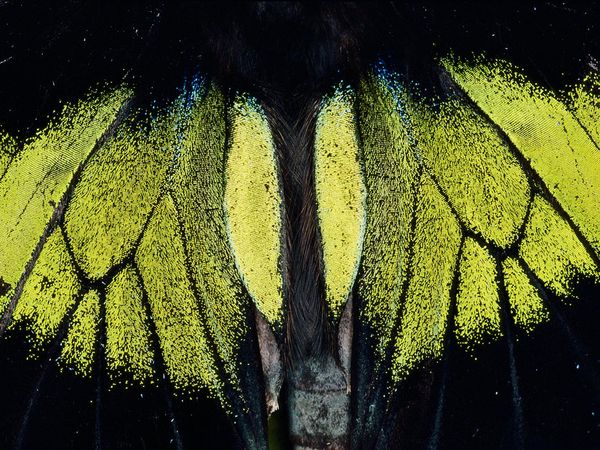
Concerned about the decimation of aboriginal populations (he did field-work with Margaret Mead), the degradation of ecological systems, economic oppression, and senseless wars and arms races, he took these ominous signs of contemporary life to be manifestations of deeper disorders, which he defined in terms of cybernetic systems of communication and meaning that comprise life, mind, and society. In his view, consciousness dominated by purposeful thought has a linear structure that establishes goals and ways for attaining them without being necessarily sensitive to the circular network of cause and effect that orders the systems.

Looking at human consciousness as an adaptive system, he thought the cure for its inadequacies, evidenced by the negative side-effects of purposive rationality, was not to reject it in favour of a passionate non- rationality, as in the extreme romantic position, but to augment and complete it by engaging with non-discursive, pattern-comprehending and emotional processes. He advocated the befriending of the unconscious aspects of the mind through utilising images and metaphors.

In a civilization which separates mind from body, mythologies about the survival of a transcendent mind are often meant to soften the idea of death, or even deny death as part of life. For Bateson, who saw the mind as being immanent not only in pathways of information which are located inside the body but also in external pathways, death took on a different aspect. ‘The individual nexus of pathways which I call ‘me’ is no longer so precious because that nexus is only part of a larger mind. The ideas which seemed to be me can also become immanent in you. May they survive, if true.’  (Afterword to a collection of celebratory essays, 1972)

Yet there are scientists that can no more perceive the language of nature, and politicians who feel beleaguered by sections of society that seek balance and a fresh context towards ‘an ecology of mind.’  The extreme factions of believers, for what else are they, should look again at the bridge  Bateson prepared.


This lovely video gives a taste of what it is all about :

Update … I discovered recently, in 2019, that some the links in this post don’t seem to work anymore. Here , however, is his daughter’s great documentary on Vimeo, unfortunately not free, apart from the trailer.  https://vimeo.com/ondemand/bateson

Looking at the structure of nature and the structure of mind being reflections of each other, it becomes obvious that not only does nature mirror our habit of thinking, but our thinking also mirrors the state of nature. Ecology and psychology must therefore both engage in listening, and seeing, and working ceaselessly towards the integration of knowledge and the re-adjustment of a dynamic balance.

I could go on, but want to bring in a famous painting of Icarus by Brueghel.                                                             Anthony Stevens, a brilliant expositor of Jung’s thought, used the painting as cover for the first hard-cover edition (1995) of his book Private Myths.

http://www.anthonystevens.co.uk/index.html
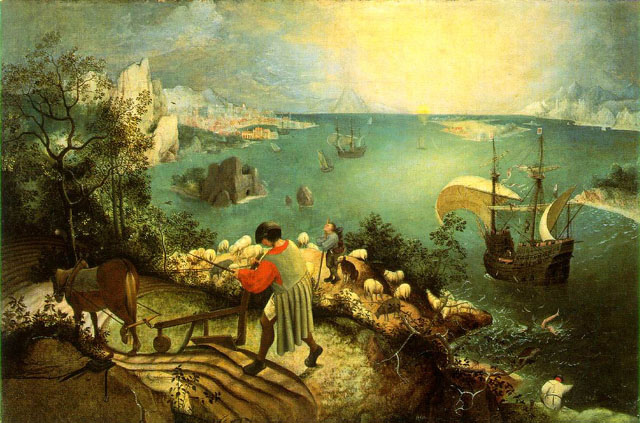


Stevens quotes from a poem by Wystan Auden:

In Brueghel’s Icarus, for instance: how everything turns away

Quite leisurely from the disaster; the ploughman may

Have heard the splash, the forsaken cry,

But for him it was not an important failure; the sun shone

As it had to on the white legs disappearing into the green

Water; and the expensive delicate ship that must have seen

Something amazing, a boy falling out of the sky,

Had somewhere to get to and sailed calmly on.

What goes up must come down. Who knows how many Big Bangs there were before the one we so ardently explore? There is an organising intelligence behind life’s cycles, while consciousness forever expands. Thinking in metaphors we can perceive similar patterns, forms in nature and mind, cosmos and psyche, mirroring each other across scale and time. In other words, life teems with realities we can tune into, as long as we assign context and meaning.

Check out Gregory Bateson’s books ‘Steps to an Ecology of Mind’ and ‘Mind and Nature.

His family continue his work: His daughter Nora and his wife – Mary Catherine Bateson:   http://www.interculturalstudies.org/main.html

Peripheral Vision

 http://www.amazon.com/exec/obidos/tg/detail/-/0060926309/mead2001centenni

Free chapters of Angels Fear:  http://www.oikos.org/angelsfear.htm

Nora Bateson, recently created a film:

http://www.anecologyofmind.com/

Last not least, the themes:  pattern which connects, mirroring and bridging, are subjects of my novels.
25 Comments

Filed under Blog

… solitude …

Weather-defying, I had my first Pimms with ice cubes this year, imagining warmth, sun, swinging in my hammock under apple blossoms, listening to birds, walking barefoot and having friends round to watch the sun go down and the moon come up. The Brits are fed up with the rain. More than darkening the sun, clouds also obstruct the brighter aspects of the mind. Signals from the noosphere get muffled, or so it seems. There remains solitude, a tranquil space where questions arise, and thoughts have space to dream and play without being overstimulated. Allow your children periods of solitude and they will come to value it later in life.

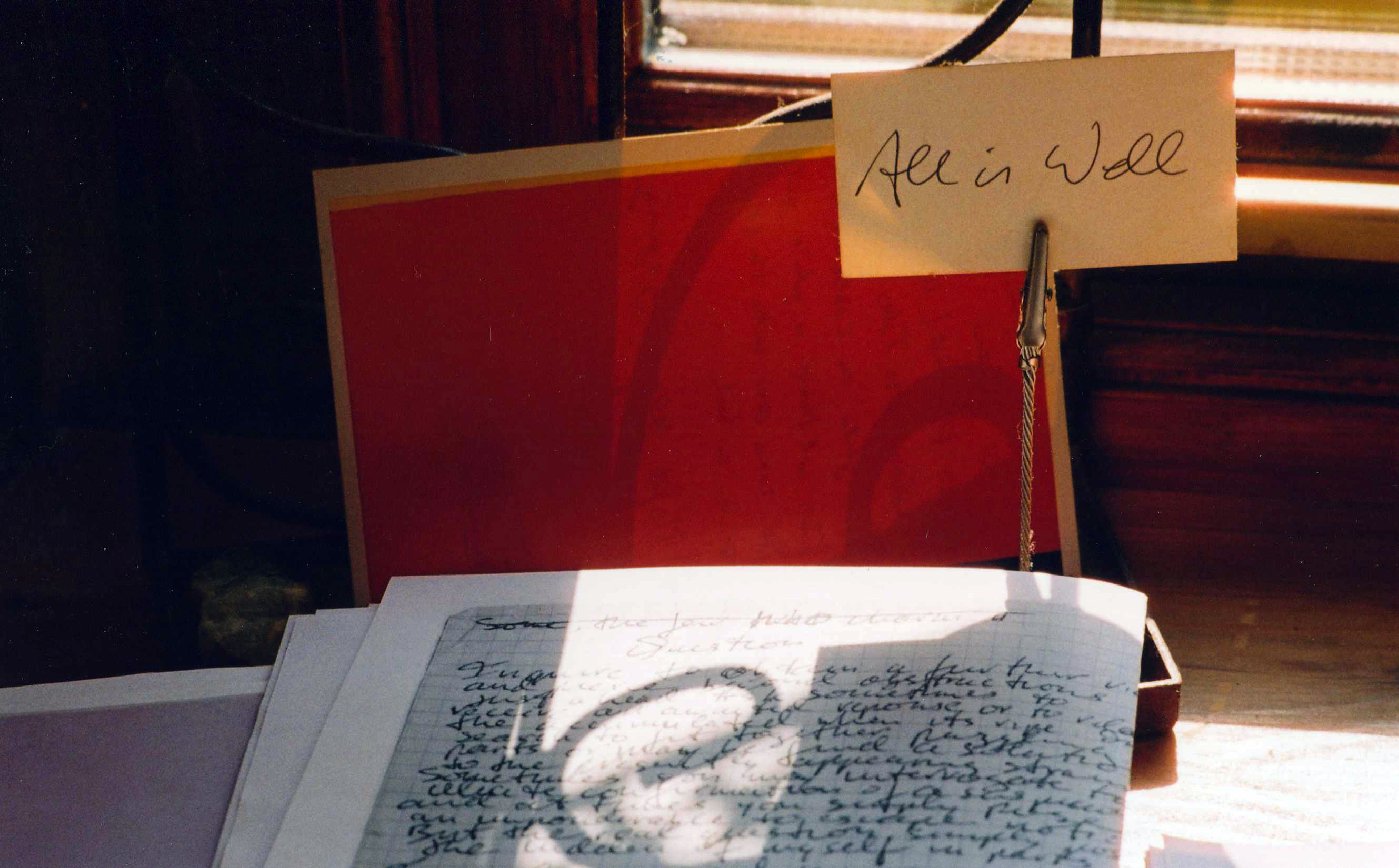
I mulled over a question these last days, not for the first time. And an answer came, an angel whispered it into my ear while I slept – if all incarnated beings living on this planet were enlightened at the same time, the whole developmental cycle of the psyche would collapse, and consciousness would expand into a new matrix all over again. I’m making no claim to truth, angels can’t always be trusted. But the message seems to be – all is well-tuned as it is.

This is what solitude does to me – I get answers that beg more questions, like, what about multiverses? My body lives in this house in England that is at times difficult to maintain, but my mind also has another house, an interior house, free from mundane pressures, a house that exists in a dimension invisible to the physical eye … built from bricks of meaning rather than clay.

Here to the Noosphere, an interesting concept:  http://en.wikipedia.org/wiki/Noosphere

7 Comments

Filed under Blog

… I write here …


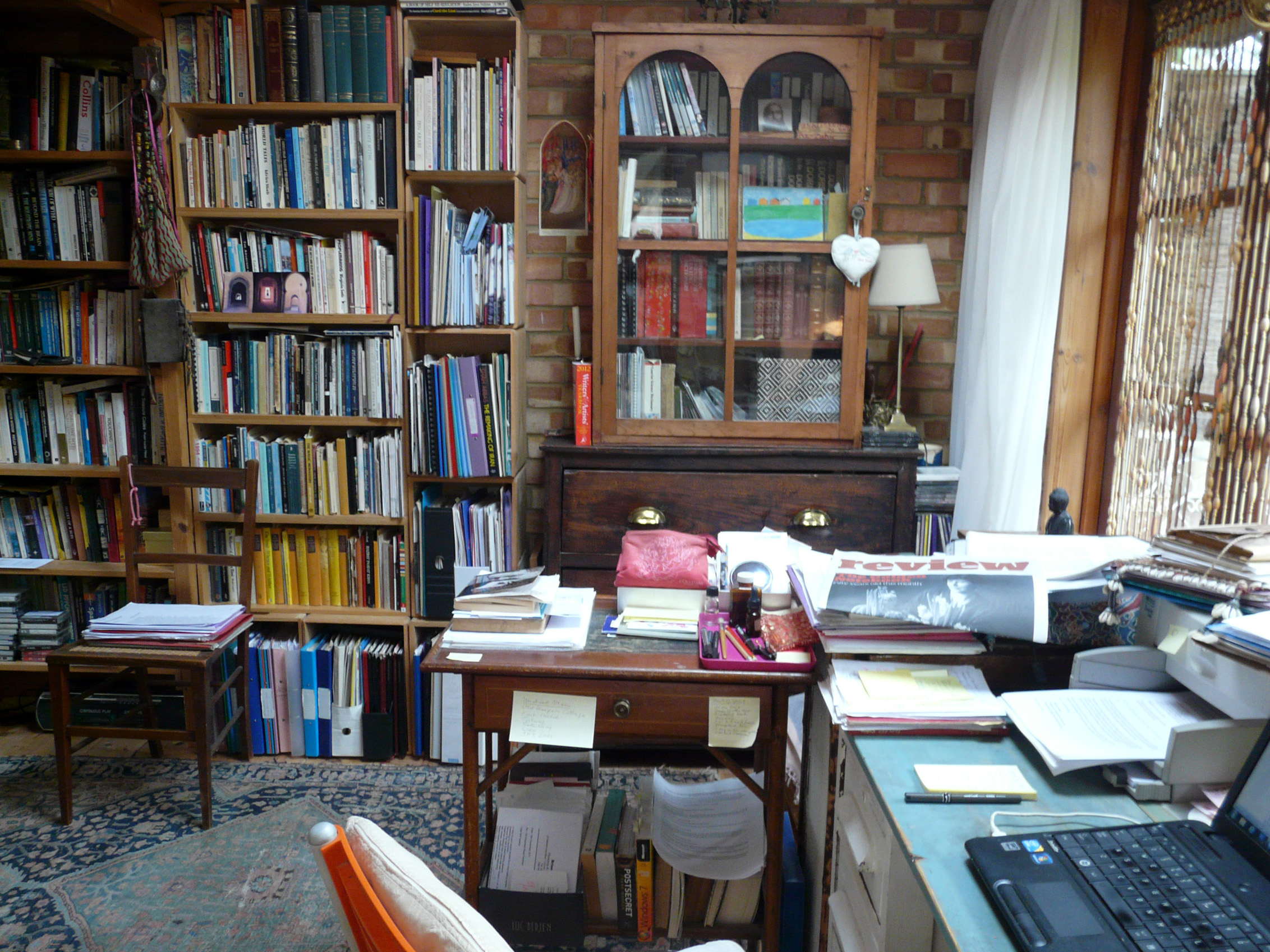
Images tend to bring us instantaneously closer.  A recent writing workshop given by a friend, made me think how inner and outer spaces affect our writing.  And I was also  inspired by Roz Morris, a generous and effective blogger http://nailyournovel.wordpress.com/page/3/ who featured her writing space in February.

I write through

the heart chamber

and the drone

of its circular charm

I write in earth

branching to the dark solitude

of birthing

the unknown

I write in water

fractals spinning

plankton under stars

coding the cosmos

I write in air

flexed by the wishbone

that loops breath to lift

wings of longing

I write in space

where spirits linger

in the scent-cloud

of a former home

I write in ether

where dreams free

greening visions

and murmur of bloom

I write here

in a room that is everywhere

bridging hearts

with companions like you

26 Comments

Filed under Blog

… smoking elegies …

Her

I admired her calm, her mystery, unaware that she mirrored an enigma in me, hidden as yet under a muddle of neurotic insecurities. I didn’t have a clue who I wanted to be. She was a fellow art student, more mature than the rest of us. Her perceptions had a poetic flavour. Her contemplations surprised. I doubted the value of my perceptions. She was not beautiful by any means, with her dull and pockmarked skin. She was no Marlene …

Her eyes, inquisitively curious, were like gleaming coals, deep set. And her movements were a little wooden, apart from one gesture that made her elegant – the way she held her cigarette, the way she cast her eyes upwards and inhaled with deep satisfaction, and exhaled what seemed like all her woes by lowering her head. I had the impression her unwanted thoughts and feelings were ploughed into the ground and recycled. Because after each exhalation she had a Zen-like presence.

I accepted my first cigarette from her and thereby initiated myself into the eccentric tribe of smoking connoisseurs. Our rituals saw us through tumultuous college years. Camel was the brand in fashion at the time, evoking the image of adventurous travelling – desert excursions, vast horizons and hermit-like independence.

It was my caterpillar phase. The eerie red light in the photographic dark room offered a solitude I treasured. Bending over the emerging images in the chemical developing bath I took pleasure in my seeing, my metaphors. The feedback from tutors, who assumed I had planned my compositions, confused me. I hadn’t planned anything. Things appeared as in a mirror …

I was webbing a secret chamber in which to connect up all the dots before meaning would unfold its wings. A kind of trance was needed for that process. Smoking provided the trance. For our group of students any significant discussion required smoke, voluptuous swirls and veils lifting upwards between us. And as the mind raced ahead of itself, excited by ideas, there was the sucking pause, obligatory, to invest a thought with significance before it was voiced along with feathery wisp, ghostly white and blue cyphers suspended against light.

Unedited thoughts jotted down. More elegies to come …


2 Comments

Filed under Blog

… sculpture park …

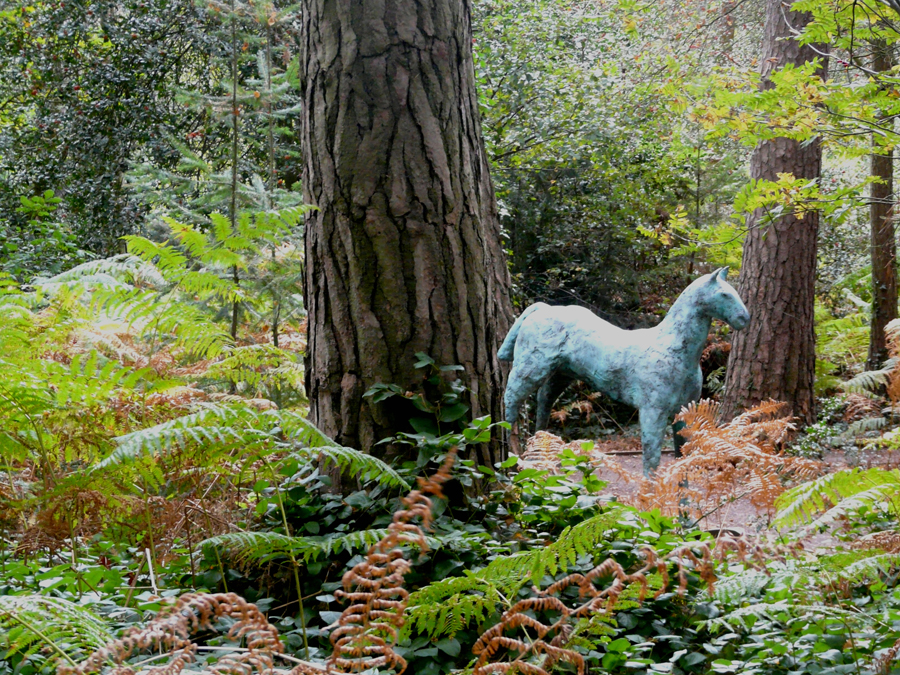
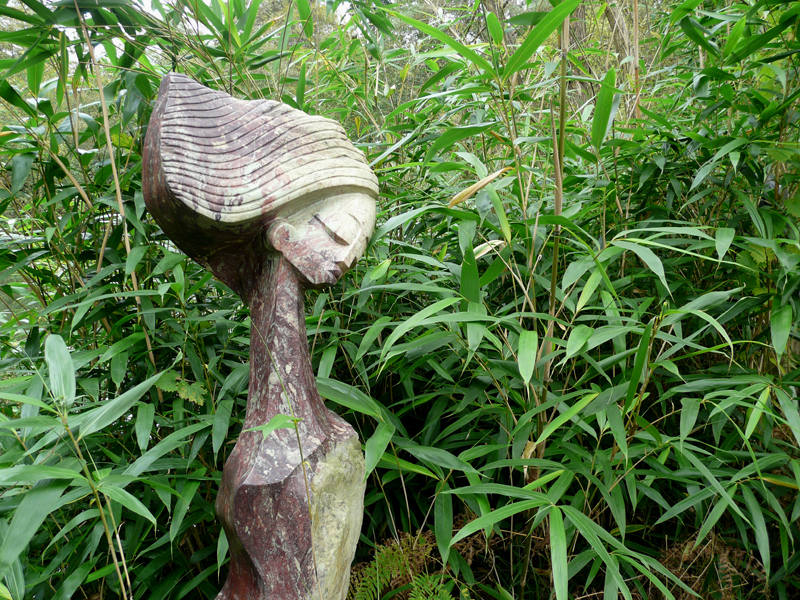
Dreams in stone, fairy horses, quills that use earth as ink, see-through elephants, surprises in the ponds, ghosts, flowing stone, water magic and mysterious circles …

Inspirational hours with my son and his partner at the ‘Sculpture Park’ in Surrey, near Churt.  So  close – and yet I had never visited the place. Like the man behind the bar in the pub opposite, who worked there for many years and not once stepped through the gate across the road. Makes me think of worlds we miss by the blink of an eye.

Here are some images of the place …

magic circles to other worlds …  

If you’re in the area, don’t miss it: http://www.thesculpturepark.com

9 Comments

Filed under Blog

how we dream … how we wake …

No matter whether I remember my dreams or not, they sure influence the mood I wake with …


On dull mornings I want to stay in bed and drift from one dream to another …


Another morning a space opens the instant I wake. I see a colour, a movement, a view, I understand something, I have clarity, and my heart jumps in recognition … fully alive. And the days rolls on with optimum achievements … effortlessly …


I’m not suggesting I can control my mood a day ahead, but certain disciplines do affect how I wake. Calming and opening my mind, a prayer or a mantra before I close my eyes seem to bring me more intelligible dreams. Asking a question of my unconscious psyche, writing it on a scrap of paper and putting it under my pillow, works well. It’s like tuning into a radio station. I attempt my choice of programme (though only a fraction of our psyche functions consciously). I even can, with some dedication become conscious (lucid) in a dream and influence its outcome.


Trouble is – I have phases of anarchy when I say, ‘to hell with discipline, to hell with my pesky will.’ Phases when I prefer to wander randomly into the surreal dark … and roam the collective …

It’s embarrassing. I’m supposed to be an expert, having facilitated monthly dream groups for fifteen years. From this experience, and from working with psychotherapy clients, I know a dream explored can spark psychological growth and change a person’s life for the better.


Carl Gustav Jung had the thought – a dream unexplored is like a letter unopened.

I’m suspicious of quotes. They can float like fluffy clouds, or annoy with carved certainty while having no relevance to an actual situation. And we all get the occasional crap letter. Then again, I sorted old papers recently, and I found even the rare crap letter contained something worth reflecting upon. It all comes down to attitude, perception and application.

So what am I saying?

Given there are endless variables … the weather, the global mood, the state of mind of your friends and opponents and their attitude towards you, the dinner you had, the TV or radio programme you fall asleep over, the worry-loops and idle chatter in your head you habitually give energy to … aim for a balance between self-discipline and anarchy.


Be kind to yourself, experiment, and if something works, remember it but don’t invest in the outcome. Slowly by slowly you learn to trust your intuition. Slowly by slowly you begin to realise that you really know very little about the psyche of the universe you are part of, slowly by slowly you have to accept that you ARE … that the wavelength you tune into carries you along until you find a pitch that chimes in your heart. It can take a while …


2 Comments

Filed under Blog

what makes a photograph arresting?

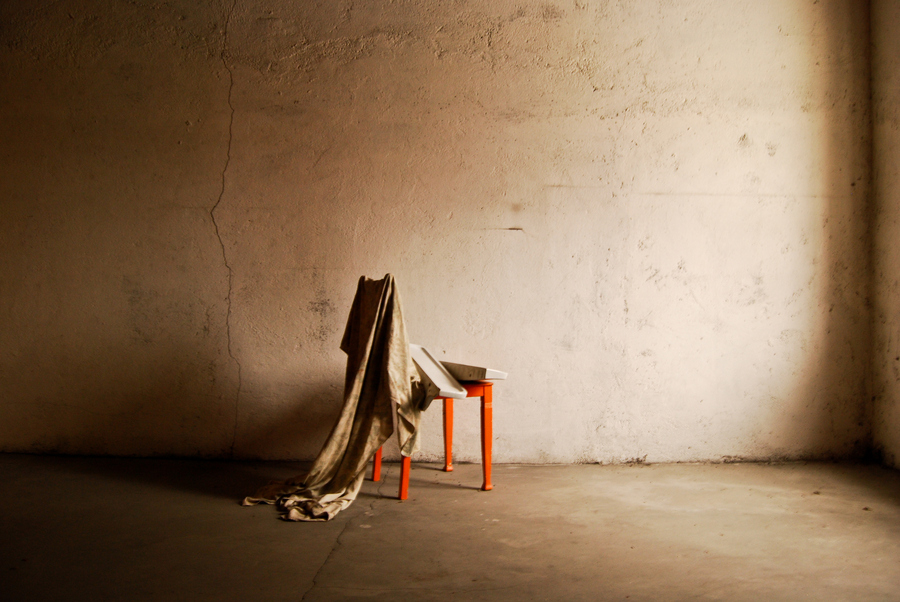
My son, Yeshen, shares one of my passions, photography. Here are three of my many favourites. Still life of the chair …

This is exquisitely composed, I love everything about it, the light and colours, the shadow at the right corner (it wouldn’t be the same without the shadow in the right corner), the space … it’s difficult to define what makes an image special, the best I can come up with is –  I love looking at it, I can rest in this space. I would like to have a large print of it.

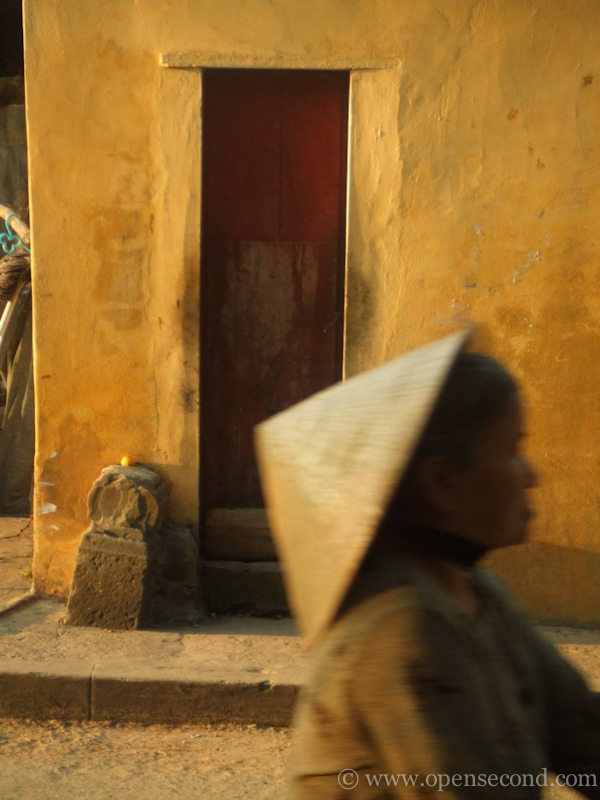
This scene of a street in Vietnam has a different quality, a cyclist passing before the door and the bricks that will survive him, a fleeting moment, and again, there is something about the colour tones and the composition, the lines, that pleases the eye. Notice the light spot on the stone next to the door? not sure what it is, it could be a tiny flame, and it adds something to the whole.


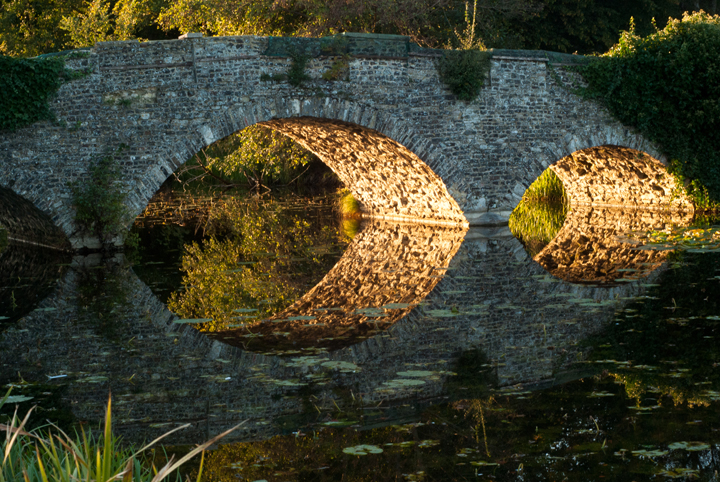
Bridges are powerfully symbolic. They appears prominently in my novel ‘Course of Mirrors’. This double-arched bridge at Waverley Abbey is dowsed in beautiful light, which gives it a mysterious and dreamlike quality.


Here are two sites where Yeshen’s images appear:

http://500px.com/yeshen

http://yeshenvenema.com/blog/stelae


3 Comments

Filed under Blog

An image keeps returning …

I can’t remember where and when I saw the image, but it has stayed alive in my mind.

The black and white photograph is of a young woman stepping over a dry stone wall in an arid field on a Greek island. She wears a short embroidered vest over a white blouse, together with a medium-long skirt and laced boots. Her dark hair is neatly gathered back and braided. It may be Sunday and she is on her way to visit a friend, a relative, a lover. Whatever her destination, she means to get there the shortest way possible, without diversion. What strikes me about the woman is her clean aura. It shows in the way she dresses, in the way she holds herself upright, in the easy way she strides across the low wall, in her fine and strong face and in her eyes, eyes set on the horizon, eyes holding gentle presence and clear intention. It is a woman who knows where she wants to go. The image left a deep impression in me, and it keeps returning as an inspiration, an emblem of clear intention, beauty in motion.

Much of our lives ricochet between boredom and anticipation, excitement and depression, or waiting, mostly waiting … all tied into our changing ideals … but moments of clear intention are rare and wonderful. They bring peace to the mind.

8 Comments

Filed under Blog

blissful Easter time

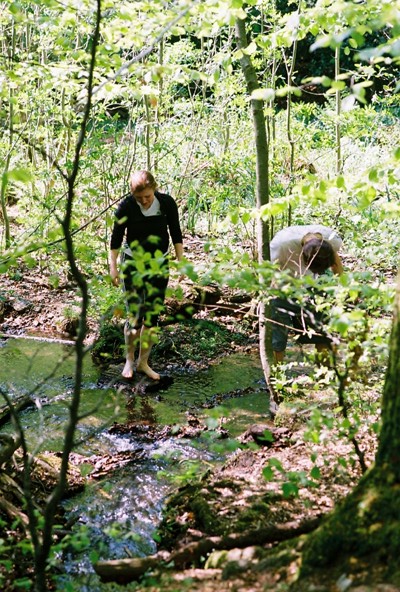
my son and his friend, wading in the stream after a run


Waggons Wells

2 Comments

Filed under Blog