Tag Archives: dreams

… layers of perception …

Lately, fully into the process of writing again – the sequel to my first novel – I sometimes wake up with phrases. Yesterday it was: Outsight is the dream, insight is reality. Aha, not just a nice wordplay, I thought, but a fitting indication for what happens in the creative, intuitive process. Insight is new comprehension, often through a shift of focus revealing deeper layers, new connections in the matrix that awaken and surprise, fresh meaning, and adjust the outsight, the old noise caught in a time warp. It’s like having new sight through what the Celts called Thin Places, actual or virtual, where our senses are transcended and spheres intermingle.

If you are a creative person, you may listen to the system talking to itself, as it does day and night, even during dreams. Some of us like to branch into the unknown for dimensions beneath surface impressions, probe into the vast reservoir of the personal and collective psyche,  normally filtered out from our conscious awareness when we must attend to the practical matters of daily living.

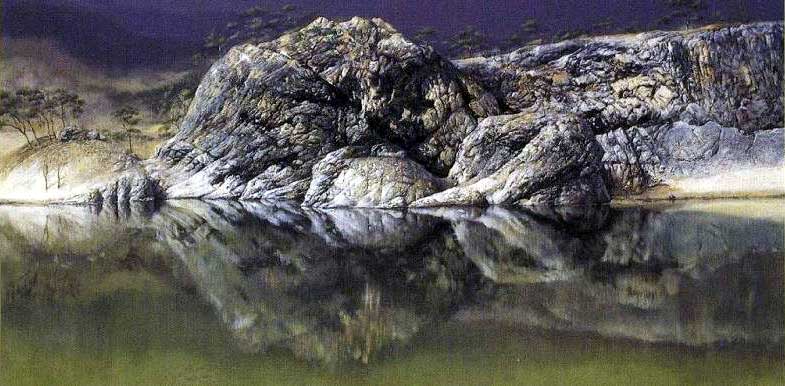
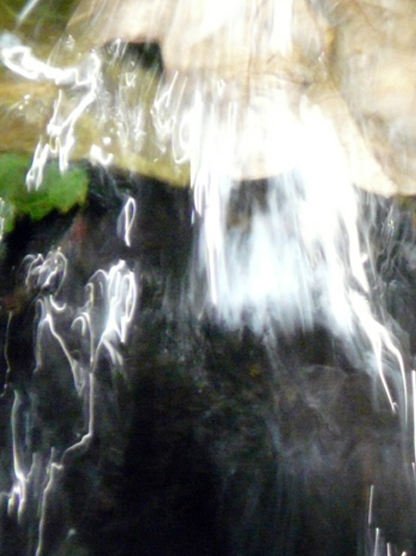
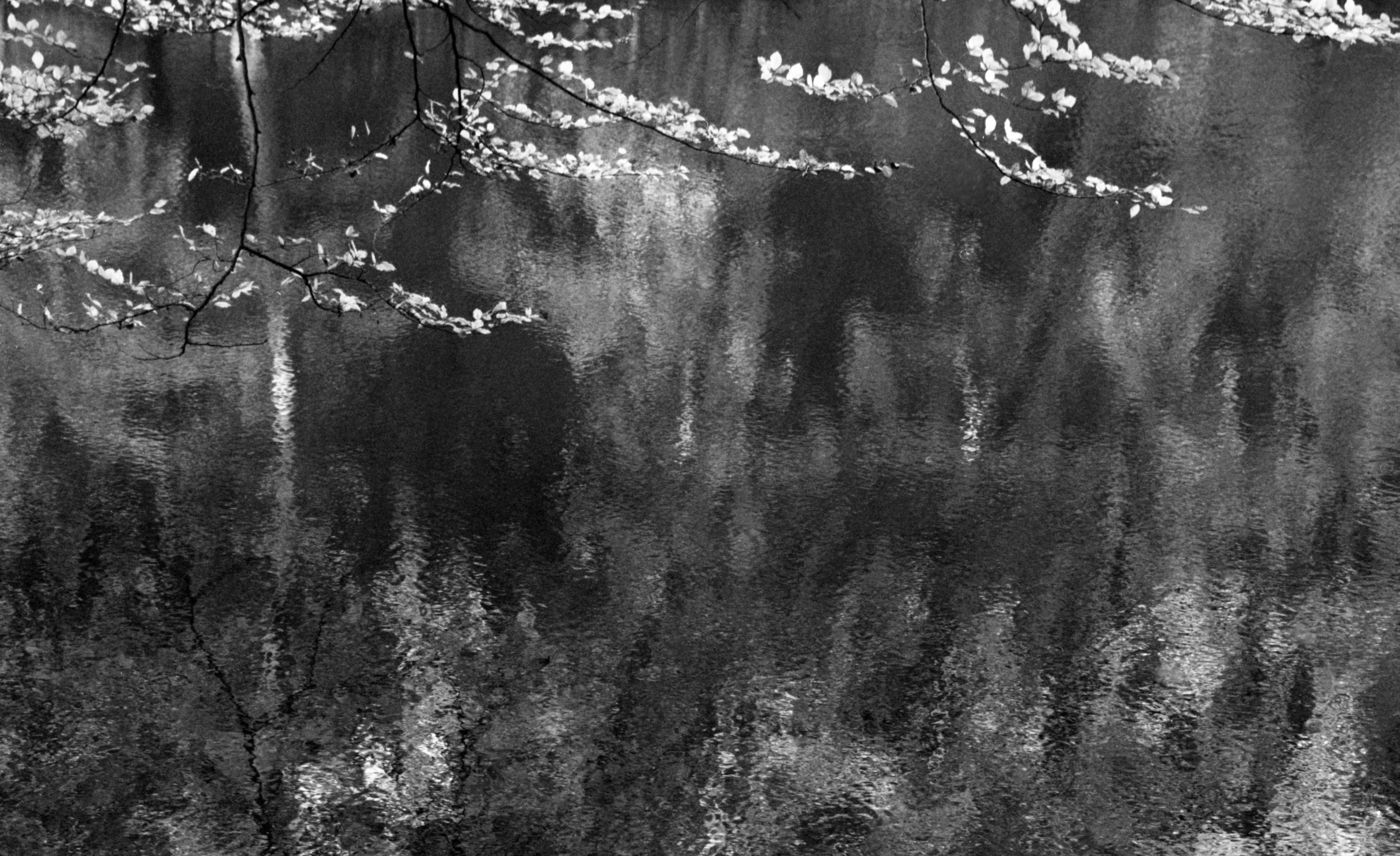
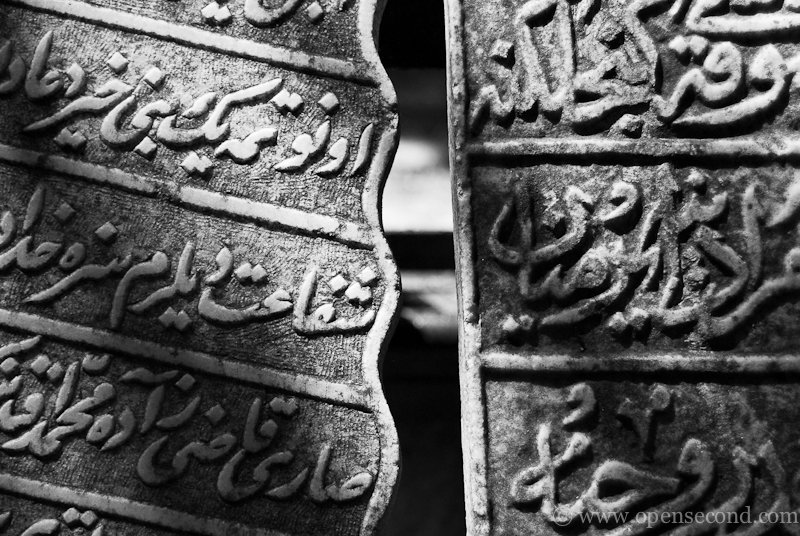
Often a creative process is sparked by sensing in-betweens. This applies to all arts, including writing. Different layers of experience and association diverge and merge anew when we de-focus. In a visual sense, for example, try looking at a tree in twilight, squeeze your eyes and concentrate on the in-between spaces. There is a moment when the shapes reverse and the background becomes the foreground. And who hasn’t looked at clouds or landscapes in a particular light and seen magical beings?

In this optical illusion you only need to tilt your head. 

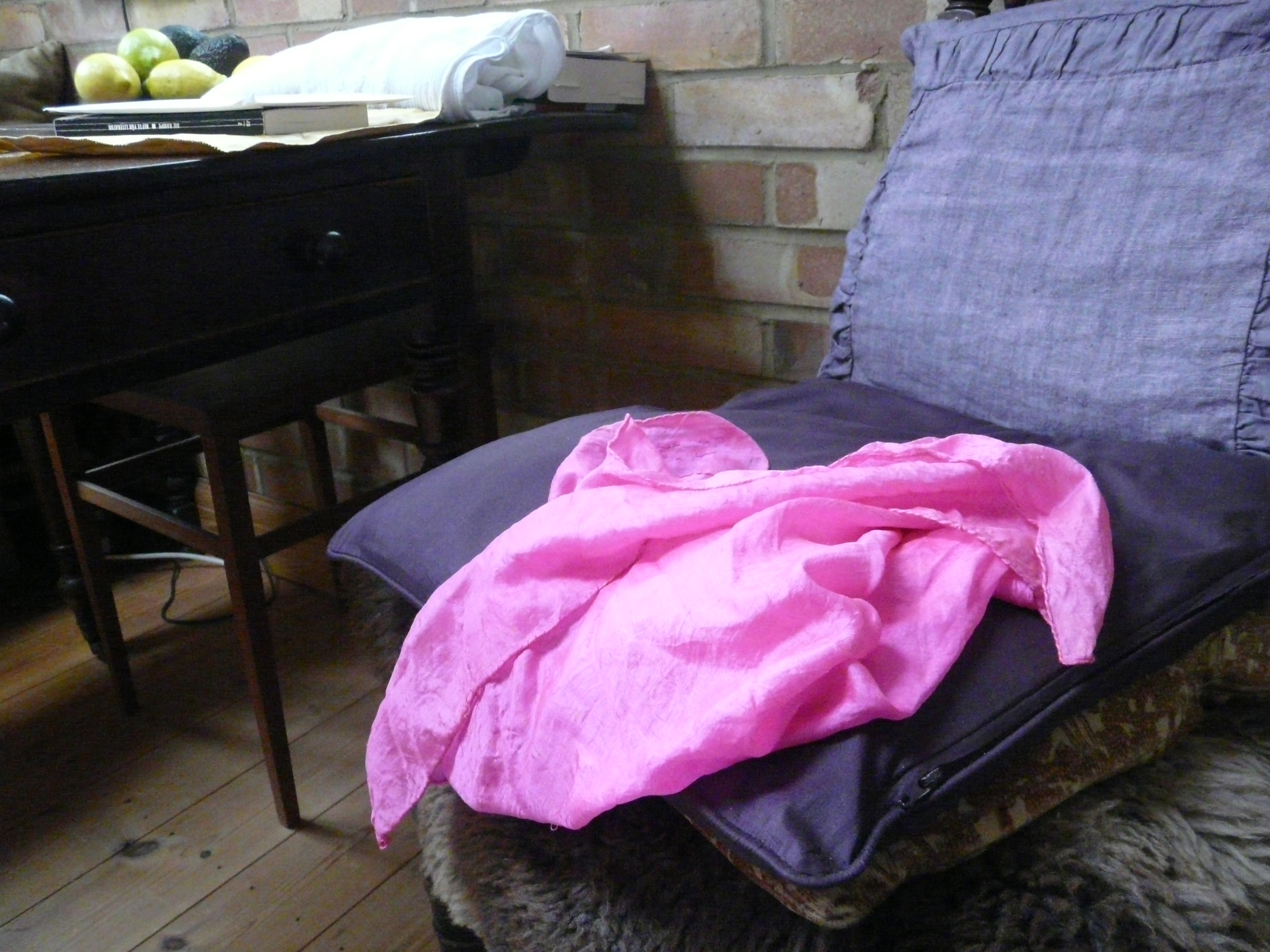
And there is the meandering mind, receptive to intuition. Like yesterday I popped to the corner shop to get a paper. An unintended detour got me talking to Annie, who does house clearances. Amongst her cornucopia of stuff a spot of bright magenta caught my eye. I instantly thought of my friend, Rahima, presently in hospital. She is a painter. She loves colours. The vibrant patch of silk, I thought, will make her smile. 

Artists tend to tune out of fashion, out of mass projections, to let the muse take them along random paths into deeper strata of perception and cognition – of shapes, colours, sounds and movements – to re-arrange personal experience, bringing them into a new, universal context.

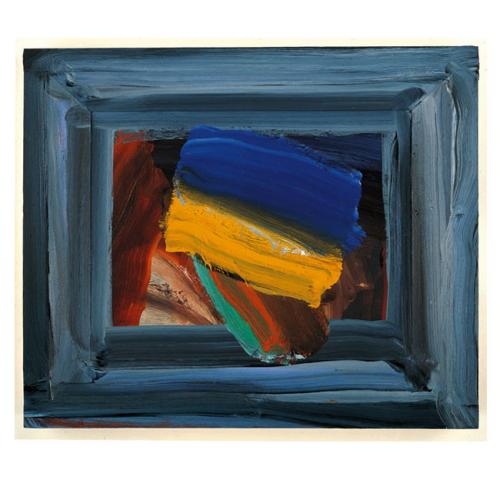
A good example of this process is shown in a documentary of the painter Howard Hodgkin by Alan Yentob, from the IMAGINE series.

Howard Hodgkin has a current exhibition at the Alan Christea Gallery, London.  http://www.alancristea.com/  in celebration of his 80th birthday,

A Robert Frost poem – Acquainted with the night – was chosen as the title for the exhibition.

De-focussing is magical – it brings new layers of perception …

Ask what makes you come alive, and go do it. Because what the world needs are people who have come alive.’ – Howard Thurman

18 Comments

Filed under Blog

… sun ra – a glittering show …

Fallen angels being such a wonderful subject – had I been black, and a talented musician with total passion for jazz, I’d have joined Sun Ra’s Akestra. He was an intense and fascinating man, one of those people who move through chaos to get to harmony, who have their pulse on the future. They tend to attract a select fellowship. Tuned into a novel wavelength, they enjoyed an accelerated period of growth together, a hell of a time.

With his experiential musicians, Sun Ra expanded the bandwidth for the performances of his cosmic vision and shared the breadth of his trickster consciousness with a larger audience, exemplifying a crash course in creativity.

You might like to watch this excellent BBC documentary by Don Letts. Sun Ra, Brother from another Planet:

http://www.youtube.com/watch?v=LqZHzpAYVIk

Listening to musicians and friends who worked with Sun Ra, I noticed how they respect each other, all through the elation of creating a fresh sound-language. One interviewee remarked on Sun Ra’s urgency, his alacrity, another quoted him: ‘Are you going to be replaced by a button? If you can do THIS you always have a job,’ you might not make any money but you have a job.’ Everyone in their way confirms Sun Ra’s genuineness, his seriousness, and his humour. He was a catalyst. His compositions were often off-chord, which some found off-putting, couldn’t get into.

It’s a sound form other spheres  that transcends known categories and opens new horizons. I love the saxophone doing what it can do, almost playing by itself. And I love the glittering hats of the musicians.

Here’s the early cult movie – Space is the Place – from 1974 – The mystery of Mister Ra. http://www.youtube.com/watch?v=NwNtxFH6IjU&feature=fvwrel

Sweet show of a joker, the film shows a mythological duel between Sun Ra and The Overseer, between an angel from Saturn and a fallen angel.

                ‘You just want to talk about realities, no myth.

                 Well, I’m the myth talking to you.’ 


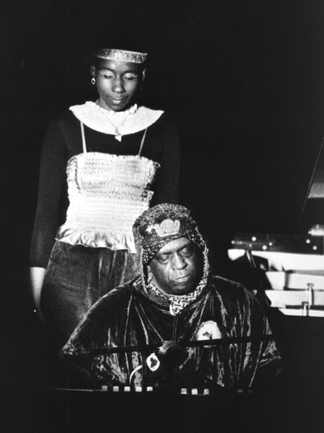
The photo of Sun Ra with June Tyson

Is by Michael Wilderman

http://www.jazzvisionsphotos.com/

10 Comments

Filed under Blog

… pattern which connects …

For a recent book-sharing with a group of irreverent friends (archventures), I had the wish to share so many books that I instinctively reached more or less blindly into one of my shelves. Books in my home, I must add, are in a muddle. The only order to speak of is their relationship to each other through time. I picked Alice in Wonderland and Mind and Nature. During our afternoon of reading there was not enough time to do honour to the latter, Gregory Bateson’s work. So I said I’d write up something. Oh dear. After pages and pages, I finally recalled this was supposed to be a blog-post, not a novel .

I first came upon Gregory Bateson books, ‘Steps to an Ecology of Mind’ and ‘Mind and Nature,’ during the early 1980’s, after his death. The clarity of his notion that biological forms arrange themselves through relationships struck a deep chord. What totally resonated with me was his thought that the structure of nature and the structure of mind are reflections of each other.  He had a broad perspective for a Biologist, and wanted to build a bridge between the facts of life and behaviour, and what we know of the nature of pattern and order. He was active in, and connected up many different fields of study – anthropology, psychiatry, biological evolution and genetics and the new epistemology which comes out of system-theory and ecology. He challenged basic assumptions and methods of scientific investigations, pointing to the processes beneath structures. He quoted Goethe …

A stem is what bears leaves

A leaf is that which has a bud in its angle

A stem is what was once a bud in that position …

And he provoked new thinking: ‘What pattern connects the crab to the lobster and the orchid to the primrose and all four of them to me. And me to you?’ 

His interest in morphology, the study of structure and form of organisms, involved context, meaning and communication. He distrusted reductive models of cause and effect, the scientific approach that lines up parts and classifies them, focussing on quantity.

Comparing systems, one to another, he perceived the mind as an ecological system. And he used the analogy that ideas, like seeds, can only take root and flourish according to the nature of the system receiving them. This thought alone deserves deep contemplation.

He had a way with stories … ‘There was a man who had a powerful computer, and he wanted to know whether computers could ever think. So he asked it – Will you ever be able to think like a human being? – The computer clicked and rattled and blinked, and finally it printed out its answer on a piece of paper, as these machines do. The man ran to pick up the printout, and there, neatly typed, read the following words: ‘That reminds me of a story.’ 

Concerned about the decimation of aboriginal populations (he did field-work with Margaret Mead), the degradation of ecological systems, economic oppression, and senseless wars and arms races, he took these ominous signs of contemporary life to be manifestations of deeper disorders, which he defined in terms of cybernetic systems of communication and meaning that comprise life, mind, and society. In his view, consciousness dominated by purposeful thought has a linear structure that establishes goals and ways for attaining them without being necessarily sensitive to the circular network of cause and effect that orders the systems.

Looking at human consciousness as an adaptive system, he thought the cure for its inadequacies, evidenced by the negative side-effects of purposive rationality, was not to reject it in favour of a passionate non- rationality, as in the extreme romantic position, but to augment and complete it by engaging with non-discursive, pattern-comprehending and emotional processes. He advocated the befriending of the unconscious aspects of the mind through utilising images and metaphors.

In a civilization which separates mind from body, mythologies about the survival of a transcendent mind are often meant to soften the idea of death, or even deny death as part of life. For Bateson, who saw the mind as being immanent not only in pathways of information which are located inside the body but also in external pathways, death took on a different aspect. ‘The individual nexus of pathways which I call ‘me’ is no longer so precious because that nexus is only part of a larger mind. The ideas which seemed to be me can also become immanent in you. May they survive, if true.’  (Afterword to a collection of celebratory essays, 1972)

Yet there are scientists that can no more perceive the language of nature, and politicians who feel beleaguered by sections of society that seek balance and a fresh context towards ‘an ecology of mind.’  The extreme factions of believers, for what else are they, should look again at the bridge  Bateson prepared.


This lovely video gives a taste of what it is all about :

Update … I discovered recently, in 2019, that some the links in this post don’t seem to work anymore. Here , however, is his daughter’s great documentary on Vimeo, unfortunately not free, apart from the trailer.  https://vimeo.com/ondemand/bateson

Looking at the structure of nature and the structure of mind being reflections of each other, it becomes obvious that not only does nature mirror our habit of thinking, but our thinking also mirrors the state of nature. Ecology and psychology must therefore both engage in listening, and seeing, and working ceaselessly towards the integration of knowledge and the re-adjustment of a dynamic balance.

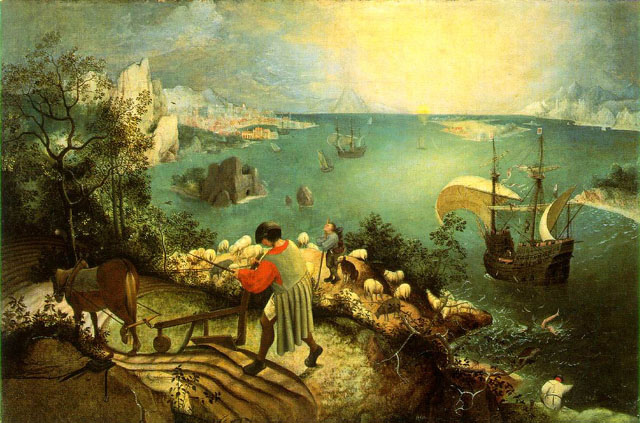
I could go on, but want to bring in a famous painting of Icarus by Brueghel.                                                             Anthony Stevens, a brilliant expositor of Jung’s thought, used the painting as cover for the first hard-cover edition (1995) of his book Private Myths.

http://www.anthonystevens.co.uk/index.html


Stevens quotes from a poem by Wystan Auden:

In Brueghel’s Icarus, for instance: how everything turns away

Quite leisurely from the disaster; the ploughman may

Have heard the splash, the forsaken cry,

But for him it was not an important failure; the sun shone

As it had to on the white legs disappearing into the green

Water; and the expensive delicate ship that must have seen

Something amazing, a boy falling out of the sky,

Had somewhere to get to and sailed calmly on.

What goes up must come down. Who knows how many Big Bangs there were before the one we so ardently explore? There is an organising intelligence behind life’s cycles, while consciousness forever expands. Thinking in metaphors we can perceive similar patterns, forms in nature and mind, cosmos and psyche, mirroring each other across scale and time. In other words, life teems with realities we can tune into, as long as we assign context and meaning.

Check out Gregory Bateson’s books ‘Steps to an Ecology of Mind’ and ‘Mind and Nature.

His family continue his work: His daughter Nora and his wife – Mary Catherine Bateson:   http://www.interculturalstudies.org/main.html

Peripheral Vision

 http://www.amazon.com/exec/obidos/tg/detail/-/0060926309/mead2001centenni

Free chapters of Angels Fear:  http://www.oikos.org/angelsfear.htm

Nora Bateson, recently created a film:

http://www.anecologyofmind.com/

Last not least, the themes:  pattern which connects, mirroring and bridging, are subjects of my novels.

25 Comments

Filed under Blog

… the wild horse of the mind …

I thought I open the window a bit to what I’m immersed in, drafting the sequel to Course of Mirrors, called Shapers. Another mythic adventure, and more. The short piece below is not representative of the tense action this story has plenty of, but depicts a pivotal moment. The scenery is  Eire, where time-zones overlap. In 2550 AD the island is called Sax, where Rhonda, the super-controlling power, cast their misfits.  In the excerpt below, Tilly (Cassia in Ana’s story) has arranged for Cara and Mesa to meet in Kerry during the 1970s.

The theme touches on the creative process. Something for my writer friends. I welcome any feedback to the draft.

*    *    *

Tilly’s ruined estate on the Kerry peninsula was one among many places around the world where past and future began to cross or run parallel during the 1970s. Not all drop-outs travelling through Derrynane were aware of the phenomenon. Those open to the new wavelengths either tuned in, or received no more than garbled white noise. The going slogan was – love, don’t think – though it should have been – love and think – and stay grounded. These were turbulent times. Traditionalists abhorred the breaking free of conditioning. Leaps into the unknown frightened them.

This is Cara’s time, and these are her thoughts: Personal myth is a complex self-creation, mainly unconscious, but less so once we replace the postulates we inherited with our own, and are drawn to our psychic kin. Every night when the body rests we visit beings in other spheres. We may discount these sojourns as dreams unrelated to our daily existence. Yet bridging occurs when we value inner dynamics and re-story the associative symbols of images. Resonance momentarily fills the void between the known and the unknown, and meaning is assigned to events. Some good people trust in God, but then abnegate their creativity. Are we not the desire of a divine will? Are we not the ears, eyes, nose, hands and feet of a universal intelligence, of which we are the deed? Does not our speech derive from one sound? And is love not the creed that breathes all things and directs the movement of all spheres? I don’t understand the need to prove or disprove a universal intelligence that is within and all around us. The world I create is imperfect and suffers from on-going flux. But I can bring my small flame to its shadows.

Now that Cara’s myth caught up with her, and she was confronted with the net of postulates she had cast into the future. She found herself challenged to engage with what she animated, because she was animated by it.

Gutch spotted Tilly talking to Cara and Mesa in the hall. He was bursting with pleasure. ‘I found my clan,’ he said. ‘This place is teeming with talented actors. We’re going to do some magic theatre. Are you joining us?’

‘I need to take care of something,’ Tilly said. Can you keep an eye on Gart?’

‘That devil had some weird conversion trip and is sound asleep under the table.’

‘Excellent. Let him sleep.’

When Cara and Mesa arrived at the cottage across the atrium, Tilly had lit a fire in the hearth. A nest of chairs invited them, and the smell of fresh coffee. ‘Have some,’ she said, ‘pointing to a steaming pot, ‘and there’s chocolate cake, too.’ Mesa soaked up the atmosphere, transported to Ana’s world, reminded of Cassia’s kitchen. Tilly placed a small leather pouch in Cara’s lap. ‘Here, forged by fire, polished by the sea, a gift of remembrance.’

Cara opened and turned the pouch. A black stone fell into her hand – smooth as marble, yet radiating warmth and shining in the glow of the fire. ‘Ana’s talisman!’

‘Yes, and you might as well own it.’ Tilly paused, gazing into the flames. ‘I have a favour to ask from you, for Mesa’s benefit.’

‘What favour?’ Cara poured cups of coffee for everyone, dished out giant slices of chocolate cake and added a dollop of whipped cream to each.

‘Your future, Cara, has come to visit you. Mesa returned to assimilate what was lost to her. With Ana’s story you re-animated her soul. Certain events in history require beings to return, to right things or bring a message.  Mesa will take on her role in the odyssey of the Ypocs. And she’s going to be the narrator of your story, Cara.’

‘Huh, this takes a leap of the imagination. I haven’t even smoked the weed.’

Tilly smiled. ‘You know what it takes. Uncovering a personal myth is different from writing a Hollywood script. To help Mesa to re-connect with random creative processes, I want you to explain to her in as much detail as possible how your mind works.’

Cara heaved a breath. ‘The idea sucks every thought from my head.’

‘That’s a good start.’

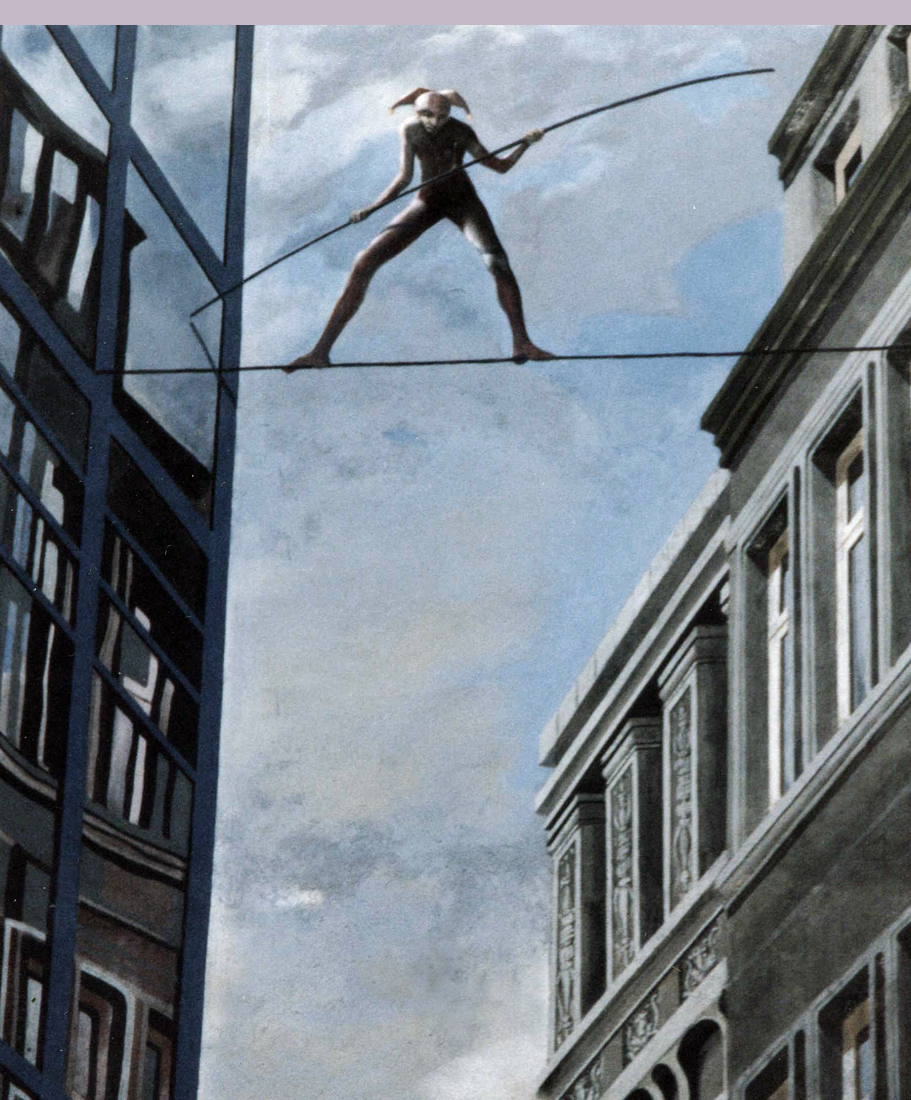
‘All right, here goes a slice of random micro processing … Momentarily stuck with a paragraph, I remember to stretch my legs. In the kitchen I snatch a yogurt from the fridge. I notice a sticky shelf – mental note – clean it soon. Dark clouds gather outside, looks like rain. I run up to the bathroom and close the window. On the way down, I see dust-clouds on the stairs – mental note. Heading for the desk I stop by the fridge again because I’m now really hungry. I prepare a sandwich – mental note – put butter on shopping list. I use the loo – mental note – toilet paper is running out. Telephone rings. The answer machine kicks in. Just as well, I’ll return the call later – mental note. A letter that needs sending sits next to the phone, I put a stamp on it – mental note – post it. A fly is trapped in the window. I release the fly and study a tree out front that leans over and needs pruning. I quickly assess which branch to cut – mental note. Off to my desk. Passing a shelf I spot the book I couldn’t find earlier. What a relief! I plonk it on my research file and am reminded of an article I need to chase – mental note. The sun shines again. I open the backdoor and listen to the birds. Grass needs cutting – mental note. Finally back with my paragraph the writing flows, sheer bliss. At a natural break in the narrative I decide to go shopping. In the car I have an epiphany relating to a character in my story, to do with birds – mental note. The walker I pass reminds me to visit a certain person – mental note. I recall this person collects small antique tins. I could find him a present – mental note. I think of metaphors, how obsessions, like collecting tins, are really personalised teachings – mental note.’
Mesa had listened with rapt attention. ‘What happens to all the mental notes?’

‘Ha, ha … they’re promises. They’re torture. They heap up. They demand execution. My way to deal with accumulative pressures and gain time to focus on my writing is through procrastination. I’ve become patient with nagging voices. They’re not jailors. They’re easily humoured until the time is right for a blitz. Then I act fast and achieve a great deal in a short time, happy to have cleared the space.

‘But why give these mental notes the power of demands over you? Mesa asked.

Cara glanced at Tilly, who had taken up knitting, as if the dialogue bored her.  What was her agenda? Was this really for Mesa’s benefit? Tilly smiled and said, ‘Go on.’

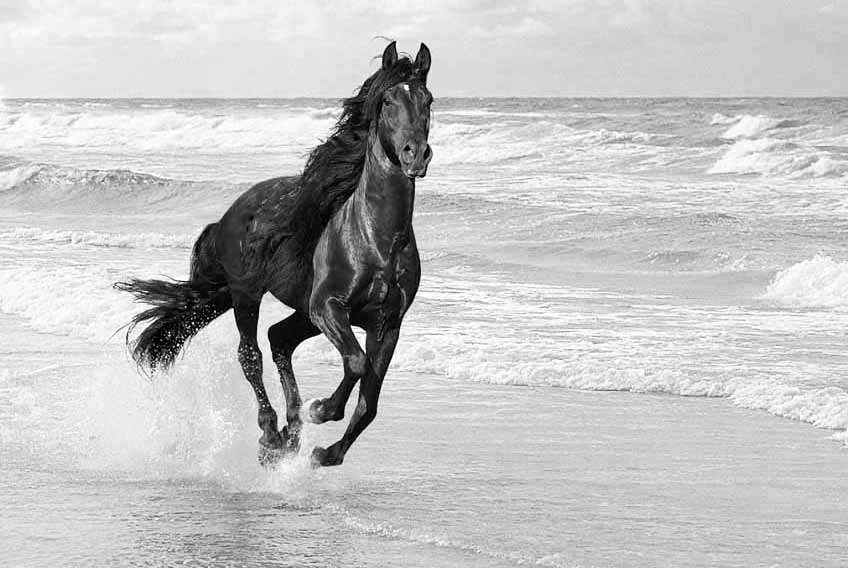
‘It started out as compulsive pattern. I was conditioned to respond to the needs of my environment, and to maintain order. There are exceptions. Some days, it could be the weather, a dream, the stars … from the moment I open my eyes everything flows effortlessly. My brain is relaxed and I attract harmonious thoughts, like I’m fine-tuned to a subtler station, beyond the busy bandwidth of neurotic naggers. The tuning can be learned. It’s like taming a wild horse. I can actually do it, when necessary. But I like letting the horse run wild. I find wild things that way.’
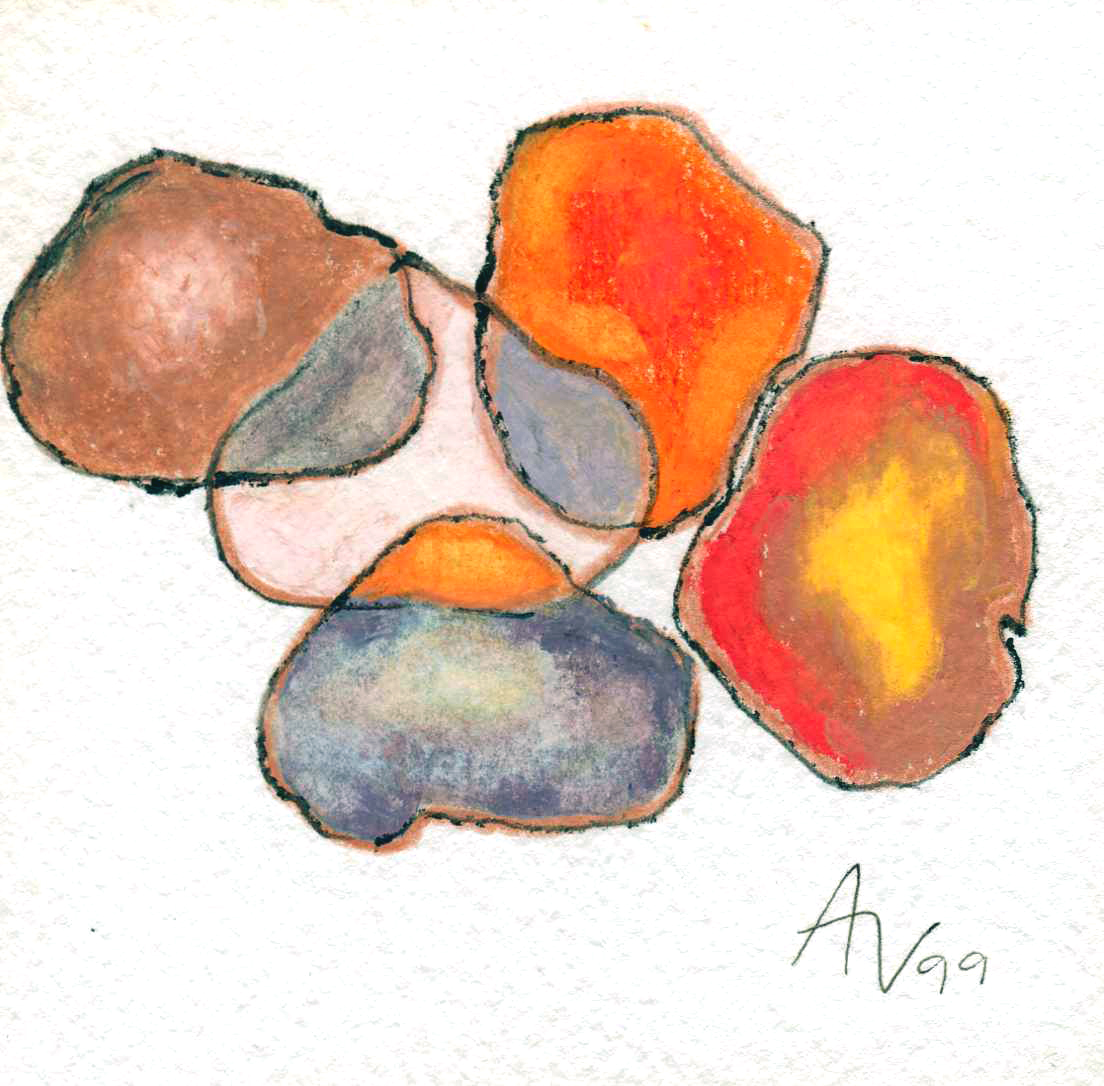
‘We have different conditioning,’ Mesa said. ‘From early on I was trained to tame my mind, to let it rest like a still pond, or focus thoughts like laser beams. Then free play was introduced, disrupting Rhonda’s order, and all went wrong for the Ypoc.’

‘Aha! I bet you didn’t have to juggle a deep conflict, and oppose a controlling father.’

Tilly dropped her knitting. ‘This gets interesting. It’s what Mesa came back for.’

* * *

Apologies: The origin of the image of the horse is unknown to me.  Many thanks to the photographer.

10 Comments

Filed under Blog

… I write here …


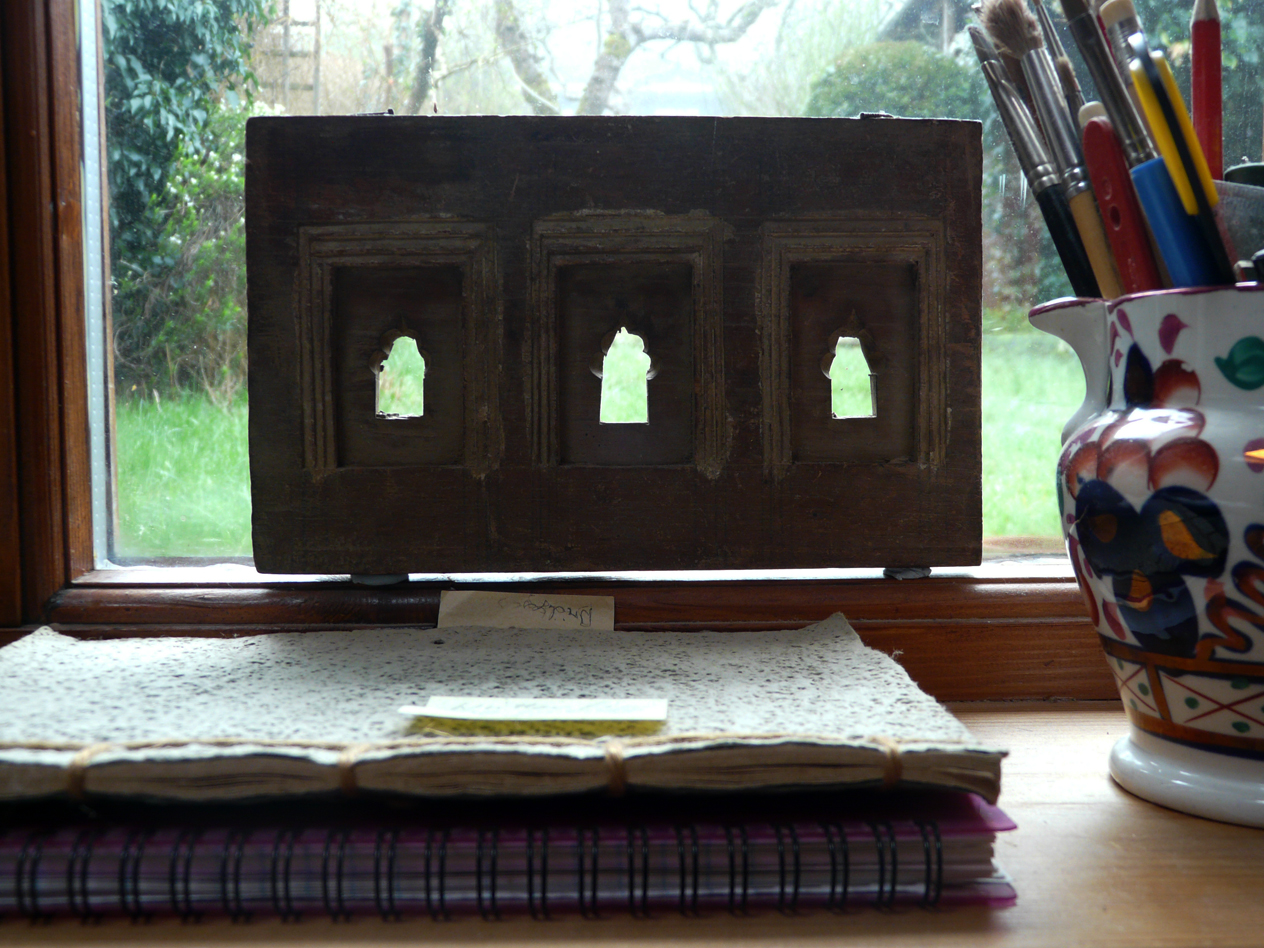
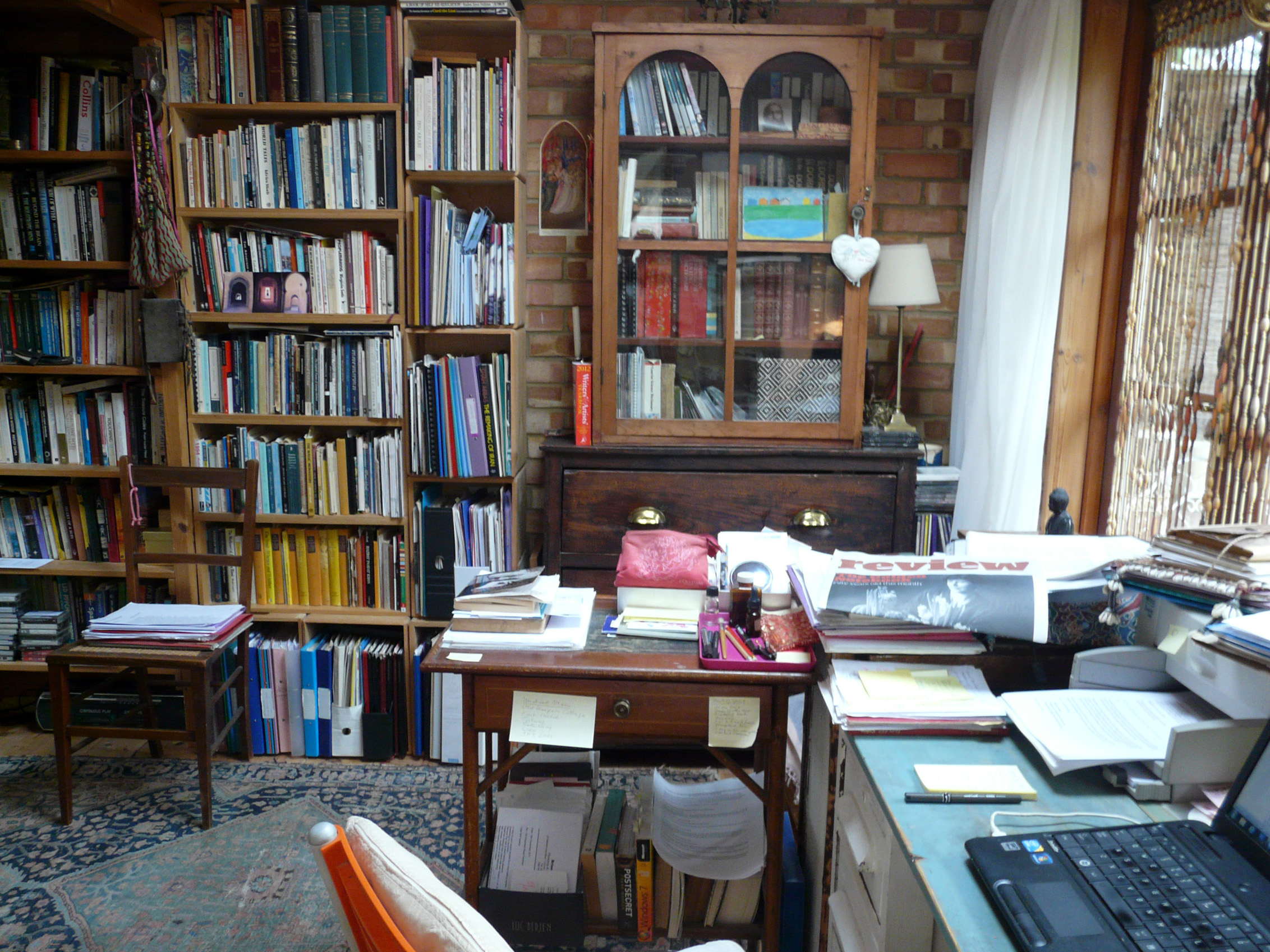
Images tend to bring us instantaneously closer.  A recent writing workshop given by a friend, made me think how inner and outer spaces affect our writing.  And I was also  inspired by Roz Morris, a generous and effective blogger http://nailyournovel.wordpress.com/page/3/ who featured her writing space in February.

I write through

the heart chamber

and the drone

of its circular charm

I write in earth

branching to the dark solitude

of birthing

the unknown

I write in water

fractals spinning

plankton under stars

coding the cosmos

I write in air

flexed by the wishbone

that loops breath to lift

wings of longing

I write in space

where spirits linger

in the scent-cloud

of a former home

I write in ether

where dreams free

greening visions

and murmur of bloom

I write here

in a room that is everywhere

bridging hearts

with companions like you

26 Comments

Filed under Blog

Parmenides – Philosopher – Poet

Last week, while re-working an article I wrote 18 years ago on the symbolism of  two West European Nations, namely Germany and England (having lived equal decades in each), I lost myself in the history of these nations, back to the Roman Empire and its fall. Something was missing. Reeling back another thousand years, to my beloved philosophers, I found IT.

I was reminded of the only ever poetry course I attended, where a tutor told me ‘You have to decide whether you want to be a philosopher or a poet.’  Over the years I’ve come to realise that some good people, in order to be respected, have sadly allowed their inner voice to be silenced by the academic system.                                                                                                                           *    *    *                                                                                                                                                                         Here an excerpt of Parmenides’s poem as it appears in Kingsley’s ‘In the Dark Places of Wisdom’. The text is subtle, humorous, with repetitions that are no accident. The poem induces a journey that appears in many traditions throughout the world under many names.

The mares that carry me as far as longing can reach

rode on, once they had come and fetched me onto the legendary

road of divinity that carries the man who knows

through the vast and dark unknown. And on I was carried

as the mares, aware just where to go, kept carrying me

straining the chariot; and young women led the way.

And the axle in the hubs let out the sound of a pipe

blazing from the pressure of the two well-rounded wheels

at either side, as they rapidly led on: young women, girls,

daughters of the Sun who had left the mansions of Night

for the light and pushed back the veils from their faces with their hands.

There are the gates of the pathways of Night and Day,

held fast in place between the lintel above and a threshold of stone;

and they reach up into the heavens, filled with gigantic doors.

And the keys – that now open, now lock – are held fast by

Justice: she who always demands exact returns. And with

soft seductive words the girls cunningly persuade her to

push back immediately, just for them, the bar that bolts

the gates. And as the doors flew open, making the bronze

axles with their pegs and nails spin – now one, now the other –

in their pipes, they created a gaping chasm. Straight through and

on the girls held fast their course for the chariot and horses;

straight down the road.

And the goddess welcomed me kindly, and took

my right hand in hers and spoke these words as she addressed me:

‘Welcome young man, partnered by immortal charioteers,

reaching our home with the mares that carry you. For it was

no hard fate that sent you travelling this road – so far away

from the beaten track of humans – but Rightness, and Justice.

And what’s needed is for you to learn all things: both the unshaken

heart of persuasive Truth and the opinions of mortals,

in which there is nothing that can truthfully be trusted at all.

But even so, this too you will learn – how beliefs based on

appearances ought to be believable as they travel all through

all there is.

*    *    *

The hero travels the road of death while still alive, making the connection between this world and the other.  He goes to the depth of ignorance – the ignored – to unknowing – in search for wisdom instead of straight to the light

Kingsley says when Plato and his followers took over these ideas from the Pythagoreans they cleverly amputated the ambiguities: focussed only on the true and the good and the beautiful, and cut out the need for the descent.  He makes a link to inscriptions  discovered during the 60s in Velia, Italy. Three words puzzled …  Ouliades – Iatromantis –Apollo … The healer who can access special states of awareness, look beyond appearances, give voice to what has no voice. In Sept 1962, at the same place, Mario Napoli found a small block of marble with another inscription: Parmeneides son of Pyres Ouliades Physicos

These findings must present a challenge to historians. Obviously they stayed clear of the mystic drone carrying the song of Parmenides and the Pythagorean’s. The incubatory practice and its profound wisdom were rationalised out of western history. Kingsley writes:

Between them, Parmenides and Empedocles laid the most basic foundations for the world and culture we now live in. But with the passing of time we have forgotten who they were. The truth about the real nature of their work has been neglected, distorted, ignored—transformed into just another of those empty illusions that they themselves tried to set us free from. There is nothing accidental about the fact that we in the West are starved for some real sense of meaning and crying out for something that, in spite of all our apparent sophistication and material success, we are no longer even able to name. This western civilization of ours was created for a purpose. Until we start to discover that purpose again, our lives will be meaningless. Unless we touch our roots and make contact again with the essence of our past, we can have no future.

http://www.peterkingsley.org/pages.cfm?ID=5

One of the many resources Peter Kingsley used:

/www.amazon.com/The-Fragments-of-Parmenides-ebook/dp/B002ZVPTEY


13 Comments

Filed under Blog

… lap of fate … part two

The second part of the short story inspired by a recent visit to Spain. As events unfold, I may insert subtle alterations to earlier instalments.

*    *    *

That moment my mobile played its carefree tune. Here comes the sun … I knew it would be the agent, having second thoughts about allowing a single, middle-aged woman to camp in a deserted house. I fumbled in my bag on the floor for the phone. ‘Hello. Yes, yes, gracias. I’m fine. Chimney … flue is clear, all cosy with the fire. And the night sky is magnificent … no, no, I’ve everything I need … yes, todo está bien. Thanks again. Bye, bye.’

The super-dry logs had burned to embers and a threat lurked in the far corner. I conjured up creatures coiled to jump at me any moment. Snakes! Oh no, big mistake, don’t think of snakes. I lay motionless. Blinking, to keep my eyes open, I stared across and beyond the floor to where I thought the thing was hiding. I saw a glitter there. I felt observed.

A growl – or was it a lament? My heart thumped in my throat as I reached into my bag for the tobacco-pouch. I flicked my lighter, lit a candle and held it up.  Curled on the heap of rags to where I had brushed the scraps earlier was a dog, a slight, elegant creature with short pale pelt. Its wild, not fearful, but contesting this-is-my-territory look fixed on me. Cornered dogs were dangerous, though this one chose the risk. To confront a human intruder takes courage. Water, food, some gesture was needed to befriend the animal.

In slow motion I shifted my feet to the ground, unscrewed the bottle of water next to my bed and walked towards the stone-ledge round the chimney where I had dumped my cooking gear. I lit a candle and poured water into a bowl. My movements were tracked for the slightest sign of mismatch. I set the bowl down in the middle of the room and retreated to my bed. Exhausted from the effort, I rolled myself a cigarette.

The dog didn’t stir. ‘Come on, the water is for you.’ Ears perked, that was all. Our eyes locked in combat – a staring test. ‘What do you want?’ I got up and broke off a piece from my bread, added a chunk of goat’s cheese and placed the morsels next to the water. Back under my blankets I prepared myself for a long wait.

From outside came a bark. My visitor growled.  Company was unwelcome. There must be an opening for animals to slip in to the house. Tomorrow I would camp upstairs and close the door on me. Tomorrow was a long way off. My thoughts drifted to Cora, the puppy that had been given to me for my tenth’s birthday, a spaniel. Neighbours adopted her when my father died and we moved into an apartment. Cora liked chocolate.

A slight thud – snakelike, the dog slid along the floor towards the offerings. Outside another bark broke the silence. My friend tensed but kept quiet. Did I think  – my friend? After careful sniffing he daintily consumed the meal, and, without giving me another glance, bounced from the room and disappeared. The presence of a dog that had eaten my food was oddly reassuring. I blew out the candle and fell asleep.

A chorus of birds signalled sunrise. I glanced to the corner of the room now empty of last night’s visitor. The rags turned out to be a frayed woollen cape and shreds of trousers splattered with oil paint, bringing the mysterious artist to mind. With an urgent need to freshen up and explore I skipped breakfast and made for the stream. The clear water purled through my hands like liquid gems. I splashed my face and would take a dip later on. Looking back at the house it appeared seamless, as one, but for the bleak air surrounding the semi.

There are instances when man-made laws ask for transgression. My state-of-the art Swiss army knife had a screwdriver. I detached the padlock from one of the spider-webbed shutters. Peering into the twilight, there were rattan chairs, a round table, dated kitchen facilities and an ornate spiral staircase near the partition wall, against which was an empty shelf.

A snarling – my friend. ‘What’s the matter with you?’ I screwed the padlock back into position. To pacify the dog, I surrendered a bite of my treasured dark chocolate and made sure all food was out of reach on the chimney mantle. While he devoured the treat, I moved across the hall into the rooms adjoining the semi and noticed a shelf looking similar to the one on the other side. My new friend had sneaked up and was yapping. His puzzling behaviour and the coincident of fixed shelves on both sides of the wall in the same position sparked an idea. In the past, my shots in the dark had been rewarding, giving me a certain confidence in areas of the immeasurable.

The sound of a rough engine labouring up the hill distracted my musings. Annoyed, I went to check on the intrusion – a banged-up jeep. The local farmer wanted to know what was going on. In my broken Spanish I said I was planning to buy the property and had been allowed to stay here. The furrow between his brows deepened. He waved an arm, ‘Asustado,’ he said.

‘Un momento!’ I ran to fetch my dictionary.

‘Frecuentado por fantasmas,’ he emphasized on my return.

‘Yo no creo en fantasmas,’ I said, standing my ground.

He shook his head and forcefully reversed the car. I caught ‘turista estupido’ before the jeep vanished in a plume of dust.  So the place was spooked, or neighbours wanted me to believe so. Not that I disrespected ghosts. They gave an edge to my goal, is how I saw it.

The dog re-appeared. ‘You must be the guardian of this place,’ I said. He wagged his tail. Finally – an acknowledgement of my presence – and acceptance. I smiled and went to boil water for a much desired cup of coffee. ‘I’ll call you Abu,’ I said, rolling a cigarette, at which he wagged his tail with even more enthusiasm. There was text on my mobile, a message from the agent. ‘Owner expected today. She not sell semi yet but reduce price.’

My mind quickened. She needed the money. I would tackle the ghosts and buy the entire house. Back at the partition wall, I scanned every inch of the shelf and discovered a hook behind a plank. I pulled. Nothing happened. I pulled again and pushed at the same time – the whole shelving creaked and shifted. Abu’s frantic bark made me twinge. His pelt of hair stood on ends.  He tucked in his tail and sprinted off as if chased by an abysmal force …

Continued at  … https://courseofmirrors.wordpress.com/2012/02/06/lap-of-fate-part-three/

6 Comments

Filed under Blog

… sculpture park …

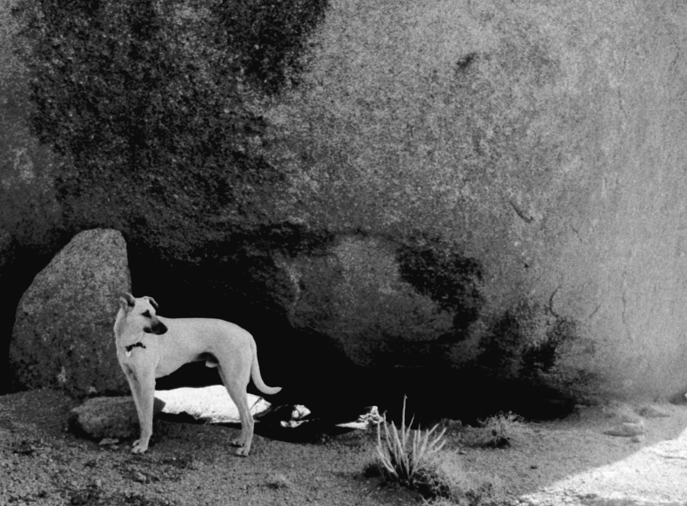
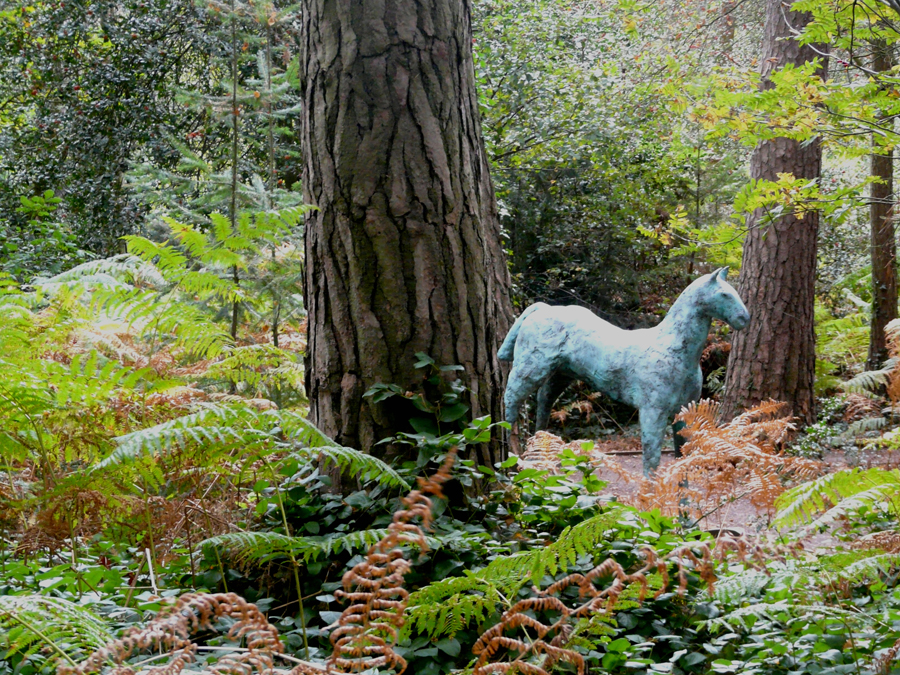
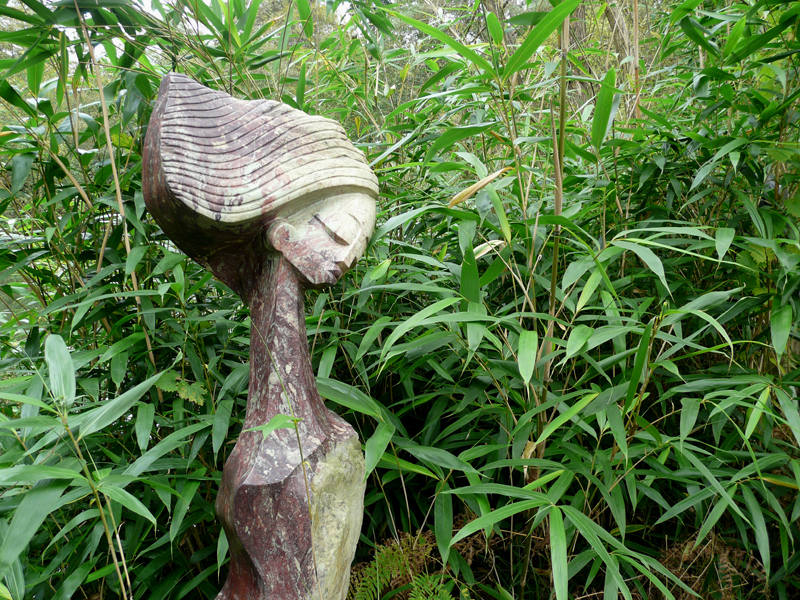
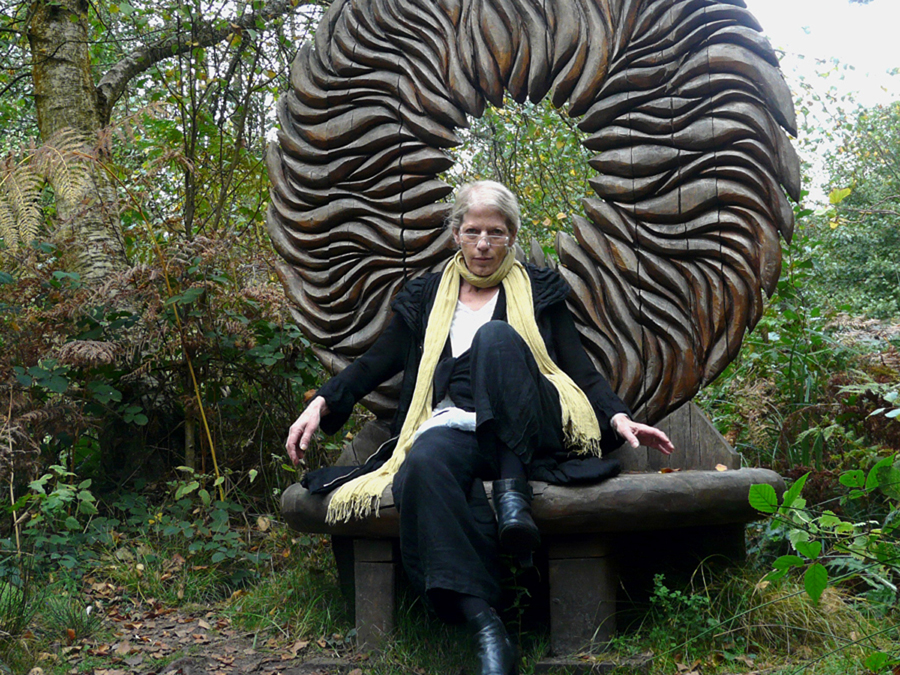
Dreams in stone, fairy horses, quills that use earth as ink, see-through elephants, surprises in the ponds, ghosts, flowing stone, water magic and mysterious circles …

Inspirational hours with my son and his partner at the ‘Sculpture Park’ in Surrey, near Churt.  So  close – and yet I had never visited the place. Like the man behind the bar in the pub opposite, who worked there for many years and not once stepped through the gate across the road. Makes me think of worlds we miss by the blink of an eye.

Here are some images of the place …

magic circles to other worlds …  

If you’re in the area, don’t miss it: http://www.thesculpturepark.com

9 Comments

Filed under Blog

how we dream … how we wake …

No matter whether I remember my dreams or not, they sure influence the mood I wake with …


On dull mornings I want to stay in bed and drift from one dream to another …


Another morning a space opens the instant I wake. I see a colour, a movement, a view, I understand something, I have clarity, and my heart jumps in recognition … fully alive. And the days rolls on with optimum achievements … effortlessly …


I’m not suggesting I can control my mood a day ahead, but certain disciplines do affect how I wake. Calming and opening my mind, a prayer or a mantra before I close my eyes seem to bring me more intelligible dreams. Asking a question of my unconscious psyche, writing it on a scrap of paper and putting it under my pillow, works well. It’s like tuning into a radio station. I attempt my choice of programme (though only a fraction of our psyche functions consciously). I even can, with some dedication become conscious (lucid) in a dream and influence its outcome.


Trouble is – I have phases of anarchy when I say, ‘to hell with discipline, to hell with my pesky will.’ Phases when I prefer to wander randomly into the surreal dark … and roam the collective …

It’s embarrassing. I’m supposed to be an expert, having facilitated monthly dream groups for fifteen years. From this experience, and from working with psychotherapy clients, I know a dream explored can spark psychological growth and change a person’s life for the better.


Carl Gustav Jung had the thought – a dream unexplored is like a letter unopened.

I’m suspicious of quotes. They can float like fluffy clouds, or annoy with carved certainty while having no relevance to an actual situation. And we all get the occasional crap letter. Then again, I sorted old papers recently, and I found even the rare crap letter contained something worth reflecting upon. It all comes down to attitude, perception and application.

So what am I saying?

Given there are endless variables … the weather, the global mood, the state of mind of your friends and opponents and their attitude towards you, the dinner you had, the TV or radio programme you fall asleep over, the worry-loops and idle chatter in your head you habitually give energy to … aim for a balance between self-discipline and anarchy.


Be kind to yourself, experiment, and if something works, remember it but don’t invest in the outcome. Slowly by slowly you learn to trust your intuition. Slowly by slowly you begin to realise that you really know very little about the psyche of the universe you are part of, slowly by slowly you have to accept that you ARE … that the wavelength you tune into carries you along until you find a pitch that chimes in your heart. It can take a while …


2 Comments

Filed under Blog

what would you do?

this is a dream shared by Cara, which Ana recorded in her diary. The dream appears in chapter 23 of – Course of Mirrors – when Rufus gets hold of Ana’s diary …

I am a passenger on a large vessel that is sinking. Its bow gradually keels under. At about 90 degrees, the movement stops. I look through the porthole at stern and discover why. The ship’s anchor is caught on a protruding rock. A hammer hangs next to the porthole. I can smash the glass and save myself. But I must alert others. Who can I trust?  If word of rescue spreads, the panic will bring a stampede of passenger to this porthole. The balance of weight would be upset and dislodge the precarious hold the anchor has on the rock. We would all sink to the bottom of the ocean.

A vexing problem … ?

2 Comments

Filed under Blog