… the mystery of character versus genre …

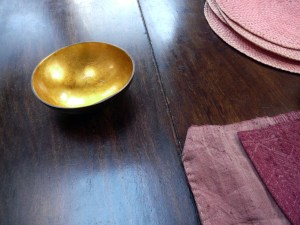
Flicker, flicker, speed, speed – time is flying – here is a genre – an inviting golden bowl – let’s drop a story into it. A well-defined genre promises the best route to financial success for many aspiring writers.

the golden bowl of genre Human traits that make up characters are unfathomable in their combination, which is why we traditionally veer to an index of types. The adage of the writing guru – don’t tell, show – suggests character is revealed through traits that imply qualities. Traits fascinate us, but if they are mechanical in their emotional and logical processes, they seldom surprise. In such case the page-turning tension must be provided by the plot.

During the nineteenth century’s advent of psychology and individuation many writers moved away from the Greek model of plot-driven stories. Curiosity shifted to the complex inner life of characters and their individual way of creating meaning was employed to unfold narratives.

The search for a unique self beyond the collectively orientated ego personality is relatively new, and while time-engraved archetypal energies hold us in their emotional grip, we have now psychological maps to help us become more conscious of their compelling powers, more conscious of our personality, which, for the writer, informs their fictional characters and opens new worlds and new choices. Irrespective of the rich psychological and scientific knowledge available to us, the process of character formation present us with the greatest mysteries of our time – as exciting as discovering new territory, new planets, new eyes on the universe.

Here I am making up a scene from scratch:

He stiffly dragged his feet along the polished marble floor of the shopping mall, his head forward as if pulled by a rope, though his eyes did not focus forward, nor up or down, they swivelled, left, right, left right, alert for what? Alert for anyone who might observe him? Nobody did – apart from one person who sat still on a seat moulded into the stone replica of a toy train. She raised her eyes from her book and looked straight at him …

Now as reader, and as the writer of this entry into a scene without blueprint for a story, I’m curious – where is he heading, where is this going? I search for a deeper layer, a narrative unfolding from the mysterious core of the character walking through the mall. I want a substance to chew on, to extract a flavour from his unique world.

The woman’s stare broke his set rhythm of surveillance. His face contorted in fear, his feet lost touch with the marble floor, sailed on air, while his arms flattered like duck wings failing to lift. All he could think of before his fell flat was – she knows, she knows I’m not present in this body. All he perceived were veins of light in a glittering darkness. He chose to vacate.

Are you hurt? While approaching the sprawled body of the man, the woman shot a stern glance at her boy who stood by guiltily. She had noticed him drop the sweet wrap. She had noticed the man stepping on the slippery cellophane. She had caught his eyes – and what she saw in that instant had made her shiver …  

I’m not going to follow up this scene. Anyone who reads this is welcome to do so. It would give me a thrill.

We all enjoy our stock characters and their antics, types set into situations and conflicts we can readily identify with, heroes we can like, villains we can despise. We enjoy themes that fall into definite genres that entertain us away from tedious daily concerns. I’m not knocking these stories. I enjoy them myself.

But hey you, all writers out there, why not take a risk and be drawn to the mystery of the unpredictable that challenges you to think in new ways, why not evoke characters who, even while using known containers, allow their (your) unconscious past and future to fill in the content, characters who explore their personal experience to a depth where it becomes universal, characters who play with time and space and are directed from their inner spirit, even when it requires a new container?

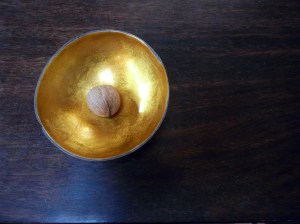
In my writing, I like the adventure of discovery, a nut to crack. I like to allow my character to walk ahead and unfold the story, and if it spills over the frame of a convenient genre, so be it.

P1100981And here my little gripes with how-to-does:

The advice-filled internet spheres turn and turn like gyres.

Answers sum up being and are full of promised abundance – yet they are dead.

Questions sum up becoming and are full of challenging limitations – yet they are alive.


‘One does not discover new lands without consenting to lose sight of the shore for a very long time.’

Andre Gide

8 Comments

Filed under Blog

… ground of poetry …

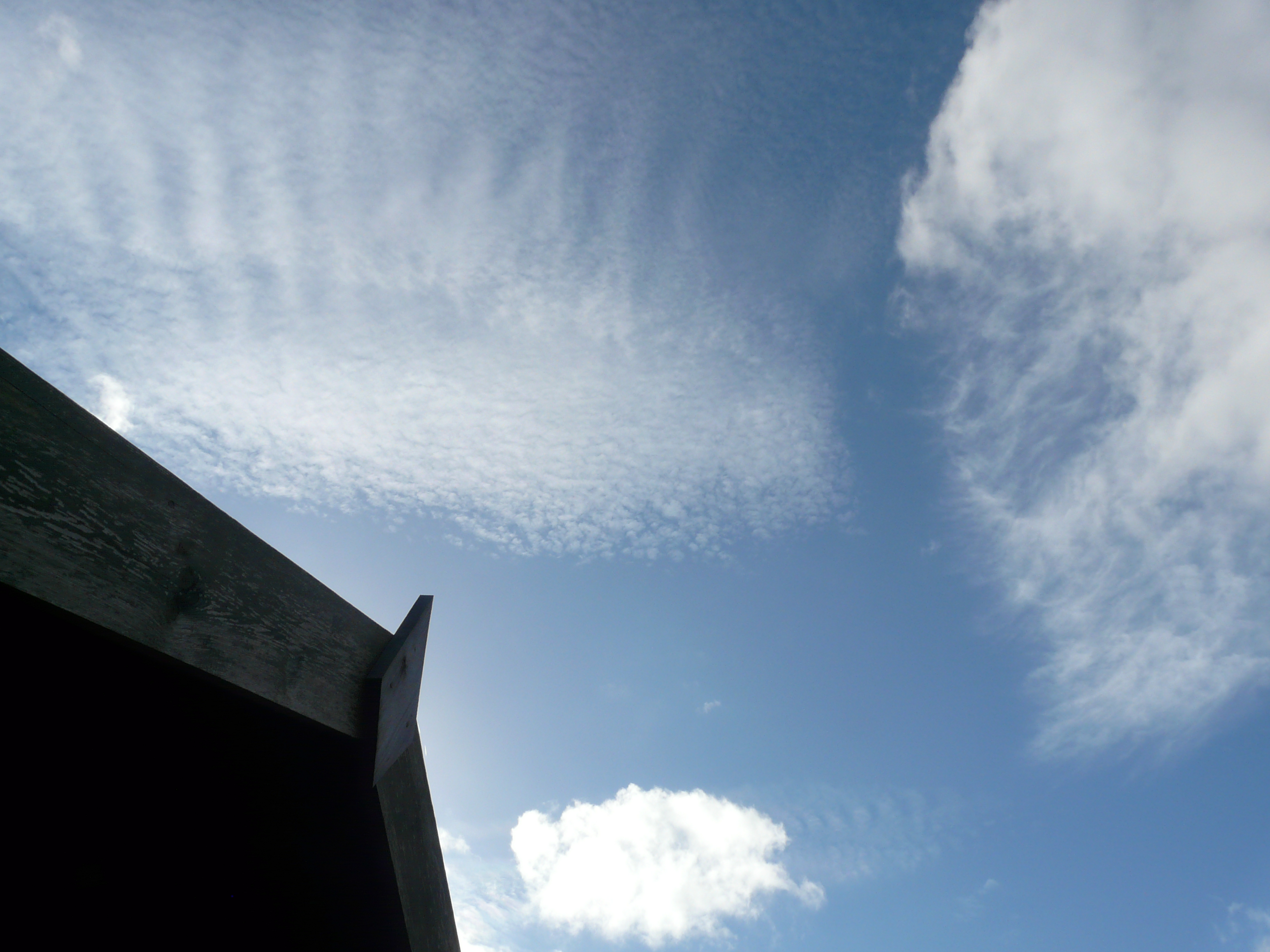
‘Ground of Poetry’ is a poem inspired by the bagpipe playing of a Scottish friend, Colin, during a recent gathering in memory of another friend, Aranth. See an earlier post on ‘receiving.’  The sound of the bagpipe opened the sky and vast landscapes, across which the drone carried the glories tunes into a kind of homecoming. The drone of a musical instrument, I thought, is like the backdrop sound of the universe into which every manifestation dissolves, and from which every manifestation returns.

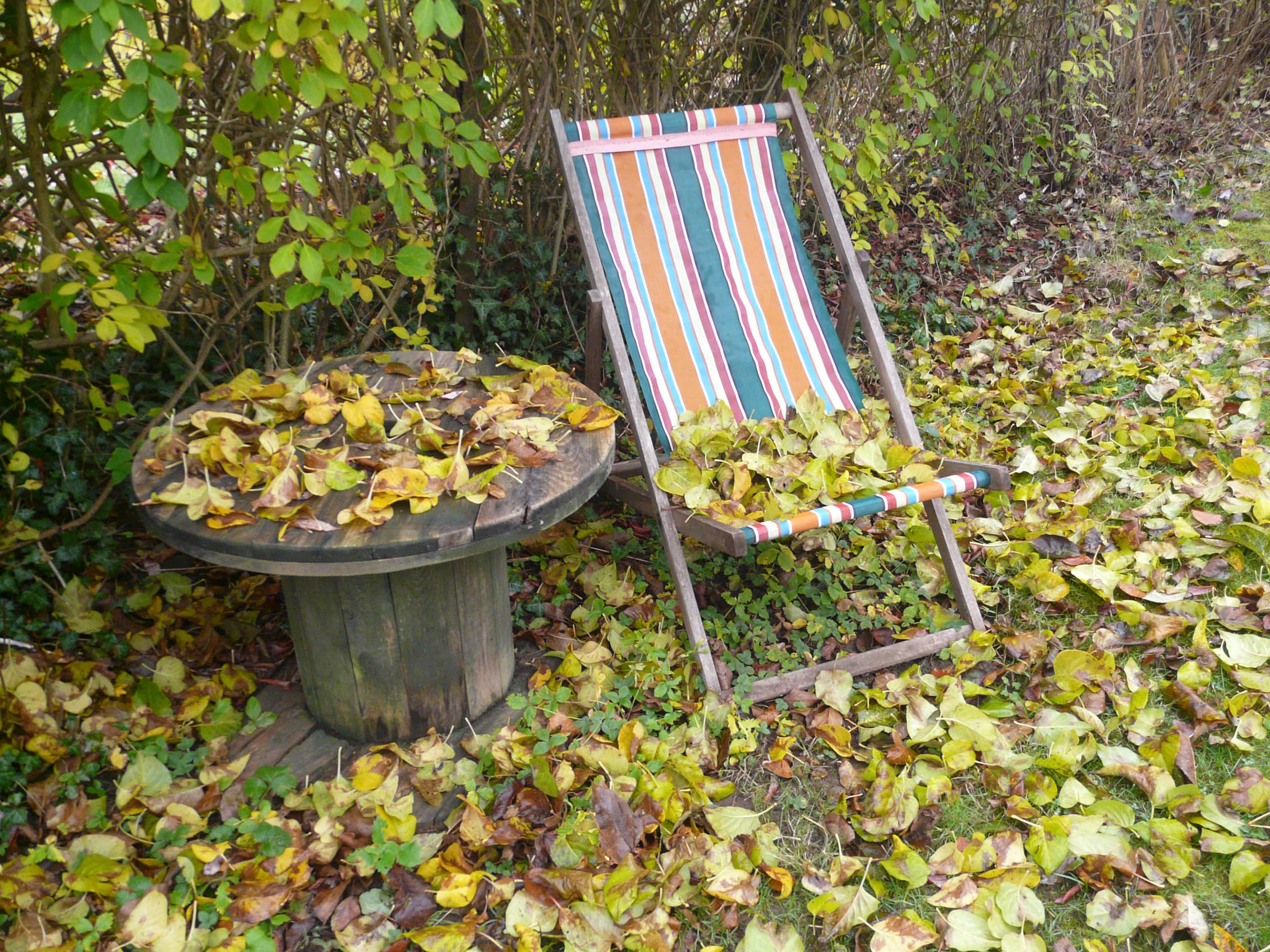
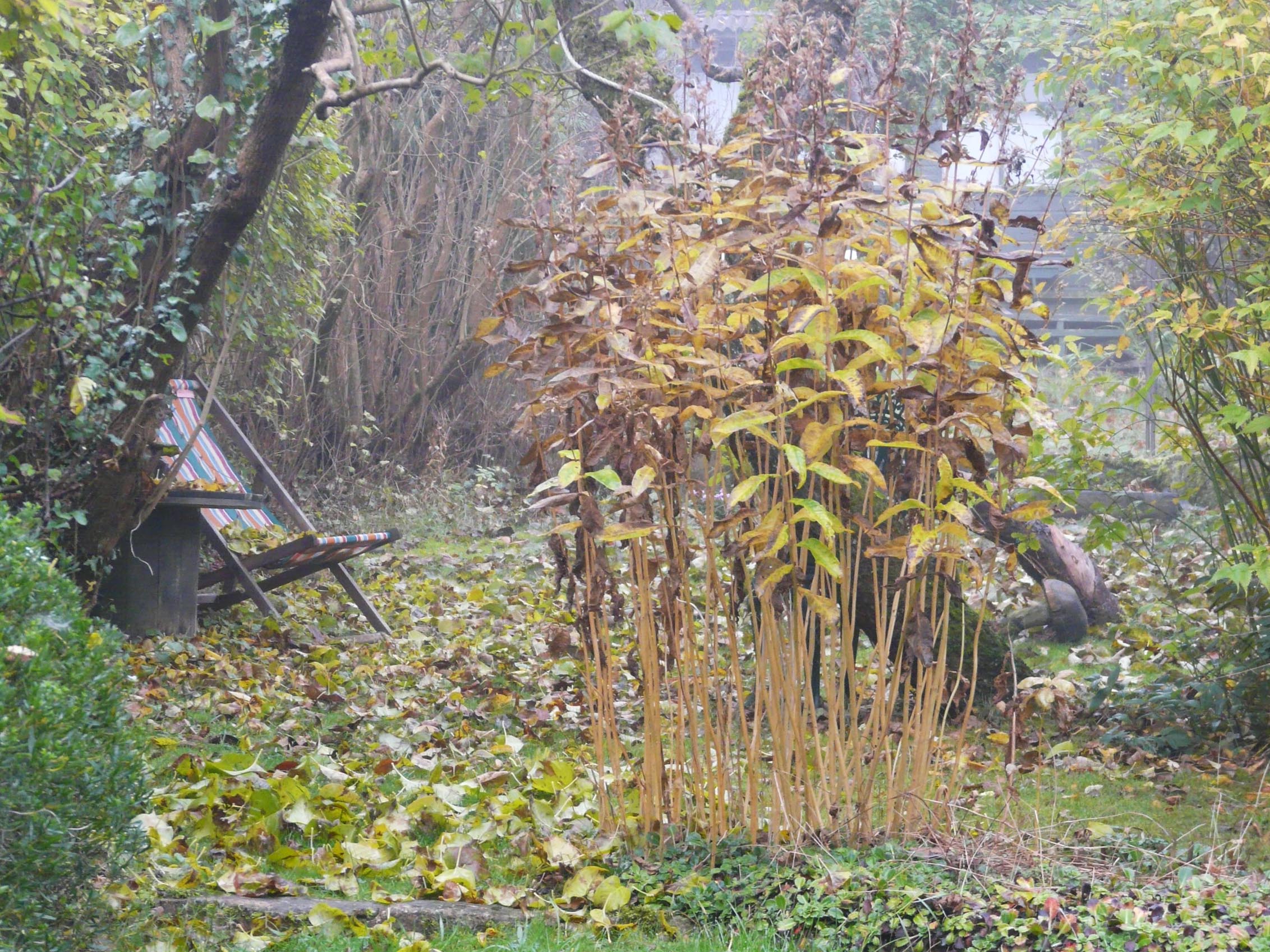
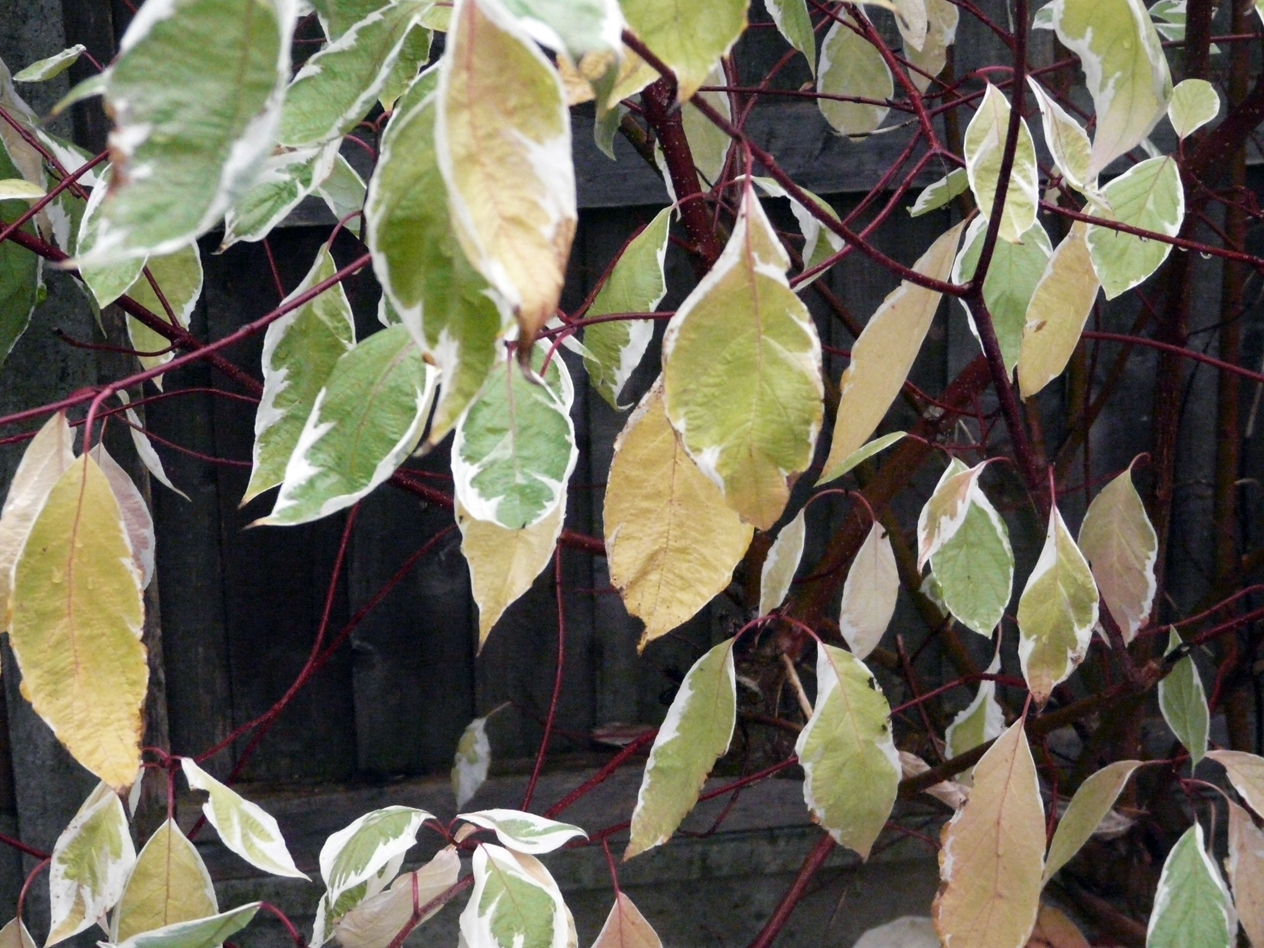
in the beginning was the word … the leaves in my garden reminded me of words.


thousand-and-one words fall to the ground

jewelling the story of seasons’ rounds

they’ll twirl anew to the drone

of each new sound arising

from beyond the ever-

open silence


open silence

from beyond the ever

of each new sound arising

they’ll twirl anew to the drone

jewelling the story of seasons’ rounds

thousand-and-one words swell from the ground


For anyone not that familiar with bagpipes, here are a few words and tunes:

http://www.educationscotland.gov.uk/scotlandssongs/about/instruments/bagpipes/index.asp

21 Comments

Filed under Blog

… another poignant Alice moment …

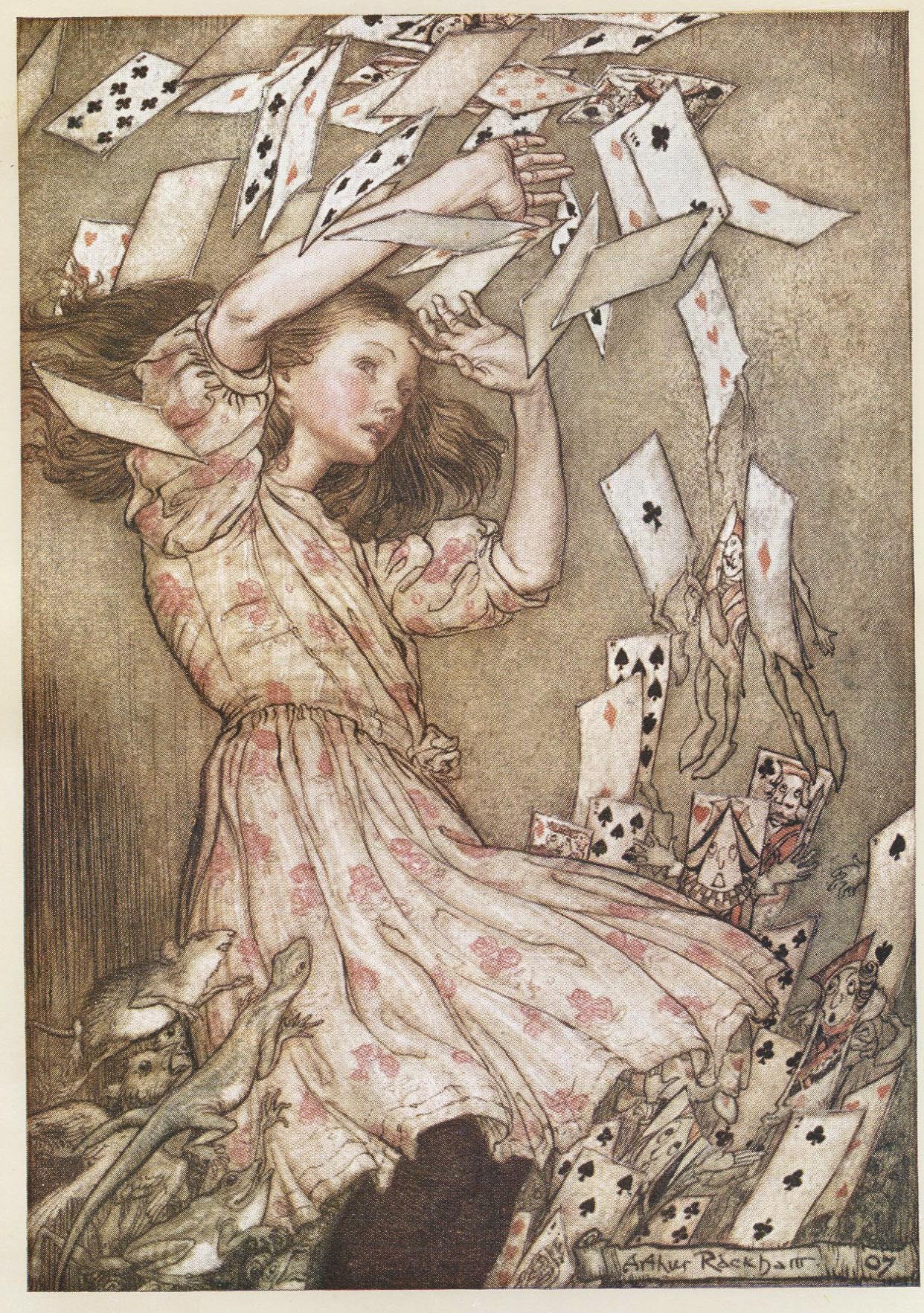
‘Let the jury consider their verdict,’ the King said, for about the twentieth time that day.

No, no!’ said the Queen. ‘Sentence first – verdict afterwards.’

‘Stuff and nonsense!’ said Alice loudly, ‘the idea of having the sentence first.’

‘Hold your tongue!’ said the Queen, turning purple.

‘I won’t!’ said Alice.

‘Off with her head!’ the Queen shouted on top of her voice. Nobody moved.

‘Who cares for you?’ said Alice (she had grown to her full size by this time.) ‘You’re nothing but a pack of cards.’

Do we ever grow to our full size, psychologically speaking? I frequently throw my pack of cards into the air – a good practice in this hilariously mad world, where a rational outlook focusses on particulars while missing the whole picture, the full proportion and variety of human experience. The turmoil of our time creates stress that becomes endemic, where hardly anybody can remain relaxed enough to really listen to their own anxieties, let alone others’ – so they can be aired.

Many dear familiar things are vanishing from our lives, including people. People we met on our path at certain times, people that moved apart again or remained close and intimate. Being reminded that nothing lasts, haunts us with a sense of futility, originating from within us as anxieties, which, depending on our sensitivity, are fed by collective anxieties. The turmoil, while a natural part of transformation, also created stress – which takes different forms in us.

I acquired skills to reduce my stress, am fortunate to be able to listen to myself, often a pre-requisite during the training of any vocation that involves listening to others who suffer stress.

This morning on the news, the poor support offered to those who suffer from periods of schizophrenia was highlighted. It most poignantly illustrates the point. Instead of non-judgemental listening to the anxieties people experience under stress, no matter what fantasy grabs a mind as a kind of metaphor – drugs are prescribed, straight away. And so distrust worsens anxieties, without giving a person under stress the opportunity to explore the relevance of their anxieties. This is how schizophrenia is sanctioned and maintained. In short – the most sensitive people become the victims of our schizophrenic society. How sad.

Are you burdened by anxieties? Don’t insult your anxieties with soothing quotes. Forced development weakens the organism. Don’t be intimidated by expert opinions. Express your anxieties creatively – write, draw, create surreal representations of your fantasies, air them and play with them. Give space to the tension. See that the burden is not all on your shoulders. You are having part in a period of transition, a culture that struggles with confusion. Find your own truth, and establish your own evidence, before you arrive at a false verdict and sentence yourself as a victim.

Don’t adjust your truth to prescribed reality, create a reality to express your truth.

10 Comments

Filed under Blog

… Alice moments …

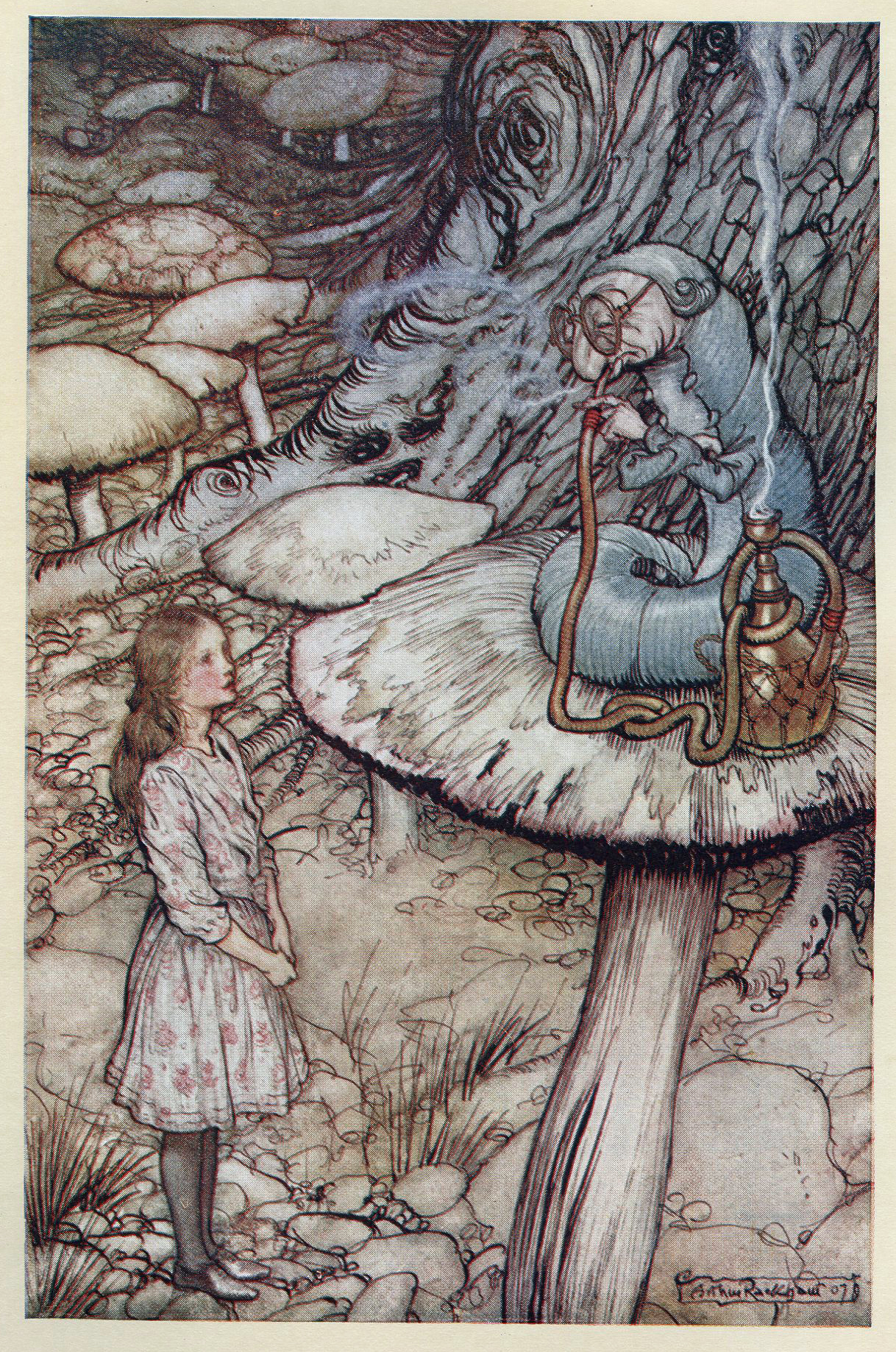
‘Who are you?’ said the Caterpillar.

This was not an encouraging opening for a conversation.

Alice replied, rather shyly, ‘I hardly know, sir, just at present – at least I know who I was when I got up this morning, but I think I must have been changed several times since then.’

‘What do you mean by that?’ said the Caterpillar sternly. Explain yourself!’

‘I can’t explain myself, I’m afraid, sir,’ said Alice, ‘because I’m not myself, you see.’

Illustration by Arthur Rackham


A character in my book is having one of those Alice moments.

When I thought about it a little, l had to admit, so do I.

Having discovered this wonderful 1907 edition of Alice in Wonderland among my books, illustrated by Arthur Rackham, I’ll outwit my writer’s block and re-read one of my favourite stories.

12 Comments

Filed under Blog

… receiving .

I used to be part of a family-of-heart, The Sufi Way, for many years. Various fateful events in 2004 made the hub of this family move to the USA. In the wake of this loss, a group of local UK friends huddled together to hold and honour the memory of a place, friendships, and the gifts of remarkable teachings we had received.

Now our small group has lost a dear friend, who unfailingly showed up and contributed to monthly events we organised together.  His Sufi name was Aranth. He was called to move on, much too young, with many projects on the go. We miss him very much. May his guiding spirits bring him home.

In a moment when I strongly sensed his presence, received his being, something fell into place. He liked to give, and loved it when his giving was received. He was giving generously of his attention, his presence, and the embodied wisdom of his experiences.

So I pondered about how we receive. Today, when everything has a price, giving can be regarded with suspicion. Or a too well-meaning parent may have set up a default warning against receiving anything with strings attached, a condition I battled with in my early years, which made me super-independent, and hesitant to ask for support when I needed it. And there is the profusion of good advice, from self-help books, quotes of gurus, or recipes – like how to write a book in 30 days. The growth industry of advice-giving requires a filter, firm choices as to how we spend our time, and what we open up to.

Yet something given from the core of our being resonates subtly, is easily absorbed, and nourishes the giver and the receiver in lasting ways. To Aranth, this kind of giving was as natural as breathing. It’s how I’ll remember him.

Here the story of a small workshop he offered some years ago, on money, and the various ways in which money is perceived – as energy, power, or talent. We stood in a circle and Aranth pulled a substantial bundle of £50 banknotes from his pocket. Our eyes popped. There was once a period in my life when £ 50 notes wandered through my purse, but not then. ‘Go on, let it go round,’ he said. With a mischievous smile he proceeded to feed the crisp notes into our circle, clockwise. ’Faster!’ he said.

Many fascinating processes happened among us. In the rush of energy, bank notes would take on a life of their own. They would stick to hands and accumulate, or notes were dropped in confusion. Some people got impatient when the flow was held up. And there were those who quickly handed the cash on to the next person as if the notes singed their hands – I was among that group. ‘How comfortable are you dealing with energy, money?’ Aranth asked. ‘There would be enough for everybody if it was allowed to circulate and flow freely.’ Yes, there is that, a fact of life, money gets hoarded and piled up in oxbows. But what about people handing on energy too fast, like I was in the habit of doing?

My lasting insight during that day was – insufficiency, as well as sufficiency, are states within us. And our environment tends to confirm the state within us. I gradually managed to stop worrying about money. Yes, it would be nice for a few wants to materialise, but I always seemed to have enough of what I need. Attending to my inner state, I shifted my focus towards holding and developing my talents.

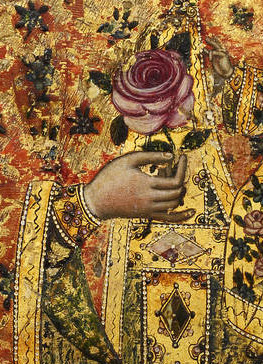
unfading rose

I receive Aranth’s giving that day, and benefited  Yet many times a giving is concealed to me, or appears like an obstruction, and I miss its blessing. Like the beggar in a Hindu story, who stumbled over a sack of rags and cursed, not realising it contained gold.

As it happens often, it is only when we lose someone who has been part of our life that we are able to gage the depth of what we were able to receive. When a giving is truly received and valued, something of beauty is exchanged that lives on – like the unfading rose.

So I figure, this little quote they assign to you, dear St Francis of Assisi

‘It is in giving that we receive,’

has its equally valid mirror … ‘It is in receiving that we give.’

I imagine the Saint would have smiled and agreed.

26 Comments

Filed under Blog

… the shock of disorientation – the unknown …

Change is the only reliable constant. I sometimes wished I could pledge my life to a convincing reality. For me, what is derived from facts or beliefs in our culture often lacks a vital ingredient – the acceptance of the continuous process of harmony unfolding from cycles of necessary chaos – so I watch the river flowing and imagine stories and create worlds.

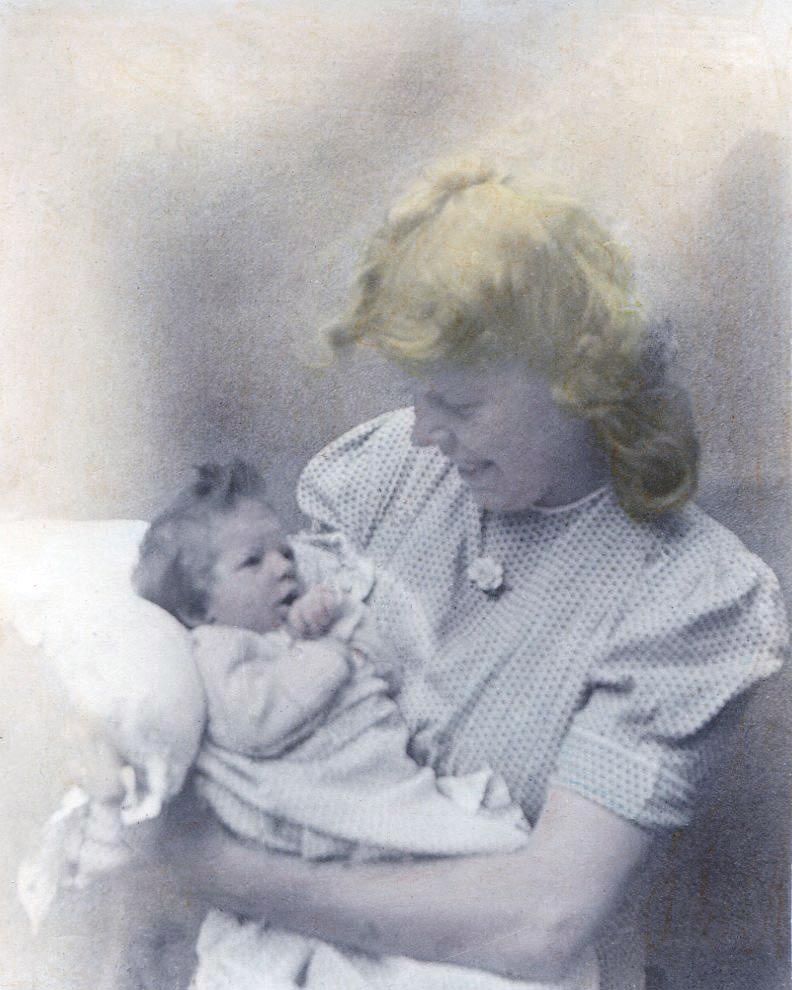
four weeks old

Though my childhood had its trials, I was lucky to be held during my early years, both physically and metaphorically, which gifted me with a sense of basic trust, a right to exist, a right to question, and a playful irreverence. Maybe this is why my little wisdoms play with facts and beliefs, dust the inner mirror, value what is emerging, the ever higher level of coordinates of truth and beauty, like a trajectory of the love I received.

For someone not held at birth, change can be dreaded, or seen as a means of escape from an unsafe environment. What we all have in common, is a longing for sufficient containment, and periods of relaxation.

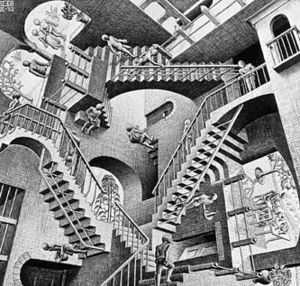
Some years ago, I walked up the stairs of the Social Services centre where I worked. The building had two sections of offices that mirrored each other in design, with exactly the same stairway on each side. A lift in the middle accesses both sections. Being lazy, I usually took the lift up to the third floor, though I liked to take the stairs down on the far side. On this particular day I wanted exercise, and time to ponder a logistic problem. Steeped in thought, I headed for the staircase in sight. Arriving at my floor, I entered the office with its familiar layout and was hit by a sense of total disorientation. Wrong, all wrong, on my desk sat a row of bright, fluffy soft toys, not the company I had round my computer. In a split-second I noticed other irregularities, the quality of light – a smell of heady perfume. The entire atmosphere in this office was alien, the wrong music – alien to my expectations.


M. C. Escher

First thought – I must have time-jumped, returned from the past – my mother often marvelled at my vivid imagination. More laser-fast thoughts – perceptions are tenuous and dreamlike reality is self-made and its boundaries are fragile. Calling in episodes of lucid dreaming, my fear switched to wonder, until I grasped the situation. With my thoughts dwelling in abstract orbs, I had walked up the wrong set of stair, expecting to see my desk, which was however in the other, mirror-part of the building.

Being sandwiched between two realities, the expected and the unexpected, the cognitive familiar and the unknown, tends to cancel time for an instant, long enough to escape the compulsion of identifying with objects or thoughts. Shocked awake, the mind is free and spacious, a delightful state.


Disorientation, if tolerated, can bring a sudden glimpse of unidentified consciousness in action.

Not discounting trance and meditation, or the vast variety of personal experience – mind and body work in synergy if we loosen up our ideas and learn to relax. In synergy the combined intuitive intelligence of body/brain and the collective mind brings us into resonance with a reality beyond our comprehension – the reflection of a universal order. Not a miracle.

As a child I once dived into a swimming pool. The brilliant sky was of the same blue as the tiles that lined the floor and walls of the pool, which would have been fine had I not opened my eyes under water – the blue world overwhelmed. I lost all sense of direction and panicked. With no way out, I instinctively shut my eyes, which calmed my racing heart and allowed my muscles to relax. My body naturally floated upwards.

I later learned, during experiential Sufi practices, that apt intentional exposure to situations depriving us of habitual coordinates, can prepare us to face change, the unknown, with less stress and more equanimity.

Have you had moments of disorientation – even if it was putting a cup to your lips expecting coffee and tasting tea?

*    *    *

The theme of ‘disorientation’ came up after recent posts by a blogger friend, Joe Linker (see blog roll), on Buckminster Fuller – his thoughts on synergy are powerfully relevant today – http://en.wikiquote.org/wiki/Buckminster_Fuller

… We are now synergetically forced to conclude that all phenomena are metaphysical; wherefore, as many have long suspected — like it or not — ‘life is but a dream’ …

Buckminster Fuller

So we might as well dance … http://www.youtube.com/watch?v=pXpaI5IMQsg&feature=related


13 Comments

Filed under Blog

… unseen stuff – micro-organisms …

More contagious than micro-organisms are fear and hopelessness.

Long before our time, the existence of micro-organisms was presupposed, notably in Jainism, whose followers vow non-violence in thought and practice (Ahimsa) towards all living beings. The tradition is said to be older than Buddhism.  In the teachings of Mahavira (599 – 527 BEC),  micro-organisms are described as unseen creatures living in earth, water, air and fire, and existing as clusters pervading every plant and tissue, not just on earth but throughout the whole universe. Jain libraries are the oldest in India.

While home-bound with a young child in rural Somerset, I did an OU course on world religions, wanting to learn about the formative ideas underlying our variety of cultures. Reading on Jainism, I was struck by its beautiful philosophy, genuine tolerance of other faiths, and the surprisingly modern belief – that the universe is self-regulated by the laws of nature. Worth exploring: see wiki-link below.

With a different mind-set, the idea of unseen creatures informed a nasty biological war fare during the Middle Ages, when diseased corpses were catapulted into enemy strongholds.

Along came artificial eyes, the telescope and the microscope, evidencing these unseen worlds. The Jesuit priest, Athanasius Kircher, and Anton van Leeuwenhoek, were among the first to spot micro-organisms through lenses in the 17th century.  The journey took off, until Ferdinand Cohn founded the discipline of bacteriology in the 19th century, and Louis Pasteur and Robert Koch developed the study of microbiology, focussing on food preservation and vaccines. The gained knowledge helped to protect us from organisms known to spread disease, and improved the hygiene of our environment. During the late 19th century the study was expanded through the work of Martinus  Beijerinck and Sergei Winogradsky into the field of general microbiology.

Today the study of micro-organisms has developed to such extend that  hundreds of specialised branches of study exist serving a huge variety of applications. I’m fascinated by biology, and I greatly respect scientists who devote their days and nights to deepen our understanding of life.

What I question, as do many of my friends, which include scientists, is the unrestricted power of multinational companies. It is totally unethical that multinationals can push decisions as to how scientific evidence is used. To start with, they must be made accountable for damages caused, and next, it should be obligatory, like a tax, that a fraction of the profits these companies reap be used for interdisciplinary research, so that  evidence can be established for the many undeniably wholesome methods of balancing and strengthening self-organising systems.

The over-reliance on suppressive drugs (and in the case of agriculture pesticides) in the fight against every imbalance has devastating side effects. Apart from training super-bugs,  the relentless war undermines the ecosystem of our planet, and our birth right, the ingenious self-regulatory system that acquires immunity through exposure. Nature has taught us everything, nature is not the enemy. Excess use of medication could even undo the good work of vaccines, meant to help us acquire immunities. A weakened immune system may eventually fail to deal with any kind of exposure. So why do we sanction this paranoid warfare ?

What is known about micro-organisms includes the process of endosymbiosis – where symbiosis occurs between different organisms that benefit from living together. Lynn Margulis opposed the neo-Darwinian concept of competition, and proposed that evolution thrived through cooperation: ‘Symbiogenesis recognizes that every visible life-form is a combination or community of bacteria.’  (See link below) In other words, the fittest is what adapts and harmonises.

There is always more than one way to look at something. When it comes to the prevention of dis-ease, and the healing of body and mind, the soothing of stress, we have enough knowledge and wisdom to appreciate the effectiveness of: relaxation, telling one’s story and being listened to, a clear positive intention, the benefits of meditation, a calm mind, the balancing of subtle energies, the vibrations of harmonious sound, architecture, colours, symbolic  understanding, the use of active creative imagination, a gentle touch, a heartfelt smile, for example.

The authenticity of a friend, a doctor, a healer or therapist, can inspire a troubled person who is seeking support to take self-responsibility. Trust, or faith in one’s healing, is a phenomenon that also throws light on the powerful physiological effects of the placebo, which is a proposed ritual that promises nothing, but puts the patient in charge. Wow!

From another tradition that respects all faiths, here is a perspective on microbes expressed by Sufi Hazrat Inayat Khan, who brought his wisdom to the west in the early 20th century:

Every day a new invention brings a new microbe. And if a new microbe is discovered every day till the end of the world there will be numberless diseases; in the end it will be difficult to find one man healthy, for there must always be some microbe; if it is not of an old disease, then of a newly discovered one …  

The people of old thought that microbes were spirits, living beings, in the absence of science which today distinguishes these spirits in the form of microbes; and yet it seems that the ancient healers had a greater grip upon the illness, for the reason that they considered the microbe in its spirit. In destroying the microbe they did not only destroy the outer microbe, but the inner microbe in the form of the spirit, of the germ; and the most interesting thing is that in order to drive away that spirit which they thought had possessed the patient, they burned or they placed before him certain chemicals which are used even now, having been proved to be destructive to the germs of diseases.

With every measure that physicians may take to prevent the germs of diseases from coming, in spite of all the success that they will have there will be a greater failure; for even if the actual germ is destroyed, it exists, its family exists, somewhere. Besides, the body which has once become the abode of that particular germ has become a receptacle of the same germ. If the physician destroys the germ of disease from the body of an individual that does not mean that he destroys it from the universe. This problem, therefore, must be looked at from another point of view: that everything that exists in the objective world has its living and more important part existing in the subjective world; and that part which is in the subjective is held by the belief of the patient. As long as the patient believes that he is ill he is giving sustenance to that part of the disease which is in the subjective world. Even if the germs of the disease were destroyed, not once but a thousand times in his body, they would be created there again; because the source from which the germs spring is in his belief, not in his body, as the source of the whole creation is within, not without. 
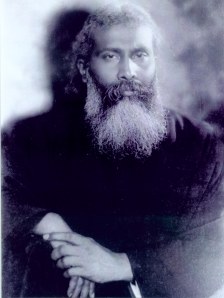
Hazrat Inayat Khan

The outer treatment of many such diseases is just like cutting the plant from its stem while the root remains in the ground. Since the root of the illness is in the subjective part of one’s being, in order to drive away that illness one must dig out the root by taking away the belief of illness even before the outer germ is destroyed. The germ of illness cannot exist without the force, the breath, which it receives from the subjective part of one’s being; and if the source of its sustenance is once destroyed, then the cure is certain.

Very few people can hold a thought, but many are held by a thought. If such a simple thing as holding a thought were mastered, the whole life would be mastered. When once a person gets into his head, ‘I am ill’, and when this is confirmed by a physician, then his belief becomes watered like a plant, then his continual reflection of it, falling upon his illness like the sun, makes the plant of illness grow; and therefore it would not be an exaggeration to say that, consciously or unconsciously, the patient is the gardener of his own illness … The root of illness is in the mind, and if that root is continuously watered by thought and feeling, illness is realized in the end.

*      *      *

More contagious than micro-organisms are fear and hopelessness.  (my conclusion)

*      *      *

We are the mirror and the face in it.

We are tasting the taste this minute

of eternity. We are pain

and what cures pain. We are

the sweet, cold water and the jar that pours.

Rumi – transl. by John Moyne and Coleman Barks

*     *     *

Jainism: http://en.wikipedia.org/wiki/Jainism

Lynn Margulis

http://discovermagazine.com/2011/apr/16-interview-lynn-margulis-not-controversial-right

Hazrat Inayat Khan – Volume 4 – Healing and the Mind World.

16 Comments

Filed under Blog

… memory and place …

I never thought I would live in one place for 23 years, and tend a garden. Its visiting creatures provide inspiration and amusement. I cast tendrils of attachment to secret corners, the changing patches of colours and textures. I observe the cherry and apple blossoms turning into carpets on the lawn, the tulips, blue bells and peonies bursting open in spring, wild strawberries, the abundance of clematis, roses and geraniums during summer, or phlox and fruits in autumn. The space is breathed through by the seasons’ moods and muses. On rare and perfect summer days, when the sun plays through the branches, I love spending time in my hammock, reading and editing, or share the space with friends – bliss.

Yet I can count such days on the fingers of my hands. And not just because of the UK weather.

This paradise is surrounded on four sides by hedgerows, has 5 mature fruit trees and a shed and studio smothered by ivy. Those of you who have gardens with sizable plants will understand the dedication it takes to merely keep annual growth under control.

Is the effort worth it?

Twice a year I need assistance. After the heavy rain and excessive growth we had during spring and summer, my neighbour recently helped transporting two transit vans stuffed full with cuttings to the recycling dump. The excess jungle weighs on my mind each year, but once trimmed and sculpted, the cleared shapes feel like newly decorated living rooms. 

What is it about places we care for? How come we spend so much time and energy looking after them? What we experience through our senses can be fleeting, but where repetition is involves, it becomes fixed and saturated in our imagination. There is nothing as deeply impressive as living in one place through cycles of seasons. We call it home.

In these tumultuous times, a great number of people around the world are forced to leave their homes. Either they have no say in the matter, or they must leave for sheer survival, escaping adverse weather conditions or politics that undermine human dignity. But wherever we land, we inherit the history of a room, a house, a plot, a community, and in turn we leave traces, an influence.

The place survives us. Do we bless it?

Do our personal experiences – including those associated with ambivalent feelings about places and people – survive beyond the brain’s switchboard activity that ties associations into a framework of meaning and memory? My intuition tells me yes, there are spaces in many dimension, floating as in a kind of hologram, which can live on through a strong memory laid down in our imagination, like the next chapter of a story.

In the way of habituation, these subtle forms must remain in some way in the collective psyche, accessible to minds and hearts who tune into their feeling pattern. This could happen via a kind of grid of finer matter (see Eccles: http://en.wikiquote.org/wiki/John_Carew_Eccles) that interact with the denser neural network of our brains.

There are these unanswered questions: is consciousness an emergent phenomenon of matter, or is matter an emergent phenomenon of some finer, spiritual substance?

Either way, if one were to assume that we create the world hereafter by the repetitive strength of our experience, be it with places, people or the passion for a sport, craft, art, music, science,  it bears us well to find something we can love, care for, and empower with our imagination.

12 Comments

Filed under Blog

… village poem …

 My father’s recent move away from the village I grew up in meant another goodbye, though my impressions of the place live on in me, and my writing. I like to share an old, bitter-sweet lyrical poem, which recalls an aspect of my experience growing up in a village. It leaves out the lake,  the mountains, and the church-bells – their marking of time could make an epic- their melodic ring still sounds once every quarter of the hour, and every hour in full from morning to midnight, so that people should not lose themselves in relative time.


The Village Poem

Through the veil of time I drop to the heart of my village,

child again, inhaling dust and summer-heat.

Drawn to the bright blue tiles in the dairy, I suck cool air,

watch the jet of buttermilk spool from pump to cup like silk.


The milkmaid frowns at the antics of our pianist, whose mass

of silver hair trails dangerously close to a display of camembert,

while her left hand swings a crystal pendulum, her daily rite

in search of resonance. I hold an image of her fine hands

striking keys on a white grand, giving air to Bach and Brahms

below the star-lit night, painted on her study’s cupola.


She is my link to otherness, the unseen in me, the odd child,

who rejects the cream for the undercurrent of her dream.


Crisp greens at the grocer, white roots, red fruit and purple aubergines.

The woman flicks brown paper to a cone, scoops pickled kraut:

‘Take it, to nibble on your way.’ Warm wafts of steam rise up

from the cellar of the bakery, a scent of cinnamon lingers in the street.

Taming and bonding takes place; it’s easy to love and be loved

when food is bait and the tongue’s code for paradise is taste.


In shops, daily gossip thrives, turning the fate of familiar faces.

Sweet tongues do sour talk – the time it takes to pay – a hero is made

or falls from grace. Spells are cast: ‘No good will come of it,’

and refrained, ‘Just as I said, I knew it form the start.’

Confused, I veil my face and seek the last shop in the street.

Here my village becomes the village and its many tales can be read.


I inhale the vast promise of virgin books

and a smell of print more exciting than bread.

*     *     *    Ashen

An areal photo of my village, taken by my father.

Then there is me with my mum at the lake …


And a class picture, taken around that time, from primary school. You can click on the images here to enlarge them.


27 Comments

Filed under Blog

… my father …

My father, a painter, photographer, recorder of village life, and dedicated outsider, has finally, at 94, surrendered a big chunk of his independence and moved into a smaller, protected environment, at the foot of his beloved Alps, of which he knows the name of every peak. He now lives in a small apartment, crowded by furniture and his memorabilia.

He never showed much interest in me. I should have been a boy, and I’m still trying to let go of this traditionally embedded rejection.

Due to my dad’s poor communication, the past returned like a big wave that threatened to drown me, because, whether we like it or not, we all emulate qualities of our parents. His image here is interesting as emblematic turning point. Unbeknownst to my dad, his skying skills were exploited. He was groomed by the army for Russia. While on a special training he saved the life of a girl, which is why he did not end up in the nightmarish march to Russia and instead worked as an engineer testing aeroplanes.

Thanks to a remarkable woman in the village (thank you Micha) who supported my dad with the logistics of the move during the last few weeks, all went smoothly.

Together with my son and his partner (without them I would have faltered) we sorted the chaos left behind, enduring a few days in the stirred up dust of my dad’s two relationships, the one with my mother, who died much too early, in 1987, and that with another woman, who my dad also lost to illness.

Thanks to marvellous hot sunshine, which allowed us to swim in the lakes and ponds of Bavaria, and thanks to the help of some wonderful friends in Munich and Aalen, the task was made lighter. A leaf I found (below) sums up my sentiments.


*     *     *

A DREAM

The leaf, like my life

Grows from green-sprung verve

Towards brittle glowing gold

Weathered into definition

By burning days

And moist nights

Worn veins gnarl back

To imagined beginnings

While futures curl forward

To the ever-expanding

Where every ending appears

As a glitch in time …

22 Comments

Filed under Blog