Tag Archives: poetry

… interludes – and poetry by W S Graham …

I’ve neglected you, my reader friends, immersed in writing the sequel to ‘Course of Mirrors’ and a few interludes. Like, my writing fixation was pleasantly disrupted last week through meeting my son at Covent Garden, and later attending the launch of ‘The Inflatable Buddha’ by András Kepes at the Hungarian Cultural Centre in London.
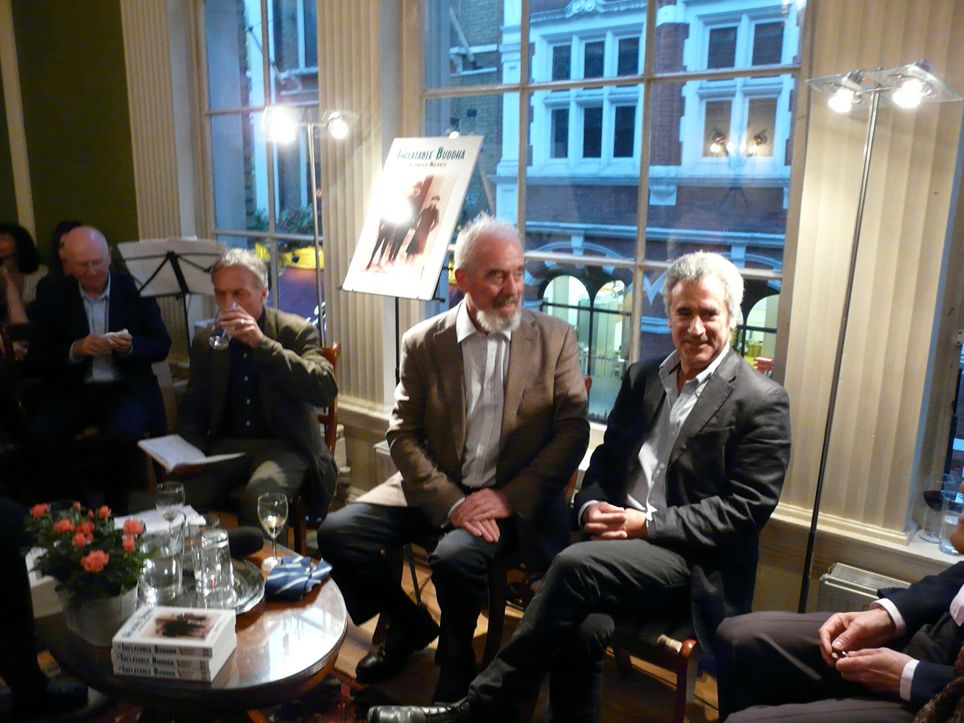
Armadillo Central launches 'The Inflatable Buddha.'

Armadillo Central launches ‘The Inflatable Buddha.’


It is the newest project of my to-be publisher http://www.armadillocentral.com/  András’s novel offers a more subtle perspective than officially recorded history, showing the fictional lives and wits of three ordinary, idiosyncratic Hungarians during the twentieth century. The sample readings enticed me, and I’m now looking  forward to reading the book. The well-attended, grand launch event also gave me a taste of what is to come – being exposed to questions about my own epic .


Then came a traumatic interlude to my writing …
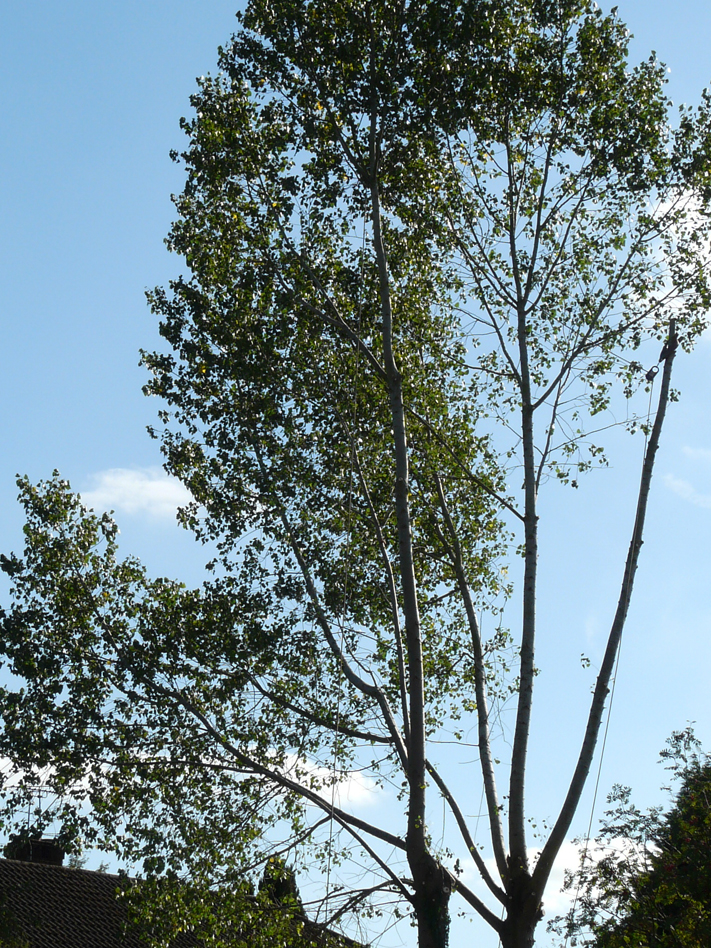
I mourn the shimmer and music of its leaves.

I mourn the shimmer and music of its leaves.

During the last two days, to the grinding noise of chainsaws and a shredder, I mourned the loss of a beautiful poplar/aspen tree in my neighbourhood, which has grown too high for its owner. The now mutilated tree (the image shows a third of its size) will be gone completely next week. I’ll miss the shimmer and the watery music of its leaves, produced by the slightest breeze, and the golden hearts trailing into my garden come autumn. I picked a few early leaves to treasure, pressed to dry in my dictionary.

Today a most pleasant surprise … a poetry book arrived unexpectedly in the post, sent by a Scottish friend/poet, who is at this moment working with a visual artist on a project about Tin-mining in St Ives. Due to blank spots in my education I rely on stumbling upon poets less publicised, and was delighted to receive this gift of an expertly edited ‘New Collected Poems’ by W S Graham. So I thought I’ll share excerpts from his poems – on themes that will chime with fellow writers .

W. S. Graham (1918-1986) grew up in Clydeside, Scotland, and initially followed the footsteps of his father, who was a structural engineer in the ship-building trade. However, a year studying philosophy and literature at an adult education centre outside Edinburgh set him on the path of writing poetry for the rest of his life, irrespective of meagre financial rewards. He travelled to London and New York City, but later lived with his wife in Cornwall.
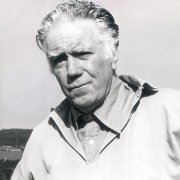
W S Graham, image by Sally Fear

W S Graham, image by Sally Fear

I was delving into the book this morning. Here some facets, unconnected lines, the first from THE NIGHTFISHING    (1955) – a melodic composition, speaking to the seen and unseen,  from a night in a herring boat out on the North Sea.

… Gently the quay bell

Strikes the held air …

Strikes the held air like

Opening a door

So that all the dead

Brought to harmony

Speak out on silence …

I am befriended by

This sea which utters me …

… Far out calls

The continual sea.

Now within the dead

Of night and the dead

Of all my life I go.

I’m one ahead of them

Turned in below

I’m borne in their eyes

Through the staring world.

The present opens its arms …

… Each word is but a longing

Set out to break from a difficult home. Yet in

It’s meaning I am …

… The bow wakes hardly a spark at the black hull.

The night and day both change their flesh about

In merging levels …

The iron sea engraved to our faintest breath

The spray fretted and fixed at a high temper,

A script of light …

… The streaming morning in its tensile light

Leans to us and looks over on the sea.

It’s time to haul. The air stirs its faint pressures

A slat of wind …

… The white net flashing under the watched water,

The near net dragging back with the full belly

Of a good take certain …


Some of the last lines of – THE NIGHT CITY – a turning point … I found Eliot and he said yes … T S Eliot was then with Faber and Faber. He became Graham’s publisher.

… Midnight. I hear the moon

Light chiming on St Paul’s

The City is empty. Night

Watchmen are drinking their tea …

Between the big buildings

I sat like a flea crouched

In the stopped works of a watch.


From IMPLEMENTS IN THEIR PLACES (1977) I picked a refrain from WHAT IS LANGUAGE USING US FOR ?

… What is the language using us for?

It uses us all and in its dark

Of dark actions selections differ …


And last – AIMED AT NOBODY – Poems from Notebooks (1993)

PROEM

It does not matter who you are,

It does not matter who I am.

This book has not been purposely

made for any reason.

It has made itself by circumstances

It is aimed at nobody at all.

It is now left just as an object by me

to be encountered by somebody else.


*    *    *

This may well be how it feels for most writers who simply can’t help sculpting experiences into words. What do you think?
6 Comments

Filed under Blog

… storytelling and the primary world …

Knowledge is not the rare gem it used to be. Then again, without recording, analysing, sorting, summarising, calculating and disseminating mega quantities of data we’d have none of our ingenious toys to play with. Without statistics our systems would grind to a halt, and, yes, it’s annoying that almost daily yet another quantitative study announces what’s good, or detrimental, for our well-being. Thankfully, none of the churned out evidenced facts can make a claim on meaning. Humans remain idiosyncratic. We apply messy values to our life-choices, and we frequently ignore the logical road signs of scientific landscapes, or blank out the hassle of linear time.

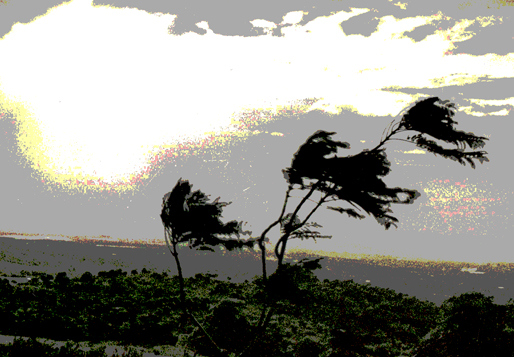
Wind


Instead, we are tossed along by emotional encounters, the unexpected, are awestruck after a quantum leap of intuition, and are generally guided by what appeals to a body/mind that likes the stimulation of nature, her moods, seasons, the phases of day and night suggesting action or repose, like the in-and-out-breath, between which we may catch a glimpse of a dream, a relevant truth, an eternity even. Hardly anyone I know is without this conflict: liking order and control, as well as yearning for rapport with the dance and rhythm of nature.

Over 300 years ago G W von Leibnitz, who could’ve been a poet, was gripped by an emerging idea, to collate all human knowledge and to systematize it via a common language. Computers would have been his bliss. He loved to correspond with most scholars in Europe during this baroque era. And he might have gone some way to explain the whole universe in the hope to solve every conceivable problem. Paradoxically, he also stated … the universe had to be imperfect otherwise it would not be distinct from God. Near the end of his life, Leibniz wrote in a letter that combining metaphysics with mathematics and science through universal characters would require creating what he called:

a kind of general algebra in which all truths of reason would be reduced to a kind of calculus. At the same time, this would be a kind of universal language or writing, though infinitely different from all such languages which have thus far been proposed; for the characters and the words themselves would direct the mind, and the errors — excepting those of fact — would only be calculation mistakes. It would be very difficult to form or invent this language or characteristic, but very easy to learn it without any dictionaries …

Source:  http://en.wikipedia.org/wiki/Characteristica_universalis

I’m not doing honour to this remarkable man, so here is a sketch of a biography … http://www-history.mcs.st-andrews.ac.uk/Biographies/Leibniz.html … should you have the patience to read this, note the time it took for letters between Leibniz and Newton to be delivered, which makes me admire the tenacity of these scientists.

The notion of a calculus for a universal language intrigues and troubles me. Nature speaks a language everyone understands. Key-terms of my mother tongue (see my last blog post) easily bring back the plot of land my toddler feet bounced across. The stories I most enjoy writing grow organically, with tendrils of their roots nourished by the alpine woods and hills of my childhood.

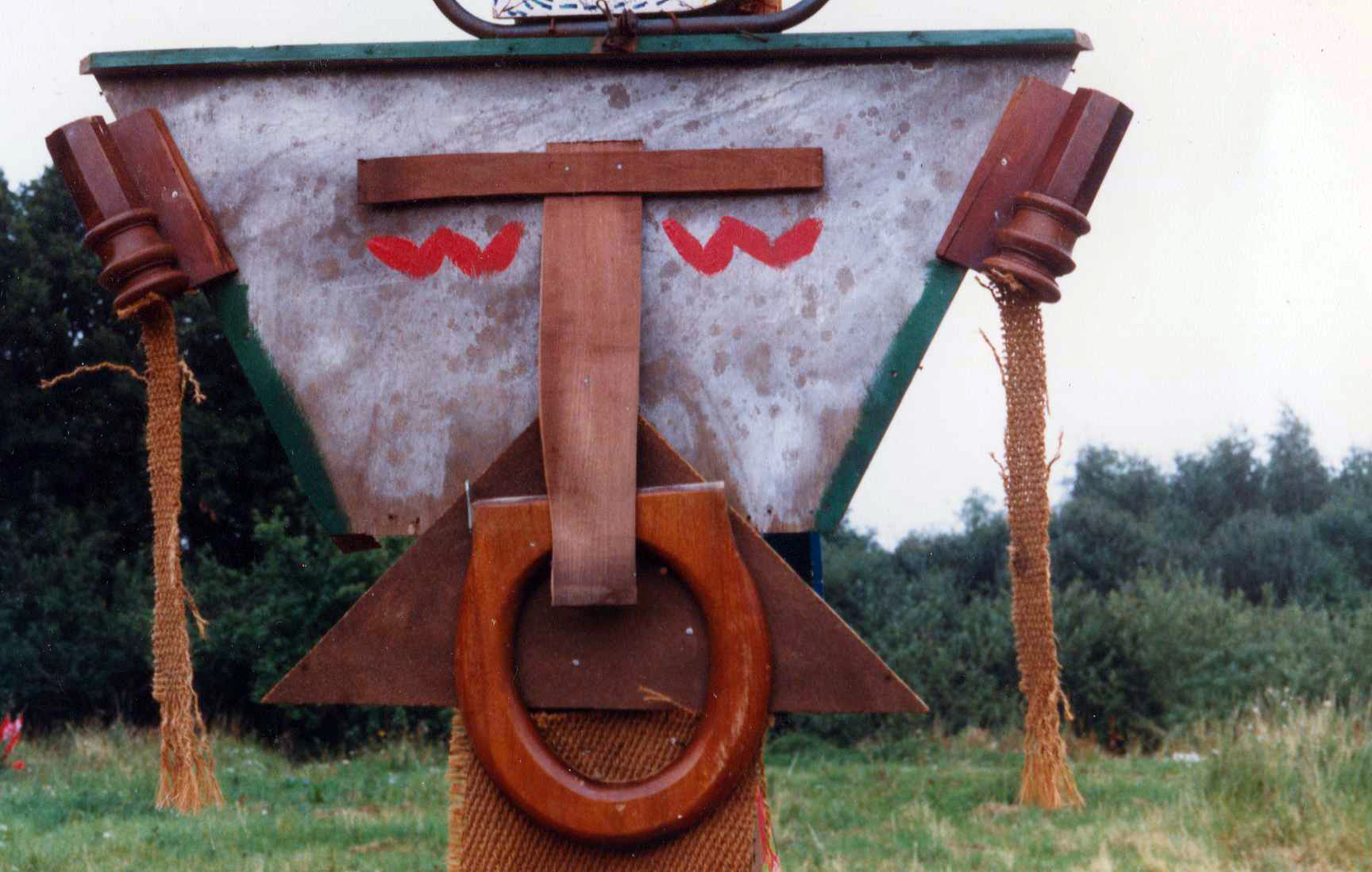
But things change. Data collation is now available to authors, promising control, over marketing, though formulas and blueprints are now offered for the creative process, like how to write a novel in four week. Imagination serves many masters and is not easily controlled – its life-sap flows through all forms. Totempole 4

We can only explore everything known continuously in fresh situations and move on, in the way that children and creative people place a familiar object into a new context. The play of imagination destroys and creates, and has the power to shift the meaning of our past, present and future.

‘There is the truth of truth as well as the truth of fact.’                   D.H. Lawrence

Being part of the dynamic process of evolution (which Philippa Rees ingeniously terms ‘Involution’ in her book of that title) we are walked by the tightrope of ecstasy and pain, of dependencies on environments and people, for better or worse, dependencies on beliefs too, mostly not by choice, but driven by binding needs.

Couple shadow series, 3a small

We face exploitation, conflict, sudden change, harmony alternating with phases of chaos – the story of life, a record marked in DNA and every tree trunk. Instigating control, or preaching harmony while shading off the dark, the chaos, the collective psyche of humanity, will only repeat the distortions of otherwise genuine messages from enlightened thinkers, sages and prophets.

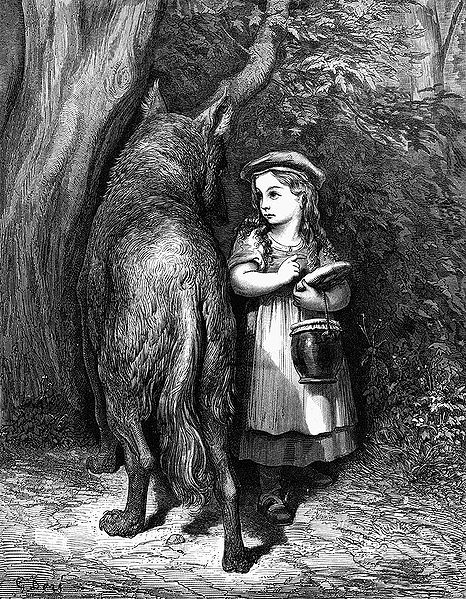
It would serve us as well to teach our children how to accept the dark and how to deal with conflict. Reading the collected folk tales of the Grimm Brothers to children would be a start.

Dore - public-domain-image

Dore – public-domain-image

The inspired P L Travers, author of Mary Poppins, had a talent for highlighting the vital function of myth, symbol and story. She shared her reflections in a collection of essays that appeared in Parabola Magazine. The essays were later published in a book, titled: ‘What the Bee Knows.’

She wrote … The Primary World, in order to go on living, needs the things man cannot create – the earth with all its composted dead, the rain that raineth every day, the seasons, nightfall, silence – and the ear free of all pulsation but that of its own blood.

… The Primary World is that which has never been invented but came into being, along with the blood stream, as a legacy from the Authors who, according to Blake, are in Eternity. All the rest is manmade, or as Tolkien has it – sub-created.

As a writer I sub-create and grow stories from within, using images and words that resonate with personal experiences, myths and visions that provide an ever-changing way of relating to myself, to others and the worlds we share. So when Travers says … nothing is truly known until it is known organically … this chimes for me.

We forget – a happy fault – imagine there was no pause between one dream and another, no night. We forget so we can re-member creatively, which takes practice. We walk on star dust and ancestral bones that inform our bloodstream, as much as the stories of this world nourish our imagination, continuously re-shuffling our psyche, which explains our function as being the bridge between matter and spirit. Every bee knows this.

Image by Yeshen Venema

Image by Yeshen Venema

What the Bee Knows, by P L Travers http://www.amazon.co.uk/What-Bee-Knows-Arkana-Travers/dp/0140194665/ref=sr_1_3?s=books&ie=UTF8&qid=1376737128&sr=1-3&keywords=what+the+bee+knows   Wow, no reviews

Parabola Magazine: http://www.parabola.org/

‘Involution’ by Philippa Rees: http://www.goodreads.com/author/show/30171.Philippa_Rees


Images are mine unless the captures say otherwise.

6 Comments

Filed under Blog

… mother tongue & other tongue …

Starnbergersee

Starnbergersee


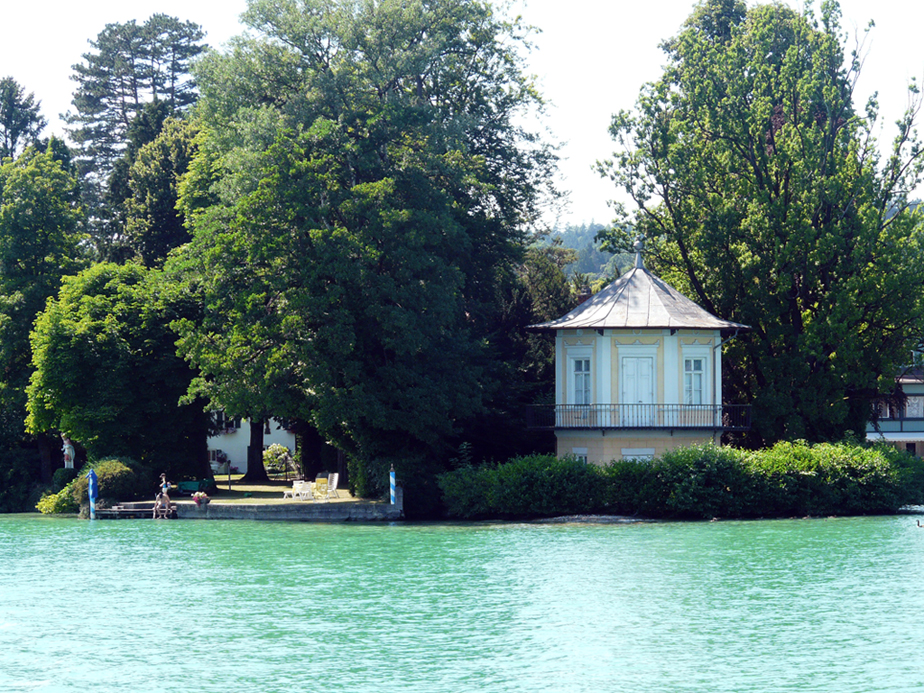
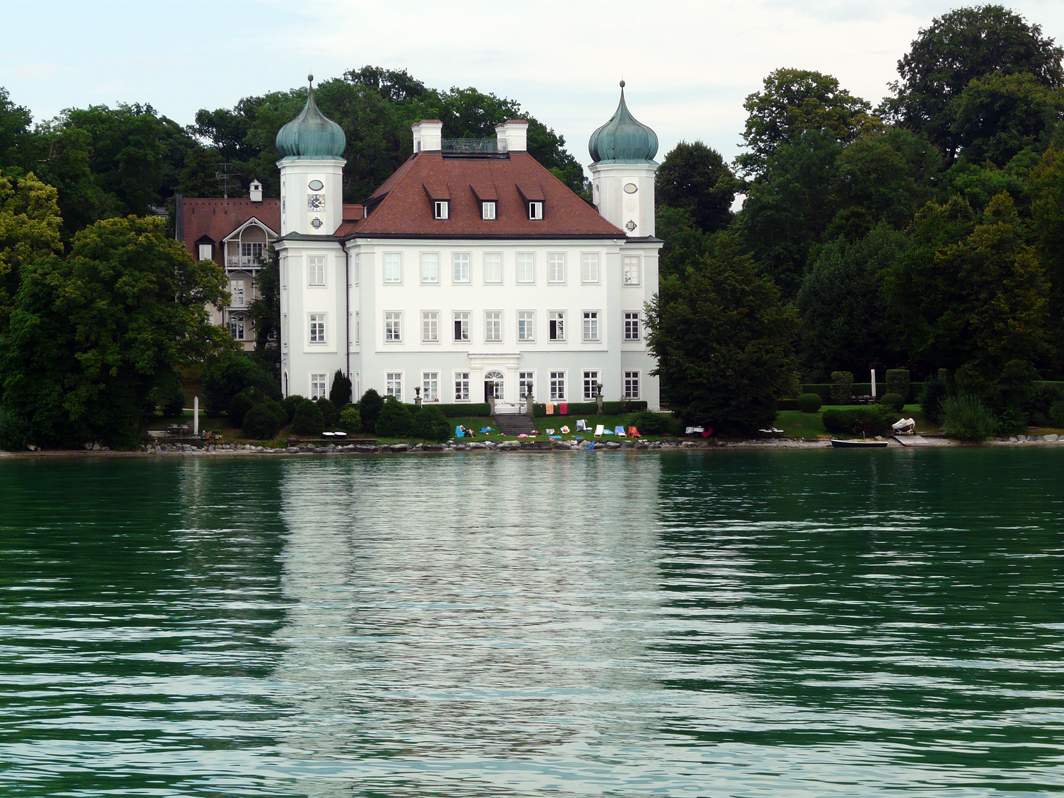
Two languages, two rhythms, two patterns, two spheres, two perceptions … last week I attended a re-union of my primary school class in Bavaria. Around 20 of us turned up.  The event included a ship ride on the lake that marks the geography of my childhood – Starnbergersee – whose shores are garlanded with castles and grand villas. Once I’ve won the lottery I’ll snap up one of these dream places and invite all my readers to a prolonged party with performances of magic theatre. Yeah!


Das Vogelhäuserl

Das Vogelhäuserl


The tour added a refreshing breeze to the sweltering heat. Later in the day a smaller group gathered at a lakeside restaurant, the same spot where, as a child, I turned up in summer holidays, at sunrise, to assist the local fishermen bringing in their full nets, in return for the free use of a small sailing boat during afternoons.

A re-union

A re-union

The encounter with classmates I hadn’t seen for over half a century unfolded like a surreal dream as we cooled down with beer and wine and gossiped time away into the evening. I’m still trying to fit names to faces and places, and make sense of stories that cast stray beams on my memories of the village I grew up in, a village close to the Alps, set in landscapes whose ambiance morphed into the beginning of my first novel.


Schloss Berg

Schloss Berg


Among my class mates were a few women I quickly chimed with, not surprisingly, we were close friends during those early years, though we lost touch when we moved on to different schools. It’s deep and wondrous – the mystery of this precious resonance called friendship.


This is me, aged 6, on my first school day. I was a single child.

Erster Schultag

Erster Schultag

And I well remember the excitement. The Zuckertüte, the upside down magician’s hat filled with bonbons, chocolates and presents to sweeten the transition into the big world seems to grace my head in the photo my dad took. I can’t find the image right now, but I did receive a proper Zuckertüte on the day, filled to the rim.

My favourite teacher (in the group photo with the village poem post, link below) turned up at the re-union, slow on his legs but sharp witted. His eyes lit up when he recognised me, which gave me a warm feeling all over.

Living in England since several decades, I visit Germany periodically to see my grumpy late-artist-dad, and dear German friends, made during my later Sturm und Drang phase. What struck me about the school re-union was how the primary sensation of my childhood was brought to life through words tossed into the conversations, keywords from my mother-tongue, embedded in local dialect. My mother, who came from Berlin, never picked up the Bavarian dialect, neither did I, however, the term mother tongue incorporates for me my early environment, the village. https://courseofmirrors.wordpress.com/2012/08/31/village-poem/

For the greater part of my life I thought by and spoke in the other tongue, which I first learned at school. Aged 18, unsure of my path, I spent a cultural year with a family friend in London. She cherished me. Our relationship was a healing experience for both of us, given her loss of friends and family members in the Holocaust, and my inherited burden of the atrocities having taken place in my country. Later, studying in Munich, English was the language connecting a multicultural student population. When 9 years on I married a Dutch man and we moved to England together, my German vocabulary gathered dust during further studies. The distance from my mother tongue freed up a wider perception. It also helped me overcome an encoded traumatic experience. At secondary school I had written an essay, freely based on a painting of my choice by Spitzweg – writing was then a blissful creative process. The teacher read the essay aloud, praising its brilliance, after which she informed the whole class that I could not have composed this myself – a screaming insult! And yet, I thank the stupid woman, it changed the course of my studies. I initially used photography to express myself, resuming poetry and imaginative writing later, finding that English allowed me the necessary wings.

Who knows what the dusted off layer of my mother tongue will bring round. Writing in the other language helped me to transcend the mere facts of my life to essential themes, universal metaphors. The divided kingdom of parents, the psychology of the single child, her assumed bridging function between patterns of seeing, like the rational and imaginative perception, the distorted mirrors of relationships, betrayals, the search for the real, and the meeting of soul families. Essential themes lifted like green islands from dark waters during my protagonist’s river journey west.

Course of Mirrors is a gripping adventure story, as well as a psycho mythical opus. In its sequel the teller of the story is revealed as the visionary myth-maker overtaken by her myth – in the way that we can re-arrange the past and postulate possible futures, explore different time-zones, and expand expectations.

I must leave it to my readers to judge the results of my experiment. The first book, Course of Mirrors, will be published next year, by a small but devoted publisher.


Are you a writer/artist who processes experience through two or more languages?


38 Comments

Filed under Blog

… snow and silence …

Snow is a miracle that touches a deep silence in me, a silence I cannot speak of well – words seem wanting. And still I try, as many of us continue doing in various ways.

We may share the banter of our lives, our witty observations, our advice, our humour, our existential pain, or we may reach out with a warm hand of reconciliation. I do all these things, at times, but underlying my often competing voices, I tend to channel my experiences into the roaming eye of future becoming. If friends misread me, I like to console myself with this Ralph Waldo Emerson’s quote –

Nothing is at last sacred but the integrity of your own mind.’ 

Each one of us has unique perceptions, and there is enormous inspiration and joy in our differences.

P1110081

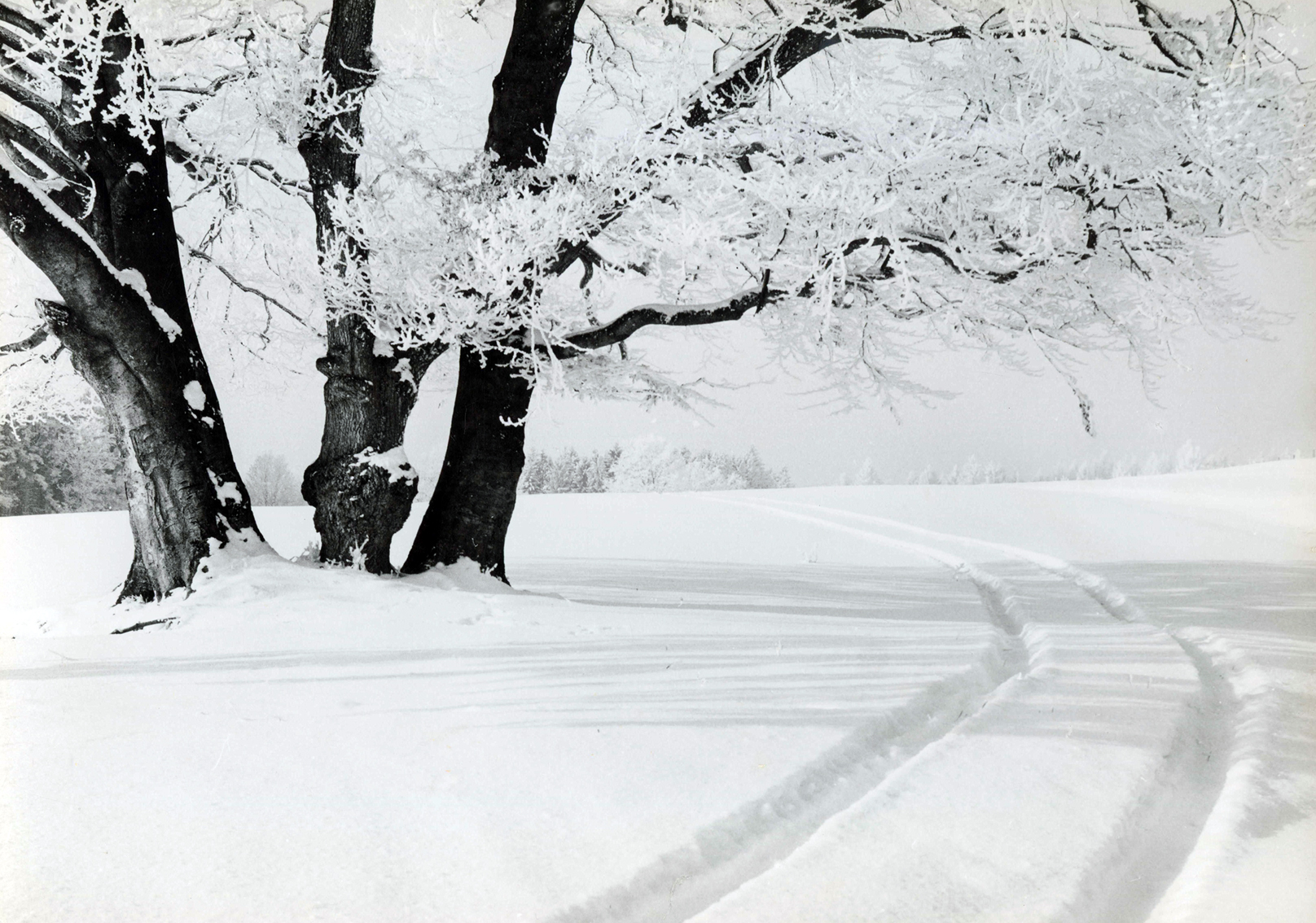
So much for the still sphere snow touches in me. The other miracle about snow is that it draws my attention to the surreal nature of reality, highly sensuous, yet stripped of  bright colours and removed from habitual seeing – to the bones of shapes, to deeper gestures and essences. For me, a snow-covered scene is a metaphor of restraint that slows down or speeds up time to alien levels of dimension. It occasions one of those time-independent spheres, where I make pattern-connections and create new meaning.

A simple poem follows my thoughts on the miracle of snow.  I tried to limit myself to  5/7/5  Haiku count, and hope it delights:

in silvery vaults

an angel ruffles her wings –

a leisurely shrug –

Grass and snow, low

the sparkle begins –

slipping from her hand as a

powdery shower

of crystalline downs –

feathery light on the silence

hidden between breaths –

fine gauze swirls and drifts

across the tired features

of a dreaming land

to drape every

plane and angular slope in

white geometry

Snow-tracks, 2 low

My appreciation for the geometry of life resonates with my love for black & white photography, see two posts back:

https://courseofmirrors.wordpress.com/2012/12/31/the-inner-silence-of-henri-cartier-bresson/

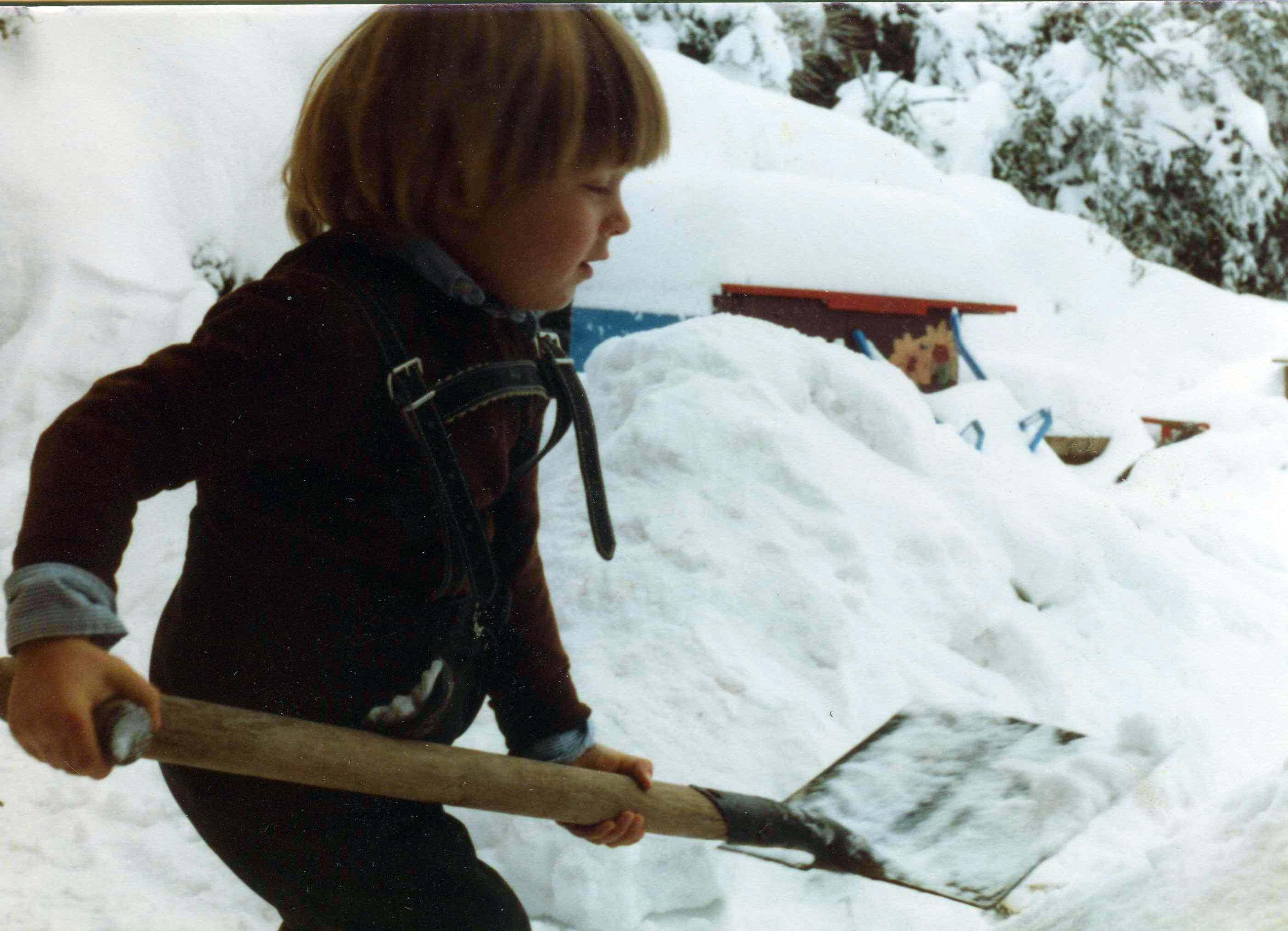
There are other pleasures to be had from snow, as my enthusiastic and capable son demonstrated in 1982 Somerset, and as the adorable puppy of a friend of mine discovered in Dorset yesterday.

Yeshen shovelling snow, 82

Susanne's puppy

16 Comments

Filed under Blog

… the inner silence of Henri Cartier-Bresson …

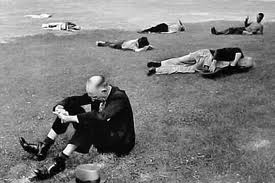
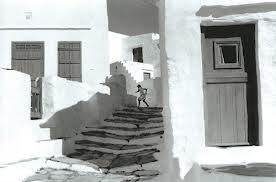
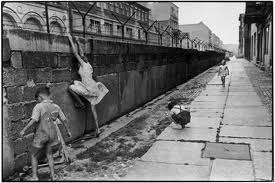
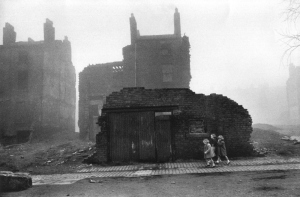
The Mind’s Eye – writings on Photography and Photographers, by Henri Cartier-Bresson, is a lovely book I received for Christmas from a dear friend. I was reminded how H C B inspired my photographic work with its poetry and Golden Mean, and still inspires other creative areas, including my writing.

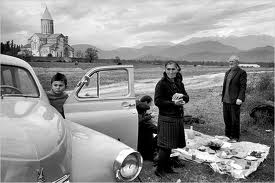
Henri Cartier-Bresson - 1972 photo of a Georgian familyFor H C B photography led on to include painting & drawing. For me photography led on to include writing, in the way H C B said: ‘The writer has time to reflect. He can accept and reject, accept again; and before committing his thoughts to paper he is able to tie the several relevant elements together. There is also a period when his brain ‘forgets,’ and his subconscious works on classifying his thoughts. But for the photographer, what has gone is gone forever.’

The impact of H C B’s images is hard to define. They exemplify what many photographers aspire to but can’t name. Not only do most of his shots surprise by capturing the essence of a fugitive moment, a magical decisive one, they are framed in a way that touches all the elements of motion in a dynamic balance.

H C B - rest‘My passion has never been for photography ‘in itself,’ but for the possibility – through forgetting yourself – of recording in a fraction of a second the emotion of the subject, and the beauty of the form; that is, a geometry awakened by what’s offered.’

‘I hope I’ll never see the day when photo shops sell little schema grills to clamp onto our viewfinder; the Golden Rule will never be found etched on our ground glass.’

Henri Cartier-Bresson, girl running


I let Henry Cartier-Bresson talk for himself:  http://www.youtube.com/watch?v=MW7I3GBdsBw

Henri Cartier-Bresson, the wallInner Silence

H C B speaks in relation to portrait-photography of looking for the silence in the person. I guess he was looking for the silence behind everything. This silence was most likely what he was attentive to. I conjure that this silence lies between each breath, from which all phenomena emerge from second to second – from that timeless soul-garden within us – which we can tune into.

henri-cartier-bresson-liverpool-1963-c2a9-henri-cartier-bresson-magnum2

What I am saying is – H C B could not have captured these decisive moments without having experienced the silence within him. From this timeless state we glimpse the joie de vivre with its awesome sense of wonder generated and re-generated from eternity that makes life worthwhile and meaningful. It’s probably this glimpse, the ethic of this silent sphere that drives all anarchist artists.

Henri Cartier-Bresson, Sur les bords de la Marne 1938Why Black and White and not Colour?

In 1952 colour film emulsion was not well developed. H C B said then: ‘I am half afraid that this complex new element may tend to prejudice the achievement of the life and movement which is often caught by black and white.’

He was concerned that  composition would suffer and be overpowered by colour. I remember when colour TV was first introduced, I intensely disliked the busy business cramped into a small frame. Colour can however be used as a language, and I am certain H C B would have cottoned on to this had he lived on.

Here a sample of my own to illustrate colour’s use.  http://500px.com/photo/6913693?from=set/266780

In 1974, together with other freelance photographers, Henri Cartier-Bresson founded Magnum Photos. See also: http://www.henricartierbresson.org/pres/home_en.htm

H C B’s second wife, the Belgian-born Martine Franck, was an inspired photographer in her own right: http://www.theworld.org/2012/08/remembering-celebrated-photographer-martine-franck/

I am wishing all my readers and visitors a wonderful creative New Year …. 

12 Comments

Filed under Blog

… ground of poetry …

‘Ground of Poetry’ is a poem inspired by the bagpipe playing of a Scottish friend, Colin, during a recent gathering in memory of another friend, Aranth. See an earlier post on ‘receiving.’  The sound of the bagpipe opened the sky and vast landscapes, across which the drone carried the glories tunes into a kind of homecoming. The drone of a musical instrument, I thought, is like the backdrop sound of the universe into which every manifestation dissolves, and from which every manifestation returns.

in the beginning was the word … the leaves in my garden reminded me of words.


thousand-and-one words fall to the ground

jewelling the story of seasons’ rounds

they’ll twirl anew to the drone

of each new sound arising

from beyond the ever-

open silence


open silence

from beyond the ever

of each new sound arising

they’ll twirl anew to the drone

jewelling the story of seasons’ rounds

thousand-and-one words swell from the ground


For anyone not that familiar with bagpipes, here are a few words and tunes:

http://www.educationscotland.gov.uk/scotlandssongs/about/instruments/bagpipes/index.asp

21 Comments

Filed under Blog

… unseen stuff – micro-organisms …

More contagious than micro-organisms are fear and hopelessness.

Long before our time, the existence of micro-organisms was presupposed, notably in Jainism, whose followers vow non-violence in thought and practice (Ahimsa) towards all living beings. The tradition is said to be older than Buddhism.  In the teachings of Mahavira (599 – 527 BEC),  micro-organisms are described as unseen creatures living in earth, water, air and fire, and existing as clusters pervading every plant and tissue, not just on earth but throughout the whole universe. Jain libraries are the oldest in India.

While home-bound with a young child in rural Somerset, I did an OU course on world religions, wanting to learn about the formative ideas underlying our variety of cultures. Reading on Jainism, I was struck by its beautiful philosophy, genuine tolerance of other faiths, and the surprisingly modern belief – that the universe is self-regulated by the laws of nature. Worth exploring: see wiki-link below.

With a different mind-set, the idea of unseen creatures informed a nasty biological war fare during the Middle Ages, when diseased corpses were catapulted into enemy strongholds.

Along came artificial eyes, the telescope and the microscope, evidencing these unseen worlds. The Jesuit priest, Athanasius Kircher, and Anton van Leeuwenhoek, were among the first to spot micro-organisms through lenses in the 17th century.  The journey took off, until Ferdinand Cohn founded the discipline of bacteriology in the 19th century, and Louis Pasteur and Robert Koch developed the study of microbiology, focussing on food preservation and vaccines. The gained knowledge helped to protect us from organisms known to spread disease, and improved the hygiene of our environment. During the late 19th century the study was expanded through the work of Martinus  Beijerinck and Sergei Winogradsky into the field of general microbiology.

Today the study of micro-organisms has developed to such extend that  hundreds of specialised branches of study exist serving a huge variety of applications. I’m fascinated by biology, and I greatly respect scientists who devote their days and nights to deepen our understanding of life.

What I question, as do many of my friends, which include scientists, is the unrestricted power of multinational companies. It is totally unethical that multinationals can push decisions as to how scientific evidence is used. To start with, they must be made accountable for damages caused, and next, it should be obligatory, like a tax, that a fraction of the profits these companies reap be used for interdisciplinary research, so that  evidence can be established for the many undeniably wholesome methods of balancing and strengthening self-organising systems.

The over-reliance on suppressive drugs (and in the case of agriculture pesticides) in the fight against every imbalance has devastating side effects. Apart from training super-bugs,  the relentless war undermines the ecosystem of our planet, and our birth right, the ingenious self-regulatory system that acquires immunity through exposure. Nature has taught us everything, nature is not the enemy. Excess use of medication could even undo the good work of vaccines, meant to help us acquire immunities. A weakened immune system may eventually fail to deal with any kind of exposure. So why do we sanction this paranoid warfare ?

What is known about micro-organisms includes the process of endosymbiosis – where symbiosis occurs between different organisms that benefit from living together. Lynn Margulis opposed the neo-Darwinian concept of competition, and proposed that evolution thrived through cooperation: ‘Symbiogenesis recognizes that every visible life-form is a combination or community of bacteria.’  (See link below) In other words, the fittest is what adapts and harmonises.

There is always more than one way to look at something. When it comes to the prevention of dis-ease, and the healing of body and mind, the soothing of stress, we have enough knowledge and wisdom to appreciate the effectiveness of: relaxation, telling one’s story and being listened to, a clear positive intention, the benefits of meditation, a calm mind, the balancing of subtle energies, the vibrations of harmonious sound, architecture, colours, symbolic  understanding, the use of active creative imagination, a gentle touch, a heartfelt smile, for example.

The authenticity of a friend, a doctor, a healer or therapist, can inspire a troubled person who is seeking support to take self-responsibility. Trust, or faith in one’s healing, is a phenomenon that also throws light on the powerful physiological effects of the placebo, which is a proposed ritual that promises nothing, but puts the patient in charge. Wow!

From another tradition that respects all faiths, here is a perspective on microbes expressed by Sufi Hazrat Inayat Khan, who brought his wisdom to the west in the early 20th century:

Every day a new invention brings a new microbe. And if a new microbe is discovered every day till the end of the world there will be numberless diseases; in the end it will be difficult to find one man healthy, for there must always be some microbe; if it is not of an old disease, then of a newly discovered one …  

The people of old thought that microbes were spirits, living beings, in the absence of science which today distinguishes these spirits in the form of microbes; and yet it seems that the ancient healers had a greater grip upon the illness, for the reason that they considered the microbe in its spirit. In destroying the microbe they did not only destroy the outer microbe, but the inner microbe in the form of the spirit, of the germ; and the most interesting thing is that in order to drive away that spirit which they thought had possessed the patient, they burned or they placed before him certain chemicals which are used even now, having been proved to be destructive to the germs of diseases.

With every measure that physicians may take to prevent the germs of diseases from coming, in spite of all the success that they will have there will be a greater failure; for even if the actual germ is destroyed, it exists, its family exists, somewhere. Besides, the body which has once become the abode of that particular germ has become a receptacle of the same germ. If the physician destroys the germ of disease from the body of an individual that does not mean that he destroys it from the universe. This problem, therefore, must be looked at from another point of view: that everything that exists in the objective world has its living and more important part existing in the subjective world; and that part which is in the subjective is held by the belief of the patient. As long as the patient believes that he is ill he is giving sustenance to that part of the disease which is in the subjective world. Even if the germs of the disease were destroyed, not once but a thousand times in his body, they would be created there again; because the source from which the germs spring is in his belief, not in his body, as the source of the whole creation is within, not without. 

Hazrat Inayat Khan

The outer treatment of many such diseases is just like cutting the plant from its stem while the root remains in the ground. Since the root of the illness is in the subjective part of one’s being, in order to drive away that illness one must dig out the root by taking away the belief of illness even before the outer germ is destroyed. The germ of illness cannot exist without the force, the breath, which it receives from the subjective part of one’s being; and if the source of its sustenance is once destroyed, then the cure is certain.

Very few people can hold a thought, but many are held by a thought. If such a simple thing as holding a thought were mastered, the whole life would be mastered. When once a person gets into his head, ‘I am ill’, and when this is confirmed by a physician, then his belief becomes watered like a plant, then his continual reflection of it, falling upon his illness like the sun, makes the plant of illness grow; and therefore it would not be an exaggeration to say that, consciously or unconsciously, the patient is the gardener of his own illness … The root of illness is in the mind, and if that root is continuously watered by thought and feeling, illness is realized in the end.

*      *      *

More contagious than micro-organisms are fear and hopelessness.  (my conclusion)

*      *      *

We are the mirror and the face in it.

We are tasting the taste this minute

of eternity. We are pain

and what cures pain. We are

the sweet, cold water and the jar that pours.

Rumi – transl. by John Moyne and Coleman Barks

*     *     *

Jainism: http://en.wikipedia.org/wiki/Jainism

Lynn Margulis

http://discovermagazine.com/2011/apr/16-interview-lynn-margulis-not-controversial-right

Hazrat Inayat Khan – Volume 4 – Healing and the Mind World.

16 Comments

Filed under Blog

… village poem …

 My father’s recent move away from the village I grew up in meant another goodbye, though my impressions of the place live on in me, and my writing. I like to share an old, bitter-sweet lyrical poem, which recalls an aspect of my experience growing up in a village. It leaves out the lake,  the mountains, and the church-bells – their marking of time could make an epic- their melodic ring still sounds once every quarter of the hour, and every hour in full from morning to midnight, so that people should not lose themselves in relative time.


The Village Poem

Through the veil of time I drop to the heart of my village,

child again, inhaling dust and summer-heat.

Drawn to the bright blue tiles in the dairy, I suck cool air,

watch the jet of buttermilk spool from pump to cup like silk.


The milkmaid frowns at the antics of our pianist, whose mass

of silver hair trails dangerously close to a display of camembert,

while her left hand swings a crystal pendulum, her daily rite

in search of resonance. I hold an image of her fine hands

striking keys on a white grand, giving air to Bach and Brahms

below the star-lit night, painted on her study’s cupola.


She is my link to otherness, the unseen in me, the odd child,

who rejects the cream for the undercurrent of her dream.


Crisp greens at the grocer, white roots, red fruit and purple aubergines.

The woman flicks brown paper to a cone, scoops pickled kraut:

‘Take it, to nibble on your way.’ Warm wafts of steam rise up

from the cellar of the bakery, a scent of cinnamon lingers in the street.

Taming and bonding takes place; it’s easy to love and be loved

when food is bait and the tongue’s code for paradise is taste.


In shops, daily gossip thrives, turning the fate of familiar faces.

Sweet tongues do sour talk – the time it takes to pay – a hero is made

or falls from grace. Spells are cast: ‘No good will come of it,’

and refrained, ‘Just as I said, I knew it form the start.’

Confused, I veil my face and seek the last shop in the street.

Here my village becomes the village and its many tales can be read.


I inhale the vast promise of virgin books

and a smell of print more exciting than bread.

*     *     *    Ashen

An areal photo of my village, taken by my father.

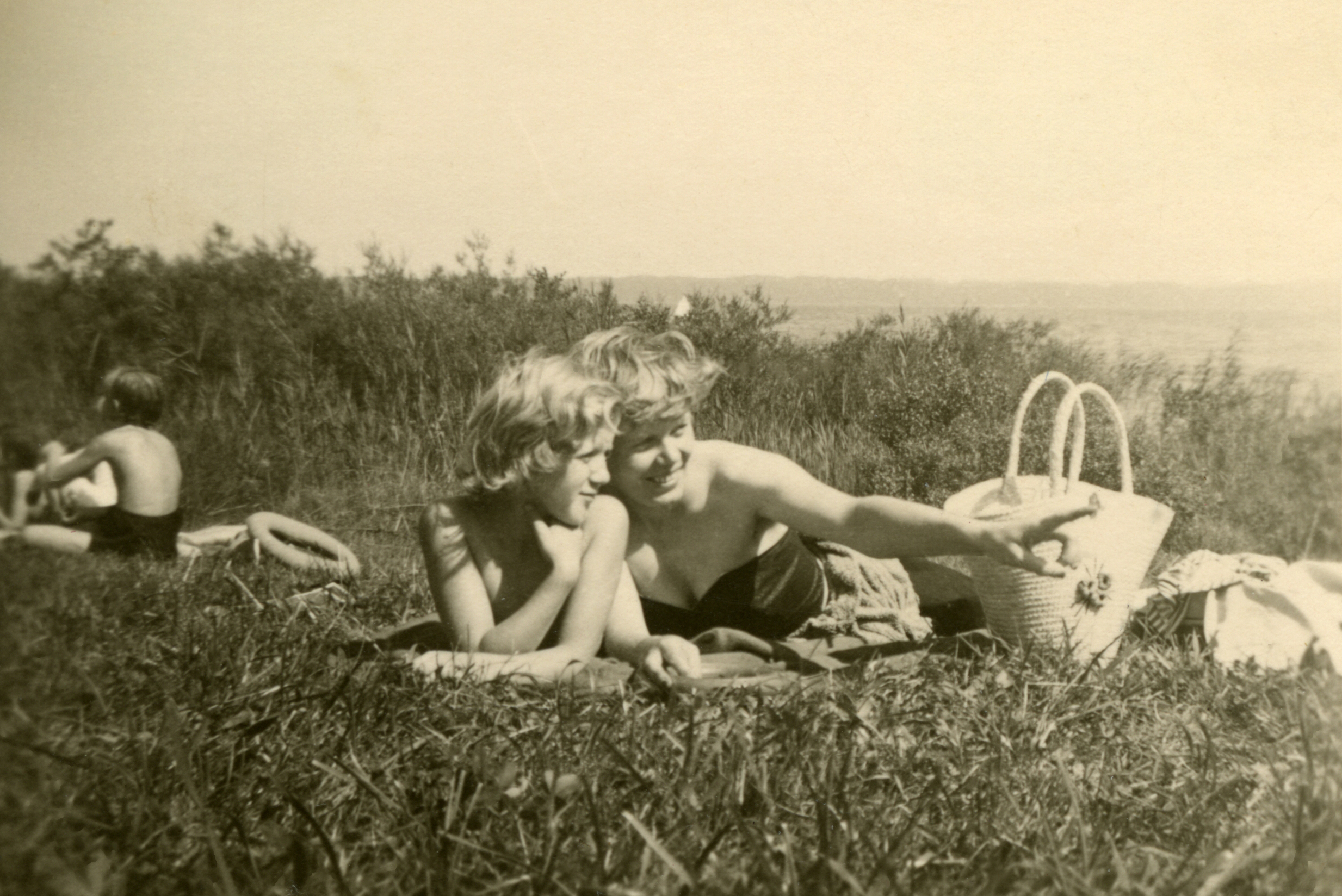
Then there is me with my mum at the lake …


And a class picture, taken around that time, from primary school. You can click on the images here to enlarge them.


27 Comments

Filed under Blog

… my father …

My father, a painter, photographer, recorder of village life, and dedicated outsider, has finally, at 94, surrendered a big chunk of his independence and moved into a smaller, protected environment, at the foot of his beloved Alps, of which he knows the name of every peak. He now lives in a small apartment, crowded by furniture and his memorabilia.

He never showed much interest in me. I should have been a boy, and I’m still trying to let go of this traditionally embedded rejection.

Due to my dad’s poor communication, the past returned like a big wave that threatened to drown me, because, whether we like it or not, we all emulate qualities of our parents. His image here is interesting as emblematic turning point. Unbeknownst to my dad, his skying skills were exploited. He was groomed by the army for Russia. While on a special training he saved the life of a girl, which is why he did not end up in the nightmarish march to Russia and instead worked as an engineer testing aeroplanes.

Thanks to a remarkable woman in the village (thank you Micha) who supported my dad with the logistics of the move during the last few weeks, all went smoothly.

Together with my son and his partner (without them I would have faltered) we sorted the chaos left behind, enduring a few days in the stirred up dust of my dad’s two relationships, the one with my mother, who died much too early, in 1987, and that with another woman, who my dad also lost to illness.

Thanks to marvellous hot sunshine, which allowed us to swim in the lakes and ponds of Bavaria, and thanks to the help of some wonderful friends in Munich and Aalen, the task was made lighter. A leaf I found (below) sums up my sentiments.


*     *     *

A DREAM

The leaf, like my life

Grows from green-sprung verve

Towards brittle glowing gold

Weathered into definition

By burning days

And moist nights

Worn veins gnarl back

To imagined beginnings

While futures curl forward

To the ever-expanding

Where every ending appears

As a glitch in time …

22 Comments

Filed under Blog

… I write here …


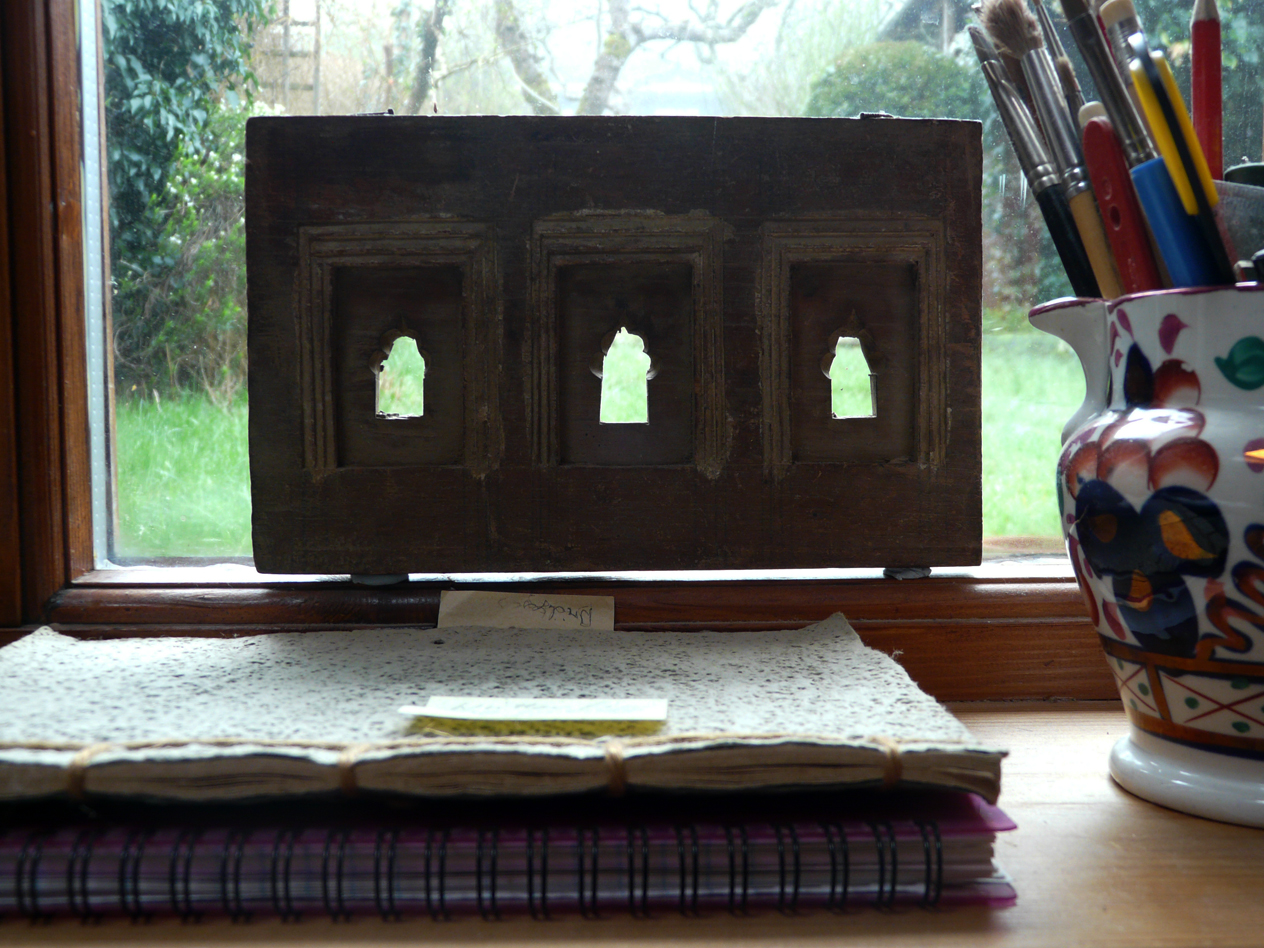
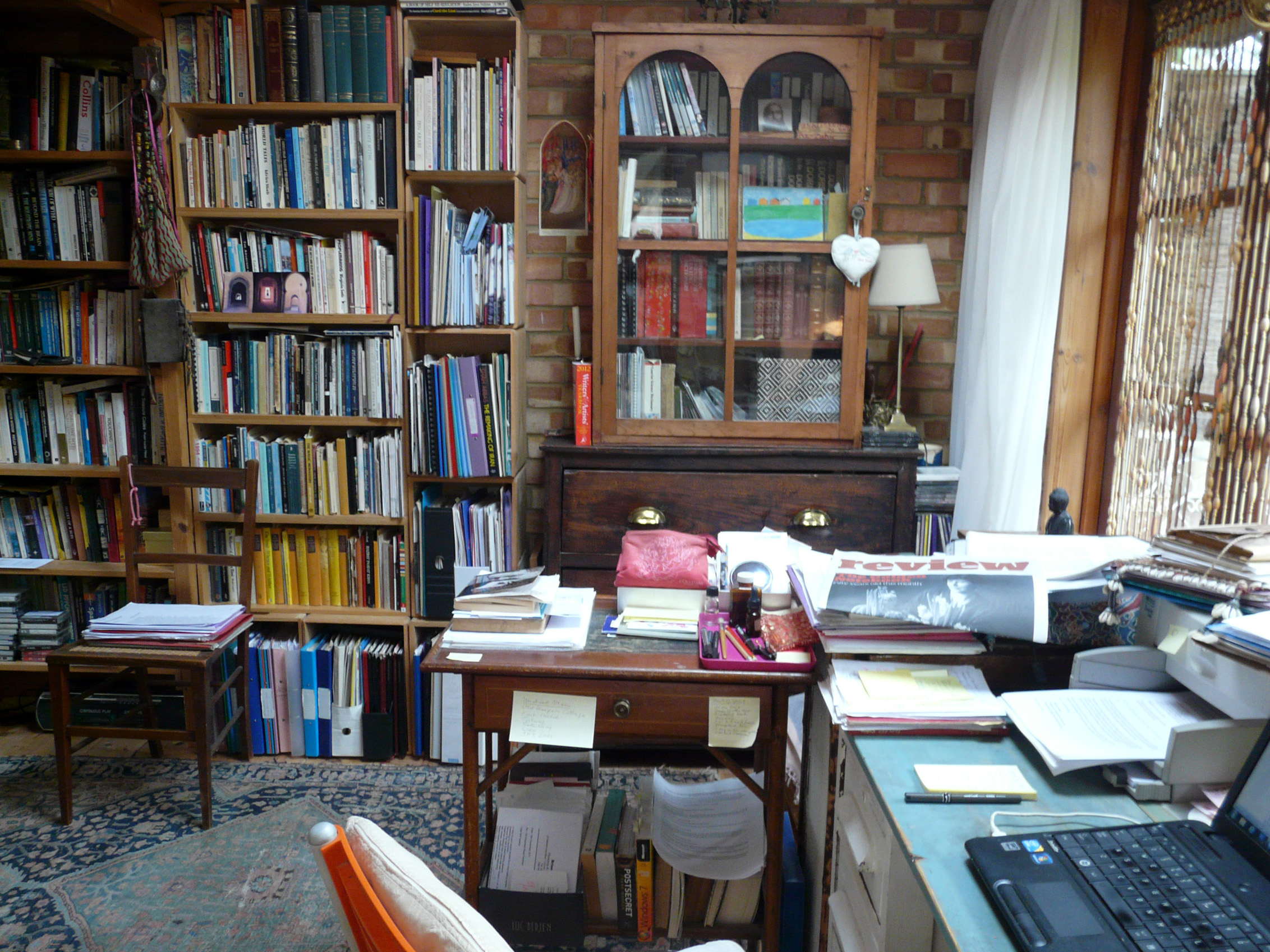
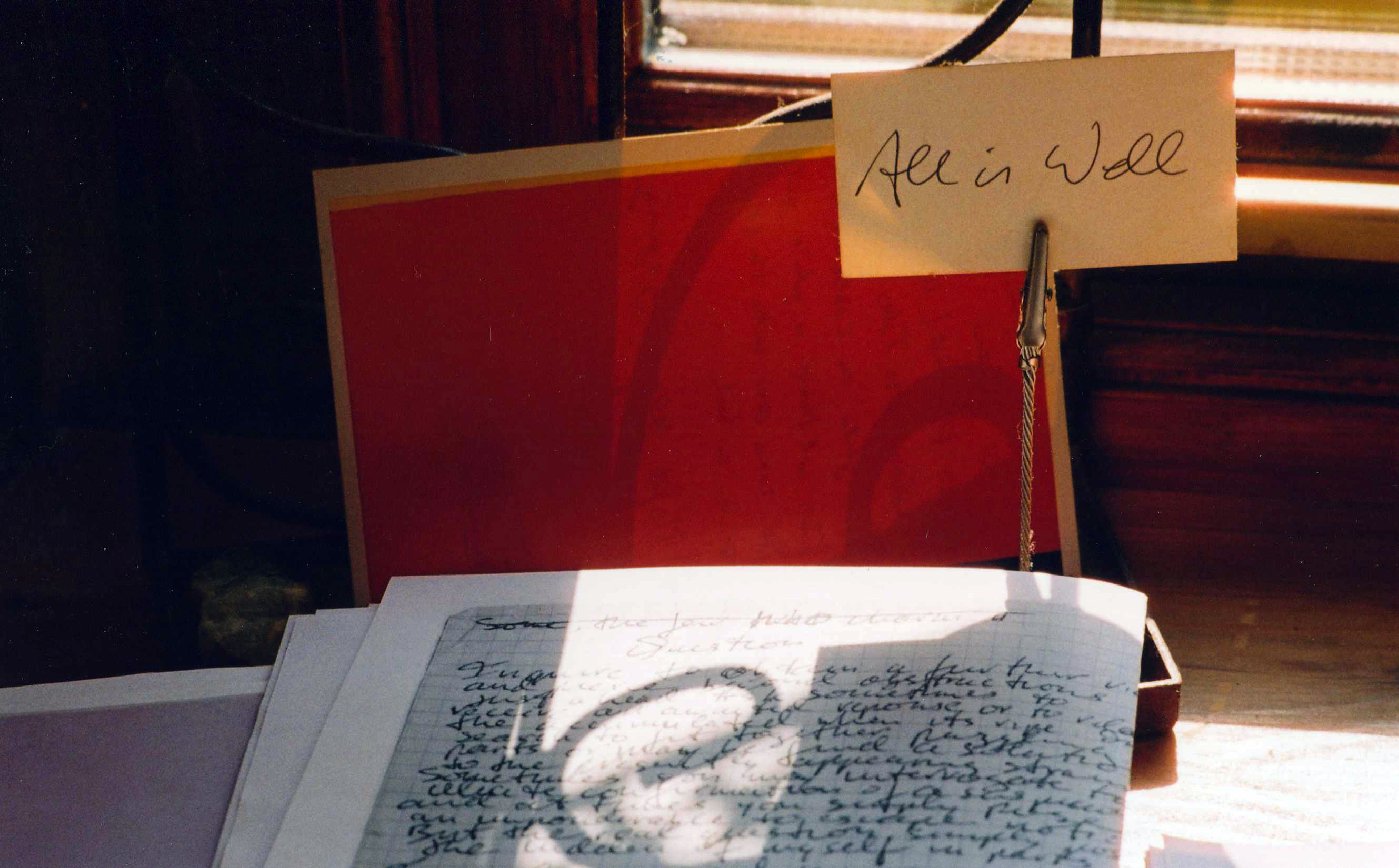
Images tend to bring us instantaneously closer.  A recent writing workshop given by a friend, made me think how inner and outer spaces affect our writing.  And I was also  inspired by Roz Morris, a generous and effective blogger http://nailyournovel.wordpress.com/page/3/ who featured her writing space in February.

I write through

the heart chamber

and the drone

of its circular charm

I write in earth

branching to the dark solitude

of birthing

the unknown

I write in water

fractals spinning

plankton under stars

coding the cosmos

I write in air

flexed by the wishbone

that loops breath to lift

wings of longing

I write in space

where spirits linger

in the scent-cloud

of a former home

I write in ether

where dreams free

greening visions

and murmur of bloom

I write here

in a room that is everywhere

bridging hearts

with companions like you

26 Comments

Filed under Blog