Tag Archives: metaphors

… oh my sweet, crushed angel …

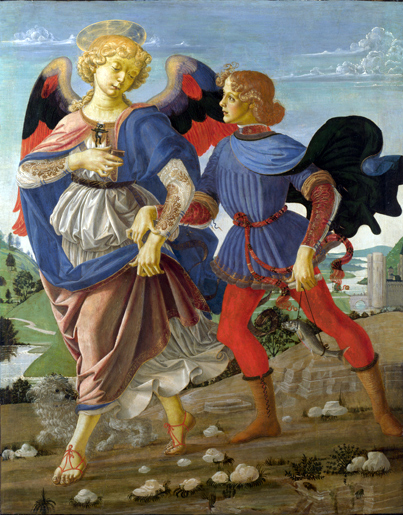
Maybe I was inspired by a  dream last night, but for some reason the painting of Tobias and the Angel, its story, and this poem by Hafiz waltzed into my space this morning .

Tobias and the Angel - Andrea del Verrrocchio’s workshop

Tobias and the Angel – Andrea del Verrrocchio’s workshop

   My Sweet, Crushed Angel

You have not danced so badly, my dear,
Trying to hold hands with the Beautiful One.

You have waltzed with great style,
My sweet, crushed angel,
To have ever neared God’s Heart at all.

Our Partner is notoriously difficult to follow,
And even His best musicians are not always easy
To hear.

So what if the music has stopped for a while.

So what
If the price of admission to the Divine
Is out of reach tonight.

So what, my dear,
If you do not have the ante to gamble for Real Love.

The mind and body are famous
For holding the heart ransom,
But Hafiz knows the Beloved’s eternal habits.

Have patience,
For He will not be able to resist your longing
For long.

You have not danced so badly, my dear,
Trying to kiss the Beautiful One.

You have actually waltzed with tremendous style,
O my sweet,
Oh my sweet, crushed angel.

From ‘I Heard God Laughing’ – Renderings of Hafiz by Daniel Ladinsky

http://en.wikipedia.org/wiki/Hafez

http://www.nationalgallery.org.uk/learning/teachers-and-schools/teaching-english-and-drama/out-of-art/stories-for-use-in-class/tobias-and-the-angel   – the story of the Tobias and the Angel.

And I just re-found this lovely post about the ‘Tobias and the Angel’ painting …. posted some time ago by Katia  https://scribedoll.wordpress.com/2011/08/21/odds-ends-trust/

15 Comments

Filed under Blog

… the tulip – haiku moment …

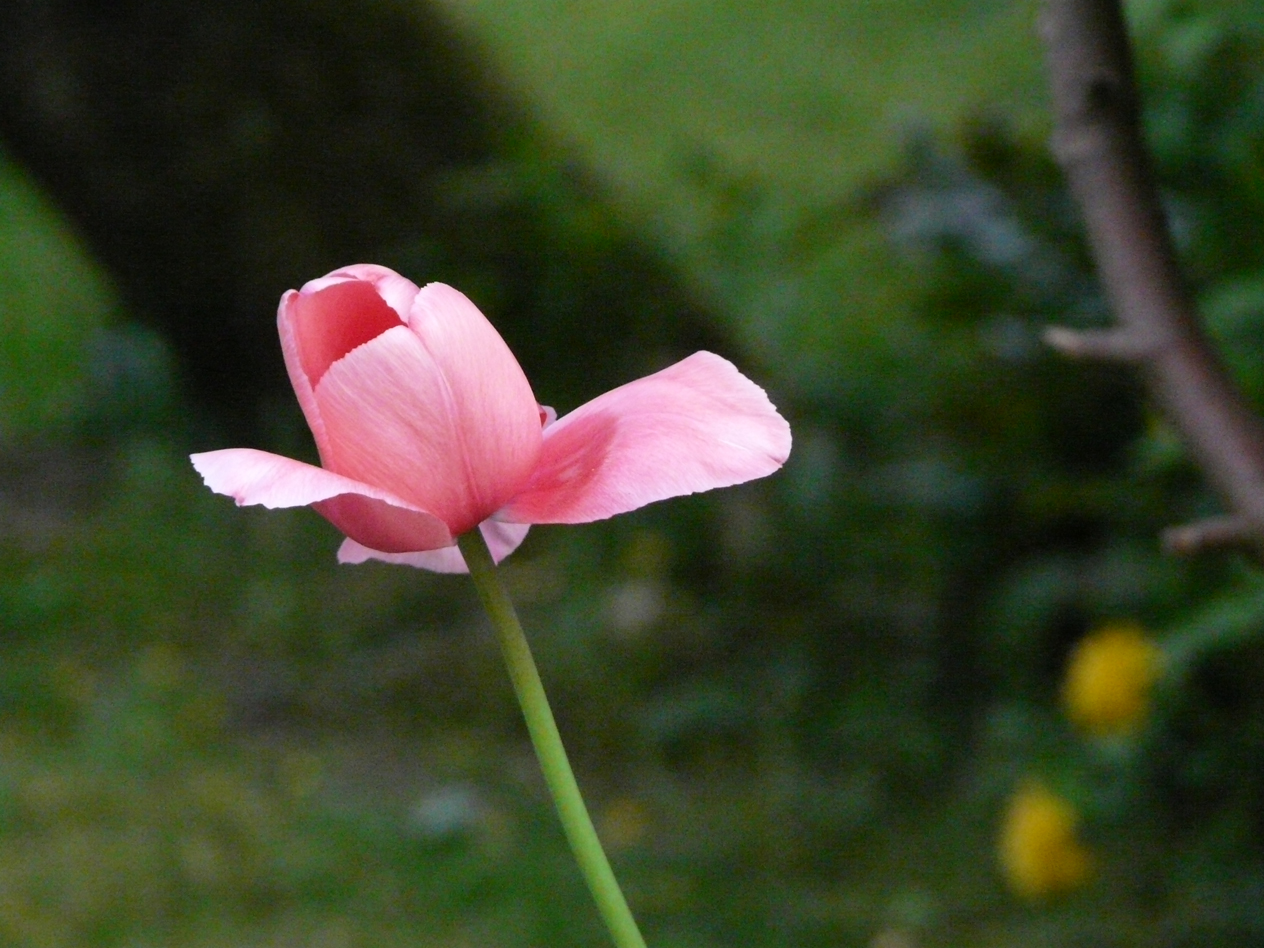
A little Haiku arrived in a flash and together with its timely image struck a chord with many of my facebook and twitter friends. It’s the beautiful message of one tulip in my garden, whose eleven companion bulbs were eaten up by hungry rodents.

P1070196 - smaller

a lone tulip splays
its red mantle to the sun
there you have my heart

*    *    *

A Haiku can arrive in a flash or take its time to unfold. Here is  an article by Jane Reichhold to inspire. She shares a little history and a number of techniques.

http://www.ahapoetry.com/haiartjr.htm

9 Comments

Filed under Blog

… give the poor ego a break …

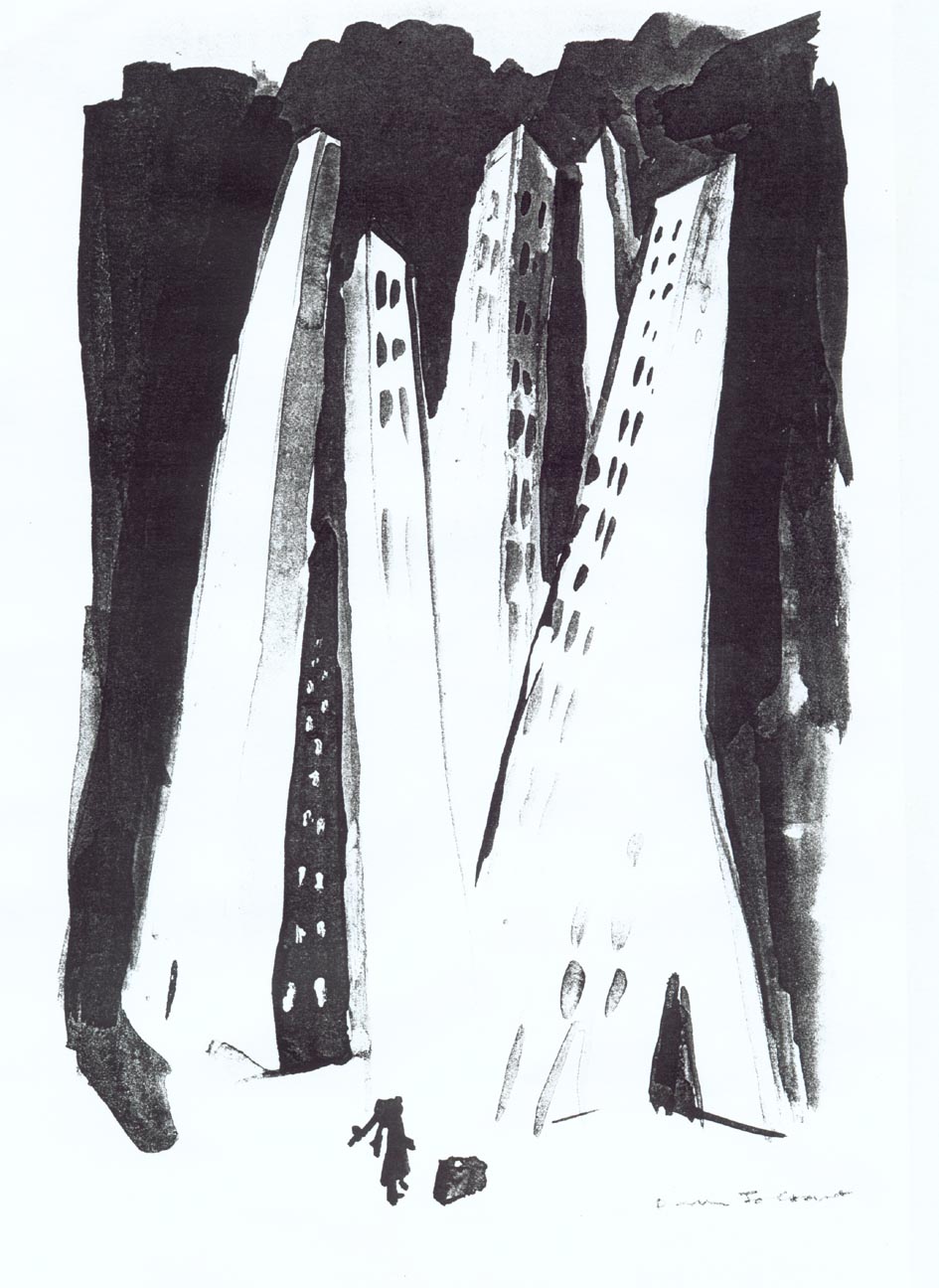
Image by Daphne Jo Grant, created for my poetry collection in 1993 -Gapsy Truth.

Image by Daphne Jo Grant, created for my poetry collection in 1993 -Gapsy Truth.

I’m all for shielding the Ego from moral experts who succumb to counter-transference. Proverbs, turned inner voices, instruct: Put yourself last, be considerate, don’t let people down, adapt, respect trade-off laws, keep promises – the inner voices more or less prescribe what’s in your best interest to feel, think and do.

Noisy commotions, muddling any sense of ‘I.’

The poor ego not only holds awareness of our multifaceted reality, but is driven to distraction by conflicting demands, assumptions, chimeras of grandeur, bouts of doubt, all drowning the whisper deep down – ‘Who or what am I really ?’

‘Part of me suspects that I’m a loser, and the other part of me thinks I’m God Almighty.’  – John Lennon

John summed up the typical seesaw compensation attempt. Adding insult to injury, self interest is blamed for our social ills. Even astute spiritual wisdom falls flat when it fails to appreciate the ego’s task – to daily create new order out of chaos, attempting a compromise with reality. No wonder people become nervous wrecks when their temporary identifications are threatened, no wonder fierce defences are constellated. The battered ego-agent screams silently – I’m only loyal to my familiars.

Some familiar rituals guarantee a  child experiencing rejection, physically, emotionally or intellectually, will self-reject for failing the expectations of its superiors. Welcoming or neglecting, early responses by adults we depend upon set foundation for our personality. Break that mirror and you’re on your own.

Maps serve us as orientation, they don’t convey territory. S. Freud’s map of the psyche is powerful. Think of the Id as a Launchpad to stars. What Freud omitted is a higher unconsciousness, our inner guidance and intuition, later introduced by C. G. Jung and A. Assagioly

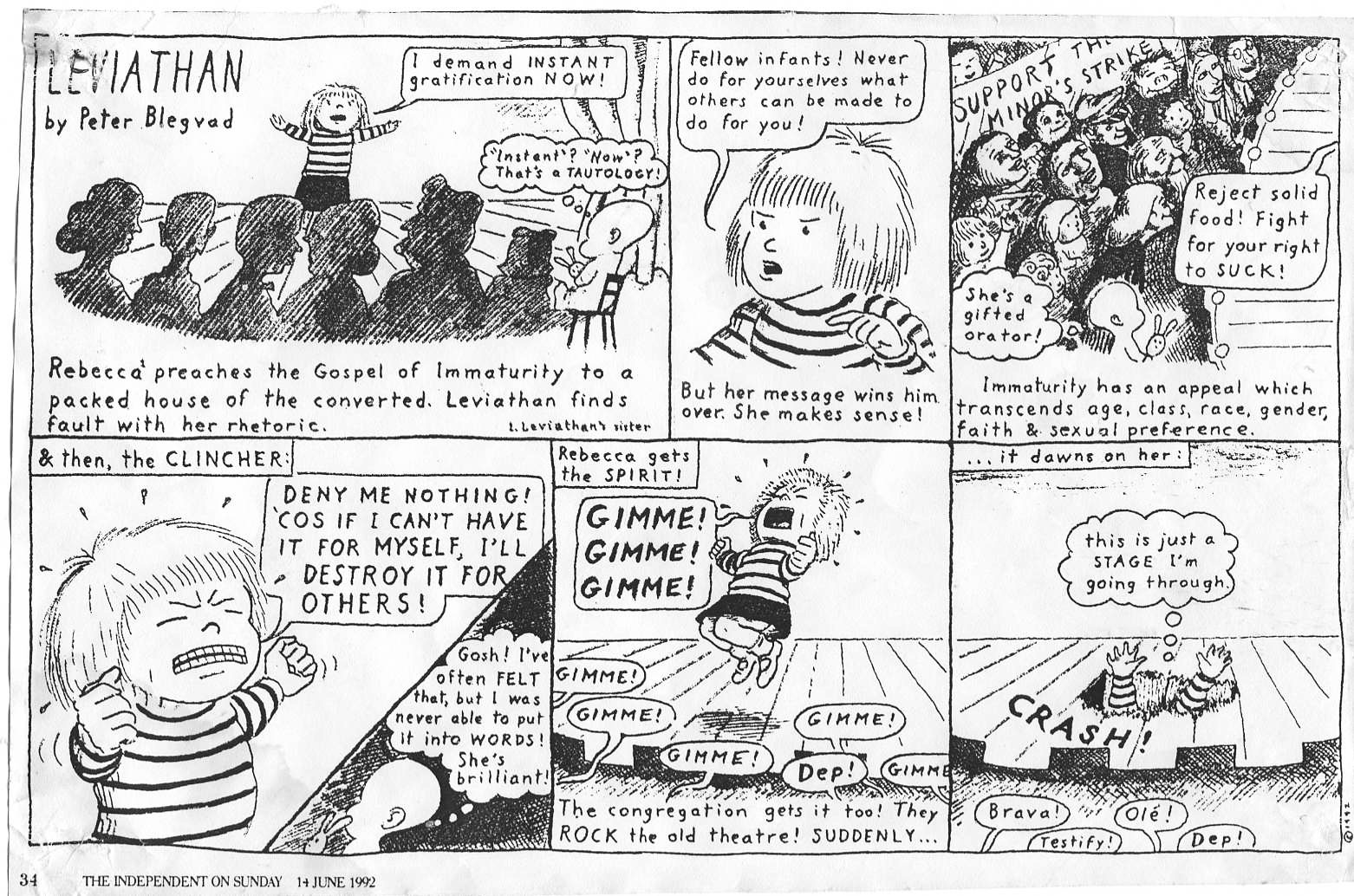
Freud’s ideas deserve studying. His terms slipped into common speech like brands and became tangled.

Leviathan

Leviathan

Take the ego construct. Sandwiched between the powerful gratification-force of the Id, in need of gentle and firm boundaries, and a cultural Super-ego, with its rules and regulations, the Ego has the unrewarding task of mediator. The Id, at worst, is a heap of misery dragged along, withholding its energy, while the Super-ego, at worst, hijacks personalities like a psycho terrorist, know–it-all, manipulator, fanatic …  having abandoned the powerless inner child with its distressing and embarrassing need for acceptance and love.

And let’s not fool ourselves, distorted ideals attach themselves to well-disguised tyrants in the collective psyche, slumbering, until the day when circumstances conspire.

Children who grow up anxious to placate, or are bent against authority, invent ingenious strategies for survival. Fragile or strong, balanced or torn by extremes, developing a personality is an art form, assembled from layers upon layers of impressions and accumulated memories. Only increased awareness lessens over-identification and softens defences.

‘The paradox of the arts is that they are all made up and yet they allow us to get at truths about who, and what we are or might be’. –   Seamus Heaney

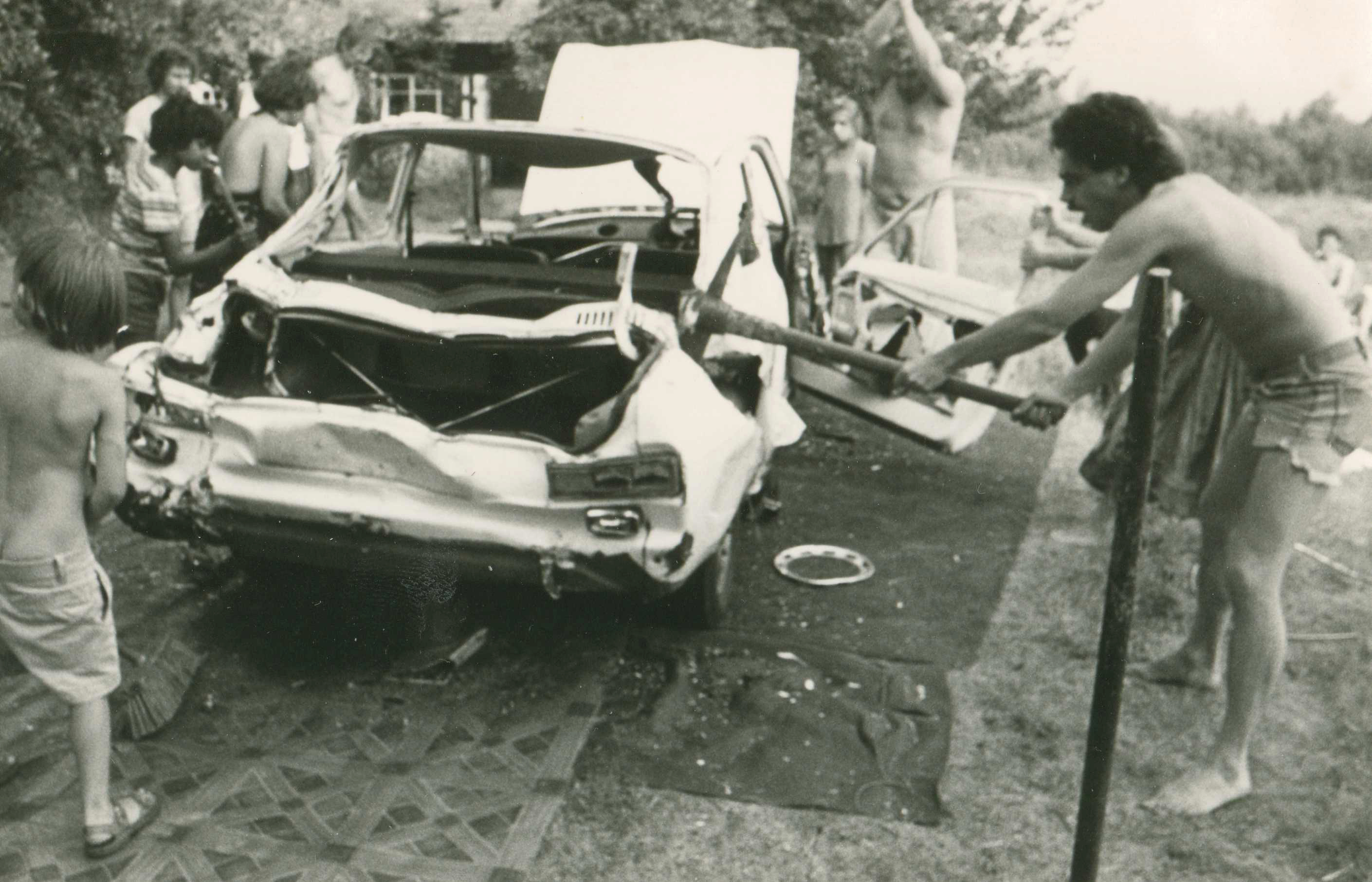
creative recycling

creative recycling

creative recycling

creative recycling

Young children need space to playact, and adolescents need safe outlets for their natural aggression, opportunities for intense experiences, and encouragement to explore their self-image. The houses of identity we create, however basic or twisted, position us in space and time. They have windows allowing a view, and doors through which to venture into a wider world and align our personal myth to a greater myth.

The problem is clearly not the personal ego, but its cultural super-edition, coloured, at least in the west, by mechanistic templates that regard nature as enemy to be conquered and controlled.

Reprimands like selfish stem from a period when inducing guilt was a convenient social formula. Today this approach is counterproductive. Educational practices must catch up with the nuclear age and the fresh metaphors for space and time. New dimensions arise in our consciousness, compelling us to re-think:

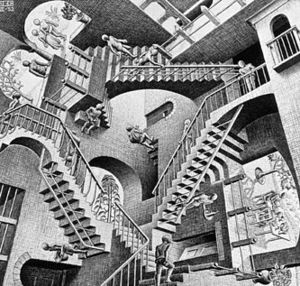
Escher's Relativity

Escher’s Relativity

Relativity theories freed perspectives and brought a climate of moral liberty. In a psychological sense, moral advice became repugnant, which explains why western minds begun to question aspects of religious dogma. A way was opened towards looking inside, and individuation, in a Jungian sense.

Quantum physics has widened our vision further, and brought deep spiritual turmoil through new speculations that suggest a symbolic reality of consciousness that over a hundred years ago would only have been imagined by a minority – mainly mystics.

The Digital revolution has upset linear time and is gradually transforming our relationship with time and space, leading us to ask, ‘What is real?’

A mould, no matter how inadequate, is necessary for any new-born. Judging behaviour without acknowledging the initial and well-meaning intentions underlying the formation of personality will only strengthens neuroses, instead of allowing the acceptance of one’s imperfect self-creation, with a nudge towards a gradual softening of defences.

‘Form is a relic of eternal potential.’ – Fazal Inayat-Khan

This post contains excerpts pulled from past articles that were never published.

10 Comments

Filed under Blog

How do I read?

one of my notebooks

one of my notebooks

I jotted this question in my notebook a while ago. How do I read, in the widest sense? There is plenty of observation and advice on the art of writing, composing music, painting, photography, film. Less is said about on the art of reading, perceiving, interpreting, or how we reject or embrace what is expressed by others, and ourselves, even how we read our dreams.

I conclude there’s no difference between, let’s say writing, and reading, other than visibility, since any creative composition derives from an inner process of reading, the picking and shuffling of impressions into our frame of reference in relation to the larger myth of reality.

One could say the secret of being read lies in one’s talent and ability to read one’s inner psychic world, even when filtered through one’s most personal and eccentric imagination.

Long before communication was easily reproducible and reached greater audiences, people were reading the world, though only a tiny fraction of inspirations and inventions was circulated. Today’s media channels swamp us with communications. It’s confusing. We must choose.

In reading novels, I follow my intuition. The gimmick of an instant attention grabbing action scene puts me off. A proposal may be impossibly fantastic, but if I detect an authentic voice, rhythm and movement, I travel along. Invited into a mind, an atmosphere, a time, a place, I want to be absorbed in this other world and experience myself anew in a conflict between light and shadow from within the heart of another consciousness.

Whether meaning is intended or not, I read my own meaning into what has been imagined by another mind. An insight, a memory may surprise. Some books I treasure for one or two illuminating sentences, so I guess reading for me is a bit of a treasure hunt, which begs a question. What am I hunting for?

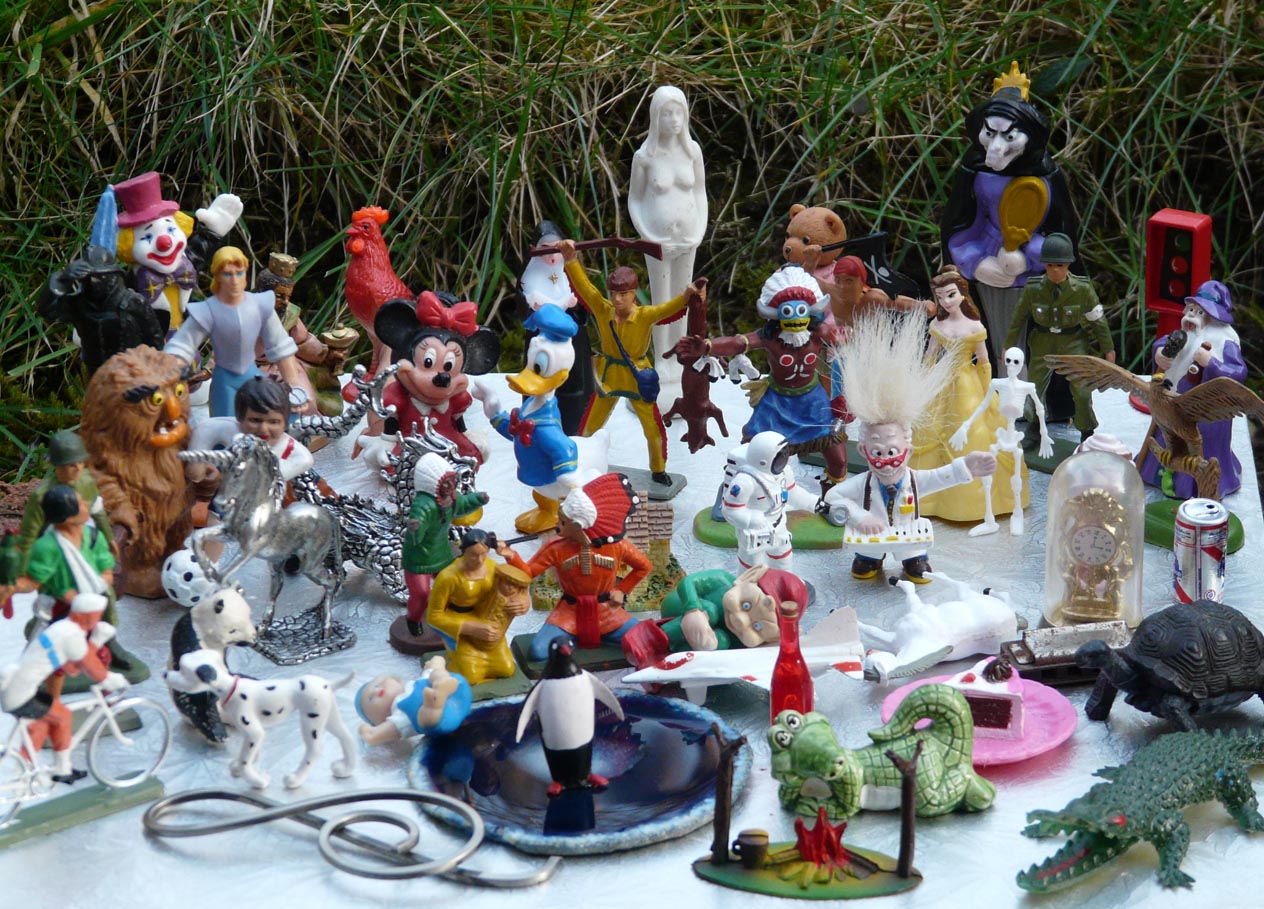
world objects for sandtray work

world objects for sandtray work

My interest is fleeting when events are contrived, plucked from the air. Characters convince me when they are embodied and grow around obstacles, reaching towards the light, while spreading roots and producing seeds (new thoughts,) even when they come from mythical creatures, kings and slaves of the past, or explorers of distant futures. As long as events happen in a believable psychological setting, I engage.

Then again, I’ve been convinced by writing that made no sense at all, until, with a little patience, I discovered a new comprehension shining through an abstract form. It’s a wonderful feeling, and important feedback for writers, who may be surprised by what is evoked in readers. Once I finished my present project, I intent to spend more time on reviewing – a most giving art of reading.

Stories for stories sake can be dull, while stories in which nothing much happens outwardly can be riveting when they resonate with the human condition, where, quite often, what seems true becomes false, and what seems false becomes true.

It is said we write the books we want to read. When writing, I search to combine words that convince intellectually and emotionally, until something true is mirrored back. Maybe what I’m hunting for in my reading and writing are fitting metaphors for the miracle of existence.

I always delight in discovering neglected writers, like Marlene Haushofer,  or the poet W S Graham, whom I wrote about here as part of a post in Sept 2013.  And beyond new works, there are innumerable old favourites, including H G Wells. The link connects to a post I did about one of his lesser known stories.

Thinking about photography, my other passionate reading, I was inspired by Henri Cartier Bresson – the link leads to my post about him.  And here the archive of the street photography of Andre Kertesz – enjoy.  I’ll leave film alone, that’s a whole other story.

What are your reflections on reading?


Some related blogposts:

Storytelling and the primary world.

Mother-tongue and other tongue.

Memory and Place.

11 Comments

Filed under Blog

… the ones who walk away …

Ursula Le Guin’s short metafiction, ‘The Ones who Walk Away from Omelas,’ first published in 1973, had its 40th anniversary last year. My first reading, when Google and book review sites were non-existent, left a deep impression. This week’s re-reading, once, twice, three times – the story deserves it – made me curious as to what other readers might have made of it. Obsessing in a web-crawl I came upon predominantly moral interpretations, which I distinctly remember resisting, though these associations are understandable. The way our systems deal with the unadjusted tends to appease the troubled conscience for the rest of us normal citizens.

For me, there were deeper complexities in this brilliant piece of writing. I decided to share my thoughts and tempt those of you who don’t know the story to read it and derive their own insights. I’ll use spoilers, so if you want to read the story first, here is a link: http://genius.com/Ursula-k-le-guin-the-ones-who-walk-away-from-omelas-annotated

… With a clamor of bells that set the swallows soaring, the Festival of Summer came to the city of Omelas, bright-towered by the sea …  

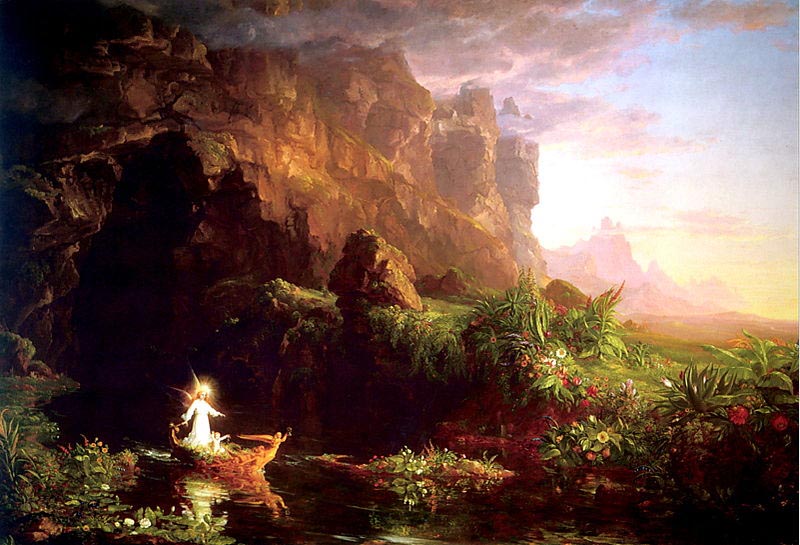
Childhood, Thomas Cole, 1842

Childhood, Thomas Cole, 1842

We are shown a charming city where order and harmony reign, a city well-protected in a bay, resembling a womb. Reality is suspended. There’s a sense of timelessness. It is a civilised place, decorous, joyful, without hierarchy. No king, no swords, no slaves … no power games. Utopia comes to mind, the idea of eternal life – the eternal innocent child.

No science has yet dispelled the vision of a haven without strive, where everyone is happy. In the wake of traumatising wars and unspeakable atrocities, there are always attempt to re-create places like Omelas, attempts to soften the reality of birth and death, the extremes of joy and pain, nature, the cosmos our life depends on and which we try to fathom. But since our spiritual lore cautions that life is an illusion – an ornament that covers ultimate truth we can’t perceive with our senses, we get anxious when life becomes too comfortable.

The narrating voice, anticipating our scepticism, invites us to fill in the sketches of this perfect democracy. We are told, ‘They were not simple folks, you see, though they were happy.’ After all, Omelas may strike some as goody-goody. Smiles, bells, parades, horses, bleh. ‘If so please add an orgy.’ More delightful pleasures are suggested – celebrating life, with one significant addition, ‘One thing I know there is none of in Omelas is guilt.’

In contrast, the voice notes the bad habit of a different place, where pedants and sophisticates consider happiness as something rather stupid. ‘Only pain is intellectual, only evil interesting … the treason of the artist: a refusal to admit the banality of evil and the terrible boredom of pain.’ The voice insists that the citizens of Omelas were mature, intelligent, passionate people whose lives were not wretched.

The Festival of Summer has begun. ‘Do you believe?’ the narrator asks. ‘Do you accept the festival, the city, the joy? NO? Then let me describe one more thing.’

And there it is, the secret lurking out of sight, a child, kept in the darkness of a tiny cellar room, with only a faint ray of hope based on a dull memory. The child is not driven out of the city, like the traditional scapegoat, but contained below ground; there to absorb everyone’s fear of reality and its cruel justice, embodying, maybe, submerged histories, rather like the depths of the iceberg below water keeps its peak afloat in the light.

… They all know it is there, all the people of Omelas. Some of them have come to see it; others are content merely to know it is there. They all know that it has to be there. Some of them understand why, and some do not, but they all understand that their happiness, the beauty of their city, the tenderness of their friendships, the health of their children, the wisdom of their scholars, the skill of their makers, even the abundance of their harvest and the kindly weathers of their skies, depend wholly on the child’s abominable misery …

Terms are clear, should this child be freed, the beauty would wither and be destroyed. The pragmatic solution seems such: One punished and suffering child is meant to redeem the rest from coming to terms with their inherited sins and traumas.

To leave this comfortable enclave of Omelas means leaving security and loved ones behind. It requires crossing mountains, stepping into the unknown, with no charm against collective guilt.

Omelas’ citizens are free to look at the unacceptable child. While reactions, those of young ones mainly, vary from disgust to outrage, most accept the necessity of this child’s sacrifice, though some fall quiet and leave Omelas in the middle of night, alone.

For me the child is there to serve cohesion, symbolizing a lid on the unconscious, primitive, wild aspects of the psyche. Isn’t dis-ease a loss of order and rhythm? If you judge this pragmatism harshly, consider the purpose of trip-switches in an electricity-wired house. Or, consider how people under social or dictatorial pressure may choose to safeguard the lives of their loved ones at the cost of betraying their knowing heart.

Le Guin does not condone staying or leaving Omelas, she provides no answers. I am one of those who walked away, many times, always at a cost, because I preferred guilt to shame. C G Jung developed the concept of individuation, hoping for it to expand collective consciousness from the inside out, through the individual, sometimes involving a precarious personal journey, going through a process of separating psychologically from parents, state, authority, to become whole. Like in the Zen story where the seeker eventually returns, better able to serve the community. While a single brain does not survive its limited life-span, the collective memory of matter, and each human experience lives on and is transmitted to every new-born life.

Each one of us carries the traumas of our histories, though not everyone has the opportunity to redeem such wounds, contribute new ideas, or explore different states of being. What drives one to walk away from the familiar – is it inner conflict, allegiance to one’s heart, fear to upset the order, the need for a wider perspective, or simply a calling? We bond to the systems we grow up in, in cases we adjust our behaviour in order to emotionally survive, along with the implicit bargain to keep quiet about the shit, our shit, others’ shit, and how we deal with all the shit.

There are those who leave a comfortable place and those who stay. Maybe a balance between conservative forces that protect structures and revolutionary forces that seek change is necessary. Not everyone, for example, can face existential pain and futility without succumbing to psychosis. There is a case for Festivals of Summer, sport, drugs, ecstasy, trance …

Was the power of the imagination born from fear of mortality? Is this why we envisage dystopias or utopias, and, ultimately, scenarios that make us feel in control of our destiny?

What we hide from ourselves and from each other often relates to our most prominent outcast, the neglected inner child, so embarrassing to the adult world. This child in Omelas seems to embody the ongoing ritual of shame for walking from Eden into the dawn of creation, a reality burdened with consciousness, and free will that frequently misses the mark, but, heck, is the very process of becoming human.

My naïve hope is that we can learn to embrace our all too human failures, show patience with our children, stop seeking blame and end scapegoating, yet also acknowledge our individual and collective need for comfortable realities … protecting us … from what?

Here a quote from a former friend and teacher, Fazal Inayat-Khan … taken from a lecture on Reality:

‘For the whole collective of the human mind – outside that self-created reality there is a storm. That storm – that wind – that pressure – that influence and space is for our existence and permanency completely annihilating and destructive … our assignment outward is because of a deep decay … Reality is a veil that is spun with the finest and thinnest and strongest silk. It weighs nothing – it covers a little darker area behind – and yet the moment when you reach out with your hand to draw the veil away it will skin your hand till blood is drawn.’ 

To fill this emptiness we assign our meaning outward. Call it the human project. Sorry to trouble you, my friends, but the function of reality is worth contemplating, and, in my view, Ursula Le Guin’s story does just that.

14 Comments

Filed under Blog

… the gulf between writers and readers …

This post was sparked by a stimulating and taxing interview Philippa Rees conducted with the writer Vivienne Tuffnell  P1060427lower - CopyThe interview attempts to re-define the gulf between writers and readers in the way commercial algorithms define values for readers, blanking out the appearance of new green shoots.

This disrupted my sleep, in addition to lots of other stuff going on, so I tried stepping back for a wider perspective. No answers, only a few muddled reflections …

My generation, whose early years were without TV, needed to adjust to rapid periods of change, particularly the change from analogue to digital recording, – two entirely different metaphors. The true significance of this shift has not yet been absorbed by the general public.  In a dissertation during a sabbatical film degree as a mature student in the mid-nineties, I quoted Jean Baudrillard  who saw the forced silence of the masses no longer as sign of passivity or alienation, but as ironic and antagonistic. He commented on the strategy of the masses:

‘… refusal of meaning and refusal of speech; or of the hyper-conformist simulation of the very mechanism of the system, which is another form of refusal by over-acceptance. It is the actual strategy of the masses … it is the winning one today, because it is the most adapted to the present phase of the system.’ Moroc, Marrakech Riad roof, golden vision - low

I recognised this as the Zeitgeist  gradually reaching across the globe. My continuous studies, driven by curiosity and endless questions, prepared me, but I still find it difficult to accept a reality where, for many otherwise intelligent people, the beautiful term ‘soul’ has lost its impact. I place the word carefully in my work and in my writing to avoid bias. Marion Woodman  uses it powerfully … ‘Our very survival depends on spirit embracing soul.’  

The quote becomes poignant through experience, not theory.

Don Cupitt – a philosopher of religion who rejects authoritarianism, once said … ‘The soul, the self, has died. The self in an animal with cultural inscriptions on its surface.’ Sobering, and true, depending of course from which plane of experience one perceives.

In our present culture the commercial speed train whistles through every zone of life. Publishers are among many enterprises struggling to survive amidst overproduction. The ‘Road Closed Pending Repairs’ signs Philippa refers to in her interview grow like mushrooms. Small businesses, for example, vanish at an alarming rate, at least in my little town. Be it a supermarket or a bookshop, I’m bombarded with buy-one-get-one-free or two for three offers. Plenty of people I know look beyond the more-is-better and cheaper hype, but their numbers won’t topple the algorithm-driven logic of mass-cargo firms like Amazon (click for latest newsletter.) Their long term strategy is to please the consumer, which, now, increasingly, includes writers who self-publish … To make profit in an oversaturated market requires ever-new smart inventions.

Works not created from templates, but from inside out, which, sigh,  includes my novels, will struggle to find a position on consumer maps. Traditional meanings are collapsing.  New genres for books are proposed. The box marked cross-genre sounds like a stir fry of left overs. How, as a writer, does one shoulder the marketing speech for novels not fitting into boxes? Crime? No! Romance? No! Religious? No! Paranormal? No! Sci Fi? No! Fantasy? No!

The distillation of a life’s experience, a work of creative imagination? What’s that?

Authors of such ilk have the formidable and possibly worthwhile task of writing their own obituary. Are any of the thoughts a writer expresses original? I don’t think so. Thoughts happen to us. What’s original is their processing and linking based on personal experience, which may offer a new window of reference. I look at my bookshelves and ponder what I would have missed had the authors whose works snuggle up to each other had lost faith in their work. Few commercially produced genre books leave impressions that live on. They’ll drown in ISBN databanks. Our shelves at home hold unique books that surprised and inspired us over the years, and until we become cyborgs and can, with a mere thought, make book pages fall open on any surface of our choice, this will not change soon.

I admire self-published writers. Vivian published several novels herself,  as did Philippa, which speaks for their tenacity and belief in their work. And I admire Philippa’s poignant questions, and how Vivienne exposes herself to them …

the very uniqueness you want to write about? Could you define why that is so difficult? Is it simply too much surrounding noise? Or something else?

‘… is writing the way in which we confront out existential loneliness, and are readers who ‘get’ and share that now the substitutes for lovers?’ 

MercatsSuch questions and similar ones are worth their salt, and expose our vulnerability … do writers, any artists, want to be truly seen? Is one person’s interpretation of truth going to be interesting to others? Will the public feel preached to? Such questions haunt many of the most inspired artists, poets and writers who weave works from layers and layers of their psyche. To expect an instant resonance from crowds will bring deep disappointment.

And yet, the most deeply personal experiences, combined with some magic ingredient of presentation, can, over time, have universal appeal. Stan Brakhage, an experimental filmmaker, put it this way … ‘I had the concept of everything radiating out of me, and that the more personal and egocentric I would become the deeper I would reach and the more I would touch those universal concerns which would involve all men.’

If I’m positive about the future it comes from an understanding in tune with Walter Benjamin  … ‘Technology, instead of liberating us from myth, confronts us as a force of a second nature just as overpowering as the forces of a more elementary nature in archaic times.’

To me, this means learning and unlearning accelerates in condensed time. Think how we make ourselves visible by blogging. How brave and scary to step in front of a public mirror … Virtual or not, the psychological process of engaging with virtual friends and foes is totally real. Sherry Turkle expressed this … ‘I believe that our experience with virtual reality, with artificial life are serious play; our need for a practical philosophy of self-knowledge has never been greater.’ My self-understanding is now aided by the relationship with people I have not met face to face – I never shook hands with or exchanged a hug with Vivienne, but I emphasise with her loss of joy, and her frustration with the ironic and antagonistic attitudes of people who belittle deeper strands of truth for fear of looking inside, and the sense of being a square peg that doesn’t fit the neat round hole of genres and algorithms.

Many writers will recognise these obstacles, including Philippa, and myself. How do we attract and persuade people to sample the green growth in our plot? At the same time, I’m convinced we are co-creating artists of our continuous self-invention. Mourning a not-yet existing frame for our work  might hinder this process, which moves and dances naturally through each breath. And I’m heartened by how writers and poets influence us over time.

A poet and mystic from over 800 years back examplifies this phenomenon …

‘The minute I heard my first love story I started looking for you, not knowing how blind I was. Lovers don’t finally meet somewhere. They’re in each other all along.’ – Rumi

20 Comments

Filed under Blog

… dappled light – a vital joy …

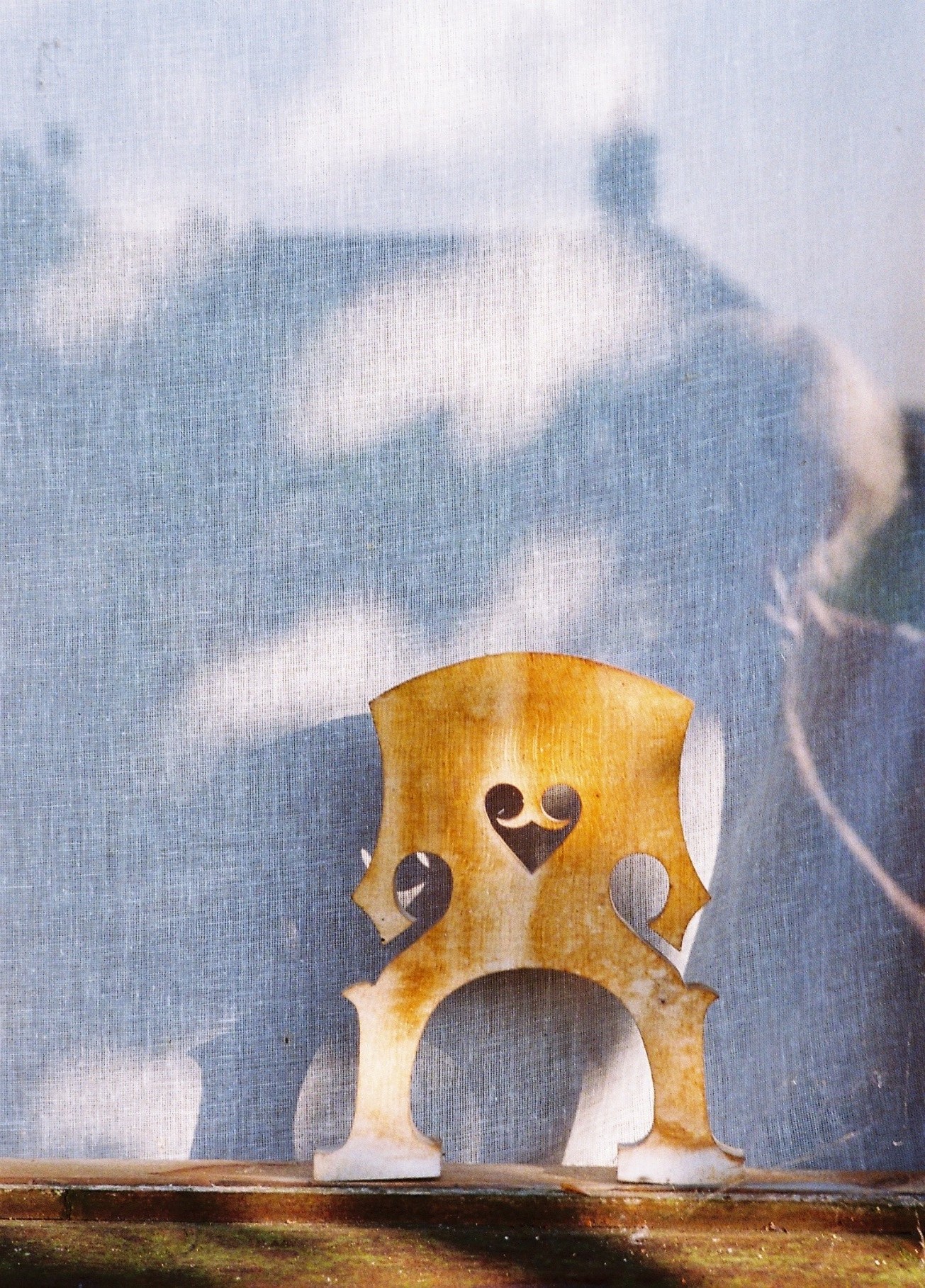
Cello bridge two orbs surge and ebb

as gold-white-silver-and-blue

flicker through the mesh

of vapour and dust

and amid clouds and branches

needle shadow lace

through myths and hollows

in dappled light on solids

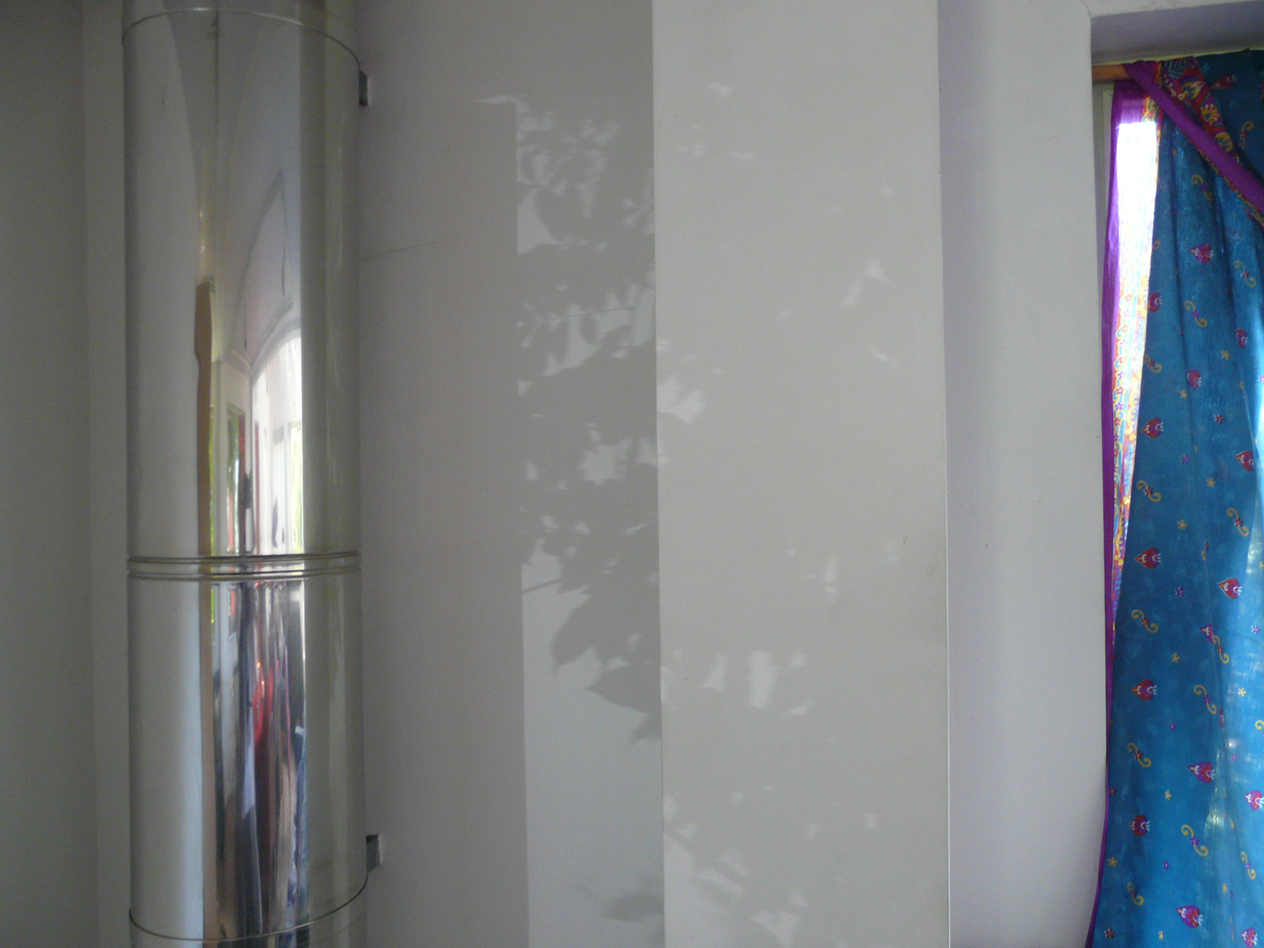
… visible pointers

Shadow on door - Copyto deep-breathing space

within – the fulcrum from whence

unfolds everything

*    *    *

P1100852 - low

I found a poem by Gerard Manley Hopkins (1844-89) – ‘Pied Beauty’ – more musical and sophisticated than my Haiku attempt,and with sincerity of devotion I can’t muster. Enjoy …

Glory be to God for dappled things–
For skies of couple-colour as a brinded cow;
For rose-moles all in stipple upon trout that swim;
Fresh-firecoal chestnut-falls; finches’ wings;
Landscape plotted and pieced–fold, fallow, and plough;
And all trades, their gear and tackle and trim.

All things counter, original, spare, strange;
Whatever is fickle, freckled (who knows how?)
With swift, slow; sweet, sour; adazzle, dim;
He fathers-forth whose beauty is past change:
Praise Him.

*    *    *

My thoughts on dappled light are a spin-off from an exchange of comments with my on-line friend Joe Linker who asked:   ‘Framing – How much light to reveal? Shuttering – How much darkness to avoid?’

Imacon Color Scanner

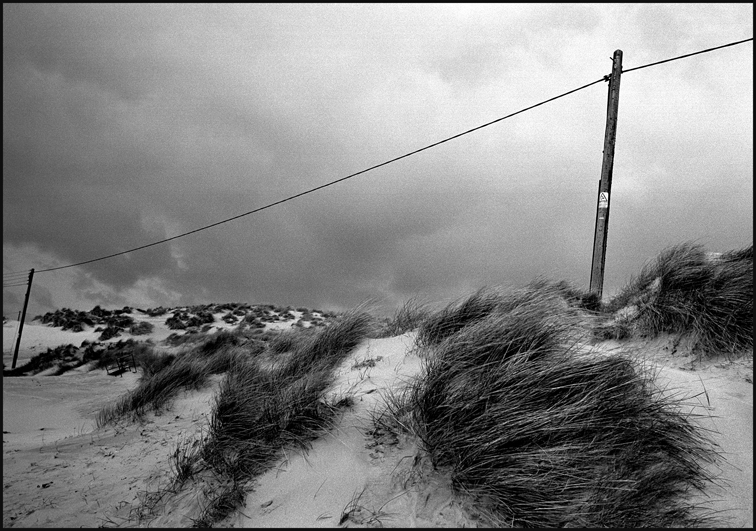
Here a scene from a stormy day in Rye with optimal exposure.

Analogue photography provides brilliant metaphors. No matter how interesting the chosen frame, shutter speed is vital. Too much light will turn the negative dense and dark, bringing bleached-out definitions to the positive print. Too little light produces a thin, transparent negative, resulting in a hard or soggy positive where subtleties of tone are lost. The amount of light is regulated by shutter speed.

In writing this is equivalent to the balance of rhythm, sound and shape of words drawing you into the frame.       I’ll keep practising 🙂

20 Comments

Filed under Blog

… surprise – blog tour interlude …

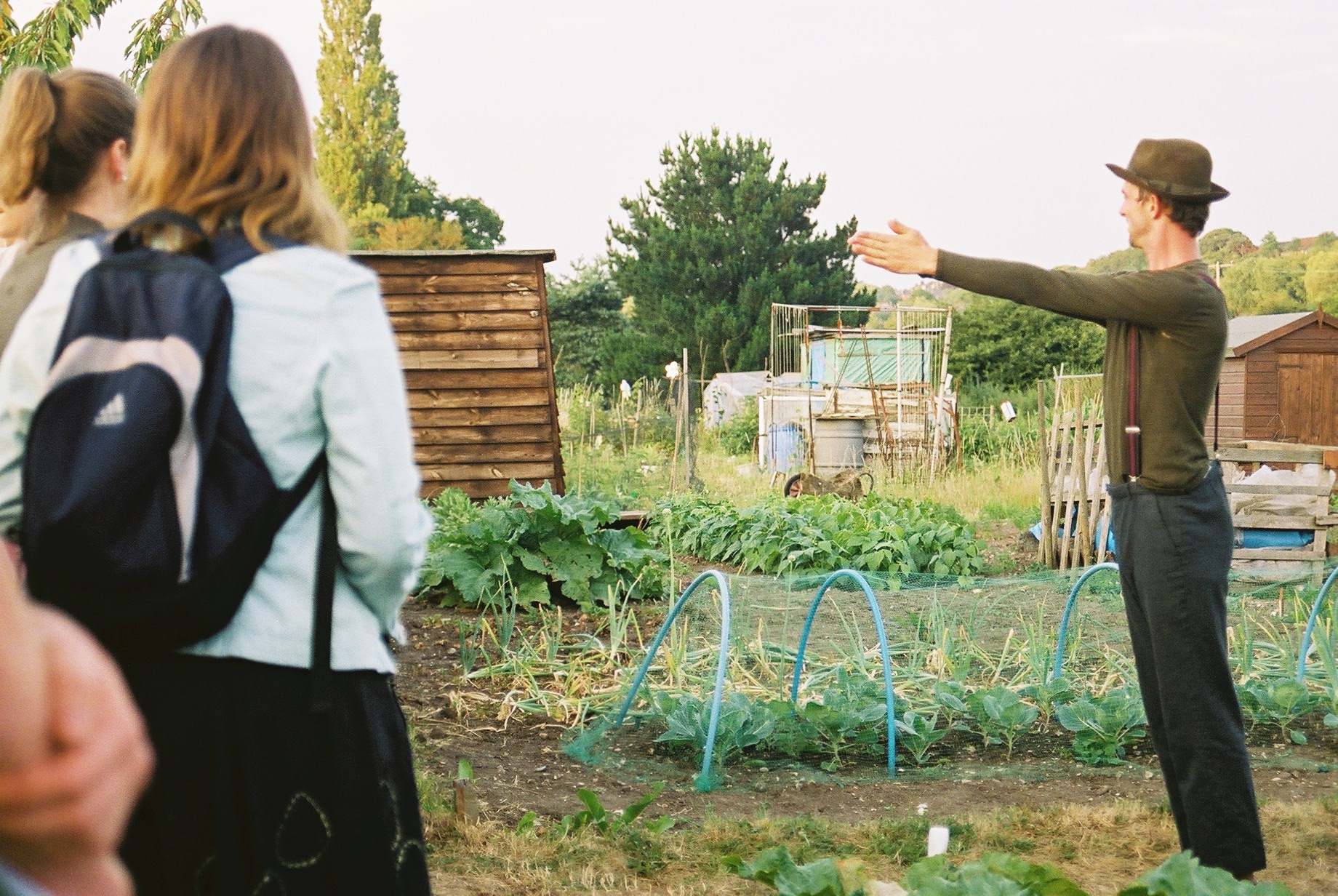
Ruth - watering plants in her allotment.

Ruth – watering plants in her allotment.

Wow – my friend Ruth Paris  joined a blog tour, which is the ritual of charting and connecting-up undiscovered blog-islands in the virtual sea. I was so impressed she took on this challenge I’ve so far avoided, my hand reached for the baton before I knew it. Besides, Ruth’s posts about her ‘middle-of-the-roundabout allotment project’  on her Huerto site are a pleasure to share. Here some photos from Sept 2011. Her recipe page alone is worth a visit … and certainly the virtual islands of the friends she introduces. And it’s true, she does pick out the teeny little stones and whispers encouragement to the weakest seedling. Look at her ‘about’ page and you find she also wears another hat.

The theme of gardens has irresistible appeal. I like the thought Ruth shares, inspired by our joint friend Shazadi – since we can’t change the world we can at least cultivate our gardens – which applies to earth-tilling plots as well as the metaphorical kind. In that sense, here are my responses to the 4 deceptively simple questions this tour asks of its participants.

1 – What am I working on?

I’m editing my second novel, a sequel to ‘Course of Mirrors,’ completed two years back. Last year I was contracted by a small, devoted publisher and am looking forward to having my first novel released in a few months. English not being my first language (more about this here) – allows me the perception of a stranger in the strange land of my psyche, not unlike the protagonist in R. Heinlein’s book. In a way we’re all exiles owning a planet somewhere – be it an inner world.

2 – How does my work differ from others of this genre?

I puzzle over the term – genre. It may apply to career writers, which I’m not. Writing is my moving on from photography, another tool to symbolically express what drives me. Set in an imaginary world, my characters outward their inner conflict, the archetypal tragic/comic exodus I feel entitled to elaborate on. If genre it must be, my novels could be called mythic poetic adventures, gripping magical quests.

3 – Why do I write what I do? 

I may fool myself, but I can’t help thinking that re-creating or co-creating history can make us whole. I’m fascinated by how our fragile identity is formed through early mirroring, how people and environments define us. How we oblige like sleepwalkers and build a myth on these early templates, and inevitably mirror others.  And yet, small shifts in awareness can change our perception from deep within. Each of us brings along something unique we’re yearning to recognise. Without the recall of that signature we feel a lack.  Having been intensely involved with many groups and sub-cultures throughout my life I now tend the seeds I gathered and cultivate my soul garden. using the magic of words that string together and create music, sculpt feelings and even lift the invisible.

4 – How does my writing process work?

It didn’t, until the pressure became so great I decided a few years ago to reduce my professional work and commit time to writing. When a character takes shape and is called on a journey, I trust the narrative will unfold in my imagination. With consistent attention there eventually emerges the emotional coherence of a short story, or a chapter, and another. For me, this process, though enjoyable, happens in semi-darkness. I can’t force the outcome.

Editing is fun, and sometimes torture, which is when I crave diversions – watch birds, make coffee, fix things, blitz-clean the house, sort finances, prune hedges, cut grass … and relieve my pangs of guilt for neglecting friend by stepping out from my solitude. I may go harvesting in public spaces – that is, observing how people move, which I find endlessly fascinating.  On really bad days doubt intervenes and I sulk over the ‘who-do-you-think-you-are’ syndrome,’ until I accept I’m no Shakespeare.

In the end it is always being with friends and reading that refreshes my conviction in writing.  On many levels engaging with people and their stories helped me understand my private myth, and more.

*     *     *

A few entries on gardens from my archive https://courseofmirrors.wordpress.com/tag/garden/

The task of choosing further runners for this tour from a tapestry of amazingly creative people gave me a headache. To stem the flood, I’ll cheat the rules and introduce only 2 writers to weave the thread onward and hopefully reveal more secret islands.

Philippa Rees

Philippa

Philippa

The book that wrote my life … Philippa says of – INVOLUTION – an Odyssey Reconciling Science and God – an epic poem, and a spiritual revelation. It’s been called a tour de force. In nine cantos the work travels through pre-human involution, the enfolding of consciousness in matter, early man’s emergence on the Serengeti … through the recorded civilizations of Greece, Rome, the Dark Ages, the Renaissance towards Enlightenment and finally Modernisms’ success of science – of which the latter, ironically, obscures the internal story – the story of direct intuition, nous, experience.

I totally grok this.

And I’m looking forward to meeting Philippa this weekend. She’ll join a gathering of my friends and share what sparked her life-long project. I imagine she’s good company, holding memories of gripping stories, including her childhood in South Africa, which she’s beginning to share on her blog, ‘Careless Talk,’ accessed here.

Diane Dickson

Diane

Diane

Diane is a prolific writer of short stories and novellas. She hardly pauses, and generously shares the developing instalments of her work on her website. I’m totally addicted to her posts. Increasingly, she publishes e-books through Kindle and now also in print-versions.

Her characters are usually teetering on the edge of change before they slip into a life-changing crisis. The protagonists are often so hilarious you want to shout – get your act together. Then there’s a cliff-hanger and you’ve  to wait a day or two for the next instalment. Stories range from light-hearted, uplifting, to mysterious and dark and they all have surprising twists. As I said, I’m addicted. A recent published tale is:

The Man who lost his Manbag and Found Himself‘ Here’s a modern day odyssey, and a simple recipe for losing your identity.

Both authors presented here, like so many I came to know during these last years, fought their own publishing battles. I hugely admire and have great respect for their skill and perseverance. There was never a time I did not find selling myself daunting. Even during days of professional success I relied on others to shout out the existence of my ware. I need someone to hold my hand.

Some of my friends are slow in developing their island on the internet, yet offer compassionate mentor-ship I can’t emulate. Notably Evlynn Sharp  We worked on various projects together, and I feel deep gratitude for her support.

*     *     *

And here more cheating – I’d like to introduce the islands of two young people engaged in the buzz of life, with scarce time for leisurely blog-tours. They’re brilliant at what they do. They make me proud, my son, Yeshen and his wife Natasha Tonkin, a director of animated films.

I wrote about them recently https://courseofmirrors.wordpress.com/2014/03/23/weddings-still-happen/

14 Comments

Filed under Blog

… clouds …

Last week, during a flight to Munich, and equally this week during my return journey to London, I witnessed some spectacular cumulus scenes from above, with the moist earth being the canvas.

P1050992 SMALLER

P1050991 - SMALLER

The changing cloudscapes drifting on the wind teased my imagination. I wanted to wander into this world that words can scarce describe, be there alone with my own heartbeat, where past and future is one and present. I’m no Percy Bysshe Shelley, who gave an eloquent voice to The Cloud

… I am the daughter of Earth and Water,       P1050995 SMALLER                                                              And the nursling of the Sky …


His cloud speaks of the ‘pilot.’


… This pilot is guiding me,                                                                                                    Lured by the love of the genii that move                                                                  In the depth of the purple sea …  

Shelley’s time had no flying machines that did away with the invisible navigator. He perceived through the inner eye.

P1050990 SMALLER

P1050999 SMALLER

The first Cloud Atlas was documented in 1896.

Today’s airline pilots must know their clouds 


Like us, clouds change but keep on living. We and they are fleeting manifestations of nature – a show of impermanence ornamenting this planet. The water of oceans, lakes and rivers, the sap of life, flowing through the perspiration of plants and all living organisms, including the breath of 7 Billion people, clings and seeps into the warm earth only to be drawn up again, where its vapour compacts in cold air and spirals into fluid shapes between us and the blue dome, where all moods find expression – wild charcoal formations with dove grey wisps parading at the horizon, luminous coloured tendrils and satin sheets in slanting sunlight at dawn and dusk, or dewy porcelain veils.

P1050993 SMALLERClouds are moisture made visible. Who knows what information is inscribed and carried in droplets from one place to another? It takes about one million cloud droplets to form one raindrop.

What rises also falls. There is a wonderful Sufi story about this cycle of transformation, serving as a metaphor for identity, the form we must inevitably relinquish to change into another form while maintaining our essence … here told by Terence Stamp: The Tale of the Sands

There is ongoing research of water as an agent – receiving impressions and holding patterns of information. Water can be vitalised, for example, which explains things we know the results of but not the reason. Such findings, while presently called pseudo-science, may yet confirm many of our intuitions. Water is alive, and living things form a centre and have intelligence.

15 Comments

Filed under Blog

… meeting the other …

None but nature could have written a better curriculum for becoming human …


Attend for a moment to you breathing. If you’re aware of heaviness in any part of your body, breathe the colour of water under a blue sky into that part and let the tension drift into the earth with the out-breath.

In your mind’s eye, find yourself in a meadow, abundant with scented wild flowers. Nearby is the outcrop of a mountain and a welcoming dry cave stirs your curiosity. Entering the cave, you find a spacious passage from which comes a luminous glow. All of a sudden you’re walking on air, and – like a feather on a breeze – you’re floating, floating gently downward into velvety twilight. In your heart you know you’re guided towards a special encounter.

A waft of fresh air brushes your skin. You find yourself standing in a soft beam of light from high above at the centre of a dome-shaped cavern. The circular wall of the dome has tunnels that lead in all directions. You must choose one. Be patient.

White Window, St Cathrine's Chapel - more lowresWithin your reach sits a small bronze bell. Lift the bell and give it a slight nudge. As the clear sound of the bell reverberates in your heart, you’re drawn to one particular tunnel and you know this is the one to follow.

Warm air greets you with otherworldly scents, the crystal walls of the passage glimmer. Soon brightness appears ahead, momentarily blinding. You step forward and slowly make out a landscape of rolling hills with the sun reflecting in a silver stream that meanders towards a distant sea. 

Close by, you notice a strong presence under a solitary tree and feel your heart chime in perfect harmony with the presence. A near transparent human form steps out and mirrors your innermost being. Eyes, radiating love and acceptance, completely affirm you. For an instant you are – you are natural mind, pure consciousness.

A soft voice says: Where is the other?

Pondering the question, a shrouded figure moves, from hiding behind your back, boldly into view. It is a repulsive creature and you want to shush it away.

Greetings to your other, the soft voice of your essence says. Then you realise what the apparition represents, everything you reject and prefer to keep hidden from your consciousness, all you find objectionable, embarrassing and unacceptable in others, and in yourself.

Understanding happens. By denying your inferior being you are also ruled by its whims. And realisation comes – of your body’s wisdom, and of knowledge gained from human frailty you were too proud to value. You see with fresh eyes  and extend the very love and acceptance you absorbed from your essence. The other straightens, lightens. There’s a new respect, an affirmation, a softening.

Turn and look again into the deep compassionate eyes of your essence, absorb this capacity for tolerance in your heart, allow the healing.

Then bow to your essence and return the way you came. Give a nod of acknowledgement to your other, so the shrouded figure won’t slink behind, become resentful and trip you up. Let it walk in view, accepted, even with gratitude for its imperfections and its treasures.

*    *    *

Continuing from my last two posts, this is further classic theme for an inner journey, usually adjusted to the context in which it is used. I kept the narrative short and succinct. Even if you don’t enter the journey experientially, alone, or read to by friend, and allow your own images to emerge, the scenario might spark reflections, and drawings or writings for your diary or chapbook.

It’s humbling to recognise our flaws and the blame we assign to others, and yet, no matter how many veils are falling from our eyes, there’ll always be more projections to be owned, more grudges to let go of, more misunderstandings to tolerate, more hurts to absolve, and more to be embodied of what feeds us from dark roots. Our struggles with conflict and contradiction polish the heart, feed our imagination and create our realities. None but nature could have written a better curriculum for becoming human.

http://www.youtube.com/watch?v=9NrAGJEMnHE          Marie Louise von Franz – The Way of the Dream 2.1 – Our Shadow Knows

One does not become enlightened by imagining figures of light, but by making the darkness conscious. – C G Jung, CW 13: Alchemical Studies. P.335

Everyone carries a shadow, and the less it is embodied in the individual’s conscious life, the blacker and denser it is. At all counts, it forms an unconscious snag, thwarting our most well-meant intentions. – C G Jung

If we could read the secret history of our enemies, we should find in each man’s life sorrow and suffering enough to disarm all hostility. – H W Longfellow

9 Comments

Filed under Blog