Tag Archives: creativity

… when did you last smile? …

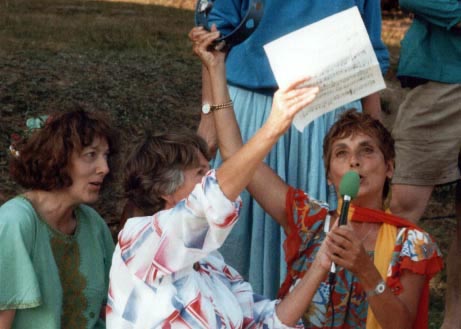
When did you last smile? The question started us going. I belong to a bunch of friends, 10 to 20, who meet monthly. We rotate the facilitation of sessions. People propose themes worthy of engagement. Our April session had the theme of Positive Psychology. The term, coined by Martin Seligman, has been called unoriginal and evokes ongoing controversies, not least because basic theories promoting well-being have been around for a long time, for centuries. Overall, the disputes are creative.
P1110122

P1110124

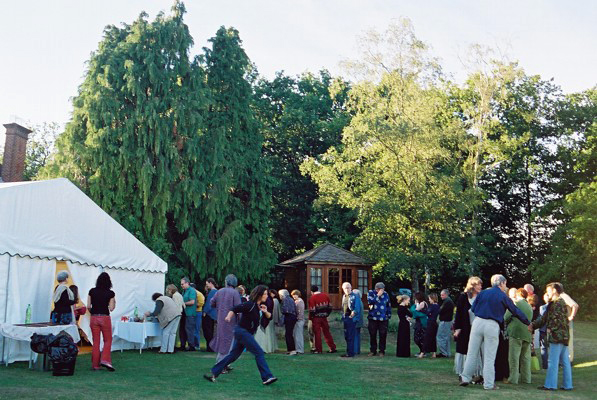
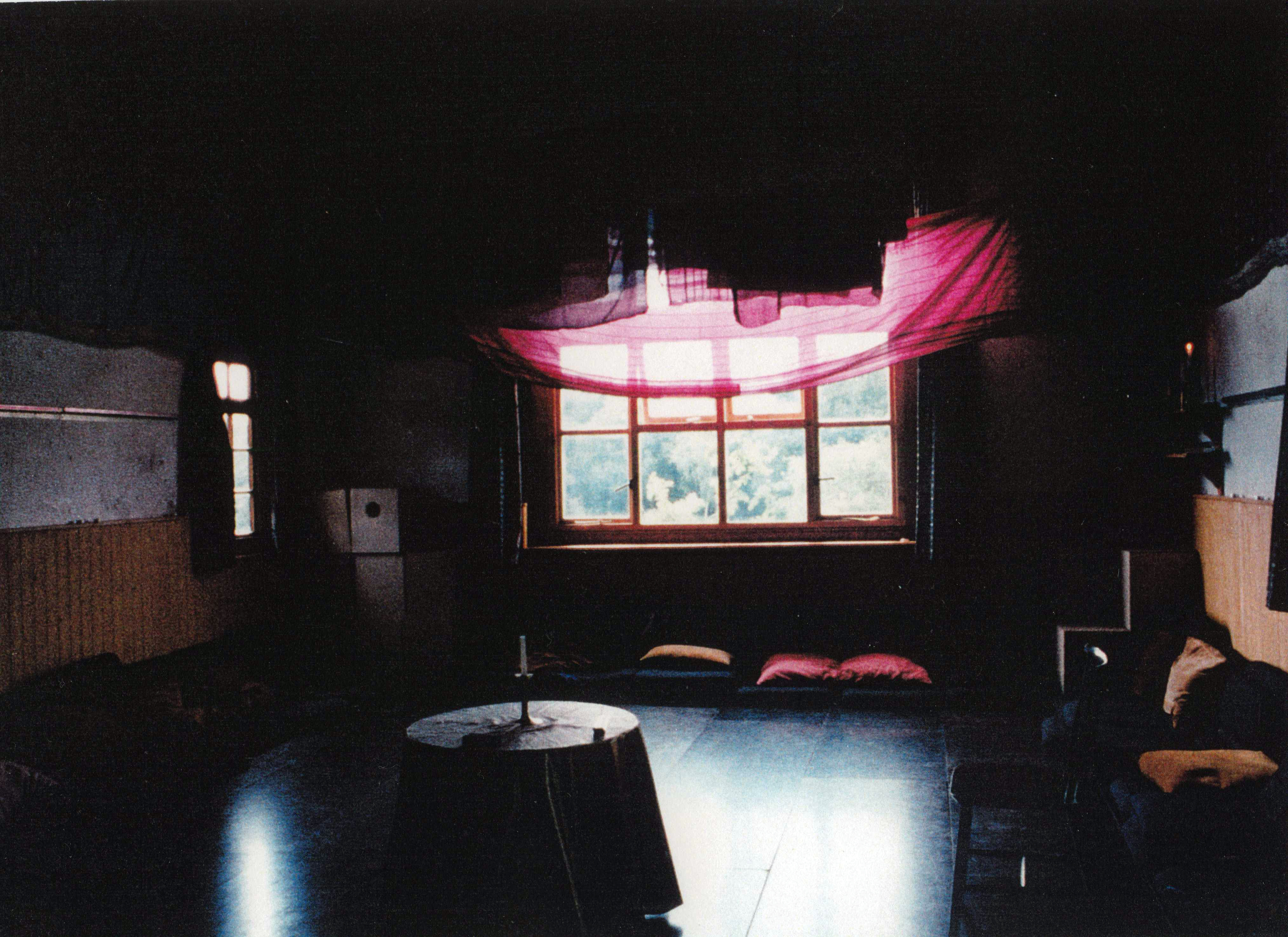
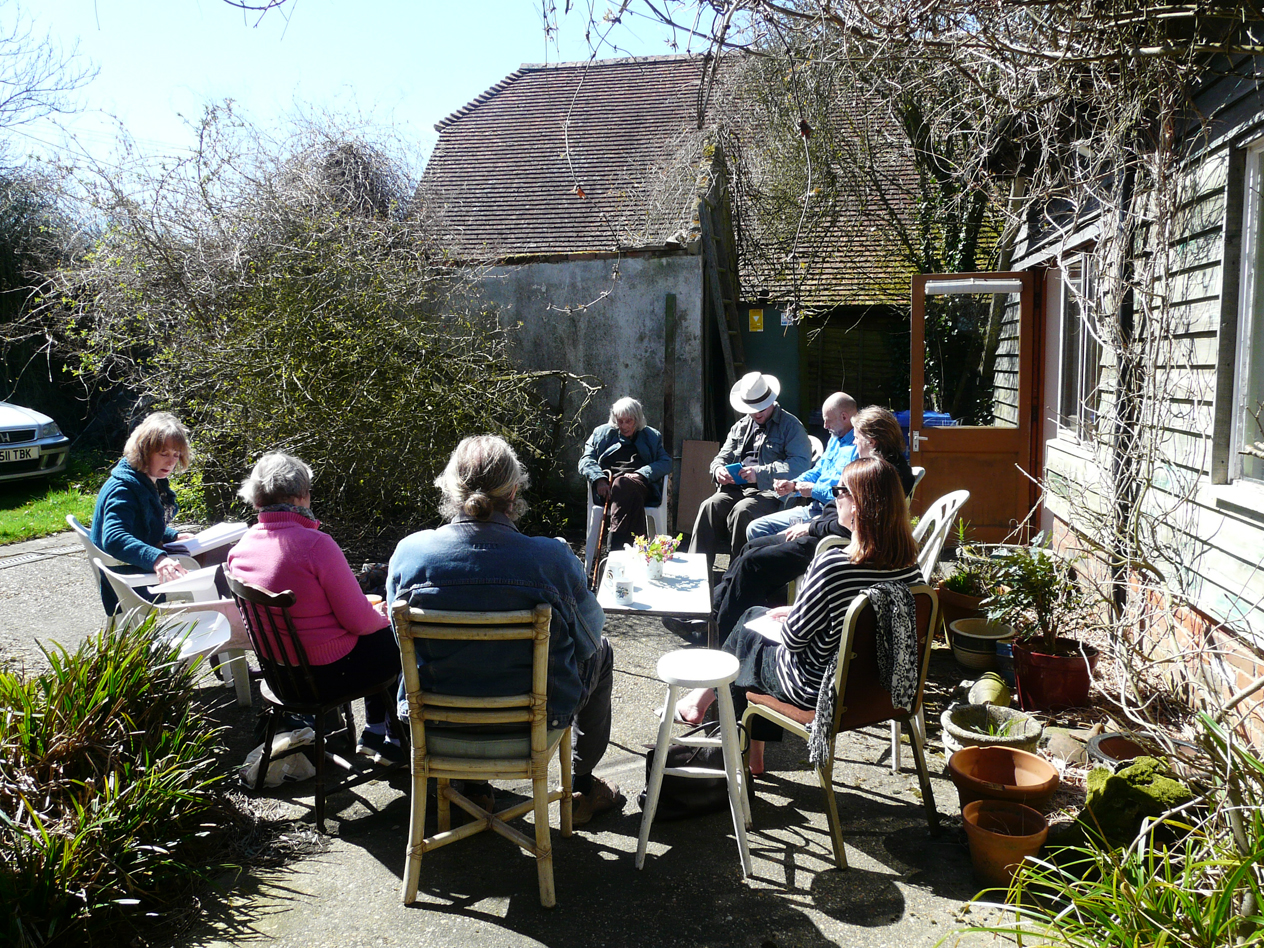
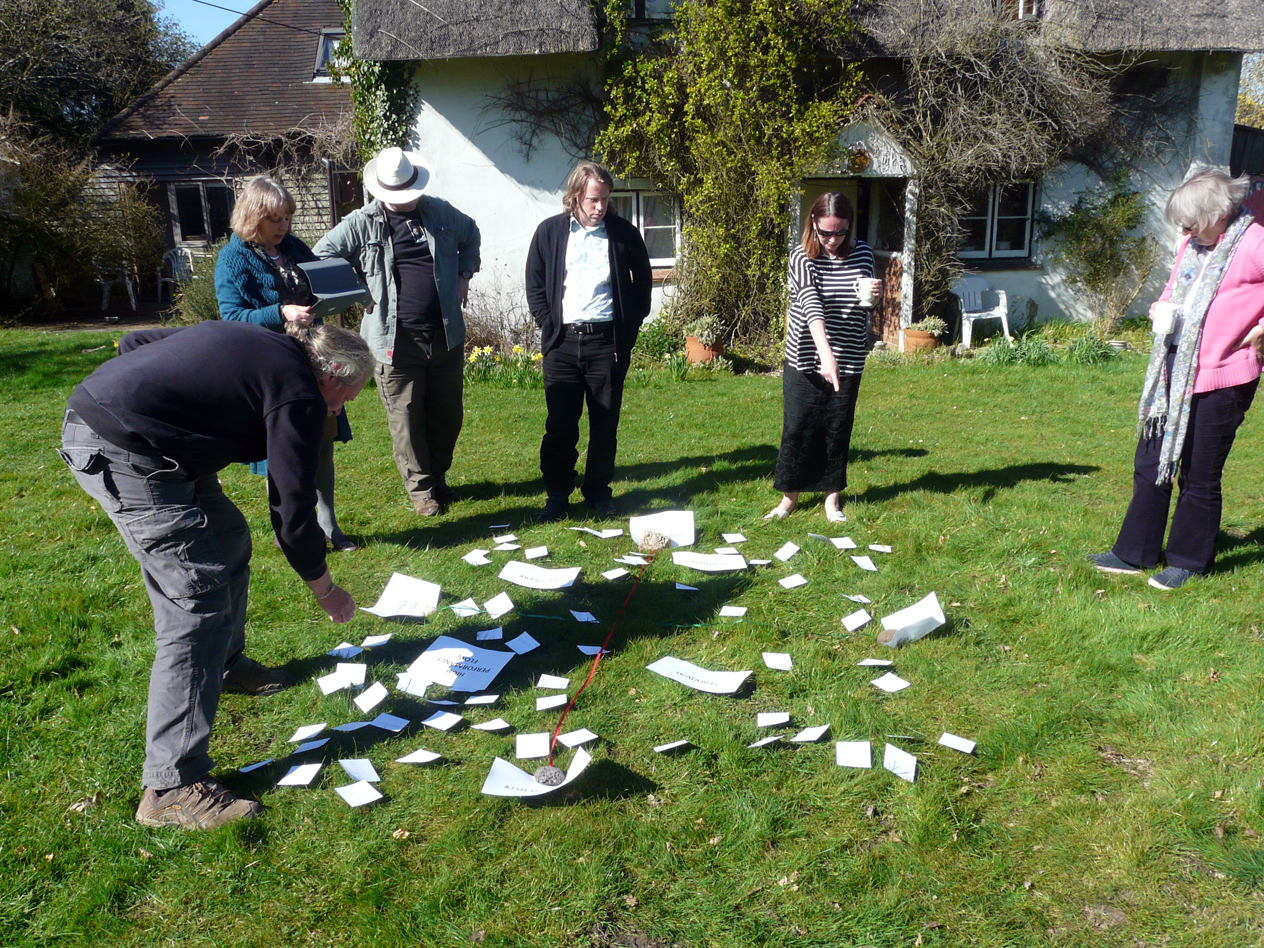
The off-the-track cottage and studio we hire for our monthly meetings has a delightful atmosphere. We love it, though its structure is gradually falling apart. The custodians of the property have more pressing concerns, and so have we. After a unique international creative centre was lost to us eight years ago, this liminal space offered itself. Here we challenge and cherish each other, explore ideas and welcome guests.

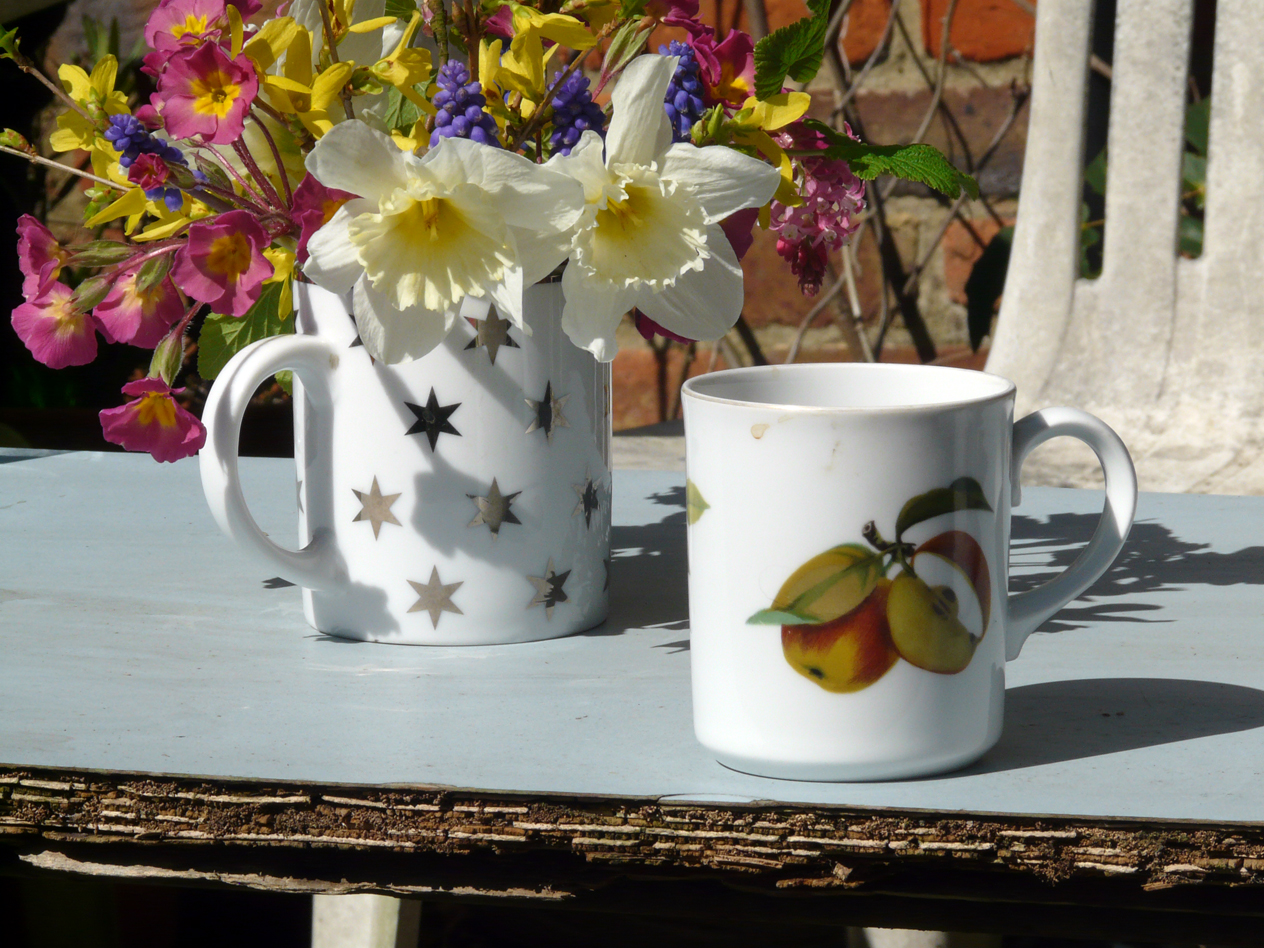
As to the initial question of the day – when did you last smile? – Of late, I frequently smile at my quirky thoughts. That day however, I recalled waking early and passing a vase brimming with pale double daffodils, splayed open to full perfection in the morning sun. No matter how fleeting an instant of wholeness, it tends to ravish me into my veiled wholeness. The exquisite flowers invigorated every cell in my body and set the tone for my day. It was a moment of transcendence, of grace.

We explored scientific findings as to what goes on in different parts of our brain when we experience emotions. There is evidence, for example, that prolonged stress weakens the immune system. Stress may be real or imagined. It can be maintained by resentment, anxiety, learned helplessness and the anticipation of negative outcomes, often based on scary experiences (even in the womb) that informed expectations, like the world is unsafe and we have no control over events. Neurobiology is fascinating, though I wonder if it can ever explain existential questions about phenomenology. Some of us bring along a lucky or unlucky disposition, but a great deal of what we become seems to depend on the interpretation and meaning we give to what is happening to us.

Bang head here

Which begs the question, can optimism be learned through challenging negative self-talk, the kind that rubs it in, like – here we go again, I should’ve know, stupid me, no matter what I do –  and so on. For some people prolonged attention to self-talk works. Many brilliant techniques have been developed to overlay fixed habits. Extensive research has gone into the mastery of happiness, especially in the US. This said – Martin Seligman, the father of Positive Psychology, acknowledges that negativity is part of the human condition. As such, I see negativity having a compelling function in social systems that first make us ill and then sell us pills, a larger story…

I tend to huff when a generic psychological approach is wrapped up as a brand and turned into an industry, and Positive Psychology has become a successful industry during the last decade. Then again, there were a great many innovators since Abraham Maslow, who, inspired by ancient wisdom traditions was the first to challenge Psychology’s focus on pathology at the time, by researching what motivates people up the hierarchy of needs, and by defining the qualities of achievers. The work of Seligman and his colleagues seeks to encourage functionality, resilience and well-being. It provides further valuable applications and insights regarding human potential that are worth studying.

I personally lean towards the subtle wisdom regained during my training with Psychosynthesis in the 1980s. We may reach peak states of awareness as our consciousness expands, bliss even, yet each higher view calls for a journey down, into denser spheres. C G Jung put it well … As far as we can discern, the sole purpose of human existence is to kindle a light of meaning in the darkness of mere being.’
P1110127

Our group is an irreverent lot. We had fun, warm and lively discussions, and we engaged with personal questions. From a set of 24 cards we chose our 5 dominant signature strengths. Humour trumped several times, followed by creativity, perseverance, appreciation, fairness and perspective. Oddly, there was one card I ignored but which jumped to the top when I did a test on-line – Appreciation of Beauty and Excellence. I later figured out why I had held back from picking up the card. This appreciation, which I have to a high degree, is also the source of lingering sadness, because Beauty and Excellence touch me deeply, are glimpsed rarely, and are hard to live up to and shine with. Then again, moments of grace, a sudden seeing that stops time, like the daffodils of that morning, carry me through periods of melancholy and questioning. The theme of the day stayed with me, and after some reflection I came to this conclusion:

I would not be happy being happy all the time. For better or worse I walk the tightrope of contradiction.

*      *      *

The cards we used are available at:  http://mindspring.uk.com/shop/strength-cards/

Here is a site with a questionnaire that measures your character strengths http://www.viacharacter.org/www/ It’s free, unless you want a longer report.

The photo of the Stress Reduction Kit poster is by Programwitch, found on Flickr.
13 Comments

Filed under Blog

… inner time – writing – rant …

Beyond my window, robins, wrens, blue tits and blackbirds are nest-building, with bursts of passion. Dipping in and out of view, they settle shortly on a deck chair, branch or flowerpot, balancing lavish bouquets of fluff, moss, twigs and leaves, before darting off towards the next promising material. The birds winging through my garden make me happy.

Yesh

My thoughts wing in similar fashion dedicated to another passion, no less preparing for a new round of birth – in my case the writing of the next chapter of a novel. I anticipate with joy each few hours of unstructured time that allows me to visit my garden of recollections, a space where myths re-weave themselves from the fluff, moss, twigs and leaves of memories. Like the visions I brought into this world, ambivalent responses to my existence, altered states, affinity with elements, genetic markers, epigenetic quirks … my bundle of life that fell into a mould and was conditioned by socially convenient patterns of time.

Dividing reality into past, present and future time, measured by clocks and dated events, called facts, is a fairly modern idea that made Science the grail of knowledge. The best of science deepens our understanding of the cosmos and improves the quality of our lives, but its method is limited, not suited to go to court on another reality dimension, inner time, infinite, immeasurable, where our experiences assume meaning. We may walk through life like snapshots of ourselves, collecting capture after capture of evidence for our existence, while longing for a dimension within, the bridge to a spiritual presence hidden between each breath, a truth impossible to evaluate? Some religions banked divine capital in heaven. Science too, in its present phase, projects a kind of heavenly capital, hijacked by corporates selling us the future, a Promised Land of artificial intelligences catering to our every need, uncannily resembling the Matrix or Plato’s cave.

My rhythm of life changed when I dropped out – the second time in my life – taking the financial risk to work from home and make time to write, which I had failed to combine with careers, family and social obligations. The experiences were vital, up to a point. Now I relax about clocks and tend to my inner worlds. I crave unstructured time. Not everyone does.

Recently a friend reflected humorously on her frustration at finding herself with one hour to spare, having miscalculated her travel time. She would have been happy had she brought a book to read. Instead, she endured a dragging hour of unplanned, wasted time. Intrigued, we reflected on this sense of loss when there is unexpectedly nothing in particular to attend to.

Is there merit in unstructured time … what do you think? Is it only for children, is it a luxury, a waste, or an opportunity to shift perspectives, discover your passion, break the mould and loosen up your ideas of reality? I don’t see unstructured time being much encouraged, or its lovely randomness being valued. I was burdened by the message that my imagination is fanciful, a kind of debility. It took me decades to claim the time for my passion, writing …

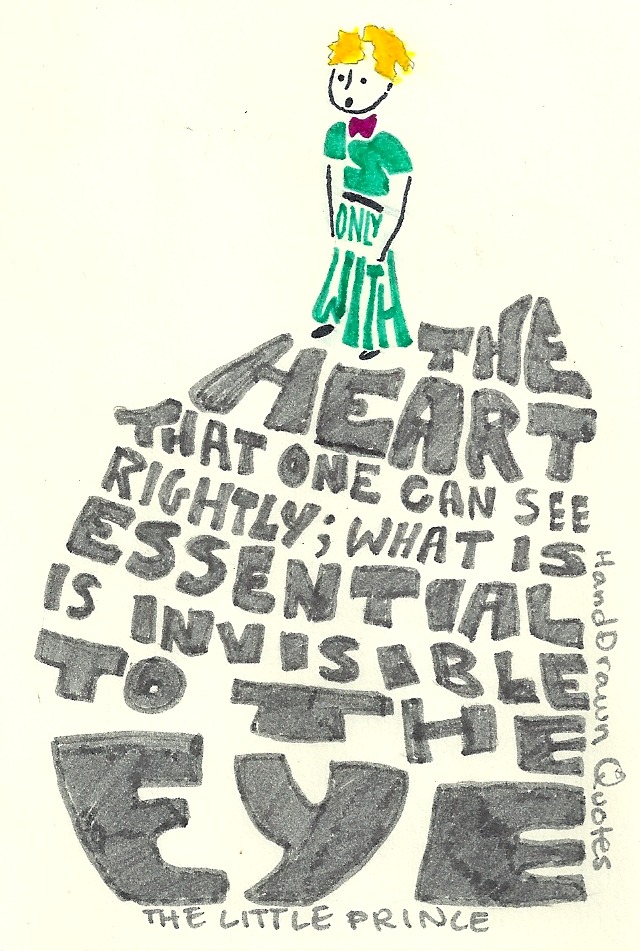
Little Prince

This seems the place to share a personal rant, blaming no one in particular, since, from where I look the rift between head and heart that is tearing apart the fabric of western societies may yet need to become wider before the peril is addressed. If the media is anything to go by, meaningful purpose, visions, let alone joie de vivre, are overshadowed by collective gloom. Feel free to disagree with my take on this. Straining under the pressure to change, I see our systems are attempting to cement a shaky launch pad towards a logarithmic future, with good intentions, though the consequences are dire. Every aspect of our lives is in danger of becoming: over-calculated, over-regulated, over-efficient, over-specialised, over-mechanised, over-prescriptive, over-secured, over-insured, over-compartmentalised, over-conglomerated, and over-economised.

On a more cheerful note, young people in their 30s, at least the ones I know, are asking sharp questions, and are finding ingenious ways to play with, while not getting sucked mindlessly into programmes that abuse data, spoon feed illusions, appeal to personal anxieties, invade privacy, and insult the intelligence of creative individuals.

Back to the birds winging through my garden …

*     *     *

To see a world in a grain of sand

And Heaven in a wild flower

Hold infinity in the palm of your hand

And eternity in an hour … W. Blake, from Auguries of Innocence


12 Comments

Filed under Blog

… a rare book – now on-line …

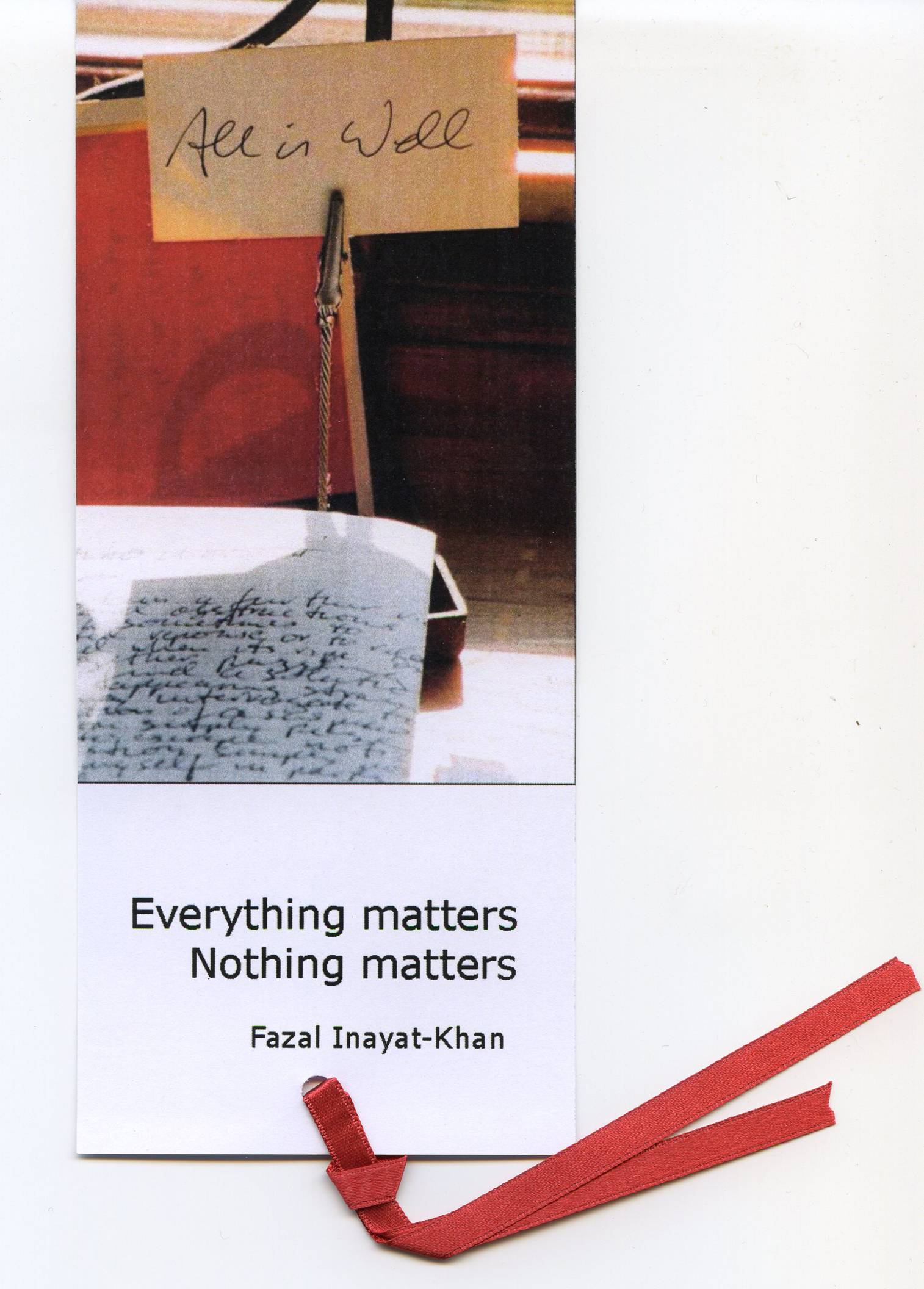
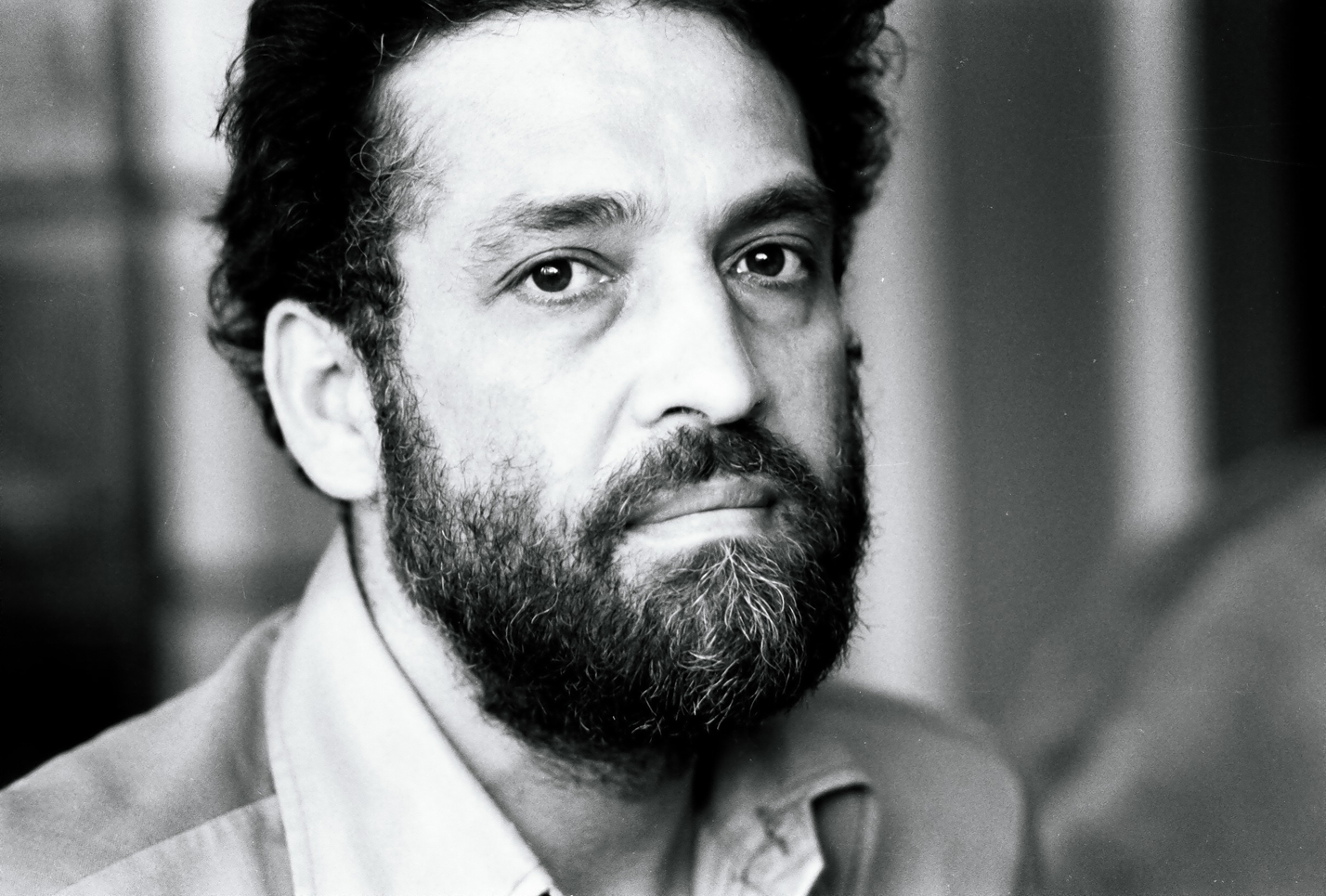
Following an eight-months labour of love, between my co-editors, the Archventures group, and contributing writers, a small edition of 250 beautiful copies of a book were published in 2011 – Heart of a Sufi – A prism of reflections on Fazal Inayat-Khan (1942 -1990.) As of now, the book is affordable on-line, see below.

img085

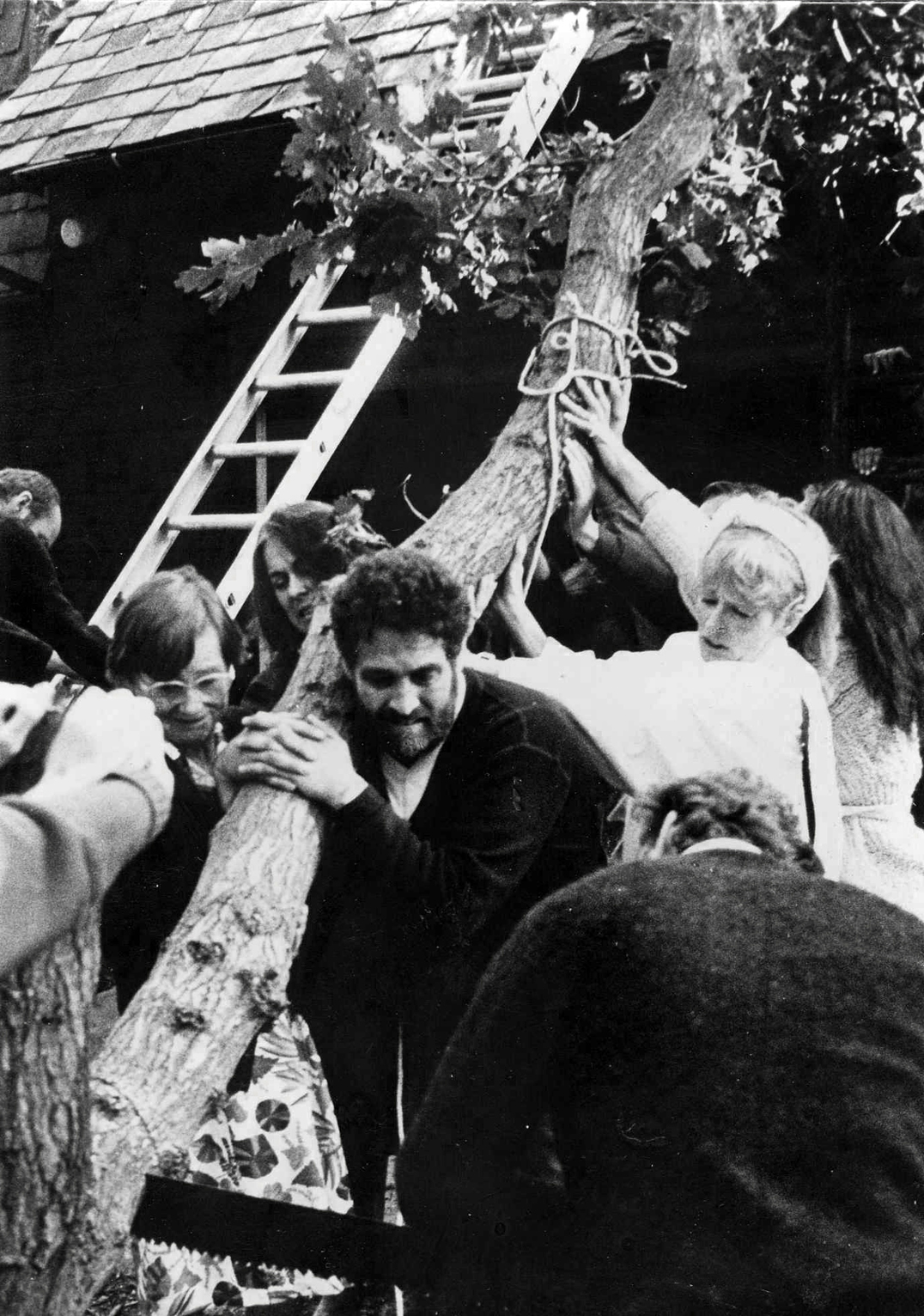
Fazal at Four Winds. 80s

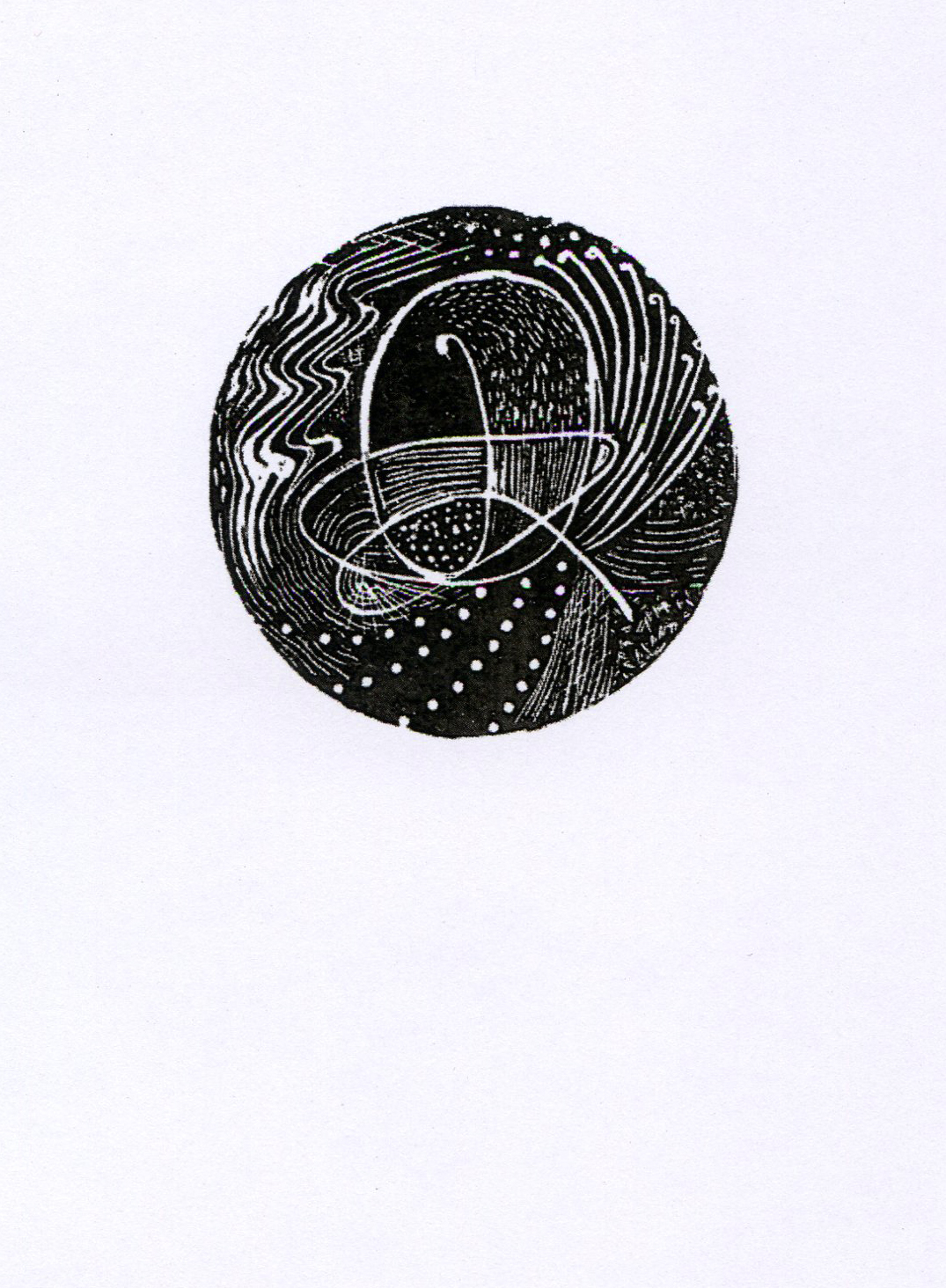
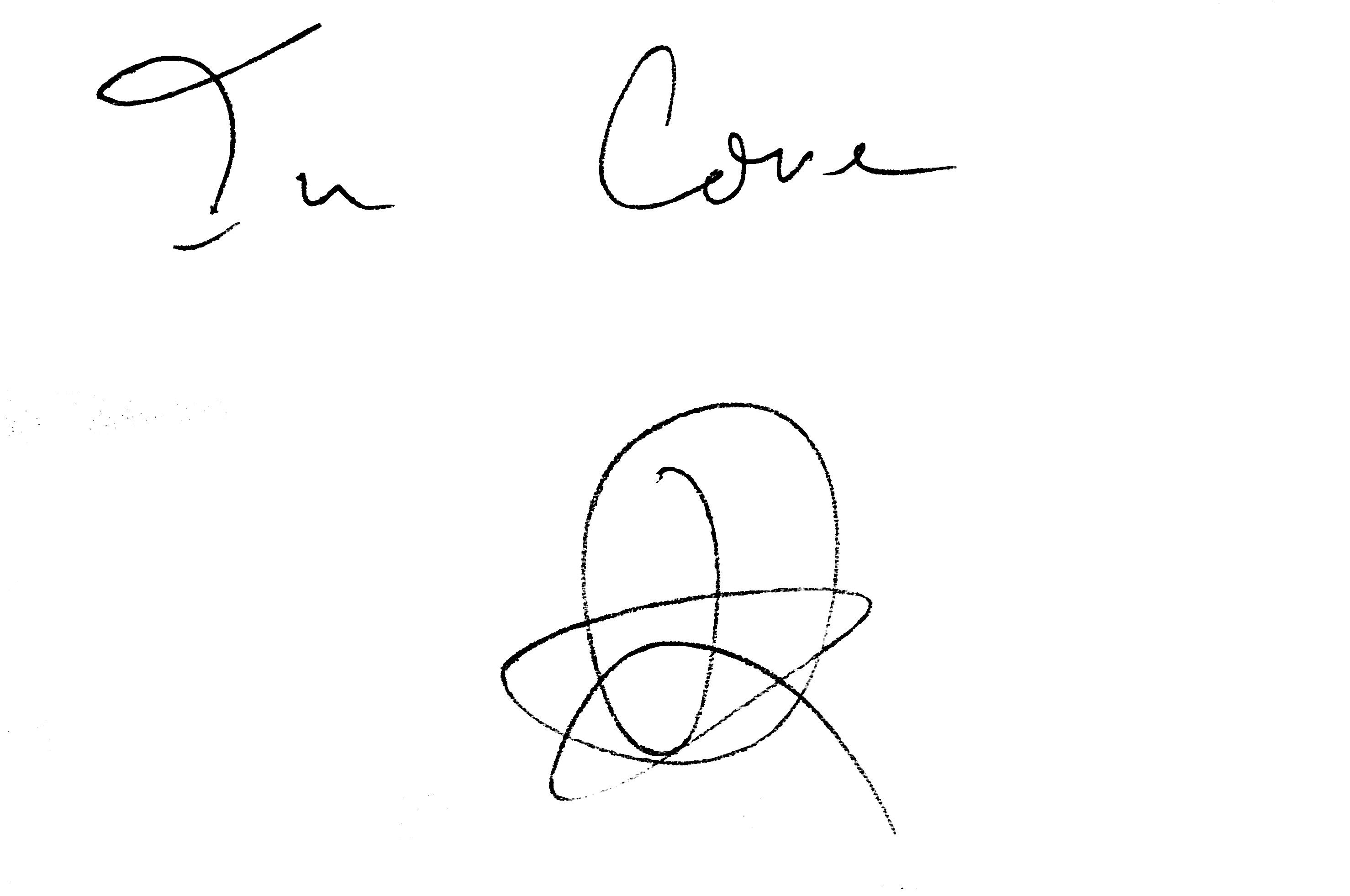
Hand printed wood engraving by Susanne Harding inspired by Fazal's signature.

Hand printed wood engraving by Susanne Harding inspired by Fazal’s signature.

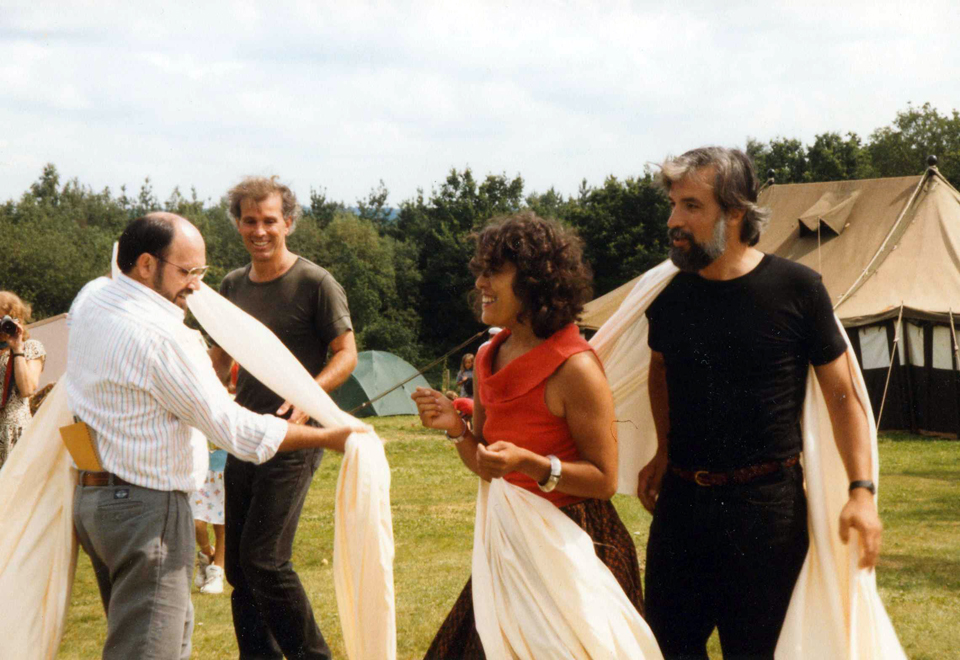
The book contains stories, essays and poems written by those who were inspired by the controversial and innovative nature of Fazal’s work, or by the creative spirit that pervaded the place and people he left behind.

Kaliani, singing

Isha, Elias, Aisha, Puran - lowres


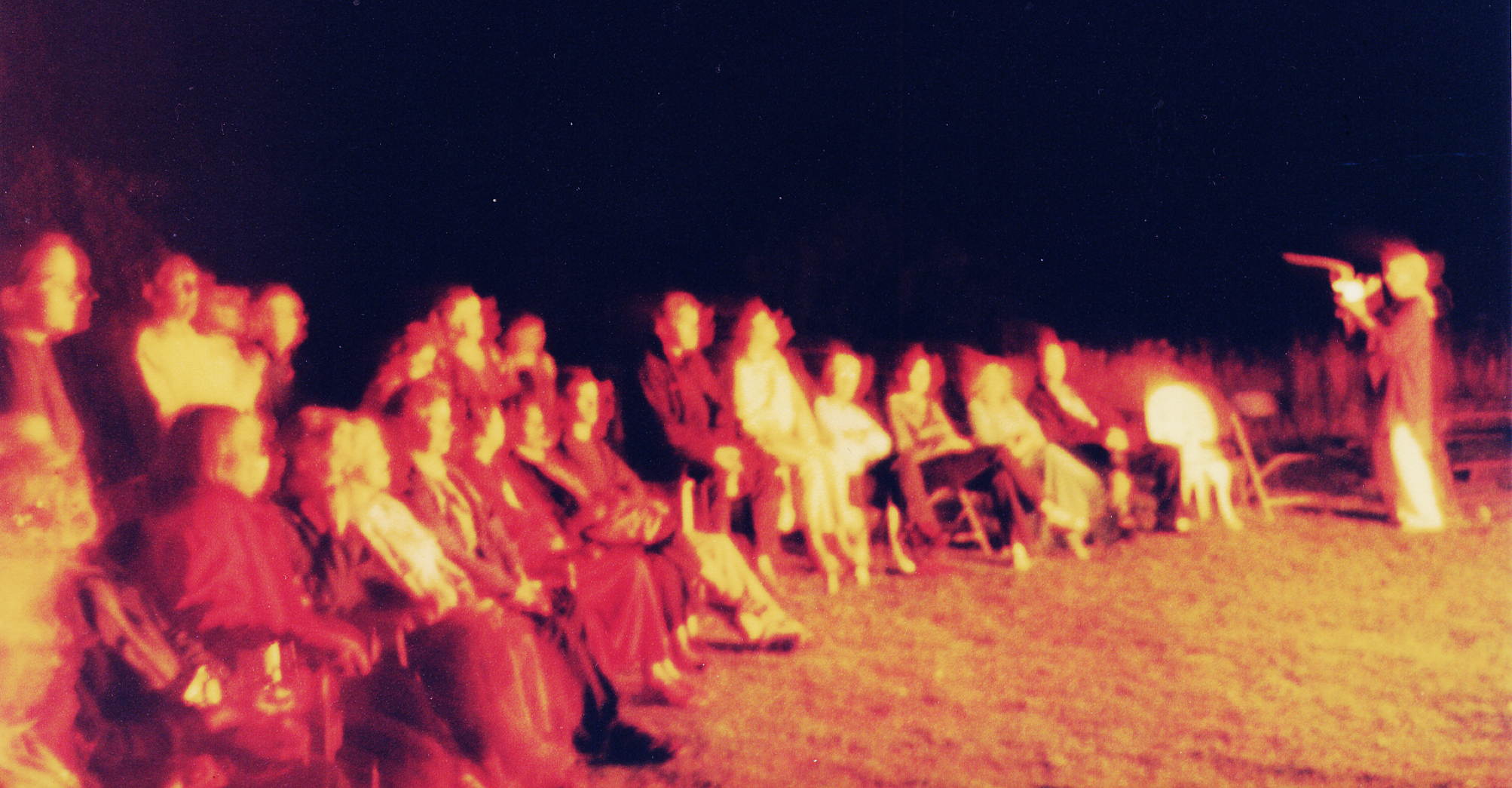
In the way mystics talk about the right time, place, and the right people, Fazal offered a timely and challenging spiritual education that embraced wit and the complexities of modern life. During the 1970s – 80s he attracted people from many backgrounds and countries who had very little in common, other than being exiles from tradition and hungry for truth. The book gives a flavour of encounters, stories charting the edge of learning and unlearning, relationships with one’s self, the groups, the world, intense experiences, affecting deep peace and change, often achieved after games of orchestrated struggle and conflict, peaking in performances on the stage of a magical theatre – live and experience first, then reflect. Debriefings after workshops were sobering, humorous and mind-blowing events. And something ineffable was transmitted in these transformative setting, through music, through silence or through a glance.

Fazal, 84 inside page for Heart of a Sufi

Signature


A short history:

In 1968, at the age of 26 Fazal Inayat-Khan became the head of the Sufi Movement founded by his grandfather, Hazrat Inayat Khan, accredited with introducing Sufism to the West. By 1982 Fazal embraced his personal style to honour his grandfather’s legacy of spiritual liberty by surrendered his leadership of the Movement and chart his own path. His approach to Sufism resembled Idris Shah’s, whose writings had perked my initial interest in Sufism as a timeless practice of wisdom pre-dating Islam, a teaching kept alive through adapting its essence to new times and people. Adaptation in many fields was called for during the 1960s – 80s. The psychological and scientific insights of that period were so radical their social assimilation has yet to happen.

Conceiving of a book that offered a window to Fazal’s work, the editors had wondered if anyone would be brave enough to come forward and share their interactions with this passionate man, the groups and the tumultuous conflicts worked out during that period. We thank again those who contributed. And there must be many more stories of regret, pain, delight, disillusionment, new found coherence, inspiration, and significant life-changes.

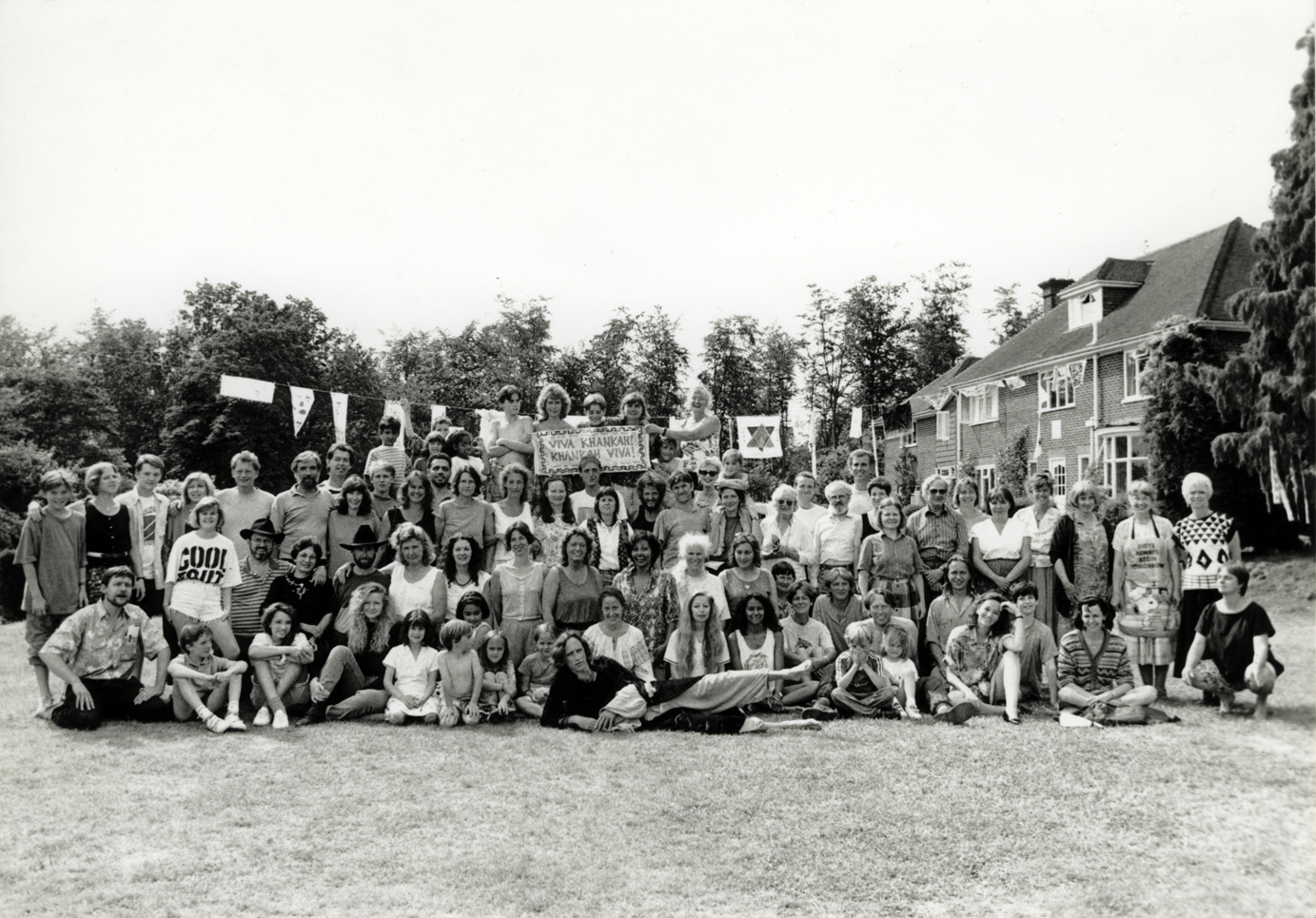
Sufi Way gathering - Four Winds 1991

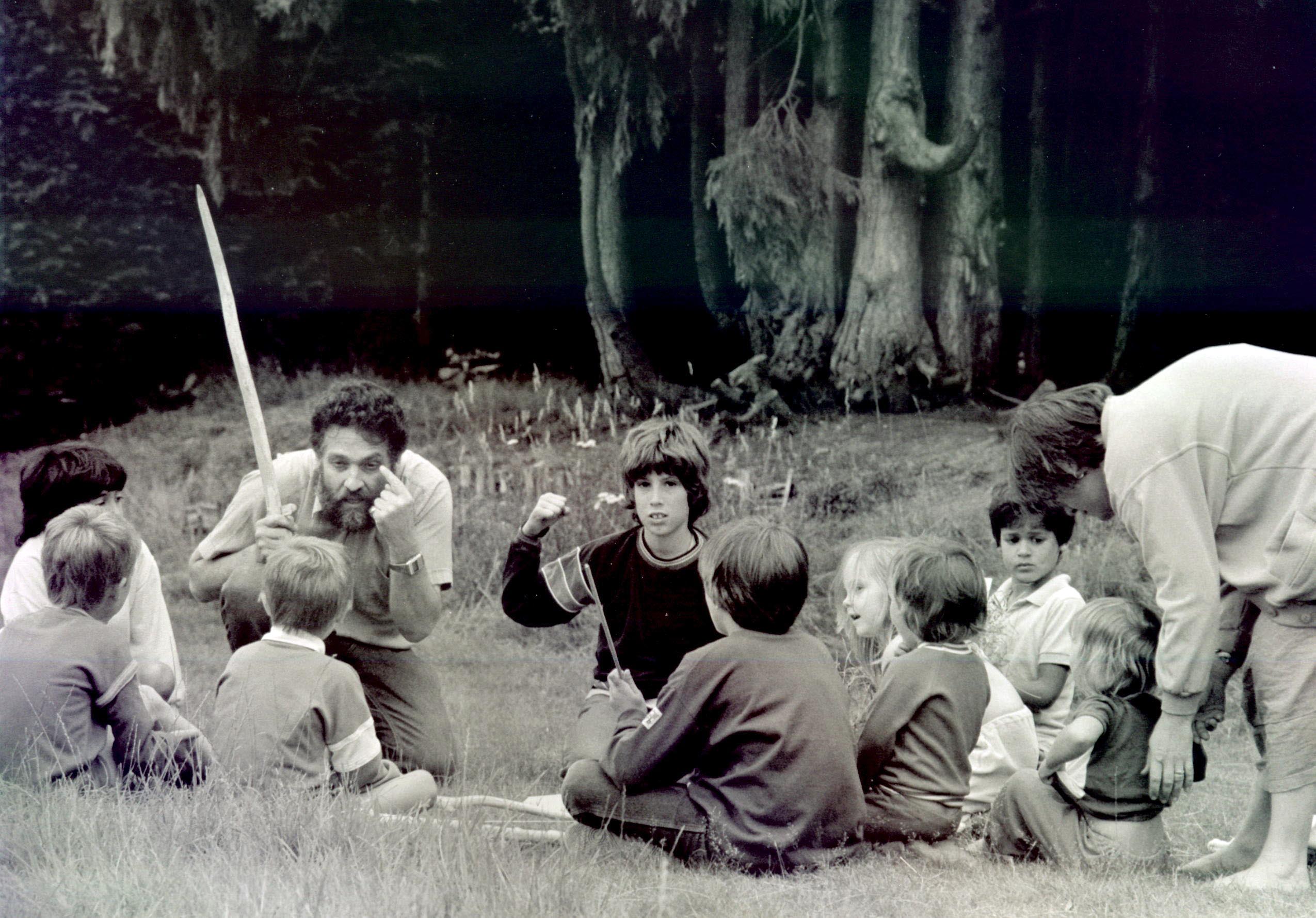
Fazal, 80s with children at Four Winds

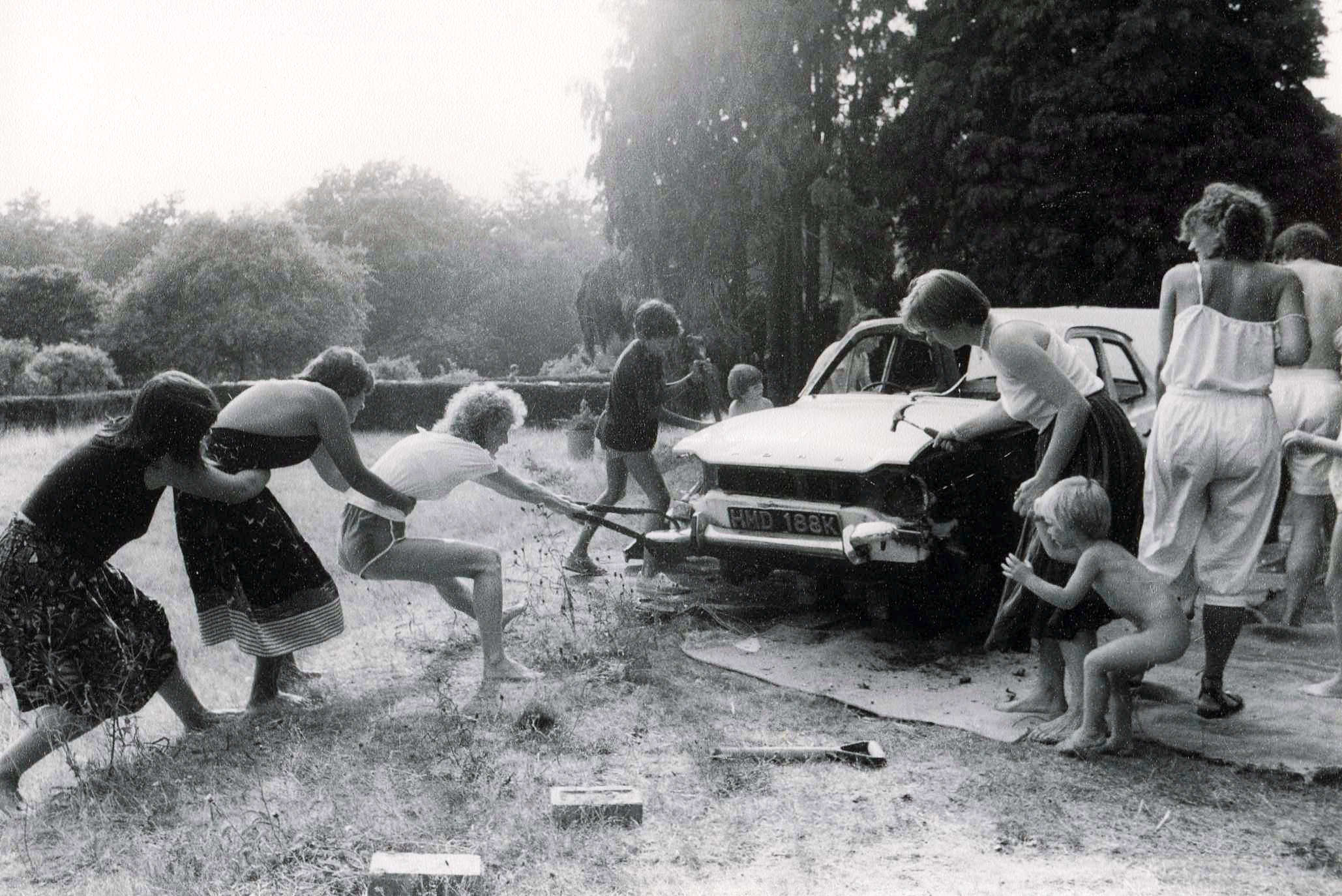
F.W. car- smashing 1


The rights for Fazal’s hundreds of talks, poetry and musical tunings rests with the present leadership of Sufi Way. Our book contains some of Fazal’s quotes and the extraordinary poem – Qalandar – but the purpose of Heart of a Sufi is to show the potent seeds of love this remarkable man placed into the hearts of people he touched, seeds now unfolding in new settings for generations to come.

the cook runs

img123179

4W2Bonfire

15n15m


Archventures are pleased to offer Heart of a Sufi as e-book, making it affordable:

http://www.troubador.co.uk/book_info.asp?bookid=2180

On amazon you can peek into some of its pages: http://www.amazon.co.uk/Heart-Sufi-InayatKhanReflectionsebook/dp/B00BFUO0T6/ref=sr_1_22?s=books&ie=UTF8&qid=1363426951&sr=1-2


*    *    *

Relevant links can be followed up from the e-book.

18 Comments

Filed under Blog

… layers of perception …

Lately, fully into the process of writing again – the sequel to my first novel – I sometimes wake up with phrases. Yesterday it was: Outsight is the dream, insight is reality. Aha, not just a nice wordplay, I thought, but a fitting indication for what happens in the creative, intuitive process. Insight is new comprehension, often through a shift of focus revealing deeper layers, new connections in the matrix that awaken and surprise, fresh meaning, and adjust the outsight, the old noise caught in a time warp. It’s like having new sight through what the Celts called Thin Places, actual or virtual, where our senses are transcended and spheres intermingle.

If you are a creative person, you may listen to the system talking to itself, as it does day and night, even during dreams. Some of us like to branch into the unknown for dimensions beneath surface impressions, probe into the vast reservoir of the personal and collective psyche,  normally filtered out from our conscious awareness when we must attend to the practical matters of daily living.

Often a creative process is sparked by sensing in-betweens. This applies to all arts, including writing. Different layers of experience and association diverge and merge anew when we de-focus. In a visual sense, for example, try looking at a tree in twilight, squeeze your eyes and concentrate on the in-between spaces. There is a moment when the shapes reverse and the background becomes the foreground. And who hasn’t looked at clouds or landscapes in a particular light and seen magical beings?

In this optical illusion you only need to tilt your head. 

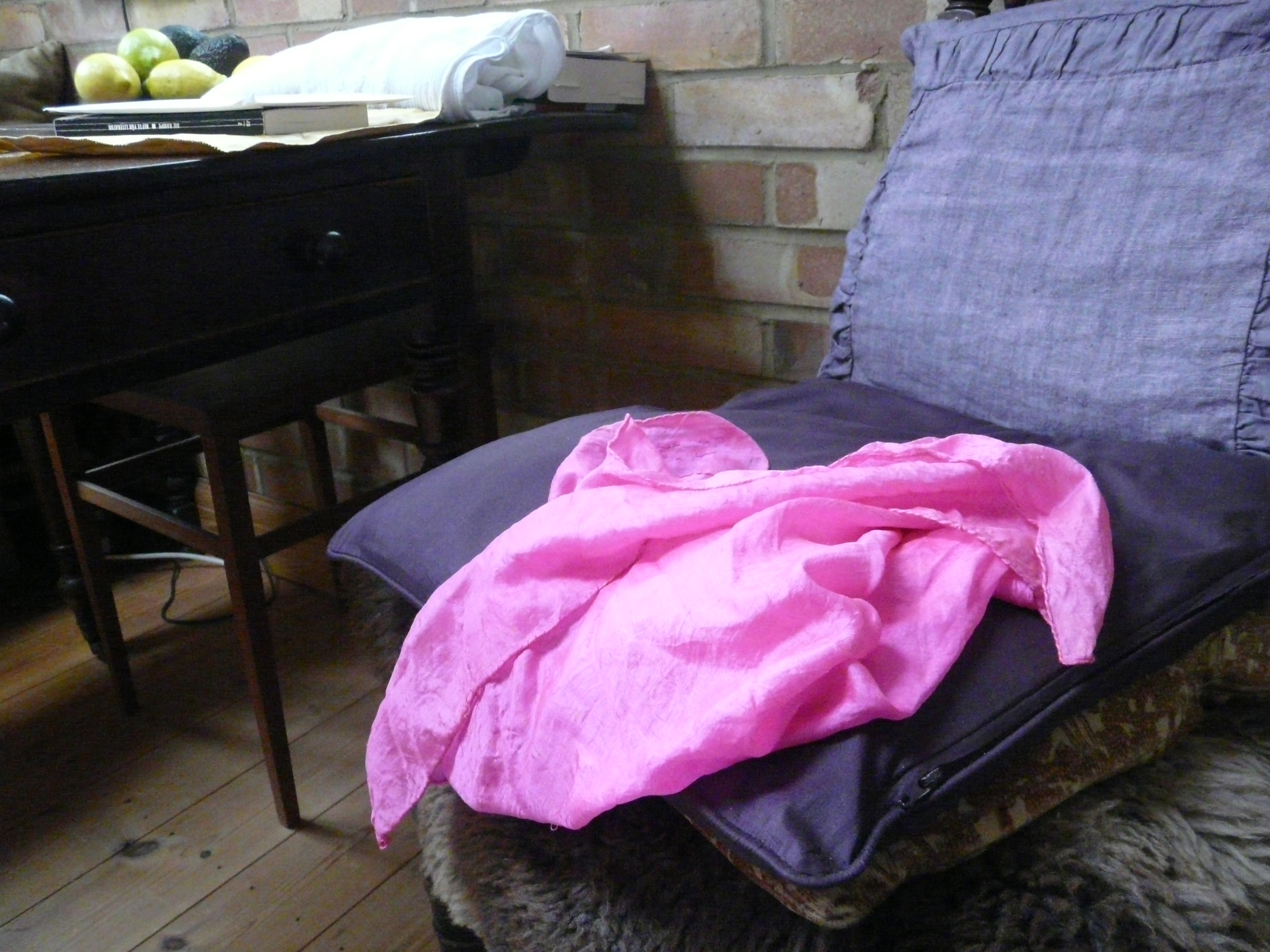
And there is the meandering mind, receptive to intuition. Like yesterday I popped to the corner shop to get a paper. An unintended detour got me talking to Annie, who does house clearances. Amongst her cornucopia of stuff a spot of bright magenta caught my eye. I instantly thought of my friend, Rahima, presently in hospital. She is a painter. She loves colours. The vibrant patch of silk, I thought, will make her smile. 

Artists tend to tune out of fashion, out of mass projections, to let the muse take them along random paths into deeper strata of perception and cognition – of shapes, colours, sounds and movements – to re-arrange personal experience, bringing them into a new, universal context.

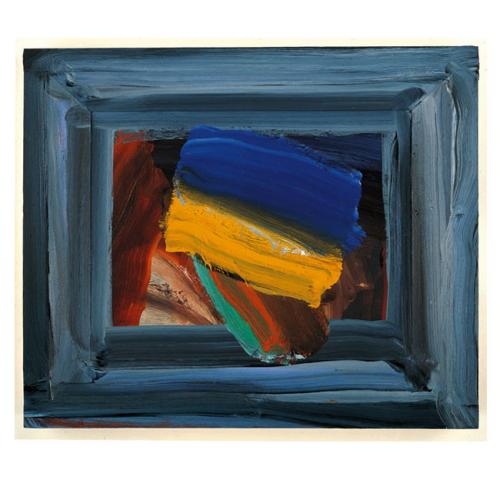
A good example of this process is shown in a documentary of the painter Howard Hodgkin by Alan Yentob, from the IMAGINE series.

Howard Hodgkin has a current exhibition at the Alan Christea Gallery, London.  http://www.alancristea.com/  in celebration of his 80th birthday,

A Robert Frost poem – Acquainted with the night – was chosen as the title for the exhibition.

De-focussing is magical – it brings new layers of perception …

Ask what makes you come alive, and go do it. Because what the world needs are people who have come alive.’ – Howard Thurman

18 Comments

Filed under Blog

… Is a parent ever unemployed ? …

Something new – AVAAZ encourages individual campaigns now . I started one. Click the link and read the proposal, and if you like the idea vote for it.

http://www.avaaz.org/en/petition/Put_parents_on_the_payroll/?fHNQuab&pv=0

Yes, it makes sense – put parents on the payroll – tied to the attendance of courses.  Here some more thoughts as to why …

Family structures are changing for a variety of reasons. No use blaming parents and home-makers that are unable to cope. No good romanticising the past. Parents and carers need  support in this time of flux.  New structures are emerging, single parents or carers, for example, seek families of heart and mind. Our policy-makers don’t seem to take note of this phenomenon. Think of independent units around a communal space that would allow socialising and the sharing of skills.

And why not use the psychological knowledge that has been available for decades? Why is this knowledge not disseminated to parents? Corporations require further training from their employees, offer courses that teach people skills, because they realise these skills improve business.

Parenting is important business, without question the most important one.  Years ago, when I was involved with Parent-Link, sharing skills, I had an idea how to create more opportunities for parents and raise their status. You can read about it by clicking on the AVAAZ link above.  And please vote, or come up with your own ideas.

Present social policies often force a mother or father to beg alms from the state, become unemployed. Is a parent ever unemployed?  Children are the future and must concern us all. I meet many parents, who, even with heightened awareness, tenacity, creativity and sacrifice, struggle to stay sane.

Thanks

3 Comments

Filed under Blog