Tag Archives: consciousness

… love …

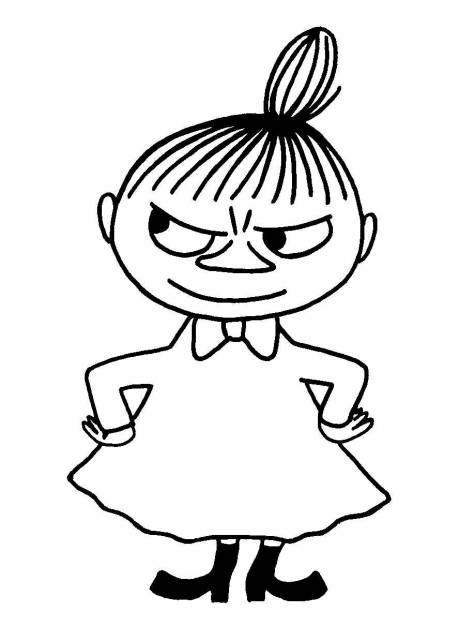
Little My - Tove JanssonLike me less or more, I’ve no qualms sharing that my persona hosts a little devil, an entity suspicious of principles, endless re-branding of what is obvious and free, including pearls of wisdom, and annoyed with much else in the world. This little sprite is my soul’s guard, my bullshit detector, and my Cara (friend.) She mocks hypocrisy, sanctimonious attitudes, power games and manipulation. Every now and then this sprite, like Tove Jansson’s Little My, when enraged, oversteps a mark and creates wanton conflict with my otherwise gentle nature and, at times, too trusting persona.

When a resolve is needed but not forthcoming, I resort to tools of remembrance – head-clearing techniques that calm the mind. Sometimes this works beautifully, but not today, when, of all subjects, I intended to write about ‘love.’

I’ll go ahead anyway, stating that the illuminating intelligence we call love is a core reality inside us. Words are kind of inept, but Rumi got it right.

‘The minute I heard my first love story, I started looking for you, not knowing how blind that was. Lovers don’t finally meet somewhere. They’re in each other all along.’

Rumi (translated by Moyne/Barks)

Irrespective of the despair and suffering experienced around the world, there are plenty of instances when people realise love moves in cracked hearts, and the sun dawns – things are the way they are because we observe them that way. This is our creation, our prison cell and our freedom. Fear may kick in when reliable walls suddenly dissolve, but equally, a realm of exquisite frequency can transcend the exacting laws of dense physicality, and stun us with the simplicity of an underlying truth. People wary about being laughed at keep silent, others start creeds, and there’s the occasional genius – the teacher, artist, writer or outsider, who convinces with plain yet startling expressions of the intelligence living inside us, the one being, pulsing through life’s revolution with wings of beauty.

What, I ask myself, would ensue in the unlikely event of every conscious being on this planet becoming enlightened to this deeper reality simultaneously?

I am interested to know what you think …

My thoughts go like this. In the temporal physical world, at least, friction yields energy we can use and direct. When it comes to the psyche, maybe we need to look at the yearning for love as a means to expand consciousness rather than a goal that promises the laurels of eternal life. Life is eternal without this nonsense of enlightenment as a goal, because, think about it, anything that has achieved wholeness stops becoming. A perfectly ripe apple that drops to the ground does not magic itself back to its branch, a new dream begins.

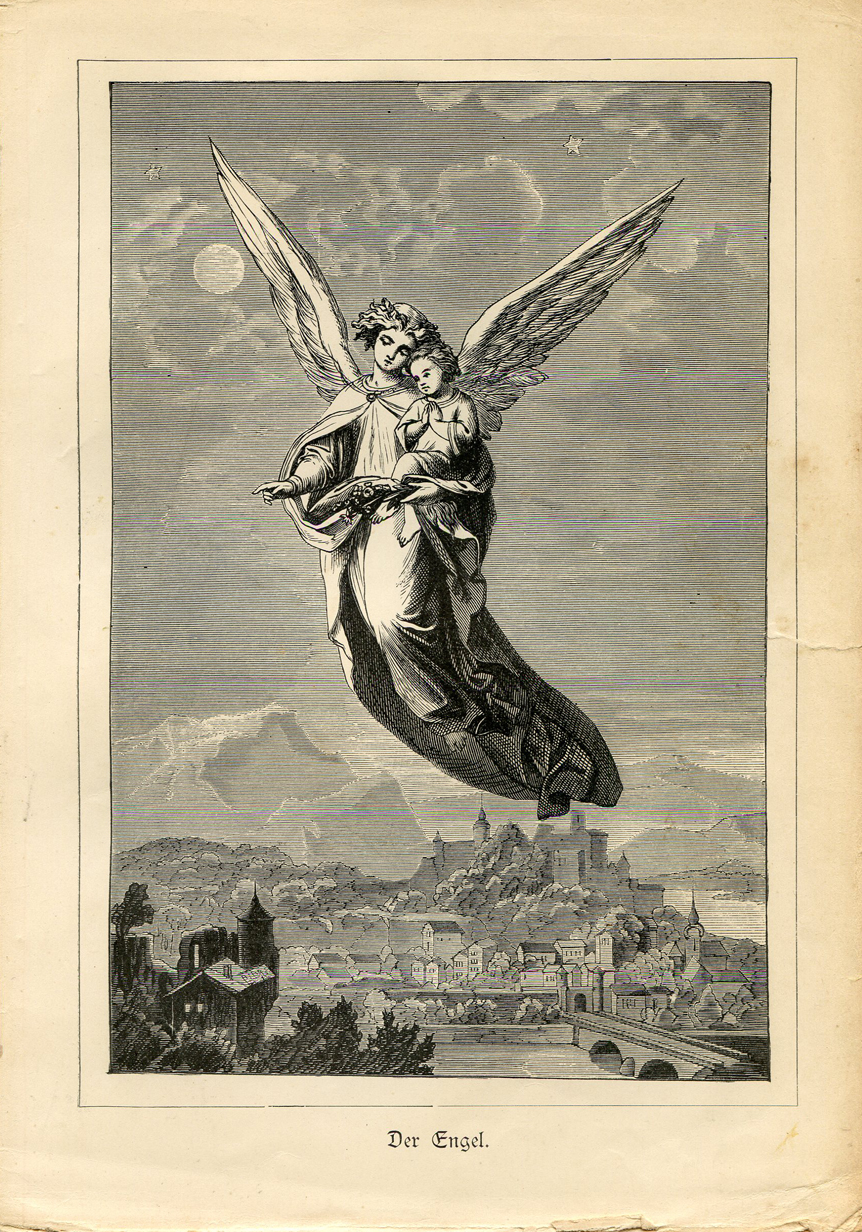
While appearances overwhelm and dazzle us with joy, pain, suffering and confusion in ongoing fluctuation, we can, at times, become aware of this soft rippling breath flowing through the visible and the invisible universe, sustaining the beauty and intelligence that life is ultimately animated by. When this love spins its hidden silver thread through us we are inspired. Angel - Der Engel - Woodcut for H C Andersen 1888 - smallerEven my little devil is charmed when our angel appears, serene or with a humorous smile – ah, you remembered, hello again, eternal child, welcome to warmth, elation, wonder and respect for all differences. For a while there is no judgement, no right or wrong. We’re moving in a vastly different dimension, of which the visible world is just one expression.

Various traditions propose or speculate on a purpose to life, but ultimately we create our own purpose by committing to a path and changing its meaning on the go, only the intelligence of love seems to be a constant.

The separation between past, present, and future is only an illusion, although a convincing one’ – Einstein

24 Comments

Filed under Blog

… dreams …

Photos by Ashen

Photos by Ashen

I used to host regular dream groups. We did not so much set out to analyse our dreams, but we played with them by engaging with their images, characters and objects. Sometimes we enacted scenes to widen associations and deepen our insights. While there is some excellent literature on working with dreams, a lot of it is boring, misleading and superficial. For me, the main purpose of valuing dreams lies in befriending the unconscious and the bringing to light what is timely and meaningful.

When we have no obvious explanation for events, dreams may bring subtle messages, offering glimpses of dynamics usually hidden from our awareness. A staggering 90 percent of personal and collective psychic dynamics trigger and compel our actions in life, and for good reason. The self-regulating psyche protects us from too much awareness. When encouraged, respected, and left to do its work, much like the immune system, the psyche can encapsulate runaway viruses of the mind by blanking out anxieties and obsessive thoughts, unless a trauma results in an ongoing inner storm. The processing of traumatic experiences is vital for the health of the individual, the family, the tribe, and our collective psyche. Something equally important to consider is that as adults our natural childlike curiosity about life may have become flattened by engrained habits and obsessive needs for security and control, both diminishing the meaning of our lives.

Note: Each embedded link here will not lead you away from this post but bring up a fresh page.

In an earlier blog post Joe Linker’s comment led me to an article by Oliver Sacks on altered states in The New Yorker  where Sacks pointed out a long tradition of ceremonial drug-use to stimulate the brain. Drugs certainly relax jaded attitudes by activating the senses and bringing insights and fresh perception. Sacks, and many like him, were admiringly fearless and creative, before there was a clamp down on drugs and they became illegal.Dreamseries 2

In dreams as in trance, induced or not, the mind can kick up imaginal representations of feelings, and metaphors. We shift to another realm, escape the logical structure of time and also tap into the collective psyche. We may hit a T junction, one path leading to an illuminating visionary state and the other to a schizophrenic state of confusion, which is why science sticks with rationality and is generally not keen on the imagination. The question as to what pulls us towards Heaven or Hell has no easy answer, yet all inner state, when approached with respect, patience, and most of all, wisdom, can have a healing and effect on our personality, and, in instances, as we know, result in significant works of art.

Dreamseries 3

Freud’s iceberg metaphor illustrates that our individual psyche swims like a mountain of ice in a vast sea, only to reverse into its fluid state once its coherence dissolves back into the sea. As a simple and more intelligent map of various unconscious states I prefer the egg diagram by Alberto Assagioli, the founder of Psychosynthesis.

Active imagination is a gentle way to befriend the unconscious and build bridges towards consciousness and daily life, and a way to explore dreams without messing with the dreamer’s unique meaning. I share here some practical tips:

Remembering dreams:

You can ask for a dream, especially when you feel stuck and ponder a question. You might even write the question on a slip of paper and put it under your pillow.

Try not to move your head after noticing a dream. Place holds memory.

Have a notepad and a soft pencil next to your bed, maybe a microlight, so you can scribble down a memory facet before fully crossing the threshold into waking. Even a single image, phrase, number, colour or feeling can act as a key for recalling a dream later on.

To catch a dream – try disrupting your sleeping pattern with an early alarm clock setting.

Experiment with your head position while sleeping – north, east, south or west.

Towards understanding dreams:

The psyche does not care about logic. The meaning of a dream may however unfold like a seed when we attend to its poetry and rhythm.

Ask yourself … how do I relate to the characters or objects of a dream? What feelings and sensations are evoked? In what context did the dream arise? How does it relate to my present situation?

Write a story or make sketches of the images. Tiny fragments can offer connections via free associations.

Give a voice to the characters and objects appearing in the dream. What do they want? Allow them to express their thoughts and feelings. Such dialogues can reveal surprising insights.

Change the script, create a different outcome, face down a fear or a shadow and follow through to what wants to happen. This approach can move a dream to a different level of understanding.

Ask yourself: Where does the energy want to go? What is emerging?

Dreamseries 4


Dreams express the voice of the soul; they are our contact with our deepest self, our inner substance. The mere act of recalling, experiencing and consciously honouring our dreams connects us with our real selves and awakens previously unavailable levels of creativity and vitality, even without interpretation.

Carl G Jung

A related post on altered states.

And if the subject of dreams interests you, here are some more links:

Edward C Whitmont was a Jungian psychoanalyst, who deepened my understanding of the psyche through his exceptionally clear writing. His books may be out of print, which would explain why they’re so expensive:  Dreams – a Portal to the Source and The Symbolic Quest

Other excellent authors to look out for, apart from Jung, are Anthony Stevens, Private Myths – Dreams and Dreaming, and Marie-Louise von Franz – The Interpretation of Fairy Tales.

12 Comments

Filed under Blog

… what’s your age again? …

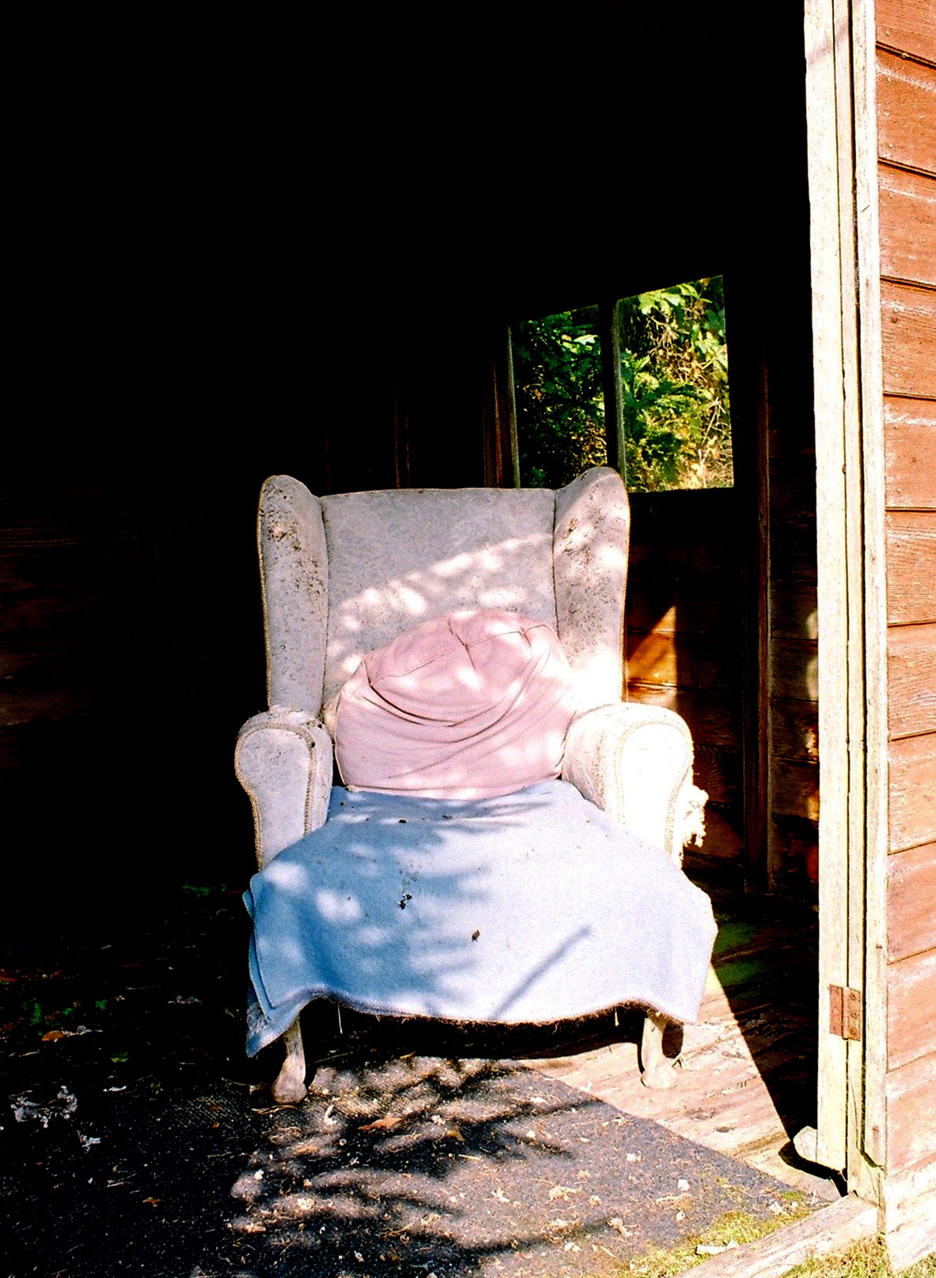
Copy Chair in Spider Hut 2 smallerThe question grates, especially when a round number announces yet another decade looming ahead. While the 40s suggests respectable maturity, the 50s have an aura of old gold best valued by insurance and investment companies. Once you enter the 60s, no matter how rich, poor, active, passive or just blissfully sober, public consensus puts you in line for the moot title ‘retired.’

Once you get over this pesky label, there’s a perk – time slows.

Perceiving life in slow motion has been called wisdom ever since people recognised that slow time reveals hidden dimensions, realities other than those experienced in the speed-lane. Within the present digital pulse of life, days, seasons and years skip ahead at a dizzying velocity. The phenomenon has shortened the shelf life of people, ideas, and objects. A few years ago the motherboard of my laptop crashed. The young man at the IT shop looked amazed. ‘They shouldn’t last that long.’ My laptop was 5 years old. I guess it’s supernatural that my 25 year old Bosch washing machine still works perfectly.

When young, I lifted off, ascended, sped across horizons, acted out and engaged intensely with life. Youth in itself brings of course no guarantee of ascending. Age holds similar uncertainties. Ideally, it allows one to slow down, descent inward, assimilate and integrate experiences, develop patience and insight, re-connect, and grasp the myth of one’s life, and the myth of one’s century.

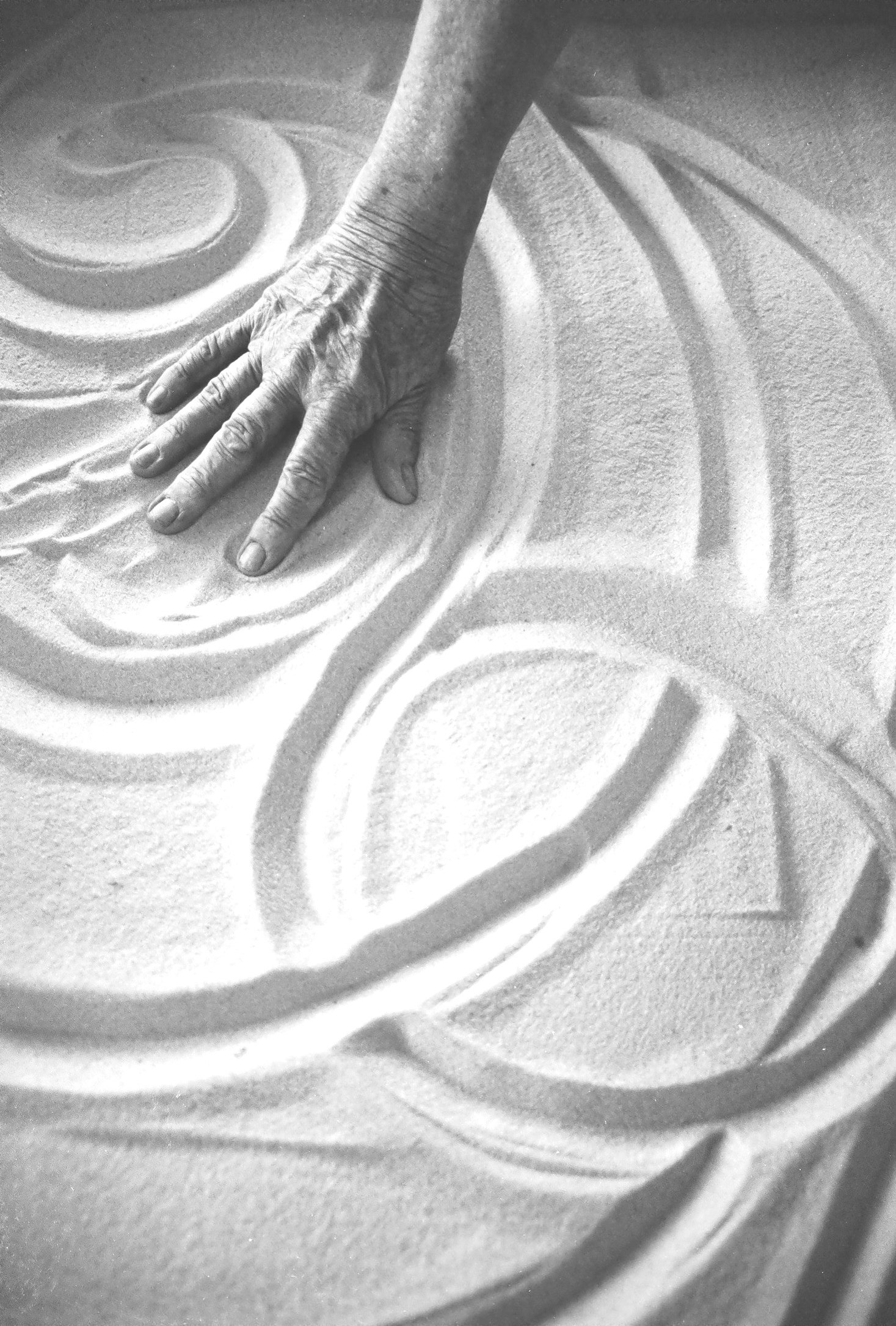
My point is – descent has a vital function in society. If we can manage to work part-time, or independently during the second half of our lifespan, weRa hand, edit 2 may gain the freedom to reflect, attend to the body’s intelligence, and find our inner rhythm. A thought sculpture may develop, a mood may linger. Communicating may happen along deeper wavelengths. The experience and perception of slow time has a calming influence on the collective psyche, like the prayers and contemplations observed by nuns and monks in monasteries are said to keep the world in balance. I truly believe this.

For those who practice a vocation they love, or develop a passion that keeps them curious and focussed, aging is a side-issue. New technical procedures may not be instantly absorbed, but they provide food for thought. The movie occasionally rolls on silently. Memos reappear, which the younger self, swept along by the speed of progress, may have overlooked, but which in a wider context assume new significance.

The manner that informed wisdom in past cultures and classic times may have remained the same, but elders today have a more complex task in finding apt metaphors for what’s been happening during our single lifetime, poignant lessons that could guide us onwards. When young, our mind feels eternal, we make thing happen, are in sync with the pace of progress and create the future. But what if wisdoms assimilated during inner journeys and the deeper comprehension of present lifetimes are not sufficiently communicated?

The next round of ascent may be hampered by ladders with broken steps, leaving us stuck with unsurmountable problems and senseless social systems. All is not well. The ascending and descending energies working through our present decades are askew. Unless elders have acquired eminence, their voices, their stories, the harvest of their unique experiences, are easily considered useless. Wisdom is not equivalent to the IQ flatland that education systems bank on. Wisdom is more about questions than answers, more like a dance, a tracing of patterns and parallels. Wisdom employs the imagination, re-shuffles knowledge, re-interprets and re-connects ideas to create new meaning.

Image by Yeshen Venema

Image by Yeshen Venema

There’ll always be young ones born old and wise, and old ones who turn young and adventurous. Intangible experiences and the insights of all age groups seek expression and must be circulation, because we are animated by forces not accessible to us. Fate cannot be controlled, but nudges us from the dark. It’s therefor essential to bring our light not only to matter, but to the totality of the psyche, including the unconscious layers of our past and our future, our unknown human potential. We need spaces to make visible what inspires individuals. In this the arts must serve.

The arts need public support in providing free spaces, and funding for everyone, young and old, to engage with and share their imagination in any form that moves their heart. In a culture that prizes speed above all else, the inner journey, the long view, listening, trusting, gratitude, the appreciation of difference, small things, and the cultivation of inner silence from which conflict resolution, intuition and creativity can spring, has never been more important.

*    *    *

Re: Elders … there is a group brought together by Nelson Mandela in 2007 http://www.theelders.org/ Add your support to the eighty thousand follower on twitter –  @TheElders   – This is their mission:

Our vision is of a world where people live in peace, conscious of their common humanity and their shared responsibilities for each other, for the planet and for future generations. We see a world in which there is universal respect for human rights; in which poverty has been eliminated; in which people are free from fear and oppression and are able to fulfil their true potential.

Initially the concept emerged from a conversation between Richard Branson and Peter Gabriel. Together, they took their idea of a group of global elders to Nelson Mandela who agreed to support it.                                                     http://www.virgin.com/unite/leadership-and-advocacy/richard-branson-birth-elders

15 Comments

Filed under Blog

… give the poor ego a break …

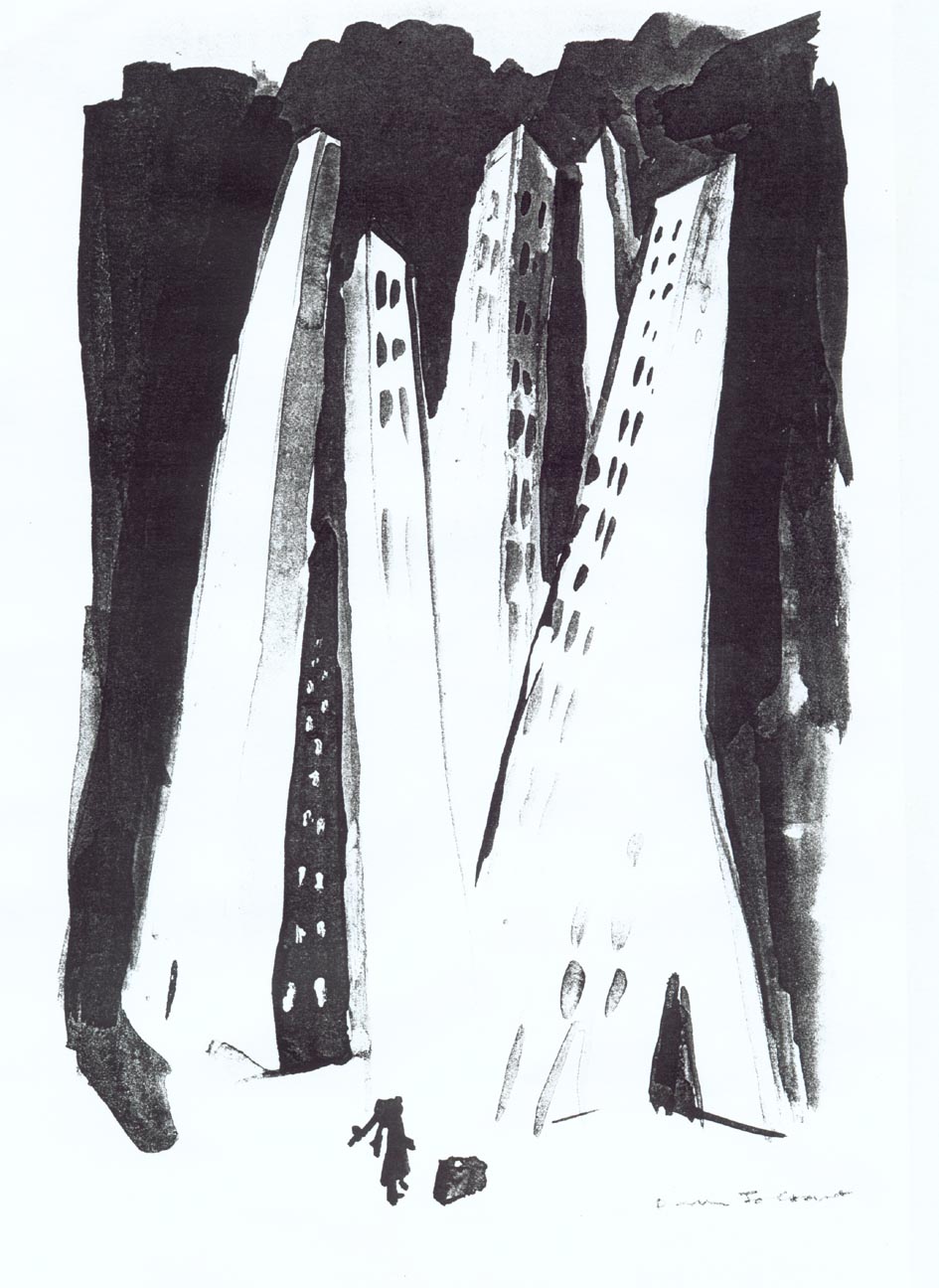
Image by Daphne Jo Grant, created for my poetry collection in 1993 -Gapsy Truth.

Image by Daphne Jo Grant, created for my poetry collection in 1993 -Gapsy Truth.

I’m all for shielding the Ego from moral experts who succumb to counter-transference. Proverbs, turned inner voices, instruct: Put yourself last, be considerate, don’t let people down, adapt, respect trade-off laws, keep promises – the inner voices more or less prescribe what’s in your best interest to feel, think and do.

Noisy commotions, muddling any sense of ‘I.’

The poor ego not only holds awareness of our multifaceted reality, but is driven to distraction by conflicting demands, assumptions, chimeras of grandeur, bouts of doubt, all drowning the whisper deep down – ‘Who or what am I really ?’

‘Part of me suspects that I’m a loser, and the other part of me thinks I’m God Almighty.’  – John Lennon

John summed up the typical seesaw compensation attempt. Adding insult to injury, self interest is blamed for our social ills. Even astute spiritual wisdom falls flat when it fails to appreciate the ego’s task – to daily create new order out of chaos, attempting a compromise with reality. No wonder people become nervous wrecks when their temporary identifications are threatened, no wonder fierce defences are constellated. The battered ego-agent screams silently – I’m only loyal to my familiars.

Some familiar rituals guarantee a  child experiencing rejection, physically, emotionally or intellectually, will self-reject for failing the expectations of its superiors. Welcoming or neglecting, early responses by adults we depend upon set foundation for our personality. Break that mirror and you’re on your own.

Maps serve us as orientation, they don’t convey territory. S. Freud’s map of the psyche is powerful. Think of the Id as a Launchpad to stars. What Freud omitted is a higher unconsciousness, our inner guidance and intuition, later introduced by C. G. Jung and A. Assagioly

Freud’s ideas deserve studying. His terms slipped into common speech like brands and became tangled.

Leviathan

Leviathan

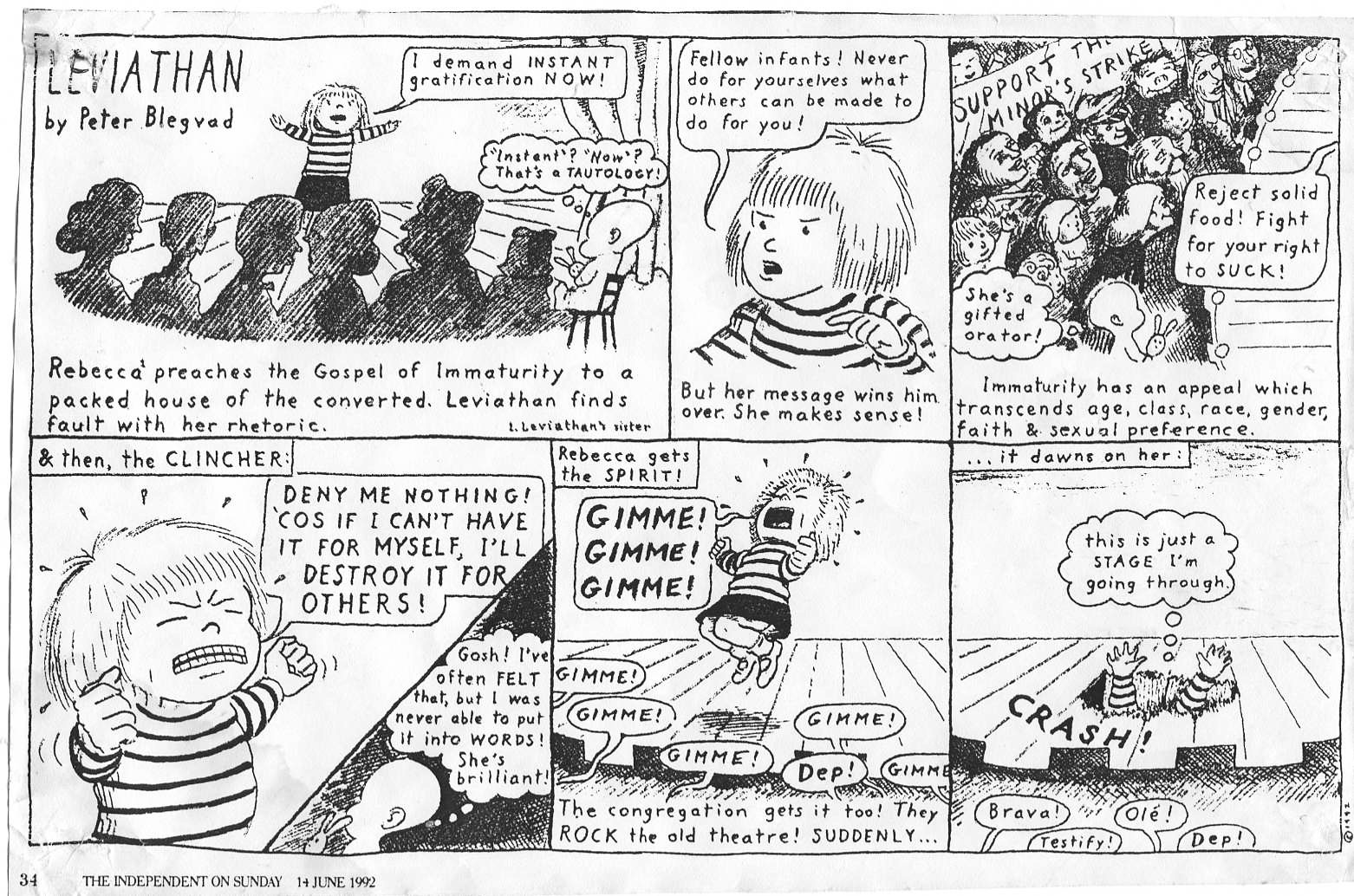
Take the ego construct. Sandwiched between the powerful gratification-force of the Id, in need of gentle and firm boundaries, and a cultural Super-ego, with its rules and regulations, the Ego has the unrewarding task of mediator. The Id, at worst, is a heap of misery dragged along, withholding its energy, while the Super-ego, at worst, hijacks personalities like a psycho terrorist, know–it-all, manipulator, fanatic …  having abandoned the powerless inner child with its distressing and embarrassing need for acceptance and love.

And let’s not fool ourselves, distorted ideals attach themselves to well-disguised tyrants in the collective psyche, slumbering, until the day when circumstances conspire.

Children who grow up anxious to placate, or are bent against authority, invent ingenious strategies for survival. Fragile or strong, balanced or torn by extremes, developing a personality is an art form, assembled from layers upon layers of impressions and accumulated memories. Only increased awareness lessens over-identification and softens defences.

‘The paradox of the arts is that they are all made up and yet they allow us to get at truths about who, and what we are or might be’. –   Seamus Heaney

creative recycling

creative recycling

creative recycling

creative recycling

Young children need space to playact, and adolescents need safe outlets for their natural aggression, opportunities for intense experiences, and encouragement to explore their self-image. The houses of identity we create, however basic or twisted, position us in space and time. They have windows allowing a view, and doors through which to venture into a wider world and align our personal myth to a greater myth.

The problem is clearly not the personal ego, but its cultural super-edition, coloured, at least in the west, by mechanistic templates that regard nature as enemy to be conquered and controlled.

Reprimands like selfish stem from a period when inducing guilt was a convenient social formula. Today this approach is counterproductive. Educational practices must catch up with the nuclear age and the fresh metaphors for space and time. New dimensions arise in our consciousness, compelling us to re-think:

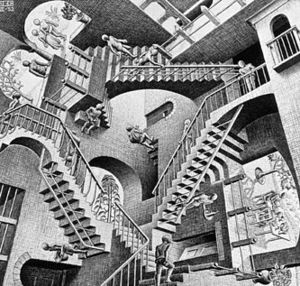
Escher's Relativity

Escher’s Relativity

Relativity theories freed perspectives and brought a climate of moral liberty. In a psychological sense, moral advice became repugnant, which explains why western minds begun to question aspects of religious dogma. A way was opened towards looking inside, and individuation, in a Jungian sense.

Quantum physics has widened our vision further, and brought deep spiritual turmoil through new speculations that suggest a symbolic reality of consciousness that over a hundred years ago would only have been imagined by a minority – mainly mystics.

The Digital revolution has upset linear time and is gradually transforming our relationship with time and space, leading us to ask, ‘What is real?’

A mould, no matter how inadequate, is necessary for any new-born. Judging behaviour without acknowledging the initial and well-meaning intentions underlying the formation of personality will only strengthens neuroses, instead of allowing the acceptance of one’s imperfect self-creation, with a nudge towards a gradual softening of defences.

‘Form is a relic of eternal potential.’ – Fazal Inayat-Khan

This post contains excerpts pulled from past articles that were never published.

10 Comments

Filed under Blog

How do I read?

one of my notebooks

one of my notebooks

I jotted this question in my notebook a while ago. How do I read, in the widest sense? There is plenty of observation and advice on the art of writing, composing music, painting, photography, film. Less is said about on the art of reading, perceiving, interpreting, or how we reject or embrace what is expressed by others, and ourselves, even how we read our dreams.

I conclude there’s no difference between, let’s say writing, and reading, other than visibility, since any creative composition derives from an inner process of reading, the picking and shuffling of impressions into our frame of reference in relation to the larger myth of reality.

One could say the secret of being read lies in one’s talent and ability to read one’s inner psychic world, even when filtered through one’s most personal and eccentric imagination.

Long before communication was easily reproducible and reached greater audiences, people were reading the world, though only a tiny fraction of inspirations and inventions was circulated. Today’s media channels swamp us with communications. It’s confusing. We must choose.

In reading novels, I follow my intuition. The gimmick of an instant attention grabbing action scene puts me off. A proposal may be impossibly fantastic, but if I detect an authentic voice, rhythm and movement, I travel along. Invited into a mind, an atmosphere, a time, a place, I want to be absorbed in this other world and experience myself anew in a conflict between light and shadow from within the heart of another consciousness.

Whether meaning is intended or not, I read my own meaning into what has been imagined by another mind. An insight, a memory may surprise. Some books I treasure for one or two illuminating sentences, so I guess reading for me is a bit of a treasure hunt, which begs a question. What am I hunting for?

world objects for sandtray work

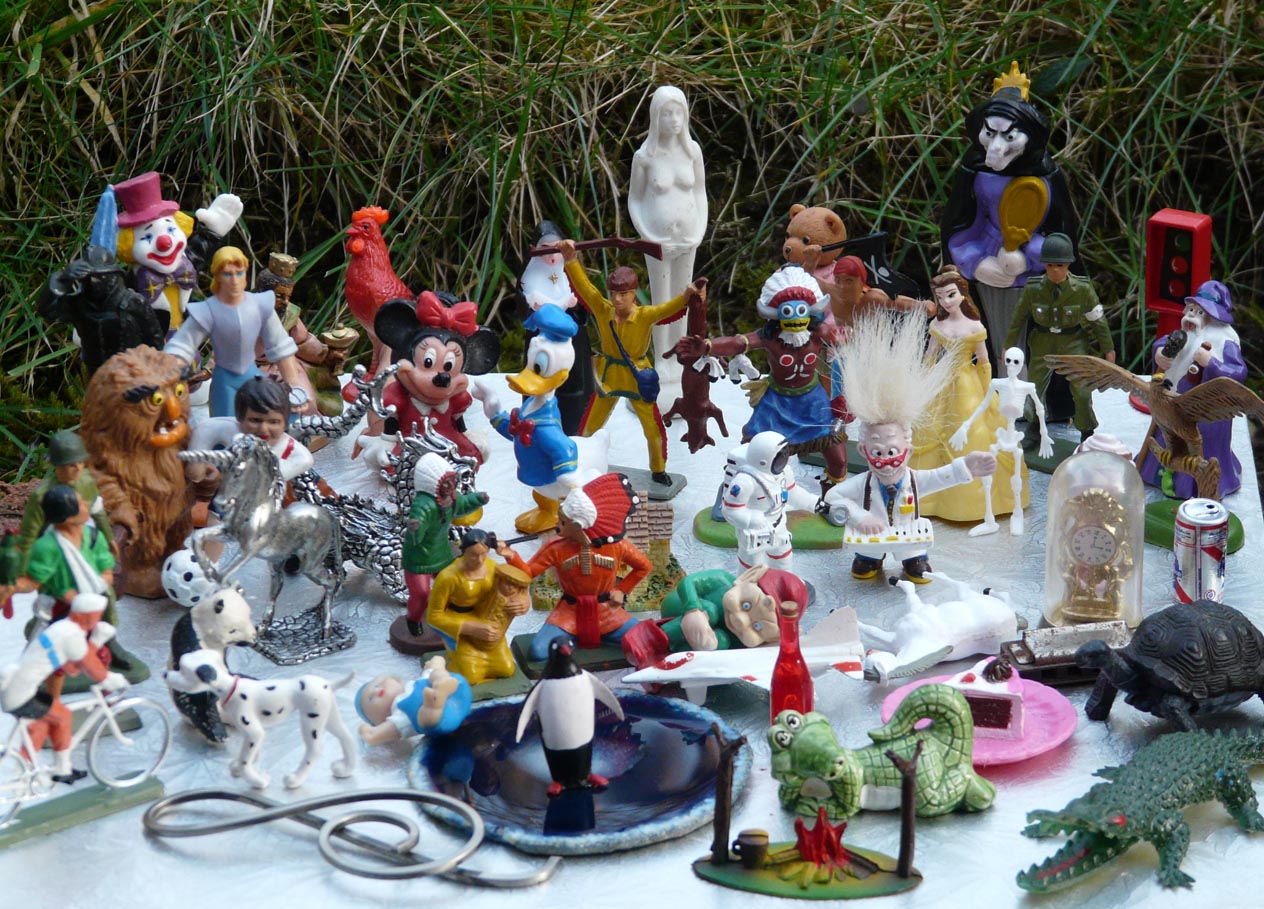
world objects for sandtray work

My interest is fleeting when events are contrived, plucked from the air. Characters convince me when they are embodied and grow around obstacles, reaching towards the light, while spreading roots and producing seeds (new thoughts,) even when they come from mythical creatures, kings and slaves of the past, or explorers of distant futures. As long as events happen in a believable psychological setting, I engage.

Then again, I’ve been convinced by writing that made no sense at all, until, with a little patience, I discovered a new comprehension shining through an abstract form. It’s a wonderful feeling, and important feedback for writers, who may be surprised by what is evoked in readers. Once I finished my present project, I intent to spend more time on reviewing – a most giving art of reading.

Stories for stories sake can be dull, while stories in which nothing much happens outwardly can be riveting when they resonate with the human condition, where, quite often, what seems true becomes false, and what seems false becomes true.

It is said we write the books we want to read. When writing, I search to combine words that convince intellectually and emotionally, until something true is mirrored back. Maybe what I’m hunting for in my reading and writing are fitting metaphors for the miracle of existence.

I always delight in discovering neglected writers, like Marlene Haushofer,  or the poet W S Graham, whom I wrote about here as part of a post in Sept 2013.  And beyond new works, there are innumerable old favourites, including H G Wells. The link connects to a post I did about one of his lesser known stories.

Thinking about photography, my other passionate reading, I was inspired by Henri Cartier Bresson – the link leads to my post about him.  And here the archive of the street photography of Andre Kertesz – enjoy.  I’ll leave film alone, that’s a whole other story.

What are your reflections on reading?


Some related blogposts:

Storytelling and the primary world.

Mother-tongue and other tongue.

Memory and Place.

11 Comments

Filed under Blog

… dream – a storyteller teasing my dad …

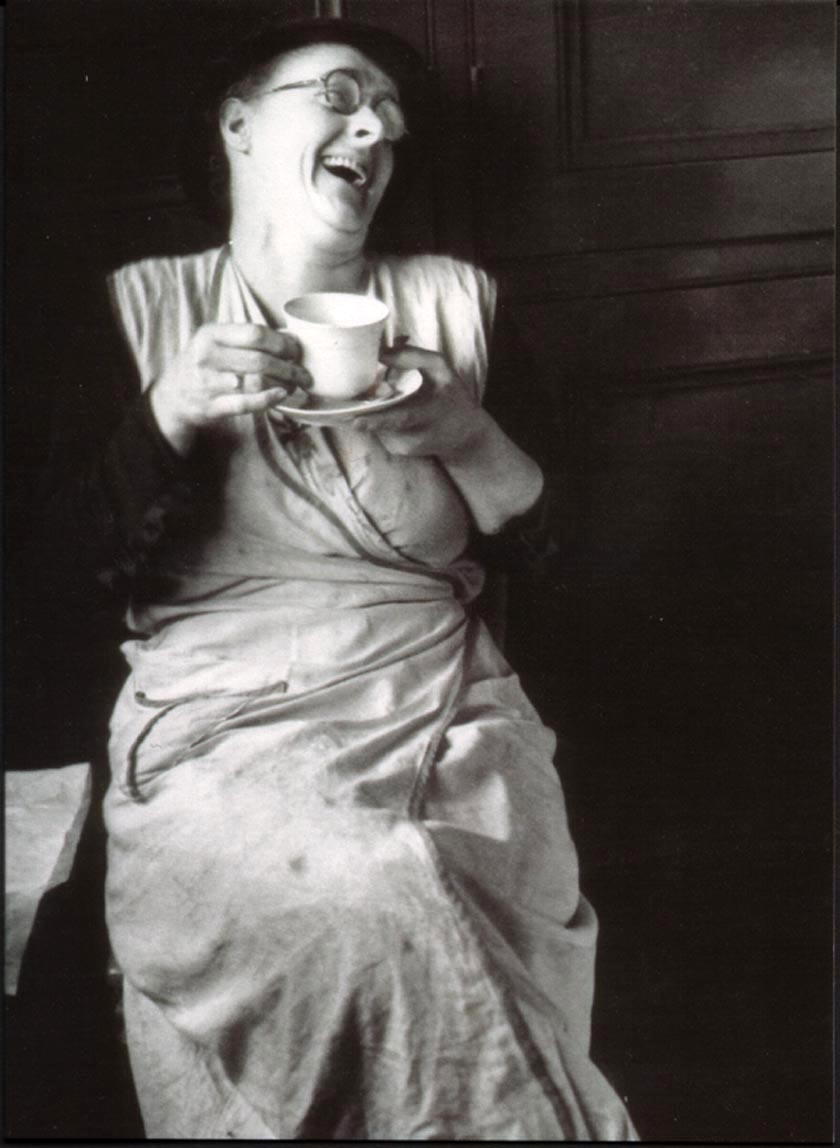
I love this image, but can't find its source,, apologies to the photographer.

I love this image, but can’t find its source,, apologies to the photographer.

Two nights ago, an enchanting storyteller appeared in my dream. She glowed from within, embodying her yarn with captivating gestures, her eyes saying – you’re loveable. Her whole being was a joyous dance. She flicked her fingers before my father’s face, touching his chin – making him laugh – his freed anima, maybe?

Ah, dreams are wonderful, unpredictable like liquid mercury, living silver flowing into shapes.

It was heart-warming to see my father laugh and absorb the affection, the irreverence, the humour. He did not retreat into silence before the piercing wit of the storyteller. The probe was softened through caring eyes … a miracle.

Alone, I could not have invoked such light-hearted banter with a father, who pulled the drawbridge to his heart ever since I dared to think independently. The dream vision lifted the cloud of my helpless woe.

After the dream, I recalled part of a poem I wrote long ago. Daughters may recognise the patriarchal fault in the lines of this poem, the discrepant realities that want bridging. It’s the same old story that could teach us, in the words of my late teacher, Fazal Inayat-Khan:

‘We are not here to agree with each other, but to create beauty.’

Truth worth seeking springs from the middle of each moment. Evolved individuals don’t see a women as inferior to men. The concept has harmed, and still harms, the psychological growth of both men and woman. Yet the deeply-etched hierarchical system keeps working its mean distortions across the globe.

He rests in stasis – cast in stone,

placed high in a niche

of this grand cathedral.

Sculpture Park, Churt, Surrey, UK

Sculpture Park, Churt, Surrey, UK

His daughters wake

and dare looking up.

What are they meant to do

with this apostolic vision

in their genes?

Someone tell them now,

tell them how the vacant room

was always theirs to own.

Here – sun streams through

rounded glass – crimson,

amber, cobalt, gold and green

play across crisp white walls.

Here – colours soften light,

a child can breathe deeply,

is free to release stale sorrows

and style fresh dreams.

Dad, we kick your ghost

out of here … no more

bargains with your fear.

What’s the cause of this stasis, so feared – like dying life, or living death? I think it’s war, each new war piled on top of other wars, and the unbearable injustices my father, many fathers, and mothers, were, and still are, subjected to. I shake my head, I nod my head, and somewhere between all contradictions I must accept the inherited traumas of humanity and seek life and joy with each new day.

14 Comments

Filed under Blog

… the ones who walk away …

Ursula Le Guin’s short metafiction, ‘The Ones who Walk Away from Omelas,’ first published in 1973, had its 40th anniversary last year. My first reading, when Google and book review sites were non-existent, left a deep impression. This week’s re-reading, once, twice, three times – the story deserves it – made me curious as to what other readers might have made of it. Obsessing in a web-crawl I came upon predominantly moral interpretations, which I distinctly remember resisting, though these associations are understandable. The way our systems deal with the unadjusted tends to appease the troubled conscience for the rest of us normal citizens.

For me, there were deeper complexities in this brilliant piece of writing. I decided to share my thoughts and tempt those of you who don’t know the story to read it and derive their own insights. I’ll use spoilers, so if you want to read the story first, here is a link: http://genius.com/Ursula-k-le-guin-the-ones-who-walk-away-from-omelas-annotated

… With a clamor of bells that set the swallows soaring, the Festival of Summer came to the city of Omelas, bright-towered by the sea …  

Childhood, Thomas Cole, 1842

Childhood, Thomas Cole, 1842

We are shown a charming city where order and harmony reign, a city well-protected in a bay, resembling a womb. Reality is suspended. There’s a sense of timelessness. It is a civilised place, decorous, joyful, without hierarchy. No king, no swords, no slaves … no power games. Utopia comes to mind, the idea of eternal life – the eternal innocent child.

No science has yet dispelled the vision of a haven without strive, where everyone is happy. In the wake of traumatising wars and unspeakable atrocities, there are always attempt to re-create places like Omelas, attempts to soften the reality of birth and death, the extremes of joy and pain, nature, the cosmos our life depends on and which we try to fathom. But since our spiritual lore cautions that life is an illusion – an ornament that covers ultimate truth we can’t perceive with our senses, we get anxious when life becomes too comfortable.

The narrating voice, anticipating our scepticism, invites us to fill in the sketches of this perfect democracy. We are told, ‘They were not simple folks, you see, though they were happy.’ After all, Omelas may strike some as goody-goody. Smiles, bells, parades, horses, bleh. ‘If so please add an orgy.’ More delightful pleasures are suggested – celebrating life, with one significant addition, ‘One thing I know there is none of in Omelas is guilt.’

In contrast, the voice notes the bad habit of a different place, where pedants and sophisticates consider happiness as something rather stupid. ‘Only pain is intellectual, only evil interesting … the treason of the artist: a refusal to admit the banality of evil and the terrible boredom of pain.’ The voice insists that the citizens of Omelas were mature, intelligent, passionate people whose lives were not wretched.

The Festival of Summer has begun. ‘Do you believe?’ the narrator asks. ‘Do you accept the festival, the city, the joy? NO? Then let me describe one more thing.’

And there it is, the secret lurking out of sight, a child, kept in the darkness of a tiny cellar room, with only a faint ray of hope based on a dull memory. The child is not driven out of the city, like the traditional scapegoat, but contained below ground; there to absorb everyone’s fear of reality and its cruel justice, embodying, maybe, submerged histories, rather like the depths of the iceberg below water keeps its peak afloat in the light.

… They all know it is there, all the people of Omelas. Some of them have come to see it; others are content merely to know it is there. They all know that it has to be there. Some of them understand why, and some do not, but they all understand that their happiness, the beauty of their city, the tenderness of their friendships, the health of their children, the wisdom of their scholars, the skill of their makers, even the abundance of their harvest and the kindly weathers of their skies, depend wholly on the child’s abominable misery …

Terms are clear, should this child be freed, the beauty would wither and be destroyed. The pragmatic solution seems such: One punished and suffering child is meant to redeem the rest from coming to terms with their inherited sins and traumas.

To leave this comfortable enclave of Omelas means leaving security and loved ones behind. It requires crossing mountains, stepping into the unknown, with no charm against collective guilt.

Omelas’ citizens are free to look at the unacceptable child. While reactions, those of young ones mainly, vary from disgust to outrage, most accept the necessity of this child’s sacrifice, though some fall quiet and leave Omelas in the middle of night, alone.

For me the child is there to serve cohesion, symbolizing a lid on the unconscious, primitive, wild aspects of the psyche. Isn’t dis-ease a loss of order and rhythm? If you judge this pragmatism harshly, consider the purpose of trip-switches in an electricity-wired house. Or, consider how people under social or dictatorial pressure may choose to safeguard the lives of their loved ones at the cost of betraying their knowing heart.

Le Guin does not condone staying or leaving Omelas, she provides no answers. I am one of those who walked away, many times, always at a cost, because I preferred guilt to shame. C G Jung developed the concept of individuation, hoping for it to expand collective consciousness from the inside out, through the individual, sometimes involving a precarious personal journey, going through a process of separating psychologically from parents, state, authority, to become whole. Like in the Zen story where the seeker eventually returns, better able to serve the community. While a single brain does not survive its limited life-span, the collective memory of matter, and each human experience lives on and is transmitted to every new-born life.

Each one of us carries the traumas of our histories, though not everyone has the opportunity to redeem such wounds, contribute new ideas, or explore different states of being. What drives one to walk away from the familiar – is it inner conflict, allegiance to one’s heart, fear to upset the order, the need for a wider perspective, or simply a calling? We bond to the systems we grow up in, in cases we adjust our behaviour in order to emotionally survive, along with the implicit bargain to keep quiet about the shit, our shit, others’ shit, and how we deal with all the shit.

There are those who leave a comfortable place and those who stay. Maybe a balance between conservative forces that protect structures and revolutionary forces that seek change is necessary. Not everyone, for example, can face existential pain and futility without succumbing to psychosis. There is a case for Festivals of Summer, sport, drugs, ecstasy, trance …

Was the power of the imagination born from fear of mortality? Is this why we envisage dystopias or utopias, and, ultimately, scenarios that make us feel in control of our destiny?

What we hide from ourselves and from each other often relates to our most prominent outcast, the neglected inner child, so embarrassing to the adult world. This child in Omelas seems to embody the ongoing ritual of shame for walking from Eden into the dawn of creation, a reality burdened with consciousness, and free will that frequently misses the mark, but, heck, is the very process of becoming human.

My naïve hope is that we can learn to embrace our all too human failures, show patience with our children, stop seeking blame and end scapegoating, yet also acknowledge our individual and collective need for comfortable realities … protecting us … from what?

Here a quote from a former friend and teacher, Fazal Inayat-Khan … taken from a lecture on Reality:

‘For the whole collective of the human mind – outside that self-created reality there is a storm. That storm – that wind – that pressure – that influence and space is for our existence and permanency completely annihilating and destructive … our assignment outward is because of a deep decay … Reality is a veil that is spun with the finest and thinnest and strongest silk. It weighs nothing – it covers a little darker area behind – and yet the moment when you reach out with your hand to draw the veil away it will skin your hand till blood is drawn.’ 

To fill this emptiness we assign our meaning outward. Call it the human project. Sorry to trouble you, my friends, but the function of reality is worth contemplating, and, in my view, Ursula Le Guin’s story does just that.

14 Comments

Filed under Blog

… sharing a heart-warming present …

A few years ago I decided to value my writing enough to make sacrifices.  I’ve since devoted every spare moment to this solitary word-sculpting activity, with no idea where it will lead, and therefore feel tremendous joy whenever my compositions arouse curiosity, and especially when someone groks the universal myth I struggle to filter through my individual imagination, my psyche.  Why do writers, and artists, share the facets stirring in the depth of their soul without the promise of a resonanating  audience? … It’s a mystery.

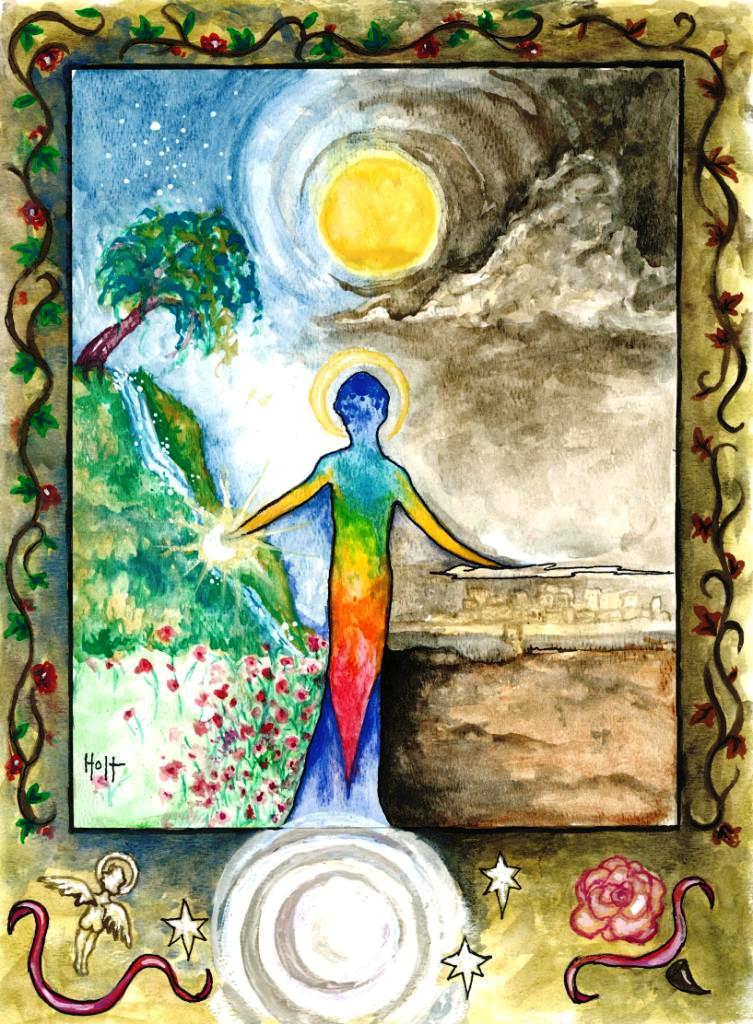
Image by Cynthia Holt JPEG riverside8

Cynthia Holt, living on the other side of this planet, created this painting for me, inspired by two of my poems, Riverhead, and Sleeping Sun … It struck me that the image relates, in essence, equally to the constellation of my novels, yet to be published.

Thank you, Cynthia, for your spontaneous offering. It speaks to how, through interconnections, face to face, or in the realm of the virtual web, we stimulate each other’s creativity.

The image can remind us of the two worlds, indispensable to each other, which we bridge – and how against the canvas of pregnant darkness, the spirit’s eternal light defines our unique myths towards consciousness.

A peaceful Christmas time, and abundant Blessings for the New Year to all …

I’m looking forward to spending a few days in Amsterdam with friends and family.

Since I posted this, Cindy has done a most beautiful post on her mermaid tavern site, including a poem by T S Eliot, a song, and a chart of the Hero’s Journey.

http://mermaidtavern.net/1/post/2015/01/the-law-of-three-artistspoets-and-quantum-physics.html

15 Comments

Filed under Blog

… meeting the other …

None but nature could have written a better curriculum for becoming human …


Attend for a moment to you breathing. If you’re aware of heaviness in any part of your body, breathe the colour of water under a blue sky into that part and let the tension drift into the earth with the out-breath.

In your mind’s eye, find yourself in a meadow, abundant with scented wild flowers. Nearby is the outcrop of a mountain and a welcoming dry cave stirs your curiosity. Entering the cave, you find a spacious passage from which comes a luminous glow. All of a sudden you’re walking on air, and – like a feather on a breeze – you’re floating, floating gently downward into velvety twilight. In your heart you know you’re guided towards a special encounter.

A waft of fresh air brushes your skin. You find yourself standing in a soft beam of light from high above at the centre of a dome-shaped cavern. The circular wall of the dome has tunnels that lead in all directions. You must choose one. Be patient.

White Window, St Cathrine's Chapel - more lowresWithin your reach sits a small bronze bell. Lift the bell and give it a slight nudge. As the clear sound of the bell reverberates in your heart, you’re drawn to one particular tunnel and you know this is the one to follow.

Warm air greets you with otherworldly scents, the crystal walls of the passage glimmer. Soon brightness appears ahead, momentarily blinding. You step forward and slowly make out a landscape of rolling hills with the sun reflecting in a silver stream that meanders towards a distant sea. 

Close by, you notice a strong presence under a solitary tree and feel your heart chime in perfect harmony with the presence. A near transparent human form steps out and mirrors your innermost being. Eyes, radiating love and acceptance, completely affirm you. For an instant you are – you are natural mind, pure consciousness.

A soft voice says: Where is the other?

Pondering the question, a shrouded figure moves, from hiding behind your back, boldly into view. It is a repulsive creature and you want to shush it away.

Greetings to your other, the soft voice of your essence says. Then you realise what the apparition represents, everything you reject and prefer to keep hidden from your consciousness, all you find objectionable, embarrassing and unacceptable in others, and in yourself.

Understanding happens. By denying your inferior being you are also ruled by its whims. And realisation comes – of your body’s wisdom, and of knowledge gained from human frailty you were too proud to value. You see with fresh eyes  and extend the very love and acceptance you absorbed from your essence. The other straightens, lightens. There’s a new respect, an affirmation, a softening.

Turn and look again into the deep compassionate eyes of your essence, absorb this capacity for tolerance in your heart, allow the healing.

Then bow to your essence and return the way you came. Give a nod of acknowledgement to your other, so the shrouded figure won’t slink behind, become resentful and trip you up. Let it walk in view, accepted, even with gratitude for its imperfections and its treasures.

*    *    *

Continuing from my last two posts, this is further classic theme for an inner journey, usually adjusted to the context in which it is used. I kept the narrative short and succinct. Even if you don’t enter the journey experientially, alone, or read to by friend, and allow your own images to emerge, the scenario might spark reflections, and drawings or writings for your diary or chapbook.

It’s humbling to recognise our flaws and the blame we assign to others, and yet, no matter how many veils are falling from our eyes, there’ll always be more projections to be owned, more grudges to let go of, more misunderstandings to tolerate, more hurts to absolve, and more to be embodied of what feeds us from dark roots. Our struggles with conflict and contradiction polish the heart, feed our imagination and create our realities. None but nature could have written a better curriculum for becoming human.

http://www.youtube.com/watch?v=9NrAGJEMnHE          Marie Louise von Franz – The Way of the Dream 2.1 – Our Shadow Knows

One does not become enlightened by imagining figures of light, but by making the darkness conscious. – C G Jung, CW 13: Alchemical Studies. P.335

Everyone carries a shadow, and the less it is embodied in the individual’s conscious life, the blacker and denser it is. At all counts, it forms an unconscious snag, thwarting our most well-meant intentions. – C G Jung

If we could read the secret history of our enemies, we should find in each man’s life sorrow and suffering enough to disarm all hostility. – H W Longfellow

9 Comments

Filed under Blog

… the child in us …

Close your eyes and imagine standing on a beach … warm sand under your bare feet – a light sea breeze brushing your skin – gulls sailing above the sparkling crests of waves. Breathe a while, to the rhythm of the surf lapping at the shore – in – out – in – out – in – out – and let your eyes rest on the silver skyline.

There is nobody here but you – and a visitor – a child you invite to appear as it will.

At what distance does the little person appear?

Observe its posture, age, gender?

What do you sense about it?

Does it look at you, or not?

Is it curious, shy, withdrawn?

Notice your thoughts and feelings, don’t draw conclusions – do nothing.

Sense the realm of consciousness this little person lives in, and still your mind. If the child plays with shells do the same, remaining where you are. If the child skips along the surf, wait. If it takes one step towards you, wait. If it turns its back on you or walks away, sit down and wait. All the while communicate silently – I’m here as a friend.

Yeshen in Surf, colour - lowresHe or she may come close – or not – play with you – or not. Be patient. This little one represents your essence and must be free to approach the strange adult you’ve become as it chooses and when it’s ready. Maybe next time. Don’t over-act. Even if the child is friendly, keep in mind it may try to please your expectations. Remain calm, interested, approachable.

*    *    *

Visiting an imaginary coastline, metaphorically a boundary between the conscious and the less conscious psyche, brings insights even if no images emerge. Try and silence your usual thinking process. Enter the scene as in a daydream, or have a friend slowly read the text.

Insights change from day to day, according to mood. You could experience joy, get a glimpse of what’s important in your life, or be prompted to engage in frank reflections – a valuable process, helping us to develop empathy.

For example, if sadness or pain knock at the sight of this child, ask yourself … have guardians chided your curiosity and strong spirit, or humiliated your weakness and poor confidence? As a result your own adult may have unwittingly come to reject your child as unworthy, regarding it as ungrateful, stubborn, nagging, or awkward with the shame of buried secrets?  Consider – fear of abandonment, punishment or guilt about early fantasies may compel children to please grown ups in order to cope and emotionally survive. The legacy could be a distrust one’s own feelings. Signals received as pain, or love, might equally overwhelm.

Next time you hear a baby or toddler screams, let’s say, in a supermarket, observe what happens in your body, and watch other shoppers. It grates at our nerves at best, and can trigger physically embedded memories of helplessness, and sometimes more. Good to remember when we  judge people who shout and act irrationally. There are behavioural therapies to desensitize triggers that threaten to overwhelm people with rage. Then again, active imagination is more deeply transforming, and the symbolic expression of complex emotions (see later) frees energy and meaning, making a difference to our collective state of consciousness.

If some of these reflections ring true,  return to the imaginary shore as long as it takes to earn the trust of your child. Your adult’s task is simply to be present, reflect, and allow the younger being to initiate communication.

In daily life, begin to set aside pockets of time for that little person in you, encourage a symbolic process, without pressure, to write or draw about early joys, pains, hurts or dark thoughts, like having hated a parent, or once wished someone to drop dead. Children have such fleeting fantasies when they feel threatened and powerless. It’s normal. Holding on to self blame is the problem.

Suffering brought to consciousness lifts the spell of self blame. Despite appearances of confidence and adult bravado, the child in us is often anxious. Deep down may linger legitimate anger, and, deeper still, sadness and the longing for a precious moment of total acceptance. We call it love. It takes time to soften hearts.

Imagination serves multiple roles. It can draw us into habitual loops of negativity and self harm, or stimulate insights and enhance creativity. Artists know this. Imagination can also heal psychic wounds frequently handed down through generations. The healing aspect is especially powerful when employed consciously. Jung called it ‘Active Imagination.’

In this way, every imaginary journeys can be followed up by freeing condensed energy and meaning – symbolically – through drawing, painting, writing, movement, music or play, allowing what wants to emerge, be it forgotten wonders, or burdens, like unacknowledged anger a child had no means to express in early life.

And most significantly, nurturing a trusting relationship and rapport with our younger being invites the Beloved – our essence – and with it the light of intuition and inner guidance.

‘Lovers don’t finally meet somewhere. They’re in each other all along.’  ― Rumi –

Perhaps all the dragons of our lives
are princesses who are only waiting to
see us once, beautiful and brave.
Perhaps everything terrible is in
Its deepest being something
that needs our love.               
— Rainer Maria Rilke –


The imagery above is in continuation of my last post ‘journey into mystery.’

https://courseofmirrors.wordpress.com/2014/02/06/journey-into-mystery/

23 Comments

Filed under Blog