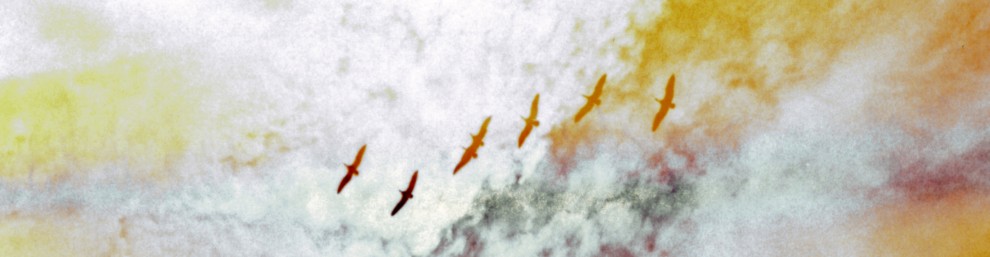
 two orbs surge and ebb
as gold-white-silver-and-blue
flicker through the mesh
of vapour and dust
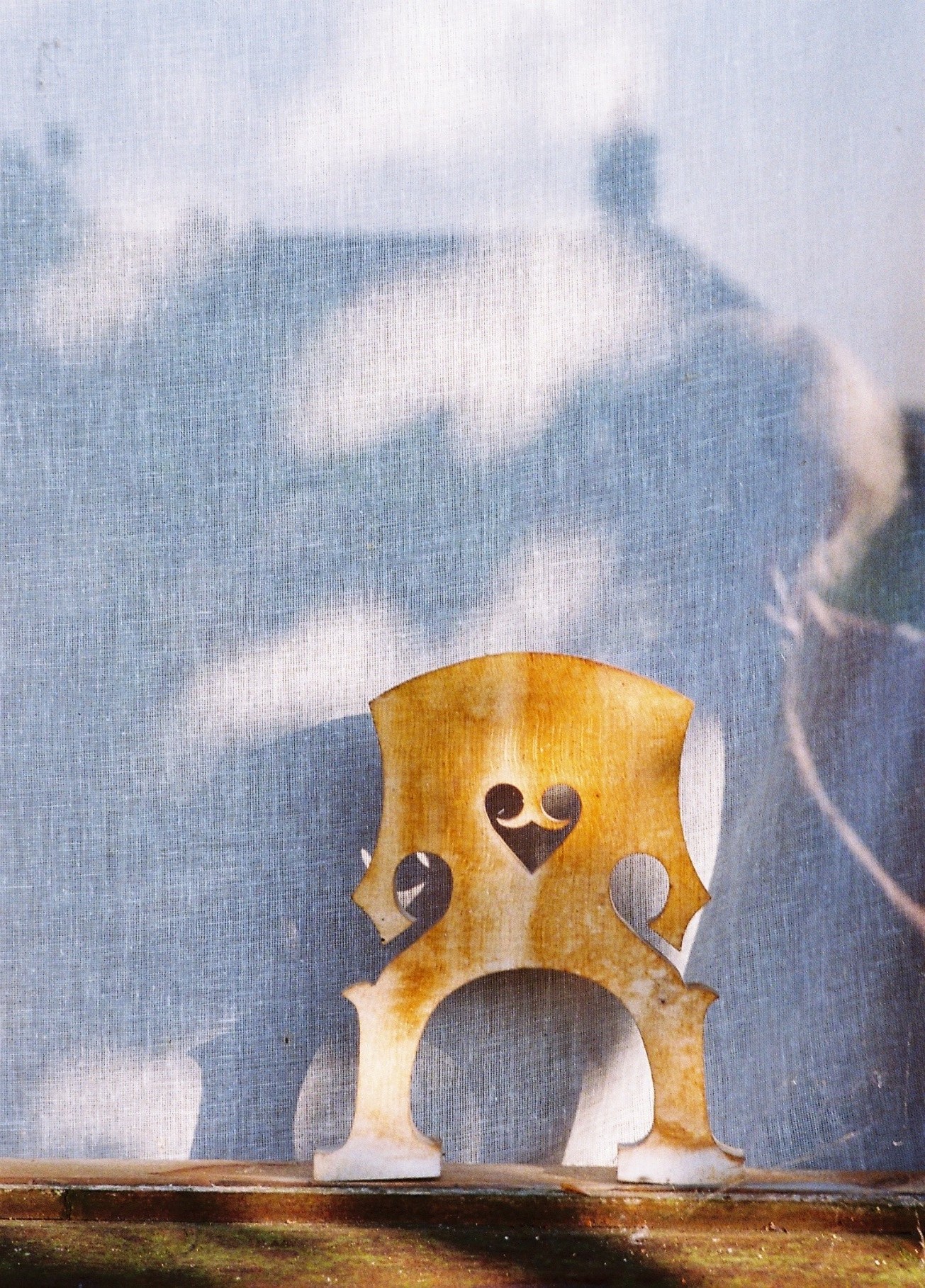
and amid clouds and branches
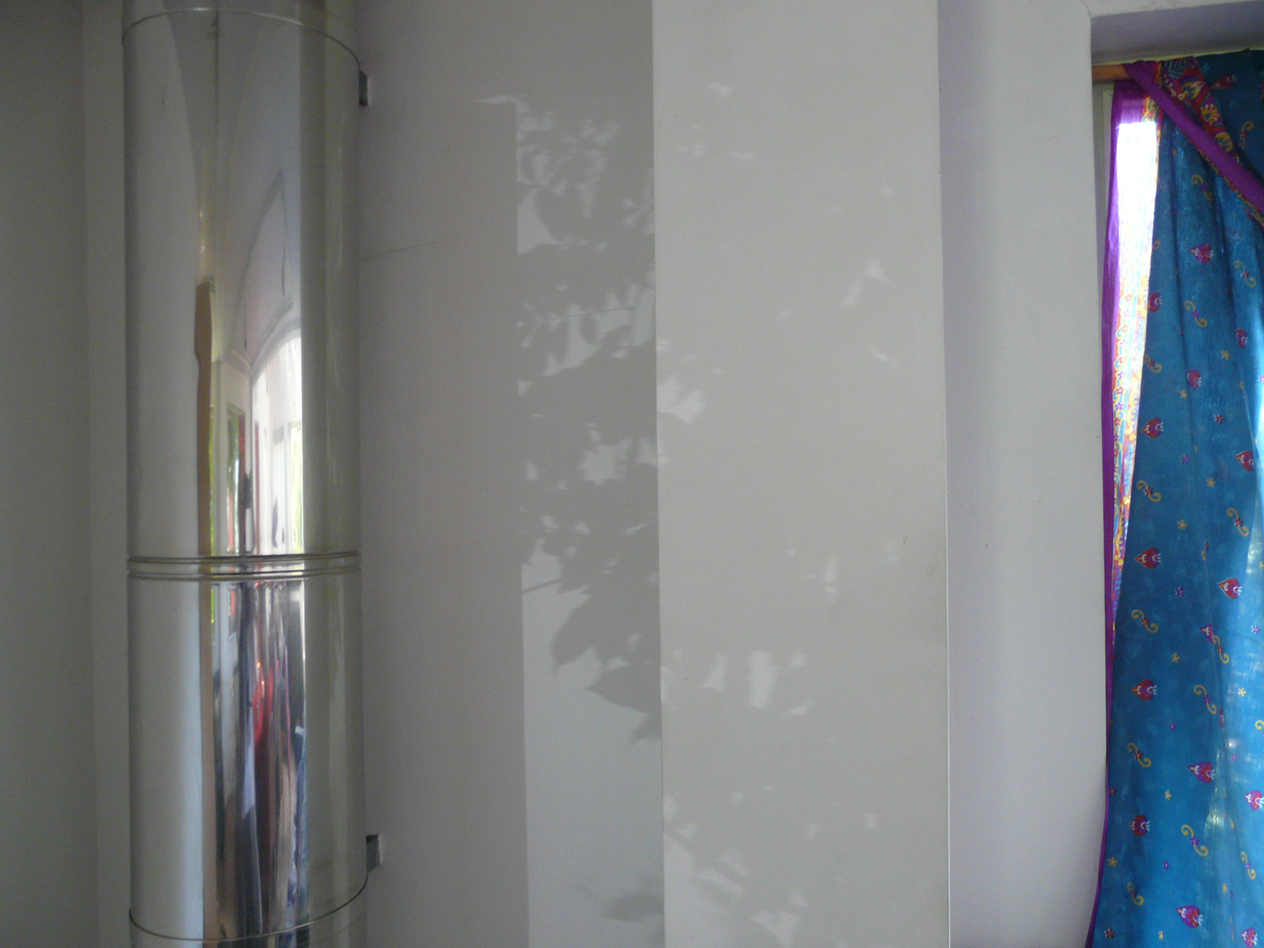
needle shadow lace
through myths and hollows
in dappled light on solids
… visible pointers
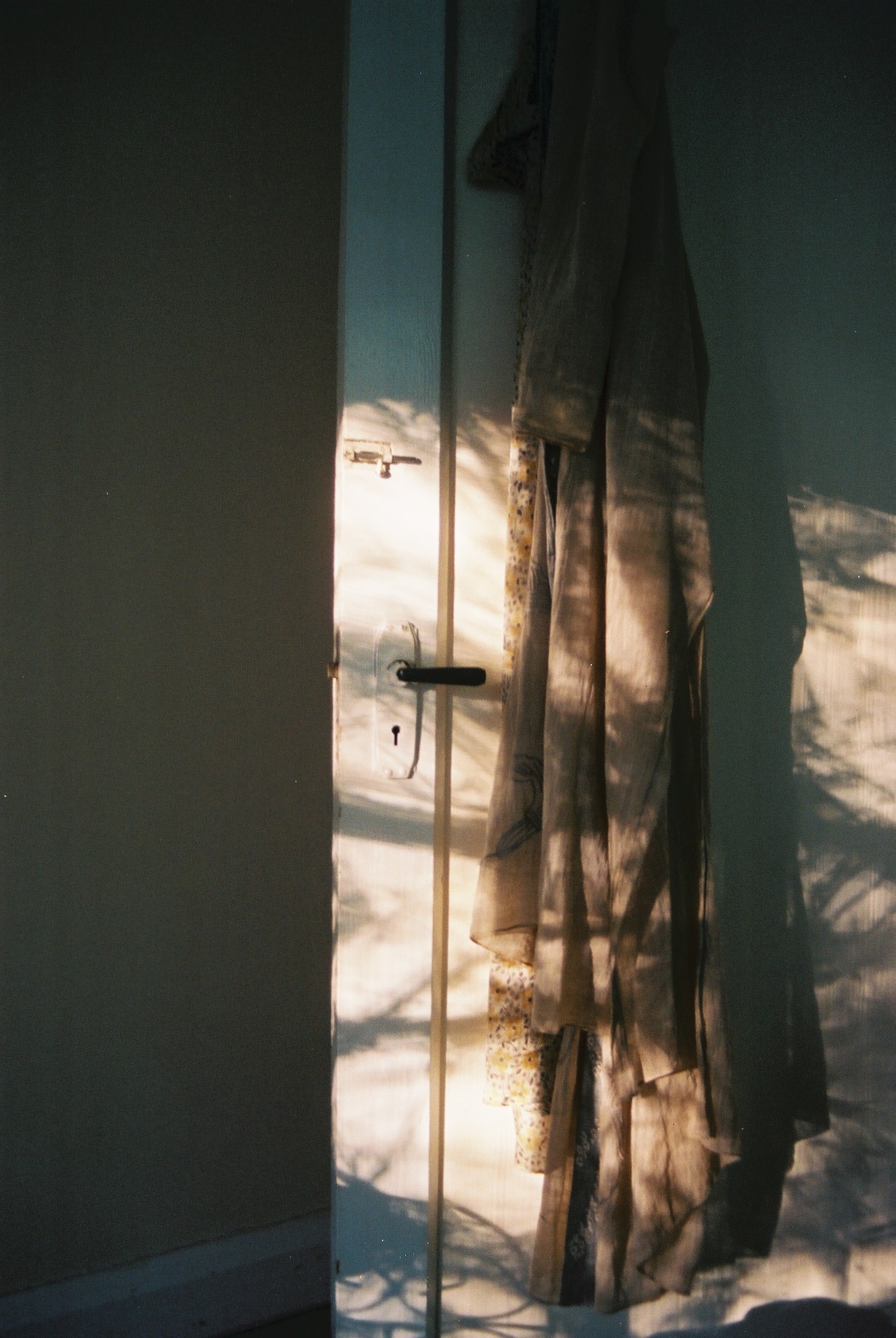 to deep-breathing space
within – the fulcrum from whence
unfolds everything
* * *
I found a poem by Gerard Manley Hopkins (1844-89) – ‘Pied Beauty’ – more musical and sophisticated than my Haiku attempt,and with sincerity of devotion I can’t muster. Enjoy …
Glory be to God for dappled things–
For skies of couple-colour as a brinded cow;
For rose-moles all in stipple upon trout that swim;
Fresh-firecoal chestnut-falls; finches’ wings;
Landscape plotted and pieced–fold, fallow, and plough;
And all trades, their gear and tackle and trim.
All things counter, original, spare, strange;
Whatever is fickle, freckled (who knows how?)
With swift, slow; sweet, sour; adazzle, dim;
He fathers-forth whose beauty is past change:
Praise Him.
* * *
My thoughts on dappled light are a spin-off from an exchange of comments with my on-line friend Joe Linker who asked: ‘Framing – How much light to reveal? Shuttering – How much darkness to avoid?’
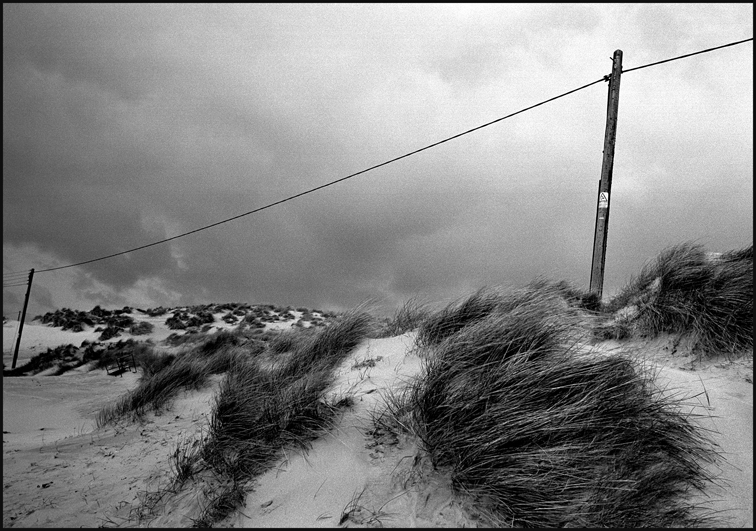
Here a scene from a stormy day in Rye with optimal exposure.
Analogue photography provides brilliant metaphors. No matter how interesting the chosen frame, shutter speed is vital. Too much light will turn the negative dense and dark, bringing bleached-out definitions to the positive print. Too little light produces a thin, transparent negative, resulting in a hard or soggy positive where subtleties of tone are lost. The amount of light is regulated by shutter speed.
In writing this is equivalent to the balance of rhythm, sound and shape of words drawing you into the frame. I’ll keep practising 🙂


 Course of Mirrors